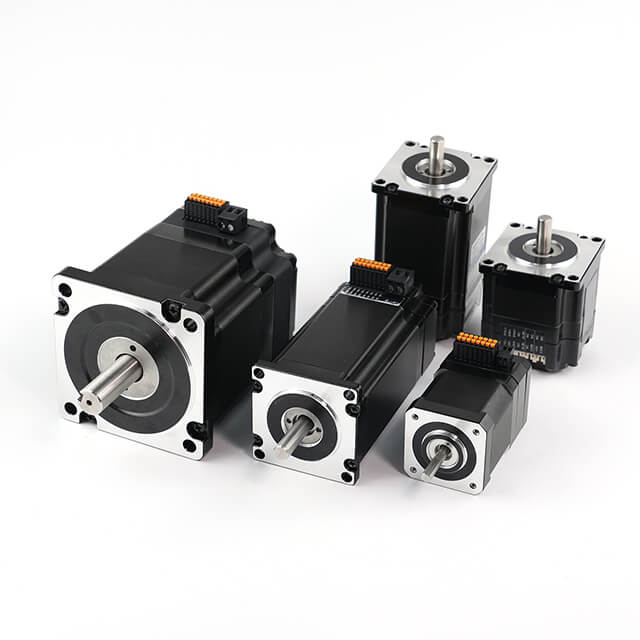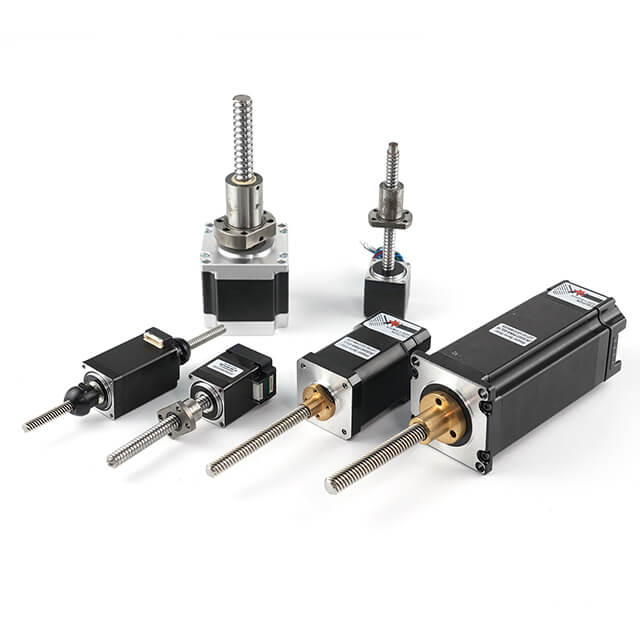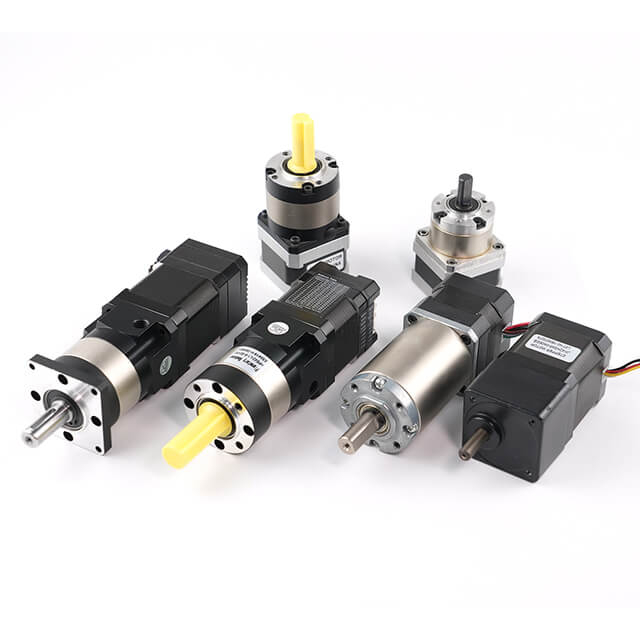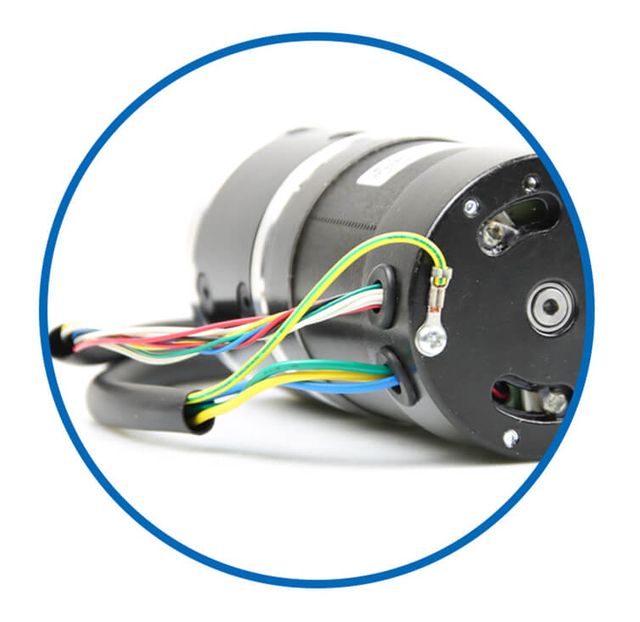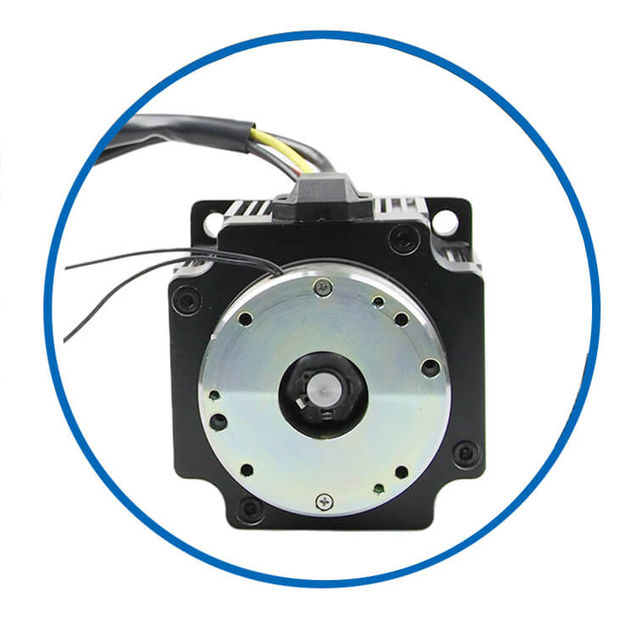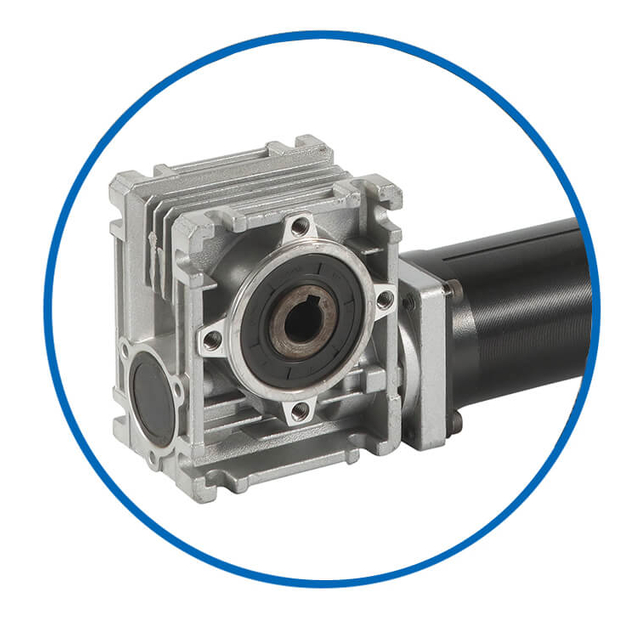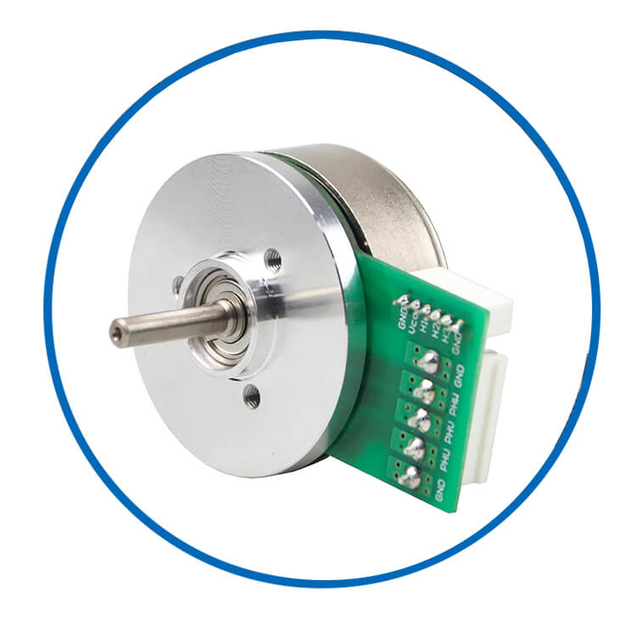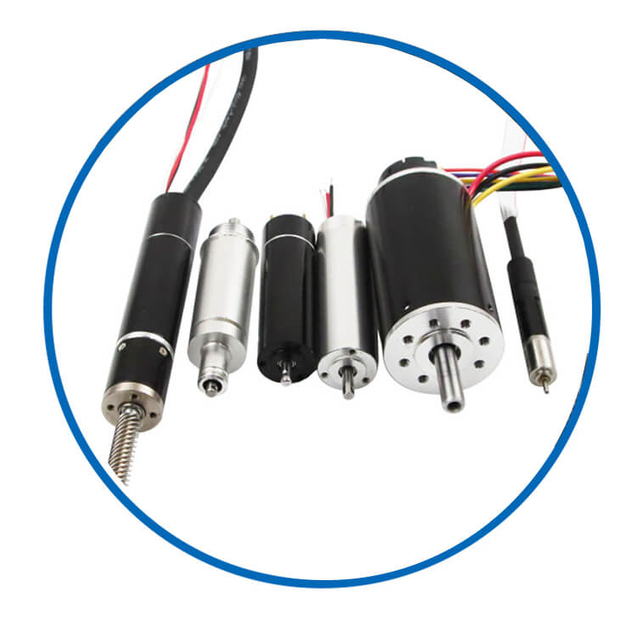
What is an Integrated Servo Motor?
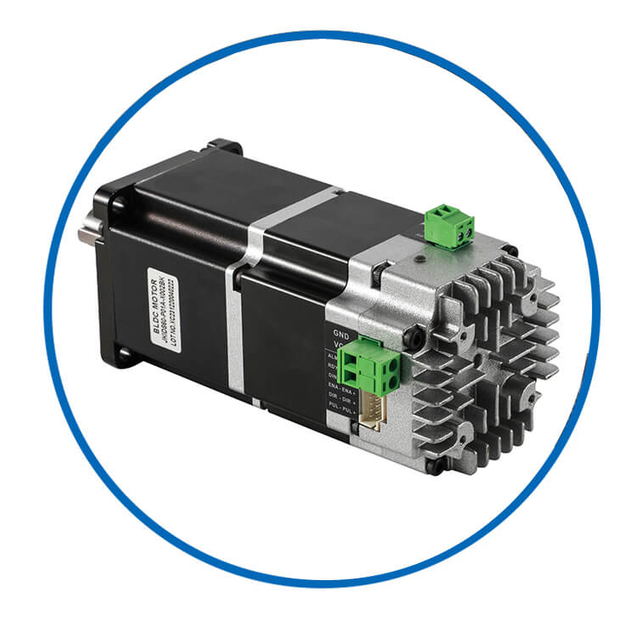
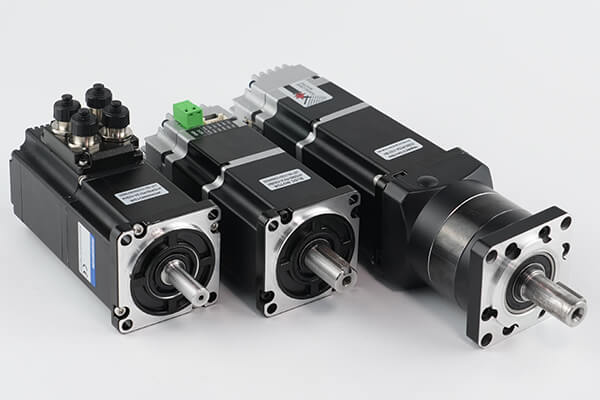
An Integrated Servo Motor, also known as an all-in-one servo, motor-drive-combo, or servo pack, is a compact motion control device that combines the three core components of a servo system into a single, unified housing:
The Servo Motor (the actuator that produces motion).
The Servo Drive (the amplifier that powers and controls the motor).
The Motion Controller (the "brain" that dictates position, speed, and torque).
In traditional setups, these are three separate units connected by cables. The integrated design merges the drive and controller electronics directly onto or into the motor casing.
Motor Customized Service
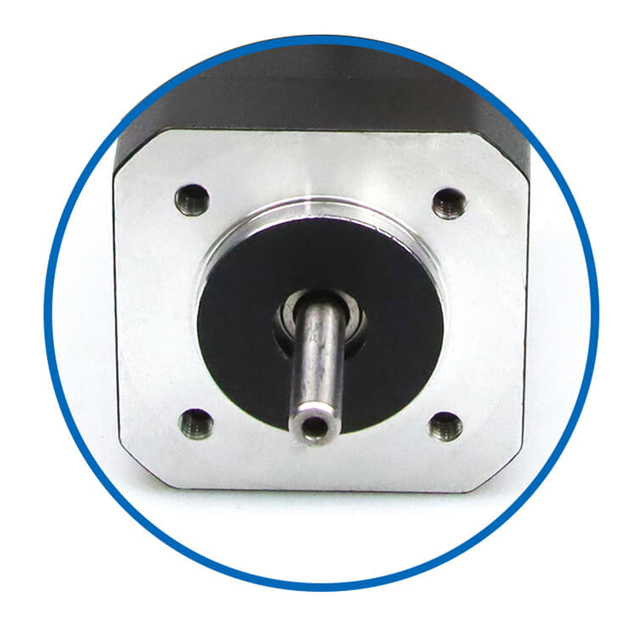
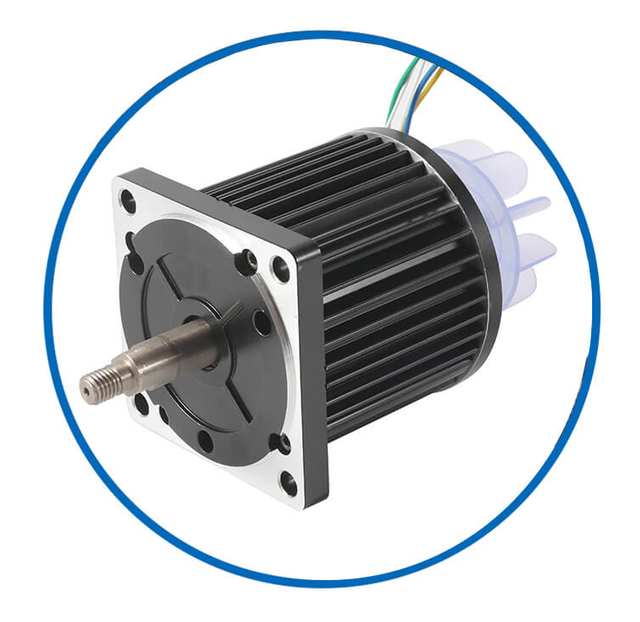
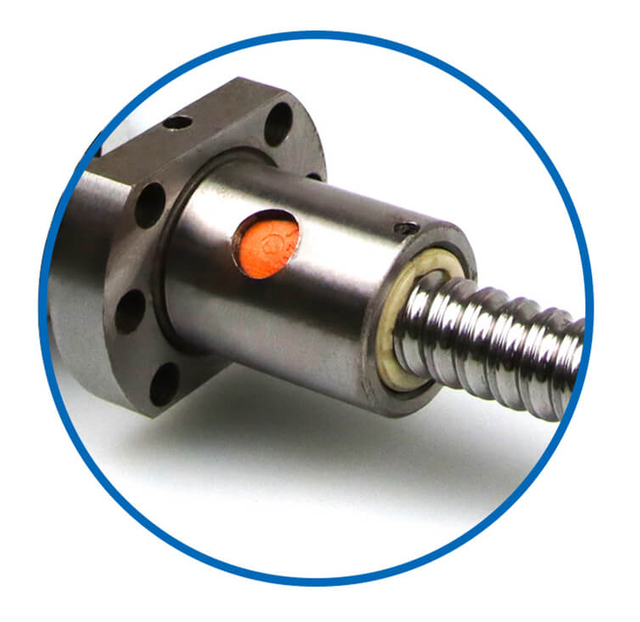
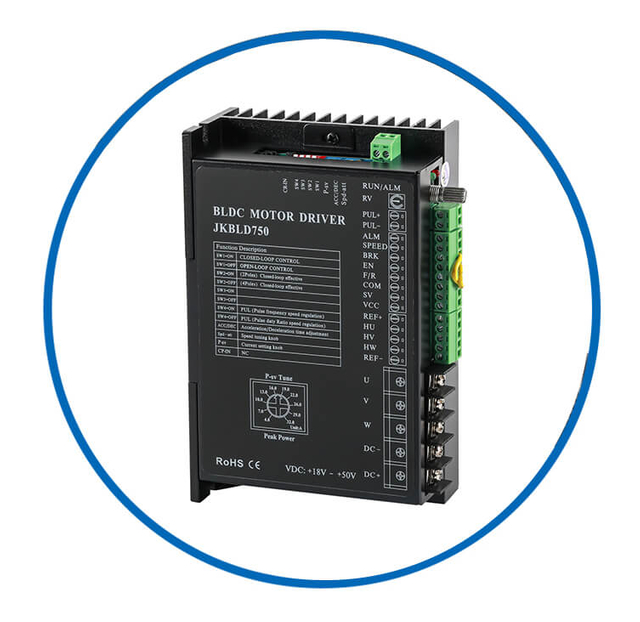
As a professional brushless dc motor manufacturer with 13 years in china, Jkongmotor offer various bldc motors with customized requirements, including 33 42 57 60 80 86 110 130mm, additionally, gearboxes, brakes, encoders, brushless motor drivers and integrated drivers are optional.
![bldc motor supplier]() | ![bldc motor supplier]() | ![bldc motor supplier]() | ![bldc motor supplier]() | ![bldc motor supplier]() | Professional custom brushless motor services safeguard your projects or equipment. No Brushes – Reduced Maintenance and Increased Lifespan High Efficiency and Low Power Loss High Torque-to-Weight Ratio Precise Speed and Position Control Quiet and Smooth Operation Wide Speed Range and Dynamic Performance Excellent Thermal Management Customizable Designs and Modular Configurations Multiple Control Methods Integration with Digital Interfaces and Sensors |
| Wires | Covers | Fans | Shafts | Integrated Drivers |
![bldc motor supplier]() | ![bldc motor supplier]() | ![bldc motor supplier]() | ![bldc motor supplier]() | ![bldc motor supplier]() |
| Brakes | Gearboxes | Out Rotors | Coreless Dc | Drivers |
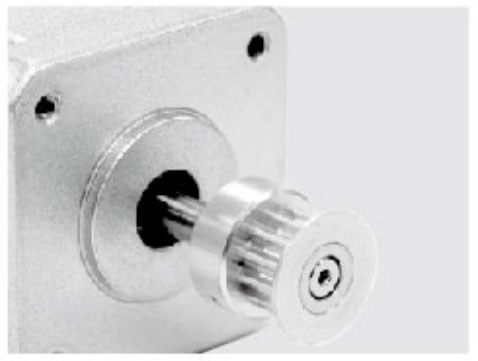
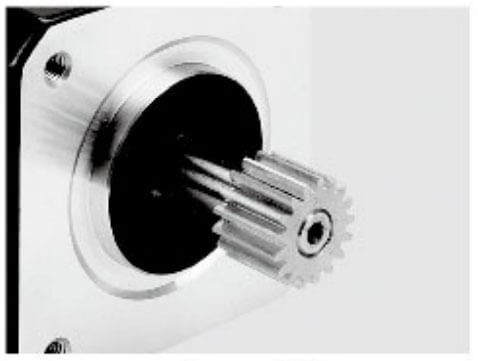
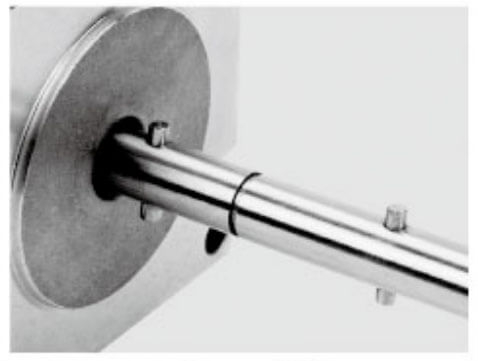
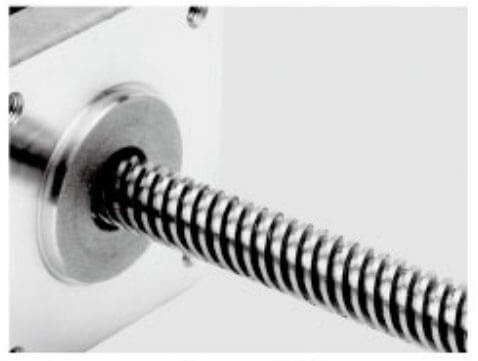
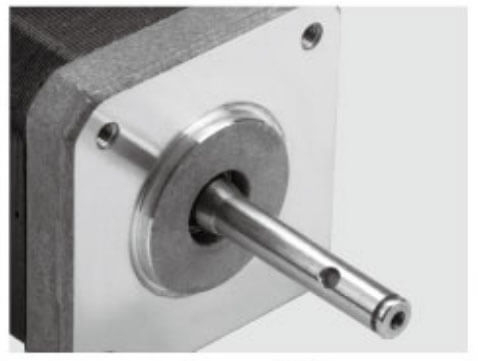
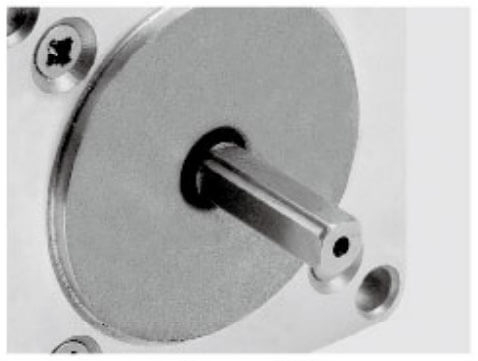
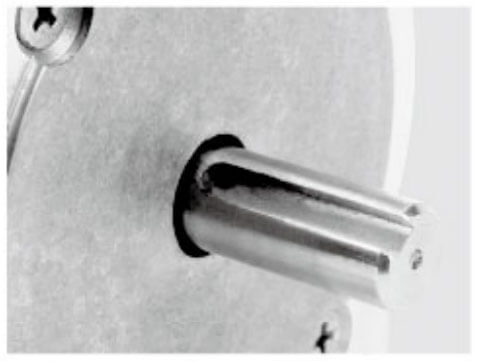
Motor Shaft Customized Service
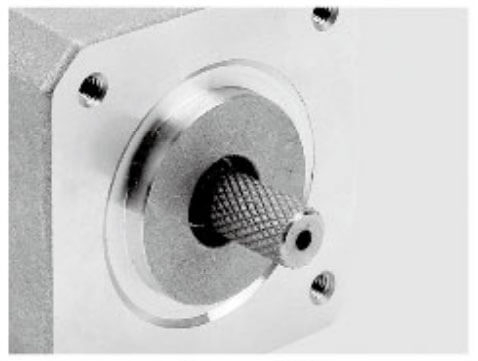
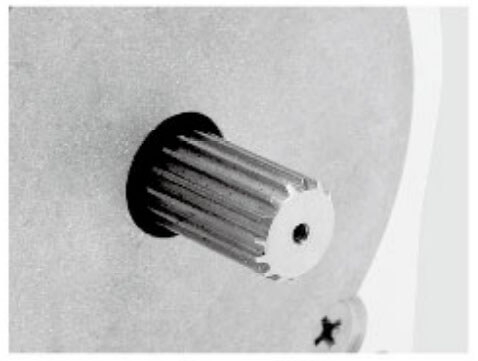
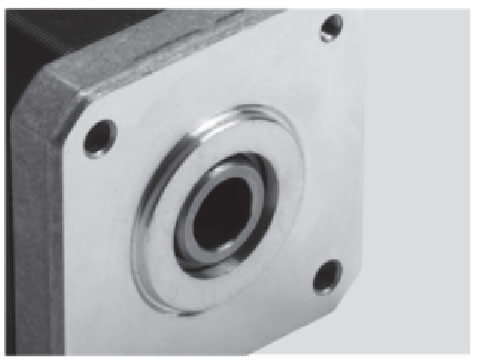
Jkongmotor offer many different shaft options for your motor as well as customizable shaft lengths to make the motor fit your application seamlessly.
How Does Integrated Servo Motor Works: The Integrated Architecture
The principle of operation remains the same as a standard servo system—closed-loop control.
1. Command:
A high-level command (e.g., "move to position 1000") is sent to the integrated unit via a communication network (EtherCAT, CANopen, Modbus TCP/IP, etc.) or simple pulse/direction signals.
2. Processing & Amplification:
The onboard controller processes this command and generates the trajectory. The onboard drive circuit amplifies the low-voltage control signals into the high-power current needed to drive the motor windings.
3. Feedback & Correction:
A high-resolution encoder (built into the motor's rear shaft) constantly reports the motor's actual position, speed, and torque back to the onboard controller.
4. Closed-Loop:
The controller instantly compares the actual feedback with the commanded target. If there's an error (e.g., the motor is lagging due to a load), it adjusts the power output to the motor to correct it in real-time. This loop runs thousands of times per second.
The key difference is that steps 2 and 3 happen inside the motor housing, eliminating most external wiring between components.
Integrated servo motors can be categorized by several technical and architectural factors. Here's a comprehensive breakdown of the types available in the market:
1. By Mechanical Integration Architecture
A. True "All-in-One" / Monolithic Design
Description: The drive and controller electronics are physically embedded within the motor housing itself, typically at the rear or side.
Characteristics:
Examples: Leadshine ACS Series, ESTUN EDC Series
B. "Book-Style" or "Sidecar" Design
Description: The drive module is attached to the side of the motor as a separate but physically connected module.
Characteristics:
Slightly larger than monolithic but easier to cool
Often allows some modularity (same motor can be used with different drive modules)
Better heat separation between motor and electronics
Examples: Some Delta ASD-B3 variants, Yaskawa Σ-7F series
C. "Capacitor-Box" / Rear-Integrated Design
2. By Communication and Control Interface
A. Network Bus Type
B. Control Signal Type
3. By Motor Technology
A. Permanent Magnet Synchronous Motor (PMSM) Type
Most common type (90%+ of market)
High torque density
Excellent dynamic response
Sinusoidal commutation (FOC - Field Oriented Control)
Sub-types:
Surface Mount PMSM: Standard, cost-effective
Interior PMSM (IPMSM): Higher efficiency, better field weakening capability
Less common but used in cost-sensitive applications
Trapezoidal commutation
Simpler control algorithm
Slightly lower performance at low speeds
Often found in lower-power integrated servos
C. Linear Motor Type (Integrated Drive)
Specialized type where the drive is integrated into the linear motor carriage
Eliminates mechanical transmission
Ultimate in direct-drive performance
Very high precision and acceleration
Examples: ETEL, Hiwin, and some Chinese manufacturers offer thes
4. By Functional Capability and Performance
A. Basic Positioning Type
Features: Point-to-point moves, homing, limit switches
Applications: Simple indexing, conveyor positioning
Example: Many cost-focused Chinese brands
B. Advanced Motion Control Type
Features: Gearing, camming, position following, electronic gearing
Applications: Packaging machines, printing, flying cutters
Example: Beckhoff, B&R, high-end INOVANCE models
C. Safety-Integrated Type
Features: STO (Safe Torque Off), SLS (Safely Limited Speed), SS1/SS2 (Safe Stop)
Applications: Collaborative robots, machines requiring safety certification
Example: Siemens SINAMICS V90 with Safety Integrated, some ESTUN models
D. Multi-Axis/Multi-Drive Integrated Type
Description: A single housing contains multiple drive channels controlling multiple motors
Applications: Gantry systems, dual-drive conveyors
Example: Elmo's Multi-Axis drives, some specialized Chinese solutions
5. By Power Rating and Size
A. Micro/Mini Integrated Servos
Power: 50W - 400W
Diameter: 40mm - 60mm frame
Applications: Small robotics, laboratory automation, small actuators
Characteristics: Ultra-compact, often 24-48VDC input
B. Standard Integrated Servos
Power: 400W - 3kW
Diameter: 60mm - 130mm frame
Applications: General factory automation, most robotics
Characteristics: Most common range, 200-480VAC input
C. High-Power Integrated Servos
Power: 3kW - 7.5kW+
Diameter: 130mm+ frame
Applications: Larger machinery, presses, test equipment
Characteristics: Often use forced air cooling, less common in true integrated form
D. Low-Voltage/DC Input Type
Voltage: 12V, 24V, 48V, 72VDC
Applications: Mobile robotics, AGVs, battery-powered equipment
Characteristics: Battery-compatible, often includes regenerative braking management
6. By Cooling Method
A. Natural Convection (Fanless) Type
Description: Relies on housing fins and natural air flow
Advantages: Silent operation, no moving parts (except motor)
Limitations: Lower continuous torque rating
Applications: Clean rooms, medical, audio-sensitive environments
B. Forced Air Cooling Type
Description: Integrated fan for active cooling
Advantages: Higher power density, better thermal performance
Disadvantages: Fan noise, potential for dust accumulation
Applications: Most industrial environments
C. Liquid Cooling Type (Specialized)
Description: Coolant passages in housing
Advantages: Maximum heat dissipation
Disadvantages: Complex, requires coolant system
Applications: Extreme duty cycles, high-power density applications
7. By Market Segment and Origin
A. Japanese/Global Premium Type
Characteristics: High reliability, excellent documentation, comprehensive software
Examples: Yaskawa, Panasonic, Mitsubishi (though their integrated offerings are limited)
Price Point: Premium
B. European Technology Leader Type
Characteristics: Advanced features, superior motion control, software integration
Examples: Beckhoff, B&R (ACOPOSmotor)
Price Point: Premium
C. Chinese Mainstream Type
Characteristics: Excellent cost-performance, rapid feature adoption, good enough reliability
Examples: INOVANCE, ESTUN, Leadshine
Price Point: Competitive
D. Taiwanese Balanced Type
Characteristics: Between Japanese and Chinese in price/performance
Examples: Delta, Hiwin (for linear integrated types)
Price Point: Mid-range
8. By Application Specialization
A. Robotics-Optimized Type
Features: High torque-to-weight ratio, low backlash, hollow shaft options
Communications: Often EtherCAT with daisy-chaining
Example: Many cobot joints use specialized integrated servos
B. Food & Beverage/Washdown Type
Features: IP67/IP69K rated, stainless steel or coated surfaces, corrosion-resistant
Applications: Packaging lines, food processing
Example: Special variants from most manufacturers
C. High-Precision Type
Features: High-resolution encoders (23-bit+), vibration suppression algorithms
Applications: Semiconductor, optics, metrology
Example: Some Googol, ESTUN high-end models
D. High-Speed Spindle Type
Features: Optimized for high RPM operation (10,000+ RPM), liquid cooling
Applications: CNC machining, high-speed milling
Example: Specialized models from Chinese spindle manufacturers
Selection Considerations by Type:
| Application Need | Recommended Type | Key Parameters to Check |
| Compact machine design | Monolithic, Micro type | Dimensions, natural cooling capability |
| High dynamic performance | PMSM, EtherCAT type | Bandwidth, encoder resolution |
| Cost-sensitive project | Chinese mainstream, BLDC type | Total system cost, not just unit price |
| Mobile/portable equipment | DC input, fanless type | Voltage range, efficiency at partial load |
| Multi-axis coordination | Network bus type | Synchronization method, network topology support |
| Harsh environments | Washdown type, forced cooling | IP rating, corrosion protection |
| Simple positioning | Basic pulse type | Input compatibility, homing features |
The integrated servo market continues to evolve, with convergence toward network-based (especially EtherCAT), monolithic designs becoming more powerful, and application-specific optimization becoming more common. The choice depends on balancing mechanical constraints, performance requirements, communication needs, and budget.
Integrated servo motors (often called "all-in-one" servo drives or motor-drive combinations) are a key growth segment in automation. China has become a global hub for their manufacturing, offering a range from cost-effective to high-performance options. Here are 15 leading manufacturers.
1. INOVANCE Technology Co., Ltd.
Company Profile: A leading automation solutions provider in China, listed on the Shanghai Stock Exchange. INOVANCE has rapidly grown to compete directly with international brands in servo, PLC, and variable frequency drives.
Main Products: IS Series, MS Series, and MH Series integrated servo systems. They offer a wide power range with built-in motion control functions.
Advantages: Strong R&D, complete ecosystem (from servo to PLC to HMI), excellent cost-performance ratio, and extensive sales and service network in China and abroad.
2. ESTUN Automation Co., Ltd.
Company Profile: A publicly listed company and one of China's largest integrated servo motor manufacturers of CNC systems, industrial robots, and servo drives. ESTUN is known for its technological depth.
Main Products: EDC Series all-in-one servo drive & motor. They are compact and designed for applications like mobile robots, AGVs, and modular machinery.
Advantages: Deep integration with their robot and CNC products, robust performance, strong in high-end manufacturing and robotics sectors.
3. Leadshine Technology Co., Ltd.
Company Profile: A pioneer and major global integrated servo motor manufacturer in stepper and servo motor systems. Leadshine is renowned for its innovation and quality in motion control.
Main Products: ACS Series integrated servo systems (e.g., ACS606, ACS806). Known for their compact size and simplicity.
Advantages: High reliability, user-friendly setup, strong global distribution network, and excellent value. A top choice for many OEMs worldwide.
4. STEP Electric Corporation
Company Profile: A long-established and large-scale integrated servo motor manufacturer of electric motors and drives, with a comprehensive product portfolio.
Main Products: STM Series integrated servo motor system. Focuses on providing stable and reliable products for general industrial automation.
Advantages: Strong manufacturing base, vertical integration (produces key components), competitive pricing, and widespread industrial application experience.
5. Changzhou Jkongmotor Co., Ltd
Company Profile: Specializes in motors, servo, and motion control systems. Jkongmotor is a leading integrated servo motor manufacturer and known for its focus on technology and solution-driven approach.
Main Products: IDC ISC Series all-in-one servo. Designed for space-constrained applications requiring high performance.
Advantages: Compact and lightweight design, high dynamic response, good vibration suppression algorithms, and strong technical support.
6. Inovance's Subsidiary - SIGRINER (Considered a separate major player)
Company Profile: Originally a separate brand, now under the INOVANCE umbrella but often operates and is recognized independently in the market for specific servo products.
Main Products: Integrated servo motors and drives under the SIGRINER brand.
Advantages: Benefits from INOVANCE's resources while maintaining agility, known for good performance in mid-range applications.
7. Delta Electronics (China)
Company Profile: The Chinese subsidiary of the Taiwanese giant Delta Group. While the brand is Taiwanese, its massive manufacturing and R&D presence in mainland China make it a dominant local player.
Main Products: ASD-B3 Series all-in-one servo drive & motor. Part of their ASDA servo family.
Advantages: World-class quality and reliability, high energy efficiency, seamless integration with other Delta products (like HMIs and PLCs), and superb technical documentation.
8. LS Electric (China)
Company Profile: The Chinese operation of the South Korean LS Group, with significant local manufacturing. It is a major supplier of automation components.
Main Products: L7C Series one-pack servo. Focuses on easy installation and maintenance.
Advantages: Global brand with localized production and support, durable design, and good performance in harsh environments.
9. Beckhoff (China) Automation Co., Ltd.
Company Profile: The Chinese subsidiary of the German Beckhoff, a leading integrated servo motor manufacturer in PC-based control. They manufacture and assemble locally.
Main Products: AM8000 series motors with integrated EtherCAT drive technology (e.g., AX5000 drive functionality integrated into the motor terminal box).
Advantages: Cutting-edge technology, deep integration with EtherCAT and TwinCAT software, reduces cabling significantly, represents the high-end, system-integrated approach.
10. Googol Technology (HK) Ltd. (Shenzhen)
Company Profile: A high-tech integrated servo motor manufacturer specializing in motion control and robotics education/research, with strong products for industrial applications.
Main Products: GTHD Series all-in-one network servo drive.
Advantages: Strong focus on advanced motion control algorithms, popular in R&D, education, and high-precision applications like semiconductor equipment.
11. DASEN Electronics Co., Ltd
Company Profile: A growing integrated servo motor manufacturer focused on medium and high-end servo systems and motion controllers.
Main Products: DMC Series integrated servo systems.
Advantages: Good customization capabilities, responsive to specific customer needs, and gaining reputation for stability.
12. BesFoc Motor
Company Profile: A specialized integrated servo motor manufacturer of stepper and servo systems, with a strong focus on export markets.
Main Products: Integrated servo motors and drives, stepper motors and brushless dc motors with servo offerings as well.
Advantages: Very cost-effective, good for price-sensitive applications, and has a long history in the motion control market.
13. TECO Electro Devices (China)
Company Profile: The mainland China arm of the Taiwanese TECO Group, a well-established electrical and automation equipment manufacturer.
Main Products: SFT Series all-in-one servo system.
Advantages: Reliability from a large industrial group, good after-sales service, and a comprehensive product line beyond servos.
14. ZKTC (Zhongke Tec.)
Company Profile: A technology integrated servo motor manufacturer specializing in brushless DC motors, drivers, and integrated solutions.
Main Products: Compact integrated servo motors, particularly for lower power applications (e.g., medical devices, small automation).
Advantages: Expertise in compact design, quick delivery for standard models, and strong in niche, small-scale automation.
15. Inovance's Jiangsu Heli (Considered for completeness)
Company Profile: A leading integrated servo motor manufacturer within the broader INOVANCE ecosystem/supply chain, sometimes referenced separately for specific motor manufacturing.
Main Products: Servo motors and integrated solutions.
Advantages: Benefits from the scale and technology flow of the INOVANCE group, contributing to the overall supply chain strength.
Key Advantages of Integrated Servo Motors
1. Compactness & Space Savings:
The most significant benefit. By eliminating the separate drive cabinet and associated components, they save enormous panel space, enabling smaller and cleaner machine designs.
2. Simplified Wiring & Lower Cost:
Reduces the need for:
High-power cabling from drive to motor.
Feedback cables (encoder cables).
Complex shielding and conduit.
This cuts material costs, installation time, and potential points of failure (connectors).
3. Easier Installation & Maintenance:
Plug-and-play architecture. You primarily need a power supply and a communication cable (often a daisy-chained network cable). This simplifies commissioning and replacement.
4. Improved Reliability & Noise Reduction:
With shorter internal power paths and no long, sensitive encoder cables, the system is less susceptible to electromagnetic interference (EMI) and electrical noise, leading to more stable operation.
5. Distributed Intelligence:
Enables a modular machine design. Each axis is an intelligent node on a network, making the system more scalable and fault-tolerant. If one axis fails, it doesn't necessarily cripple the entire control cabinet.
1. Heat Dissipation:
Concentrating electronics and power components in one place generates heat. Integrated servos rely heavily on the motor's housing for heat sinking, which can limit their continuous torque output or require careful sizing for high-duty-cycle applications.
2. Power Limitations:
While growing, the practical upper power range for integrated servos is typically below that of high-power, separate drive systems. They excel in low to medium power applications (roughly from a few watts to ~3-5 kW).
3. Limited Customization/Expansion:
They are a more self-contained solution. Adding external feedback devices (like a linear scale for full closed-loop) or custom filtering can be more difficult or impossible.
4. Serviceability:
If one part fails (e.g., the drive section), the entire unit often needs to be replaced, whereas in a traditional system, you could swap just the drive.
Integrated servos are ideal for applications where space, cabling complexity, and modularity are critical:
Mobile Robots & AGVs: Compact, battery-powered designs benefit immensely from the space and wiring savings.
Collaborative Robots (Cobots): Essential for their lightweight, compact joint design.
Gantry & Cartesian Systems: Simplifies multi-axis wiring; each axis can be a daisy-chained node.
Conveyor Systems: Modular conveyor sections can have their own integrated servo, powered and controlled by a single cable.
Semiconductor & Electronics Manufacturing: Where machine footprint is at a premium and cable management is critical.
Packaging, Printing, and Textile Machinery: For individual axis control in densely packed machines.
Medical and Laboratory Automation: Where clean, compact designs are required.
Modern integrated servos almost universally use fieldbus networks, making wiring even simpler:
EtherCAT: The dominant standard for high-speed, deterministic control.
CANopen: A robust and widely adopted standard, especially in mobile equipment.
Modbus TCP/IP: Common for simpler integration into PLC systems.
PROFINET, Ethernet/IP: Popular in factories standardized on these industrial Ethernet protocols.
Conclusion
The Integrated Servo Motor represents a major trend in motion control towards miniaturization, simplification, and distributed intelligence. It trades the raw power and heat dissipation capability of large, separate drives for a streamlined, network-centric architecture perfect for the era of smart, modular, and compact machinery. When selecting one, careful consideration of thermal performance, power requirements, and the available network ecosystem is crucial.
Important Note: The Chinese automation market is dynamic. INOVANCE and its related entities hold a dominant position with multiple brands and a vast ecosystem. ESTUN and Leadshine are also giants with distinct strengths. When selecting a supplier, it's crucial to evaluate based on specific technical requirements, power needs, communication protocol (EtherCAT, CANopen, etc.), and local support availability.