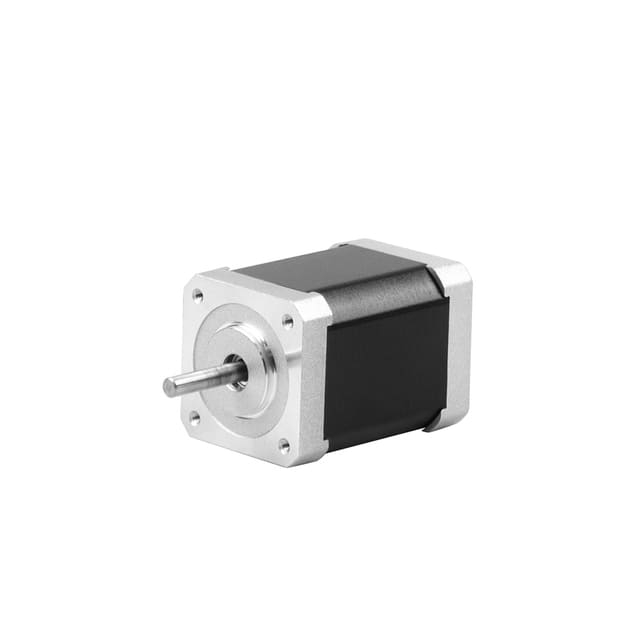
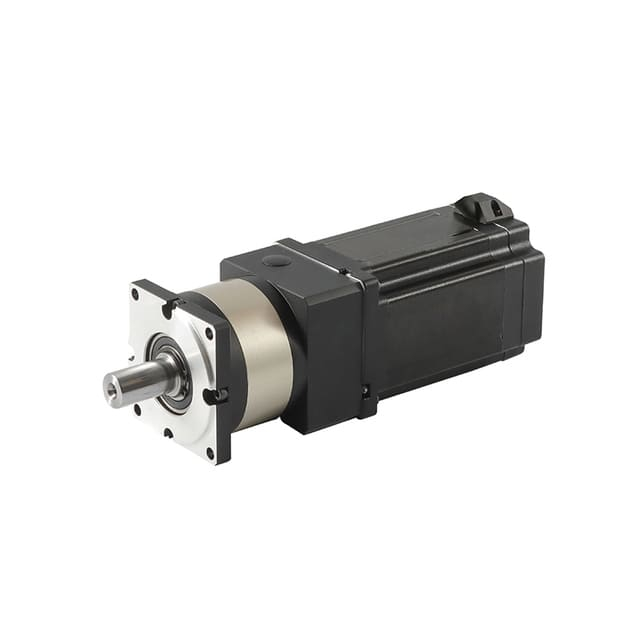
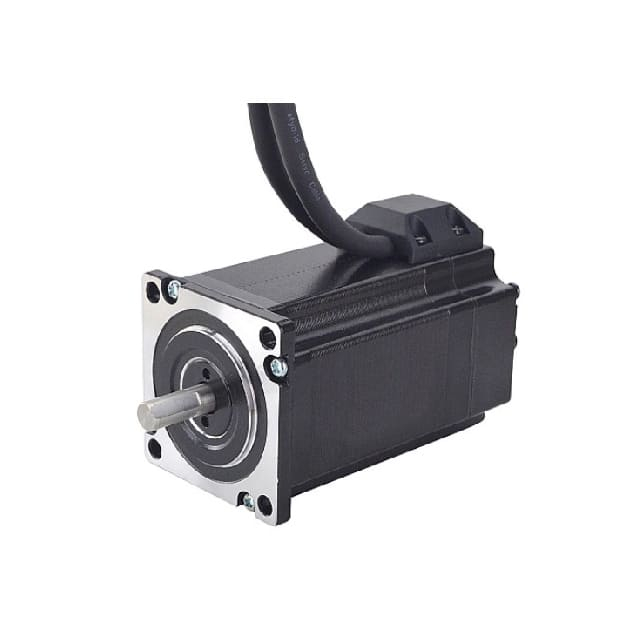
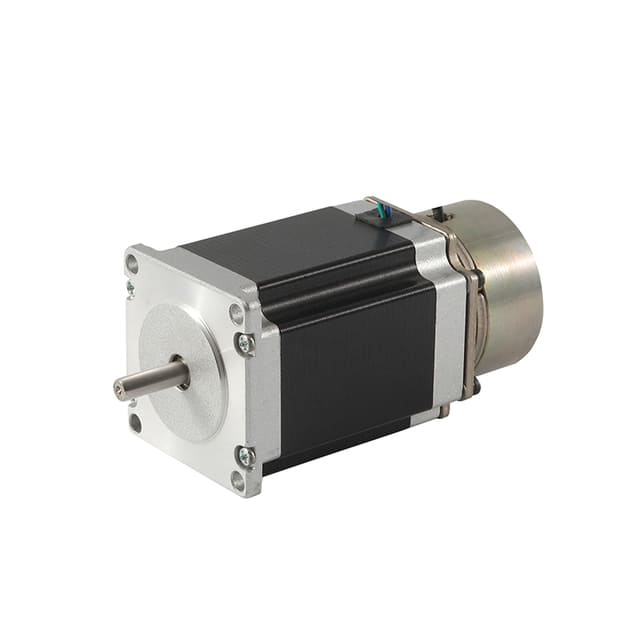
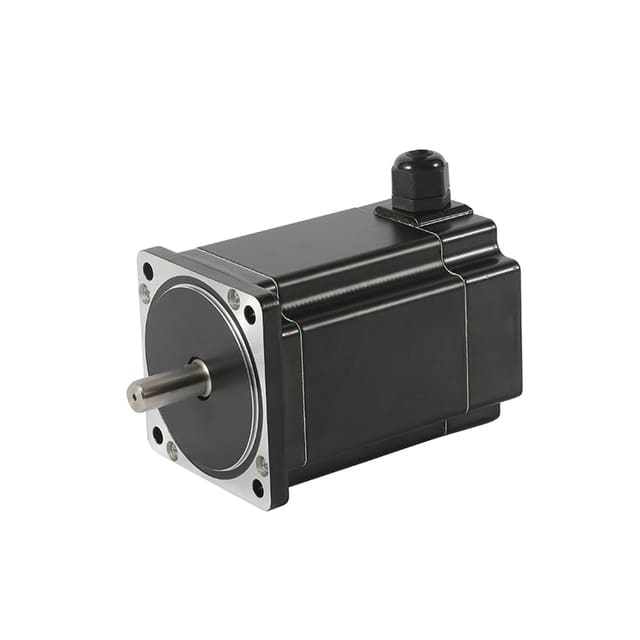
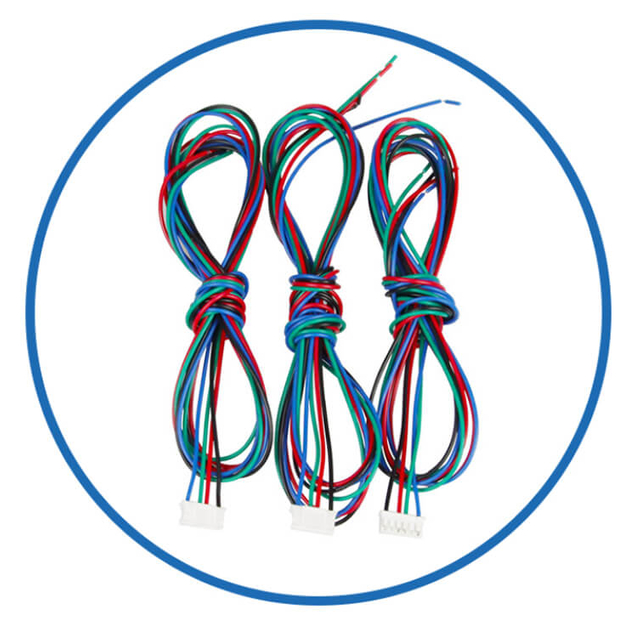
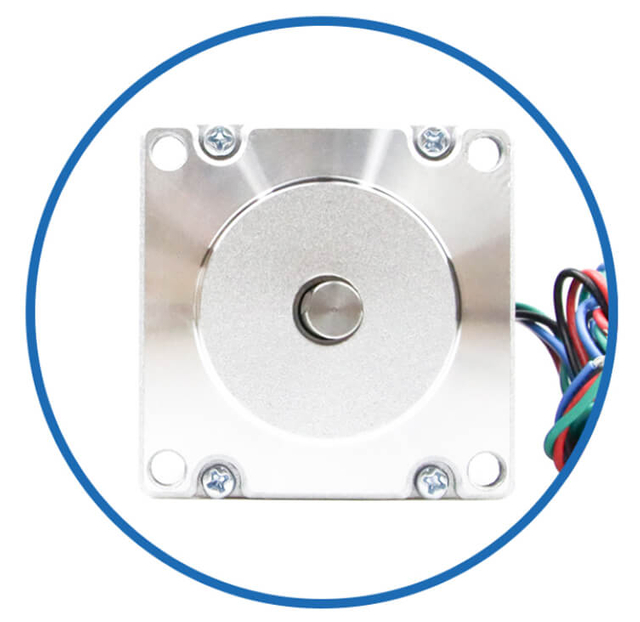
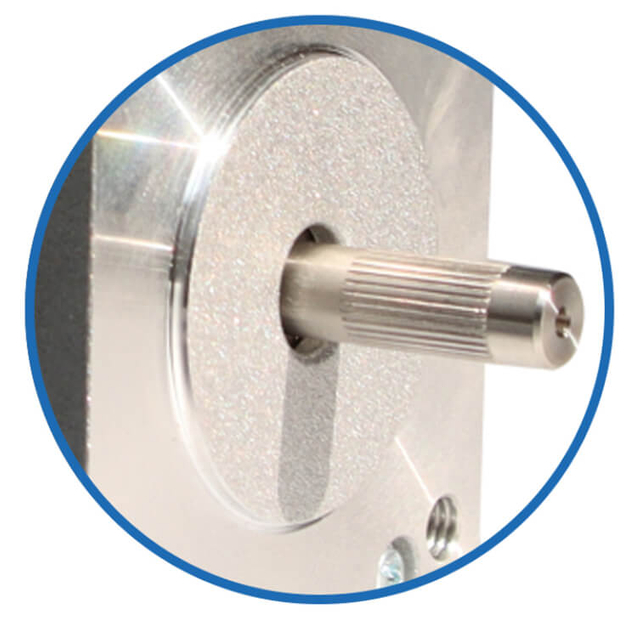
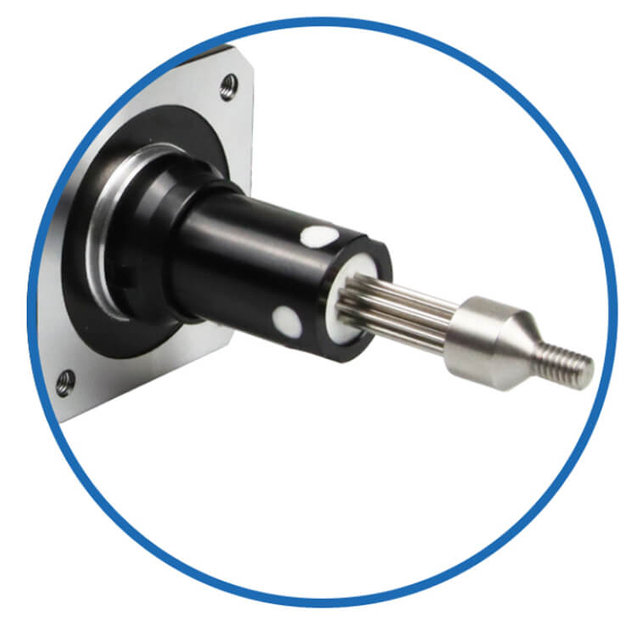
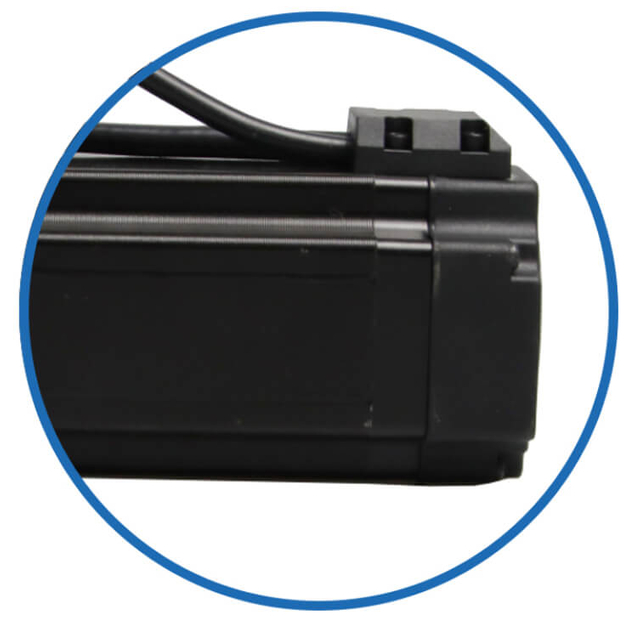
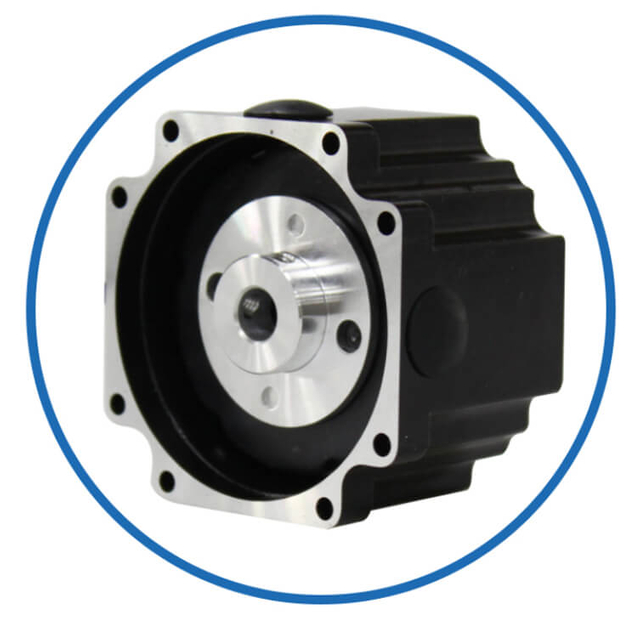
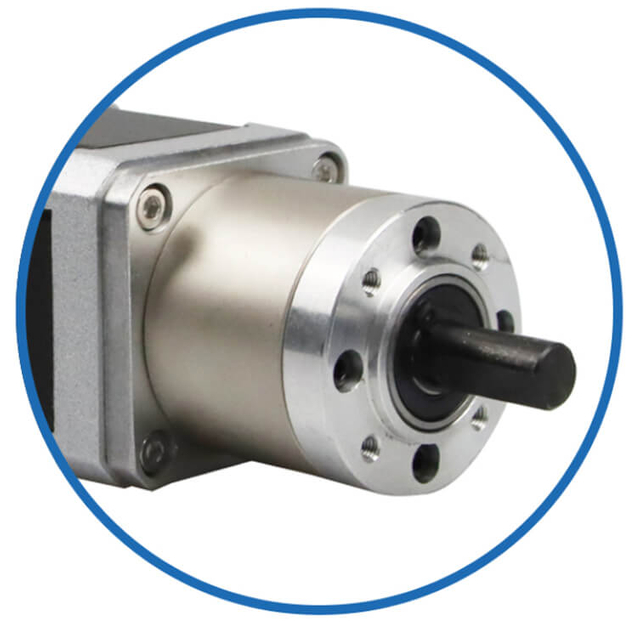
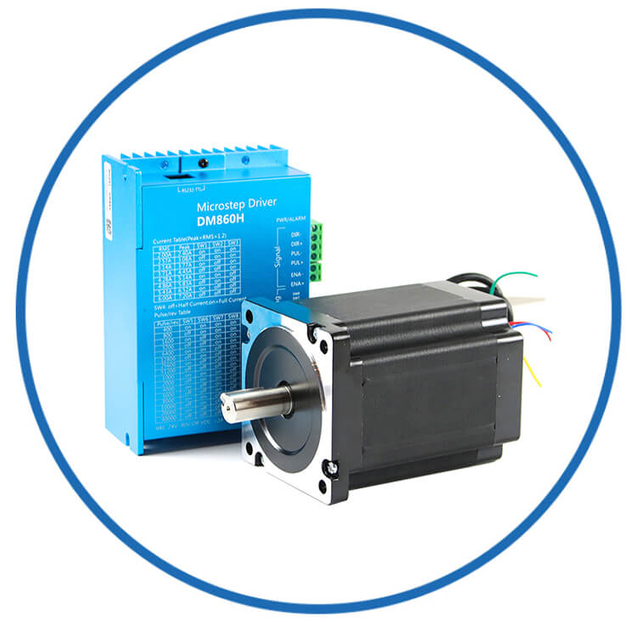
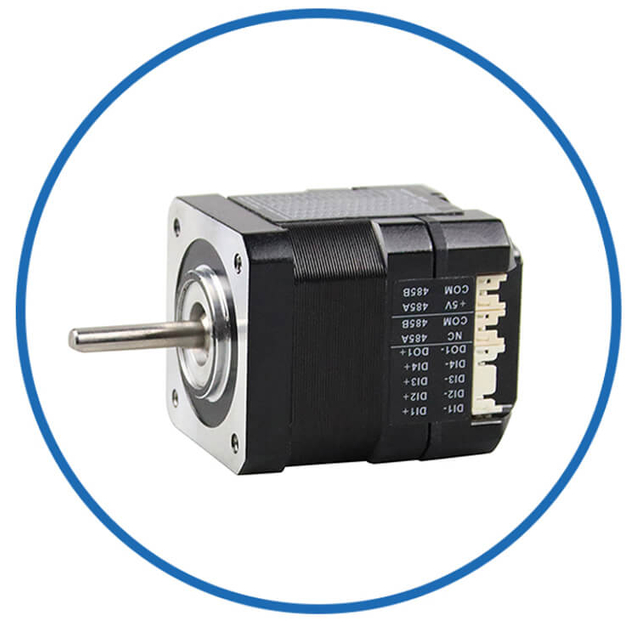
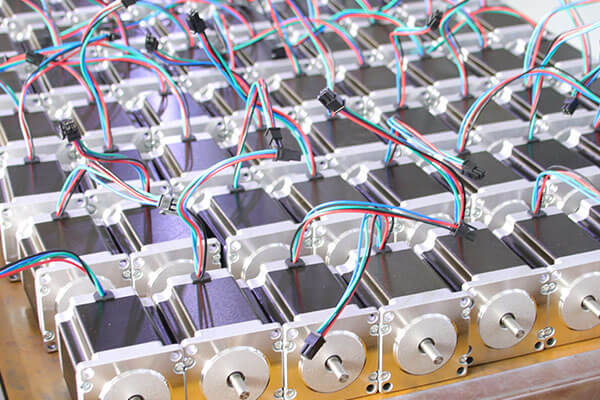
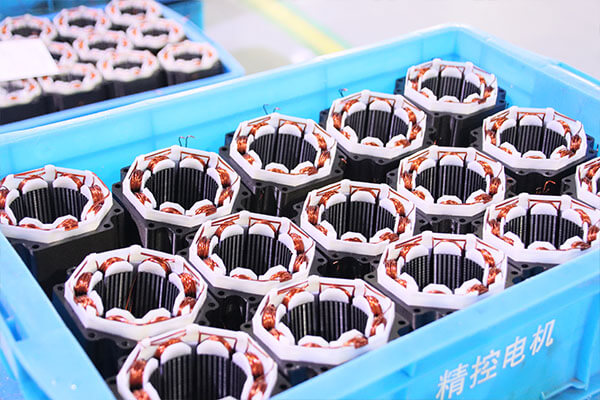
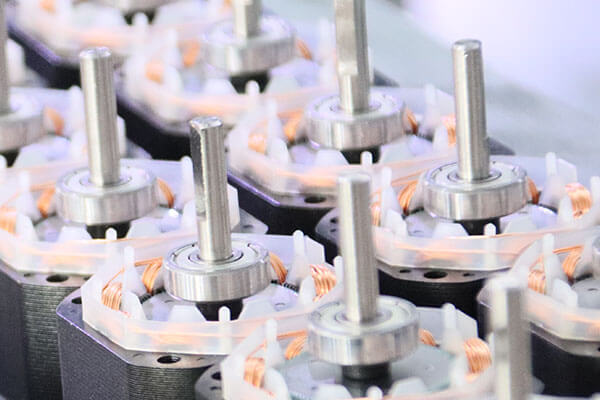
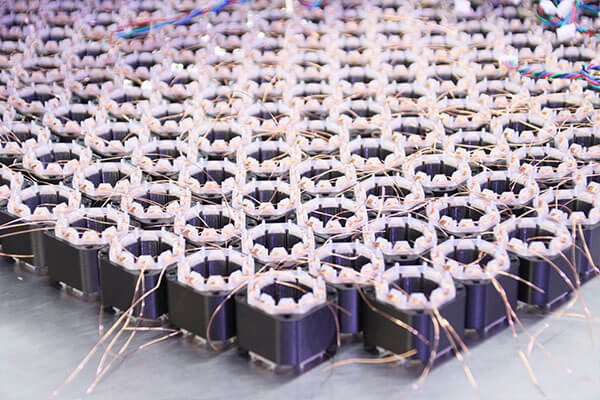
Experience next-generation motion control performance with our professional Stepper Motor Solution Provider services. Designed for precision-driven industries, we deliver fully customized motion systems that combine reliability, efficiency, and advanced engineering expertise. From industrial automation to medical equipment and smart manufacturing, our stepper motor solutions ensure accurate positioning, smooth operation, and long-term stability. With strong OEM/ODM capabilities and strict quality control, we empower your projects with dependable performance and scalable production support you can trust.
CHANGZHOU JKONGMOTOR CO.,LTD. was founded in 2010,is a professional high-tech manufacturer of stepper motors and brushless motors.Now 100+ employees, workshop area of 7,000 square meters.
We are a professional manufacturer in Changzhou city, China. Production Capacity exceeds more than 2 million motors per year. Our Company offers many major series of products: Hybrid Stepper motors, Closed Loop Stepper Motor, Linear Stepper Motor, Brushless Dc motor, Dc Brush motor, Motor Driver, Geared Motor, Brake Motor, PM Stepper Motor, Power Supply and so on... We are always continues develop new type models.
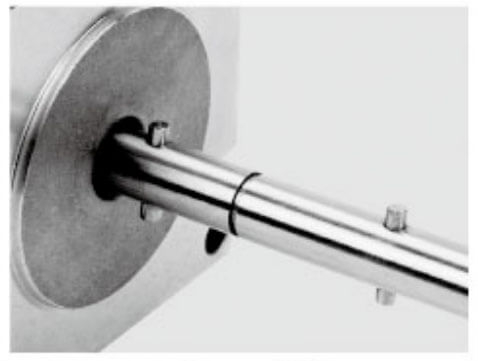
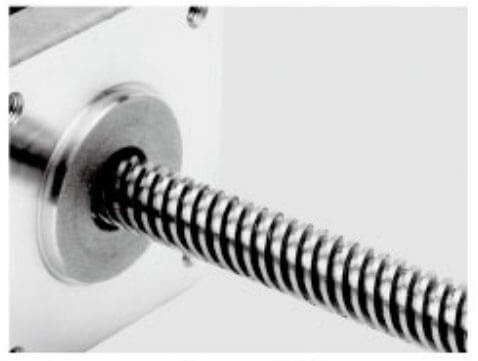
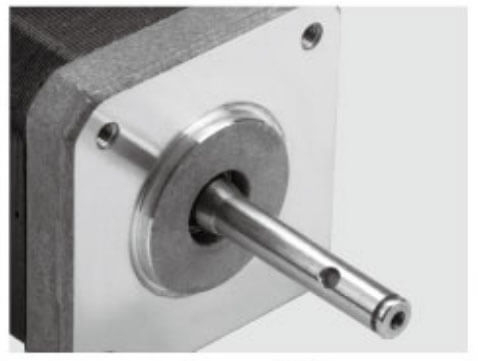
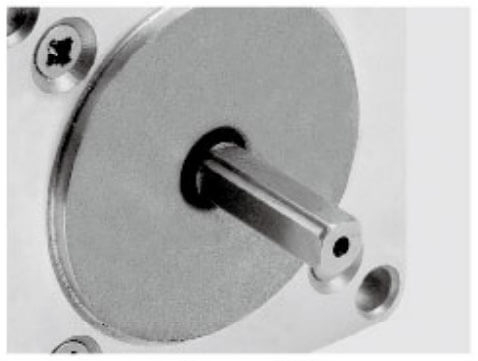
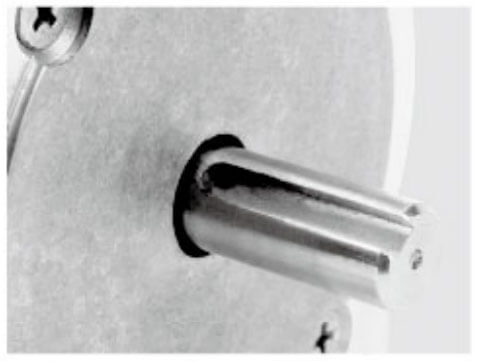
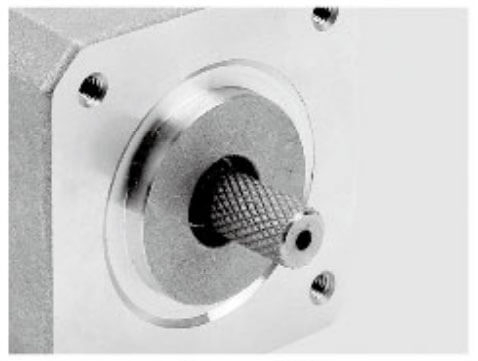
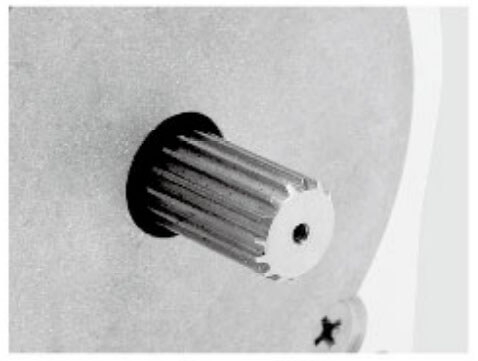
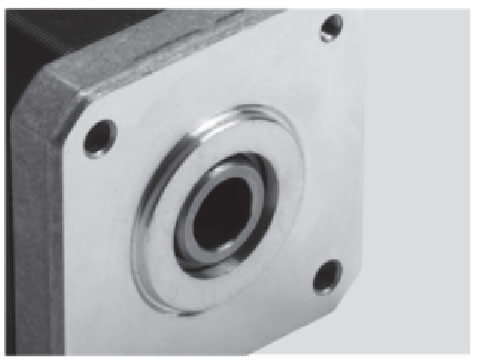
JKongmotor provides comprehensive OEM ODM Customized stepper motor solutions, including hybrid, bipolar, unipolar, and 2phase stepper motors with tailored torque, speed, mechanical structure, integrated drivers, encoders, brakes, and communication protocols such as RS485 and CANopen. From concept design to mass production, every stepping motor is engineered for application-specific performance, precision, and reliability.
There are three main types of stepper motors used in industrial automation:
Simple structure
Low cost
Moderate precision
No permanent magnet
High stepping rate
Lower torque output
Combines PM and VR technology
High torque
High precision (0.9° and 1.8° step angle)
Widely used in CNC machines, robotics, medical devices, and AGV equipment
In modern industrial applications, hybrid stepper motors are the most widely used type due to their performance and reliability.
A stepper motor’s speed depends on driver frequency, load conditions, and motor design.
0–300 RPM → High torque and stable positioning
300–1000 RPM → Standard industrial operation
Up to 2000 RPM or higher → With high-voltage driver and light load
Most stepper motors perform best between 100–600 RPM, where torque and stability are balanced.
Precise positioning
Low to medium speed applications
High holding torque at zero speed
A stepper motor typically requires 2V to 5V rated voltage per phase, but in real industrial applications, the driver supply voltage is usually 12V, 24V, or 48V DC.
The rated voltage printed on the motor is based on coil resistance.
The actual operating voltage depends on the stepper driver.
Higher supply voltage (such as 24V or 48V) improves:
High-speed performance
Torque output at higher RPM
Acceleration capability
For CNC machines, 3D printers, robotics, and AGV systems, 24V and 48V stepper motor systems are the most common.
There is no absolute “better” option—it depends on the application:
Stepper motors are better for low-cost, moderate-speed, high-precision positioning without feedback.
Servo motors are better for high-speed, high-efficiency, and closed-loop applications requiring dynamic performance.
For simple positioning systems, stepper motors are often more economical. For demanding automation systems, servo motors provide superior performance.
High positioning accuracy
Simple open-loop control
Good low-speed torque
Cost-effective
High reliability
Lower efficiency compared to servo motors
Can lose steps under overload
Not ideal for high-speed continuous operation
Generates heat at standstill
Here are 10 common stepper motor applications:
CNC machines
3D printers
Laser cutting machines
Robotics
Medical pumps
Packaging machines
Textile machinery
Printers and scanners
Camera pan-tilt systems
Automated inspection systems
These applications require precise motion control and repeatability.
A stepper motor is powered by:
A DC power supply
A stepper motor driver
A controller (such as PLC or microcontroller)
The controller sends pulse signals to the driver, and the driver regulates current to the motor windings.
Stepper motors are best used for:
Precise positioning
Low-speed torque applications
Repeatable motion control
Open-loop control systems
They are commonly used in CNC machines, 3D printers, robotics, and automation equipment.
The main difference between a stepper motor and a regular motor (such as an induction or brushed DC motor) is control and movement style:
Stepper motor: Moves in discrete steps with precise position control.
Regular motor: Rotates continuously when powered.
Stepper motors are ideal for positioning tasks.
Regular motors are better for continuous high-speed rotation.
Stepper motors do not always require feedback systems, while regular motors often need encoders for precision control.
Two-phase stepper motors can have two types of windings: bipolar and unipolar.
Torque Difference: In bipolar drive mode, the output torque is approximately 40% greater than that in unipolar mode due to complete excitation of the winding coils in each phase.
© COPYRIGHT 2025 CHANGZHOU JKONGMOTOR CO.,LTD ALL RIGHTS RESERVED.