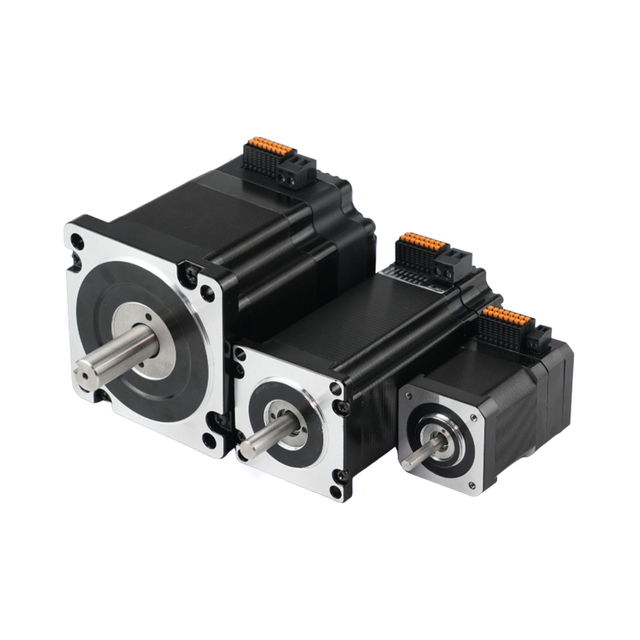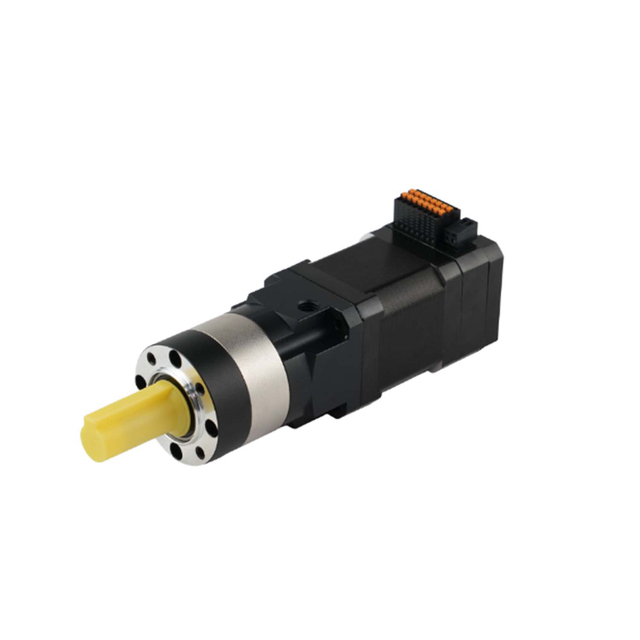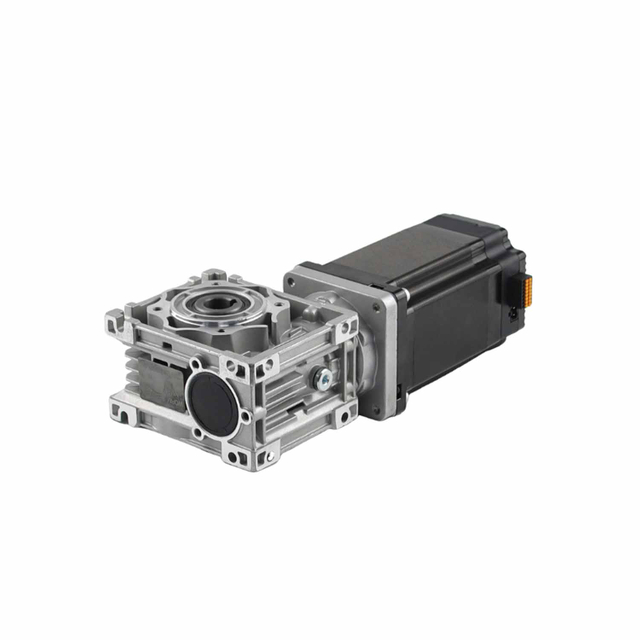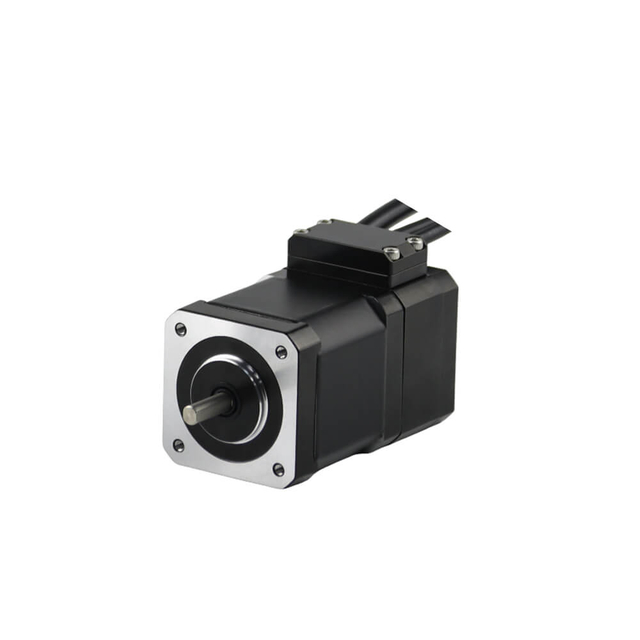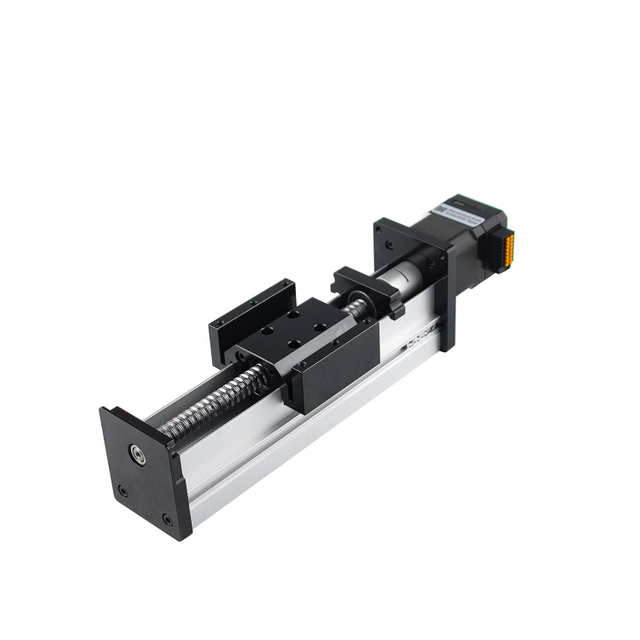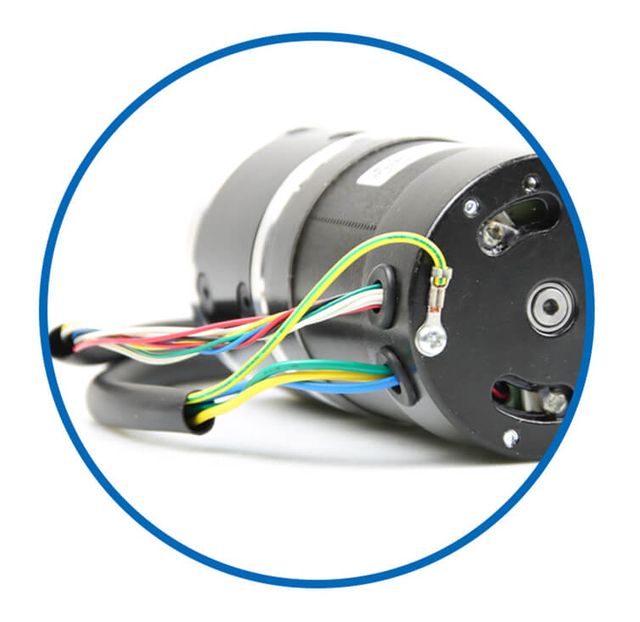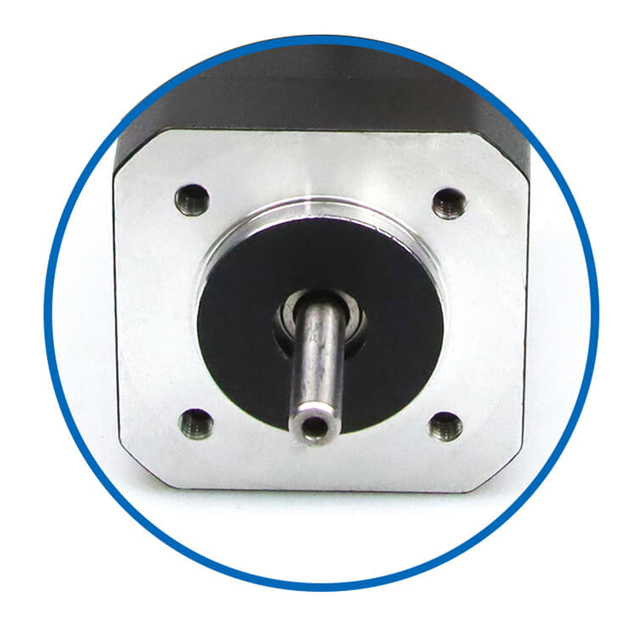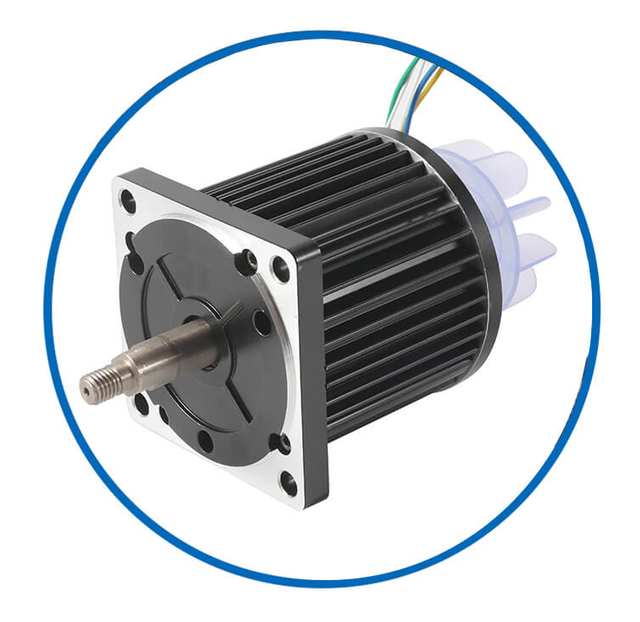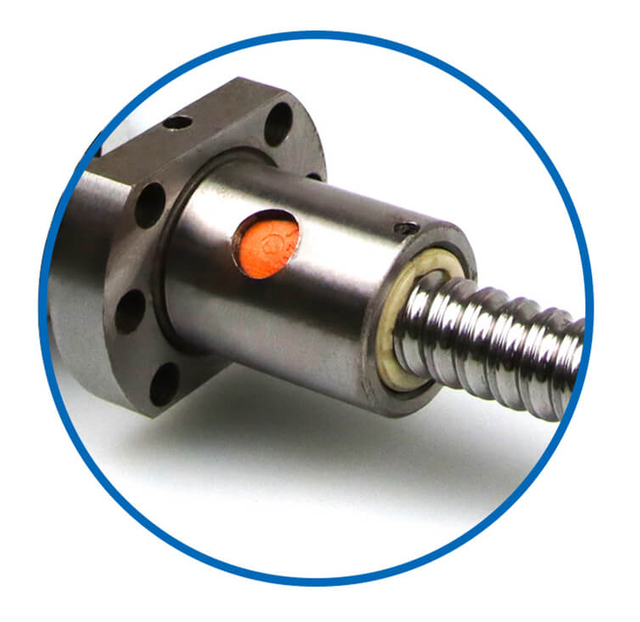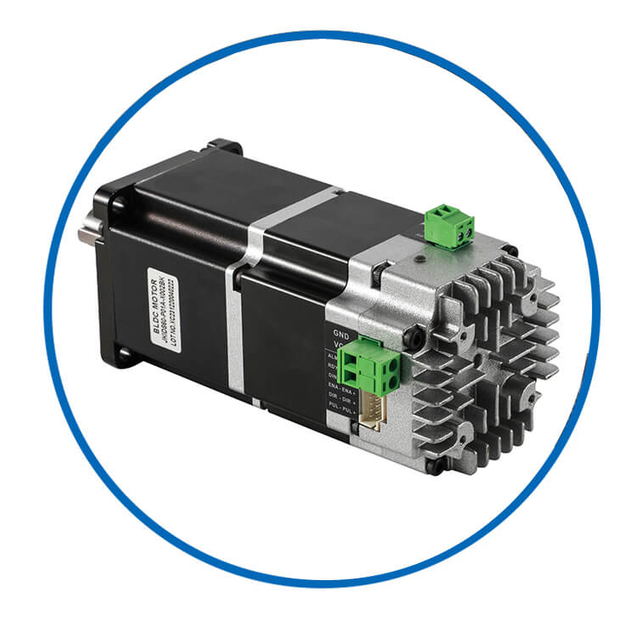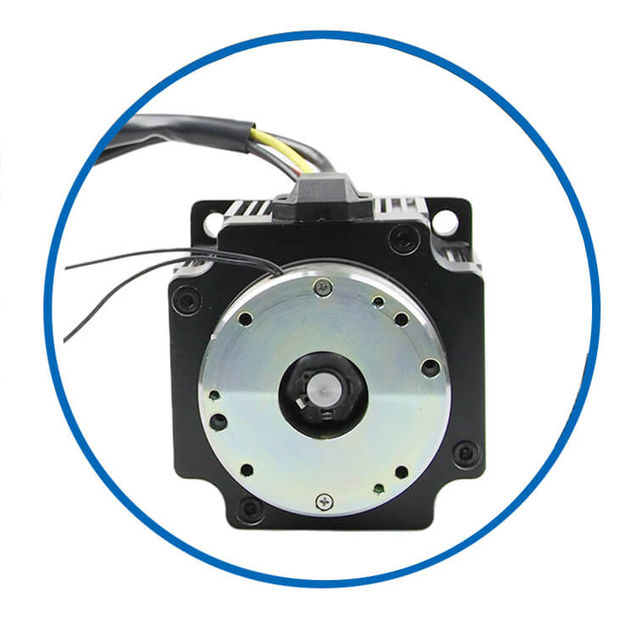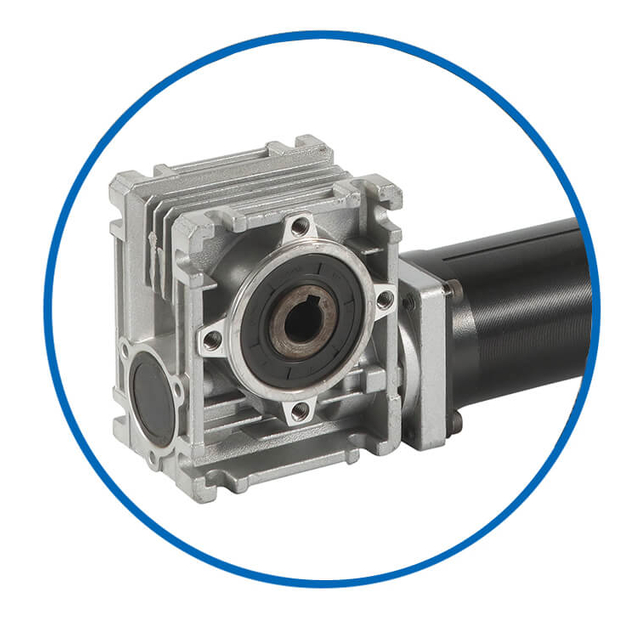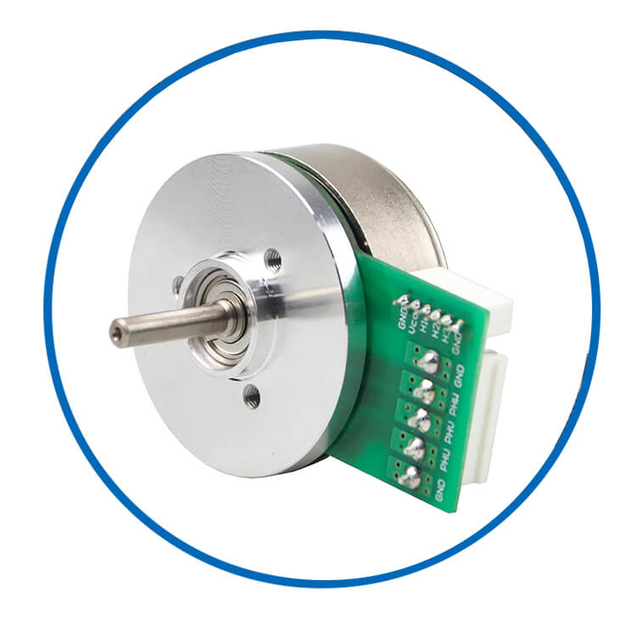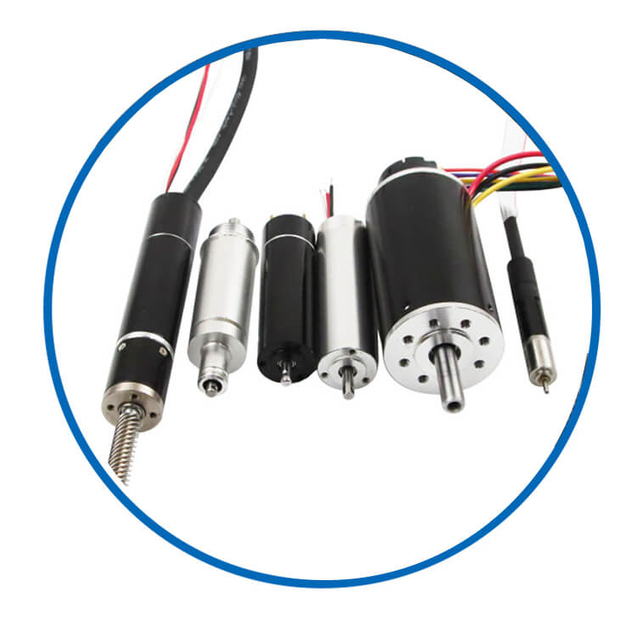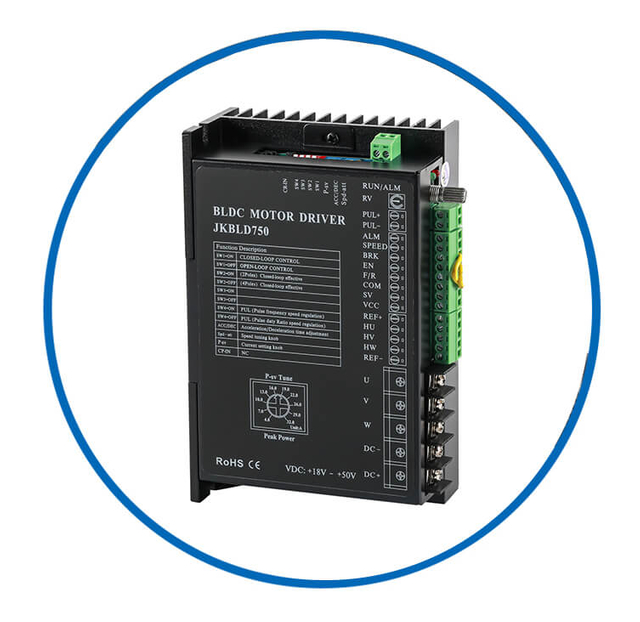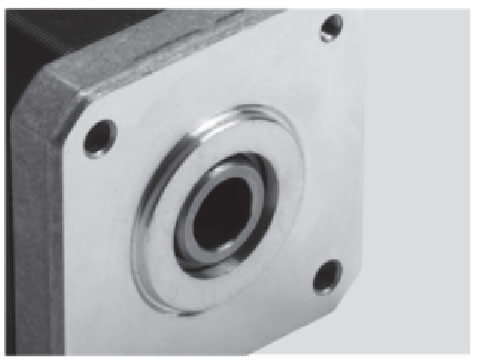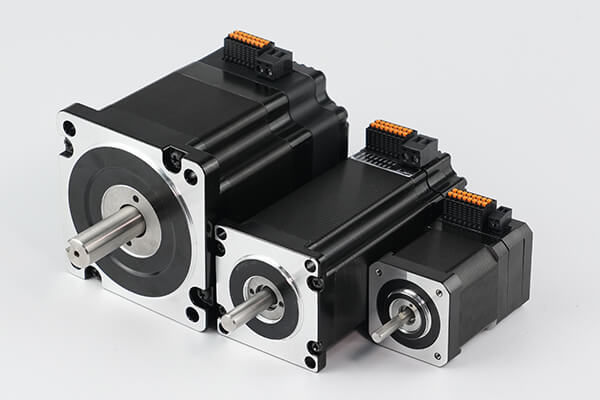
An integrated stepper servo motor (also called an integrated closed-loop stepper motor or stepper motor with built-in driver) combines a hybrid stepper motor, high-resolution encoder, and embedded drive electronics into a compact closed-loop unit. This all-in-one design delivers precise positioning, stable torque, reduced wiring, simplified installation, and supports OEM/ODM customized configurations ideal for automation equipment, robotics, packaging machines, and advanced motion control solutions.
Understanding the Integrated Stepper Servo Motor Concept
An integrated stepper servo motor represents a sophisticated motion control solution that combines the precision of stepper motor technology, the closed-loop intelligence of servo systems, and embedded drive electronics into a compact, unified package. We see this motor architecture increasingly adopted across automation, robotics, medical equipment, semiconductor processing, and precision manufacturing because it delivers exceptional control accuracy, simplified wiring, and enhanced operational reliability.
Unlike traditional stepper motors that rely on open-loop positioning, integrated stepper servo motors incorporate feedback devices such as encoders. This enables real-time position correction, eliminating missed steps, reducing resonance effects, and ensuring consistent torque output under varying loads. The result is a highly stable, efficient motion platform suitable for demanding industrial environments.
Jkongmotor Servo Motor Types
Motor Customized Service
As a professional brushless dc motor manufacturer with 13 years in china, Jkongmotor offer various bldc motors with customized requirements, including 33 42 57 60 80 86 110 130mm, additionally, gearboxes, brakes, encoders, brushless motor drivers and integrated drivers are optional.
![bldc motor supplier]() | ![bldc motor supplier]() | ![bldc motor supplier]() | ![bldc motor supplier]() | ![bldc motor supplier]() | Professional custom brushless motor services safeguard your projects or equipment. No Brushes – Reduced Maintenance and Increased Lifespan High Efficiency and Low Power Loss High Torque-to-Weight Ratio Precise Speed and Position Control Quiet and Smooth Operation Wide Speed Range and Dynamic Performance Excellent Thermal Management Customizable Designs and Modular Configurations Multiple Control Methods Integration with Digital Interfaces and Sensors |
| Wires | Covers | Fans | Shafts | Integrated Drivers |
![bldc motor supplier]() | ![bldc motor supplier]() | ![bldc motor supplier]() | ![bldc motor supplier]() | ![bldc motor supplier]() |
| Brakes | Gearboxes | Out Rotors | Coreless Dc | Drivers |
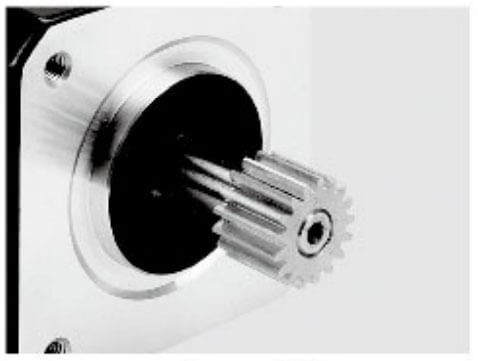
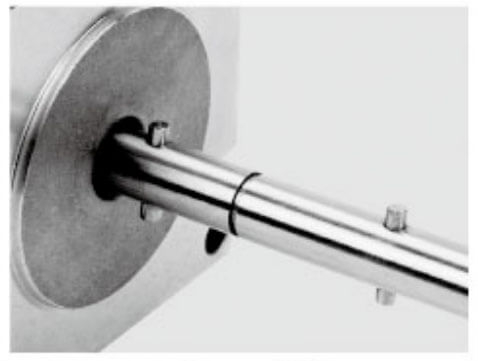
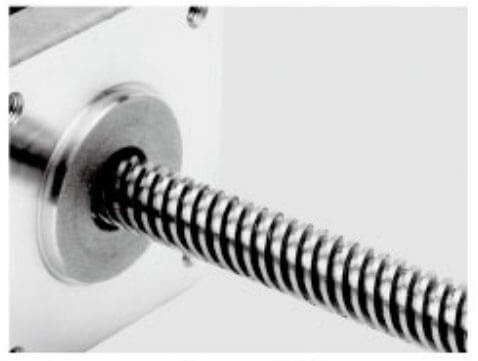
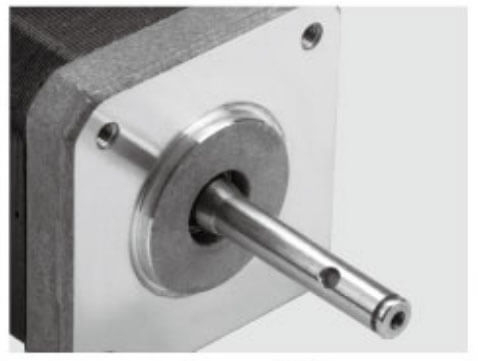
Motor Shaft Customized Service
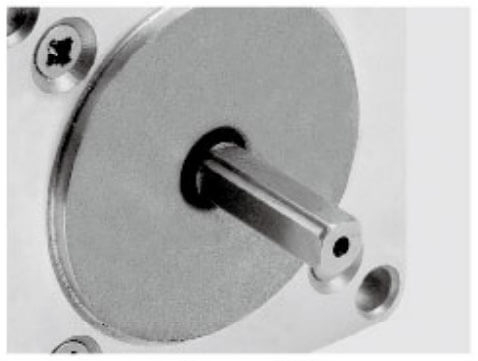
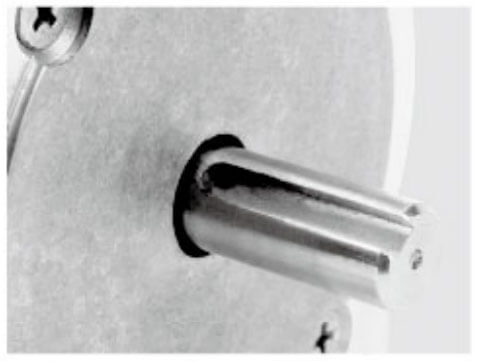
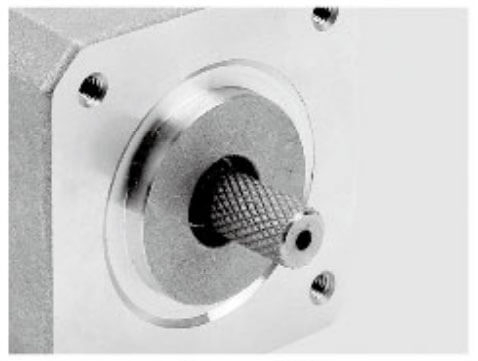
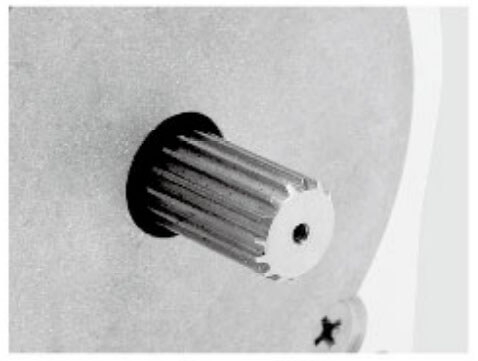
Jkongmotor offer many different shaft options for your motor as well as customizable shaft lengths to make the motor fit your application seamlessly.
The core structure of an integrated stepper servo motor is engineered to combine multiple motion control components into a single compact unit, delivering enhanced precision, simplified installation, and optimized performance. Unlike conventional motor systems that require separate drivers, controllers, and feedback devices, this integrated architecture consolidates essential elements to create a highly efficient motion solution.
Stepper Motor Body
At the center is the hybrid stepper motor mechanism, designed for high torque density, fine step resolution, and stable rotational performance. The rotor typically incorporates permanent magnets, while the stator uses precision-wound coils to generate controlled electromagnetic stepping motion. This configuration ensures consistent positioning accuracy and strong holding torque.
Integrated Servo Drive Electronics
Built directly into the motor housing is the servo drive circuit, responsible for current regulation, microstepping control, and torque optimization. This embedded driver eliminates the need for external motor drivers, significantly reducing wiring complexity, electrical noise risks, and control cabinet space requirements. Advanced current algorithms allow smoother motion and improved energy efficiency.
Feedback Encoder System
A defining feature is the high-resolution encoder feedback unit, which continuously monitors rotor position, speed, and direction. This closed-loop feedback enables real-time correction of positioning errors, preventing missed steps and ensuring stable operation even under dynamic loads. The encoder effectively transforms the stepper motor into a servo-like system with superior accuracy.
Integrated Motion Controller
Many integrated stepper servo motors include a built-in motion controller capable of handling command processing, communication protocols, and motion profiles internally. This allows direct connection to PLCs, industrial networks, or automation controllers without additional external hardware.
Communication and Interface Components
Standard industrial interfaces such as RS-485, CANopen, EtherCAT, or Modbus communication ports are often integrated into the motor body. These enable seamless connectivity with modern automation systems and support remote diagnostics, configuration, and performance monitoring.
By combining the motor, drive electronics, encoder feedback, and communication interfaces into a unified structure, integrated stepper servo motors achieve exceptional motion control performance while minimizing installation complexity, maintenance requirements, and overall system footprint.
Integrated stepper servo motors deliver a powerful combination of precision motion control, compact integration, operational efficiency, and advanced reliability. By merging stepper motor mechanics with servo feedback technology and embedded electronics, these motors provide a modern solution for automation systems requiring accuracy, consistency, and simplified implementation.
Exceptional Positioning Accuracy
One of the most significant benefits is high-precision positioning with closed-loop control. Encoder feedback continuously monitors rotor position and corrects deviations in real time, ensuring accurate motion even under varying load conditions. This capability eliminates the risk of missed steps commonly associated with traditional open-loop stepper motors.
Compact All-in-One Design
Integrated stepper servo motors combine motor, driver, controller, and feedback system into a single housing. This compact structure reduces panel space requirements, simplifies wiring layouts, and accelerates installation processes. Equipment designers benefit from streamlined machine architecture and improved system reliability.
Improved Energy Efficiency
Smart current regulation ensures that only the required torque is delivered at any moment. This leads to:
Lower power consumption
Reduced heat generation
Extended motor lifespan
Energy efficiency becomes particularly valuable in continuous industrial operations where power savings translate directly into cost reductions.
Enhanced Reliability and Stability
Closed-loop control significantly improves operational stability. Automatic correction of position errors prevents performance degradation and reduces mechanical stress. The integrated structure also minimizes cable failures and electromagnetic interference, enhancing long-term reliability.
Reduced Noise and Vibration
Advanced microstepping control and feedback optimization result in smoother motion profiles. This reduces resonance effects, vibration, and acoustic noise, making integrated stepper servo motors ideal for precision equipment such as medical devices, laboratory automation, and semiconductor machinery.
Simplified Installation and Maintenance
With fewer external components required, installation becomes faster and less error-prone. Maintenance is also simplified because:
Wiring complexity is reduced
Diagnostics are often built in
Component replacement is straightforward
This lowers overall system downtime and maintenance costs.
Servo-Like Performance at Lower Cost
Integrated stepper servo motors provide many benefits of traditional servo systems—such as feedback control and precise positioning—while maintaining a cost structure closer to stepper motor technology. This balance makes them an attractive choice for applications requiring performance without excessive investment.
Strong Torque at Low Speeds
Stepper-based architecture allows these motors to deliver high torque at low rotational speeds without requiring gear reduction. This is advantageous for positioning tasks, indexing applications, and precision automation processes.
Flexible Industrial Connectivity
Modern integrated motors support various industrial communication protocols, enabling seamless integration into automated production systems. Built-in connectivity supports remote monitoring, parameter configuration, and predictive maintenance strategies.
Overall, integrated stepper servo motors combine precision, efficiency, compact design, and intelligent control, making them a preferred solution for advanced automation environments that demand reliability, flexibility, and high-performance motion control.
The comparison between an integrated stepper servo motor and a conventional stepper motor highlights significant differences in performance, control capability, system integration, and operational efficiency. While both motor types rely on step-based motion for positioning, integrated stepper servo motors introduce closed-loop intelligence and compact system integration that elevate overall motion control performance.
Control Method and Feedback Capability
The most important distinction lies in the control architecture.
Integrated stepper servo motors operate using closed-loop feedback, typically through an encoder that continuously monitors rotor position. This enables automatic correction of positioning errors, maintaining accuracy even under changing loads or high-speed operation.
Conventional stepper motors usually function in an open-loop system, where motion commands are executed without verifying whether the motor reached the intended position. This can result in missed steps if torque demand exceeds available motor capacity.
Closed-loop operation dramatically improves stability, precision, and reliability in demanding automation applications.
Position Accuracy and Motion Stability
Integrated stepper servo motors provide higher positioning accuracy because feedback allows real-time correction. Motion remains smooth even during rapid acceleration or deceleration.
Conventional stepper motors, although inherently precise in step resolution, may experience:
For applications requiring consistent repeatability, integrated servo stepper solutions offer superior performance.
System Integration and Installation Complexity
An integrated stepper servo motor combines:
Motor body
Drive electronics
Encoder feedback system
Communication interface
This all-in-one construction significantly reduces wiring complexity, cabinet space requirements, and installation time.
Traditional stepper motor systems require separate components such as:
This increases installation effort, potential failure points, and maintenance complexity.
Energy Efficiency and Thermal Performance
Integrated stepper servo motors utilize adaptive current control algorithms that supply only the torque necessary for a given load. This results in:
Conventional stepper motors often maintain constant current regardless of load, which can lead to excess heat buildup and lower energy efficiency.
Noise, Vibration, and Smoothness of Operation
Closed-loop correction and advanced microstepping enable integrated stepper servo motors to operate with:
Conventional stepper motors are more susceptible to resonance effects, especially at specific speed ranges, which may affect product quality in precision machinery.
Cost Considerations and Value
While integrated stepper servo motors generally have a higher upfront cost compared to standard stepper motors, they often reduce total system expenses through:
Conventional stepper motors remain cost-effective for simpler applications where feedback precision and advanced control are not critical.
Typical Application Scenarios
Integrated Stepper Servo Motors:
Industrial automation systems
Medical and laboratory equipment
CNC machinery and robotics
Semiconductor manufacturing
Precision positioning platforms
Conventional Stepper Motors:
Selecting between the two depends on performance demands, budget considerations, and system complexity requirements.
Summary Comparison Table
| Feature | Integrated Stepper Servo Motor | Conventional Stepper Motor |
| Control Type | Closed-loop feedback | Open-loop control |
| Accuracy Stability | Very high | Moderate |
| Step Loss Risk | Minimal | Possible |
| Installation Complexity | Low | Higher |
| Energy Efficiency | Optimized | Lower |
| Noise and Vibration | Reduced | More noticeable |
| System Integration | All-in-one design | Separate components |
| Suitable Applications | Precision automation | Basic motion control |
In modern automation environments, the integrated stepper servo motor provides a compelling balance between performance, efficiency, and simplicity. Its closed-loop intelligence and compact design offer advantages that conventional stepper motors cannot consistently achieve, making it an increasingly preferred choice for high-precision motion control systems.
The growing demand for high-precision motion control, compact automation systems, and energy-efficient industrial solutions is accelerating the adoption of integrated stepper servo motors across multiple industries. Their combination of closed-loop accuracy, simplified wiring, intelligent control, and reliable torque output makes them a preferred choice for modern engineering applications where performance consistency and space optimization are critical.
Industrial Automation and Smart Manufacturing
Integrated stepper servo motors are widely used in automated production environments where precise positioning, repeatability, and reliability directly influence productivity. Their compact all-in-one design reduces installation complexity and supports flexible machine layouts.
Common industrial automation applications include:
Automated packaging and labeling systems
Pick-and-place robotic equipment
Conveyor positioning modules
Electronics assembly lines
Textile and printing machinery
Closed-loop control ensures stable performance even during rapid production cycles, minimizing downtime and improving output quality.
Medical Devices and Laboratory Automation
Medical and laboratory equipment require exceptional precision, quiet operation, and consistent reliability. Integrated stepper servo motors provide smooth motion and accurate positioning, which are essential for diagnostic accuracy and patient safety.
Typical applications include:
Diagnostic imaging equipment
Automated laboratory analyzers
Infusion and drug delivery systems
Surgical robotics
Precision liquid handling instruments
Their reduced vibration and noise characteristics make them particularly suitable for sensitive healthcare environments.
Semiconductor and Electronics Manufacturing
Semiconductor fabrication demands extreme positioning accuracy, stable torque control, and minimal vibration. Integrated stepper servo motors support these requirements through encoder feedback and advanced motion control algorithms.
Key uses include:
Wafer positioning and alignment systems
Optical inspection platforms
Chip assembly automation
Surface-mount technology equipment
Compact integration also helps maintain cleanroom efficiency by minimizing external wiring and mechanical clutter.
CNC Machinery and Precision Manufacturing
Computer numerical control (CNC) machines rely heavily on accurate axis motion. Integrated stepper servo motors enhance machining quality by providing:
Consistent torque across speed ranges
Reduced mechanical resonance
Improved positioning repeatability
Simplified control system architecture
These advantages benefit milling machines, engraving systems, laser cutters, and precision drilling equipment.
Robotics and Autonomous Systems
Robotics applications increasingly require compact intelligent motors capable of precise motion control and rapid responsiveness. Integrated stepper servo motors meet these requirements while reducing system complexity.
Typical robotic applications include:
Collaborative robots (cobots)
Autonomous guided vehicles
Service robotics
Inspection and sorting robots
Their integrated electronics support advanced communication protocols, enabling seamless integration into modern robotic control networks.
Packaging, Food Processing, and Consumer Goods Manufacturing
High-speed packaging and processing industries demand reliable motion accuracy with minimal maintenance. Integrated stepper servo motors deliver consistent performance in environments where hygiene, efficiency, and operational continuity are essential.
Examples include:
Energy efficiency also contributes to lower operational costs in continuous production facilities.
Aerospace, Defense, and Specialized Engineering
Precision motion solutions are critical in aerospace and defense applications where reliability and accuracy cannot be compromised. Integrated stepper servo motors are used for:
Optical targeting systems
Satellite positioning mechanisms
Instrument calibration devices
Advanced simulation platforms
Their compact design and feedback stability enhance performance in demanding operational environments.
Emerging Smart Technologies and IoT Automation
As industries move toward intelligent automation and Industry 4.0 integration, integrated stepper servo motors are becoming essential components in:
Smart factory automation networks
Intelligent logistics systems
Automated inspection technologies
Advanced material handling equipment
Built-in communication capabilities allow real-time monitoring, predictive maintenance, and seamless data integration into industrial control ecosystems.
Conclusion: Expanding Role Across Modern Engineering
The widespread adoption of integrated stepper servo motors is driven by their precision, efficiency, compact integration, and intelligent control capabilities. Their versatility allows them to support industries ranging from manufacturing and healthcare to robotics, aerospace, and smart automation.
As technology advances and demand for reliable motion control grows, integrated stepper servo motors continue to establish themselves as a foundational solution for high-performance, space-efficient, and future-ready engineering systems.
Communication Protocols and Smart Control Features
Integrated stepper servo motors are designed not only for precise motion but also for advanced connectivity, intelligent control, and seamless integration into modern automation systems. The inclusion of industrial communication protocols and embedded smart control features enables efficient data exchange, remote monitoring, adaptive motion optimization, and improved system reliability. These capabilities support Industry 4.0 initiatives, smart manufacturing strategies, and intelligent robotics applications.
Industrial Communication Protocol Compatibility
Modern integrated stepper servo motors support a wide range of industrial communication interfaces that allow direct connection to controllers, PLCs, industrial PCs, and automation networks. These protocols ensure reliable data transmission, fast response times, and flexible system integration.
Common communication protocols include:
RS-485 Serial Communication – Widely used for stable long-distance industrial communication with strong noise immunity.
Modbus RTU and Modbus TCP – Popular standardized protocols that allow easy integration with PLC systems and industrial control software.
CANopen Networks – Known for high reliability and real-time performance in motion control applications such as robotics and automation equipment.
EtherCAT Real-Time Ethernet – Enables ultra-fast data exchange with precise synchronization, suitable for high-speed automation environments.
Industrial Ethernet Variants – Support scalable connectivity for advanced factory automation systems.
These communication capabilities simplify system architecture while enhancing monitoring, diagnostics, and control flexibility.
Built-In Motion Control Intelligence
Integrated stepper servo motors often include embedded motion controllers capable of executing complex positioning tasks independently. This reduces reliance on external control hardware and streamlines automation design.
Typical smart motion functions include:
Programmable motion profiles
Multi-axis synchronization support
Acceleration and deceleration optimization
Torque control algorithms
Adaptive positioning accuracy adjustments
These intelligent features improve system responsiveness and operational consistency.
Real-Time Diagnostic and Monitoring Capabilities
Smart control systems allow continuous monitoring of critical operational parameters, including:
Motor temperature and current consumption
Position accuracy and encoder feedback
Speed stability and torque output
Communication status and fault alerts
This diagnostic capability supports predictive maintenance strategies, reduces unexpected downtime, and improves overall equipment effectiveness.
Remote Configuration and Parameter Adjustment
Integrated communication interfaces enable engineers to configure motor parameters remotely. This includes:
Speed and torque settings
Positioning accuracy adjustments
Communication protocol configuration
Firmware updates and calibration
Remote accessibility significantly reduces commissioning time and simplifies maintenance procedures.
Energy Optimization and Intelligent Current Control
Advanced control electronics incorporate dynamic current regulation algorithms that adjust power delivery based on real-time load requirements. Benefits include:
These features are particularly valuable in continuous automation processes where energy savings accumulate over time.
Safety and Protection Features
Integrated stepper servo motors often include built-in protection mechanisms designed to maintain safe operation and prevent system damage. These typically include:
These safety functions enhance reliability in industrial environments where uninterrupted performance is critical.
Smart Integration with Industry 4.0 Systems
The ability to connect seamlessly with industrial IoT platforms allows integrated stepper servo motors to participate in:
Real-time production monitoring
Predictive maintenance analytics
Automated performance optimization
Data-driven operational decision making
This connectivity supports the transition toward fully digitalized smart factories.
Future Trends in Smart Motion Control Integration
Advancements continue to expand communication and intelligence capabilities. Emerging developments include:
AI-assisted motion optimization
Edge computing integration within motor drives
Enhanced cybersecurity protocols
Advanced digital twin simulation compatibility
These innovations will further enhance automation flexibility, system transparency, and operational efficiency.
Integrated stepper servo motors combine robust industrial communication protocols, intelligent motion control, real-time diagnostics, and energy-efficient performance optimization, making them essential components in modern automated systems requiring precision, connectivity, and reliability.
Thermal Management and Reliability Factors
Heat management significantly influences motor longevity. Integrated stepper servo motors incorporate:
Optimized current algorithms
Efficient housing heat dissipation
Intelligent idle current reduction
These features extend operational lifespan and ensure continuous reliability even in demanding environments.
Robust construction, sealed housings, and industrial-grade connectors further enhance durability, making them suitable for harsh factory conditions.
Installation and Maintenance Benefits
Integrated stepper servo motors offer significant advantages in both installation efficiency and long-term maintenance management. Their compact all-in-one design, intelligent electronics, and simplified connectivity reduce system complexity while improving operational reliability. These benefits directly translate into reduced setup time, lower lifecycle costs, and more dependable machine performance in modern automation environments.
Simplified Installation Process
One of the primary benefits is the reduction in wiring and external components. Because the motor, driver, controller, and feedback system are integrated into a single unit, installation becomes faster and less error-prone.
Key installation advantages include:
Minimal external wiring requirements
Faster system commissioning
Reduced electrical interference risks
Lower installation labor costs
Cleaner control cabinet layout
This streamlined approach is particularly valuable for equipment manufacturers seeking efficient production workflows and standardized machine designs.
Compact System Integration
Integrated stepper servo motors reduce the need for separate motion control hardware. This compact integration allows:
Smaller machine footprints
Simplified enclosure design
Improved airflow and thermal management
Greater design flexibility for compact equipment
Such space optimization is critical in robotics, medical devices, semiconductor machinery, and portable automation systems.
Plug-and-Play Connectivity
Many integrated motors support plug-and-play functionality, allowing rapid connection to industrial control systems. Standardized communication interfaces simplify integration with PLCs, motion controllers, and industrial networks.
Benefits include:
Reduced configuration complexity
Faster startup procedures
Lower risk of wiring mistakes
Easier system scalability
This capability significantly accelerates deployment timelines.
Reduced Maintenance Requirements
Integrated construction lowers the number of external components that may fail. Fewer connectors, cables, and standalone drives result in:
Lower mechanical wear points
Reduced electrical fault risks
Improved overall system reliability
This leads to decreased maintenance frequency and increased operational uptime.
Built-In Diagnostic Capabilities
Modern integrated stepper servo motors often include real-time monitoring and diagnostic features. These systems provide early warnings for potential issues such as overheating, excessive load, or communication errors.
Diagnostic benefits include:
Predictive maintenance planning
Faster fault identification
Reduced troubleshooting time
Enhanced operational safety
Proactive diagnostics help prevent unexpected downtime.
Ease of Replacement and Servicing
When servicing is required, integrated units simplify the process. Instead of managing multiple components, technicians can replace a single motor module.
Advantages include:
This modular approach improves service efficiency across industrial applications.
Improved Reliability Through Integrated Protection
Built-in safety features protect both the motor and connected equipment. Common protective functions include:
Thermal overload protection
Overcurrent and voltage safeguards
Encoder feedback monitoring
Fault detection alerts
These features enhance long-term durability and system stability.
Lower Total Cost of Ownership
The combined installation and maintenance advantages contribute to a lower total lifecycle cost. Savings arise from:
Reduced installation time
Lower energy consumption
Minimal maintenance interventions
Increased equipment uptime
Extended operational lifespan
These factors make integrated stepper servo motors a cost-effective choice for modern automation projects.
Overall, the installation simplicity, maintenance efficiency, and integrated reliability features of stepper servo motors provide substantial operational benefits. Their unified architecture supports faster deployment, easier servicing, and improved long-term performance, making them an ideal solution for advanced industrial motion control systems.
The field of integrated stepper servo motor technology is evolving rapidly, driven by the increasing demand for higher precision, smarter automation, energy efficiency, and connectivity. As industries move toward Industry 4.0, robotics, and autonomous manufacturing, these motors are positioned to become even more intelligent, compact, and versatile. Understanding future trends provides insight into how integrated stepper servo motors will shape next-generation motion control systems.
Higher-Resolution Feedback and Precision Control
Future integrated stepper servo motors are expected to feature ultra-high-resolution encoders and improved feedback algorithms. This advancement will allow:
Sub-micron positioning accuracy
Smoother motion at high speeds
Greater repeatability for precision applications
Enhanced microstepping performance
Such improvements are crucial for industries like semiconductor manufacturing, medical devices, and aerospace, where even minute deviations can impact product quality or operational safety.
Advanced AI-Assisted Motion Optimization
Artificial intelligence and machine learning are beginning to be incorporated into motion control systems. Future integrated stepper servo motors may include:
Predictive torque and speed optimization
Self-calibrating control for varying load conditions
Real-time adaptive motion profiles
Intelligent vibration and resonance suppression
AI-assisted optimization will enable smarter, more efficient motors that automatically adjust performance for maximum precision and minimal energy consumption.
Integrated Safety and Compliance Features
As industrial regulations and safety standards become stricter, integrated motors are expected to adopt built-in safety functionalities, such as:
Torque and speed limiting
Emergency stop and safe shutdown protocols
Redundant encoder systems
Safety-rated feedback monitoring
These features will support compliance with international safety standards and make motors safer for collaborative robotics, medical devices, and human-interactive automation systems.
Enhanced Communication and IoT Connectivity
The trend toward smart factories and connected devices will drive improvements in communication protocols and data integration. Future motors will likely offer:
Faster real-time communication via EtherCAT, Profinet, or Time-Sensitive Networking (TSN)
Seamless integration with industrial IoT platforms
Cloud-based monitoring and analytics
Remote firmware updates and performance optimization
Such connectivity will support predictive maintenance, data-driven decision-making, and adaptive production workflows.
Energy Efficiency and Eco-Friendly Design
Energy efficiency will remain a key focus in the next generation of integrated motors. Trends include:
Dynamic current and torque management
Energy recovery and regenerative braking systems
Low-loss materials and improved thermal management
Reduced standby power consumption
Enhanced efficiency not only lowers operational costs but also supports global sustainability initiatives in industrial manufacturing.
Miniaturization and High Torque Density
Future motors will continue the trend of compact design with higher torque output, enabling more powerful yet smaller motion systems. Benefits include:
Space-saving equipment designs
Reduced mechanical complexity
Integration into lightweight robotics, drones, and portable machinery
Optimized performance for multi-axis automation
Miniaturization expands the possibilities for automation in constrained environments without compromising performance.
Predictive Maintenance and Smart Diagnostics
Integrated stepper servo motors are expected to increasingly feature self-diagnostic and predictive maintenance capabilities, such as:
Real-time monitoring of temperature, vibration, and torque
Early detection of wear or mechanical stress
Automated alerts for maintenance scheduling
Data logging for performance trend analysis
Predictive maintenance will reduce unexpected downtime and extend motor and equipment lifespan.
Hybrid and Multi-Functional Motor Solutions
Future developments may also see hybrid motors that combine stepper, servo, and linear motion capabilities in a single compact unit. These solutions will allow:
Multi-axis motion control from one device
Simplified system integration
Faster reconfiguration for flexible manufacturing systems
Enhanced adaptability for emerging automation technologies
Hybrid designs will further reduce system footprint and cost while increasing overall versatility.
Integration with Robotics and Autonomous Systems
The rise of collaborative robots (cobots), autonomous vehicles, and automated guided systems will drive the need for:
Rapid-response motion control
Accurate multi-axis coordination
Smart torque and speed adaptation to dynamic environments
Integrated stepper servo motors will become central to these intelligent systems, providing precision, safety, and reliability in complex, interactive applications.
Conclusion: The Future of Motion Control
The next generation of integrated stepper servo motors will combine higher precision, AI-assisted optimization, enhanced safety, energy efficiency, miniaturization, and smart connectivity. These trends will transform motion control across industries, enabling smarter, more reliable, and more adaptable automation systems. As manufacturers pursue higher productivity, lower costs, and better performance, integrated stepper servo motors will remain a cornerstone of modern engineering solutions.
Choosing the right integrated stepper servo motor is critical to achieving optimal performance, reliability, and efficiency in any automation system. These motors are versatile and powerful, but proper specification ensures that the motor meets the unique requirements of your application. Selecting the wrong motor can lead to inefficiency, reduced lifespan, or compromised precision.
1. Determine Required Torque and Speed
The first step in motor selection is to define the torque and speed requirements for your application:
Torque: Identify both holding torque (the torque required to maintain position) and dynamic torque (the torque needed during acceleration or motion).
Speed: Consider maximum and average operational speeds to ensure smooth motion.
Load Variability: Factor in any variations in load, such as sudden weight changes or mechanical resistance.
Selecting a motor with adequate torque and speed capabilities prevents missed steps, reduces strain on mechanical components, and ensures consistent motion.
2. Encoder Resolution and Feedback Type
Integrated stepper servo motors rely on feedback for precision control. Key considerations include:
Encoder Resolution: Higher-resolution encoders allow finer positional accuracy, critical for applications like CNC machining, semiconductor alignment, or medical devices.
Feedback Type: Optical or magnetic encoders may be offered, each with trade-offs in accuracy, reliability, and environmental tolerance.
Ensure the encoder meets your application’s accuracy requirements without exceeding cost or complexity constraints.
3. Communication Interface Compatibility
Modern integrated motors include various communication interfaces for connectivity with controllers and industrial networks. Selection criteria include:
Protocol Support: Confirm support for protocols such as RS-485, Modbus, CANopen, EtherCAT, or Profinet.
Integration Needs: Ensure seamless connection to PLCs, robotics systems, or automation controllers.
Real-Time Requirements: Applications requiring high-speed synchronization may need low-latency protocols like EtherCAT or TSN.
Matching the communication interface ensures efficient data exchange and simplifies system integration.
4. Environmental and Operational Conditions
Consider the physical and operational environment where the motor will operate:
Temperature Range: Motors must handle extreme heat or cold if used in industrial or outdoor environments.
Humidity and Dust Resistance: Sealed or IP-rated motors protect against contamination in harsh settings.
Vibration and Shock Tolerance: Heavy machinery or mobile platforms may require ruggedized motor designs.
Choosing a motor suited to environmental conditions ensures longevity and reliable performance.
5. Power Supply and Voltage Requirements
Integrated stepper servo motors require appropriate voltage and current specifications:
Verify supply voltage compatibility with your system.
Ensure current requirements do not exceed available power resources.
Consider peak versus continuous current ratings for demanding applications.
Proper power matching maximizes efficiency and reduces thermal stress on the motor.
6. Thermal Management and Cooling
Motors generate heat during operation, affecting reliability and performance:
Evaluate the motor’s thermal rating and heat dissipation design.
Consider built-in features like idle current reduction or adaptive current control to reduce heat.
In high-duty applications, external cooling or ventilation may be necessary.
Effective thermal management prolongs motor life and maintains consistent motion quality.
7. Size, Weight, and Mounting Considerations
Physical dimensions and mounting flexibility are essential for compact or specialized machinery:
Ensure the motor fits available space without mechanical interference.
Consider shaft size, mounting hole patterns, and weight distribution.
Lightweight, compact motors may be preferable for robotics or mobile automation.
Proper sizing simplifies integration and maintains mechanical balance.
8. Maintenance and Serviceability
Integrated stepper servo motors reduce maintenance needs, but selection still impacts long-term reliability:
Choose motors with diagnostic feedback for early fault detection.
Consider ease of replacement if used in modular equipment.
Check for available technical support and spare parts.
Motor selection with serviceability in mind reduces downtime and operational costs.
9. Application-Specific Features
Some applications may require specialized motor features:
High acceleration and deceleration for fast pick-and-place operations.
Low-noise operation for medical, laboratory, or office automation.
High torque at low speeds for precision indexing or rotary stages.
Multi-axis synchronization for coordinated motion in robotics or CNC systems.
Matching these features to application requirements ensures optimal performance and efficiency.
10. Total Cost of Ownership Considerations
Beyond initial purchase price, consider:
Energy efficiency and reduced power consumption
Installation time and complexity
Reduced maintenance and downtime costs
Extended motor and system lifespan
Selecting a motor that balances performance and operational cost ensures a high return on investment over the motor’s life cycle.
Conclusion: Smart Selection for Optimal Performance
Selecting the right integrated stepper servo motor requires a careful balance of torque, speed, accuracy, connectivity, environmental tolerance, and operational efficiency. By systematically analyzing application requirements, power and control needs, environmental factors, and long-term maintenance considerations, engineers can choose a motor that delivers reliable, precise, and energy-efficient performance for modern automation systems. Proper motor selection is critical for maximizing productivity, reducing downtime, and supporting advanced motion control applications.
Integrated stepper servo motors deliver a powerful combination of precision positioning, compact integration, energy efficiency, and simplified installation. Their hybrid architecture merges the affordability of stepper technology with the intelligence of servo feedback systems, creating a versatile motion solution adaptable to numerous industrial applications.
As automation demands greater accuracy, reliability, and space efficiency, these motors stand out as a strategic choice for forward-looking engineering designs.
Answers to Common Queries about Integrated Stepper Servo Motor