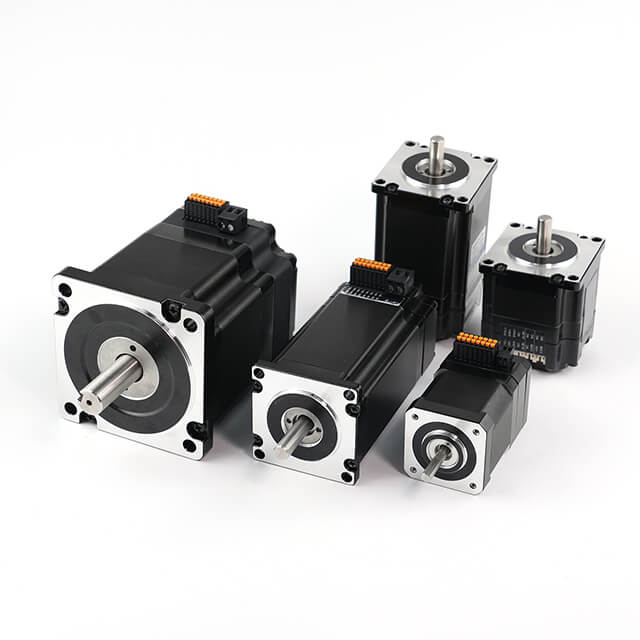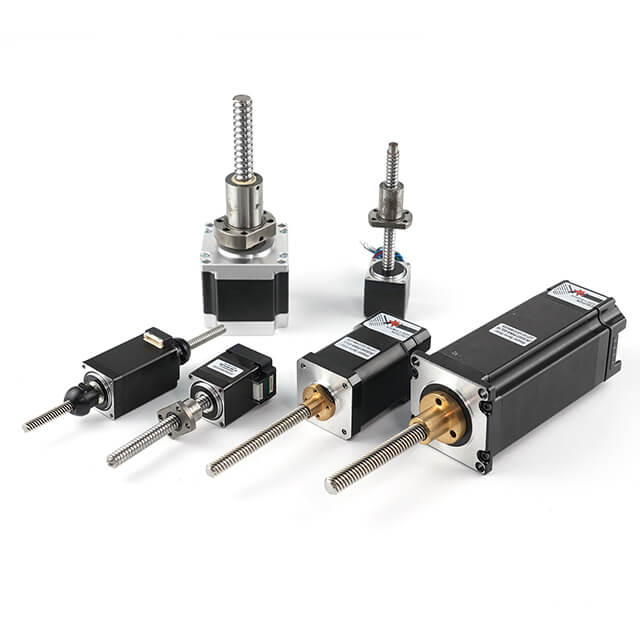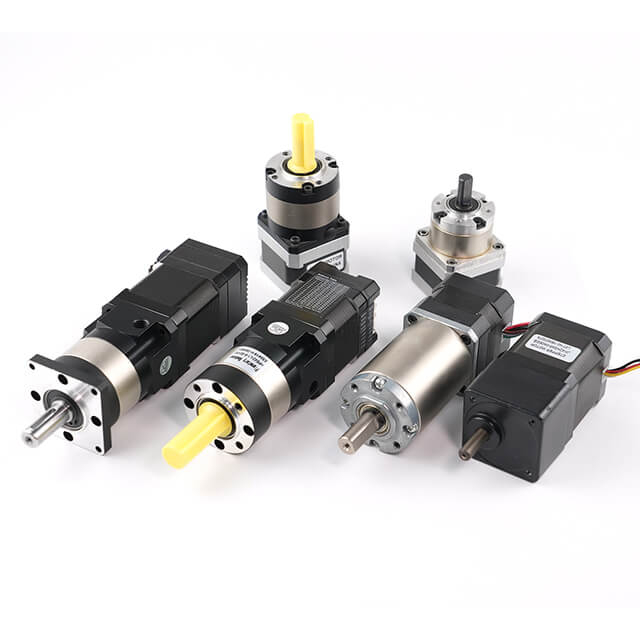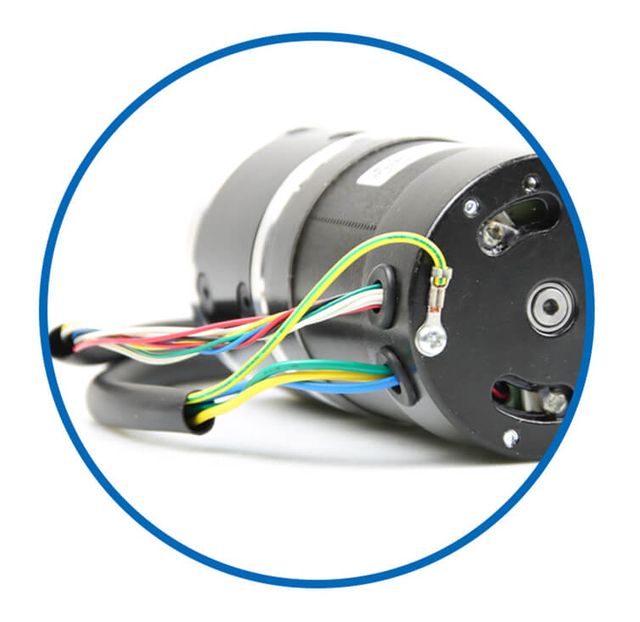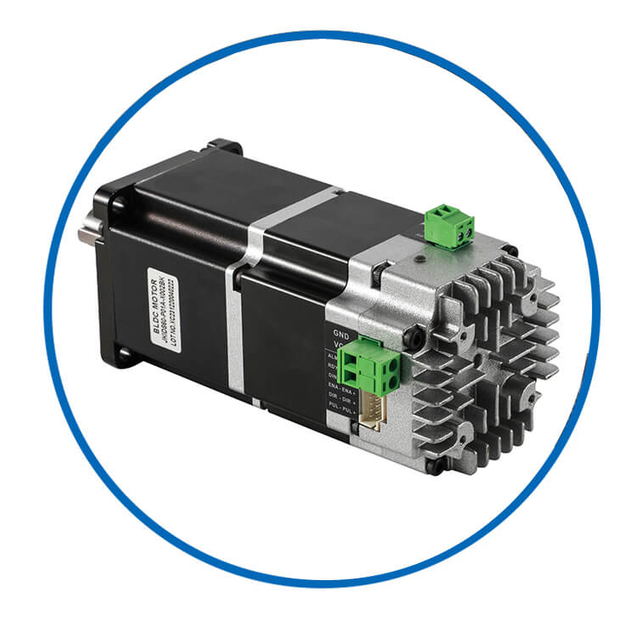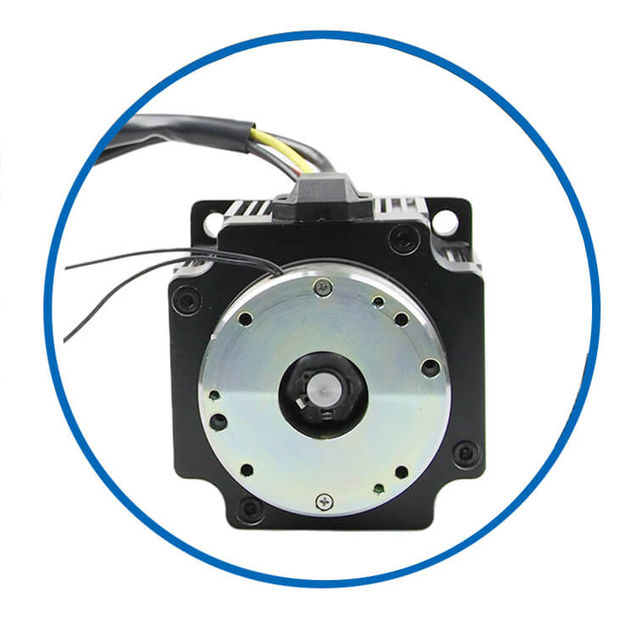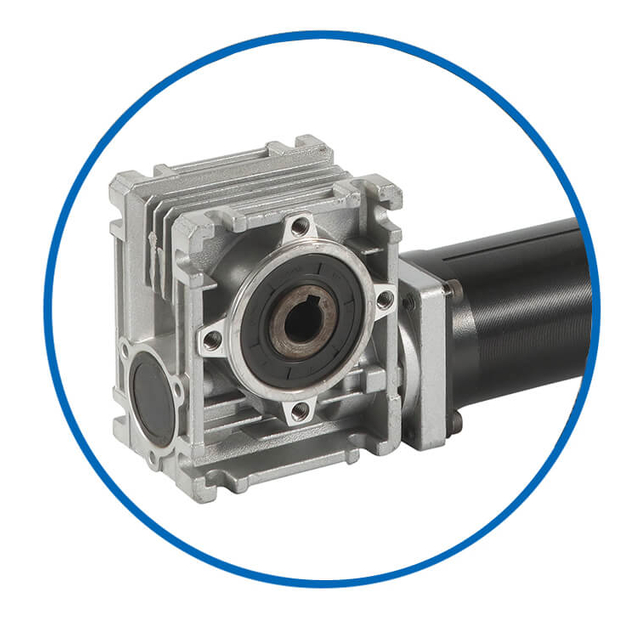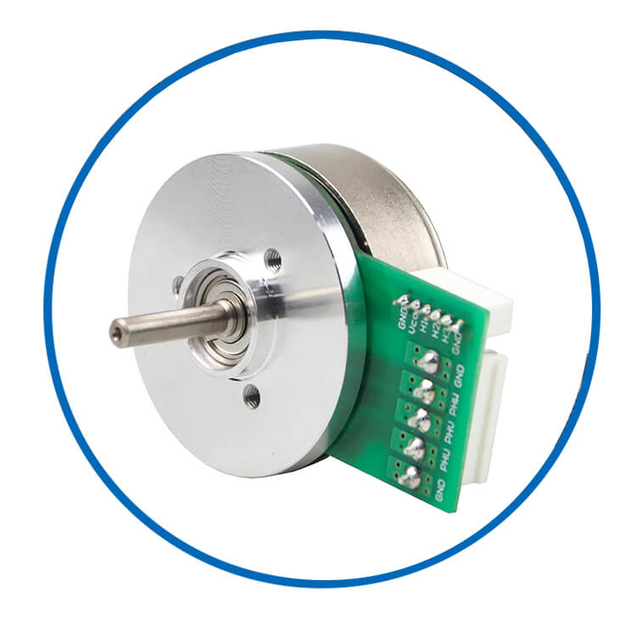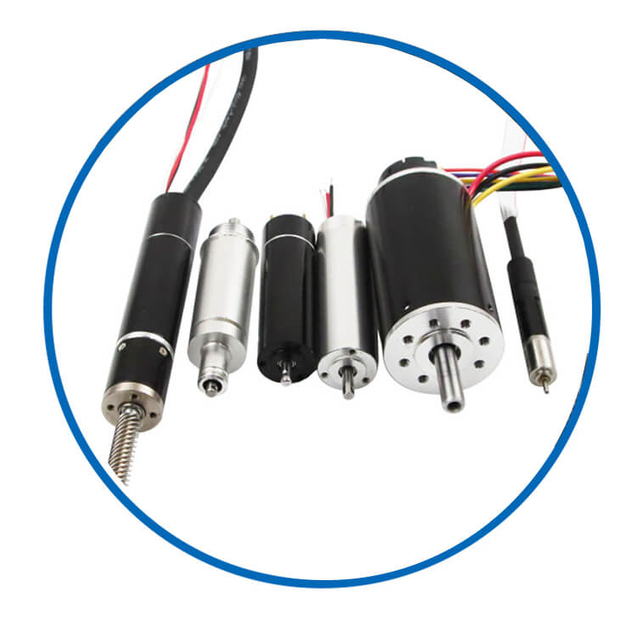
In the world of precision automation, Japanese engineering stands as a benchmark for reliability, innovation, and exceptional performance. Integrated servo motors, which combine a servo motor, drive, and controller into a single, compact unit, represent a pinnacle of motion control technology. We have compiled a definitive analysis of the top fifteen Japanese manufacturers who are shaping industries worldwide. Our ranking is based on technological sophistication, global market influence, product range, and proven industry application.
Jkongmotor Integrated Servo Motor Types
Motor Customized Service
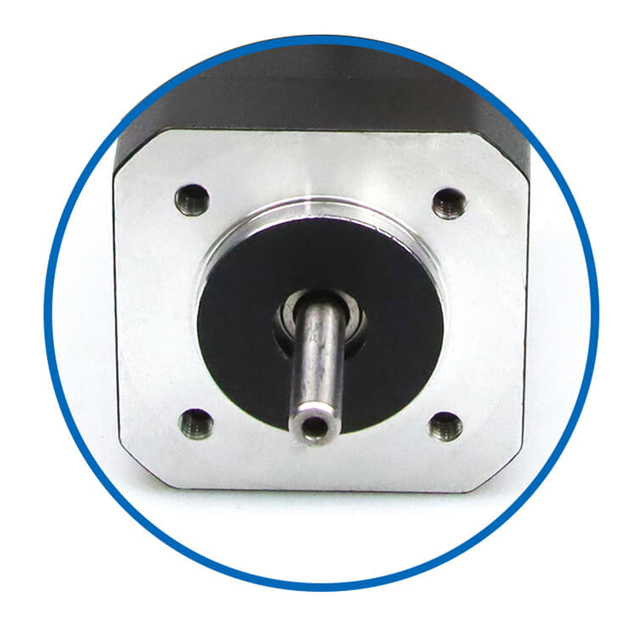
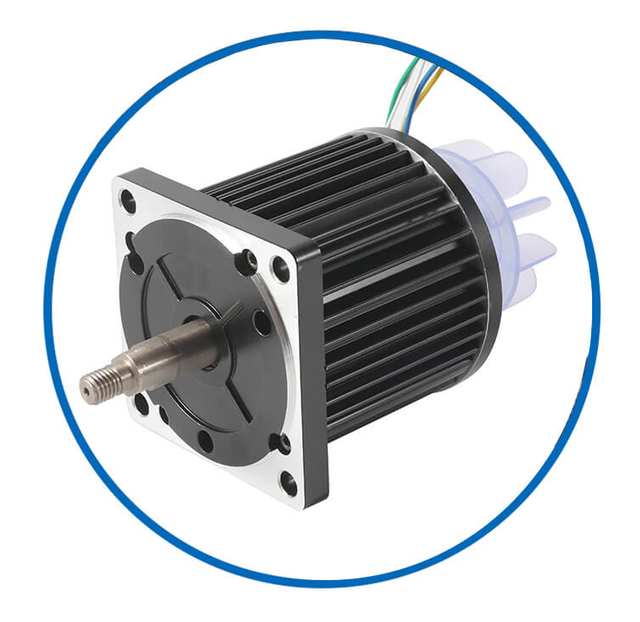
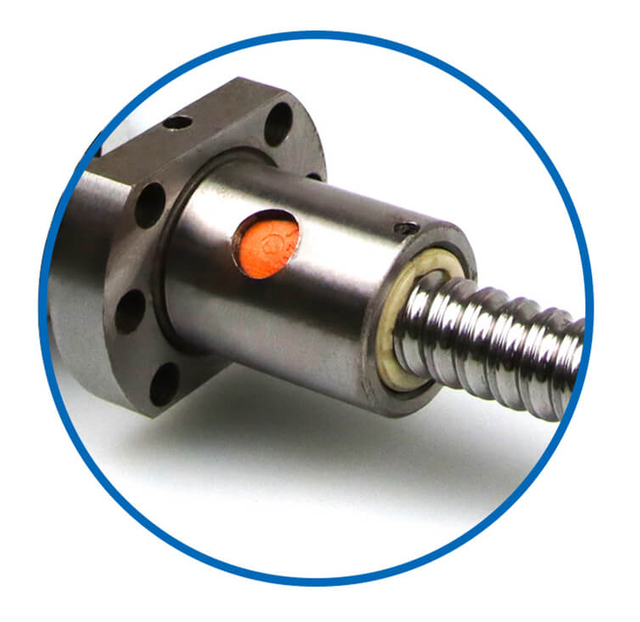
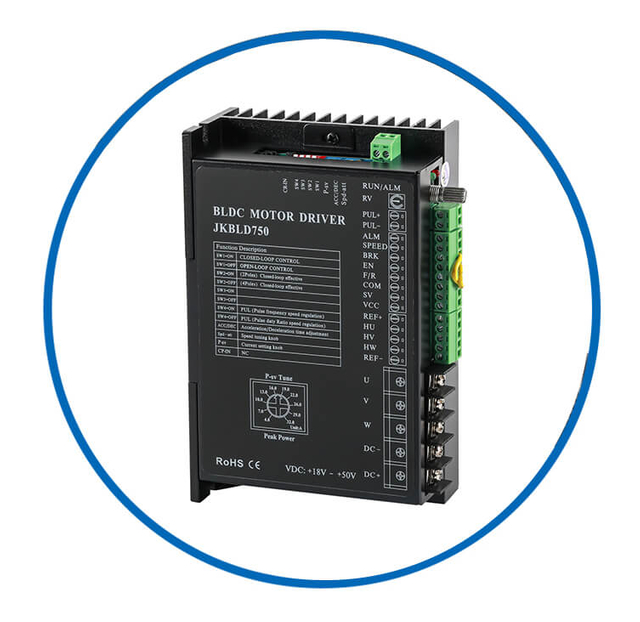
As a professional brushless dc motor manufacturer with 13 years in china, Jkongmotor offer various bldc motors with customized requirements, including 33 42 57 60 80 86 110 130mm, additionally, gearboxes, brakes, encoders, brushless motor drivers and integrated drivers are optional.
![bldc motor supplier]() | ![bldc motor supplier]() | ![bldc motor supplier]() | ![bldc motor supplier]() | ![bldc motor supplier]() | Professional custom brushless motor services safeguard your projects or equipment. No Brushes – Reduced Maintenance and Increased Lifespan High Efficiency and Low Power Loss High Torque-to-Weight Ratio Precise Speed and Position Control Quiet and Smooth Operation Wide Speed Range and Dynamic Performance Excellent Thermal Management Customizable Designs and Modular Configurations Multiple Control Methods Integration with Digital Interfaces and Sensors |
| Wires | Covers | Fans | Shafts | Integrated Drivers |
![bldc motor supplier]() | ![bldc motor supplier]() | ![bldc motor supplier]() | ![bldc motor supplier]() | ![bldc motor supplier]() |
| Brakes | Gearboxes | Out Rotors | Coreless Dc | Drivers |
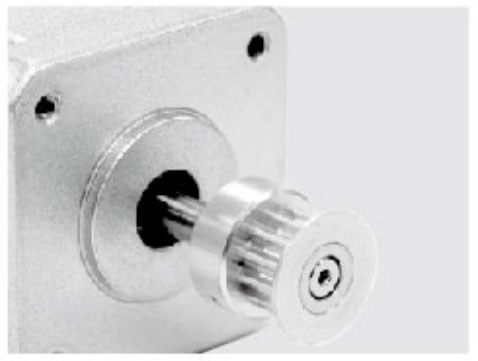
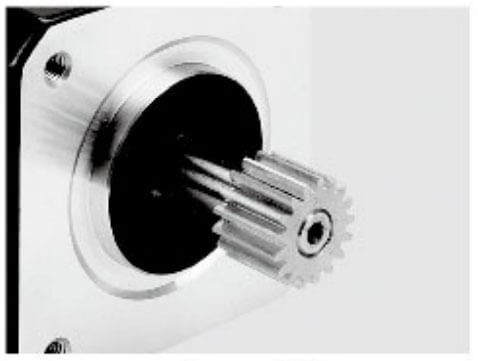
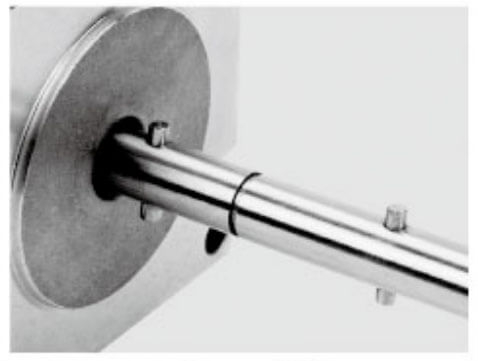
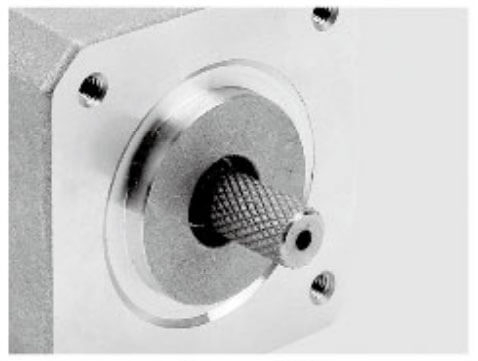
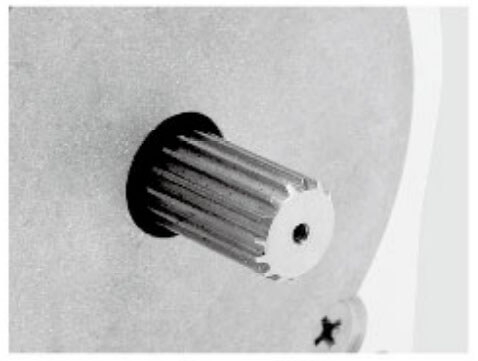
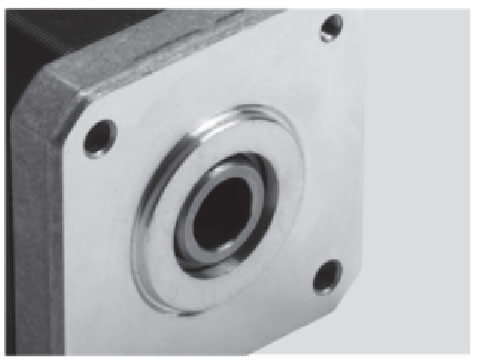
Motor Shaft Customized Service
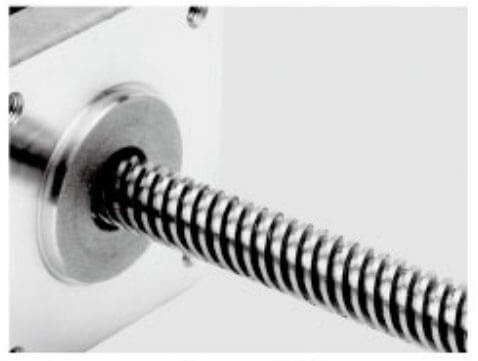
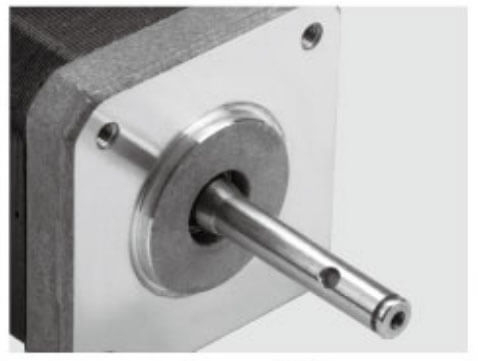
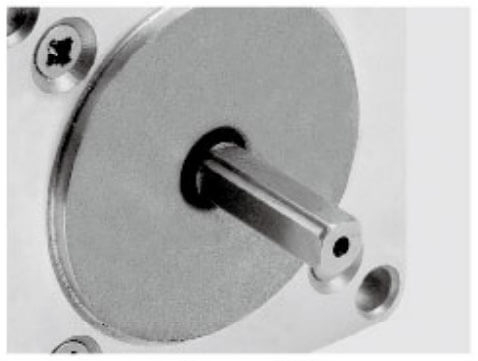
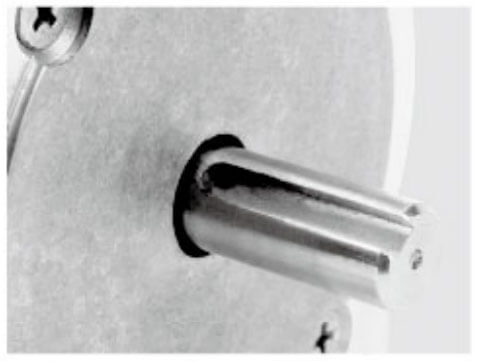
Jkongmotor offer many different shaft options for your motor as well as customizable shaft lengths to make the motor fit your application seamlessly.
1. Yaskawa Electric Corporation
Company Profile
Yaskawa, often called "the motion control giant," is a global leading Integrated servo motor manufacturer founded in 1915. Headquartered in Kitakyushu, Yaskawa is synonymous with servo and motion control, boasting the world's largest market share in AC servo drives and motors. Their "i³-Mechatronics" concept drives their innovation in integrated solutions.
Main Products
The flagship product line is the Σ-X Series and the revolutionary SGM7X Series of integrated servo motors. Their “Mechatrolink” communication network is an industry-standard fieldbus.
Advantages
Yaskawa’s key strengths are their unmatched global service network, exceptional reliability in harsh environments, and the deepest application knowledge across robotics, semiconductor, and automotive sectors.
2. Fanuc Corporation
Company Profile
Fanuc, a Tokyo-based powerhouse, is the world's largest Integrated servo motor manufacturer of industrial robots and CNC systems. Their servo motor technology is primarily developed for seamless integration within their own automation ecosystems, ensuring flawless performance and synchronization.
Main Products
They produce integrated servos specifically for their robotic arms and ROBODRILL/ROBOCUT machining centers. The β series servo motors are widely recognized for their compactness and power density.
Advantages
The principal advantage is perfectly optimized, trouble-free integration with Fanuc robots and CNCs. Their products offer legendary durability, minimal maintenance requirements, and are the de facto standard in machine tool automation.
3. Mitsubishi Electric Corporation
Company Profile
A core Integrated servo motor manufacturer of the Mitsubishi Group, Mitsubishi Electric is a comprehensive electrical and electronics giant. Their Factory Automation (FA) division offers a complete suite of products, with servo systems being a cornerstone of their "e-F@ctory" smart manufacturing concept.
Main Products
The MELSERVO-J5/JE Series represents their latest generation of integrated servo systems, featuring advanced safety and AI-driven predictive maintenance functions. Their MR-J5 servo amplifier is highly acclaimed.
Advantages
Their primary edge is total system integration—their servos work flawlessly with Mitsubishi PLCs, HMIs, and robots. They excel in advanced network compatibility (CC-Link IE TSN) and offer industry-leading safety functions (SF-J/SJ-5 Series).
4. Panasonic Industry Co., Ltd.
Company Profile
As a leading Integrated servo motor manufacturer, Panasonic’s industrial division leverages decades of electronic expertise to produce highly reliable and energy-efficient automation components. Their servo systems are known for precision and are a preferred choice in packaging, assembly, and electronics manufacturing.
Main Products
The MINAS A6B Series and the A7N Series are their premier fully-integrated servo motors. They also offer the “Absolute Auto-Tuning” function for simplified setup.
Advantages
Panasonic excels in delivering superior cost-performance ratio, excellent energy-saving performance, and user-friendly setup and tuning software, making them ideal for high-volume, repetitive motion applications.
5. Jkongmotor
Company Profile
Jkongmotor is a unique, direct-sales Integrated servo motor manufacturer known for innovative, high-value-added sensors and systems. Their approach to servos focuses on extreme ease of use and integration, often targeting engineers new to motion control.
Main Products
Their ISC/IDC Series of programmable integrated servo systems are designed as all-in-one units with a built-in controller, driver, motor, and network. Setup is performed via a touch-panel operator.
Advantages
The standout benefit is revolutionary simplicity—dramatically reducing design, wiring, and programming time. They offer outstanding technical support and are perfect for standalone or simple multi-axis applications requiring fast deployment.
6. Omron Corporation
Company Profile
Omron, a leading Integrated servo motor manufacturer in industrial automation and healthcare, provides holistic automation solutions. Their servo technology is a key component of their "innovative-Automation" philosophy, emphasizing intelligence and integration.
Main Products
The flagship 1S Series is an ultra-compact, all-in-one servo motor with an integrated driver and controller. Their G5 Series servo drives are also highly regarded for advanced motion control.
Advantages
Omron’s strength lies in seamless interoperability within their vast automation product ecosystem (via EtherCAT) and advanced built-in intelligence for condition monitoring and predictive maintenance.
7. Sanyo Denki Co., Ltd.
Company Profile
Sanyo Denki is a leading Integrated servo motor manufacturer and specializes in cooling devices, power supplies, and precision motors. They are a critical "behind-the-scenes" player, supplying high-performance servo motors and amplifiers to various machine builders and system integrators worldwide.
Main Products
They manufacture the SANMOTION R2 and S Series of servo systems, known for high torque and robustness. Their line of “San Ace” cooling fans is often used in conjunction with servo amplifiers.
Advantages
They offer exceptional thermal management design, leading to high overload capability and long service life. Their products are known for consistent quality and competitive pricing in the OEM market.
8. Yokogawa Electric Corporation
Company Profile
Globally renowned for a leading Integrated servo motor manufacturer, control, and information technologies, Yokogawa’s motion control division produces servo drives and motors of exceptional precision and quality, often for specialized, high-end applications.
Main Products
Their SGDV/SGMV Series servo packages are engineered for ultra-high precision tasks. They are deeply integrated into Yokogawa’s own machine tools and testing systems.
Advantages
Yokogawa’s key differentiator is extreme precision and stability, making them ideal for semiconductor fabrication, laboratory automation, and high-accuracy measurement systems.
9. Nidec Corporation
Company Profile
Nidec, the world's leading comprehensive Integrated servo motor manufacturer, has a vast portfolio that includes sophisticated servo systems. Their strength lies in core motor technology and massive production scale.
Main Products
Through subsidiaries like Nidec-Sankyo and Nidec Control Techniques, they offer a wide range of servo solutions, from compact brushless servos to large industrial servo motors.
Advantages
Their unparalleled advantage is vertical integration in motor manufacturing and application-specific customization capabilities. They provide excellent scalability from miniature to very high-power applications.
10. Harmonic Drive Systems Inc.
Company Profile
This company is the pioneer and global leading Integrated servo motor manufacturer in strain wave gearing (harmonic drive) technology. They specialize in ultra-precision actuators that combine their unique gearing with servo motors.
Main Products
Their CSD/CSG Series are compact, integrated servo actuator units that offer exceptional positional accuracy, zero backlash, and high torque density in a slim package.
Advantages
The definitive advantage is unmatched precision with zero backlash, which is critical for robotic joints, aerospace actuators, and optical positioning systems. They provide the highest torque-to-volume ratio in the industry.
11. Tamagawa Seiki Co., Ltd.
Company Profile
A leading Integrated servo motor manufacturer in precision sensors and motors, Tamagawa Seiki is a key supplier of high-end components for aerospace, robotics, and CNC machinery. They are known for exceptional quality and technical expertise in resolver and encoder technology.
Main Products
They manufacture servo motors with ultra-high-resolution absolute encoders and brushless resolver-integrated motors. Their products are often found in mission-critical applications.
Advantages
Their core strength is proprietary, ultra-high-precision feedback device technology. This results in servo motors with exceptional positional accuracy, extreme reliability, and resistance to harsh environments.
12. Nabtesco Corporation
Company Profile
Nabtesco is another world leading Integrated servo motor manufacturer in precision reduction gears, notably its RV (Rotary Vector) reducers used extensively in industrial robots. Their servo offerings are often integrated with these high-performance gear units.
Main Products
They produce high-torque, low-speed servo actuator units that combine a servo motor with an RV reducer. These are the "joints" of choice for many heavy-duty industrial robots.
Advantages
The key benefit is the integration of best-in-class reduction gearing, delivering massive torque, excellent rigidity, and superior shock load resistance for heavy-payload robotics and automation.
13. Sumitomo Heavy Industries, Ltd.
Company Profile
Part of the Sumitomo Group, this industrial conglomerate produces a wide array of machinery, including precision gearboxes and motion control systems. Their servo offerings leverage their immense mechanical engineering prowess.
Main Products
Their Cyclo Drive servo actuators and SM Series servo motors are designed for heavy industrial applications requiring high durability and torque.
Advantages
They offer extreme robustness and longevity under continuous heavy loads. Their products are engineered for minimum downtime in demanding sectors like material handling, steel processing, and marine equipment.
14. Oriental Motor Co., Ltd.
Company Profile
Oriental Motor is a global leading Integrated servo motor manufacturer in fractional horsepower motors and automation components. They excel at providing easy-to-use, standardized motion solutions for a broad range of general industrial applications.
Main Products
Their BX Series brushless servo motors and drives are known for simplicity and reliability. They offer a comprehensive range of geared servo motors for speed and torque control.
Advantages
They stand out for outstanding product availability, excellent documentation, and ease of selection and implementation. They are the go-to for standardized, reliable motion solutions without excessive customization.
15. Fuji Electric Co., Ltd.
Company Profile
Fuji Electric is a major Integrated servo motor manufacturer in power electronics and industrial components. Their servo systems benefit from their deep expertise in inverter and drive technology, focusing on energy efficiency and system integration.
Main Products
The ALPHA7 Smart servo drive and motor series is their flagship, emphasizing connectivity for Industry 4.0 and energy-saving performance.
Advantages
Their primary advantage is superior energy efficiency derived from advanced power electronics design. They also provide strong integration capabilities with their PLCs and other factory automation systems.
The Definitive Guide to Integrated Servo Motors: Architecture, Advantages, and Industry Impact
In the relentless pursuit of precision, efficiency, and compact design within industrial automation, a transformative technology has emerged as a cornerstone of modern motion control: the integrated servo motor. We present a comprehensive technical analysis that moves beyond basic introductions to deliver a profound understanding of this pivotal technology. This guide details the intricate architecture, enumerates the decisive benefits over traditional systems, explores critical selection criteria, and examines the cutting-edge trends shaping its future across global industries.
Deconstructing the Integrated Servo Motor: A Symphony of Components
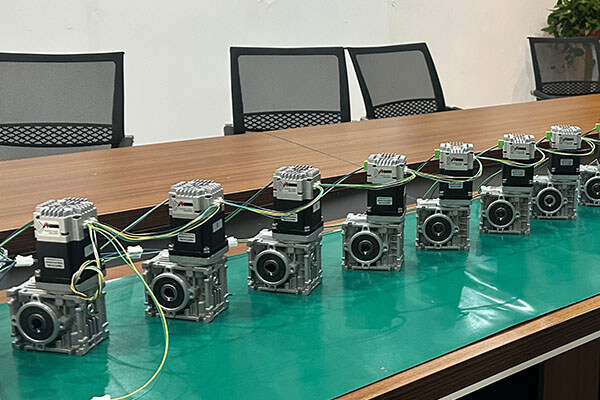
An integrated servo motor, also commonly termed a all-in-one servo or closed-loop servo motor, represents a fundamental re-engineering of the classic motion control assembly. It consolidates three previously discrete components into a single, unified package. Understanding this integration is key to appreciating its revolutionary impact.
The Servo Motor (The Prime Mover): At its core remains a high-performance brushless AC synchronous motor. This motor is characterized by its use of permanent magnets (typically rare-earth Neodymium) on the rotor, which provides exceptional torque density, dynamic response, and efficiency. The stator windings are precisely energized to create a rotating magnetic field that pulls the rotor with exact synchronization.
The Drive/Amplifier (The Power Brain): Physically and functionally integrated into the motor's rear or housing is the servo drive, also known as an amplifier. This critical subsystem performs two core functions. First, it rectifies and conditions incoming AC line power. Second, and most importantly, it utilizes Pulse Width Modulation (PWM) via Insulated-Gate Bipolar Transistors (IGBTs) to generate the precise three-phase AC current required to drive the motor windings. This process is governed in real-time by the control loop.
The Controller & Feedback (The Intelligence): This is the defining integration. A sophisticated microprocessor-based controller is embedded within the unit. It continuously executes a high-speed PID (Proportional-Integral-Derivative) control loop. This loop processes the command signal from a host PLC or machine controller against real-time data from a high-resolution feedback device—almost universally a 24-bit+ multi-turn absolute encoder. This encoder provides instantaneous data on rotor position, speed, and torque, allowing for sub-arc-minute precision and immediate correction of any deviation from the commanded move profile.
The Communication Interface (The Connective Tissue): Modern integrated servos feature built-in high-speed industrial network interfaces. This eliminates the need for a separate motion controller card. Key protocols include EtherCAT, PROFINET IRT, MECHATROLINK-III, and EtherNet/IP. This allows for direct, synchronized multi-axis control from a standard industrial network, enabling true distributed intelligence.
The Compelling Advantages Driving Widespread Adoption of Integrated Servo Motors
The shift from conventional modular servo systems to integrated designs is driven by a cascade of tangible, bottom-line benefits that address the core challenges in machine design and operation.
Radical Simplification of System Architecture: The most immediate advantage is the dramatic reduction in components. By eliminating separate drive cabinets, extensive power cabling, and feedback wiring, machine builders achieve a substantial reduction in design complexity. This translates directly into shorter machine build times, lower bill-of-materials costs, and a cleaner, more reliable overall system with far fewer potential points of failure.
Unmatched Space and Weight Savings: The compact form factor is a game-changer for modern, high-density machinery. Integrating the drive and controller frees crucial panel space, enabling smaller control cabinets or even their complete elimination in distributed architectures. The reduced size and weight of the motor assembly itself also allow for more flexible mounting on articulating robot arms, gantry systems, and mobile platforms, improving dynamic performance.
Enhanced Performance and Dynamic Response: With the drive and controller in intimate physical proximity to the motor, electrical noise and signal degradation are minimized. The control loop can operate at higher frequencies, resulting in superior stiffness, faster settling times, and improved contour accuracy. The tight integration also allows for advanced, motor-specific tuning that optimizes performance for the exact electromagnetic characteristics of the unit.
Streamlined Installation and Maintenance: Plug-and-play functionality is a hallmark. With only a network cable and a single power connection required, wiring errors are drastically reduced. Automatic tuning routines and built-in diagnostics simplify commissioning. Predictive maintenance is facilitated by the unit's ability to monitor its own temperature, vibration, and load characteristics, alerting operators to potential issues before they cause downtime.
Improved Energy Efficiency: The optimized design and shorter power paths reduce parasitic losses. Furthermore, advanced regeneration capabilities are more efficiently managed internally, allowing braking energy to be dissipated or recycled back to the bus, lowering overall system energy consumption—a critical factor in sustainability-focused industries.
Critical Selection Criteria for Optimal Integration of Integrated Servo Motors
Selecting the appropriate integrated servo motor requires a meticulous analysis of application demands. We advise a systematic evaluation of the following parameters:
1. Kinematic Performance Requirements: Precisely calculate the required continuous and peak torque (in Nm) across the operational speed range. Determine the necessary speed and positional accuracy, including repeatability and absolute accuracy specifications. Analyze the move profile (jerk, acceleration, constant velocity) to define dynamic load demands.
2. Mechanical Integration Constraints: Carefully measure the available mounting space and shaft loading (axial and radial). The protection rating (IP class) is non-negotiable; choose IP65/IP67 for washdown or dusty environments. Consider the connection interface for the feedback device if an external secondary system is used.
3. Electrical and Network Compatibility: Verify the supply voltage (common ranges are 100-120VAC, 200-240VAC, or 380-480VAC 3-phase). The choice of industrial Ethernet protocol (EtherCAT, PROFINET, etc.) must align with the existing machine control architecture. Assess the brake requirement for vertical axis holding or emergency stopping.
4. Software and Functional Safety: Evaluate the manufacturer's configuration and tuning software for user-friendliness and advanced features like oscillation suppression or adaptive filter tuning. For collaborative or high-risk applications, ensure the integrated servo supports the necessary Safety over Ethernet protocols (e.g., CIP Safety, PROFIsafe) and possesses Safe Torque Off (STO) and Safe Limited Speed (SLS) functionalities.
Future Trajectory: Intelligence and Connectivity of Integrated Servo Motors
The evolution of the integrated servo motor is inextricably linked to the advancement of Industry 4.0. The next generation of these devices is evolving from intelligent motion components into cyber-physical systems. We observe three dominant trends:
1. Edge Computing and IIoT Integration: Future units will feature more powerful embedded processors capable of local data analytics and edge computing. They will directly communicate with Manufacturing Execution Systems (MES) and cloud platforms via OPC UA, providing granular data on energy consumption, performance metrics, and maintenance needs.
2. Advanced Materials and Thermal Management: Research into new soft magnetic composites and high-temperature superconductors promises even higher power densities. Innovations in integrated cooling—such as advanced hollow shaft liquid cooling—will allow sustained higher torque output in smaller packages.
3. AI-Enhanced Motion Control: The integration of machine learning algorithms directly into the servo's firmware is on the horizon. These systems will enable self-tuning that adapts to changing load inertias and frictional characteristics, predictive compensation for mechanical wear, and anomaly detection far beyond current capabilities.
The integrated servo motor is not merely an incremental improvement but a fundamental architectural shift that embodies the principles of distributed control, miniaturization, and embedded intelligence. Its continued adoption is essential for building the next generation of agile, efficient, and connected automated machinery that will define global manufacturing competitiveness. We recommend partnering with a technical supplier who can provide not just the component, but the deep application engineering support required to fully harness its transformative potential.
Integrated Servo Motors: A Comprehensive Guide to Advantages, Disadvantages, and Applications
Executive Summary: The Core of Modern Motion Control
In the dynamic world of industrial automation, integrated servo motors have emerged as a transformative solution, fundamentally reshaping system architecture. These devices combine the servo motor, drive amplifier, and often the controller into a single, compact unit, creating a self-contained motion control package. This integration delivers unparalleled system simplification and performance optimization, though it also introduces specific considerations for application suitability. We will provide a detailed analysis of their operational advantages, candidly address inherent limitations, and explore the diverse industrial sectors where they deliver maximum impact, from high-speed packaging to precision robotics.
Fundamental Architecture: Unpacking the All-in-One Design
An integrated servo motor represents a significant departure from traditional, component-separated systems. Its core innovation is the physical and functional unification of critical motion control elements within one housing.
Motor & Drive Synergy: At its heart is a high-performance brushless AC synchronous motor paired with a perfectly matched servo drive. This intimate coupling allows for precise torque curve matching and eliminates the performance-degrading effects of long motor cables, such as voltage reflection and electrical noise.
Embedded Intelligence: Crucially, these units incorporate a sophisticated microprocessor-based controller and a high-resolution feedback device, typically a multi-turn absolute encoder. This creates a fully closed-loop system capable of executing complex motion profiles with sub-millisecond precision, all from a unified package.
Network Connectivity: Modern integrated servos feature built-in industrial Ethernet protocols like EtherCAT or PROFINET. This turns each motor into a smart, networked node on the factory floor, enabling synchronized multi-axis control directly from a central PLC without additional hardware.
The benefits of adopting an integrated servo solution are profound and multi-faceted, impacting machine design, performance, and operational costs.
Radical System Simplification and Space Savings
The most immediate advantage is the dramatic reduction in system complexity. By consolidating three major components, integrated servos eliminate separate drive cabinets, extensive power and feedback cabling, and complex interconnect designs. This translates directly into:
Smaller Machine Footprints: Significant savings in control panel space.
Faster Build Times: Reduced wiring and commissioning effort accelerates time-to-market.
Enhanced Reliability: Fewer connectors and cables mean fewer potential points of failure.
Superior Electromagnetic and Dynamic Performance
Electrical performance is significantly enhanced. With the drive and motor in intimate proximity, issues like voltage reflection and electromagnetic interference (EMI) are minimized. This allows for:
Higher Control Loop Bandwidth: Enabling faster response times and superior disturbance rejection.
Improved Contour Accuracy: Essential for complex motion paths in robotics and machining.
Optimized Energy Efficiency: Reduced electrical losses in cables and perfectly matched drive-to-motor characteristics lower overall energy consumption.
Reduced Installation, Maintenance, and Lifecycle Costs
Integration streamlines the entire lifecycle of the motion system. Plug-and-play installation with just a network and power connection slashes commissioning time. Advanced units feature automatic tuning routines and embedded diagnostics, simplifying maintenance and enabling predictive upkeep. While the upfront unit cost may be higher, the total cost of ownership is often lower due to these efficiencies.
Disadvantages and Key Considerations
Despite their advantages, integrated servos are not a universal solution. A clear understanding of their constraints is vital for proper selection.
Thermal Management Challenges
Heat dissipation is a primary constraint. Concentrating the heat-generating drive electronics with the motor creates a significant thermal management challenge. This can limit the continuous torque output compared to a similarly sized traditional motor with a remotely mounted, well-cooled drive. Applications requiring high torque at low speeds or sustained overload must be carefully evaluated.
Limited Configuration Flexibility and Scalability
The all-in-one design inherently offers less flexibility. The drive's power stage is fixed to the motor's rating, preventing easy upgrades. If an application's torque requirements increase, the entire unit must be replaced, not just the amplifier. Furthermore, specialized cooling requirements or unique feedback systems are difficult to accommodate, making integrated servos less suitable for highly customized or extreme environment applications.
Higher Unit Cost and Potential Repair Complexity
The sophisticated integration typically results in a higher per-unit cost compared to the sum of separate components. Additionally, in the event of a failure, the entire unit often must be sent for service, leading to longer machine downtime than if a modular drive or motor were swapped independently. Repairing the integrated unit itself is also more complex and costly.
Primary Industrial Applications and Use Cases
Integrated servo motors excel in applications that prioritize compactness, high-speed communication, and distributed intelligence. The following table categorizes their dominant applications:
| Application Sector | Specific Use Cases | Why Integrated Servos Excel |
| Robotics & Collaborative Robots | Robotic joint actuators, collaborative robot (cobot) arms. | Compact size and light weight are critical for articulated arms. Built-in safety functions (STO, SLS) and networked control enable safe, synchronized multi-axis movement. |
| Packaging & Material Handling | High-speed pick-and-place, filling, cartoning, conveyor synchronization. | Rapid commissioning and easy daisy-chaining via fieldbus support fast line changeovers. High dynamic response boosts throughput. |
| Factory Automation & Assembly | Precision assembly stations, linear transfer systems, press fits, screwdriving. | Exceptional positioning accuracy (±0.01mm) ensures quality. Simplified wiring reduces cabinet size in dense machine cells. |
| Semiconductor & Electronics Manufacturing | Wafer handling, PCB assembly, die bonding, laser processing. | Ultra-precision and smooth motion at very low speeds are paramount. Clean, compact design suits delicate, space-constrained environments. |
| Medical & Laboratory Automation | Diagnostic instrument positioning, pump control, surgical robot actuators. | Quiet, low-vibration operation and high reliability are essential. The streamlined design is easier to seal and sterilize. |
Selecting the correct integrated servo motor requires a meticulous analysis beyond basic torque and speed. We emphasize a holistic evaluation:
Thermal Analysis: Closely examine the continuous torque rating across the entire speed range, considering the unit's enclosure and available cooling. Derating factors for ambient temperature are crucial.
Feedback Resolution and Network Choice: Ensure the embedded encoder resolution meets positioning accuracy needs. Select a communication protocol (e.g., EtherCAT, PROFINET) that matches the existing machine control architecture for seamless integration.
Software Ecosystem and Safety: Evaluate the manufacturer's configuration software for user-friendliness. For human-interactive applications, verify integrated functional safety certifications like SIL 3 or PLE.
The evolution of integrated servo motors is accelerating towards greater intelligence and connectivity, aligning with Industry 4.0 principles. The next generation will feature:
Embedded Edge Computing: More powerful processors will enable local data analytics, predictive maintenance algorithms, and AI-driven optimization of motion profiles.
Enhanced Connectivity: Direct cloud communication via OPC UA will provide granular data on energy use and performance, facilitating factory-wide optimization.
Advanced Materials: Adoption of new soft magnetic composites and improved thermal interfaces will push the boundaries of power density, mitigating current thermal limitations.
Final Evaluation and Strategic Recommendation
Integrated servo motors represent a paradigm shift, offering compelling advantages in system simplicity, performance, and total cost of ownership for a wide range of modern automation applications. Their suitability, however, is not absolute.
We recommend integrated servos as the optimal choice for space-constrained, multi-axis machines requiring fast installation and high-speed synchronized motion, such as robots, packaging lines, and complex assembly systems. Conversely, for applications with extremely high continuous torque demands, unique environmental challenges, or a need for maximum component-level flexibility and scalability, a traditional modular servo system may remain the more prudent engineering choice.
Ultimately, the decision hinges on a thorough analysis of the specific application's technical requirements, lifecycle cost targets, and future scalability needs. By carefully weighing the detailed advantages against the inherent disadvantages outlined here, engineers can make a strategic selection that delivers optimal performance and reliability.
Choosing the optimal manufacturer from this esteemed group requires a meticulous analysis of your application's specific demands. For robotic applications, the seamless synergy of Fanuc or the precision gearing of Harmonic Drive and Nabtesco are paramount. In high-speed, high-precision machinery common in electronics manufacturing, the performance of Yaskawa or Mitsubishi Electric is often unrivaled. For OEM machine builders seeking reliable, high-volume components, Panasonic and Sanyo Denki offer outstanding value.
The integration level is another critical factor. While Keyence provides unparalleled out-of-the-box simplicity, the comprehensive system architectures from Omron and Mitsubishi offer greater flexibility for complex, networked factory environments. For mission-critical applications where failure is not an option, the extreme reliability and precision of Yokogawa or Tamagawa Seiki justify their investment.
Ultimately, partnering with a top-tier Japanese integrated servo motor manufacturer provides more than just a component; it delivers a foundation of engineering excellence, proven reliability, and technological foresight that drives competitive advantage in the global market. We recommend engaging directly with these manufacturers' technical teams to conduct thorough evaluations, ensuring the selected servo system becomes a cornerstone of your automation success.