Defining the Modern Integrated Servo Motor
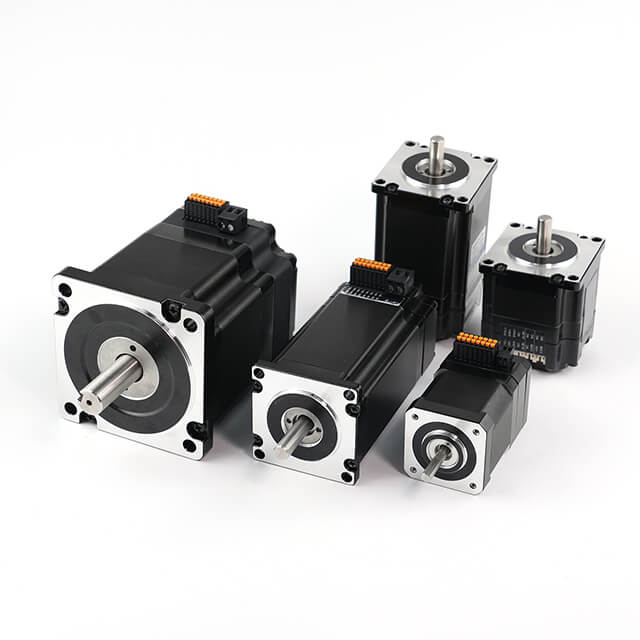
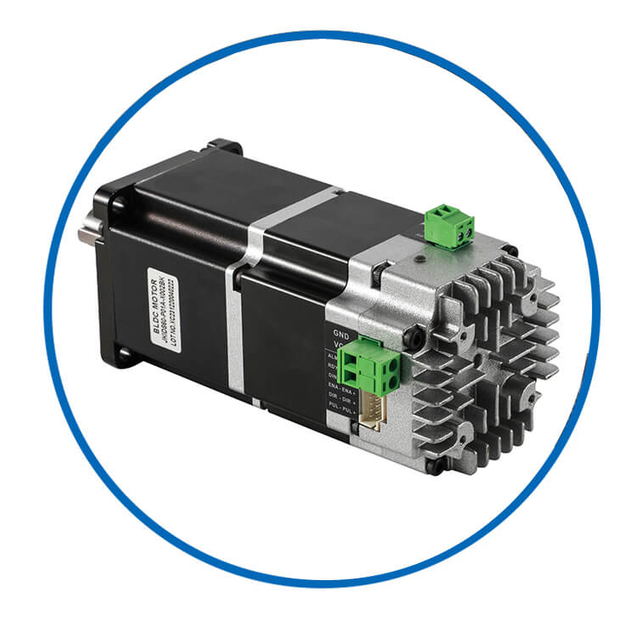
In the realm of industrial automation and precision motion control, the evolution of component technology is relentless. We have moved decisively beyond the era of disparate, separately housed components that required extensive engineering effort to synchronize. Today's pinnacle of this evolution is the integrated servo motor, a sophisticated mechatronic system that represents a fundamental shift in design philosophy. An integrated servo motor, also referred to as a motor-drive combination or smart motor, is a single, compact unit that seamlessly combines three critical elements: a high-performance servo motor, a full-featured servo drive (or amplifier), and a high-resolution feedback device. This triad operates under the governance of an embedded microcontroller, creating a self-contained, intelligent node of motion. It is not merely a servo motor with an attached connector; it is a fully realized motion subsystem engineered from the ground up for optimal performance, simplified installation, and networked intelligence. This transformative technology is the driving force behind the next generation of robotics, machine tools, packaging machinery, and semiconductor manufacturing equipment, where space, efficiency, and precision are non-negotiable.
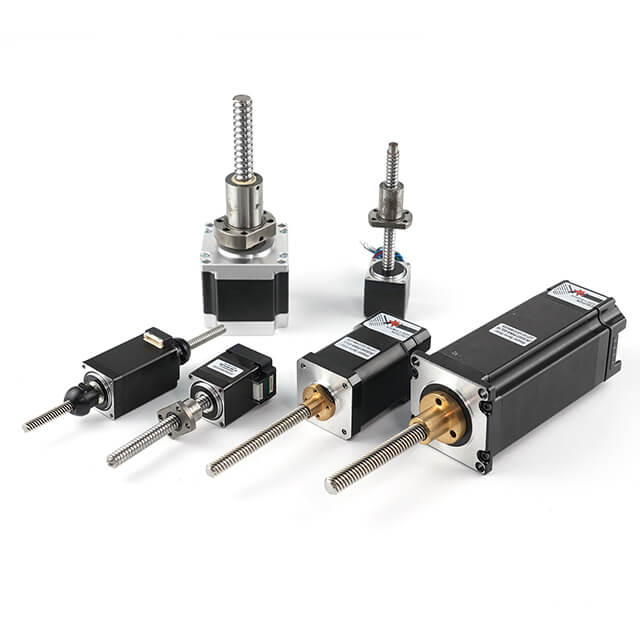
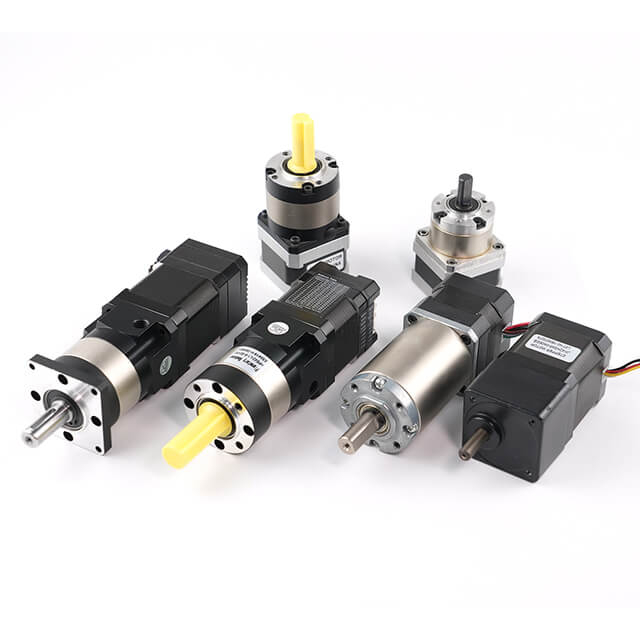
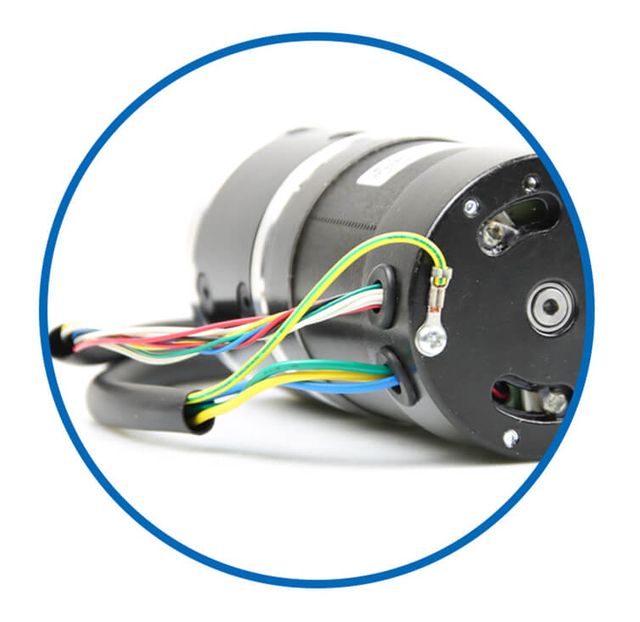
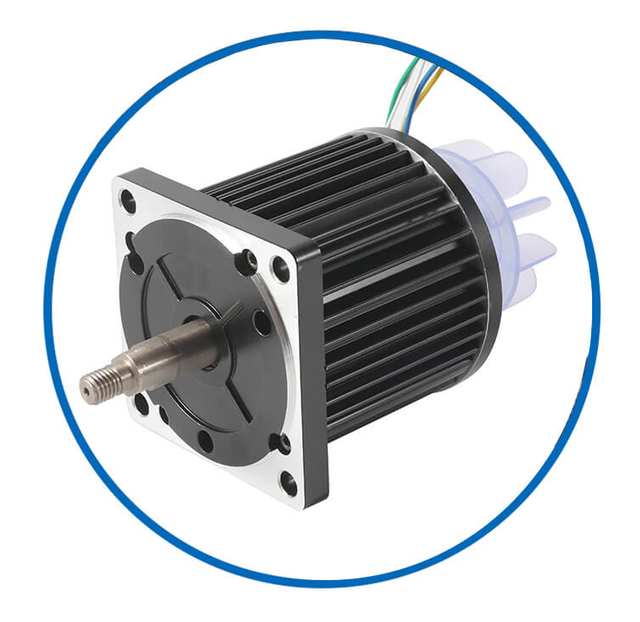
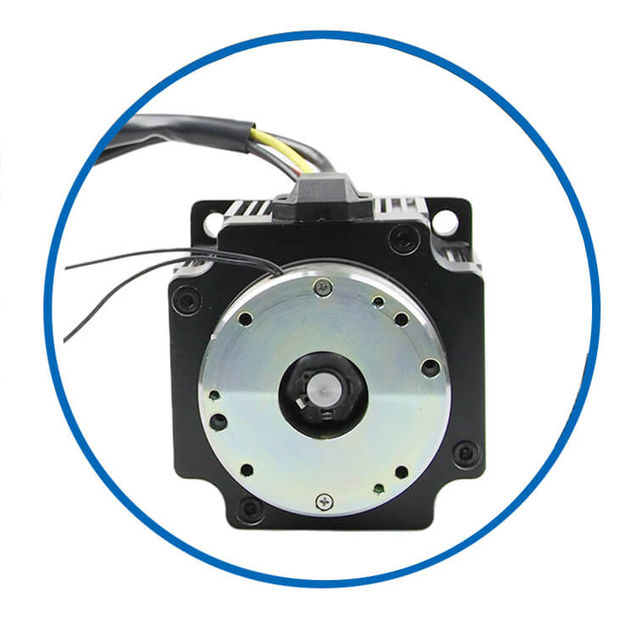
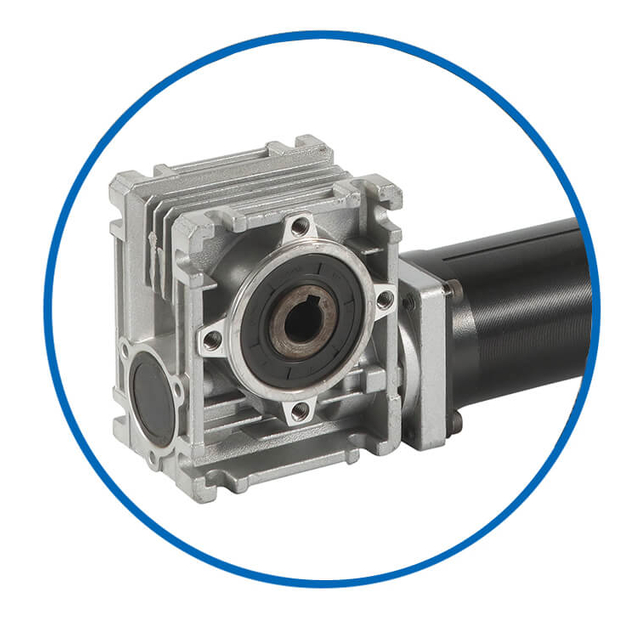
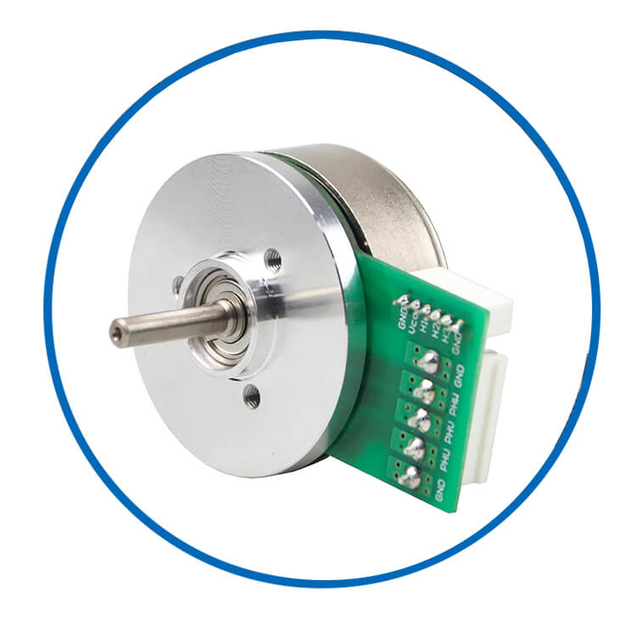
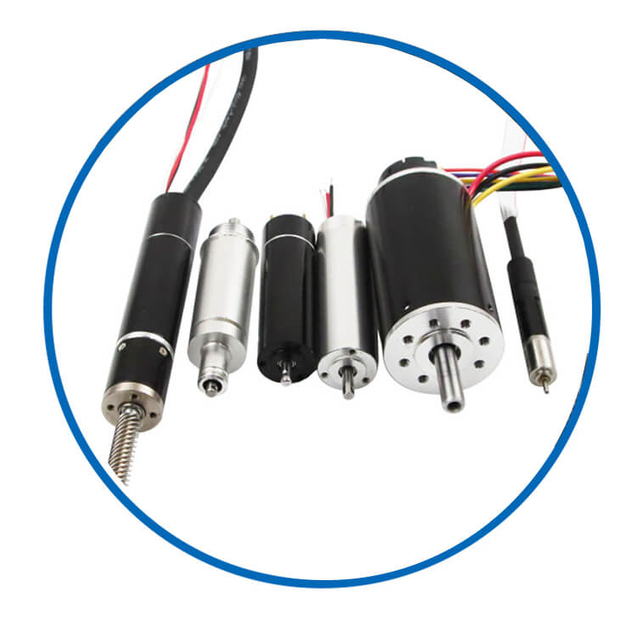
Jkongmotor Integrated Servo Motor Types
Motor Customized Service
As a professional brushless dc motor manufacturer with 13 years in china, Jkongmotor offer various bldc motors with customized requirements, including 33 42 57 60 80 86 110 130mm, additionally, gearboxes, brakes, encoders, brushless motor drivers and integrated drivers are optional.
![bldc motor supplier]() | ![bldc motor supplier]() | ![bldc motor supplier]() | ![bldc motor supplier]() | ![bldc motor supplier]() | Professional custom brushless motor services safeguard your projects or equipment. No Brushes – Reduced Maintenance and Increased Lifespan High Efficiency and Low Power Loss High Torque-to-Weight Ratio Precise Speed and Position Control Quiet and Smooth Operation Wide Speed Range and Dynamic Performance Excellent Thermal Management Customizable Designs and Modular Configurations Multiple Control Methods Integration with Digital Interfaces and Sensors |
| Wires | Covers | Fans | Shafts | Integrated Drivers |
![bldc motor supplier]() | ![bldc motor supplier]() | ![bldc motor supplier]() | ![bldc motor supplier]() | ![bldc motor supplier]() |
| Brakes | Gearboxes | Out Rotors | Coreless Dc | Drivers |
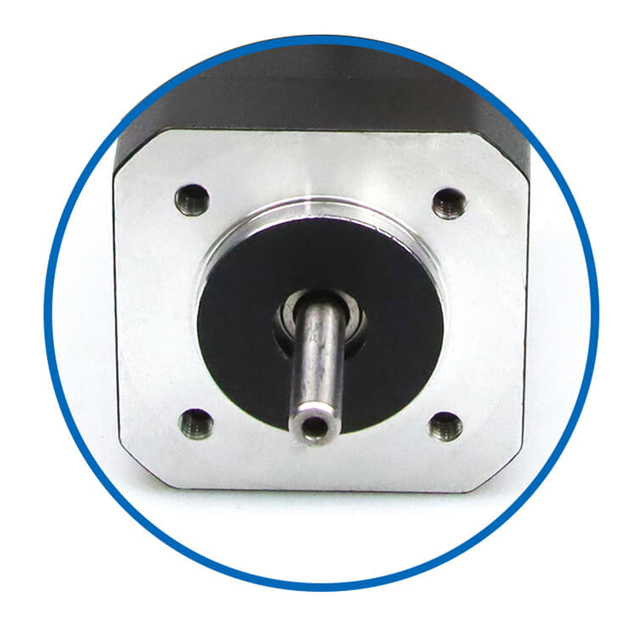
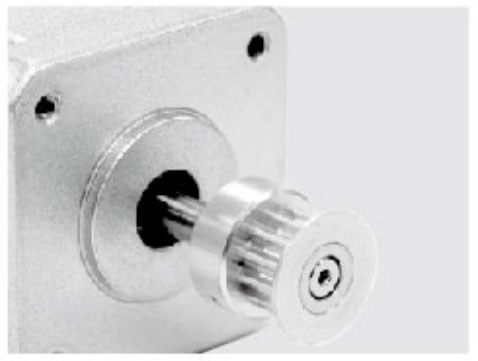
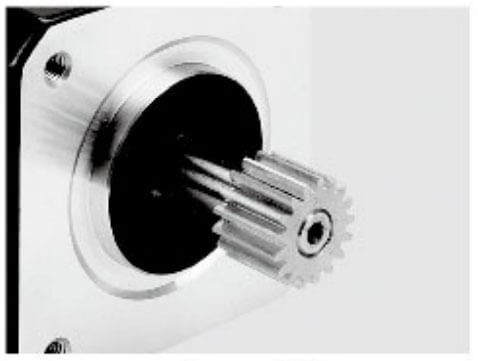
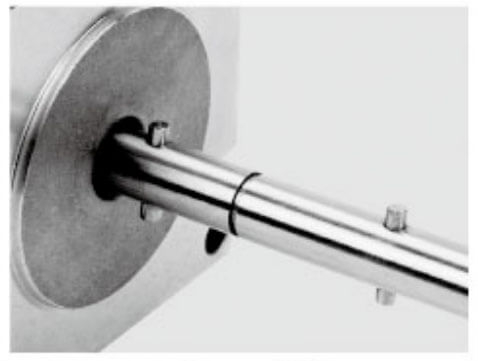
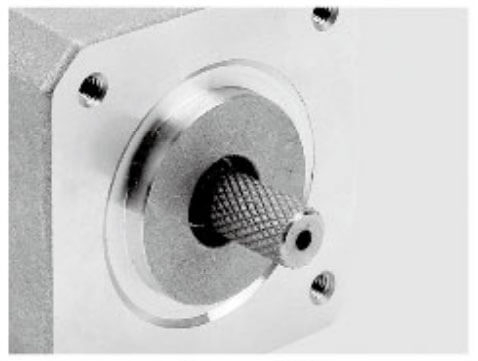
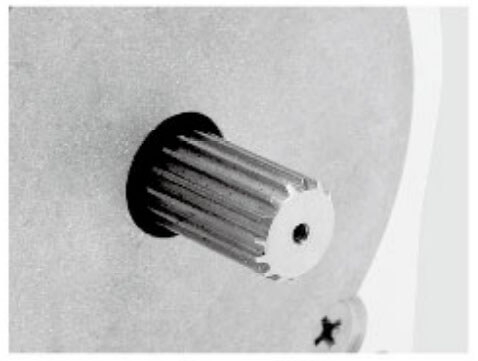
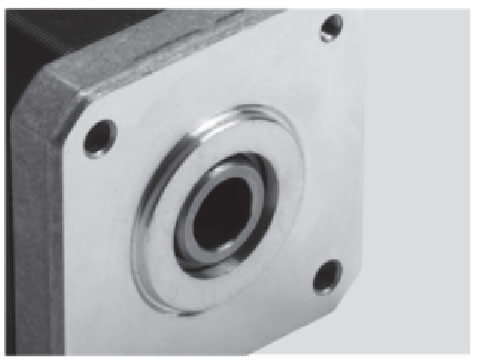
Motor Shaft Customized Service
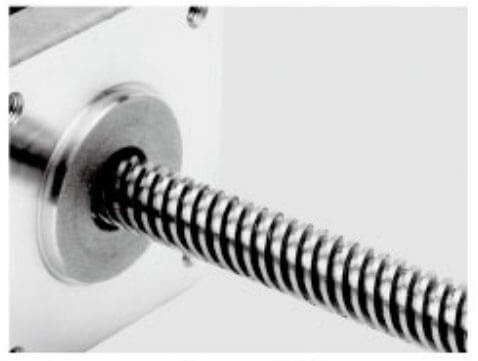
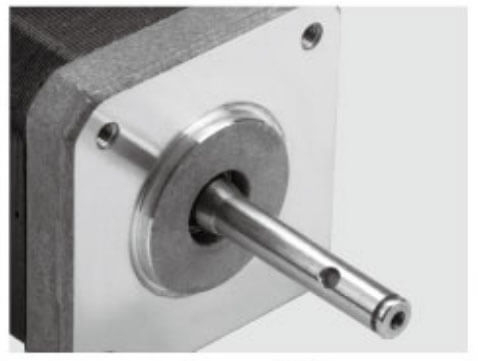
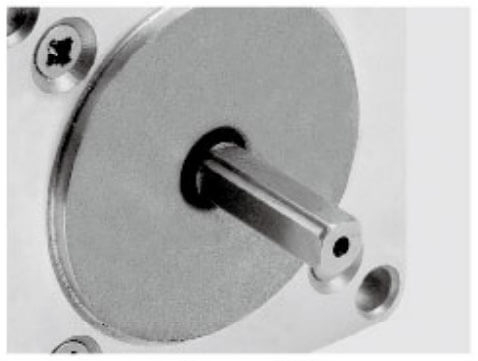
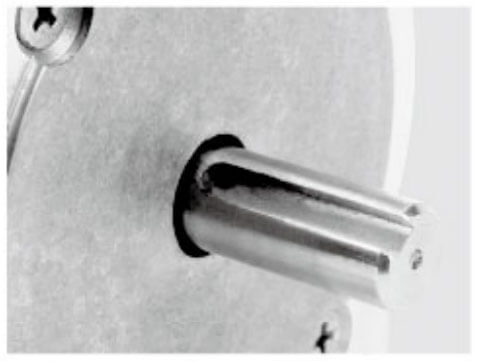
Jkongmotor offer many different shaft options for your motor as well as customizable shaft lengths to make the motor fit your application seamlessly.
Core Components and System Architecture of Integrated Servo Motors: A Deep Technical Dive
To understand the superiority of an integrated servo motor, we must dissect its architecture and examine the synergistic relationship of its internal components. Unlike a traditional setup where each element is selected, wired, and tuned separately, the integrated design ensures every part is co-engineered for peak harmony.
The High-Performance Servo Motor
At its heart lies the servo motor itself, typically a permanent magnet synchronous motor (PMSM). These motors are engineered for high torque density and low rotor inertia, enabling exceptional dynamic response. The electromagnetic design is optimized not in isolation, but with intimate knowledge of the drive electronics it will be paired with, ensuring efficient power conversion and thermal performance. Advanced designs may incorporate liquid cooling channels directly into the housing to manage heat in high-duty-cycle applications, a feature more effectively implemented when the drive is co-located.
The Embedded Servo Drive/Amplifier
This is the true differentiator. The servo drive, containing the power electronics and control algorithms, is no longer a separate box mounted in a control cabinet. It is miniaturized and physically integrated, often within the motor’s rear enclosure or as a distinct, attached module. This drive includes the insulated-gate bipolar transistor (IGBT) or MOSFET power stage, DC bus capacitors, and the necessary gate drivers. Crucially, it houses the processor—often a powerful DSP (Digital Signal Processor) or FPGA (Field-Programmable Gate Array)—that executes the real-time current, velocity, and position control loops. This processor runs sophisticated control algorithms, such as Field-Oriented Control (FOC), which precisely manages the motor’s magnetic field to deliver smooth torque at all speeds.
The High-Resolution Feedback System
Precision is meaningless without accurate measurement. Integrated servo motors employ high-grade feedback devices directly mounted on the motor shaft. While multi-turn absolute encoders (like optical or magnetic sin/cos encoders with 20-bit+ resolution) are the gold standard, some systems also integrate resolvers for extreme environmental robustness. The key advantage is the direct, short-path connection between the feedback device and the drive’s processor. This eliminates the electrical noise and signal degradation that can plague long feedback cables in traditional setups, ensuring the control loop receives the most accurate and timely position data possible.
The Communication and Network Interface
The integrated servo motor is a networked device. It features a robust digital communication interface that serves as its gateway to the wider automation world. EtherCAT is the dominant protocol due to its sub-microsecond synchronization jitter and distributed clock mechanism. Other common interfaces include PROFINET IRT, Powerlink, and SERCOS III. This interface carries all commands (e.g., target position, velocity profile), transmits all real-time status data (e.g., actual position, torque, temperature), and handles parameterization. It replaces the traditional mass of separate power and signal cables with a single, daisy-chainable network cable, often a standard RJ45 Ethernet cable.
Introduction: The German Engineering Advantage in Motion Control
When global industry leaders demand uncompromising precision, absolute reliability, and technological foresight in motion control, they consistently turn to German engineering. The nation's manufacturers of integrated servo motors represent the pinnacle of this expertise, producing compact, intelligent drive solutions that fuse motor, drive, feedback, and controller into a single, high-performance unit. These systems are the beating heart of modern automation, enabling the speed of high-throughput packaging lines, the micron-level accuracy of semiconductor lithography, and the dynamic grace of industrial robotics. In this definitive guide, we present the fifteen most distinguished German manufacturers of these critical components. Our analysis distills decades of collective engineering experience and market evaluation to provide you with a clear, authoritative resource for selecting your strategic partner in precision motion.
Our Methodology for Evaluating Industry Leaders
Our selection is not arbitrary. We have assessed each integrated servo motor manufacturer against a rigorous framework designed to identify true market leaders. This framework evaluates:
Core Technological Competence: Mastery in electromagnetic design, power electronics, and embedded control software.
System Integration Depth: The seamless, engineered harmony between all sub-components within the servo system.
Performance Spectrum: Offered torque, speed, power density, and dynamic response capabilities.
Application Provenance: Documented success across diverse and demanding sectors, from factory automation to aerospace.
Innovation and Future-Readiness: Commitment to advancing technology in areas like direct drive, IoT connectivity, and sustainable design.
The companies profiled herein excel across these criteria, establishing the global benchmark for integrated servo technology.
1. Siemens AG
Company Profile
A global titan of integrated servo motor manufacturer industry, Siemens’ Drive Technologies division leverages over 175 years of engineering heritage. Its motion control solutions are a cornerstone of its Digital Enterprise portfolio, offering unparalleled integration from the PLCs and CNC systems to the cloud, enabling full digital twins for optimization.
Main Products
The SINAMICS S series of modular servo drives, paired with SIMOTICS S-1FK2 servo motors, forms a performance-optimized system. Control is seamlessly integrated via SIMOTION or SINUMERIK platforms, creating a unified architecture for simple to highly complex multi-axis applications.
Advantages
The decisive advantage is the Totally Integrated Automation (TIA) Portal, a single engineering framework for configuration, programming, and commissioning. The DRIVE-CLiQ digital interface enables plug-and-play connectivity and automatic parameterization, drastically reducing machine development time and complexity.
2. Bosch Rexroth AG
Company Profile
As a leading global integrated servo motor manufacturer of drive and control technologies, Bosch Rexroth combines the innovation scale of the Bosch Group with deep specialization in factory and mobile hydraulics automation. This unique perspective fosters highly efficient, system-optimized electromechanical solutions.
Main Products
The IndraDrive Mi and Mc series of compact servo drives are designed for direct integration with IndraDyn S synchronous servo motors. These systems are managed by the powerful IndraMotion control platform, capable of handling complex multi-channel CNC and robotic kinematics.
Advantages
A key strength is integrated functional safety (e.g., Safe Torque Off, Safe Stop) directly within the drive hardware, enhancing machine safety while simplifying design. Their holistic system solution approach ensures exceptional synchronization accuracy and energy efficiency across all components.
3. Beckhoff Automation GmbH & Co. KG
Company Profile
Beckhoff is the pioneering integrated servo motor manufacturer behind PC-based control and the EtherCAT real-time industrial Ethernet system. This philosophy redefines motion control architecture, eliminating traditional hardware barriers and centralizing intelligence in high-performance industrial PCs.
Main Products
The AX5000 series of modular servo drives and the AM8000 series of servo motors with integrated TwinSAFE safety technology are the core hardware. The true integration occurs via EtherCAT, connecting all drives in a daisy chain to a PC running TwinCAT automation software.
Advantages
The EtherCAT system provides extreme performance with sub-microsecond synchronization jitter across hundreds of axes, using simple cabling. TwinCAT software integrates drive control, PLC, CNC, and robotics into one environment, offering unparalleled flexibility and scalability for advanced applications.
4. STOBER Antriebstechnik GmbH & Co. KG
Company Profile
Founded in 1934, STOBER is a leading integrated servo motor manufacturer and has evolved into a respected specialist in modular drive systems. The company’s philosophy centers on providing highly configurable, intelligent drive solutions from a comprehensive range of standardized, precision-engineered components.
Main Products
The portfolio is built around the SI6/SD6 servo drives, SMS synchronous servo motors, and a vast selection of precision gearboxes. These can be combined into custom units like the SYNCHROGENIC servo right-angle gearmotor, offering a tailored solution from standard parts.
Advantages
STOBER’s modular design principle allows for exceptional application-specific optimization. Their drives feature powerful integrated positioning controllers (IPC), enabling decentralized intelligence. This approach delivers a superior balance of performance, customization, and cost-effectiveness for specialized machinery.
5. Baumüller Nürnberg GmbH
Company Profile
The Baumüller Group is a globally leading integrated servo motor manufacturer, family-owned enterprise specializing in complete system solutions for mechanical engineering and e-mobility. With around 2,000 employees, it emphasizes deep customer partnerships, providing everything from the drive component to the application software.
Main Products
Key offerings include the b maXX servo controller series and DS/DSC synchronous servo motors. Their hallmark is the bmCOMBIMASTER, a truly integrated servo motor where the drive electronics are embedded in the motor’s terminal box, creating a compact, single-cable solution.
Advantages
Baumüller excels in delivering application-optimized, complete packages. The bmCOMBIMASTER eliminates control cabinets for individual axes, saving space and reducing wiring by up to 70%. Their strong Baumüller Services division provides global, lifecycle-spanning support.
6. Jkongmotor
Company Profile
Jkongmotor is a global integrated servo motor manufacturer focused on simplifying automation for machine builders. Its strategy centers on standardization, ease of use, and decentralized intelligence to accelerate machine development and enhance operational efficiency.
Main Products
Jkongmotor pioneered the ISC IDC servo series integrated servo motor solutions provider since 2011, which incorporates PLC and motion control functionality directly into the servo drive.
Advantages
The major strength is dramatically reduced engineering effort. The all-in-one drive controller minimizes hardware and central controller load. Coupled with the FAST application software toolbox, Jkongmotor enables rapid machine commissioning and streamlined maintenance, ideal for high-volume OEMs.
7. Dunkermotoren GmbH (AMETEK)
Company Profile
A division of AMETEK, Dunkermotoren is a global leading integrated servo motor manufacturer in compact, high-performance fractional horsepower drive systems. The company focuses on brushless DC and servo motor technology, often fully integrated with gearboxes and electronics for space-constrained applications.
Main Products
The core range includes brushless DC (BLDC) servo motors, planetary and worm gearboxes, and linear actuators. They specialize in fully integrated motor-drive packages where control electronics are mounted directly on or inside the motor housing.
Advantages
The primary advantage is extreme power and intelligence density in minimal space. Dunkermotoren’s sophisticated modular system allows for rapid configuration of highly customized, application-specific solutions, making them indispensable for medical devices, robotics, and aerospace.
8. WITTENSTEIN AG
Company Profile
WITTENSTEIN is a leading integrated servo motor manufacturer in mechatronic drive systems and precision components. The group is renowned for its revolutionary developments in harmonic drive gear technology and for setting the benchmark in miniaturization, power density, and precision.
Main Products
The cyber® dynamic series from its alpha division is exemplary. These integrated servo actuators combine a high-torque servo motor, a precision gear unit (often harmonic drive), feedback, and electronics in one ultra-compact, high-stiffness housing.
Advantages
Unmatched power density and positional accuracy are the hallmarks. Their proprietary zero-backlash gear technology delivers exceptional torque-to-weight ratios and repeatability, making them the default choice for surgical robots, space mechanisms, and high-end industrial robotics.
9. SEW-EURODRIVE GmbH & Co KG
Company Profile
SEW-EURODRIVE is a world leading integrated servo motor manufacturer in power transmission and drive engineering, with a massive global production and service footprint. The company is synonymous with robust, reliable, and application-proven solutions for heavy-duty industrial environments.
Main Products
For servo control, SEW offers the MOVITRAC® B and MOVIPRO® servo drive families paired with DR..P/CMP.. synchronous servo motors. They excel at providing complete mechatronic assemblies that combine their renowned gearboxes with motors and drives.
Advantages
The key advantage is unsurpassed global availability and rugged reliability. SEW products are engineered for 24/7 durability in harsh conditions. Their decades of application knowledge in material handling and heavy machinery, backed by a vast service network, guarantees long-term operational security.
10. Engel Elektroantriebe GmbH
Company Profile
With a heritage dating to 1923, Engel is a century-old integrated servo motor manufacturer in electric motor technology. The company has successfully transitioned from DC motors to become a focused manufacturer of high-performance synchronous and servo motors, maintaining a strong tradition of customization and craftsmanship.
Main Products
The portfolio includes the compact HBR series, the high-efficiency HLR series with toothed coil technology, and the highly dynamic HLM series. They also produce the established GNM DC motor series and matching DSV/ARS servo controllers.
Advantages
Engel’s strength is deep vertical manufacturing integration. Controlling the entire production process enables exceptional quality consistency and the flexibility for deep application-specific customization. Their motors are known for high power density and excellent dynamic response.
11. Heidrive GmbH
Company Profile
Heidrive is a leading integrated servo motor manufacturer and specializes in the development and production of high-quality mechatronic drive systems. The company is recognized for its innovative solutions that optimally combine servo motor performance with precision gearing for demanding mechanical engineering applications.
Main Products
Heidrive offers servo motors (HMD, HMP series) that are perfectly matched to their proprietary gear units (E-gear, P-gear). Their focus is on creating compact, pre-engineered gear-motor units that serve as ready-to-install actuator solutions.
Advantages
The advantage lies in providing application-optimized actuation packages. By engineering the motor-gearbox interface for high torsional stiffness and precise backlash, they save machine builders significant design time and deliver a more reliable, performance-optimized final product.
12. Parker Hannifin - Electromechanical Automation Division
Company Profile
Parker Hannifin is a Fortune 250 global leading integrated servo motor manufacturer in motion and control. Its Electromechanical Automation Division (with a major German presence) leverages this vast expertise to deliver robust, high-performance servo drive systems backed by extensive global engineering resources.
Main Products
The cornerstone is the high-performance AKM™ series of low-inertia servo motors, paired with the AKD® and compact AKD-N series of digital servo drives and controllers. This creates a complete, single-vendor motion control solution.
Advantages
Proven performance across a vast range of industries is a key strength. Parker provides well-documented, robust products with strong global support. Their integrated motor-drive packages simplify selection and ensure full compatibility, making them a reliable choice for demanding industrial applications.
13. AMKmotion GmbH + Co KG
Company Profile
AMKmotion is a leading integrated servo motor manufacturer in hollow shaft servo motors and direct drive technology. The company focuses on solving specific mechanical design challenges where conventional shafted motors are suboptimal, enabling cleaner, more compact machine architectures.
Main Products
The hallmark is its comprehensive series of hollow shaft synchronous servo motors, allowing cables, shafts, or other media to pass directly through the center. These are supported by matching servo drive inverters designed for optimal control.
Advantages
AMKmotion provides a unique mechanical form factor that enables innovative machine design. Their hollow shaft motors eliminate external couplings and complex mechanical arrangements for feed-throughs, leading to more compact, reliable, and maintenance-friendly systems, ideal for winding, rotary tables, and indexing applications.
14. Harmonic Drive AG
Company Profile
Harmonic Drive AG is the originator and premier integrated servo motor manufacturer of strain wave gearing technology. The company’s components and systems are critical for applications demanding the highest levels of positional accuracy and compact, high-ratio power transmission.
Main Products
The company produces the renowned CSD, SHD, SHF component sets and the FHA series of actuators. These actuators integrate a harmonic drive gear, servo motor, feedback, and often drive electronics into a single, sealed, high-stiffness housing.
Advantages
The defining advantage is ultra-precise positioning with true zero backlash. Harmonic Drive actuators offer exceptional torque-to-volume ratios and positional accuracy measured in arc-minutes, making them indispensable for robotic joints, satellite mechanisms, and semiconductor manufacturing equipment.
15. BesFoc Motor
Company Profile
BesFoc Motor embodies the German tradition of specialized, high-end engineering. The company focuses on complex, customized drive solutions and is a leading integrated servo motor manufacturer in the maintenance, repair, and overhaul (MRO) of sophisticated drive systems, serving as a critical systems integrator.
Main Products
BesFoc’s expertise is in application-specific design and integration. They engineer custom servo drive systems, combining motors, drives, gearboxes, and controls from various top-tier manufacturers into perfectly tailored packages for unique or legacy applications.
Advantages
BesFoc’s primary strength is solving unique and exceptionally challenging drive problems. For OEMs with requirements beyond standard catalogs, BesFoc provides unparalleled engineering depth and flexibility. Their elite MRO services offer long-term lifecycle security for capital-intensive machinery.
The Transformative Advantages: Why Integrated Servo Motor is Superior
The architectural shift from a distributed to an integrated system yields profound, quantifiable benefits that cascade through every stage of a machine's lifecycle—from initial design and build to daily operation and long-term maintenance.
Radical Simplification of Machine Design and Assembly
The most immediate impact is on the machine builder’s engineering process. By eliminating the external servo drive and its associated components (heatsinks, fans, fuses, contactors), the integrated motor dramatically reduces control panel size and complexity. In many cases, the centralized control cabinet can be completely eliminated or downsized by over 50%, freeing up valuable space on the machine. The single-cable connection—carrying both power (often at a higher DC bus voltage) and high-speed data—cuts wiring complexity by an estimated 70-80%. This translates directly into faster machine build times, reduced material costs for enclosures and cabling, and a significant decrease in potential wiring errors.
Unmatched Dynamic Performance and Precision
Performance is not compromised; it is enhanced. The ultra-short power leads between the drive's IGBTs and the motor windings minimize parasitic inductance. This allows for faster switching frequencies and more precise current control, which reduces motor heating and improves torque stability, especially at low speeds. The equally short feedback loop ensures the control system receives pristine, real-time data. This tight integration results in superior controllability, higher bandwidth of the control loops, and ultimately, better settling times, reduced following error, and improved surface finish in machining applications. The motor and drive are thermally coupled and co-designed, allowing for more aggressive use of the continuous and peak torque envelopes.
Enhanced Reliability and Reduced Maintenance
Fewer components and connections inherently increase system reliability. The points of failure are drastically reduced. The integrated unit is typically sealed to a high IP (Ingress Protection) rating (e.g., IP65/IP67), protecting the sensitive electronics from dust, chips, and coolant—hazards that would require extensive protective measures for a cabinet-mounted drive. With no external fan, the unit is often completely fan-less, relying on conduction through the motor housing, eliminating a common mechanical failure point. Advanced models feature comprehensive condition monitoring, tracking parameters like winding temperature, vibration, and bearing condition, enabling predictive maintenance strategies that prevent unplanned downtime.
Streamlined Engineering and Software Integration
From a software perspective, the integrated servo motor presents itself as a fully configured axis of motion. Commissioning is revolutionized. Automatic configuration via the network protocol (e.g., EtherCAT’s “Mailbox” protocol) means the controller can automatically identify the motor, read its stored parameters (rated current, torque constant, encoder type), and set up the drive accordingly. Engineers spend less time on manual parameter entry and tuning. Furthermore, the embedded intelligence allows for distributed motion control; complex sequences like electronic gearing, camming, or even simple point-to-point moves can be executed locally by the drive's processor based on commands from a central PLC, offloading computational burden and simplifying application programming.
The benefits of integrated servo motors are not theoretical; they are delivering transformative results in the most demanding industrial sectors.
Industrial Robotics and Collaborative Robots (Cobots)
This is perhaps the most synergistic application. Robotic arms, particularly cobots designed to work alongside humans, demand extreme compactness, light weight, and high torque in the joint actuators. Integrated servo motors are the enabling technology, allowing manufacturers to pack all necessary drive electronics directly into the joint housing. This results in slimmer arm designs, better payload-to-weight ratios, and simpler cabling through the robot’s structure. The precision and stiffness are critical for repeatable path accuracy.
Advanced Machine Tools and CNC Systems
In five-axis machining centers, mill-turn machines, and high-speed spindles, integrated servo motors enable more axes to be packed into the machine frame. The elimination of bulky control cabinets for axis drives allows for a more compact machine footprint or frees up space for larger work envelopes and enhanced chip management systems. The high dynamics and precision directly translate to faster machining cycles, better surface quality, and the ability to machine harder materials like Inconel and titanium.
Packaging, Printing, and Converting Machinery
These high-speed, continuous-motion machines benefit enormously from the simplified cabling and synchronization accuracy. Integrated servo motors, synchronized via EtherCAT's distributed clock, enable precise electronic line shafting, where virtual master-slave relationships replace complex mechanical gearboxes and line shafts. This allows for instantaneous format changeovers, reduced mechanical wear, and easier access for maintenance. The hygienic, sealed designs are also ideal for food and pharmaceutical packaging lines.
Semiconductor and Electronics Manufacturing
In the ultra-precise world of wafer handling, die bonding, and PCB assembly, cleanroom compatibility and micron-level accuracy are paramount. The compact, sealed nature of integrated motors prevents particulate generation, while their exceptional positional repeatability ensures the flawless placement of microscopic components.
Key Selection Criteria and Technical Considerations of Integrated Servo Motors
Specifying the correct integrated servo motor requires a rigorous analysis of the application's demands. We advise a thorough evaluation based on these pillars:
Performance Parameters
Continuous and Peak Torque (Nm): Must satisfy the application's worst-case dynamic load requirements.
Speed Range (RPM): Must cover the required operational spectrum, noting that some integrated designs optimize for low-speed/high-torque applications.
Moment of Inertia (kg·m²): The motor’s rotor inertia must be appropriately matched to the load inertia for optimal servo response.
Voltage and Power Rating: Must be compatible with the available DC bus voltage (common levels are 24VDC, 48VDC, 400VDC, and 600VDC).
Physical and Environmental Factors
Frame Size and Shaft Configuration: The motor must fit the mechanical design, with considerations for hollow shaft options for through-beam applications.
Protection Rating (IP Code): IP65/IP67 is standard for washdown environments; IP20 may suffice for protected machinery interiors.
Cooling Method: Natural convection (fan-less) is preferred for reliability; liquid cooling is necessary for very high power density applications.
Connector and Cable Specification: Must be rated for the environment and facilitate easy connection.
Functional and Intelligence Features
Feedback System Resolution: Higher bit-count absolute encoders provide finer positioning capability.
Communication Protocol: EtherCAT is strongly recommended for new designs due to its performance and scalability.
Integrated Safety: Look for support for Safety over EtherCAT (FSoE) or integrated Safe Torque Off (STO) and Safe Stop functions.
Advanced Functionality: On-the-fly parameter switching, adaptive tuning, and condition monitoring capabilities add significant long-term value.
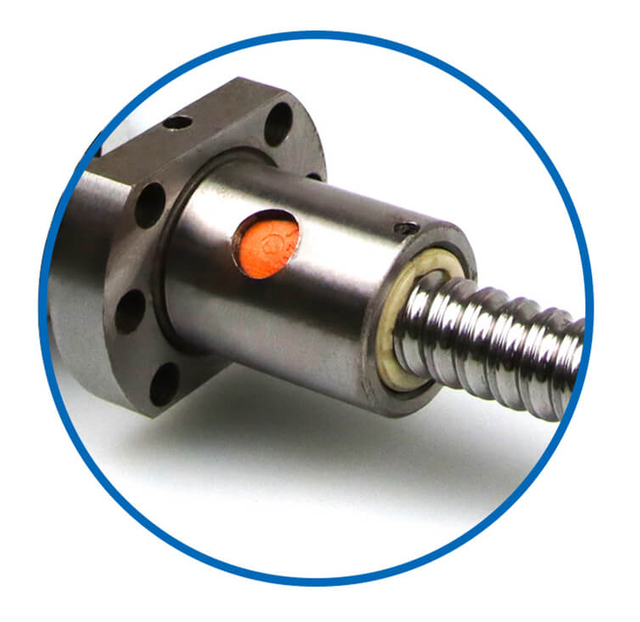
The integration journey does not stop at the motor-drive level. We are witnessing the emergence of the Integrated Actuator, which further incorporates the mechanical transmission—such as a precision planetary gearhead, harmonic drive, or ball screw—into the same sealed unit. This creates a complete, plug-and-play linear or rotary axis module. Furthermore, the convergence with the Industrial Internet of Things (IIoT) is accelerating. Future integrated servo motors will feature even more advanced edge computing capabilities, performing local analytics on performance data and communicating directly with cloud-based platforms for fleet management, energy optimization, and AI-driven predictive maintenance. The role of the motor is evolving from a simple torque producer to an intelligent, data-generating node in a cyber-physical production system.
Conclusion: Embracing the Integrated Paradigm
The question "What is an integrated servo motor?" is answered not just by its physical description, but by understanding the profound operational paradigm shift it enables. It is the embodiment of German engineering principles—integration, simplification, and performance optimization—applied to motion control. For machine builders and end-users, the transition to integrated technology is no longer a forward-looking option; it is a strategic necessity to remain competitive. The benefits in space savings, installation time, performance gains, and system reliability deliver a compelling and rapid return on investment. As automation systems grow smarter and more distributed, the intelligent, networked integrated servo motor stands as the foundational building block for the agile, efficient, and data-driven factories of the future. We are at the forefront of this technological shift, and we assert that specifying anything less than a fully integrated solution for new automation equipment is a compromise on efficiency, performance, and future-readiness.
The German market for integrated servo motors presents a spectrum of unparalleled expertise, from global automation platforms to niche specialists in ultra-precision. The optimal choice hinges on a precise alignment between your application’s technical demands—be it for high dynamic response, extreme compactness, or unsurpassed accuracy—and a manufacturer’s core competencies. We have presented these fifteen leaders to serve as your essential roadmap. Investing in a German-engineered integrated servo solution is an investment in machine performance, operational reliability, and long-term innovation partnership, securing a critical competitive advantage in the global automation landscape.