In the sophisticated landscape of global automation and precision engineering, France stands as a beacon of innovation and industrial excellence. The demand for seamless, efficient, and intelligent motion solutions has propelled integrated servo motors to the forefront of modern manufacturing, robotics, and aerospace sectors. These compact, high-performance units, which combine the motor, drive, feedback, and often connectivity into a single package, represent the pinnacle of motion control technology. For engineers, system integrators, and procurement specialists seeking unparalleled quality, the French market offers a formidable array of world-class manufacturers. We have meticulously analyzed the sector to present a definitive guide to the top 15 integrated servo motor manufacturers based in France, providing you with the critical insights needed to specify the optimal solution for your most demanding applications.
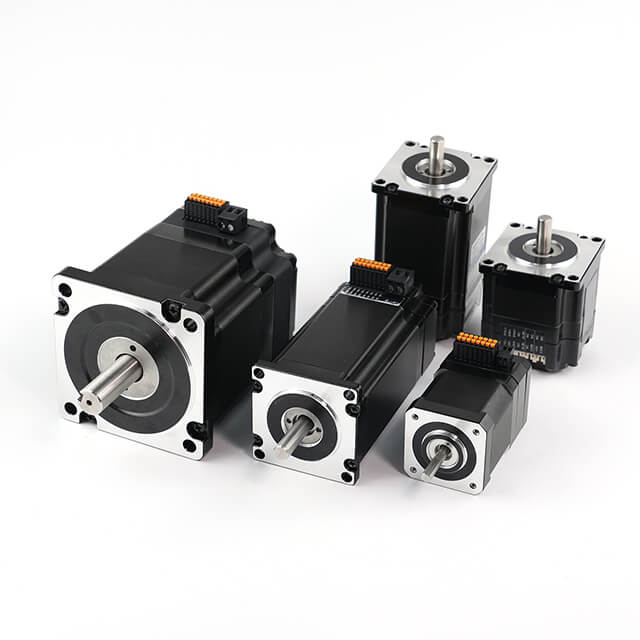
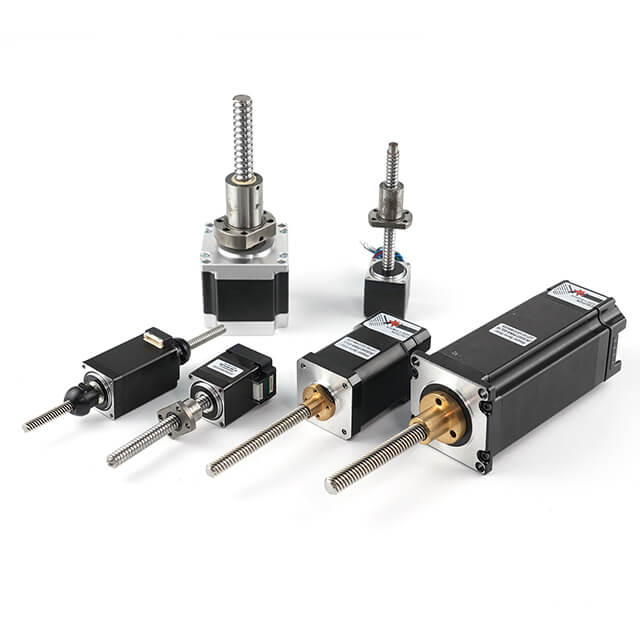
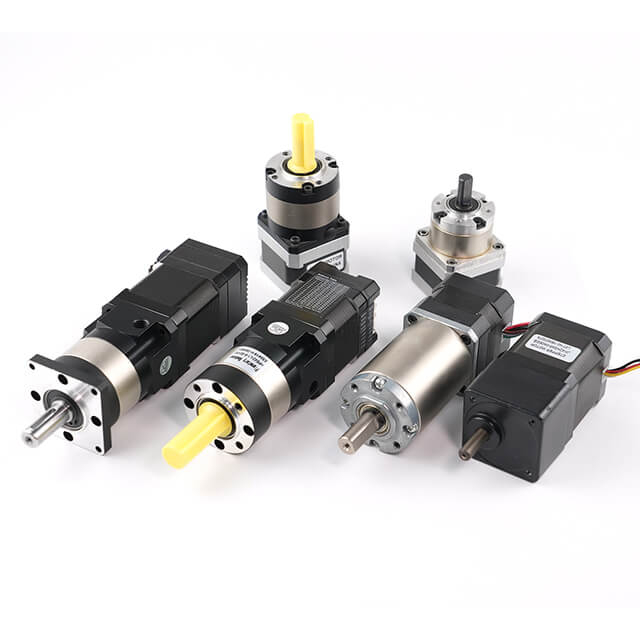
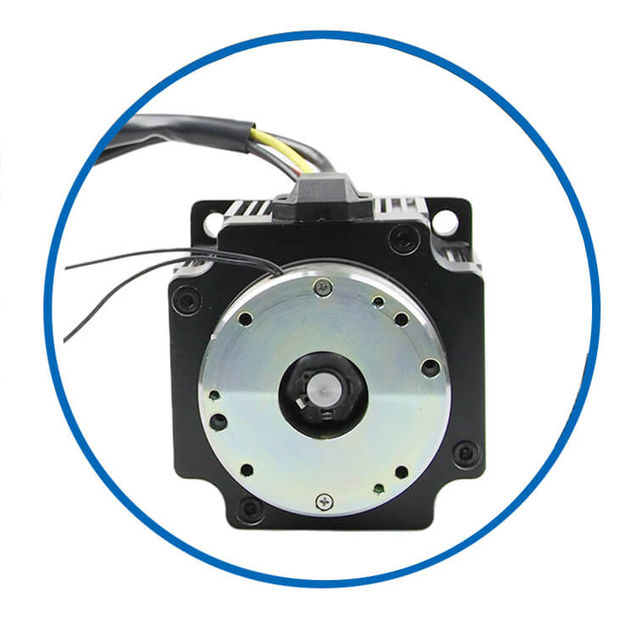
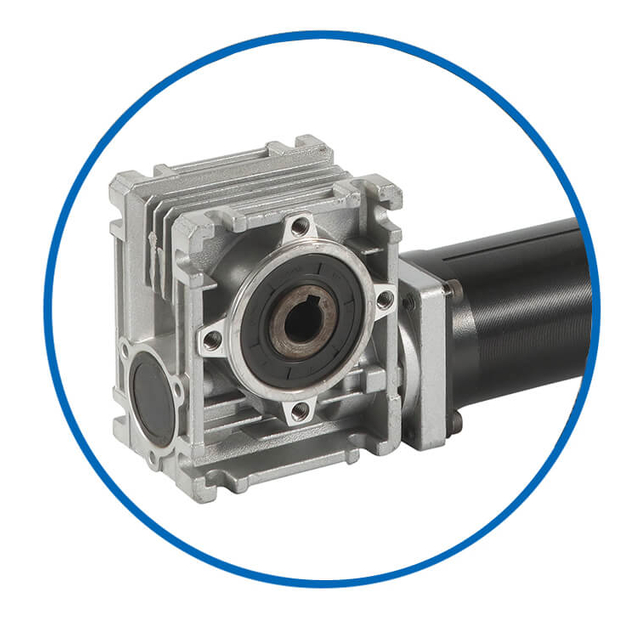
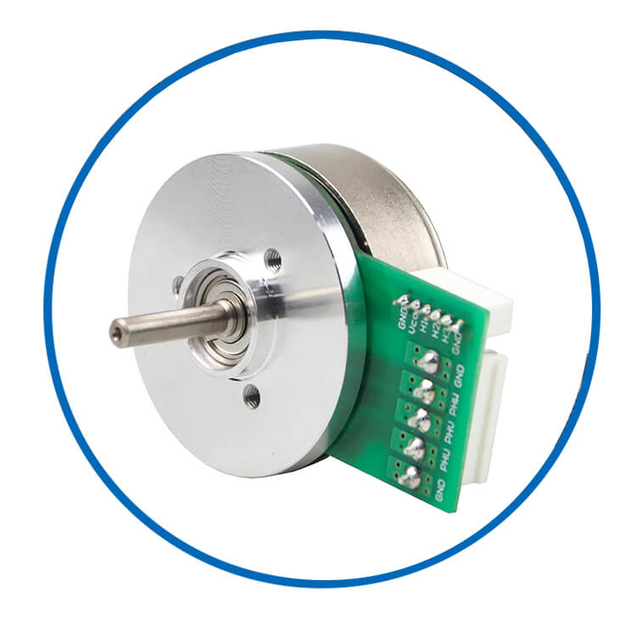
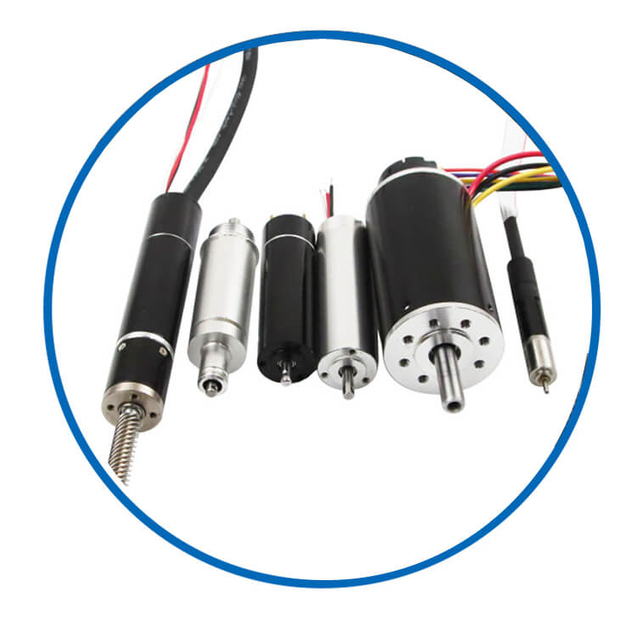
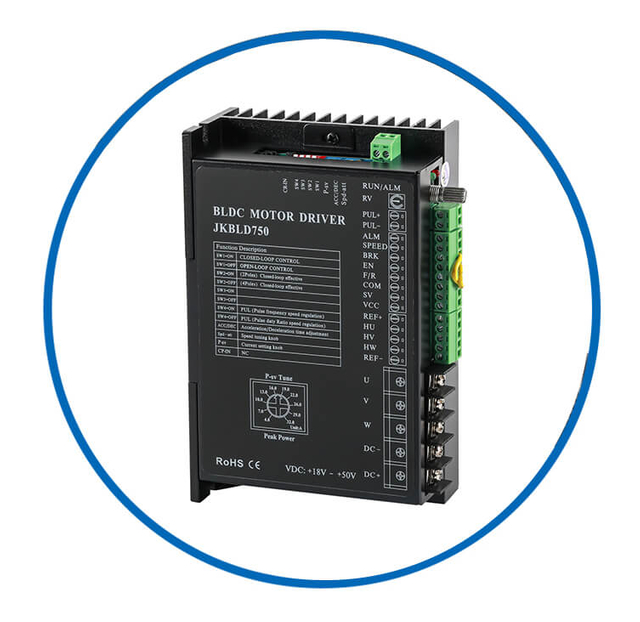
Jkongmotor Integrated Servo Motor Types
Motor Customized Service
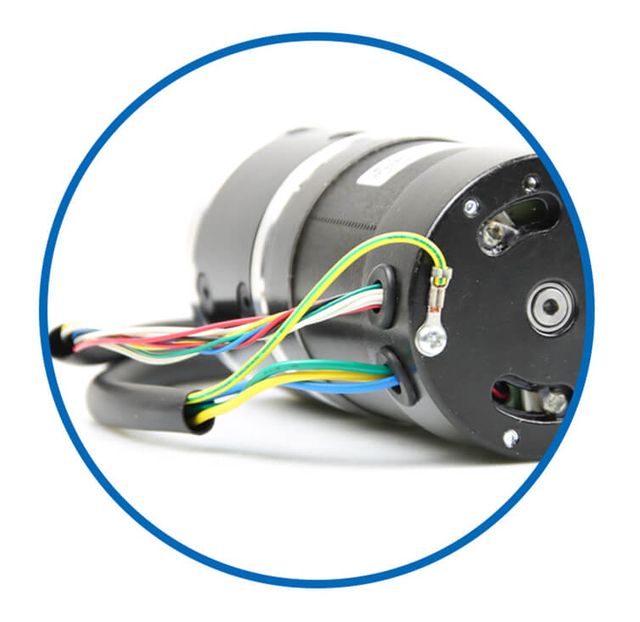
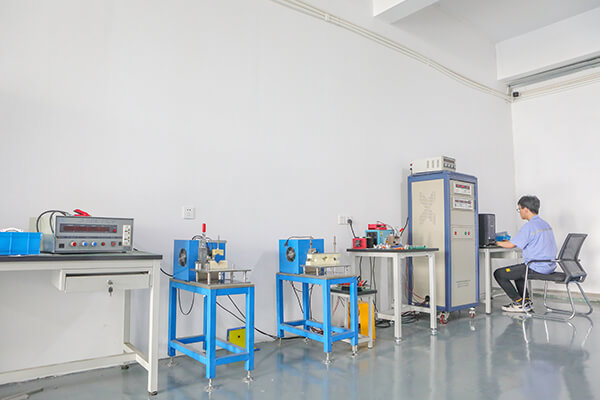
As a professional brushless dc motor manufacturer with 13 years in china, Jkongmotor offer various bldc motors with customized requirements, including 33 42 57 60 80 86 110 130mm, additionally, gearboxes, brakes, encoders, brushless motor drivers and integrated drivers are optional.
![bldc motor supplier]() | ![bldc motor supplier]() | ![bldc motor supplier]() | ![bldc motor supplier]() | ![bldc motor supplier]() | Professional custom brushless motor services safeguard your projects or equipment. No Brushes – Reduced Maintenance and Increased Lifespan High Efficiency and Low Power Loss High Torque-to-Weight Ratio Precise Speed and Position Control Quiet and Smooth Operation Wide Speed Range and Dynamic Performance Excellent Thermal Management Customizable Designs and Modular Configurations Multiple Control Methods Integration with Digital Interfaces and Sensors |
| Wires | Covers | Fans | Shafts | Integrated Drivers |
![bldc motor supplier]() | ![bldc motor supplier]() | ![bldc motor supplier]() | ![bldc motor supplier]() | ![bldc motor supplier]() |
| Brakes | Gearboxes | Out Rotors | Coreless Dc | Drivers |
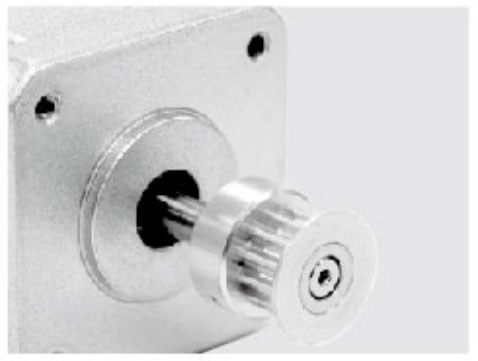
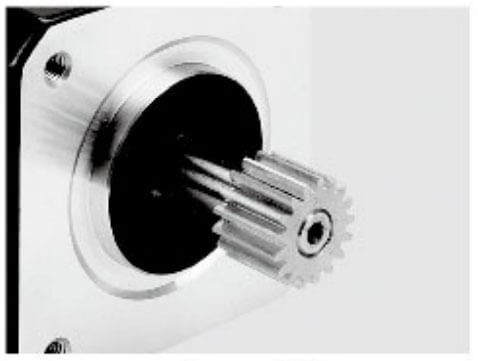
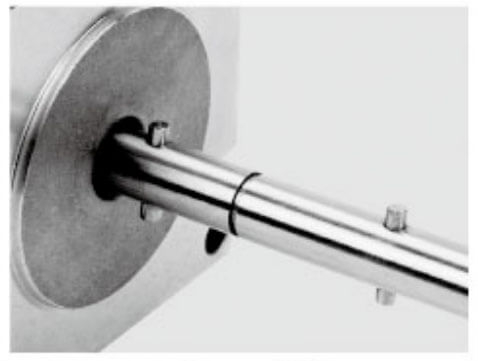
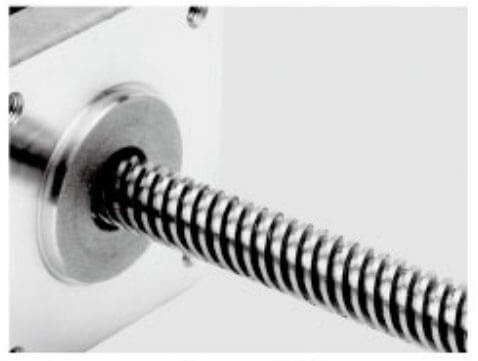
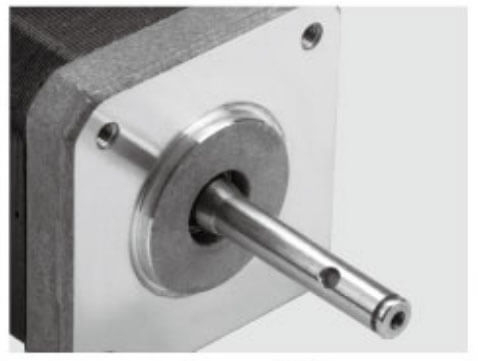
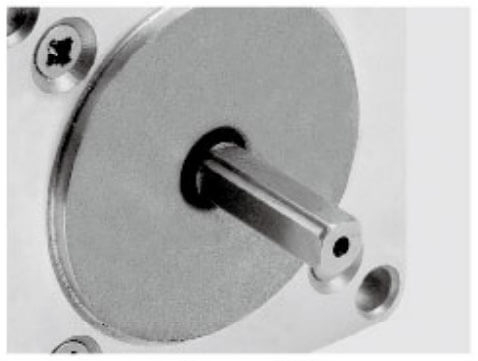
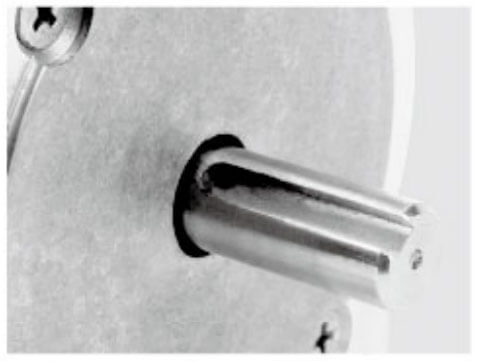
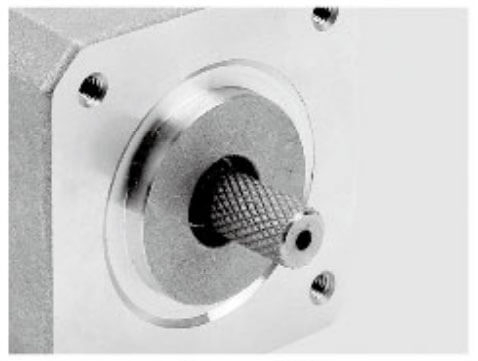
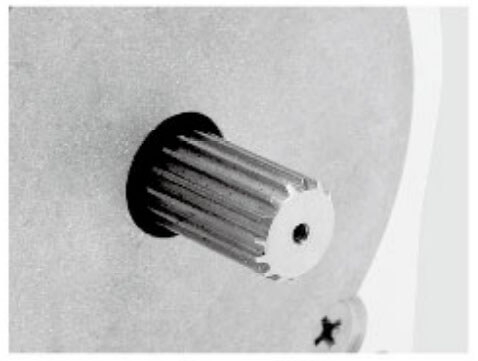
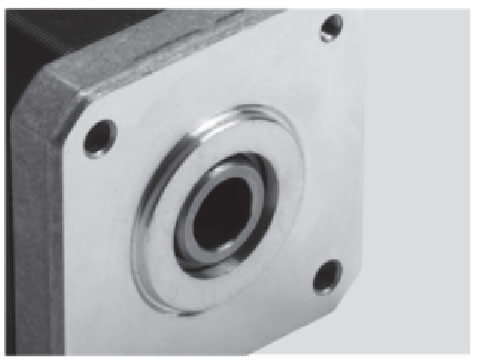
Motor Shaft Customized Service
Jkongmotor offer many different shaft options for your motor as well as customizable shaft lengths to make the motor fit your application seamlessly.
Before delving into the key players, it is crucial to understand why integrated servo technology is transformative. Unlike traditional setups with separate components, integrated servo systems consolidate functionality, drastically reducing wiring complexity, cabinet space, and potential points of failure. This integration enables superior performance with faster communication loops, enhanced precision, and simplified installation. The result is a leap in machine efficiency, reliability, and scalability. French manufacturers have excelled in not only adopting this technology but in advancing it, particularly for applications requiring exceptional dynamic response, energy efficiency, and robustness in challenging environments.
1. Schneider Electric
Company Profile
A global customized integrated servo motor manufacturer in energy management and automation, Schneider Electric, headquartered in Rueil-Malmaison, is a cornerstone of French industrial prowess. Their deep expertise in IoT-enabled systems and EcoStruxure architecture seamlessly extends into motion control, positioning them as a leader in providing integrated, connected solutions for the smart factory.
Main Products
Their flagship offering is the Lexium 18 series of integrated servo motors and drives. This range is renowned for its modular design, allowing for seamless integration with Schneider's broader automation portfolio. Key products include the Lexium 18I for centralized control and the highly compact Lexium 18D for decentralized mounting directly on the machine.
Advantages
The primary advantage lies in total system integration. Schneider's motors are not standalone components but integral parts of a unified automation ecosystem. This provides unmatched advantages in cyber-physical system management, energy consumption analytics, and predictive maintenance capabilities, all accessible through their digital platforms.
2. SEW-EURODRIVE
Company Profile
Although of German origin, SEW-EURODRIVE's significant and longstanding manufacturing, engineering, and commercial presence in France, with facilities in Haguenau, is a leading customized integrated servo motor manufacturer and makes it a dominant force in the local market. They are synonymous with robust, reliable drive technology across virtually every industry.
Main Products
The MOVIGEAR® and MOVIMOT® series are their standout integrated solutions. The MOVIGEAR® is a groundbreaking mechatronic drive system combining a helical gear unit, frequency inverter, and motor in one housing. The MOVIMOT® is the decentralized drive system version, offering full servo functionality in an incredibly compact format.
Advantages
SEW's key strength is application-engineering excellence and unparalleled French market support. Their products are engineered for extreme durability and longevity, backed by a vast French network for technical support, customization, and spare parts, minimizing downtime and ensuring local service responsiveness.
3. Nidec Leroy-Somer
Company Profile
Now operating under the unified Nidec brand, Nidec Leroy-Somer, with its roots in Angoulême, is a customized integrated servo motor manufacturer in electric motors and drives. Their focus is on delivering high-performance, energy-efficient solutions for industrial and commercial applications worldwide.
Main Products
Their integrated servo offerings are part of the Nidec M-Series (Machine) and C-Series (Compact) drives, which can be paired with their high-performance servo motors. They also provide Complete Motor-Drive Units (MDU) that offer a pre-engineered, optimized package for simplified integration.
Advantages
The foremost advantage is core motor technology mastery. Decades of experience in magnetic and thermal design result in servo motors with exceptional torque density, low inertia, and superior thermal management. This translates to higher continuous power output, better overload capability, and longer service life in demanding duty cycles.
4. Moteurs Dumont
Company Profile
A specialist customized integrated servo motor manufacturer with deep roots in Besançon, a historical center of French micromechanics, Moteurs Dumont excels in the design and production of high-precision, custom-engineered fractional horsepower motors and gearmotors.
Main Products
Their expertise extends to compact integrated servo systems and brushless DC servo motors with integrated controllers. They are particularly adept at producing small-batch, highly customized solutions for niche applications where standard catalog products are insufficient.
Advantages
Their definitive strength is extreme customization and miniaturization capability. For applications in medical devices, precision instrumentation, aerospace actuators, and luxury robotics, Moteurs Dumont provides the engineering partnership necessary to develop a perfectly tailored integrated servo solution that meets exact size, performance, and interface specifications.
5. Jkongmotor
Company Profile
Jkongmotor is a recognized customized integrated servo motor manufacturer in automation components, cockpit controls, and smart motors. They bring a legacy of innovation in compact, reliable control systems to the integrated servo market.
Main Products
Their moteurs intelligents (smart motors) range includes brushless DC servo motors with integrated drive electronics and controller functionality. These are often available as complete plug-and-play modules with built-in connectivity for DeviceNet, CANopen, or Ethernet.
Advantages
The principal benefit is out-of-the-box simplicity and reliability. Crouzet's integrated solutions are designed for engineers seeking to reduce development time. They offer pre-programmed motion functions, straightforward configuration software, and a high degree of protection (IP ratings), making them ideal for automated guided vehicles (AGVs), packaging, and material handling.
6. Exonetik
Company Profile
A true customized integrated servo motor manufacturer based in Aix-en-Provence, Exonetik represents a paradigm shift in actuation technology. They specialize in robotic exoskeletons and compliant actuator systems that utilize a unique blend of mechanics and rheology for human-safe interaction.
Main Products
Their core technology is the MSEA (Magnetorheological Servo-Elastic Actuator), which is fundamentally different from traditional servo motors. It is an integrated system providing inherent force control, mechanical compliance, and high bandwidth in a single package designed for collaborative robotics and assistive devices.
Advantages
The unparalleled advantage is built-in safety and dynamic compliance. Exonetik's technology eliminates the need for complex force sensors and control algorithms to achieve safe human-robot interaction. It offers natural shock absorption, back-drivability, and precise torque control, making it a groundbreaking choice for next-generation collaborative applications.
7. ETEL
Company Profile
A Swiss customized integrated servo motor manufacturer with a vital operational presence in France, ETEL is the undisputed leader in ultra-high-precision motion systems. They cater to the most demanding sectors where nanometer-level accuracy and exceptional dynamics are non-negotiable.
Main Products
Their TORQSTEP and LINEARSTEP integrated motors are legendary. These are direct-drive, torque (or force) motors that eliminate mechanical transmission elements like gearboxes. They are often supplied as complete modules with integrated high-resolution encoders and, in some configurations, drive electronics.
Advantages
The key advantage is unmatched precision and dynamic performance. By removing mechanical couplings, ETEL's integrated direct-drive motors achieve zero backlash, negligible cogging, and exceptional servo stiffness. This results in sub-arc-second accuracy, faster settling times, and pristine surface finishes for semiconductor, metrology, and advanced optical systems.
8. Celera Motion
Company Profile
As a division of Novanta, Celera Motion, with a strong European footprint that includes France, is a technology customized integrated servo motor manufacturer in precision motion control components and subsystems. They focus on enabling cutting-edge applications in medical, semiconductor, and scientific instrumentation.
Main Products
They offer the Goldline DDR series of direct drive rotary servomotors and the Silverstick series of linear servo motors. These are highly integrated systems that combine a precision motor with a high-fidelity encoder, and are designed to interface seamlessly with their own or third-party drives.
Advantages
Their standout benefit is technology depth in feedback and miniaturization. Celera Motion integrates world-class Magnetic Encoder (MagnaCite) and Optical Encoder technology directly into their motors, providing exceptional resolution and accuracy. This is critical for applications like DNA sequencing, micro-dispensing, and advanced microscopy.
9. Maxon
Company Profile
The Swiss precision drive specialist Maxon maintains a substantial and influential subsidiary in France. They are the global customized integrated servo motor manufacturer for high-quality, brushed and brushless DC motors, drives, and systems in demanding fields.
Main Products
While known for component-level excellence, Maxon's EPOS4 positioning controllers and ESCON module drives can be tightly integrated with their extensive range of EC-i and ECX brushless servo motors to create optimized, compact packages. They also offer custom mechatronic assemblies.
Advantages
The defining advantage is unsurpassed quality, consistency, and extensive customization. Maxon's products are engineered for mission-critical reliability. Their French team provides exceptional application engineering support, helping clients select and configure the perfect motor-drive combination from an enormous catalog, often with modified mechanical or electrical interfaces.
10. FAULHABER
Company Profile
Another German powerhouse with a vital French operation, FAULHABER is a leading customized integrated servo motor manufacturer and specializes in microdrive systems, miniature and precision drives. Their French subsidiary is essential for providing localized technical support and custom solutions to a high-tech clientele.
Main Products
Their Motion Controller Series (MCS) and EtherCAT Drive Modules (EDM) are designed for seamless integration with their world-renowned brushless DC servo motors (BXT, BYT series) and planetary gearboxes. This creates fully functional, ultra-compact mechatronic systems.
Advantages
The core strength is miniaturization and power density. FAULHABER dominates in applications where space and weight are at an extreme premium. Their ironless rotor (bell-armature) and skewed-pole winding technologies yield motors with exceptional power-to-volume ratios, low rotor inertia, and absolutely smooth running at low speeds, ideal for medical robotics, optics, and aerospace.
11. Technosoft
Company Profile
Now part of Moog, Technosoft is a customized integrated servo motor manufacturer in intelligent motion control. With a strong European presence including France, they are known for their advanced embedded control solutions and software tools that simplify complex motion profiling.
Main Products
Their Intelligent Drives (AxiDrive, Technodrive) and EasyStep modules are the heart of their offering. These are compact drives that can be mounted directly onto or near a motor, creating a highly integrated servo axis. They are programmable with their powerful EasyMotion Studio software.
Advantages
The standout advantage is control intelligence and software ease. Technosoft's drives feature powerful DSPs capable of executing complex multi-axis interpolated motions, electronic gearing, and cam profiling internally. This offloads the host controller and simplifies system architecture, while their graphical software reduces development time significantly.
12. Igus
Company Profile
Globally recognized for polymer-based bearing technology, the German customized integrated servo motor manufacturer Igus has expanded into motion systems with its "dry-tech" philosophy. Their French operations support the local market with these innovative, maintenance-free solutions.
Main Products
The dryve D series is a compact, integrated servo controller designed for use with third-party motors, but Igus also offers complete “ready-to-use” linear axes and rotary units that integrate a motor, drive, controller, and polymer bearings into a single, pre-assembled system.
Advantages
The unique advantage is maintenance-free operation and corrosion resistance. By leveraging polymer components and enclosed designs, Igus integrated systems excel in harsh environments where dust, dirt, washdowns, or chemicals are present. They offer a compelling alternative for packaging, food processing, and outdoor applications where lubrication is undesirable.
13. ebm-papst
Company Profile
The world leading customized integrated servo motor manufacturer in air movement technology, ebm-papst, with significant operations in France, applies its expertise in EC (Electronically Commutated) motor technology to the industrial servo space, particularly for applications requiring high efficiency and dynamic control of fans and pumps.
Main Products
While not traditional servo motors for positioning, their iQ-series represents a highly integrated smart motor platform. These motors have the drive and control electronics fully integrated, allowing for precise speed, torque, and airflow control via fieldbus interfaces, effectively acting as servo-controlled blowers.
Advantages
The key benefit is system efficiency and integrated intelligence for fluid dynamics. For applications requiring precise thermal management or pressure control—such as in laser cutting, 3D printing, or process ventilation—ebm-papst's integrated EC motors provide a seamless, sensorless, and highly efficient solution that reduces total energy consumption.
14. LinMot
Company Profile
A Swiss customized integrated servo motor manufacturer with direct operations in France, LinMot is dedicated solely to high-performance linear direct drive motors. They provide a compelling alternative to pneumatic cylinders and rotary-to-linear conversion systems.
Main Products
Their entire range consists of linear servo motors with integrated high-resolution linear encoders. The drives are separate but optimized for plug-and-play connection. The motors themselves are tubular sliders, providing a completely rodless, sealed, and compact linear actuator solution.
Advantages
The definitive advantage is simplicity, speed, and precision in linear motion. LinMot systems eliminate ballscrews, belts, and couplings. This grants higher accelerations, consistent velocity, minimal maintenance, and infinite positional resolution. They are exceptionally effective in pick-and-place, pressing, dosing, and testing applications requiring fast, clean, and precise linear strokes.
15. JVL A/S
Company Profile
A Danish customized integrated servo motor manufacturer with a strong distribution and support network in France, JVL is highly regarded for their MAC (Motor, Actuator, Controller) integrated servo motors and stepper motors. They emphasize user-friendly, all-in-one solutions.
Main Products
The Integrated Servo Motor (ISM) series is their flagship. These are complete, housed units combining a high-performance servo motor, encoder, drive, and controller in a single, rugged enclosure. They are available with various feedback options and communication protocols like CANopen, Ethernet/IP, or PROFINET.
Advantages
The primary benefit is extreme ease of use and robustness. JVL's ISM motors are designed to be mounted and running with minimal effort. They feature integrated I/O, PLC-like functionality, and a sealed design (IP65 common), making them ideal for machine builders and OEMs seeking to simplify cabinet design and reduce overall system footprint and complexity for standalone axes.
In the realm of precision automation, the selection of an integrated servo motor is a critical determinant of system performance. These sophisticated mechatronic devices are not monolithic; they encompass a diverse array of technologies and configurations, each engineered to excel under specific operational demands. We provide a comprehensive taxonomy of integrated servo motor types, detailing their unique architectures, inherent advantages, and ideal application domains to inform optimal specification.
I. Classification by Core Motor Technology
The fundamental electromagnetic design dictates the performance envelope regarding torque density, smoothness, and thermal characteristics.
Permanent Magnet Synchronous Motors (PMSM)
This is the dominant technology in modern high-performance servo applications. PMSMs feature permanent magnets embedded in or attached to the rotor, which synchronously locks with the rotating magnetic field generated by the stator windings.
Key Characteristics: High torque-to-inertia ratio, superior power density, excellent efficiency across a wide speed range, and precise controllability. The absence of rotor windings reduces heat generation within the rotor itself.
Variants: Surface Permanent Magnet (SPM) and Interior Permanent Magnet (IPM). IPM designs offer additional reluctance torque, enabling higher power density and better suitability for field-weakening operations at high speeds.
Prime Applications: Industrial robotics, CNC machine tools, high-dynamic packaging machinery, and semiconductor manufacturing equipment where dynamic response and compact size are paramount.
Brushless DC Motors (BLDC)
Often used interchangeably with PMSMs in common parlance, BLDC motors in a strict sense are typically driven with trapezoidal back-EMF waveforms using simpler commutation. However, modern "BLDC" servo drives frequently use sinusoidal control, blurring the distinction.
Key Characteristics: Robust construction, potentially lower cost for given performance, and high reliability due to the absence of brushes. They require electronic commutation via the integrated drive.
Prime Applications: High-volume OEM applications (e.g., automated guided vehicles, conveyor systems), fans, pumps, and applications where continuous high torque at lower speeds is required.
Direct Drive Motors (Torque Motors & Linear Servo Motors)
A revolutionary architecture that eliminates all mechanical transmission elements like gearboxes, ball screws, or belts. The motor directly couples to the load.
Torque Motors (Rotary Direct Drive): These are essentially large-diameter, low-RPM PMSMs with a high pole count. They provide rotary motion with zero backlash, negligible cogging, and exceptional servo stiffness.
Linear Servo Motors: Consist of a forcer (primary part) moving directly over a magnet track (secondary part), producing linear motion without conversion.
Key Characteristics: Ultra-high precision, exceptional dynamic response, mechanical simplicity, and minimal maintenance. The integrated system must handle high continuous torque/force at standstill.
Prime Applications: Rotary: Direct-drive turntables, indexing tables, telescope mounts. Linear: Semiconductor wafer steppers, precision gantry systems, high-speed pick-and-place units.
Ironless Core / Bell-Type Motors
A specialized subset of PMSM/BLDC technology where the rotor consists of a self-supporting, cylindrical coil ("bell") with no iron core, rotating within the magnetic field of a permanent magnet stator.
Key Characteristics: Zero cogging, perfectly smooth rotation even at very low speeds, extremely low rotor inertia for maximum acceleration, and no magnetic detent force. The trade-off is lower thermal capacity due to the winding design.
Prime Applications: Optical positioning systems, medical instrumentation, scanning devices, and aerospace actuators where smooth, precise micro-movements are critical.
II. Classification by Integration Level and Architecture
This defines how the drive electronics, controller, and feedback are packaged relative to the motor.
Drive-Integrated Servo Motors
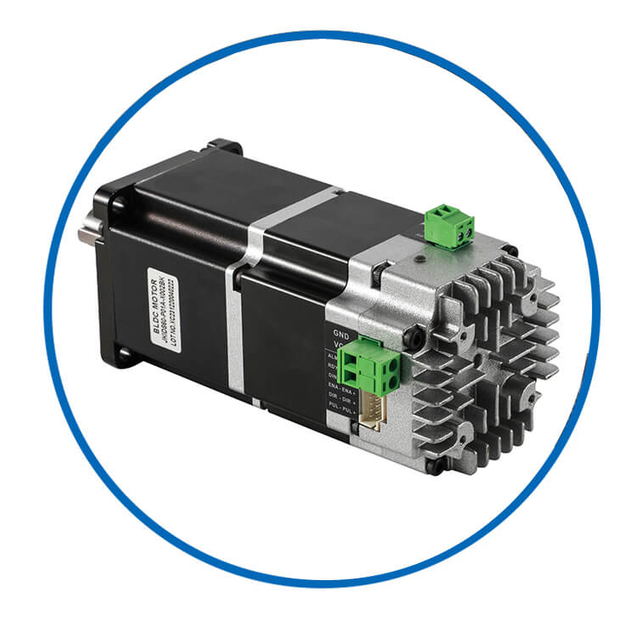
The most common integration type. The servo drive (amplifier/inverter) is physically mounted onto or within the motor housing. This creates a compact, self-contained power unit.
Key Architecture: The motor has a connector for DC bus power and a digital communication link (e.g., EtherCAT, PROFINET, Ethernet/IP) instead of three-phase power and a separate feedback cable. The feedback device (encoder) connects directly to the integrated drive.
Advantages: Dramatically reduced cabling, minimized panel space, improved EMC performance due to short power leads, and simplified installation.
Typical Form Factor: A cylindrical or block-shaped add-on at the rear (non-driving end) of the motor.
Controller-Integrated Servo Motors
A higher level of integration where the motion controller (with trajectory planning, position loop closure) is also embedded alongside the drive electronics. This creates a fully intelligent axis.
Key Architecture: The unit receives high-level commands (e.g., "move to position X at velocity V") via a network and executes them autonomously. It often includes integrated I/O (digital and analog) for local sensor/actuator connection and PLC-like sequencing functions.
Advantages: Distributed intelligence, reduced load on the central PLC/CNC, faster local control loops, and enhanced modularity for machine design.
Typical Form Factor: Often a more substantial, fully enclosed "smart motor" package (IP65/IP67 common).
Mechatronic Integrated Modules
These are complete pre-assembled motion systems that integrate the motor, drive, controller, and a mechanical translation element into one sealed, application-ready unit.
Key Architecture: Examples include integrated motor-linear actuator units and compact gearmotor modules. They are designed as a plug-and-play functional block.
Advantages: Maximum design simplicity, guaranteed performance optimization between components, reduced engineering risk, and fastest time-to-market. The end-user interfaces only with mounting points, power, and communication.
Typical Form Factor: Housed linear slide, rotary indexer, or compact servo gearbox.
III. Classification by Feedback Technology
The precision of motion control is fundamentally limited by the quality of the position/speed feedback. The integrated sensor type is a critical differentiator.
Optical Encoders (Integrated)
The gold standard for high-resolution, high-accuracy feedback. A light source and photodetector read a rotating glass or metal disc with finely etched lines.
Incremental Optical Encoders: Provide pulse streams for relative position. Extremely high resolution (up to 32 bits per revolution via interpolation). Require a homing routine on startup.
Absolute Optical Encoders: Provide a unique digital word for each shaft position within a revolution (single-turn) and across multiple revolutions (multi-turn). Enable true absolute positioning on power-up without homing.
Advantages: Ultra-high accuracy and resolution, excellent repeatability, and high signal stability.
Applications: All high-precision machining, robotics, and semiconductor equipment.
Magnetic Encoders (Integrated)
Use a magnetic rotor and a sensor (e.g., Hall-effect or magnetoresistive) to detect angular position. Technology has advanced dramatically to rival mid-tier optical encoders.
Key Characteristics: Inherently robust against contamination (dust, oil, condensation), more resistant to shock and vibration, and generally more compact. Modern Magnetic Sine/Cosine Encoders with interpolation offer very high resolutions.
Advantages: High reliability in harsh environments, good resolution, and lower cost than equivalent optical encoders.
Applications: Food and beverage machinery, outdoor/clean-in-place (CIP) equipment, and general industrial automation where environmental toughness is key.
Resolver-Based (Integrated)
An analog, electromagnetic device. Extremely rugged and reliable, functioning as a rotary transformer.
Key Characteristics: Exceptionally robust, immune to virtually all environmental factors (temperature, radiation, contaminants), and provides absolute position information.
Advantages: Maximum durability and reliability for extreme environments. Their analog nature and typical lower digital resolution make them less common in the highest-precision integrated servos but indispensable in critical applications.
Applications: Aerospace, defense, heavy industrial, and downhole drilling where extreme temperatures, shocks, and vibrations are present.
IV. Classification by Mechanical Design & Application
The physical housing and construction define the environmental and mounting suitability.
Standard Industrial Servo Motors
Cylindrical frame motors (e.g., IEC/NEMA standard footprints) with integrated drive/controller. Designed for general factory automation environments.
Protection Class: Typically IP65 (splash and dust proof).
Mounting: Foot, flange, or face mounting per international standards.
Cooling: Surface-cooled or with an external fan.
Hollow Shaft / Direct Mount Servo Motors
Feature a large through-bore allowing for the direct mounting of a shaft, tool, or mechanism. This design eliminates couplings and reduces overhang, increasing rigidity and natural frequency.
Advantages: Compact mechanical design, improved stiffness, and higher system accuracy.
Applications: Direct integration into rotary tables, winding machines, and printing rollers.
Water-Cooled / Liquid-Cooled Integrated Servos
Integrate liquid cooling channels within the motor housing. Essential for applications requiring very high continuous torque in a compact space or in high ambient temperatures.
Advantages: Exceptional heat dissipation, allowing for sustained high power output and preventing thermal derating.
Applications: Large injection molding machines, heavy-duty test stands, and electric vehicle dynamometers.
Cleanroom and Washdown Servo Motors
Specifically engineered for hygienic or sterile environments. Feature stainless steel or specially coated housings, sealed connectors, and smooth exteriors to prevent bacterial growth and withstand high-pressure, chemical washdowns.
Protection Class: IP67, IP69K.
Applications: Pharmaceutical manufacturing, food and beverage packaging, and medical device assembly.
Strategic Selection for Optimal Performance
The taxonomy presented is a roadmap for specification. An effective selection process begins by defining the non-negotiable application priorities: Is it ultimate precision (favoring PMSM with optical encoder), harsh environment robustness (favoring magnetic encoder or resolver), mechanical simplicity (favoring direct drive), or distributed intelligence (favoring controller-integrated)? By understanding the distinct advantages and inherent trade-offs of each integrated servo motor type, engineers can move beyond generic selection to strategic specification, matching the core technology and architecture directly to the operational challenge, thereby unlocking peak machine efficiency, reliability, and innovation potential.
Integrated servo motors are the silent, intelligent powerhouses driving the fourth industrial revolution. Their convergence of mechanics, electronics, and software into a singular, optimized package has unlocked unprecedented levels of precision, efficiency, and flexibility across the industrial spectrum. We provide a detailed examination of the dominant and emerging applications for this transformative technology, illustrating how its specific advantages solve complex motion control challenges.
1. Robotics and Collaborative Robotics (Cobots)
This sector represents the most dynamic and demanding frontier for integrated servo technology.
Articulated Robot Arms: Each axis of a six-axis industrial robot is powered by a high-performance integrated servo. The compact form factor is critical for fitting within the arm's joints, while the high torque density and dynamic response enable fast, precise positioning of the end-effector. Absolute multi-turn encoders ensure the robot knows its position immediately upon power-up, eliminating lengthy homing sequences.
Collaborative Robots (Cobots): Here, integration takes on added significance. Cobots require built-in safety functionalities, such as torque monitoring and limiting, which are facilitated by the tight control loop of an integrated servo. Low-inertia rotor designs and advanced control algorithms allow the motor to react instantly to unexpected collisions, ensuring safe human interaction. The simplified wiring of integrated systems also contributes to the cobot's sleek, user-friendly design.
Mobile Robotics (AGVs/AMRs): For Automated Guided Vehicles and Autonomous Mobile Robots, power efficiency and compactness are paramount. Integrated servo motors driving the wheels or traction units provide precise speed and torque control for navigation and docking. The controller-integrated types enable distributed intelligence on the vehicle, handling local navigation tasks while communicating with the central fleet manager.
2. Machine Tools and Metalworking
The relentless pursuit of higher accuracy, surface finish, and throughput in machining is fueled by advanced servo systems.
CNC Machining Centers: Integrated servos control the linear axes (X, Y, Z) and rotary axes (A, B, C). Direct-drive rotary tables with integrated torque motors provide sub-arc-second accuracy for 5-axis contouring, eliminating backlash from worm gears. For linear axes, the integration of the drive and motor minimizes electrical noise, reducing the risk of surface finish defects. High overload capability allows the servo to handle the variable cutting forces encountered during milling and turning.
Electrical Discharge Machining (EDM): In wire and sinker EDM, servo motors control the delicate feed of the electrode or wire. They require exceedingly smooth motion at very low speeds to maintain the critical spark gap. Ironless core integrated servos are ideal here, as their zero-cogging characteristic prevents the minute jerks that could break a fine wire or cause arcing.
Laser Cutting and Welding: Integrated servos drive the gantry or galvanometer scanners that direct the laser beam. For sheet metal cutting, high accelerations and precise contour following are essential for speed and cut quality. In galvanometer-based welding, the moving mass is a tiny mirror; the integrated servo driving it must have an extremely low rotor inertia to achieve the kHz-level deflection speeds required for complex weld patterns.
3. Packaging and Converting Machinery
This high-speed, high-volume sector leverages integrated servos for flexibility and quick changeover.
Form-Fill-Seal (FFS) Machines: Replacing mechanical line shafts, electronically geared virtual shaft systems are enabled by networked integrated servos. Each function—film pull, forming, filling, sealing—is driven by its own servo, all synchronized via the network. This allows for instantaneous size changeovers via software and compensation for material stretch or slippage in real-time.
Labeling and Coding: Applying labels at high speeds on non-uniform containers requires rapid corrective movements. The integrated servo on the label applicator head uses input from a vision system to make millisecond adjustments in position, ensuring perfect placement. Similarly, inkjet or laser coding heads use integrated linear servos for precise character positioning.
Winding and Unwinding (Web Handling): Controlling the tension of a continuous web (film, paper, foil) is critical. An integrated servo on a dancer roll or direct-driven winder acts as a torque-controlled brake or motor. The integrated controller can run complex taper tension algorithms to ensure a consistently tight roll from core to full diameter, preventing cinching or loose layers.
4. Semiconductor and Electronics Manufacturing
This industry operates at the extremes of precision and cleanliness, demanding the highest-caliber motion solutions.
Wafer Steppers and Lithography: The positioning stages in photolithography machines must move silicon wafers with nanometer-scale accuracy and repeatability. Air-bearing linear stages driven by integrated linear servo motors are standard. The integration of ultra-high-resolution interferometric or encoder feedback directly into the drive loop is essential to achieve this phenomenal precision, all while operating in cleanroom environments.
Wire Bonding and Die Attach: These processes place microscopic wires and chips onto substrates. The motion system must execute hundreds of precise moves per second. High-acceleration, low-vibration integrated linear and rotary servos are used to position the bond head. Their fast settling time minimizes the cycle time for each bond, directly impacting production throughput.
PCB Assembly (Pick-and-Place): The spindles of chip shooters and fine-pitch placers are driven by integrated rotary servos capable of extremely high RPMs and instantaneous start/stop cycles. Vision-guided correction is fed directly to the servo's controller for real-time component alignment before placement.
5. Medical and Laboratory Automation
Reliability, precision, and sometimes miniaturization are non-negotiable in life sciences.
Diagnostic Analyzers: Automated machines for blood, fluid, or DNA testing use integrated servos for precision fluid handling—positioning pipettes, moving multi-well plates, and operating syringe pumps. Smooth, quiet, and reliable operation is critical for 24/7 laboratory environments. Stepper-motor-based integrated servo systems are common here for their open-loop simplicity and cost-effectiveness for lower-force duties.
Medical Imaging: In CT scanners, integrated servos drive the heavy gantry at precisely controlled speeds while maintaining absolute positional accuracy for slice alignment. In automated microscopy slides, integrated linear servos position slides with micron-level accuracy for high-throughput scanning.
Surgical and Assistive Robots: These systems demand the utmost in safety, compactness, and force feedback. Integrated servos with dual-feedback loops (position and torque) and redundant safety circuits are employed. Their compact design allows them to fit into the constrained spaces of robotic surgery arms or exoskeleton joints.
6. Automotive Manufacturing
The automotive industry leverages integrated servos for both the manufacturing of vehicles and within the vehicles themselves.
Welding and Body-in-White: Large, multi-axis welding robots rely on robust integrated servos that can withstand the high inertial loads and continuous duty cycles of spot welding guns. Their sealed designs (IP67) protect against weld spatter and dust.
Press and Stamping Lines: Synchronizing the feed of metal blanks into a high-tonnage press requires precise, rugged servos. Controller-integrated servos on feed lines can execute complex cam profiles to accelerate, feed, and decelerate the blank in perfect sync with the press cycle.
Electric Vehicle Powertrains: While not a traditional servo application, the e-Axle and other integrated drive units represent a large-scale evolution of the principle. Here, the traction motor, power electronics, and often the transmission and differential are integrated into a single unit, prioritizing power density and efficiency over precise positioning.
7. Aerospace and Defense
Applications in this sector prioritize reliability under extreme conditions and exceptional performance.
Flight Simulators and Test Rigs: The motion bases of high-fidelity simulators are driven by large, high-force integrated linear servos (actuators) that must provide high bandwidth and low latency to accurately replicate the feel of flight. Hydraulic servo actuators with integrated electronic control valves are also common in this heavy-duty application.
Aircraft Actuation: Electromechanical Actuators (EMAs) are replacing hydraulic systems in newer aircraft for flight control surfaces, landing gear, and cargo doors. These EMAs are essentially high-power, fault-tolerant integrated servo systems designed to meet rigorous safety standards (DO-160, MIL-SPEC). They must operate across a vast temperature range and withstand significant vibration.
Optical Targeting and Guidance Systems: Pan-tilt units for cameras, lasers, or antennas on aircraft and ground vehicles require high dynamic stiffness and precise pointing accuracy. Integrated direct-drive servo motors provide the jerk-free, high-resolution motion needed to track targets smoothly.
8. Printing and Paper Processing
Modern digital and flexographic printing presses are showcases for synchronized servo control.
Digital Print Heads: The movement of inkjet print heads across the substrate is controlled by integrated linear servos to ensure perfect dot placement and registration at high linear speeds. Color-to-color registration is maintained by the tight synchronization of multiple servo axes via a real-time network.
Register Control: In continuous web printing, maintaining print register (the alignment of successive colors) is critical. Using web inspection systems, integrated servos driving individual print cylinders make micro-adjustments in real-time, stretching or advancing the printed image to correct for web drift or stretch.
Conclusion: The Application-Driven Specification Imperative
The efficacy of an integrated servo motor is not measured in isolation but by its performance within the specific context of the application. The selection process must be reverse-engineered from the application's primary constraints and objectives. Is the dominant requirement absolute precision (Semiconductor), high dynamic response (Packaging), extreme environmental robustness (Food & Beverage), or intrinsic safety (Cobots)? Each priority points to a different optimal combination of motor technology, integration level, and feedback type. By understanding these profound and varied applications, engineers can transcend component selection and engage in system-level optimization, specifying the integrated servo motor that acts not just as a driver, but as a fundamental enabler of technological and industrial advancement.
The French landscape of integrated servo motor manufacturers is diverse, each excelling in a particular niche. The optimal choice hinges on a precise analysis of your application's primary performance criteria: precision, dynamics, form factor, environmental robustness, connectivity, and total cost of ownership. For seamless integration into a broader IIoT framework, Schneider Electric's ecosystem is compelling. For micron-level precision in cleanrooms, ETEL or Celera Motion are paramount. For harsh environments, Igus or Crouzet offer resilience. For collaborative robotics, Exonetik's innovative compliance is transformative.
We recommend engaging directly with the technical sales engineers of the shortlisted manufacturers. Presenting a detailed specification of your motion profile, mechanical constraints, and control architecture will enable these experts to propose an optimized, integrated servo solution that leverages their unique strengths, ensuring your machine achieves peak performance, reliability, and competitiveness in the global market.