-
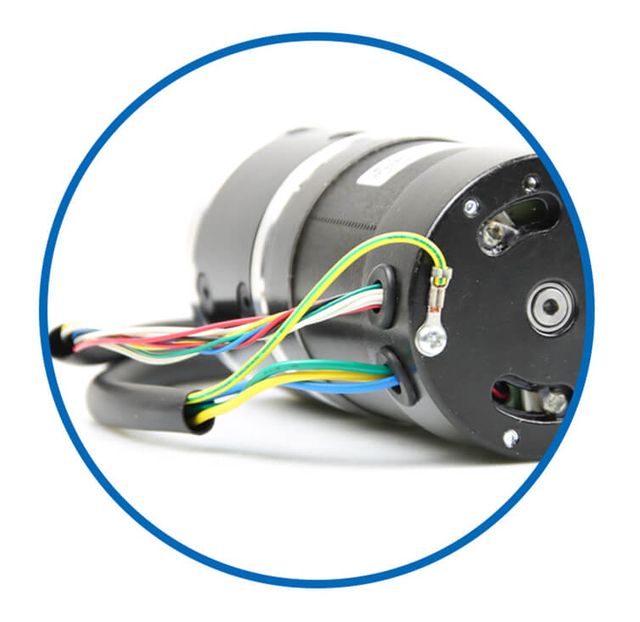
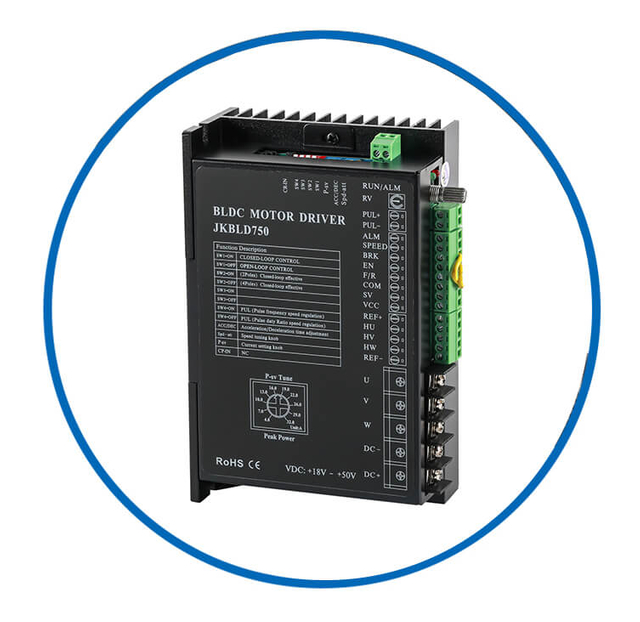
No, a brushless motor cannot run properly without a controller. Unlike brushed motors that use mechanical brushes for commutation, BLDC motors rely on an electronic controller to switch current between stator windings. Without this controller, the motor cannot generate the rotating magnetic field needed to drive the rotor. Therefore, a BLDC motor driver or electronic speed controller (ESC) is essential for starting, controlling speed, and maintaining stable operation.
-
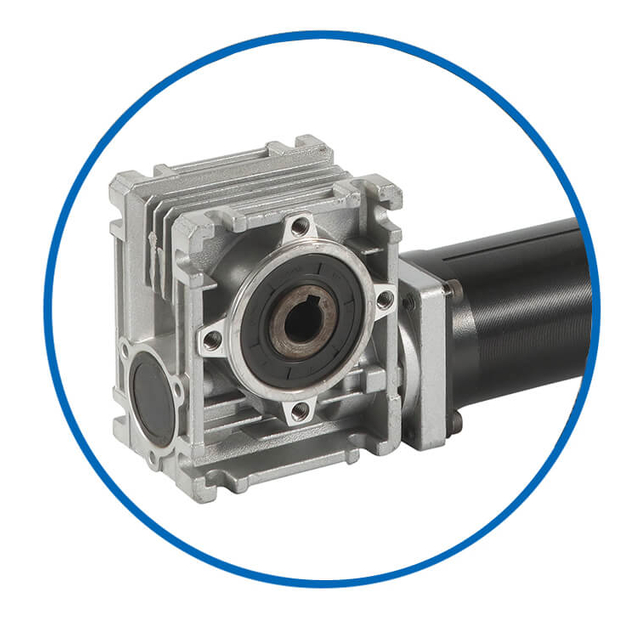
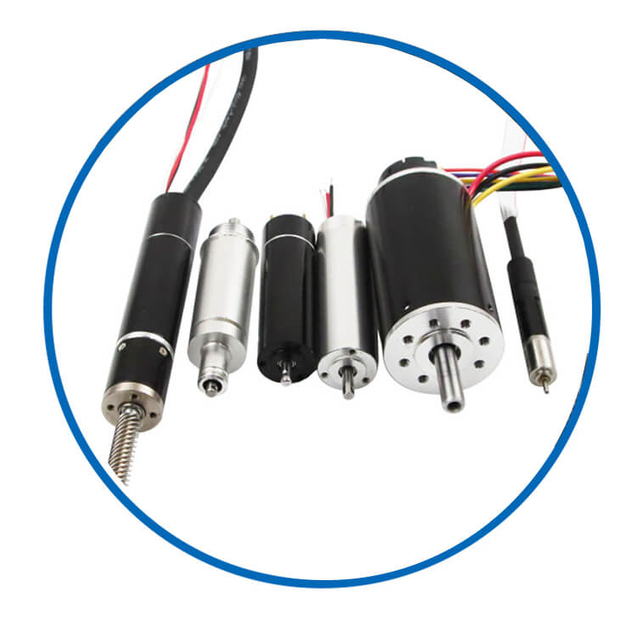
Brushless DC motors are widely used in industries that require high efficiency, reliability, and precise speed control. Common applications include electric vehicles, drones, robotics, CNC machines, cooling fans, medical devices, home appliances, pumps, and industrial automation equipment. Their compact size and high power density also make them ideal for portable electronics and smart devices.
-
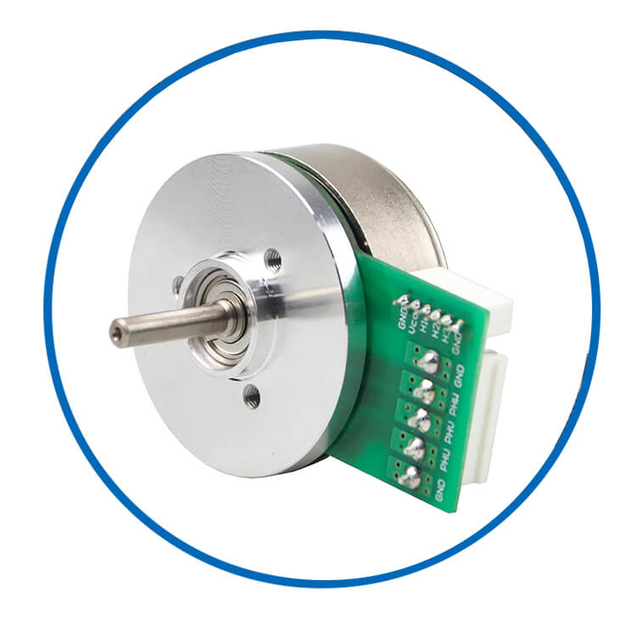
Brushless DC motors work through electronic commutation, where a motor controller sequentially energizes the stator windings to create a rotating magnetic field. This magnetic field interacts with the permanent magnets on the rotor, causing the rotor to spin. Sensors such as Hall effect sensors or sensorless control algorithms detect rotor position and adjust the current timing, ensuring smooth rotation, high efficiency, and precise speed control.
-
Brushless DC motors offer several advantages, including high efficiency, long lifespan, low maintenance, quiet operation, and excellent speed control. They also deliver high power density and reliable performance, which makes them suitable for advanced motion systems. However, BLDC motors also have some disadvantages, such as higher initial cost and the requirement for an electronic controller, which increases system complexity compared to traditional brushed motors.
-
BLDC motors are known for their long service life, typically lasting 20,000 to 50,000 hours or more depending on operating conditions and build quality. Since there are no brushes to wear out, the primary factors affecting lifespan are bearing quality, temperature, load, and environmental conditions. In many industrial and automation applications, a well-designed BLDC motor can operate reliably for many years with minimal maintenance.
-
The choice between an AC motor and a DC motor depends on the application requirements. AC motors are generally preferred for industrial machinery and continuous operation because they are durable, simple, and suitable for high-power applications. DC motors, including brushless DC motors, provide better speed control, high starting torque, and precise motion control, making them ideal for robotics, automation systems, electric vehicles, and portable equipment.
-
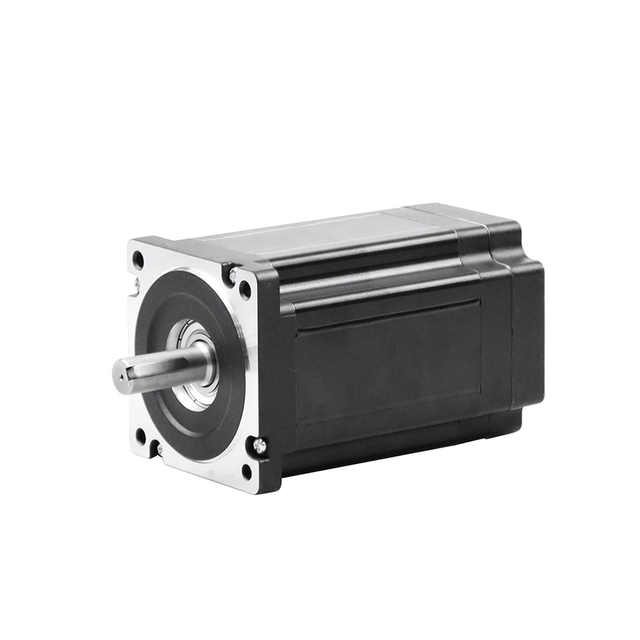
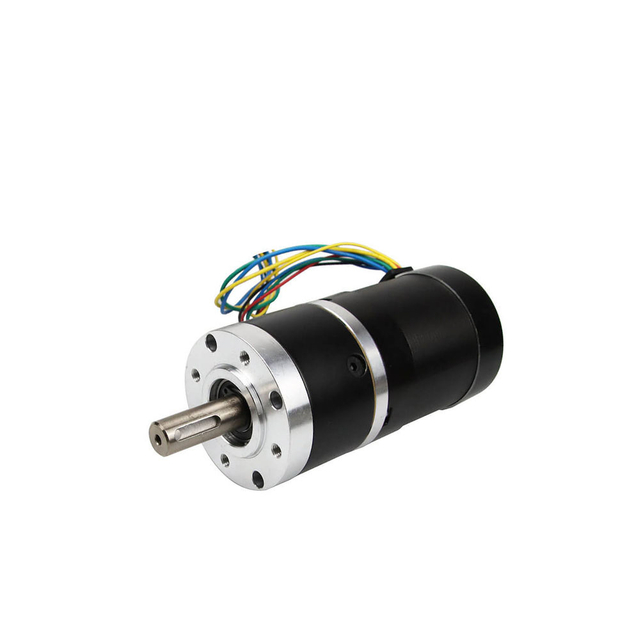
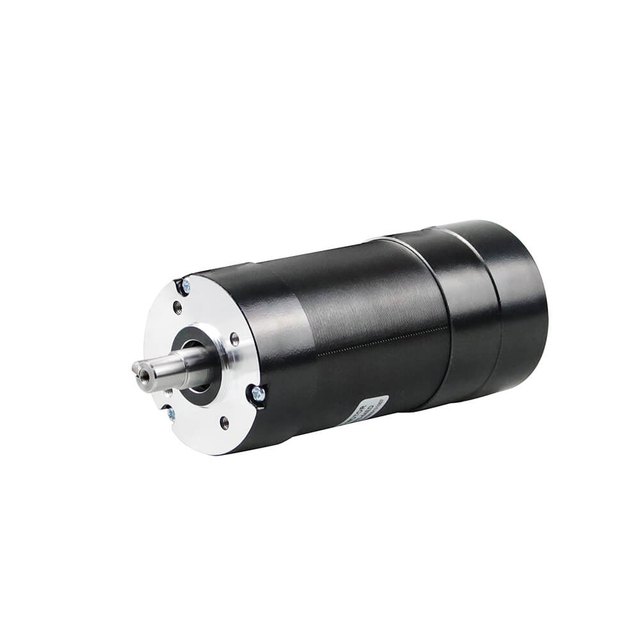
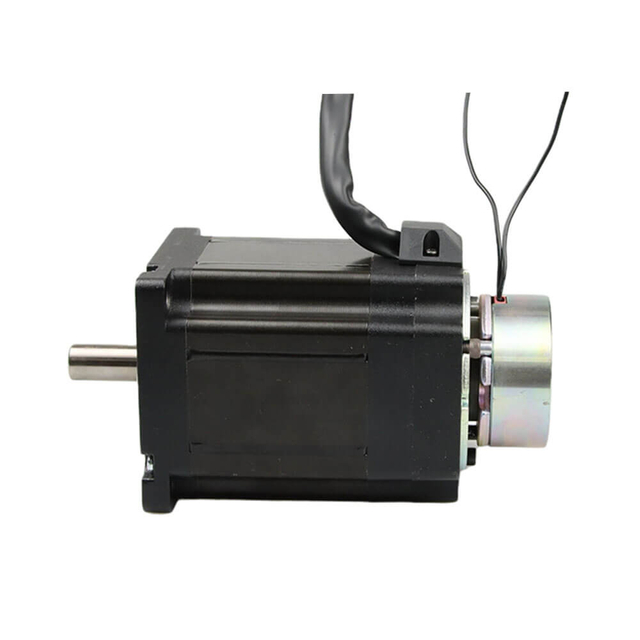
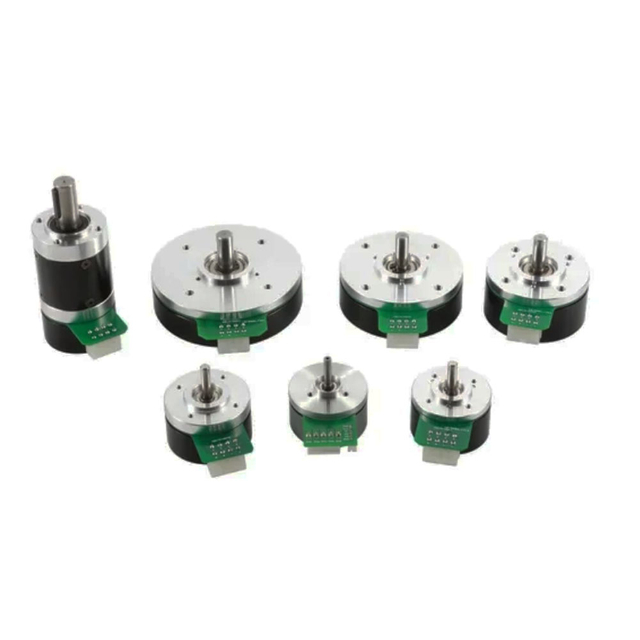
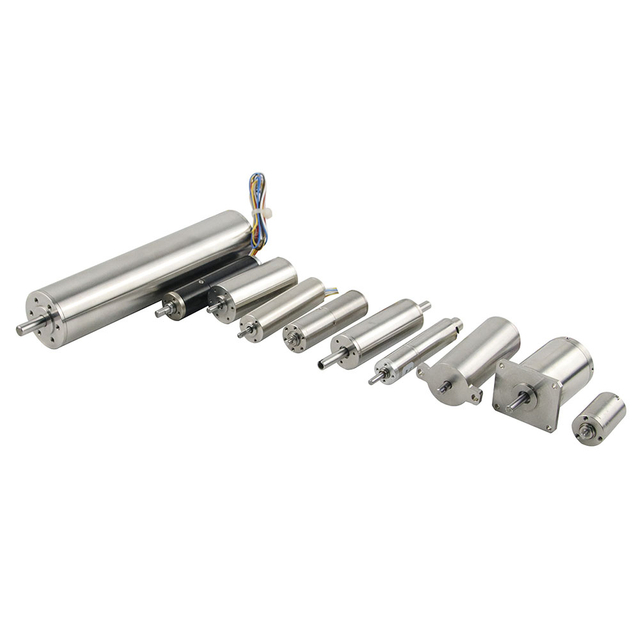
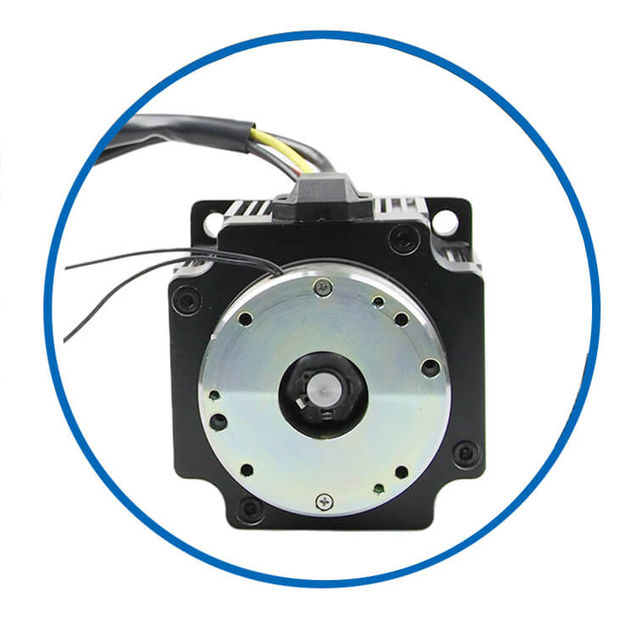
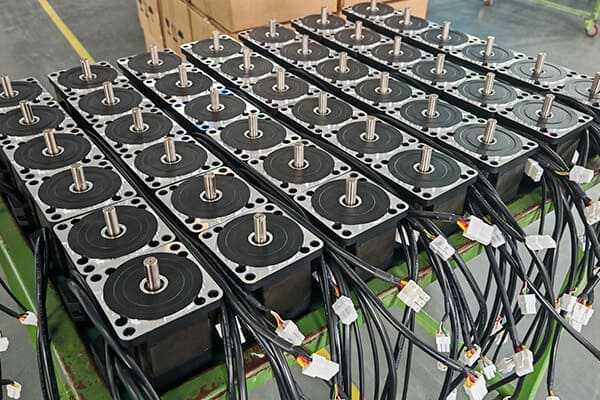
A brushless DC motor (BLDC motor) is an electronically commutated motor that operates without brushes, using a controller to switch current through the motor windings. Instead of mechanical brushes and a commutator, BLDCings. Instead of mechanical brushes and a commutator, BLDC motors rely on electronic switching and position sensors (or sensorless algorithms) to control rotor movement. This design improves efficiency, reduces maintenance, and increases reliability, making BLDC motors widely used in electric vehicles, drones, cooling fans, household appliances, and industrial equipment.
-
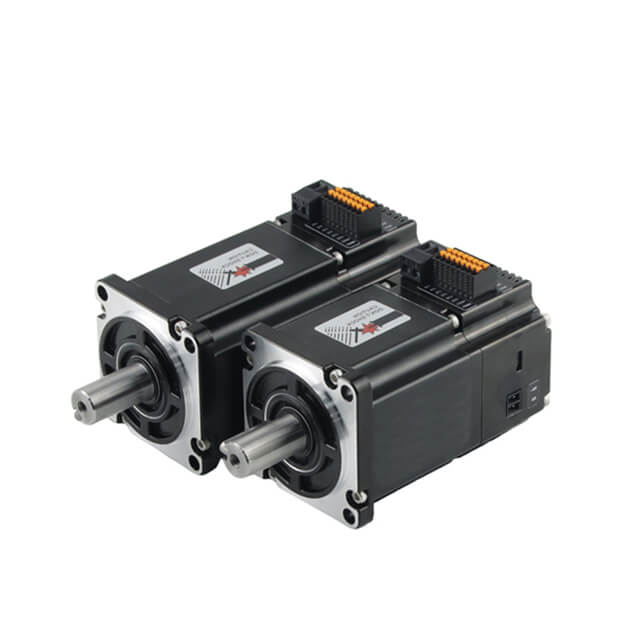
The main difference between a brushless DC motor (BLDC motor) and a servo motor lies in the control system and application. A BLDC motor is a type of electric motor that provides efficient rotation using electronic commutation. A servo motor, however, is a complete motion control system that typically includes a motor (often BLDC), an encoder, and a closed-loop controller. Servo motors are designed for high-precision positioning, speed control, and torque control, making them widely used in robotics, CNC machines, and industrial automation.
-
Yes, brushless motors are designed to run on direct current (DC) power, but they require an electronic controller (ESC or motor driver) to operate. The controller converts DC power into a controlled three-phase current that energizes the motor windings in sequence. This electronic commutation replaces the mechanical brushes used in traditional DC motors, enabling precise speed control, smoother operation, and higher efficiency.
-
Brushless DC motors (BLDC motors) are generally considered better than traditional brushed motors in many modern applications because they offer higher efficiency, longer lifespan, lower maintenance, and better speed control. Since BLDC motors do not use carbon brushes, they avoid friction and electrical sparking, which reduces wear and heat generation. This makes them ideal for electric vehicles, drones, industrial automation, robotics, and HVAC systems where reliability and performance are critical.