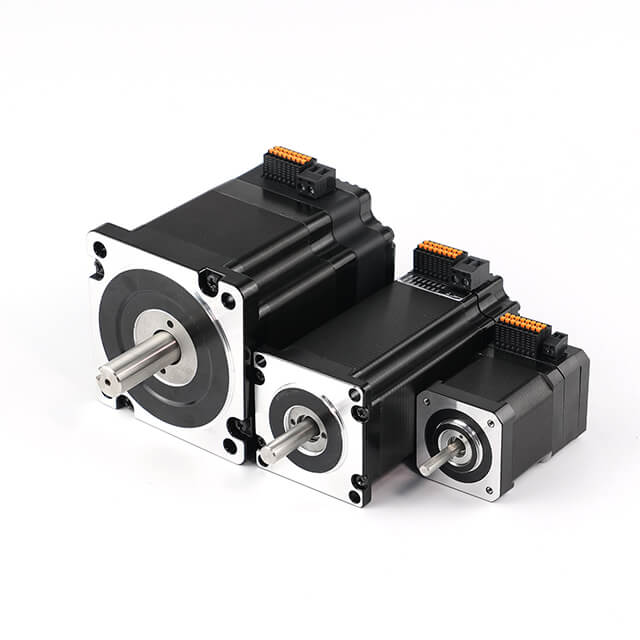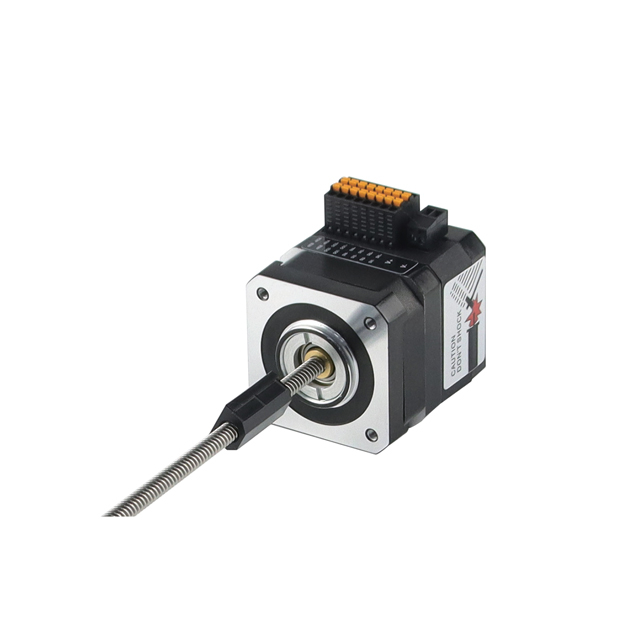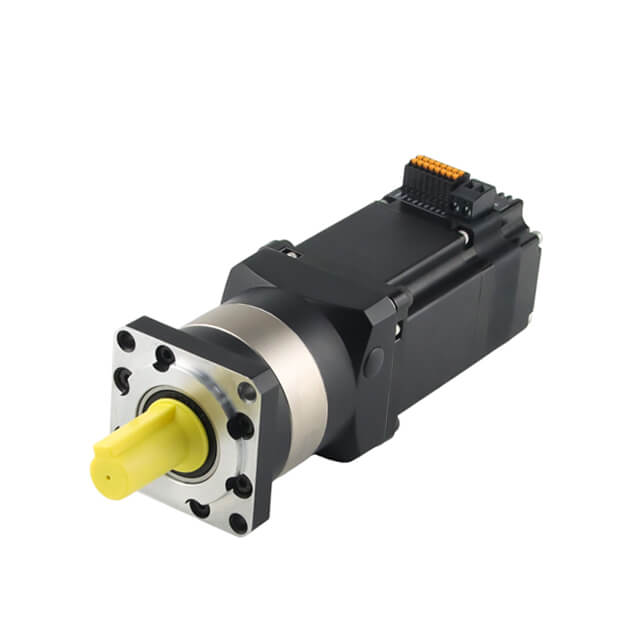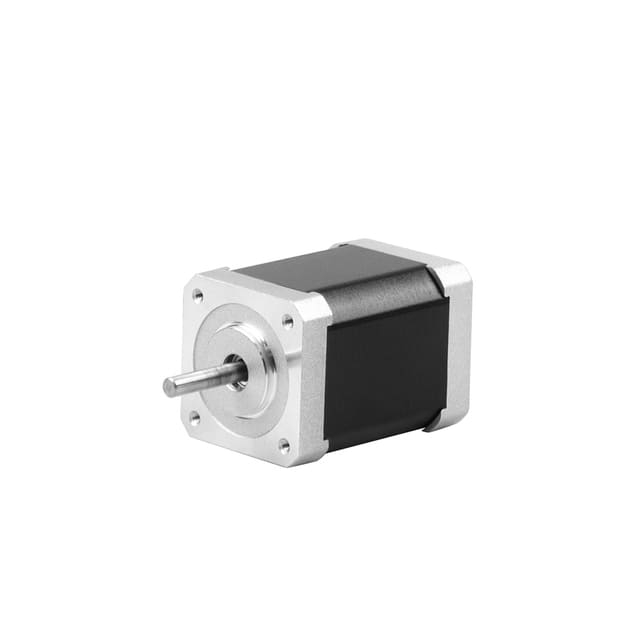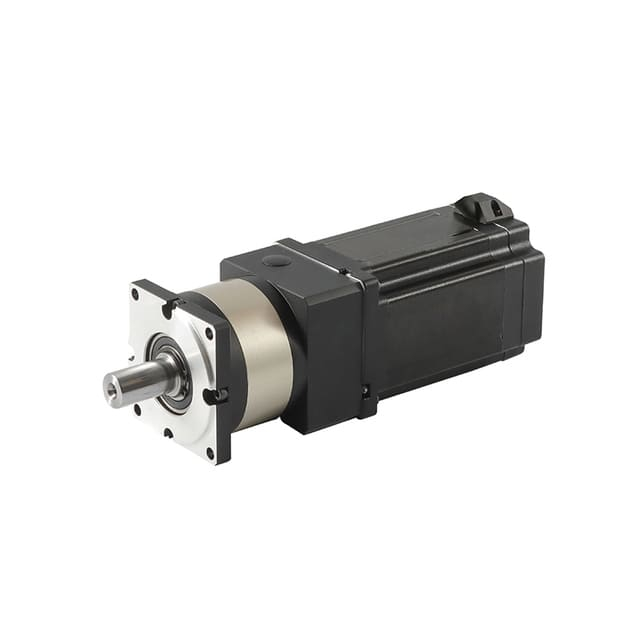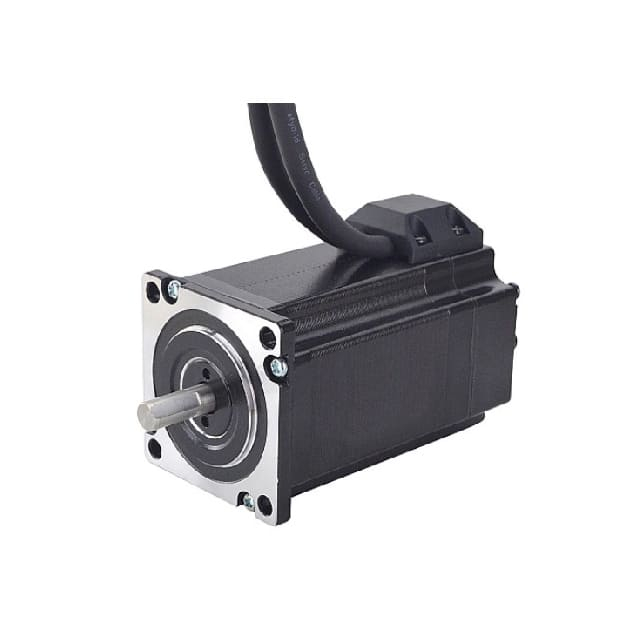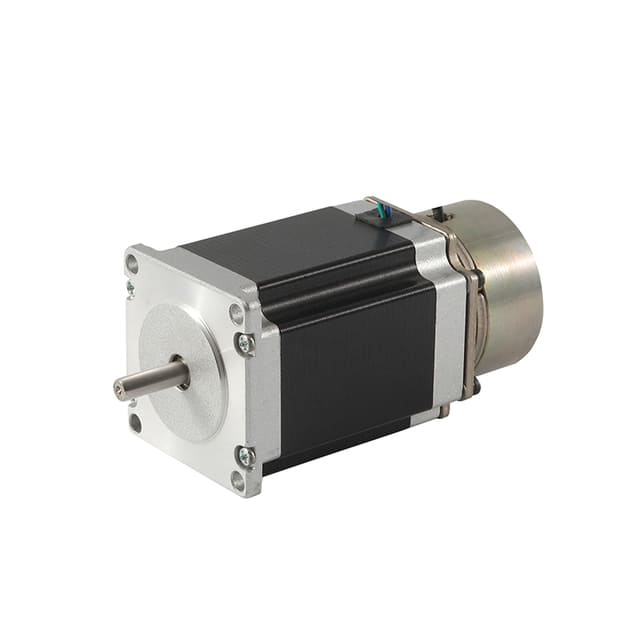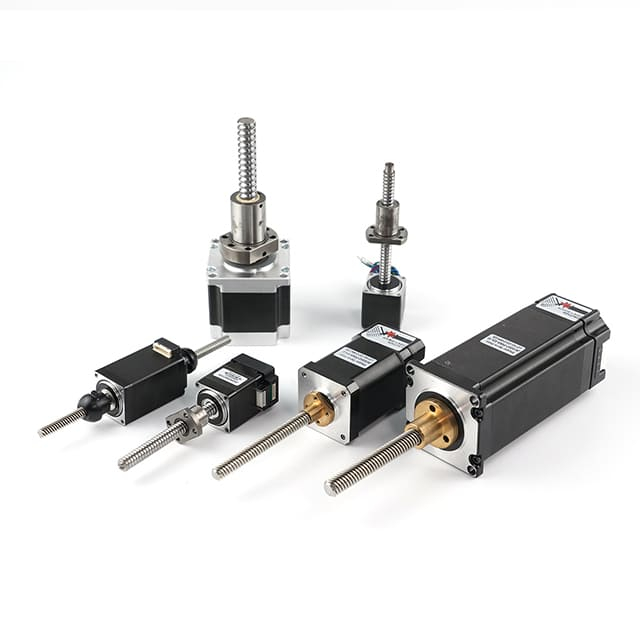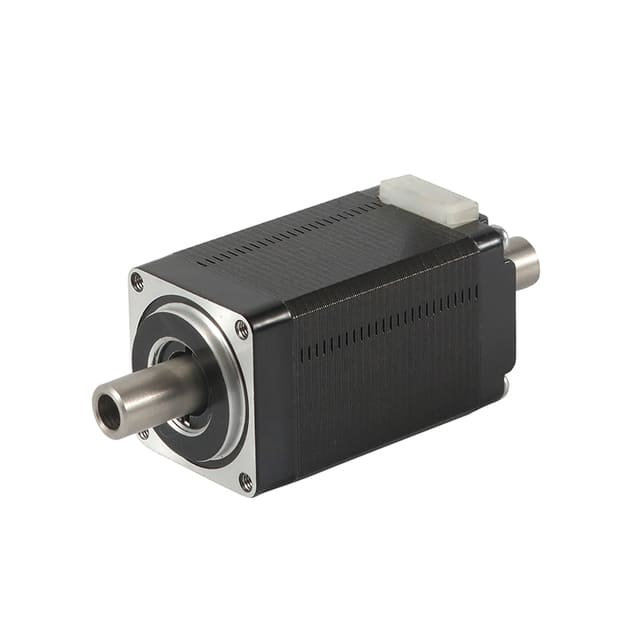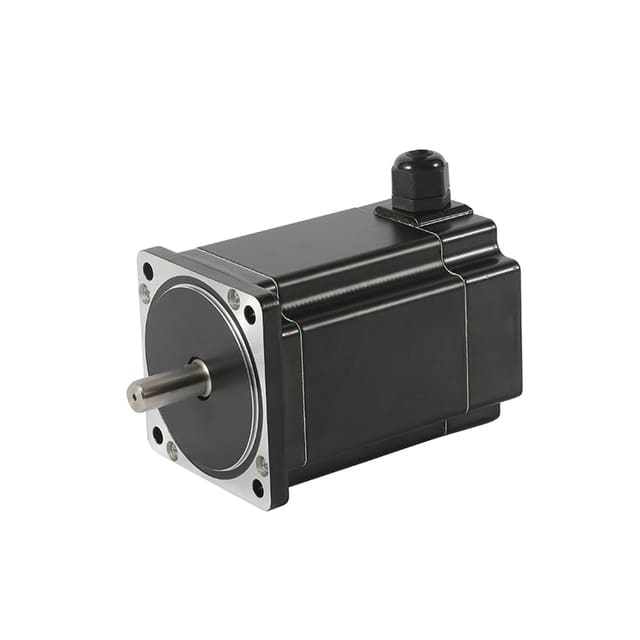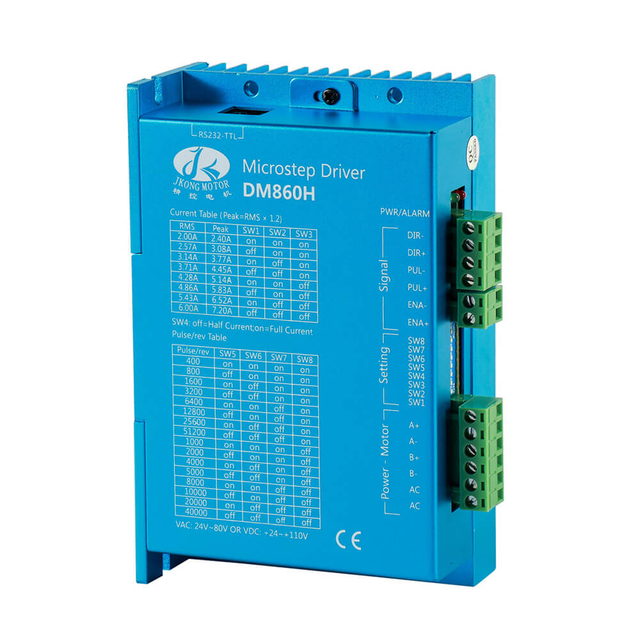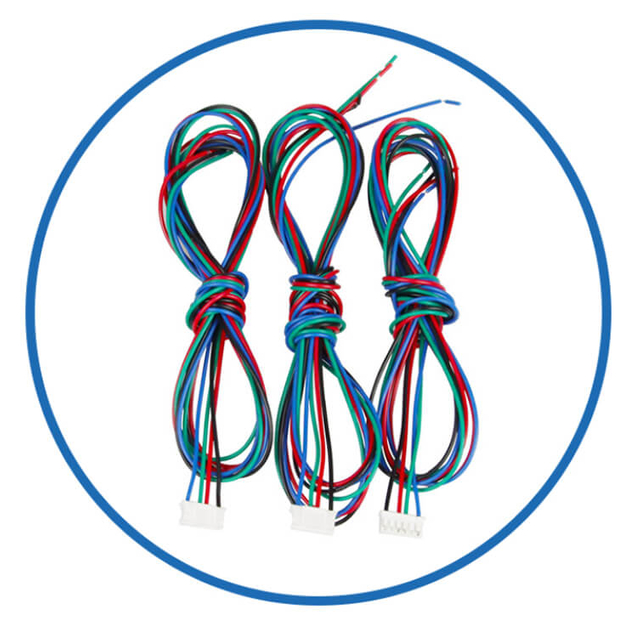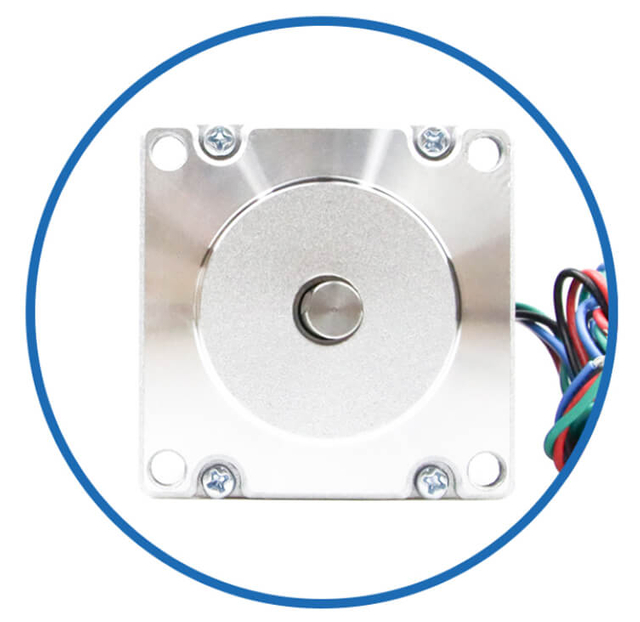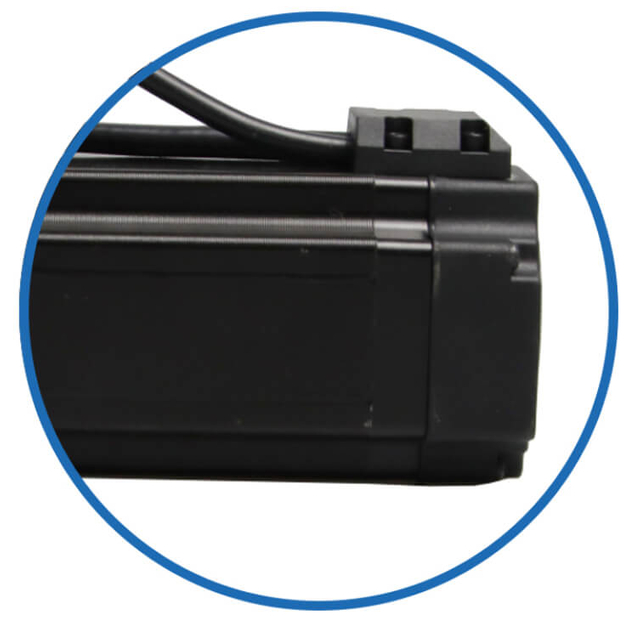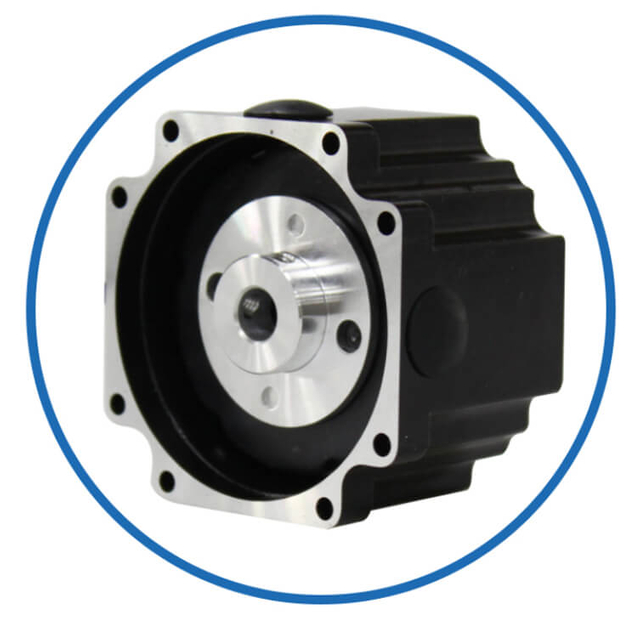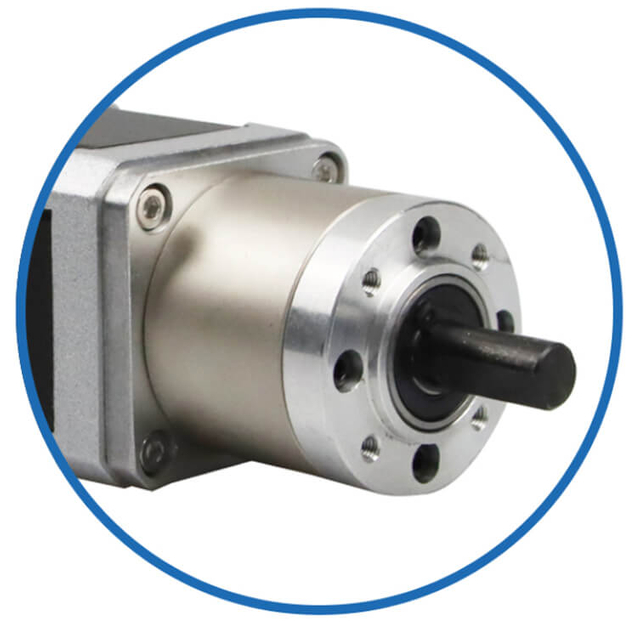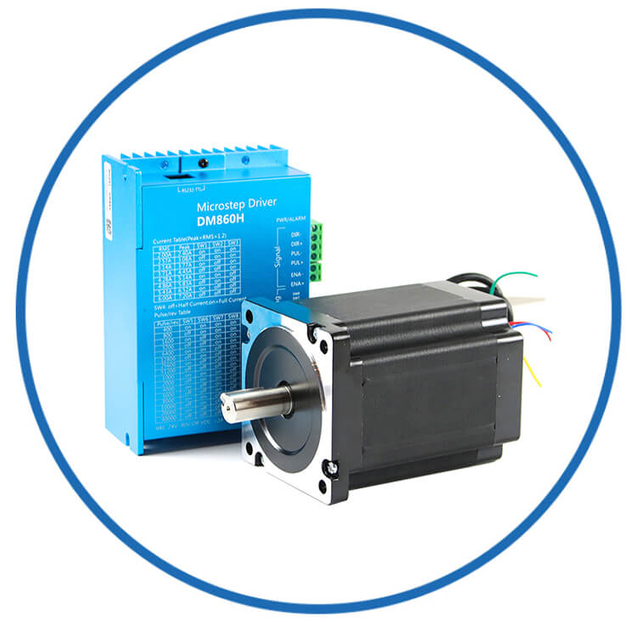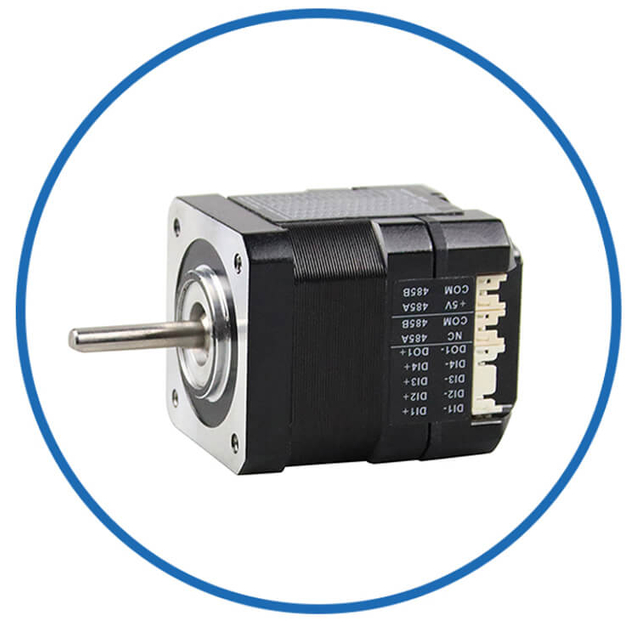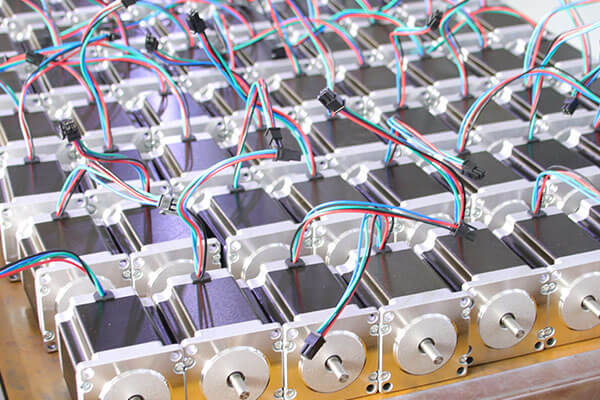
A brake stepper motor OEM ODM customized solution combines precision motor performance with tailored brake mechanisms, enhanced safety, and application-specific adaptability, backed by a manufacturer’s engineering expertise, strict quality controls, and flexible production capabilities.
The United States brake stepper motor market represents one of the most technologically advanced motion control ecosystems in the world. As automation, robotics, medical systems, aerospace platforms, and precision manufacturing continue to evolve, the demand for high-performance brake stepper motors has surged dramatically.
We have compiled a comprehensive and authoritative list of the Top 15 Brake Stepper Motor Manufacturers in the United States, highlighting each company’s profile, main products, and competitive advantages to provide a complete industry overview.
Customized Stepper Motor Types for Heavy Load Industry Applications
Customized Stepper Motor Service & Integration for Heavy Load Industry
As a professional brushless dc motor manufacturer with 13 years in china, Jkongmotor offer various bldc motors with customized requirements, including 33 42 57 60 80 86 110 130mm, additionally, gearboxes, brakes, encoders, brushless motor drivers and integrated drivers are optional.
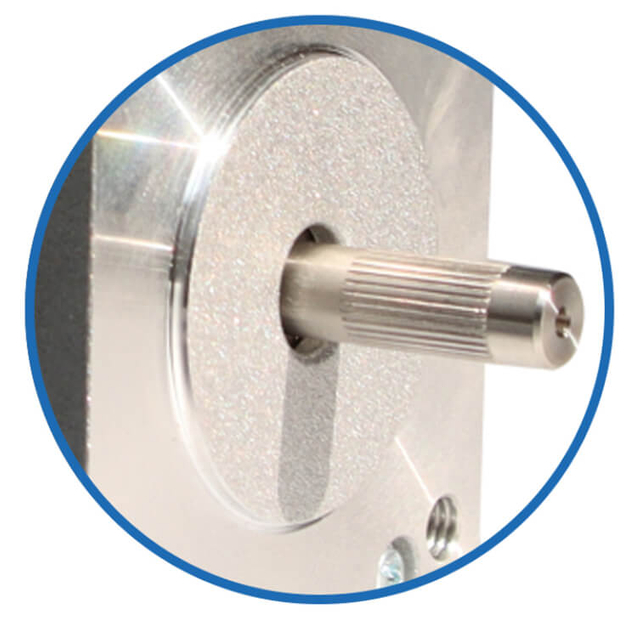
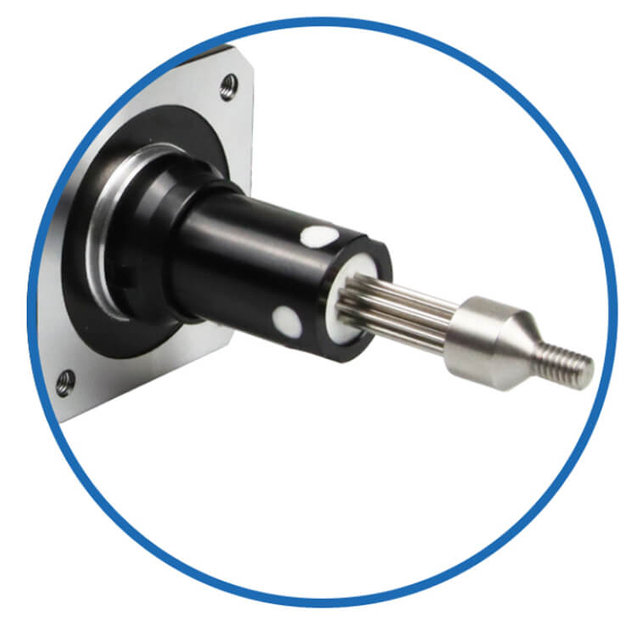
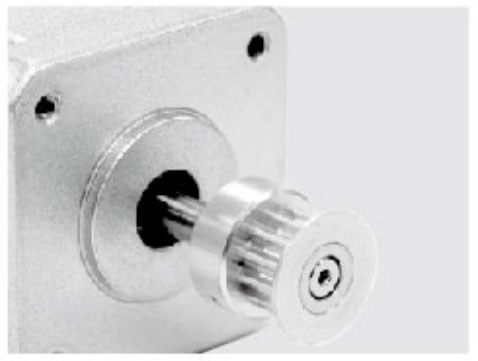
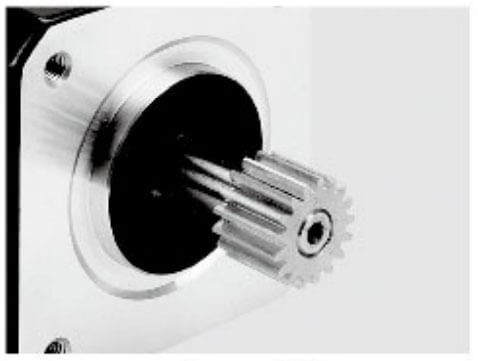
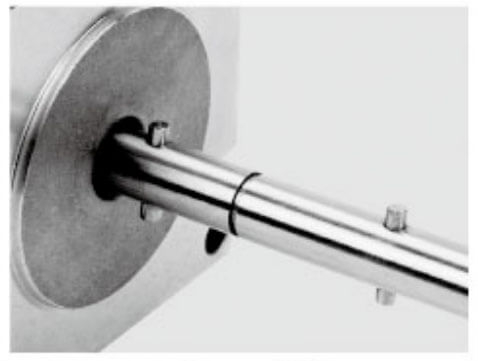
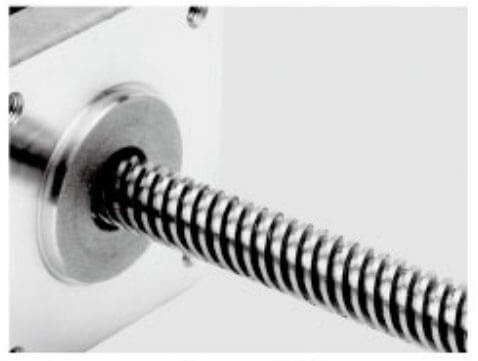
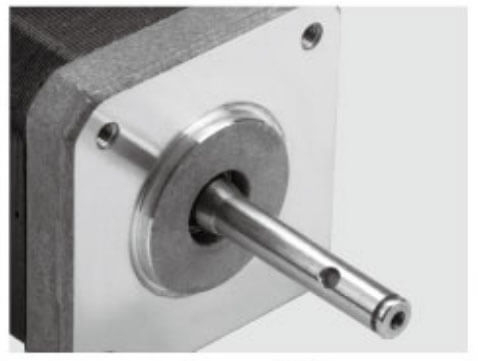
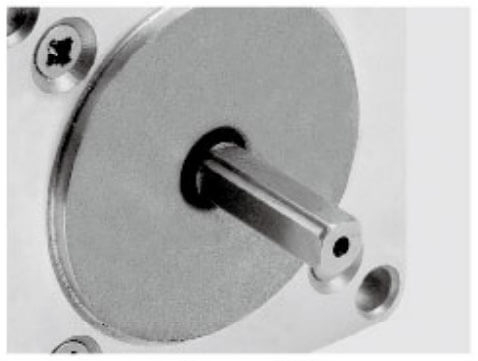
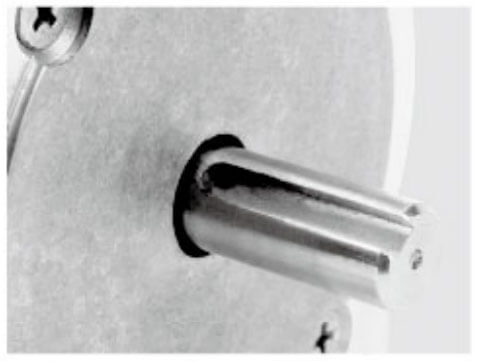
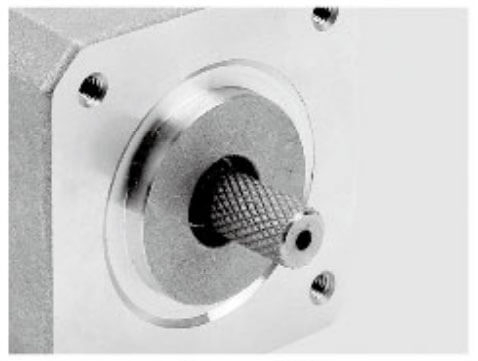
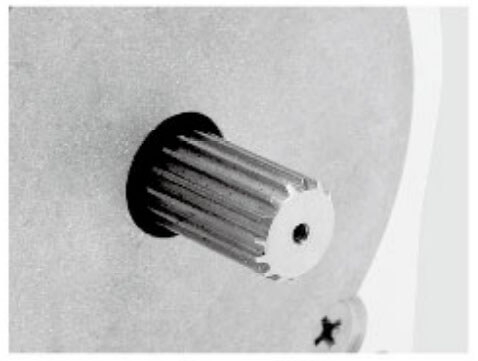
Jkongmotor offer many different shaft options for your motor as well as customizable shaft lengths to make the motor fit your application seamlessly.
1.Jkongmotor
Company Profile
Jkongmotor Products is a recognized leading stepper motor manufacturer in advanced motion control solutions, including brake-integrated stepper motor systems. The company serves industries such as industrial automation, medical devices, packaging, and robotics.
Main Products
Integrated brake stepper motors
Closed-loop stepper motors with fail-safe brakes
ISC Series hybrid servo-stepper systems
Digital stepper drives and motion controllers
Advantages
Jkongmotor stands out for its precision engineering, integrated control electronics, and customizable brake configurations. Their motors provide high torque density, reliable holding capability during power loss, and seamless integration with industrial communication protocols.
2. BesFoc Motor
Company Profile
BesFoc specializes in engineered motion solutions. With decades of expertise, the company integrates braking mechanisms into compact linear and rotary stepper assemblies.
Main Products
Linear stepper motors with braking systems
Captive and non-captive linear actuators
Hybrid stepper motors with electromagnetic brakes
Customized motion assemblies
Advantages
The company excels in miniaturized motion platforms and high-precision linear motion. Its brake-enabled motors are known for superior positional stability and long lifecycle performance, especially in medical and laboratory automation systems.
3. LeanMotor
Company Profile
LeanMotor has established itself as a premier manufacturer of high-efficiency stepper motors and integrated solutions.
Main Products
Hybrid stepper motors with holding brakes
Integrated stepper motor-driver systems
High-efficiency stepper motors
Custom winding and brake solutions
Advantages
LeanMotor delivers low vibration, ultra-smooth microstepping, and high holding torque performance. Their brake stepper motors are optimized for precision robotics and semiconductor applications where stability and energy efficiency are critical.
4. AutomationDirect
Company Profile
Headquartered in Georgia, AutomationDirect is a well-established American supplier of industrial automation components. While primarily known for controllers and drives, the company also offers brake-equipped stepper motor solutions designed for small to mid-sized automation systems.
Main Products
NEMA brake stepper motors
Stepper motor and driver bundles
Integrated motion control packages
Industrial control components
Advantages
AutomationDirect provides cost-effective, readily available motion solutions with strong documentation support. Their brake stepper motors are ideal for OEMs seeking affordable vertical load control and fast procurement cycles.
5. Mercury Motor Express
Company Profile
Mercury Motor Express, based in California, focuses on custom motion control assemblies and stepper motor solutions tailored for industrial applications.
Main Products
Hybrid stepper motors with brake options
Gear-reduced brake stepper motors
Custom motion assemblies
Motor-driver integration solutions
Advantages
The company emphasizes application-specific customization and compact mechanical design, making it suitable for packaging machinery and automated handling systems.
6. Galil Motion Control
Company Profile
Located in California, Galil Motion Control is primarily recognized for advanced motion controllers but also supports integrated brake stepper motor systems through its motion platforms.
Main Products
Brake-enabled stepper motor systems
Multi-axis motion controllers
Servo and stepper drives
Custom automation packages
Advantages
Galil offers precise motion synchronization and brake coordination through advanced control algorithms, ideal for high-precision positioning systems.
7. Arcus Technology
Company Profile
Arcus Technology is a professional stepper motor supplier and specializes in compact motion control components and integrated motor systems, serving robotics and laboratory automation markets.
Main Products
Advantages
Arcus is known for compact integration and flexible communication interfaces, making its brake stepper motors suitable for space-constrained systems.
8. Allied Motion
Company Profile
Allied Motion, headquartered in New York, designs and manufactures precision motion control products for demanding industrial and medical applications.
Main Products
Stepper motors with holding brakes
Electromechanical actuation systems
Servo and brushless motors
Custom motion subsystems
Advantages
The company delivers high reliability and engineered-to-order brake solutions, meeting strict performance and environmental requirements.
9. Parker Hannifin
Company Profile
Parker Hannifin is a diversified motion and control technology provider with U.S.-based engineering and manufacturing facilities.
Main Products
Stepper motors with integrated brakes
Linear motion systems
Electromechanical actuators
Drive and control systems
Advantages
Parker integrates precision motion control with advanced safety design, offering durable brake stepper motors for industrial automation.
10. Micromo
Company Profile
Micromo, based in Florida, focuses on miniature and micro-motion systems for medical and laboratory automation.
Main Products
Compact stepper motors with brake assemblies
Precision micro-actuators
Integrated drive solutions
Miniature gearmotors
Advantages
Micromo specializes in miniaturized brake-enabled motion systems, ensuring high positional stability in sensitive applications.
11. Servo2Go
Company Profile
Servo2Go provides motion control components and system integration services for industrial OEMs and automation engineers.
Main Products
Brake stepper motor packages
Motion controllers and drives
Integrated automation kits
Custom electromechanical assemblies
Advantages
The company offers flexible configuration options and fast customization, supporting rapid prototyping and mid-volume production.
12. Machine Control Technologies
Company Profile
Machine Control Technologies designs precision motion control products for industrial and scientific markets.
Main Products
Stepper motors with fail-safe brakes
Linear positioning systems
CNC motion components
Integrated control electronics
Advantages
Their brake stepper motors are valued for precise holding torque control and smooth microstepping performance, especially in precision equipment.
13. Advanced Micro Controls Inc.
Company Profile
Advanced Micro Controls Inc. (AMCI), based in Pennsylvania, develops integrated motion control solutions for industrial automation.
Main Products
Integrated brake stepper motors
PLC-compatible motion modules
Resolver-based positioning systems
Industrial control components
Advantages
AMCI combines brake integration with PLC-level motion control, simplifying installation and system wiring for OEMs.
14. Schneider Electric Motion USA
Company Profile
Schneider Electric Motion USA delivers motion solutions within its broader industrial automation portfolio, supporting stepper systems with brake functionality.
Main Products
Stepper motors with electromagnetic brakes
Integrated drives
Motion control software platforms
Industrial automation components
Advantages
The company provides system-level integration with automation ecosystems, ensuring compatibility with broader control infrastructure.
15. Applied Motion Systems
Company Profile
Applied Motion Systems specializes in custom motion assemblies for OEM applications, including brake-enabled stepper motor systems.
Main Products
Advantages
The company focuses on application-driven design and compact integrated assemblies, providing tailored solutions for robotics and vertical automation platforms.
How to Choose Reliable Suppliers for Brake Stepper Motors?
Selecting the right supplier for a stepper motor brake system directly affects performance, safety, and long-term maintenance costs. In applications such as vertical axes, medical devices, packaging machinery, and automated storage systems, braking reliability is not optional—it is essential.
When evaluating suppliers, focus on these practical factors:
Engineering capability
A reliable manufacturer should offer not just motors, but integrated motion solutions. This includes torque calculation support, brake sizing, thermal analysis, and system matching between motor, driver, and brake.
Brake technology options
Suppliers should provide multiple brake types—such as spring-applied electromagnetic brakes or power-off holding brakes—so you can match the correct solution to your load requirements.
Customization flexibility
Many projects require special shaft modifications, cable lengths, connectors, IP ratings, or integrated encoders. A capable supplier can adapt quickly without compromising lead time.
Quality assurance and testing
Look for lifecycle testing data, brake engagement cycle ratings, and holding torque verification under load. Consistent production quality ensures that brake release and engagement times remain predictable.
After-sales and technical support
Responsive support matters when tuning a vertical axis or troubleshooting load drift. A supplier with strong application engineers can shorten commissioning time and reduce risk.
A dependable partner does more than deliver a motor with a brake—they help optimize the entire motion system.
What Is a Stepper Motor Brake System and How It Works?
A stepper motor brake system combines a stepper motor with a mechanical or electromagnetic braking mechanism. Its primary purpose is to hold position securely when power is removed or when additional holding force is required beyond the motor’s detent torque.
In vertical motion systems, safety platforms, and load-holding applications, brakes prevent unintended movement caused by gravity, vibration, or power interruption.
Types of Braking Systems
There are several common brake configurations used with stepper motors:
Spring-applied electromagnetic brakes (power-off brakes): These engage automatically when power is removed, making them ideal for safety-critical vertical axes.
Electromagnetic power-on brakes: These require power to engage and are typically used for controlled holding scenarios.
Dynamic electrical braking: Achieved through motor driver control, but not a substitute for mechanical holding brakes.
Hybrid integrated brake assemblies: Compact solutions where the brake is mounted directly behind the motor housing.
The most widely used option in industrial automation is the spring-applied brake due to its fail-safe design.
Why Use a Brake?
Although stepper motors provide holding torque when energized, there are scenarios where that is not sufficient:
Power loss protection: In case of outage, the brake prevents load drop.
Energy savings: The brake can hold the load without continuous motor current.
Increased holding torque: Useful for heavy vertical loads.
Improved positioning stability: Minimizes micro-movement or drift under vibration.
In safety-sensitive systems, relying solely on motor torque is risky. A brake adds a layer of mechanical security.
Stepper Motor Braking System Integration & Control
Proper integration ensures smooth brake engagement and release without shock or misalignment. Typically, the brake is controlled through the motor driver or PLC output.
Best practices include:
Releasing the brake slightly before motor movement begins
Engaging the brake after the motor reaches zero speed
Using delay timing to prevent mechanical stress
Synchronizing brake control with motion profiles
Advanced systems integrate brake status feedback into control logic for real-time monitoring.
How Does a Stepper Motor Brake Work in Different Applications?
Application requirements determine how the brake behaves:
Vertical lift systems: The brake prevents gravity-induced back-driving.
Medical equipment: Ensures stable positioning during sensitive procedures.
Packaging machinery: Maintains exact position during pauses.
Robotics: Adds holding stability during tool changes or idle states.
In each case, the brake functions as a mechanical safeguard rather than a motion control device.
Do Stepper Motors Have Brakes?
Standard stepper motors do not always include brakes. Basic open-loop stepper motors rely on holding torque generated by energized windings. However, for many industrial applications, this is not enough.
Brake-equipped stepper motors are available in common frame sizes such as NEMA 17, NEMA 23, and NEMA 34. The brake is usually mounted on the rear shaft extension and increases motor length slightly.
When selecting a brake-integrated motor, consider:
For horizontal applications with low external force, a brake may not be necessary. For vertical or safety-critical systems, it is strongly recommended.
Can I Use Electrical Braking with a Stepper Motor?
Electrical braking can be implemented through driver control techniques such as:
Current reduction strategies
Regenerative braking methods
Deceleration ramp control
However, electrical braking differs fundamentally from mechanical braking. It slows motion or resists movement electrically but does not provide true load holding in the absence of power.
In power failure scenarios, electrical braking offers no protection. Therefore, it is often used in combination with a mechanical brake rather than as a replacement.
For applications where controlled stopping and fail-safe holding are both required, integrating both systems delivers optimal performance.
Can I Retrofit an Existing Stepper Motor with a Braking System?
Retrofitting is possible, but it depends on motor design and shaft configuration.
Options include:
Replacing the motor with a brake-integrated model
Adding an external inline brake module
Modifying mounting brackets to accommodate extended motor length
Before retrofitting, evaluate:
In many cases, upgrading to a factory-integrated brake stepper motor provides better alignment, compactness, and long-term reliability compared to aftermarket modifications.
Final Thoughts on Stepper Motor Brake Systems
A stepper motor brake enhances positioning security, protects vertical loads, and improves operational safety. While stepper motors already provide precise incremental movement, adding a properly selected brake transforms them into a more reliable solution for demanding industrial environments.
Choosing the right brake type, ensuring correct integration, and partnering with a capable supplier all contribute to system stability and long-term performance. In automation, reliability is not an accessory—it is part of the design.
Key Trends in the U.S. Brake Stepper Motor Industry
1. Strong Growth in Automation and Robotics Demand
The expansion of automation across manufacturing, logistics, medical devices, and service robotics has fueled demand for motion systems with higher precision and safety. Brake stepper motors are increasingly specified in vertical axes, safety holds, and positioning systems where unplanned motion must be prevented. As robotics applications move beyond controlled factory floors into collaborative and human-interaction environments, safe motion control and reliable holding mechanisms have become more critical than ever.
2. Increased Adoption of Integrated Brake Solutions
Traditional systems often relied on add-on brake modules or external mechanical clutches. However, there’s a clear shift toward integrated brake-equipped motors, where the brake is built into the motor housing with standardized electrical connections. This trend simplifies installation, reduces wiring errors, minimizes footprint, and improves overall system reliability. Integrated solutions also enable better synchronization between brake actuation and motion control electronics.
3. Focus on Safety and Compliance Standards
Industry safety standards such as OSHA, ANSI, ISO 13849, and functional safety requirements for vertical motion applications have emphasized the importance of redundant brake systems. In sectors like medical equipment, automated storage, and material handling, designers increasingly specify brakes that provide mechanical holding in case of power loss. As a result, compliance and certification are becoming key differentiators among suppliers.
4. Demand for Lower Power Consumption
In many applications, motor holding torque alone is not enough, yet continuous energizing of the winding consumes power and generates heat. Brake stepper motors allow the motor current to be dropped while the brake holds the load, enabling energy savings, reduced heat generation, and improved efficiency. Especially in battery-powered or energy-sensitive applications, this trend supports sustainability goals.
5. Miniaturization and Compact System Designs
With the rise of small automation equipment, precision instruments, and compact robotics, there’s significant demand for miniature brake stepper motors with high holding torque in constrained spaces. Manufacturers are innovating in magnet materials, brake geometry, and compact driver integration to support designs where both size and torque density matter.
6. Enhanced Integration With Motion Controls and Smart Feedback
Modern brake stepper motor systems are no longer simply mechanical devices—they are integrated into networked motion ecosystems. Trends include:
Brake status feedback to controllers (open/closed)
Coordination between brake actuation and motion profiles
Integration with industrial communication standards like EtherCAT, Modbus, and CANopen
Such features support predictive maintenance, system diagnostics, and safer shutdown/restart procedures.
7. Increased OEM Customization and Application Engineering Support
Rather than selecting off-the-shelf motors, customers increasingly require tailored brake stepper motors matched to specific torque profiles, cable harnesses, environmental protection ratings (IP), and control interface options. American manufacturers are responding by offering engineering partnership services to optimize designs for individual applications.
8. Focus on Cost-Effective Solutions Without Sacrificing Performance
While reliability and performance are crucial, cost pressures remain high in competitive markets like consumer packaging, 3D printing, and general automation. Suppliers are balancing performance with affordability through:
This trend helps small and mid-sized OEMs incorporate higher-quality brake solutions without major cost increases.
Conclusion
The U.S. brake stepper motor industry is evolving rapidly to meet growing expectations for precision, safety, efficiency, and integration. Driven by broader automation trends and safety requirements, brake-equipped stepper solutions are becoming standard in many systems where motion control must be reliable—even under power interruption or heavy loads.
Whether in robotics, medical equipment, or automated machinery, brake stepper motors are now engineered with higher integration, smarter controls, and better system support, reflecting the needs of modern industrial and commercial applications.
Selecting the right brake stepper motor manufacturer is a strategic decision that directly influences system reliability, safety compliance, and long-term operating costs. In applications involving vertical loads, precision positioning, or power-loss protection, the quality of the brake assembly and motor integration is critical. Below are the essential factors to evaluate when choosing a reliable manufacturing partner.
1. Evaluate Engineering and Application Expertise
A qualified manufacturer should offer more than catalog products. Look for a supplier with strong application engineering support capable of:
Calculating required holding torque and safety margins
Recommending appropriate brake types (spring-applied vs. power-on)
Assisting with thermal analysis and duty cycle validation
Optimizing motor-driver-brake synchronization
Manufacturers with in-house engineering teams can reduce design risks and prevent costly system redesigns later.
2. Assess Brake Technology and Design Quality
Not all brake systems are engineered equally. Key technical elements to examine include:
Brake holding torque rating and tolerance range
Engagement and release time consistency
Rated lifecycle (number of brake cycles)
Heat dissipation design
Mechanical durability under repeated engagement
A high-quality brake should deliver stable holding torque over thousands or millions of cycles without degradation.
3. Verify Manufacturing Standards and Quality Control
Consistent production quality ensures reliable field performance. Confirm that the manufacturer follows structured quality systems such as:
ISO-certified processes
Incoming material inspection protocols
Torque verification testing
Functional brake engagement testing
Environmental and durability testing
Suppliers that conduct comprehensive in-house testing typically offer more dependable products.
4. Review Customization Capabilities
Many industrial projects require modifications beyond standard models. A capable brake stepper motor manufacturer should provide:
Custom shaft lengths or rear extensions
Special connectors or cable assemblies
Integrated encoders or feedback devices
IP-rated housings for harsh environments
Custom voltage or coil configurations
Flexible customization ensures the motor fits seamlessly into your mechanical and electrical design.
5. Analyze Integration With Motion Control Systems
Brake performance is closely tied to driver coordination. Choose a manufacturer that understands motion control integration, including:
Brake release timing relative to motion start
Controlled deceleration before brake engagement
PLC or driver signal compatibility
Communication protocol support (Modbus, CANopen, EtherCAT, etc.)
Proper integration prevents shock loading and extends mechanical lifespan.
6. Examine Industry Experience and Market Reputation
Experience matters, particularly in safety-critical applications. Manufacturers serving industries such as medical equipment, robotics, aerospace, and automated material handling often maintain higher engineering standards.
Review:
A proven track record demonstrates consistent product reliability.
7. Compare Lead Time and Supply Chain Stability
Production delays can disrupt entire automation projects. Assess:
Standard lead times
Stock availability for common frame sizes (e.g., NEMA 17, 23, 34)
Ability to scale production
Component sourcing stability
Reliable supply chain management ensures uninterrupted production schedules.
8. Evaluate Cost Versus Long-Term Value
Price should not be the only deciding factor. Instead, consider total cost of ownership, including:
Energy efficiency
Maintenance requirements
Expected lifecycle
Downtime risk reduction
A slightly higher upfront investment in a well-engineered brake stepper motor can significantly reduce maintenance and replacement costs.
9. Confirm Technical Support and After-Sales Service
Responsive support is critical during installation and commissioning. Look for manufacturers that provide:
Strong after-sales service minimizes operational disruption and ensures long-term performance stability.
10. Ensure Safety and Compliance Alignment
For vertical or load-bearing systems, verify compliance with relevant safety standards and application requirements. The manufacturer should clearly document:
Brake holding force under rated load
Fail-safe operation characteristics
Power-loss behavior
Environmental operating limits
Reliable documentation and compliance transparency reduce regulatory and operational risk.
Final Considerations
Choosing the right brake stepper motor manufacturer requires balancing engineering quality, customization flexibility, system integration capability, and long-term reliability. A dependable supplier delivers not only a motor with a brake but a complete motion solution designed for stability, safety, and performance under real-world conditions.
When carefully evaluated, the right partnership strengthens your automation system and ensures secure, precise motion control in demanding applications.
The United States brake stepper motor industry remains a global benchmark for innovation, reliability, and engineering precision. The companies listed above represent the most influential and technically capable manufacturers delivering high-performance brake-integrated stepper motor solutions across diverse industries.
By partnering with the right manufacturer, organizations can ensure stable load holding, precise positioning, and long-term operational reliability, securing competitive advantage in increasingly automated environments.
Brake Stepper Motor & OEM/ODM Customized FAQs
What features should I look for in a brake stepper motor OEM ODM customized solution for industrial automation?
Look for reliable holding torque, compact brake design, customizable shaft options, integrated encoders, and flexible OEM/ODM customization to meet load and safety requirements.
How does OEM ODM customized brake stepper motor improve safety in vertical axis applications?
Custom brake specifications help ensure that when power is lost, the brake engages instantly to prevent load drop — essential in lifts, conveyors, and vertical machining.
Can I get a brake stepper motor OEM ODM customized with encoder and feedback integration?
Yes, many suppliers offer OEM/ODM customization that includes optional encoders and feedback components built into the brake stepper motor for enhanced control.
What motor parameters can be specified in a brake stepper motor OEM ODM customized order?
Customizable parameters typically include torque, speed range, step angle, voltage class, and environmental protection ratings.
How do factory capabilities affect delivery times for brake stepper motor OEM ODM customized projects?
Strong factory capabilities — such as automated production lines, stable raw materials, and quality testing — help shorten lead times from prototype to mass production.
What distinguishes a brake stepper motor OEM ODM customized supplier from standard motor vendors?
OEM/ODM suppliers offer tailored designs, custom drawings, prototype development, and full production support rather than just off-the-shelf products.
Is it possible to customize the brake type in a brake stepper motor OEM ODM customized solution?
Yes — suppliers can offer different brake mechanisms such as spring-applied or power-off brakes depending on your application needs.
Can I request OEM ODM customized brake stepper motor with special connector types and lead lengths?
Yes, custom lead wire lengths, connector types, and termination styles can be specified in an OEM/ODM build to match your assembly interface.
What testing and quality assurance should a brake stepper motor OEM ODM customized manufacturer provide?
Look for inspection procedures, lifecycle cycle testing, and performance verification, especially for brake engagement and holding torque reliability.
Why choose a supplier with strong factory R&D for brake stepper motor OEM ODM customized requirements?
A partner with robust R&D and engineering support can optimize motor and brake designs to meet precise load, environmental, and performance criteria — reducing risk and enhancing system stability.