English


When UK machine builders search for an integrated stepper servo motor, they are usually looking for more than a motor. They need a compact motion-control solution that can combine the stepper motor, driver, encoder, and sometimes controller or communication interface in one package.For OEMs, this ar
READ MOREWhen an OEM needs a compact motor for an AGV, robotic actuator, packaging machine, laboratory system, conveyor, or automated production line, the traditional combination of BLDC motor + external servo drive + encoder + controller is no longer always the most practical solution.An integrated BLDC ser
READ MOREIntegrated BLDC servo motors are becoming an increasingly practical motion-control solution for Greek manufacturers, machine builders, robotics companies, logistics operators, medical-equipment manufacturers, and industrial automation integrators. Unlike a conventional motor-and-drive arrangement, a
READ MOREThe Russian market for integrated stepper servo motors is becoming increasingly relevant for industrial automation, robotics, CNC equipment, packaging machinery, laboratory equipment, medical devices, AGVs, and other motion-control applications. Unlike a conventional stepper motor that requires a se
READ MOREPoland has become one of the most important industrial manufacturing hubs in Europe, with a rapidly growing automation sector driven by Industry 4.0, smart factories, robotics, logistics automation, packaging machinery, CNC equipment, and material handling systems. As industrial automation continues
READ MOREOEM ODM customized integrated stepper servo motor solutions provide compact design, closed-loop precision control, intelligent communication compatibility, and industry-specific motion control optimization for robotics, AGVs, semiconductor equipment, packaging machinery, medical automation, and smar
READ MOREJKONGMOTOR offers industry-leading integrated stepper servo motor solutions, specializing in OEM ODM customized engineering for global automation. Our products feature compact designs, closed-loop precision, and multi-protocol support (EtherCAT/CANopen), providing scalable manufacturing and high-per
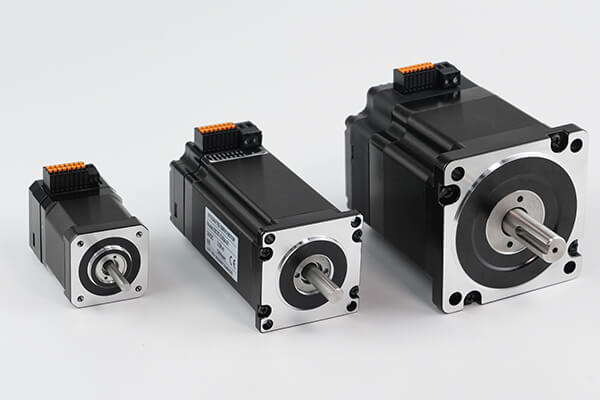
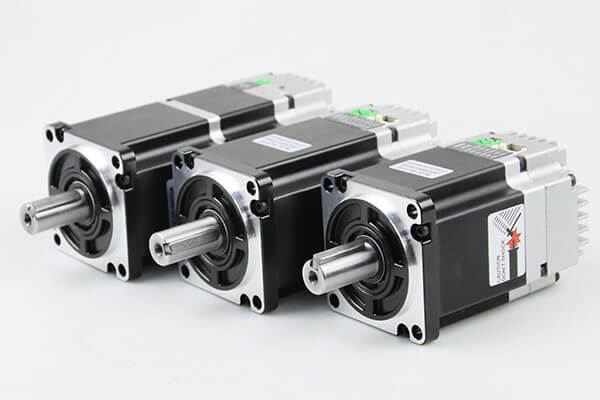
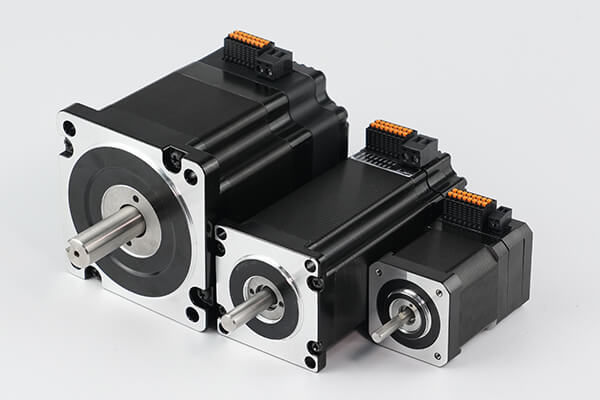
READ MOREAn integrated stepper servo motor (also called an integrated closed-loop stepper motor or stepper motor with built-in driver) combines a hybrid stepper motor, high-resolution encoder, and embedded drive electronics into a compact closed-loop unit. This all-in-one design delivers precise positioning,
READ MORE