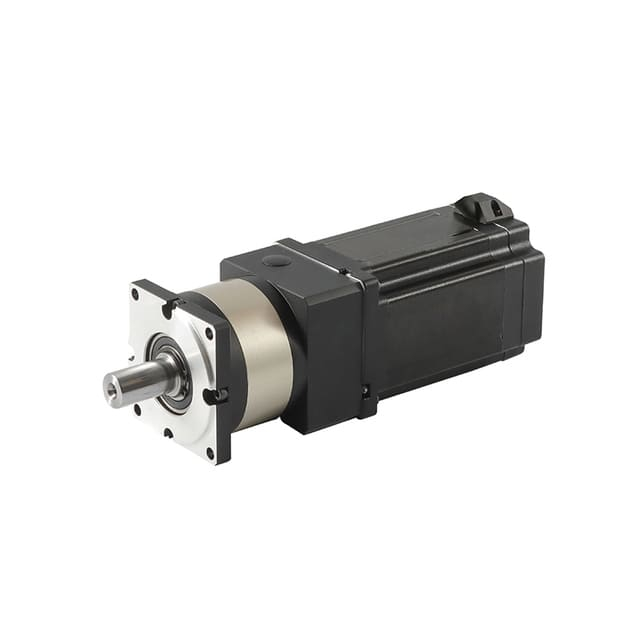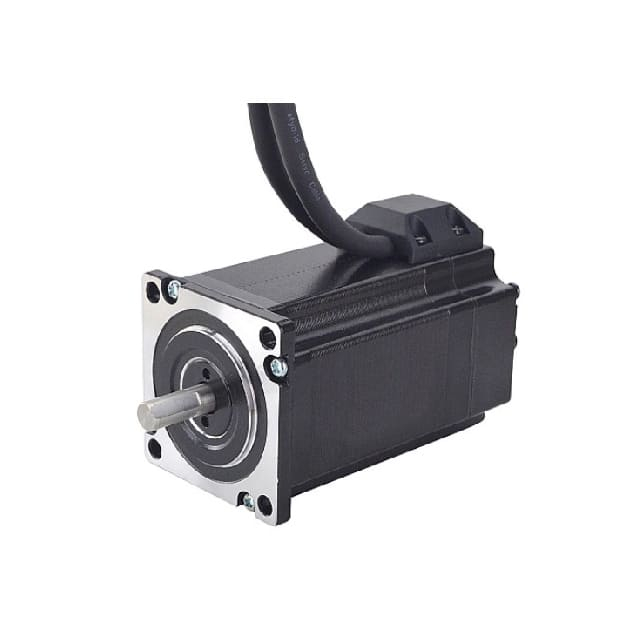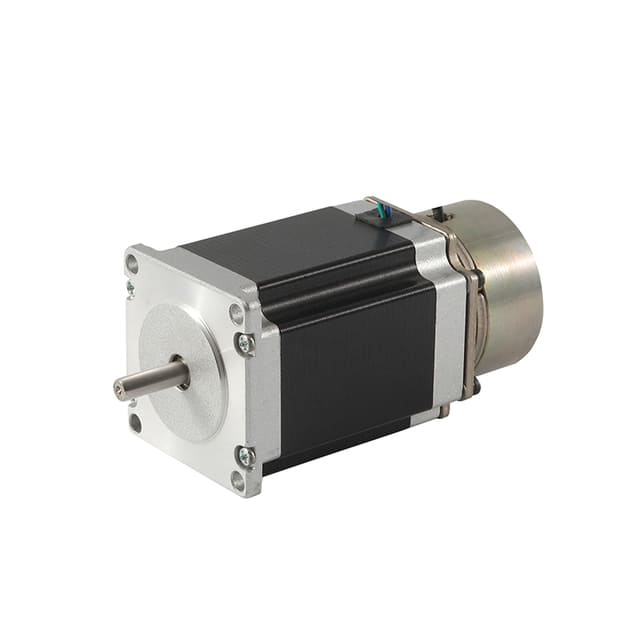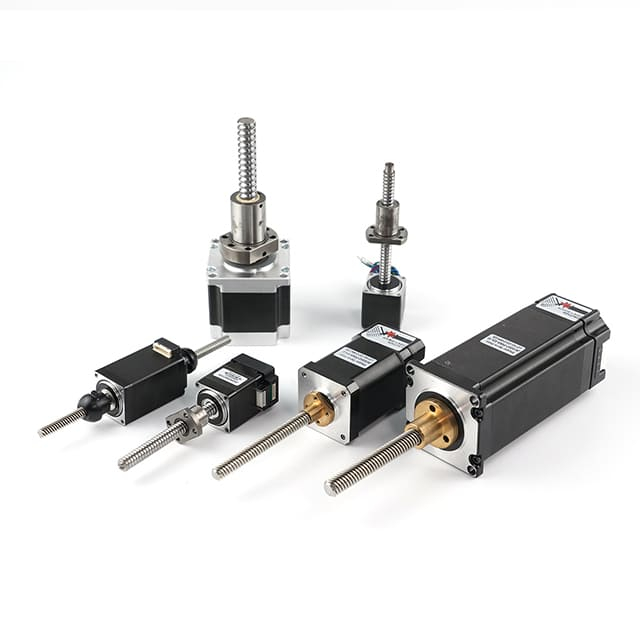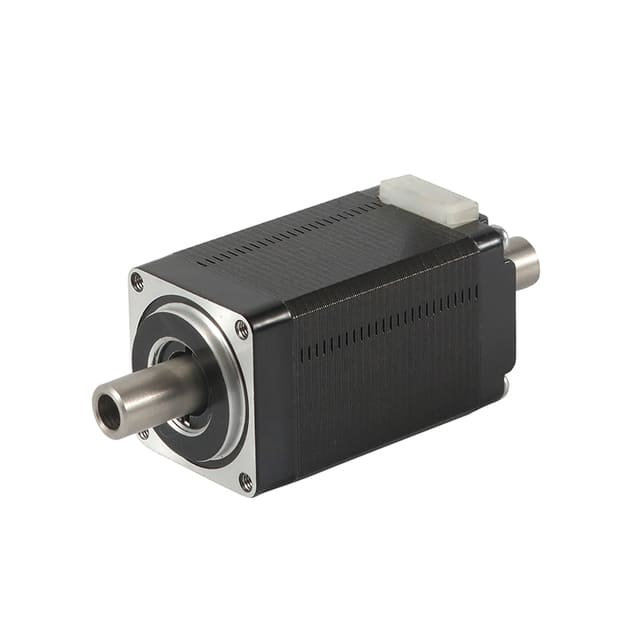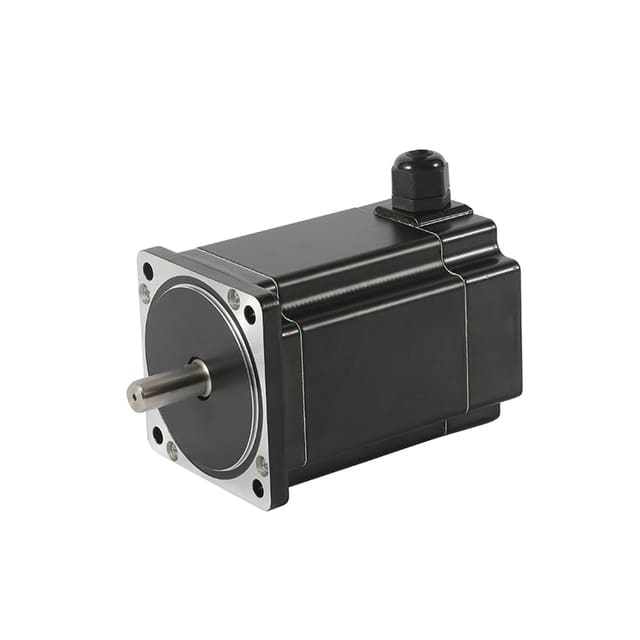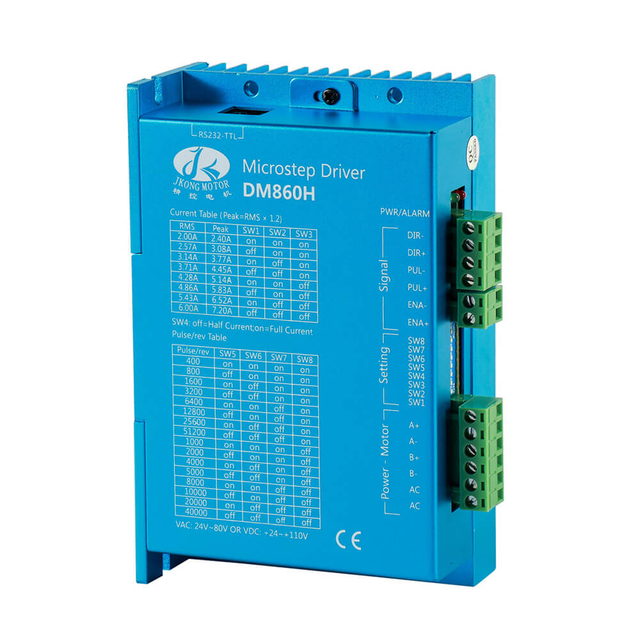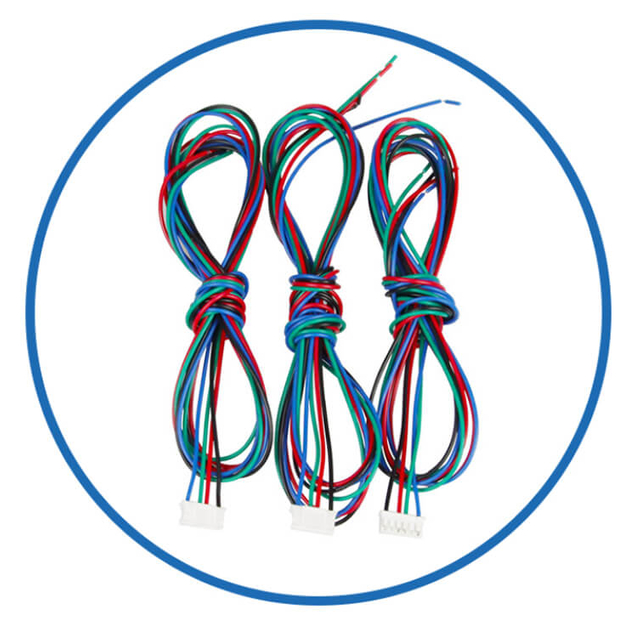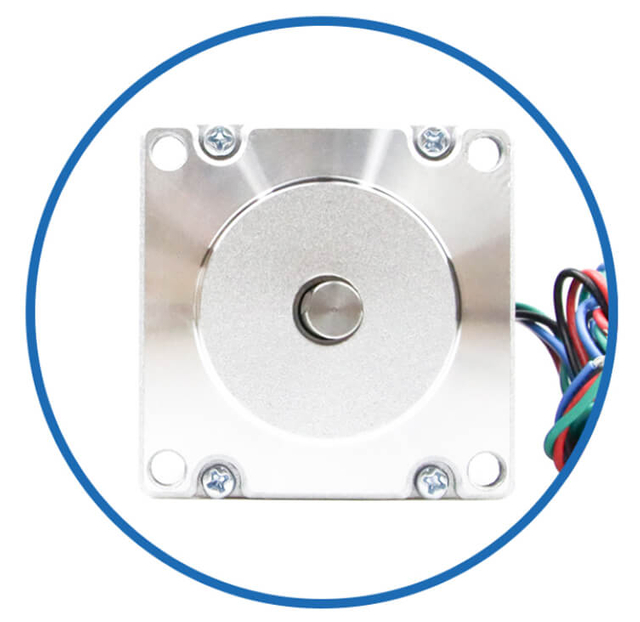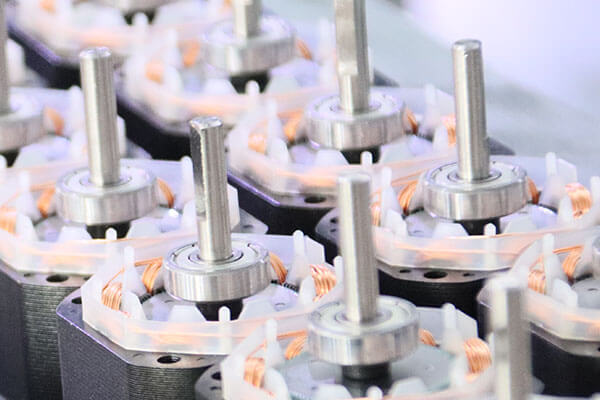
Stepper motors differ from normal motors in that they move incrementally for precise positioning, while normal motors deliver continuous rotation; and OEM/ODM customized motors enable tailored performance, integration features, and optimized system fit for industrial applications.
Understanding the difference between a stepper motor and a normal motor is essential when selecting motion control solutions for industrial automation, robotics, consumer electronics, medical devices, and precision machinery. Each motor type operates on distinct principles, offers unique performance characteristics, and serves different operational demands. A clear technical comparison allows accurate selection, improved efficiency, and optimized system reliability.
Stepper Motor vs Normal Motor: Core Definition and Operating Principle
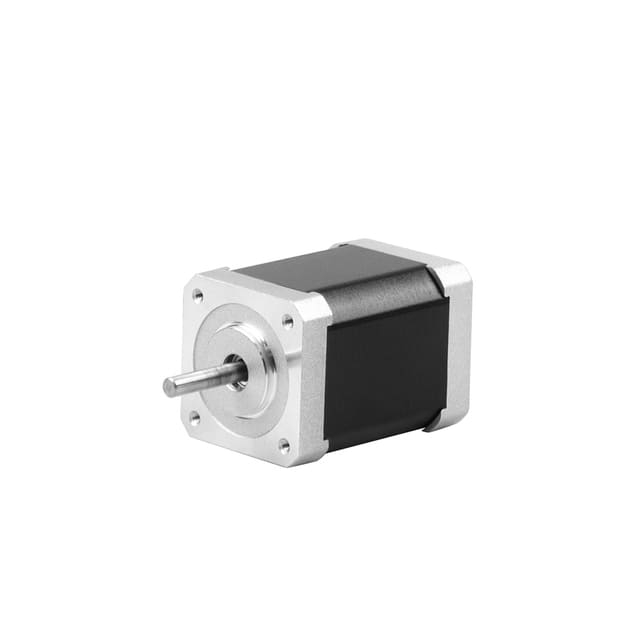
A stepper motor is an electromechanical device designed for precise incremental motion control. It converts electrical pulses into discrete mechanical steps, allowing controlled angular positioning without requiring continuous feedback in many applications. Each electrical pulse corresponds directly to a fixed rotational movement.
A normal motor typically refers to conventional electric motors such as DC motors, AC induction motors, or brushed motors, which generate continuous rotational motion when supplied with electrical power. These motors prioritize sustained rotation, torque delivery, and speed rather than positional accuracy.
This fundamental operational difference directly influences their application scope, control complexity, and performance characteristics.
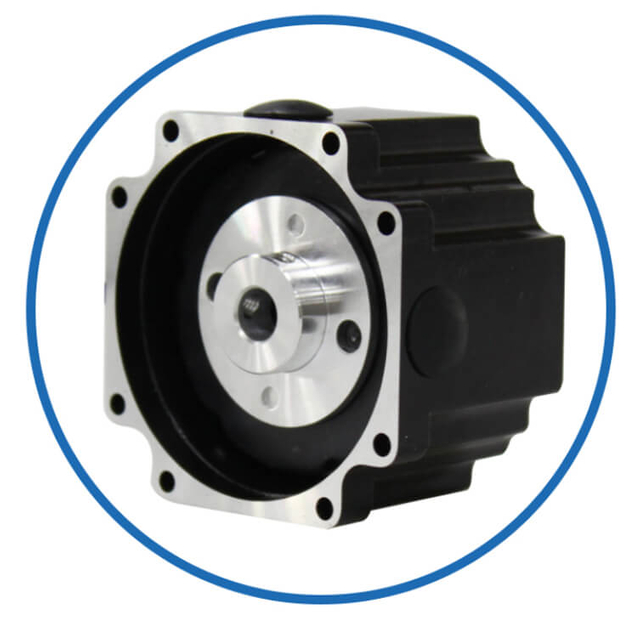
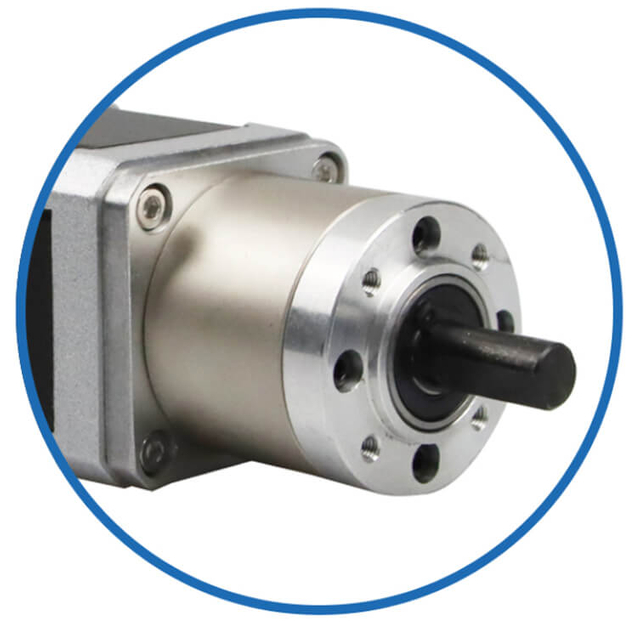
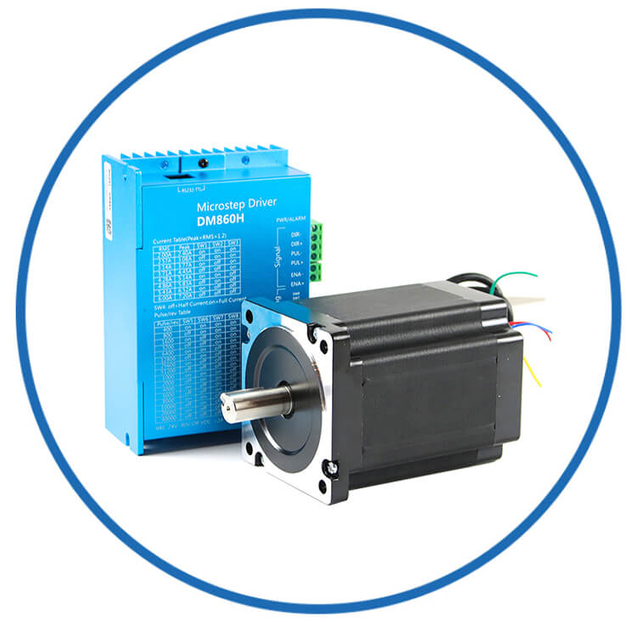
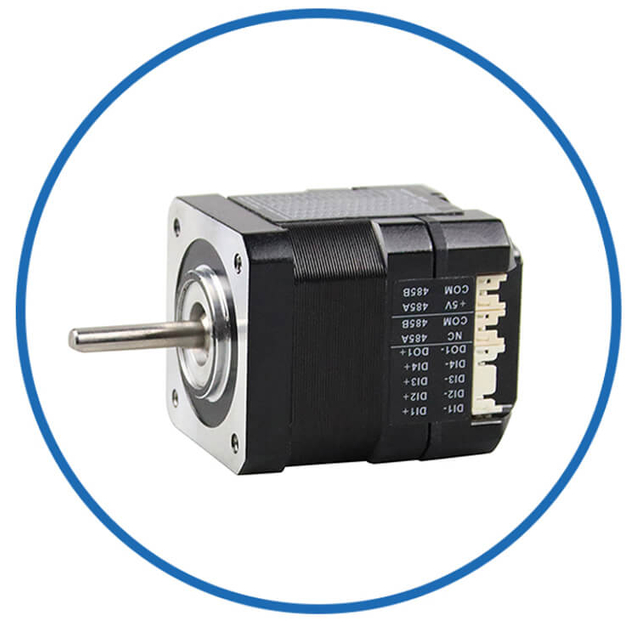
Customized Stepper Motor Types for Heavy Load Industry Applications
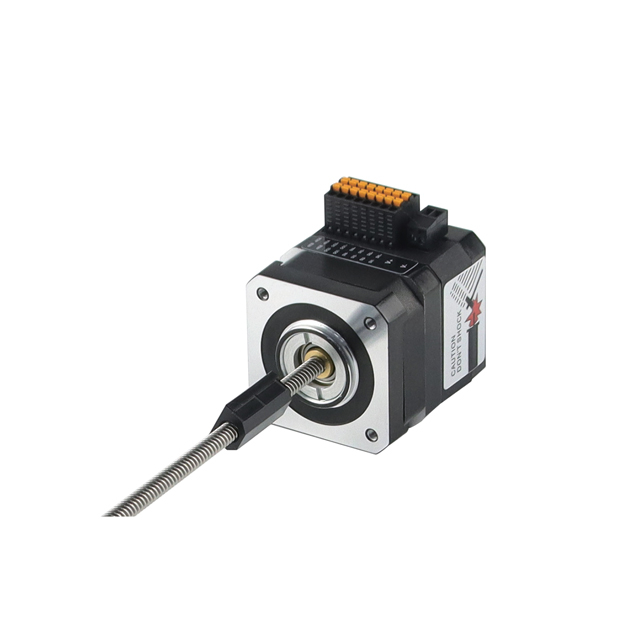
Customized Stepper Motor Service & Integration for Heavy Load Industry
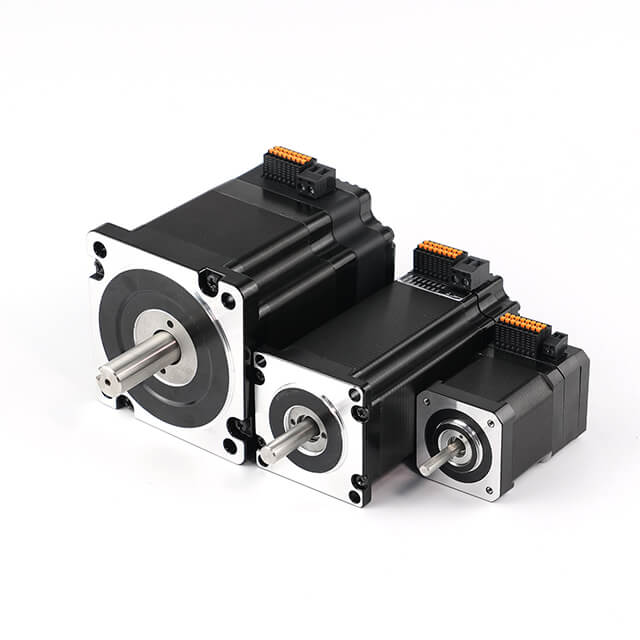
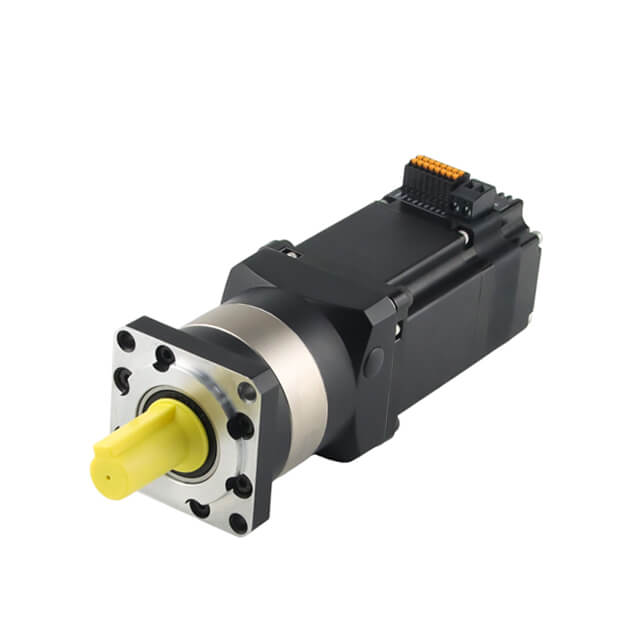
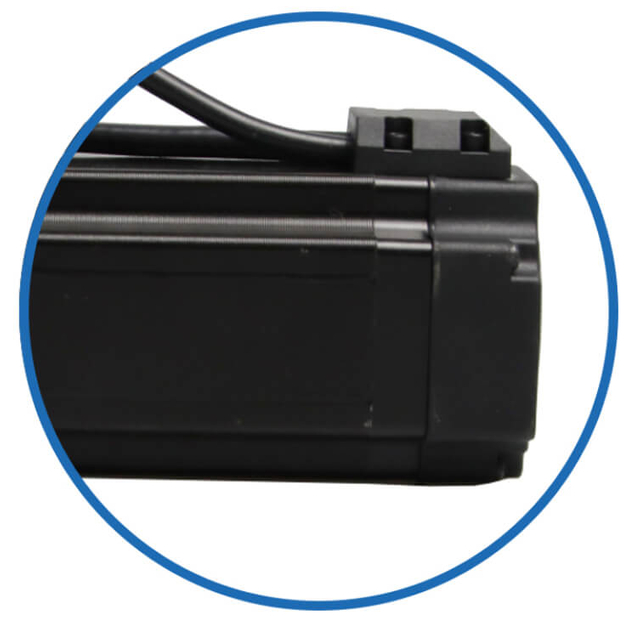
As a professional brushless dc motor manufacturer with 13 years in china, Jkongmotor offer various bldc motors with customized requirements, including 33 42 57 60 80 86 110 130mm, additionally, gearboxes, brakes, encoders, brushless motor drivers and integrated drivers are optional.
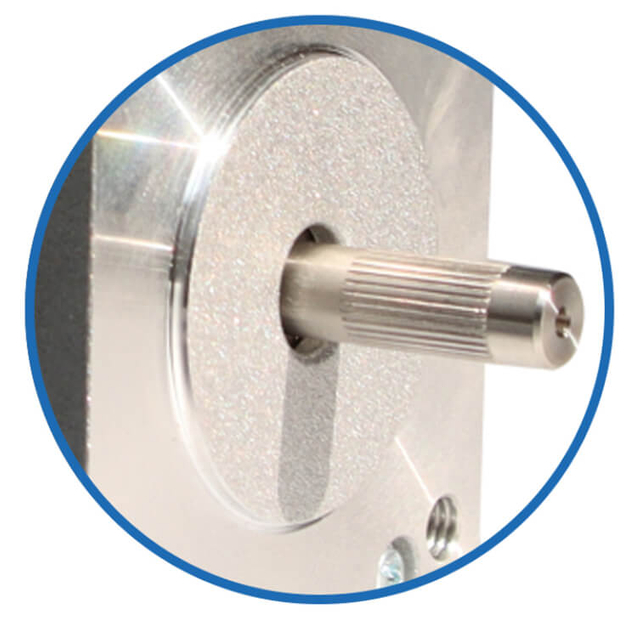
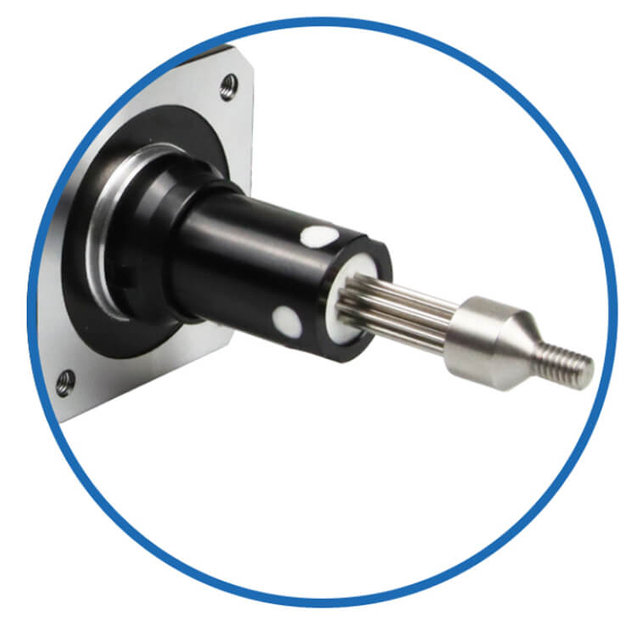
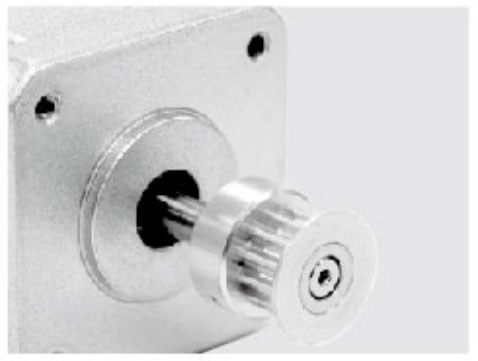
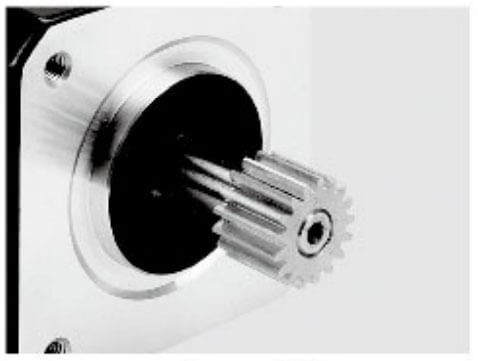
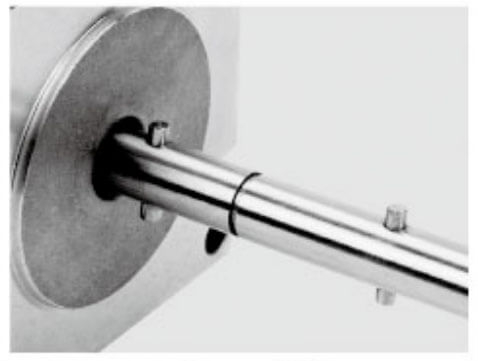
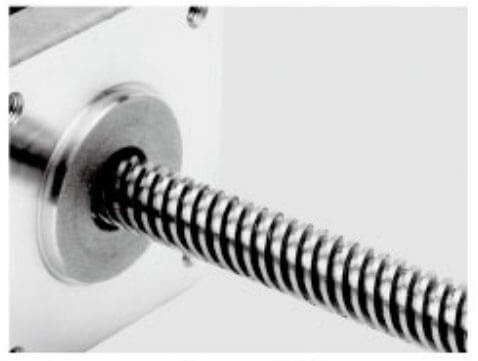
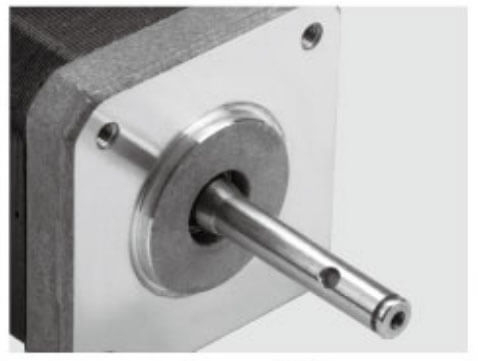
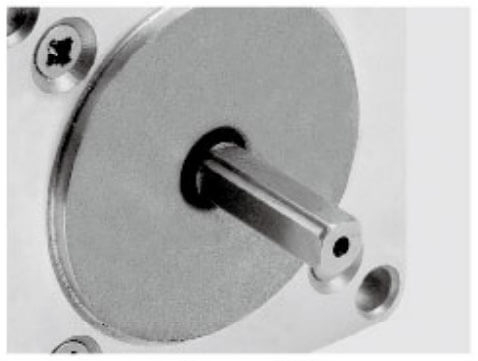
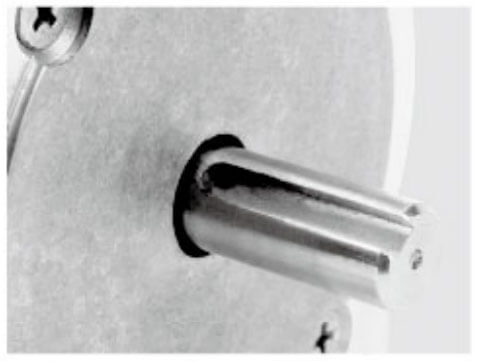
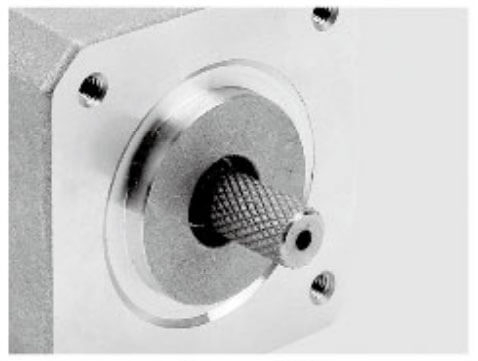
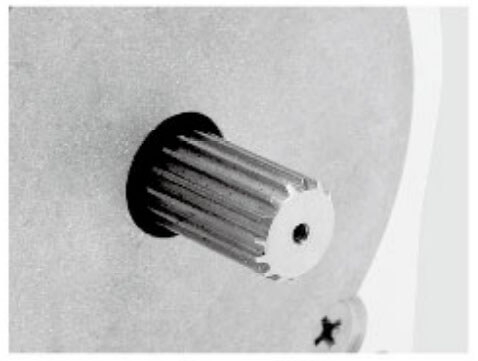
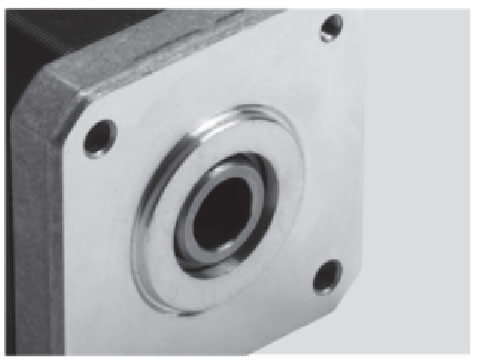
Jkongmotor offer many different shaft options for your motor as well as customizable shaft lengths to make the motor fit your application seamlessly.
Different Precision and Position Control Capabilities: Stepper Motor vs Normal Motor
Precision and position control represent one of the most significant distinctions between a stepper motor and a normal motor such as a conventional DC motor or AC induction motor. These differences directly affect motion accuracy, repeatability, system complexity, and overall application suitability in automation, manufacturing, robotics, and instrumentation.
Precision Characteristics of Stepper Motors
A stepper motor is specifically engineered for high positional accuracy and repeatable motion control. Its operation relies on discrete electrical pulses, each producing a defined angular movement known as a step. Typical step angles range from 1.8° to 0.9° per step, and advanced microstepping techniques can further subdivide each step for smoother and more precise positioning.
Because motion corresponds directly to pulse input:
Position control is inherently predictable
Repeatability is extremely consistent
Accurate stopping points are easily achieved
External feedback sensors are often unnecessary
Additionally, stepper motors generate holding torque when energized but stationary. This capability allows the motor to maintain a fixed position without mechanical brakes, which is highly beneficial in applications such as CNC machining, medical devices, laboratory automation, and semiconductor manufacturing.
The precision nature of stepper motors makes them ideal for:
Automated positioning systems
Robotics joints and axes
Camera platforms and optical instruments
Precision dispensing systems
Industrial inspection equipment
Position Control Characteristics of Normal Motors
In contrast, a normal motor primarily produces continuous rotational motion rather than incremental positioning. While these motors deliver excellent speed and power performance, they do not inherently provide positional awareness.
To achieve accurate positioning, normal motors typically require:
Without these components, precise stopping or repeatable positioning becomes difficult because the motor shaft continues rotating as long as power is applied.
However, when integrated with proper feedback systems, conventional motors can achieve extremely precise positioning, especially in servo motor configurations. These systems are widely used in:
Despite this capability, the added hardware and control complexity increase system cost and integration effort.
Repeatability and Stability Comparison
Stepper motors excel in repeatable positioning stability due to their incremental motion design. Once calibrated, they can return to the same position repeatedly with minimal deviation. This characteristic is essential for tasks requiring consistent accuracy over long operational cycles.
Normal motors depend on external sensors for repeatability. While servo-controlled systems can achieve very high precision, they require:
Continuous feedback monitoring
Sophisticated control algorithms
Higher installation and maintenance complexity
Speed vs Accuracy Trade-Off
Precision differences often reflect a trade-off between speed and accuracy:
Stepper motors: Favor precision, controlled acceleration, and stable positioning at lower speeds.
Normal motors: Favor high-speed continuous rotation and efficient torque delivery.
Applications requiring fast, continuous motion typically benefit from conventional motors, while applications demanding precise positioning favor stepper motors.
Application Impact of Precision Differences
The choice between a stepper motor and a normal motor often depends on how critical positional accuracy is to system performance. Equipment that relies on exact positioning, repeatable motion cycles, and simplified control architecture commonly adopts stepper motors. Conversely, systems requiring sustained rotation, high efficiency, or heavy-load operation typically utilize conventional motors.
Overall Precision Comparison Summary
In practical engineering terms:
Stepper motors provide built-in positional precision with simplified control.
Normal motors provide continuous motion with precision achievable through feedback systems.
System design complexity increases significantly when conventional motors are adapted for precision tasks.
Understanding these precision and control differences ensures optimal motor selection, improved operational reliability, and efficient performance across industrial and technological applications.
Different Speed Performance and Torque Characteristics: Stepper Motor vs Normal Motor
Understanding the speed performance and torque characteristics of a stepper motor compared with other normal motors such as DC motors, AC induction motors, or servo-driven conventional motors is essential for selecting the correct motion solution. These characteristics influence efficiency, responsiveness, load handling, and suitability for specific industrial or commercial applications.
Speed Performance of Stepper Motors
A stepper motor is designed primarily for controlled, incremental motion rather than high-speed continuous rotation. Its speed depends on the frequency of electrical pulses delivered to the motor driver. As pulse frequency increases, rotational speed increases proportionally.
Key speed performance features include:
Excellent low-speed control with stable rotation
Accurate start-stop capability without overshoot
Predictable acceleration and deceleration behavior
Reduced torque at higher speeds due to inductive limitations
Stepper motors typically perform best in low-to-medium speed applications where precision outweighs speed requirements. At higher speeds, torque drops significantly because the motor windings cannot energize quickly enough to maintain full magnetic strength.
This makes stepper motors particularly suitable for:
Precision positioning systems
CNC and 3D printing applications
Medical dosing and laboratory equipment
Semiconductor handling systems
Automated inspection machinery
Speed Performance of Normal Motors
Conventional or normal motors are engineered for continuous high-speed rotation. Their design allows efficient operation across a wide speed range, often significantly exceeding the speed capability of stepper motors.
Typical speed advantages include:
Higher maximum rotational speeds
Stable operation under continuous loads
Smooth rotation with minimal stepping effects
Better thermal performance at sustained speeds
AC induction motors, brushless DC motors, and traditional DC motors excel in applications requiring constant movement, high throughput, or rapid mechanical output.
Common examples include:
Torque Characteristics of Stepper Motors
Torque behavior is one of the defining characteristics of stepper motors. They produce:
High holding torque at standstill
Strong low-speed torque output
Immediate torque response without feedback
Gradual torque reduction as speed increases
Holding torque allows a stepper motor to maintain position without mechanical brakes when energized. This feature is critical for precision positioning applications.
However, torque decreases noticeably at higher rotational speeds due to electrical time constants and magnetic field response limitations. This characteristic limits their effectiveness in high-speed, high-load environments.
Torque Characteristics of Normal Motors
Normal motors generally provide:
Consistent torque across broader speed ranges
High starting torque (especially DC and servo motors)
Strong continuous torque capability
Efficient torque delivery under sustained operation
AC induction motors, for example, deliver reliable torque for heavy industrial equipment, while servo-based conventional motors can provide both high torque and precise control when paired with feedback systems.
These characteristics make normal motors ideal for:
Heavy-duty machinery
Continuous production lines
Transportation systems
Power transmission equipment
Large-scale automation systems
Dynamic Response and Acceleration Behavior
Stepper motors exhibit rapid response to digital pulse commands, enabling:
Precise incremental acceleration
Immediate directional changes
Controlled positioning without overshoot
However, improper acceleration rates may cause missed steps or resonance issues.
Normal motors generally demonstrate:
Servo-controlled normal motors particularly excel in dynamic response when closed-loop feedback is implemented.
Efficiency Considerations Related to Speed and Torque
Efficiency varies depending on operating conditions.
Stepper motors:
May consume significant current even when stationary
Show lower efficiency at idle or holding positions
Perform efficiently in intermittent precision tasks
Normal motors:
Typically operate more efficiently in continuous motion
Adjust power consumption according to load
Produce less heat during sustained operation
These efficiency differences strongly influence energy costs in industrial applications.
Application-Based Performance Comparison
When evaluating speed and torque characteristics in real-world scenarios:
Stepper motors are best suited for:
Precise positioning at controlled speeds
Systems requiring strong holding torque
Equipment needing simple digital control
Applications prioritizing accuracy over speed
Normal motors are best suited for:
Continuous high-speed rotation
Heavy-load mechanical systems
Energy-efficient long-duration operation
Applications requiring consistent torque delivery
Summary of Speed and Torque Differences
In practical motion control engineering:
Stepper motors deliver high precision and strong low-speed torque but limited high-speed capability.
Normal motors provide superior speed performance and sustained torque for continuous operations.
Selection depends on whether accuracy or continuous mechanical output is the primary requirement.
Careful evaluation of speed range, torque demands, and operational conditions ensures optimal motor performance, reliability, and efficiency in both industrial and commercial applications.
Different Control System Complexity: Stepper Motor vs Normal Motor
The control system complexity of a stepper motor compared with a normal motor is a critical factor influencing system design, installation cost, integration difficulty, and long-term maintenance. Each motor type requires a different approach to motion control, electronics, feedback mechanisms, and software integration, which directly impacts engineering decisions across automation, robotics, manufacturing, and commercial equipment.
Control Simplicity of Stepper Motor Systems
A stepper motor control system is typically regarded as straightforward because its motion is governed directly by electrical pulse signals. Each pulse corresponds to a fixed rotational increment, allowing precise position control without the need for continuous feedback in many applications.
Key characteristics of stepper motor control systems include:
Open-loop operation in most cases, eliminating the need for position sensors
Simple digital pulse and direction signals for motion control
Compatibility with standard microcontrollers, PLCs, and motion controllers
Straightforward wiring and system integration
Easy implementation of microstepping for smoother motion
Because of these advantages, stepper motors are widely used in applications where:
Precise positioning is required
System simplicity is preferred
Budget constraints limit complex control solutions
Rapid deployment is important
Typical applications include CNC equipment, laboratory automation, 3D printing systems, packaging machines, and semiconductor handling equipment.
Complexity of Normal Motor Control Systems
A normal motor, such as an AC induction motor, brushed DC motor, or brushless motor, often requires more sophisticated control architecture, especially when precise speed or position control is needed.
Common control requirements include:
Variable frequency drives (VFDs) for AC motors to regulate speed and torque
Electronic speed controllers for DC and brushless motors
Closed-loop feedback systems using encoders or resolvers
Advanced motor controllers for accurate positioning
Additional calibration and tuning processes
These systems introduce extra components, wiring complexity, and software configuration, which increase initial setup time and system cost.
However, this complexity allows normal motors to achieve:
Highly efficient continuous operation
Stable high-speed performance
Advanced torque control
Precision positioning when configured as servo systems
Feedback Requirements and Monitoring
Stepper motors frequently operate effectively without feedback because the controller assumes each commanded step is completed. This simplifies system architecture but may require careful load matching to prevent missed steps.
Normal motors generally depend on feedback mechanisms when accuracy is important. Feedback components may include:
These additions improve accuracy but increase installation complexity and maintenance requirements.
Software and Programming Considerations
Stepper motor programming is typically straightforward:
Pulse frequency determines speed
Pulse count determines position
Direction signals determine rotation direction
Integration with automation controllers is usually simple and requires minimal advanced tuning.
Normal motor control software can be more involved, often requiring:
PID tuning for servo control
Speed ramp programming
Torque management algorithms
Diagnostic monitoring routines
This added complexity enables greater flexibility but demands higher engineering expertise.
Installation and Integration Factors
Stepper motor systems generally offer easier installation because they:
Require fewer external components
Use simpler wiring configurations
Allow compact integrated driver designs
Reduce commissioning time
Normal motor installations often involve:
These factors must be considered during system design and deployment.
Maintenance and Troubleshooting Complexity
From a maintenance perspective:
Stepper motor systems typically feature:
Fewer electronic components
Reduced feedback hardware
Easier fault diagnosis
Lower maintenance requirements
Normal motor control systems may involve:
Multiple electronic subsystems
Sensor calibration maintenance
More complex troubleshooting procedures
Higher long-term service considerations
This difference influences lifecycle cost and operational reliability.
Cost Implications of Control Complexity
Control system complexity directly affects overall project cost.
Stepper motors often provide:
Normal motor systems may involve higher upfront costs due to:
However, they can deliver better efficiency and scalability in continuous industrial operations.
Application-Driven Control Selection
Choosing between stepper motor and normal motor control complexity depends on application requirements:
Stepper motor systems are ideal for:
Precision positioning tasks
Moderate speed automation
Compact equipment design
Cost-sensitive motion control
Normal motor systems are preferable for:
Continuous high-speed operations
Heavy industrial equipment
Energy-efficient long-duration use
Advanced motion control environments
Overall Comparison Summary
In practical engineering terms:
Stepper motors offer simpler control architecture with inherent positioning capability.
Normal motors require more advanced control systems but provide broader performance flexibility.
The appropriate choice depends on balancing precision, efficiency, cost, and operational complexity.
Understanding these differences ensures effective motor selection, optimized system performance, and reliable operation across diverse industrial and commercial applications.
Different Energy Efficiency and Heat Generation: Hybrid Stepper Motor vs Normal Motor
Energy efficiency varies depending on application conditions.
Stepper motors:
Draw constant current even when stationary
Produce heat during holding torque conditions
May show lower efficiency in idle positioning scenarios
However, advanced driver technology improves efficiency significantly through current optimization and smart control algorithms.
Normal motors:
Typically consume energy proportional to load
Demonstrate higher efficiency in continuous operation
Generate less heat during idle conditions
These characteristics favor traditional motors in continuous-duty environments.
Different Holding Torque and Static Stability Between Stepper Motor and Normal Motor
The comparison of holding torque and static stability between stepper motors and normal motors is essential in motion control engineering, particularly where precise positioning, load resistance, and stationary performance are critical. These characteristics influence equipment reliability, positional accuracy, energy consumption, and system design complexity across industries such as automation, robotics, medical devices, semiconductor manufacturing, and industrial machinery.
Holding Torque Characteristics of Stepper Motors
A defining feature of a stepper motor is its inherent holding torque capability. When energized but not rotating, the motor maintains its shaft position by generating a magnetic locking effect between the rotor and stator. This allows the motor to resist external forces without requiring mechanical brakes or additional locking systems.
Key aspects of stepper motor holding torque include:
Strong positional stability even at standstill
Immediate torque availability without motion
Reliable resistance to external disturbances
Stable positioning without continuous feedback control
This makes stepper motors particularly suitable for applications such as:
CNC positioning systems
Precision valve control
Camera stabilization platforms
Optical alignment equipment
Automated inspection machinery
The ability to maintain position without additional hardware simplifies system design and enhances reliability.
Static Stability Advantages in Stepper Motor Systems
Static stability refers to how well a motor maintains its position under load when stationary. Stepper motors excel in this area because their electromagnetic structure naturally locks the rotor in place when energized.
Important stability benefits include:
Consistent positional accuracy during idle periods
Reduced risk of drift or unintended movement
Stable performance in vertical or load-bearing applications
Improved repeatability in automated positioning tasks
Microstepping technology further enhances static stability by reducing vibration and improving fine positional control.
Holding Torque Characteristics of Normal Motors
A normal motor, such as an AC induction motor or standard DC motor, typically does not produce meaningful holding torque when stationary unless additional systems are used. Once power is removed or speed reaches zero, these motors usually cannot maintain position without mechanical assistance.
Common solutions for maintaining position include:
Mechanical braking systems
Servo feedback control loops
Gear reduction mechanisms
External locking devices
Without these additions, conventional motors may allow shaft movement under external load, making them less suitable for applications requiring static positional stability.
Static Stability in Conventional Motor Systems
Normal motors are designed primarily for continuous motion rather than positional locking. Their static stability depends heavily on auxiliary components and control strategies.
Typical characteristics include:
Limited inherent resistance to external forces at rest
Dependence on braking or feedback systems for stability
Potential positional drift without active control
Higher system complexity for precision stationary tasks
Servo-based normal motor systems can achieve excellent stability, but they require sophisticated electronics, sensors, and tuning.
Energy Consumption at Standstill
Energy behavior differs significantly between the two motor types when stationary.
Stepper motors:
Continue drawing current to maintain holding torque
Generate heat during prolonged stationary periods
Require careful thermal management in some applications
Normal motors:
Usually consume little or no power when stopped
Require separate braking mechanisms if position holding is needed
Offer energy advantages in applications with long idle periods
This factor plays an important role in system efficiency and thermal design considerations.
Mechanical and Operational Implications
From a mechanical standpoint:
Stepper motors provide:
Simplified system design without mechanical brakes
Direct positional stability
Reduced component count in precision systems
Normal motors provide:
Better efficiency for continuous motion
Greater flexibility in high-speed applications
Higher sustained torque capability when moving
The choice depends largely on whether stationary stability or continuous performance is prioritized.
Application Suitability Comparison
Applications benefiting from strong holding torque include:
Robotics positioning joints
Medical dosing equipment
Automated optical systems
Semiconductor wafer positioning
Precision laboratory instruments
Applications favoring conventional motors include:
Each motor type serves distinct operational requirements effectively.
Summary of Key Differences
In practical engineering evaluation:
Stepper motors offer superior holding torque and inherent static stability without additional hardware.
Normal motors require external braking or feedback systems to maintain stationary position.
Stepper motors simplify precision positioning applications, while normal motors excel in continuous motion environments.
Careful assessment of holding torque requirements, stability demands, and operational conditions ensures optimal motor selection and reliable performance in modern motion control systems.
Different Noise, Vibration, and Motion Smoothness Between 2 Phase Stepper Motor and Normal Motor
The comparison of noise, vibration, and motion smoothness between stepper motors and normal motors is an important consideration in motion system design. These characteristics influence equipment performance, user comfort, mechanical longevity, and suitability for precision applications such as medical devices, robotics, office automation, laboratory equipment, and industrial machinery.
Noise Characteristics of Stepper Motors
A stepper motor inherently produces more audible noise compared with most conventional motors due to its discrete stepping motion. Each electrical pulse creates a magnetic transition that moves the rotor incrementally, which can generate sound, especially at certain speeds.
Typical noise characteristics include:
Audible stepping sounds during operation
Increased noise at resonance frequencies
Sound variations depending on load and stepping rate
Noise reduction when microstepping drivers are used
Modern driver technologies, including microstepping control, advanced current shaping, and digital filtering, significantly reduce noise levels. However, some acoustic output remains because of the motor’s incremental operating principle.
Vibration Behavior of Stepper Motors
Stepper motors tend to produce mechanical vibration due to the sequential energizing of stator windings. This can lead to resonance, particularly at specific speeds.
Common vibration characteristics include:
Noticeable vibration at low to mid-speed ranges
Potential resonance without proper damping or tuning
Improved smoothness with microstepping control
Load-dependent vibration performance
Advanced drivers and proper mechanical mounting can minimize vibration effects, making stepper motors suitable even for moderately sensitive environments.
Motion Smoothness of Stepper Motors
Motion smoothness in stepper motors depends heavily on control method. Standard full-step operation produces more noticeable incremental motion, while microstepping dramatically enhances smoothness.
Important motion factors include:
Incremental rotational movement rather than continuous rotation
Enhanced smoothness with higher microstepping resolution
Improved performance with modern integrated drivers
Slightly less fluid motion compared with continuous-drive motors
Despite these factors, stepper motors remain highly effective for precision positioning where exact incremental movement is required.
Noise Characteristics of Normal Motors
A normal motor, including AC induction motors, DC motors, or brushless motors, typically produces lower operational noise due to continuous electromagnetic rotation.
Typical noise advantages include:
Smooth acoustic profile during operation
Lower mechanical clicking or stepping sounds
Reduced audible resonance effects
Quieter performance in steady-state operation
Noise levels may vary depending on motor design, bearings, cooling fans, and load conditions, but continuous rotation generally results in quieter performance than step-based motion.
Vibration Behavior of Normal Motors
Normal motors generally exhibit lower vibration levels because they operate with continuous rotational torque rather than discrete stepping forces.
Typical vibration characteristics include:
Smooth rotational motion
Reduced mechanical resonance
Stable operation at high speeds
Lower impact on surrounding equipment
Proper balancing, mounting, and maintenance further enhance vibration control in conventional motor systems.
Motion Smoothness of Normal Motors
Continuous rotation is a defining feature of normal motors, leading to:
Fluid motion without stepping transitions
Stable torque delivery across speed ranges
Better suitability for high-speed continuous operation
Reduced positional ripple during rotation
Servo-controlled versions of normal motors can achieve both smooth motion and precise positioning when combined with feedback systems.
Impact on Application Selection
Noise, vibration, and motion smoothness influence application suitability:
Stepper motors are commonly used in:
Precision positioning systems
CNC machines and 3D printers
Medical and laboratory equipment
Robotics requiring controlled incremental motion
Semiconductor manufacturing tools
Normal motors are widely used in:
HVAC and appliance systems
Industrial pumps and conveyors
Automotive components
Continuous production machinery
Consumer electronics requiring quiet operation
Selecting the appropriate motor type ensures optimal acoustic performance and mechanical stability.
Engineering Considerations for Noise and Smoothness
Design strategies to improve performance include:
For stepper motors:
Microstepping driver implementation
Mechanical damping systems
Proper mounting alignment
Load optimization
For normal motors:
Precision balancing
Quality bearings and lubrication
Advanced drive electronics
Proper speed control tuning
These measures enhance operational reliability and user comfort.
Summary of Key Differences
From an engineering perspective:
Stepper motors typically produce more noise and vibration due to discrete stepping motion but offer precise incremental control.
Normal motors deliver smoother, quieter continuous rotation, making them ideal for high-speed and noise-sensitive applications.
Modern control technologies continue to reduce the traditional differences between the two motor types.
Understanding these distinctions supports better equipment design, improved user experience, and optimized motion system performance across industrial, commercial, and technological applications.
Different Reliability and Maintenance Considerations Between Bipolar Stepper Motor and Normal Motor
When evaluating reliability and maintenance requirements, understanding the differences between stepper motors and normal motors is crucial for designing long-lasting, low-maintenance motion systems. These considerations impact operational uptime, total cost of ownership, and system longevity in industrial, commercial, and precision applications.
Reliability of Stepper Motors
Stepper motors are inherently robust and reliable due to their simple mechanical and electrical construction. Key reliability characteristics include:
Brushless design: Most stepper motors are brushless, reducing mechanical wear and extending operational life.
Low susceptibility to environmental contamination: Enclosed stators and rotors minimize the impact of dust or debris.
Stable performance under repeated motion cycles: Stepper motors maintain accuracy and torque over millions of steps.
Resistance to sudden load changes: At low speeds, stepper motors tolerate transient forces without damage.
These features make stepper motors particularly suitable for applications requiring precise, repetitive motion such as 3D printing, CNC machinery, semiconductor handling, and laboratory automation.
Maintenance Requirements for Stepper Motors
Maintenance demands for stepper motors are generally low, making them cost-effective for long-term use. Typical maintenance considerations include:
Minimal mechanical wear: No brushes to replace, reducing routine servicing.
Low lubrication needs: Bearings require only periodic checks, often using sealed units.
Driver and wiring inspection: Occasional verification of electrical connections and driver performance.
Thermal management monitoring: Ensuring motors do not overheat during prolonged holding torque operation.
Proper driver selection and mounting practices can significantly reduce maintenance requirements, enhancing system uptime and reliability.
Reliability of Normal Motors
Normal motors, including AC induction, brushed DC, and brushless DC motors, have reliability profiles that vary depending on design and usage:
Brushed DC motors: Experience wear on brushes and commutators, which limits operational lifespan.
AC induction motors: Highly reliable for continuous operation, with robust construction and long-lasting components.
Brushless DC motors: Offer high reliability due to reduced mechanical wear, similar to stepper motors.
While normal motors excel in continuous high-speed operation and heavy-duty tasks, their reliability may depend on load, duty cycle, and environmental conditions.
Maintenance Considerations for Normal Motors
Maintenance requirements for normal motors vary by type:
Brushed motors: Require regular inspection and replacement of brushes and commutators.
AC induction motors: Require minimal maintenance, typically bearing lubrication and occasional electrical checks.
Brushless DC motors: Require periodic inspection of bearings and cooling systems.
Servo-based motors: Need additional monitoring of feedback systems, encoders, and drive electronics.
Normal motor systems with complex control electronics may require more technical expertise for troubleshooting and repair.
Operational Implications
The reliability and maintenance differences between stepper and normal motors affect practical deployment:
Stepper motors provide:
High repeatability over long cycles
Minimal mechanical maintenance
Predictable performance in intermittent or precise tasks
Simplified long-term system support
Normal motors provide:
Excellent continuous-duty performance
High efficiency for heavy-load applications
Dependence on proper maintenance to sustain long-term reliability
Greater service requirements in brushed or servo-controlled systems
Cost and Lifecycle Considerations
From a lifecycle perspective:
Stepper motors often reduce operational downtime and maintenance labor costs due to their low-maintenance brushless design.
Normal motors may require higher upfront investment in control and feedback systems but deliver efficient continuous operation, offsetting some maintenance costs over time.
Selecting the appropriate motor type requires balancing precision, duty cycle, maintenance resources, and operational environment.
Summary of Reliability and Maintenance Differences
Stepper motors: Highly reliable with minimal maintenance, ideal for precision, intermittent, or repetitive motion applications.
Normal motors: Can be extremely reliable in continuous operation but may require more frequent maintenance, especially in brushed or servo-controlled configurations.
System design and operational conditions: Heavily influence the choice between stepper and normal motors to ensure maximum uptime and performance.
Considering these factors allows engineers to design motion systems with optimized reliability, reduced maintenance costs, and extended operational lifespan across diverse industrial, commercial, and technological applications.
Different Cost Factors and System Economics Between Unipolar Stepper Motor and Normal Motor
Understanding cost factors and system economics is essential when comparing stepper motors and normal motors. The choice of motor type directly impacts initial investment, integration costs, operational efficiency, and total cost of ownership over the life of a system. These considerations are especially critical in automation, robotics, manufacturing, and precision machinery applications where both performance and budget constraints must be balanced.
Initial Cost Considerations
Stepper motors often provide cost advantages in applications requiring precise positioning:
Lower component cost for small-to-medium size stepper motors
No need for external feedback devices in open-loop configurations
Simplified control electronics reducing initial setup cost
Compact integration suitable for space-constrained applications
These characteristics make stepper motors ideal for small-scale automation, 3D printing, medical devices, laboratory equipment, and CNC machines, where accurate motion is required without heavy-duty continuous operation.
Normal motors, such as AC induction, brushed DC, or brushless DC motors, often involve:
Moderate to high initial cost depending on size and power rating
Additional investment for speed or position feedback (encoders, resolvers) if precision control is required
More sophisticated drives or controllers in servo applications
While the initial motor cost may be higher than a stepper motor for comparable torque, normal motors often offer long-term operational efficiency and durability for continuous-duty tasks.
Control and Integration Cost Factors
Stepper motors benefit from simple integration:
Open-loop operation reduces the need for feedback sensors
Digital pulse-based controllers are generally affordable and easy to implement
Wiring and setup are straightforward, reducing labor and commissioning costs
Normal motors frequently require more complex control systems:
Servo-based normal motors need closed-loop feedback
Variable frequency drives (VFDs) or electronic speed controllers increase hardware costs
Advanced programming and tuning may require specialized engineering expertise
These differences in control complexity affect overall system costs, especially in large-scale automation projects.
Energy Consumption and Efficiency Economics
Energy efficiency influences ongoing operating costs:
Stepper motors: Draw constant current when holding position, which may reduce energy efficiency during idle or low-duty cycles
Normal motors: Consume power proportionally to load and speed, providing higher energy efficiency in continuous operation
For applications with long idle periods or intermittent motion, stepper motors may increase electricity costs. Conversely, in continuous, high-speed operations, normal motors offer better energy economics.
Maintenance and Lifecycle Costs
Maintenance directly impacts system economics:
Stepper motors:
Brushless design reduces wear and maintenance requirements
Minimal replacement parts and periodic inspections
Lower downtime cost for precision applications
Normal motors:
Brushed DC motors require periodic brush replacement
AC motors and brushless DC motors have low maintenance but may need occasional bearing lubrication or encoder calibration
Servo-controlled systems add complexity and potential repair costs
Stepper motors typically reduce maintenance-related expenditures, particularly in repetitive, moderate-load environments.
Application-Based Cost Efficiency
Stepper motors are more cost-effective for:
Applications prioritizing precision over continuous operation
Systems where low integration complexity is desired
Equipment with short to medium duty cycles
Normal motors are more cost-effective for:
Continuous-duty industrial applications
High-speed, high-load operations
Systems where energy efficiency and durability outweigh initial investment
The economic choice depends on the balance between initial cost, operational efficiency, and expected maintenance over the motor’s lifecycle.
Total Cost of Ownership Comparison
When evaluating total cost of ownership (TCO):
| Factor | Stepper Motor | Normal Motor |
| Initial Motor Cost | Lower | Higher (depending on type) |
| Control & Integration | Simple, cost-effective | Complex, may require drives/feedback |
| Energy Efficiency | Lower at idle | Higher in continuous use |
| Maintenance | Minimal | Moderate (brush/servo maintenance) |
| Lifecycle Durability | High for low-to-medium load | High for continuous heavy-duty use |
A complete economic evaluation must consider capital cost, operational energy cost, maintenance, and system complexity rather than motor price alone.
Conclusion
In practical engineering terms:
Stepper motors provide excellent cost-effectiveness for precision, low-to-medium duty applications with minimal maintenance and simple control systems.
Normal motors offer superior efficiency, durability, and performance for continuous-duty or high-speed operations, though initial setup and integration costs may be higher.
Evaluating system economics holistically ensures optimal investment and operational savings across industrial, commercial, and technological applications.
Choosing the right motor type based on both performance requirements and economic impact leads to long-term reliability, reduced operational costs, and maximized return on investment.
Different Application Suitability Comparison Between Stepper Motor and Normal Motor
Selecting the right motor type requires a clear understanding of application suitability. Stepper motors and normal motors (such as AC induction motors, brushed DC motors, or brushless DC motors) have fundamentally different characteristics that make them better suited for specific use cases. Matching motor type to application ensures optimal performance, efficiency, and system reliability.
Applications Best Suited for Stepper Motors
Stepper motors excel in applications requiring precision, repeatability, and controlled incremental motion. Their ability to move in discrete steps without complex feedback systems makes them ideal for tasks where accuracy and positioning are critical.
Key application areas include:
CNC Machines and 3D Printers
Require precise positioning of axes
Need high repeatability for consistent part production
Benefit from holding torque to maintain position during pauses
Robotics and Automation Arms
Enable accurate joint movement
Facilitate fine-grained control for pick-and-place operations
Reduce system complexity by eliminating the need for feedback loops in many cases
Medical and Laboratory Equipment
Automated dosing systems and syringe pumps rely on precise incremental motion
Microscope stages and lab robotics require repeatable, stable positioning
Semiconductor Manufacturing and Optical Systems
Precision Packaging and Inspection Machines
Accurate movement of trays, labels, or components
Synchronized operation across multiple axes
Why stepper motors are preferred:
Excellent positional accuracy without external sensors
Strong holding torque for stable stationary operation
Simple digital control for precise incremental motion
Applications Best Suited for Normal Motors
Normal motors are ideal for applications requiring continuous rotation, high speed, and sustained torque. While precision can be achieved through feedback systems, these motors prioritize efficiency, load handling, and continuous operation over incremental positioning.
Key application areas include:
Industrial Pumps and Compressors
HVAC Systems and Fans
Conveyor Systems and Material Handling
Automotive and Electric Drive Systems
Brushed or brushless DC motors for drivetrains, power steering, and actuators
Continuous operation under load with high efficiency
Home Appliances and Consumer Electronics
AC motors in washing machines, refrigerators, and air conditioners
Quiet, smooth operation with minimal vibration
Why normal motors are preferred:
High-speed continuous rotation
Consistent torque delivery for heavy loads
Energy-efficient for prolonged operation
Smooth, low-vibration performance
Comparison Based on Key Performance Factors
| Factor | Stepper Motor | Normal Motor |
| Positioning Accuracy | High (inherent) | Requires feedback for precision |
| Speed | Moderate | High |
| Torque | High at low speed and holding | High at continuous operation |
| Control Complexity | Simple pulse-based control | Advanced drives and feedback required |
| Duty Cycle | Intermittent to medium | Continuous |
| Noise & Vibration | Higher without microstepping | Lower and smoother |
| Energy Efficiency | Lower during holding | Higher in continuous operation |
Practical Engineering Insights
Use stepper motors when:
Accurate positioning is critical
Motion is intermittent or low-speed
Holding torque is required for stability
Simpler control systems reduce costs
Use normal motors when:
Continuous operation is needed
High speed and load efficiency are priorities
Smooth motion with low noise is desired
Advanced feedback systems can be accommodated
Conclusion
In modern motion control systems, both motor types have distinct strengths. Stepper motors dominate applications requiring precision, repeatability, and controlled positioning, while normal motors excel in continuous, high-speed, and heavy-duty applications. Understanding the operational demands and environmental constraints ensures optimal motor selection, enhancing performance, efficiency, and long-term reliability in any industrial, commercial, or technological application.
Different Technological Advancements and Integration Trends Between 2 3 Phase Stepper Motor and Normal Motor
As industrial automation, robotics, and smart manufacturing continue to evolve, motor technology is no longer just about rotation—it’s about precision, intelligence, connectivity, and system integration. Among the most commonly compared technologies are stepper motors and normal motors (typically referring to conventional AC motors, DC motors, or induction motors). While both serve essential roles, their technological advancement paths and integration trends differ significantly.
Below is a structured comparison from a modern engineering and application perspective.
1. Control Technology Evolution
Stepper Motors
Stepper motors have seen major advancements in digital control and feedback integration:
Transition from open-loop to closed-loop stepper systems
Integration of encoders for position verification
Advanced microstepping algorithms for smoother motion
Intelligent current control to reduce vibration and heat
These developments allow stepper motors to deliver servo-like performance while maintaining cost efficiency.
Normal Motors
Normal motors rely more heavily on external control systems:
AC motors require VFDs (Variable Frequency Drives) for speed control
DC motors need external drivers or controllers
Feedback (if needed) is usually added externally via encoders or sensors
While control precision has improved, it often comes at the cost of system complexity and additional hardware.
2. Integration Trends
Stepper Motors: High Integration Direction
Modern stepper motors are moving rapidly toward all-in-one integration:
Integrated stepper motors (motor + driver + controller)
Integrated closed-loop stepper motors
Compact designs with built-in communication protocols (RS485, CANopen, EtherCAT)
Plug-and-play architecture for automation equipment-in communication protocols** (RS485, CANopen, EtherCAT)
Plug-and-play architecture for automation equipment
This trend significantly reduces:
Wiring complexity
Installation time
Control cabinet size
Normal Motors: Modular Architecture
Normal motors largely maintain a separated system design:
Motor + drive + controller installed independently
Larger control cabinets required
More wiring and configuration steps
Although modularity offers flexibility for high-power systems, it is less ideal for compact or intelligent equipment.
3. Intelligence and Smart Features
Stepper Motors
Recent advancements emphasize embedded intelligence:
Auto-tuning functions
Stall detection and alarm feedback
Load-adaptive current adjustment
Software-based motion optimization
These features align well with smart factories and Industry 4.0 requirements.
Normal Motors
Smart functionality is typically implemented at the drive or system level, not within the motor itself:
Smart VFDs with diagnostics
Predictive maintenance through external sensors
Higher dependence on PLC or SCADA systems
This makes normal motors powerful but less self-contained.
4. Precision and Motion Control Capabilities
Stepper Motors
Technological advancements have strengthened their position in precision motion control:
High positioning accuracy without complex feedback systems
Repeatable and predictable motion
Ideal for low-to-medium speed precision tasks
Applications include:
Normal Motors
Normal motors excel in continuous rotation and high-speed operation, but precision depends on:
Encoder resolution
Drive performance
Control algorithms
They are better suited for:
5. Energy Efficiency and Thermal Management
Stepper Motors
Modern stepper motors now include:
Dynamic current reduction at idle
Optimized magnetic materials
Intelligent thermal protection
These improvements reduce traditional stepper motor drawbacks such as overheating and power waste.
Normal Motors
Normal motors—especially AC induction motors—have advanced through:
High-efficiency motor classes (IE3, IE4)
Improved stator and rotor designs
Energy-efficient VFD operation
They remain highly efficient in continuous-load scenarios.
6. Communication and Connectivity
Stepper Motors
Integration trends favor direct digital communication:
Built-in fieldbus interfaces
Easy PLC and industrial network integration
Simplified system diagnostics and monitoring
Normal Motors
Connectivity usually depends on external drives:
Communication handled by VFDs
Additional configuration layers
Higher system-level integration effort
7. Customization and OEM Integration Trends
Stepper Motors
Stepper motors are increasingly designed for OEM and ODM customization, including:
Customized torque-speed curves
Integrated drivers and encoders
Application-specific firmware
Compact mechanical structures
This makes them ideal for equipment manufacturers seeking fast integration.
Normal Motors
Customization focuses more on:
Functional customization often requires external system redesign.
Summary
Stepper motors are advancing toward high integration, intelligence, and precision, with trends focusing on integrated drivers, closed-loop control, and smart communication. In contrast, normal motors continue evolving through efficiency improvements, modular control, and high-power optimization, making them better suited for continuous and heavy-duty applications. The choice between stepper motors and normal motors increasingly depends on system integration requirements, control precision, space constraints, and automation intelligence levels.
Key Differences Between Stepper Motors and Normal Motors at a Glance
| Feature | Stepper Motor | Normal Motor |
| Motion Type | Incremental step rotation | Continuous rotation |
| Position Accuracy | High without feedback | Requires feedback |
| Speed Capability | Moderate | High |
| Holding Torque | Excellent | Limited |
| Efficiency | Lower at idle | Higher continuous efficiency |
| Control Complexity | Simple digital pulses | Often complex control |
| Maintenance | Minimal | Varies by type |
| Typical Use | Precision automation | Continuous industrial drive |
This comparison highlights practical engineering considerations for motor selection.
Final Perspective on Motor Selection
Selecting between a stepper motor and a normal motor depends on operational priorities:
Precision vs continuous motion
Positioning vs sustained rotation
Control simplicity vs power efficiency
Accuracy vs speed
Accurate motor selection enhances performance, reduces operational costs, and ensures long-term equipment reliability across industrial, commercial, and technological applications.