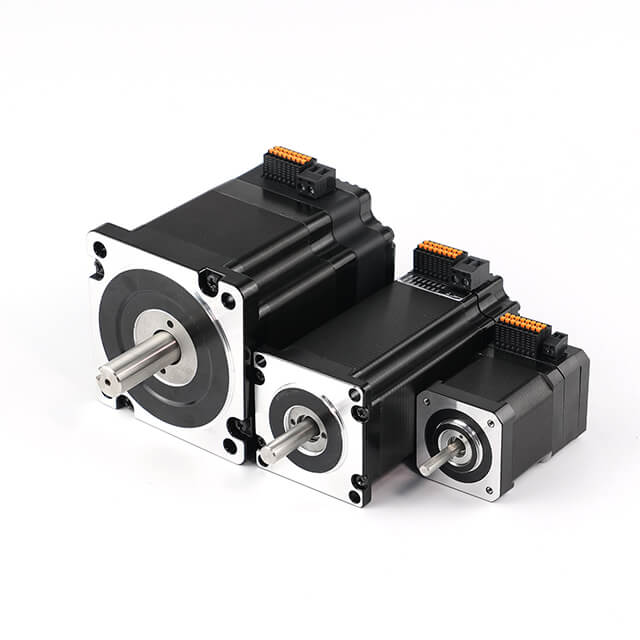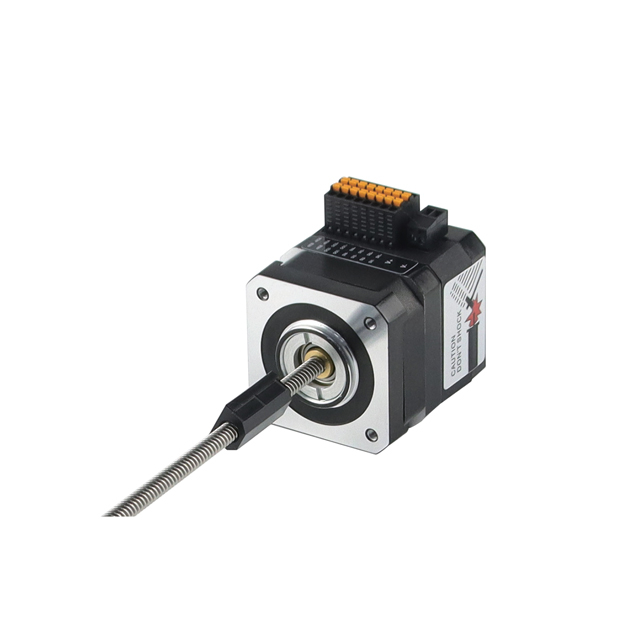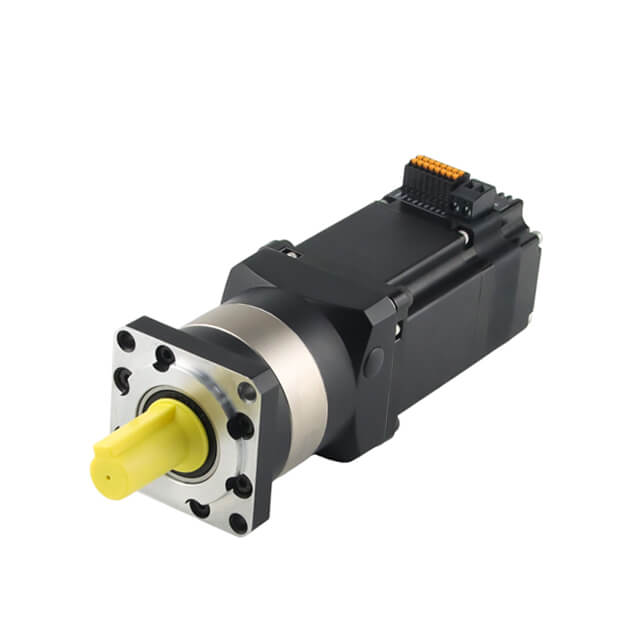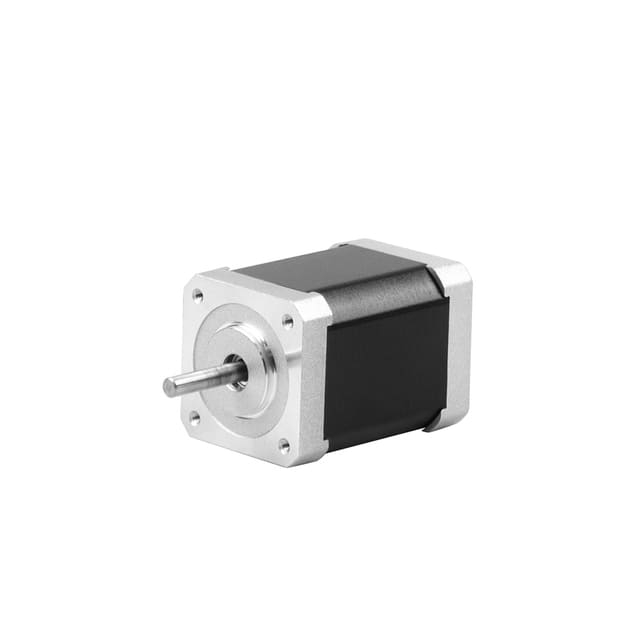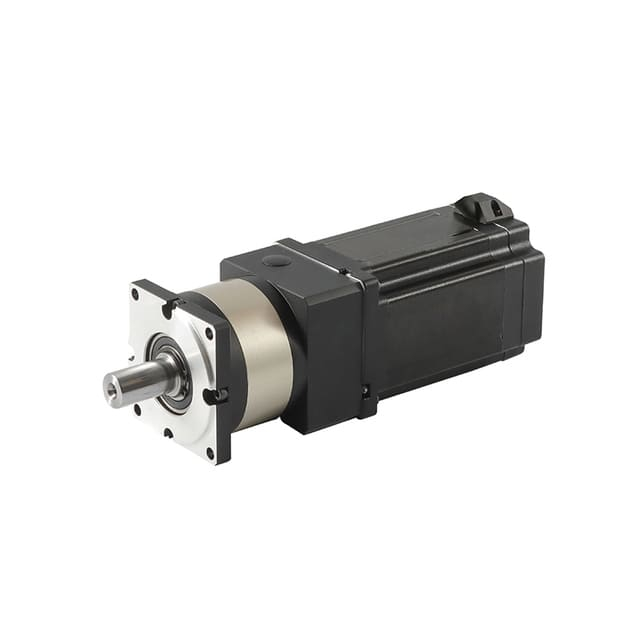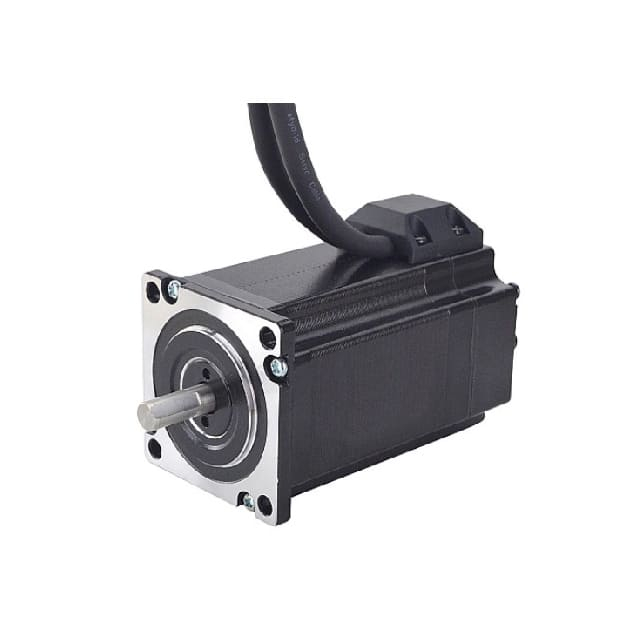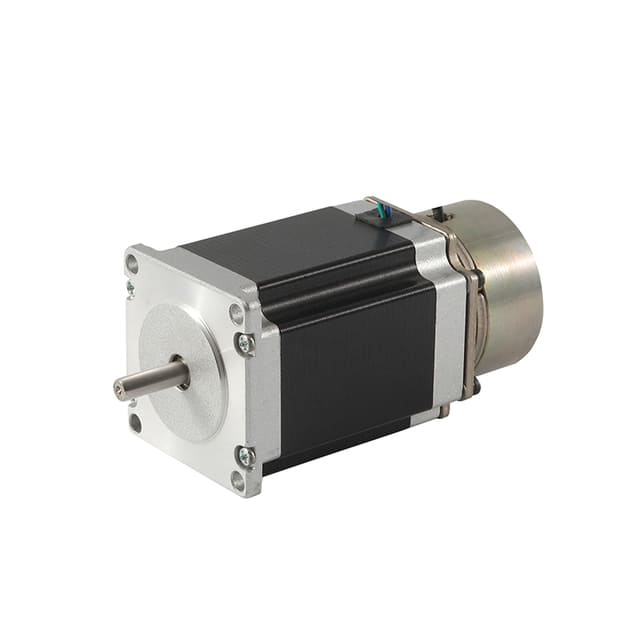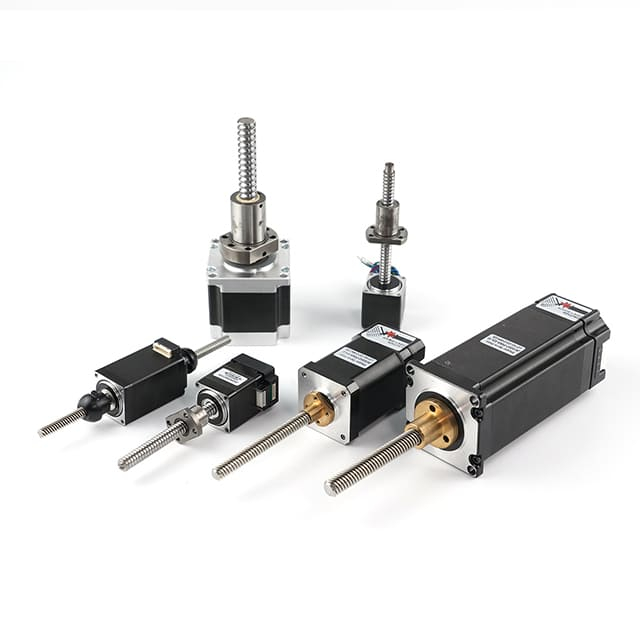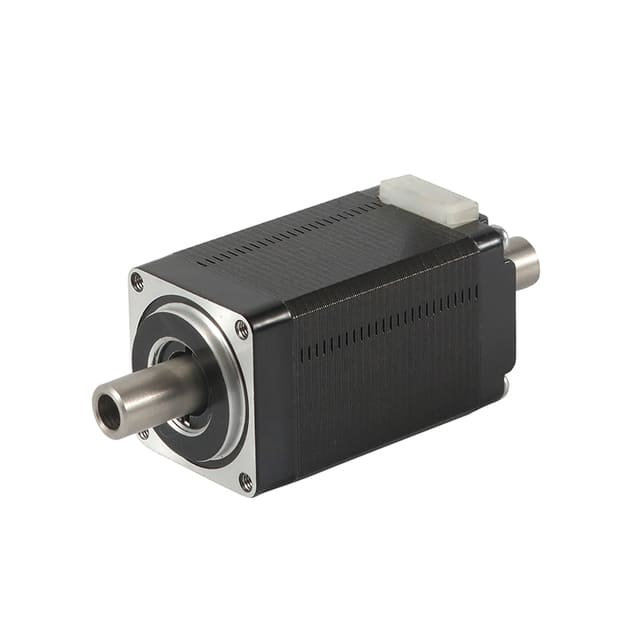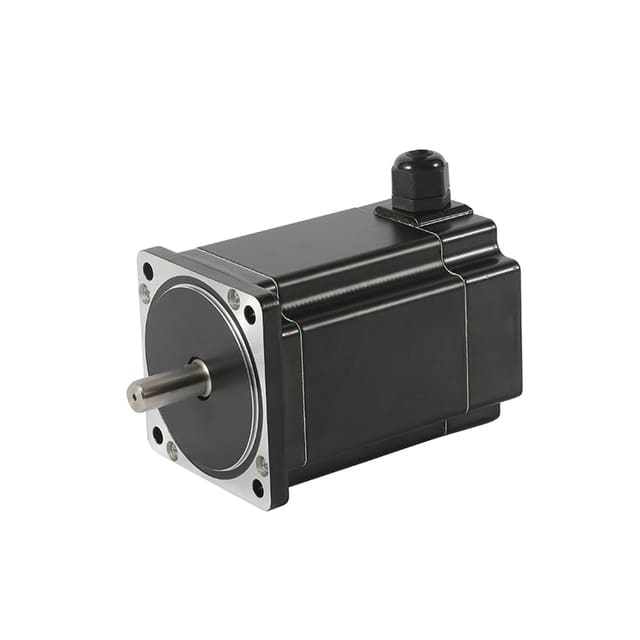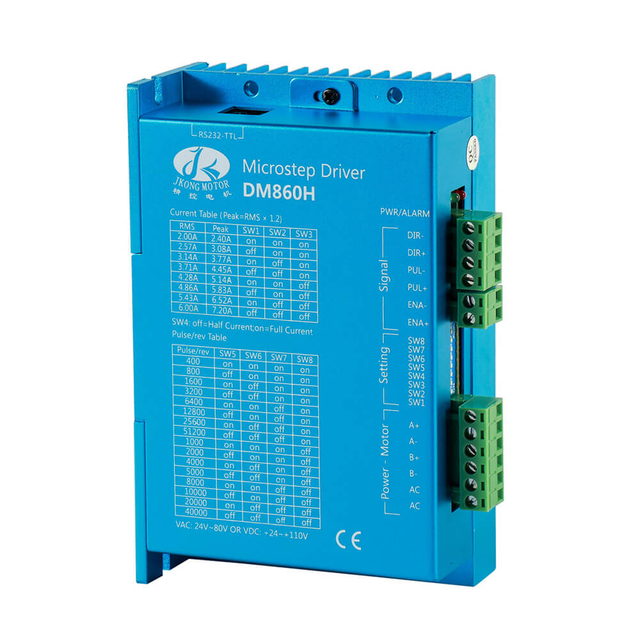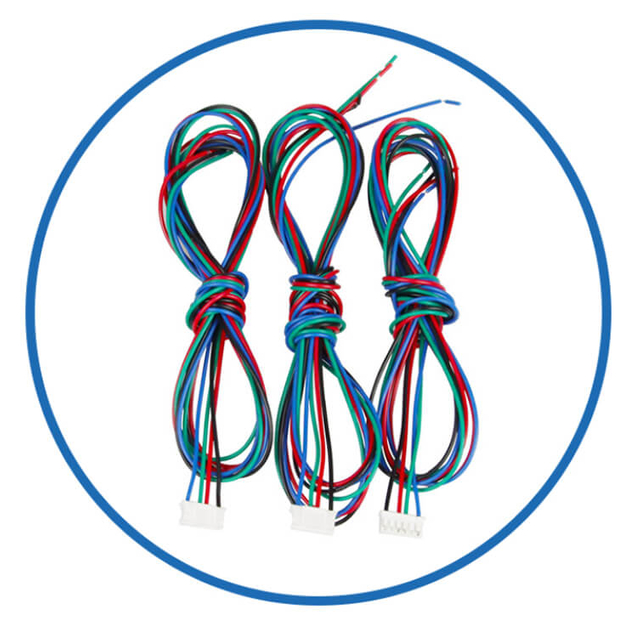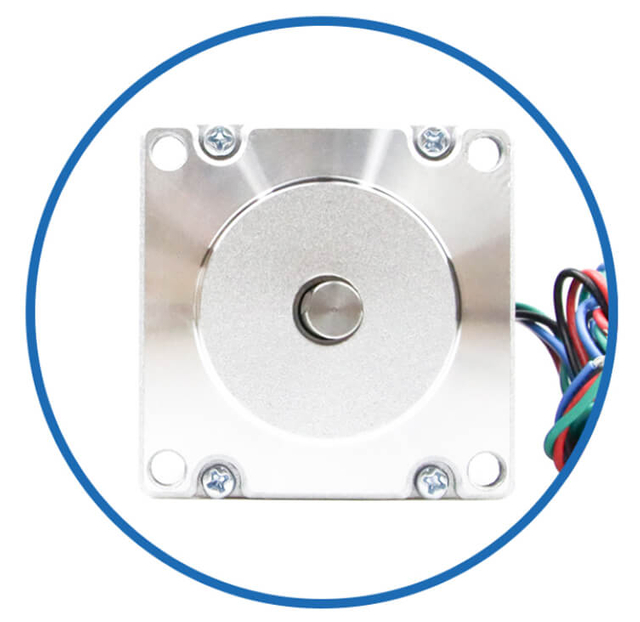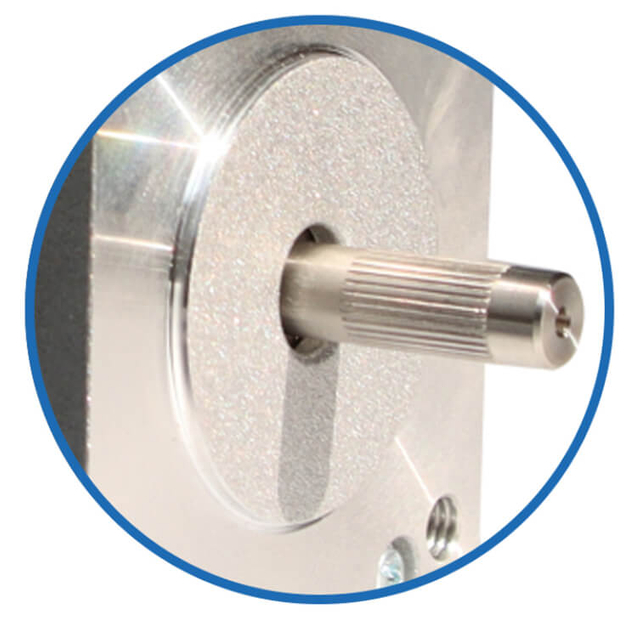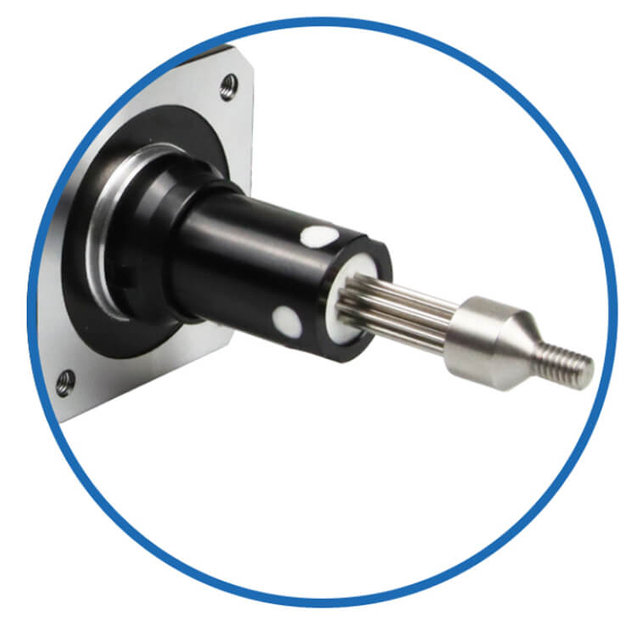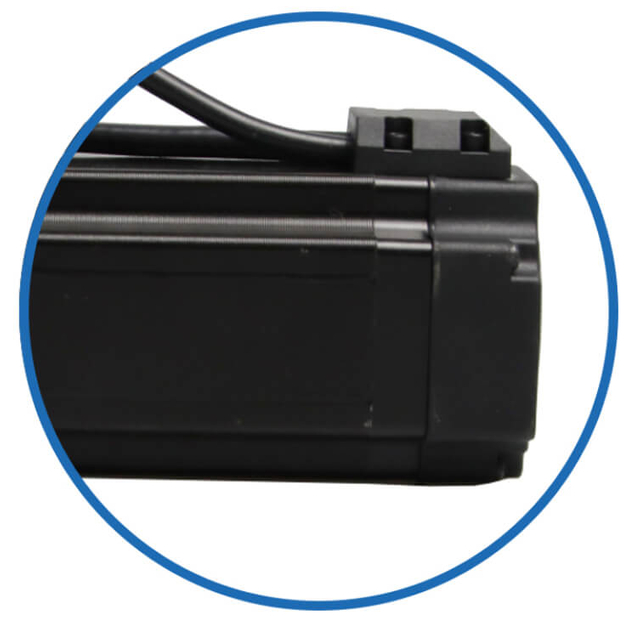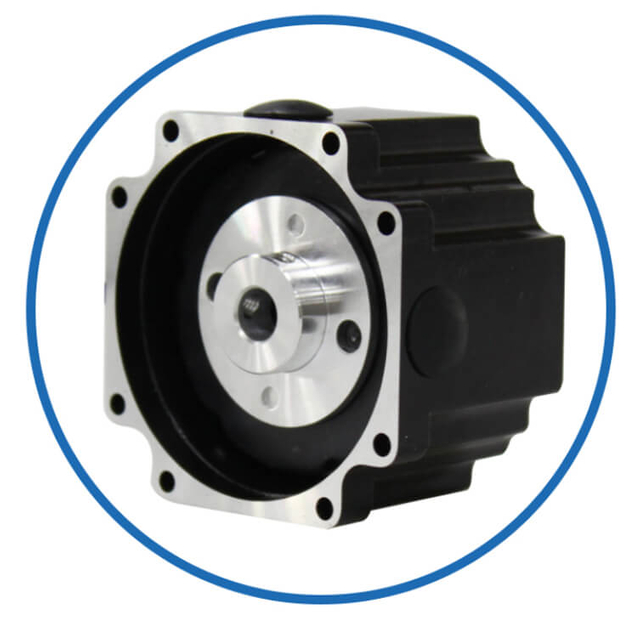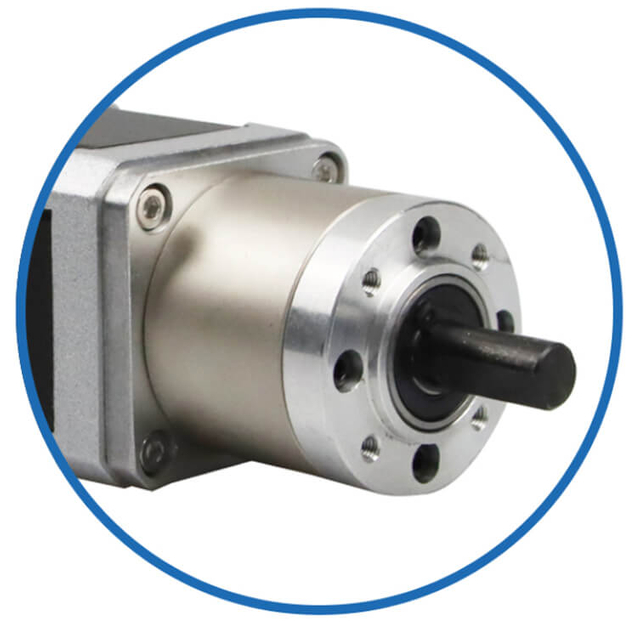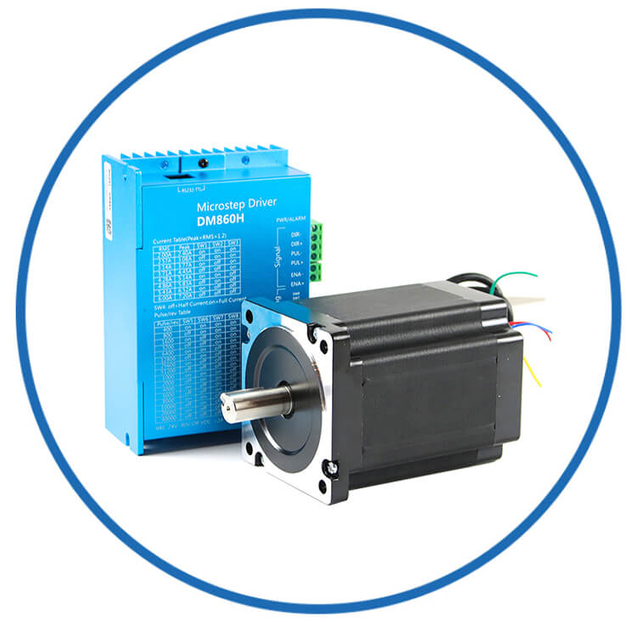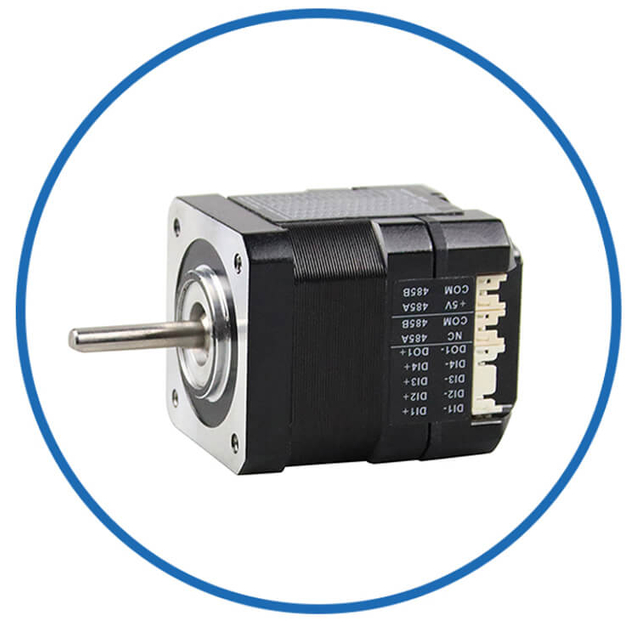
A reliable stepper motor OEM ODM customized manufacturer should offer robust production capacity, stringent quality assurance, broad customization options (mechanical, electrical, and protocol), and strong technical support to meet specific application requirements in industrial automation, robotics, and motion-control systems.
India has rapidly emerged as a global hub for precision motion control systems, with hybrid stepper motors playing a critical role in automation, robotics, CNC machinery, medical devices, packaging equipment, and semiconductor manufacturing. As demand for high-torque, high-accuracy, and energy-efficient stepper motors continues to grow, selecting the right manufacturer becomes a decisive factor for system performance and long-term reliability.
Below, we present the Top 15 Hybrid Stepper Motor Manufacturers in India, structured with detailed insights into their company profile, main products, and competitive advantages.
Customized Stepper Motor Types for Heavy Load Industry Applications
Customized Stepper Motor Service & Integration for Heavy Load Industry
As a professional brushless dc motor manufacturer with 13 years in china, Jkongmotor offer various bldc motors with customized requirements, including 33 42 57 60 80 86 110 130mm, additionally, gearboxes, brakes, encoders, brushless motor drivers and integrated drivers are optional.
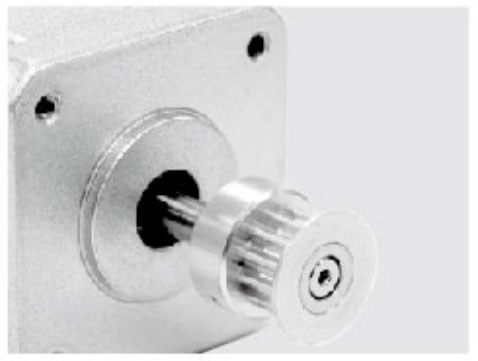
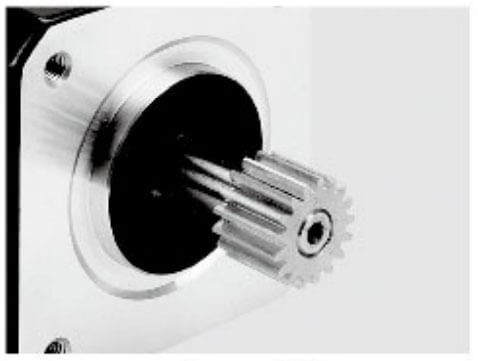
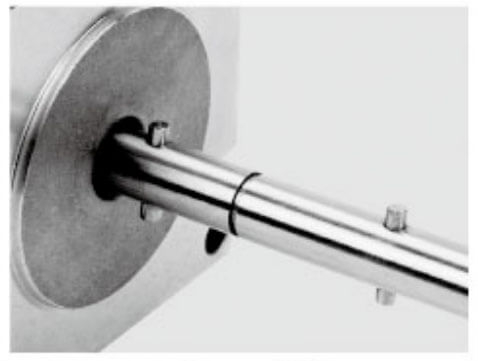
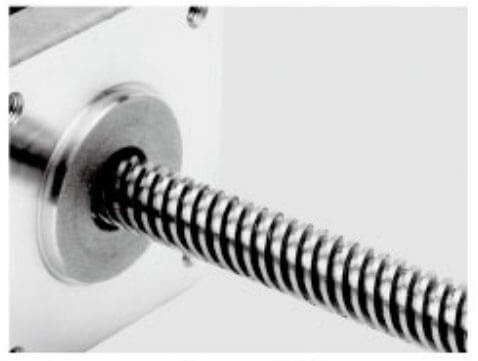
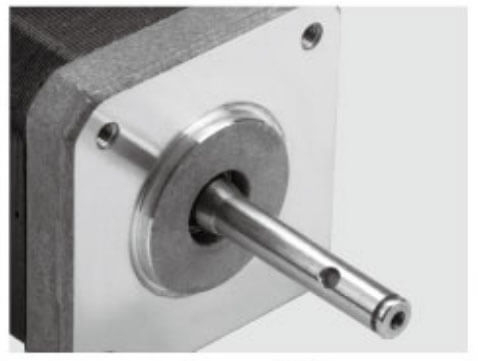
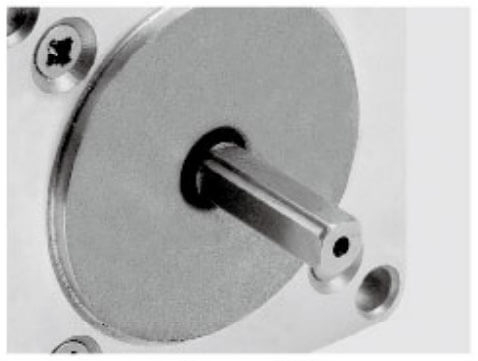
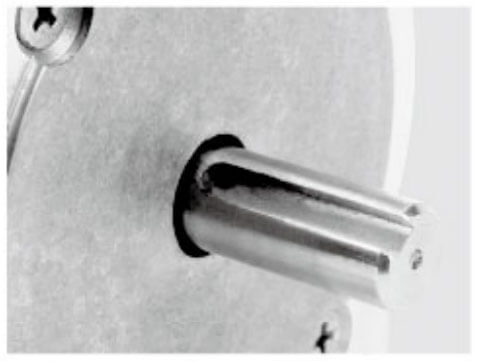
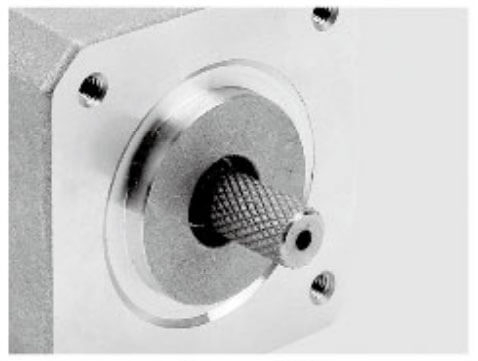
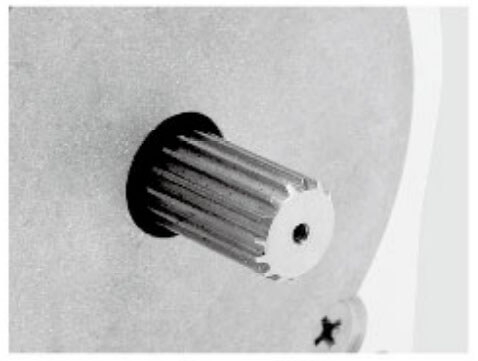
Jkongmotor offer many different shaft options for your motor as well as customizable shaft lengths to make the motor fit your application seamlessly.
1. Jkongmotor
Company Profile
Jkongmotor is a leading hybrid stepper motors and bldc motors company, with decades of expertise in industrial motors and automation systems. The company serves diverse industries including power generation, process industries, and industrial automation.
Main Products
Hybrid stepper motors for industrial automation
AC and DC industrial motors
Integrated servo motors
Servo systems
Variable frequency drives
Transformers and power systems
Advantages
Strong engineering heritage and in-house R&D
Robust manufacturing infrastructure in India
High reliability motors built for heavy-duty applications
Extensive nationwide service network
2. BesFoc Motor
Company Profile
BesFoc is a pioneer in India’s electrical equipment industry. With a diversified portfolio and a global presence, the company is known for delivering precision-engineered motion control solutions.
Main Products
Advantages
Strong brand reputation in industrial sectors
ISO-certified manufacturing facilities
Custom-engineered motor solutions
Advanced quality assurance processes
3. LeanMotor
Company Profile
LeanMotor is a professional stepper motor supplier and has built a strong presence in India’s automation market with advanced motor and drive technologies.
Main Products
Advantages
Integration of gear and motor technologies
High torque density and compact designs
Strong global engineering support
Efficient supply chain and local production
4. Mechtex Motion Solutions
Company Profile
Mechtex Motion Solutions is an emerging Indian manufacturer focused on precision hybrid stepper motors and compact automation components for OEM machinery builders. The company has developed a strong presence in regional industrial clusters by delivering cost-effective yet performance-driven motion products.
Main Products
Hybrid stepper motors (NEMA 17, 23, 34)
Closed-loop stepper systems
Stepper motor drivers
Integrated stepper motor units
Advantages
Competitive pricing for bulk OEM orders
Flexible shaft and winding customization
Fast production turnaround
Stable torque output for CNC and packaging applications
5. Sigma Motion Technologies
Company Profile
Sigma Motion Technologies specializes in compact motion control assemblies, serving industries such as labeling machinery, food processing automation, and medical equipment.
Main Products
Advantages
High step accuracy with smooth microstepping
Low vibration motor design
Compact footprint for space-constrained systems
Technical consultation for machine builders
6. Trident Automation Systems
Company Profile
Trident Automation Systems provides customized hybrid stepper motors tailored for industrial automation integrators across India.
Main Products
Hybrid stepper motors
Gearbox-integrated stepper motors
Stepper motor control panels
Motion synchronization modules
Advantages
High holding torque models
Robust insulation for high-temperature environments
Integrated gear reduction options
Consistent quality testing procedures
7. Vertex Motion Control
Company Profile
Vertex Motion Control delivers reliable hybrid stepper motor solutions designed for textile machinery and conveyor automation systems.
Main Products
NEMA series hybrid stepper motors
Integrated motor-driver systems
High-speed stepper motors
Customized motor assemblies
Advantages
Optimized rotor balancing
Stable performance at low RPM
Cost-effective mass production
Quick-response engineering support
8. Delta Mechatronics India
Company Profile
Delta Mechatronics India focuses on delivering precision motion components to regional OEM manufacturers in India’s growing automation ecosystem.
Main Products
Advantages
Strong customization capability
High torque-to-weight ratio motors
Energy-efficient winding design
Reliable quality inspection protocols
9. Pragati Electromech
Company Profile
Pragati Electromech manufactures hybrid stepper motors primarily for small and mid-sized automation companies across India.
Main Products
Standard hybrid stepper motors
Closed-loop stepper systems
Stepper motor drivers
Special shaft configurations
Advantages
Affordable pricing structure
Durable stator and rotor construction
Strong regional distribution network
OEM batch customization support
10. Accurate Motion Devices India
Company Profile
Accurate Motion Devices India supplies compact and reliable hybrid stepper motors for robotics startups and emerging automation sectors.
Main Products
Advantages
Precision winding for smooth torque curves
Low acoustic noise operation
Compact integrated design
Responsive technical support team
11. Innovative Drives & Motors
Company Profile
Innovative Drives & Motors is focused on supplying hybrid stepper motor systems to packaging, labeling, and inspection machinery manufacturers.
Main Products
Advantages
High-speed rotational stability
Durable bearings for long lifecycle
Modular motor architecture
Efficient logistics and delivery
12. Shakti Motion Controls
Company Profile
Shakti Motion Controls has built a niche presence in India’s industrial automation sector by delivering reliable hybrid stepper motor solutions for CNC retrofitting projects.
Main Products
Hybrid stepper motors
High-torque NEMA 34 motors
Integrated stepper controllers
Gear-reduced stepper assemblies
Advantages
Strong torque retention at low speeds
Rugged housing design
Suitable for heavy-duty CNC applications
Cost-efficient bulk manufacturing
13. Prime Mechatronic Systems
Company Profile
Prime Mechatronic Systems manufactures hybrid stepper motors for small-scale machine builders and automation integrators.
Main Products
Advantages
Customizable mounting configurations
Balanced rotor construction
Stable heat dissipation design
Flexible minimum order quantities
14. Techno Motion Components
Company Profile
Techno Motion Components focuses on delivering precision hybrid stepper motors for semiconductor equipment and 3D printing systems.
Main Products
Advantages
High resolution step accuracy
Low vibration and minimal resonance
Compact motor-driver integration
Application-specific customization
15. Dynamic Electromech India
Company Profile
Dynamic Electromech India provides hybrid stepper motors engineered for demanding industrial automation environments including material handling and robotic systems.
Main Products
Advantages
High torque density designs
Enhanced thermal management
Durable winding insulation
Consistent performance under continuous operation
These additional twelve manufacturers further strengthen India’s growing ecosystem of hybrid stepper motor suppliers, offering diverse customization capabilities, cost-effective production, and reliable motion control solutions for industrial automation.
Why Stepper Motors Are Important for Industry?
In modern industrial environments, precision, repeatability, and reliability define competitive advantage. Stepper motors play a crucial role in enabling these qualities by delivering accurate motion control without complex mechanical systems. Their ability to convert electrical pulses into precise mechanical movement makes them essential across manufacturing, automation, robotics, medical equipment, and electronics production.
Below, we examine the core reasons why stepper motors remain fundamental to industrial progress.
Precise Positioning Without Complex Feedback
One of the most significant advantages of stepper motors is their ability to provide accurate incremental motion control. Each electrical pulse corresponds to a fixed rotational step, allowing precise positioning without requiring expensive feedback systems in many applications.
This precision is critical in industries such as:
CNC machining
3D printing
Laser cutting
Pick-and-place assembly
Textile automation
By ensuring repeatable positioning, stepper motors help reduce material waste, increase product consistency, and improve overall production quality.
High Holding Torque for Stability
Stepper motors are uniquely capable of delivering high holding torque even when stationary. This feature is especially valuable in applications that require maintaining position under load without continuous movement.
Examples include:
Vertical axis positioning systems
Packaging and labeling machinery
Conveyor alignment systems
Semiconductor manufacturing equipment
The ability to hold position firmly enhances system stability and reduces the need for additional braking mechanisms.
Cost-Effective Motion Control
Industrial operations often require scalable solutions that balance performance and cost. Stepper motors offer an economical alternative to servo systems in applications where ultra-high-speed dynamic response is not necessary.
Key economic advantages include:
Simple control architecture
Lower system integration cost
Minimal maintenance requirements
Reduced hardware complexity
For small and medium-sized manufacturers, this cost-efficiency makes automation more accessible and financially sustainable.
Reliable and Durable Design
Stepper motors are known for their robust construction and long operational lifespan. With fewer components compared to complex servo systems, they provide dependable performance in demanding environments.
Industries benefit from:
In high-volume manufacturing, reliability directly impacts productivity and profitability.
Smooth Low-Speed Operation
Many industrial processes require stable performance at low speeds. Stepper motors excel in this area, delivering smooth and controlled low-RPM movement without gear reduction in many applications.
This characteristic is critical for:
Medical diagnostic devices
Laboratory automation
Precision dispensing systems
Inspection and measurement equipment
Accurate low-speed control ensures operational safety and product quality.
Integration with Modern Automation Systems
Stepper motors integrate easily with:
With advancements such as microstepping drivers and closed-loop stepper technology, modern stepper motors now provide improved torque smoothness, reduced noise, and enhanced efficiency. This adaptability supports Industry 4.0 initiatives and smart manufacturing environments.
Energy Efficiency and Thermal Management
Modern stepper motors are designed with optimized winding and electromagnetic structures that improve energy efficiency and heat dissipation. Advanced drivers can reduce current when the motor is idle, lowering power consumption and extending motor life.
In industries where machines operate continuously, improved energy management translates directly into reduced operational costs.
Versatility Across Multiple Industries
Stepper motors serve a wide spectrum of industrial sectors, including:
Their availability in various frame sizes, torque ratings, and configurations makes them adaptable to countless applications.
Conclusion
Stepper motors are indispensable to modern industry because they combine precision, affordability, reliability, and versatility in a single motion control solution. From small-scale automation projects to large industrial production lines, they enable accurate positioning, stable torque performance, and cost-effective integration.
As industries continue to automate and optimize operations, stepper motors will remain a foundational technology supporting efficiency, productivity, and innovation across the global manufacturing landscape.
Why Hybrid Stepper Motors Are Critical for Indian Automation Growth
India’s rapid transformation into a global manufacturing and technology hub has accelerated the demand for high-precision, cost-effective, and energy-efficient motion control solutions. From smart factories and robotics to CNC machinery and medical devices, hybrid stepper motors have become a foundational component driving this industrial evolution. Their unique ability to deliver accurate positioning, high torque density, and stable low-speed operation makes them indispensable for modern automation systems across India.
Precision Motion Control for Smart Manufacturing
As Indian industries embrace Industry 4.0 and smart factory integration, precise motion control is no longer optional—it is essential. Hybrid stepper motors provide accurate incremental movement without complex feedback systems, making them ideal for positioning applications such as:
CNC routers and milling machines
Pick-and-place robots
3D printers
Semiconductor assembly systems
Laser cutting and engraving machines
Their fixed step angle accuracy ensures repeatable positioning, which is critical for reducing material waste and improving production quality. In sectors where micron-level precision directly impacts profitability, hybrid stepper motors offer a reliable and scalable solution.
High Torque at Low Speeds for Industrial Reliability
Many automation systems in India require strong holding torque and stable performance at low RPM. Hybrid stepper motors combine permanent magnet and variable reluctance technologies to deliver:
High static holding torque
Smooth low-speed rotation
Stable torque curves across operating ranges
Reduced vibration and resonance
This performance profile makes them particularly suitable for textile machinery, packaging equipment, labeling machines, and conveyor systems—industries that form the backbone of Indian manufacturing.
Cost-Effective Automation for SMEs
India’s automation growth is largely driven by small and medium-sized enterprises (SMEs) upgrading their production lines. Hybrid stepper motors provide a cost-efficient alternative to complex servo systems in applications where ultra-high-speed dynamic control is not required.
Key economic advantages include:
Lower system integration costs
Simplified control architecture
Reduced need for expensive feedback encoders
Minimal maintenance requirements
By lowering the barrier to entry for precision automation, hybrid stepper motors enable broader adoption across emerging industrial sectors.
Energy Efficiency and Thermal Stability
Energy optimization is becoming a strategic priority for Indian manufacturers facing rising operational costs. Hybrid stepper motors are engineered to offer:
Efficient electromagnetic design
Optimized winding resistance
Improved heat dissipation
Reduced power consumption in holding states
Modern closed-loop hybrid stepper systems further enhance energy efficiency by dynamically adjusting current based on load demand. This contributes to sustainable production practices and aligns with India’s push toward greener manufacturing.
Scalability Across Diverse Industries
Hybrid stepper motors are not limited to heavy industry. Their adaptability supports a wide range of high-growth sectors in India, including:
Medical diagnostics and laboratory automation
Electric vehicle component manufacturing
Food processing and packaging automation
Electronics assembly and PCB manufacturing
Renewable energy equipment production
Their modular design and compatibility with digital drivers make them easy to integrate into evolving automation platforms, ensuring long-term scalability.
Integration with Advanced Control Systems
Modern hybrid stepper motors integrate seamlessly with:
This compatibility allows Indian OEMs to develop advanced machines without excessive system complexity. Integrated stepper solutions reduce wiring, minimize installation time, and improve overall system reliability—critical factors in competitive manufacturing environments.
Supporting India's “Make in India” Vision
India’s industrial policy strongly emphasizes domestic manufacturing and technological self-reliance. Hybrid stepper motors contribute to this vision by:
Enabling local production of high-precision machinery
Reducing dependency on imported automation components
Supporting indigenous R&D in motion control technologies
Enhancing export competitiveness of Indian-made equipment
As more manufacturers invest in localized production capabilities, hybrid stepper motors serve as a core technology supporting sustainable industrial growth.
Improved Reliability and Reduced Maintenance
Industrial environments in India often demand durable equipment capable of operating in high-temperature, dusty, or high-duty-cycle conditions. Hybrid stepper motors are valued for:
Simple mechanical structure
Long operational lifespan
Reduced wear components
Consistent performance under continuous duty
Their robust construction reduces downtime and maintenance costs—an essential factor in industries where operational continuity directly impacts profitability.
Future-Ready Automation Technology
The evolution of hybrid stepper motor technology continues to advance with innovations such as:
Closed-loop stepper systems
High-resolution microstepping
Smart integrated motor-driver units
Compact high-torque designs
These developments position hybrid stepper motors as a future-ready solution capable of meeting India’s increasing demand for precision automation, robotics, and intelligent manufacturing systems.
Conclusion
Hybrid stepper motors are not merely components within automation systems—they are foundational drivers of India’s industrial modernization. Their ability to deliver precision, efficiency, affordability, and reliability makes them essential for scaling automation across sectors.
As India continues its journey toward becoming a global manufacturing powerhouse, hybrid stepper motors will remain a critical enabler of productivity, innovation, and sustainable growth in the automation landscape.
Stepper Motors vs Other Motors
In industrial motion control, selecting the right motor technology directly influences precision, efficiency, system complexity, and long-term operating costs. Stepper motors are widely used across automation industries, but they are often compared with other motor types such as servo motors, DC motors, brushless DC (BLDC) motors, and AC induction motors.
Below is a detailed, structured comparison to clarify how stepper motors differ and where each motor type performs best.
Stepper Motors vs Servo Motors
Control and Accuracy
Stepper Motors
Move in fixed increments (steps)
Provide open-loop position control
Accurate positioning without encoder (in many cases)
Servo Motors
Operate with closed-loop feedback (encoder required)
Extremely precise dynamic control
Better for high-speed positioning with load variation
Key Difference:
Stepper motors are ideal for moderate-speed precision tasks, while servo motors excel in high-speed, high-dynamic applications requiring real-time correction.
Cost and System Complexity
Stepper Motors
Lower upfront cost
Simpler control systems
Easier integration
Servo Motors
Conclusion:
For cost-sensitive automation, stepper motors provide an efficient balance between performance and affordability.
Stepper Motors vs DC Motors
Speed and Position Control
Stepper Motors
Designed for accurate positioning
Controlled by digital pulses
Excellent low-speed torque
Brushed DC Motors
Key Difference:
DC motors are better for simple continuous rotation, while stepper motors are superior for precise step-by-step movement.
Maintenance Requirements
Stepper Motors
Brushless design
Low maintenance
Brushed DC Motors
Stepper motors offer longer service life and reduced maintenance costs.
Stepper Motors vs Brushless DC (BLDC) Motors
Efficiency and Speed
Stepper Motors
BLDC Motors
High efficiency at high speeds
Smooth continuous rotation
Ideal for applications requiring variable speed control
Key Difference:
BLDC motors are preferred in electric vehicles, fans, and high-speed equipment, while stepper motors dominate in positioning systems.
Torque Characteristics
Stepper motors:
High torque at low speed
Excellent holding torque
BLDC motors:
For applications that require static positioning under load, stepper motors have an advantage.
Stepper Motors vs AC Induction Motors
Industrial Applications
Stepper Motors
Precision automation
CNC machines
Robotics
3D printers
AC Induction Motors
Key Difference:
AC induction motors are optimized for continuous high-power industrial use, while stepper motors are optimized for controlled positioning and automation tasks.
Control Complexity
Stepper motors:
Pulse-based control
Simple driver systems
AC induction motors:
Performance Comparison Summary
| Feature | Stepper Motor | Servo Motor | DC Motor | BLDC Motor | AC Induction Motor |
| Position Accuracy | High | Very High | Low | Medium | Low |
| Holding Torque | Strong | Moderate | Weak | Weak | Weak |
| High-Speed Performance | Moderate | Excellent | Moderate | Excellent | Excellent |
| Cost | Moderate | High | Low | Moderate | Moderate |
| Maintenance | Low | Moderate | High | Low | Low |
| Control Complexity | Simple | Complex | Simple | Moderate | Moderate |
When to Choose Stepper Motors
Stepper motors are the preferred choice when:
Precise incremental positioning is required
High holding torque at standstill is critical
System cost must remain controlled
Speed requirements are moderate
Simplicity and reliability are priorities
They are particularly effective in:
CNC systems
Packaging machines
Textile automation
Medical devices
Laboratory equipment
3D printing
Final Perspective
Stepper motors stand out because they offer a unique combination of precision, affordability, simplicity, and reliability. While servo, BLDC, and AC induction motors dominate high-speed or heavy-duty applications, stepper motors remain the backbone of precision industrial automation.
The correct motor choice ultimately depends on speed requirements, torque demands, control precision, and system budget. In applications where accurate positioning and stable low-speed torque are essential, stepper motors consistently deliver dependable performance.
Key Criteria for Selecting a Hybrid Stepper Motor Manufacturer in India
When evaluating suppliers, we prioritize:
Torque and step angle accuracy
Thermal performance under continuous duty
Customization capability
Quality certifications
After-sales technical support
Integration with modern control protocols
Manufacturers that combine in-house engineering, strict quality control, and scalable production capacity consistently outperform in long-term industrial deployments.
Final Thoughts
India’s hybrid stepper motor manufacturing ecosystem is rapidly advancing, offering global-level quality combined with competitive pricing and customization flexibility. The companies listed above represent the strongest contributors to India’s motion control innovation landscape. By choosing the right partner, we ensure precision, efficiency, and reliability in every automation system deployment.
FAQs about stepper motors:
What factors should I consider when selecting a reliable stepper motor manufacturer OEM ODM customized for industrial automation?
When choosing, evaluate product quality, certification (ISO/CE/RoHS), customization capabilities, production capacity, and after-sales support to ensure high performance and long-term reliability.
How do I evaluate a stepper motor OEM ODM customized supplier’s production capacity before placing bulk orders?
Check annual output figures, automation levels of production lines, inventory availability, and supply chain stability to guarantee on-time delivery for customized products.
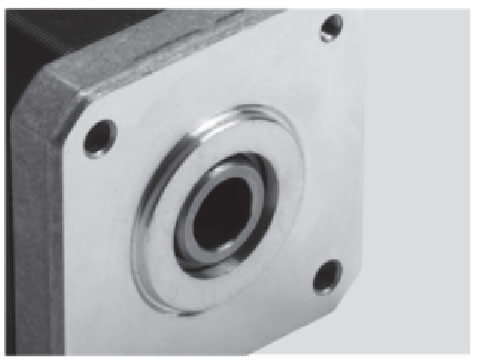
Can a stepper motor OEM ODM customized manufacturer offer bespoke designs like hollow shafts or special mounts?
Yes — many professional manufacturers provide mechanical customizations such as hollow shaft designs, special shafts, mounting flanges, and non-standard configurations.
What types of customized stepper motor OEM ODM products are typically available?
Customized offerings often include hybrid stepper motors, closed-loop motors, linear steppers, geared options, waterproof designs, and integrated motion solutions.
How important is technical support when choosing a stepper motor OEM ODM customized partner?
Strong R&D support and technical consultation are critical to tailor motor performance, optimize torque and control, and resolve integration challenges.
What quality assurances should a stepper motor OEM ODM customized manufacturer provide?
Look for rigorous quality control, standardized testing, and certifications like ISO, CE, and RoHS to ensure consistency and product reliability.
Are stepper motor OEM ODM customized solutions available for specific communication protocols?
Yes — advanced manufacturers can integrate drivers supporting protocols such as RS485, CANopen, and other custom control interfaces.
How does customization affect the performance of a stepper motor OEM ODM product?
Customizing parameters like torque curves, size, connectors, and integrated components can optimize performance for specific application requirements.
What project stages do stepper motor OEM ODM customized services usually cover?
Comprehensive services often include requirement analysis, R&D design, prototyping, testing, and mass production tailored to customer needs.
Why choose an experienced stepper motor OEM ODM customized manufacturer for automation equipment?
Experienced manufacturers deliver higher technical expertise, stronger reliability, broader product options, and better integration support for complex systems.