In the high-stakes, precision-driven world of laser material processing, the evolution of motion control systems has reached a critical juncture. The pursuit of higher throughput, micron-level accuracy, and unfailing reliability has given rise to a dominant technological solution: the Integrated Servo Motor. As specialists in advanced motion systems for industrial automation, we provide this exhaustive examination of integrated servo motor technology, dissecting its role as the unequivocal powerhouse for modern laser cutting, engraving, welding, and marking systems. This resource details the architecture, operational superiority, and specific integration protocols that make these motors not merely a component, but the defining core of laser machine performance.
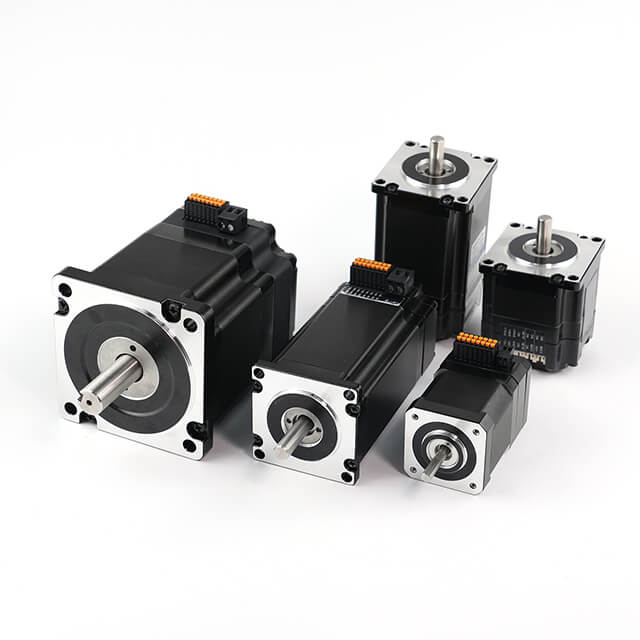
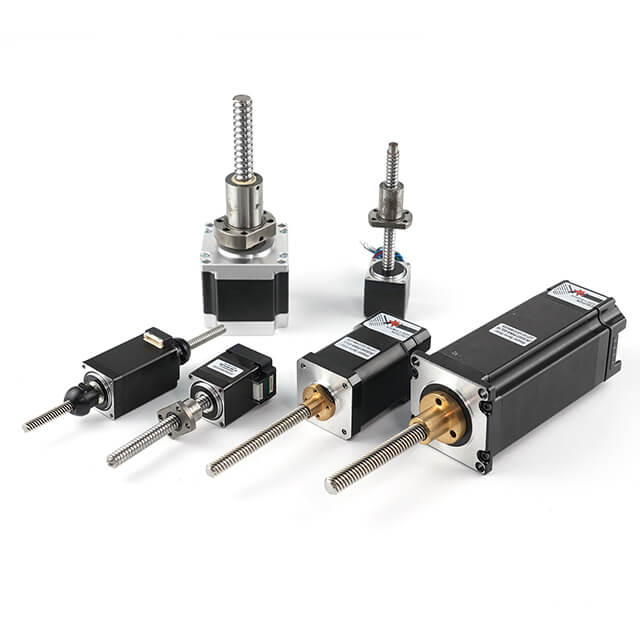
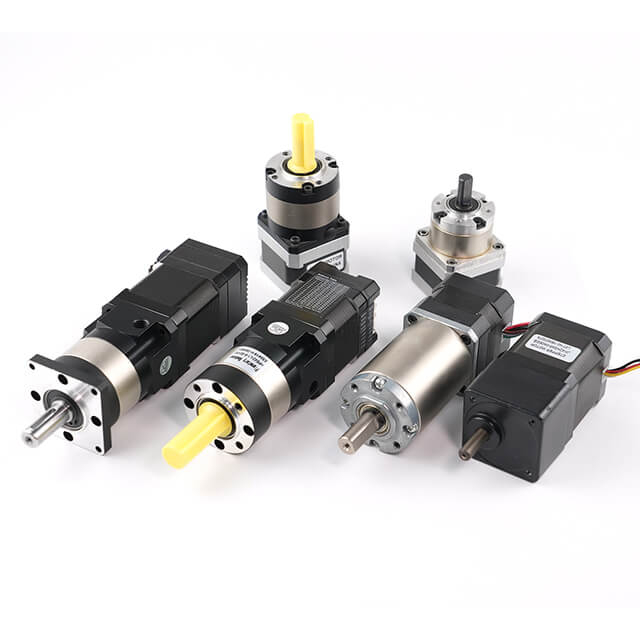
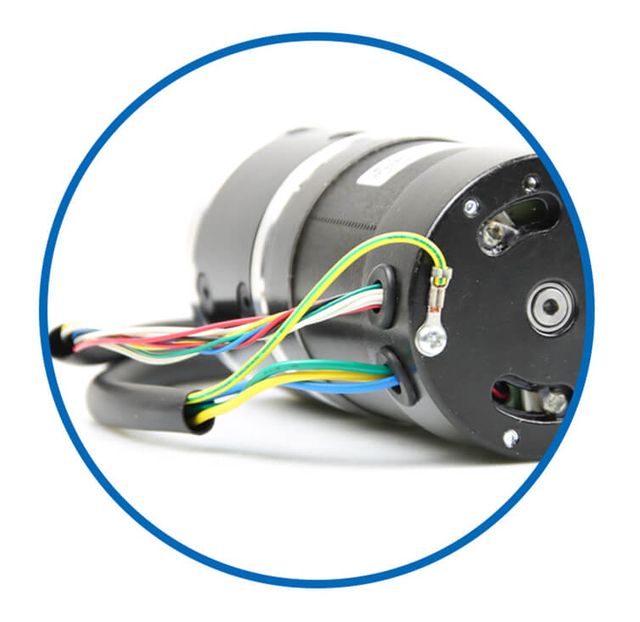
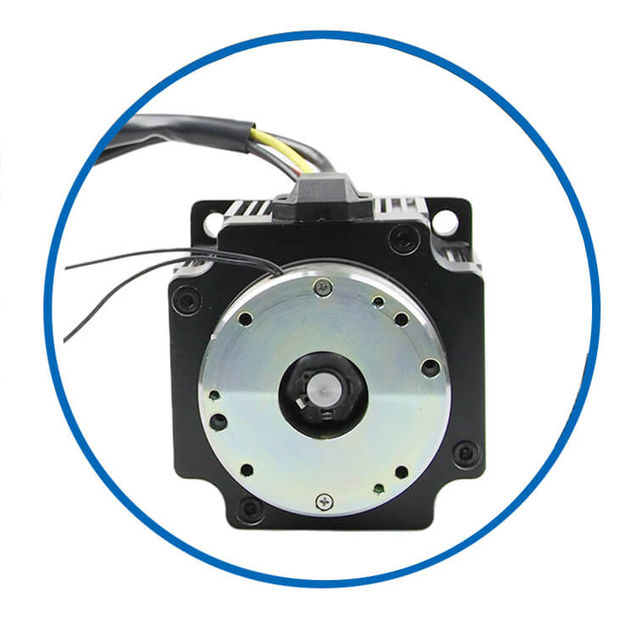
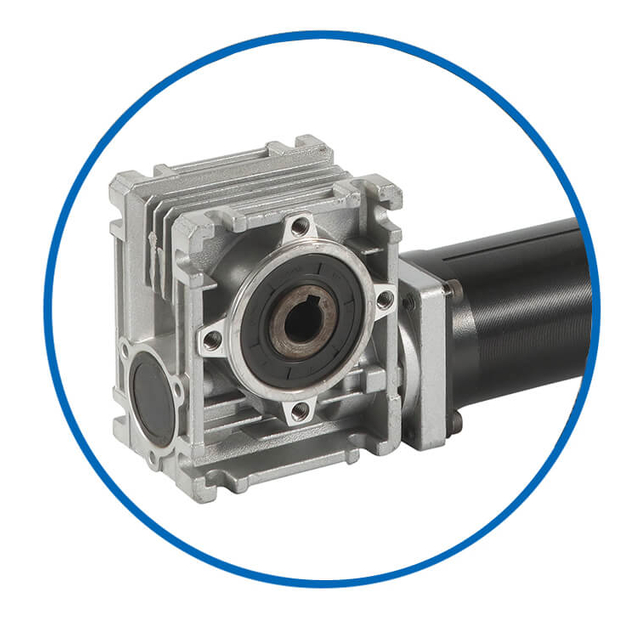
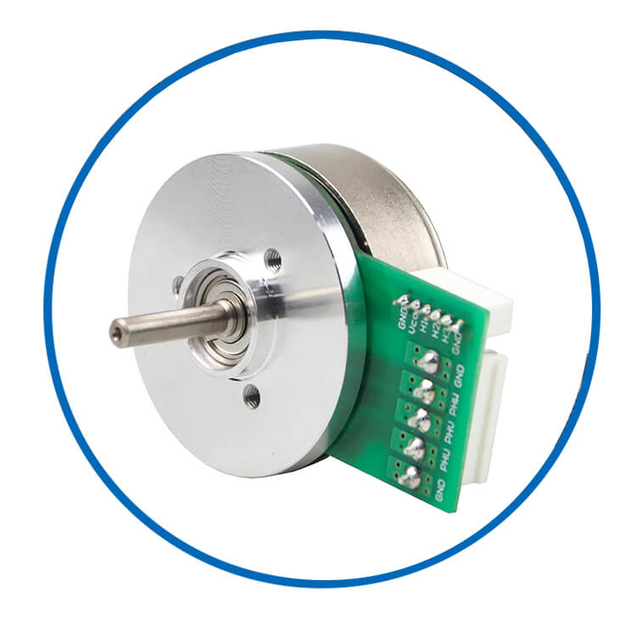
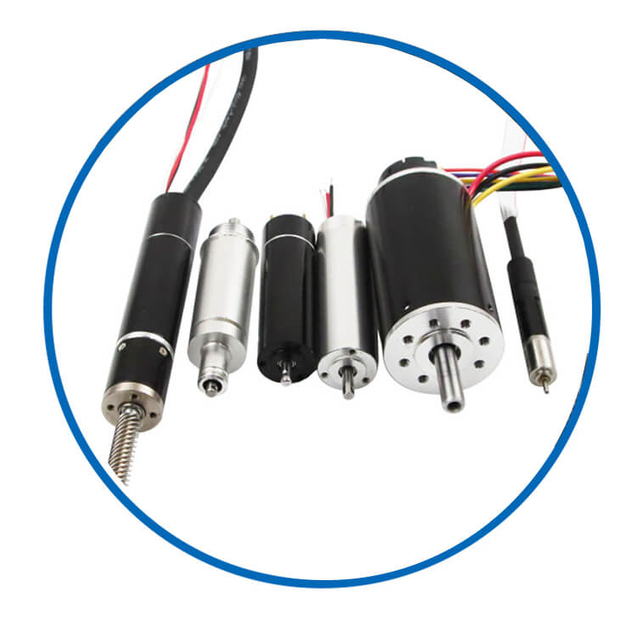
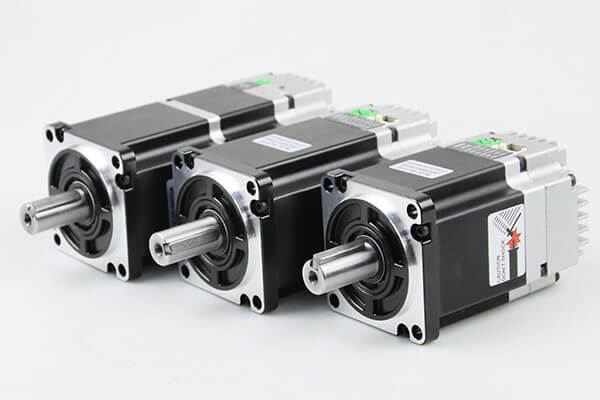
Jkongmotor Integrated Servo Motor Types
Motor Customized Service
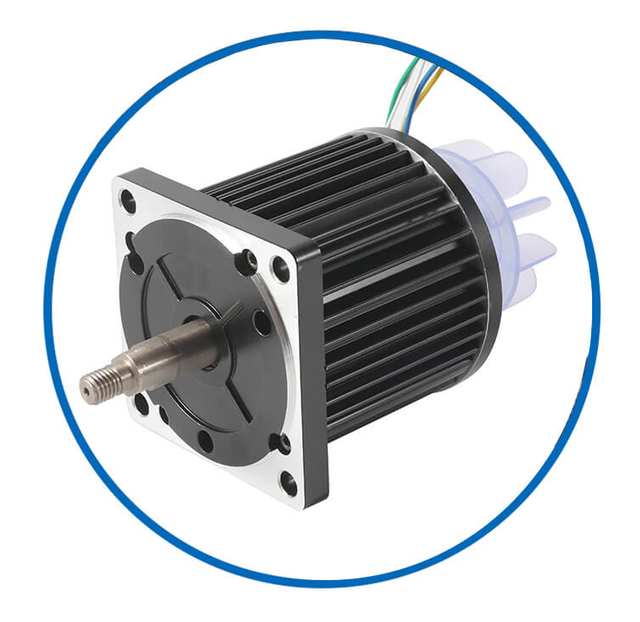
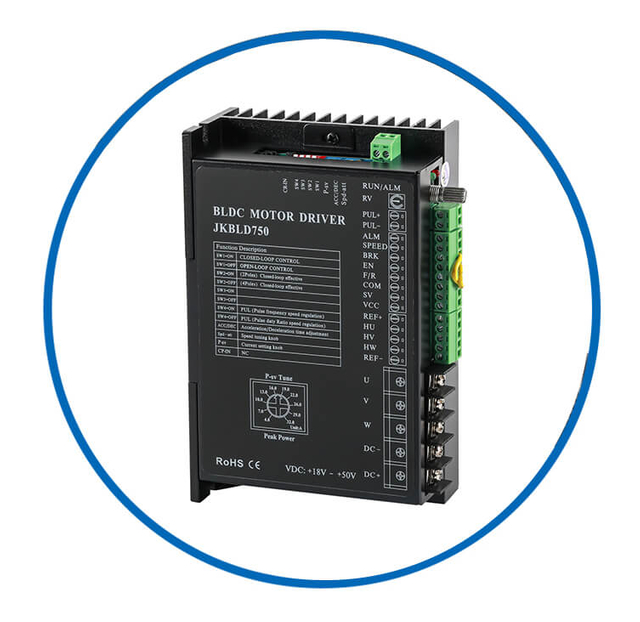
As a professional brushless dc motor manufacturer with 13 years in china, Jkongmotor offer various bldc motors with customized requirements, including 33 42 57 60 80 86 110 130mm, additionally, gearboxes, brakes, encoders, brushless motor drivers and integrated drivers are optional.
![bldc motor supplier]() | ![bldc motor supplier]() | ![bldc motor supplier]() | ![bldc motor supplier]() | ![bldc motor supplier]() | Professional custom brushless motor services safeguard your projects or equipment. No Brushes – Reduced Maintenance and Increased Lifespan High Efficiency and Low Power Loss High Torque-to-Weight Ratio Precise Speed and Position Control Quiet and Smooth Operation Wide Speed Range and Dynamic Performance Excellent Thermal Management Customizable Designs and Modular Configurations Multiple Control Methods Integration with Digital Interfaces and Sensors |
| Wires | Covers | Fans | Shafts | Integrated Drivers |
![bldc motor supplier]() | ![bldc motor supplier]() | ![bldc motor supplier]() | ![bldc motor supplier]() | ![bldc motor supplier]() |
| Brakes | Gearboxes | Out Rotors | Coreless Dc | Drivers |
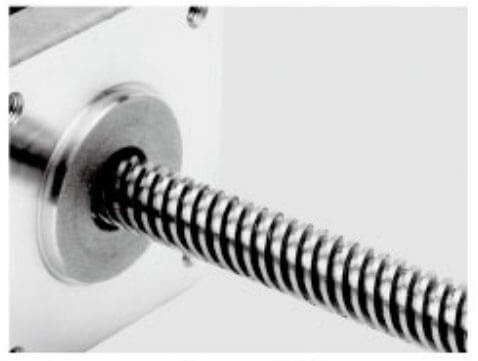
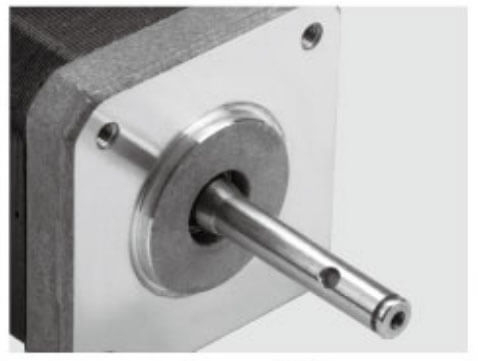
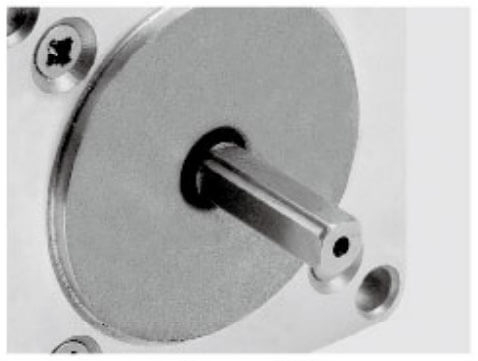
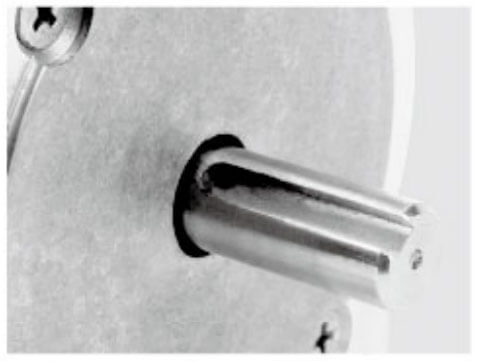
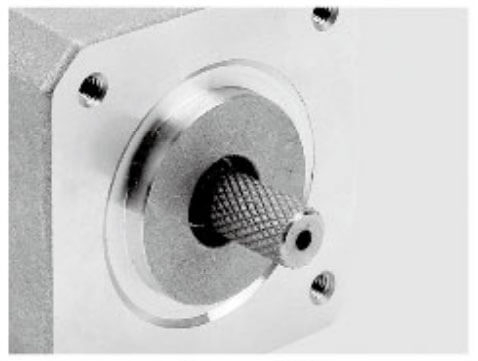
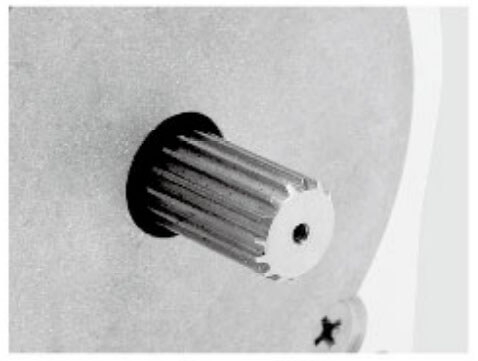
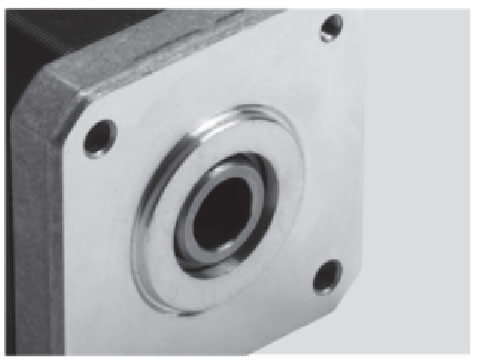
Motor Shaft Customized Service
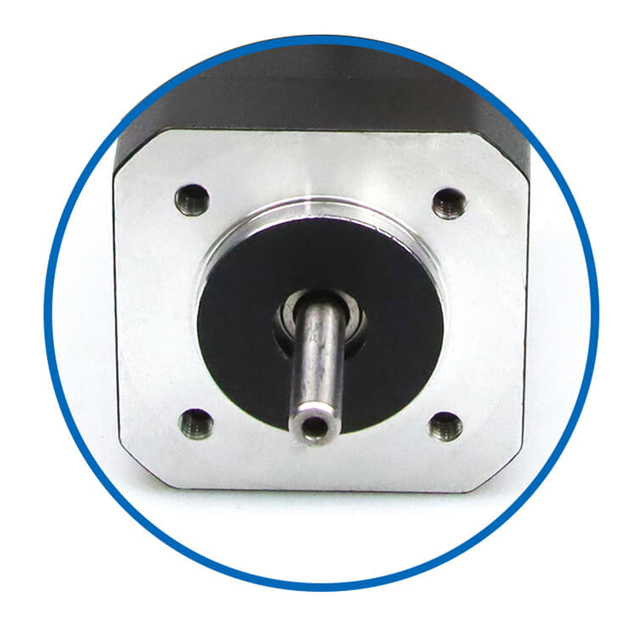
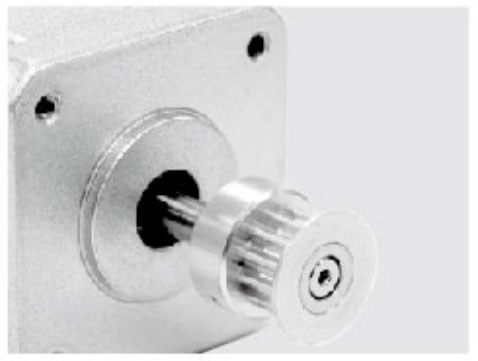
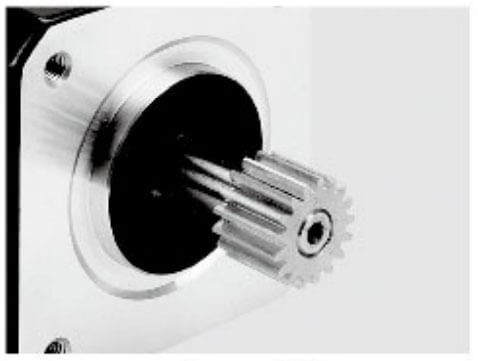
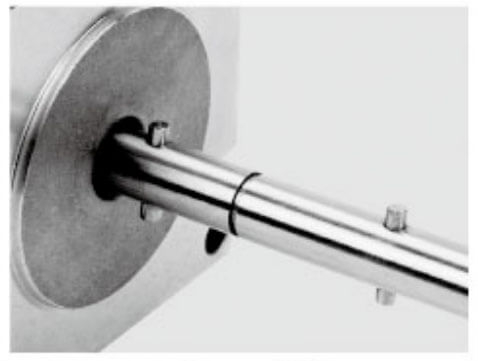
Jkongmotor offer many different shaft options for your motor as well as customizable shaft lengths to make the motor fit your application seamlessly.
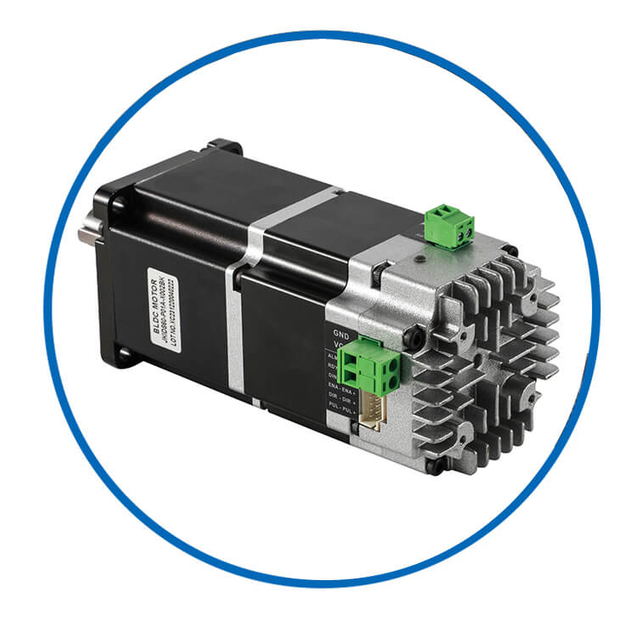
The term "Integrated Servo Motor" signifies a profound architectural shift in motion control, moving from a collection of discrete components to a unified, intelligent electromechanical system. To define its architecture is to dissect a meticulously engineered convergence of power, precision, and processing. We delineate this architecture not as a simple assembly, but as a hierarchical integration of functional layers, each critical to the performance demanded by advanced laser machinery.
At the physical level, integration eliminates traditional boundaries. The architecture comprises three primary mechanical and electromagnetic subsystems fused into a singular housing.
1. The High-Density Permanent Magnet Synchronous Motor (PMSM):
This is the prime mover. We utilize a slotless or slotted stator design wound with precision to maximize torque density and minimize cogging torque. The rotor employs high-grade rare-earth permanent magnets (typically Neodymium Iron Boron) arranged in a specific pole count—commonly 4, 6, or 8 poles—optimized for the target speed-torque characteristic. The electromagnetic circuit is designed for minimal inductance to allow extremely high current slew rates, a prerequisite for the microsecond-level torque response needed in laser contouring. The motor casing is not merely a cover; it is a structural thermal conduit, engineered with optimized finning or a smooth surface for specific heat sink or forced-air cooling compatibility.
2. The Embedded High-Resolution Feedback Device:
This element transforms the motor from a blind actuator into a precision instrument. Physically mounted on the non-drive end of the motor shaft, within the sealed housing, is the absolute position encoder. We favor optical encoder or magnetic encoder technologies capable of providing true absolute position upon power-up. The integration is direct and in-line: the encoder disk is mounted on the motor shaft, and the reading head is fixed to the motor end-bell. This arrangement provides several critical advantages:
Elimination of Mechanical Backlash: There is no coupling between the motor shaft and a separate encoder, removing a source of compliance and potential error.
Supreme Environmental Sealing: The feedback system is protected within the same IP-rated housing as the motor, safe from contamination by laser-generated particulates, oils, or coolants.
Optimal Signal Integrity: The extremely short path from the sensing element to the initial signal conditioning minimizes electrical noise susceptibility.
3. The Integrated Servo Drive Amplifier Module:
This represents the pinnacle of the integration concept. We package the power electronics and control logic into a module that attaches directly to the motor's connector housing or is conformally coated and mounted within an extended rear portion of the motor frame. This module contains:
The Power Stage: Constructed with Insulated-Gate Bipolar Transistors (IGBTs) or advanced Gallium Nitride (GaN) MOSFETs for high-frequency switching, this stage converts the DC bus voltage into the three-phase AC required to drive the PMSM windings.
The Control Processor: A high-speed Digital Signal Processor (DSP) or ARM Cortex-M series microcontroller executes the complex real-time control algorithms. These include the Field-Oriented Control (FOC) current loops, velocity loop, and position loop, often running at a combined servo update rate of 16 kHz or higher.
The Communication Interface: The physical layer for the real-time industrial Ethernet protocol (EtherCAT, PROFINET IRT) is implemented here, along with the necessary network PHY and controller.
The architecture operates on a tightly coupled control hierarchy, enabled by the physical integration. This hierarchy functions as a seamless cyber-physical system.
Layer 1: Current (Torque) Control Loop:
This is the innermost and fastest loop, running on the integrated drive's processor. It measures the actual phase currents via shunt resistors or Hall-effect current sensors, compares them to the torque demand (which is the output of the velocity loop), and adjusts the PWM signal to the power transistors within microseconds. Precise FOC ensures maximum torque per ampere and smooth operation at all speeds. The short motor lead lengths between the drive output and motor terminals are critical here, minimizing voltage spikes and ringing that can degrade control stability.
Layer 2: Velocity Control Loop:
This loop takes the commanded velocity (from the trajectory generator in the central CNC) and compares it to the velocity derived from the ultra-high-resolution encoder feedback. It outputs a torque command to the current loop. The high bandwidth afforded by the integrated encoder feedback—with negligible delay or interpolation error—allows this loop to be tuned very aggressively, resulting in extremely stiff velocity regulation.
Layer 3: Position Control Loop:
This outer loop works in concert with the machine's CNC. The CNC's interpolator sends precise position setpoints at the network cycle rate. The integrated servo's controller compares this to the actual absolute position. The exceptionally fine resolution of the embedded encoder (e.g., 23-bit, or 8,388,608 counts/rev) allows for phenomenally smooth following of these setpoints, minimizing following error. This direct, high-fidelity position measurement is what enables the laser focus point to be placed with micron-level repeatability.
The architecture extends logically into the machine's control network. The integrated servo motor is not a passive node but an active communicator on a real-time motion bus.
The Single-Cable Solution:
Modern integrated servos often employ a hybrid cable system or a single-cable technology. This single cable carries both the high-voltage DC bus power (e.g., 24-96 VDC or 320-800 VDC) and the full-duplex, real-time Ethernet communication data. This drastically simplifies machine wiring.
Protocol Implementation:
The integrated drive's firmware includes a complete EtherCAT Slave Controller (ESC) or equivalent hardware core. This dedicated hardware manages the EtherCAT Frame Processing in hardware, not software, guaranteeing the deterministic sub-millisecond cycle times. The servo's parameters—position, velocity, torque, status, faults, and temperature—are mapped into specific Process Data Objects (PDOs) that are automatically updated in each cycle. This allows the CNC master to read the actual position and write the new command position with near-zero jitter, a non-negotiable requirement for synchronizing laser firing with axis position.
A final, critical architectural element is the integrated management of thermal and diagnostic data. Sensors are strategically embedded throughout the unified assembly:
Stator Thermistors or PT100 sensors are potted into the motor windings to provide direct winding temperature measurement.
Power stage temperature sensors are mounted on the drive module's heat sink.
Vibration sensors (accelerometers) may be incorporated to monitor bearing health.
This sensor data is processed locally by the drive's processor and made available on the network as part of the servo's Service Data Objects (SDOs). This enables advanced condition-based monitoring and predictive maintenance strategies, where the machine controller can log motor temperature trends, detect rising vibration levels, or pre-emptively warn of overheating risks before a fault occurs.
Therefore, the architecture of an integrated servo motor for laser machines is defined by this multi-layered synergy:
Physical Synergy: Motor, feedback, and drive share a housing, minimizing size, eliminating intermediary connections, and enhancing robustness.
Control Synergy: Extremely short signal paths between power stage, current sensors, and motor phases enable unprecedentedly high control bandwidth and stiffness.
Data Synergy: Ultra-high-resolution, direct-shaft feedback provides flawless data for control loops, while deterministic networking seamlessly synchronizes this data with the master controller and laser source.
Thermal/Diagnostic Synergy: Embedded sensors create a coherent model of the unit's operational state, enabling intelligence and pre-emptive management.
This architecture is not merely a packaging choice; it is a fundamental re-engineering that resolves the limitations of distributed systems. It delivers the high dynamic response, pinpoint accuracy, operational reliability, and diagnostic intelligence that are the definitive requirements for the next generation of laser processing equipment. The integrated servo motor is, architecturally, a complete motion subsystem engineered as a single, optimized component.
Critical Motion Control Demands in Laser Machines
To understand why integrated servo motors are uniquely suited for laser applications, we must first analyze the non-negotiable requirements of laser machine kinematics.
Demand for Extreme Velocity and Acceleration in Laser Processing
Modern laser processing, especially in sheet metal cutting or high-speed engraving, demands rapid traversals between features and the ability to follow complex contours at high feed rates. This requires motors capable of exceptional acceleration and deceleration, often exceeding 1 G, to minimize non-productive transit time and maximize machine throughput.
The Need for Ultra-High Precision and Contouring Accuracy
The quality of a laser-cut edge, the fidelity of a micro-engraved marking, or the consistency of a weld seam is directly dictated by the machine’s ability to position the laser focus point with micron-level accuracy. Any following error, vibration, or positional lag results in defective parts. Motion systems must provide exceptionally high bandwidth and stiffness to reject disturbances and follow the commanded trajectory perfectly.
Minimizing Settling Time and Vibration for Laser Accuracy
When the machine head moves at high speed and must stop precisely to begin cutting a new feature, any residual vibration or overshoot (“ringing”) introduces a delay—the settling time—before the laser can fire accurately. This delay catastrophically impacts cycle times. The motion system must be critically damped to achieve “quiet” stops instantly.
Requirement for Smooth, Low-Speed Operation in Laser Machines
Conversely, operations like fine engraving or welding on delicate materials require buttery-smooth motion at very low speeds, without any cogging or torque ripple that could cause visible artifacts in the finished product.
Deterministic Synchronization for Laser Pulse Control
The firing of the laser pulse (pulsing frequency, power) must be perfectly synchronized with the exact position of the motion system. This requires a deterministic, real-time network between the controller and the servo, where data packet delivery time is guaranteed and minimal, typically under 1 millisecond.
The integrated design directly addresses and surpasses every demand outlined above, delivering a suite of advantages that discrete servo systems cannot match.
Superior Dynamic Response and Control Bandwidth
By eliminating the long motor-to-drive power cables and separate encoder feedback loops of traditional systems, integrated servo motors drastically reduce electrical inductance and signal transmission delays. The drive, sitting just centimeters from the motor windings, can apply and modulate current with extreme rapidity. This results in a significantly higher velocity and position loop bandwidth, allowing the controller to correct errors faster. The outcome is tighter following error, superior contouring accuracy at high speeds, and the ability to handle the aggressive acceleration profiles demanded by modern nesting software.
Enhanced System Stiffness and Reduced Resonance
The shortened electrical path and optimized control algorithms increase the servo rigidity. The system behaves with greater mechanical stiffness, resisting deflection from cutting forces (in hybrid laser-punch machines) or external disturbances. Furthermore, the integrated design avoids the “cable whip” effect and associated inductance changes of long motor cables, which can introduce resonance points that destabilize the servo tuning.
Maximized Reliability and Reduced Machine Footprint
Reducing the number of separate components (motor, drive, encoder cables, power cables) directly reduces potential points of failure. There are no separate drive cabinets that require cooling, no bulky multi-cable harnesses to route and maintain. This consolidation saves valuable space within the laser machine frame, allowing for cleaner designs and easier service access. The robust, all-in-one construction is inherently more resistant to the environmental contaminants common in laser processing, such as dust, smoke, and minor vibrations.
Simplified Installation and Advanced Onboard Diagnostics
Installation is reduced to mounting the motor and connecting two cables: power and communication. This dramatically reduces machine assembly time and wiring errors. The integrated intelligence provides comprehensive onboard diagnostics. We can monitor real-time parameters like motor temperature, torque output, vibration spectra, and cumulative operating hours directly from the servo’s firmware, enabling predictive maintenance and rapid troubleshooting.
Deterministic Synchronization via Real-Time Ethernet
The integrated servo motor communicates over a standard, yet deterministic, real-time industrial Ethernet protocol. This allows the laser CNC controller to send trajectory commands and receive precise position feedback on the same microsecond-scale timeline. It can simultaneously transmit a synchronized “laser fire” signal to the laser source, ensuring that every pulse hits its intended target, regardless of the axis’s speed or acceleration state. This is fundamental for precision perforation, vector marking, and on-the-fly welding.
When selecting an integrated servo motor for a laser machine, we evaluate a matrix of precise technical specifications beyond basic power ratings.
Continuous and Peak Torque Ratings for Laser Dynamics
The continuous torque determines the motor’s ability to sustain motion against constant loads like friction and gravitational forces (in Z-axes). The peak torque, often 2-3 times higher, is the short-duration torque available for acceleration and deceleration. This ratio is critical for achieving high dynamic performance without overheating.
Rotor Inertia and Load Inertia Mismatch Considerations
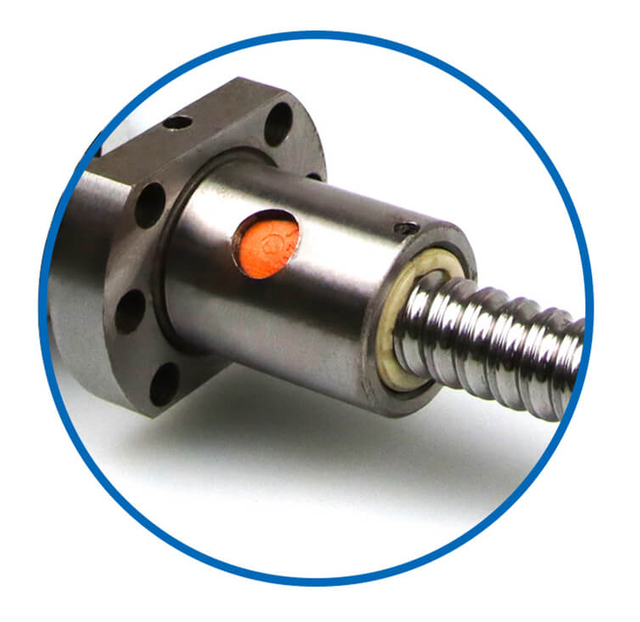
The motor’s rotor inertia must be appropriately matched to the reflected inertia of the driven load (ballscrew, rack and pinion, linear motor forcer). For optimal dynamic performance and stability, we typically target an inertia mismatch ratio (load inertia / rotor inertia) of between 1:1 and 10:1. Integrated servos often feature low-inertia rotors specifically designed for high dynamic response.
Feedback Resolution and Accuracy for Laser Precision
The absolute encoder resolution is paramount. Resolutions of 20 bits per revolution (1,048,576 counts) or higher are now standard. This provides the granular positional data needed for smooth velocity control and ultra-fine positioning, directly translating to smoother cut edges and finer engraving detail.
Communication Cycle Time and Servo Update Rate
The servo update rate, or the frequency at which the drive closes its current, velocity, and position control loops, is typically 62.5 microseconds (16 kHz) or faster in high-end integrated servos. This fast internal processing, coupled with a sub-millisecond network cycle time, is what enables the high bandwidth and responsiveness.
Thermal Management and Protection in Laser Environments
Integrated designs must dissipate heat from both the motor windings and the drive’s power electronics. We look for designs with efficient thermal paths, often through the motor housing, and integrated thermal sensors that provide accurate winding temperature feedback to the controller for proactive overload prevention.
Integration Protocols and Network Topology for Laser Machines
The network architecture is the nervous system of the laser machine. Integrated servo motors are central nodes on this network.
EtherCAT: The Dominant Protocol for Laser Machine Servos
The dominant protocol is EtherCAT, favored for its exceptional performance, flexibility, and precise distributed clock synchronization. In a typical topology, the CNC controller acts as the EtherCAT Master. A single Ethernet cable daisy-chains from the controller to the first integrated servo (e.g., X-axis), then to the second (Y-axis), then to the optional third (Z-axis), and finally to the laser source controller and any I/O terminals. This creates a highly deterministic, low-overhead network where all axis commands and laser commands are delivered in a synchronized fashion within a single communication cycle, often under 500 microseconds.
Alternative protocols like PROFINET IRT and Mitsubishi’s SSCNET also provide the required determinism. The choice often depends on the ecosystem of the chosen CNC controller. The key is the seamless, synchronous integration of all motion and process axes into a single control loop.
The superiority of integrated servo technology manifests across the spectrum of laser machinery.
Integrated Servos in High-Speed Laser Cutting Machines
For flatbed sheet metal cutters, the X and Y gantry axes demand blistering accelerations to navigate intricate part geometries. Integrated servos on rack-and-pinion or linear direct drive systems provide the necessary dynamism. For 3D cutting of tubes or formed parts, additional integrated rotary axes (A, B, C) provide precise, synchronized rotation of the workpiece.
Integrated Servos in Precision Laser Engraving and Marking
These applications require the ultimate in low-speed smoothness and positional accuracy to create flawless text, logos, or data matrix codes. The reduced vibration and high-resolution feedback of integrated servos eliminate "jitter" in the mark.
Integrated Servos in Laser Welding Systems
Consistent weld quality requires perfectly uniform travel speed and precise coordination with laser power modulation. The deterministic network of an integrated servo system ensures the weld pool dynamics are controlled by exact positional data.
Integrated Servos in Additive Laser Manufacturing
In metal 3D printing, the recoater blade mechanism and often the laser scanning galvanometers are driven by integrated servo technology to ensure layer consistency and precise energy deposition.
Future Trajectory: Intelligent Motion for Next-Gen Laser Machines
The evolution of integrated servo motors for laser machines continues toward deeper intelligence and functional integration. We are advancing toward condition monitoring integration, where vibration analysis algorithms run directly on the servo drive’s processor to predict bearing failure. Energy consumption analytics are becoming standard, allowing manufacturers to optimize processes for sustainability. The convergence with direct drive linear motor technology in an integrated package is eliminating mechanical transmission elements entirely, pushing the boundaries of speed and accuracy even further. Finally, the implementation of AI-based tuning algorithms allows the servo to automatically adapt its tuning parameters in real-time based on the changing load dynamics and machine condition, guaranteeing optimal performance throughout the machine’s lifecycle and across all its processing tasks.
In essence, the integrated servo motor has transitioned from a component to the intelligent kinetic core of the modern laser machine. Its fusion of high-fidelity mechanics, high-speed power electronics, and deterministic networking delivers the uncompromising performance that defines today's manufacturing standards for speed, precision, and reliability. By adopting this technology, machine builders and end-users secure a foundational advantage in productivity and part quality, positioning themselves at the forefront of industrial laser processing capability.