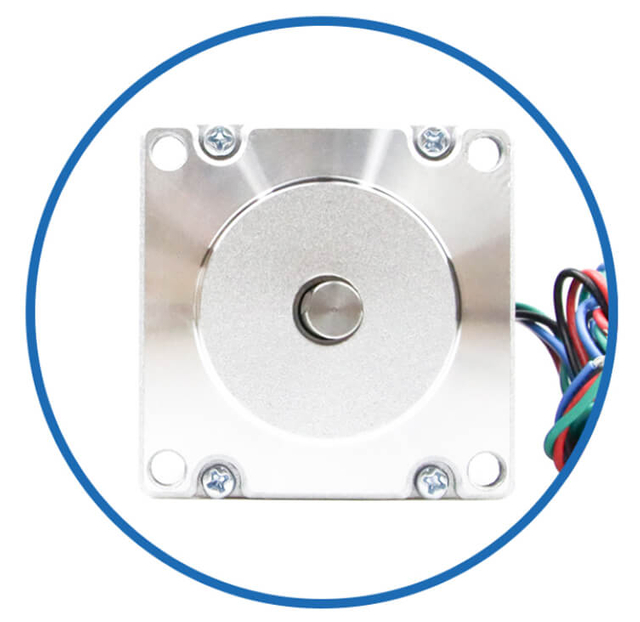
Selecting the right hybrid stepper motor for a sorting machine is a strategic engineering decision that directly impacts throughput, accuracy, reliability, and operating cost. Sorting machines demand precise positioning, rapid acceleration, consistent torque, and long-term stability under continuous duty cycles. We approach motor selection as a system-level optimization process, aligning mechanical load, electrical performance, control strategy, and environmental conditions into a single, dependable motion solution.
Below, we present a comprehensive, application-driven guide to choosing the ideal hybrid stepper motor for modern sorting equipment.
Sorting machines operate in high-speed, repetitive, and precision-critical environments such as logistics centers, food processing lines, pharmaceutical packaging, and automated warehouses. The motion system must deliver:
High positional accuracy for gates, diverters, and conveyors
Fast start–stop response for short cycle times
Stable torque output across a wide speed range
Continuous-duty reliability with minimal maintenance
We begin motor selection by defining the actual motion profile of the sorting mechanism: stroke length, indexing angle, acceleration curve, cycle frequency, and load inertia. These parameters form the foundation for choosing a properly matched hybrid stepper motor.
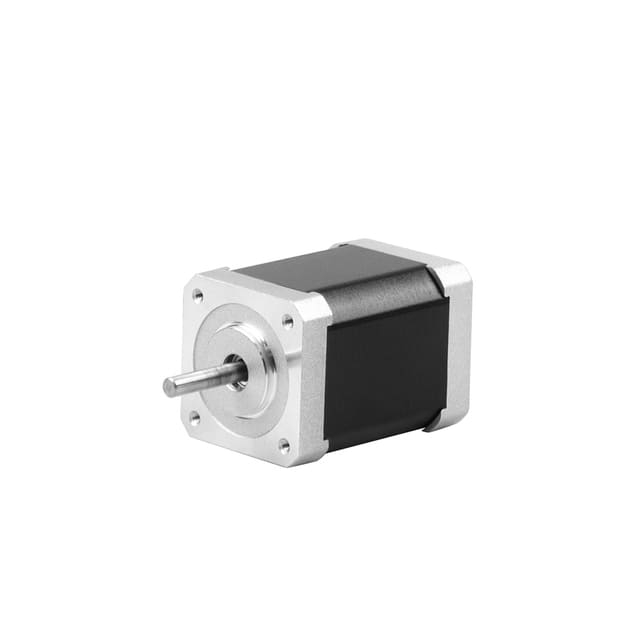
Hybrid stepper motors have become the preferred motion solution for modern sorting machines because they deliver a powerful combination of precision, stability, responsiveness, and cost efficiency. Sorting systems operate in environments where every millisecond, every millimeter, and every cycle matters. Hybrid stepper technology aligns exceptionally well with these demands.
Below is a clear, engineering-focused explanation of why hybrid stepper motors are uniquely suited for sorting machine applications.
Comprehensive OEM & ODM Customized Hybrid Stepper Motor Solutions for Sorting Machines
OEM + ODM Customized Stepper Motor Services & Capabilities
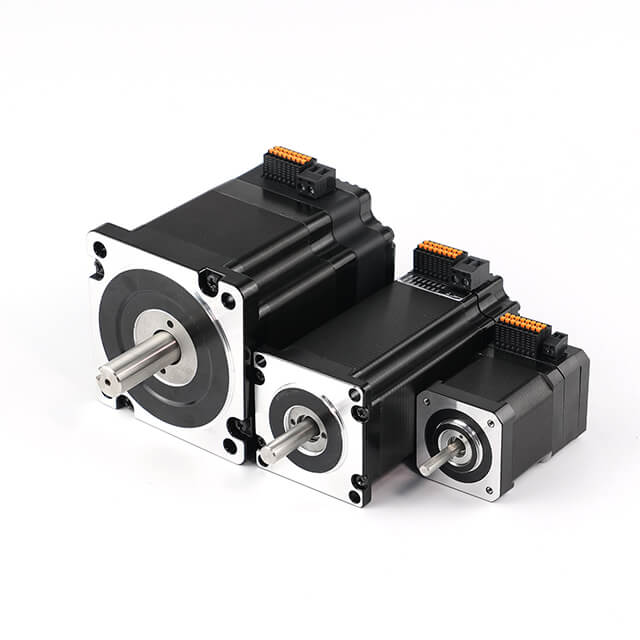
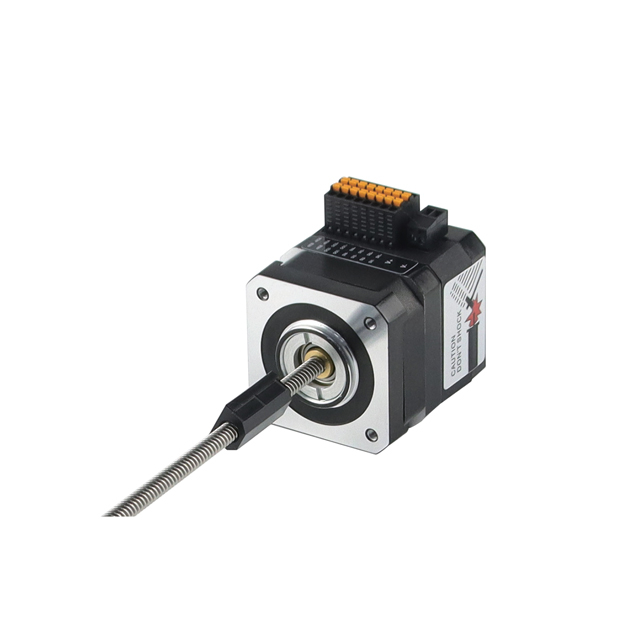
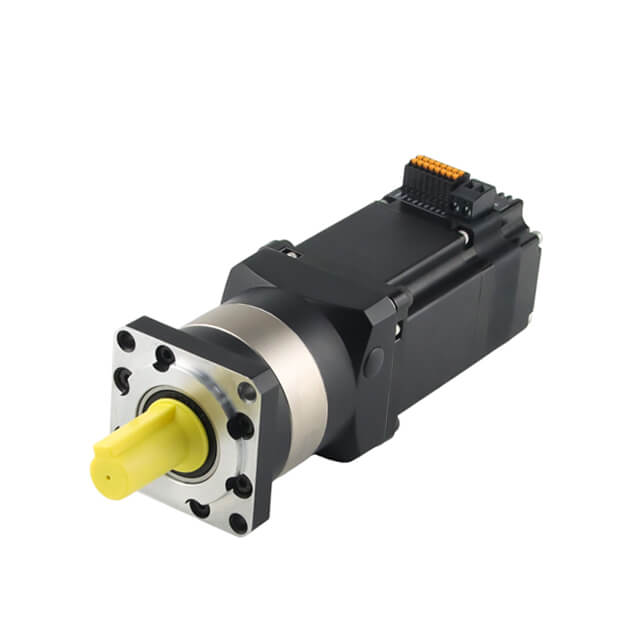
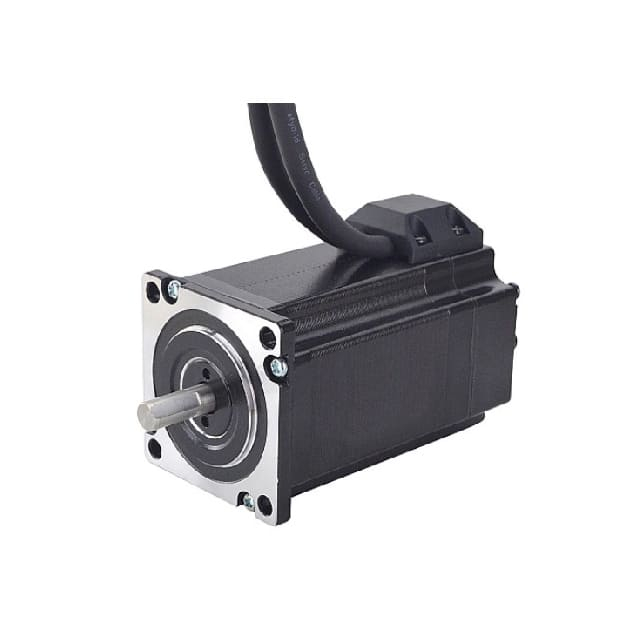
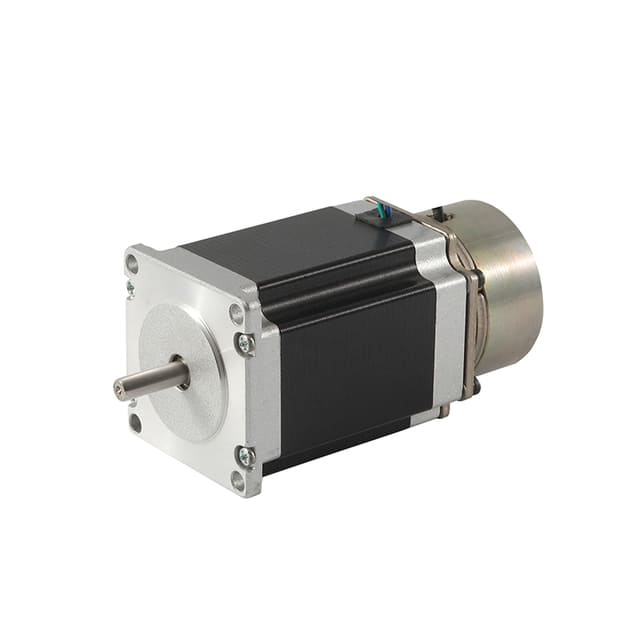
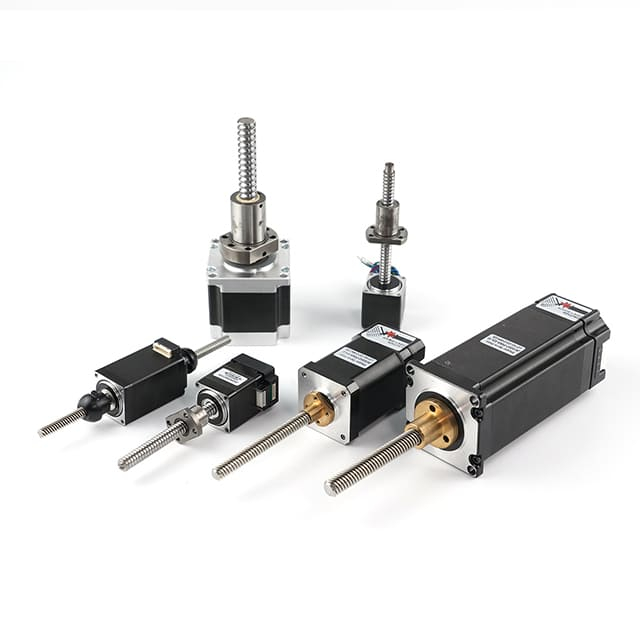
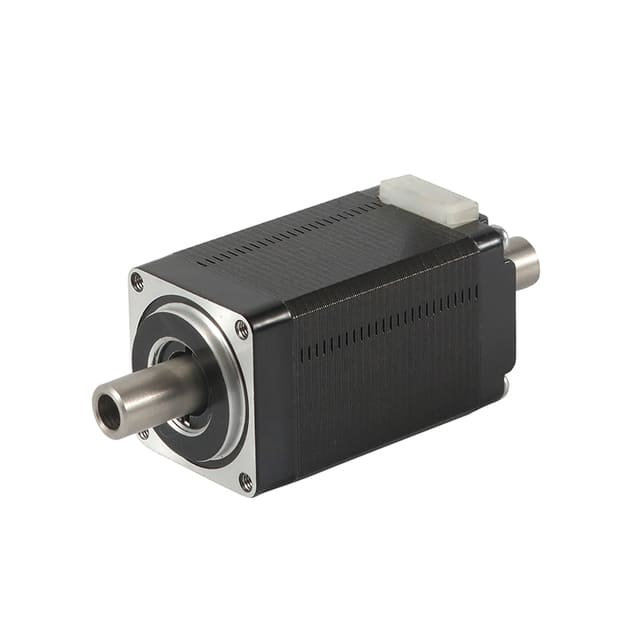
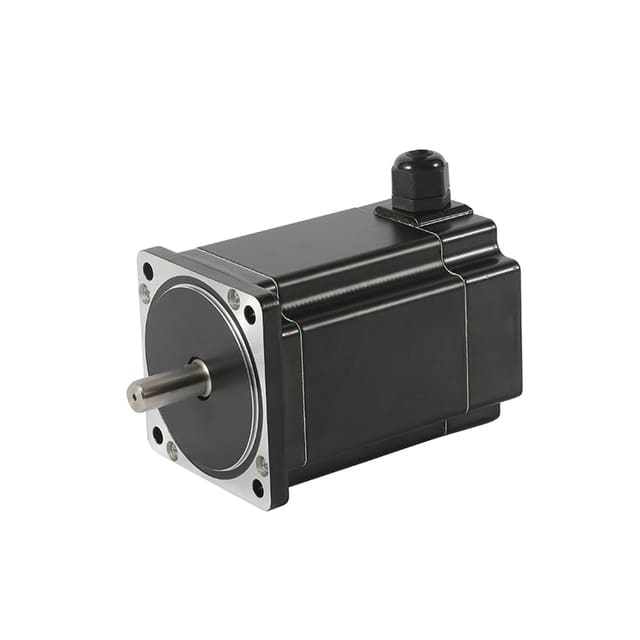
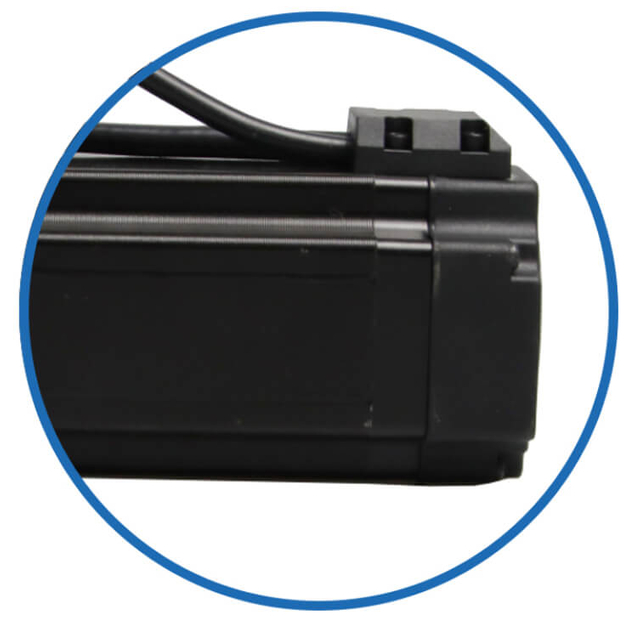
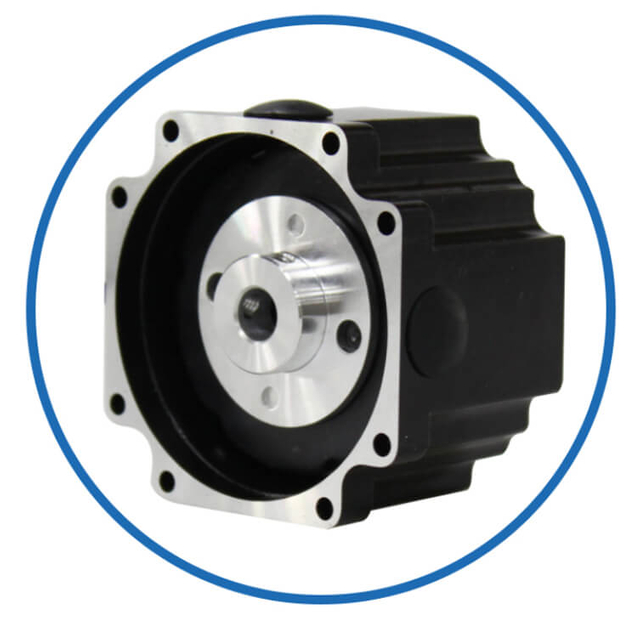
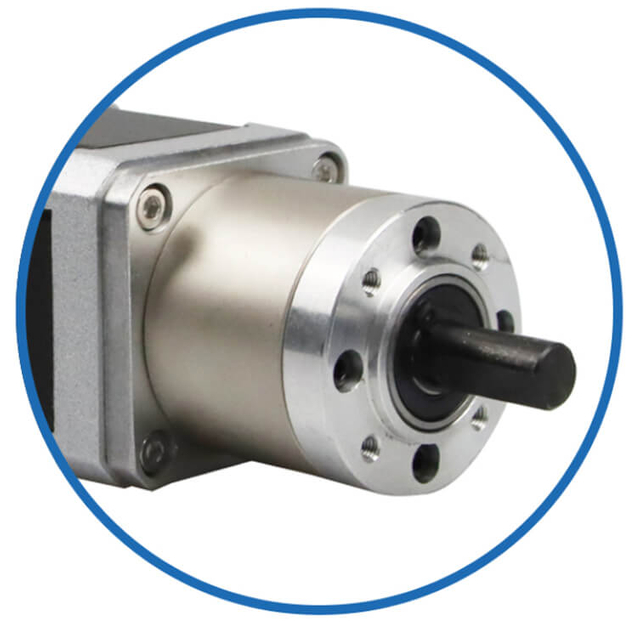
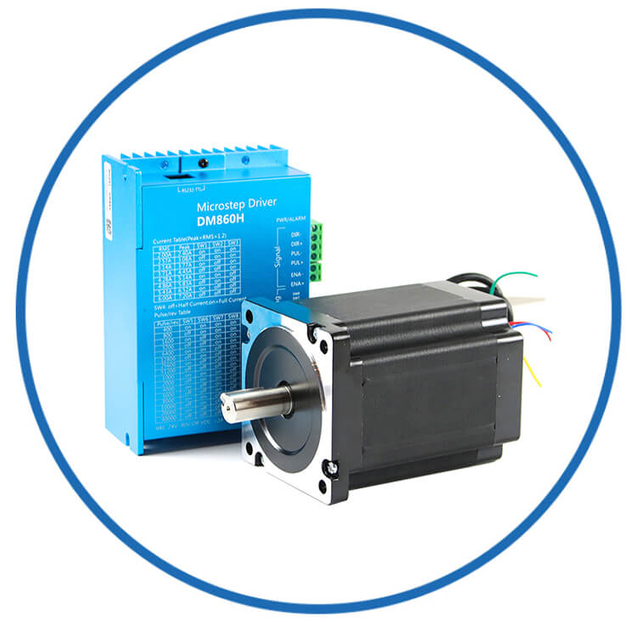
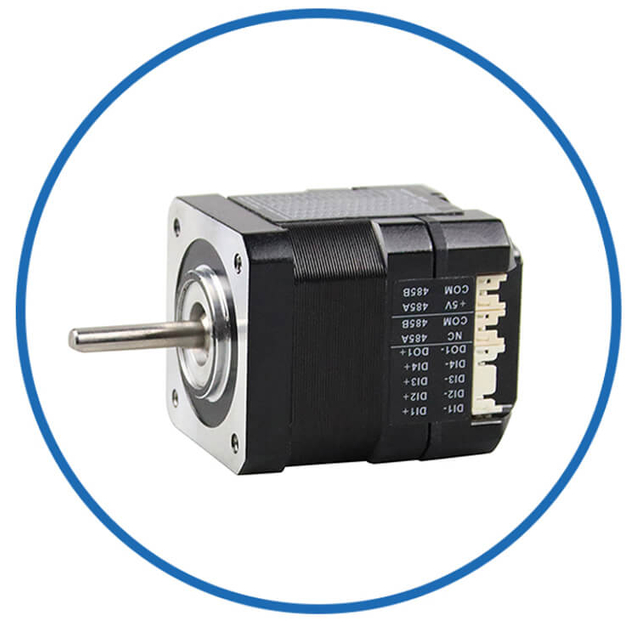
As a professional brushless dc motor manufacturer with 13 years in china, Jkongmotor offer various bldc motors with customized requirements, including 33 42 57 60 80 86 110 130mm, additionally, gearboxes, brakes, encoders, brushless motor drivers and integrated drivers are optional.
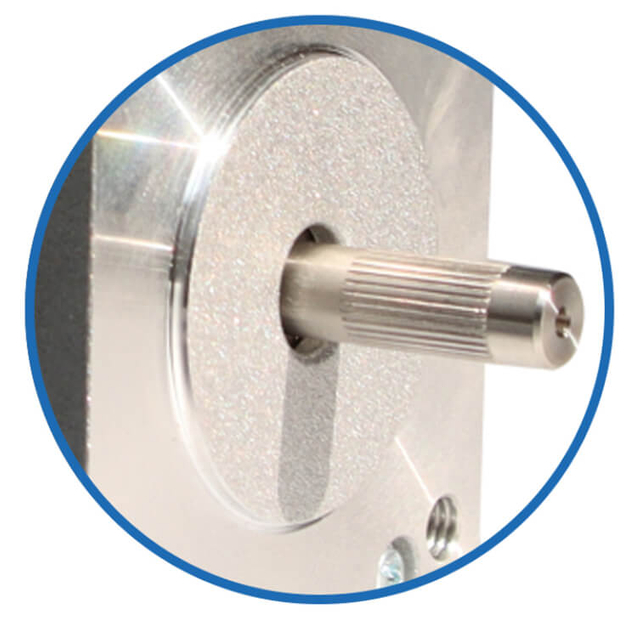
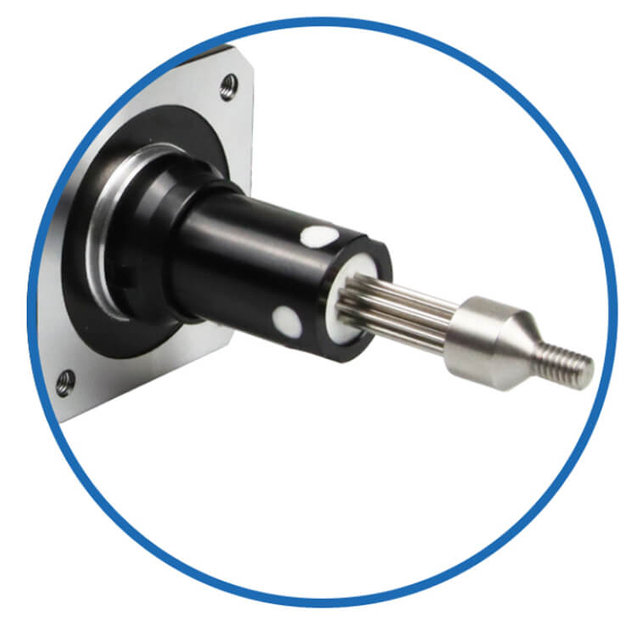
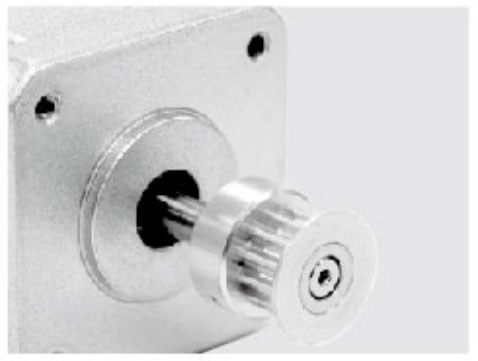
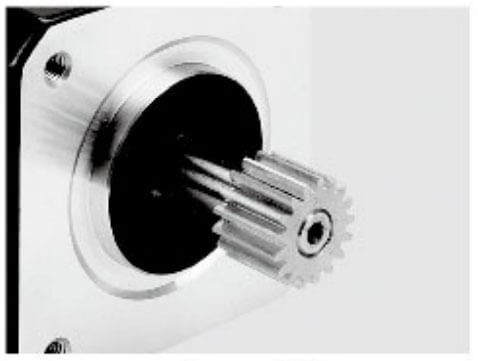
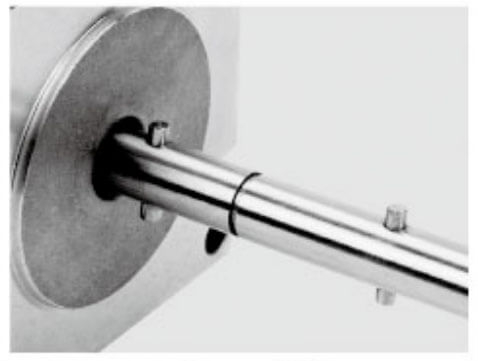
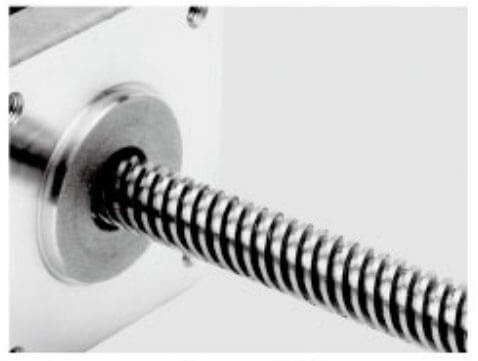
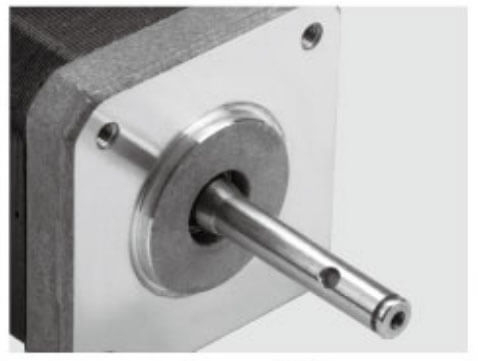
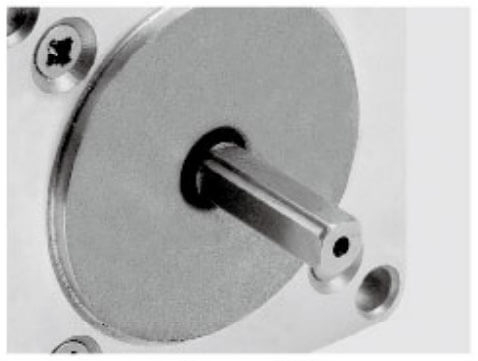
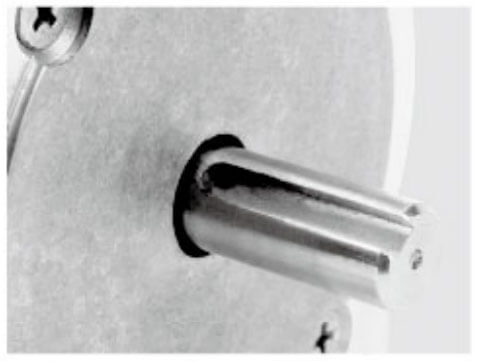
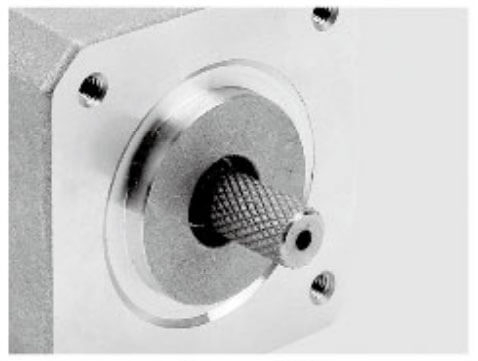
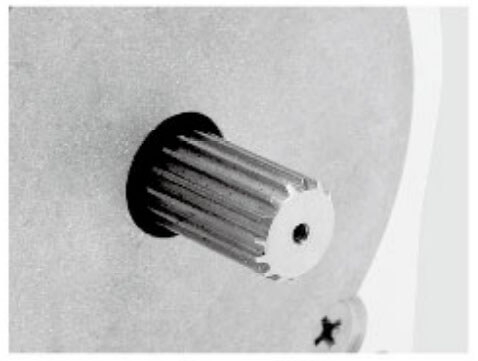
Jkongmotor offer many different shaft options for your motor as well as customizable shaft lengths to make the motor fit your application seamlessly.
High Positioning Accuracy Without Complex Feedback
Sorting machines rely on repeatable, exact positioning to ensure diverters, gates, robotic arms, and conveyors place items into the correct channels. Hybrid stepper motors offer:
Standard step angles of 1.8° or 0.9°
Excellent step-to-step accuracy
Consistent repeatability over millions of cycles
This enables precise control of sorting mechanisms without mandatory encoders, reducing system complexity while maintaining reliable positioning performance.
Strong Torque at Low and Medium Speeds
Most sorting actions occur in low-to-mid speed ranges where instant torque delivery is more important than extreme top speed. Hybrid stepper motors excel in this zone by providing:
High holding torque for stable gate positioning
Strong pull-out torque for rapid start-stop motion
Immediate full torque at zero speed
This makes them ideal for operating diverters, pushers, and indexing platforms that must move loads quickly, accurately, and repeatedly.
Fast Response for High-Cycle Operation
Sorting machines perform thousands of motion cycles per hour. Hybrid stepper motors are designed for rapid acceleration and deceleration, enabling:
Their low rotor inertia and optimized magnetic structure allow them to respond instantly to control pulses, supporting high-throughput sorting environments.
Excellent Compatibility with Digital Control Systems
Hybrid stepper motors integrate seamlessly with:
They support pulse/direction, Modbus, CANopen, and EtherCAT-based control architectures, making them easy to embed into new or existing sorting machine platforms. This compatibility simplifies system design and accelerates machine commissioning.
Smooth Motion with Microstepping Technology
Modern sorting machines often handle fragile, lightweight, or high-value products. Hybrid stepper motors paired with digital microstepping drivers provide:
This smooth operation protects products, minimizes wear on mechanical parts, and improves overall system stability.
High Reliability in Continuous-Duty Environments
Sorting equipment typically runs in 24/7 logistics, food processing, and manufacturing operations. Hybrid stepper motors are engineered for continuous use, offering:
Their simple mechanical construction and brushless design reduce failure points, supporting long service life and low maintenance requirements.
Flexible Power and Frame Size Options
Hybrid stepper motors are available across a wide range of:
This allows designers to scale sorting machines easily—from compact tabletop systems to heavy-duty industrial sorting lines—while maintaining a common control and integration philosophy.
Cost-Effective Performance Advantage
Compared to full servo systems, hybrid stepper motors provide:
Lower acquisition cost
Simpler control architecture
Reduced commissioning time
High usable torque without tuning complexity
This balance of performance and cost makes hybrid stepper motors especially attractive for sorting machines that require precision and reliability without excessive system expense.
Upgrade Path to Closed-Loop Operation
When sorting accuracy requirements increase, hybrid stepper motors can be paired with encoders to create closed-loop stepper systems, delivering:
Real-time position verification
Automatic correction of missed steps
Higher usable torque
Improved energy efficiency
This flexibility allows machine builders to enhance performance without redesigning the entire motion platform.
Conclusion
Hybrid stepper motors are ideal for sorting machines because they combine precise positioning, strong low-speed torque, fast dynamic response, and industrial-grade reliability in a cost-efficient and highly adaptable package. Their ability to operate accurately in high-cycle, start-stop environments makes them a natural fit for the mechanical and operational realities of modern sorting equipment.
Torque is the most critical parameter. We evaluate it across three operating zones:
1. Holding Torque
The motor must resist external forces when the mechanism is stationary. Sorting arms, flaps, and diverters often hold loads at an angle, requiring sufficient static holding torque with a safety margin.
2. Pull-Out Torque
During rapid acceleration and deceleration, the motor must maintain synchronism. We analyze load inertia, friction coefficients, transmission ratios, and peak acceleration to determine the required dynamic torque curve.
3. Continuous Running Torque
High-throughput sorting machines operate non-stop. The selected hybrid stepper motor must deliver stable torque at operating speed without overheating.
We always recommend selecting a motor where the working point sits at 50–70% of the available torque curve, ensuring long-term stability and thermal safety.
Sorting machines emphasize fast response over ultra-high speed, but modern systems often exceed 600–1200 RPM during indexing.
We evaluate:
Hybrid stepper motors with low rotor inertia and optimized magnetic circuits provide superior performance in frequent start-stop applications. When higher speeds are required, we prioritize low-inductance windings and high-voltage digital drivers to extend the usable torque band.
Positioning precision directly affects sorting accuracy and product handling quality.
1.8° step angle (200 steps/rev) suits most standard diverter and conveyor applications
0.9° step angle (400 steps/rev) supports finer indexing, smoother motion, and reduced vibration
When paired with microstepping drivers, hybrid stepper motors can achieve thousands of positions per revolution, ensuring:
Accurate bin alignment
Reduced mechanical shock
Lower acoustic noise
For high-speed optical or weight-based sorting systems, we often recommend 0.9° motors with 8–32 microsteps for maximum motion refinement.
In sorting machines, motion performance is defined not only by the motor itself, but by how effectively it is matched to the load characteristics and mechanical structure. Proper mechanical integration ensures that a hybrid stepper motor can deliver its full advantages in precision, speed, stability, and service life. A thorough evaluation of load behavior and transmission design is therefore essential.
Understanding the Nature of the Load
Sorting systems typically involve intermittent motion with rapid reversals, which creates complex load conditions. Common load types include:
Rotating diverter arms and flaps
Linear pushers and sliders
Indexing wheels and star mechanisms
Conveyor-driven sorting gates
Each introduces a combination of inertia, friction, gravitational torque, and impact forces. We classify these loads into:
Inertial loads – mass and rotational inertia of moving components
Resistive loads – friction, belt tension, and bearing resistance
External loads – product weight, side forces, and shock loads
Accurate identification of these elements allows precise calculation of required dynamic torque and mechanical safety margins.
Inertia Matching and Dynamic Stability
One of the most critical mechanical considerations is the inertia ratio between the load and the motor rotor. Excessive load inertia reduces acceleration capability and increases the risk of step loss.
Best practice for hybrid stepper motors in sorting machines is:
Load inertia ≤ 5–10× motor rotor inertia for high-speed, high-cycle operation
Lower ratios when rapid acceleration or frequent reversals are required
If the load inertia is high, we integrate gearboxes, belt reductions, or lead screw mechanisms to improve the effective inertia match. Proper inertia tuning improves:
Acceleration performance
Positioning stability
Vibration suppression
Motor thermal behavior
Torque Transmission and Mechanical Interfaces
Hybrid stepper motors in sorting machines are typically coupled through:
Each interface introduces efficiency losses, compliance, and backlash. We select mechanical components with:
Flexible couplings are used to compensate for minor misalignments, while avoiding excessive elasticity that can cause position lag and oscillation.
Radial and Axial Load Management
Sorting mechanisms often impose side loads and thrust forces on the motor shaft. Examples include:
Hybrid stepper motors are primarily designed for torque transmission, not structural load bearing. We therefore:
Limit direct radial and axial loads on the motor shaft
Use external support bearings when overhung loads are unavoidable
Ensure couplings and pulleys are properly aligned and balanced
Correct load management protects motor bearings, reduces vibration, and significantly extends operational life.
Structural Rigidity and Mounting Accuracy
Mechanical rigidity determines whether motor precision can be translated into actual system accuracy. Weak frames or misaligned mounts introduce:
We integrate hybrid stepper motors onto machined, vibration-resistant mounting surfaces, ensuring:
High structural stiffness improves the system’s ability to handle rapid acceleration and deceleration cycles typical in sorting machines.
Shock Loads and Repetitive Impact Resistance
Sorting machines frequently experience sudden load changes, such as when products strike diverters or stop abruptly. Mechanical design must absorb these effects without transferring destructive forces to the motor.
Effective strategies include:
Cam profiles that soften engagement
Elastomer dampers or buffers
Optimized motion curves from the controller
By controlling impact energy mechanically, we reduce peak torque spikes, protect the hybrid stepper motor, and improve long-term stability.
Backlash Control and Position Integrity
Position errors in sorting machines often originate from mechanical play rather than motor inaccuracy. To preserve the inherent precision of hybrid stepper motors, we prioritize:
Low-backlash gearboxes
Preloaded ball screws
Tensioned timing belts
Anti-backlash couplings
Minimizing backlash ensures that each commanded step results in immediate, predictable movement, which is essential for reliable product sorting.
Thermal and Expansion Considerations
Continuous-duty operation causes temperature rise in both motors and mechanical assemblies. Differential thermal expansion can affect alignment and load distribution.
We account for:
Mechanical designs that allow controlled expansion maintain stable shaft alignment and consistent belt tension, protecting both the hybrid stepper motor and transmission components.
Maintenance Accessibility and Service Integration
Sorting machines are production-critical assets. Mechanical integration must support:
We design mounting and coupling layouts that allow service access without disturbing system calibration, ensuring minimal downtime and predictable maintenance cycles.
Conclusion
Load characteristics and mechanical integration define how effectively a hybrid stepper motor performs in a sorting machine. By engineering the system around accurate load analysis, inertia matching, rigid mounting, controlled transmission interfaces, and shock-resistant structures, we ensure that motor precision is fully converted into reliable, high-speed, long-term sorting performance.
Sorting machines operate in 24/7 production environments. Thermal stability is therefore non-negotiable.
We evaluate:
Rated current and phase resistance
Temperature rise under continuous load
Cooling method (natural convection or forced air)
Insulation class and magnet temperature limits
Hybrid stepper motors designed for sorting equipment should feature:
We always validate that the motor can sustain the entire operating profile without exceeding 80% of its maximum rated temperature rise.
Sorting machines operate in a wide range of industrial environments, many of which expose motion components to dust, moisture, temperature variation, vibration, and chemical agents. The long-term performance of a hybrid stepper motor depends not only on its electrical and mechanical design, but also on how well it is protected against these external influences. Environmental and protection considerations therefore play a decisive role in motor selection and system reliability.
Dust, Particles, and Contamination Control
Logistics centers, recycling facilities, food processing plants, and packaging lines often generate airborne dust, fibers, powders, and debris. These contaminants can infiltrate motors and cause:
For such conditions, hybrid stepper motors should feature:
Sealed housings and end caps
Protected shaft exits with oil seals
Higher ingress protection ratings (IP54, IP65, or above)
In heavy-contamination environments, fully enclosed or IP65-rated motors significantly improve service life and operational stability.
Moisture, Washdown, and Humidity Exposure
Many sorting machines operate in cold-chain logistics, food handling, pharmaceutical packaging, or outdoor facilities, where moisture exposure is unavoidable. Water ingress can lead to corrosion, insulation breakdown, and short circuits.
We address these risks by selecting hybrid stepper motors with:
Moisture-resistant coatings
Stainless steel or treated shafts
Sealed connectors and molded cable exits
IP65 or IP67 protection where washdown is required
In high-humidity environments, motors with internal anti-corrosion treatments and sealed bearings maintain stable electrical and mechanical performance over long operating periods.
Temperature Range and Thermal Resilience
Sorting machines may function in refrigerated warehouses, hot production halls, or near heat-generating equipment. Hybrid stepper motors must maintain torque stability and insulation integrity across the expected temperature range.
Environmental evaluation includes:
We select motors with:
Appropriate insulation class (B, F, or H)
High-temperature magnet systems
Optimized stator designs for efficient heat dissipation
This ensures that continuous-duty sorting operations remain reliable even under thermal stress conditions.
Chemical Resistance and Corrosion Protection
In food processing, pharmaceutical, and recycling sorting lines, motors may encounter cleaning agents, oils, solvents, and corrosive vapors. Unprotected motors can suffer from surface corrosion, seal degradation, and connector failure.
Protective strategies include:
Epoxy-coated housings
Anodized or nickel-plated components
Stainless steel mechanical interfaces
Chemical-resistant seals and gaskets
These features preserve both structural integrity and electrical safety in chemically aggressive environments.
Vibration and Mechanical Shock Resistance
Sorting machines generate continuous vibration due to rapid indexing, product impact, and conveyor dynamics. Motors must withstand these stresses without degradation.
Hybrid stepper motors designed for industrial sorting systems incorporate:
Enhanced vibration resistance prevents loosening, insulation wear, and encoder instability, ensuring consistent performance over high-cycle operation.
Electrical Noise and EMC Protection
Modern sorting machines integrate sensors, vision systems, PLCs, and networked drives. Environmental electromagnetic interference can disrupt both motor and control electronics.
We account for:
Hybrid stepper motors used in sensitive environments are often paired with low-noise drives and shielded feedback systems, protecting signal integrity and system stability.
Ingress Protection Rating Selection
The IP rating defines the motor’s ability to resist solids and liquids. Typical sorting machine environments require:
IP54 – protection against dust and splashing water
IP65 – full dust protection and low-pressure water jets
IP67 – temporary immersion resistance
Selecting the appropriate IP level ensures that the hybrid stepper motor remains operational without unnecessary cost or overengineering.
Compliance and Safety Requirements
Industrial sorting machines must meet regulatory and operational safety standards. Motor environmental suitability contributes directly to system compliance.
We prioritize motors that support:
Environmental protection is not only a durability factor, but also a certification and market-access requirement.
Conclusion
Environmental and protection considerations determine whether a hybrid stepper motor will perform reliably beyond laboratory conditions. By selecting motors with appropriate sealing, corrosion resistance, thermal capacity, vibration tolerance, and EMC protection, we ensure that sorting machines operate with maximum uptime, stable accuracy, and long service life, regardless of the industrial environment in which they are deployed.
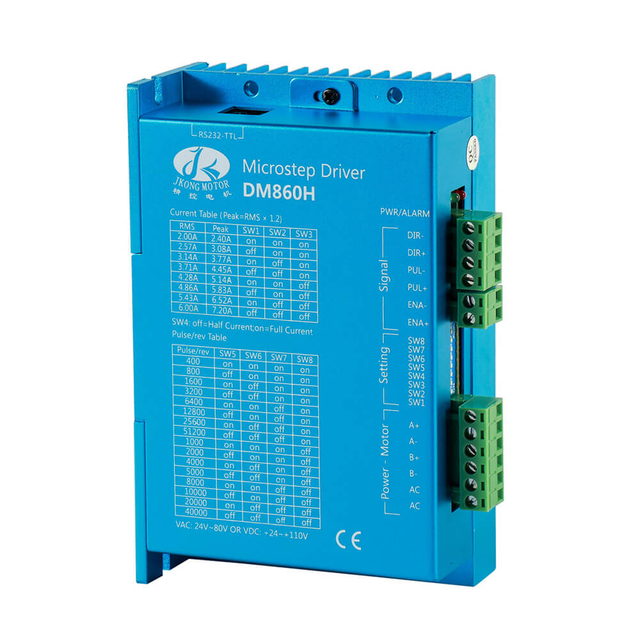
The performance of a hybrid stepper motor depends heavily on its driver electronics.
We ensure:
Voltage headroom to maintain torque at speed
Current regulation precision for thermal stability
Advanced microstepping algorithms for smooth motion
Pulse/direction or fieldbus compatibility with PLC and industrial controllers
For high-speed sorting machines, we prioritize:
Digital closed-loop stepper drivers
Anti-resonance and vibration suppression technology
Real-time current optimization
The correct driver not only improves motion quality but also extends motor life and improves energy efficiency.
Open-Loop vs Closed-Loop OEM/ODM Hybrid Stepper Motor Solutions
In sorting machine design, one of the most important motion control decisions is whether to use open-loop or closed-loop hybrid stepper motors. Both technologies are built on the same hybrid stepper motor platform, but they differ fundamentally in how they manage position accuracy, load variation, and fault prevention. Understanding these differences allows system designers to align performance, reliability, and cost with the operational demands of the sorting application.
Open-Loop Hybrid Stepper Motors
Open-loop hybrid steppers operate without position feedback. The controller sends step pulses, and the motor moves according to the commanded sequence, assuming the motor remains synchronized with the load.
Key Characteristics
No encoder or feedback device
Simple control architecture
Deterministic positioning based on pulse input
Lower system cost and easier integration
Advantages in Sorting Machines
Open-loop systems are widely used in sorting machines where loads are predictable and properly engineered. Their strengths include:
High positioning repeatability when torque margins are sufficient
Immediate holding torque for stable diverter and gate positioning
Straightforward PLC and drive integration
Low commissioning and maintenance requirements
In light-to-medium duty sorting machines, such as parcel sorters, tabletop classification units, and packaging diverters, open-loop hybrid stepper motors provide excellent precision at an optimized cost structure.
Limitations
Open-loop operation assumes the motor never loses steps. Under extreme conditions—such as sudden jams, excessive acceleration, or unexpected product impact—the motor may stall without detection. This can lead to:
For this reason, open-loop steppers require careful torque sizing and conservative safety margins.
Closed-Loop Hybrid Stepper Motors
Closed-loop hybrid steppers integrate a rotary encoder and a feedback-enabled drive that continuously monitors rotor position. The controller actively corrects deviations between commanded and actual position.
Key Characteristics
Real-time position feedback
Automatic current and torque adjustment
Active stall detection and correction
Servo-like reliability with stepper architecture
Advantages in Sorting Machines
Closed-loop hybrid stepper systems are increasingly adopted in high-performance sorting machines because they offer:
Guaranteed positioning accuracy under variable loads
No loss of synchronism during acceleration spikes
Reduced heat generation through adaptive current control
Higher usable torque across the speed range
Immediate fault reporting to the control system
In complex sorting environments—such as high-speed logistics lines, vision-guided sorting platforms, and multi-axis diverter systems—closed-loop hybrid steppers provide superior operational security and motion stability.
Limitations
Closed-loop systems involve:
However, in critical sorting operations, these factors are outweighed by reduced downtime risk and improved process integrity.
Performance Comparison in Sorting Applications
| Performance Aspect | Open-Loop Hybrid Stepper | Closed-Loop Hybrid Stepper |
| Position Verification | Not available | Real-time encoder feedback |
| Resistance to Load Disturbance | Moderate | High |
| Risk of Missed Steps | Present under overload | Actively corrected |
| Thermal Efficiency | Constant current | Adaptive current, lower heat |
| Dynamic Response | Good | Excellent |
| System Cost | Lower | Moderate |
| Reliability in High-Speed Sorting | Application-dependent | High |
Application-Based Selection Guidance
We align the choice between open-loop and closed-loop hybrid steppers with the operational criticality of the sorting machine.
Open-loop systems are ideal when:
Load conditions are stable and well-defined
Torque margins are generous
Occasional homing cycles are acceptable
System cost sensitivity is high
Closed-loop systems are recommended when:
Product flow is unpredictable
Missed steps cannot be tolerated
High acceleration and deceleration are required
Continuous operation with zero fault tolerance is expected
Integration and Scalability Benefits
Closed-loop hybrid steppers offer a powerful upgrade path. Sorting machines initially designed with open-loop motors can often be transitioned to closed-loop solutions using the same mechanical interface and mounting geometry, preserving existing system designs while significantly increasing reliability.
This scalability allows manufacturers to develop platform-based sorting machines that adapt easily to different throughput levels and industry requirements.
Conclusion
Open-loop hybrid stepper motors deliver cost-effective precision and simplicity for many standard sorting machines. Closed-loop hybrid steppers elevate this foundation with real-time feedback, fault immunity, and enhanced dynamic performance. By aligning system demands with the appropriate control architecture, sorting machine designers achieve the optimal balance between efficiency, reliability, and long-term operational stability.
Sorting machines often operate near human workspaces. Excessive noise and vibration reduce workplace quality and accelerate mechanical wear.
We mitigate these factors by selecting:
Low-cogging hybrid stepper motors
0.9° step designs
High-resolution microstepping drivers
Mechanically balanced rotors
Smooth motion not only improves ergonomics but also protects delicate products and enhances sorting accuracy.
Quality, Certifications & OEM/ODM Supplier Evaluation for Hybrid Stepper Motors
The final decision goes beyond datasheets. We assess manufacturers based on:
Process control and winding consistency
Torque curve verification
Thermal testing capability
ISO-certified quality systems
For industrial sorting machines, we favor hybrid stepper motors that meet or support:
A stable motor supply chain ensures consistent machine performance across production runs.
We approach cost as a lifecycle investment, not a unit price.
A correctly selected hybrid stepper motor reduces:
Energy consumption
Downtime risk
Mechanical wear
Maintenance frequency
By aligning torque, thermal margins, and driver capability precisely to the sorting application, we achieve maximum throughput at the lowest true operating cost.
Before finalizing a hybrid stepper motor for a sorting machine, we confirm:
Verified torque curve against real load profile
Sufficient speed margin with selected driver
Thermal compliance under continuous duty
Environmental protection level matched to workplace conditions
Mechanical compatibility with transmission system
Long-term availability and technical support
This disciplined approach ensures the motion system delivers precision, reliability, and performance scalability for years of continuous sorting operation.
Choosing the right hybrid stepper motor for a sorting machine requires a deep understanding of motion dynamics, thermal behavior, control integration, and environmental exposure. By engineering the selection process around real application data, we secure a motor solution that enhances sorting accuracy, cycle speed, equipment lifespan, and overall system efficiency.
FAQs about stepper motor for sorting machine
1. What is a hybrid stepper motor and why is it used in sorting machines?
A hybrid stepper motor combines features of permanent-magnet and variable reluctance designs for high precision and torque, making it suitable for repetitive, high-accuracy sorting tasks.
2. How do OEM & ODM customized hybrid stepper motors differ from standard motors?
OEM/ODM customization allows frame size, torque, shaft configuration, and environmental protection to be tailored to the specific sorting application.
3. Why is torque evaluation critical when choosing a hybrid stepper motor?
Torque determines a motor’s ability to start, accelerate, and hold position under load; accurate evaluation ensures reliable performance in high-cycle sorting machines.
4. What torque types should be considered for a sorting machine motor?
Holding torque, pull-out torque, and continuous running torque are all evaluated based on load inertia and motion profiles.
5. How does step angle affect sorting accuracy?
Smaller step angles (e.g., 0.9° vs 1.8°) increase positional resolution, improving the accuracy of indexing and diverter positioning.
6. What role does microstepping play in hybrid stepper motor systems?
Microstepping smooths motion, reduces vibration, and increases resolution, which is especially beneficial in fragile or high-speed sorting applications.
7. How do you match a hybrid stepper motor to its driver electronics?
Drivers are selected based on voltage headroom, current precision, microstepping capability, and compatibility with PLC or industrial control protocols.
8. What are the advantages of closed-loop hybrid stepper motors?
Closed-loop systems provide real-time position feedback, automatic torque adjustment, and active stall detection—improving reliability in complex sorting tasks.
9. When might an open-loop hybrid stepper motor be sufficient?
In stable, predictable sorting processes with well-defined loads, open-loop motors offer simplicity and cost efficiency.
10. Why is mechanical integration important for sorting machine motors?
Proper coupling, inertia matching, and minimal backlash ensure that motor precision translates to reliable machine motion.
11. How does thermal performance impact continuous operation?
Motors must maintain torque without overheating; insulation class and winding design play key roles in thermal stability.
12. What environmental factors should be considered for sorting machine motors?
Dust, moisture, temperature variation, vibration, and chemical exposure influence motor protection requirements like IP ratings and coatings.
13. How does vibration affect stepper motor performance?
Excessive vibration reduces precision and accelerates mechanical wear; selecting motors with balanced rotors and drivers with anti-resonance improves stability.
14. What certifications should OEM/ODM customized hybrid stepper motors have?
ISO, CE, and RoHS compliance ensure quality, safety, and environmental suitability for industrial sorting systems.
15. How can customization reduce total system cost?
Tailoring windings, torque margins, and driver compatibility avoids over-specification and lowers lifetime maintenance and downtime costs.
16. What frame sizes are common for sorting machine hybrid steppers?
Common sizes span from compact NEMA 11 up to industrial NEMA 42 configurations, depending on torque and speed requirements.
17. How do hybrid stepper motors maintain positional accuracy without encoders?
Their inherent magnetic structure and step resolution deliver repeatable motion; microstepping further improves smoothness.
18. What modifications can be made in OEM/ODM hybrid stepper motor designs?
Custom shafts, gearboxes, brakes, encoders, sealed housings, and connector types can be specified per application needs.
19. What control systems work with hybrid stepper motors in sorting machines?
PLCs, motion controllers, Modbus, CANopen, EtherCAT, and pulse/direction based drives are widely supported.
20. What is a final engineering checklist for selecting a hybrid stepper motor?
Verify torque curves vs real load, speed margins, thermal compliance, mechanical fit, environmental protection, and supplier support for long-term delivery.