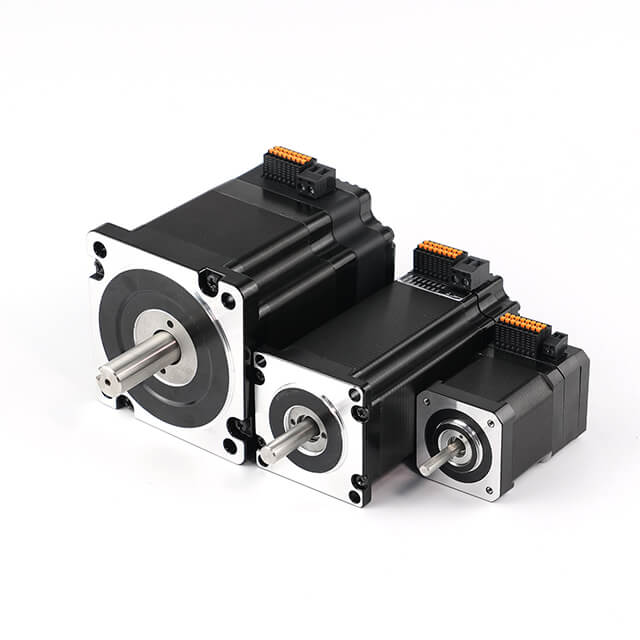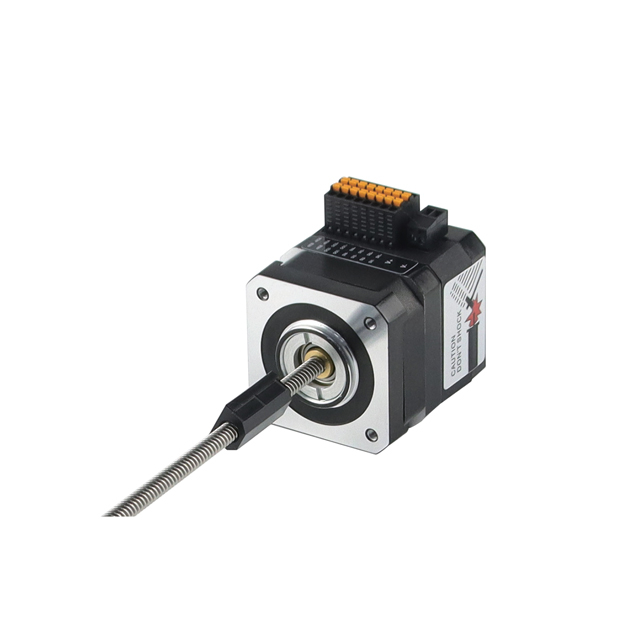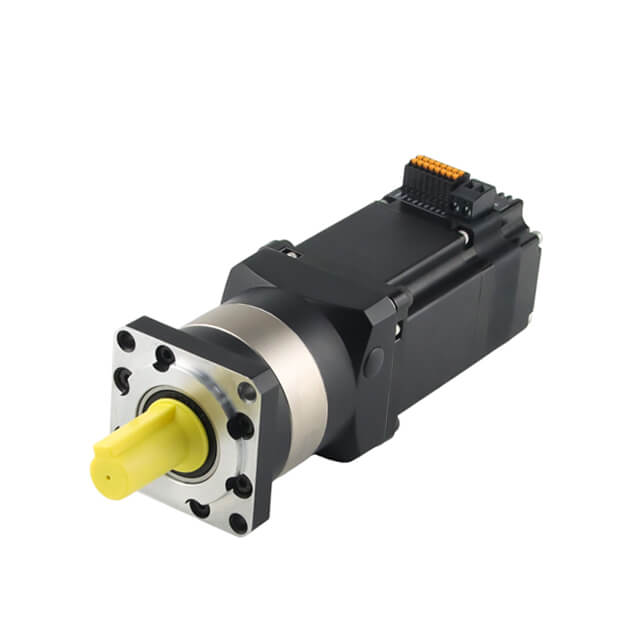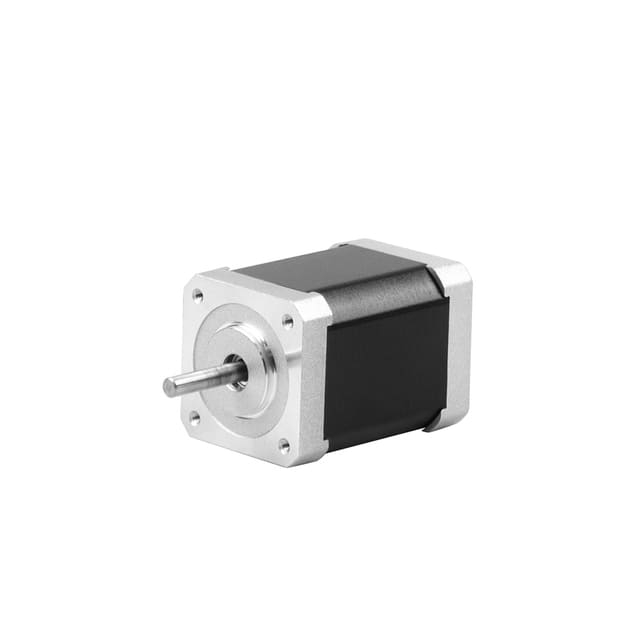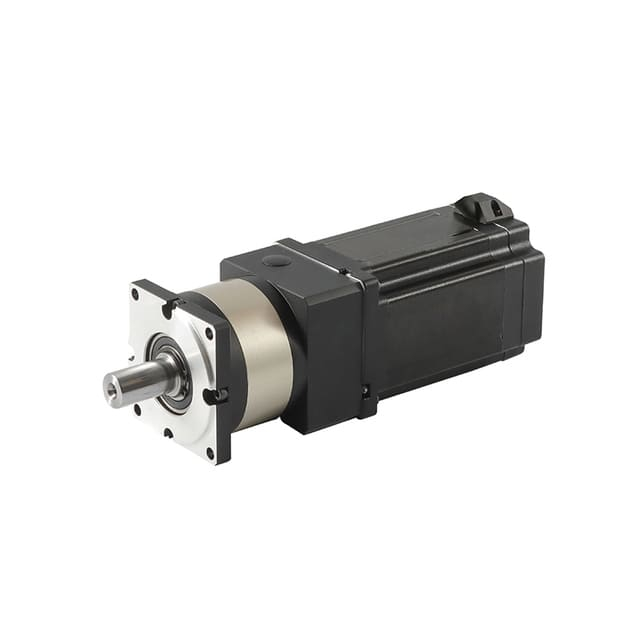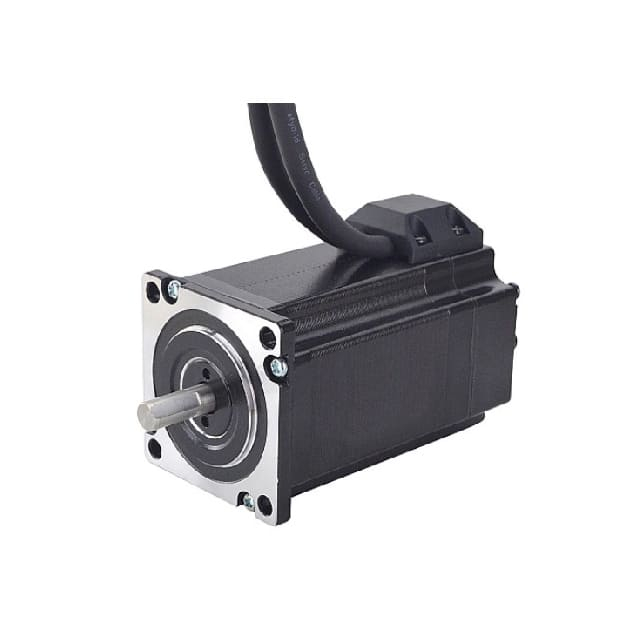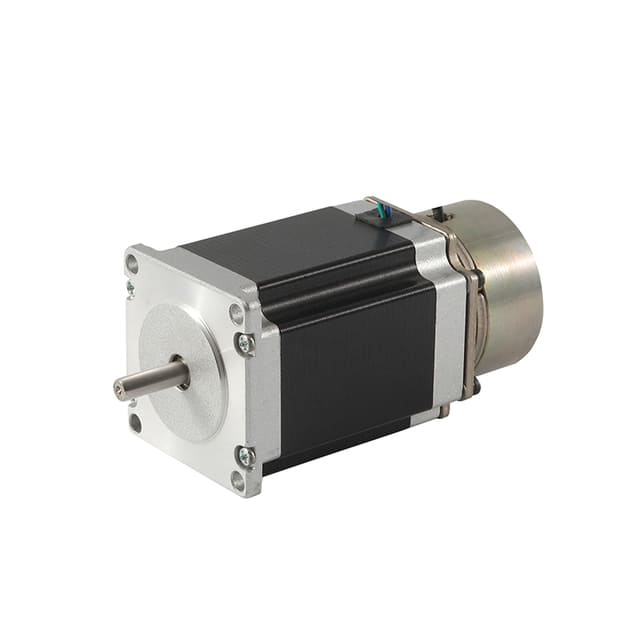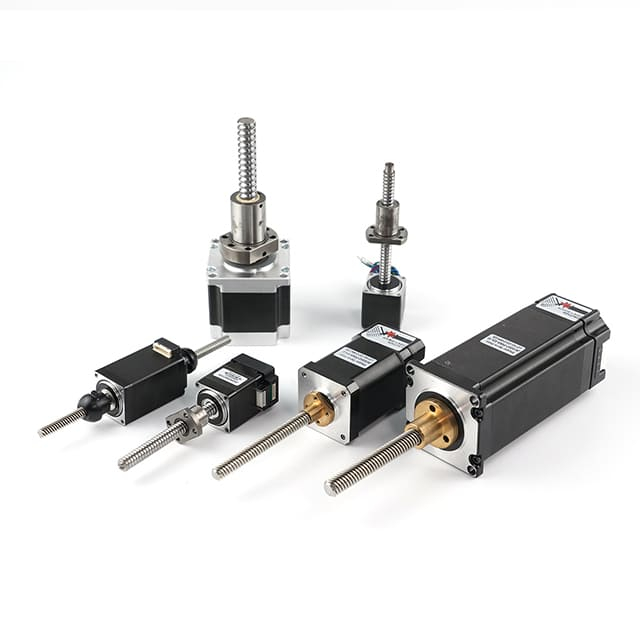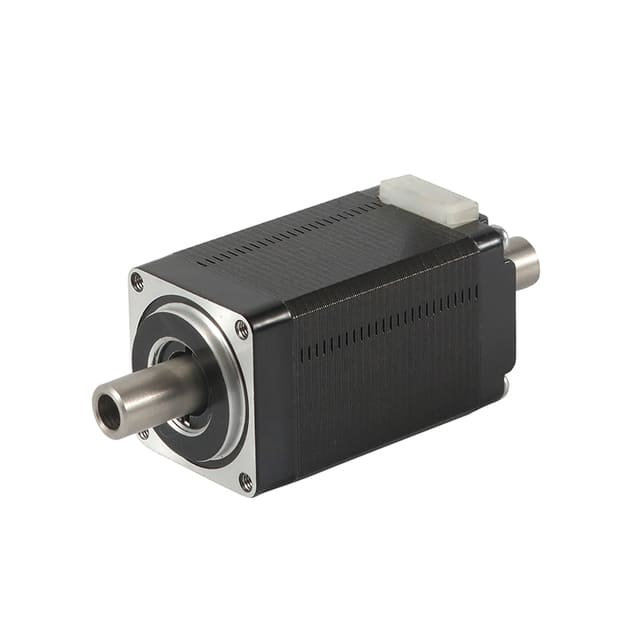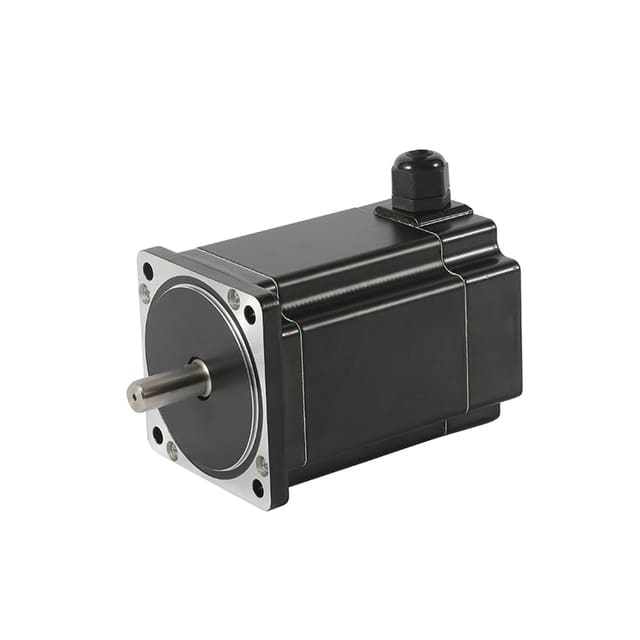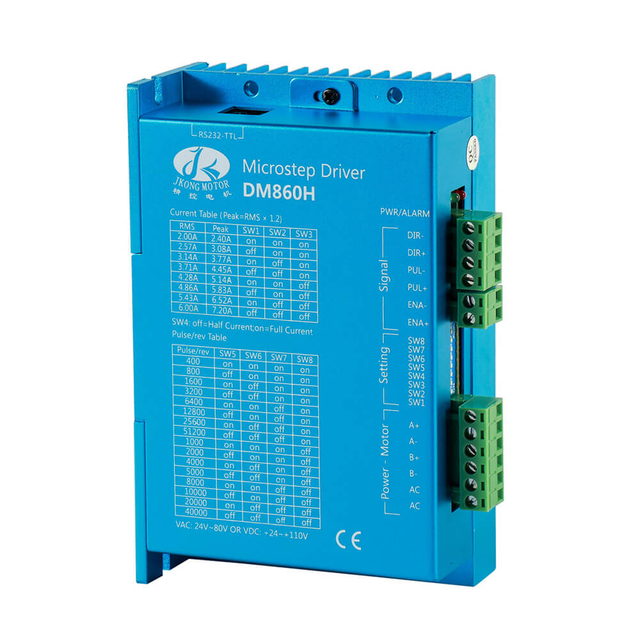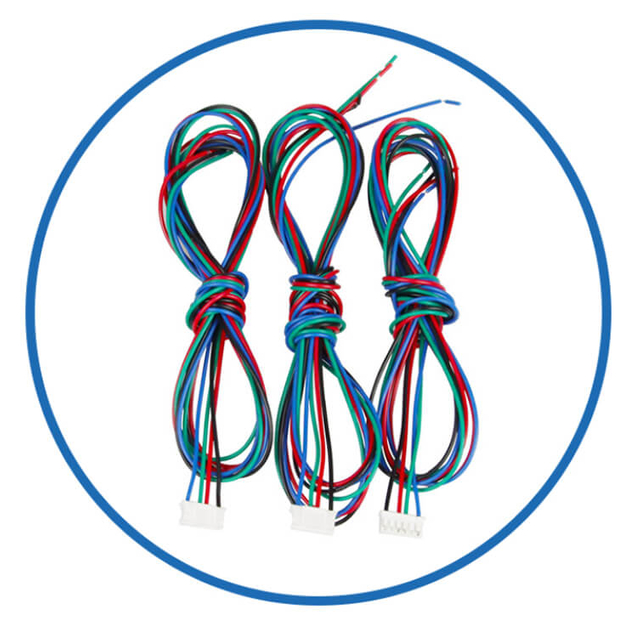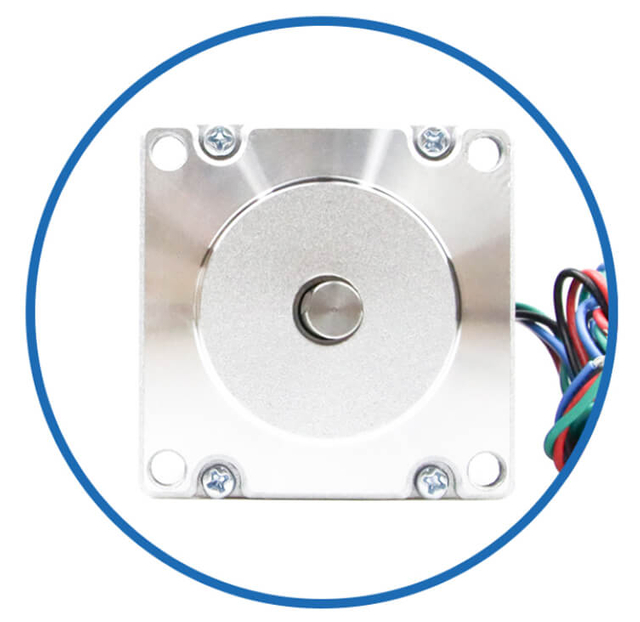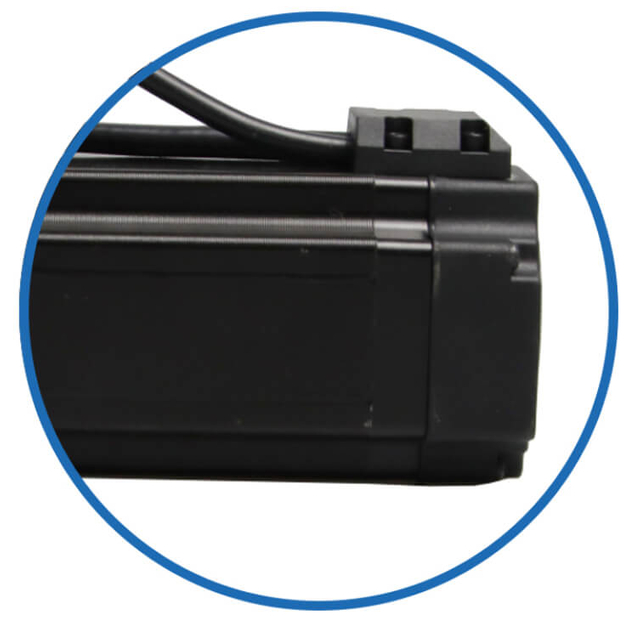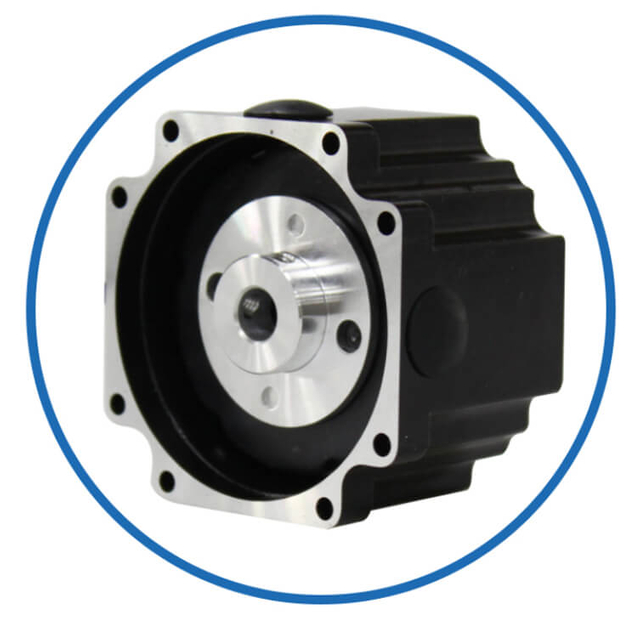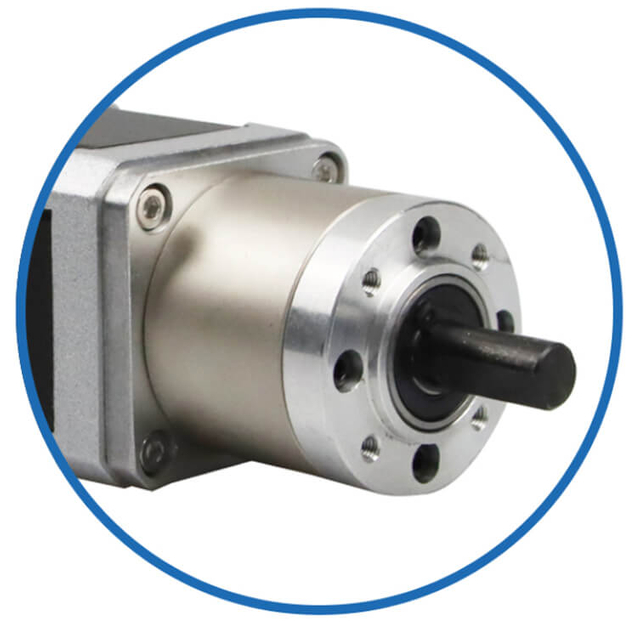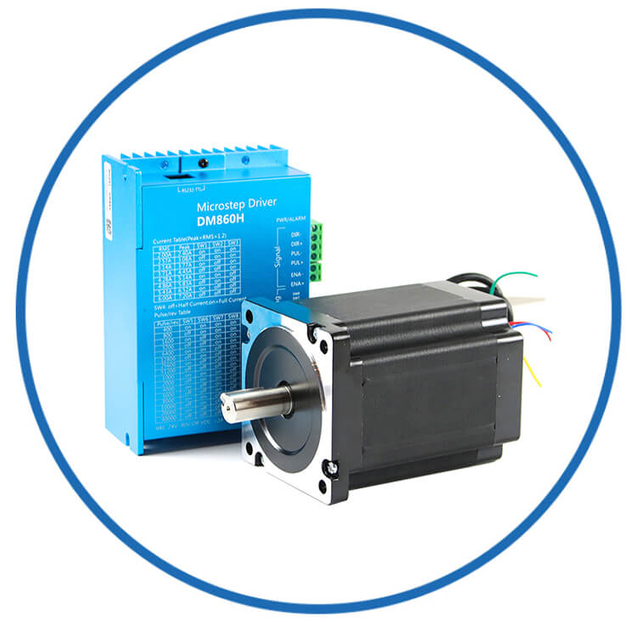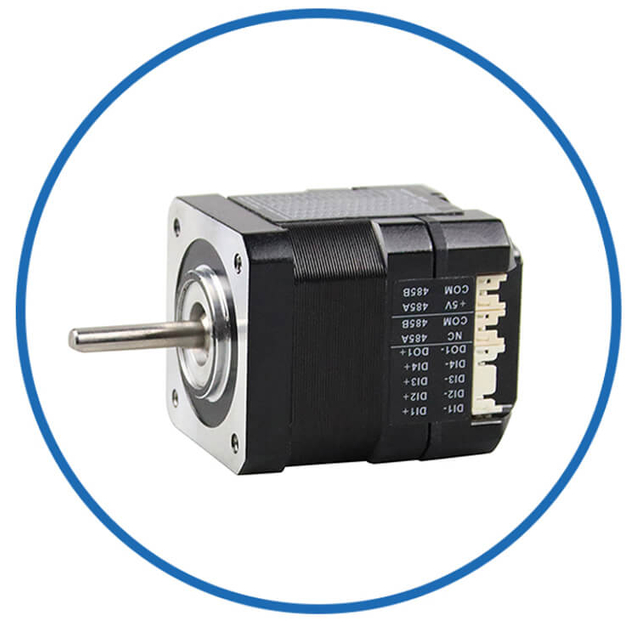
Stepper motors are widely used in medical devices because they provide precise, repeatable motion and reliable low-speed torque, making them ideal for equipment such as infusion pumps, imaging systems, and laboratory automation. With OEM/ODM customized solutions including tailored shafts, lead screws, gearboxes, and medical-grade options, factory capabilities can meet strict medical design, performance, and compliance requirements.
Stepper motors are widely used in the medical industry due to their high positioning accuracy, repeatability, reliability, and simple control. From medical imaging systems to infusion pumps and laboratory automation, stepper motors play a crucial role in ensuring precise and safe operation of modern medical devices.
This article provides a comprehensive overview of stepper motor applications in the medical field, explaining why they are preferred and how they support critical healthcare equipment.
Customized Stepper Motor Types for Heavy Load Industry Applications
Customized Stepper Motor Service & Integration for Heavy Load Industry
As a professional brushless dc motor manufacturer with 13 years in china, Jkongmotor offer various bldc motors with customized requirements, including 33 42 57 60 80 86 110 130mm, additionally, gearboxes, brakes, encoders, brushless motor drivers and integrated drivers are optional.
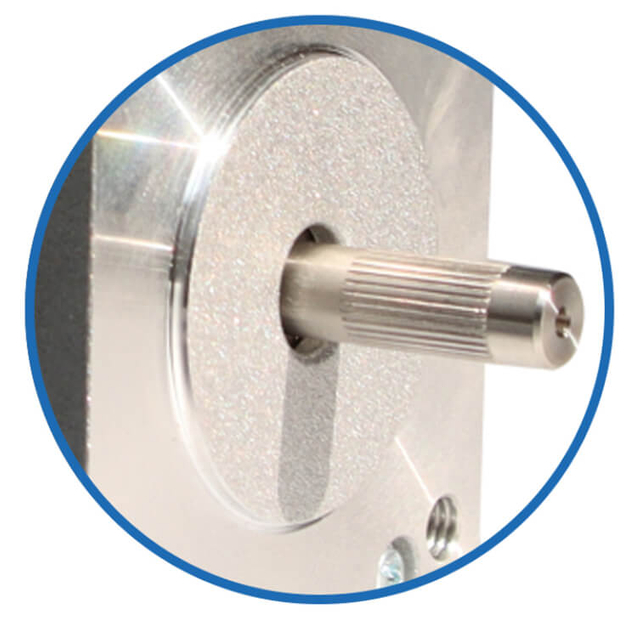
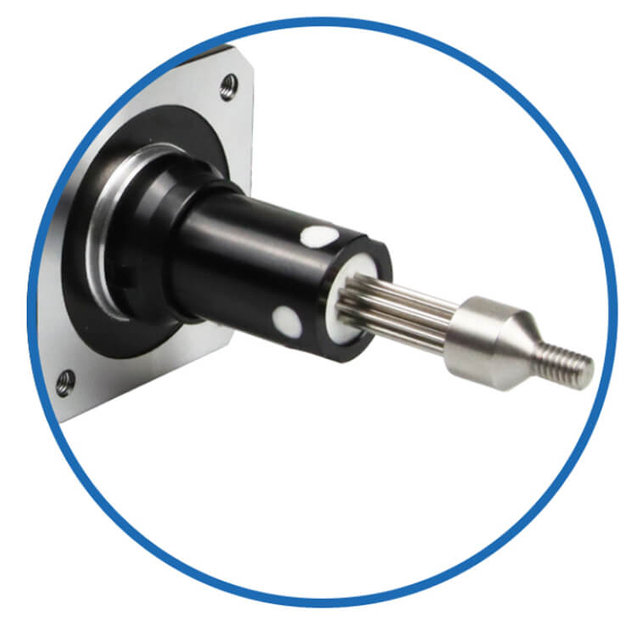
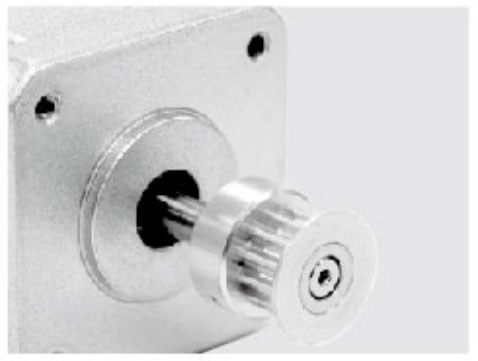
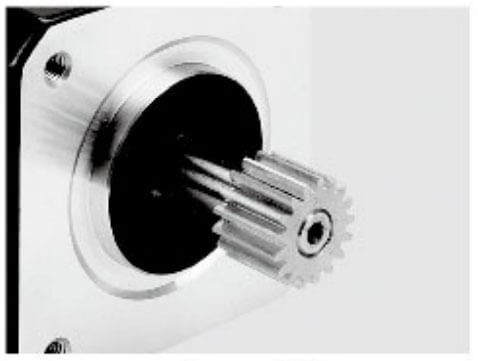
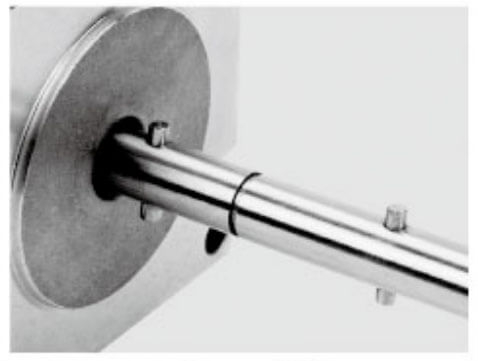
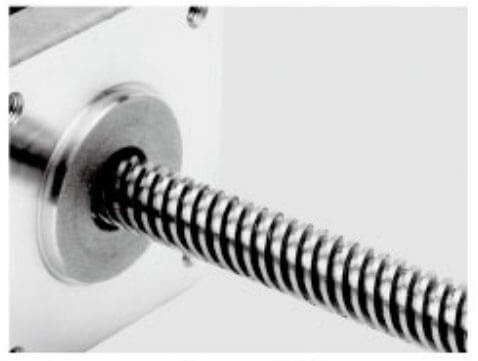
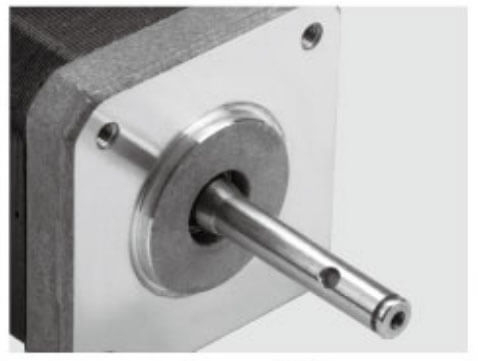
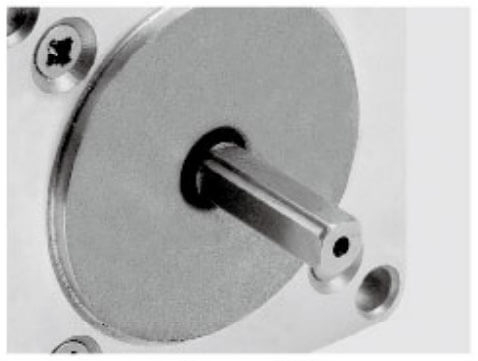
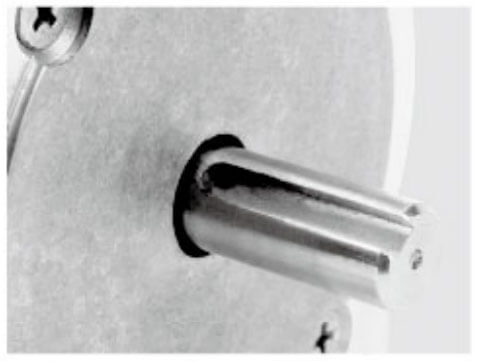
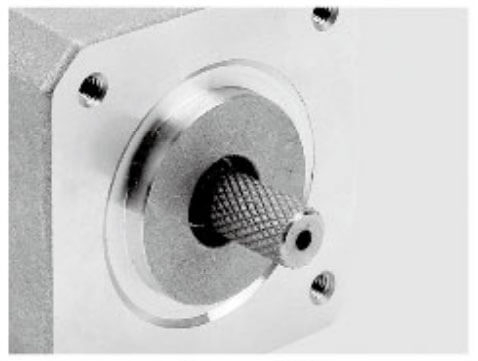
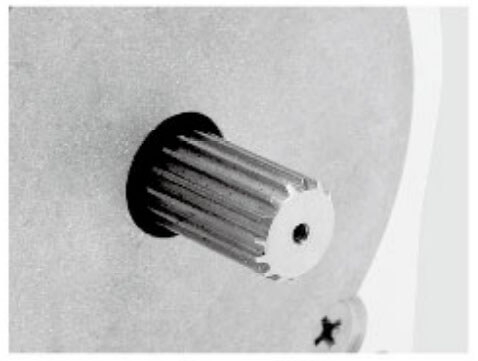
Jkongmotor offer many different shaft options for your motor as well as customizable shaft lengths to make the motor fit your application seamlessly.
Stepper motors are widely adopted in medical devices because they deliver precise, predictable, and reliable motion control while keeping system design simple and cost-effective. Medical applications place strict demands on accuracy, safety, and long-term stability, and stepper motors align closely with these requirements.
High Positioning Accuracy and Repeatability
Stepper motors move in fixed, discrete steps, allowing precise control of position and movement. Each command results in the same mechanical action, which is critical for medical devices such as infusion pumps, imaging tables, and laboratory automation systems where repeatable positioning directly affects patient safety and diagnostic accuracy.
Open-Loop Control Simplicity
Many medical applications can use stepper motors in open-loop control without encoders or feedback sensors. This reduces system complexity, lowers failure risk, and simplifies regulatory validation. Fewer components also mean higher reliability and easier maintenance, which are essential in clinical environments.
Excellent Low-Speed Torque
Medical equipment often operates at low speeds with high torque requirements, such as controlled fluid delivery or patient positioning. Stepper motors provide strong holding and running torque at low RPM, ensuring stable motion without overshoot or drift.
Predictable and Safe Motion Behavior
Stepper motors offer deterministic motion—engineers know exactly how far and how fast the motor will move. This predictability supports safer system design, especially in devices that interact directly with patients, including rehabilitation equipment and surgical positioning systems.
Compact Design and Easy Integration
Stepper motors are available in a wide range of sizes and configurations, making them suitable for compact medical devices. They integrate easily with lead screws, gearboxes, and linear actuators, supporting miniaturized and portable medical equipment designs.
Low Electromagnetic Interference
Many medical environments are sensitive to electromagnetic noise. Stepper motors generate low electromagnetic interference when properly driven, making them compatible with imaging systems, monitoring devices, and diagnostic equipment.
Cost-Effective Performance
Compared with servo systems, stepper motors deliver high positioning accuracy at a lower overall system cost. This makes them ideal for medical devices that require precision but do not need high-speed dynamic response, helping manufacturers control production and maintenance costs.
Long Service Life and Reliability
With a simple mechanical structure and no brushes, stepper motors offer long operational life and minimal wear. This reliability is critical for medical devices that must operate continuously or over long service intervals.
Support for Custom and OEM Medical Designs
Stepper motors can be easily customized for medical applications, including:
Integrated lead screws for linear motion
Hollow shafts for cable or fluid routing
Low-noise and low-vibration designs
Medical-grade insulation and materials
This flexibility makes stepper motors highly suitable for OEM and ODM medical device development.
Conclusion
Stepper motors are suitable for medical applications because they combine precision, reliability, safety, and cost efficiency in a simple and proven motion-control solution. Their predictable behavior, strong low-speed performance, and ease of integration make them a preferred choice across a wide range of medical devices, from infusion systems to diagnostic and laboratory equipment.
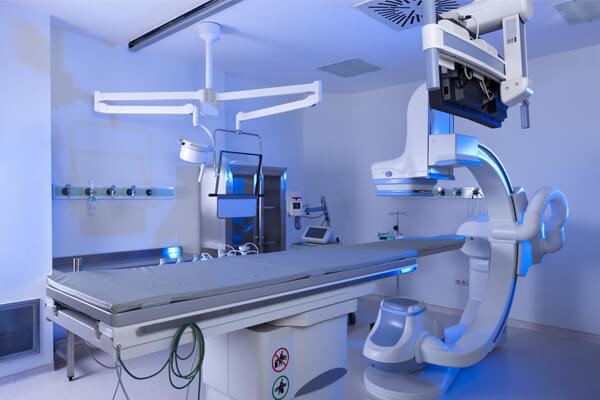
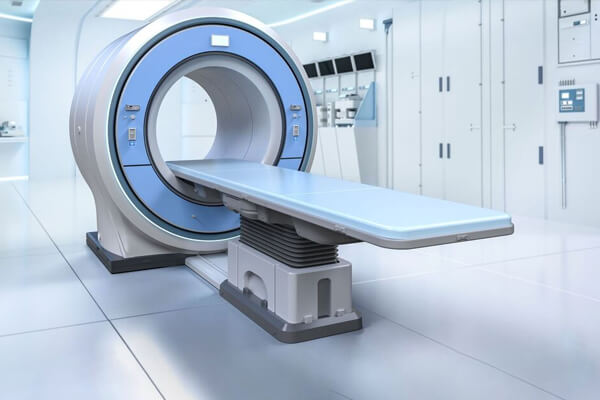
1. Medical Imaging Equipment
Stepper motors are commonly used in auxiliary motion systems of medical imaging devices, including:


In these systems, stepper motors control patient table movement, detector alignment, and positioning mechanisms. Their precise incremental motion ensures accurate imaging results and stable scanning processes.
2. Infusion Pumps and Syringe Pumps
Infusion pumps and syringe pumps are essential medical devices used to deliver fluids, medications, and nutrients to patients with high accuracy and controlled flow rates. These devices are widely used in hospitals, clinics, and laboratories, and they rely heavily on precise motion control systems—most commonly stepper motors—to ensure safe and reliable drug delivery.
What Are Infusion Pumps?
Infusion pumps are medical devices designed to deliver fluids continuously or intermittently into a patient’s body. They are commonly used for:
Infusion pumps can operate over long periods and must maintain stable flow rates to avoid underdosing or overdosing.
What Are Syringe Pumps?
Syringe pumps use a motor-driven mechanism to push the plunger of a syringe at a precisely controlled rate. They are commonly used when very small and accurate volumes of fluid are required, such as:
Syringe pumps are especially important in applications where microliter-level precision is critical.
Role of Stepper Motors in Infusion and Syringe Pumps
Stepper motors are widely used in both infusion pumps and syringe pumps due to their precise, predictable, and repeatable motion control.
Key functions include:
Driving the syringe plunger or pumping mechanism
Controlling flow rate through step-by-step motor movement
Maintaining holding position to prevent backflow
Enabling programmable dosing profiles
Each motor step corresponds to a fixed linear or rotational movement, allowing accurate volumetric control without complex feedback systems.
Why Stepper Motors Are Preferred in These Pumps
Stepper motors offer several advantages that align with medical dosing requirements:
High positioning accuracy and repeatability
Excellent low-speed and holding torque
Stable performance over long operating cycles
Simple open-loop control for reliable dosing
Low noise and smooth operation with microstepping
Compact size for portable and bedside devices
These characteristics help ensure patient safety and dosing accuracy.
Design Considerations for Pump Motors
When selecting stepper motors for infusion and syringe pumps, manufacturers focus on:
Motor step angle and resolution
Lead screw pitch or gearbox ratio
Low vibration and noise levels
Thermal performance during continuous operation
Long service life and consistent batch quality
Customized stepper motors are often used to optimize performance and integration.
Applications in Clinical and Laboratory Settings
Infusion and syringe pumps are used across a wide range of medical environments, including:
Intensive care units (ICU)
Operating rooms
Oncology and chemotherapy wards
Neonatal care units
Medical research and diagnostic laboratories
In all these settings, reliable and accurate motor performance is essential.
Conclusion
Infusion pumps and syringe pumps depend on precise motion control to deliver safe and effective therapy. Stepper motors provide the accuracy, reliability, and simplicity required for controlled fluid delivery, making them a core component in modern infusion and syringe pump design.
For medical device manufacturers and OEM developers, stepper motors remain a proven and trusted solution for high-precision dosing systems.
3. Surgical and Operating Room Equipment
Surgical and operating room equipment require exceptional precision, stability, and reliability, as these systems often operate in close proximity to patients and medical staff. Motion control components used in this environment must deliver smooth, predictable, and safe movement. For many positioning and adjustment functions, stepper motors are a preferred solution in modern surgical and operating room equipment.
Motion Control Requirements in Surgical Environments
Operating rooms impose strict technical and safety requirements on equipment, including:
Precise and repeatable positioning
Smooth low-speed motion without sudden acceleration
Low noise and low vibration
High reliability during long procedures
Stable holding position without drift
Easy integration with electronic control systems
Stepper motors naturally meet these requirements, especially for controlled, low-speed applications.
Common Surgical and Operating Room Applications
Stepper motors are widely used in non-invasive and positioning-related surgical equipment, including:
Operating tables: height, tilt, and lateral movement adjustment
Endoscopic systems: camera positioning and focus control
Surgical lighting systems: directional and height adjustment
Imaging-assisted surgery equipment: positioning of sensors and detectors
Robotic surgical subsystems: tool alignment and auxiliary axis control
In these applications, accuracy and repeatability are often more critical than high-speed motion.
Why Stepper Motors Are Suitable for Surgical Equipment
Stepper motors offer several advantages that align well with operating room needs:
Deterministic step-by-step movement for accurate positioning
Strong holding torque to maintain position without continuous feedback
Predictable behavior for safe system design
Simple control architecture with minimal components
Quiet operation when properly driven with microstepping
These features help ensure stable and safe operation during surgical procedures.
Comparison with Other Motor Types
While servo motors and BLDC motors are used in high-end surgical robotics and high-speed tools, stepper motors are often preferred when:
Motion speed is low to moderate
Positioning accuracy is required without complex feedback
System cost and reliability are critical
Continuous holding position is needed
This makes stepper motors a cost-effective and reliable choice for many surgical support functions.
Design Considerations for Operating Room Equipment
When integrating stepper motors into surgical equipment, manufacturers typically focus on:
Low noise and vibration tuning
Thermal management for continuous operation
Long service life and consistent performance
Custom mechanical integration (lead screws, gearboxes, hollow shafts)
Compliance with medical equipment quality standards
Customized and OEM stepper motors are often used to meet these requirements.
Conclusion
Stepper motors play an important role in surgical and operating room equipment by providing precise, reliable, and controlled motion. Their predictable behavior, strong low-speed performance, and ease of integration make them well suited for positioning, adjustment, and auxiliary motion tasks in medical environments.
For medical device manufacturers, stepper motors remain a trusted and proven solution for safe and accurate motion control in surgical systems.
4. Diagnostic and Laboratory Automation Systems
Diagnostic and laboratory automation systems are essential to modern healthcare, enabling high-throughput testing, consistent results, and reduced human error. These systems rely heavily on precise and repeatable motion control to handle samples, reagents, and analytical processes. Stepper motors are widely used in diagnostic and laboratory equipment because they deliver the accuracy, reliability, and control required for continuous medical testing.
Motion Control Requirements in Laboratory Automation
Laboratory and diagnostic environments demand motion systems that can operate continuously with high precision. Key requirements include:
Accurate and repeatable positioning
Smooth low-speed motion for liquid handling
Reliable 24/7 operation
Precise multi-axis coordination
Minimal maintenance and downtime
Stepper motors meet these needs while keeping system design simple and robust.
Common Applications in Diagnostic and Laboratory Equipment
Stepper motors are commonly integrated into a wide range of automated medical and laboratory systems, including:
Blood and biochemical analyzers
Immunoassay and hematology analyzers
Sample loading and transport mechanisms
Reagent dispensing and pipetting systems
Automated microscopy stages
Diagnostic cartridge handling systems
Each of these applications depends on precise motor control to ensure accurate test results and repeatable workflows.
Role of Stepper Motors in Laboratory Automation
In diagnostic systems, stepper motors control critical movements such as:
Positioning of samples and test cartridges
Metered dispensing of reagents and fluids
Indexing of trays, rotors, and conveyors
Vertical and horizontal movement of analysis modules
Because stepper motors move in fixed increments, they enable precise motion without complex feedback, simplifying system control.
Advantages of Stepper Motors in Diagnostic Systems
Stepper motors offer several benefits that make them particularly suitable for laboratory automation:
High positioning accuracy and repeatability
Excellent low-speed and holding torque
Predictable motion behavior
Easy synchronization across multiple axes
Cost-effective for multi-motor systems
Long service life with minimal wear
These advantages support reliable, high-volume diagnostic testing.
Design Considerations for Medical Laboratory Motors
When selecting stepper motors for diagnostic and laboratory equipment, manufacturers typically consider:
Step resolution and microstepping capability
Low vibration to prevent sample disturbance
Thermal stability during continuous operation
Compact form factor for dense system layouts
Consistent quality for large-scale production
Custom and OEM stepper motors are often used to optimize performance for specific diagnostic applications.
Integration with Automated Medical Workflows
Modern laboratory automation systems often integrate stepper motors with sensors, controllers, and software platforms to create fully automated diagnostic workflows. Stepper motors support precise timing and motion coordination, which is critical for repeatable testing and data accuracy.
Conclusion
Stepper motors are a core motion-control component in diagnostic and laboratory automation systems. Their precision, reliability, and ease of integration make them ideal for sample handling, reagent dispensing, and analytical positioning tasks.
For medical device manufacturers and laboratory equipment OEMs, stepper motors remain a proven and efficient solution for accurate and scalable diagnostic automation.
5. Rehabilitation and Assistive Medical Devices
Rehabilitation and assistive medical devices are designed to help patients restore mobility, improve physical function, and maintain independence. These devices require motion systems that are safe, precise, smooth, and highly reliable, especially when interacting directly with the human body. For many controlled-motion functions, stepper motors are widely used in rehabilitation and assistive medical equipment.
Motion Control Requirements in Rehabilitation Equipment
Unlike industrial systems, rehabilitation devices must prioritize patient safety and comfort. Key motion requirements include:
Smooth and controlled low-speed movement
Accurate and repeatable positioning
Stable holding torque without sudden motion
Predictable and programmable motion profiles
Quiet operation for patient comfort
Stepper motors naturally support these requirements due to their deterministic motion behavior.
Common Applications in Rehabilitation and Assistive Devices
Stepper motors are commonly used in a wide range of rehabilitation and assistive medical equipment, including:
Physical therapy and exercise machines
Continuous passive motion (CPM) devices
Patient positioning and lifting systems
Adjustable medical beds and chairs
Orthotic and prosthetic adjustment mechanisms
Assistive mobility and support devices
In these applications, controlled motion is more important than high speed or dynamic response.
Role of Stepper Motors in Assistive Medical Devices
In rehabilitation systems, stepper motors typically control:
Linear motion for limb movement or positioning
Rotational adjustment of joints and supports
Incremental resistance or range-of-motion settings
Position holding during therapy sessions
Because stepper motors move in precise steps, they enable accurate motion control without complex feedback systems.
Advantages of Stepper Motors for Rehabilitation Applications
Stepper motors offer several benefits that make them suitable for assistive medical devices:
High positioning accuracy and repeatability
Strong holding torque at low speeds
Predictable, safe, and controllable motion
Simple control architecture
Compact size for integrated designs
Cost-effective solution for multi-axis systems
These features help ensure safe patient interaction and consistent therapy outcomes.
Design Considerations for Medical Assistive Equipment
When integrating stepper motors into rehabilitation devices, manufacturers typically focus on:
Low vibration and noise reduction
Smooth microstepping control
Thermal management for long therapy sessions
Mechanical integration with lead screws or gear systems
Long service life and reliability
Customized and OEM stepper motors are often used to meet these specific requirements.
Stepper Motors vs Other Motor Types in Rehabilitation Devices
While servo and BLDC motors may be used in advanced robotic rehabilitation systems, stepper motors are often preferred when:
Motion speed is low and controlled
Position accuracy is critical
System simplicity and reliability are priorities
Cost and maintenance need to be minimized
This makes stepper motors an ideal choice for many rehabilitation and assistive medical applications.
Conclusion
Stepper motors play an important role in rehabilitation and assistive medical devices by delivering safe, precise, and predictable motion. Their reliability, ease of control, and patient-friendly performance make them a trusted solution for equipment designed to support recovery, mobility, and daily living.
For medical device manufacturers and OEM developers, stepper motors remain a proven choice for controlled motion in rehabilitation and assistive healthcare systems.
6. Dental Equipment
Dental equipment requires precision, reliability, and quiet operation to ensure patient comfort and accurate clinical outcomes. Many dental systems, including imaging devices, chairs, and CAD/CAM machines, rely on stepper motors for controlled motion and positioning. Their precision and repeatability make them ideal for the unique requirements of dental applications.
Motion Control Requirements in Dental Equipment
Dental devices need motion systems that are:
Highly precise for small, detailed movements
Smooth and vibration-free to avoid patient discomfort
Quiet during operation for a calm clinical environment
Reliable for continuous use throughout the day
Easy to integrate into compact and ergonomic designs
Stepper motors meet these requirements by offering accurate, predictable, and repeatable motion control.
Common Applications of Stepper Motors in Dental Devices
Stepper motors are widely used in dental equipment, including:
Dental chairs: positioning the seat, backrest, and headrest smoothly and accurately
Dental imaging systems: adjusting X-ray arms, sensors, and panoramic scanners
CAD/CAM milling machines: precision control of cutting tools and axes for prosthetics
Automated tool changers: controlling rotation and positioning of dental instruments
In all these applications, stepper motors provide repeatable and reliable motion, which is essential for both patient comfort and clinical accuracy.
Advantages of Stepper Motors in Dental Equipment
Stepper motors offer several benefits for dental applications:
High positioning accuracy for precise adjustments
Strong holding torque for stable positioning
Smooth low-speed operation with microstepping
Quiet performance to reduce patient stress
Compact size for integration into small, ergonomic devices
Reliable performance with minimal maintenance
These characteristics make them well-suited for dental chairs, imaging systems, and precision milling equipment.
Design Considerations for Dental Applications
When designing stepper motor systems for dental equipment, manufacturers focus on:
Minimizing vibration and noise
Ensuring precise microstep control
Compact mechanical integration for space-limited devices
Long-term reliability and consistent performance
Custom shaft, lead screw, or gearbox options for specialized devices
OEM and custom stepper motors are often used to meet these precise requirements.
Conclusion
Stepper motors play a critical role in modern dental equipment by delivering precise, smooth, and reliable motion. Their accuracy and quiet operation improve patient comfort, while their repeatable performance ensures clinical precision.
For dental device manufacturers and OEMs, stepper motors remain a trusted solution for motion control in chairs, imaging systems, and CAD/CAM dental machinery.
Stepper Motors vs Other Motor Types in Medical Devices
Selecting the right motor technology is a critical decision in medical device design. Medical applications demand high precision, reliability, safety, low noise, and long-term stability, often under strict regulatory and cost constraints. This article compares stepper motors with other commonly used motor types in medical devices, including BLDC motors, servo motors, and brushed DC motors, to help engineers and OEM manufacturers make informed choices.
Stepper Motors in Medical Devices
Stepper motors operate by moving in discrete, controlled steps, allowing precise position control without feedback in many applications.
Key advantages:
High positioning accuracy and repeatability
Open-loop control (no encoder required in many cases)
Strong holding torque at low speed
Predictable and deterministic motion
Simple control architecture
Cost-effective for precision applications
Typical medical applications:
Infusion and syringe pumps
Medical imaging positioning systems
Laboratory automation equipment
Diagnostic analyzers
Dental and rehabilitation devices
Brushless DC (BLDC) motors are designed for continuous rotation and high efficiency. They require electronic commutation and are often used with closed-loop control.
Key advantages:
High efficiency and low power consumption
Long service life due to brushless design
Smooth high-speed operation
Compact and lightweight designs
Limitations in some medical applications:
Requires feedback sensors for precise positioning
More complex control electronics
Higher system cost compared to steppers
Typical medical applications:
Ventilators and respiratory devices
Medical pumps requiring continuous flow
Surgical tools and centrifuges
Cooling and air-handling systems
Servo motors combine a motor, encoder, and control system to provide high dynamic response and closed-loop precision.
Key advantages:
Extremely accurate positioning under varying loads
High torque across a wide speed range
Fast acceleration and deceleration
Real-time feedback and error correction
Limitations:
Higher cost and system complexity
More demanding tuning and integration
Often unnecessary for slow, repetitive medical motions
Typical medical applications:
Brushed DC motors are simple and low-cost but have limitations in medical environments.
Key advantages:
Simple control
Low initial cost
Limitations:
Brush wear and limited lifespan
Higher electrical noise
More maintenance required
Less suitable for long-term or sterile environments
Typical medical applications:
Comparison Summary: Motor Types in Medical Applications
| Motor Type | Precision | Control Complexity | Cost Level | Best Use Cases |
| Stepper Motor | High (open-loop) | Low | Medium | Positioning, dosing, lab automation |
| BLDC Motor | Medium–High | Medium | Medium–High | Continuous rotation, efficiency-critical systems |
| Servo Motor | Very High (closed-loop) | High | High | Robotics, dynamic precision systems |
| Brushed DC Motor | Low–Medium | Low | Low | Cost-sensitive, short-life devices |
Why Stepper Motors Are Often the Preferred Choice
In many medical devices, motion requirements are slow, repetitive, and position-critical rather than high-speed or highly dynamic. Stepper motors offer the best balance of:
Precision without feedback
Reliability with fewer components
Lower validation and maintenance burden
Cost-effective system design
This makes stepper motors particularly attractive for OEM medical equipment manufacturers.
Conclusion
There is no universal motor solution for all medical devices. However, when applications require accurate positioning, predictable motion, low system complexity, and controlled costs, stepper motors often outperform other motor types.
BLDC and servo motors remain essential for high-speed and high-dynamic applications, but for a wide range of medical equipment—especially infusion systems, diagnostic devices, and laboratory automation—stepper motors remain the most practical and widely adopted solution.
Custom and OEM stepper motors are a critical component in modern medical equipment, where precision, reliability, compliance, and long-term stability are essential. Medical device manufacturers often require motion solutions that go beyond standard catalog products, making customized stepper motors an ideal choice for both OEM and ODM medical applications.
Why Medical Equipment Requires Custom Stepper Motors
Medical devices operate under strict performance and regulatory requirements. Off-the-shelf motors may not fully meet these demands. Custom stepper motors allow manufacturers to optimize motion systems for:
Precise positioning and repeatability
Compact and space-constrained designs
Low noise and low vibration operation
Long service life with minimal maintenance
Consistent performance across mass production
Customization also supports faster system integration and reduces downstream engineering changes.
Common Customization Options for Medical Stepper Motors
OEM medical stepper motors can be tailored in multiple ways to match specific application needs.
Mechanical Customization
Integrated lead screw or ball screw for linear motion
Hollow shaft design for cable, fiber, or fluid routing
Custom shaft length, diameter, or profile
Planetary or spur gearbox integration
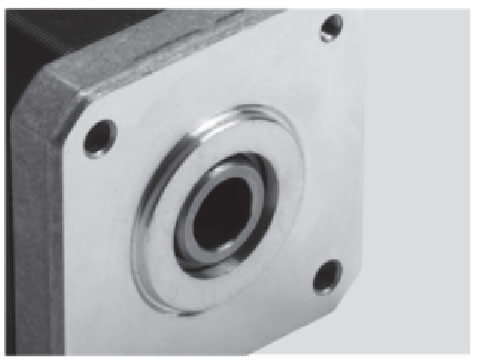
Special mounting flanges and housings
Electrical Customization
Custom voltage and current ratings
Optimized winding for low-speed torque or holding torque
Reduced power consumption for portable medical devices
Custom connectors, cable lengths, and pin assignments
Performance Optimization
Low-noise and low-vibration tuning
High positioning accuracy and step stability
Enhanced thermal performance for continuous duty
Smooth microstepping operation
Medical-Grade Materials and Reliability Design
Stepper motors for medical equipment often use medical-grade or application-specific materials, including:
High-temperature insulation systems
Long-life, low-noise bearings
Corrosion-resistant shafts and housings
Materials compatible with cleaning and disinfection processes
These design choices help ensure stable operation in clinical environments and long-term reliability.
Compliance and Quality Considerations
OEM medical stepper motors are typically manufactured under strict quality systems to support medical device compliance, such as:
ISO 9001 quality management systems
Traceable materials and components
Consistent batch-to-batch performance
Long-term supply stability
While the motor itself may not be a regulated medical device, its quality and consistency are critical for overall system certification and risk management.
Applications of Custom Stepper Motors in Medical Equipment
Custom and OEM stepper motors are widely used in:
Infusion and syringe pumps
Medical imaging positioning systems
Diagnostic and laboratory automation equipment
Surgical positioning mechanisms
Rehabilitation and assistive medical devices
Dental chairs and dental CAD/CAM systems
Each application benefits from tailored motor performance that directly supports safety and accuracy.
Advantages of OEM Stepper Motors for Medical Manufacturers
Working with an OEM stepper motor supplier provides several benefits:
Design support from early development stages
Faster prototyping and validation
Reduced total system cost
Scalable production from pilot runs to mass manufacturing
Stable long-term supply for medical product lifecycles
Conclusion
Custom and OEM stepper motors offer medical equipment manufacturers a reliable, precise, and flexible motion-control solution. With tailored mechanical, electrical, and performance features, stepper motors can be optimized to meet the demanding requirements of medical applications while supporting scalable and compliant production.
For medical devices that require accurate motion, predictable behavior, and long-term reliability, customized stepper motors remain a proven and trusted choice.
Stepper motors are an essential component in modern medical equipment due to their accuracy, reliability, and ease of control. They are widely used in medical imaging systems, infusion pumps, laboratory automation, surgical equipment, rehabilitation devices, and dental applications.
As medical technology continues to advance, stepper motors remain a proven and trusted solution for precise motion control in healthcare devices.
FAQs (Stepper Motors & OEM/ODM Customization Focus)
What is a stepper motor and why is it ideal for medical equipment?
A stepper motor provides precise, repeatable motion with high positioning accuracy, essential for medical devices such as infusion pumps and imaging tables.
How do stepper motors improve the performance of laboratory automation devices?
Stepper motors enable accurate sample handling, tray indexing, and fluid dispensing with repeatable motion control.
Can stepper motors be customized for OEM/ODM medical device projects?
Yes, stepper motors can be OEM/ODM customized to meet unique medical specs like shaft size, insulation, and lead screw integration.
What customization options are available from a stepper motor factory?
Options include customized shafts, lead screws, hollow shafts, gearboxes, bearings, and medical-grade materials.
Why are stepper motors preferred in infusion and syringe pump systems?
They provide precise flow control with predictable step-by-step motion, crucial for accurate dosing.
What factory certifications support OEM/ODM stepper motors for medical devices?
High-quality factories often hold CE, RoHS, and ISO certifications and perform rigorous inspections.
Can a customized stepper motor support linear motion in medical devices?
Yes — integrating lead screws or ball screws converts rotary motion to precise linear movement.
Is low electromagnetic interference important in medical stepper motors?
Yes, low EMI ensures compatibility with sensitive diagnostic and imaging systems.
What is OEM/ODM stepper motor integration for compact medical equipment?
OEM/ODM integration can include combined motor, driver, and control interfaces for space-constrained designs.
Are customized stepper motors reliable for continuous clinical use?
Yes — long service life, low wear, and repeatability make them suitable for continuous medical operation.
How does a factory support custom stepper motor development?
Engineering support, design collaboration, and prototyping help optimize performance and compliance.
Can stepper motors be OEM/ODM tailored for low-noise medical applications?
Yes — low noise and smooth motion can be engineered per medical application requirements.
Do customized medical stepper motors support strict regulatory needs?
Good OEM/ODM providers offer traceable documentation and motor specs aligned with medical standards.
What are examples of medical equipment that use stepper motors?
CT/MRI tables, X-ray positioning systems, infusion devices, and lab analyzers all use stepper motors.
Why choose an OEM/ODM stepper motor supplier with medical experience?
Experience ensures consistent quality, documentation, and compliance with medical lifecycle demands.
Can a factory customize stepper motors for miniaturized medical systems?
Yes, factories can adjust dimensions, torque, and integration for compact medical designs.
Are customized stepper motors cost-effective for OEM medical manufacturers?
Yes — tailored motors can reduce system complexity and maintenance, lowering total cost.
How does microstepping help in medical stepper motor performance?
Microstepping enhances smooth motion and reduces vibration, improving positioning precision.
Can OEM/ODM stepper motors include additional components like encoders or gearboxes?
Yes — optional components like encoders and gearboxes are available to meet specific motion needs.
How do customized stepper motors benefit surgical positioning systems?
They provide accurate, deterministic motion and stable holding position during procedures.