Views: 0 Author: Jkongmotor Publish Time: 2026-01-15 Origin: Site
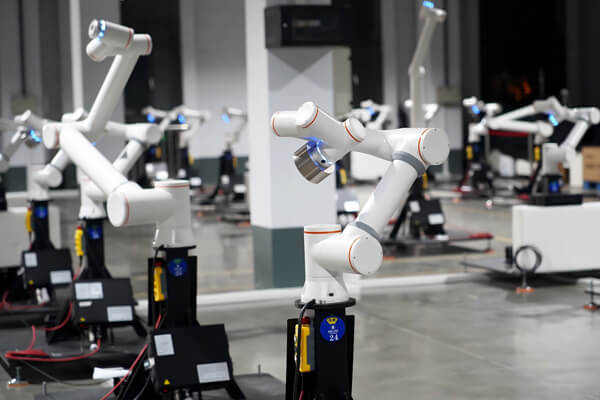
In modern industrial environments, automation systems demand components that deliver precision, reliability, efficiency, and long-term stability. Among these components, the OEM stepper motor plays a decisive role in defining motion accuracy, system responsiveness, and operational uptime. We approach OEM stepper motor selection not as a single purchase decision, but as a strategic engineering process that directly influences performance, scalability, and total cost of ownership.
This comprehensive guide details how we systematically choose the right OEM stepper motor for automation systems, ensuring seamless integration, optimized performance, and future-proof operation across industrial, commercial, and high-end manufacturing applications.
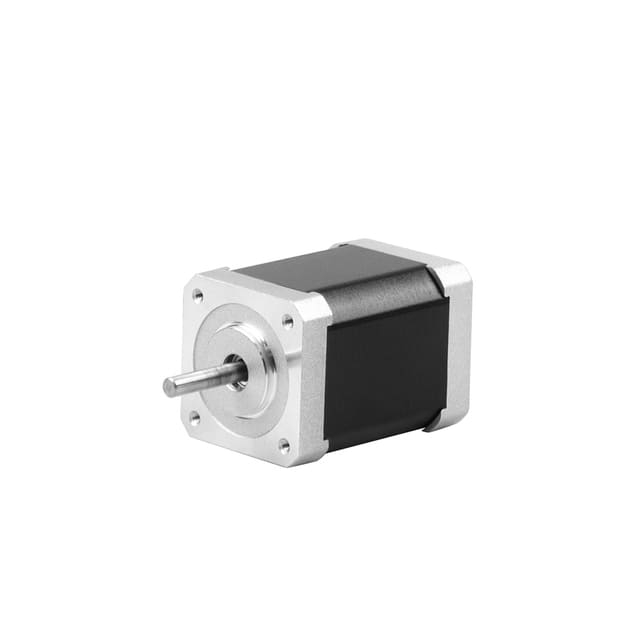
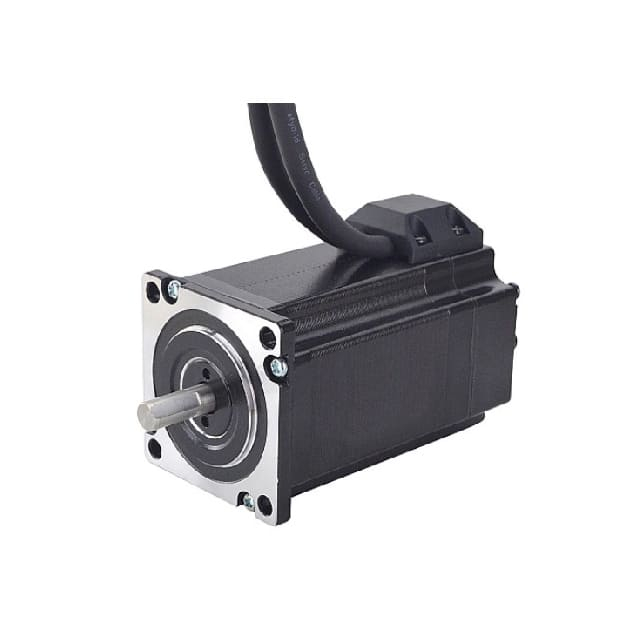
An OEM stepper motor is designed specifically to integrate into an original equipment manufacturer’s product. In automation systems, these motors provide precise incremental movement, allowing controllers to regulate position, speed, and torque without complex feedback mechanisms.
We select OEM stepper motors because they deliver:
High positional accuracy
Repeatable motion control
Excellent low-speed torque
Simplified control architecture
Long operational lifespan
Automation systems such as CNC machines, robotic arms, medical devices, packaging equipment, textile machinery, semiconductor tools, and inspection platforms rely on stepper motors to achieve consistent and programmable movement.
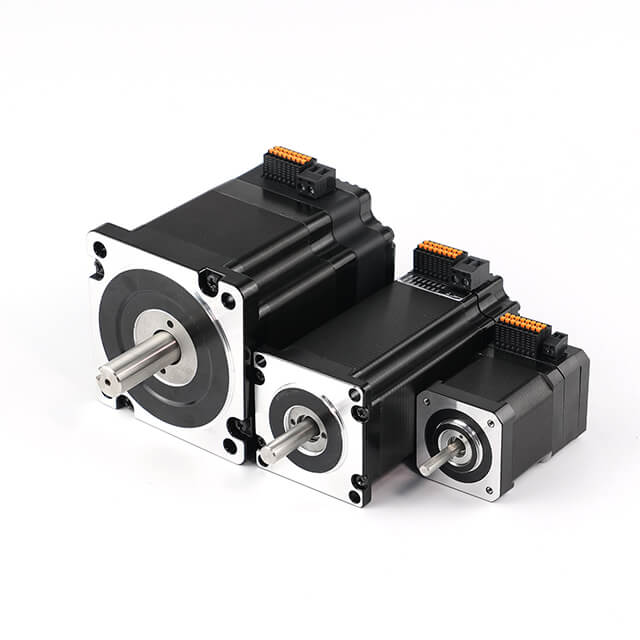
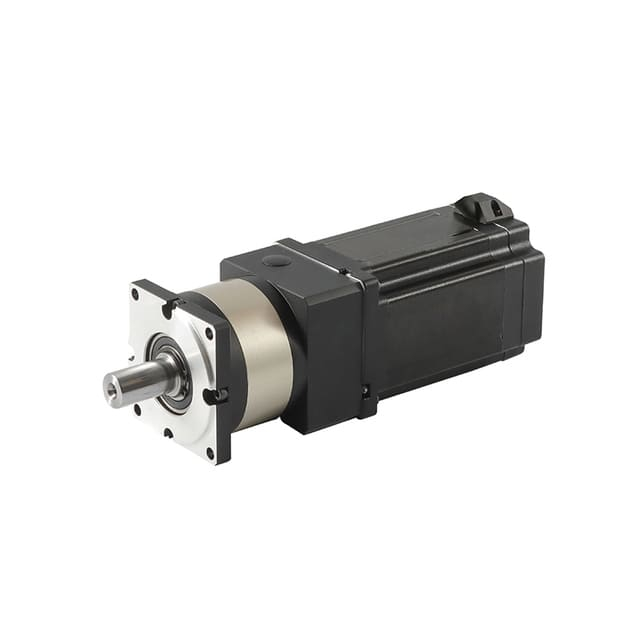
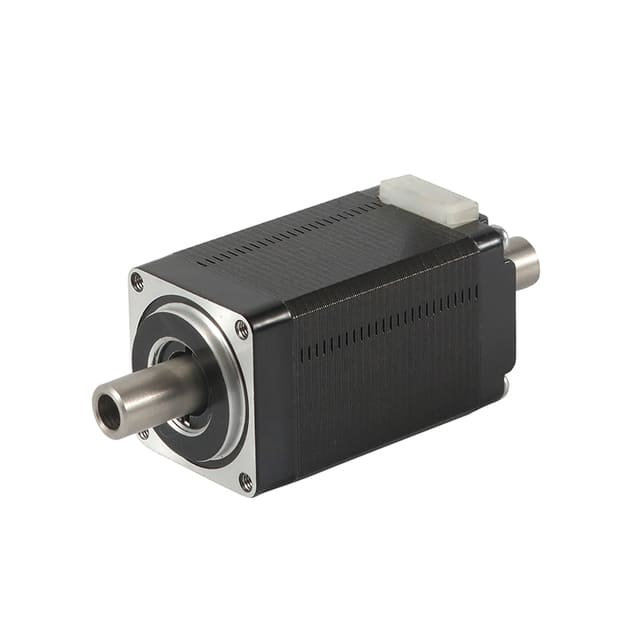
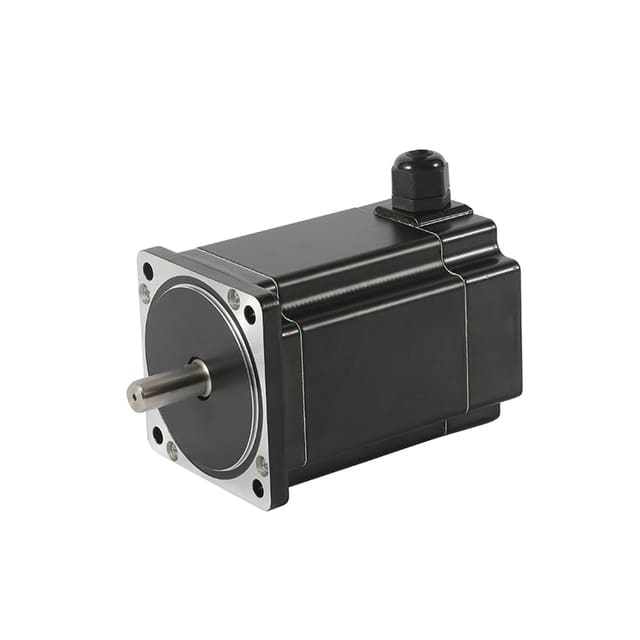
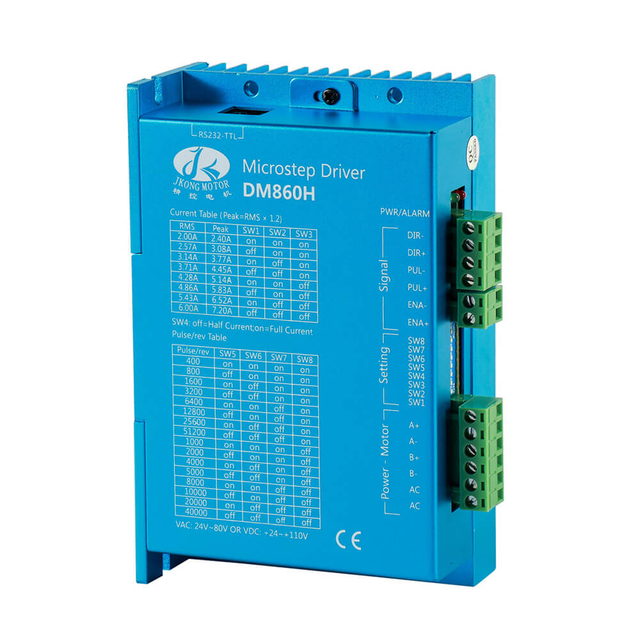
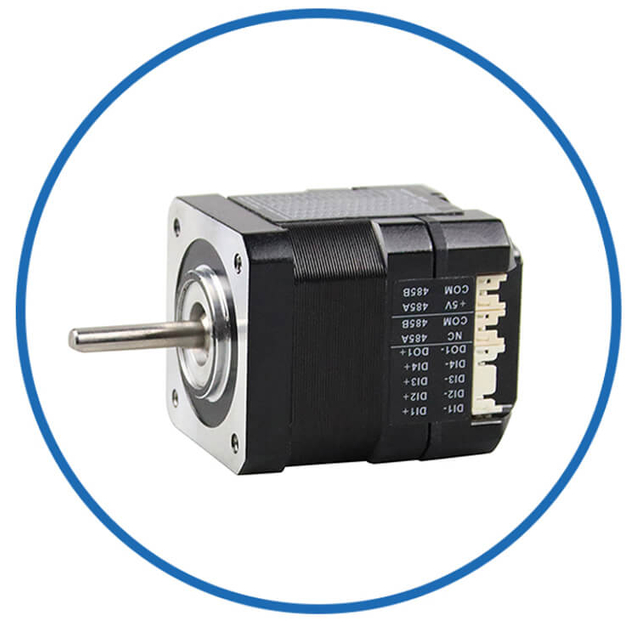
As a professional brushless dc motor manufacturer with 13 years in china, Jkongmotor offer various bldc motors with customized requirements, including 33 42 57 60 80 86 110 130mm, additionally, gearboxes, brakes, encoders, brushless motor drivers and integrated drivers are optional.
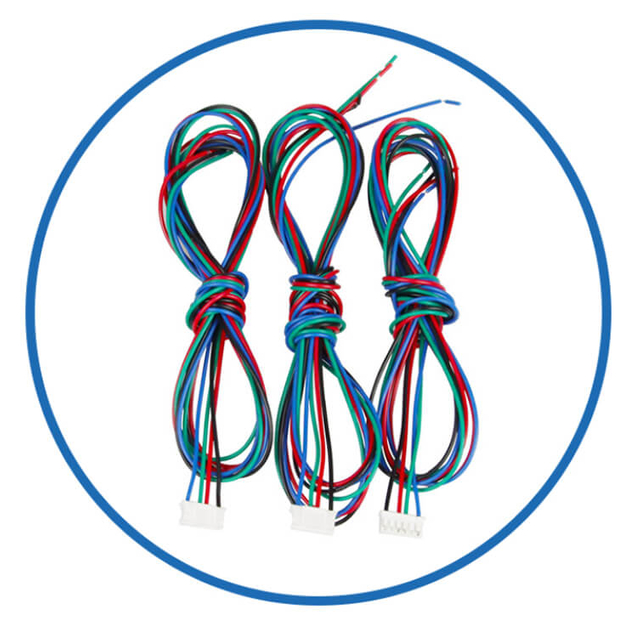 | 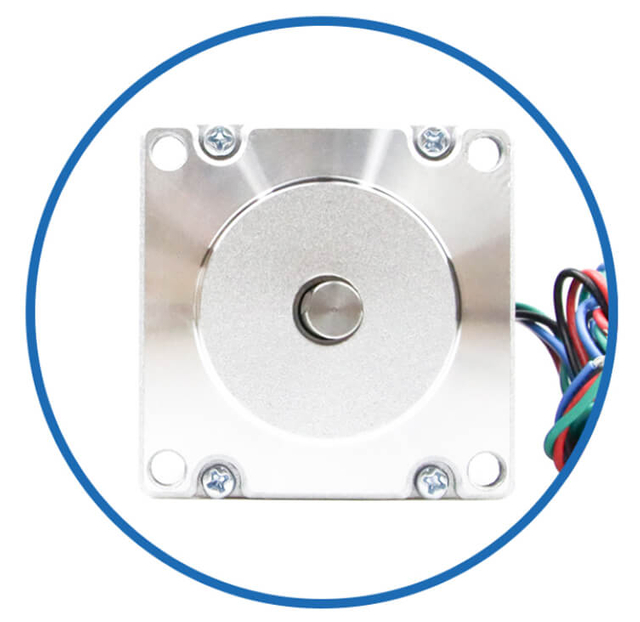 | 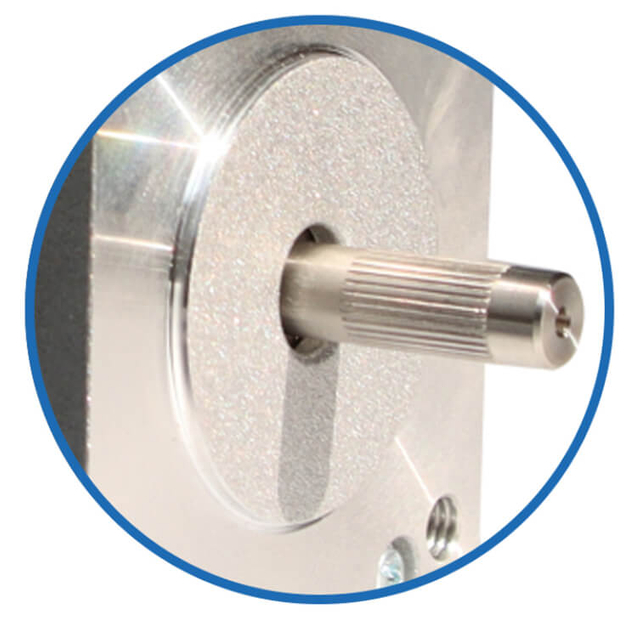 | 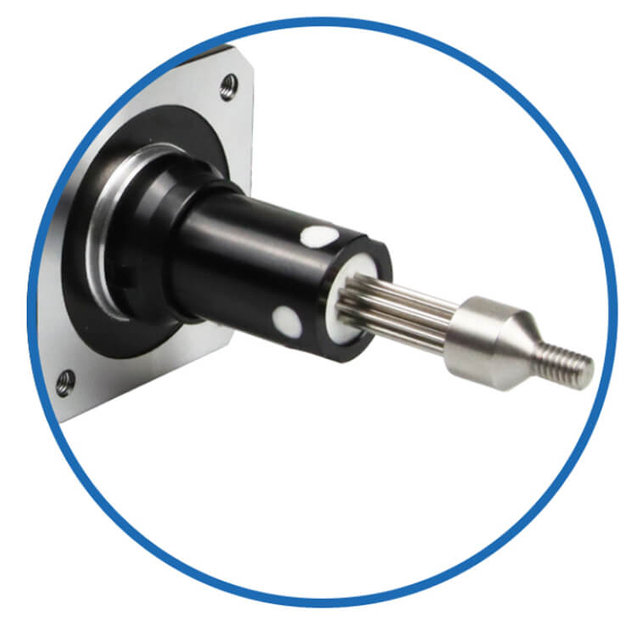 |  | Professional custom stepper motor services safeguard your projects or equipment.
|
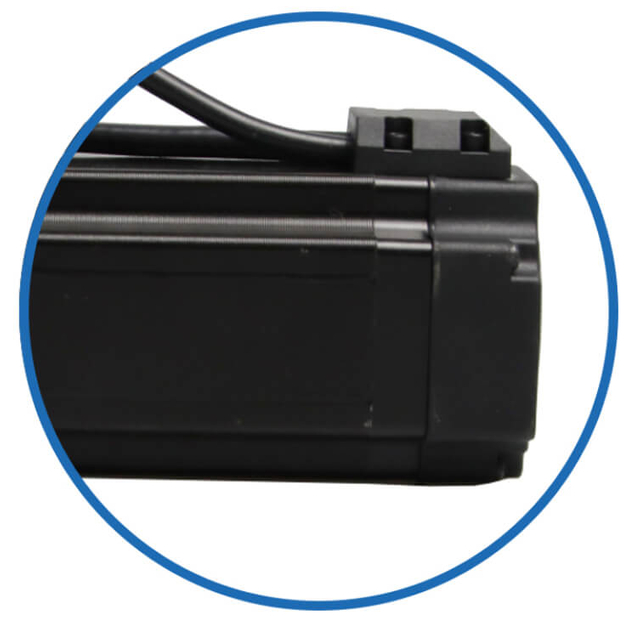
| Cables | Covers | Shaft | Lead Screw | Encoder | |
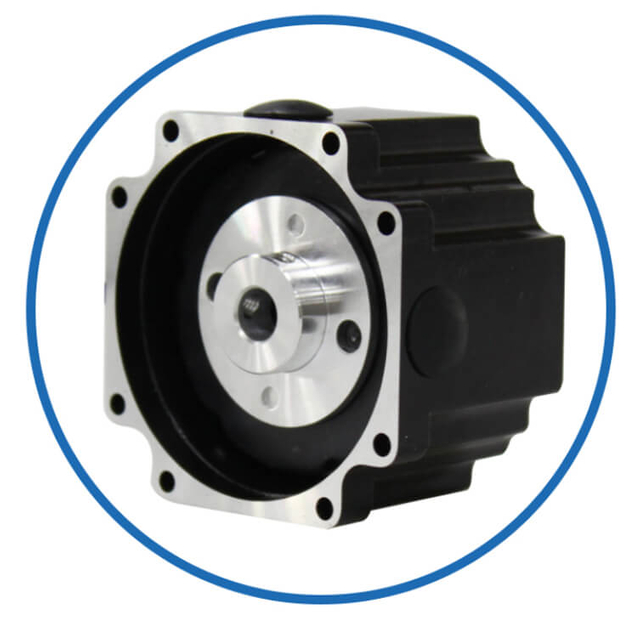 | 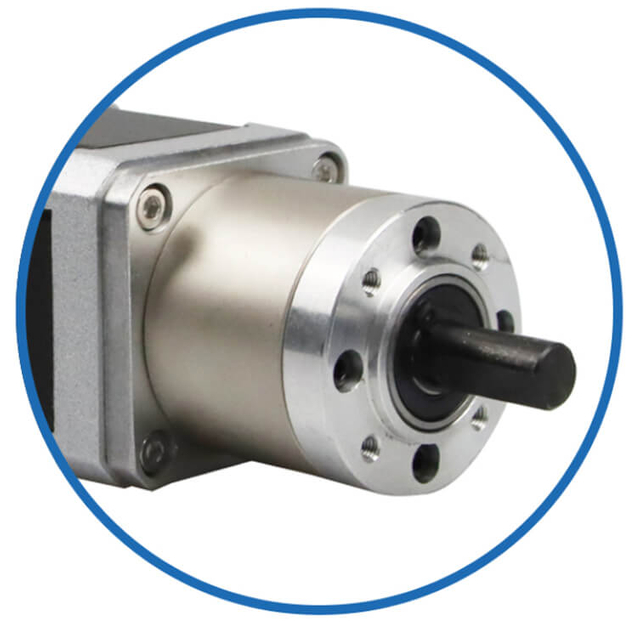 | 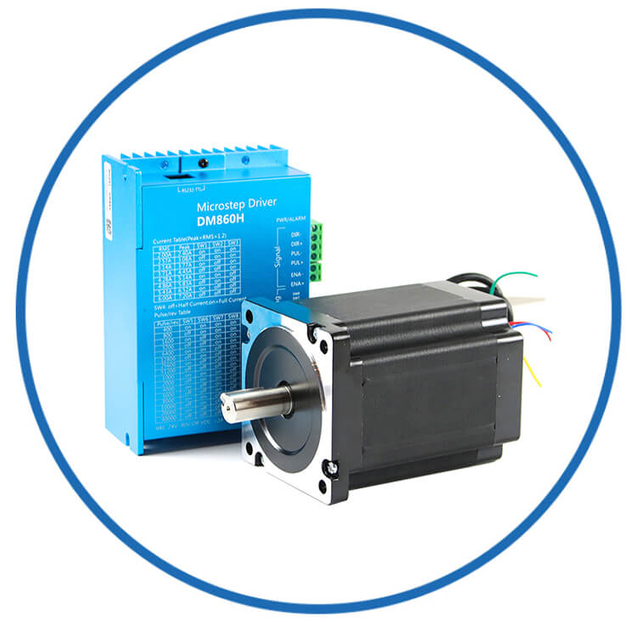 |  |  | |
| Brakes | Gearboxes | Motor Kits | Integrated Drivers | More |
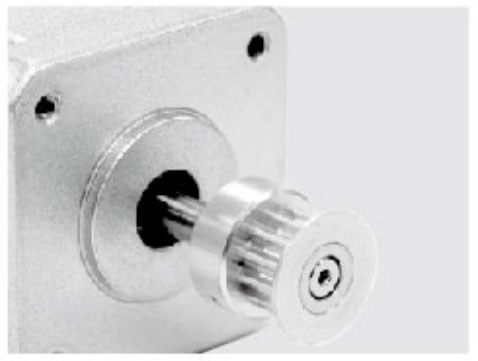
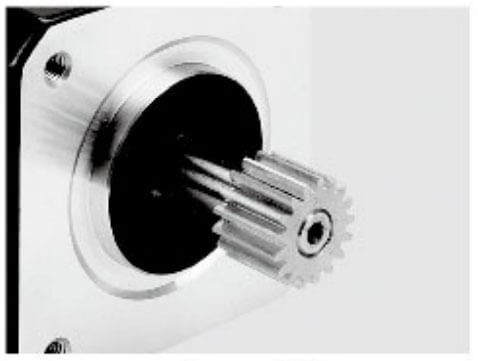
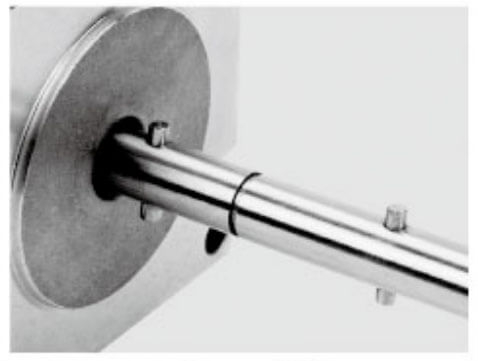
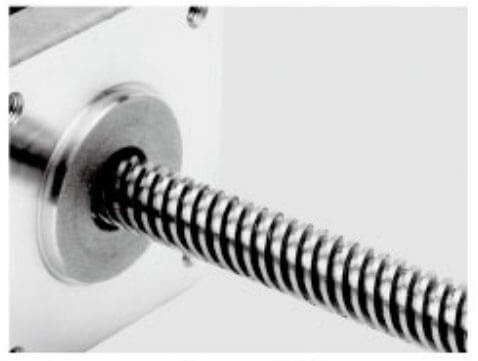
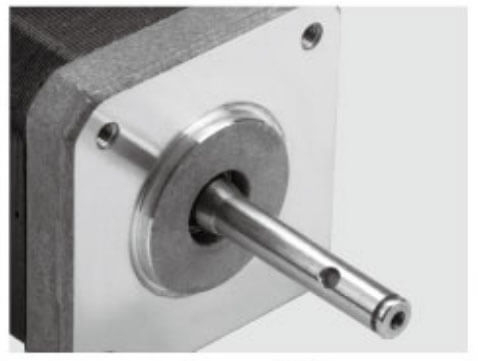
Jkongmotor offer many different shaft options for your motor as well as customizable shaft lengths to make the motor fit your application seamlessly.
 |  |  |  |  | A diverse range of products and bespoke services to match the optimal solution for your project. 1. Motors passed CE Rohs ISO Reach certifications 2. Rigorous inspection procedures ensure consistent quality for every motor. 3. Through high-quality products and superior service, jkongmotor have secured a solid foothold in both domestic and international markets. |
| Pulleys | Gears | Shaft Pins | Screw Shafts | Cross Drilled Shafts | |
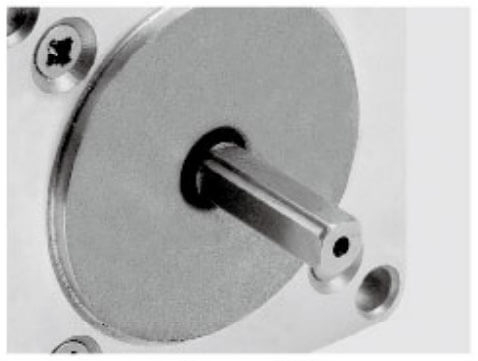 | 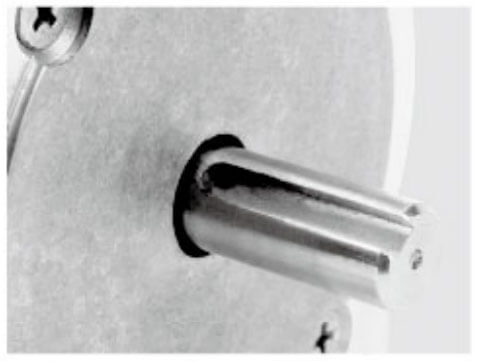 | 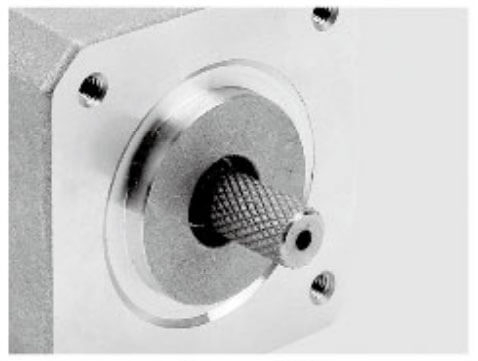 | 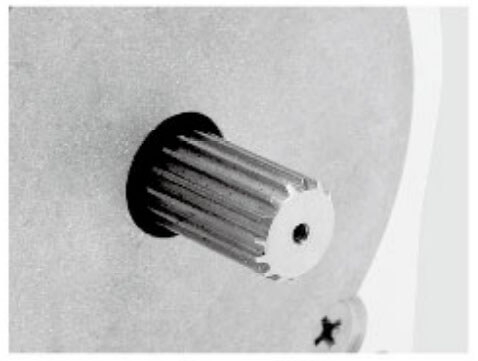 | 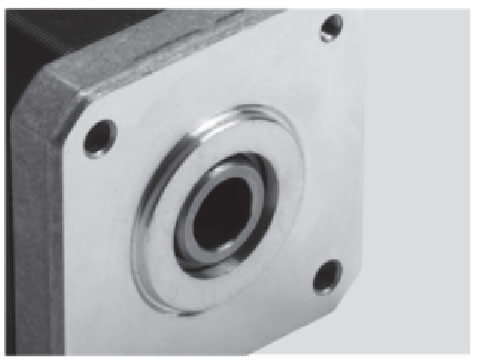 | |
| Flats | Keys | Out Rotors | Hobbing Shafts | Hollow Shaft |
Successful OEM stepper motor selection begins long before model numbers, frame sizes, or pricing discussions. The foundation of every high-performance automation system is a precise, engineering-driven definition of application requirements. We treat this phase as a structured technical process that transforms functional expectations into measurable design parameters. Clear definition eliminates guesswork, shortens development cycles, and ensures the selected motor delivers reliable, repeatable, and scalable performance.
Every automation system performs a defined mechanical function—indexing, positioning, dispensing, conveying, aligning, cutting, or inspecting. We first convert these functions into quantifiable motion objectives.
This includes:
Type of motion (rotary, linear, intermittent, continuous)
Required travel distance or rotation angle
Target cycle time
Positioning resolution
Repeatability and accuracy thresholds
By transforming process goals into technical metrics, we create a clear engineering framework that guides all subsequent motor decisions.
A stepper motor does not drive a theoretical load—it drives a real mechanical system with mass, friction, compliance, and external forces. We analyze the load in detail to define true operating conditions.
Key elements include:
Total moving mass
Reflected inertia
Friction coefficients
External forces (gravity, cutting force, belt tension, fluid resistance)
Mechanical transmission efficiency
We model how the load behaves during start-up, acceleration, steady motion, deceleration, and holding states. This allows accurate prediction of torque demand, resonance risk, and thermal behavior.
The motion profile determines how aggressively the motor must perform. We define it mathematically rather than descriptively.
Parameters include:
Maximum speed
Acceleration and deceleration rates
Indexing frequency
Dwell times
Direction changes
Emergency stop conditions
Aggressive motion profiles demand motors with high dynamic torque, low rotor inertia, and optimized electrical characteristics. Conservative profiles may prioritize efficiency, silence, and minimal heat rise.
Precise profile definition ensures the motor is selected for real performance demands, not nominal values.
Automation systems often compete on precision. We establish measurable accuracy objectives at the earliest design stage.
We define:
Step resolution requirements
Allowable positioning error
Repeatability tolerances
Acceptable vibration and resonance levels
Backlash and compliance limits
These metrics directly influence decisions regarding step angle, microstepping, hybrid motor design, mechanical transmission ratios, and optional feedback integration.
The motor must operate in harmony with the automation system’s control ecosystem. We define all relevant electrical constraints before selecting a motor.
This includes:
Available power supply voltage
Current limitations
Controller pulse frequency
Driver topology
Noise and EMC constraints
Safety and fault-handling requirements
Early electrical definition prevents mismatches that lead to excess heat, limited speed, unstable torque, or control inefficiencies.
Operating environment profoundly affects motor selection. We precisely define the conditions the motor will experience throughout its lifecycle.
These include:
Ambient temperature range
Humidity and condensation exposure
Dust, oil, or chemical presence
Vibration and mechanical shock
Cleanroom or hygienic requirements
Altitude and airflow conditions
This ensures the OEM stepper motor is specified with the appropriate insulation class, sealing level, bearing system, surface treatment, and material composition.
We define mechanical constraints early to avoid downstream redesigns.
Critical aspects include:
Installation envelope
Mounting orientation
Shaft configuration
Coupling or gearbox interfaces
Allowable axial and radial loads
Maintenance access requirements
This ensures the motor becomes a structural and functional fit, not an adaptation challenge.
Not all automation systems operate equally. Some run intermittently; others operate continuously for years. We quantify the duty cycle to guide thermal design and reliability targets.
We specify:
Operating hours per day
Load percentage over time
Peak versus continuous operation
Expected service life
Maintenance philosophy
This allows accurate evaluation of bearing selection, winding design, insulation system, and thermal margins.
We integrate risk assessment into requirement definition. Real-world automation systems experience variation in load, voltage, temperature, and operator behavior.
We define:
Torque safety factors
Thermal margins
Speed headroom
Structural tolerance reserves
These margins protect system performance against wear, contamination, minor misalignment, and future upgrades.
Engineering precision is only effective when clearly communicated. We formalize requirements into technical documentation used across mechanical, electrical, software, and procurement teams.
This includes:
Requirement specification sheets
Load and motion calculations
Interface drawings
Environmental profiles
Compliance requirements
This documentation becomes the foundation for OEM collaboration, prototype development, validation testing, and long-term product management.
Defining application requirements with engineering precision is the most powerful lever in OEM stepper motor selection. By translating functional goals into quantitative technical parameters, we establish a framework that enables accurate motor sizing, effective OEM collaboration, minimized development risk, and superior automation system performance. This disciplined approach ensures every selected motor is not merely compatible—but optimally engineered for its intended role.
Torque selection is fundamental. We calculate both static and dynamic torque to guarantee consistent performance under real-world operating conditions.
We evaluate:
Holding torque to maintain position at rest
Pull-in torque for starting under load
Pull-out torque for continuous motion
Load inertia and reflected inertia
Frictional and gravitational forces
Automation systems often experience rapid indexing, vertical loads, or frequent start-stop cycles. Selecting an OEM stepper motor with adequate torque margin ensures the motor does not stall, lose steps, or overheat.
We consistently design with 30–50% torque reserve to accommodate wear, voltage variation, and system expansion.
Stepper motors perform differently across speed ranges. We map the entire motion profile instead of focusing on peak RPM alone.
Critical factors include:
Maximum operating speed
Required acceleration and deceleration
Microstepping resolution
Resonance avoidance
Controller pulse frequency
Automation systems frequently require fast indexing, smooth low-speed motion, and controlled deceleration. We choose motors that provide a flat torque curve, supporting both startup torque and continuous operation.
Proper speed matching prevents:
Missed steps
Vibration and acoustic noise
Mechanical wear
Controller instability
Selecting the correct motor size and frame standard is a decisive step when choosing an OEM stepper motor for an automation system. Mechanical compatibility directly affects installation efficiency, motion accuracy, vibration control, and long-term reliability. A mismatch at this stage often leads to alignment errors, excessive bearing loads, premature wear, and costly redesigns. We treat mechanical integration as a core engineering discipline rather than a secondary consideration.
Motor size is not only about physical dimensions—it defines the motor’s torque capacity, thermal behavior, inertia, and mounting stability. Larger motors generally deliver higher torque and better thermal tolerance, while smaller motors support compact system architectures and lower moving mass.
When defining motor size, we evaluate:
Required continuous and peak torque
Available installation envelope
Load inertia and dynamic response
Heat dissipation surface area
Mechanical rigidity of the mounting structure
Oversized motors increase cost, energy consumption, and system inertia. Undersized motors introduce stalling risk, overheating, and loss of positioning accuracy. Correct sizing ensures the automation system achieves optimal balance between performance, efficiency, and structural integrity.
Most automation platforms are designed around recognized frame standards, ensuring interchangeability and simplifying mechanical design. The most widely used are NEMA frame sizes (NEMA 8, 11, 14, 17, 23, 24, 34) and metric IEC-based formats in global manufacturing environments.
Frame standards define:
Front face dimensions
Mounting hole spacing
Pilot diameter
Shaft height relative to mounting face
By adhering to established standards, we gain:
Simpler replacement and sourcing
Compatibility with gearboxes and couplings
Reduced custom machining
Faster system scaling
For OEM projects, standard frames also allow controlled customization—shaft length, connector orientation, or housing coatings—without disrupting mechanical architecture.
The mounting interface determines how vibration, heat, and load forces are transferred into the machine structure. We design mounts that maximize rigidity, concentricity, and thermal conduction.
Key mounting considerations include:
Face-mount versus flange-mount options
Mounting surface flatness and perpendicularity
Bolt size, depth, and torque specification
Use of pilot boss for centering
Isolation or damping where required
Rigid mounting minimizes micro-movement that can cause positional drift, acoustic noise, and bearing fatigue. In high-speed or high-load automation systems, even minor mounting inconsistencies can propagate into measurable performance errors.
The motor shaft is the direct mechanical interface between the stepper motor and the driven load. We define shaft parameters with precision to ensure secure torque transmission and long bearing life.
Critical shaft characteristics include:
Diameter tolerance and surface finish
Length and extension geometry
Single or double shaft configuration
Keyways, D-flats, splines, or threaded tips
Radial and axial load ratings
Automation systems using lead screws, pulleys, pinions, or gearboxes require shafts that maintain alignment under continuous dynamic loading. Proper shaft specification prevents slippage, backlash, and vibration amplification throughout the motion chain.
Mechanical integration rarely stops at the motor. We design the motor interface as part of a complete motion transmission system.
We evaluate compatibility with:
Rigid, flexible, or bellows couplings
Planetary or harmonic gearboxes
Timing belts and pulley assemblies
Rack-and-pinion drives
Ball screw and lead screw assemblies
Each transmission method imposes unique constraints on shaft alignment, bearing load, and mounting stiffness. OEM stepper motors intended for gearbox integration must support axial thrust loads, extended duty cycles, and torsional rigidity without compromising rotor stability.
Automation systems increasingly demand compact, high-density architectures. Motor body length, connector orientation, and rear-shaft protrusions all influence enclosure design.
We assess:
Overall motor length including connectors
Cable exit direction and strain relief
Clearance for airflow and maintenance
Accessibility for installation and service
Short-body, high-torque-density motors enable tighter machine layouts, reduce axis mass, and improve dynamic response. Careful envelope planning eliminates downstream conflicts between motors, sensors, cabling, and structural elements.
Stepper motors inherently produce discrete motion pulses. Without proper mechanical integration, these pulses translate into vibration, resonance, and acoustic noise.
We address this through:
High-concentricity mounting
Precision-machined adapter plates
Appropriate coupling selection
Structural damping materials
Frame reinforcement where needed
Correct mechanical integration transforms the stepper motor from a potential vibration source into a stable, predictable motion generator, improving system accuracy and operator comfort.
OEM automation systems frequently require mechanical features beyond catalog specifications. We prioritize motor suppliers capable of providing:
Custom shaft profiles
Non-standard pilot diameters
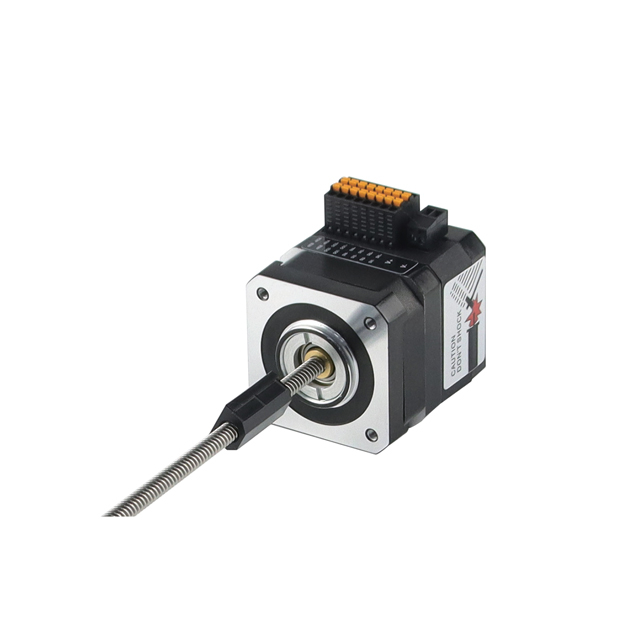
Integrated lead screws
Hollow shafts
Special coatings or housings
These mechanical customizations reduce assembly steps, remove tolerance stack-ups, and enhance reliability by turning the motor into a purpose-built mechanical component rather than a generic add-on.
Mechanical integration directly influences service life. Proper frame sizing, rigid mounting, and controlled load transmission protect:
Motor bearings
Rotor alignment
Couplings and gear trains
Machine structural components
This ensures the automation system maintains repeatable accuracy, stable torque delivery, and low maintenance requirements across years of continuous industrial operation.
Electrical matching is essential for thermal stability and efficiency. We select OEM stepper motors that pair seamlessly with the intended motor driver and controller platform.
We analyze:
Phase current rating
Coil resistance and inductance
Rated voltage
Winding configuration
Driver microstepping capability
Low-inductance motors paired with modern drivers enable higher speeds, smoother motion, and reduced vibration. Proper electrical matching minimizes:
Excess heat generation
Electromagnetic interference
Torque ripple
Power inefficiencies
This ensures the automation system maintains consistent performance under continuous industrial operation.
Automation systems demand repeatable accuracy. We choose OEM stepper motors based on step angle, microstepping compatibility, and manufacturing tolerance.
Key metrics include:
Standard step angle (1.8°, 0.9°, or specialty variants)
Step accuracy percentage
Detent torque
Rotor inertia
High-precision applications such as optical alignment, inspection equipment, semiconductor tools, and medical automation benefit from 0.9° or hybrid stepper motors with low runout and refined magnetic design.
Combined with high-quality drivers, these motors achieve micron-level repeatability without complex servo systems.
Thermal management directly impacts motor lifespan and system stability. We assess heat dissipation, ambient exposure, and enclosure conditions.
We evaluate:
Maximum operating temperature
Winding insulation class
Surface heat dissipation
Mounting heat transfer
Continuous torque ratings
For high-duty automation systems, we prioritize:
Low temperature rise motors
Optimized lamination stacks
Advanced winding insulation
Optional integrated cooling solutions
This approach ensures consistent torque output, protects surrounding electronics, and preserves long-term mechanical reliability.
Automation systems operate across diverse environments. We select OEM stepper motors based on exposure risks and regulatory requirements.
Considerations include:
Dust and moisture ingress
Chemical exposure
Vibration and shock
Cleanroom compliance
Food and pharmaceutical standards
Options such as IP-rated housings, sealed shafts, stainless steel construction, and food-grade coatings extend operational durability while maintaining compliance with industrial standards.
In advanced automation systems, off-the-shelf motors rarely deliver the highest level of performance, integration efficiency, or long-term commercial value. True competitive advantage is achieved through OEM customization and deep technical collaboration. We approach stepper motor sourcing not as a product transaction, but as a co-engineering partnership that transforms a standard motor platform into a purpose-built motion component aligned precisely with system requirements.
Customization allows the stepper motor to become an integrated subsystem rather than a standalone part. By tailoring mechanical, electrical, and functional elements, we eliminate secondary machining, reduce assembly tolerances, and significantly improve operational reliability.
OEM customization delivers:
Higher system efficiency
Improved motion accuracy
Reduced installation complexity
Lower long-term manufacturing cost
Stronger product differentiation
This strategic approach enables automation platforms to scale faster, perform more consistently, and adapt more easily to future upgrades.
Mechanical adaptation is often the foundation of OEM collaboration. We work with motor manufacturers to design motors that fit directly into our mechanical architecture without compromise.
Common mechanical customizations include:
Custom shaft diameters, lengths, and profiles
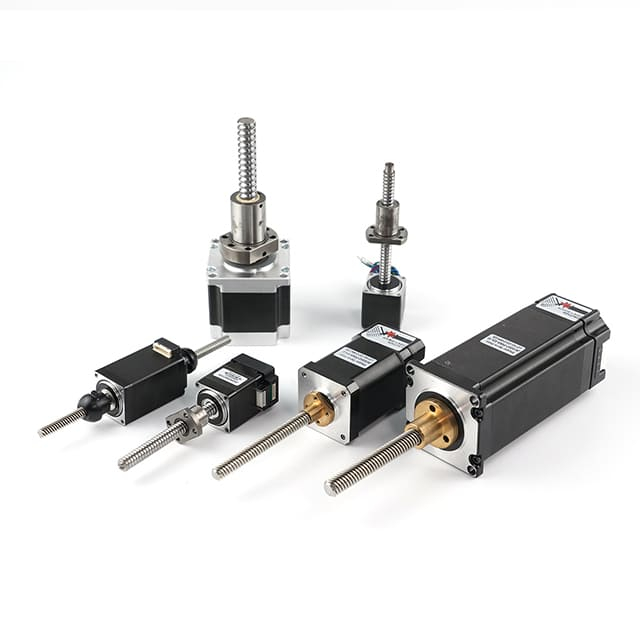
Integrated lead screws or ball screws
Hollow shafts for cable or fluid routing
Non-standard mounting flanges
Specialized housings or stainless-steel bodies
Application-specific coatings and surface treatments
These modifications remove the need for adapter plates, secondary shafts, and custom couplings, improving rigidity and eliminating tolerance stack-ups that can degrade positioning accuracy.
Electrical customization allows the motor to be tuned precisely to the automation system’s driver electronics, power architecture, and performance targets.
We collaborate on:
Special winding configurations
Optimized inductance and resistance
High-temperature insulation systems
Voltage-specific designs
Enhanced torque curves
Reduced detent torque profiles
This electrical co-engineering ensures that the stepper motor operates within its most efficient magnetic region, producing smoother motion, lower heat generation, and higher usable torque across the required speed range.
Modern automation systems increasingly require motors to perform beyond simple motion generation. OEM collaboration enables us to embed functional elements directly into the motor structure.
These include:
Integrated encoders or resolvers
Closed-loop stepper modules
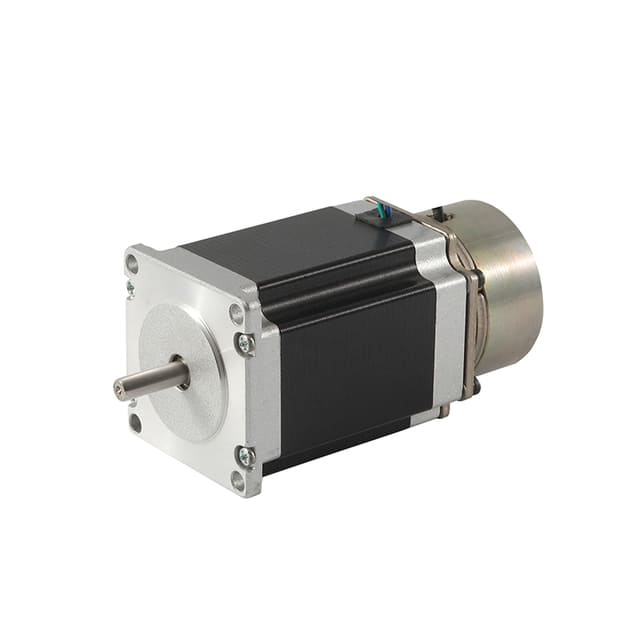
Electromagnetic or permanent-magnet brakes
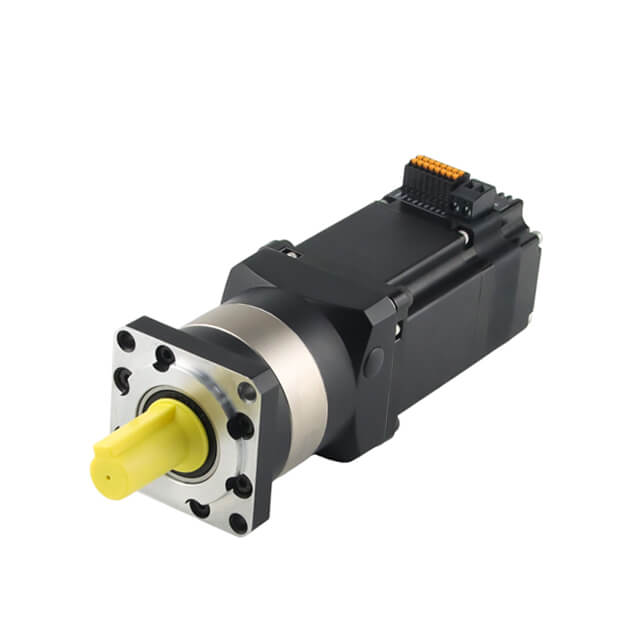
Planetary or harmonic gearboxes
Thermal sensors
Connectorized cable assemblies
Functional integration reduces wiring complexity, minimizes external components, improves signal integrity, and enhances system diagnostics. The result is a compact, intelligent motion unit optimized for industrial deployment.
OEM collaboration extends beyond performance. We engage manufacturers early in the design process to align the motor with mass production requirements and long-term reliability objectives.
Joint development focuses on:
Tolerance control strategies
Assembly simplification
Material selection
Failure mode analysis
Accelerated life testing
Thermal and vibration validation
This approach ensures that the customized motor platform supports stable high-volume production, consistent field performance, and predictable service life.
Effective OEM collaboration is inherently iterative. We move through structured development stages to minimize risk and maximize outcome quality.
Typical collaboration phases include:
Application analysis and requirement mapping
Preliminary motor design and simulation
Prototype fabrication
Mechanical, electrical, and thermal validation
System-level testing
Design refinement and optimization
Pilot production and qualification
This disciplined engineering workflow ensures that the final OEM stepper motor is fully validated within the actual automation environment, not merely compliant on paper.
A defining advantage of OEM partnerships is supply continuity. Automation systems often remain in production for many years, making component stability critical.
Through OEM agreements, we secure:
Controlled design revisions
Long-term availability commitments
Batch traceability
Consistent performance across production lots
Formal change-management processes
This protects automation platforms from unexpected redesigns, certification delays, or field compatibility issues.
OEM customization also supports product identity and market differentiation. Motors can be delivered with:
Private labeling
Custom housings
Application-specific markings
Proprietary mechanical features
This strengthens brand recognition, protects intellectual property, and positions the automation system as a distinct engineered solution rather than a generic assembly of catalog components.
Strong OEM collaboration ensures that stepper motors are designed not only for current performance targets, but also for future expansion.
We design customized platforms that support:
Higher voltage operation
Closed-loop conversion
Integrated drive electronics
Advanced diagnostic capability
Increased load capacity
This future-ready architecture protects engineering investment and allows automation systems to evolve alongside market demands and technological advancement.
Customization capabilities and OEM collaboration redefine how stepper motors contribute to automation systems. Through mechanical tailoring, electrical optimization, functional integration, and structured co-engineering, we transform standard motors into high-value, system-specific motion solutions. This collaborative model reduces technical risk, enhances reliability, strengthens supply continuity, and establishes a foundation for scalable, high-performance automation platforms.
Automation platforms require consistent supply and verifiable quality. We evaluate OEM partners based on:
ISO-certified manufacturing
Incoming and outgoing inspection processes
Traceable production batches
Reliability testing protocols
Long-term supply agreements
Consistency across production runs guarantees that replacement motors maintain identical performance characteristics, protecting field reliability and customer satisfaction.
True value extends beyond purchase price. We assess total system cost including:
Energy efficiency
Maintenance requirements
Failure risk
Downtime impact
Scalability
High-quality OEM stepper motors reduce unexpected service interventions, recalibration labor, and mechanical wear, delivering measurable financial returns throughout the automation system lifecycle.
Automation systems are long-term engineering investments. Market demands, production volumes, regulatory requirements, and control technologies evolve far faster than mechanical platforms are replaced. For this reason, we design every automation architecture—including OEM stepper motor selection—with a future-proofing strategy. Our objective is to ensure that today’s system continues to deliver performance, adaptability, and commercial value well into the next generation of production requirements.
Future-proofing begins with intentional performance margin. We avoid selecting motors that merely meet current operating points. Instead, we define reserves in torque, speed, and thermal capacity.
This approach enables:
Increased payloads
Higher cycle speeds
Expanded axis lengths
Additional tooling
New motion profiles
By selecting OEM stepper motors capable of exceeding present requirements, we create systems that accommodate future product variants and throughput expansion without mechanical redesign.
Scalability is a structural principle. We design motion systems that support both horizontal and vertical expansion.
This includes:
Modular axis construction
Standardized motor frames
Common mechanical interfaces
Unified electrical connectors
Consistent control protocols
Scalable architectures allow motors to be upgraded, axes to be duplicated, and machines to be reconfigured while maintaining compatibility across the automation platform.
Many automation systems evolve from open-loop to closed-loop control as accuracy, reliability, and diagnostics become more critical. We future-proof by selecting motors that support seamless closed-loop migration.
This includes:
Encoder-ready motor designs
Shaft extensions for feedback devices
Magnetic structures compatible with servo-style drivers
Thermal and electrical margins for higher-performance electronics
This strategy protects the original investment while enabling upgrades to position verification, stall detection, adaptive torque control, and predictive maintenance.
Automation is increasingly data-driven. Future-ready systems require motors that can evolve into intelligent motion nodes.
We prepare for:
Integrated encoders and sensors
Temperature and vibration monitoring
Embedded drive electronics
Fieldbus and industrial Ethernet compatibility
Remote diagnostics and firmware upgrades
OEM stepper motors designed with smart-integration pathways support the transition toward Industry 4.0 and IIoT-enabled manufacturing environments.
Future production environments frequently introduce new power architectures. We ensure motor platforms are adaptable to:
Higher bus voltages
Energy-efficient drive technologies
Regenerative power management
Distributed control topologies
Electrical flexibility ensures motors can be paired with next-generation drivers and controllers without mechanical replacement.
Mechanical future-proofing centers on preserving interfaces. We prioritize motor designs that maintain compatibility with:
Existing gearboxes and couplings
Mounting frames and machine castings
Linear motion components
Tooling and end-effectors
This allows higher-torque or higher-speed motor variants to be deployed while protecting core machine assets.
Production environments often become more demanding over time. We design motors to tolerate:
Higher duty cycles
Elevated ambient temperatures
Expanded enclosures
Increased contamination risks
Motors with strong thermal margins, advanced insulation systems, and optional sealing configurations ensure stable performance even as environmental constraints tighten.
A future-proof system depends on long-term component continuity. Through OEM collaboration, we establish:
Controlled design baselines
Formal change management
Long-term production commitments
Backward compatibility standards
This protects automation platforms from disruptive redesigns and ensures fielded equipment remains serviceable and upgradable for years.
Automation systems must adapt to evolving safety, efficiency, and regulatory frameworks. Future-ready motor platforms support:
Functional safety integration
Energy efficiency initiatives
Electromagnetic compliance updates
Global certification expansion
This ensures systems remain marketable and legally deployable across regions and industries.
Future-proofing is not about predicting one outcome—it is about enabling continuous change. By selecting OEM stepper motors that support modular upgrades, integrated intelligence, and scalable performance, we create automation systems that evolve alongside:
Product complexity
Manufacturing methodologies
Digitalization initiatives
Competitive market pressures
Future-proofing automation systems requires deliberate engineering foresight. Through performance headroom, scalable architecture, smart-integration readiness, closed-loop compatibility, and strong OEM collaboration, we design motion platforms that remain adaptable, reliable, and commercially viable. OEM stepper motors become not only motion components, but long-term technological foundations supporting continuous improvement and sustainable automation growth.
Selecting the right OEM stepper motor for automation systems is not a transactional decision—it is an engineering investment. By aligning mechanical, electrical, thermal, and operational requirements, we construct automation platforms that deliver precision motion, high uptime, and scalable performance.
Through structured evaluation, OEM collaboration, and rigorous specification control, we ensure every motor contributes directly to system efficiency, manufacturing reliability, and long-term commercial success.
An OEM customized stepper motor is engineered specifically for integration into your automation system designs rather than off-the-shelf models.
ODM refers to Original Design Manufacturing, where the motor design itself can be adapted to your unique requirements.
Customized stepper motors ensure optimum torque, speed, motion profile, and mechanical fit to meet specific automation needs.
Applications include robotics, CNC, packaging, textile machines, medical devices, semiconductor tools, inspection systems, and more.
They can handle linear, rotary, intermittent, or continuous motion requirements.
It converts real performance expectations into quantifiable technical specs for precise motor engineering.
It determines the static and dynamic torque needed to prevent stalling and ensure reliable performance.
Correct sizing balances torque capacity, inertia, heat dissipation, and mechanical compatibility.
Voltage, current rating, winding configuration, and driver compatibility all influence performance.
It ensures smooth motion, avoids resonance, and prevents lost steps in precise automation tasks.
Yes — with optional integrated encoders or sensors enabled through OEM/ODM design.
Dust, moisture, chemicals, vibration, and temperature define protection levels and material choices.
Custom shafts, lead screws, hollow shafts, and non-standard mountings are common options.
Deep co-engineering aligns motor characteristics to system electronics and mechanical demands.
ISO, CE, RoHS, and traceable batch production ensure consistent quality.
Yes – OEM partnerships often include commitments to continuity and version control.
They can be, because they are engineered for exact duty cycles, thermal limits, and reliability targets.
They allow scalable architectures, closed-loop readiness, and compatibility with next-gen control.
Mounting constraints, coupling options, space envelopes, and vibration damping are key.
Yes – they improve efficiency, reduce assembly work, and minimize maintenance over time.