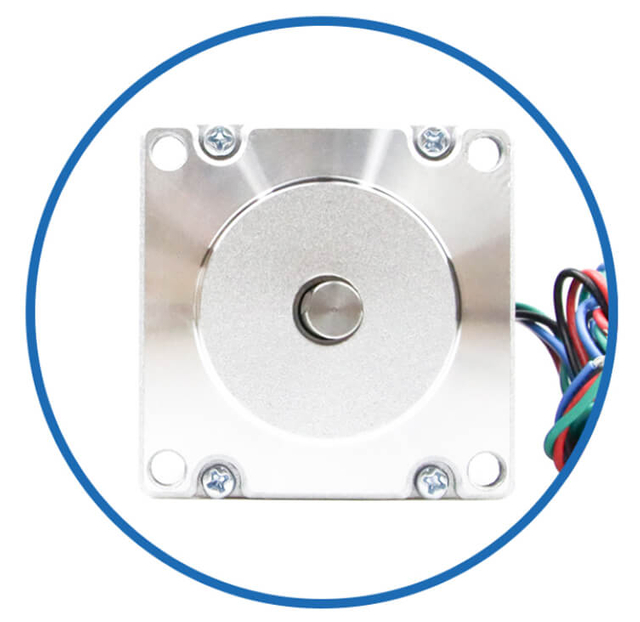
Selecting the right stepper motor with encoder is a critical decision in any precision motion system. In modern automation, robotics, medical devices, and semiconductor equipment, positioning accuracy, repeatability, and reliability are non-negotiable. We must go beyond basic torque ratings and frame sizes and evaluate how the encoder, motor design, and control architecture work together as a complete positioning solution.
This comprehensive guide explains exactly how to choose stepper motors with encoders for positioning, focusing on the engineering parameters that directly impact performance, system stability, and long-term accuracy.
A stepper motor with encoder integrates a high-resolution position sensor onto the rear shaft of the motor. Unlike open-loop stepper systems, the encoder continuously monitors actual rotor position, enabling the drive to detect lost steps, correct positioning errors, and optimize torque output.
Encoders transform traditional steppers into closed-loop stepper motors, combining the holding torque advantages of stepper technology with the positional security of servo feedback.
Key functional advantages include:
True position verification
Automatic error correction
Higher usable torque at speed
Reduced resonance and vibration
Improved reliability in dynamic loads
For any application where misalignment, load variation, or mechanical wear can compromise accuracy, a stepper motor with encoder becomes essential.
Choosing the correct motor begins with a precise understanding of system requirements. We must quantify motion performance targets before evaluating hardware.
Critical parameters include:
Positioning accuracy and repeatability
Maximum and minimum speed
Load inertia and mass
Required holding and running torque
Duty cycle and ambient conditions
Mechanical transmission (lead screw, belt, gearbox)
Positioning systems fall broadly into two categories:
Indexing systems requiring consistent step placement
Continuous path systems requiring smooth, interpolated motion
Encoders are particularly valuable in high-duty, high-speed, or vertically loaded axes where missed steps cannot be tolerated.
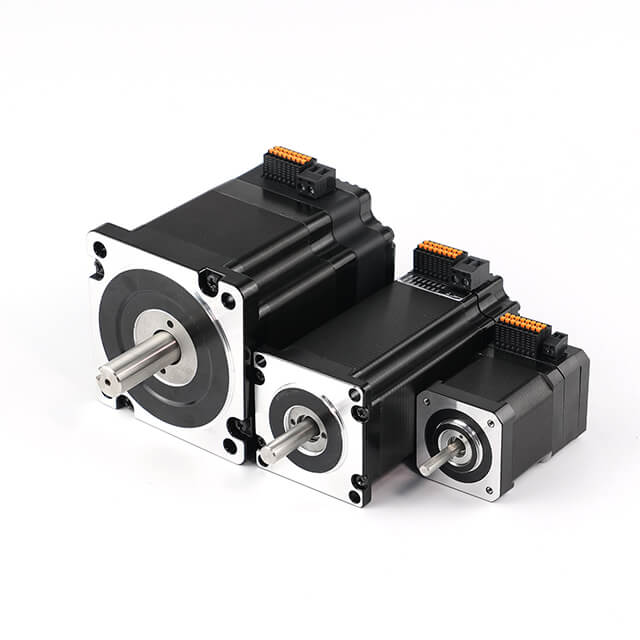
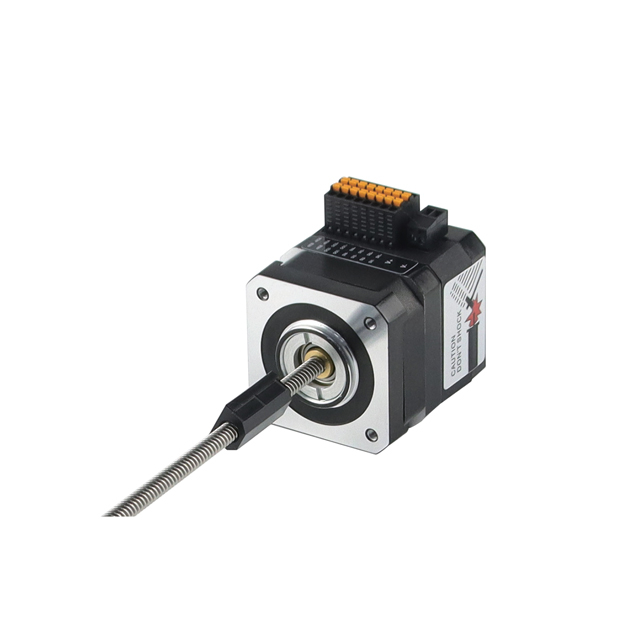
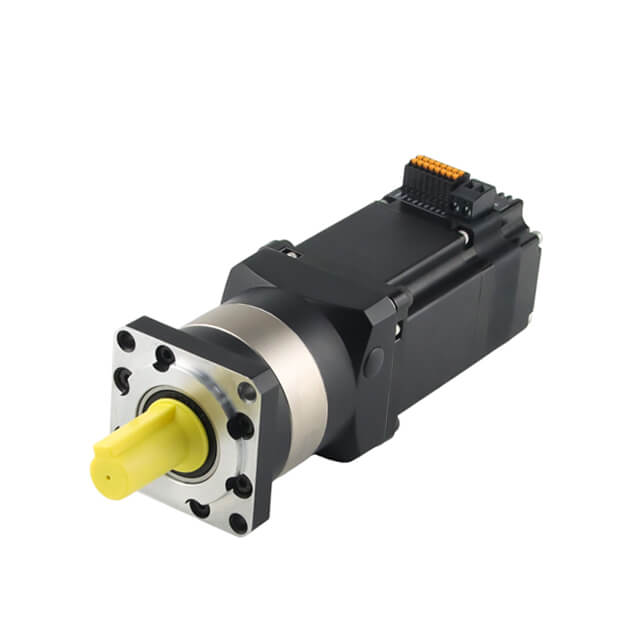
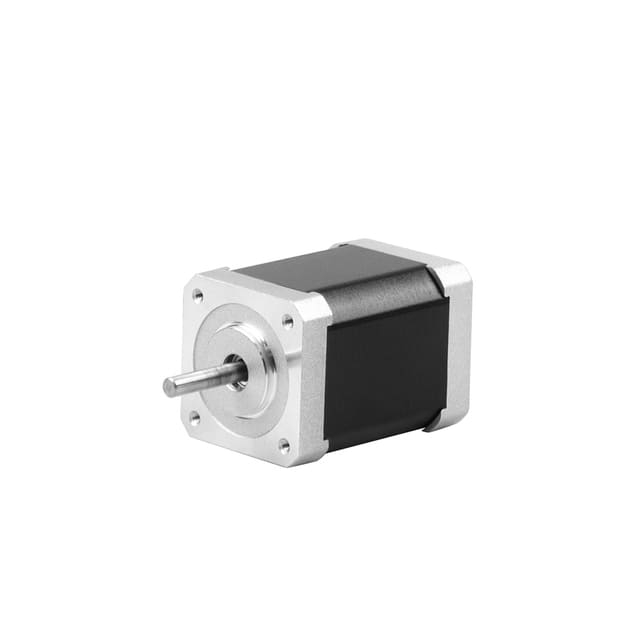
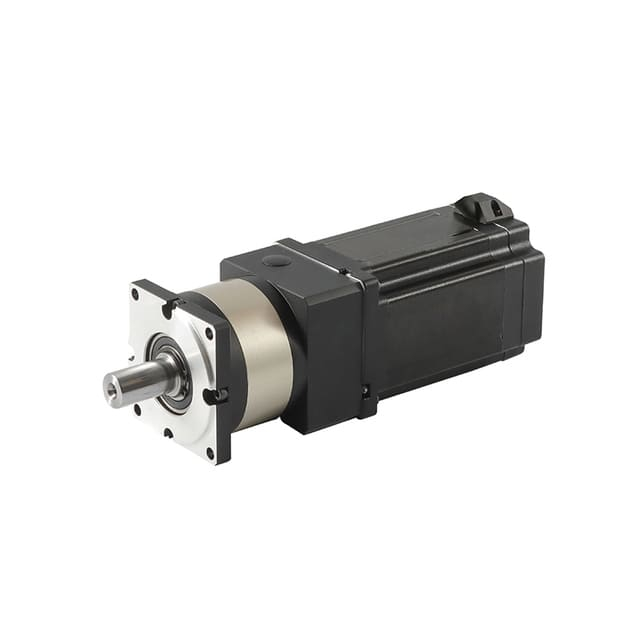
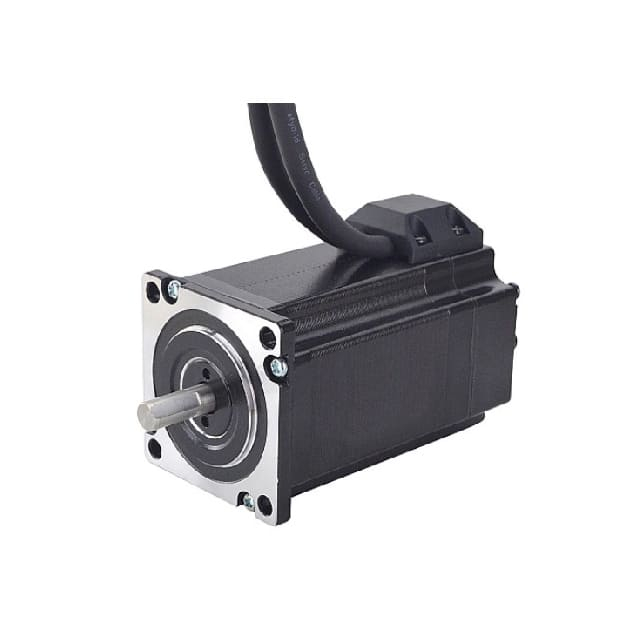
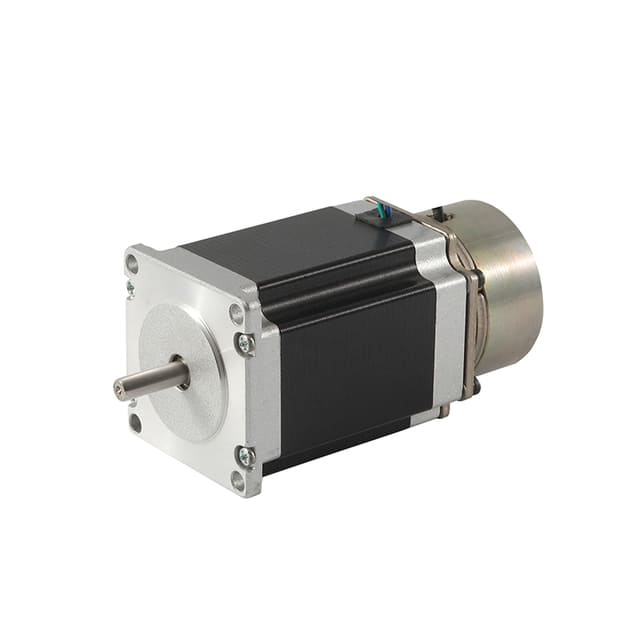
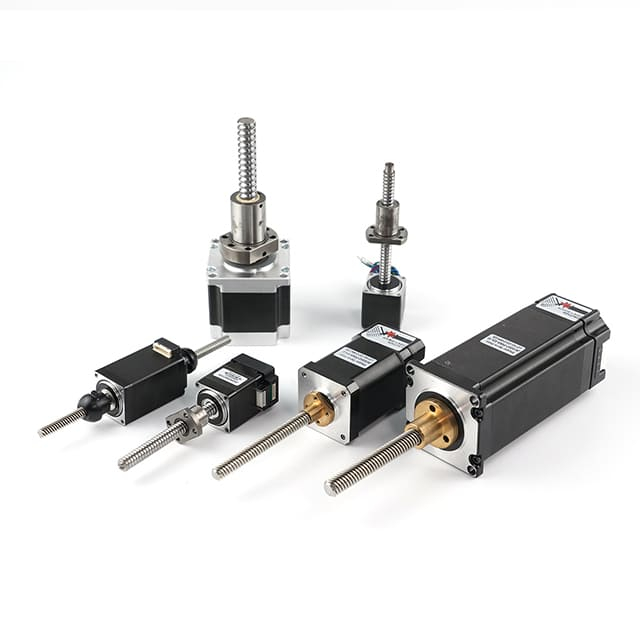
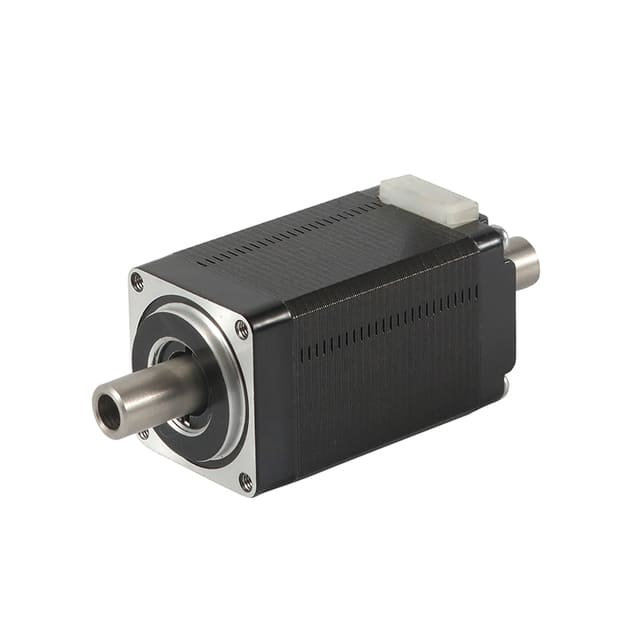
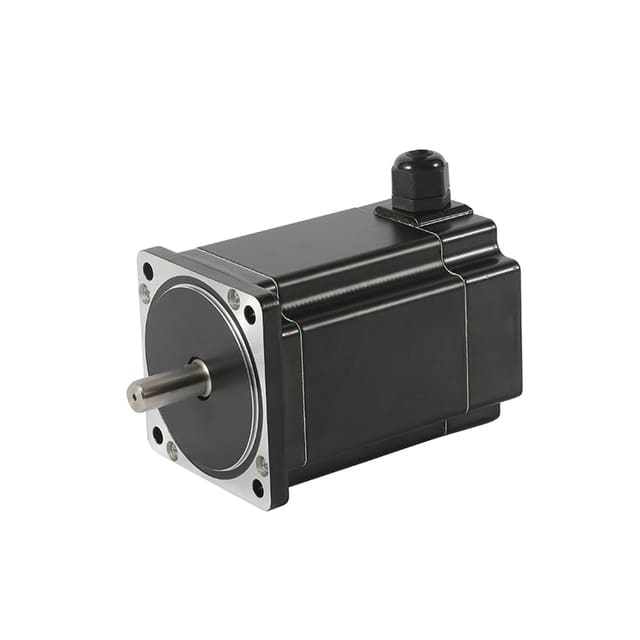
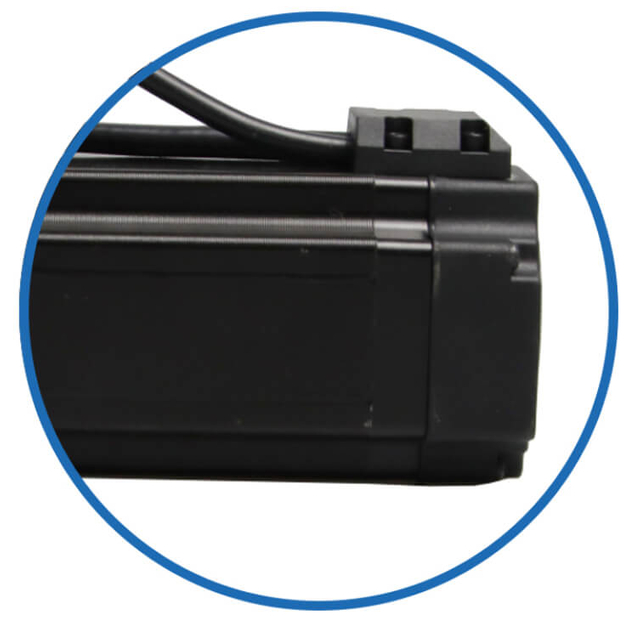
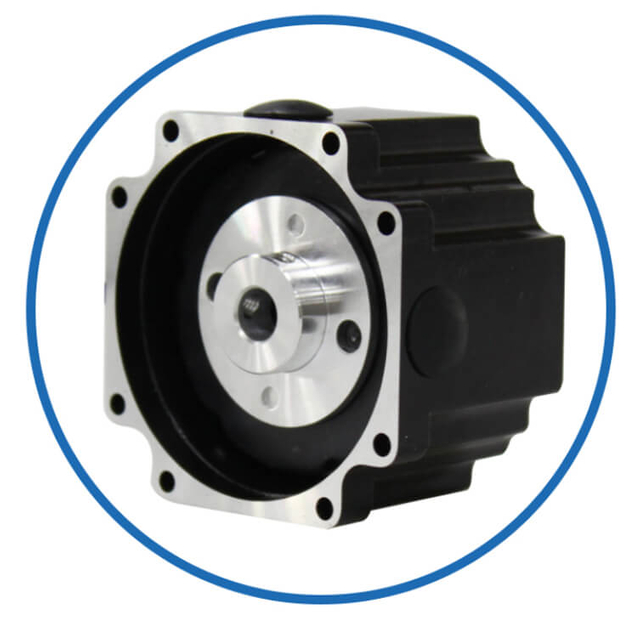
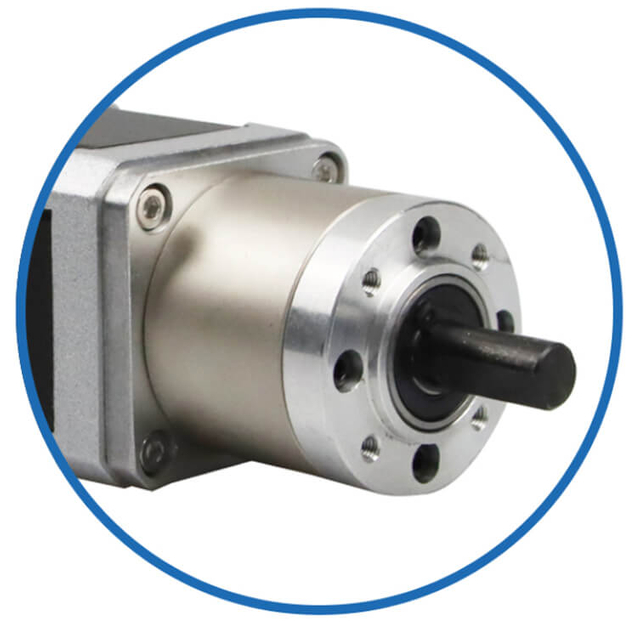
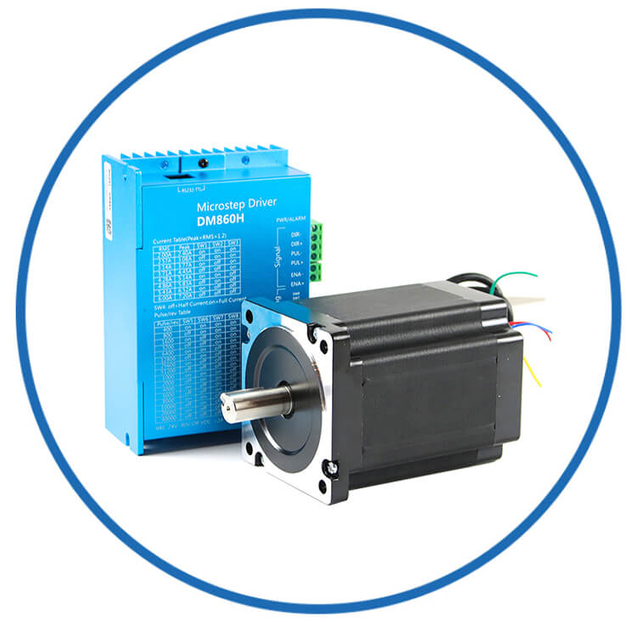
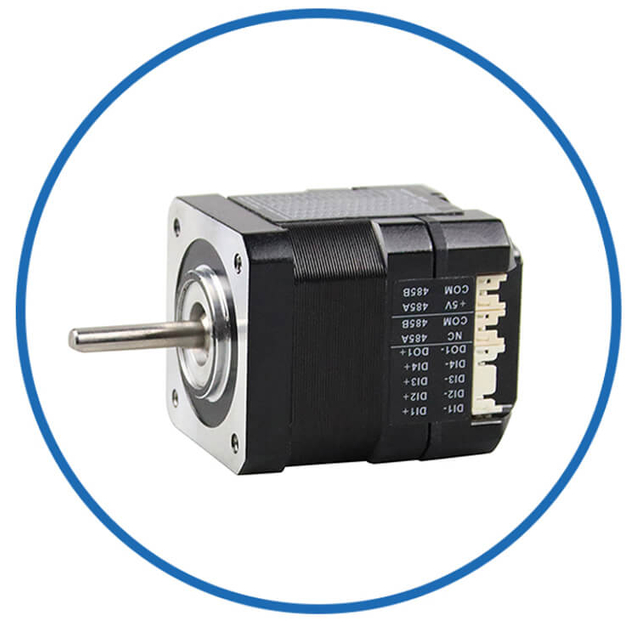
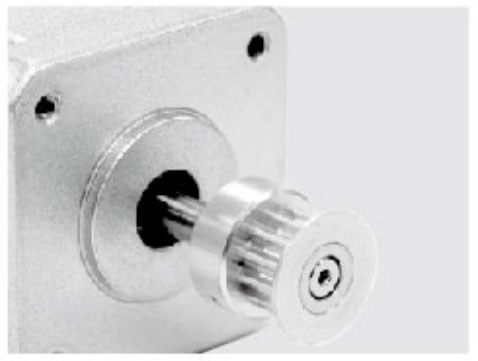
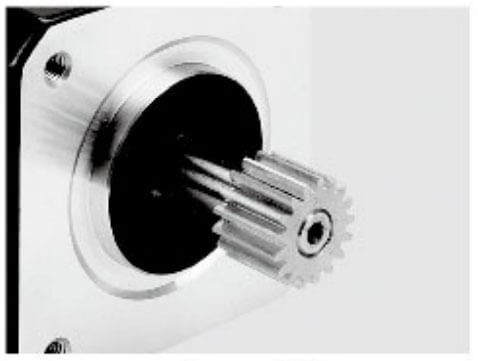
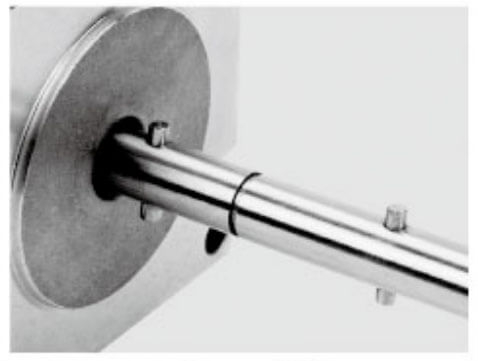
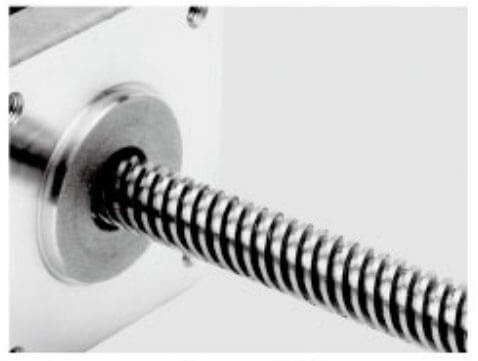
Types of Customized Stepper Motors with Encoder for Positioning Applications
Motor Customized Service
As a professional brushless dc motor manufacturer with 13 years in china, Jkongmotor offer various bldc motors with customized requirements, including 33 42 57 60 80 86 110 130mm, additionally, gearboxes, brakes, encoders, brushless motor drivers and integrated drivers are optional.
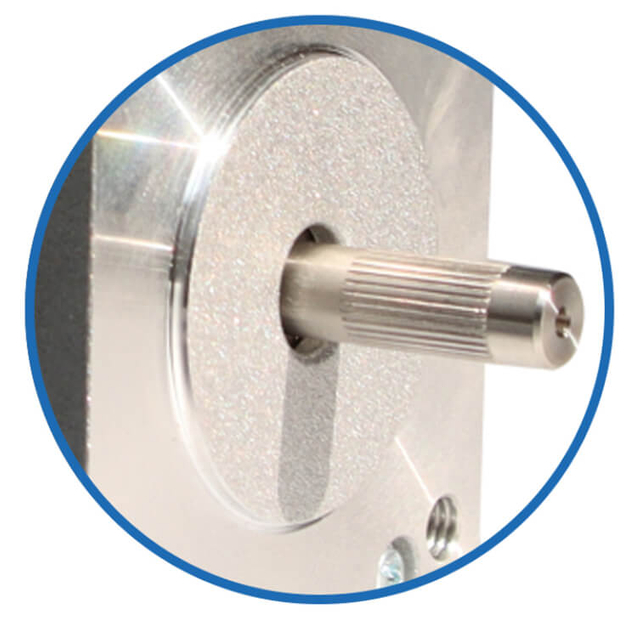
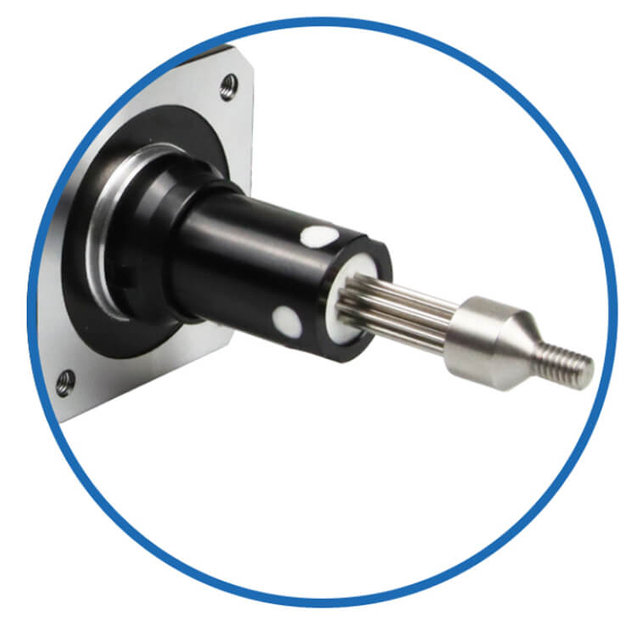
Motor Shaft Customized Service
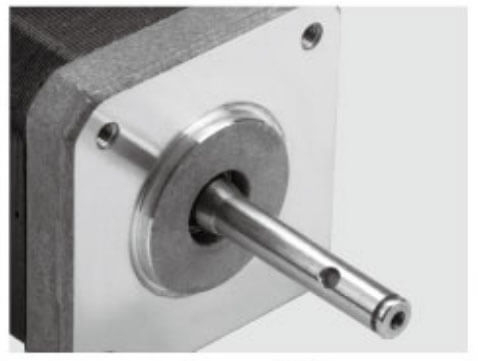
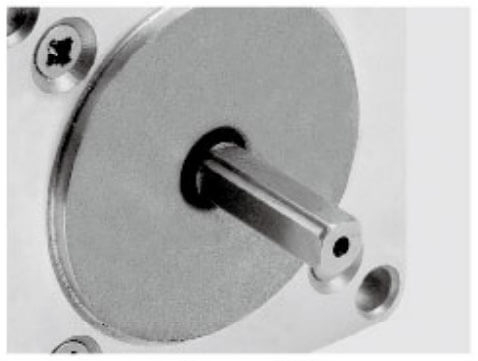
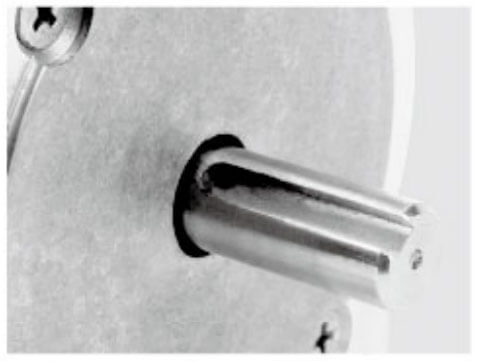
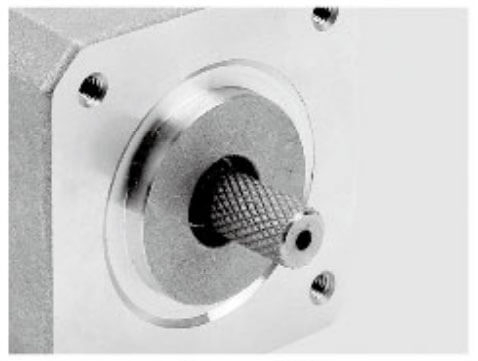
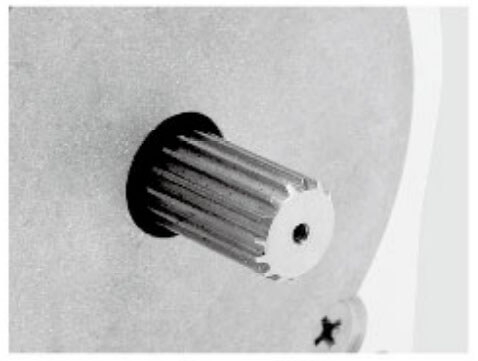
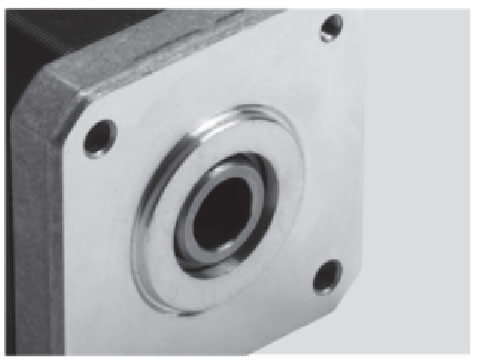
Jkongmotor offer many different shaft options for your motor as well as customizable shaft lengths to make the motor fit your application seamlessly.
How to Choose the Right Encoder for Customized Stepper Motors with Encoder for Positioning
The encoder defines how precisely the motor’s actual position can be measured. Selecting the correct encoder technology is fundamental.
Incremental Encoders
Incremental encoders generate pulse signals proportional to shaft rotation. They are cost-effective and widely used in industrial stepper systems.
Advantages include:
Incremental encoders are ideal when the system always performs a homing routine at startup.
Absolute Encoders
Absolute encoders provide a unique position value for every shaft angle, even after power loss.
Advantages include:
Absolute encoders are recommended for medical devices, semiconductor tools, and vertical axes where unexpected motion is unacceptable.
Resolution Considerations
Encoder resolution must exceed the motor’s step resolution after microstepping and transmission ratios. High-precision positioning systems typically require:
1000–5000 PPR for standard automation
10,000+ counts per revolution for optical inspection and semiconductor equipment
Higher resolution improves smoothness, micro-positioning capability, and velocity stability.
When selecting a stepper motor with encoder for positioning applications, torque evaluation must extend beyond traditional static ratings. Encoder integration fundamentally changes how torque is generated, controlled, and utilized across the full speed range. We must analyze torque behavior as a dynamic, feedback-regulated characteristic, not merely a datasheet value.
Understanding the Difference Between Holding Torque and Usable Torque
Conventional stepper motors are typically specified by holding torque, measured when the motor is energized but not rotating. While holding torque indicates the motor’s ability to resist external forces at standstill, it does not represent how much torque is actually available during motion.
With encoder integration, the focus shifts toward usable torque across speed:
Low-speed torque for precise positioning and micro-movements
Mid-range torque stability to avoid resonance and step loss
High-speed torque retention for rapid indexing and throughput
Closed-loop control uses encoder feedback to continuously correct phase current, allowing the motor to maintain effective torque output even as load conditions change.
How Encoder Feedback Enhances Torque Utilization
The encoder provides real-time rotor position data to the drive. This allows the control algorithm to:
Increase current instantly when load torque rises
Correct phase angle when the rotor lags behind command
Prevent torque collapse near pull-out limits
Maintain synchronism under shock loads
As a result, the motor operates closer to its true electromagnetic capability. This produces higher effective torque, especially during acceleration and deceleration, compared with open-loop systems that must be oversized to avoid missed steps.
Evaluating Dynamic Torque Curves, Not Just Peak Values
When evaluating a stepper motor with encoder, we must always analyze the full torque-speed curve, not only the peak torque rating.
Key points to examine include:
Continuous torque at operating speed
Torque available at maximum acceleration
Pull-in and pull-out torque limits under closed-loop control
Thermal derating at elevated ambient temperatures
Encoder-based systems typically flatten the torque curve, delivering more consistent output across the working speed band. This makes them ideal for applications requiring both precision at low speed and productivity at high speed.
Matching Torque Characteristics to Load Profiles
Accurate torque evaluation begins with a detailed load model. We must quantify:
Inertial torque from moving mass
Frictional torque from guides, screws, and seals
Gravitational torque in vertical axes
Process torque from cutting, dispensing, or pressing operations
The selected motor should provide sufficient dynamic torque with a safety margin of 30–50% under worst-case conditions. Encoder integration reduces the need for excessive oversizing, but it does not eliminate the laws of physics. Proper torque headroom ensures stability, thermal safety, and long-term reliability.
Torque Stability During Acceleration and Direction Changes
High-precision positioning systems frequently involve:
These conditions place extreme demands on instantaneous torque. Encoder-equipped stepper systems excel here because feedback allows the drive to counteract rotor lag and load-induced phase errors. This maintains stable torque delivery, preventing overshoot, oscillation, and step loss during aggressive motion profiles.
Thermal Considerations in Closed-Loop Torque Performance
Torque capability is inseparable from thermal management. Encoder integration allows dynamic current regulation, which:
Reduces idle current at standstill
Minimizes heat generation under partial load
Increases current only when torque is demanded
This improves continuous torque availability by keeping winding temperature within safe limits. When evaluating torque characteristics, we must always correlate them with:
Motor insulation class
Allowable temperature rise
Ambient operating conditions
Cooling method and enclosure design
Sustainable torque output over time is more valuable than short-duration peak torque.
Impact of Encoder Resolution on Torque Control Quality
Encoder resolution directly influences how precisely the drive can regulate torque. Higher-resolution encoders enable:
This is especially critical in applications such as optical alignment, medical dosing, and semiconductor positioning, where torque smoothness directly affects positioning accuracy.
Building a Torque-Optimized Closed-Loop Stepper System
Evaluating motor torque characteristics with encoder integration requires a system-level approach. We must coordinate:
Motor electromagnetic design
Encoder resolution and response
Drive current control bandwidth
Mechanical transmission efficiency
When properly matched, encoder-equipped stepper motors deliver servo-like torque behavior with the inherent advantages of stepper technology: high holding torque, excellent low-speed stability, and cost-effective precision.
By focusing on dynamic torque performance rather than static ratings, we ensure that the selected motor will maintain positioning accuracy, operational stability, and long-term reliability across the full operating envelope.
Match Encoder Feedback with Drive Control for Positioning Accuracy
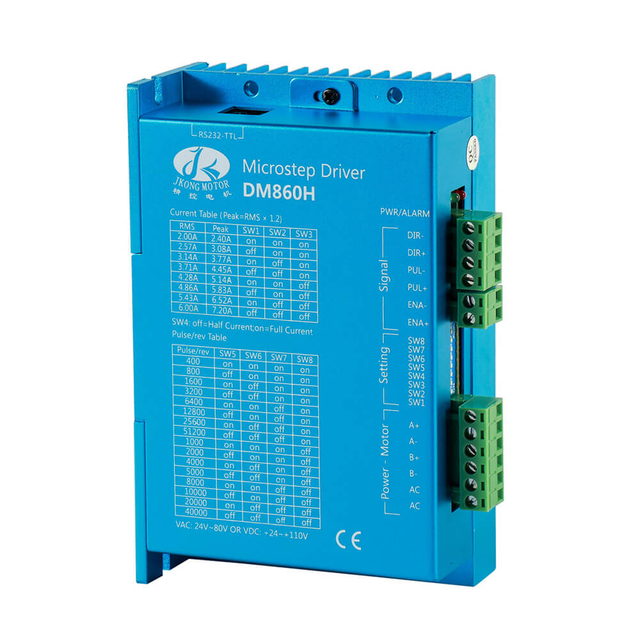
The motor and encoder alone cannot guarantee positioning performance. The drive electronics must fully support closed-loop operation.
Key drive features to verify include:
Advanced closed-loop stepper drives use encoder signals to dynamically adjust phase current, ensuring the rotor remains synchronized with command pulses. This is essential for maintaining accuracy during:
Rapid acceleration
High-speed indexing
Sudden load variation
Without proper drive support, the encoder cannot deliver its full value.
Mechanical & Environmental Specs for Customized Stepper Motors with Encoder for Positioning
When choosing a stepper motor with encoder for positioning applications, mechanical and environmental specifications are just as critical as electrical and control parameters. Even a perfectly sized motor can fail to deliver precision if mechanical integration is poor or environmental conditions degrade encoder performance. We must evaluate these factors at the system level to ensure stable positioning, signal integrity, and long-term operational reliability.
Mechanical Interface and Mounting Accuracy
Mechanical compatibility begins with the motor’s frame size, flange standard, and pilot diameter. These elements determine how accurately the motor aligns with the driven mechanism. Misalignment introduces radial and axial loads that increase bearing wear, generate vibration, and degrade encoder signal stability.
Key mounting considerations include:
Standardized flanges (NEMA or IEC) for interchangeability
High concentricity shafts to minimize runout
Rigid mounting surfaces to prevent micro-shifting under dynamic load
Precision positioning systems benefit from motors with tight shaft and flange tolerances, as even small geometric errors can translate into measurable positioning deviations at the load.
Shaft Design, Bearings, and Load Capacity
The motor shaft and bearing system must support not only transmitted torque, but also external forces from couplings, belts, gears, and lead screws. Encoder-equipped motors are especially sensitive to shaft deflection, as excessive runout directly affects feedback accuracy.
We must evaluate:
Radial load ratings for belt- and gear-driven systems
Axial load ratings for lead screw and vertical applications
Bearing type and preload design
Permissible overhung load distance
For high-precision positioning, motors with reinforced bearings or dual-bearing structures are often preferred. These designs improve stiffness, reduce vibration, and protect the encoder from mechanical shock.
Couplings and Transmission Compatibility
The mechanical connection between the motor and load must preserve both torque fidelity and positional integrity. Improper couplings introduce backlash, compliance, and misalignment, all of which reduce system accuracy.
Best practices include:
Zero-backlash couplings for direct-drive axes
Torsionally stiff couplings for high-response systems
Flexible couplings only where misalignment compensation is unavoidable
When gearboxes or lead screws are used, we must verify:
Mechanical transmission quality directly determines how effectively encoder feedback reflects true load position.
Encoder Protection and Structural Integration
Encoders are precision instruments. Their performance depends heavily on how well they are protected and mechanically supported.
We should prioritize motors with:
Integrated encoder housings
Shock-resistant mounting structures
High-quality shaft sealing
Strain-relieved encoder cabling
Poor mechanical support can allow micro-movements between the encoder and motor shaft, introducing counting errors and unstable feedback. Rigid encoder integration ensures long-term signal consistency and repeatable positioning.
Ingress Protection and Contamination Resistance
Environmental exposure directly impacts both the motor windings and the encoder sensor. Dust, oil mist, moisture, and chemical vapors can all compromise positioning systems.
We must match the motor’s IP rating to the operating environment:
IP40–IP54 for clean, enclosed automation equipment
IP65–IP67 for washdown, food processing, or outdoor systems
Sealed-shaft designs for dusty or abrasive environments
Encoders benefit from sealed optical assemblies or industrial magnetic sensing, particularly in applications involving vibration, humidity, or airborne contaminants.
Temperature Range and Thermal Stability
Temperature affects magnetic strength, winding resistance, bearing lubrication, and encoder accuracy. Mechanical expansion can subtly alter alignment, influencing both torque transmission and feedback precision.
Critical thermal factors include:
Operating and storage temperature limits
Thermal expansion of housings and shafts
Bearing grease ratings
Encoder sensor temperature tolerance
High-precision positioning systems often require motors with low thermal drift characteristics and encoders designed for stable signal output across wide temperature ranges.
Vibration and Shock Resistance
Positioning systems in industrial environments are frequently exposed to vibration from nearby machinery or rapid axis motion. These forces can loosen fasteners, fatigue bearings, and destabilize encoder readings.
Mechanical evaluation should include:
Motors designed for motion control environments feature reinforced structures that protect both the rotor assembly and the encoder from cumulative mechanical stress.
Cable Routing, Connectors, and EMC Protection
Mechanical design extends to cabling. Encoder signals are low-level and vulnerable to electromagnetic and mechanical interference.
We should specify:
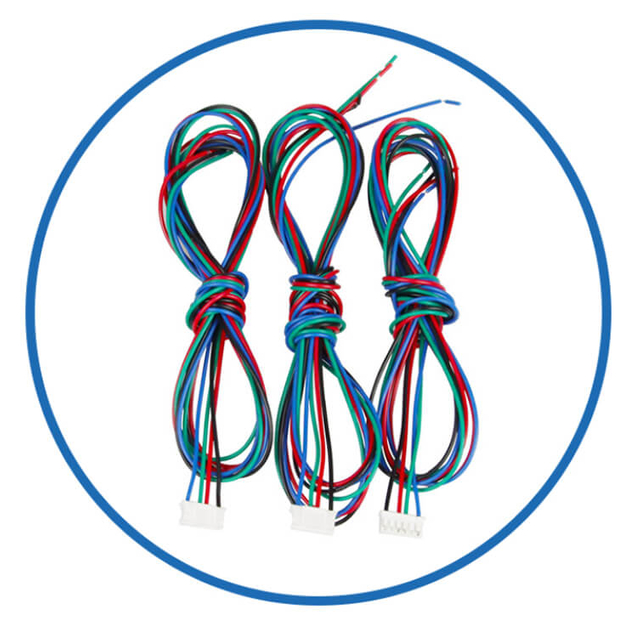
Shielded, flexible encoder cables
Industrial locking connectors
Oil- and flex-resistant insulation
Defined minimum bend radii
Proper cable management reduces strain on encoder connectors, prevents intermittent feedback loss, and preserves signal integrity over long-term operation.
Designing for Serviceability and Long-Term Reliability
Mechanical and environmental specifications also influence maintenance strategy. Motors used in high-duty positioning systems should support:
Simple mechanical replacement
Stable alignment after service
Long bearing life
Consistent encoder calibration
Well-selected mechanical designs reduce downtime, preserve positioning accuracy over years of operation, and protect the total investment in the motion system.
Building a Mechanically Robust Positioning Platform
Selecting mechanical and environmental specifications is not a secondary step—it defines the foundation on which all electrical and control performance rests. When we rigorously evaluate mounting precision, load capacity, environmental sealing, thermal behavior, and structural rigidity, we create positioning systems that deliver not only accuracy at commissioning, but also stability, repeatability, and reliability throughout their operational life.
A mechanically robust stepper motor with encoder ensures that every control correction, every feedback pulse, and every commanded movement is faithfully translated into real-world positioning performance.
Encoder performance must be evaluated in the context of the full motion system. Gearboxes, belts, and lead screws multiply both torque and resolution.
Examples:
A 200-step motor with 10,000-count encoder and 5:1 gearbox delivers 50,000 feedback counts per output revolution
A 5 mm lead screw converts that into 0.0001 mm positional feedback resolution
By coordinating motor steps, encoder resolution, and transmission ratios, we can achieve sub-micron positioning without sacrificing torque or speed.
System-level optimization always outperforms isolated component selection.
Ensuring Closed-Loop Stability in Customized Stepper Motors with Encoder for Positioning
Encoder feedback introduces new electrical considerations. Signal integrity directly affects positioning stability.
Best practices include:
Differential encoder outputs (A+, A–, B+, B–)
Shielded twisted-pair cabling
Proper grounding architecture
Noise-isolated power supplies
Industrial environments with VFDs, welding equipment, or high-current drives demand robust encoder signal design to prevent false counts and motion jitter.
Stable feedback ensures consistent positioning under all operating conditions.
Selecting a stepper motor with encoder is most effective when driven by the realities of the application rather than by isolated component specifications. Every positioning system imposes a unique combination of accuracy demands, dynamic loads, environmental stresses, and reliability expectations. We must therefore align motor structure, torque characteristics, and encoder technology directly with how the system will be used.
Automation and General Industrial Machinery
In factory automation, packaging equipment, and assembly systems, positioning axes are expected to operate continuously, often at high cycle rates. These applications prioritize throughput, stability, and repeatability.
Key selection priorities include:
High dynamic torque for rapid acceleration and deceleration
Incremental encoders with moderate-to-high resolution for reliable step verification
Closed-loop drives with resonance suppression
Robust bearings for continuous-duty cycles
In these environments, encoder-equipped steppers deliver improved mid-speed torque and eliminate missed steps, ensuring consistent indexing even under fluctuating payloads.
Robotics and Collaborative Systems
Robotic joints and end-effectors require precise, smooth, and responsive motion. Load inertia frequently changes, and motion profiles are often complex.
Optimal configurations emphasize:
High-resolution encoders for fine velocity control
Compact motors with high torque density
Low cogging and minimal torque ripple
Fast feedback processing
Here, encoder integration supports continuous correction of rotor position, maintaining path accuracy, improving smoothness, and enabling stable low-speed operation essential for robotic guidance and collaborative environments.
Medical and Laboratory Equipment
Medical devices, analytical instruments, and diagnostic platforms impose stringent demands on repeatability, noise, and safety.
Selection criteria typically focus on:
Absolute encoders to retain position after power loss
Ultra-smooth microstepping performance
Low acoustic noise and vibration
Compact form factors with thermal stability
Encoder-equipped steppers ensure that each commanded movement corresponds to an actual physical displacement, protecting both measurement accuracy and patient or sample safety.
Semiconductor, Optical, and Precision Metrology Systems
These sectors represent the highest tier of positioning performance. Sub-micron motion, extremely smooth velocity profiles, and thermal consistency are mandatory.
Motor and encoder choices emphasize:
Very high encoder resolution
Low expansion mechanical structures
High bearing precision and minimal runout
Advanced closed-loop control bandwidth
In these systems, the encoder becomes the core of the motion architecture, enabling constant micro-correction and real-time compensation for mechanical and thermal deviations.
Vertical Axes and Safety-Critical Positioning
Lifts, Z-axes, dispensing heads, and clamping mechanisms involve gravity loads and safety implications. Any position error can lead to equipment damage or operational hazards.
Application-driven selection prioritizes:
Absolute encoders for power-loss position awareness
High holding and peak torque margins
Integrated brakes or mechanical locks
Drives with fault detection and alarm outputs
Encoder feedback ensures controlled deceleration, precise stopping, and immediate fault response, dramatically improving system reliability and safety.
Logistics, Conveyance, and Packaging Systems
These systems focus on speed, synchronization, and uptime. Axes often run continuously and coordinate with multiple motion stages.
Key features include:
High-speed torque retention
Encoders with strong noise immunity
Mechanically robust housings
Drives capable of networked motion control
Encoder integration supports accurate registration, coordinated multi-axis positioning, and automatic compensation for load variation across long duty cycles.
Customization Based on Industry-Specific Risk Factors
Every application class has dominant risks. Application-driven selection means choosing components that directly mitigate these risks:
Precision industries focus on resolution and thermal stability
Industrial automation focuses on torque robustness and duty cycle endurance
Medical systems focus on position certainty and smoothness
Vertical and safety systems focus on feedback continuity and fault control
By identifying the highest-impact failure modes first, we select motors and encoders that directly protect system performance.
System-Level Optimization Over Component-Level Selection
Application-driven selection does not stop at the motor. We must coordinate:
Encoder resolution with transmission ratios
Motor torque curves with real load inertia
Drive algorithms with motion profiles
Mechanical stiffness with feedback sensitivity
This ensures that the encoder’s feedback reflects true load motion and that the motor’s torque is always applied with maximum positional effectiveness.
Engineering Motion Solutions Around Real Use Conditions
Choosing a stepper motor with encoder based on application context produces systems that are not merely functional, but optimized. By grounding selection decisions in real operating conditions—speed ranges, environmental exposure, safety requirements, and precision targets—we create motion platforms that deliver consistent accuracy, operational resilience, and scalable performance across the full equipment life cycle.
Application-driven motor and encoder selection transforms closed-loop stepper technology from a component choice into a strategic system design advantage.
Positioning accuracy is not only an initial specification; it is a long-term operational metric. Encoder-equipped steppers offer advantages in predictive maintenance and system diagnostics.
They enable:
Monitoring of position deviation trends
Early detection of mechanical wear
Automatic compensation for load changes
Reduced commissioning time
Systems with encoder feedback maintain calibration longer, reduce scrap rates, and improve uptime across multi-year equipment life cycles.
Building a High-Confidence Positioning System
A high-confidence positioning system is defined by its ability to deliver accurate, repeatable, and verifiable motion under real operating conditions. It is not enough for a motion axis to move; it must move correctly, every time, despite load changes, environmental influences, long duty cycles, and system aging. When we design a positioning system around a stepper motor with encoder, we shift from assumption-based motion to evidence-based motion control.
Designing Around Verified Motion Instead of Commanded Motion
Traditional open-loop stepper systems assume that commanded steps equal physical movement. High-confidence positioning systems reject this assumption. Encoder feedback establishes a continuous comparison between commanded position and actual position, enabling the controller to detect, correct, and prevent motion errors in real time.
This approach delivers:
True position confirmation
Automatic correction of rotor lag
Immediate detection of stalls or overload
Continuous assurance of axis integrity
Verified motion is the foundation of system confidence.
Creating Torque Assurance Through Closed-Loop Control
Torque is the physical force that turns commands into motion. In high-confidence systems, torque is not static; it is actively regulated. Encoder feedback allows the drive to adjust phase current instantly, ensuring that the motor produces only the torque required to maintain synchronization.
This results in:
Stable acceleration under changing loads
Protection against torque collapse at high speed
Reduced mechanical shock during reversals
Optimized thermal behavior
Torque assurance ensures that positioning accuracy is preserved even when external conditions are not constant.
Integrating Mechanical Integrity with Feedback Precision
Confidence in positioning depends as much on mechanical quality as on electronic intelligence. We must design axes where encoder feedback accurately represents real load movement.
This requires:
Rigid mounting and precise alignment
Low-backlash transmissions
Appropriate bearing load margins
High concentricity shafts and couplings
Mechanical integrity ensures that every encoder pulse corresponds to a true mechanical displacement, eliminating hidden error sources that undermine system reliability.
Engineering for Environmental and Operational Stability
High-confidence systems remain accurate across time and operating conditions. Environmental stability must be built into the design.
Key elements include:
Sealed motor and encoder structures
Temperature-tolerant materials and sensors
Noise-immune feedback wiring
Vibration-resistant housings
By controlling environmental influences, we protect both torque consistency and feedback accuracy, preserving long-term positioning integrity.
Designing Safety and Fault Awareness into the Motion Architecture
Confidence also means knowing when the system is not operating correctly. Encoder-equipped stepper systems provide the data foundation for intelligent fault management.
We can implement:
Following error monitoring
Overload and stall alarms
Position deviation limits
Controlled shutdown routines
These capabilities allow motion systems to respond proactively to abnormal conditions, protecting equipment, products, and operators.
Optimizing Resolution and Transmission for Predictable Accuracy
High-confidence positioning is not about theoretical resolution; it is about usable resolution at the load. By coordinating:
we engineer motion platforms where commanded motion translates into predictable, repeatable physical displacement. Proper scaling ensures smooth micro-positioning and stable velocity profiles across the entire travel range.
Supporting Long-Term Performance with Diagnostic Capability
Encoder feedback transforms a motion axis into a diagnostic tool. High-confidence systems use this data to track:
Position error trends
Load fluctuation patterns
Motion repeatability drift
Mechanical degradation indicators
This enables predictive maintenance strategies that preserve positioning accuracy over years of service.
Building Systems That Maintain Trust Over Time
A high-confidence positioning system is not validated once—it earns trust continuously. By uniting:
Closed-loop torque control
Precision mechanical design
Environmental robustness
Intelligent fault handling
Data-driven diagnostics
we create motion systems that maintain accuracy, protect themselves from abnormal conditions, and communicate their health clearly.
Transforming Motion into a Reliable System Asset
When a positioning system is built around verified feedback, controlled torque, and structural integrity, motion becomes a dependable asset rather than a variable risk. Encoder-equipped stepper motors provide the technical foundation, but confidence is achieved through disciplined system engineering.
By designing every layer—from motor selection to mechanical layout to control strategy—with position certainty as the primary objective, we achieve positioning systems that deliver not only precision, but also operational confidence, safety, and long-term reliability.
1. What are customized stepper motors with encoder for positioning?
These are stepper motors equipped with encoders and tailored to specific application requirements to deliver accurate, repeatable motion control in positioning systems.
2. Why choose stepper motors with encoders instead of traditional open-loop steppers?
Encoders provide feedback that detects and corrects missed steps, improves torque utilization, and enhances positioning accuracy and reliability.
3. What types of encoders can be used with stepper motors?
Incremental encoders (cost-effective with pulse feedback) and absolute encoders (retain true position after power loss).
4. How does encoder resolution affect positioning performance?
Higher encoder resolution enables finer position measurement, smoother motion, and better control over micro-movements.
5. What’s the importance of defining positioning requirements first?
Precise requirements (accuracy, speed, torque, duty cycle) guide the selection of motor, encoder, and control system for optimal performance.
6. How do customized stepper motors with encoder improve torque utilization?
Encoder feedback allows dynamic current correction, enabling the motor to maintain effective torque across the speed range.
7. What is usable torque vs. holding torque in closed-loop systems?
Usable torque reflects real torque available during motion, which encoder-integrated closed-loop control enhances beyond static holding torque.
8. Why must encoder feedback match the drive’s control capabilities?
To ensure the drive can interpret feedback correctly for error correction, resonance suppression, and stable closed-loop performance.
9. What mechanical specifications matter for positioning accuracy?
Mounting precision, flange standards, concentric shafts, rigid supports, and backlash-free transmissions ensure positional integrity.
10. How do environmental conditions influence encoder performance?
Dust, moisture, vibration, and temperature affect both motor and encoder; appropriate IP ratings and thermal specs maintain signal integrity.
11. Can customized stepper motors with encoder work in harsh industrial environments?
Yes — with sealed housings, appropriate IP protection, and robust encoders designed for noise immunity and contamination resistance.
12. What are the advantages of absolute encoders in positioning systems?
They provide true position immediately at startup without homing sequences — ideal for safety-critical or power-loss scenarios.
13. How does transmission design (gearbox, screws) affect positioning resolution?
Transmission ratios multiply encoder counts, enabling sub-micron resolution at the load output.
14. What motion profiles benefit most from encoder-equipped steppers?
Rapid start-stop cycles, frequent reversals, and micro-positioning under variable loads.
15. How do customized motors help with variable loads?
Feedback allows the control system to adjust torque and maintain synchronicity even under changing mechanical loads.
16. Are stepper motors with encoders suitable for medical devices?
Yes — especially with absolute encoders for repeatable, smooth motion and safety-aligned performance.
17. Do encoder types affect maintenance and diagnostics?
Yes — feedback enables trend monitoring, early detection of wear, and predictive maintenance strategies.
18. How do you prevent signal noise from affecting encoder feedback?
Use differential outputs, shielded cabling, proper grounding, and EMC-aware designs to protect signal quality.
19. Can customized stepper motors with encoder help with long-term positioning stability?
Yes — integrated design and robust mechanical support ensure consistent accuracy and reduced drift over time.
20. What industries benefit most from encoder-equipped stepper motors?
Robotics, automation, medical equipment, semiconductor tools, packaging, and precision metrology systems.