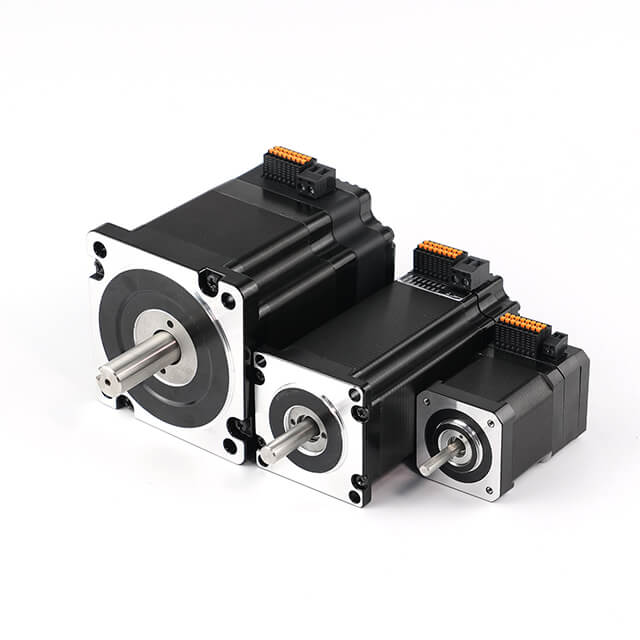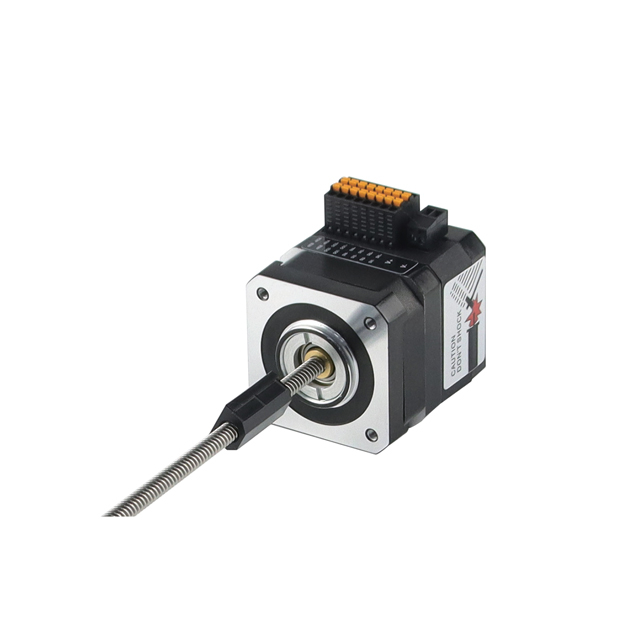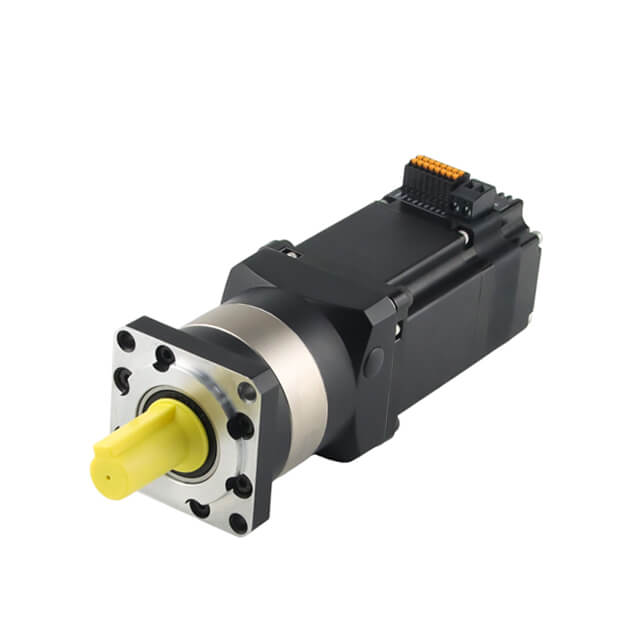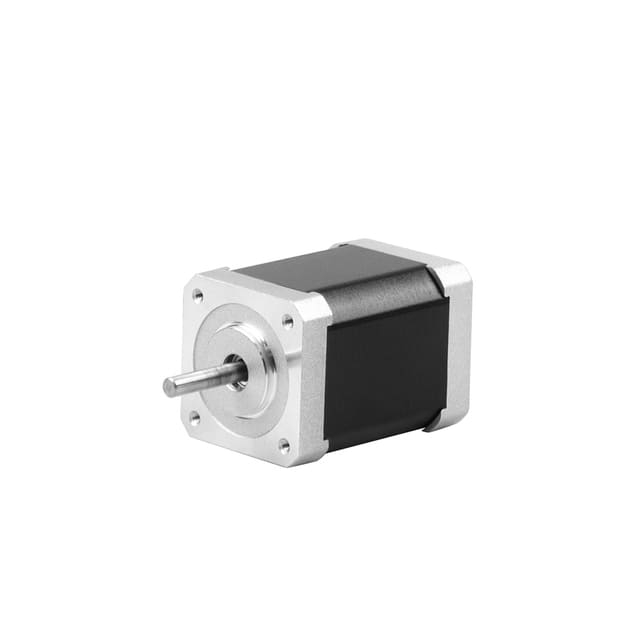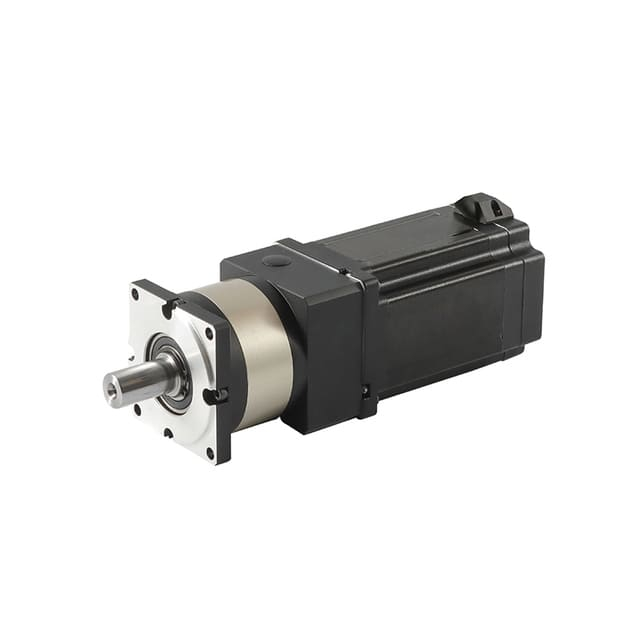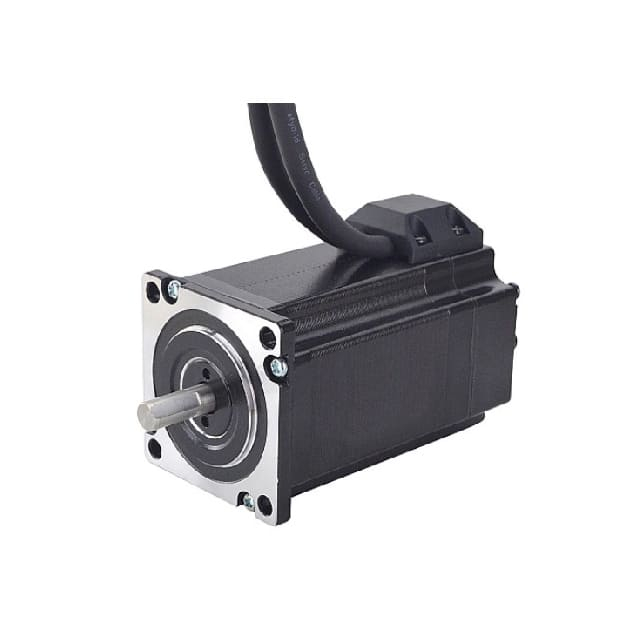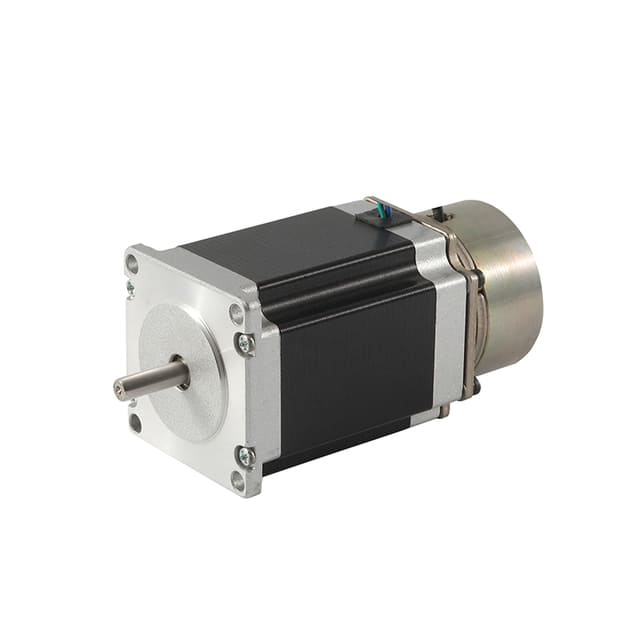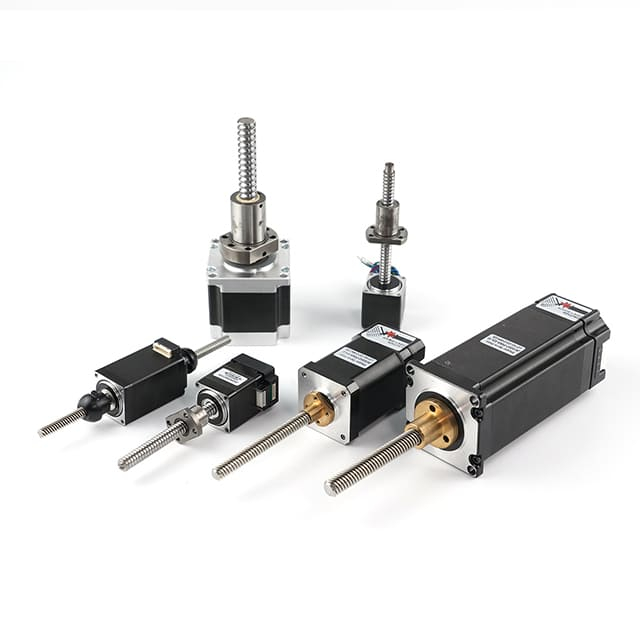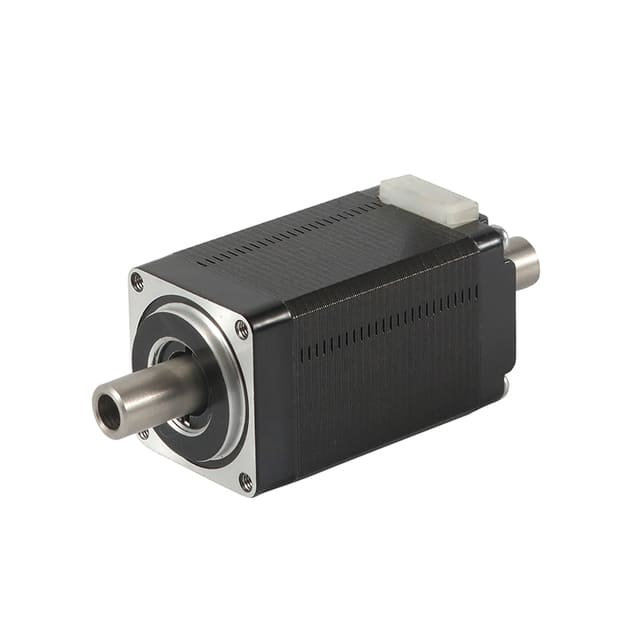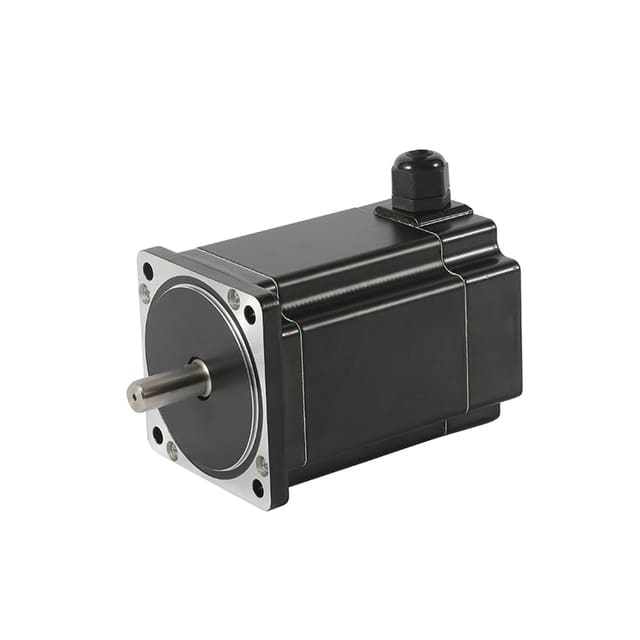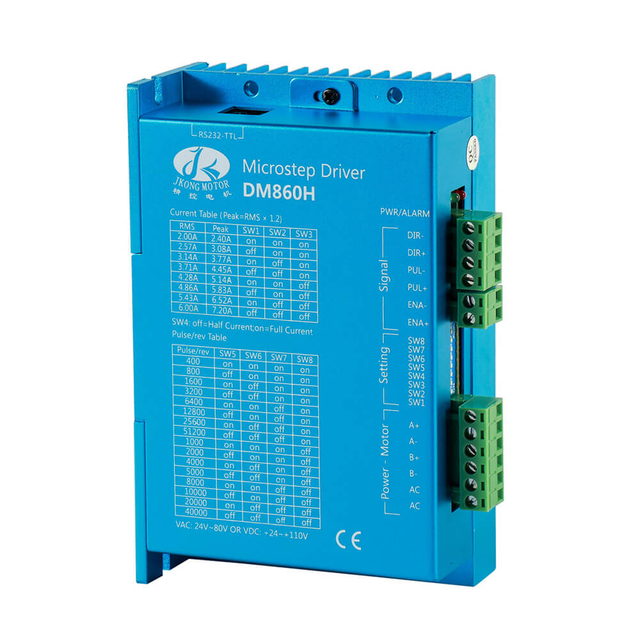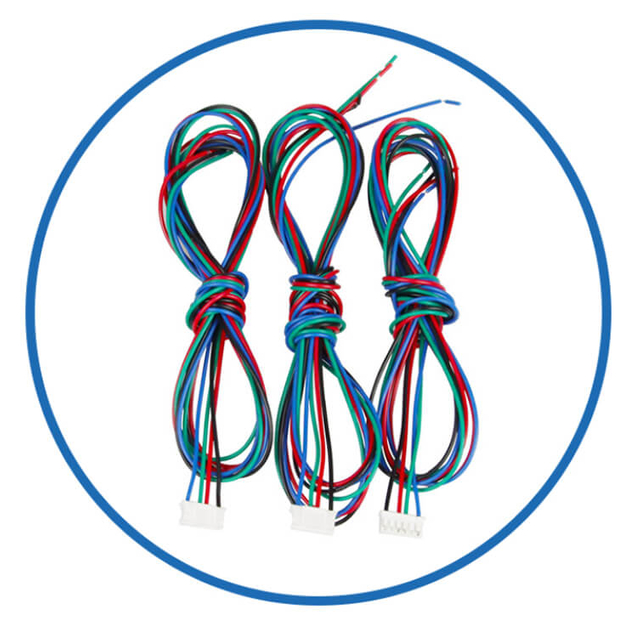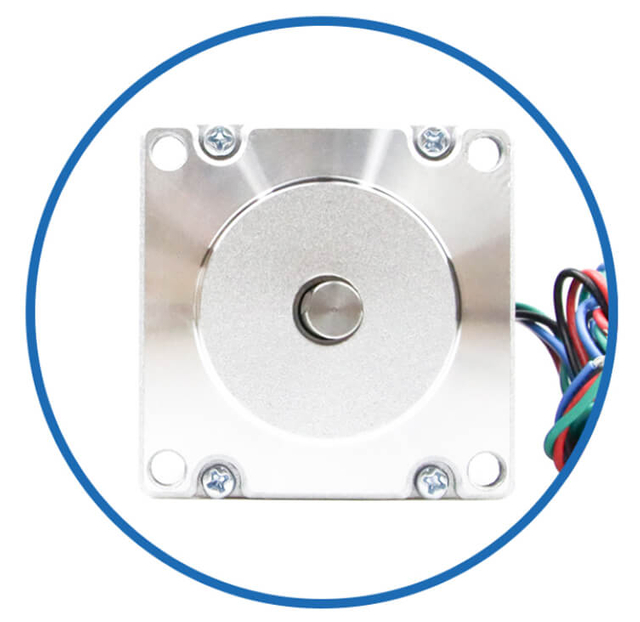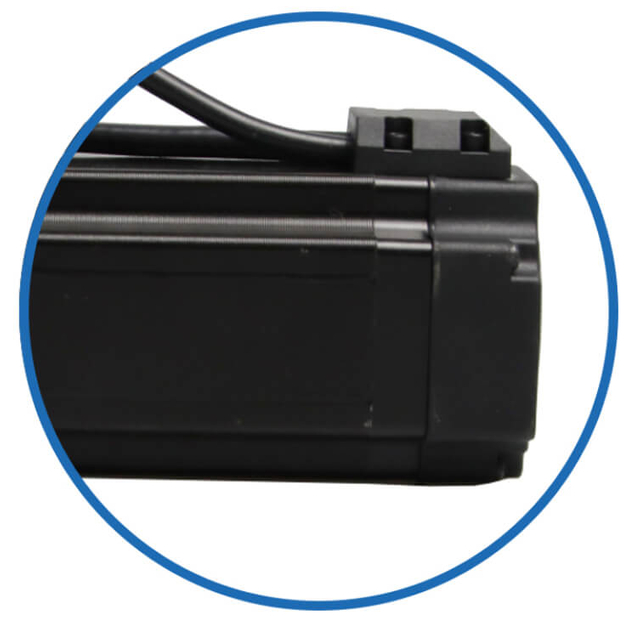
Custom stepper motors and OEM/ODM customized stepper motor solutions ensure precise torque, electrical compatibility, mechanical fit, and enhanced performance for CNC routers and industrial motion systems.
Selecting the right custom stepper motor for a CNC router directly determines machining precision, productivity, reliability, and long-term operational stability. We focus on practical engineering considerations, ensuring that every specification — torque, speed, driver compatibility, thermal performance, and customization capability — aligns precisely with CNC routing requirements. The following comprehensive guide delivers clear, technically grounded insights to support optimal motor selection for professional CNC applications.
Understanding CNC Router Motion Requirements
A CNC router demands consistent positioning accuracy, repeatable motion control, and sufficient torque under varying loads. Custom stepper motors excel because they provide precise incremental movement without complex feedback systems. Before selecting a motor, we evaluate:
Axis load characteristics
Required acceleration and deceleration rates
Mechanical transmission design (lead screws, ball screws, belts)
Duty cycle and operational hours
Matching these factors ensures the motor performs reliably without missed steps, vibration issues, or overheating.
Torque Calculation: The Core Selection Factor
Torque capacity defines whether the motor can move the CNC axis smoothly under load. We prioritize calculating required holding torque and dynamic torque margins.
Key torque considerations include:
Cutting force resistance from materials such as wood, aluminum, or plastics
Friction within linear guides and drive mechanisms
Desired machining speed and acceleration
Safety margin (typically 30–50%)
Undersized motors cause positioning errors, while oversized motors increase cost, inertia, and energy consumption. Custom stepper motors allow torque optimization through stack length, magnet strength, winding configuration, and shaft design.
Motor Frame Size and Mounting Compatibility
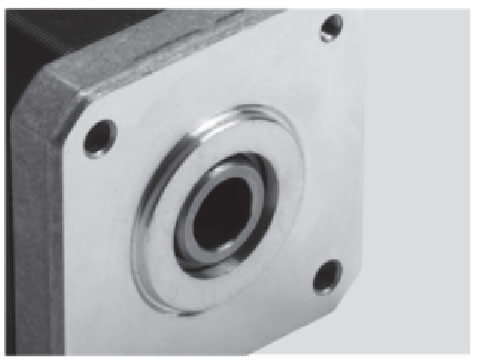
CNC routers typically use NEMA-standard stepper motor frames such as NEMA 17, 23, 24, or 34. Customization ensures mechanical compatibility with existing router structures.
Important mechanical parameters include:
Mounting hole pattern accuracy
Shaft diameter and length
Keyway or flat shaft requirements
Flange thickness and pilot diameter
Selecting a motor with exact mechanical compatibility eliminates alignment errors and simplifies installation.
Voltage, Current, and Driver Matching
Electrical compatibility between motor and driver electronics significantly impacts performance. We evaluate:
Rated current per phase
Inductance and resistance values
Driver voltage capability
Microstepping requirements
Higher voltage drivers generally improve high-speed torque retention, especially in CNC routers operating at elevated feed rates. Custom winding design enables optimized electrical characteristics tailored to specific controllers.
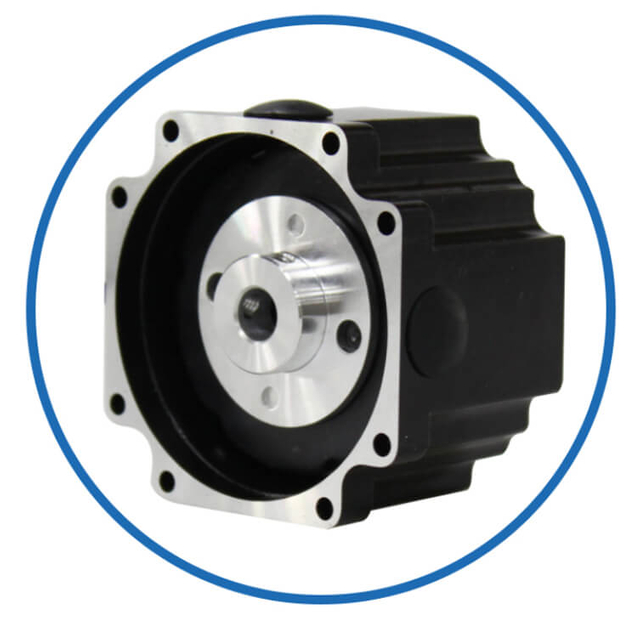
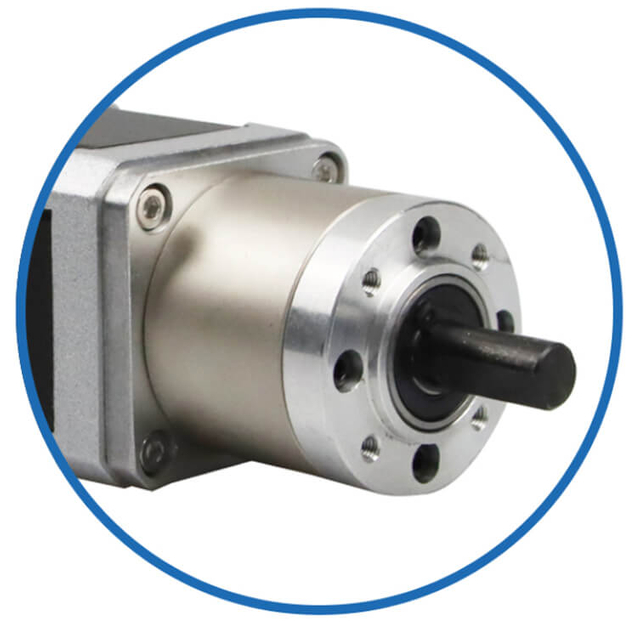
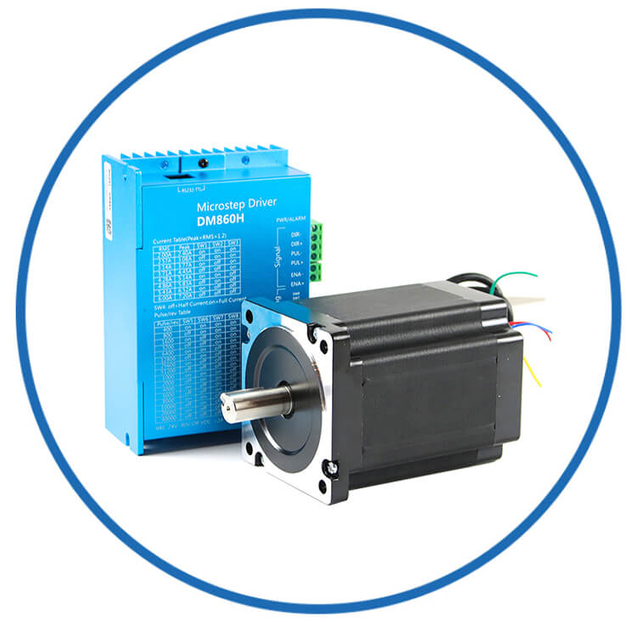
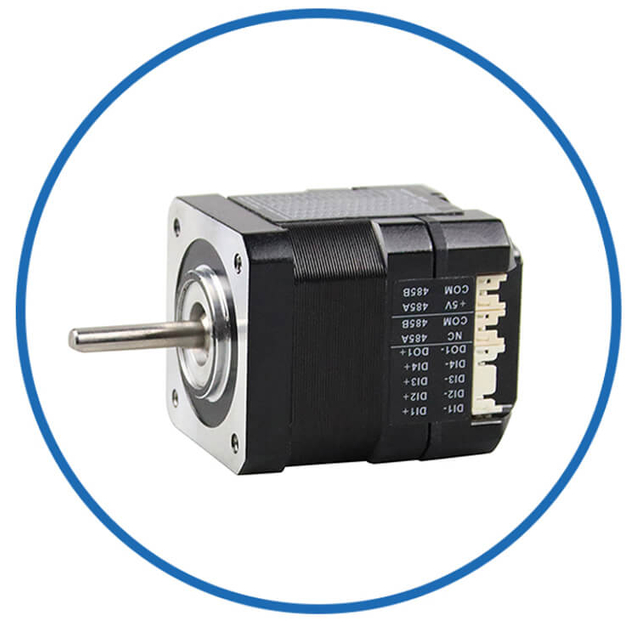
Customized Stepper Motor Types for Heavy Load Industry Applications
Customized Stepper Motor Service & Integration for Heavy Load Industry
As a professional brushless dc motor manufacturer with 13 years in china, Jkongmotor offer various bldc motors with customized requirements, including 33 42 57 60 80 86 110 130mm, additionally, gearboxes, brakes, encoders, brushless motor drivers and integrated drivers are optional.
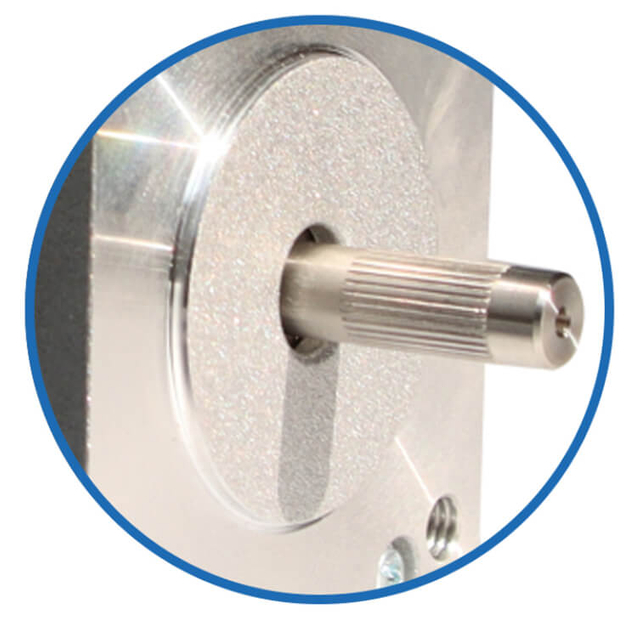
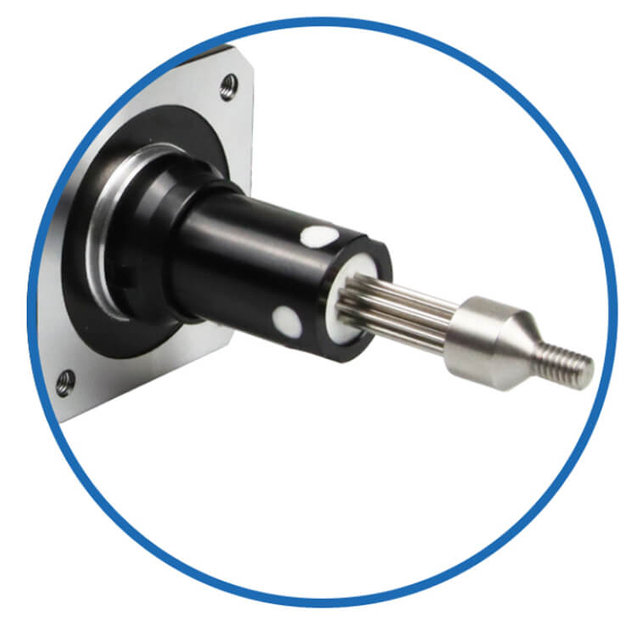
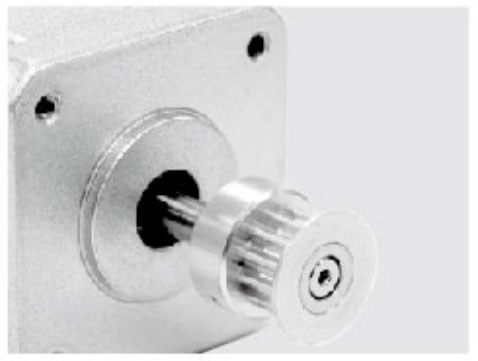
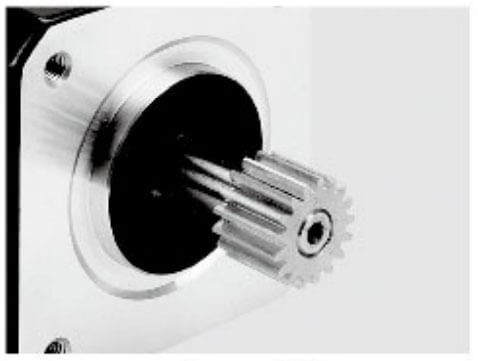
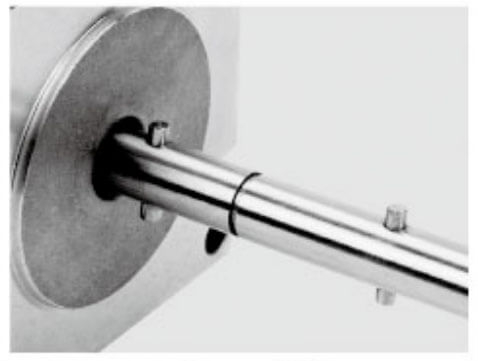
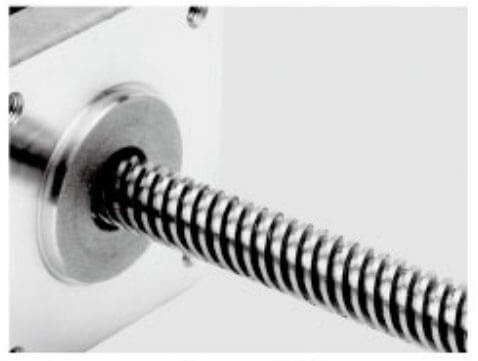
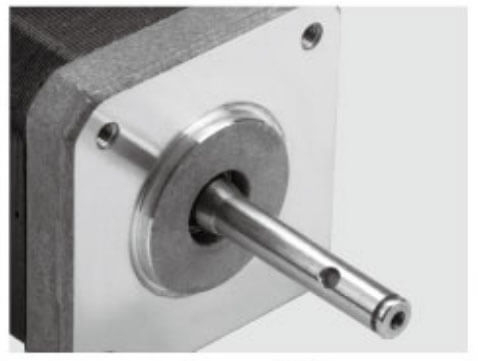
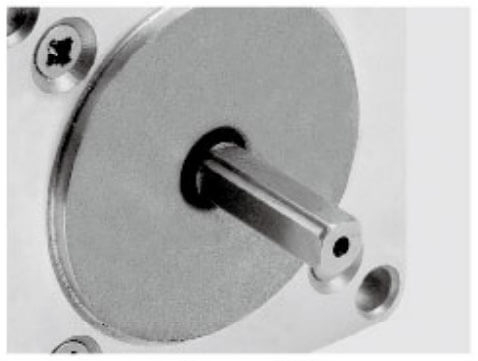
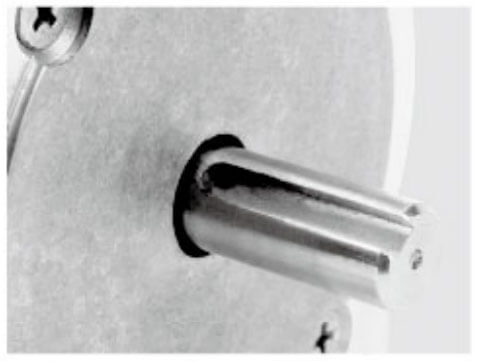
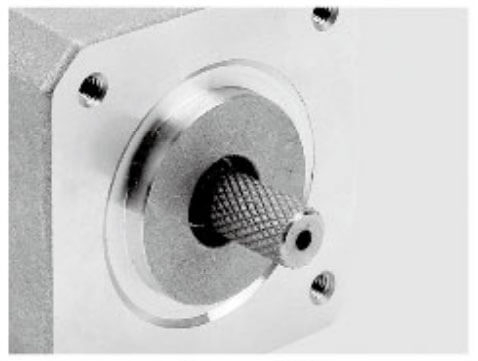
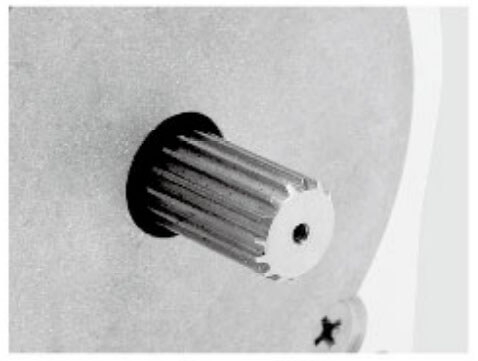
Jkongmotor offer many different shaft options for your motor as well as customizable shaft lengths to make the motor fit your application seamlessly.
Step Angle Precision and Microstepping Performance of Custom Stepper Motors
Step angle precision and microstepping performance are critical parameters when selecting stepper motors for CNC routers. These factors directly affect positioning accuracy, motion smoothness, surface finish quality, and overall machining consistency. A carefully optimized step angle combined with properly configured microstepping ensures stable operation across both low-speed precision cutting and high-speed positioning movements.
Understanding Step Angle Precision
The step angle defines how far the motor shaft rotates for each electrical pulse. Standard stepper motors commonly use 1.8° (200 steps per revolution) or 0.9° (400 steps per revolution) step angles. Smaller step angles provide finer resolution, which supports more accurate positioning and improved CNC routing precision.
Precision step angle performance depends on:
High precision reduces cumulative positioning error and enhances repeatability during complex machining operations.
Impact on CNC Machining Accuracy
Precise step angles directly influence CNC router performance. Accurate incremental motion ensures consistent tool path execution, especially during fine engraving, contour cutting, and detailed machining.
Key benefits include:
Improved dimensional accuracy
Reduced positioning deviation
Enhanced repeatability across cycles
Higher-quality surface finishes
Maintaining consistent step angle precision supports stable machining outcomes.
Role of Microstepping in Motion Control
Microstepping technology divides each full motor step into smaller increments by controlling current flow through motor windings. This results in smoother shaft rotation and reduced mechanical vibration.
Typical microstepping resolutions include:
Higher microstepping resolutions provide finer positioning control and quieter operation.
Advantages of Microstepping in CNC Routers
Proper microstepping configuration delivers multiple operational advantages:
Reduced vibration and acoustic noise
Smoother acceleration and deceleration
Enhanced tool path accuracy
Lower mechanical stress on machine components
These improvements contribute to better machining quality and equipment longevity.
Electrical Factors Affecting Microstepping Quality
Microstepping performance depends heavily on driver electronics and motor electrical characteristics. Consistent current control ensures smooth incremental motion.
Important electrical factors include:
Stable driver current waveform generation
Low motor inductance for faster current response
Proper voltage supply levels
Effective electromagnetic shielding
Optimized electrical conditions support reliable microstepping performance.
Mechanical Stability and Resonance Control
Even with precise microstepping, mechanical resonance can occur if system inertia and motor characteristics are mismatched. Careful system design reduces these effects.
Effective strategies include:
Matching motor inertia to load inertia
Using rigid couplings and stable mounting
Minimizing backlash in transmission systems
Selecting appropriate acceleration profiles
These measures improve motion stability and reduce unwanted vibration.
Balancing Resolution and Torque Performance
While higher microstepping resolution improves smoothness, it does not increase absolute positioning accuracy beyond mechanical system limits. Excessive microstepping may reduce available incremental torque.
Balanced configuration ensures:
Adequate torque at operating speeds
Stable motion without step loss
Optimal positioning precision
Efficient energy usage
Proper tuning delivers the best overall CNC performance.
Customization for Enhanced Precision
Custom stepper motor designs can further enhance step angle accuracy and microstepping effectiveness through:
Improved magnetic materials
Precision rotor balancing
Optimized winding configurations
Enhanced bearing quality
Such refinements support demanding CNC routing applications.
Long-Term Stability Considerations
Consistent step angle precision must be maintained throughout the motor’s operational lifespan. Thermal stability, mechanical wear resistance, and electrical insulation quality all contribute to sustained performance.
Regular monitoring of temperature, vibration levels, and electrical conditions helps preserve accuracy over time.
Precision Motion Through Optimized Step Control
Careful attention to step angle precision and microstepping performance ensures CNC routers deliver smooth motion, accurate positioning, reduced vibration, and consistent machining quality. Proper motor selection, driver tuning, and mechanical alignment together create a stable motion control system capable of meeting demanding industrial routing requirements.
CNC routers frequently run extended machining cycles. Thermal stability therefore becomes essential.
We prioritize motors with:
Efficient heat dissipation housing
Optimized copper fill for reduced resistance
High-temperature insulation class windings
Proper current derating capability
Custom motor manufacturers can integrate improved lamination materials, ventilation options, and thermal coatings to enhance durability under continuous operation.
Speed Requirements and Rotor Inertia Balance of 2 Phase Stepper Motors
Optimizing speed requirements and rotor inertia balance is essential when selecting stepper motors for CNC routers. Achieving high feed rates, smooth acceleration, and precise positioning depends on how well the motor’s rotational characteristics align with the mechanical load of the CNC system. Proper attention to speed performance and inertia matching ensures reliable operation, reduced vibration, and consistent machining quality.
Understanding Stepper Motor Speed Limitations
Stepper motors produce precise incremental motion but experience torque reduction at higher rotational speeds due to electrical and mechanical limitations. Key factors influencing maximum speed include:
Winding inductance and resistance
Supply voltage and driver capability
Load inertia and transmission efficiency
Step angle and microstepping configuration
Exceeding speed limits without proper design can result in missed steps, lost position, and degraded surface finish.
Rotor Inertia and Load Matching
Rotor inertia refers to the motor rotor’s resistance to changes in rotational speed. Balancing rotor inertia with the CNC axis load is critical for smooth acceleration and deceleration.
Considerations for inertia balance:
Motor rotor inertia (Jm) relative to load inertia (Jl)
Transmission ratio between motor and driven components
Mechanical coupling stiffness
Dynamic acceleration and deceleration requirements
A properly matched system minimizes overshoot, vibration, and torque spikes while maximizing control responsiveness.
Impact on CNC Router Performance
Matching speed requirements with rotor inertia directly affects:
Acceleration and deceleration smoothness for precise tool paths
Surface finish quality during high-speed machining
Torque availability at operating speeds to prevent step loss
Dynamic stability of gantry and spindle motion
Failure to account for inertia mismatch may lead to mechanical resonance, chatter, and inconsistent cutting results.
Optimizing High-Speed Operation
To maintain performance at higher feed rates, stepper motors can be optimized through:
Higher supply voltage to overcome inductive limitations
Lower rotor inertia designs for faster acceleration
Microstepping and advanced driver waveforms for smooth motion
Gear or pulley ratio adjustment to reduce effective load inertia
These techniques improve dynamic torque retention, enabling higher-speed CNC operations without sacrificing accuracy.
Transmission System Influence
Mechanical transmission significantly affects rotor inertia balance. Different systems, such as belts, lead screws, or ball screws, alter the effective load seen by the motor.
Key transmission considerations include:
Efficient torque transfer without backlash
Minimizing friction and vibration
Using lightweight yet rigid mechanical components
Accurate alignment to prevent eccentric loading
Optimized transmission design complements rotor inertia matching for stable high-speed operation.
Thermal and Electrical Considerations
High-speed operation generates additional heat due to increased current and frequent acceleration. Maintaining rotor inertia balance also reduces energy losses and thermal stress.
Best practices include:
Monitoring motor temperature during high-speed cycles
Using windings with low resistance and optimized copper fill
Ensuring driver voltage and current are within rated limits
Applying thermal protection measures where needed
Effective thermal management preserves motor performance and longevity.
Customization for Speed and Inertia Optimization
Custom stepper motors allow precise tailoring of rotor inertia and winding design to meet specific CNC router requirements. Options include:
Lightweight rotors for faster dynamic response
High-torque windings for high-speed load handling
Optimized shaft and bearing designs to reduce mechanical resistance
Enhanced driver compatibility for maximum efficiency
Customized designs provide the perfect balance between torque, speed, and control responsiveness.
Long-Term Operational Stability
Proper rotor inertia matching ensures smooth motion, reduces wear on mechanical components, and maintains accurate positioning throughout the CNC router’s operational lifespan. Balancing speed and inertia contributes to:
Consistent feed rates
Reduced vibration and mechanical stress
Reliable machining precision
Extended motor and machine component lifespan
Conclusion: Achieving Optimal CNC Dynamics
By carefully evaluating speed requirements and rotor inertia balance, CNC routers achieve smoother acceleration, stable high-speed motion, and consistent cutting performance. Proper selection, motor customization, and system-level optimization ensure reliable operation, enhanced precision, and improved productivity for demanding CNC routing applications.
Environmental Protection and Durability Factors
CNC routers operate in environments with dust, vibration, and temperature fluctuations. Custom stepper motors can incorporate protective enhancements such as:
These features improve reliability, reduce maintenance frequency, and extend service life in industrial workshops.
Customization Options That Enhance CNC Performance
Customization plays a decisive role in maximizing CNC router performance, precision, durability, and operational efficiency. Standard stepper motors may meet basic motion requirements, but tailored solutions allow us to optimize every mechanical and electrical parameter for specific machining conditions. By refining motor characteristics to match CNC routing demands, we achieve improved motion stability, higher productivity, and longer service life.
Electrical Customization for Optimal Motion Control
Electrical customization directly influences torque output, speed stability, and driver compatibility. Adjusting motor windings allows precise control over inductance, resistance, and current rating, which determines how efficiently the motor performs across varying speed ranges.
Common electrical customization options include:
Custom winding configurations to improve torque at desired RPM ranges
Special voltage and current ratings tailored to specific CNC drivers
Connector types and cable lengths designed for clean installation
Integrated shielding to reduce electromagnetic interference
These enhancements ensure smoother motion control, consistent torque delivery, and reduced electrical noise within CNC systems.
Mechanical Customization for Perfect Fit
Mechanical compatibility is essential for CNC routers operating under continuous load. Custom stepper motors can be designed to fit exact mounting conditions while maintaining structural rigidity.
Key mechanical customization features include:
Special shaft diameters, lengths, or dual-shaft designs
Integrated pulleys, gears, or couplings
Custom flange dimensions for precise alignment
Reinforced bearing structures for heavy-duty operation
Precise mechanical adaptation minimizes vibration, improves torque transfer, and simplifies system assembly.
Thermal Optimization for Continuous CNC Operation
Heat management is critical in CNC routing environments where motors often run for extended periods. Customization allows targeted improvements in thermal performance.
Typical thermal customization includes:
High-temperature insulation materials
Enhanced housing heat dissipation designs
Optimized copper fill ratios in windings
Improved lamination materials
Effective thermal management prevents overheating, preserves torque consistency, and extends motor lifespan.
Environmental Protection Enhancements
CNC routers operate in environments filled with dust, debris, vibration, and sometimes humidity. Protective customization ensures reliable motor operation under these conditions.
Examples include:
Sealed housings for dust resistance
Corrosion-resistant surface treatments
High-grade shaft sealing systems
Shock-resistant internal structures
These features reduce maintenance requirements and ensure dependable performance.
Performance Optimization for Precision Machining
Precision CNC routing requires smooth, vibration-free motion. Performance-focused customization can significantly improve machining quality.
Typical performance enhancements involve:
High-energy magnets for greater torque density
Precision rotor balancing for smoother motion
Noise reduction engineering
Optimized detent torque characteristics
These refinements enhance surface finish quality and reduce mechanical stress on cutting tools.
Integration and Control System Compatibility
Modern CNC routers rely on sophisticated motion control systems. Customized stepper motors can be designed for seamless integration with these technologies.
Integration-focused customization includes:
Encoder integration for hybrid closed-loop control
Plug-and-play wiring solutions
Driver-specific electrical tuning
Advanced motion tuning compatibility
Such compatibility simplifies setup while ensuring consistent performance.
Long-Term Reliability Through Tailored Design
Customized motors are engineered specifically for their operational environment, which increases durability and reliability. Tailored bearing selection, optimized magnetic circuits, and reinforced housings reduce wear and maintain consistent performance over time.
This approach results in:
Customization is not merely about fit; it enhances productivity, efficiency, and machine capability. A motor designed precisely for a CNC router delivers better acceleration, consistent torque, improved accuracy, and dependable continuous operation.
By selecting the right customization options, CNC operators gain a measurable advantage in machining quality, operational stability, and overall manufacturing efficiency.
Noise Reduction and Vibration Control
Effective noise reduction and vibration control are essential for achieving high-quality CNC routing results, stable machine operation, and extended component lifespan. Stepper motors inherently produce vibration due to incremental stepping motion, but proper motor selection, system design, and control optimization significantly minimize these effects. Controlling vibration not only improves machining precision but also enhances workplace comfort and reduces mechanical wear.
Precision Motor Construction for Reduced Vibration
Motor build quality directly influences vibration characteristics. High-precision rotor balancing, uniform magnetic fields, and tight manufacturing tolerances reduce irregular motion and acoustic noise.
Key construction features include:
Precision-balanced rotor assemblies
High-quality bearings with minimal runout
Consistent lamination stacking
Stable magnetic detent torque characteristics
Well-engineered motors naturally produce smoother rotational motion.
Microstepping Technology for Smooth Motion
Microstepping divides each full motor step into smaller increments, significantly improving motion smoothness and reducing audible noise.
Benefits of proper microstepping configuration include:
Lower vibration during acceleration and deceleration
Reduced acoustic noise levels
Improved surface finish in CNC cutting operations
Enhanced positioning accuracy
Careful driver tuning ensures optimal microstepping performance.
Driver Current Optimization
Stepper motor drivers control current waveforms that influence torque stability and vibration levels. Proper current tuning improves motion consistency.
Important driver considerations:
Smooth current waveform shaping
Accurate current limiting settings
Stable voltage supply
Advanced digital driver capabilities
Correct driver configuration minimizes torque ripple and resonance effects.
Mechanical Mounting Stability
Rigid and precise motor mounting plays a major role in vibration control. Poor alignment or loose mounting can amplify noise and reduce machining accuracy.
Effective mounting practices include:
Secure mounting bolts with proper torque
Alignment accuracy between motor and transmission
High-quality couplings to absorb minor misalignment
Vibration-damping mounting plates where necessary
Stable mounting ensures consistent mechanical performance.
Transmission System Influence
Belts, pulleys, ball screws, and couplings affect vibration characteristics. Efficient transmission design reduces mechanical resonance.
Transmission optimization involves:
Proper tensioning of belts or couplings
Low-backlash mechanical components
Balanced rotating elements
Precision alignment of drive systems
These measures enhance motion smoothness and reduce noise generation.
Structural Machine Rigidity
The overall CNC router structure influences vibration propagation. A rigid machine frame reduces resonance amplification and improves machining stability.
Structural considerations include:
Reinforced gantry construction
Stable base mounting
Vibration-absorbing materials
Balanced weight distribution
A solid machine structure complements motor performance.
Environmental Noise Control Measures
External factors can contribute to noise perception and vibration effects. Managing the surrounding environment helps maintain stable operation.
Useful measures include:
Proper machine isolation from floor vibration
Controlled airflow to prevent dust buildup
Organized cable routing to avoid interference
Regular cleaning and inspection routines
These practices support consistent machine performance.
Maintenance Practices for Continued Stability
Routine maintenance prevents vibration issues from developing over time.
Recommended actions include:
Periodic inspection of bearings and couplings
Checking mounting bolt tightness
Monitoring motor temperature
Cleaning accumulated debris from moving parts
Preventive maintenance preserves smooth operation.
Performance Advantages of Effective Noise Control
Reducing vibration and noise delivers measurable operational benefits:
Improved machining precision and surface finish
Lower tool wear rates
Increased equipment lifespan
Enhanced operator comfort
More stable high-speed operation
These advantages directly contribute to CNC productivity.
Optimizing CNC Efficiency Through Vibration Management
Comprehensive noise reduction strategies — including motor design, driver configuration, mechanical alignment, and machine structure — ensure smooth CNC router operation. Proper vibration control improves accuracy, reliability, and long-term system performance while maintaining a quieter and more efficient working environment.
Reliability, Longevity, and Maintenance Considerations of Customized Stepper Motors
Ensuring reliability, long service life, and minimal maintenance requirements is essential when selecting stepper motors for CNC router systems. Continuous machining operations, high precision demands, and exposure to industrial environments require motors engineered for durability and stable long-term performance. Careful evaluation of mechanical construction, thermal characteristics, material quality, and environmental protection significantly enhances operational dependability.
Build Quality and Component Integrity
Motor reliability begins with high-quality materials and precise manufacturing processes. Premium magnetic materials, precision-machined shafts, and robust bearing assemblies contribute directly to stable motor operation. Strong rotor balance and accurate lamination stacking reduce internal vibration, preventing premature wear and ensuring consistent torque delivery throughout extended usage cycles.
Key build quality indicators include:
Precision shaft alignment and concentricity
Durable bearing selection rated for continuous load
High-grade magnetic materials for torque stability
Consistent winding insulation integrity
These structural elements collectively support long-term mechanical stability.
Thermal Stability and Heat Management
Stepper motors operating in CNC routers often experience prolonged duty cycles. Efficient heat management prevents insulation degradation, torque fluctuations, and electronic driver stress.
Critical thermal reliability factors include:
Proper current rating and driver matching
Adequate ventilation around motor housing
High-temperature insulation classes
Heat-dissipating motor casing design
Maintaining stable operating temperature ensures consistent performance while extending motor lifespan.
Bearing Life and Mechanical Wear Control
Bearings are among the most critical wear components in stepper motors. High-quality bearings with appropriate load ratings minimize friction, noise, and vibration.
Important considerations include:
Bearing lubrication quality
Resistance to dust and contamination
Axial and radial load capacity
Alignment accuracy during installation
Proper bearing selection significantly improves reliability and reduces maintenance frequency.
Environmental Protection and Operational Durability
CNC routers frequently operate in dusty workshops with airborne debris, coolant mist, or fluctuating temperatures. Motors designed with protective features maintain consistent operation under these conditions.
Protective design enhancements may include:
Sealed housings against dust ingress
Corrosion-resistant coatings
Reinforced shaft sealing systems
Shock-absorbing internal construction
These measures protect internal components from premature deterioration.
Electrical Stability and Performance Consistency
Stable electrical performance contributes directly to reliability. Motors with optimized winding design, proper insulation, and compatible driver configurations maintain consistent torque and motion accuracy.
Essential electrical reliability aspects include:
Stable current supply from drivers
Proper grounding and shielding
Reduced electromagnetic interference
Consistent coil resistance values
Reliable electrical conditions prevent step loss and overheating.
Preventive Maintenance Practices
While stepper motors generally require less maintenance than many other motor types, periodic inspection ensures sustained performance. Recommended maintenance steps include:
Checking mounting bolt tightness
Inspecting wiring connections and insulation
Cleaning accumulated dust from motor surfaces
Monitoring temperature during operation
Preventive maintenance minimizes unexpected downtime.
Customization for Extended Service Life
Custom stepper motor solutions can incorporate durability-focused features specifically suited for CNC router environments. These may include enhanced bearing protection, reinforced housings, optimized windings, and improved thermal design. Tailored engineering ensures the motor performs reliably under actual machining conditions rather than theoretical specifications.
Operational Efficiency and Lifecycle Value
Reliable motors not only reduce maintenance requirements but also improve machining consistency, reduce scrap rates, and maintain precision over time. Investing in durable stepper motor solutions contributes to lower total operating costs, higher productivity, and consistent CNC router performance across years of operation.
Careful attention to reliability, longevity, and maintenance considerations ultimately ensures uninterrupted machining capability, stable accuracy, and dependable long-term CNC system performance.
Cost Efficiency Through Proper Specification
Selecting a stepper motor for a CNC router is not only about performance—it is also a matter of cost efficiency. Properly specifying motor parameters ensures that the machine operates reliably, with minimal energy waste, reduced maintenance, and extended lifespan, ultimately lowering the total cost of ownership. Careful planning at the design stage avoids unnecessary overspending on oversized motors or dealing with expensive downtime due to undersized or poorly matched components.
Avoiding Oversized Motor Costs
Oversizing a stepper motor may seem like a safe choice, but it can lead to unnecessary initial investment and operational inefficiencies. Larger motors require:
Higher initial purchase cost
Increased energy consumption
Heavier components affecting acceleration and control
Additional structural support for mounting
By accurately calculating torque, speed, and load requirements, we can select a motor that meets CNC demands without overspending, achieving a balance between performance and cost.
Preventing Undersized Motor Issues
Undersized motors can reduce upfront costs but often result in higher long-term expenses due to:
Missed steps and machining errors
Increased wear on mechanical components
Frequent maintenance or motor replacement
Lower overall productivity
Proper specification ensures the motor delivers sufficient torque, acceleration, and thermal stability for continuous operation, avoiding costly downtime and material waste.
Energy Efficiency and Operational Savings
Stepper motors consume energy according to their load and electrical design. Optimized motor selection and driver integration reduce power consumption while maintaining performance.
Efficiency measures include:
Matching voltage and current ratings to the application
Utilizing microstepping for smooth motion without excessive energy loss
Selecting appropriate winding and rotor configurations for low electrical resistance
Minimizing idle power draw through intelligent driver control
Energy-efficient operation reduces electricity costs and heat generation, contributing to both performance and long-term savings.
Maintenance Cost Reduction
Properly specified motors minimize wear and tear, reducing routine maintenance requirements. Factors that affect maintenance costs include:
Bearing longevity and lubrication requirements
Thermal stress on insulation and windings
Mechanical alignment and coupling stress
Dust and debris ingress prevention
Choosing the right motor ensures consistent reliability and lowers the frequency and cost of repairs or part replacements.
Minimizing Scrap and Production Loss
A CNC router equipped with correctly specified stepper motors experiences fewer positioning errors, smoother motion, and more accurate cuts, directly reducing scrap and production losses.
Benefits include:
Reduced wasted material from misaligned cuts
Improved surface finish reducing rework
Higher first-pass accuracy
Stable operation during high-speed or heavy-duty machining
Fewer errors translate into tangible cost savings in materials and labor.
Strategic Investment in Customization
Custom stepper motors may have higher upfront costs but deliver long-term value through tailored performance. Benefits include:
Optimized torque and speed for specific loads
Enhanced thermal and vibration performance
Reduced downtime and maintenance
Improved system efficiency and energy use
This strategic investment ensures maximum return over the operational lifespan of the CNC router.
Supplier Reliability and Quality Assurance
Selecting motors from reputable manufacturers with proven quality standards further contributes to cost efficiency. Reliable production reduces risk of:
Defective units requiring replacement
Performance degradation over time
Unexpected downtime due to motor failure
Partnering with trusted suppliers ensures consistent quality and predictable operational costs.
Total Cost of Ownership Perspective
Evaluating cost efficiency from a total cost of ownership (TCO) perspective includes:
Initial purchase price
Installation and integration costs
Energy consumption
Maintenance and replacement frequency
Productivity and scrap reduction
A well-specified motor optimizes all these factors, delivering the most cost-effective solution for CNC routing operations.
Conclusion: Optimizing Performance and Cost
Proper motor specification ensures that CNC routers operate at peak efficiency, providing high precision, stable performance, and energy savings. By balancing torque, speed, thermal performance, and mechanical compatibility, we reduce both upfront and long-term costs, achieving maximum return on investment and operational reliability.
Careful planning and accurate specification are essential for cost-efficient CNC router performance without compromising machining quality or machine longevity.
Integration with CNC Control Systems
Successful CNC router performance depends heavily on seamless integration between stepper motors and CNC control systems. Precise synchronization among controllers, drivers, motors, and mechanical transmission ensures accurate positioning, smooth motion profiles, and reliable machining consistency. Proper integration minimizes signal interference, eliminates motion instability, and maximizes operational efficiency.
Driver Compatibility and Electrical Matching
The first step in system integration involves ensuring full compatibility between the stepper motor and its driver electronics. Current rating, voltage capacity, inductance, and resistance must align with driver specifications to maintain stable torque output and prevent overheating.
Critical electrical matching considerations include:
Rated phase current consistency with driver output
Voltage optimization for high-speed torque retention
Compatible wiring configurations (bipolar or unipolar)
Microstepping capability for smooth motion
Correct driver selection ensures consistent performance throughout the CNC router’s speed range.
Controller Communication and Signal Accuracy
CNC motion controllers generate step and direction signals that determine motor positioning. Reliable signal transmission is essential for precise routing operations.
Key communication factors include:
Signal voltage compatibility
Shielded cables to reduce electromagnetic interference
Proper grounding techniques
Accurate pulse timing calibration
Stable signal communication eliminates missed steps and improves positional accuracy.
Microstepping Configuration for Precision Motion
Microstepping enhances CNC router accuracy by dividing each full motor step into smaller increments. Integration between controller settings, driver capability, and motor characteristics ensures smooth motion without resonance issues.
Effective microstepping integration provides:
Reduced vibration and acoustic noise
Improved surface finish during cutting
Enhanced positioning resolution
More controlled acceleration and deceleration
This configuration is especially valuable for high-precision CNC routing applications.
Feedback Integration Options
Although stepper motors traditionally operate in open-loop systems, modern CNC routers increasingly incorporate hybrid closed-loop solutions. These include optional encoders that provide positional feedback without sacrificing stepper simplicity.
Integration advantages include:
Automatic correction of positioning errors
Increased torque utilization efficiency
Reduced risk of step loss
Improved high-speed performance stability
Such enhancements improve both accuracy and operational confidence.
Software Compatibility and Motion Tuning
CNC software platforms control acceleration profiles, speed settings, and motion algorithms. Proper integration between motor characteristics and software parameters ensures smooth operation.
Important tuning considerations include:
Acceleration and jerk control optimization
Maximum speed calibration
Resonance suppression settings
Driver current tuning within software interfaces
Accurate tuning maximizes performance while protecting motor components.
Thermal Monitoring and Protection Integration
Advanced CNC control systems often include thermal monitoring capabilities. Integrating motors with appropriate sensors or driver protections ensures safe operation under heavy workloads.
Protection measures typically include:
Overcurrent safeguards
Temperature shutdown features
Voltage fluctuation protection
Diagnostic feedback systems
These safeguards prevent damage and extend motor lifespan.
Cable Management and Physical Integration
Proper cable routing and connector placement contribute significantly to reliable CNC operation. Organized wiring reduces electrical noise, mechanical stress, and maintenance complexity.
Best practices include:
Secure cable anchoring to prevent vibration damage
Shielded connectors for signal stability
Clear separation between power and signal cables
Flexible cable chains for moving axes
These practices enhance long-term operational stability.
Future-Proof Integration Strategy
Selecting motors designed for flexible integration supports future CNC system upgrades. Considerations may include:
Compatibility with higher voltage drivers
Expandable axis control capability
Support for advanced feedback technologies
Modular wiring configurations
Future-ready integration avoids costly redesigns as machining requirements evolve.
Operational Stability Through Integrated Design
A well-integrated stepper motor system ensures consistent motion accuracy, reduced vibration, efficient power usage, and dependable CNC router performance. Alignment between electrical characteristics, mechanical structure, and control software produces smooth operation and superior machining results.
Careful attention to integration with CNC control systems ultimately strengthens overall machine reliability, productivity, and precision across demanding industrial routing applications.
Future Scalability and Upgrade Flexibility
Planning for future scalability and upgrade flexibility is essential when selecting stepper motors for CNC router systems. CNC technology evolves continuously, with increasing demands for higher speeds, improved precision, expanded automation, and enhanced software capabilities. Choosing motors that accommodate future enhancements ensures long-term system relevance, protects investment value, and simplifies performance upgrades without major redesigns.
Designing for Performance Expansion
CNC routers often undergo upgrades to increase machining speed, improve material compatibility, or expand production capacity. Stepper motors selected with performance headroom allow these improvements without immediate motor replacement.
Key scalability considerations include:
Higher torque capacity than current minimum requirements
Voltage compatibility with future driver upgrades
Thermal margins supporting increased duty cycles
Structural robustness for heavier tooling or attachments
This forward-looking approach maintains consistent machine performance as operational demands grow.
Electrical Compatibility with Advanced Drivers
Driver technology continues to advance, offering better microstepping resolution, smoother current waveforms, and improved efficiency. Motors designed with flexible electrical specifications integrate more easily with next-generation control electronics.
Important electrical scalability features include:
Wide voltage operating ranges
Flexible current rating tolerance
Low inductance winding options
Compatibility with digital driver interfaces
These attributes simplify upgrades while maintaining motion precision.
Mechanical Adaptability for System Modifications
CNC routers frequently receive mechanical modifications such as new gantries, upgraded spindle assemblies, or additional axes. Motors with adaptable mounting configurations and standardized mechanical interfaces support these changes.
Useful mechanical scalability features include:
Standardized NEMA mounting dimensions
Modular shaft configurations
Flexible flange designs
Coupling compatibility with varied transmission systems
Mechanical adaptability reduces installation complexity during future upgrades.
Integration with Emerging Control Technologies
Modern CNC control systems increasingly incorporate advanced features such as real-time diagnostics, adaptive motion control, and hybrid closed-loop feedback. Selecting motors capable of integrating with these technologies ensures continued system competitiveness.
Forward-compatible integration features may include:
Encoder-ready motor designs
Compatibility with advanced motion controllers
Digital communication support
Enhanced electromagnetic shielding
Such readiness allows seamless adoption of new control technologies.
Thermal and Environmental Scalability
As production intensifies, motors often operate under higher thermal loads. Selecting motors with strong thermal performance ensures reliable operation even when production cycles increase.
Important factors include:
High-temperature insulation ratings
Efficient heat dissipation design
Durable bearing materials
Protective environmental sealing
These features support sustained high-performance operation.
Cost Efficiency Through Future-Proof Selection
Investing in scalable motor solutions reduces long-term operational costs by avoiding premature replacements. Proper initial specification lowers:
A scalable approach ultimately improves total cost efficiency.
Flexibility for Automation Expansion
Many CNC operations move toward automation, including tool changers, robotic loading systems, and additional machining axes. Motors selected with expansion capability facilitate smooth automation integration.
Typical considerations include:
Additional axis compatibility
Increased duty cycle endurance
Reliable communication with automated control systems
Stable torque performance under continuous operation
These factors support future production growth.
Reliability During System Evolution
Upgrades should enhance performance without compromising stability. Motors designed for scalability maintain consistent accuracy and reliability even as system complexity increases. Stable magnetic circuits, precision bearings, and robust construction ensure dependable operation during system expansion.
Strategic Value of Upgrade-Ready Stepper Motors
Selecting stepper motors with built-in scalability provides operational confidence. Machines remain adaptable to new technologies, evolving production demands, and improved machining processes without extensive modifications.
Careful consideration of future scalability and upgrade flexibility ensures CNC routers maintain high precision, operational efficiency, and technological relevance over extended service lifecycles.
Key Checklist Before Final Selection
Before committing to a stepper motor for a CNC router, a structured evaluation ensures optimal performance reliability, precision stability, and long-term operational efficiency. A final checklist helps confirm that every mechanical, electrical, environmental, and integration factor has been properly assessed. This prevents costly mismatches, installation delays, and performance limitations once the CNC system is in operation.
Torque and Performance Verification
The first priority is confirming that the selected motor meets all torque requirements under real operating conditions. This includes both static holding torque and dynamic torque during acceleration and cutting.
Critical checks include:
Verified torque calculation with safety margin included
Adequate high-speed torque retention
Proper inertia matching between motor and load
Stable acceleration capability without step loss
Accurate torque verification ensures consistent machining accuracy and reliable axis movement.
Mechanical Compatibility Confirmation
Mechanical fit directly affects installation stability, alignment accuracy, and vibration control. Final verification avoids mounting complications and premature wear.
Key mechanical considerations:
Correct NEMA frame size selection
Shaft diameter, length, and configuration compatibility
Mounting hole alignment accuracy
Coupling or transmission interface suitability
Ensuring exact mechanical compatibility supports smooth motion and long-term reliability.
Electrical Matching and Driver Compatibility
Electrical alignment between motor and driver electronics determines efficiency, heat generation, and performance stability.
Essential electrical checklist items:
Current rating matches driver output capacity
Voltage compatibility confirmed for desired speed range
Coil resistance and inductance suitable for driver design
Wiring configuration correctly specified
Proper electrical matching prevents overheating and ensures consistent torque output.
Thermal Performance Assessment
Heat management is crucial for CNC routers operating in continuous production environments. Motors must maintain stable performance under sustained loads.
Thermal evaluation points include:
Insulation class suitability for operating conditions
Adequate heat dissipation design
Driver current settings optimized for temperature control
Environmental airflow considerations
Reliable thermal performance protects motor longevity.
Environmental Suitability Check
CNC routing environments often include dust, vibration, humidity, and temperature fluctuations. Motors must withstand these conditions without performance degradation.
Environmental checklist factors:
Dust protection and sealing quality
Corrosion resistance if required
Bearing protection against contaminants
Structural durability under vibration
Environmental resilience supports dependable long-term operation.
Control System Integration Readiness
Smooth integration with CNC controllers, drivers, and software ensures precise motion control and efficient system operation.
Integration verification includes:
Signal compatibility with motion controller
Microstepping configuration support
Cable and connector suitability
Grounding and shielding effectiveness
Proper integration eliminates communication errors and motion instability.
Customization Requirements Review
Custom stepper motors often provide the best performance for CNC routers. Final evaluation ensures all customization needs have been addressed.
Customization checklist items:
Special shaft or flange requirements confirmed
Electrical winding optimization verified
Connector and cable specifications finalized
Performance tuning features included
Customization ensures precise alignment with CNC system needs.
Supplier Capability and Quality Assurance
Manufacturer reliability plays a critical role in long-term performance. Evaluating production quality and technical support ensures dependable supply.
Important supplier considerations:
Proven manufacturing experience
Consistent quality control processes
Technical customization capability
Reliable delivery timelines
A strong supplier partnership enhances operational stability.
Future Upgrade Compatibility Check
Ensuring scalability allows the CNC system to evolve without requiring immediate motor replacement.
Future-readiness factors include:
Compatibility with higher-voltage drivers
Expandable axis capability
Encoder integration potential
Performance headroom for increased workloads
Planning for future upgrades protects investment value.
Final Validation Before Deployment
Before installation, a final system-level validation ensures all components function cohesively.
Final checks typically include:
Test run under simulated load conditions
Electrical safety verification
Alignment inspection
Thermal monitoring during initial operation
This step ensures smooth commissioning and reliable performance.
Carefully completing this key checklist before final selection ensures the chosen stepper motor delivers precise motion control, operational durability, efficient energy use, and dependable CNC router productivity over the long term.
Conclusion: Precision Engineering Drives CNC Success
Selecting custom stepper motors for CNC routers requires careful alignment between mechanical demands, electrical characteristics, thermal stability, and environmental conditions. A well-engineered motor delivers superior positioning accuracy, operational reliability, efficient energy use, and consistent machining performance. Through precise customization, CNC routers achieve higher productivity, smoother operation, and extended service life.
FAQs of Stepper Motor & OEM/ODM Customized
What is a customized stepper motor for a CNC router?
A stepper motor tailored in torque, frame size, shaft, and electrical specs to match a CNC router’s motion and load requirements.
Why choose an OEM customized stepper motor over a standard motor?
OEM customization ensures the motor’s performance, mechanical fit, and electrical characteristics align precisely with the CNC application.
What sizes of stepper motors can be OEM/ODM customized?
Common NEMA sizes like 8, 11, 14, 16, 17, 23, 24, 34, 42 and more are supported for customization.
Can step angle and resolution be customized?
Yes — you can customize to 1.8°, 0.9°, or other step angles and optimize for microstepping performance.
How do you choose torque for a CNC router stepper motor?
Torque should be calculated based on axis load, friction, and cutting force, with safety margin to prevent missed steps.
Can I customize the shaft design?
Yes — double shafts, hollow shafts, keys, pulleys, and gears can all be customized for your mechanics.
Is electrical connector and cable customization possible?
Yes — lead wires, connector types, and cable lengths can be tailored for your assembly.
Can a customized stepper motor include a gearbox or brake?
Yes — gearboxes, brakes, encoders and other electromechanical components can be integrated.
What driver compatibility options are available for custom motors?
Custom motors can be matched to specific controllers, including microstepping and communication protocols.
Can I get closed-loop feedback with a customized stepper motor?
Yes — integrated encoders for closed-loop control can be OEM/ODM customized.
How is torque vs speed optimized in custom stepper motors?
Manufacturers tune winding and magnetic design to deliver required torque across the target speed range.
Can customized stepper motors be designed for harsh environments?
Yes — IP ratings, sealed housings and protective coatings are available.
Are thermal performance and duty cycle considered in customization?
Yes — motors can be optimized for temperature rise, insulation class and continuous load.
Can you customize a motor’s mount interface and flange?
Yes — mounting hole patterns and flanges can be tailored to CNC machine geometry.
Does OEM/ODM service include prototype and mass production options?
Yes — both small-batch prototypes and large-volume manufacturing are supported.
Can you tailor stepper motors to match a specific driver voltage/current?
Yes — winding design and electrical ratings are customizable to driver systems.
Do customized stepper motors include quality certifications?
Yes — many have CE, RoHS and other certifications with strict QC.
How does OEM customization improve CNC performance?
Customization improves accuracy, efficiency, mechanical integration, and reliability.
Can the motor’s enclosure and heat dissipation be customized?
Yes — housing design and cooling features can be optimized for CNC duty cycles.
Is technical design support available for custom stepper motor projects?
Yes — manufacturers typically provide R&D and engineering support throughout the process.