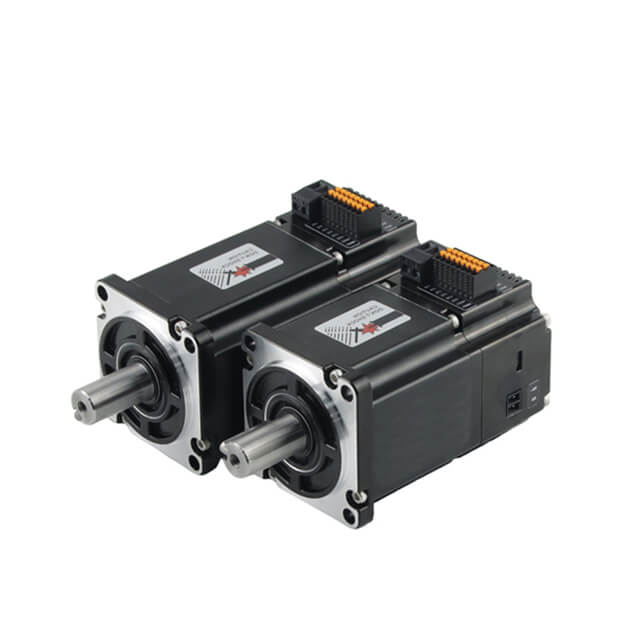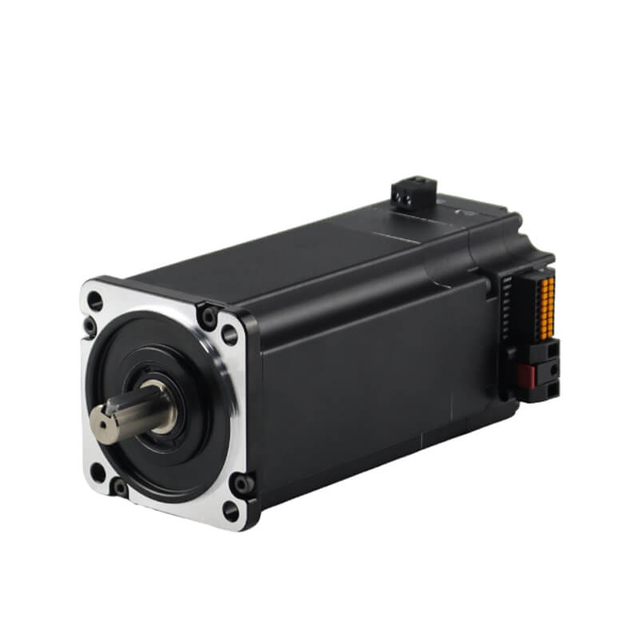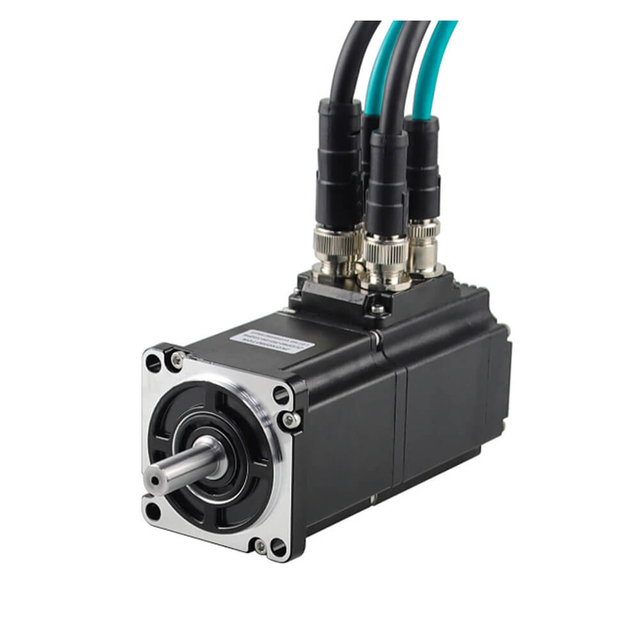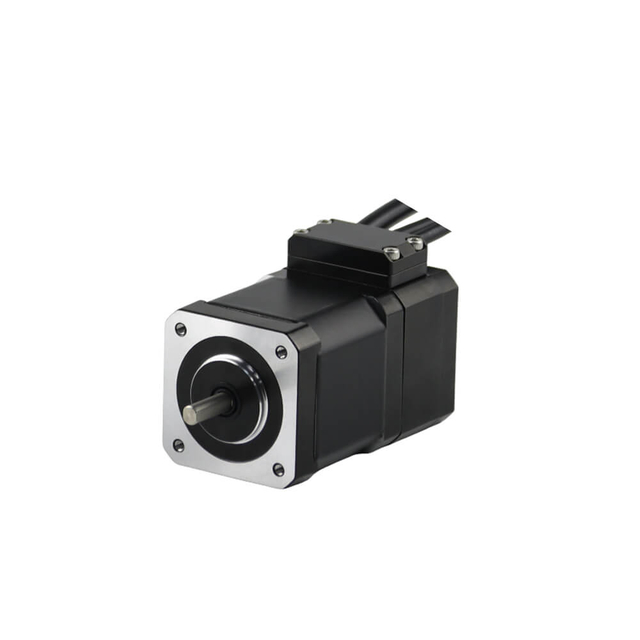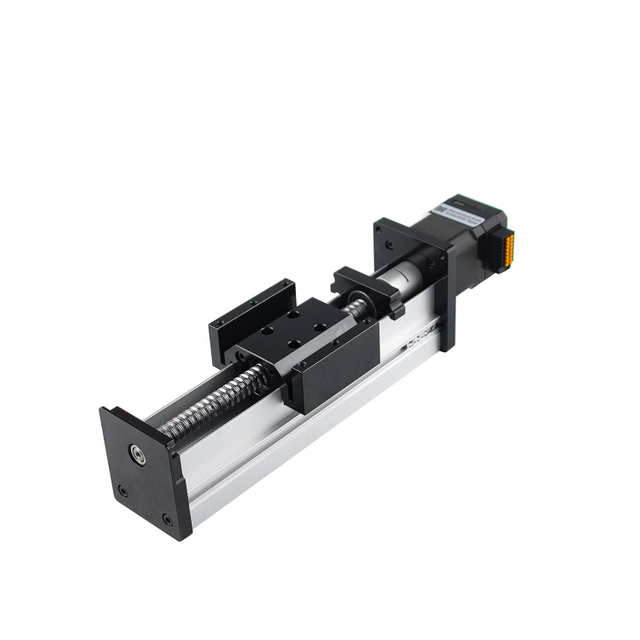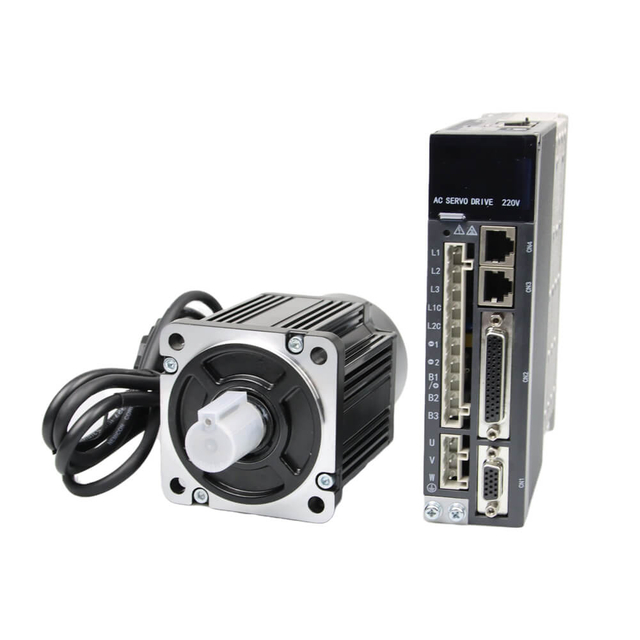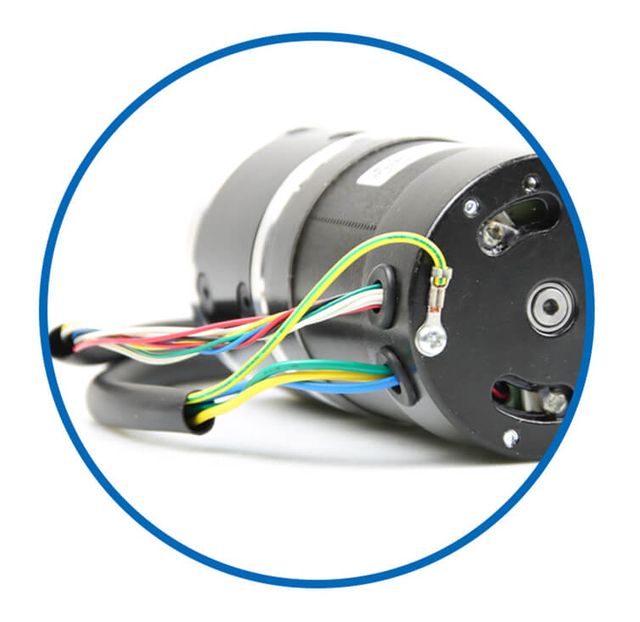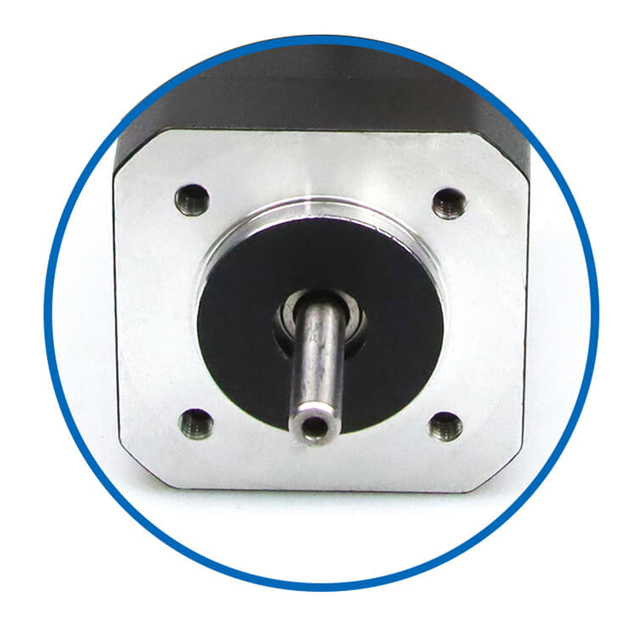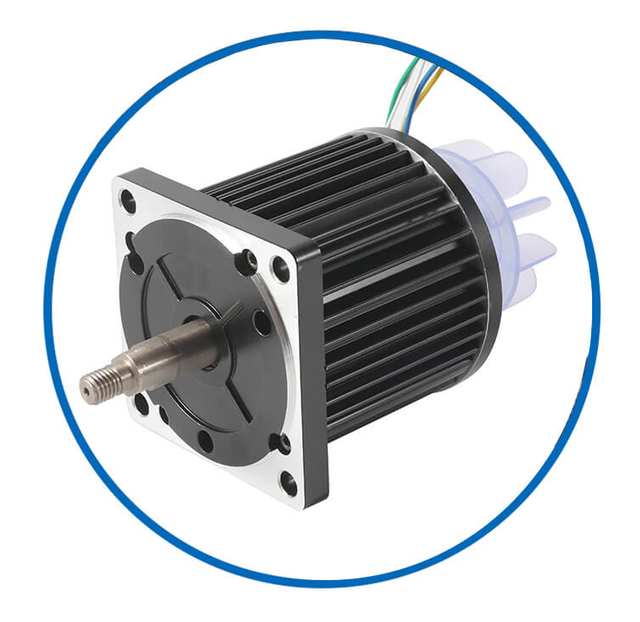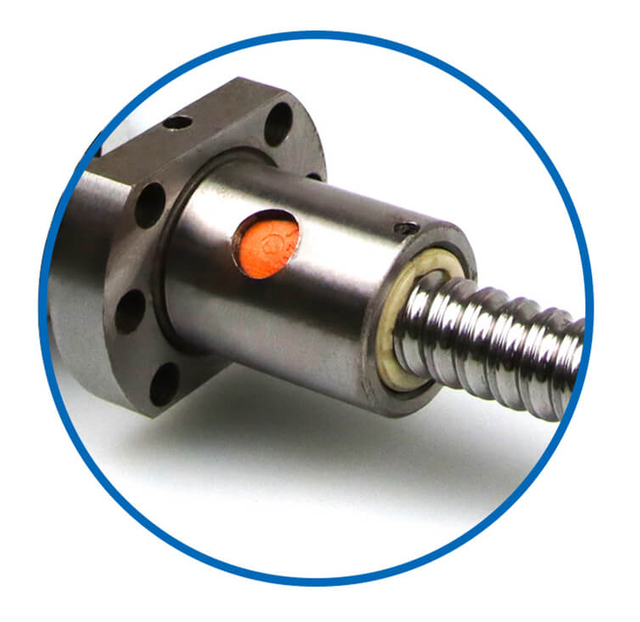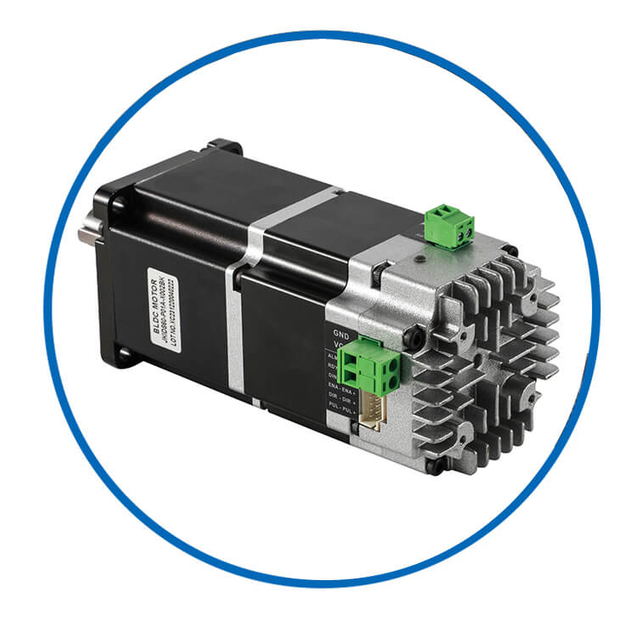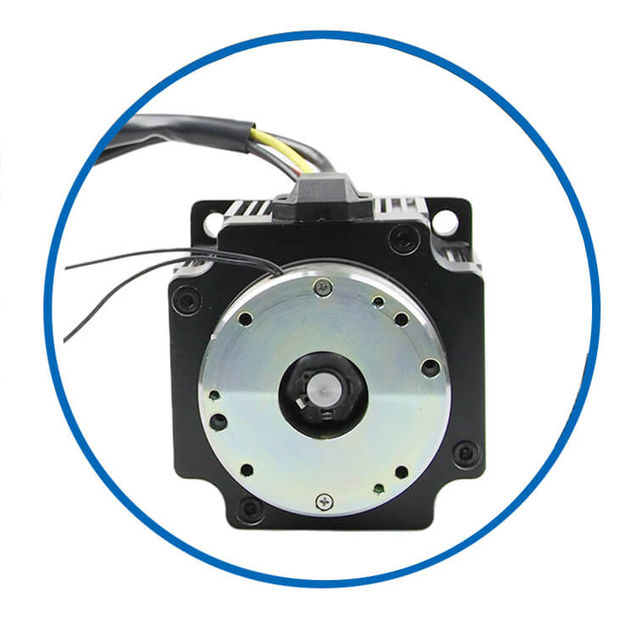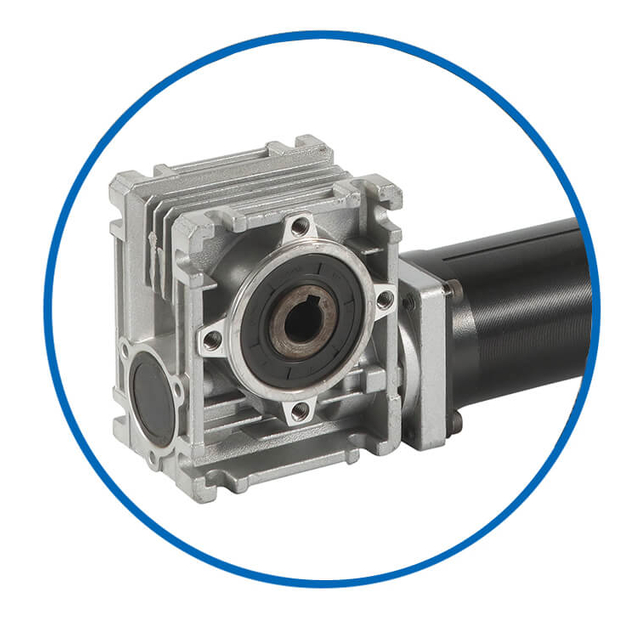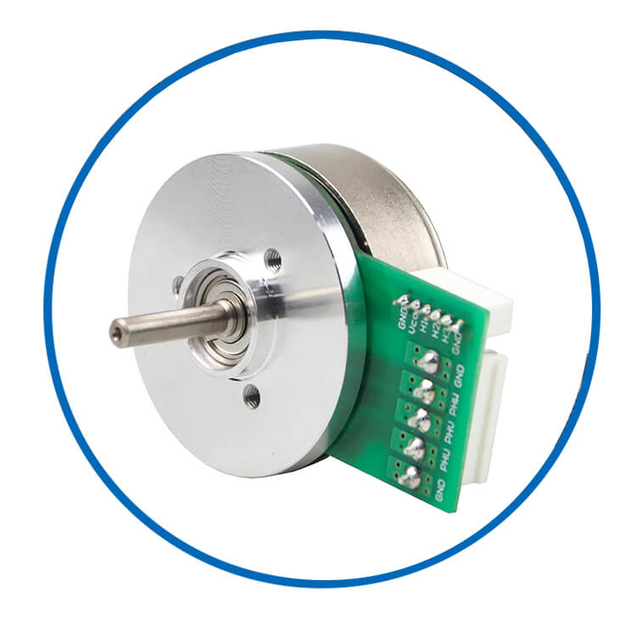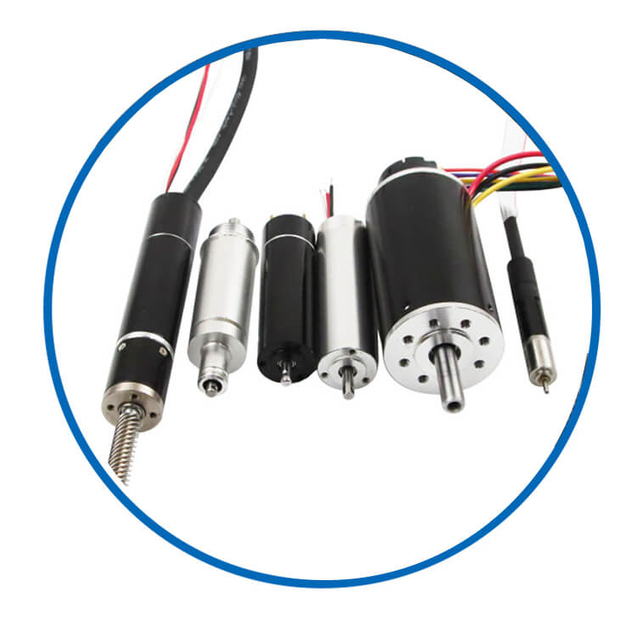
Introduction to Integrated Servo Motors in Robotic Milking Systems
Modern dairy automation demands precision, reliability, and continuous operation, making integrated servo motors a core component in robotic milking systems. We focus on selecting motors that deliver consistent torque, accurate positioning, and seamless communication, ensuring optimal milking efficiency and animal welfare. By combining the motor, driver, and controller into a single compact unit, integrated servo motors reduce wiring complexity and enhance system stability.
Integrated Servo Motor Kinds
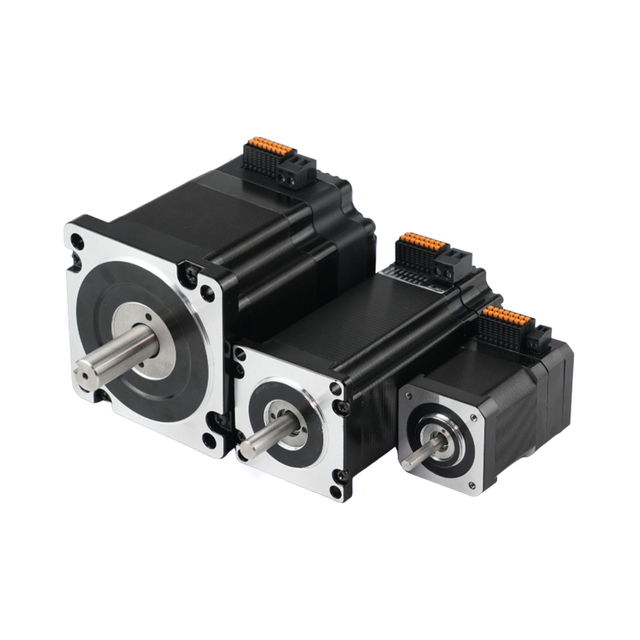
Integrated servo motors are available in a variety of configurations to meet the diverse performance, control, and environmental requirements of robotic milking systems and other automation applications. We classify these motors based on their design structure, control method, and functional integration, enabling precise selection for specific operational needs.
We utilize DC integrated servo motors for applications requiring:
High efficiency and compact size
Smooth low-speed performance
Battery-powered or low-voltage systems
These motors integrate the driver and controller directly with a DC motor, offering simplified control and reliable performance in compact robotic assemblies.
2. AC Integrated Servo Motors
AC integrated servo motors are widely used in industrial automation due to their:
High power output and torque stability
Excellent high-speed performance
Long lifespan and low maintenance
We select AC types for continuous-duty robotic milking systems, where durability and consistent operation are critical.
Brushless designs eliminate mechanical brushes, providing:
Reduced wear and longer service life
Higher efficiency and lower heat generation
Quiet and smooth operation
We prioritize BLDC integrated servo motors for robotic milking systems due to their reliability and minimal maintenance requirements.
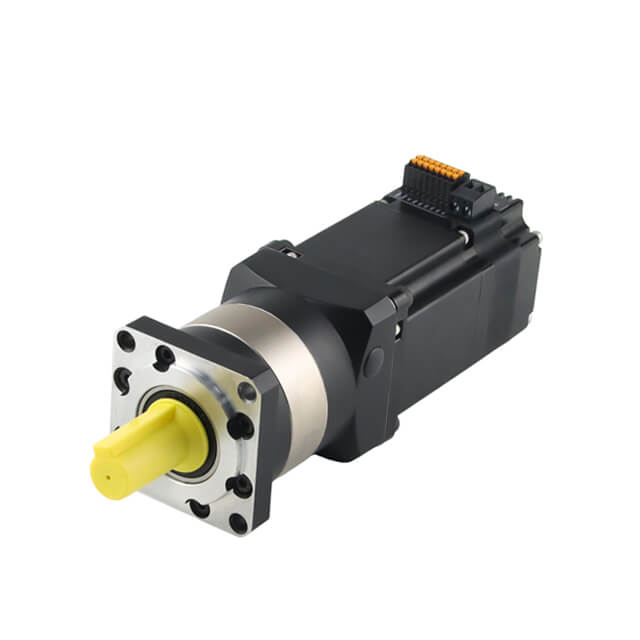
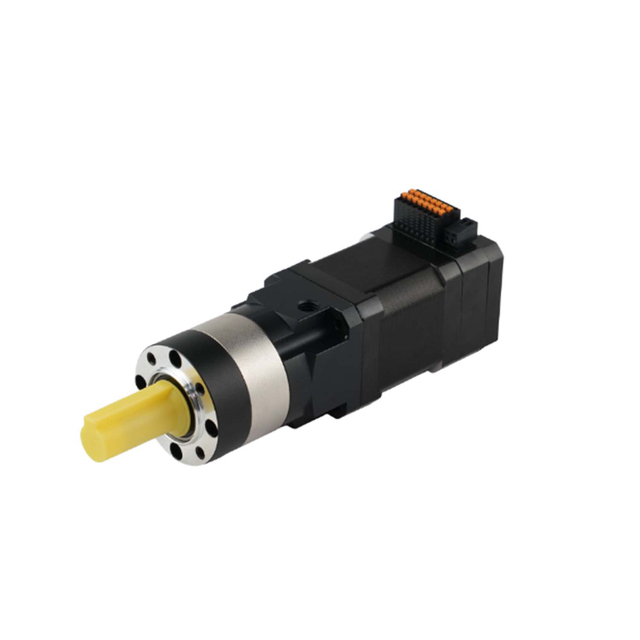
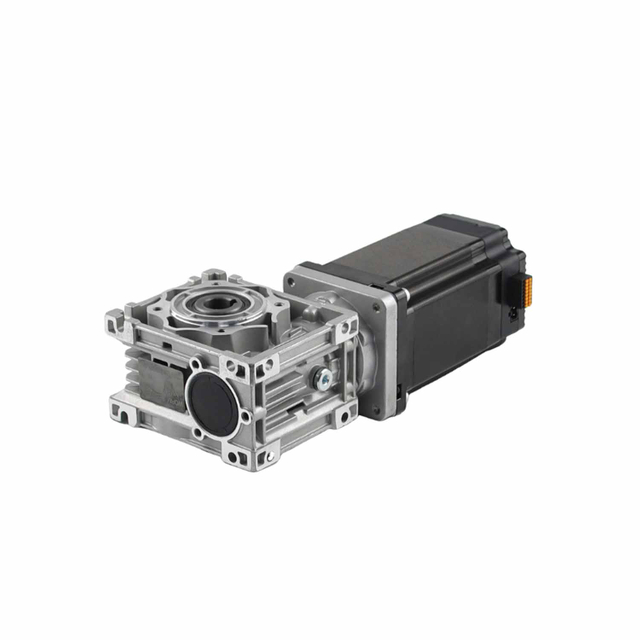
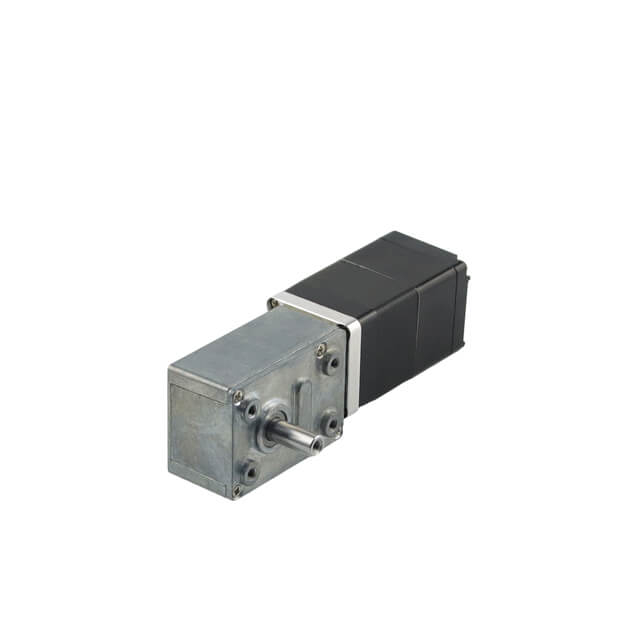
For applications requiring higher torque and lower speeds, we use motors with integrated gearboxes, offering:
These are ideal for robotic arm joints and lifting mechanisms within milking systems.
5. Integrated Servo Motors with Brake
Safety and position holding are essential in robotic operations. Motors with built-in braking systems provide:
Immediate stopping capability
Secure load holding during power loss
Enhanced operational safety
We implement these in vertical or load-sensitive applications.
6. Integrated Servo Motors with Encoder Options
Feedback systems are crucial for precision. We select motors with:
Incremental encoders for cost-effective feedback
Absolute encoders for high-precision positioning
Multi-turn encoders for complex motion tracking
These ensure accurate and repeatable positioning in robotic milking processes.
7. Integrated Servo Motors with Fieldbus Communication
Modern systems require advanced connectivity. These motors include:
Built-in communication protocols (EtherCAT, CANopen, Modbus)
Real-time data exchange capabilities
Simplified system integration
We use them to achieve synchronized multi-axis control and intelligent automation.
For safety-critical or mobile applications, low-voltage integrated servo motors offer:
These are suitable for portable or compact robotic milking units.
9. High-Torque Integrated Servo Motors
In demanding applications, we require motors capable of delivering:
High torque at low speeds
Strong load-bearing capacity
Stable performance under heavy-duty conditions
These motors are essential for handling mechanical loads in robotic arms and actuators.
10. Hygienic Design Integrated Servo Motors
For dairy applications, we emphasize motors designed with:
Smooth, easy-to-clean surfaces
Corrosion-resistant materials
Sealed, washdown-ready construction
These ensure compliance with strict hygiene and food safety standards.
By understanding the different kinds of integrated servo motors, we can select the most suitable configuration to achieve optimal performance, reliability, and efficiency in robotic milking systems. Each type serves a specific purpose, and the right combination ensures precise automation and long-term operational success.
Jkongmotor Servo Motor Types
Motor Customized Service
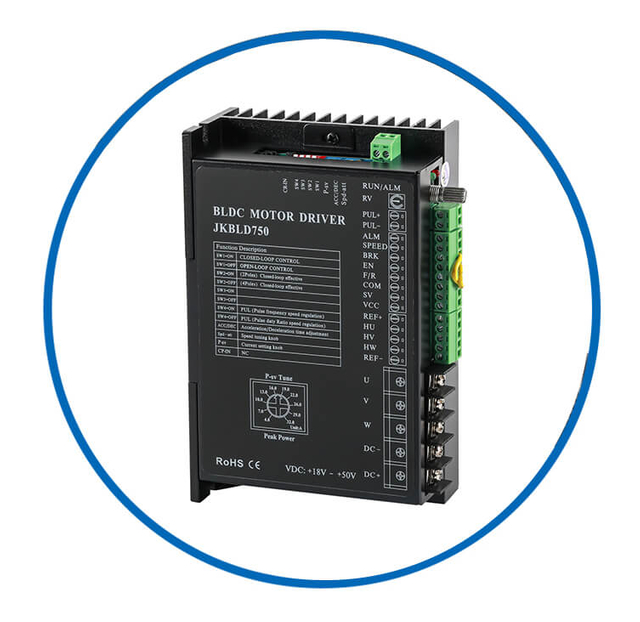
As a professional brushless dc motor manufacturer with 13 years in china, Jkongmotor offer various bldc motors with customized requirements, including 33 42 57 60 80 86 110 130mm, additionally, gearboxes, brakes, encoders, brushless motor drivers and integrated drivers are optional.
![bldc motor supplier]() | ![bldc motor supplier]() | ![bldc motor supplier]() | ![bldc motor supplier]() | ![bldc motor supplier]() | Professional custom brushless motor services safeguard your projects or equipment. No Brushes – Reduced Maintenance and Increased Lifespan High Efficiency and Low Power Loss High Torque-to-Weight Ratio Precise Speed and Position Control Quiet and Smooth Operation Wide Speed Range and Dynamic Performance Excellent Thermal Management Customizable Designs and Modular Configurations Multiple Control Methods Integration with Digital Interfaces and Sensors |
| Wires | Covers | Fans | Shafts | Integrated Drivers |
![bldc motor supplier]() | ![bldc motor supplier]() | ![bldc motor supplier]() | ![bldc motor supplier]() | ![bldc motor supplier]() |
| Brakes | Gearboxes | Out Rotors | Coreless Dc | Drivers |
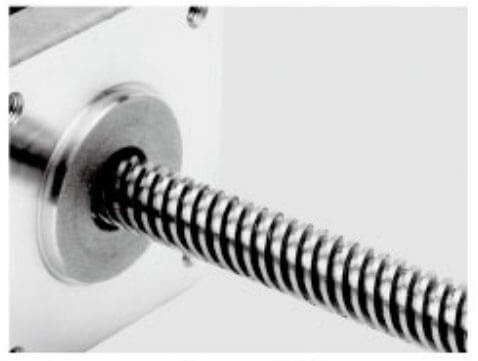
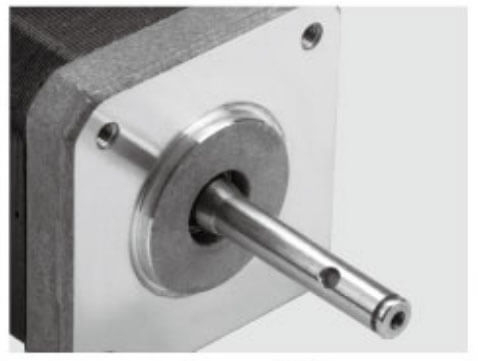
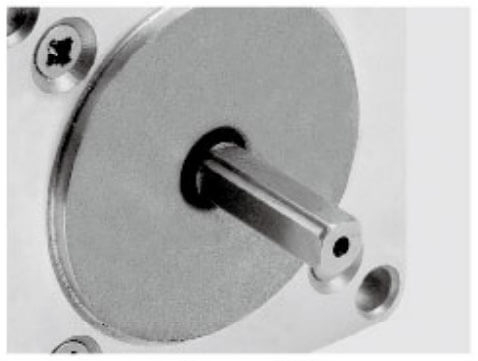
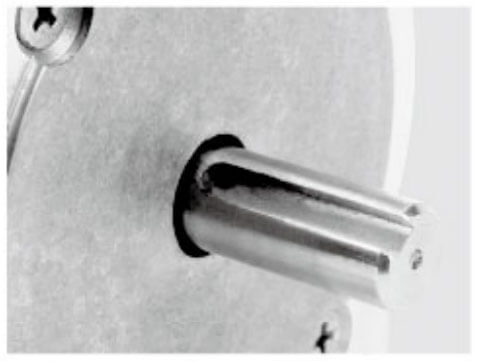
Motor Shaft Customized Service
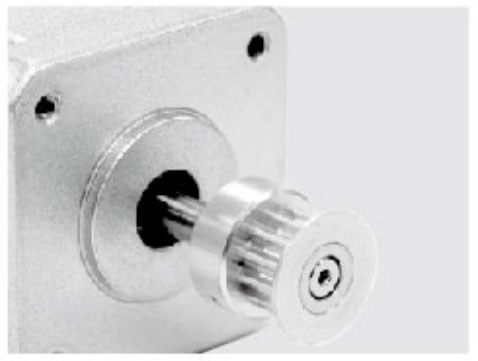
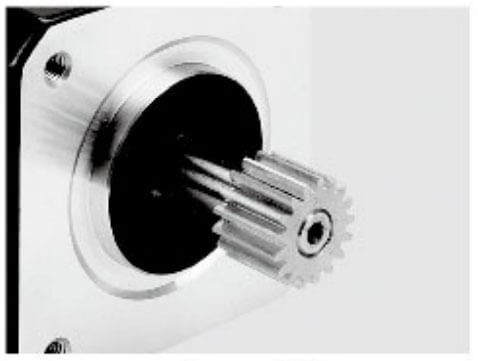
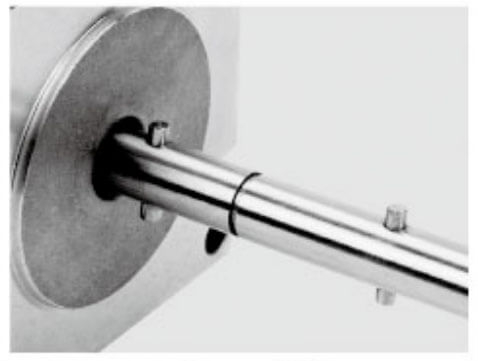
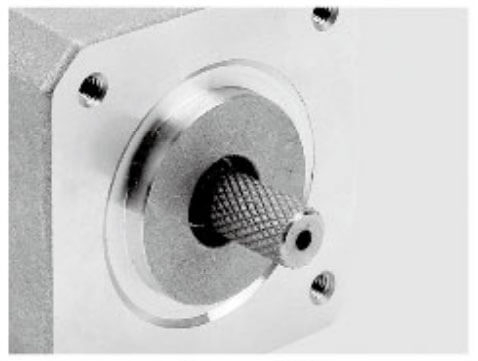
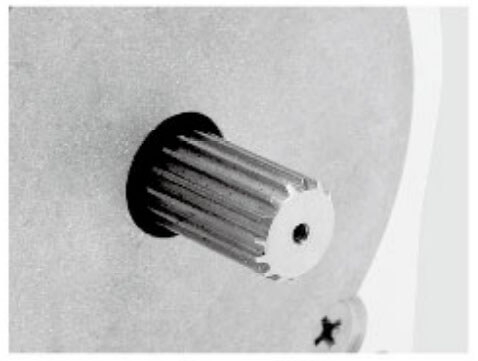
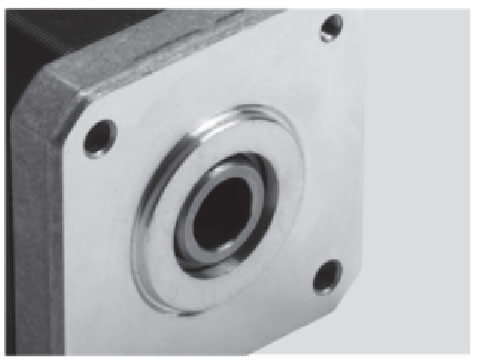
Jkongmotor offer many different shaft options for your motor as well as customizable shaft lengths to make the motor fit your application seamlessly.
Understanding the Requirements of Robotic Milking Applications
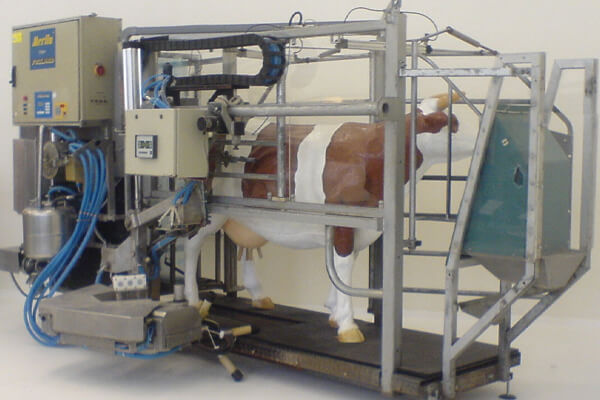
Robotic milking systems operate in highly demanding agricultural environments where precision engineering meets biological variability. We must carefully evaluate the functional, environmental, and operational requirements to ensure the integrated servo motor performs reliably under continuous and sensitive conditions.
Precision and Gentle Handling Requirements
Robotic milking requires extremely accurate positioning and motion control to locate and attach milking cups to the animal. We emphasize:
High repeatability and positioning accuracy
Smooth, controlled motion profiles
Low jerk and vibration during operation
These factors ensure gentle interaction with livestock, minimizing stress and maximizing milking efficiency.
Continuous Operation and High Duty Cycles
Milking systems typically operate 24/7 with minimal downtime, requiring motors that can sustain:
Continuous duty cycles without overheating
Consistent torque output over long periods
Reliable performance under frequent start-stop cycles
We prioritize integrated servo motors designed for industrial-grade endurance and long operational life.
Harsh Environmental Conditions
The milking environment exposes equipment to moisture, chemicals, and organic contaminants. We must ensure the motor can withstand:
Frequent washdowns and high humidity
Exposure to cleaning agents and disinfectants
Dust, manure particles, and temperature fluctuations
Motors with high ingress protection ratings and corrosion-resistant materials are essential for durability.
Hygiene and Sanitation Compliance
Strict hygiene standards are critical in dairy operations. We select components that support:
Easy cleaning and sanitation processes
Sealed and smooth surface designs
Materials resistant to bacterial buildup
This ensures compliance with food safety regulations and dairy industry standards.
Fast Response and Real-Time Control
Robotic milking systems require instant response to sensor inputs. We ensure motors support:
High-speed communication protocols
Real-time feedback and control loops
Precise synchronization with vision and detection systems
This enables accurate and efficient milking operations.
Compact Design and Integration Flexibility
Space constraints within robotic arms and milking modules demand compact and integrated solutions. We focus on:
All-in-one integrated servo motor designs
Reduced wiring and simplified installation
Flexible mounting options
This improves system efficiency and ease of integration.
Animal Safety and Comfort Considerations
Animal welfare is a critical factor in system design. We ensure motors contribute to:
Quiet operation with minimal noise
Smooth acceleration and deceleration
Stable and predictable movement behavior
These characteristics help maintain a calm environment, improving productivity and animal health.
Energy Efficiency and Sustainability
Energy consumption directly impacts farm operating costs. We prioritize motors that deliver:
This supports sustainable and cost-effective dairy operations.
Reliability and Low Maintenance Requirements
Downtime in robotic milking systems can lead to significant productivity losses. We select motors with:
This ensures maximum uptime and operational reliability.
By thoroughly understanding these requirements, we can select integrated servo motors that deliver precision, durability, and efficiency, forming the backbone of advanced robotic milking systems.
Key Performance Factors When Choosing Integrated Servo Motors
1. Torque and Speed Optimization
We prioritize motors that provide stable torque output across varying speeds. Robotic milking requires both:
Choosing a motor with high torque density ensures consistent performance without oversizing the system.
2. Positioning Accuracy and Feedback System
Accurate positioning is critical in milking systems. We recommend integrated servo motors equipped with:
These features guarantee precise and repeatable movements, minimizing errors during operation.
3. Compact and Integrated Design
Integrated servo motors eliminate the need for separate controllers and drivers. This provides:
We ensure the design supports space-constrained robotic arms and milking modules.
4. Environmental Protection and Durability
Robotic milking environments involve exposure to:
Water
Cleaning chemicals
Dust and organic matter
We select motors with:
This ensures long operational life and reduced maintenance costs.
Communication Protocol Compatibility
In robotic milking systems, seamless communication between components is essential for achieving precise motion control, real-time responsiveness, and system-wide synchronization. We ensure that the selected integrated servo motor supports advanced industrial communication protocols that enable reliable and efficient data exchange.
Importance of Communication in Robotic Milking Systems
Robotic milking relies on continuous interaction between:
Motion controllers
Sensors and vision systems
PLCs (Programmable Logic Controllers)
Central farm management software
We prioritize integrated servo motors that provide fast, stable, and deterministic communication, ensuring accurate coordination of every movement during the milking process.
Key Communication Protocols to Consider
1. EtherCAT for High-Speed Real-Time Control
We select motors with EtherCAT support when high-performance synchronization is required. This protocol offers:
Ultra-fast data transmission speeds
Low latency communication
Precise multi-axis synchronization
It is ideal for complex robotic arms and high-speed positioning tasks in milking systems.
2. CANopen for Stability and Flexibility
CANopen is widely used in industrial automation due to its robustness and simplicity. We recommend it for:
Reliable communication in distributed systems
Cost-effective implementation
Flexible network configurations
This protocol ensures stable operation even in electrically noisy farm environments.
3. Modbus (RTU/TCP) for Easy Integration
We consider Modbus when compatibility with existing systems is critical. Its advantages include:
Modbus enables quick integration into legacy or hybrid automation systems.
4. RS485 for Basic and Cost-Effective Communication
For simpler applications, RS485 provides:
We use this option where advanced real-time control is not required.
Protocol Selection Based on Application Needs
We match communication protocols to specific system requirements:
High-speed, multi-axis robotics → EtherCAT
Distributed and modular systems → CANopen
Legacy system compatibility → Modbus
Basic control applications → RS485
This ensures optimal performance without unnecessary complexity or cost.
Real-Time Data Exchange and Feedback
Integrated servo motors must support continuous feedback transmission, including:
We ensure protocols enable real-time monitoring and rapid response, improving system accuracy and reliability.
Synchronization with Sensors and Vision Systems
Robotic milking systems often rely on AI vision and detection technologies. We select communication protocols that allow:
Precise synchronization with cameras and sensors
Fast data processing and response
Accurate motion adjustments in real time
This ensures efficient and error-free milking operations.
Scalability and Future Expansion
We prioritize communication systems that support:
This ensures the robotic milking system remains future-proof and adaptable.
Reliability in Harsh Environments
Farm environments can introduce electrical noise and signal interference. We ensure communication protocols offer:
Strong anti-interference capability
Stable data transmission over long distances
Error detection and correction mechanisms
This guarantees consistent performance under challenging conditions.
By carefully selecting integrated servo motors with the right communication protocol compatibility, we ensure high-speed coordination, reliable data exchange, and seamless system integration, forming the backbone of efficient and intelligent robotic milking operations.
Energy Efficiency and Thermal Management
Energy consumption directly impacts operational costs. We prioritize motors with:
Efficient thermal management ensures stable operation even under continuous workloads, reducing downtime.
Noise and Vibration Control
Animal comfort is essential in robotic milking systems. Excessive noise or vibration can stress livestock and reduce productivity. We choose motors with:
This ensures a calm and controlled milking environment.
OEM and ODM Customization Capabilities
In robotic milking systems, standard motor configurations often fail to meet the highly specialized operational demands of automated dairy environments. We prioritize manufacturers that offer comprehensive OEM and ODM customization capabilities, enabling the development of integrated servo motors tailored precisely to application-specific requirements.
Application-Specific Mechanical Customization
We ensure that the integrated servo motor is mechanically optimized for seamless integration into robotic milking equipment. Key customization areas include:
Shaft design and dimensions to match robotic arm mechanisms
Custom mounting interfaces for compact and stable installation
Flange and housing modifications for space-constrained assemblies
Specialized sealing structures to enhance environmental protection
These mechanical adaptations ensure perfect alignment with system architecture, improving performance and durability.
Electrical and Performance Customization
Different milking systems require varying levels of torque, speed, and control precision. We work with suppliers that can customize:
Voltage and current specifications based on system power requirements
Torque-speed characteristics optimized for milking operations
Motor winding configurations for enhanced efficiency
Thermal performance tuning to support continuous operation
This ensures the motor delivers optimal performance under real working conditions.
Integrated Functional Customization
Advanced robotic milking systems demand additional integrated functionalities. We prioritize motors that support:
Custom encoder options (incremental or absolute) for high-precision feedback
Built-in braking systems for safety and position holding
Integrated gearboxes for torque amplification and speed reduction
Customized firmware and motion control algorithms
These enhancements enable greater control accuracy and system reliability.
Communication and Control Customization
To ensure seamless integration with various automation systems, we select manufacturers offering flexible communication configurations:
Protocol customization (EtherCAT, CANopen, Modbus, RS485)
Custom communication interfaces and connectors
Parameter tuning for specific control systems
Software compatibility with existing PLC and control platforms
This ensures smooth system integration and efficient data exchange.
Environmental and Protection Customization
Robotic milking environments require motors that can withstand harsh and hygienic conditions. We emphasize customization in:
High IP rating designs (IP65, IP67, or higher)
Corrosion-resistant coatings and materials
Waterproof and chemical-resistant connectors
Sealed housings for washdown environments
These features guarantee long-term reliability in demanding agricultural settings.
Hygiene and Food-Grade Design Adaptation
We ensure motors comply with strict dairy hygiene standards through:
Smooth surface finishes for easy cleaning
Food-grade materials and coatings
Minimized crevices to prevent contamination buildup
This supports safe and compliant dairy production processes.
System-Level Solution Customization
Beyond individual components, we work with partners capable of delivering complete motion solutions, including:
Integrated servo motor + controller packages
Pre-configured motion control systems
Application-specific engineering support
Rapid prototyping and validation services
This approach accelerates system development and deployment timelines.
Branding and Production Customization
For OEM customers, branding and production flexibility are essential. We ensure manufacturers provide:
Private labeling and custom product branding
Flexible production volumes
Consistent quality control processes
Reliable supply chain management
This supports scalable and market-ready product development.
After-Sales and Technical Support Customization
Long-term system performance depends on strong technical support. We prioritize suppliers offering:
Dedicated engineering assistance
Customized documentation and training
Remote diagnostics and firmware updates
Spare parts and lifecycle management support
This ensures continuous system optimization and reduced downtime.
By leveraging advanced OEM and ODM customization capabilities, we develop integrated servo motor solutions that deliver precision, durability, and seamless integration, fully aligned with the complex demands of robotic milking systems.
Reliability and Maintenance Considerations
1. Long Lifespan Components
We select motors designed with:
This guarantees extended service life under demanding conditions.
2. Minimal Maintenance Requirements
Integrated servo motors should support:
Maintenance-free operation
Self-diagnostic capabilities
Remote monitoring functions
These features reduce downtime and maintenance costs.
Safety and Compliance Standards
Robotic milking systems must comply with strict safety and hygiene regulations. We ensure the motor meets:
Food-grade material standards
Electrical safety certifications
EMC compliance requirements
This ensures safe and compliant system operation.
Cost Efficiency and Total Cost of Ownership
While initial cost is important, we focus on long-term value by evaluating:
Energy consumption
Maintenance frequency
Replacement costs
System downtime risks
A well-selected integrated servo motor provides lower total cost of ownership and higher ROI.
Future-Proofing Your Robotic Milking System
To remain competitive in modern dairy automation, we must design robotic milking systems that are not only efficient today but also adaptable to future technological advancements. Future-proofing ensures long-term value, scalability, and seamless integration with emerging innovations in smart farming.
1. Scalable System Architecture
We prioritize modular and scalable designs that allow easy expansion as operational demands grow. This includes:
Expandable motion control networks
Flexible integration of additional robotic units
Standardized interfaces for new components
A scalable architecture ensures the system can evolve without complete redesign, reducing future investment costs.
2. Advanced Communication Compatibility
Future-ready systems require support for next-generation industrial communication protocols. We select integrated servo motors that offer:
Multi-protocol support (EtherCAT, CANopen, Modbus)
Firmware-upgradable communication stacks
Seamless integration with IoT platforms
This guarantees long-term compatibility with evolving automation technologies.
3. Firmware Upgradeability and Smart Control
We ensure that integrated servo motors support remote firmware updates and intelligent control features, enabling:
Performance optimization without hardware changes
Bug fixes and feature enhancements over time
Adaptation to new application requirements
This capability allows systems to continuously improve without costly replacements.
4. Integration with AI and Data-Driven Systems
The future of robotic milking lies in data intelligence and automation optimization. We focus on motors that can integrate with:
AI-based vision and detection systems
Predictive analytics platforms
Cloud-based farm management software
This enables real-time decision-making and process optimization, improving efficiency and productivity.
5. Predictive Maintenance and Diagnostics
We adopt integrated servo motors with advanced monitoring and diagnostic capabilities, including:
Real-time performance tracking
Fault detection and alert systems
Predictive maintenance algorithms
These features help prevent unexpected failures and ensure maximum system uptime.
6. Energy Efficiency and Sustainability Compliance
Future dairy operations will demand higher standards of energy efficiency and environmental sustainability. We prioritize motors that offer:
This ensures reduced operational costs and alignment with sustainability goals.
7. Robust Cybersecurity and Data Protection
As systems become more connected, data security becomes critical. We ensure:
Secure communication protocols
Protection against unauthorized access
Reliable data encryption mechanisms
This safeguards system integrity and operational data.
8. Adaptability to New Dairy Technologies
Robotic milking systems must be ready to integrate with emerging dairy innovations, such as:
Automated animal monitoring systems
Smart feeding and health tracking technologies
Next-generation robotic handling equipment
We design systems that can easily incorporate new technologies without disruption.
9. Long-Term Supplier Support and Ecosystem
Future-proofing also depends on strong partnerships. We work with manufacturers that provide:
Continuous product development
Long-term technical support
Stable supply chains and component availability
This ensures consistent system performance over its entire lifecycle.
10. Standardization and Interoperability
We emphasize the use of open standards and interoperable components, allowing:
Compatibility across different brands and systems
Simplified upgrades and replacements
Reduced dependency on single suppliers
This approach provides flexibility and long-term operational security.
By focusing on scalability, intelligent integration, and long-term adaptability, we build robotic milking systems that are resilient, efficient, and ready for future advancements. Future-proofing is not just an option—it is a strategic necessity for achieving sustainable growth and technological leadership in dairy automation.
Integrated servo motors bring a transformational advantage to robotic milking systems by combining motor, driver, and controller into a single compact unit. We leverage these advantages to achieve higher efficiency, improved reliability, and simplified system architecture, all of which are critical in modern dairy automation.
1. Simplified System Architecture
We eliminate the need for multiple external components by using integrated servo motors. This results in:
A simplified architecture enhances system stability and ease of installation, especially in compact robotic milking setups.
2. Enhanced Precision and Motion Control
Integrated servo motors provide highly accurate positioning and motion control, which is essential for delicate milking operations. We benefit from:
Closed-loop control systems
High-resolution feedback from encoders
Real-time adjustment capabilities
This ensures precise teat cup placement and smooth robotic movement, improving overall milking efficiency.
3. Improved Reliability in Harsh Environments
Robotic milking systems operate in wet, dusty, and chemically exposed environments. Integrated designs offer:
Sealed housings and connectors
Higher resistance to moisture and contaminants
Reduced exposure of sensitive components
We achieve long-term operational reliability with minimal failures, even under demanding conditions.
4. Reduced Installation and Maintenance Costs
By integrating multiple components into one unit, we significantly reduce:
Fewer components mean less troubleshooting and faster system servicing, leading to lower total operational costs.
5. Compact Design for Space Optimization
Space is often limited within robotic milking systems. Integrated servo motors provide:
This allows for more streamlined robotic designs and improved mechanical layout efficiency.
6. Faster Response and Real-Time Performance
We utilize integrated servo motors to achieve:
High-speed data processing
Low-latency communication
Instant response to sensor inputs
This enables real-time adjustments during milking operations, ensuring accuracy and efficiency.
7. Energy Efficiency and Thermal Optimization
Integrated servo motors are designed for optimal energy usage, offering:
We benefit from stable performance during continuous operation, reducing energy costs and preventing overheating.
8. Noise and Vibration Reduction
Animal comfort directly impacts productivity. Integrated servo motors deliver:
Smooth motion profiles
Low noise operation
Minimal vibration levels
This creates a calm and stress-free environment for livestock, improving milking outcomes.
9. Seamless Communication and Integration
With built-in communication capabilities, integrated servo motors support:
Industrial protocols like EtherCAT, CANopen, and Modbus
Easy integration with PLCs and control systems
Efficient data exchange across the system
We ensure synchronized operation and intelligent control throughout the milking process.
10. Customization and Scalability
Integrated servo motors are highly adaptable to specific system needs. We take advantage of:
OEM and ODM customization options
Scalable configurations for different system sizes
Flexible feature integration (gearbox, brake, encoder)
This allows us to develop tailored solutions that meet evolving dairy automation requirements.
11. Increased System Uptime and Productivity
Reliability and efficiency directly influence productivity. Integrated servo motors contribute to:
We achieve higher throughput and more efficient milking cycles, maximizing farm output.
By adopting integrated servo motors in robotic milking systems, we unlock superior precision, reliability, and efficiency, enabling advanced automation that meets the evolving demands of modern dairy farming.
Conclusion: Strategic Selection for Maximum Performance
Choosing the right integrated servo motor for robotic milking systems requires a comprehensive evaluation of performance, durability, customization, and integration capabilities. By focusing on precision control, environmental resilience, and OEM/ODM customization, we ensure optimal system performance and long-term operational success.
A high-quality integrated servo motor is not just a component—it is the foundation of efficient, reliable, and intelligent robotic milking automation.