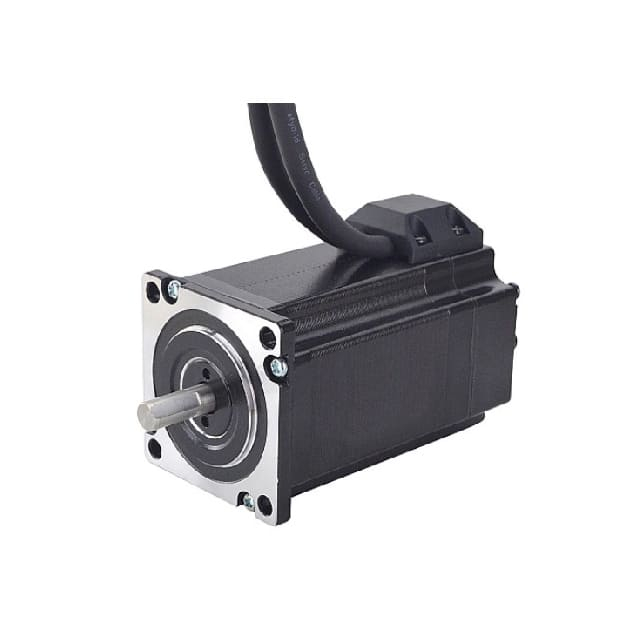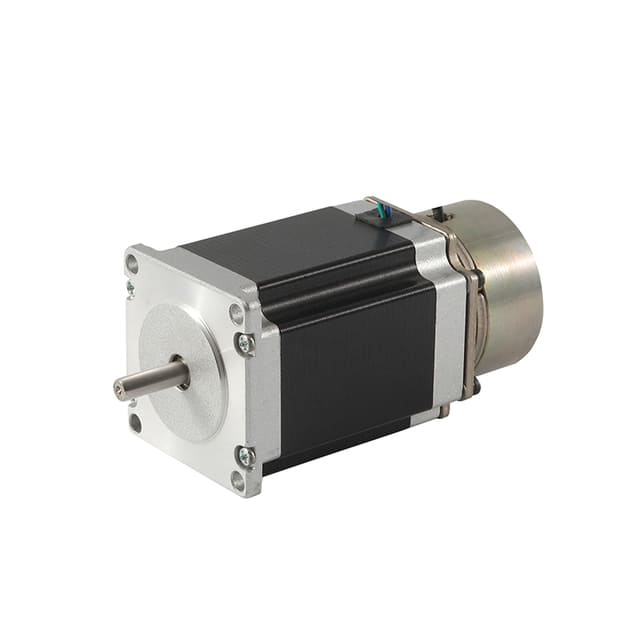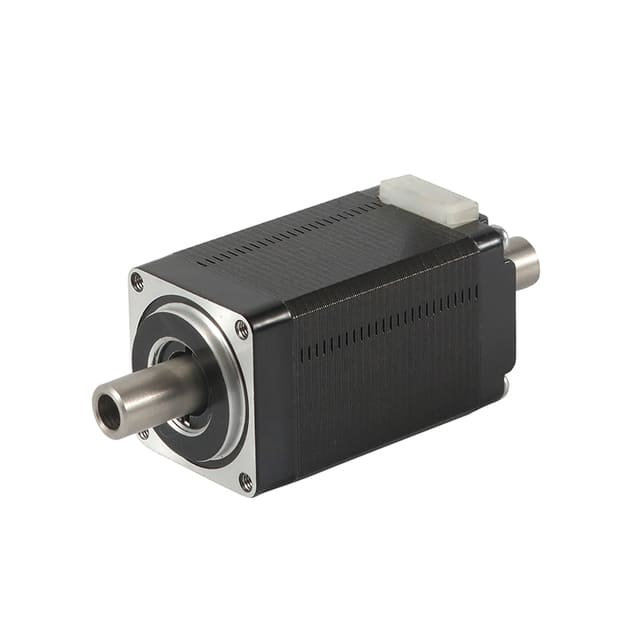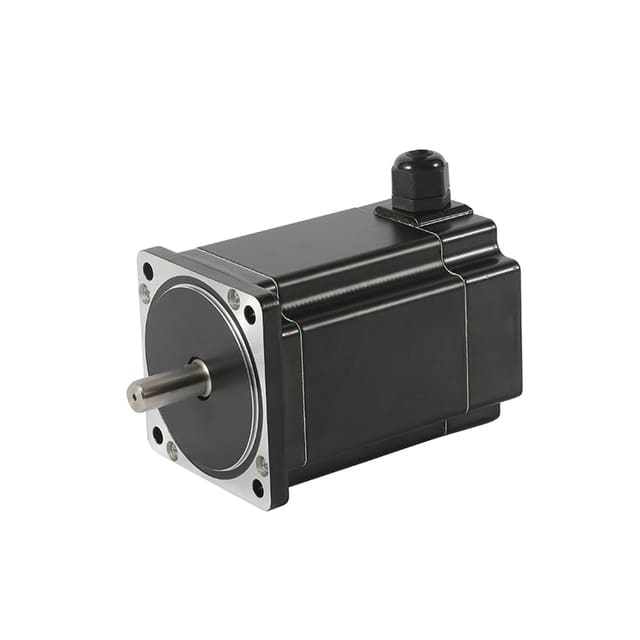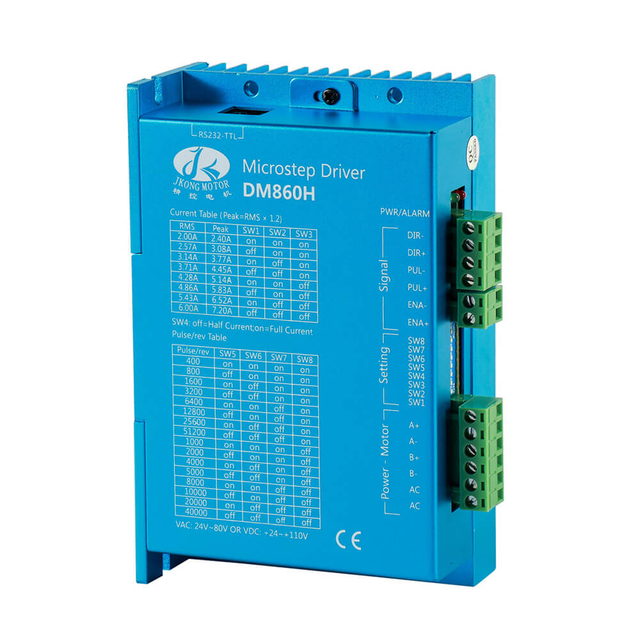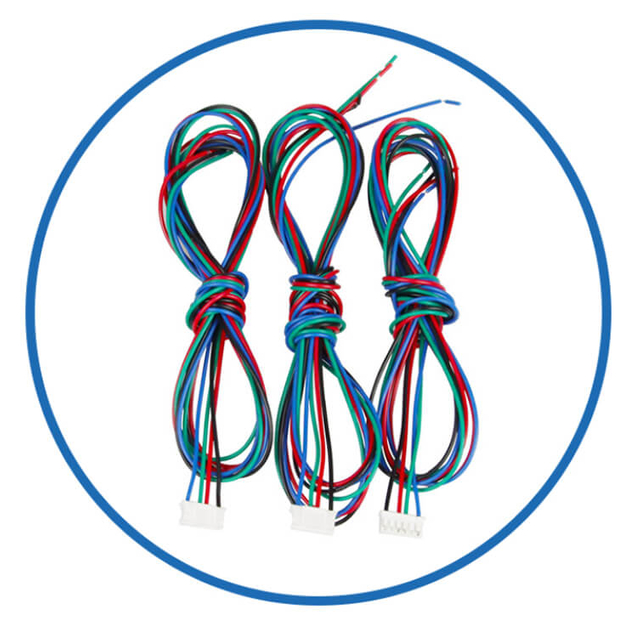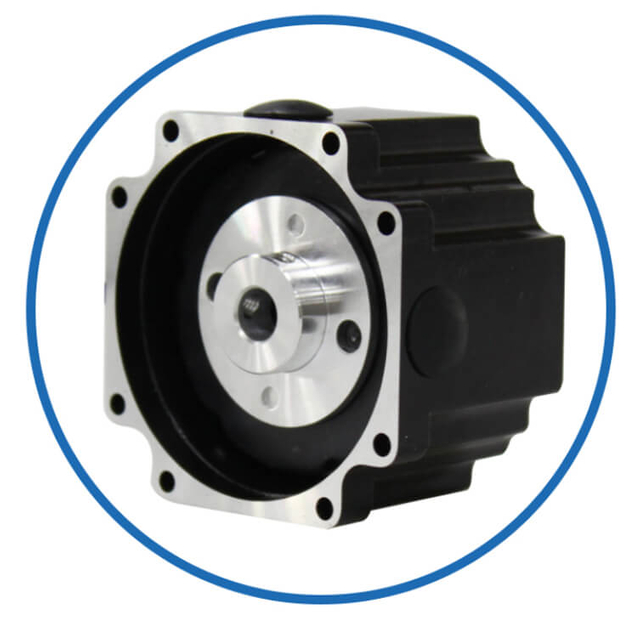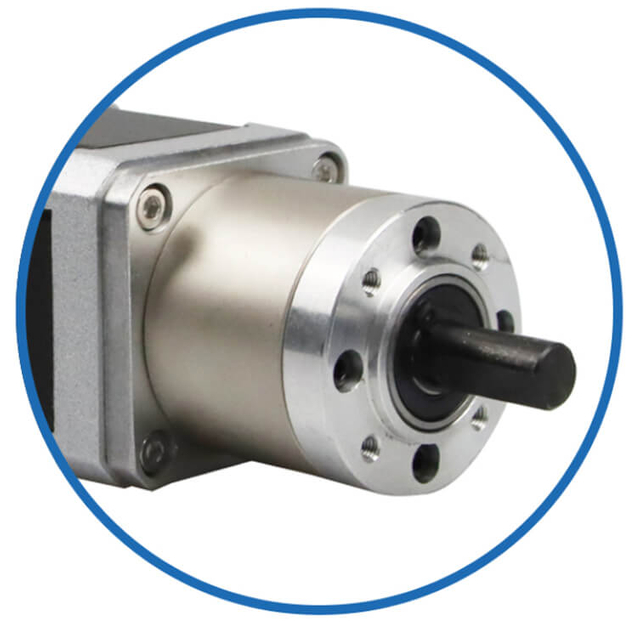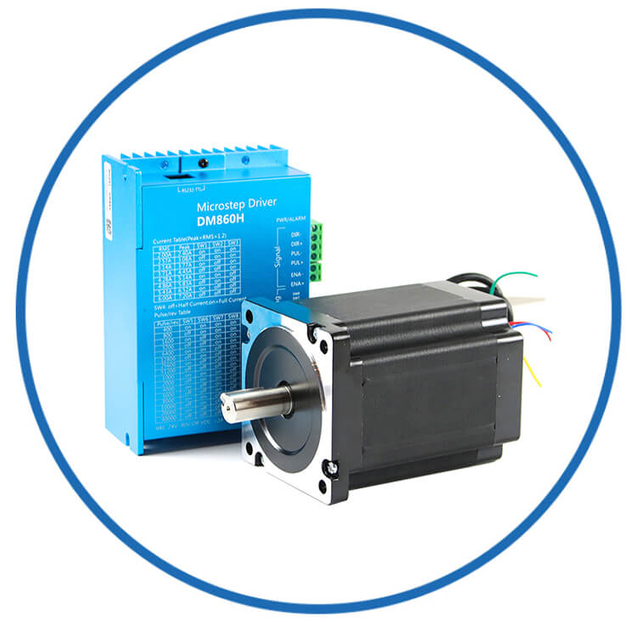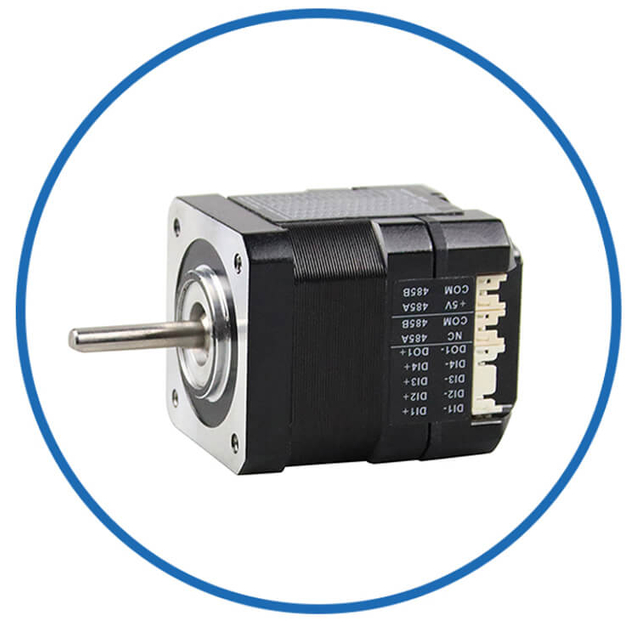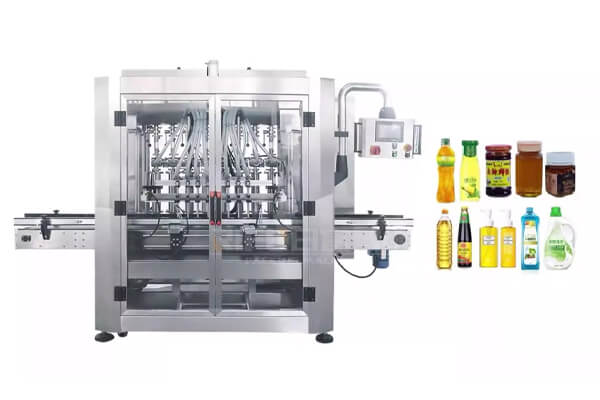
Stepper motors are widely used in filling machines due to their high positioning accuracy, stable torque output, and precise speed control. With professional OEM ODM customized stepper motor solutions, manufacturers can optimize torque, speed, mechanical structure, and environmental protection to achieve reliable, high-precision filling automation.
In modern automated packaging lines, filling machines demand exceptional precision, repeatability, and synchronization. Selecting the right stepper motor for filling machines directly impacts filling accuracy, production speed, operational stability, and long-term maintenance costs. As manufacturers and automation solution providers, we must approach motor selection strategically, aligning mechanical requirements with electrical performance and control architecture.
This comprehensive guide outlines exactly how we choose the optimal stepper motor solution for liquid, paste, powder, and granular filling systems, ensuring maximum efficiency and reliability.
Before selecting a stepper motor, we must clearly define the motion profile of the filling machine. Different machine structures require different torque and control characteristics.
Typical filling machine applications include:
Piston filling systems
Peristaltic pump filling machines
Gear pump liquid fillers
Auger powder filling machines
Rotary indexing filling platforms
Each configuration demands precise position control, consistent torque output, and stable low-speed performance. In most filling machines, the motor controls:
Piston displacement
Pump rotation
Auger screw feeding
Conveyor indexing
Rotary table positioning
Because dosing accuracy depends directly on motor step accuracy, selecting the correct stepper motor becomes critical.
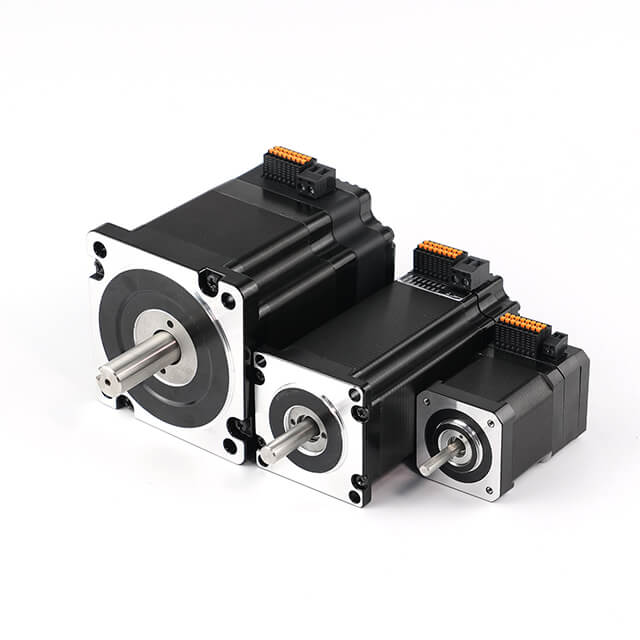
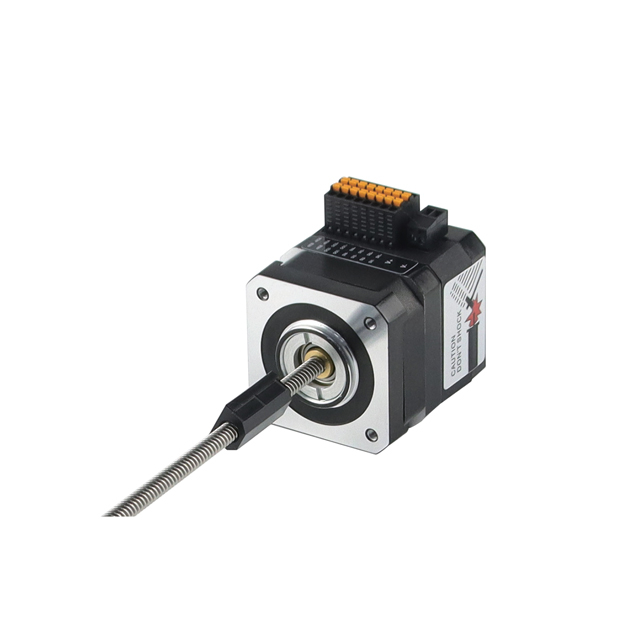
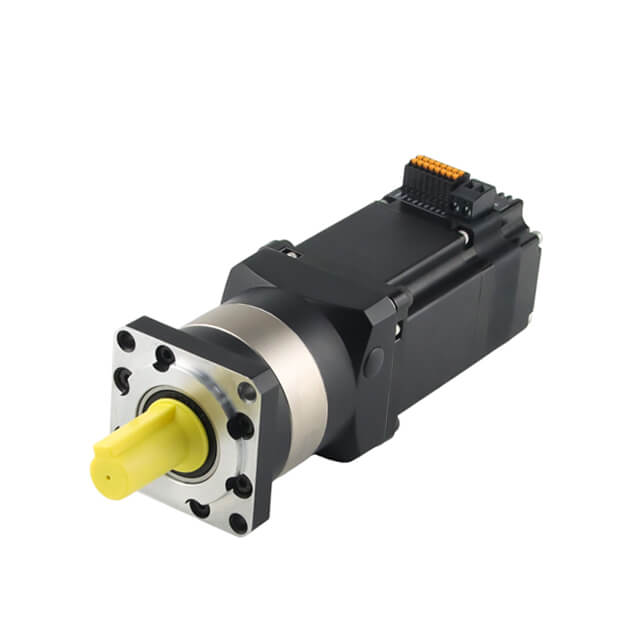
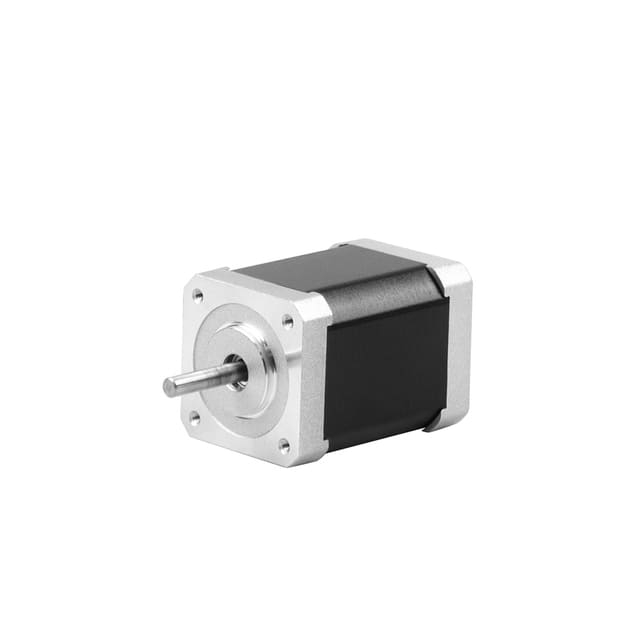
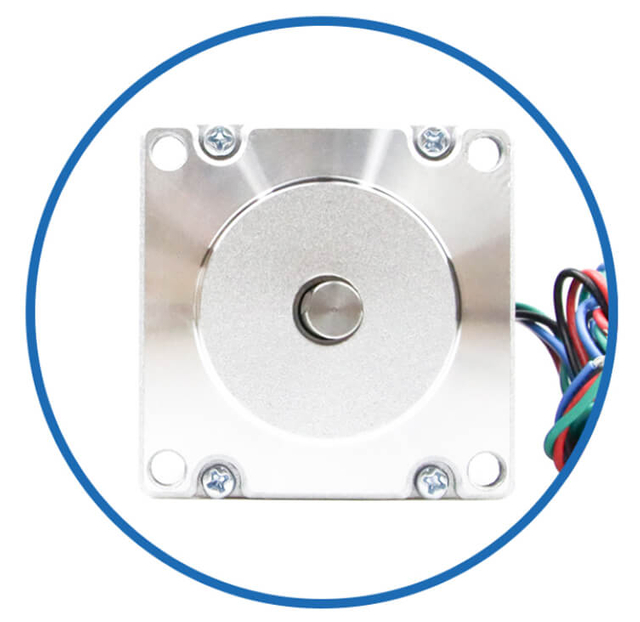
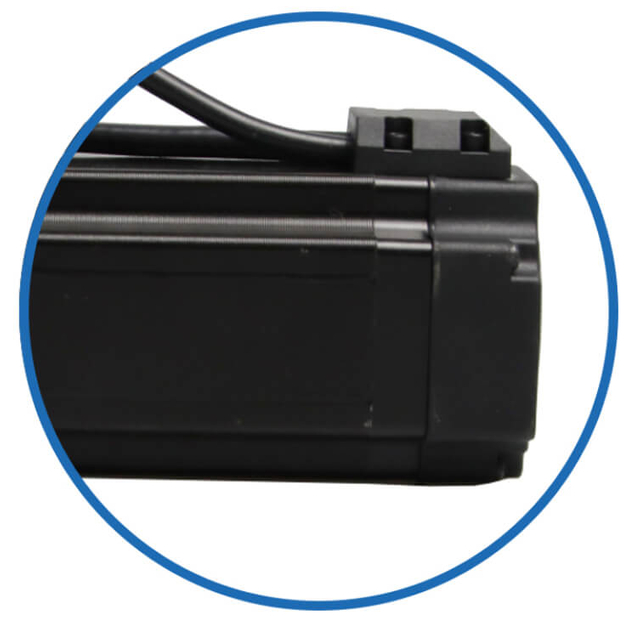
Jkongmotor Customized Stepper Motor Types for Industrial Automation
Motor Customized Service
As a professional brushless dc motor manufacturer with 13 years in china, Jkongmotor offer various bldc motors with customized requirements, including 33 42 57 60 80 86 110 130mm, additionally, gearboxes, brakes, encoders, brushless motor drivers and integrated drivers are optional.
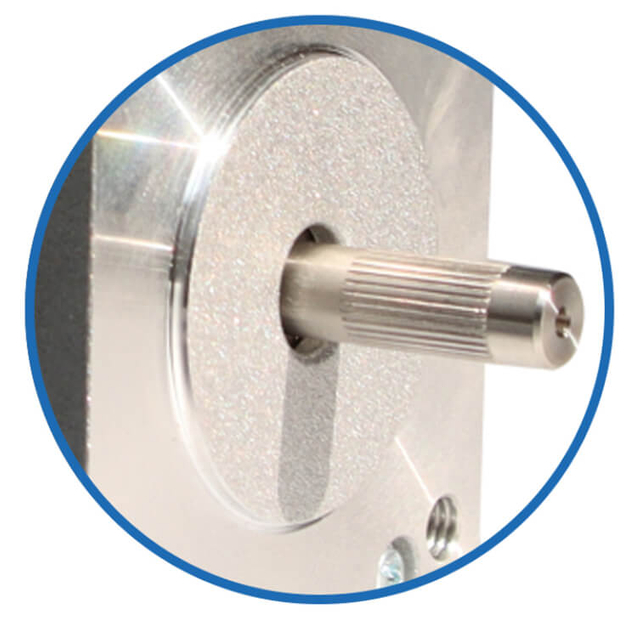
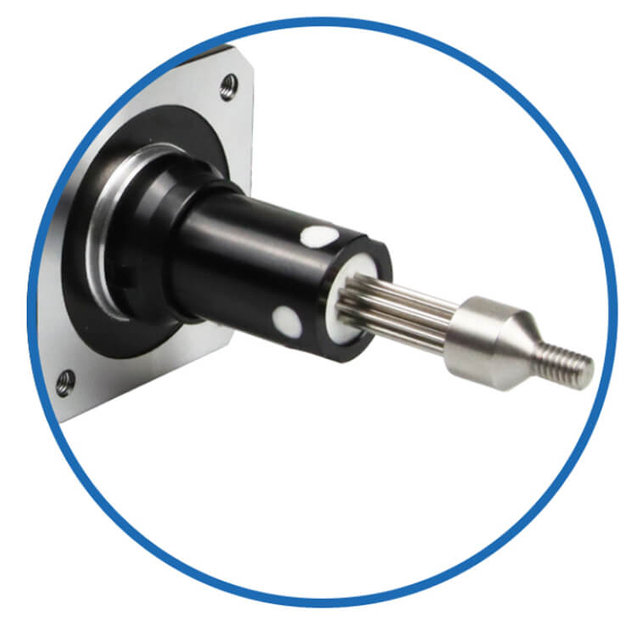
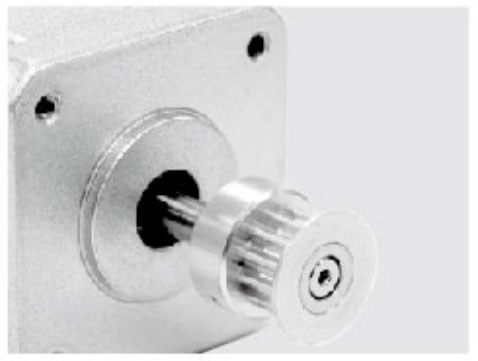
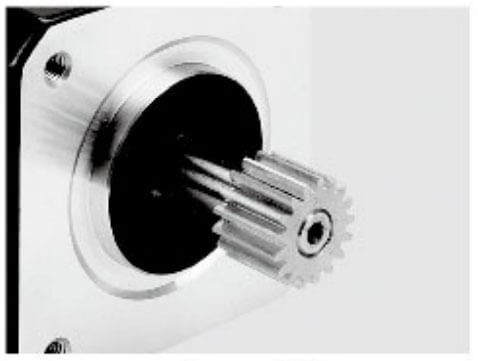
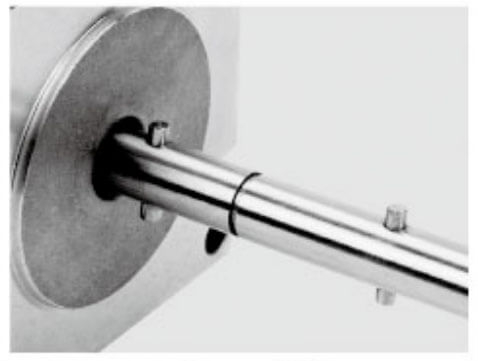
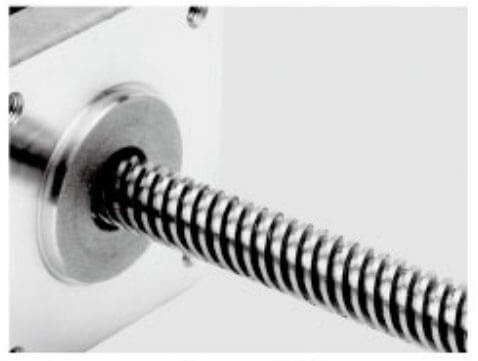
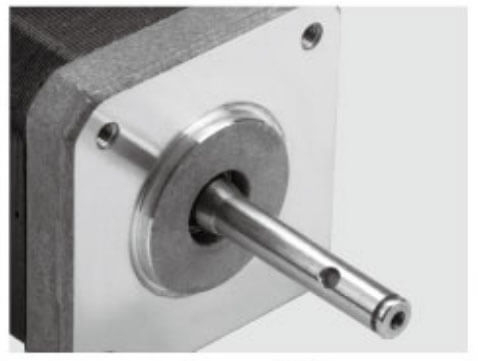
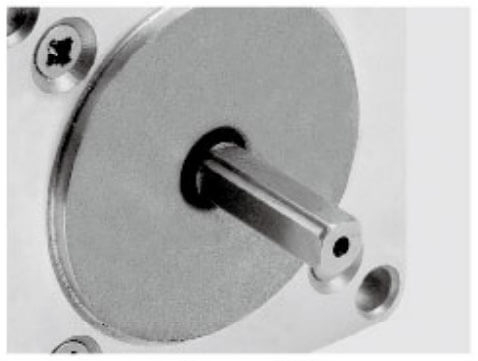
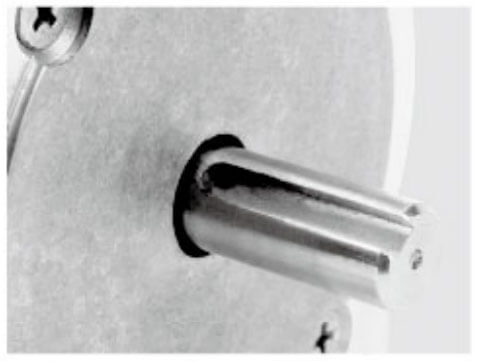
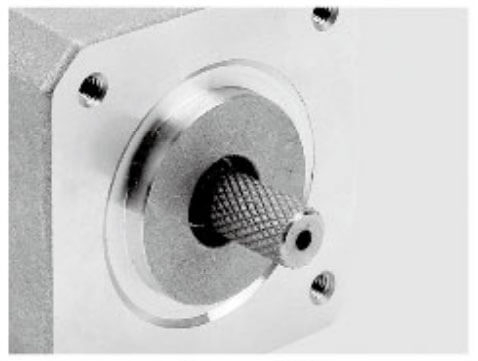
Motor Shaft Customized Service
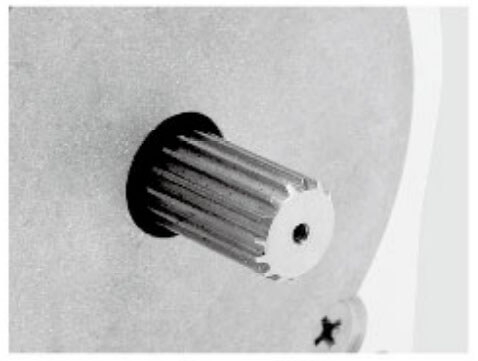
Jkongmotor offer many different shaft options for your motor as well as customizable shaft lengths to make the motor fit your application seamlessly.
Why Stepper Motors Are Ideal for Filling Machines
In automated packaging environments where precision, repeatability, and process stability are non-negotiable, stepper motors stand out as the optimal motion control solution for filling machines. Whether handling liquids, powders, pastes, or granular materials, filling systems depend on exact volumetric control—and stepper motors deliver that control with unmatched consistency.
1. Precise Incremental Positioning for Accurate Dosing
Filling machines rely on controlled rotational or linear movement to dispense accurate volumes. Stepper motors operate through fixed step increments, typically 1.8° or 0.9° per step, allowing precise and predictable positioning without complex feedback systems.
Each electrical pulse corresponds to a defined angular movement. This direct pulse-to-position relationship ensures:
Accurate piston displacement
Consistent pump rotation
Precise auger screw control
Reliable indexing of rotary tables
The result is highly repeatable filling accuracy, even across thousands of production cycles.
2. Exceptional Low-Speed Torque Stability
Many filling processes operate at relatively low speeds to maintain dosing accuracy and prevent splashing or overfilling. Stepper motors provide strong torque output at low RPM, unlike traditional AC motors that may struggle in low-speed ranges without additional gear reduction.
This characteristic makes them ideal for:
Stable torque at low speed ensures smooth, controlled dispensing with minimal pulsation.
3. Open-Loop Control Simplicity
Stepper motors typically operate in open-loop control systems, meaning they do not require encoders or complex feedback mechanisms in standard applications. This simplifies the control architecture and reduces overall system cost.
Advantages include:
Lower installation complexity
Reduced wiring
Simplified PLC integration
Fewer components prone to failure
Fewer components prone to failure
For most volumetric filling machines, this level of control provides more than sufficient accuracy while maintaining system efficiency.
4. High Holding Torque for Position Stability
During the filling cycle, the motor often needs to hold position to prevent unintended movement—especially in piston and auger systems. Stepper motors offer high holding torque, which ensures:
No backflow in piston fillers
Stable stop positions in auger systems
Accurate indexing between cycles
This feature directly contributes to maintaining consistent fill volumes and reducing product waste.
5. Excellent Repeatability for High-Volume Production
Filling machines frequently operate in continuous production environments. Stepper motors provide exceptional repeatability, ensuring each cycle mirrors the previous one precisely.
Because stepper motors do not rely on brush contact or mechanical commutation, their motion consistency remains stable over extended operational hours. This reliability reduces recalibration frequency and supports uninterrupted production.
6. Smooth Motion with Microstepping Technology
Modern drivers enable microstepping, significantly increasing motion resolution. Microstepping allows smoother acceleration and deceleration profiles, which:
Reduces vibration
Minimizes mechanical shock
Improves filling consistency
Extends mechanical component lifespan
For applications involving sensitive fluids or foaming liquids, smoother motion enhances overall product quality.
7. Cost-Effective Motion Control Solution
Compared to full servo systems, stepper motors provide a cost-efficient solution without sacrificing the precision required for most filling applications.
They offer:
This balance of performance and affordability makes stepper motors highly attractive for OEM filling machine manufacturers.
8. Flexible Integration with Automation Systems
Stepper motors integrate seamlessly with:
PLC-controlled filling systems
HMI-based operator interfaces
Sensor-triggered dispensing sequences
Conveyor synchronization setups
This flexibility ensures reliable coordination between filling, capping, labeling, and packaging processes.
9. Scalable for Multiple Filling Configurations
Stepper motors are adaptable across different filling technologies:
Their modularity allows manufacturers to standardize motor platforms while customizing torque and driver parameters based on application needs.
10. Durable and Long Operational Lifespan
With no brushes to wear out and minimal internal mechanical contact, stepper motors offer long service life and low maintenance requirements. When properly sized and operated within rated parameters, they deliver stable performance over thousands of production hours.
This durability translates to:
Conclusion
Stepper motors are ideal for filling machines because they combine precision positioning, strong low-speed torque, high repeatability, simple control architecture, and cost efficiency in a single motion solution. Their ability to deliver accurate, consistent dosing across diverse filling applications makes them the preferred choice for modern automated packaging systems.
For manufacturers seeking reliable, scalable, and high-performance motion control, stepper motors remain the definitive solution for precision filling technology.
1. Required Torque Calculation
The first step is calculating the required torque based on:
Load inertia
Friction coefficient
Mechanical transmission efficiency
Acceleration requirements
Safety margin (typically 20–30%)
For piston fillers, torque depends on:
Filling pressure
Piston diameter
Fluid viscosity
For auger fillers, torque depends on:
Powder density
Screw pitch
Material resistance
Selecting insufficient torque leads to step loss and inaccurate filling. Oversizing increases cost and energy consumption.
2. Speed and Filling Cycle Time
Production capacity determines motor speed. We must evaluate:
Stepper motors provide excellent performance in low to medium speed ranges (0–1000 RPM), which is ideal for dosing operations.
If high-speed rotary filling lines are involved, we may require optimized driver control or closed-loop stepper systems.
3. Step Angle and Resolution
Filling precision directly correlates with motor resolution.
Standard step angles:
For high-accuracy filling, microstepping drivers can increase resolution significantly.
For example:
Higher resolution enables:
4. Motor Frame Size Selection
Common stepper motor frame sizes used in filling machines:
NEMA 17 – Small dosing systems
NEMA 23 – Standard piston and pump fillers
NEMA 34 – Heavy-duty industrial filling equipment
Frame size selection depends on torque demand and installation space. Compact machines benefit from smaller motors, while industrial high-viscosity fillers often require larger frames.
5. Holding Torque vs. Dynamic Torque
Many filling applications require the motor to:
Therefore, holding torque must exceed static load torque.
Dynamic torque curves must also be analyzed at operational speed to ensure stable performance throughout the motion cycle.
6. Power Supply and Driver Compatibility
Stepper motors require compatible drivers and power systems.
We must confirm:
Rated voltage
Rated current
Driver current output
Power supply stability
Modern filling machines often use:
Higher voltage improves high-speed torque performance.
7. Open-Loop vs Closed-Loop Stepper Motors
For basic filling machines, open-loop stepper motors provide sufficient accuracy.
For higher-end production lines where downtime is costly, closed-loop stepper motors offer:
Closed-loop systems combine the advantages of servo control with the simplicity of stepper motors.
Application-Specific Motor Selection
Liquid filling systems require:
Recommended:
NEMA 23 stepper motor
Microstepping driver
24–48V supply
For viscous liquids, higher torque motors are necessary.
Powder filling presents higher resistance and requires:
High starting torque
Strong holding torque
Robust shaft design
Recommended:
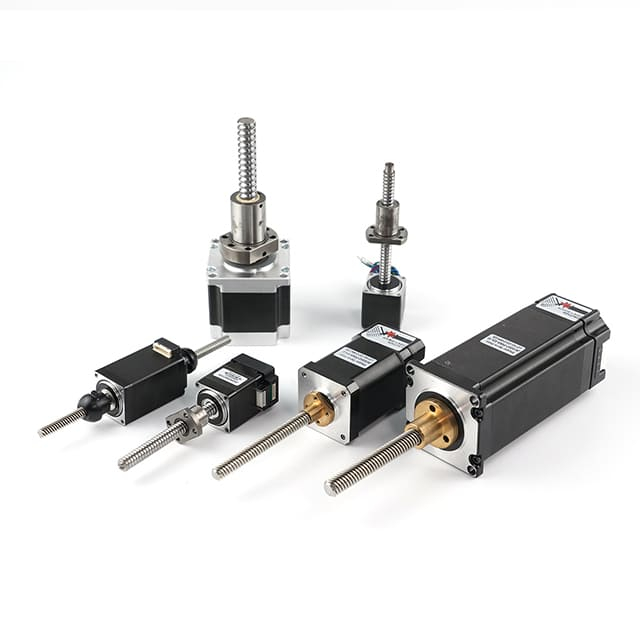
Piston systems require linear-to-rotary conversion via ball screw or lead screw.
Key requirements:
Closed-loop stepper motors improve accuracy for pharmaceutical and food-grade applications.
Environmental and Industry Considerations
When selecting stepper motors for filling machines in regulated industries, we must consider:
In food and pharmaceutical industries, stainless steel housing and sealed bearings are often necessary.
Integration with Automation Systems
Stepper motors must integrate seamlessly with:
PLC systems
HMI interfaces
Conveyor synchronization
Sensor triggers
Popular automation architectures may resemble industrial systems from global automation leaders such as Siemens or Rockwell Automation, where motion control precision is critical for coordinated production.
Reducing Vibration and Improving Filling Accuracy
To maximize dosing precision:
Use microstepping drivers
Implement acceleration ramp control
Minimize mechanical backlash
Use precision couplings
Select high-quality bearings
Mechanical stability directly enhances motor performance and extends system lifespan.
Energy Efficiency and Heat Management
Stepper motors generate heat during operation. Proper selection includes:
Closed-loop stepper systems reduce energy waste by adjusting current dynamically.
Customization and OEM Considerations
In the highly competitive packaging and automation industry, standard motor configurations rarely meet the full performance demands of modern filling machines. For OEM manufacturers and system integrators, customized stepper motor solutions provide a decisive technical and commercial advantage. By tailoring motor specifications to match precise mechanical structures and application environments, we achieve superior efficiency, reliability, and long-term stability.
Why Customization Matters in Filling Machine Applications
Every filling machine differs in:
Mechanical layout
Transmission structure
Load characteristics
Production capacity
Environmental conditions
Control architecture
A generic motor may function, but a customized OEM stepper motor solution optimizes torque output, response time, and integration efficiency, directly improving dosing accuracy and machine productivity.
Mechanical Customization Options
1. Custom Shaft Design
The output shaft must match the transmission system perfectly. OEM customization can include:
Precision shaft adaptation eliminates coupling misalignment, reduces vibration, and ensures consistent torque transmission.
2. Integrated Gearbox Solutions
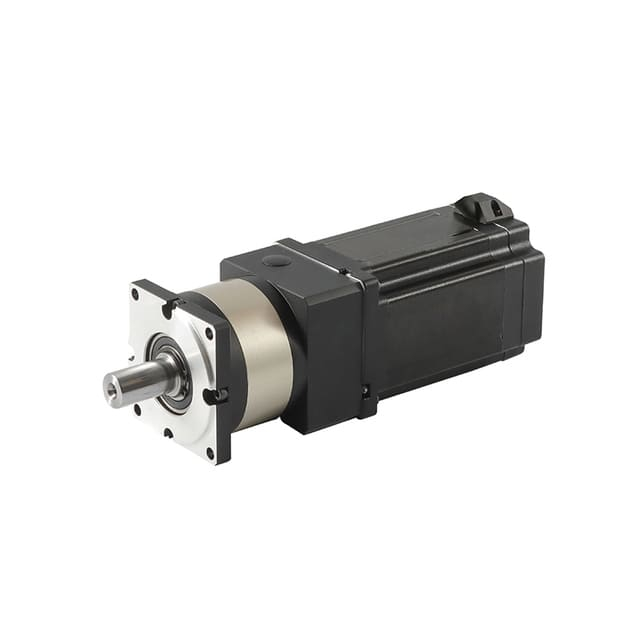
For filling machines that require higher torque at lower speeds, an integrated gearbox is often necessary. Custom gear solutions include:
Planetary gearboxes
Helical gear systems
Worm gear reducers
Gear ratio customization enables:
Integrated motor-gear assemblies reduce installation space and simplify mechanical alignment.
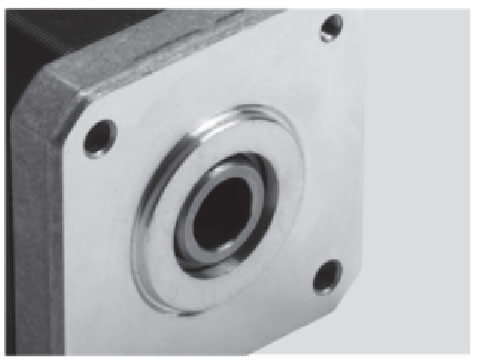
3. Flange and Mounting Modifications
OEM filling equipment often features unique mounting structures. Customization may involve:
This ensures seamless integration into piston fillers, auger systems, or rotary indexing platforms without redesigning the machine frame.
Electrical Customization and Performance Optimization
1. Customized Winding Parameters
Motor winding can be tailored to meet specific application needs:
Proper winding design enhances efficiency while ensuring the motor operates within safe thermal limits during continuous filling cycles.
2. Integrated Driver Solutions
For space-saving and simplified wiring, OEM customers often require integrated stepper motor systems that combine motor and driver into one compact unit.
Benefits include:
Integrated driver solutions are ideal for modular filling equipment where clean layout and compact footprint are priorities.
3. Closed-Loop Stepper Customization
High-precision filling applications—such as pharmaceutical or food-grade systems—may require closed-loop control. Customized closed-loop stepper motors include:
Built-in encoders
Position feedback systems
Automatic error correction
Reduced vibration and heat
This hybrid approach combines the cost-efficiency of stepper motors with servo-like reliability, enhancing system stability in demanding production environments.
Environmental Adaptation for Industrial Applications
Filling machines often operate in harsh conditions. OEM customization can address:
High humidity
Dust exposure
Washdown environments
Corrosive liquids
Temperature fluctuations
Available environmental upgrades include:
Such enhancements extend motor lifespan and maintain performance consistency in food processing, chemical, and pharmaceutical industries.
Control System Compatibility
OEM stepper motors must integrate smoothly with mainstream automation platforms. Customization ensures compatibility with:
PLC control systems
HMI interfaces
Sensor-triggered logic
Conveyor synchronization
Many industrial control systems mirror automation architectures developed by global leaders such as Siemens and Rockwell Automation. Ensuring communication compatibility with these ecosystems simplifies system commissioning and enhances production line coordination.
Branding and OEM Identity Requirements
OEM customers often require branding customization to maintain market identity. Customization options include:
Private labeling
Laser-engraved logos
Custom nameplates
Dedicated product codes
Unique packaging
These services help equipment manufacturers strengthen brand presence while delivering reliable motion solutions under their own trademark.
Performance Testing and Quality Assurance
A reliable OEM partner must provide rigorous quality validation before mass production.
Testing may include:
Strict quality control ensures consistent performance across large production volumes, minimizing field failures and warranty claims.
Production Scalability and Supply Chain Stability
For OEM filling machine manufacturers, stable supply is critical. A capable motor supplier must offer:
Large-scale production capacity
Stable raw material sourcing
Short lead times
Flexible batch quantities
Global shipping capability
Production scalability ensures timely delivery during peak demand cycles while maintaining consistent product specifications.
Engineering Collaboration and Technical Support
Customization success depends on technical collaboration between motor manufacturer and equipment designer. A professional OEM partner should provide:
Application-based torque calculation
CAD and 3D model support
Electrical parameter optimization
Prototype sampling
On-site or remote technical assistance
Close engineering cooperation accelerates development cycles and ensures optimized motor-machine compatibility.
Cost Optimization Through Custom Design
While customization may appear to increase cost, strategic motor tailoring often reduces total system expense by:
Eliminating unnecessary oversizing
Reducing energy consumption
Minimizing mechanical modifications
Simplifying installation
Decreasing maintenance frequency
A well-engineered customized stepper motor solution ultimately improves total cost efficiency across the machine lifecycle.
Future-Proofing Through Modular Design
OEM manufacturers benefit from modular motor platforms that allow:
Easy performance upgrades
Driver interchangeability
Encoder integration options
Adaptation to different filling capacities
This flexibility allows equipment manufacturers to expand product lines without redesigning the entire motion system.
Conclusion
Customization and OEM considerations are central to achieving optimal performance in filling machines. By tailoring mechanical structure, electrical parameters, environmental protection, and system integration features, we ensure maximum precision, long-term reliability, and seamless automation compatibility.
A strategically customized stepper motor solution empowers OEM manufacturers to enhance product competitiveness, improve operational stability, and deliver superior filling accuracy across diverse industrial applications.
Final Selection Checklist
Before finalizing stepper motor selection for filling machines, verify:
Precision filling performance depends entirely on selecting the correct motor architecture.
Selecting the right stepper motor for filling machines requires a careful balance of torque, speed, resolution, control system compatibility, and environmental protection. By thoroughly analyzing mechanical load, dosing precision requirements, and production speed, we ensure stable, accurate, and long-term reliable operation.
High-performance filling systems rely on optimized motor selection. When we engineer stepper motor solutions tailored to specific machine structures, we achieve superior accuracy, minimized downtime, and enhanced productivity across liquid, powder, and piston filling applications.
FAQs About Stepper Motor for Filling Machines (OEM ODM Customized)
1. What is a stepper motor and why is it used in filling machines?
A stepper motor is a precision motion control device that moves in discrete steps, making it ideal for filling machines that require accurate positioning, repeatable dosing, and stable speed control. OEM ODM customized stepper motor solutions ensure optimal performance for specific filling system designs.
2. Why are stepper motors preferred over traditional motors in filling equipment?
Stepper motors provide precise positioning, repeatability, and simple digital control. In OEM ODM customized filling machines, stepper motor systems help ensure consistent filling volumes and improved production efficiency.
3. What torque requirements should be considered when selecting a stepper motor for filling machines?
Torque must cover load torque, friction, acceleration torque, and inertia. Engineers usually add a 30–50% safety margin to ensure stable operation in OEM ODM customized stepper motor systems.
4. How does speed affect stepper motor performance in filling machines?
Stepper motor torque decreases as speed increases, so engineers must evaluate the motor’s speed-torque curve at the actual operating speed when designing OEM ODM customized filling equipment.
5. What types of stepper motors are commonly used in filling machines?
Common options include hybrid stepper motors, closed-loop stepper motors, geared stepper motors, and integrated stepper servo motors for OEM ODM customized filling machine applications.
6. Can stepper motors provide accurate liquid filling control?
Yes. Stepper motors provide precise incremental movement, enabling accurate pump control, piston positioning, or valve operation in OEM ODM customized filling systems.
7. What frame sizes are typically used for filling machine stepper motors?
Popular sizes include NEMA 17, NEMA 23, and NEMA 34 stepper motors depending on torque requirements and machine structure.
8. How important is driver compatibility for stepper motor systems?
Stepper motors must match the driver’s current, voltage, and microstepping capability to achieve smooth motion and avoid overheating in OEM ODM customized filling machine designs.
9. What role does microstepping play in filling machine stepper motors?
Microstepping improves motion smoothness, reduces vibration, and increases positioning resolution, which is important for precision filling control.
10. Can stepper motors be used in hygienic food or pharmaceutical filling machines?
Yes. OEM ODM customized stepper motors can be designed with stainless steel shafts, sealed housings, and IP-rated protection for hygienic environments.
11. How do closed-loop stepper motors improve filling machine performance?
Closed-loop stepper motors integrate encoder feedback to prevent missed steps, improving reliability and accuracy in high-speed filling equipment.
12. What environmental factors should be considered for filling machine stepper motors?
Temperature, humidity, dust, and cleaning chemicals must be considered when selecting OEM ODM customized stepper motors for industrial filling lines.
13. Can stepper motors be integrated with gearboxes for filling machines?
Yes. Planetary gearboxes are often integrated with stepper motors to increase torque and improve precision in OEM ODM customized filling equipment.
14. What customization options are available for OEM ODM stepper motors?
Manufacturers can provide customized shaft length, mounting flange, winding parameters, cable connectors, and protective coatings to match filling machine requirements.
15. How do integrated stepper motors benefit filling machine design?
Integrated stepper motors combine the motor and driver into a compact unit, reducing wiring complexity and simplifying installation in OEM ODM customized machines.
16. What electrical parameters must be matched when selecting a stepper motor?
Key parameters include rated current, coil resistance, inductance, supply voltage, and driver compatibility to ensure stable operation.
17. How does mechanical integration affect stepper motor performance?
Proper mounting, shaft alignment, and coupling design reduce vibration, improve accuracy, and extend motor lifespan in filling machines.
18. What advantages do hybrid stepper motors offer for filling equipment?
Hybrid stepper motors provide higher torque density, better microstepping smoothness, and improved thermal stability for industrial filling applications.
19. Can manufacturers provide customized stepper motors for different filling machine types?
Yes. OEM ODM stepper motor suppliers can tailor motors for piston fillers, peristaltic pumps, auger fillers, and liquid dispensing machines.
20. What should be considered when choosing a stepper motor supplier for filling machines?
A reliable supplier should offer strong engineering support, stable production quality, strict testing procedures, and full OEM ODM customization capability.