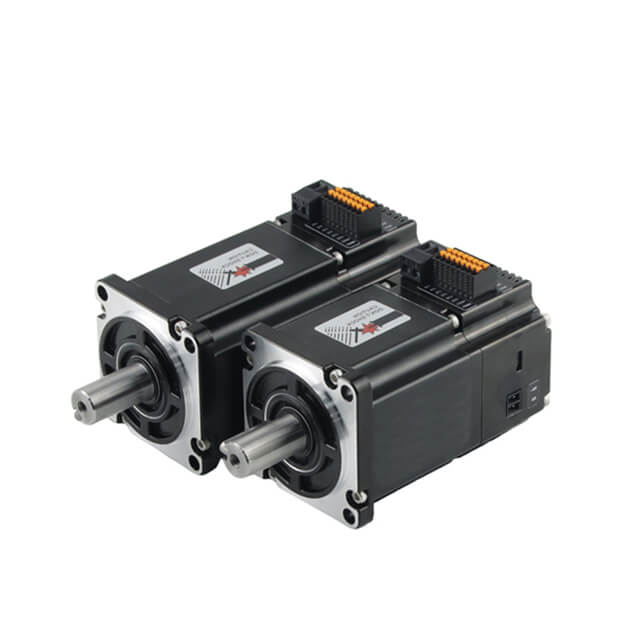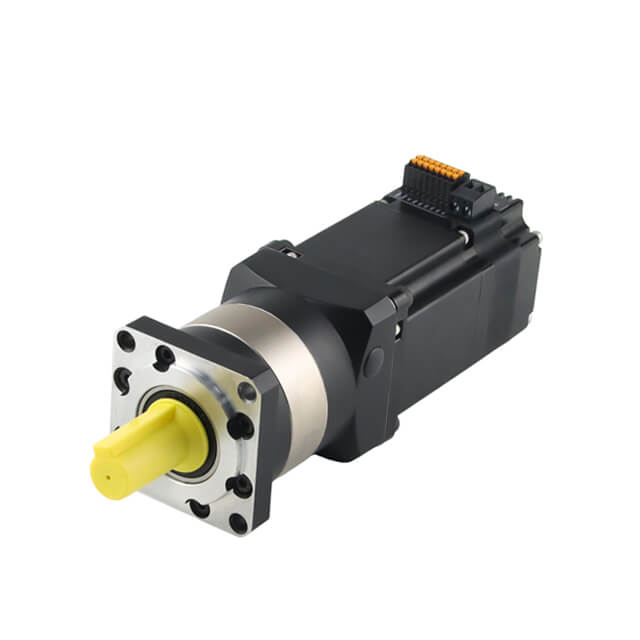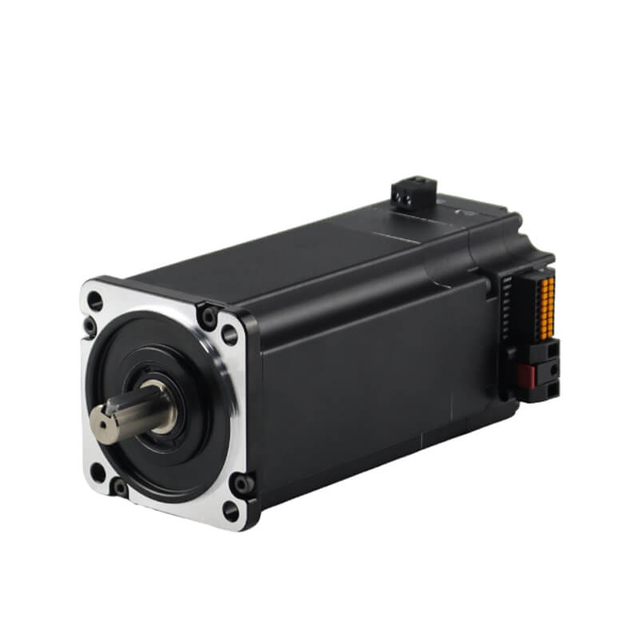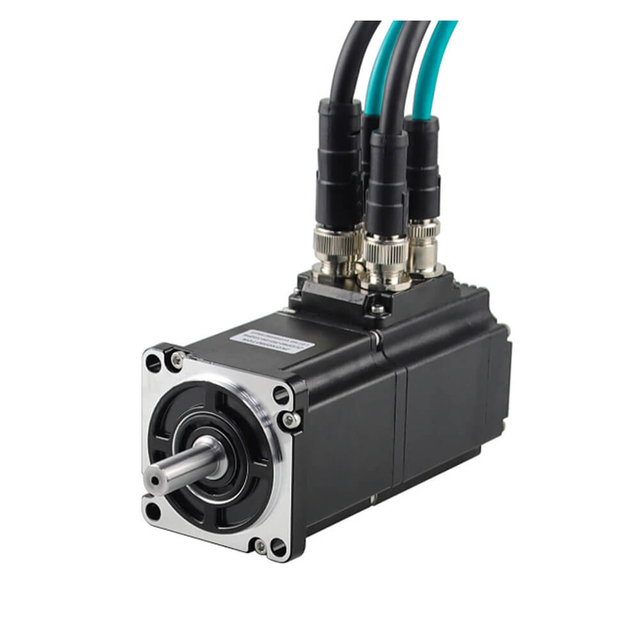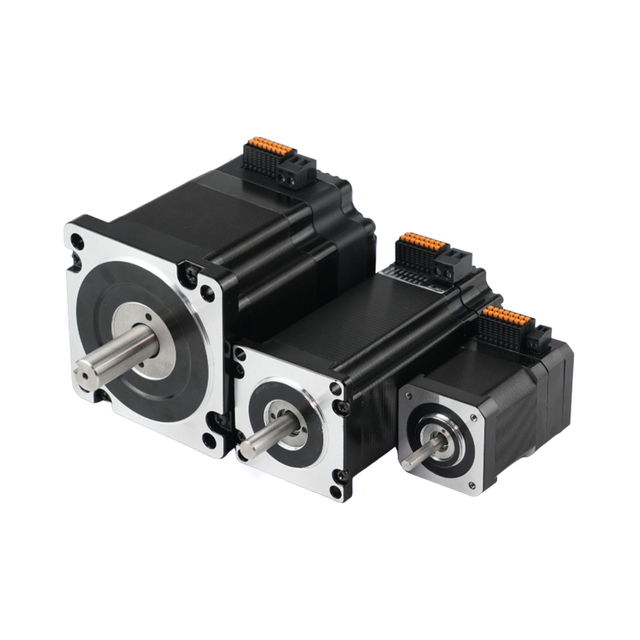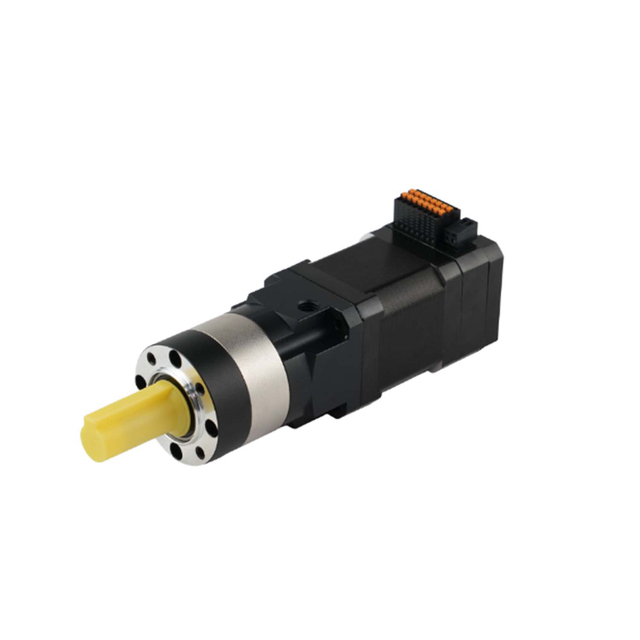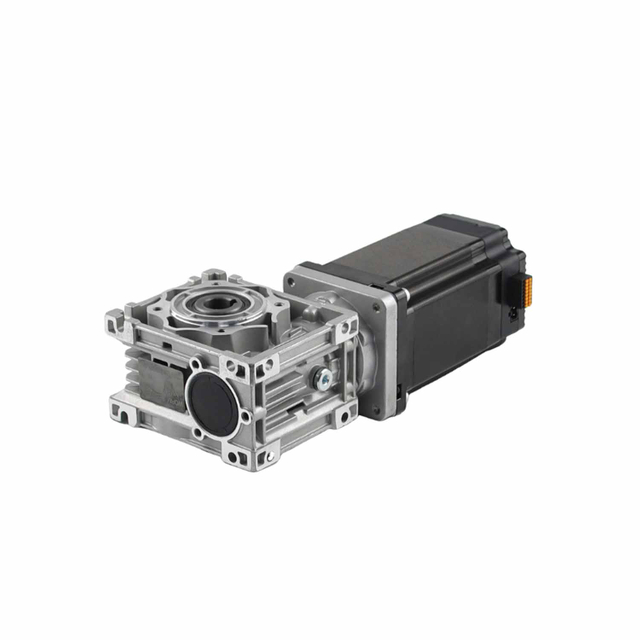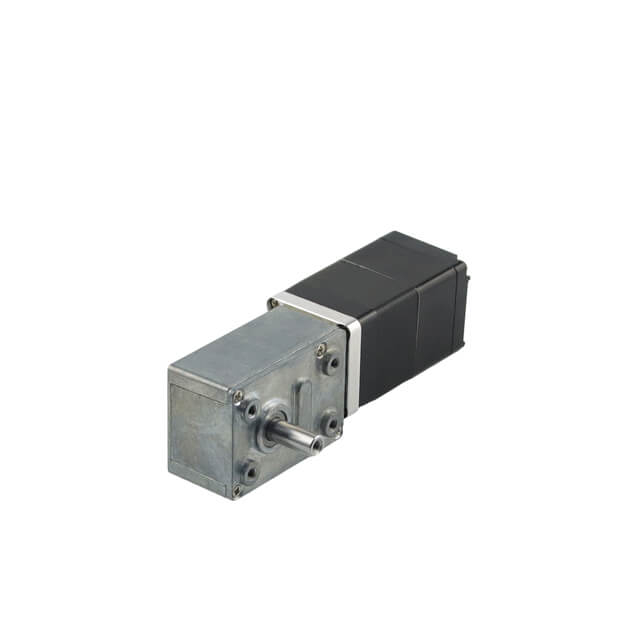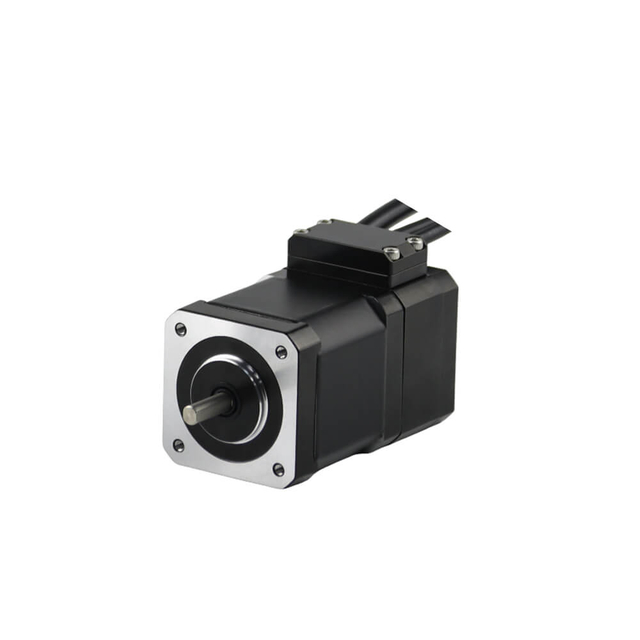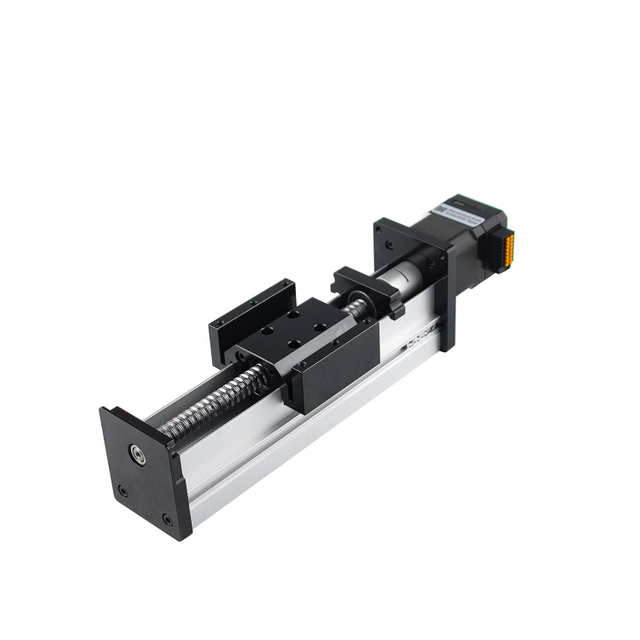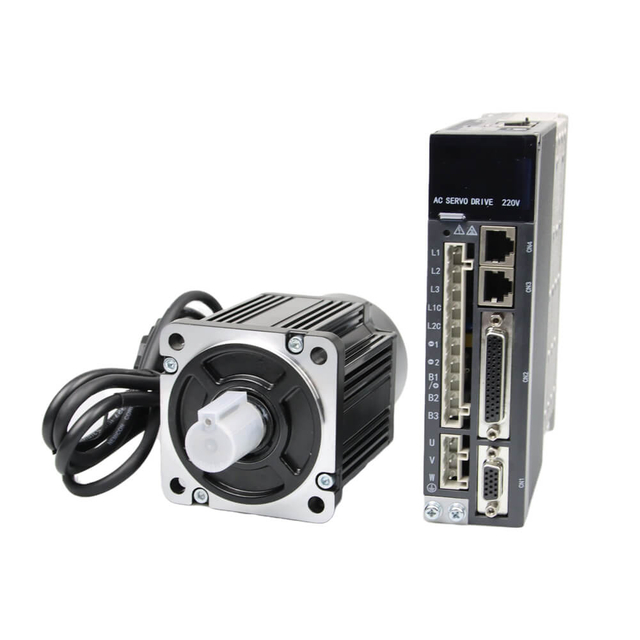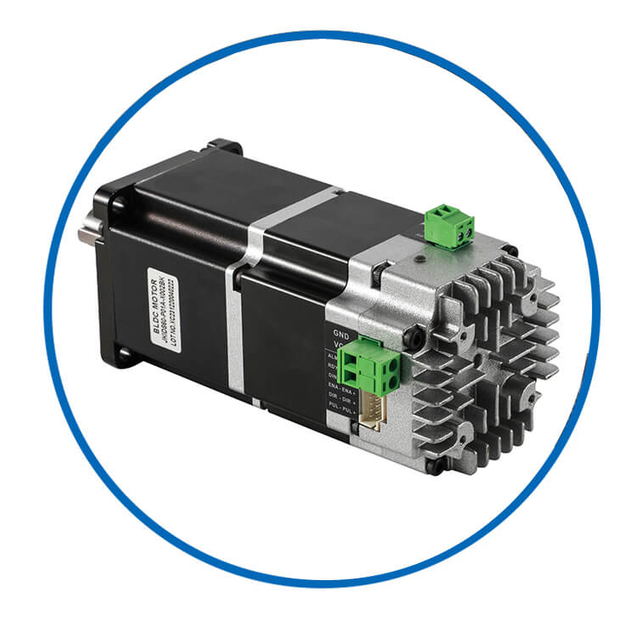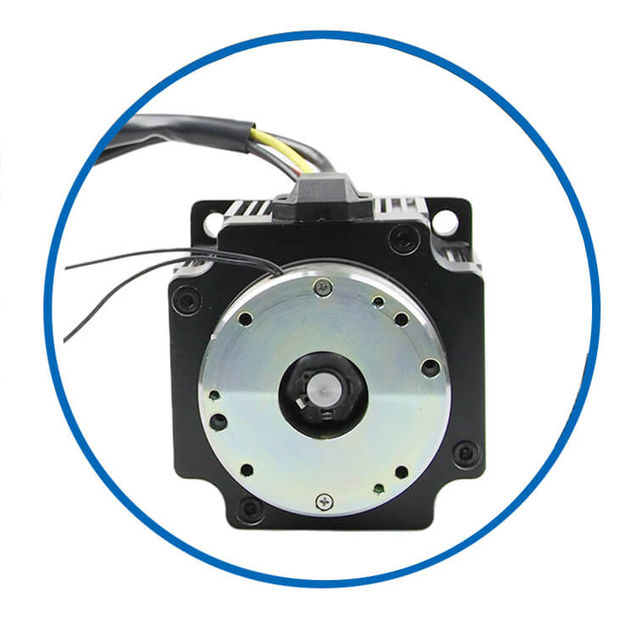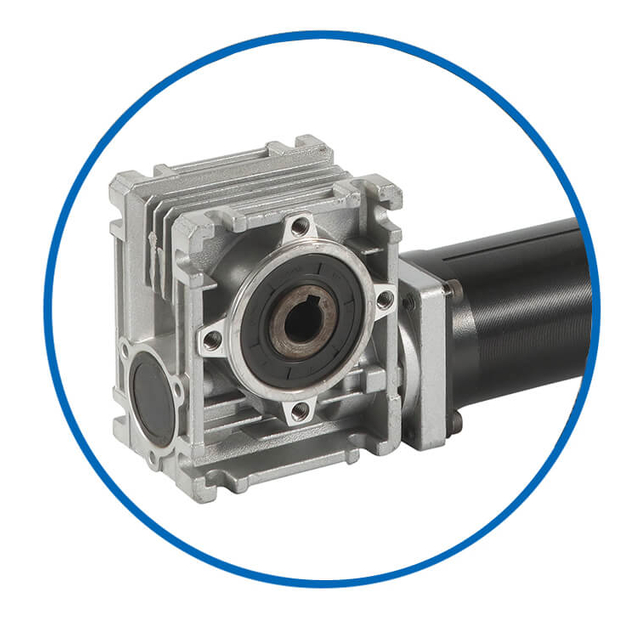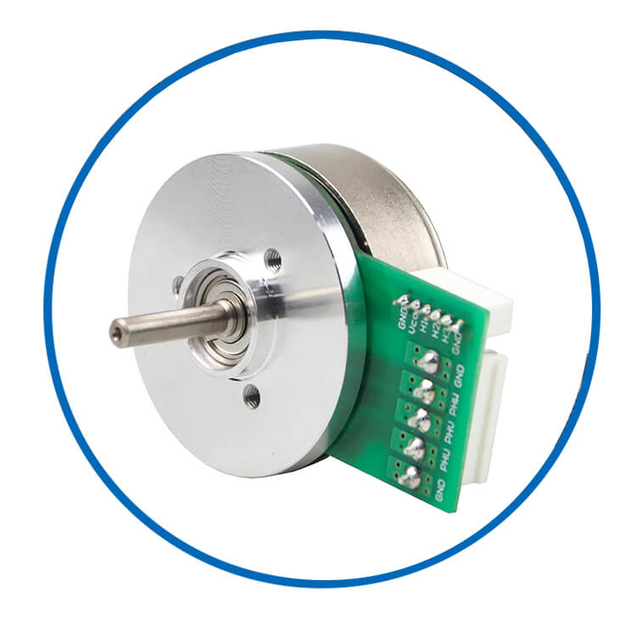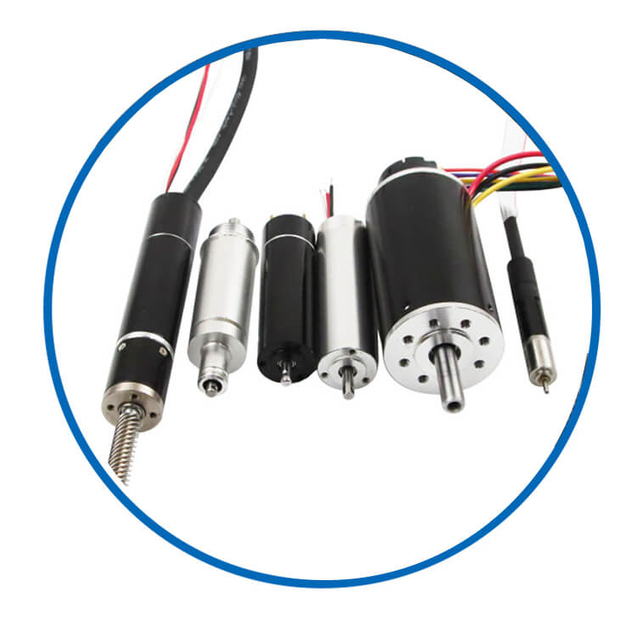
Integrated servo motors are compact, high-precision motion solutions widely used in articulated robots. With OEM ODM customized capabilities, manufacturers can tailor torque, speed, communication protocols, and mechanical structures to meet specific robotic joint requirements while simplifying system integration and improving automation performance.
Modern articulated robots demand exceptional precision, efficiency, and compact motion control systems. As robotics technology advances across manufacturing, logistics, medical automation, and smart factories, the demand for integrated servo motors has increased significantly. These motors combine the servo motor, driver, encoder, and control electronics into a single compact unit, dramatically simplifying system architecture while improving reliability.
Selecting the right integrated servo motor for an articulated robot requires careful evaluation of several technical parameters including torque requirements, payload capacity, communication protocols, encoder resolution, thermal performance, and power density. In this comprehensive guide, we explore the critical factors engineers and robot designers must consider to ensure optimal robotic performance and efficiency.
Jkongmotor Servo Motor Types
Motor Customized Service
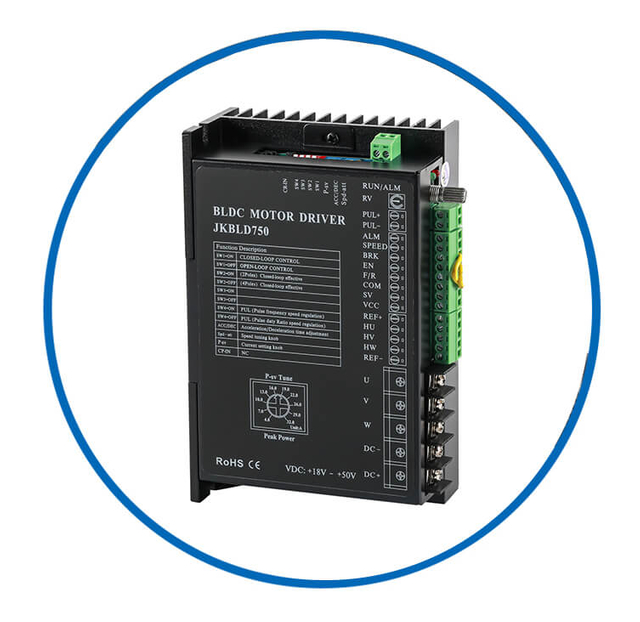
As a professional brushless dc motor manufacturer with 13 years in china, Jkongmotor offer various bldc motors with customized requirements, including 33 42 57 60 80 86 110 130mm, additionally, gearboxes, brakes, encoders, brushless motor drivers and integrated drivers are optional.
![bldc motor supplier]() | ![bldc motor supplier]() | ![bldc motor supplier]() | ![bldc motor supplier]() | ![bldc motor supplier]() | Professional custom brushless motor services safeguard your projects or equipment. No Brushes – Reduced Maintenance and Increased Lifespan High Efficiency and Low Power Loss High Torque-to-Weight Ratio Precise Speed and Position Control Quiet and Smooth Operation Wide Speed Range and Dynamic Performance Excellent Thermal Management Customizable Designs and Modular Configurations Multiple Control Methods Integration with Digital Interfaces and Sensors |
| Wires | Covers | Fans | Shafts | Integrated Drivers |
![bldc motor supplier]() | ![bldc motor supplier]() | ![bldc motor supplier]() | ![bldc motor supplier]() | ![bldc motor supplier]() |
| Brakes | Gearboxes | Out Rotors | Coreless Dc | Drivers |
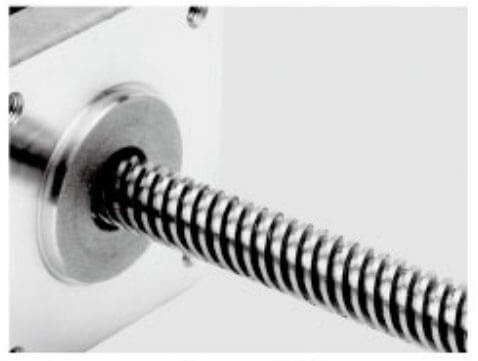
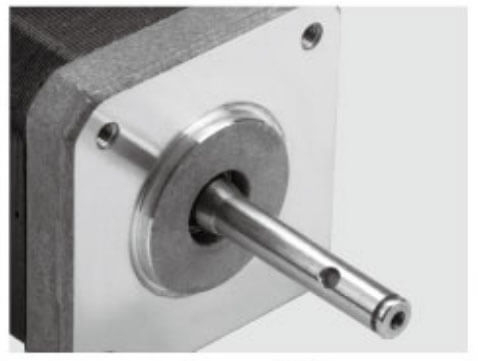
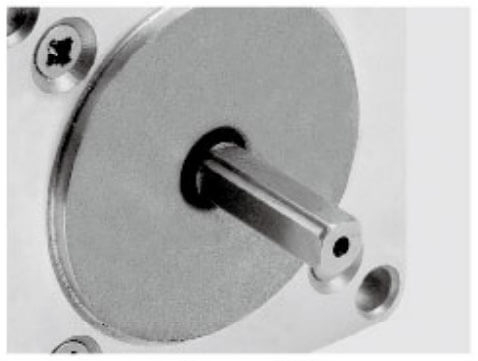
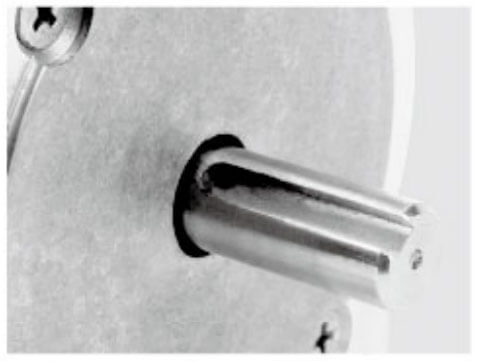
Motor Shaft Customized Service
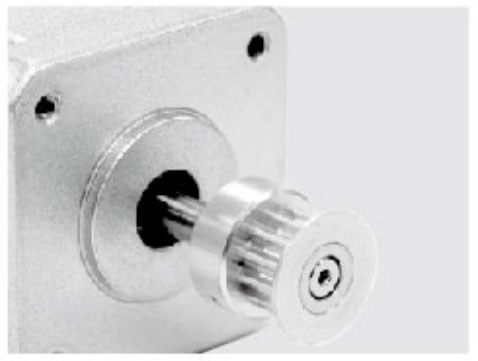
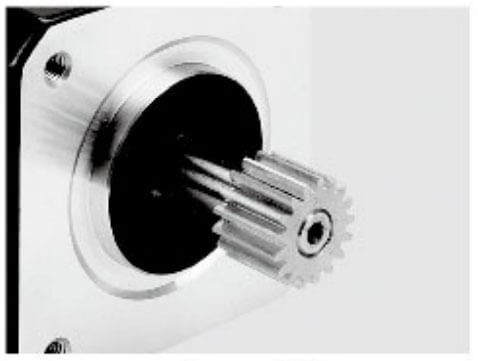
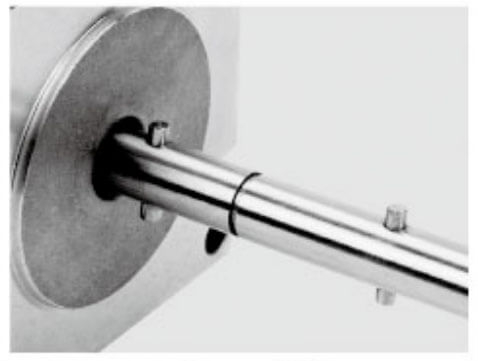
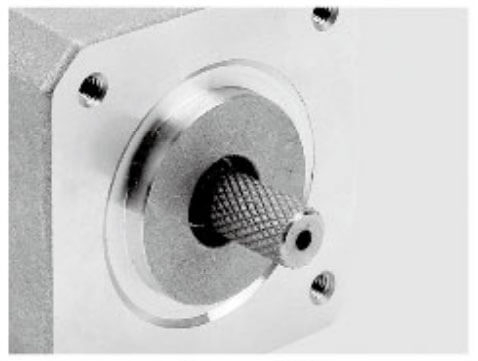
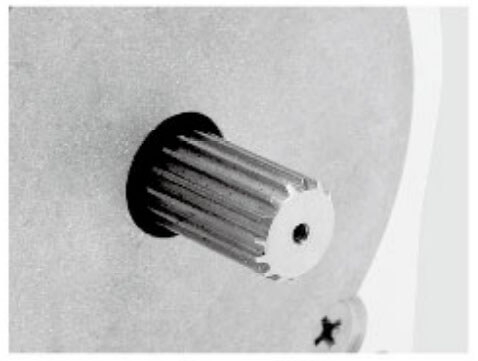
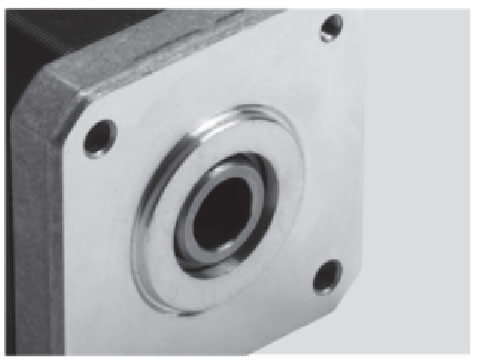
Jkongmotor offer many different shaft options for your motor as well as customizable shaft lengths to make the motor fit your application seamlessly.
1. Introduction
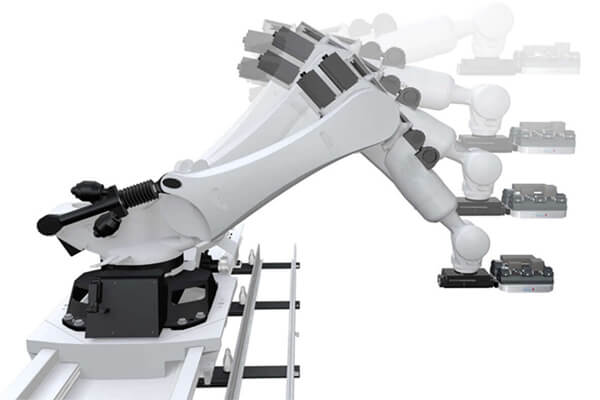
Articulated robots are widely used in industrial automation, welding, assembly, packaging, and precision manufacturing. Their multi-axis design mimics the flexibility of a human arm, allowing complex motion and high degrees of freedom.
At the core of every articulated robot joint lies a high-performance motion control system. Traditional designs use separate components: motor, servo drive, cables, and encoder. However, this architecture introduces complexity, wiring challenges, and potential points of failure.
Integrated servo motors solve these problems by combining multiple components into a single intelligent motor unit. This integration reduces wiring, improves system responsiveness, and allows easier installation.
For robotics engineers, selecting the right integrated servo motor determines the robot’s accuracy, stability, payload capability, and operational lifespan. A properly chosen motor ensures smooth joint movement, reduced energy consumption, and long-term reliability in demanding industrial environments.
Integrated servo motors have become a preferred motion control solution in modern articulated robots because they combine motor, servo drive, encoder, and control electronics into a single compact unit. This integrated architecture simplifies robotic system design while significantly improving performance, reliability, and installation efficiency. For robotic engineers and automation manufacturers, integrated servo motors provide a practical way to achieve high precision motion control, reduced system complexity, and improved operational efficiency.
Compact and Space-Saving Design
Articulated robots consist of multiple joints such as shoulder, elbow, and wrist axes, each requiring a dedicated motor system. Traditional servo systems use separate motors, drives, and controllers connected through multiple cables, which increases space requirements and complicates robot structure.
Integrated servo motors solve this challenge by embedding the servo driver and encoder directly inside the motor housing. This compact design dramatically reduces the size of the motion control unit, allowing robot designers to build lighter and more compact robotic arms. Smaller joints improve flexibility, enable tighter working spaces, and make robots more suitable for applications like electronics assembly, collaborative robotics, and laboratory automation.
Simplified Wiring and Faster Installation
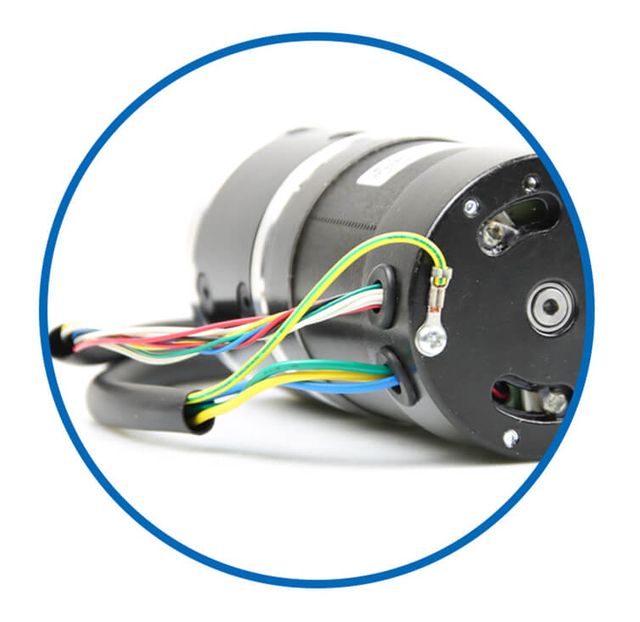
One of the biggest advantages of integrated servo motors is the significant reduction in wiring complexity. Conventional servo systems require multiple cables for:
In contrast, integrated servo motors typically require only a power cable and a communication cable. Some models even support single-cable solutions, further simplifying installation.
Reduced wiring offers several important benefits:
Faster robot assembly and installation
Lower risk of wiring errors
Improved cable management inside robot arms
Reduced electromagnetic interference (EMI)
For robotic manufacturers producing large volumes of articulated robots, simplified wiring also reduces manufacturing time and production costs.
Improved Motion Control Performance
Integrated servo motors deliver highly responsive motion control because the servo drive is located directly within the motor. This close integration minimizes signal delays and allows faster communication between the motor, encoder, and control electronics.
As a result, the system achieves:
Faster feedback loops
More accurate position control
Smoother acceleration and deceleration
Improved trajectory tracking
These advantages are particularly important for articulated robots performing high-speed pick-and-place tasks, precision assembly, welding, and inspection operations where motion accuracy directly affects productivity and product quality.
Higher Reliability and Reduced Failure Points
Robotic systems operating in industrial environments must be reliable and durable. Traditional motion control systems involve numerous connectors, cables, and separate electronic modules, each of which can potentially fail.
Integrated servo motors reduce the number of external components, creating a more robust and reliable motion control system. With fewer connectors and cables, the risk of mechanical failure, signal interference, or communication errors is significantly reduced.
Additionally, many integrated servo motors are designed with industrial-grade protection ratings such as IP65 or IP67, allowing them to operate reliably in environments with dust, vibration, humidity, or temperature fluctuations.
This reliability is essential for robotic systems operating in automated production lines that require continuous operation and minimal downtime.
Enhanced Multi-Axis Synchronization
Articulated robots rely on precise coordination between multiple joints. Each axis must move in perfect synchronization to achieve accurate robotic motion.
Integrated servo motors often support advanced industrial communication protocols such as:
EtherCAT
CANopen
Modbus RTU
RS485
These protocols allow the robot controller to coordinate multiple motors simultaneously with real-time communication and microsecond-level synchronization. The result is smooth and precise multi-axis motion control, which is essential for complex robotic tasks such as path interpolation, curved motion, and coordinated arm movement.
Reduced System Cost and Maintenance
Although integrated servo motors contain advanced electronics, they can actually reduce the total system cost in many robotic applications. By eliminating external servo drives, reducing cabling, and simplifying installation, manufacturers save on:
Additionally, integrated systems simplify troubleshooting and diagnostics. Many motors include built-in monitoring features that provide real-time information about temperature, load conditions, and operating status.
This makes predictive maintenance easier and helps avoid unexpected system failures.
Ideal for Modular Robot Design
Modern robot manufacturers increasingly adopt modular robotic architectures. In this design approach, each joint module includes its own motor, gearbox, and control electronics.
Integrated servo motors are perfectly suited for this approach because they enable self-contained joint modules. Each module can be independently controlled and easily integrated into different robotic platforms.
This modularity allows manufacturers to quickly develop different robot models by combining standard joint modules, significantly accelerating product development and customization.
Better Energy Efficiency
Integrated servo motors also contribute to improved energy efficiency. Advanced servo control algorithms optimize current consumption based on real-time load conditions. By reducing unnecessary power usage and minimizing electrical losses in cables and external drives, integrated systems can achieve higher overall efficiency.
Lower energy consumption not only reduces operational costs but also helps robotic systems meet modern sustainability and energy efficiency requirements in smart manufacturing environments.
Future-Ready Robotics Technology
As robotics evolves toward smart factories, collaborative robots, and autonomous systems, integrated servo motors provide the flexibility and performance required for next-generation automation.
Their combination of compact design, intelligent control, high precision, and simplified integration makes them an essential technology for modern articulated robots used in industries such as:
By adopting integrated servo motors, robotic manufacturers can create more compact, efficient, and intelligent robotic systems capable of meeting the increasing demands of modern automation.
3. How Do You Calculate the Required Torque and Payload?
Accurate torque calculation is essential when selecting an integrated servo motor for articulated robots. If the motor torque is insufficient, the robot will struggle to move its payload. If it is oversized, the system becomes inefficient and unnecessarily expensive.
Understanding Static and Dynamic Torque
Two primary torque types must be considered:
Basic Torque Calculation
The required torque can be estimated using the formula:
Torque = Force × Distance
Where:
Consider the Entire Kinematic Chain
In articulated robots, each joint supports not only the payload but also the weight of downstream joints and links. Therefore, torque requirements increase significantly from wrist joints to shoulder joints.
Safety Factor
Engineers typically apply a safety factor of 1.5 to 2 to ensure reliable performance under dynamic loads.
Selecting a motor with appropriate torque ensures smooth acceleration, stable operation, and long motor lifespan.
4. What Role Does the Gear Ratio Play in Motor Selection?
The gear ratio between the motor and the robot joint directly impacts torque output, speed, and precision.
Torque Amplification
Gearboxes multiply motor torque. A higher gear ratio increases torque output but reduces rotational speed. For heavy payload robots, higher gear ratios are commonly used to achieve sufficient joint torque.
Precision and Backlash
High-quality gear systems such as harmonic drives or planetary gearboxes provide minimal backlash, which is essential for robotic precision. Excessive backlash reduces positioning accuracy and causes unstable motion.
Speed Requirements
Articulated robots performing pick-and-place operations or high-speed assembly tasks require carefully balanced gear ratios to achieve both torque and speed performance.
Efficiency Considerations
While gearboxes increase torque, they also introduce mechanical losses. Engineers must choose a gear ratio that balances efficiency, torque amplification, and response time.
When paired with integrated servo motors, optimized gear ratios enable robots to achieve high torque density and exceptional motion control accuracy.
5. Which Communication Protocol Is Best for Your Robot Controller?
Communication between the robot controller and the integrated servo motor is critical for synchronized multi-axis motion control.
Several industrial communication protocols are commonly used.
EtherCAT
EtherCAT is one of the most widely used protocols in robotics and automation. It offers:
This protocol is ideal for multi-axis robotic systems requiring precise motion coordination.
CANopen
CANopen is widely used in AGV robots, collaborative robots, and mobile robotic platforms. It provides reliable communication with moderate data speed and robust network stability.
Modbus
Modbus is commonly used in industrial machinery and automation equipment. While simpler, it is suitable for systems that do not require extremely high-speed motion synchronization.
Selecting the right communication protocol ensures real-time control, efficient system integration, and seamless robot operation.
6. How Does Encoder Resolution Affect Robot Precision?
Encoder resolution directly determines the positioning accuracy of the robotic joint.
An encoder measures the motor shaft’s rotation and sends feedback to the control system. Higher encoder resolution allows the robot controller to detect smaller motion increments, improving positioning accuracy.
High-Resolution Encoders
Modern integrated servo motors often use 17-bit to 23-bit absolute encoders, providing millions of counts per revolution.
This allows robots to achieve:
Impact on Robotic Applications
High encoder resolution is particularly important for applications such as:
Low-resolution encoders can lead to position drift, vibration, and reduced motion smoothness.
Therefore, selecting a motor with a high-resolution encoder significantly improves robotic performance.
7. What Are the Thermal and Environmental Considerations?
Integrated servo motors generate heat during operation. Managing thermal performance is critical to maintaining stable long-term robotic operation.
Heat Dissipation
Because the driver electronics are integrated into the motor housing, proper heat dissipation is essential. High-quality motors include:
Optimized aluminum housings
Advanced thermal conduction design
Integrated cooling pathways
Operating Temperature
Robotic systems operating in industrial environments may encounter:
Motors should meet industrial protection ratings such as IP65 or IP67 to ensure reliable operation.
Continuous Duty Operation
Robots operating in automated production lines often run continuously. Integrated servo motors must maintain stable thermal performance under extended load conditions.
Reliable thermal design ensures consistent torque output and longer motor lifespan.
8. How Do You Balance Weight and Power Density?
Articulated robots benefit greatly from high power density motors.
Power density refers to the amount of power a motor can deliver relative to its size and weight.
Why Lightweight Motors Matter
Heavy motors increase the inertia of robotic joints. This negatively affects:
Acceleration speed
Energy efficiency
Control responsiveness
Lightweight motors allow robots to achieve faster cycle times and smoother motion.
High Torque Density Motors
Modern integrated servo motors utilize advanced magnetic materials and optimized winding designs to achieve higher torque output in smaller packages.
This enables robot manufacturers to build compact, high-performance robotic arms.
Optimizing Robotic Joint Performance
By selecting motors with high torque density and lightweight construction, engineers can create robots that are:
Faster
More efficient
Easier to control
This optimization is essential for next-generation collaborative robots and intelligent automation systems.
9. Conclusion
Selecting the right integrated servo motor for articulated robots requires a detailed understanding of multiple engineering factors including torque requirements, gear ratios, encoder resolution, communication protocols, thermal management, and power density.
Integrated servo motors provide significant advantages in robotics by combining motor, driver, and feedback systems into a single compact unit. This architecture simplifies robot design, reduces wiring complexity, improves motion precision, and enhances system reliability.
When properly selected, these motors enable articulated robots to deliver exceptional precision, higher payload capacity, smoother motion control, and long-term operational stability.
As robotics continues to expand across industries, integrated servo motors will remain a critical technology powering the next generation of intelligent robotic systems.
FAQs About Integrated Servo Motor (OEM ODM Customized Solutions)
An integrated servo motor is commonly used to drive robot joints such as shoulders, elbows, and wrists in articulated robots. Its built-in driver and encoder enable precise position, speed, and torque control, ensuring smooth robotic motion and high repeatability.
2. Why are integrated servo motors preferred for articulated robot joints?
Integrated servo motors combine the motor, drive, and feedback system into a single compact unit. This design reduces wiring, saves installation space, and improves system reliability in robotic arm structures.
3. Can integrated servo motors improve robotic precision and repeatability?
Yes. Integrated servo motors operate with closed-loop control and high-resolution encoders, allowing robots to achieve extremely accurate positioning and consistent repeatability in industrial automation tasks.
4. Do integrated servo motor manufacturers support OEM ODM customized solutions?
Most professional manufacturers provide OEM ODM customized integrated servo motor solutions, including customized torque, speed, mounting structure, firmware, and communication protocols to match specific robotic applications.
OEM ODM customized integrated servo motors can include:
Custom shaft designs
Special mounting interfaces
Custom firmware parameters
Encoder type selection
Communication protocol configuration
Environmental protection levels (IP rating)
These options allow seamless integration into robot systems.
6. How do integrated servo motors simplify robotic system architecture?
Because the servo drive is embedded inside the motor housing, integrated servo motors eliminate the need for external drives and complex wiring, making robot system architecture simpler and more compact.
7. Can integrated servo motors support multiple communication protocols?
Yes. OEM ODM customized integrated servo motors typically support industrial communication protocols such as:
EtherCAT
CANopen
RS485 / Modbus
EtherNet/IP
These protocols allow easy integration with PLCs and robot controllers.
8. Are integrated servo motors suitable for multi-axis robotic systems?
Yes. Integrated servo motors support high-speed synchronization across multiple axes, enabling coordinated movement of articulated robot joints and improving motion accuracy.
9. What advantages do integrated servo motors offer compared to traditional servo systems?
Integrated servo motors provide several advantages:
Reduced wiring complexity
Compact installation
Faster system integration
Lower maintenance requirements
Higher reliability
These benefits make them ideal for robotic automation.
10. Can integrated servo motors improve energy efficiency in robots?
Yes. Integrated servo motors optimize power control and reduce electrical losses, which helps improve energy efficiency and extend operational life in robotic systems.
11. Do OEM ODM integrated servo motors support safety features?
Yes. Many integrated servo motors include safety functions such as:
Safe Torque Off (STO)
Overcurrent protection
Thermal shutdown
Encoder fault detection
These features enhance the safety of robotic systems.
12. How do integrated servo motors improve robot installation and commissioning?
Integrated servo motors require fewer cables and external components, which significantly reduces installation time and simplifies system commissioning for robot manufacturers.
13. Can integrated servo motors handle high dynamic loads in articulated robots?
Yes. Integrated servo motors are designed to maintain stable torque output and fast response under dynamic loads, which is essential for robotic arms performing rapid acceleration and deceleration.
14. Are integrated servo motors suitable for collaborative robots and humanoid robots?
Absolutely. Their compact size, precise torque control, and built-in safety features make integrated servo motors suitable for collaborative robots, humanoid robots, and industrial robotic arms.
15. Can integrated servo motors support predictive maintenance?
Yes. Many integrated servo motors include built-in diagnostic functions that monitor temperature, vibration, and load conditions, enabling predictive maintenance and reducing unexpected downtime.
OEM ODM customized integrated servo motors are widely used in:
17. How do integrated servo motors improve robot reliability?
By reducing external wiring and integrating control electronics directly inside the motor, integrated servo motors minimize failure points and improve long-term operational stability.
18. Can integrated servo motors be customized for different robot joint requirements?
Yes. OEM ODM customized integrated servo motors can be optimized for different robotic joints by adjusting torque density, speed range, gear ratios, and control parameters.
19. Are integrated servo motors suitable for compact robotic designs?
Yes. Their all-in-one structure significantly reduces space requirements, making them ideal for compact robotic arms and modular robotic platforms.
20. How can robot manufacturers choose the right OEM ODM integrated servo motor supplier?
Robot manufacturers should select suppliers that provide:
Strong customization capabilities
Reliable quality control
Advanced motion control technology
Flexible OEM ODM production services
These factors ensure optimal performance for robotic applications.