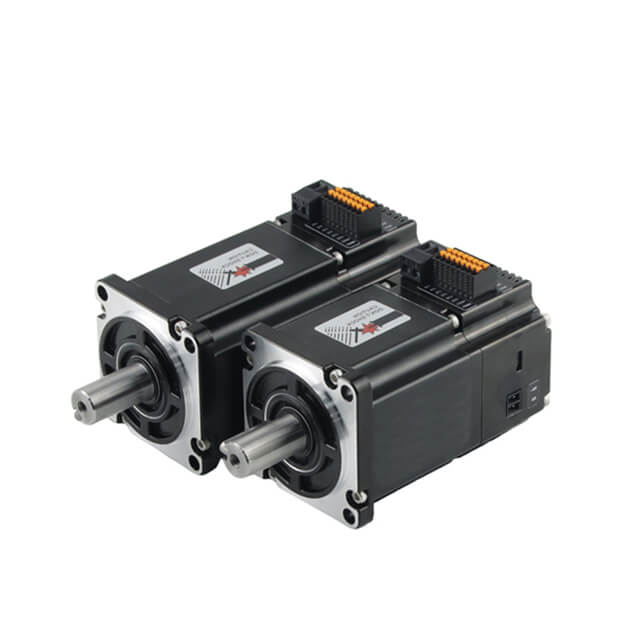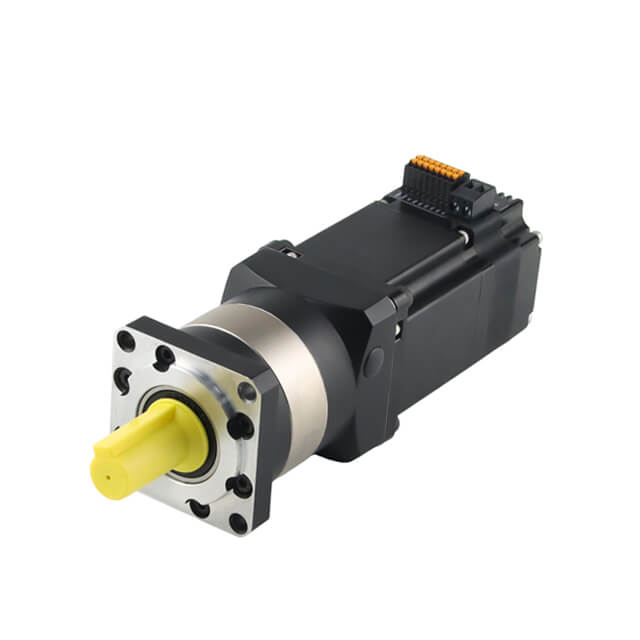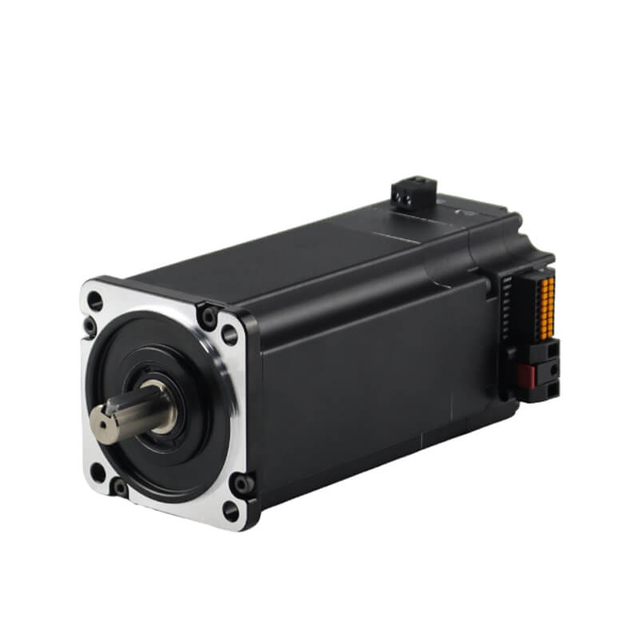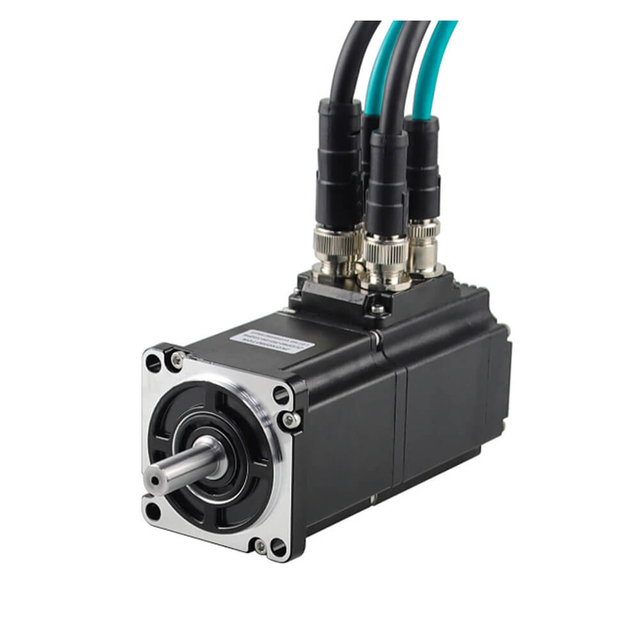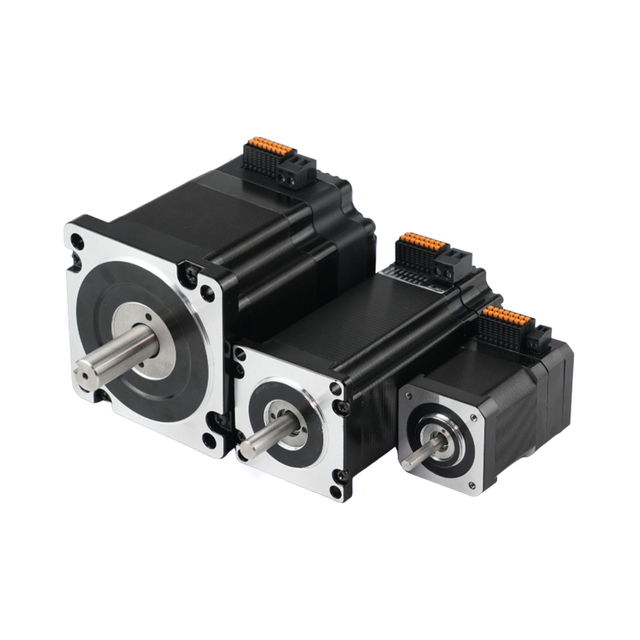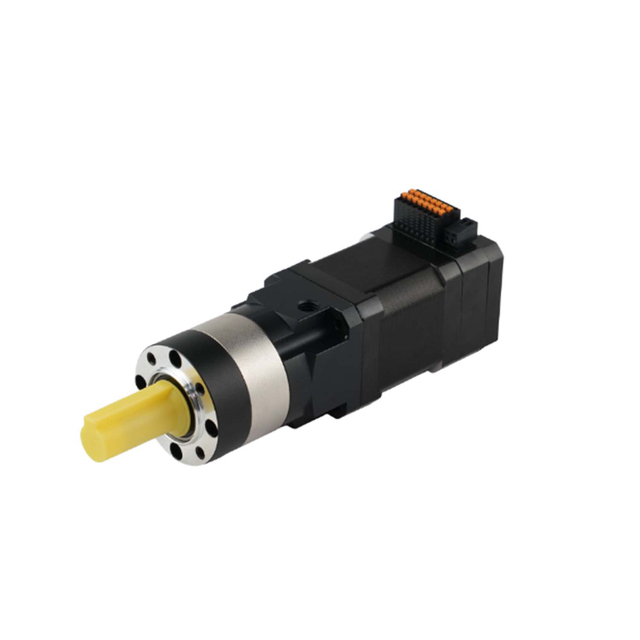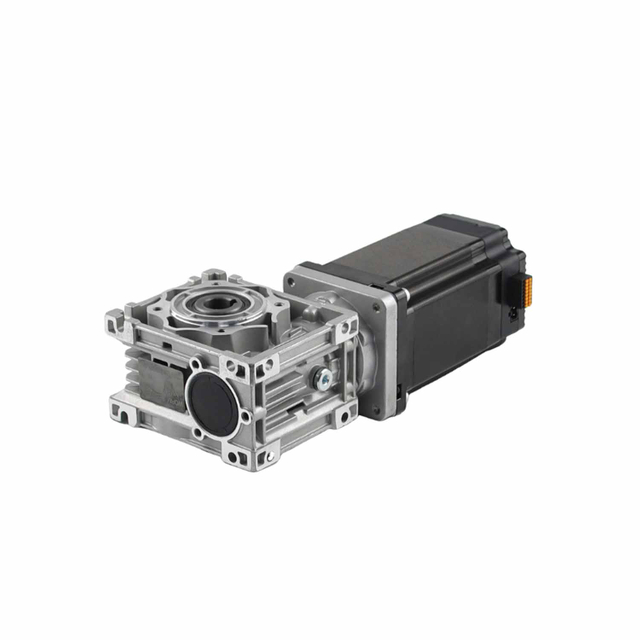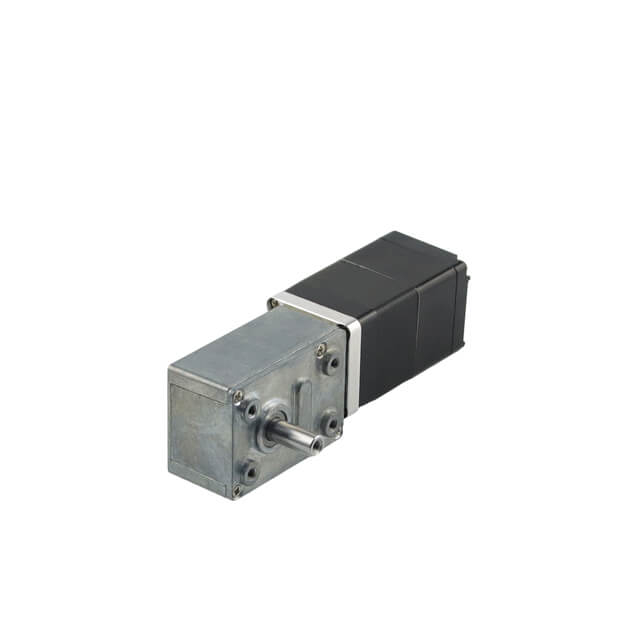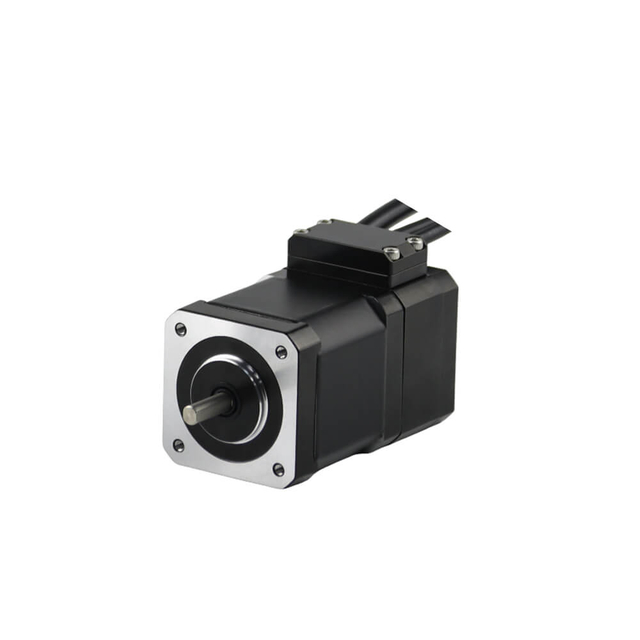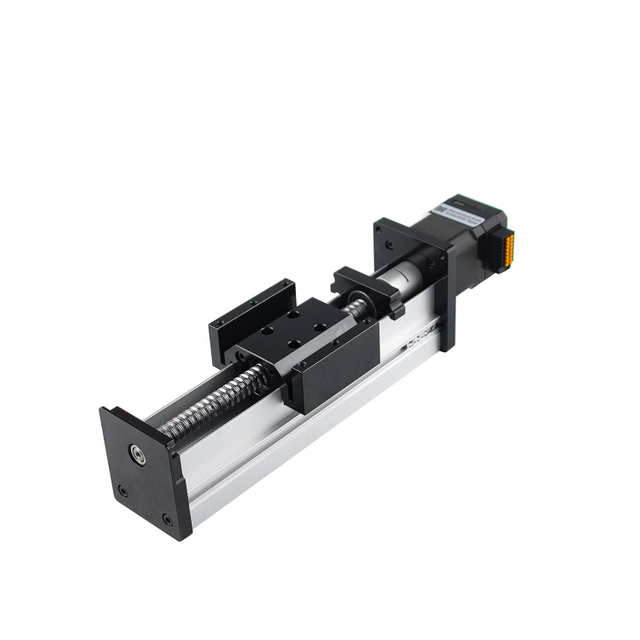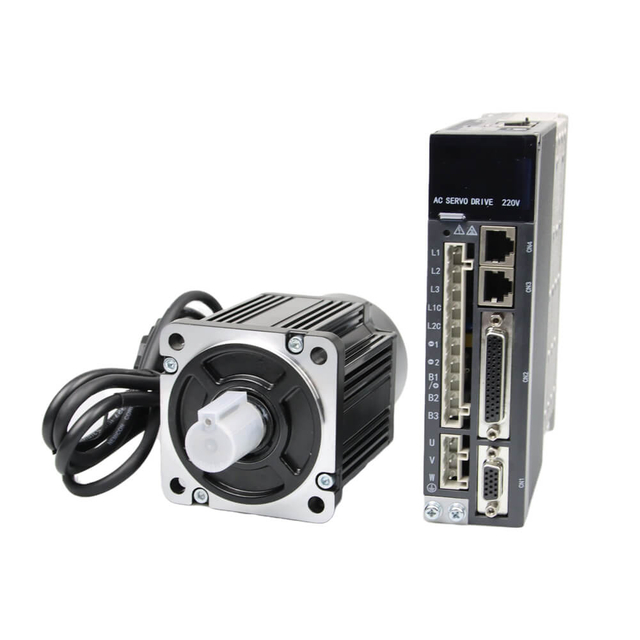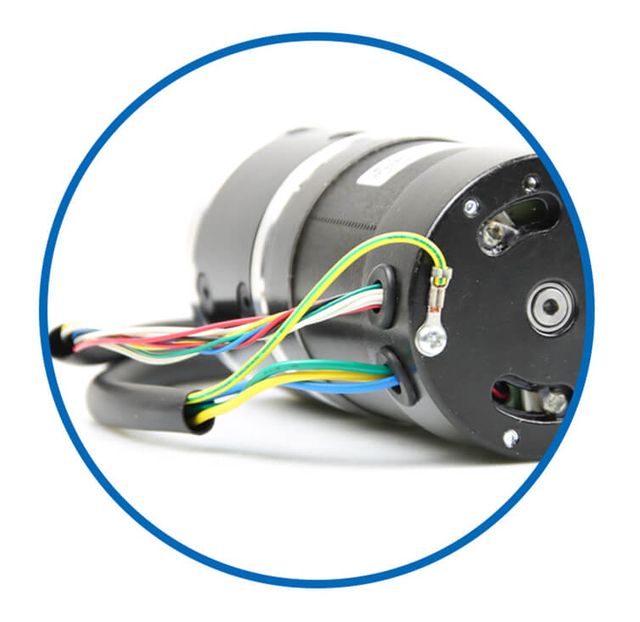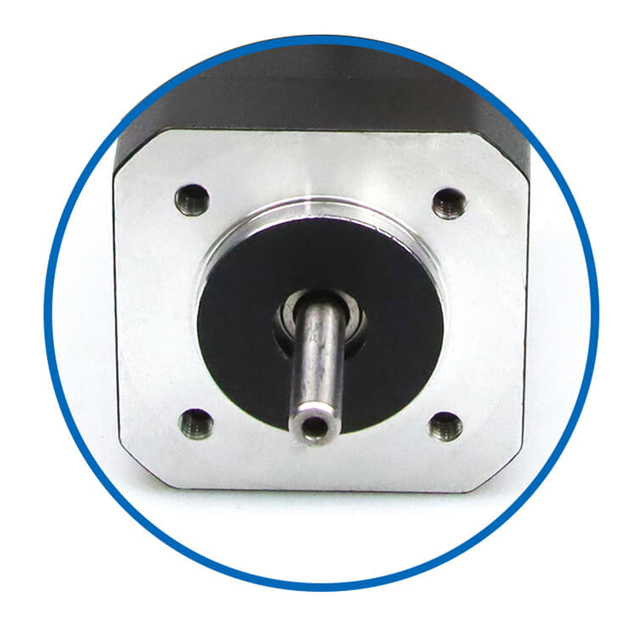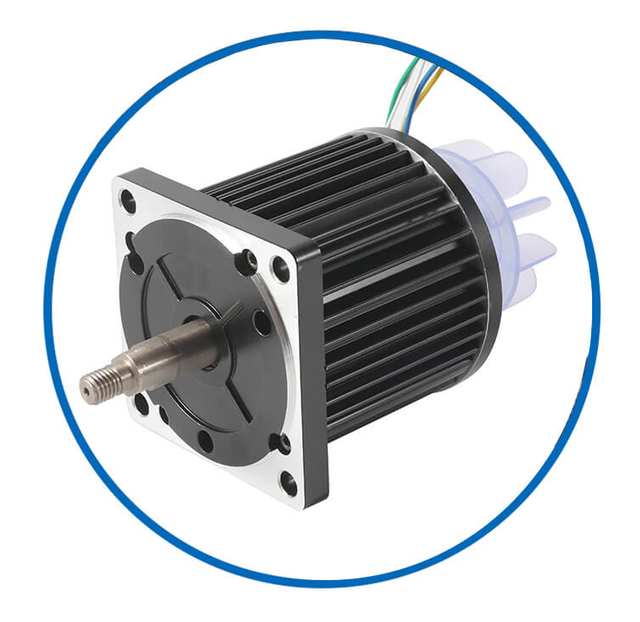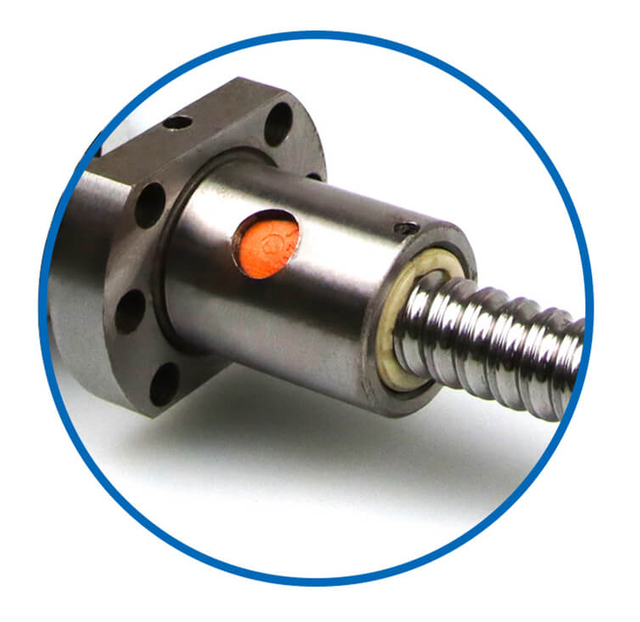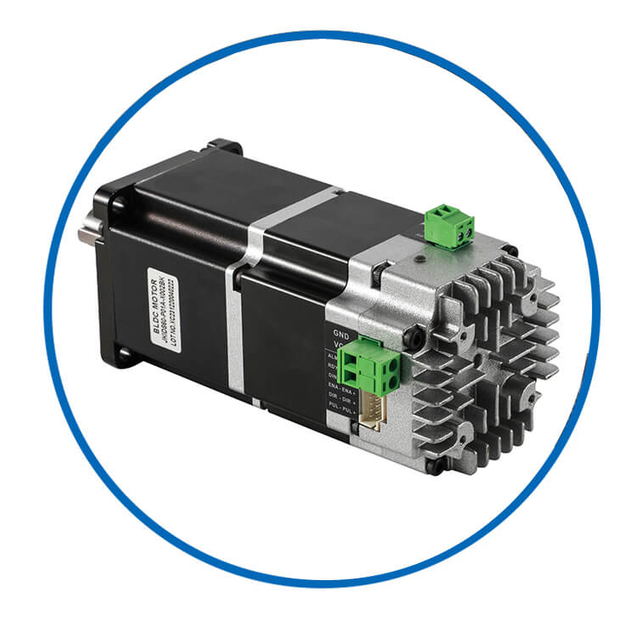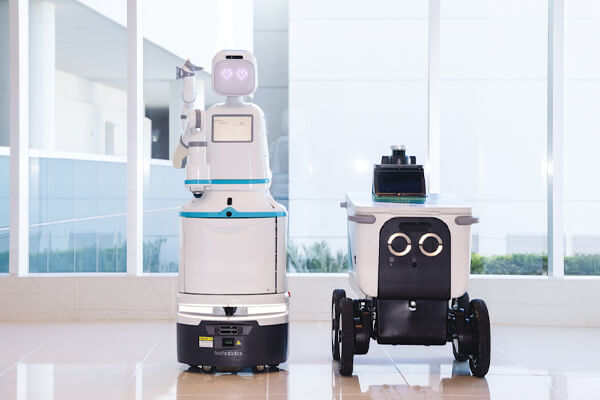
Integrated servo motor solutions with OEM ODM customization provide compact, high-precision motion control for service robots, enabling efficient system integration, flexible mechanical design, and reliable robotic performance across diverse service applications.
Service robots are rapidly transforming industries such as healthcare, hospitality, logistics, cleaning, and retail automation. These robots must operate with high precision, smooth motion control, compact structure, and reliable performance in dynamic environments. At the heart of these capabilities lies one critical component: the Integrated Servo Motor.
Choosing the right integrated servo motor is essential for maximizing robot efficiency, motion accuracy, system reliability, and overall lifecycle cost. In this comprehensive guide, we explain how to select the most suitable integrated servo motors for service robots, focusing on performance specifications, system integration, communication protocols, environmental adaptability, and OEM/ODM customization capabilities.
An integrated servo motor combines multiple components into a single compact unit, including:
This integration reduces the need for external drivers and complex wiring, resulting in simplified robot architecture, reduced installation time, improved reliability, and optimized space utilization.
For service robots where space, weight, and wiring complexity are critical, integrated servo motors provide significant advantages compared to traditional separated servo systems.
Key benefits include:
These advantages make integrated servo motors ideal for autonomous mobile robots (AMR), delivery robots, cleaning robots, hospitality robots, and medical service robots.
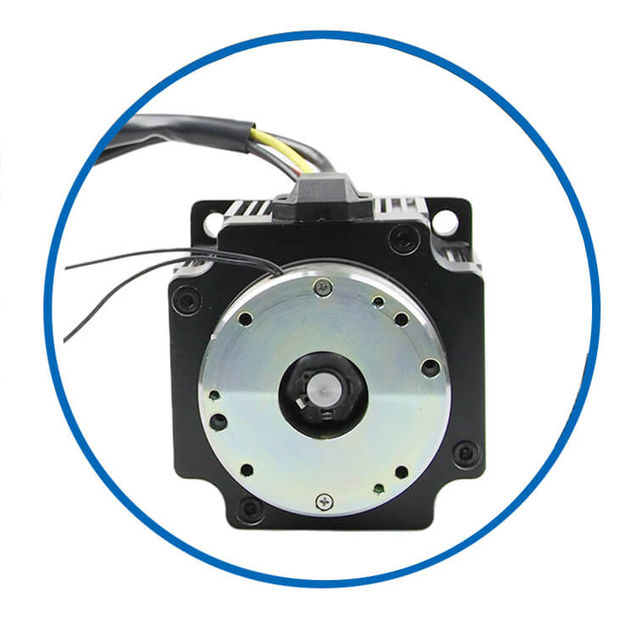
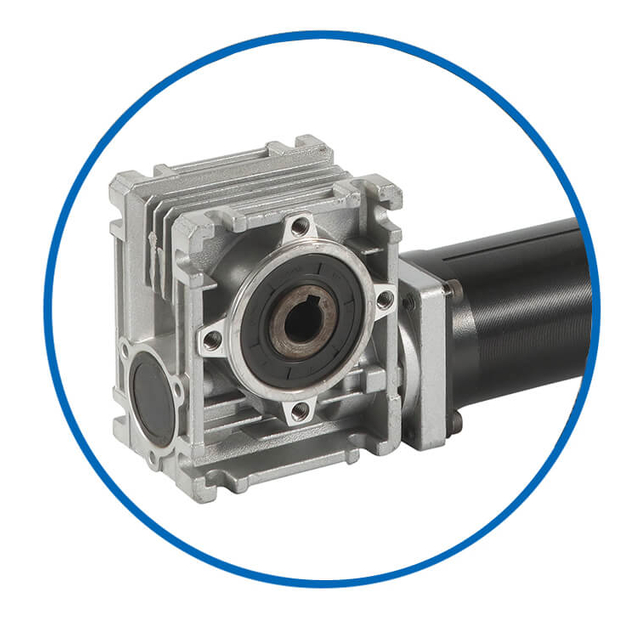
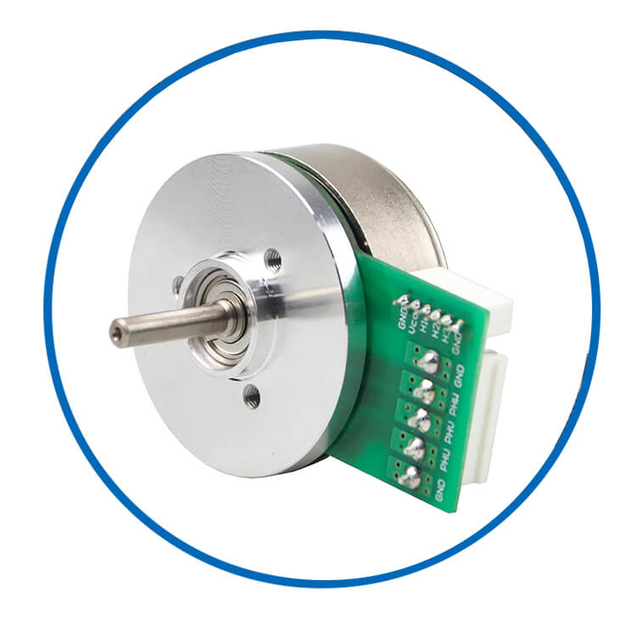
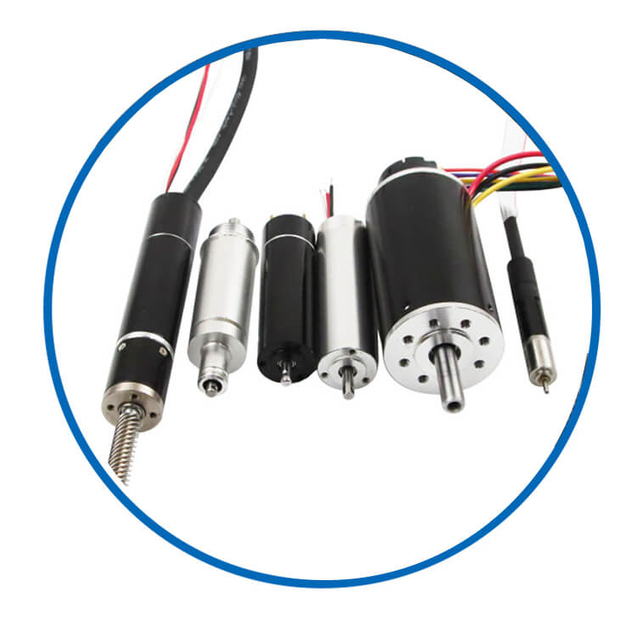
Jkongmotor Servo Motor Types
Motor Customized Service
As a professional brushless dc motor manufacturer with 13 years in china, Jkongmotor offer various bldc motors with customized requirements, including 33 42 57 60 80 86 110 130mm, additionally, gearboxes, brakes, encoders, brushless motor drivers and integrated drivers are optional.
![bldc motor supplier]() | ![bldc motor supplier]() | ![bldc motor supplier]() | ![bldc motor supplier]() | ![bldc motor supplier]() | Professional custom brushless motor services safeguard your projects or equipment. No Brushes – Reduced Maintenance and Increased Lifespan High Efficiency and Low Power Loss High Torque-to-Weight Ratio Precise Speed and Position Control Quiet and Smooth Operation Wide Speed Range and Dynamic Performance Excellent Thermal Management Customizable Designs and Modular Configurations Multiple Control Methods Integration with Digital Interfaces and Sensors |
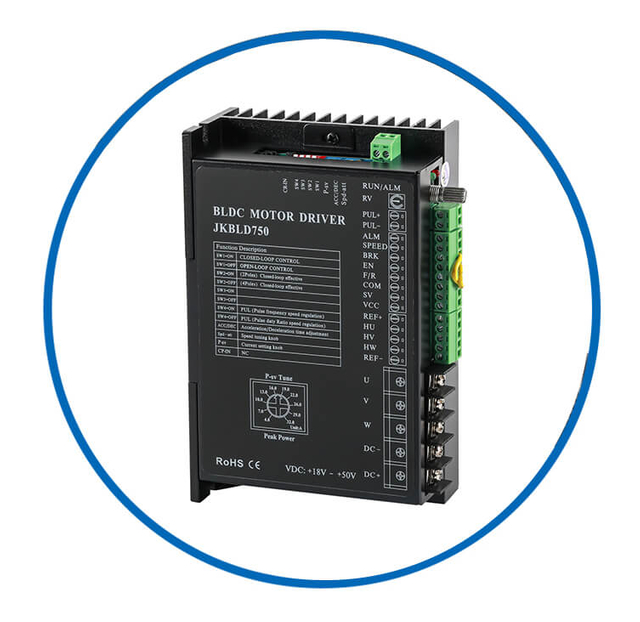
| Wires | Covers | Fans | Shafts | Integrated Drivers |
![bldc motor supplier]() | ![bldc motor supplier]() | ![bldc motor supplier]() | ![bldc motor supplier]() | ![bldc motor supplier]() |
| Brakes | Gearboxes | Out Rotors | Coreless Dc | Drivers |
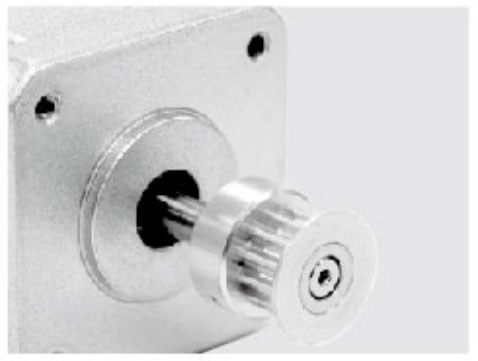
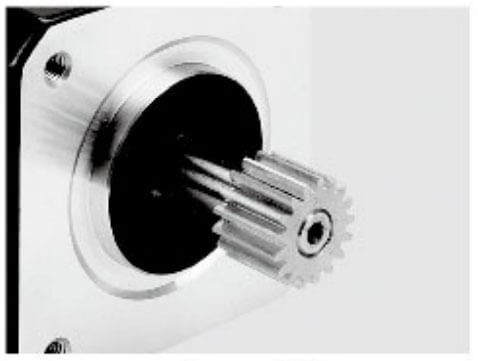
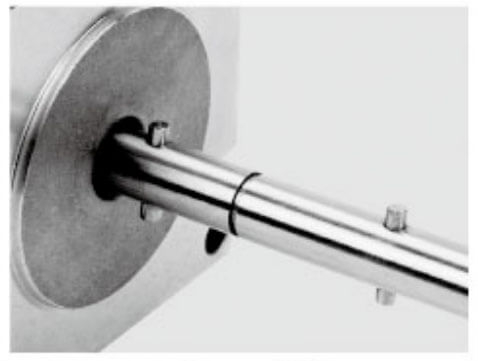
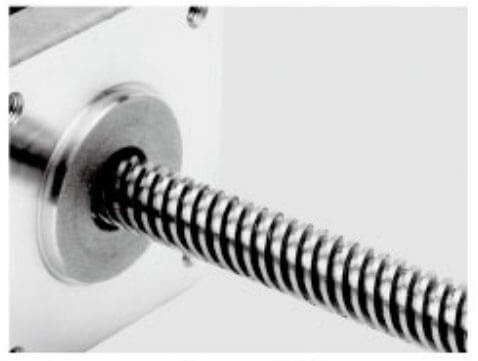
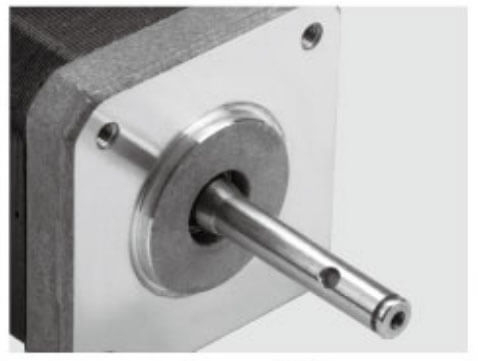
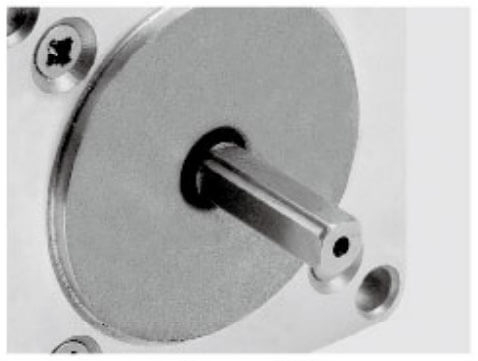
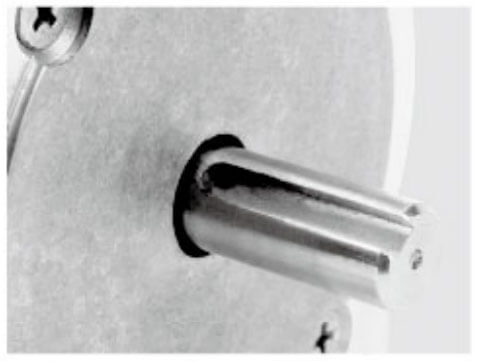
Motor Shaft Customized Service
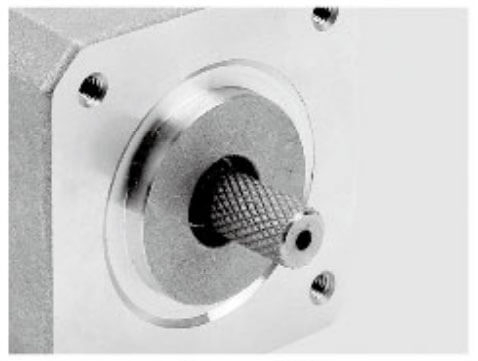
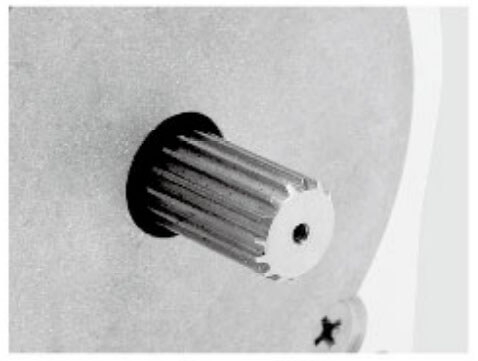
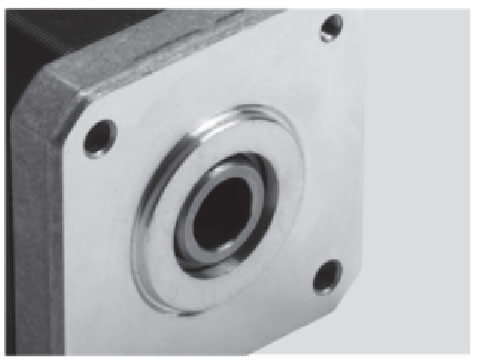
Jkongmotor offer many different shaft options for your motor as well as customizable shaft lengths to make the motor fit your application seamlessly.
Selecting the right integrated servo motor for service robots requires careful evaluation of multiple performance parameters. Service robots operate in dynamic environments and must deliver precise motion control, compact mechanical integration, high efficiency, and long-term reliability. The following key performance factors determine whether an integrated servo motor can meet the demanding requirements of modern service robotics.
1. Torque Output and Load Capacity
One of the most critical factors when selecting an integrated servo motor is its torque capability. Torque determines the motor’s ability to move robot joints, drive wheels, or actuate mechanisms under varying loads.
When evaluating torque specifications, engineers should consider:
Continuous torque required for normal robot operation
Peak torque needed during acceleration or sudden load changes
Payload capacity of the robot
Joint friction and mechanical resistance
Service robots such as delivery robots or cleaning robots often carry varying payloads, which means the motor must maintain stable torque output without overheating or performance loss. Motors with high torque density are especially valuable because they provide strong performance while maintaining a compact footprint.
2. Speed Range and Dynamic Response
Service robots require motors that can operate efficiently across both low-speed precision tasks and high-speed mobility.
Key speed-related factors include:
For example, mobile service robots need fast acceleration for efficient navigation, while robotic arms or manipulators require smooth low-speed control for precise movements. Integrated servo motors with advanced control algorithms ensure stable velocity regulation and responsive motion control, improving overall robot agility.
3. Position Accuracy and Encoder Resolution
Accurate positioning is essential for robots that operate in human environments. Tasks such as navigation, object handling, docking, and obstacle avoidance require precise motion control.
Integrated servo motors typically incorporate high-resolution feedback systems, such as:
Incremental encoders
Absolute encoders
Magnetic encoders
Optical encoders
Higher encoder resolution improves:
For service robots operating in tight indoor environments, accurate feedback ensures the robot can navigate precisely and safely.
4. Compact Structure and Space Optimization
Service robots are designed with strict constraints on size, weight, and internal space. Traditional servo systems require separate drivers, controllers, and complex wiring, which increases system bulk.
An integrated servo motor combines the motor, driver, encoder, and communication interface into a single compact unit, dramatically simplifying robot design.
Advantages include:
Reduced installation space
Lower overall system weight
Simplified wiring architecture
Improved mechanical integration
Compact integrated motors enable engineers to design sleeker robot bodies, smaller joints, and more efficient drivetrain systems.
5. Communication Protocol Compatibility
Modern service robots rely on real-time communication networks to coordinate multiple actuators and sensors. Therefore, the communication interface of an integrated servo motor must match the robot’s control architecture.
Common communication protocols include:
CANopen
EtherCAT
RS485 / Modbus
Ethernet-based protocols
High-speed communication enables:
Precise multi-axis synchronization
Real-time motion commands
Distributed control architecture
Improved system scalability
Motors with flexible communication options allow easier integration with robot controllers, embedded computers, and industrial automation platforms.
6. Thermal Performance and Heat Dissipation
Because integrated servo motors contain both motor windings and drive electronics, efficient heat management is crucial.
Service robots often run continuously for long periods, especially in logistics, hospitality, or cleaning for long periods**, especially in logistics, hospitality, or cleaning applications. Poor thermal design can lead to:
High-quality integrated servo motors incorporate:
Optimized electromagnetic design
Efficient heat conduction structures
Intelligent thermal protection algorithms
These features ensure stable operation even during long-duty cycles.
7. Energy Efficiency and Power Consumption
Many service robots are battery-powered, making energy efficiency a key selection factor.
Motors with optimized efficiency provide:
Efficient integrated servo motors allow robots to extend their working hours between charging cycles, which is especially important for applications such as autonomous delivery robots and warehouse robots.
8. Environmental Protection and Durability
Service robots operate in diverse environments, including:
Public buildings
Warehouses
Hospitals
Restaurants
Industrial facilities
Integrated servo motors should offer appropriate environmental protection ratings such as IP54 or IP65, depending on application conditions.
Durability features may include:
Robust motors ensure long-term stable operation in real-world environments.
9. Ease of Integration and Wiring Simplicity
Integrated servo motors significantly simplify the electrical architecture of robots.
Traditional motion systems require:
External servo drives
Multiple signal cables
Complex wiring layouts
In contrast, integrated servo motors reduce system complexity by combining multiple components into one device. This results in:
For robot manufacturers, simplified integration helps accelerate product development and reduce production costs.
10. OEM and ODM Customization Capability
Different service robots require specific motor configurations to match their mechanical design and control systems.
Manufacturers offering OEM and ODM customization can tailor integrated servo motors with features such as:
Custom motor sizes
Hollow shaft designs
Integrated gearboxes
Special mounting structures
Custom voltage configurations
Dedicated communication protocols
Firmware optimization
Customization enables robot developers to create highly optimized motion systems tailored to their robot architecture.
Conclusion
Choosing the right integrated servo motor for service robots requires a comprehensive evaluation of multiple technical parameters. Key performance factors include torque capability, motion precision, compact design, communication compatibility, thermal stability, energy efficiency, environmental durability, and customization flexibility.
By carefully selecting motors that excel in these areas, robot manufacturers can ensure their service robots deliver smooth motion, reliable performance, long operational life, and superior user experience in real-world environments.
Compact Design and Weight Optimization
Service robots must remain lightweight and compact to operate efficiently in human environments.
Integrated servo motors significantly reduce system size by eliminating separate servo drives and large wiring harnesses. This enables:
More compact robot chassis
Better thermal distribution
Reduced mechanical complexity
When choosing a motor, evaluate:
Compact motors help engineers design slimmer robotic arms, smaller wheel modules, and more efficient internal layouts.
Communication Protocol Compatibility
In modern robotics systems, communication protocol compatibility plays a critical role when selecting integrated servo motors for service robots. Service robots rely on real-time data exchange between controllers, sensors, and actuators to perform coordinated movements, navigation tasks, and automated operations. The communication interface of an integrated servo motor determines how efficiently the motor can interact with the robot’s control system and how smoothly multiple motion axes can operate together.
A well-designed communication system enables fast command transmission, precise feedback processing, and stable multi-axis synchronization, all of which are essential for reliable robot performance.
Importance of Communication Protocols in Service Robots
Service robots typically contain multiple actuators controlling wheels, arms, lifting mechanisms, or manipulators. These actuators must respond instantly to control commands while providing continuous feedback to the central processor.
Communication protocols allow the robot controller to:
Send position, velocity, and torque commands to each motor
Receive real-time feedback data such as position, current, and status
Coordinate multi-axis motion synchronization
Monitor system performance and detect faults
Without a reliable communication protocol, the robot may experience latency, unstable motion control, or reduced system efficiency.
Common Communication Protocols for Integrated Servo Motors
Integrated servo motors designed for robotics and automation typically support several industrial communication protocols. The choice depends on the robot’s control architecture and performance requirements.
CANopen
CANopen is one of the most widely used communication protocols in robotics and embedded control systems. It is based on the CAN (Controller Area Network) bus and offers reliable real-time communication.
Advantages of CANopen include:
High reliability in noisy environments
Deterministic communication timing
Efficient multi-device networking
Cost-effective hardware implementation
CANopen is commonly used in mobile service robots, delivery robots, and autonomous mobile platforms because of its stability and simplicity.
EtherCAT
EtherCAT (Ethernet for Control Automation Technology) is a high-speed industrial Ethernet protocol widely adopted in advanced robotics systems.
Key advantages include:
Extremely low communication latency
High synchronization accuracy for multi-axis control
Fast data exchange between controllers and motors
Scalability for complex robotic systems
EtherCAT is particularly suitable for high-performance robots, collaborative robots, and precision motion systems where multiple motors must operate with microsecond-level synchronization.
RS485 / Modbus
RS485 communication combined with the Modbus protocol is a simple and widely used industrial communication solution.
Its advantages include:
RS485/Modbus is often used in cost-sensitive service robots or simple motion control systems where ultra-high speed communication is not required.
Ethernet-Based Communication
Some integrated servo motors support standard Ethernet communication, allowing integration with modern robotic controllers and networked automation systems.
Benefits include:
High data transfer capacity
Compatibility with industrial networks
Flexible system architecture
Easier integration with IoT and cloud systems
Ethernet-based communication is increasingly used in smart robotics platforms and AI-driven service robots.
Distributed Motion Control Architecture
Modern service robots often adopt a distributed control architecture, where each integrated servo motor contains its own drive electronics and processing capability.
In this architecture:
The central robot controller sends high-level motion commands
Each motor locally processes the control loop
Feedback is transmitted back to the central controller in real time
This structure reduces the computational load on the central processor while improving system responsiveness and motion accuracy.
Communication protocols such as CANopen and EtherCAT are well suited for this distributed control approach.
Synchronization and Multi-Axis Coordination
Service robots frequently perform complex movements involving multiple motors operating simultaneously. For example:
Mobile robots require synchronized wheel motors for accurate navigation
Robotic arms require coordinated joint motion
Service robots may combine wheel movement and manipulator control
High-performance communication protocols allow precise synchronization between motors, ensuring smooth and accurate motion trajectories.
Accurate synchronization helps achieve:
Smooth acceleration and deceleration
Precise trajectory tracking
Stable robot balance and control
This is particularly important for robots that operate in human environments where safety and precision are essential.
System Integration and Controller Compatibility
Another key consideration when selecting integrated servo motors is compatibility with the robot’s control system.
The motor’s communication interface must integrate smoothly with:
Robot motion controllers
Industrial PLC systems
Embedded processors
AI computing platforms
Motors supporting multiple communication protocols provide greater flexibility for robot manufacturers and allow easier integration into different automation architectures.
Future-Proof Communication for Smart Robotics
As robotics technology continues to evolve, communication systems are becoming more intelligent and interconnected. Advanced service robots increasingly rely on:
Integrated servo motors with modern communication capabilities enable robots to support smart automation systems and Industry 4.0 environments.
Flexible communication protocols ensure that robotic platforms remain scalable, upgradeable, and compatible with future technologies.
Conclusion
Communication protocol compatibility is a fundamental factor when selecting integrated servo motors for service robots. Reliable communication enables fast command transmission, accurate motion control, multi-axis synchronization, and efficient system integration.
Protocols such as CANopen, EtherCAT, RS485/Modbus, and Ethernet-based communication provide the connectivity required for modern robotic systems. Choosing integrated servo motors with appropriate communication support ensures stable robot operation, simplified system architecture, and enhanced overall performance in service robot applications.
Thermal Management and Heat Dissipation
Service robots often operate for extended periods without interruption, making thermal performance critical.
Integrated servo motors combine the motor and driver electronics within a single housing, which requires effective thermal management.
Key design elements include:
High-efficiency motor winding
Advanced heat conduction materials
Optimized housing structure
Intelligent thermal protection algorithms
Proper thermal management ensures:
Robots used in logistics or cleaning environments may operate 24/7, making thermal stability a crucial selection factor.
Environmental Protection and Reliability
Service robots frequently operate in challenging environments, including:
Dusty warehouses
Humid hospitals
Public commercial spaces
Industrial facilities
Integrated servo motors should offer suitable protection ratings such as IP54, IP65, or higher depending on the application.
Important environmental considerations include:
Robust construction ensures long-term reliability and reduced maintenance costs.
Encoder Feedback and Position Accuracy
Precise feedback is fundamental to robot motion control.
Integrated servo motors typically incorporate advanced encoder technologies, such as:
Incremental encoders
Absolute encoders
Magnetic encoders
Optical encoders
High-resolution encoders improve:
For collaborative or service robots operating around humans, precise positioning enhances safety and operational reliability.
Energy Efficiency and Power Consumption
Battery-powered service robots must optimize energy consumption to extend operating time.
Integrated servo motors designed for robotics provide:
Efficient motors reduce overall system load, enabling robots to operate longer between charging cycles.
Lower energy consumption also contributes to reduced heat generation and improved system stability.
OEM and ODM Customization Capabilities
For service robot manufacturers, selecting the right integrated servo motor goes beyond standard specifications such as torque, speed, or communication protocol. Many robotics applications require highly specialized motion solutions, which makes OEM and ODM customization capabilities an essential factor when choosing a motor supplier.
Customization allows manufacturers to tailor integrated servo motors to match specific robot designs, performance requirements, and system architectures. With the rapid evolution of service robotics, the ability to modify motor parameters, mechanical structures, and control features has become a key advantage for companies seeking to develop innovative and competitive robotic products.
Why Customization Is Critical for Service Robots
Unlike general industrial automation equipment, service robots operate in diverse and application-specific environments. Each robot may have unique mechanical constraints, payload requirements, and control strategies.
For example:
A delivery robot requires compact motors with efficient wheel drive systems.
A hospital logistics robot needs silent operation and precise navigation.
A restaurant service robot must combine smooth mobility with compact internal space design.
A cleaning robot requires motors with strong torque and reliable operation in humid environments.
Standard motors may not always meet these specialized requirements. OEM and ODM customization ensures that integrated servo motors perfectly match the robot’s mechanical structure, electrical architecture, and motion control system.
Mechanical Customization Options
Mechanical structure is one of the most common areas where customization is required. Robot designers often need motors that integrate seamlessly into tight mechanical spaces and unique structural layouts.
Manufacturers offering strong OEM/ODM capabilities can provide customization such as:
Special motor housing dimensions
Customized shaft designs
Hollow shaft configurations
Integrated gearbox options
Custom mounting patterns
Flange and bracket modifications
These adjustments allow the motor to fit precisely within robot joints, wheel modules, or actuator systems, reducing mechanical complexity and improving overall system reliability.
Electrical and Voltage Configuration
Different robots operate under different electrical architectures. Some systems rely on low-voltage battery platforms, while others operate with higher industrial voltage systems.
OEM/ODM customization enables manufacturers to adjust:
These electrical modifications ensure seamless integration with the robot’s power supply system, battery management system, and electronic control architecture.
Communication Interface Customization
Service robots often rely on specific communication protocols depending on the controller architecture and software framework.
Integrated servo motors can be customized to support protocols such as:
CANopen
EtherCAT
RS485 / Modbus
Industrial Ethernet
Manufacturers may also provide custom firmware and protocol adaptation to ensure compatibility with proprietary robot controllers or specialized automation platforms.
Flexible communication interfaces simplify system integration and software development, allowing robotics companies to focus on higher-level functionality.
Encoder and Feedback System Customization
Different robotics applications require different levels of motion precision and feedback accuracy.
Integrated servo motors can be equipped with various encoder types, including:
Incremental encoders
Absolute encoders
Magnetic encoders
Optical encoders
Customization allows robot developers to select the most appropriate feedback system based on:
High-resolution encoders improve robot positioning accuracy, motion stability, and repeatability, which is especially important for service robots operating in crowded human environments.
Integrated Gearbox and Transmission Options
Many robotic systems require motors with gear reduction mechanisms to increase torque and improve motion control.
OEM/ODM motor suppliers may offer:
These solutions allow the integrated servo motor to deliver high torque output while maintaining compact dimensions, making them ideal for robotic joints or wheel drive systems.
Integrated gear solutions also reduce the need for additional mechanical components, simplifying the overall robot structure.
Thermal and Environmental Adaptation
Service robots often operate in environments where temperature, humidity, dust, or vibration can affect motor performance.
Customization can include:
Enhanced heat dissipation structures
Higher protection ratings (IP54, IP65, or higher)
Sealed housings for humid environments
Anti-vibration mechanical design
These improvements help ensure the motor maintains stable performance and long service life under real-world operating conditions.
Software and Control Algorithm Optimization
In addition to hardware customization, many advanced integrated servo motor manufacturers also provide software-level optimization.
Customized firmware can include:
Motion control parameter tuning
Specific acceleration and deceleration profiles
Application-specific control algorithms
Safety features and diagnostic functions
Software customization allows the motor to operate more efficiently within the robot’s control framework, improving responsiveness and motion precision.
Rapid Prototyping and Engineering Support
Strong OEM/ODM motor suppliers provide more than just manufacturing—they offer engineering collaboration throughout the robot development process.
Key support services may include:
Application analysis and motor selection
Prototype motor development
Performance testing and validation
Motion system optimization
Rapid prototyping capabilities help robotics companies shorten development cycles and accelerate time-to-market.
Close collaboration between motor engineers and robotics designers ensures that the final motor solution fully meets the robot’s technical and commercial objectives.
Scalability for Mass Production
Once a service robot design is finalized, the motor supplier must be capable of stable large-scale production.
Reliable OEM/ODM partners provide:
Consistent manufacturing quality
Scalable production capacity
Strict quality control systems
Global logistics support
This ensures that the integrated servo motors maintain consistent performance across large production volumes, which is critical for commercial robot deployment.
Conclusion
OEM and ODM customization capabilities play a crucial role in selecting integrated servo motors for service robots. Customization allows manufacturers to adapt motor design to the robot’s mechanical structure, electrical architecture, communication protocols, and environmental conditions.
With flexible customization options—including mechanical design, electrical configuration, communication interfaces, encoder systems, gearbox integration, and control algorithms—robot developers can create highly optimized motion systems tailored to their specific applications.
By partnering with a motor manufacturer that offers strong engineering expertise and comprehensive OEM/ODM support, robotics companies can accelerate innovation, improve robot performance, and bring advanced service robots to market more efficiently.
Ease of Integration and System Wiring
Traditional servo systems require multiple components:
Motor
Driver
Controller
Feedback cables
Power cables
Integrated servo motors dramatically simplify this architecture by combining the driver and motor in a single unit.
Benefits include:
Reduced cable count
Simplified wiring
Lower installation time
Improved reliability
This streamlined design is especially beneficial for compact service robots where internal space is limited.
Lifecycle Reliability and Maintenance
Service robots deployed in commercial environments must maintain high uptime and minimal maintenance requirements.
Integrated servo motors with high-quality bearings, durable electronic components, and intelligent diagnostics offer extended operational life.
Advanced motors may include:
These features reduce unexpected downtime and improve overall system reliability.
Typical Service Robot Applications for Integrated Servo Motors
Integrated servo motors have become a core motion component in modern service robots. Their compact design, high precision control, simplified wiring, and integrated drive architecture make them particularly suitable for robotic systems that must operate reliably in dynamic environments. As service robotics continues to expand across industries, integrated servo motors are increasingly used to power mobility systems, robotic arms, navigation modules, and specialized service mechanisms.
Below are the most common service robot applications where integrated servo motors deliver optimal performance and efficiency.
Autonomous Mobile Robots (AMR)
Autonomous Mobile Robots are widely used in warehouses, hospitals, hotels, and manufacturing facilities to transport materials and goods. These robots rely on precise motion control to navigate complex indoor environments safely and efficiently.
Integrated servo motors are typically used in:
Because AMRs operate continuously and require accurate path tracking, integrated servo motors provide smooth acceleration, stable speed control, and reliable torque output. Their integrated driver design also reduces wiring complexity inside compact robot chassis.
Delivery and Logistics Robots
Delivery robots are designed to transport goods in environments such as restaurants, hotels, office buildings, hospitals, and campuses. These robots must move smoothly, maintain stability, and operate safely around people.
Integrated servo motors play a key role in powering:
The high positioning accuracy and responsive control of integrated servo motors allow delivery robots to navigate narrow hallways, stop precisely at delivery points, and maintain stable movement even when carrying varying payloads.
Hospital and Medical Service Robots
Healthcare facilities increasingly use service robots to assist with medicine delivery, laboratory sample transport, sanitation tasks, and patient support services.
Integrated servo motors enable precise and reliable motion in critical applications such as:
Medication transport robots
Hospital logistics robots
Medical equipment handling robots
Disinfection and sterilization robots
These environments demand quiet operation, high reliability, and precise navigation. Integrated servo motors with smooth motion control help medical robots operate efficiently without disrupting sensitive hospital environments.
Restaurant and Hospitality Robots
Restaurants and hospitality venues use robots to enhance service efficiency and customer experience. These robots are commonly used for food delivery, table service, dish collection, and guest guidance.
Integrated servo motors are applied in:
Because these robots operate in public spaces, integrated servo motors ensure smooth movement, low noise levels, and precise stopping accuracy, improving both operational reliability and customer safety.
Cleaning and Sanitation Robots
Cleaning robots are widely deployed in shopping malls, airports, hospitals, factories, and office buildings to perform automated floor cleaning and sanitation tasks.
Integrated servo motors are essential for controlling:
These robots must operate for long periods in environments that may include dust, moisture, and continuous vibration. Integrated servo motors designed with robust housing and reliable thermal management provide the durability required for such demanding conditions.
Security and Patrol Robots
Security robots are used for surveillance, monitoring, and autonomous patrol operations in facilities such as warehouses, industrial parks, and public areas.
Integrated servo motors support:
Autonomous navigation systems
Camera positioning platforms
Sensor scanning mechanisms
Mobility drive systems
Precise motion control allows security robots to patrol predefined routes accurately while maintaining stable operation over extended time periods.
Retail and Customer Interaction Robots
Retail service robots assist customers in shopping malls, supermarkets, and exhibition centers by providing guidance, product information, and navigation assistance.
Integrated servo motors power various robot functions, including:
Smooth and responsive motor control enhances human-robot interaction, allowing robots to move naturally and communicate effectively with customers.
Inspection and Facility Maintenance Robots
Inspection robots are used to monitor infrastructure, industrial equipment, and building systems. These robots perform tasks such as equipment inspection, pipeline monitoring, and facility diagnostics.
Integrated servo motors are commonly used in:
High positioning accuracy ensures sensors can capture precise data and stable images, improving inspection reliability and operational efficiency.
Educational and Research Service Robots
Universities, research institutions, and robotics laboratories frequently use service robots as platforms for AI research, robotics development, and human-robot interaction experiments.
Integrated servo motors provide the flexibility needed for experimental robotic platforms, supporting:
Their compact integration and programmable control features make them ideal for research environments where modular design and system adaptability are important.
Advantages of Integrated Servo Motors in Service Robotics
Across all service robot applications, integrated servo motors offer several key advantages:
Compact structure for space-limited designs
Integrated drive electronics that reduce wiring complexity
High precision motion control for accurate robot navigation
Efficient energy consumption for battery-powered robots
Improved reliability through simplified system architecture
These advantages enable service robots to achieve higher operational efficiency, better mobility performance, and longer system lifespans.
Conclusion
Integrated servo motors are a foundational technology powering the next generation of service robots. Their high precision, compact integration, flexible communication capability, and reliable performance make them suitable for a wide range of applications, including autonomous mobile robots, delivery robots, healthcare robots, hospitality robots, cleaning systems, security patrol robots, retail assistants, and inspection platforms.
As service robotics continues to expand across industries, integrated servo motors will remain a critical component in enabling smarter, more efficient, and more capable robotic systems that can operate seamlessly in human-centered environments.
Why Integrated Servo Motors Are Ideal for Next-Generation Service Robots
The rapid advancement of robotics technology is driving the development of smarter, more compact, and highly efficient service robots. These robots must operate autonomously in complex human environments while maintaining high precision, reliability, and energy efficiency. To meet these demanding requirements, modern robotic systems increasingly rely on integrated servo motors as their core motion control solution.
Integrated servo motors combine the motor, servo drive, encoder, and communication interface into a single compact unit, enabling service robots to achieve superior performance while simplifying system architecture. This integrated approach offers significant advantages that make these motors ideal for next-generation service robotics applications.
Compact Integration for Space-Constrained Robot Designs
Service robots often operate in compact mechanical structures where internal space is extremely limited. Traditional motion systems require separate servo motors, drivers, and multiple cable connections, which increase system complexity and occupy valuable space.
Integrated servo motors solve this challenge by combining all motion control components into a single housing. This design allows robot engineers to:
Reduce overall system size
Simplify mechanical layouts
Minimize cable routing
Improve internal space utilization
The compact structure of integrated servo motors enables the development of smaller, lighter, and more flexible robotic platforms, which is essential for robots operating in crowded public environments.
Simplified System Architecture and Faster Integration
Traditional servo systems require multiple components, including external drivers, controllers, and feedback wiring. Integrating these elements into a robot can be time-consuming and prone to installation errors.
Integrated servo motors significantly simplify the motion control architecture by reducing the number of components required. This provides several benefits:
For robot manufacturers, simplified integration accelerates product development cycles and reduces engineering costs, allowing companies to bring new service robots to market faster.
High Precision Motion Control
Next-generation service robots must perform tasks with high positional accuracy and smooth motion control. Whether navigating indoor environments or operating robotic arms, precision movement is essential.
Integrated servo motors are equipped with high-resolution encoders and advanced control algorithms, enabling:
Accurate position control
Stable velocity regulation
Smooth acceleration and deceleration
Precise trajectory tracking
This level of motion precision allows service robots to navigate safely, handle objects accurately, and perform delicate tasks with confidence.
Improved Energy Efficiency for Battery-Powered Robots
Many service robots operate using battery power, making energy efficiency a critical factor in motor selection. Inefficient motors increase power consumption and shorten the robot’s operating time.
Integrated servo motors are designed with high-efficiency electromagnetic structures and optimized drive electronics, which help reduce energy consumption.
Key energy-related advantages include:
Efficient motors allow robots to operate longer between charging cycles, which is especially important for applications such as delivery robots, warehouse robots, and cleaning robots.
Enhanced Reliability and Reduced Maintenance
Service robots are expected to operate continuously in commercial environments, often for many hours each day. Reliability is therefore essential.
Integrated servo motors improve reliability by reducing the number of separate components in the motion system. Fewer external connections mean:
Lower risk of wiring failures
Reduced electromagnetic interference
Improved system stability
Additionally, many integrated servo motors include built-in protection features, such as:
Overcurrent protection
Temperature monitoring
Fault detection
Intelligent diagnostics
These functions help prevent unexpected system failures and ensure long-term stable robot operation.
Advanced Communication and Network Integration
Modern service robots rely on sophisticated control systems that coordinate multiple motors, sensors, and AI processors. Integrated servo motors support various industrial communication protocols, allowing them to integrate seamlessly into advanced robotic architectures.
Common supported protocols include:
CANopen
EtherCAT
RS485 / Modbus
Industrial Ethernet
These communication capabilities enable real-time motion control, precise multi-axis synchronization, and distributed control architecture. As a result, robots can perform complex movements more efficiently and accurately.
Flexible Customization for Diverse Robot Applications
Service robots vary widely in design and functionality. Some robots require high torque for heavy payloads, while others require compact motors for lightweight mobile platforms.
Integrated servo motor manufacturers often provide OEM and ODM customization options, allowing robotics companies to tailor motors according to their specific requirements.
Customization options may include:
Special motor sizes and shapes
Hollow shaft structures
Integrated gearboxes
Customized communication protocols
Specific voltage configurations
Specialized encoder systems
This flexibility allows robot developers to design highly optimized motion systems that perfectly match their robotic platforms.
Optimized Thermal Management
Because integrated servo motors combine multiple electronic components within a single unit, effective thermal management is crucial.
High-quality integrated servo motors are designed with advanced heat dissipation structures that help maintain stable operating temperatures during continuous operation.
Effective thermal management ensures:
For service robots operating in logistics or cleaning applications, this thermal stability is essential for 24-hour continuous operation.
Supporting the Future of Intelligent Robotics
As robotics technology continues to evolve, service robots are becoming more intelligent, autonomous, and connected. These next-generation systems require motion components that support smart automation, distributed control, and scalable architectures.
Integrated servo motors provide the foundation for this transformation by delivering:
Intelligent motion control
Compact and modular system design
Efficient power management
Flexible communication capabilities
These features allow robotics manufacturers to build more advanced and adaptable service robots capable of meeting the growing demands of modern industries.
Conclusion
Integrated servo motors have become a key enabling technology for next-generation service robots. By combining motor, drive electronics, feedback systems, and communication interfaces into a single compact unit, they simplify robot design while delivering high precision, energy efficiency, and reliable performance.
Their advantages in compact integration, motion accuracy, communication flexibility, thermal stability, and customization capability make integrated servo motors an ideal solution for the rapidly expanding service robotics industry. As robotic applications continue to grow, these advanced motion control systems will play an essential role in powering the future of intelligent service automation.
In summary, selecting the right integrated servo motor requires evaluating torque performance, communication compatibility, thermal management, encoder accuracy, energy efficiency, environmental protection, and customization capabilities. By prioritizing these factors, robotics engineers can design service robots that deliver precise motion, long operational life, and superior real-world performance.
FAQs About Integrated Servo Motor for Service Robots (OEM ODM Customized)
1. What is an integrated servo motor used in service robots?
An integrated servo motor combines the servo motor, drive, encoder, and controller into a single compact unit, enabling precise motion control and simplified wiring for service robots operating in environments such as hospitals, hotels, and logistics facilities.
2. Why are integrated servo motors ideal for service robots?
An integrated servo motor provides high precision, compact structure, and reduced wiring complexity, which helps service robots achieve smoother navigation, quieter operation, and improved reliability in human-centered environments.
3. What advantages do OEM ODM customized integrated servo motors offer for robot manufacturers?
OEM ODM customized integrated servo motor solutions allow robot manufacturers to tailor motor size, torque, voltage, firmware, and mechanical interfaces to match the specific structure and motion requirements of their robotic platforms.
4. What key parameters should be considered when selecting an integrated servo motor for service robots?
When selecting an integrated servo motor, important parameters include torque, speed range, encoder resolution, power supply compatibility, communication protocol, and environmental protection rating.
5. Can integrated servo motors support common robot communication protocols?
Yes, modern integrated servo motor systems support industrial communication protocols such as CANopen, EtherCAT, and Modbus, enabling seamless integration with robot controllers, PLCs, and automation networks.
6. How does encoder feedback improve integrated servo motor performance?
High-resolution encoders inside an integrated servo motor provide real-time feedback on position and speed, ensuring accurate motion control and repeatable robotic movements.
7. Can OEM ODM customized integrated servo motors include special mechanical structures?
Yes, manufacturers can provide OEM ODM customized integrated servo motor designs with special shafts, mounting flanges, hollow shafts, gearboxes, and reinforced bearings to match different robot joint structures.
8. Are integrated servo motors suitable for battery-powered service robots?
Yes, many integrated servo motor systems are optimized for energy efficiency and low power consumption, making them suitable for battery-powered robots such as delivery robots and cleaning robots.
9. How do integrated servo motors reduce system complexity?
Because the drive electronics and feedback systems are built into the motor, an integrated servo motor reduces wiring, eliminates external drives, and simplifies system architecture.
10. Can integrated servo motors operate in demanding environments?
Yes, integrated servo motor units can be designed with IP65 or IP67 protection, corrosion-resistant coatings, and sealed housings to withstand dust, humidity, and temperature variations.
11. What customization options are available for OEM ODM integrated servo motors?
Common OEM ODM customized integrated servo motor options include custom voltage, communication interfaces, connectors, firmware algorithms, and motion profiles tailored to the robot’s control system.
12. How do integrated servo motors improve service robot navigation accuracy?
An integrated servo motor provides closed-loop control and high-precision feedback, allowing service robots to achieve accurate trajectory control and stable movement.
13. Can integrated servo motors support multi-axis robotic motion?
Yes, integrated servo motor systems are designed for multi-axis synchronization, enabling coordinated motion for robotic arms, wheel drives, and mobile robot platforms.
14. What safety features can be integrated into OEM ODM customized servo motors?
An OEM ODM customized integrated servo motor can include safety features such as Safe Torque Off (STO), thermal protection, overcurrent protection, and fault detection.
15. Are integrated servo motors suitable for compact robot designs?
Yes, the compact structure of an integrated servo motor allows it to fit easily into limited spaces such as robot joints, drive modules, or small service robot chassis.
16. How do integrated servo motors improve system reliability?
By reducing external wiring and connectors, an integrated servo motor lowers the risk of signal interference, connection failures, and maintenance issues.
17. Can integrated servo motors support predictive maintenance?
Yes, many integrated servo motor systems include diagnostic features that monitor temperature, vibration, and current to support predictive maintenance and minimize downtime.
18. What motor sizes are available for OEM ODM customized integrated servo motors?
Manufacturers often offer OEM ODM customized integrated servo motor solutions in multiple frame sizes such as 33mm, 42mm, 57mm, 60mm, 80mm, 86mm, and larger depending on the robot’s power requirements.
19. Can firmware be customized for specific robot applications?
Yes, OEM ODM customized integrated servo motor solutions can include application-specific firmware optimized for robot kinematics, motion control algorithms, and communication protocols.
20. Why should robot manufacturers choose OEM ODM customized integrated servo motors?
An OEM ODM customized integrated servo motor enables faster system integration, improved robot performance, and better product differentiation for service robot manufacturers.