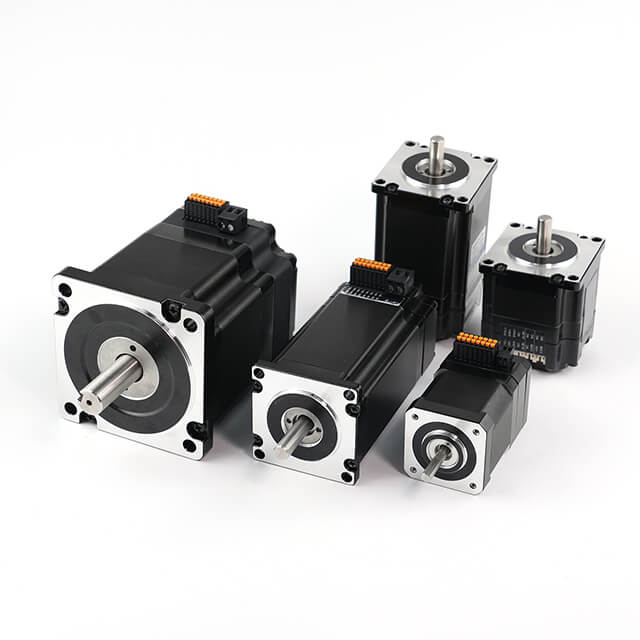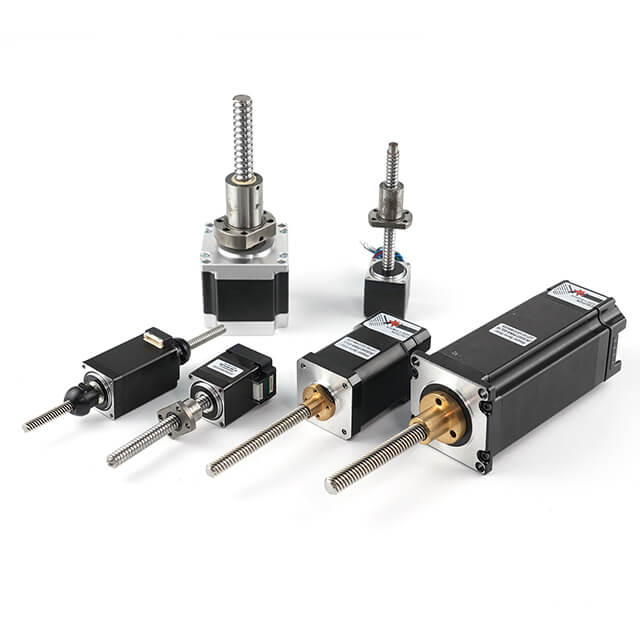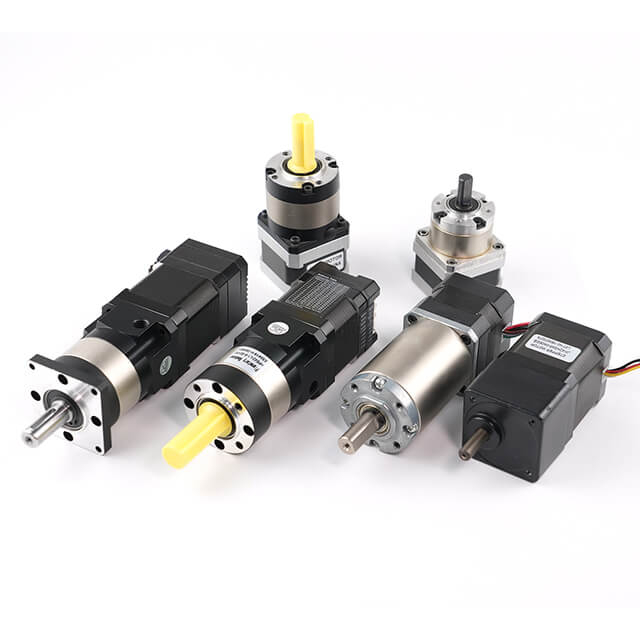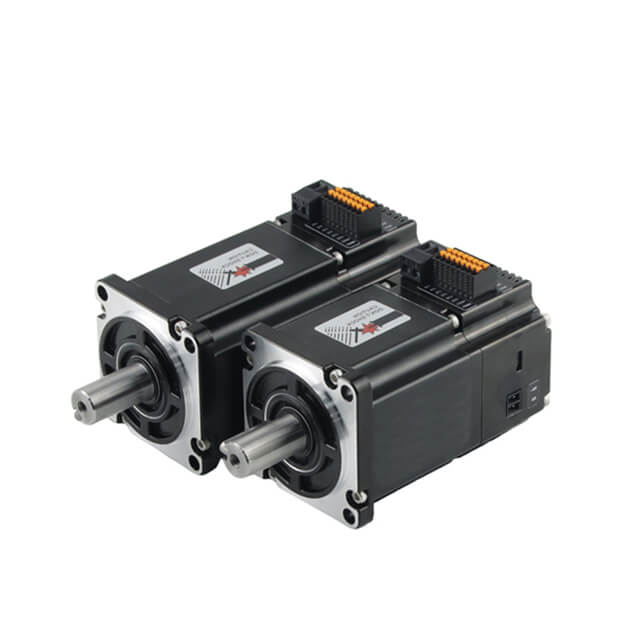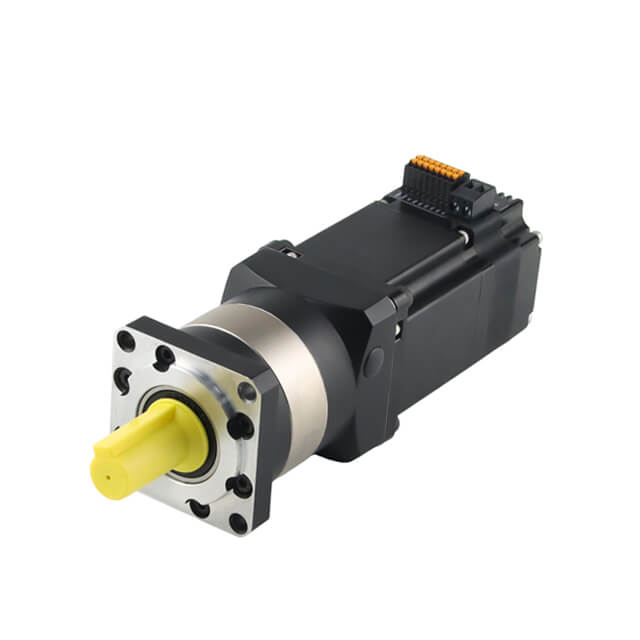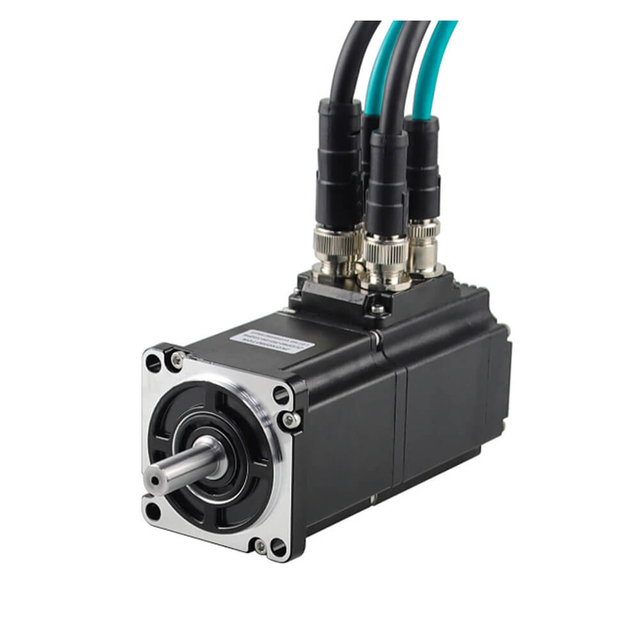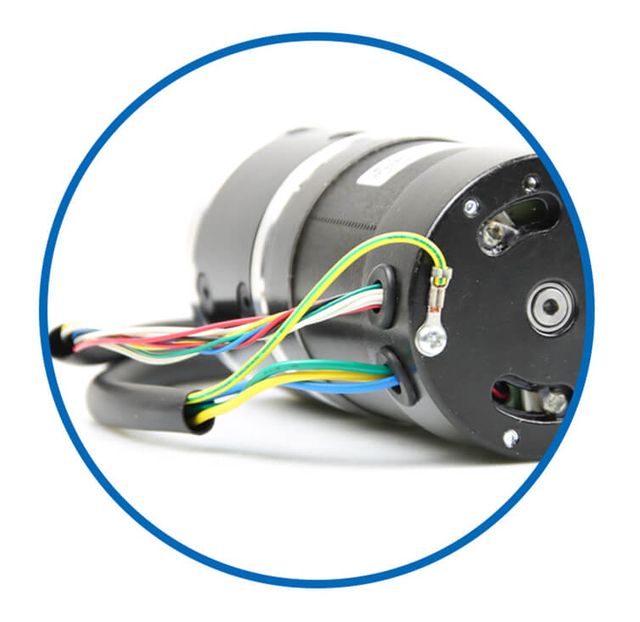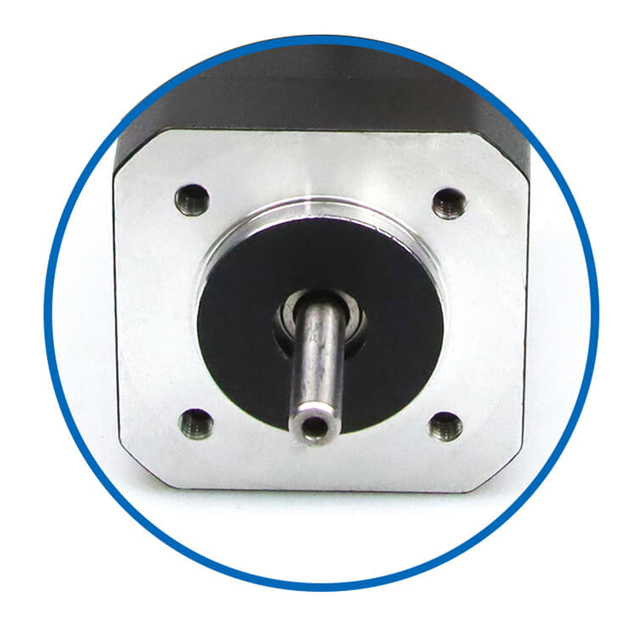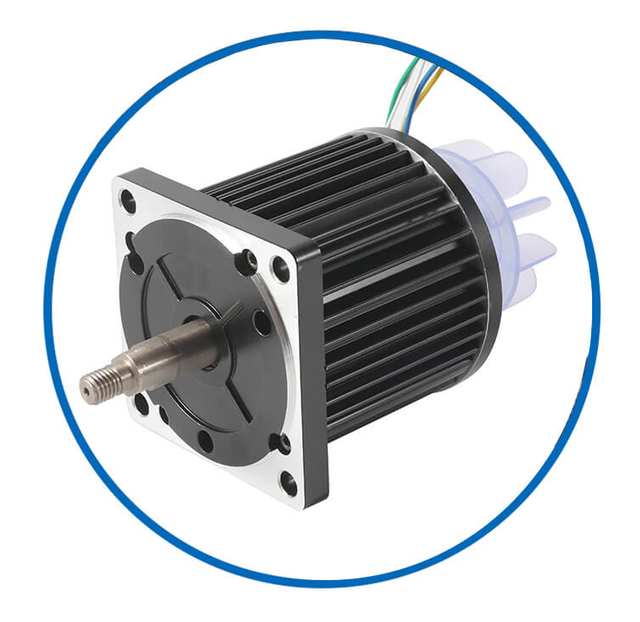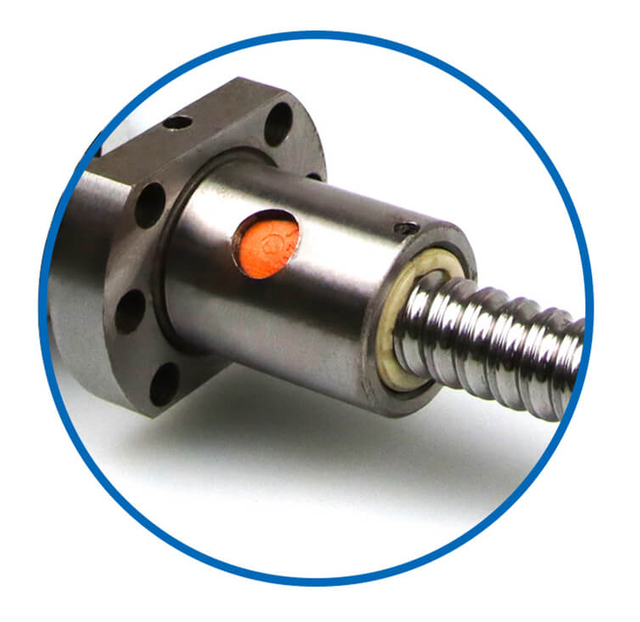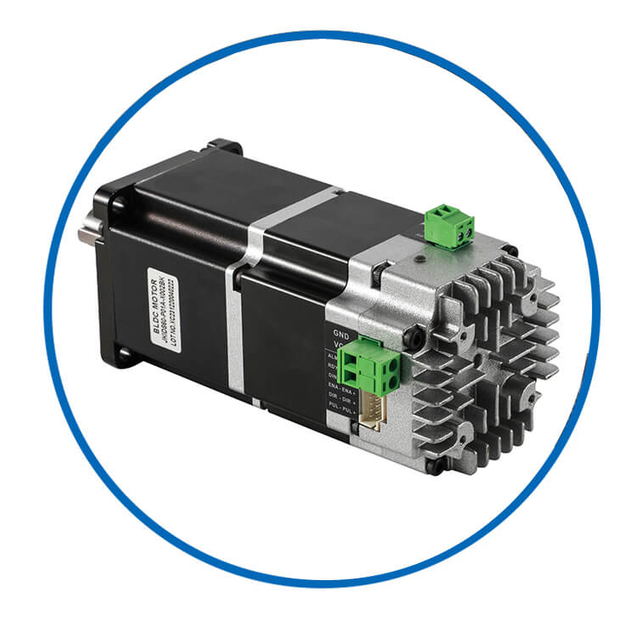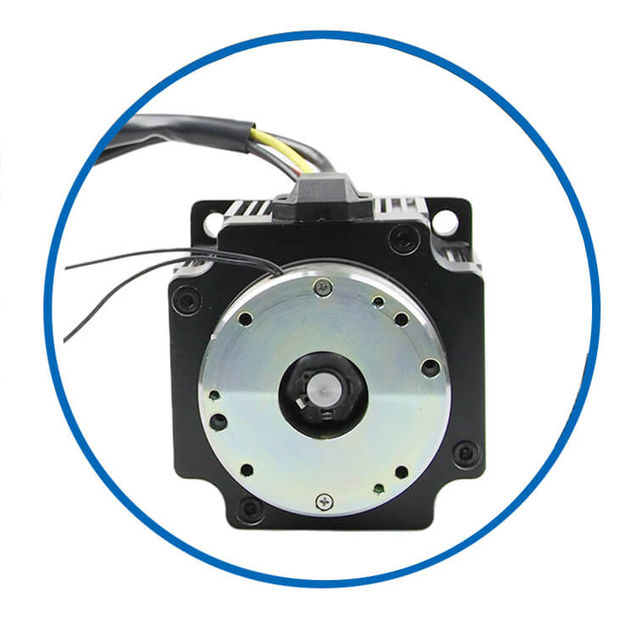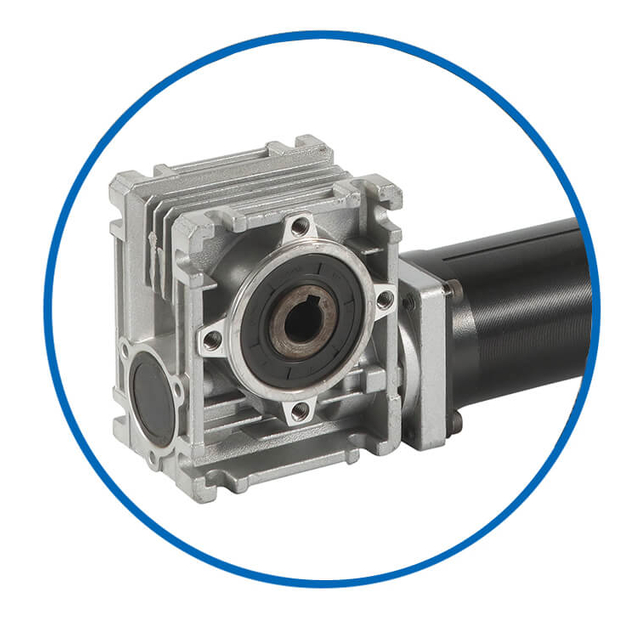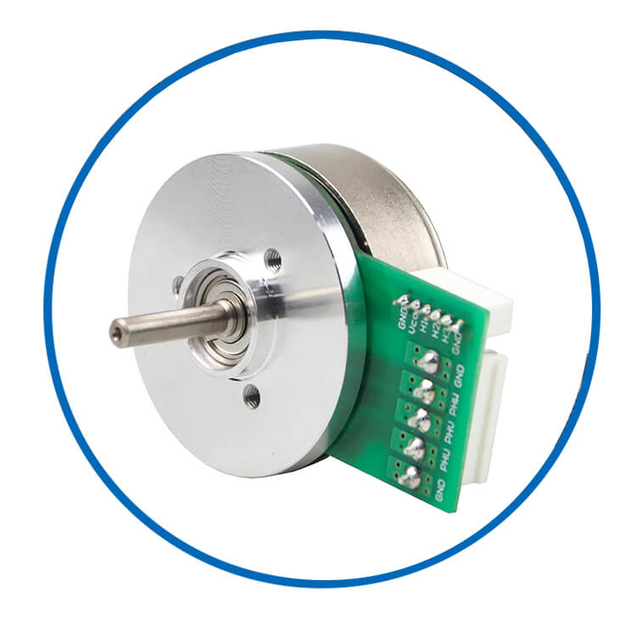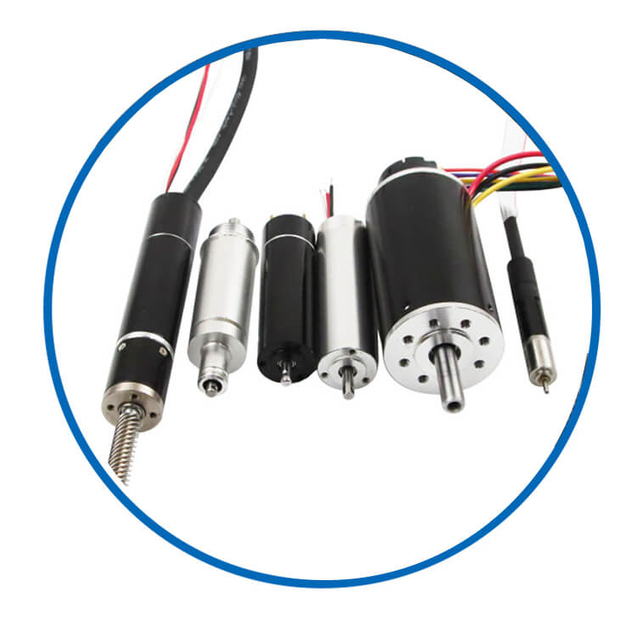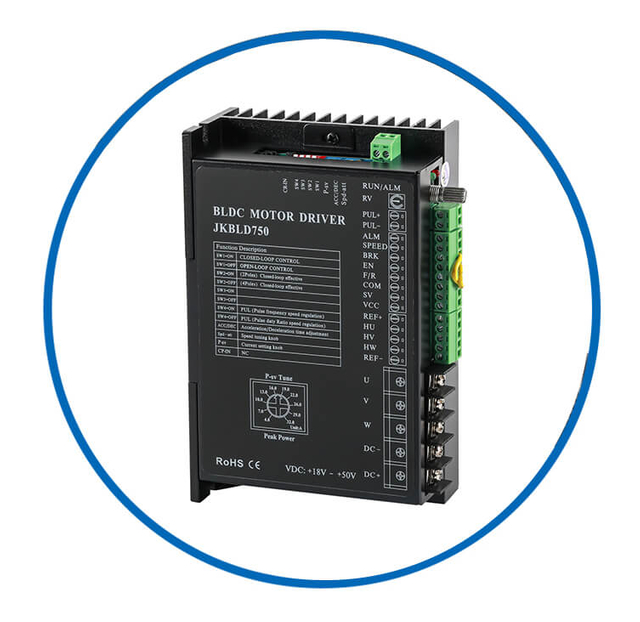
Customized integrated servo motors are engineered by combining multiple motion-control elements into a single, compact, and intelligent unit. Each core component plays a critical role in ensuring precision, reliability, efficiency, and adaptability across demanding industrial and automation applications. Below, we outline the essential components that define high-performance customized integrated servo motor systems.
This unified design reduces interconnection losses and improves overall system robustness.
OEM ODM Motor Customized Service
As a professional brushless dc motor manufacturer with 13 years in china, Jkongmotor offer various bldc motors with customized requirements, including 33 42 57 60 80 86 110 130mm, additionally, gearboxes, brakes, encoders, brushless motor drivers and integrated drivers are optional.
![bldc motor supplier]() | ![bldc motor supplier]() | ![bldc motor supplier]() | ![bldc motor supplier]() | ![bldc motor supplier]() | Professional custom brushless motor services safeguard your projects or equipment. No Brushes – Reduced Maintenance and Increased Lifespan High Efficiency and Low Power Loss High Torque-to-Weight Ratio Precise Speed and Position Control Quiet and Smooth Operation Wide Speed Range and Dynamic Performance Excellent Thermal Management Customizable Designs and Modular Configurations Multiple Control Methods Integration with Digital Interfaces and Sensors |
| Wires | Covers | Fans | Shafts | Integrated Drivers |
![bldc motor supplier]() | ![bldc motor supplier]() | ![bldc motor supplier]() | ![bldc motor supplier]() | ![bldc motor supplier]() |
| Brakes | Gearboxes | Out Rotors | Coreless Dc | Drivers |
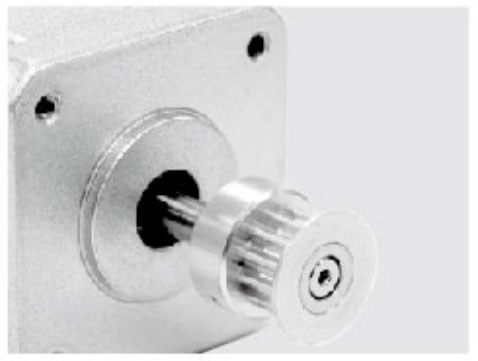
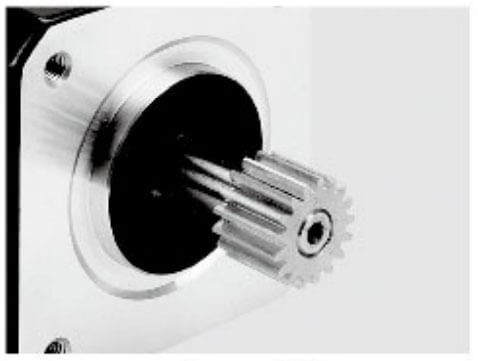
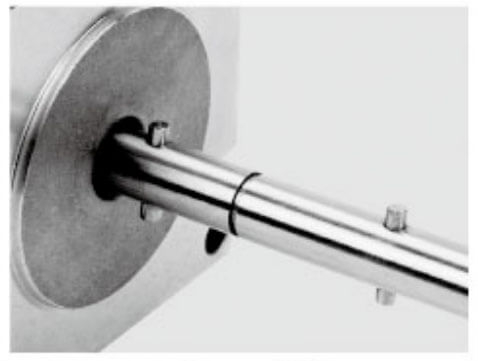
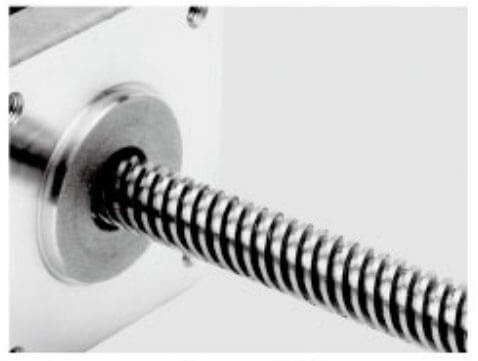
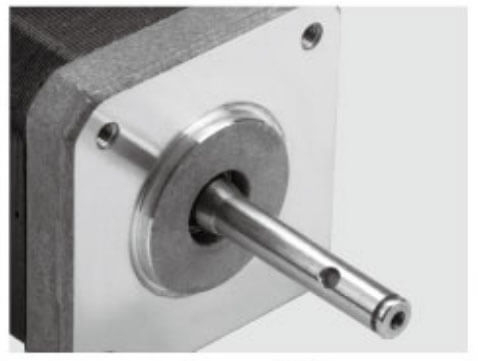
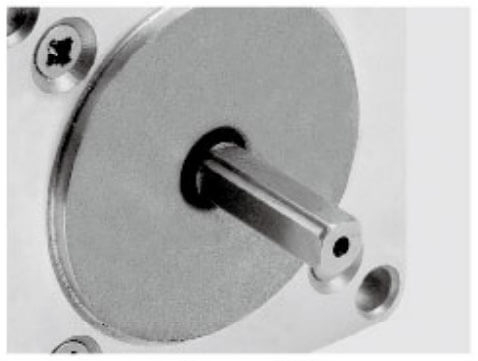
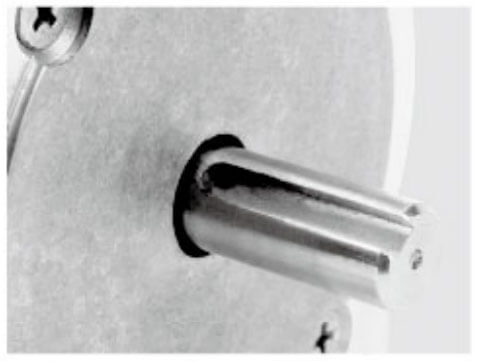
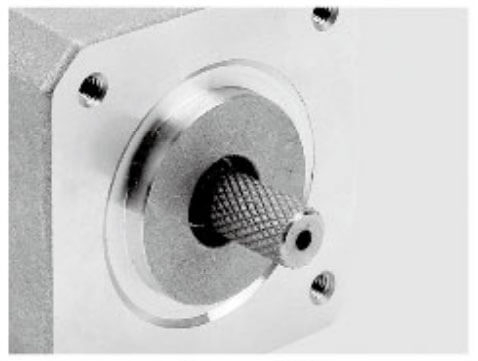
Motor Shaft Customized Service
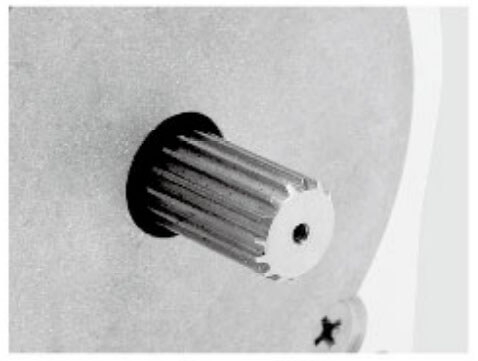
Jkongmotor offer many different shaft options for your motor as well as customizable shaft lengths to make the motor fit your application seamlessly.
Servo Motor (Electromagnetic Core)
At the heart of the system is the high-efficiency servo motor, typically designed with optimized electromagnetic structures to deliver high torque density and smooth rotational performance. Depending on application requirements, the motor may feature:
Permanent magnet synchronous motor (PMSM) design
Optimized stator windings for reduced losses
High-grade magnetic materials for stable torque output
Customization options include motor size, rated torque, speed range, and thermal class to match specific load and duty-cycle demands.
Integrated Servo Drive (Motor Controller)
The integrated servo drive is responsible for precise motion control by regulating current, voltage, and speed in real time. Embedded directly into the motor housing, it eliminates the need for external drives and significantly reduces wiring complexity.
Key functions include:
Closed-loop current, velocity, and position control
Advanced PWM and vector control algorithms
Overvoltage, overcurrent, and thermal protection
Customized firmware allows adaptation to different motion profiles, acceleration curves, and system-level control strategies.
High-Resolution Feedback System (Encoder or Resolver)
Accurate feedback is essential for servo performance. Integrated servo motors use high-resolution encoders or resolvers to provide continuous position and speed data to the control system.
Common feedback options include:
Optical incremental encoders
Absolute encoders (single-turn or multi-turn)
Magnetic encoders for harsh environments
Customization of resolution and feedback type ensures precise positioning, stable low-speed operation, and reliable motion control in diverse operating conditions.
Power Supply and Power Management Module
The power management module regulates incoming power and distributes it efficiently to both the motor and control electronics. Integrated designs often include:
Efficient power management improves overall system efficiency, reduces heat generation, and extends operational lifespan—especially critical in battery-powered and mobile applications.
Communication Interface Module
Modern automation systems require seamless connectivity. Integrated servo motors are equipped with industrial communication interfaces to enable real-time data exchange with controllers, PLCs, and networked systems.
Supported interfaces may include:
CANopen
EtherCAT
Modbus
RS485
Customization ensures compatibility with existing control architectures and supports synchronized multi-axis motion.
Thermal Management System
Effective thermal design is essential for maintaining performance and reliability under continuous or high-load operation. Integrated servo motors incorporate:
Optimized heat dissipation paths
High-conductivity housing materials
Intelligent temperature monitoring
Customized thermal solutions allow motors to operate reliably in confined spaces or elevated ambient temperatures without performance degradation.
Mechanical Structure and Housing
The motor housing provides mechanical stability, environmental protection, and efficient heat dissipation. Designed as a unified structure, it ensures precise alignment of internal components while protecting against external influences.
Customization options include:
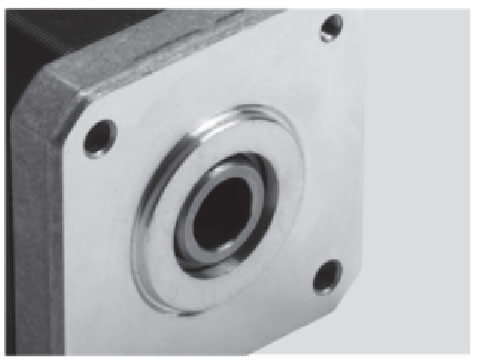
Shaft type and mounting configuration
Integrated gearbox or brake
IP-rated sealing for dust and moisture resistance
Robust mechanical design enhances durability and simplifies installation.
Embedded Safety and Protection Features
Integrated servo motors incorporate built-in safety mechanisms to protect both equipment and operators. These features typically include:
Overtemperature and overload protection
Short-circuit and fault detection
Safe torque off (STO) options
Customized safety functions ensure compliance with application-specific safety standards and operational requirements.
Embedded Diagnostics and Monitoring
Advanced integrated servo motors feature real-time diagnostics and condition monitoring, enabling predictive maintenance and system optimization. Embedded sensors and software provide data on:
Temperature and load conditions
Operating hours and duty cycles
Fault history and performance trends
This intelligence enhances system uptime and reduces unplanned downtime.
Customization as a System-Level Advantage
The true strength of customized integrated servo motors lies in how these core components are engineered as a unified system. By tailoring each element to the application, manufacturers achieve optimal performance, simplified system architecture, and long-term reliability.
Together, these core components form a compact, intelligent motion solution that meets the evolving demands of automation, robotics, and precision machinery.
Highlights the benefits and roles of customized integrated servo motors within mobile robotic applications.
We deliver integrated servo motors for mobile robot systems that redefine motion control by combining motor, driver, encoder, and control intelligence into a compact, high-performance unit. As mobile robots continue to transform logistics, manufacturing, healthcare, and service industries, the demand for compact, reliable, and intelligent motion solutions has never been higher. Our integrated servo motor solutions are engineered to meet these demands with exceptional accuracy, durability, and scalability.
Integrated servo motors play a foundational role in modern mobile robot architectures by delivering compact, intelligent, and high-precision motion control within a unified electromechanical system. As mobile robots evolve toward higher autonomy, efficiency, and reliability, integrated servo motors have become a critical enabler of advanced robot design and system-level optimization.
Enabling Compact and Modular Robot Design
Mobile robots are inherently space-constrained. Integrated servo motors combine the motor, drive, encoder, and control electronics into a single housing, allowing designers to significantly reduce the footprint of motion subsystems. This compact integration supports modular robot architectures where drive units, steering modules, and auxiliary actuators can be easily standardized and replicated across different robot models.
By minimizing external cabling and eliminating separate control cabinets, integrated servo motors enable cleaner layouts, improved electromagnetic compatibility, and faster mechanical integration.
Providing Precise Propulsion and Steering Control
Accurate motion is essential for mobile robot navigation. Integrated servo motors deliver closed-loop control of torque, speed, and position, ensuring smooth propulsion and precise steering across varying terrains and payloads. High-resolution feedback systems allow robots to maintain consistent velocity, execute accurate turns, and perform fine positioning tasks with minimal deviation.
This precision directly enhances navigation algorithms, including path tracking, docking, and obstacle avoidance, forming a reliable foundation for autonomous movement.
Supporting Autonomous Navigation and Localization Systems
Modern mobile robots rely on sophisticated localization technologies such as SLAM, odometry fusion, and sensor-based navigation. Integrated servo motors contribute high-fidelity motion data that improves the accuracy of wheel odometry and motion estimation. Stable low-speed performance and repeatable motion behavior reduce cumulative positioning errors over long operating cycles.
The result is improved localization reliability, especially in environments where visual or lidar references may be limited or temporarily unavailable.
Optimizing Energy Efficiency and Battery Utilization
Energy efficiency is a core architectural concern for mobile robots. Integrated servo motors are designed with high electrical efficiency and intelligent power management, reducing energy losses during acceleration, cruising, and braking. Regenerative capabilities allow kinetic energy to be recovered and reused, extending battery life and operational range.
By optimizing motor efficiency at the system level, integrated servo motors help mobile robots achieve longer runtimes without increasing battery size or weight.
Enhancing System Reliability and Uptime
Mobile robots often operate continuously in industrial and commercial environments. Integrated servo motors improve system reliability by reducing the number of discrete components, connectors, and wiring interfaces. Fewer interconnections translate into fewer potential failure points, higher vibration resistance, and improved long-term stability.
Embedded diagnostics and protection functions allow early detection of abnormal conditions, enabling proactive maintenance and minimizing unplanned downtime.
Simplifying Control Architecture and Communication
Integrated servo motors support direct communication with robot controllers through standard industrial protocols such as CANopen, EtherCAT, and RS485. This seamless connectivity simplifies the overall control architecture and enables synchronized multi-axis motion across multiple drive wheels or articulated modules.
Centralized control with distributed intelligence allows mobile robots to scale in complexity while maintaining predictable and deterministic motion behavior.
Adapting to Dynamic Loads and Operating Conditions
Mobile robots encounter frequent changes in load, speed, and direction. Integrated servo motors respond rapidly to these dynamic conditions through advanced control algorithms and real-time feedback. High peak torque capability ensures stable acceleration and deceleration, even under heavy payloads or incline operation.
This adaptability is essential for applications such as material handling, autonomous logistics, and outdoor delivery robots.
Supporting Safety and Human–Robot Interaction
In collaborative environments, safety is paramount. Integrated servo motors incorporate built-in safety and protection features, including overload detection, fault monitoring, and optional safe torque off functions. These capabilities allow mobile robots to react quickly to unexpected obstacles or human presence, supporting safer operation in shared workspaces.
Enabling Scalable and Customizable Robot Platforms
Integrated servo motors are highly adaptable to different mobile robot configurations. Customizable mechanical interfaces, communication options, and control parameters allow manufacturers to develop scalable robot platforms using standardized motion modules. This modularity accelerates product development and simplifies future upgrades.
A Core Building Block of Intelligent Mobile Robots
Within mobile robot architectures, integrated servo motors serve as a core building block that unifies motion, control, and intelligence. By enhancing precision, efficiency, reliability, and scalability, they enable mobile robots to operate autonomously and consistently in real-world environments.
As mobile robotics continues to advance, integrated servo motors will remain central to achieving higher performance, smarter navigation, and more resilient robotic systems.
Mobile robots demand compactness. Our integrated servo motors are designed with high power density to deliver maximum torque and speed in minimal space. This compact architecture allows robot manufacturers to:
Optimize chassis layouts
Reduce overall robot weight
Increase payload capacity
Improve maneuverability in confined environments
The elimination of external drives and bulky cabling not only saves space but also enhances electromagnetic compatibility and system cleanliness—critical factors in autonomous mobile robots (AMRs) and automated guided vehicles (AGVs).
High Torque Density for Dynamic and Variable Loads
Mobile robots frequently operate under variable load conditions, including acceleration, deceleration, climbing ramps, and carrying uneven payloads. Our integrated servo motors provide high continuous torque and peak torque capability, ensuring smooth motion even during sudden load changes.
Advanced magnetic design and optimized thermal paths allow sustained performance without derating. This ensures:
Stable navigation under heavy payloads
Precise control during start-stop cycles
Reduced mechanical stress on drivetrain components
Advanced Closed-Loop Control for Accurate Navigation in Mobile Robot Systems
Accurate navigation is the cornerstone of autonomous and mobile robotic systems. Advanced closed-loop control enables mobile robots to move with precision, stability, and repeatability, even in dynamic and unpredictable environments. By continuously monitoring motion feedback and instantly adjusting control outputs, integrated servo motor systems ensure reliable navigation performance across a wide range of operating conditions.
Fundamentals of Closed-Loop Motion Control
Closed-loop control operates on the principle of continuous feedback. Integrated sensors measure real-time motor parameters such as position, speed, and torque, which are compared against target values generated by the navigation and control system. Any deviation is immediately corrected by the servo controller, maintaining accurate and stable motion.
This continuous correction loop allows mobile robots to compensate for load variations, surface irregularities, and external disturbances without manual intervention.
High-Resolution Feedback for Precise Positioning
Advanced closed-loop systems rely on high-resolution encoders or resolvers to provide accurate motion feedback. These sensors deliver detailed position and speed data, enabling precise wheel control and repeatable trajectory execution.
High-resolution feedback minimizes cumulative error in wheel odometry, directly improving localization accuracy and supporting consistent navigation performance over extended operating cycles.
Stable Low-Speed Control for Fine Maneuvering
Many navigation tasks require mobile robots to operate at very low speeds, such as docking, alignment, or obstacle avoidance. Advanced closed-loop control ensures smooth and stable low-speed motion by eliminating torque ripple and speed fluctuations.
This stability is essential for precise positioning and safe interaction with surrounding equipment and personnel.
Dynamic Load Compensation
Mobile robots frequently experience changes in payload and operating conditions. Advanced closed-loop control systems dynamically adjust torque output in response to real-time load feedback. This ensures consistent acceleration, deceleration, and cruising performance regardless of weight changes or incline variations.
Dynamic load compensation enhances motion predictability and reduces mechanical stress on drivetrain components.
Trajectory Tracking and Path Accuracy
Accurate navigation depends on the ability to follow planned paths precisely. Closed-loop control algorithms enable high-fidelity trajectory tracking, ensuring that the robot adheres closely to its intended route.
Precise control of velocity and direction reduces path deviation, supports smoother turns, and improves overall navigation reliability, particularly in narrow or complex environments.
Integration with Localization and Navigation Systems
Advanced closed-loop motion control works in coordination with localization technologies such as SLAM and sensor fusion. High-quality motion feedback improves the accuracy of localization algorithms, while navigation systems provide refined motion commands to the servo controllers.
This tight integration creates a robust navigation framework capable of maintaining accuracy even when external sensor data is partially degraded.
Disturbance Rejection and Stability
Environmental disturbances such as uneven surfaces, wheel slippage, or minor collisions can disrupt robot motion. Advanced closed-loop control rapidly detects these disturbances and compensates for them in real time.
This disturbance rejection capability ensures stable navigation, reduces oscillations, and maintains consistent motion behavior under real-world conditions.
Synchronized Multi-Axis Control
Mobile robots often use multiple drive motors that must operate in precise coordination. Closed-loop control enables synchronized multi-axis motion, ensuring balanced wheel speeds and coordinated steering actions.
Synchronized control improves directional accuracy, reduces wheel wear, and enhances overall navigation stability.
Energy-Efficient Motion Optimization
Advanced closed-loop control contributes to energy efficiency by delivering only the torque required for the current task. Intelligent control algorithms minimize unnecessary power consumption during acceleration, cruising, and braking.
Optimized energy usage extends battery life and supports longer autonomous operation without compromising navigation accuracy.
Continuous Performance Monitoring and Adaptation
Integrated servo systems with advanced closed-loop control provide continuous monitoring of motion performance. Real-time data allows the system to adapt control parameters for the current task. Intelligent control algorithms minimize unnecessary power consumption during acceleration, cruising, and braking.
Optimized energy usage extends battery life and supports longer autonomous operation without compromising navigation accuracy.
Continuous Performance Monitoring and Adaptation
Integrated servo systems with advanced closed-loop control provide continuous monitoring of motion performance. Real-time data allows the system to adapt control parameters dynamically, maintaining optimal performance as operating conditions evolve.
This adaptability supports long-term accuracy, reliability, and consistency across the robot’s service life.
A Foundation for Reliable Autonomous Navigation
Advanced closed-loop control is a fundamental enabler of accurate navigation in mobile robots. By combining high-resolution feedback, dynamic compensation, and intelligent control algorithms, integrated servo motor systems deliver precise, stable, and energy-efficient motion.
This level of control ensures that mobile robots navigate confidently and reliably, forming a strong foundation for autonomous operation in complex and demanding environments.
Energy Efficiency and Extended Battery Life for Mobile Robot Systems
Battery efficiency is a critical success factor for mobile robots. Our integrated servo motor systems are engineered for high electrical efficiency, minimizing energy losses during operation. Intelligent power management and regenerative braking capabilities allow mobile robots to:
Extend operating time per charge
Reduce battery size requirements
Lower total energy consumption
Support sustainable, low-carbon operation
By optimizing every watt consumed, we help manufacturers deliver mobile robots with longer runtime and lower operating costs.
Ruggedized Designs for Industrial and Outdoor Mobile Robot Environments
Mobile robots operate in demanding environments, from factory floors to warehouses and outdoor logistics hubs. Our integrated servo motors are built with industrial-grade materials and sealing options to withstand:
Dust and debris
Vibration and shock
Temperature fluctuations
Humidity and moisture
Optional IP-rated enclosures ensure consistent performance in harsh conditions, making our solutions ideal for both indoor and outdoor mobile robot applications.
Modern mobile robots rely on real-time communication between subsystems. Our integrated servo motors support multiple industrial communication protocols, enabling seamless integration with robot controllers and fleet management systems. Supported interfaces include:
CANopen
EtherCAT
Modbus
RS485
This compatibility simplifies system architecture and enables precise synchronization across multiple axes, enhancing coordinated motion and multi-wheel drive systems.
Reduced Installation and Maintenance Costs in Mobile Robot Systems
By consolidating multiple components into a single unit, our integrated servo motors significantly reduce system complexity. Benefits include:
Fewer external components mean fewer failure points, resulting in improved uptime and lower total cost of ownership for mobile robot operators.
Customization Options for OEM ODM Integrated Servo Motors in Diverse Mobile Robot Applications
Mobile robots operate across a wide spectrum of industries, environments, and functional requirements. No single motion solution can meet all demands without adaptation. Customization of integrated servo motor systems enables mobile robot manufacturers to optimize performance, reliability, and efficiency for each specific application while maintaining a scalable and modular platform architecture.
Application-Specific Motion Requirements
Different mobile robot applications impose distinct motion challenges. Payload capacity, operating speed, duty cycle, terrain conditions, and precision requirements vary significantly between logistics robots requirements vary significantly between logistics robots, service robots, industrial AGVs, and outdoor autonomous platforms. Customized integrated servo motors allow precise alignment of motor characteristics with real-world operational demands.
By tailoring torque curves, speed ranges, and acceleration profiles, motion systems can be optimized for smooth navigation, rapid response, or heavy-load handling as required.
Customized Torque and Speed Profiles
One of the most critical customization parameters is the torque-speed characteristic of the servo motor. Mobile robots may require high starting torque for load initiation, stable low-speed control for precise maneuvering, or high-speed operation for long-distance travel.
Through electromagnetic design optimization and control algorithm tuning, integrated servo motors can be customized to deliver:
High peak torque for incline climbing and heavy payloads
Stable low-speed torque for precise positioning
Efficient cruising performance for energy conservation
This ensures consistent motion performance across diverse operating scenarios.
Mechanical Customization for Robot Integration
Mechanical integration plays a key role in overall robot performance. Customized integrated servo motors can be adapted to fit different robot architectures through:
Shaft configurations and mounting interfaces
Integrated gearboxes for torque multiplication
Electromagnetic or mechanical braking options
These mechanical customizations simplify installation, improve drivetrain efficiency, and support compact robot designs without compromising strength or durability.
Voltage and Power Customization
Mobile robots operate on varying power architectures, particularly in battery-driven systems. Integrated servo motors can be customized to support different voltage levels and power ratings, ensuring compatibility with existing battery packs and power management systems.
This flexibility enables optimized energy usage, reduced power conversion losses, and improved system stability across diverse mobile platforms.
Feedback and Control Customization
Accurate feedback is essential for autonomous navigation and motion control. Integrated servo motors can be customized with different encoder or resolver options to meet application-specific accuracy and environmental requirements.
High-resolution absolute encoders support precise localization, while magnetic encoders offer robustness in dusty or vibration-prone environments. Control firmware can also be tailored to match specific motion profiles and navigation algorithms.
Communication Protocol Adaptation
Seamless integration with robot control systems is critical. Customized integrated servo motors support a range of industrial communication protocols, allowing direct compatibility with existing controllers and fleet management systems.
Protocol customization ensures deterministic communication, synchronized multi-axis control, and reliable data exchange across the robot architecture.
Environmental Protection and Durability Customization
Mobile robots often operate in harsh or unpredictable environments. Customization options for integrated servo motors include enhanced sealing, corrosion-resistant materials, and extended temperature tolerance.
These adaptations ensure reliable operation in environments such as warehouses, outdoor logistics hubs, healthcare facilities, and industrial plants, regardless of dust, moisture, or temperature fluctuations.
Safety and Compliance Customization
Safety requirements vary by application and region. Integrated servo motors can be customized with application-specific safety features such as torque limits, fault response strategies, and optional safe torque off functionality.
Customized safety configurations support compliance with industry standards while maintaining smooth and responsive robot motion.
Diagnostics and Intelligent Monitoring
Advanced mobile robots benefit from real-time system visibility. Integrated servo motors can be customized with embedded diagnostics and monitoring capabilities, providing data on temperature, load, and operating status.
This intelligence supports predictive maintenance, system optimization, and long-term reliability across diverse robot deployments.
Scalable Customization for Platform Development
Customization does not imply complexity. Well-designed integrated servo motor solutions allow manufacturers to standardize core components while customizing critical parameters. This approach supports scalable product families, faster development cycles, and simplified maintenance.
By balancing standardization with application-specific customization, mobile robot developers achieve both flexibility and efficiency.
Enabling Performance Differentiation Through Customization
Customization of integrated servo motors empowers mobile robot manufacturers to differentiate their platforms in performance, efficiency, and reliability. By aligning motion solutions precisely with application needs, mobile robots achieve smoother navigation, longer operational life, and higher system value.
In an increasingly competitive robotics landscape, customized motion solutions are a decisive factor in delivering intelligent, adaptable, and future-ready mobile robots.
Integrated servo motors are a core enabling technology in modern mobile robotics, delivering compact structure, precise motion control, and intelligent integration. Their ability to combine motor, drive, encoder, and control functions into a single unit makes them ideal for a wide range of mobile robot applications where accuracy, efficiency, and reliability are essential.
Autonomous Mobile Robots (AMRs) in Warehousing and Logistics
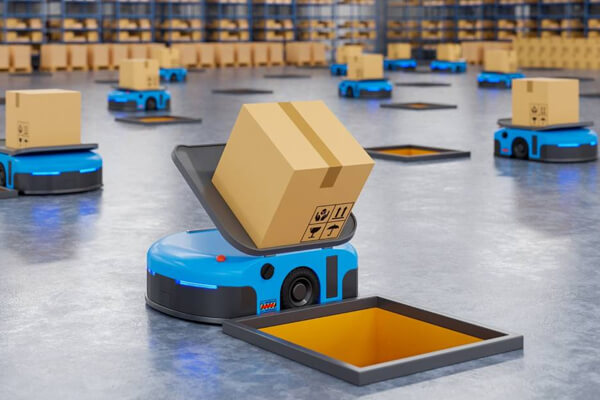
In warehouse and logistics environments, autonomous mobile robots (AMRs) depend on integrated servo motors for smooth and accurate movement across dynamic layouts. These motors provide precise speed and torque control for driving wheels, enabling AMRs to:
Navigate narrow aisles with high positional accuracy
Perform frequent start-stop operations without jerks
Adapt instantly to changing payload weights
Integrated servo motors also enhance energy efficiency, allowing AMRs to operate longer between charging cycles while maintaining consistent performance.
Automated Guided Vehicles (AGVs) for Material Handling
AGVs require stable, repeatable motion to transport heavy loads along predefined paths. Integrated servo motors support this by delivering high torque density and reliable closed-loop control. Their compact design simplifies installation in drive and steering modules, while robust protection features ensure continuous operation in industrial environments.
The result is predictable motion, reduced maintenance, and improved system uptime in high-throughput facilities.
Service Robots in Healthcare and Hospitality
In healthcare and hospitality settings, service robots must move quietly, smoothly, and safely around people. Integrated servo motors offer low-no people. Integrated servo motors offer low-noise operation and precise control, making them ideal for tasks such as:
Their integrated safety and diagnostic functions support reliable operation in human-centered environments where consistency and smooth motion are critical.
Mobile Robots for Manufacturing and Production Lines
Manufacturing environments increasingly rely on mobile robots for material transport and flexible automation. Integrated servo motors enable precise positioning when robots dock at workstations or interact with automated equipment. High responsiveness and repeatability ensure seamless integration with production workflows.
This precision supports just-in-time manufacturing, reduces bottlenecks, and enhances overall factory efficiency.
Inspection and Surveillance Mobile Robots
Inspection and surveillance robots operate in complex and often hazardous environments such as power plants, tunnels, and large infrastructure facilities. Integrated servo motors provide stable motion control under varying terrain conditions, ensuring reliable navigation and positioning for sensors and cameras.
Their rugged design and environmental resistance support long-term operation in demanding conditions with minimal maintenance.
Outdoor Delivery and Logistics Robots
Last-mile delivery robots operate outdoors, facing uneven surfaces, slopes, and changing weather conditions. Integrated servo motors deliver the torque and control accuracy required to maintain stable motion under these challenges. High-efficiency power management extends battery life, enabling longer delivery routes and improved service reliability.
Sealed housings and thermal management features ensure consistent performance in outdoor environments.
Mobile Robots for Retail and Commercial Spaces
Retail and commercial robots assist with inventory monitoring, customer interaction, and promotional activities. Integrated servo motors enable precise navigation in crowded spaces, allowing robots to move smoothly around customers and displays without abrupt motion.
Their compact integration supports sleek robot designs that blend seamlessly into customer-facing environments.
Collaborative Mobile Robots in Shared Workspaces
In shared human–robot environments, collaborative mobile robots rely on integrated servo motors for safe and responsive motion. Fast feedback and adaptive control allow robots to adjust speed and torque instantly in response to obstacles or human presence.
This responsiveness enhances safety while maintaining operational efficiency in mixed-use spaces.
Research, Education, and Development Platforms
Integrated servo motors are widely used in research and educational mobile robot platforms due to their ease of integration and configurability. Engineers and researchers benefit from simplified wiring, flexible communication interfaces, and precise control, allowing rapid prototyping and experimentation.
These platforms support innovation in autonomous navigation, AI-based control, and multi-robot coordination.
Multi-Wheel Drive and Omnidirectional Robots
Mobile robots with differential drive, mecanum wheels, or omnidirectional configurations require synchronized multi-axis control. Integrated servo motors provide deterministic communication and consistent performance across multiple wheels, enabling smooth omnidirectional movement and precise trajectory execution.
This capability is essential for advanced mobile robots operating in tight or complex environments.
Enabling Intelligent and Scalable Mobile Robot Solutions
Across all these applications, integrated servo motors serve as a unifying motion solution that enhances performance, reliability, and scalability. Their ability to support customization, advanced control, and intelligent diagnostics makes them indispensable in the rapidly expanding mobile robotics market.
As mobile robot applications continue to diversify, integrated servo motors remain a key technology driving precision, autonomy, and operational excellence.
Supporting Intelligent and Scalable Robot Fleets
As mobile robot fleets scale, consistency and reliability become critical. Our integrated servo motors are designed for long lifecycle stability, ensuring consistent performance across large production volumes. This supports:
Predictable fleet behavior
Simplified spare parts management
Scalable production planning
Reduced long-term operational risk
Future-Ready Motion Solutions for Autonomous Mobility
Autonomous mobility is entering a phase defined by intelligence, adaptability, and efficiency. Motion systems are no longer isolated mechanical elements; they are becoming data-driven, networked, and self-optimizing components of autonomous platforms. Future-ready motion solutions—led by advanced integrated servo motor technologies—are shaping how autonomous systems move, perceive, and interact with their environments.
Intelligent Motion as a Core Autonomous Capability
In autonomous mobility, motion is inseparable from perception and decision-making. Future-ready motion solutions integrate motor control, sensing, and embedded intelligence into a unified architecture. Integrated servo motors provide real-time feedback on torque, speed, position, and thermal conditions, enabling autonomous systems to make precise, context-aware motion decisions.
This intelligence allows autonomous platforms to adapt instantly to environmental changes, payload variations, and dynamic routes without compromising stability or accuracy.
High-Precision Control for Advanced Autonomy
As autonomy levels increase, motion accuracy becomes mission-critical. Future-ready motion solutions deliver ultra-precise closed-loop control that supports fine positioning, smooth trajectory execution, and stable low-speed operation. High-resolution encoders and advanced control algorithms ensure repeatable motion, which is essential for:
Accurate navigation and docking
Sensor alignment and calibration
Coordinated multi-axis movement
Precision motion directly enhances the performance of autonomous navigation, localization, and AI-driven path planning systems.
Energy-Optimized Motion for Extended Operation
Autonomous mobility platforms rely heavily on battery power. Future-ready motion solutions prioritize energy efficiency at the system level, reducing losses and maximizing usable energy. Integrated servo motors with intelligent power management enable:
High efficiency across wide speed ranges
Regenerative braking and energy recovery
Optimized torque output for real-world duty cycles
These capabilities extend operational runtime, reduce charging frequency, and support sustainable autonomous operation.
Scalable and Modular Motion Architectures
Future autonomous systems must scale rapidly across multiple platforms and use cases. Motion solutions designed with modularity and standardization allow manufacturers to deploy consistent drive units across different autonomous vehicles and robots. Integrated servo motors support modular architectures by combining multiple functions into a single, standardized form factor.
This scalability simplifies system integration, accelerates development cycles, and reduces long-term maintenance complexity.
Seamless Integration with AI and Control Systems
Autonomous mobility depends on tight integration between motion hardware and AI-driven control software. Future-ready motion solutions support real-time communication and deterministic networking, enabling synchronized operation with central controllers and edge AI systems.
Standard industrial communication protocols ensure reliable data exchange, while embedded diagnostics provide actionable insights that can be leveraged by higher-level autonomy software.
Enhanced Safety and Functional Reliability
Safety is fundamental to autonomous mobility, especially in human-shared environments. Future-ready motion solutions incorporate embedded safety functions such as fault detection, torque limitation, and safe torque off capabilities. These features allow autonomous systems to respond instantly to unexpected conditions and maintain safe operation.
Redundant monitoring and predictive diagnostics further enhance functional safety and system reliability over long service lifetimes.
Ruggedized Performance for Real-World Environments
Autonomous platforms operate beyond controlled factory floors. Future-ready motion solutions are engineered for robust performance in real-world environments, including temperature extremes, vibration, dust, and moisture. Integrated servo motors with optimized thermal management and sealed housings ensure consistent operation under continuous and demanding conditions.
This ruggedization expands autonomous mobility into outdoor logistics, infrastructure inspection, and public-space applications.
Data-Driven Maintenance and Lifecycle Optimization
Motion systems are becoming key sources of operational data. Future-ready motion solutions enable condition monitoring and predictive maintenance by continuously collecting performance data. This allows autonomous systems to anticipate wear, schedule maintenance proactively, and avoid unexpected failures.
Data-driven insights reduce downtime, lower total cost of ownership, and support long-term fleet reliability.
Supporting Multi-Robot and Fleet-Level Autonomy
Autonomous mobility increasingly involves coordinated fleets rather than isolated units. Future-ready motion solutions ensure consistent performance and synchronized behavior across multiple robots or vehicles. Integrated servo motors provide predictable motion characteristics, enabling reliable fleet coordination, load balancing, and task distribution.
This consistency is essential for large-scale autonomous deployments in logistics, manufacturing, and smart infrastructure.
Driving the Next Generation of Autonomous Mobility
Future-ready motion solutions are not just about movement—they are about enabling intelligence, adaptability, and resilience. By combining precision control, energy efficiency, embedded intelligence, and robust design, integrated servo motor-based motion systems form the backbone of next-generation autonomous mobility.
As autonomy continues to evolve, motion solutions that are intelligent, scalable, and data-driven will define the performance and success of autonomous platforms across industries.
Why We Are the Preferred Partner for Integrated Servo Motors
We combine engineering expertise, advanced manufacturing, and customization capability to deliver integrated servo motor solutions that meet the highest standards of performance and reliability. Our commitment to quality, flexibility, and long-term partnership ensures that mobile robot manufacturers can innovate with confidence.
From concept to mass production, we provide motion solutions that power the next generation of intelligent mobile robots.