Integrated Servo Motor Types for Humanoid Robots Systems
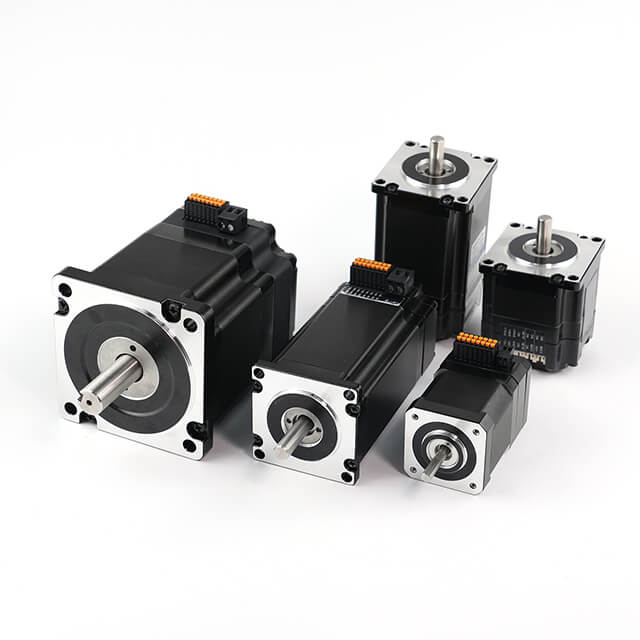
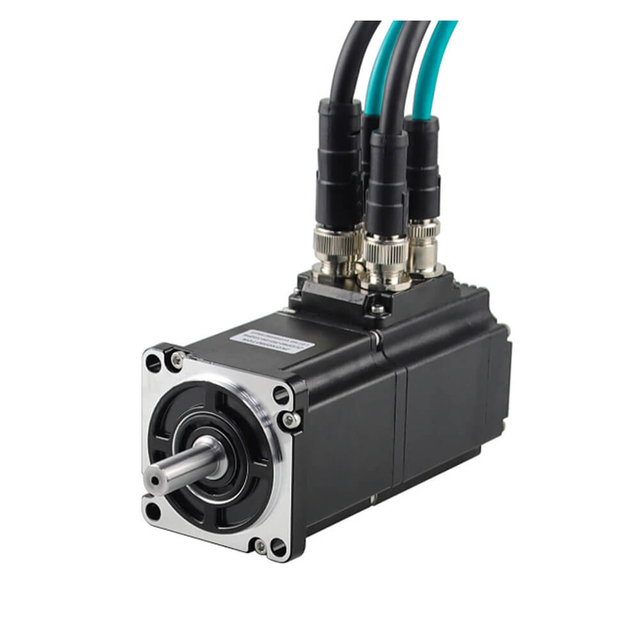
Integrated servo motors are designed to combine the motor, drive, encoder, and control electronics into a single compact unit. Depending on application requirements, load characteristics, control precision, and operating environment, integrated servo motors can be classified into several key types.
Jkongmotor's Integrated Servo Motor Types
OEM ODM Motor Customized Service
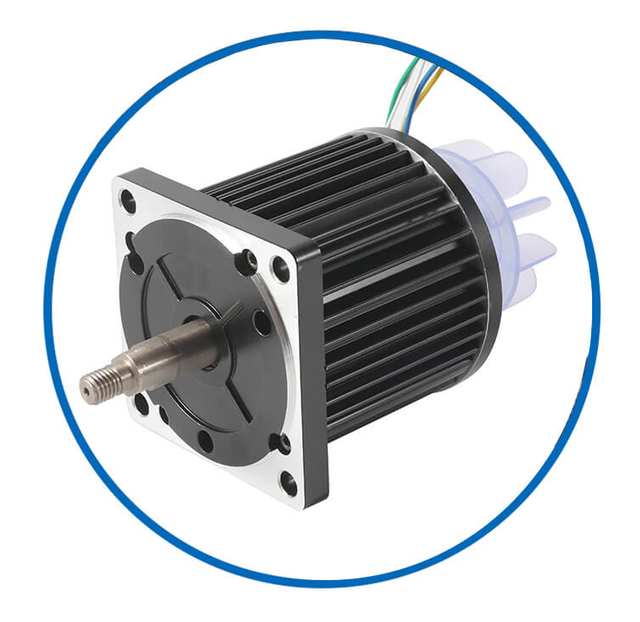
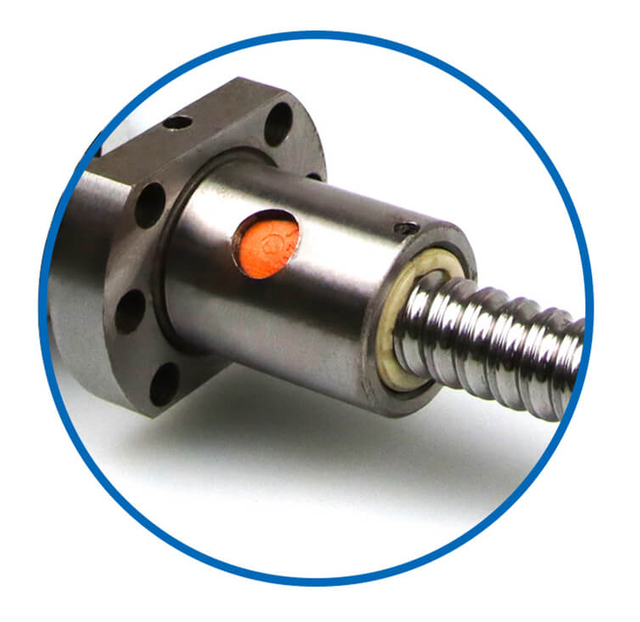
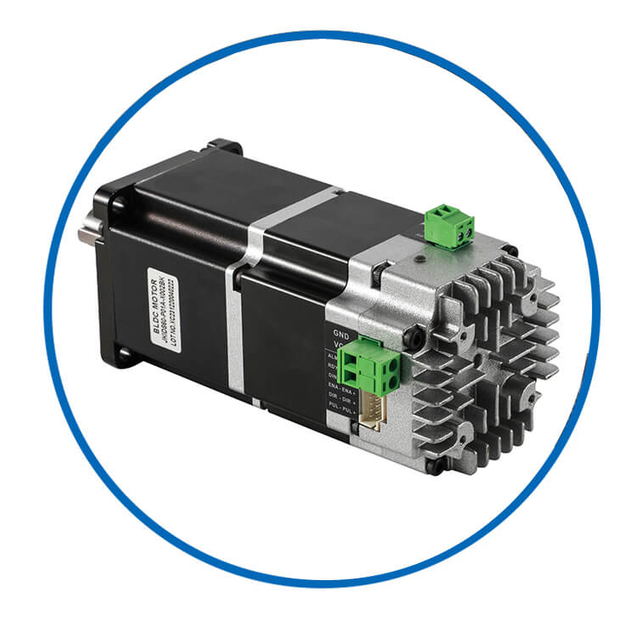
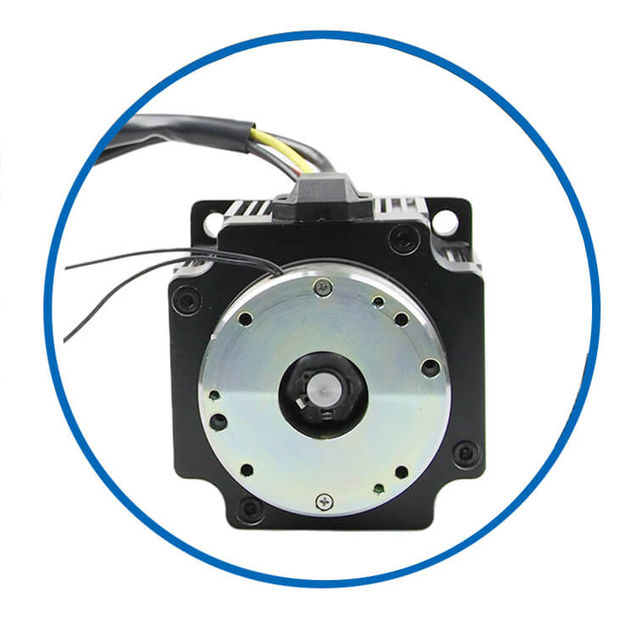
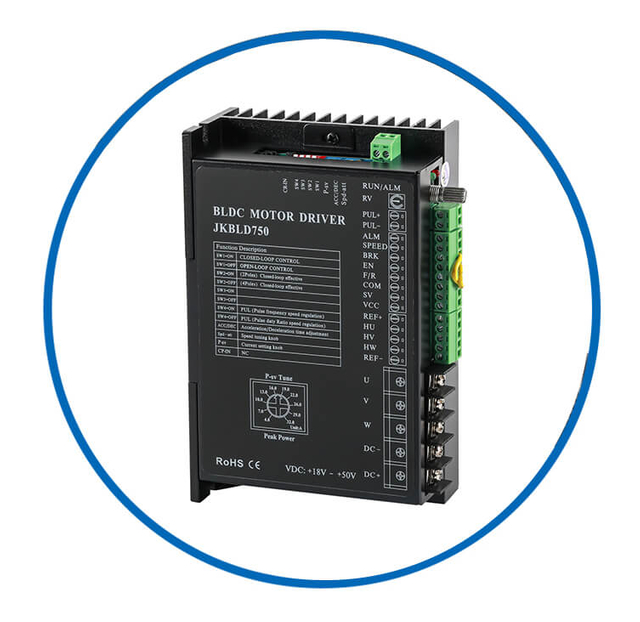
As a professional brushless dc motor manufacturer with 13 years in china, Jkongmotor offer various bldc motors with customized requirements, including 33 42 57 60 80 86 110 130mm, additionally, gearboxes, brakes, encoders, brushless motor drivers and integrated drivers are optional.
![bldc motor supplier]() | ![bldc motor supplier]() | ![bldc motor supplier]() | ![bldc motor supplier]() | ![bldc motor supplier]() | Professional custom brushless motor services safeguard your projects or equipment. No Brushes – Reduced Maintenance and Increased Lifespan High Efficiency and Low Power Loss High Torque-to-Weight Ratio Precise Speed and Position Control Quiet and Smooth Operation Wide Speed Range and Dynamic Performance Excellent Thermal Management Customizable Designs and Modular Configurations Multiple Control Methods Integration with Digital Interfaces and Sensors |
| Wires | Covers | Fans | Shafts | Integrated Drivers |
![bldc motor supplier]() | ![bldc motor supplier]() | ![bldc motor supplier]() | ![bldc motor supplier]() | ![bldc motor supplier]() |
| Brakes | Gearboxes | Out Rotors | Coreless Dc | Drivers |
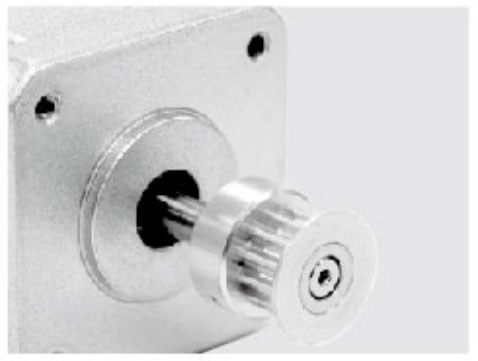
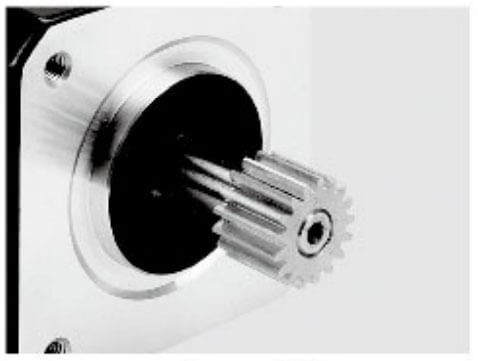
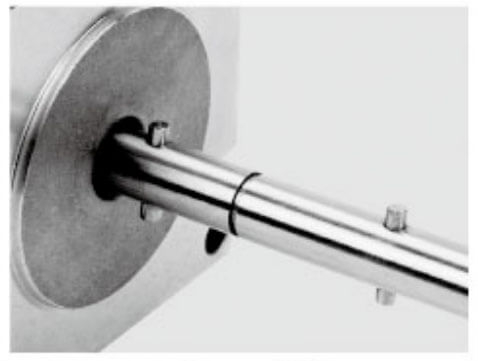
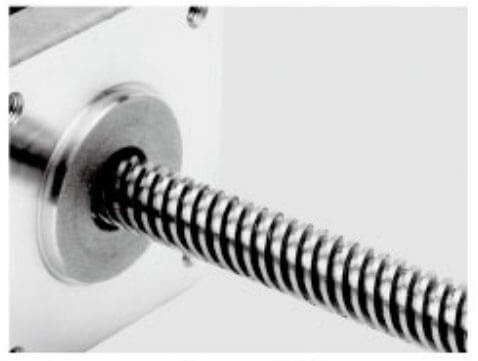
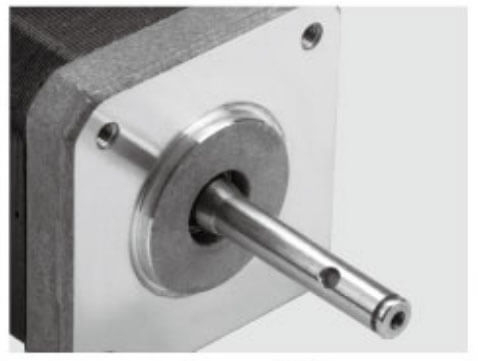
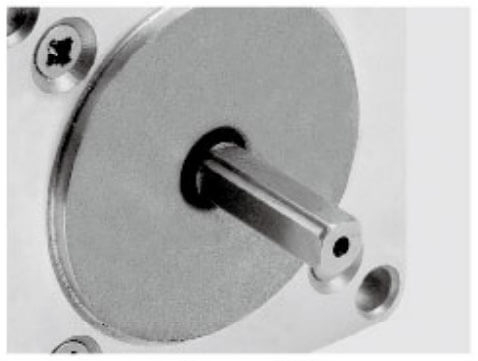
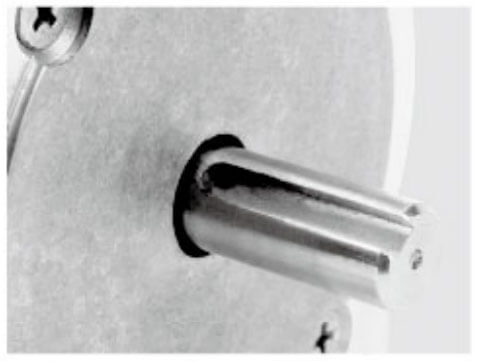
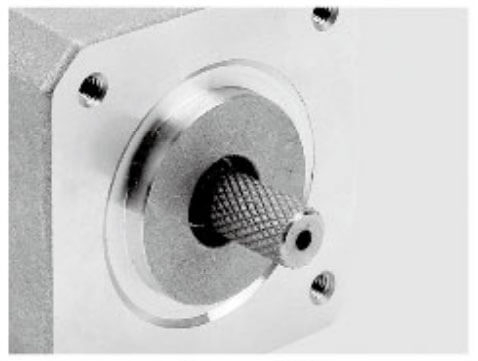
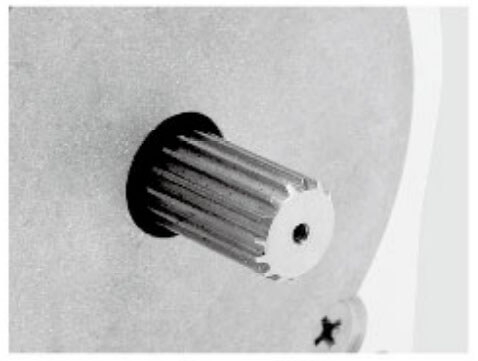
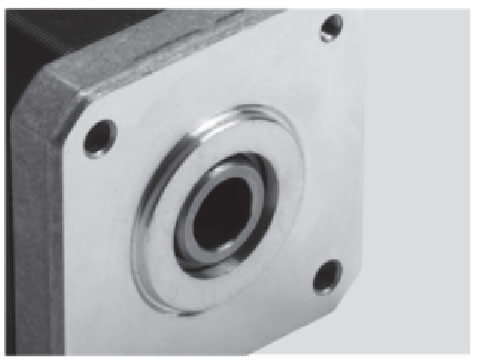
Motor Shaft Customized Service
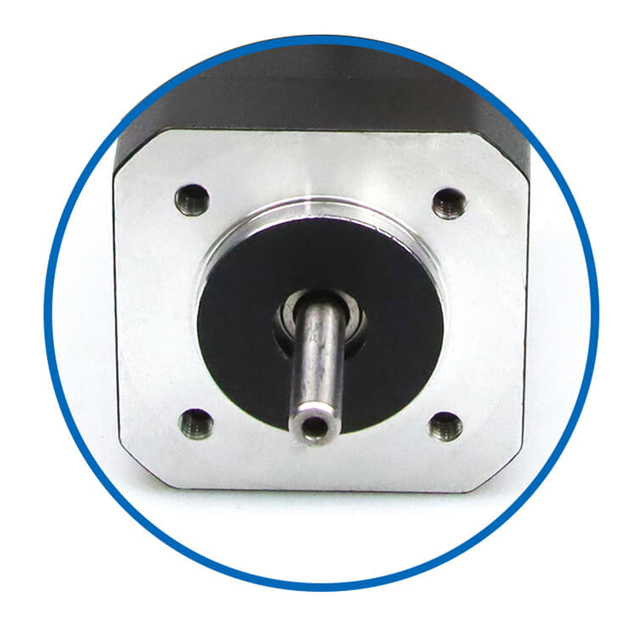
Jkongmotor offer many different shaft options for your motor as well as customizable shaft lengths to make the motor fit your application seamlessly.
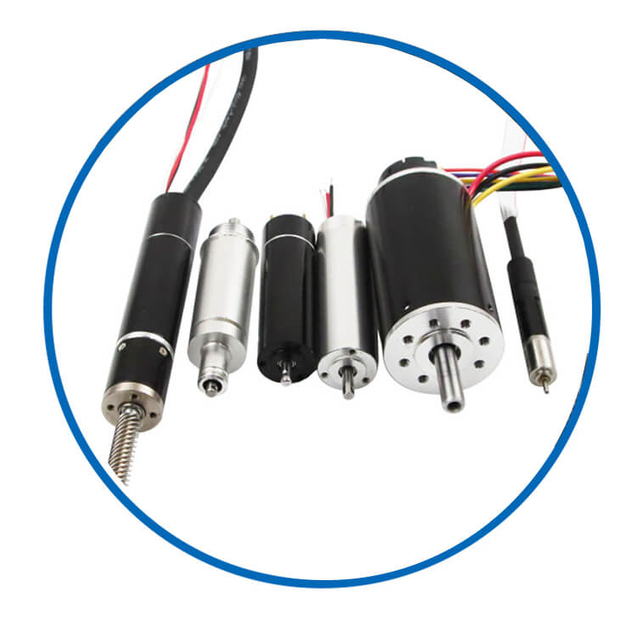
Integrated DC servo motors use brushed or brushless DC technology and are widely applied where smooth speed control and fast dynamic response are required. By integrating the servo drive and feedback system, these motors deliver precise position and velocity control with simplified wiring. They are commonly used in medical devices, laboratory automation, AGVs, and compact robotic joints, where efficiency and responsiveness are critical.
Integrated Brushless Servo Motors (BLDC) for Humanoid Robots Systems
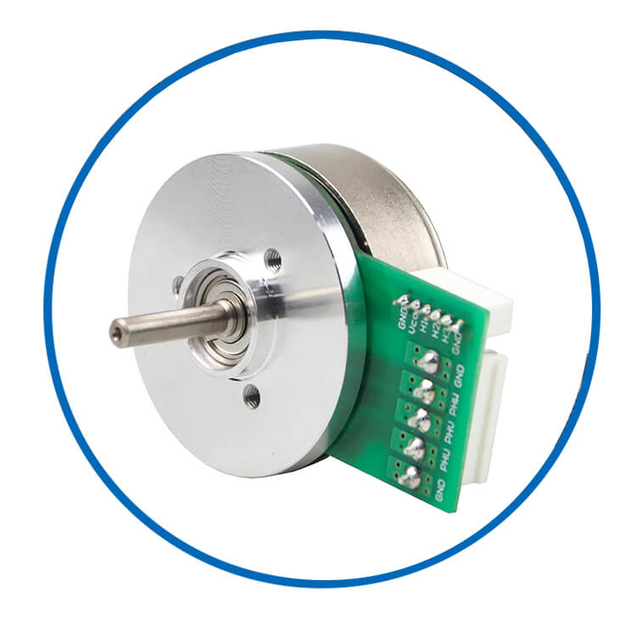
Integrated BLDC servo motors combine a brushless motor with an integrated drive and encoder, offering high efficiency, long service life, and low maintenance. The absence of brushes reduces wear and electrical noise, making them ideal for 24/7 industrial automation, mobile robots, collaborative robots, and humanoid robotics. Their high torque density and smooth control enable precise motion in compact spaces.
Integrated AC Servo Motors for Humanoid Robots Systems
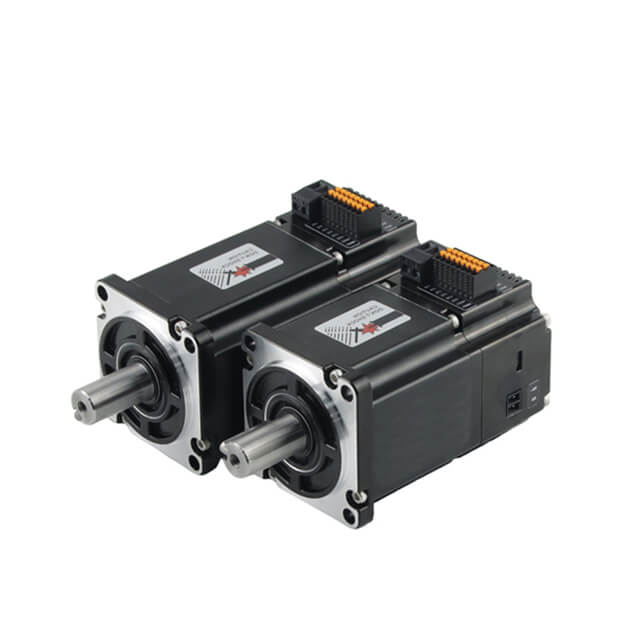
Integrated AC servo motors are designed for higher power and torque applications. They are widely used in CNC machinery, packaging equipment, automated production lines, and material handling systems. By integrating the servo amplifier into the motor housing, installation time is reduced while maintaining high positioning accuracy, stable torque output, and excellent overload capability.
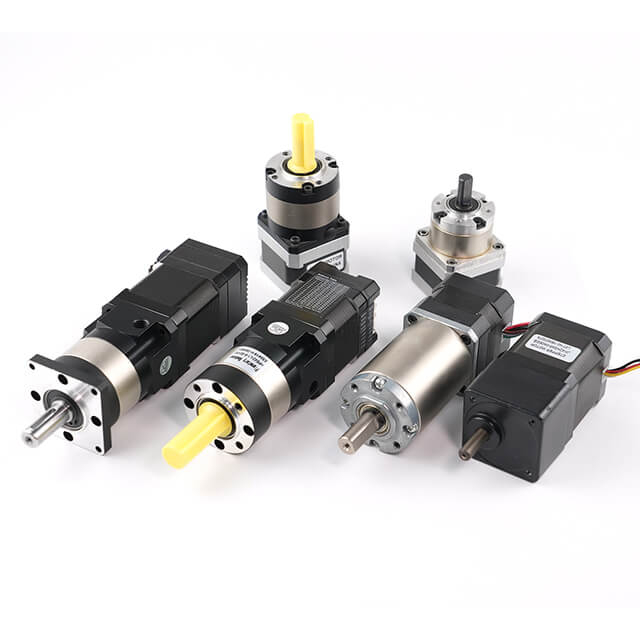
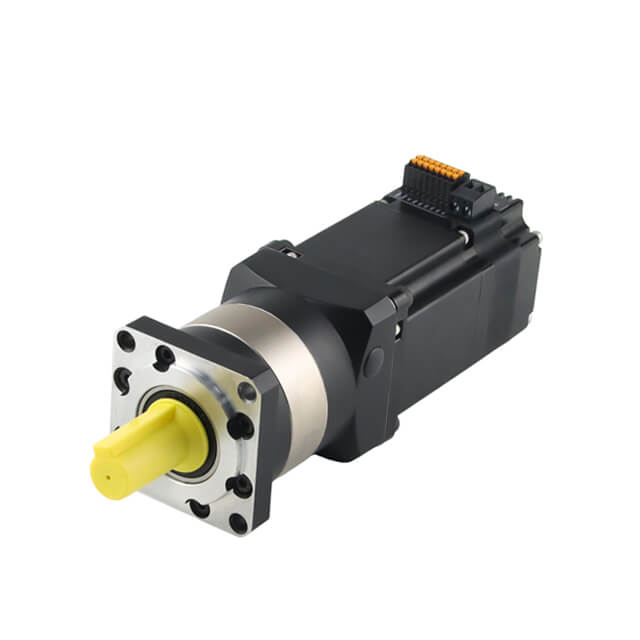
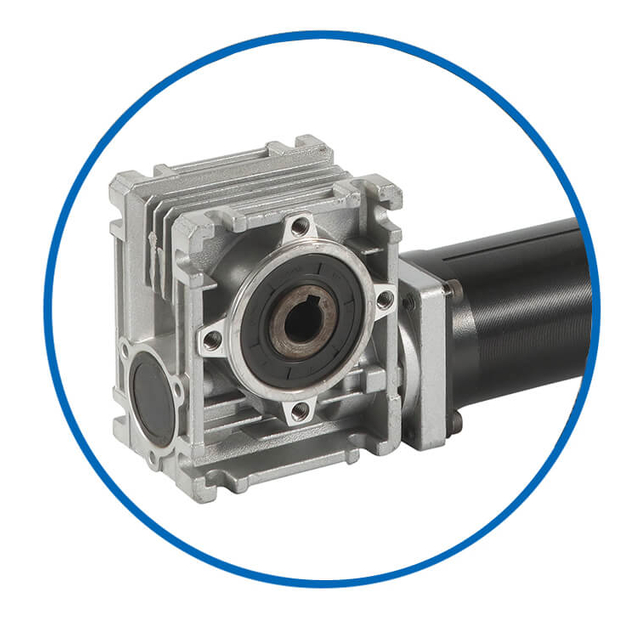
Integrated servo motors with planetary, harmonic, or cycloidal gearboxes are optimized for applications requiring high torque at low speed. The gearbox is precisely matched to the motor and drive, ensuring maximum efficiency and minimal backlash. These motors are commonly used in robot joints, lifting systems, inspection robots, and articulated arms, where compact size and high torque are essential.
Integrated Linear Servo Motors for Humanoid Robots Systems
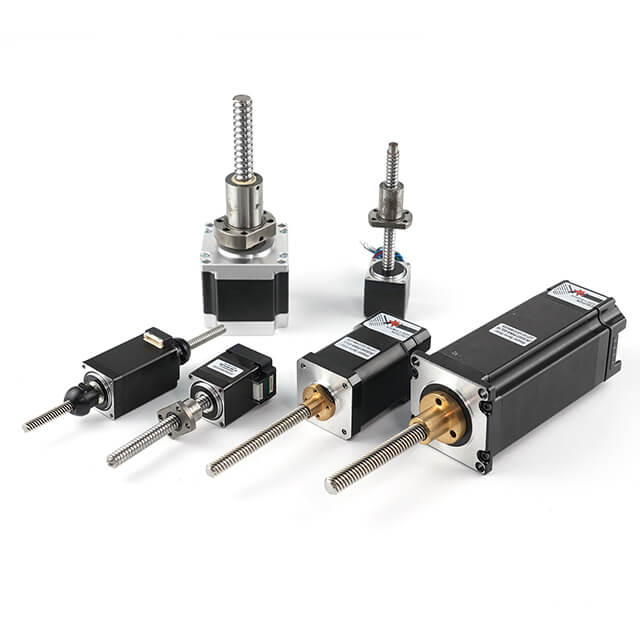
Integrated linear servo motors convert electrical energy directly into linear motion without mechanical transmission components. With integrated drives and feedback systems, they provide high-speed, high-precision linear positioning. These motors are widely used in semiconductor equipment, precision assembly, medical imaging systems, and automated inspection machines.
Integrated servo motors equipped with absolute encoders retain position information even after power loss. This eliminates homing procedures and improves system reliability. They are ideal for robotics, automated guided vehicles, elevators, and smart factory equipment, where immediate restart and precise positioning are required.
Integrated Servo Motors with Safety Features for Humanoid Robots Systems
Integrated servo motors with built-in safety features such as Safe Torque Off (STO) and fault monitoring are designed for applications involving human interaction. These motors support compliance with international safety standards and are widely applied in collaborative robots, medical robotics, and service robots, ensuring both operational efficiency and personnel safety.
OEM and ODM integrated servo motors are fully customizable to meet specific mechanical, electrical, and software requirements. Options include custom torque curves, communication protocols, housing designs, and firmware. These motors are widely adopted in specialized automation equipment, humanoid robots, and emerging smart devices, enabling manufacturers to achieve differentiation and faster time-to-market.
By selecting the appropriate integrated servo motor type, manufacturers can optimize performance, reduce system complexity, and improve reliability across a wide range of automation and robotic applications.
Redefining Motion Control in Humanoid Robots Systems
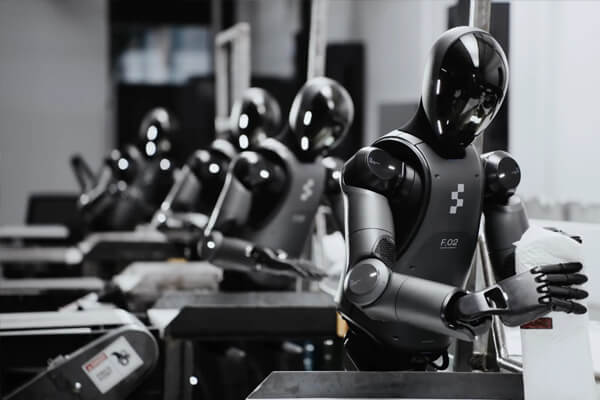
Integrated servo motors have become the cornerstone of next-generation humanoid robot systems, delivering unmatched precision, responsiveness, and system-level efficiency. As humanoid robots evolve toward higher degrees of freedom, human-like dexterity, and autonomous interaction, the demand for compact, intelligent, and high-performance actuation solutions has never been greater. We present a comprehensive exploration of how integrated servo motors enable scalable, reliable, and future-ready humanoid robot architectures.
Integrated servo motors have become a fundamental building block in modern humanoid robot systems. Their ability to combine multiple motion control components into a single, intelligent unit directly supports the complex mechanical and control demands of humanoid robotics. Several key factors explain why integrated servo motors are essential for achieving human-like movement, reliability, and scalability.
Compact Integration for High-Density Joint Design in Humanoid Robots Systems
Humanoid robots require a large number of joints within a limited physical envelope. Integrated servo motors combine the motor, drive, encoder, and control electronics into one compact housing, significantly reducing space requirements. This compact integration allows designers to place actuators directly at each joint, enabling slimmer limb structures, better weight distribution, and more realistic human proportions.
High Torque Density for Human-Like Motion in Humanoid Robots Systems
Human movements rely on strong yet smooth torque output across a wide speed range. Integrated servo motors are engineered for high torque density, delivering powerful performance from a small form factor. This capability is critical for joints such as hips, knees, shoulders, and elbows, where both continuous torque and peak load handling are required to support walking, lifting, and dynamic balance.
Precise Closed-Loop Control for Humanoid Robots Systems
Humanoid robots depend on precise coordination between multiple joints. Integrated servo motors operate with full closed-loop control over position, velocity, and torque, using high-resolution encoders embedded within the motor. This precision enables smooth trajectories, accurate positioning, and consistent force control, which are essential for natural motion, manipulation tasks, and stable locomotion.
Reduced System Complexity and Wiring in Humanoid Robots Systems
Traditional servo systems require external drives, control cabinets, and extensive cabling. Integrated servo motors eliminate much of this complexity by embedding the drive electronics directly into the motor. This results in simpler system architecture, faster assembly, fewer connection points, and improved reliability, all of which are crucial for complex humanoid platforms with many degrees of freedom.
Fast Dynamic Response for Humanoid Robots Systems
Maintaining balance and reacting to external forces are constant challenges for humanoid robots. Integrated servo motors offer high control bandwidth and rapid response times, allowing the robot to adjust joint torque instantly in response to sensor feedback. This responsiveness is essential for dynamic walking, disturbance rejection, and safe interaction with humans.
Energy Efficiency for Humanoid Robots Systems
Most humanoid robots are battery-powered, making energy efficiency a top priority. Integrated servo motors are optimized for high efficiency, minimizing electrical losses and heat generation. Efficient power usage extends operational time, reduces thermal stress, and supports longer autonomous missions without compromising performance.
Enhanced Safety for Human–Robot Collaboration
Humanoid robots often operate in close proximity to people. Integrated servo motors support advanced safety functions such as torque limiting, fault detection, and optional Safe Torque Off (STO). These features enable compliant motion and rapid shutdown in abnormal conditions, supporting safer human–robot interaction in service, healthcare, and public environments.
Each humanoid robot design has unique requirements for joint size, torque, speed, and control behavior. Integrated servo motors are highly customizable, allowing tailored solutions for different joints while maintaining a unified control architecture. This scalability simplifies development, accelerates iteration, and supports both research prototypes and commercial humanoid robots.
Reliability for Continuous Autonomous Operation in Humanoid Robots Systems
Humanoid robots are expected to perform repetitive and long-duration tasks. Integrated servo motors are built with durable components, advanced thermal management, and embedded diagnostics to ensure long service life and stable performance. This reliability reduces maintenance needs and improves system uptime in real-world deployments.
Foundation for Intelligent and Adaptive Motion
As humanoid robots evolve toward higher levels of autonomy, integrated servo motors provide the foundation for advanced control strategies. Their built-in intelligence and feedback capabilities support adaptive control, learning-based motion optimization, and seamless integration with AI-driven perception and planning systems.
By delivering compact integration, precise control, high efficiency, and system-level simplicity, integrated servo motors enable humanoid robots to move, balance, and interact in ways that closely resemble human behavior, making them an indispensable component in advanced humanoid robot systems.
Compact Architecture for High-Degree-of-Freedom Joints in Humanoid Robots Systems
Humanoid robots require dozens of joints operating in perfect coordination. Integrated servo motors are engineered to fit within tight joint envelopes while delivering high torque density. Their compact axial and radial profiles enable placement at shoulders, elbows, wrists, hips, knees, and ankles without compromising kinematic design.
By embedding the drive and feedback system within the motor housing, we eliminate external cabinets and bulky cabling, allowing clean mechanical layouts and human-like proportions.
High Torque Density and Precision Control for Humanoid Robots Systems
High torque density combined with precision control is one of the most critical performance requirements in advanced motion systems, especially in robotics, automation, and intelligent equipment. Integrated servo motors are specifically engineered to deliver powerful output from a compact form factor while maintaining accurate, stable, and repeatable control across the entire operating range.
Maximized Torque in Compact Spaces
High torque density means generating greater torque without increasing motor size or weight. Integrated servo motors achieve this through optimized electromagnetic design, high-performance magnetic materials, and advanced winding techniques. This allows systems to deliver strong continuous and peak torque even in confined spaces, making them ideal for robot joints, humanoid limbs, compact automation equipment, and mobile platforms where space and weight are limited.
Smooth Torque Output for Natural Motion
Precision control ensures that torque is delivered smoothly and predictably. Integrated servo motors minimize cogging torque and torque ripple through refined rotor design and precise current control. The result is stable, vibration-free motion, which is essential for applications requiring delicate handling, accurate positioning, and human-like movement characteristics.
Closed-Loop Control for Accurate Performance
Integrated servo motors operate with fully closed-loop control using high-resolution encoders and embedded control electronics. Real-time feedback allows continuous adjustment of current, speed, and position, ensuring that commanded torque is delivered accurately under changing load conditions. This capability is vital for maintaining precision in dynamic environments and during complex motion sequences.
Fast Dynamic Response Under Load Changes
High torque density must be matched with rapid response. Integrated servo motors provide high control bandwidth, enabling immediate torque adjustment when loads change or disturbances occur. This fast response supports balance correction, force control, and adaptive motion, particularly in robotics and automation systems where real-time interaction is required.
Wide Speed Range with Consistent Control
Precision control is not limited to low speeds. Integrated servo motors maintain accurate torque and speed regulation across a wide operating range, from zero speed holding torque to high-speed motion. This consistency supports applications that require both slow, controlled movements and rapid positioning within a single system.
Thermal Stability for Sustained Accuracy
High torque output generates heat, which can affect performance if not properly managed. Integrated servo motors incorporate efficient thermal paths and temperature monitoring to maintain stable operating conditions. Effective thermal management ensures that torque output and control accuracy remain consistent during continuous operation and peak load conditions.
Enhanced Efficiency with Intelligent Drive Integration
By integrating the servo drive directly into the motor, power conversion losses are reduced and current control is optimized. This integration improves overall efficiency while supporting precise torque regulation, extending operational life and reducing energy consumption in battery-powered or energy-sensitive systems.
Reliable Precision for Advanced Applications
The combination of high torque density and precision control enables integrated servo motors to meet the demanding requirements of humanoid robots, collaborative robots, medical equipment, CNC machinery, and smart automation systems. These motors provide the strength to handle heavy loads and the finesse to execute precise, repeatable movements.
By delivering powerful torque from a compact design with exact control at every moment, integrated servo motors set the standard for high-performance motion solutions in modern robotic and automated systems.
Advanced Closed-Loop Control for Natural Motion in Humanoid Robots Systems
Natural humanoid movement depends on real-time feedback and adaptive control. Integrated servo motors operate with fully closed-loop control over position, velocity, and torque, enabling:
Dynamic balance correction
Force-controlled interaction
Impedance and admittance control
Safe human–robot collaboration
With embedded control algorithms and support for field-oriented control (FOC), these motors deliver fluid, human-like trajectories across complex motion sequences.
Energy Efficiency and Extended Operation for Humanoid Robots Systems
Energy efficiency is a decisive factor in modern motion systems, particularly in robotics, automation, and mobile platforms where operating time, thermal stability, and sustainability directly affect overall performance. Integrated servo motors are specifically designed to maximize energy utilization while maintaining high torque and precise control, enabling significantly extended operating time without sacrificing reliability.
Optimized Power Conversion Efficiency
Integrated servo motors achieve high energy efficiency through optimized electromagnetic design and advanced drive electronics. By precisely controlling current and voltage within the motor, electrical losses are minimized and more input power is converted into usable mechanical output. This efficient power conversion is essential for reducing overall energy consumption in continuous-duty applications.
Reduced Energy Losses Through Integration
Traditional servo systems often suffer from energy losses caused by long cable runs and external drive components. Integrated servo motors eliminate these inefficiencies by embedding the servo drive directly into the motor housing. Shorter electrical paths and matched components result in lower resistance, reduced heat generation, and improved system-level efficiency.
Efficient Operation Across Variable Load Conditions
Integrated servo motors maintain high efficiency over a wide range of speeds and loads. Intelligent control algorithms continuously adjust current output to match real-time demand, preventing unnecessary power usage during light loads and idle states. This adaptive energy management is especially valuable in applications with frequent start-stop cycles or variable motion profiles.
Extended Battery Life for Mobile and Autonomous Systems
For battery-powered systems such as humanoid robots, AGVs, and service robots, energy efficiency directly translates into longer operating time. Integrated servo motors draw only the required power for each motion task, reducing battery drain and allowing systems to operate longer between charging cycles. This capability enhances autonomy and operational productivity.
Lower Heat Generation and Thermal Stability
Efficient energy use reduces excess heat, which is a major contributor to component wear and performance degradation. Integrated servo motors are designed to operate at lower temperatures, supporting stable torque output and consistent control accuracy over extended periods. Improved thermal stability also reduces the need for additional cooling systems, further saving energy.
Regenerative Energy Utilization
Many integrated servo motors support regenerative braking, capturing energy during deceleration and feeding it back into the power system or storage components. This recovered energy can be reused for subsequent motion tasks, improving overall system for subsequent motion tasks, improving overall system efficiency and reducing total power consumption in repetitive motion applications.
Smart Standby and Idle Power Management
Integrated servo motors incorporate intelligent standby and sleep modes that significantly reduce power draw when the system is inactive. These features are particularly important in robotic and automated systems that experience intermittent operation, ensuring minimal energy waste during downtime while maintaining readiness for immediate activation.
Sustainable Operation and Long-Term Cost Reduction
High energy efficiency not only extends operating time but also lowers operating costs and supports sustainable system design. Reduced power consumption leads to smaller power supplies, longer component life, and decreased maintenance requirements. This makes integrated servo motors a cost-effective and environmentally responsible solution for long-term deployment.
Reliable Performance for Continuous Operation
By combining efficient power usage with precise control and thermal management, integrated servo motors deliver consistent performance even during long operating cycles. This reliability is essential for applications requiring uninterrupted operation, such as industrial automation, logistics systems, and intelligent robotic platforms.
Through intelligent design and advanced integration, integrated servo motors maximize energy efficiency to extend operating time, enabling higher productivity, longer autonomy, and stable performance in demanding motion control applications.
Thermal Management and System Stability in Humanoid Robots Systems
Dense integration introduces thermal challenges that must be addressed with precision engineering. Advanced integrated servo motor designs incorporate:
Optimized stator winding layouts
High-efficiency magnetic materials
Integrated heat dissipation paths
Optional temperature monitoring and protection
Effective thermal control ensures consistent torque output, long service life, and stable performance under continuous and peak loads.
Communication Protocols for Distributed Control in Humanoid Robots Systems
Humanoid robots rely on distributed control systems with deterministic communication. Integrated servo motors support industry-standard and real-time protocols such as:
CANopen
EtherCAT
RS485
Modbus
These interfaces enable synchronized multi-axis control, fast data exchange, and seamless integration with central controllers, AI processors, and sensor networks.
Safety-Oriented Design for Human Interaction in Humanoid Robots Systems
Safety is paramount in humanoid robotics. Integrated servo motors incorporate multiple layers of protection:
These features support compliance with international safety standards and enable safe operation in shared human environments.
Customization is a critical requirement in humanoid robotics, where every joint, motion profile, and mechanical constraint must be precisely matched to the intended function. Integrated servo motors offer extensive customization options that empower humanoid robot OEMs and R&D teams to develop differentiated platforms, accelerate innovation, and optimize performance across diverse applications.
Joint-Specific Torque and Speed Optimization
Humanoid robots demand different performance characteristics at each joint. Integrated servo motors can be customized with specific torque curves, speed ranges, and overload capacities to match the functional requirements of hips, knees, shoulders, elbows, wrists, and fingers. This joint-level optimization ensures balanced motion, efficient power usage, and stable control throughout the robot’s full range of movement.
Compact Mechanical Design Adaptation
OEMs and research teams often work within strict dimensional and weight constraints. Integrated servo motors can be customized in housing geometry, shaft configuration, and mounting interfaces to fit seamlessly into humanoid joint assemblies. This flexibility supports slimmer limb designs, improved weight distribution, and greater freedom in mechanical architecture without compromising performance.
Gearbox and Transmission Customization
For applications requiring high torque or precise force control, integrated servo motors can be paired with customized gear solutions such as planetary, harmonic, or cycloidal gearboxes. Gear ratios, backlash characteristics, and load capacity can be tailored to specific joints, enabling smooth motion, high stiffness, and accurate torque transmission in compact humanoid structures.
Encoder and Feedback System Selection
Precise motion control depends on accurate feedback. Integrated servo motors support a wide range of encoder options, including incremental, absolute, and multi-turn encoders with varying resolutions. OEMs can select the most suitable feedback system based on accuracy requirements, startup behavior, and control complexity, ensuring reliable performance in both research and commercial humanoid robots.
Control Firmware and Motion Algorithm Tuning
Customization extends beyond hardware. Integrated servo motors allow firmware-level tuning of control parameters such as current loops, velocity profiles, and torque limits. This enables R&D teams to implement advanced control strategies, including compliance control, impedance control, and force feedback, supporting natural, adaptive humanoid motion.
Communication Protocol Compatibility
Humanoid robots rely on synchronized, real-time communication across multiple joints. Integrated servo motors can be customized to support specific industrial and robotic communication protocols such as CANopen, EtherCAT, RS485, or proprietary interfaces. This ensures seamless integration with central controllers, AI processors, and sensor networks.
Safety Feature Configuration
Safety is essential in humanoid robotics, especially for systems designed to operate near humans. Integrated servo motors can be configured with customized safety features, including torque limiting, fault detection thresholds, and safe shutdown behavior. These options help OEMs meet safety standards while maintaining responsive and efficient motion control.
Scalable Solutions from Prototype to Production
R&D teams often begin with experimental platforms that evolve into commercial products. Integrated servo motors support this transition through scalable designs and consistent performance characteristics. Custom solutions developed during the prototype phase can be efficiently adapted for mass production, reducing development risk and time-to-market.
Support for Rapid Innovation and Iteration
Customization capabilities allow humanoid robot developers to test new mechanical layouts, control strategies, and motion concepts without redesigning the entire actuation system. This flexibility accelerates iteration cycles, enabling faster validation of ideas and continuous improvement in humanoid robot performance.
Enabling Differentiation in Competitive Markets
In an increasingly competitive humanoid robotics market, differentiation is essential. Customized integrated servo motors allow OEMs to fine-tune performance, efficiency, and behavior, creating unique motion characteristics and system capabilities that set their robots apart.
Through comprehensive customization at both hardware and software levels, integrated servo motors provide humanoid robot OEMs and R&D teams with the flexibility, precision, and scalability needed to transform innovative concepts into reliable, high-performance humanoid robot systems.
Scalability from Prototype to Mass Production
From early-stage prototypes to large-scale humanoid robot manufacturing, integrated servo motors provide a scalable path forward. Modular designs, standardized interfaces, and consistent performance characteristics allow:
This scalability is critical for transitioning humanoid robots from laboratories to commercial markets.
Applications Across Humanoid Robot Systems
Humanoid robots are complex systems composed of multiple subsystems that must operate in perfect coordination to replicate human-like movement and interaction. Integrated servo motors play a central role across all major humanoid robot applications, providing precise, reliable, and efficient actuation for every critical function. Their compact design, intelligent control, and high performance make them indispensable throughout the entire humanoid robot architecture.
Bipedal Locomotion and Walking Systems
Integrated servo motors are essential for bipedal locomotion, where precise coordination of hips, knees, ankles, and feet is required to maintain balance and stability. These motors deliver high torque density and fast response, enabling smooth gait generation, dynamic balance correction, and adaptive walking on uneven surfaces. Their precise control supports real-time adjustments that allow humanoid robots to walk, turn, climb, and recover from disturbances.
Upper Limb Motion and Manipulation
In arms, shoulders, elbows, and wrists, integrated servo motors provide the strength and precision needed for complex manipulation tasks. They enable smooth lifting, accurate positioning, and coordinated multi-axis motion, allowing humanoid robots to perform tasks such as object handling, tool use, and assembly. The compact integration supports natural arm proportions and a wide range of motion.
Dexterous Hands and Finger Actuation
Fine motor control is critical for humanoid robot hands. Integrated servo motors, often combined with miniature gear systems, drive fingers and thumbs with high precision and repeatability. Their smooth torque output allows delicate grasping, controlled force application, and tactile interaction, supporting tasks that require human-like dexterity.
Head, Neck, and Visual Orientation Systems
Humanoid robots rely on head and neck movement for visual tracking, communication, and situational awareness. Integrated servo motors enable precise pan, tilt, and rotation of the head, ensuring stable sensor alignment and smooth motion. This capability enhances facial expression, gaze control, and interaction with humans and environments.
Torso and Waist Articulation
Torso and waist joints play a key role in balance, posture adjustment, and full-body coordination. Integrated servo motors provide the torque and control necessary for bending, twisting, and stabilizing the upper body during movement and manipulation tasks. Their reliability supports continuous operation under varying load conditions.
Balance Control and Posture Adjustment
Maintaining balance is a constant challenge for humanoid robots. Integrated servo motors respond rapidly to feedback from inertial sensors and force sensors, enabling precise posture correction. This real-time responsiveness is critical for standing stability, dynamic motion, and safe interaction with external forces.
Human–Robot Interaction and Expressive Motion
Integrated servo motors enable expressive movements that support communication and social interaction. Controlled motion in arms, hands, head, and facial mechanisms allows humanoid robots to gesture, point, and display expressive behaviors. These capabilities enhance usability in service, education, and public-facing applications.
Force-Controlled Interaction and Compliance
Many humanoid applications require safe physical interaction with humans. Integrated servo motors support force and torque control strategies that enable compliant behavior. This allows humanoid robots to adapt to contact, apply controlled force, and operate safely in shared environments such as healthcare facilities and workplaces.
Sensor Integration and Coordinated Control
Integrated servo motors act as intelligent nodes within the humanoid control network. Their built-in feedback systems work in coordination with vision, tactile, and inertial sensors, enabling synchronized motion and accurate system-level control. This integration supports advanced behaviors such as coordinated manipulation and adaptive movement.
Research, Development, and Commercial Deployment
Across research laboratories, pilot projects, and commercial humanoid robot platforms, integrated servo motors provide a scalable and reliable actuation solution. Their adaptability supports rapid prototyping, experimentation, and eventual large-scale deployment, making them suitable for both cutting-edge research and real-world applications.
By supporting locomotion, manipulation, interaction, and balance, integrated servo motors enable humanoid robots to perform complex, human-like tasks across all system levels, forming the foundation of advanced humanoid robot applications.
Reliability for Continuous Autonomous Operation
Continuous autonomous operation places extremely high demands on every component within a robotic system. For humanoid robots and advanced automation platforms, integrated servo motors must deliver consistent performance, minimal downtime, and long service life under varying loads and environmental conditions. Reliability is therefore not an option—it is a fundamental requirement.
Robust Integrated Design
Integrated servo motors are engineered with a fully enclosed structure that combines the motor, drive, encoder, and control electronics into a single, rigid assembly. This integration reduces the number of external connections and potential failure points, improving overall system robustness. Fewer cables and connectors translate into greater mechanical stability and higher resistance to vibration and shock during continuous resistance to vibration and shock during continuous operation.
High-Quality Components for Long Service Life
Reliability begins with component selection. Integrated servo motors use high-grade bearings, durable insulation systems, and precision-machined mechanical parts designed for extended duty cycles. These components maintain performance accuracy over time, even under repetitive motion and fluctuating loads common in autonomous humanoid robots.
Advanced Thermal Management
Continuous operation generates heat that can degrade performance if not properly controlled. Integrated servo motors incorporate efficient thermal paths, optimized housing materials, and temperature monitoring to manage heat dissipation effectively. Stable thermal performance ensures consistent torque output, protects electronic components, and extends the operational lifespan of the motor.
Stable Closed-Loop Control Under Dynamic Loads
Autonomous robots constantly encounter changing forces and motion demands. Integrated servo motors maintain stable closed-loop control through high-resolution feedback systems and fast response algorithms. This stability prevents oscillations, reduces mechanical stress, and ensures accurate motion even during long-duration, high-frequency operation.
Embedded Diagnostics and Fault Protection
Integrated servo motors include built-in monitoring and protection functions such as overcurrent, overvoltage, encoder fault detection, and thermal shutdown. These safeguards detect abnormal conditions early and initiate protective responses, preventing minor issues from escalating into system-level failures during unattended operation.
Resistance to Environmental Stress
Humanoid robots may operate in environments with dust, humidity, and temperature variations. Integrated servo motors are designed with sealed housings and robust construction to withstand environmental stress. This resistance enhances reliability in real-world deployments beyond controlled laboratory settings.
Reduced Maintenance Requirements
The integrated architecture simplifies maintenance by minimizing external components and alignment requirements. With fewer parts to adjust or replace, integrated servo motors reduce maintenance intervals and support long-term autonomous operation with minimal human intervention.
Consistency Across Multi-Axis Systems
Humanoid robots rely on dozens of servo motors working simultaneously. Integrated servo motors provide consistent performance characteristics across all joints, ensuring synchronized motion and predictable behavior. This consistency is essential for maintaining system stability over extended operating periods.
Support for Predictive Maintenance
Modern integrated servo motors can provide operational data such as temperature trends, load conditions, and fault history. This data supports predictive maintenance strategies, allowing issues to be addressed proactively before they affect continuous operation.
Dependable Performance for Real-World Autonomy
By combining durable construction, intelligent monitoring, and stable control, integrated servo motors deliver the reliability required for true autonomy. They enable humanoid robots and automated systems to operate continuously, safely, and efficiently in demanding real-world applications.
Through robust design and intelligent integration, integrated servo motors provide the reliability needed for continuous autonomous operation, ensuring long-term performance, reduced downtime, and dependable functionality in advanced robotic systems.
Future-Ready Actuation for Intelligent Humanoids
The evolution of humanoid robots toward higher intelligence, autonomy, and adaptability demands a new generation of actuation systems. Integrated servo motors represent a future-ready actuation solution, designed not only to meet current performance requirements but also to support the rapid technological advancements shaping intelligent humanoids.
Built-In Intelligence at the Joint Level
Future humanoid robots require decentralized intelligence to process data and react instantly. Integrated servo motors embed control electronics and feedback systems directly at the joint level, enabling faster local decision-making and reducing reliance on centralized controllers. This architecture supports more responsive and adaptive motion in complex, real-world environments.
Compatibility with Advanced Control Algorithms
Intelligent humanoids increasingly rely on advanced control strategies such as adaptive control, impedance control, and learning-based motion optimization. Integrated servo motors provide the precision, bandwidth, and programmability needed to implement these algorithms effectively, ensuring smooth and stable behavior as control systems evolve.
Seamless Integration with AI and Sensor Systems
Future-ready actuation must work in harmony with perception and intelligence layers. Integrated servo motors interface seamlessly with vision systems, force sensors, tactile sensors, and inertial measurement units. This integration enables coordinated motion based on real-time sensory input, allowing humanoid robots to interact naturally with their surroundings.
Scalable Architecture for Next-Generation Platforms
Humanoid robot platforms are continuously evolving, with increasing degrees of freedom and more complex mechanical designs. Integrated servo motors offer a scalable and modular actuation architecture, making it easier to expand joint counts, upgrade performance, and adapt designs without overhauling the entire system.
Energy-Aware Actuation for Autonomous Intelligence
As humanoid robots become more autonomous, energy management becomes increasingly important. Integrated servo motors are optimized for high efficiency and intelligent power control, supporting longer operating times and enabling energy-aware motion planning—an essential capability for intelligent, self-sustaining humanoids.
Enhanced Safety for Intelligent Human Interaction
Intelligent humanoids are expected to operate alongside humans in shared environments. Integrated servo motors support torque sensing, force control, and configurable safety limits, enabling compliant motion and safe physical interaction. These capabilities are critical as humanoid robots take on roles in healthcare, service, and public spaces.
Support for Continuous Learning and Adaptation
Future humanoid robots will learn from experience and refine their movements over time. Integrated servo motors provide consistent feedback and high-resolution data that support machine learning and adaptive control frameworks. This allows motion patterns to be optimized continuously for efficiency, accuracy, and safety.
Long-Term Reliability for Evolving Capabilities
As humanoid robots gain more sophisticated functions, actuation systems must remain reliable over long operational lifetimes. Integrated servo motors are designed with durability, diagnostics, and predictive maintenance in mind, ensuring that evolving software intelligence is supported by stable and dependable hardware.
Enabling Innovation Beyond Current Limits
By combining power, precision, intelligence, and efficiency in a compact form, integrated servo motors remove traditional constraints on humanoid robot design. They empower developers to explore new levels of mobility, dexterity, and autonomy, paving the way for intelligent humanoids that can operate effectively in real-world environments.
With intelligent integration, adaptability, and long-term scalability, integrated servo motors provide future-ready actuation for intelligent humanoids, forming the foundation for the next generation of autonomous, capable, and human-centric robotic systems.
Conclusion: The Backbone of Human-Like Robotics
Integrated servo motors for humanoid robot systems represent the most advanced and practical solution for achieving precise, efficient, and reliable motion. By combining power, intelligence, and compact design into a single unit, they enable humanoid robots to move, interact, and perform with unprecedented realism and safety. As humanoid robotics continues its rapid advancement, integrated servo motors will remain the backbone of human-like motion and autonomous capability.