English
Views: 0 Author: Jkongmotor Publish Time: 2025-12-30 Origin: Site

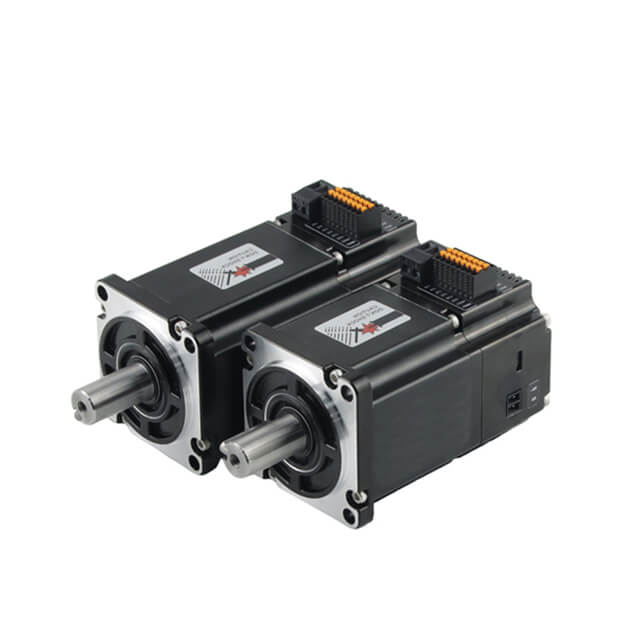
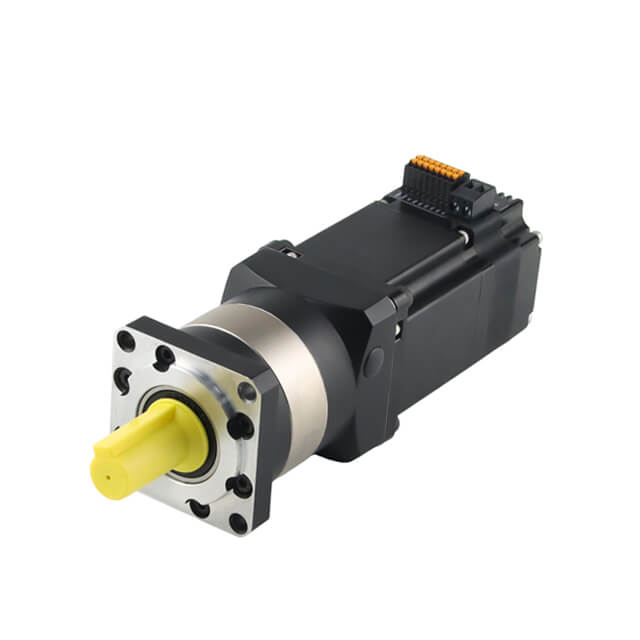
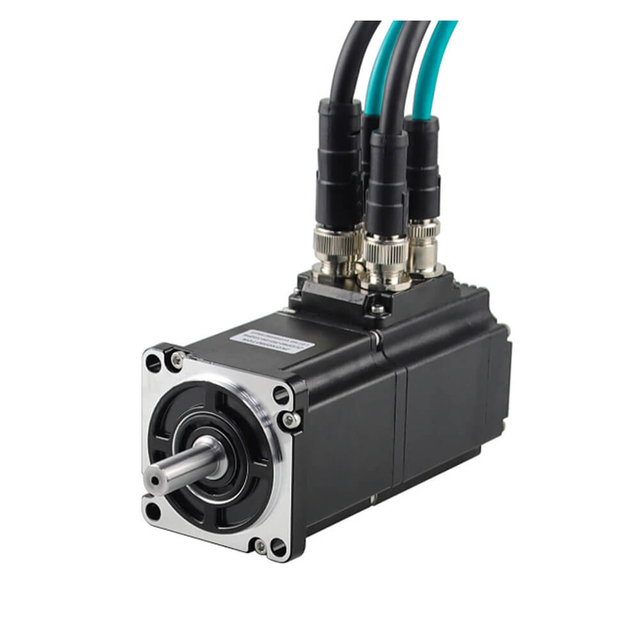
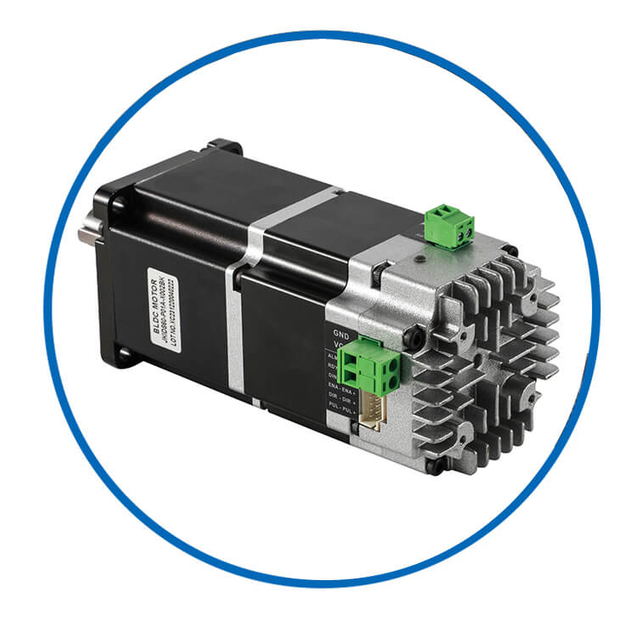
A customized integrated servo motor is a servo motor solution specifically engineered to match the exact mechanical, electrical, and control requirements of a particular application, with all critical components combined into a single, compact unit.
Unlike standard off-the-shelf servo motors, a customized integrated servo motor is designed and configured according to the customer’s system architecture, load conditions, operating environment, and performance goals.
A customized integrated servo motor integrates multiple elements into one housing and tailors them to your needs:
Servo motor
Servo drive (controller)
Encoder or feedback device
Power and communication interfaces
Protection and control electronics
All of these are customized to work together optimally for a specific machine or robotic system.
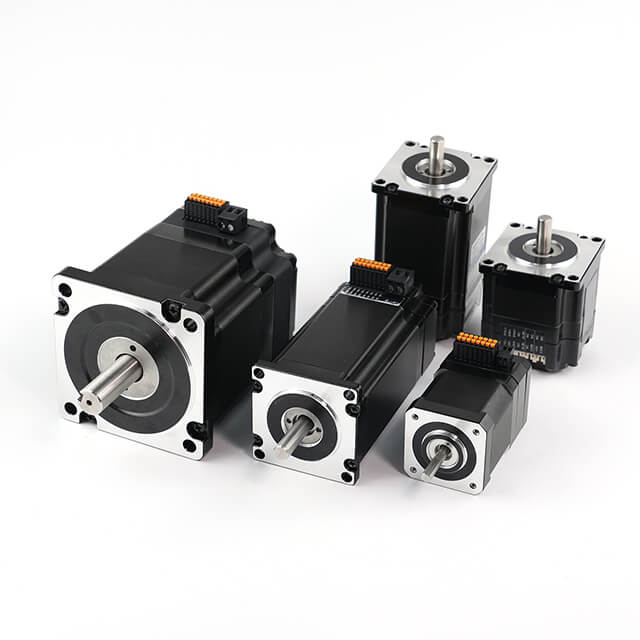
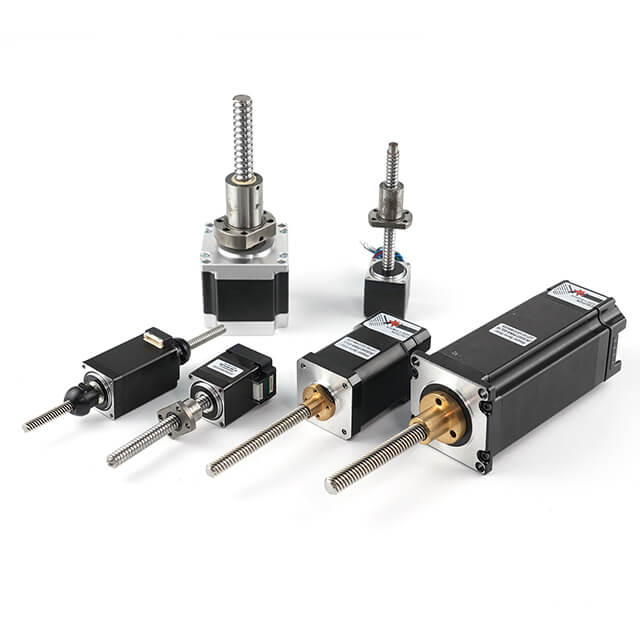
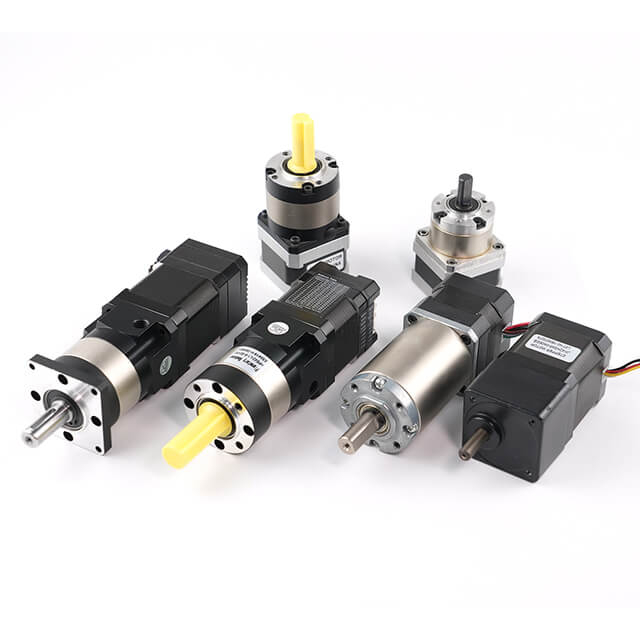
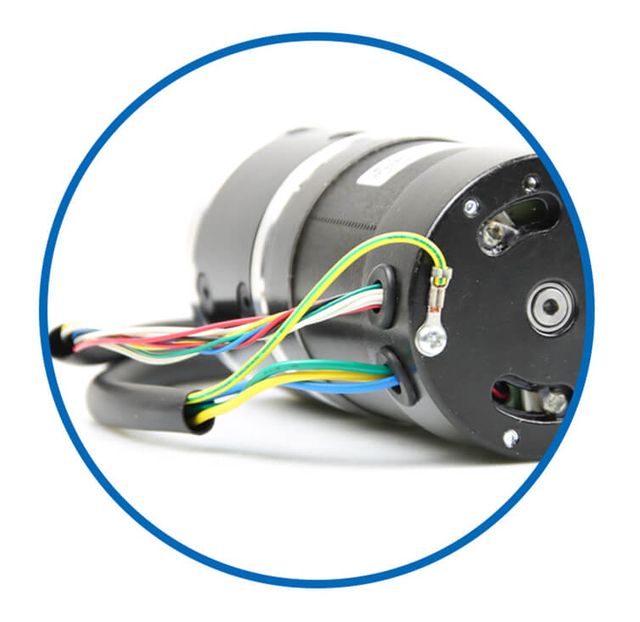
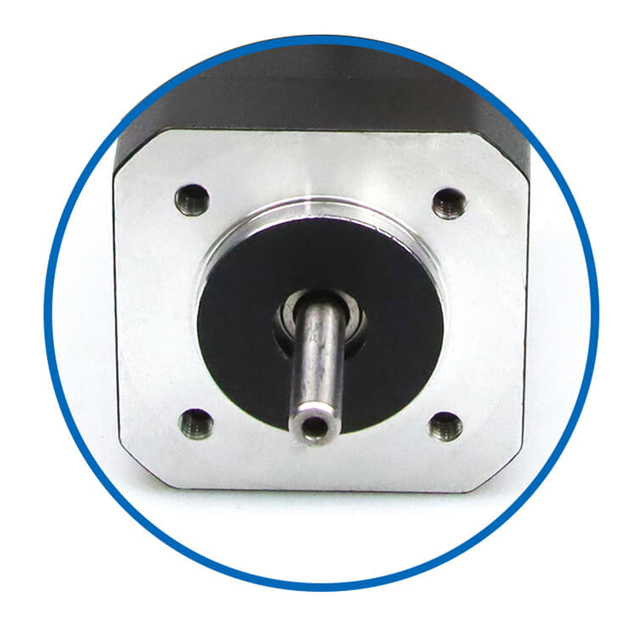
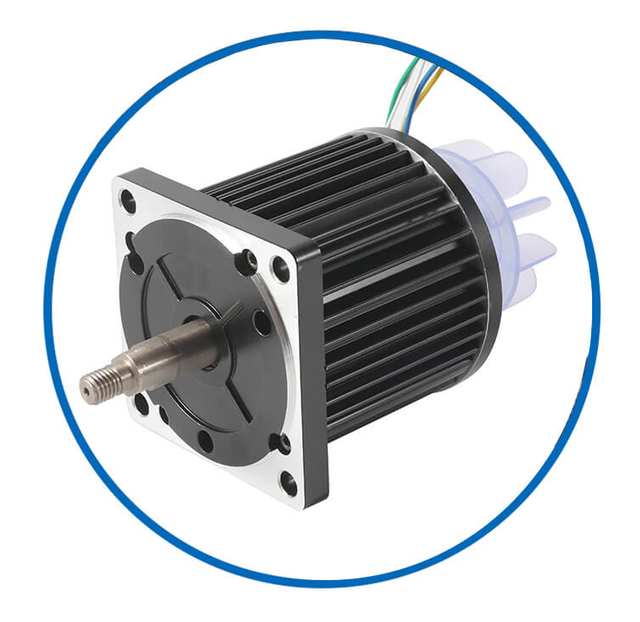
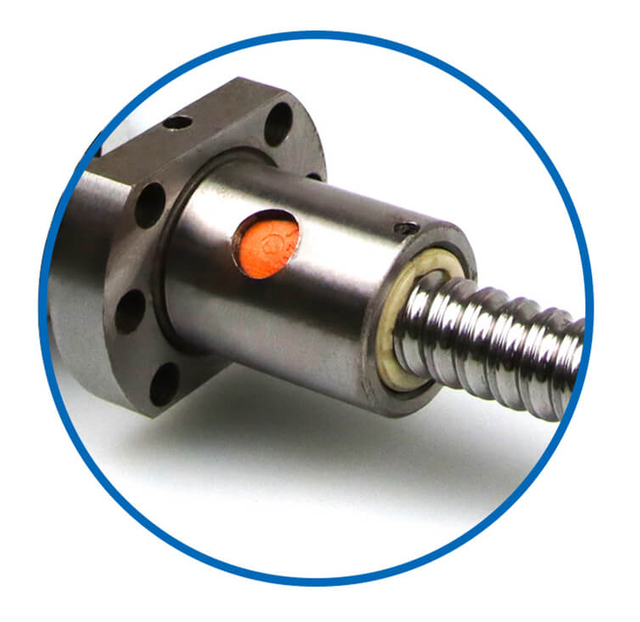
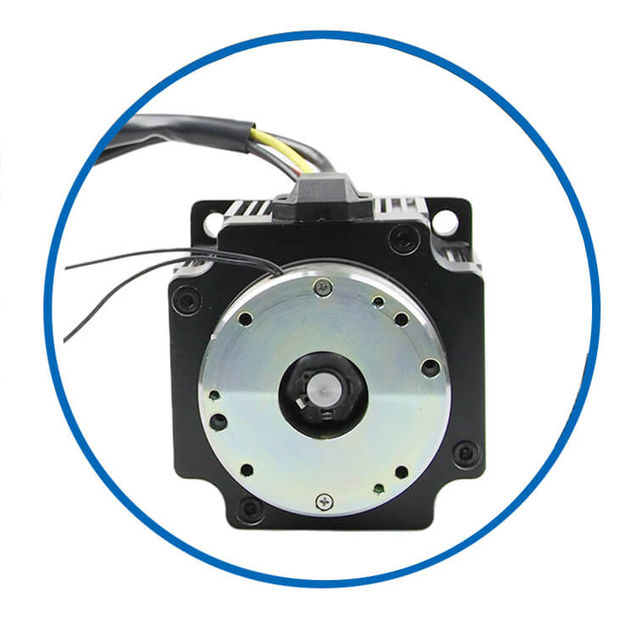
As a professional brushless dc motor manufacturer with 13 years in china, Jkongmotor offer various bldc motors with customized requirements, including 33 42 57 60 80 86 110 130mm, additionally, gearboxes, brakes, encoders, brushless motor drivers and integrated drivers are optional.
 |
 |
 |
 |
 |
Professional custom brushless motor services safeguard your projects or equipment.
|
| Wires | Covers | Fans | Shafts | Integrated Drivers | |
 |
 |
 |
 |
 |
|
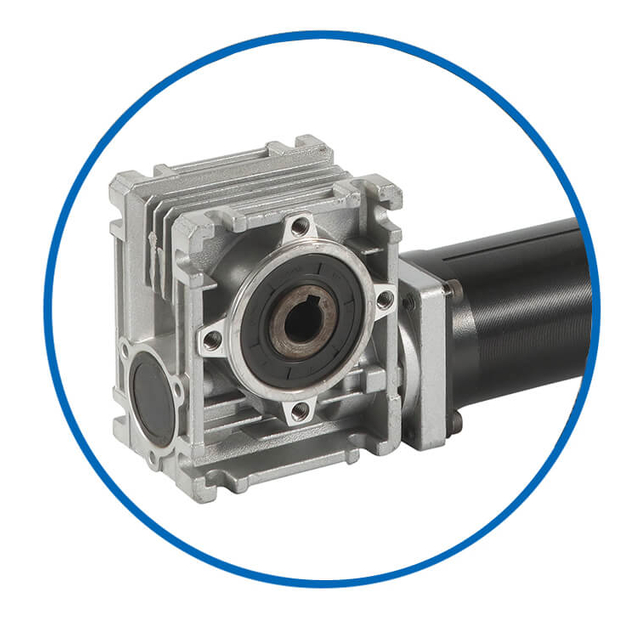
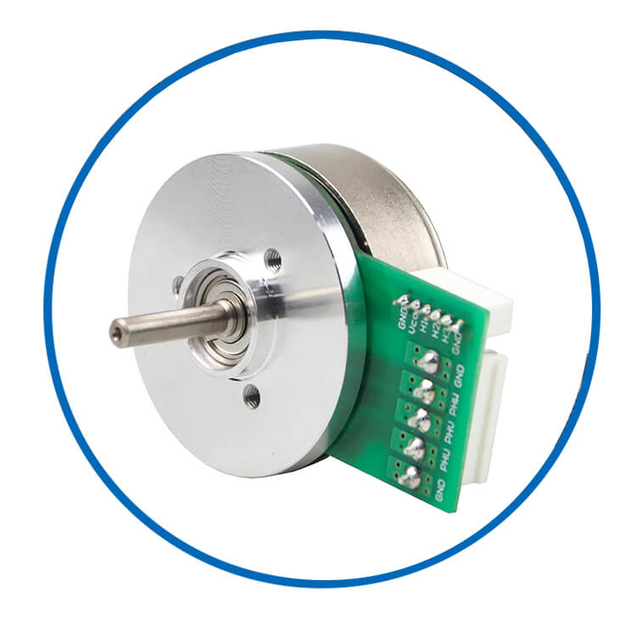
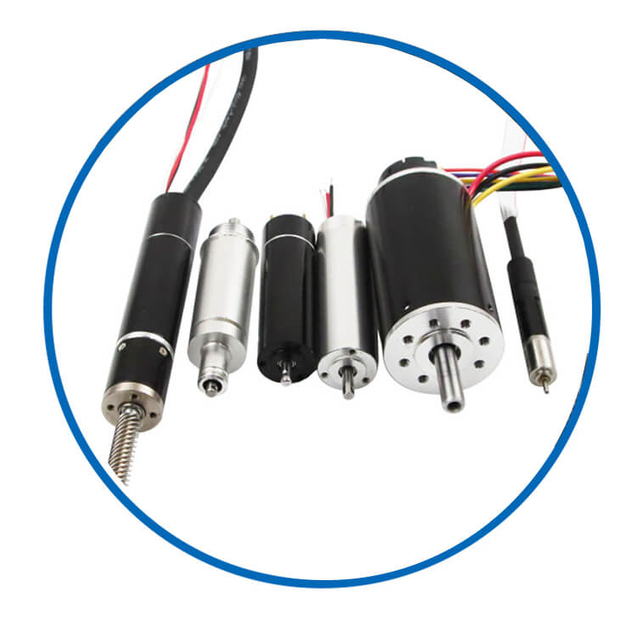
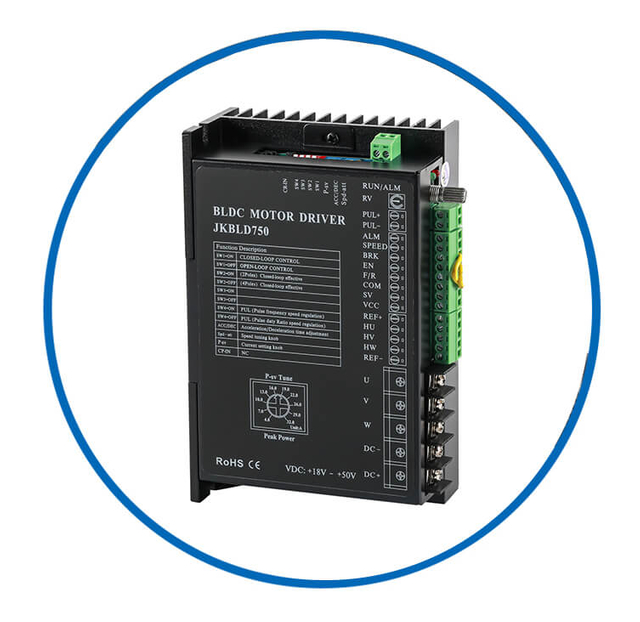
| Brakes | Gearboxes | Out Rotors | Coreless Dc | Drivers |
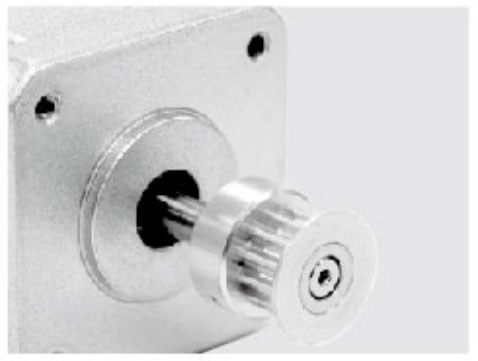
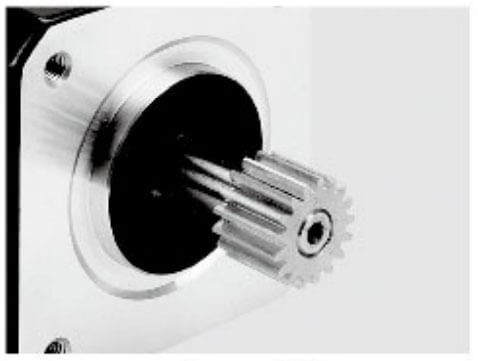
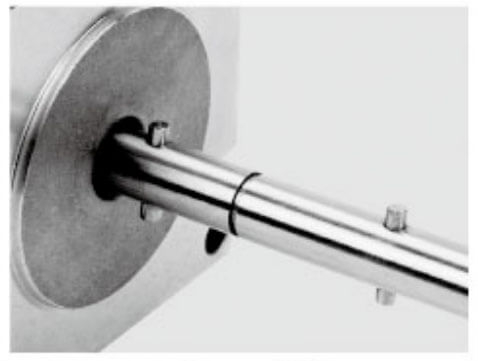
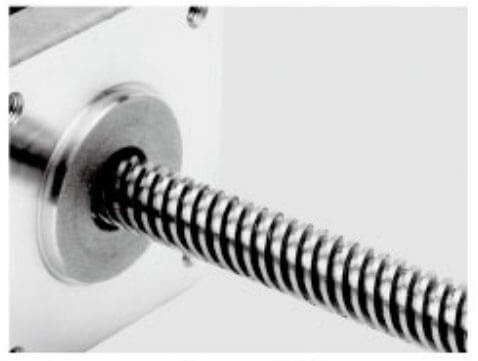
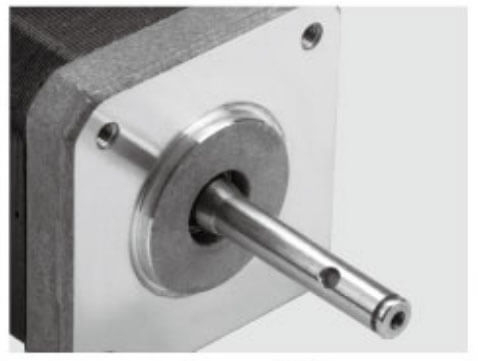
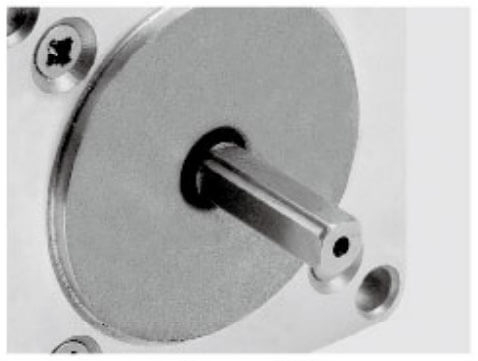
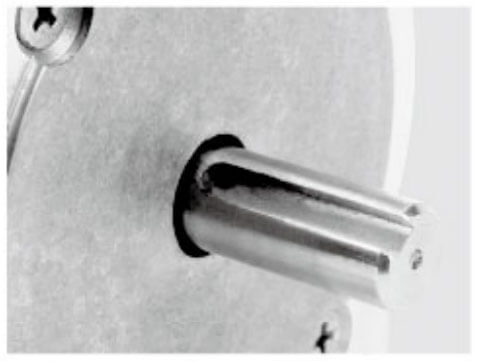
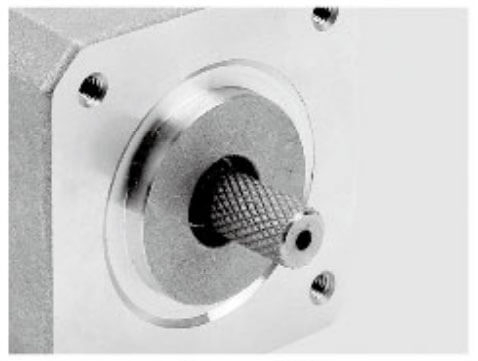
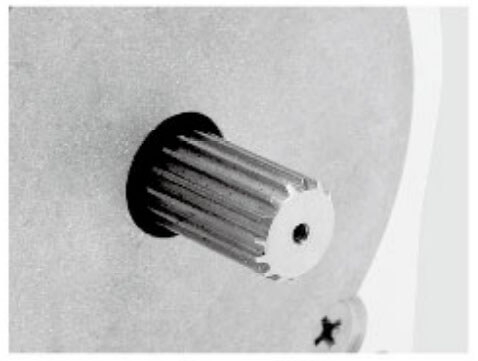
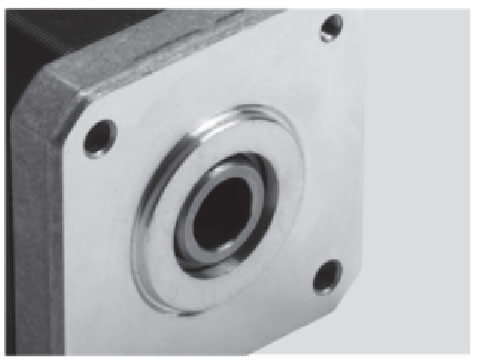
Jkongmotor offer many different shaft options for your motor as well as customizable shaft lengths to make the motor fit your application seamlessly.
 |
 |
 |
 |
 |
A diverse range of products and bespoke services to match the optimal solution for your project.
1. Motors passed CE Rohs ISO Reach certifications 2. Rigorous inspection procedures ensure consistent quality for every motor. 3. Through high-quality products and superior service, jkongmotor have secured a solid foothold in both domestic and international markets. |
| Pulleys | Gears | Shaft Pins | Screw Shafts | Cross Drilled Shafts | |
 |
 |
 |
 |
 |
|
| Flats | Keys | Out Rotors | Hobbing Shafts | Drivers |
| Aspect | Standard Integrated Servo Motor | Customized Integrated Servo Motor |
|---|---|---|
| Design | General-purpose | Application-specific |
| Parameters | Fixed | Fully configurable |
| Mounting | Limited options | Custom mechanical interface |
| Performance | Generic | Optimized for exact load |
| Environment | Normal conditions | Harsh or specialized environments |
| System Fit | May require adaptation | Perfect system integration |
The motor, driver, and encoder are built into a single compact unit, eliminating external drives and complex wiring.
Every core parameter can be tailored, including:
Torque and speed range
Voltage and power rating
Encoder type and resolution
Shaft design and mounting method
Housing size and material
Environmental protection (IP rating)
Communication protocols (CANopen, EtherCAT, RS485, etc.)
High-resolution feedback and optimized control algorithms provide accurate position, speed, and torque control, even under variable loads.
Fewer components mean:
Simplified installation
Lower wiring costs
Reduced EMI risk
Easier maintenance
We deliver Integrated Servo Motors engineered specifically for Field Robotics Systems that operate in complex, unstructured, and demanding environments. From agricultural automation and construction robotics to inspection platforms and autonomous outdoor vehicles, field robots require motion solutions that combine precision control, high torque density, environmental resilience, and intelligent integration. Our integrated servo motor architecture unifies motor, drive, encoder, and control logic into a compact, robust unit designed to perform reliably where conventional motion systems fail.
Integrated servo motors are transforming field robotics by delivering a level of performance, reliability, and efficiency that traditional motor–drive architectures cannot achieve. In outdoor and unstructured environments—where terrain, loads, and conditions change constantly—field robots demand motion systems that are compact, intelligent, and resilient. Integrated servo motors meet these demands by combining advanced control, mechanical robustness, and system-level optimization into a single solution.
Field robots often operate under strict size and weight constraints. Integrated servo motors combine the motor, servo drive, encoder, and control electronics into one compact unit, eliminating bulky external controllers and extensive wiring. This integration frees valuable space, reduces overall system weight, and allows designers to build more agile, efficient robotic platforms capable of navigating complex outdoor environments.
Field robotics requires precise motion control despite uneven ground, variable resistance, and unpredictable external forces. Integrated servo motors provide true closed-loop control with high-resolution feedback, enabling accurate position, speed, and torque regulation in real time. This precision ensures stable navigation, smooth manipulation, and reliable task execution even when operating on rough terrain or handling irregular loads.
Outdoor and field applications expose robotic systems to dust, moisture, vibration, and temperature extremes. Integrated servo motors are engineered with sealed housings, robust materials, and fewer external connections, significantly reducing failure points. The result is enhanced durability and consistent performance in harsh conditions, minimizing downtime and maintenance requirements.
By integrating multiple components into a single unit, integrated servo motors simplify system architecture. Fewer cables, connectors, and external devices lead to easier installation and faster commissioning. This streamlined approach reduces integration errors, shortens development cycles, and accelerates time-to-market for field robotics solutions.
Energy efficiency is critical for battery-powered field robots. Integrated servo motors optimize power usage through intelligent drive electronics, precise current control, and reduced electrical losses. These efficiencies translate into longer operating times, fewer charging cycles, and improved overall mission endurance in remote or large-scale field deployments.
Field robots must react instantly to changing conditions. Integrated servo motors deliver fast dynamic response, allowing robots to adjust torque and speed immediately in response to sensor feedback. This responsiveness improves obstacle avoidance, load handling, and motion stability, enabling safer and more autonomous field operations.
Modern field robotics systems rely on advanced communication networks. Integrated servo motors support industry-standard protocols, allowing seamless integration with centralized controllers, distributed control systems, and autonomous navigation platforms. This connectivity enhances coordination between subsystems and supports scalable, intelligent robotic architectures.
Although technologically advanced, integrated servo motors reduce overall costs by minimizing external components, simplifying maintenance, and improving system reliability. Fewer parts and higher efficiency lead to lower long-term operating costs, making them a cost-effective solution for demanding field robotics applications.
As field robotics evolves toward higher autonomy and intelligence, integrated servo motors provide a future-ready motion platform. Their modularity, software configurability, and scalability make them ideal for supporting advanced sensing, AI-driven control, and adaptive motion strategies.
Integrated servo motors redefine field robotics performance by delivering compact design, precision control, environmental durability, and intelligent integration in a single solution. By addressing the unique challenges of outdoor and unstructured environments, they enable field robots to operate more efficiently, reliably, and autonomously—setting a new standard for motion performance in modern robotics systems. A customized integrated servo motor is a highly optimized, all-in-one motion solution designed specifically for your application. By integrating motor, drive, and feedback into a single customized unit, it delivers precision, efficiency, compactness, and reliability that standard motors cannot match—making it the preferred choice for advanced robotics and automation systems.
We engineer integrated servo motors for field robotics systems to solve the core challenge of reliable, precise, and energy-efficient motion in unpredictable outdoor conditions. Field robots are no longer experimental platforms; they are the backbone of modern agriculture, construction automation, environmental monitoring, defense reconnaissance, forestry, and remote infrastructure inspection. These demanding applications require servo technology that can withstand dust, moisture, vibration, temperature extremes, electromagnetic interference, and power instability without compromising accuracy or service life.
Our integrated servo motor solutions combine motor, drive, encoder, communication interface, and protection electronics into a compact, sealed, industrial-grade unit. This architecture eliminates fragile wiring, reduces installation complexity, and delivers exceptional reliability in terrains where failure is not an option.
Integrated servo motors are specifically engineered to meet the demanding conditions of field robotics systems, where reliability, precision, and efficiency must coexist in unpredictable outdoor environments. By combining the motor, drive electronics, encoder, and communication interface into a single compact unit, integrated servo motors eliminate many of the weaknesses found in traditional separated architectures.
Below are the core reasons why they have become the preferred motion solution for modern field robots.
An integrated servo motor merges:
Servo motor
Drive controller
Feedback encoder
Communication module
Protection circuitry
into one sealed enclosure. This all-in-one design drastically reduces wiring, cabinet space, and overall system complexity, which is critical for mobile robots with strict size and weight limitations.
Field robotics must operate in environments filled with dust, mud, moisture, vibration, and temperature extremes. Integrated servo motors are built with:
IP65–IP67 sealed housings
Conformal-coated control boards
Anti-corrosion surface treatments
Industrial-grade connectors
These features ensure long-term stability and minimal maintenance, even in off-road or high-humidity conditions.
Most integrated servo motors include high-resolution absolute encoders, allowing robots to know their exact position immediately after power-up—no homing routine required. This capability is essential for:
Autonomous navigation systems
Multi-axis robotic arms
Precision agricultural tools
The result is faster startup, safer motion, and improved positioning accuracy.
Field robots are typically battery-driven, making energy efficiency a top priority. Integrated servo motors support:
Wide DC voltage input ranges
Regenerative braking
Intelligent sleep and idle modes
Torque-adaptive current control
These functions significantly extend mission time and reduce power waste, enabling longer autonomous operation.
By removing external drives and bulky control cabinets, integrated servo motors:
Reduce wiring by up to 60%
Shorten commissioning time
Minimize EMI interference risks
Simplify troubleshooting
Maintenance teams benefit from plug-and-play deployment and faster system recovery in the field.
Despite their compact size, integrated servo motors deliver exceptional torque-to-volume ratios, making them perfect for:
Robotic steering systems
Tracked vehicle drives
Manipulator joints
Wheel and suspension actuation
They maintain stable torque output even under shock loads and uneven terrain.
Modern integrated servo motors support multiple industrial protocols, including:
CANopen
EtherCAT
RS485 / Modbus
This allows seamless integration with ROS controllers, PLC systems, AI edge processors, and remote monitoring platforms.
With embedded control firmware, integrated servo motors offer:
Real-time fault detection
Predictive maintenance alerts
Motion profile customization
Remote parameter tuning
This built-in intelligence transforms the actuator into a smart motion node, enhancing overall robot autonomy and uptime.
Manufacturers can customize integrated servo motors for specific robotics platforms through:
Shaft and flange design variations
Special coatings for corrosion or chemicals
Custom voltage and connector configurations
Application-specific firmware
This adaptability ensures the motor fits perfectly into unique robotic architectures without costly redesigns.
By combining reliability, energy efficiency, simplified architecture, and long service life, integrated servo motors significantly lower operational costs, making them the most cost-effective motion solution for field robotics systems.
Integrated servo motors are not just components—they are the intelligent motion backbone of modern field robotics, enabling robots to perform accurately, efficiently, and reliably in the world’s most challenging environments.
Outdoor autonomous robots operate in environments that are fundamentally different from factory floors. They face dust storms, rain, mud, vibration, extreme temperatures, unstable power supply, and continuous mechanical shock. To perform reliably in these conditions, the motion system must be engineered beyond conventional industrial standards. Integrated servo motors provide a set of engineering advantages that directly address these real-world challenges.
Outdoor robots are exposed to constant vibration, impacts, and uneven loads. Integrated servo motors are built with:
High-strength aluminum or stainless-steel housings
Reinforced bearing systems with high axial and radial load ratings
Sealed flanges and shafts to prevent dust and water ingress
Shock-resistant internal mounting structures
This rugged design ensures consistent performance even when robots operate on rocky terrain, slopes, or debris-filled environments.
One of the biggest threats to field robotics is contamination. Integrated servo motors typically feature IP65 to IP67 protection levels, meaning they are:
Fully protected against dust intrusion
Resistant to high-pressure water jets and temporary immersion
This sealing capability allows autonomous platforms to work reliably in agriculture, construction, mining, forestry, and coastal monitoring applications.
Outdoor robots may start in freezing conditions at dawn and operate under direct sunlight at noon. Integrated servo motors are engineered with:
Wide-temperature electronic components
Advanced thermal conduction paths from power devices to housing
Internal temperature monitoring and derating algorithms
These features maintain stable torque output and protect electronics from thermal stress, guaranteeing reliable operation from –40°C to +85°C.
Weight is a critical constraint for mobile robots. Integrated servo motors deliver exceptional torque-to-weight ratios, enabling:
Compact robotic joints
High payload handling without oversizing
Reduced structural mass of the platform
This results in longer operating time, improved maneuverability, and higher overall system efficiency.
Outdoor autonomous platforms rely heavily on battery power. Integrated servo motors include:
Regenerative braking technology
Intelligent current control algorithms
Ultra-low standby power modes
Together, these capabilities significantly extend mission duration and reduce energy losses, making them ideal for long-range or long-endurance field robots.
Field robots often operate near heavy machinery, radio transmitters, or high-current equipment. Integrated servo motors are engineered with:
Shielded signal paths
Integrated EMI filters
Optimized grounding architecture
This ensures stable communication and precise feedback, even in high-interference zones.
Traditional motion systems require separate drives, controllers, and long cable runs. Integrated servo motors consolidate all motion components into one unit, providing:
Reduced wiring complexity
Lower risk of connection failures
Faster system integration
This streamlined architecture is essential for compact, modular outdoor robotic platforms.
Modern integrated servo motors embed monitoring functions such as:
Over-temperature tracking
Vibration anomaly detection
Encoder signal integrity checks
These diagnostics allow outdoor robots to perform self-health monitoring and remote fault reporting, reducing unexpected downtime in remote locations.
Outdoor robots frequently experience sudden load spikes. Integrated servo motors are designed to handle:
Short-term peak torques up to three times rated values
Repeated shock loading without encoder drift or bearing damage
This makes them ideal for terrain negotiation, obstacle climbing, and heavy tool actuation.
Every autonomous platform is unique. Integrated servo motors support a wide range of customization options, including:
Custom shafts and mounting interfaces
Specialized coatings for corrosive environments
Firmware adaptation for unique motion profiles
This flexibility allows engineers to build tailored robotic systems without redesigning the entire motion architecture.
Integrated servo motors deliver a combination of ruggedness, intelligence, efficiency, and integration that perfectly aligns with the engineering demands of outdoor autonomous platforms, making them the foundation of reliable field robotics.
Field robotics is not a single industry—it is a spectrum of highly specialized sectors, each with unique mechanical loads, environmental stresses, power constraints, and control requirements. Integrated servo motors become truly valuable when they are engineered and customized to fit the exact mission profile. Below we outline how tailored integrated servo motor solutions empower every major field robotics sector.
Modern agriculture relies on autonomous machines for planting, spraying, harvesting, and soil analysis. These platforms require:
High-torque low-speed control for heavy implements
Smooth micro-motion for precision crop handling
Resistance to dust, mud, fertilizers, and pesticides
Tailored servo solutions for agriculture feature sealed IP67 housings, corrosion-resistant coatings, and torque-optimized firmware that deliver stable performance even during long duty cycles in wet and dirty environments.
Robots in construction sites and mining operations face extreme shock loads, vibration, and heavy payloads. For these sectors, we provide:
Integrated servo motors with reinforced bearings and hardened gear interfaces
High overload capability for lifting, drilling, and excavation tools
Shock-absorbing mechanical structures to protect encoders and electronics
These features ensure continuous uptime in debris-filled and mechanically abusive conditions.
From forest surveillance rovers to underwater coastal inspection vehicles, environmental robotics demands long endurance and absolute reliability. Our tailored solutions include:
Ultra-low power standby modes for extended missions
Salt spray–resistant surface treatments
Silent low-noise operation for wildlife monitoring
These servo systems allow robots to operate autonomously for weeks with minimal human intervention.
Robots deployed in disaster zones and hostile environments must perform under pressure. We customize integrated servo motors with:
Encrypted communication protocols
High-speed response firmware for rapid maneuvering
EMI-hardened electronics for battlefield interference resistance
These enhancements ensure precise motion control when every second matters.
Autonomous delivery robots and outdoor warehouse AGVs require:
Fast acceleration and braking response
Energy-efficient motion profiles
Seamless integration with navigation systems
Tailored servo solutions provide smooth start-stop behavior and adaptive torque control, improving both safety and productivity.
Robots inspecting bridges, pipelines, wind turbines, and power grids must operate at heights and in hazardous locations. Customized integrated servo motors offer:
High-holding torque with fail-safe braking
Compact form factors for narrow access spaces
Remote diagnostics for inaccessible deployments
This ensures accurate movement in places where maintenance access is extremely limited.
Saltwater corrosion and moisture are critical challenges. For marine robots we develop:
Marine-grade anodized housings
Fully potted electronics for moisture isolation
Sealed stainless-steel shafts and bearings
These features deliver long-term performance in coastal and offshore environments.
Robots operating in forests and conservation zones require:
Quiet operation to avoid disturbing wildlife
Long-range mobility with limited battery capacity
Reliable torque control on uneven terrain
Customized servo firmware ensures silent precision motion with ultra-low power consumption.
Every robotics sector presents unique operational constraints. Standard servo motors cannot meet all demands without compromise. By offering mechanical, electrical, and firmware-level customization, integrated servo motors become true enablers of robotic innovation—allowing engineers to build systems that are lighter, smarter, stronger, and more reliable across every field robotics application.
Field robotics systems operate under highly specific conditions that generic servo motors cannot fully satisfy. True performance is achieved only when the motion system is engineered around the real mechanical, electrical, and environmental constraints of the application. Integrated servo motors deliver unmatched value because they are designed for deep customization at every technical layer, enabling robotic platforms to exceed the limitations of standard servo architectures.
Every field robot has unique space limitations and load profiles. Integrated servo motors can be customized with:
Special shaft geometries such as hollow shafts, dual shafts, keyed shafts, and extended-length outputs
Custom mounting flanges and bolt patterns for direct structural integration
Integrated planetary or harmonic gearboxes for high torque in compact envelopes
Reinforced bearing sets for high axial and radial load conditions
Corrosion-resistant surface treatments for chemical, fertilizer, or saltwater exposure
These mechanical adaptations allow designers to build compact robotic joints that are stronger, lighter, and more durable.
Field robots use diverse power systems including lithium batteries, solar hybrids, and DC generators. Integrated servo motors support:
Wide DC input ranges from 12 V to 72 V
Custom power-stage configurations for high-current or low-voltage systems
Specialized connector solutions with waterproof, vibration-resistant locking mechanisms
EMI-hardened PCB layouts to protect communication integrity
This electrical flexibility ensures seamless compatibility with any mobile power architecture.
Embedded intelligence transforms the servo motor into a smart actuator node. Firmware customization includes:
Torque ripple suppression algorithms for smooth low-speed motion
Adaptive load control for unstable terrain
Soft-start, anti-backdrive, and slope-hold functions
Motion profiles tailored to terrain and payload dynamics
These features cannot be achieved with off-the-shelf drives and are critical for field robot stability and safety.
Integrated servo motors are available with configurable communication stacks such as:
CANopen
EtherCAT
RS485 / Modbus
We adapt protocol objects, node IDs, baud rates, and synchronization behaviors to ensure flawless integration with ROS platforms, PLC systems, and AI controllers.
Every deployment environment is different. Integrated servo motors can be customized with:
IP67 sealing for full dust and water protection
Potting compounds for moisture isolation
Wide-temperature electronic components for –40°C to +85°C operation
Salt spray–tested anodized housings
This level of environmental hardening guarantees long service life in extreme field conditions.
For mission-critical robotics, safety is paramount. Custom configurations include:
Dual encoder feedback systems
Fail-safe braking modules
Over-current, over-temperature, and stall protection layers
Emergency stop and watchdog logic embedded in firmware
These features allow robotic platforms to operate with predictable behavior even under fault conditions.
From single prototypes to mass production, integrated servo motors support:
Rapid prototyping with short lead times
Consistent performance across production batches
Full traceability of mechanical and electronic revisions
This enables OEMs to scale their robotics platforms without compromising quality.
Standard servo platforms force engineers to adapt their robot designs around the limitations of the motor. Customized integrated servo motors reverse this relationship—the motor is adapted to the robot. This results in:
Higher mechanical efficiency
Lower system weight
Reduced integration cost
Longer operational lifespan
Customization is not an option in field robotics—it is the foundation of reliable autonomous performance.
Field robotics systems demand compactness, reliability, and real-time responsiveness—qualities that traditional multi-component servo architectures struggle to deliver. By embedding motion control intelligence directly inside the motor housing, integrated servo motors eliminate the complexity of external drives, bulky cabinets, and fragile cabling. The result is a clean, modular, and highly robust system architecture optimized for autonomous operation in harsh environments.
An integrated servo motor is not just an actuator—it is a self-contained motion control node. Inside a single sealed enclosure it houses:
High-efficiency servo motor
Embedded drive electronics
Absolute encoder feedback system
Communication interface
Protective and diagnostic circuitry
This consolidation transforms each actuator into an independent intelligent module, dramatically simplifying the overall robotic system layout.
Traditional servo systems require long power cables, encoder lines, shielded feedback wiring, and control cabinets. Each connection is a potential point of failure in dusty, wet, and vibration-heavy field conditions.
Embedded intelligence reduces the entire wiring harness to:
One power line
One communication line
This architecture cuts wiring complexity by more than 60%, improving system reliability and significantly lowering installation and maintenance effort.
With drive logic embedded in the motor, system commissioning becomes a software task rather than a hardware challenge. Engineers can:
Configure motion parameters remotely
Auto-detect servo nodes on the network
Clone configurations across multiple motors
This allows rapid deployment of field robots without extensive on-site calibration.
Embedded controllers continuously monitor:
Motor temperature
Current draw
Encoder integrity
Vibration anomalies
This real-time diagnostic feedback enables predictive maintenance strategies, allowing robots to report emerging issues before they become failures—critical for remote or hard-to-access field deployments.
Placing the controller directly at the actuator reduces communication latency and eliminates signal degradation over long cables. This delivers:
Faster torque response
Higher positioning accuracy
Improved dynamic stability on uneven terrain
Edge-level intelligence ensures that field robots react instantly to load changes and environmental disturbances.
External drive systems create electromagnetic noise that interferes with sensors and wireless communication. Embedded intelligence confines high-frequency switching inside a shielded housing, resulting in:
Reduced electromagnetic emissions
Improved signal quality for encoders and fieldbus networks
More stable system behavior in high-interference environments
Each integrated servo motor functions as a plug-and-play module. Engineers can add or replace actuators without redesigning the control system, enabling:
Rapid system scaling
Simplified platform upgrades
Easy field replacement
This modularity is essential for evolving autonomous platforms.
With firmware embedded inside the actuator, motion profiles can be updated remotely. This allows:
Dynamic tuning for different terrains
On-the-fly torque and speed optimization
Remote firmware upgrades without physical access
Software-driven control ensures that robotic platforms remain adaptable long after deployment.
By collapsing hardware layers into a single intelligent unit, integrated servo motors remove the traditional barriers of motion system design. The result is a robotics architecture that is lighter, smarter, more reliable, and dramatically easier to maintain, making embedded intelligence the foundation of next-generation field robotics.
Mobile robots demand motion systems that communicate effortlessly with navigation controllers, perception modules, and power management units. Integrated servo motors are engineered to become native building blocks of robotic ecosystems, ensuring fast deployment, stable operation, and flexible scalability across a wide range of mobile platforms.
Modern mobile robots are driven by intelligent software stacks such as ROS, PLC-based controllers, and AI edge processors. Integrated servo motors support industry-standard protocols including:
CANopen for distributed motion control
EtherCAT for real-time deterministic communication
RS485 / Modbus for long-distance and rugged networking
This ensures direct connectivity to navigation, localization, and safety modules without protocol converters or external gateways.
Integrated servo motors are delivered as self-configuring motion nodes. Once connected to the power and communication bus, they:
Automatically register on the network
Expose device parameters to the host controller
Accept predefined motion profiles
This plug-and-play behavior drastically shortens integration cycles and enables rapid prototyping of new robotic platforms.
Mobile robots operate on constrained battery systems. Integrated servo motors support wide DC input ranges and adaptive power management logic, allowing them to:
Connect directly to vehicle battery packs
Share regenerative braking energy
Coordinate power consumption across multiple actuators
This unified approach simplifies the electrical architecture and improves overall system efficiency.
Field robots often require multiple joints or wheel drives to move in perfect harmony. Integrated servo motors offer:
Hardware-level synchronization via EtherCAT or CAN bus
Real-time clock alignment across all axes
Deterministic motion execution
This enables smooth coordinated motion in robotic arms, steering systems, and tracked platforms.
Autonomous navigation depends on immediate response to sensor input. With embedded intelligence, integrated servo motors execute control loops directly at the actuator, eliminating delays caused by remote drives and long feedback lines. The result is faster reaction to obstacles, slopes, and load changes.
Mobile robots often operate near engines, generators, or radio transmitters. Integrated servo motors are designed with:
Shielded communication interfaces
Optimized grounding schemes
EMI-resistant PCB layouts
This ensures stable data transmission even in high-interference environments.
As robotic platforms evolve, motion requirements change. Integrated servo motors support:
Remote firmware upgrades
Software-based tuning of torque, speed, and braking profiles
Centralized configuration management
This makes the motion system fully adaptable without physical access to the robot.
Each integrated servo motor is a self-contained unit. In the event of failure, technicians can:
Swap the motor module in minutes
Upload saved configuration profiles
Resume operation without recalibration
This minimizes downtime and ensures that mobile robots remain operational even in remote deployment zones.
From prototype to mass deployment, integrated servo motors are designed to integrate seamlessly into every phase of the mobile robot lifecycle—accelerating development, simplifying scaling, and maintaining long-term operational reliability.
In field robotics, failure is rarely convenient and often costly. Robots are deployed in remote, hazardous, or inaccessible locations where maintenance is difficult and downtime directly impacts productivity and safety. Integrated servo motors are therefore engineered with an uncompromising focus on quality assurance and long-term durability, ensuring consistent performance throughout their entire operational lifecycle.
Every integrated servo motor begins with carefully vetted components:
High-grade copper windings for thermal efficiency
Automotive- and industrial-grade semiconductors
Precision-ground bearings rated for high axial and radial loads
Absolute encoders with multi-million cycle lifespans
This disciplined component strategy ensures stable electrical performance and mechanical integrity under continuous outdoor operation.
Before release, each servo platform undergoes environmental stress screening, exposing the unit to conditions well beyond standard operating limits:
High- and low-temperature cycling
Rapid thermal shock transitions
High-humidity and condensation environments
Continuous vibration endurance testing
This process eliminates early-life failures and guarantees field-ready robustness from day one.
Outdoor robots encounter water spray, mud splashes, dust storms, and occasional submersion. To prevent contamination, integrated servo motors are tested to verify:
IP65 to IP67 ingress protection
Sealed cable glands and connector interfaces
Long-term gasket elasticity under temperature variation
This ensures that internal electronics remain isolated from the environment throughout the motor’s life.
Every integrated servo motor is validated through:
Over-current and over-voltage protection testing
Encoder signal integrity verification
Real-time communication stability checks
EMI and ESD immunity assessments
These tests confirm safe and predictable operation even in electrically noisy field deployments.
To ensure longevity, servo units undergo extended burn-in under rated and peak loads. This testing validates:
Bearing wear characteristics
Thermal dissipation efficiency
Power device stability under continuous stress
The result is a motion platform capable of exceeding 30,000 operational hours without degradation.
Durability is not only mechanical—it is also digital. Embedded firmware is subjected to:
Long-duration stability testing
Power interruption resilience verification
Fault-recovery scenario simulation
These procedures ensure the servo motor retains full functionality even after sudden power loss or harsh shutdown conditions.
Each integrated servo motor carries a unique identification record that tracks:
Component lot numbers
Manufacturing parameters
Test data and inspection reports
This traceability allows full lifecycle monitoring and continuous improvement of production quality.
Embedded diagnostic systems monitor temperature, current draw, vibration patterns, and encoder health. This data enables predictive maintenance scheduling, allowing service teams to address issues before failures occur.
From material selection to final testing, every stage of development is focused on one objective: ensuring the integrated servo motor performs reliably over years of continuous field deployment. This commitment to quality assurance and lifecycle durability is what makes these systems the trusted motion backbone of advanced field robotics platforms.
Autonomous field robotics is evolving from isolated machines into intelligent, connected ecosystems. As robots become more adaptive, collaborative, and data-driven, motion systems must evolve in parallel. Integrated servo motors represent the foundation of this transformation, delivering future-ready motion technology that enables next-generation autonomy, resilience, and scalability.
Tomorrow’s field robots will no longer rely on centralized control alone. Integrated servo motors embed real-time processing power directly at the actuator level, allowing:
Local decision-making for torque and speed adjustments
Immediate response to terrain changes and load variations
Autonomous recovery from minor faults
This distributed intelligence ensures robotic platforms remain stable and responsive even when network connectivity is limited.
As artificial intelligence becomes standard in robotics, integrated servo motors will act as edge-compute motion nodes. Future firmware frameworks support:
Machine-learning algorithms for adaptive motion tuning
Continuous optimization of efficiency based on real usage patterns
Self-calibration routines that maintain peak accuracy over time
This allows field robots to learn from their environment and refine motion behavior without manual intervention.
Remote environments demand systems that evolve without physical access. Integrated servo motors support secure remote updates, enabling:
Deployment of new control features in the field
Bug fixes and performance enhancements without downtime
Configuration changes aligned with mission requirements
This capability extends the service life of robotic platforms and protects investment over multiple deployment cycles.
Future field robotics systems will operate as coordinated fleets rather than individual machines. Integrated servo motors are designed for:
Deterministic multi-axis synchronization across distributed platforms
Real-time telemetry streaming to cloud analytics engines
Cross-robot motion profile sharing for swarm intelligence
This networked architecture transforms isolated robots into adaptive operational ecosystems.
Energy efficiency will define the success of large-scale autonomous deployments. Next-generation integrated servo motors introduce:
AI-controlled regenerative braking strategies
Predictive load balancing across actuators
Ultra-low standby power consumption during idle phases
These features dramatically extend mission endurance and reduce total energy cost.
As robots increasingly operate alongside people, motion systems must meet higher safety expectations. Integrated servo motors are evolving to support:
Redundant encoder feedback architectures
Embedded safe torque off (STO) and safe stop functions
Continuous self-diagnostic safety validation
These capabilities enable reliable human–robot interaction in unstructured outdoor environments.
Future-ready motion systems must adapt to changing platform designs. Integrated servo motors are built as modular, software-defined nodes, allowing engineers to:
Add or replace actuators without reengineering the control backbone
Deploy standardized motion templates across multiple robot models
Scale from prototype to mass production seamlessly
This scalability accelerates innovation across the entire robotics lifecycle.
Sustainable robotics depends on durable, upgradeable components. Integrated servo motors are designed with:
Long-life mechanical assemblies
Recyclable material strategies
Firmware architectures that evolve over time
This ensures that autonomous field robotics platforms remain operational, efficient, and relevant for decades.
Future-ready motion technology is not about faster motors alone—it is about intelligent, adaptive, connected, and sustainable actuation. Integrated servo motors deliver exactly this foundation, shaping the next era of autonomous field robotics.
Selecting a motion control supplier is not simply a purchasing decision—it is a strategic partnership that determines the reliability, scalability, and long-term success of an entire robotics platform. We are trusted by field robotics innovators worldwide because we deliver more than hardware. We deliver a complete, future-proof motion ecosystem built on engineering excellence, manufacturing discipline, and customer-centric collaboration.
Our engineering team specializes exclusively in integrated servo motor technology for outdoor and mobile robotics. We understand the real operational challenges of dust, vibration, unstable power, EMI interference, and extreme temperatures. This domain expertise allows us to design motion systems that perform flawlessly where conventional solutions fail.
Every robotic platform is unique. We support our partners with full-spectrum customization, including:
Mechanical structure and shaft geometry
Electrical architecture and voltage adaptation
Firmware algorithms and communication protocols
Environmental sealing and corrosion protection
This ensures that each integrated servo motor is engineered as a native component of the robot, not an afterthought.
Speed matters in competitive robotics markets. Our rapid development workflow enables:
Prototype delivery within weeks
Iterative design refinement based on real field data
Seamless transition from pilot builds to mass production
This agility empowers our partners to accelerate time-to-market without sacrificing quality.
We operate advanced production lines with:
Automated winding and assembly equipment
Inline electrical and mechanical inspection systems
Full lifecycle traceability of critical components
This disciplined manufacturing approach ensures consistent quality across every production batch.
Every integrated servo motor undergoes multi-stage testing including:
Thermal and vibration endurance
Ingress protection verification
Electrical stress and overload simulation
This guarantees that every unit is ready for long-term deployment in extreme field environments.
We stand beside our partners throughout the entire product lifecycle, offering:
Application engineering consultation
Remote diagnostics and firmware optimization
Long-term product availability planning
Our commitment does not end at shipment—it evolves with every new generation of robotic platforms.
Our integrated servo motors are trusted in:
Autonomous agriculture machinery
Construction and mining robotics
Defense and rescue platforms
Infrastructure inspection systems
This cross-industry experience allows us to bring best-in-class motion solutions to every new project.
We continuously invest in next-generation technologies including AI-driven control, predictive maintenance, and ultra-efficient power architectures. Our mission is to empower robotic innovators with motion systems that are intelligent, resilient, and built to scale.
Trust is earned through performance, reliability, and partnership. We are the trusted partner for integrated servo motors because we transform motion challenges into competitive advantages for autonomous field robotics.