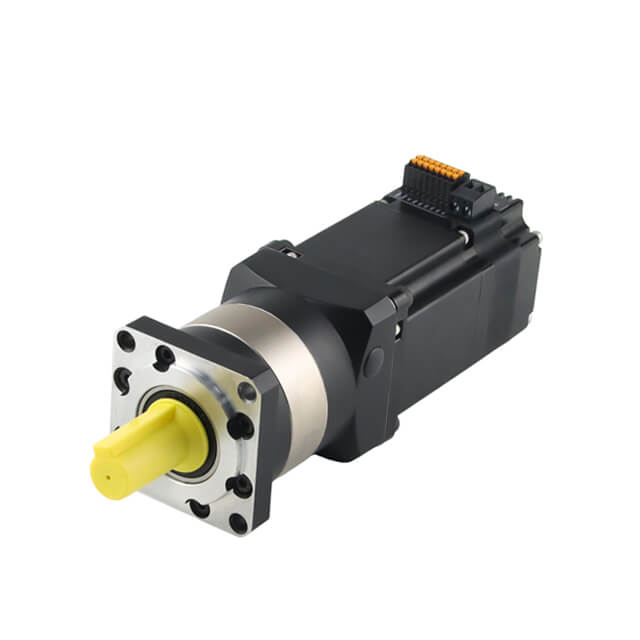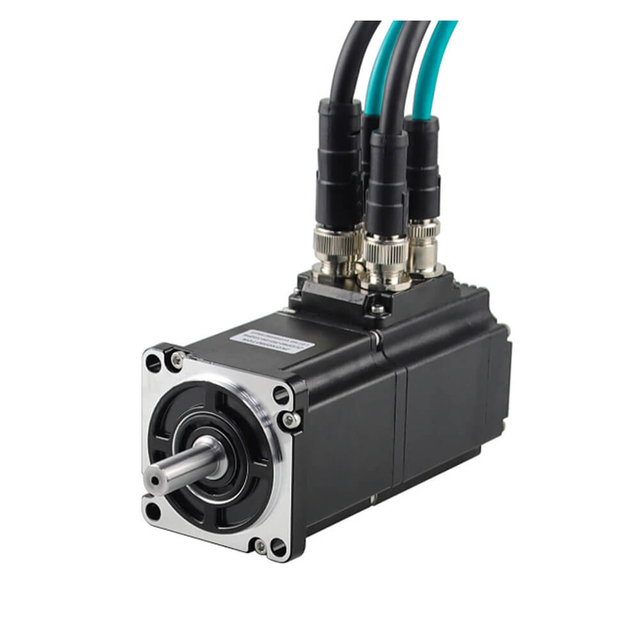
The keyword Integrated BLDC Servo Motors for Modular Laser Welding Cell isn’t just a mouthful—it’s a real game-changer for smart manufacturing. In today’s factories, flexibility isn’t optional anymore. Customers want more variants, faster lead times, and better quality, all at once. That’s a tall order, but modular laser welding cells powered by integrated BLDC servo motors are stepping up to the plate.
Let’s dig in and see how these motors reshape production lines, cut downtime, and boost precision like never before.
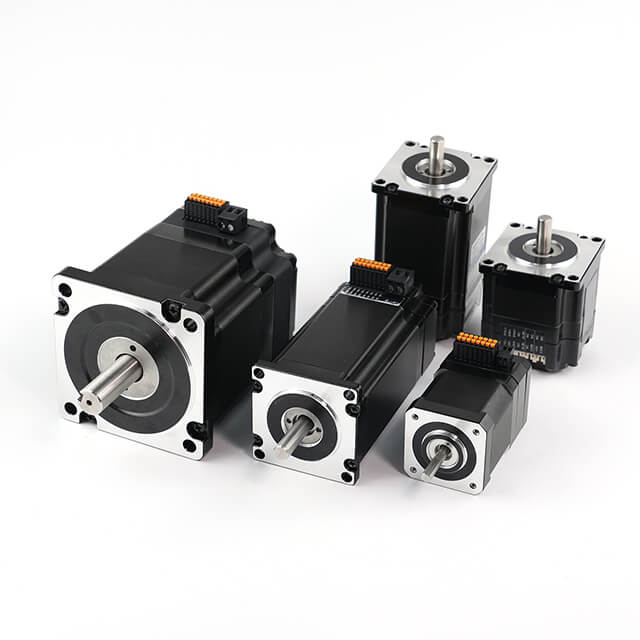
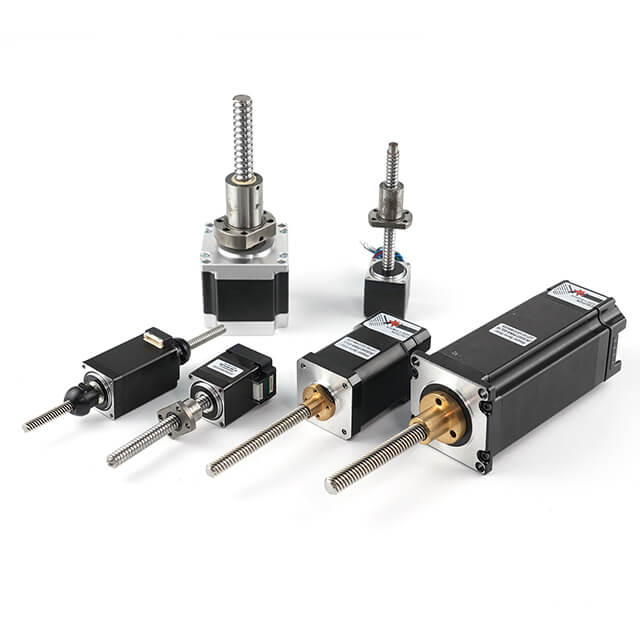
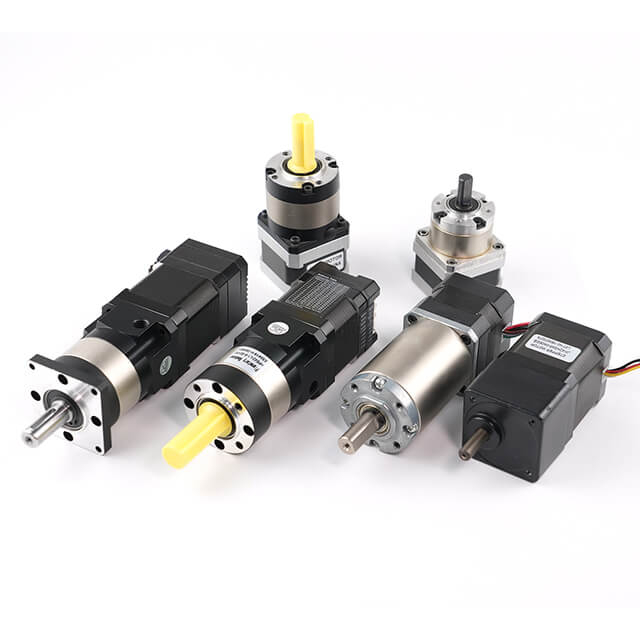
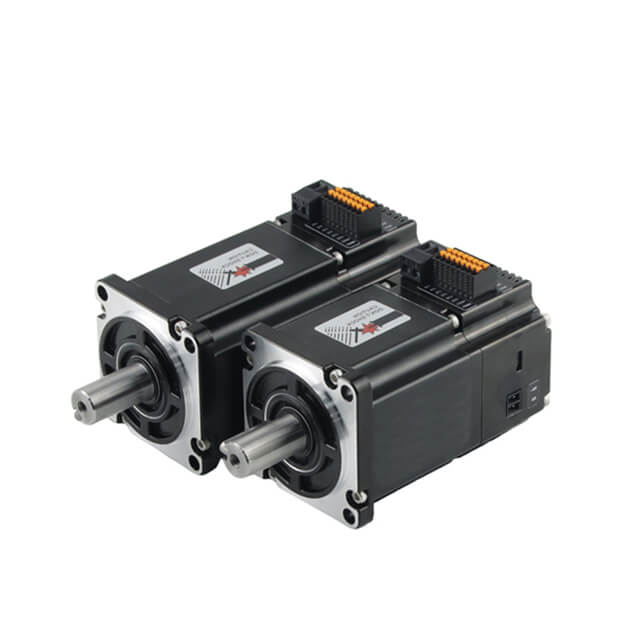
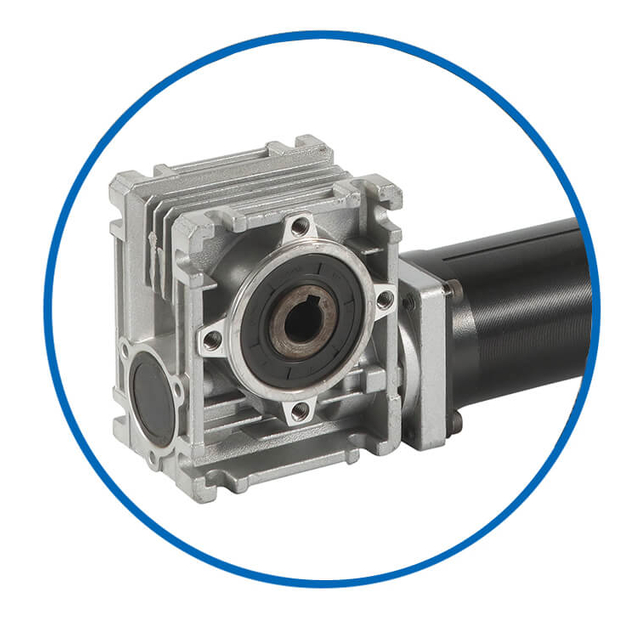
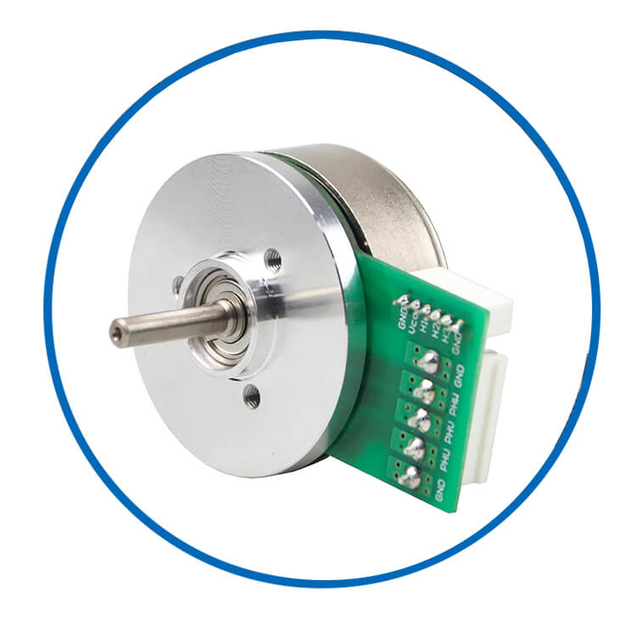
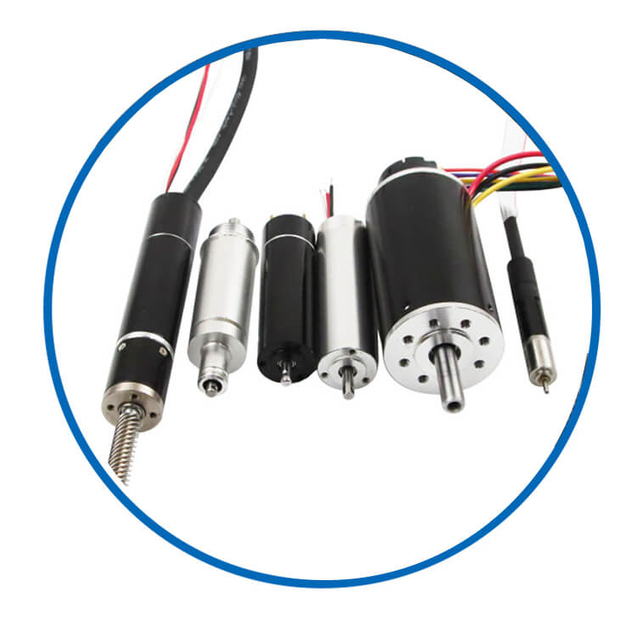
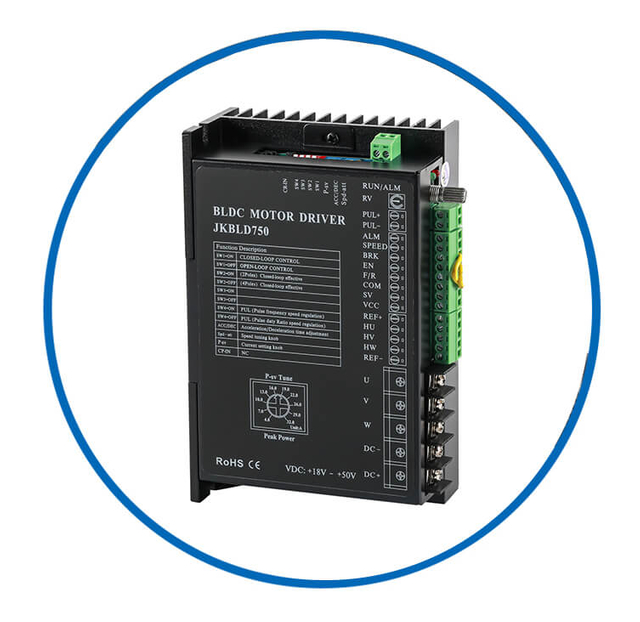
Jkongmotor's Integrated Servo Motor Types
OEM ODM Motor Customized Service
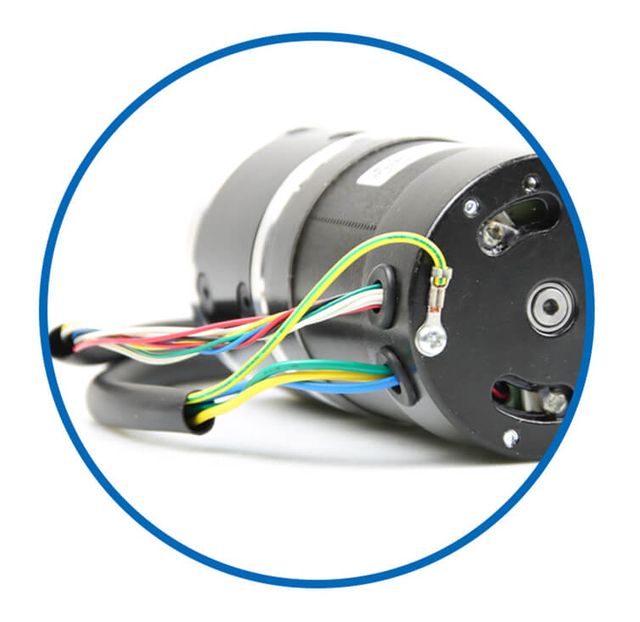
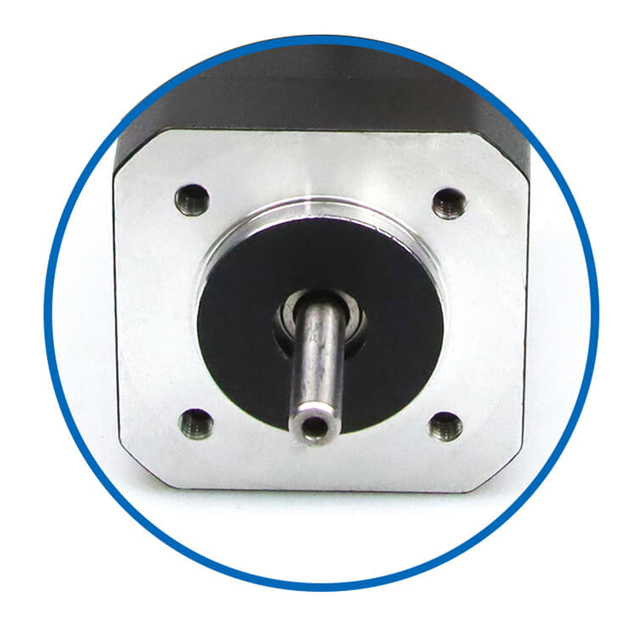
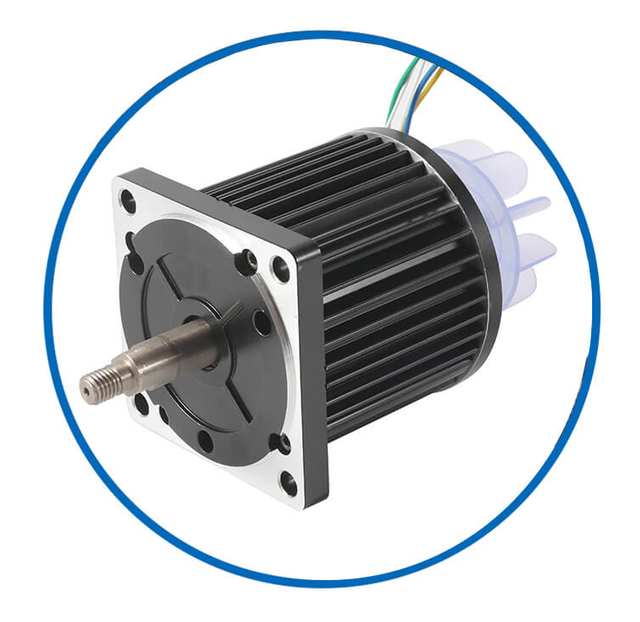
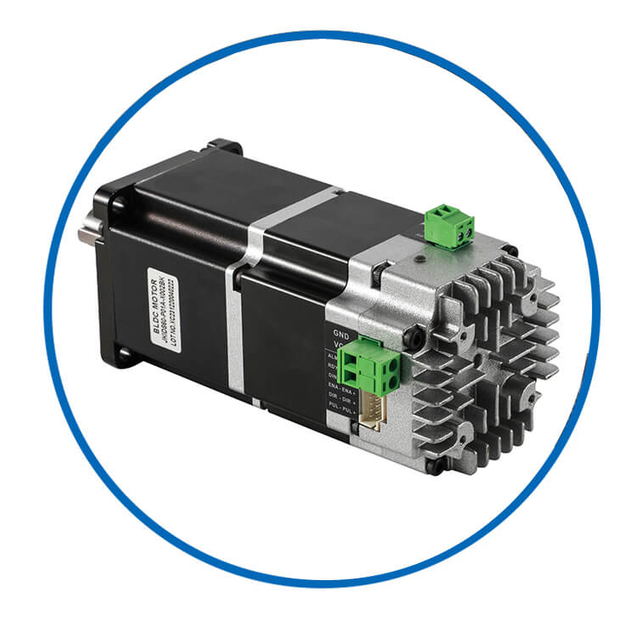
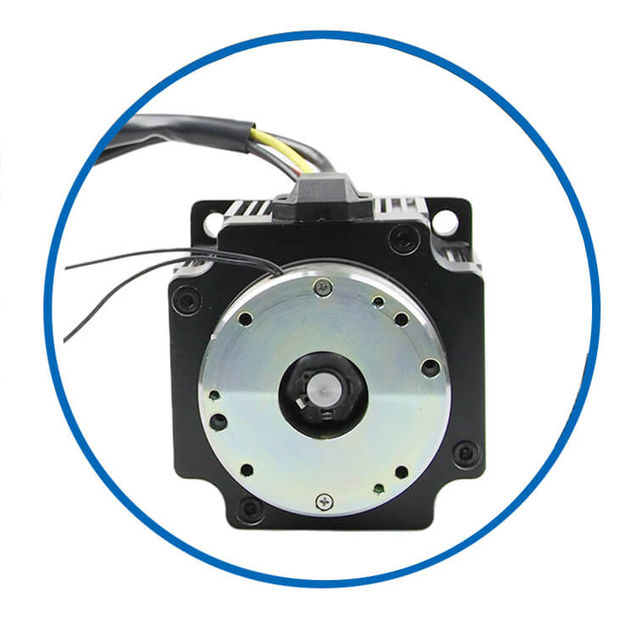
As a professional brushless dc motor manufacturer with 13 years in china, Jkongmotor offer various bldc motors with customized requirements, including 33 42 57 60 80 86 110 130mm, additionally, gearboxes, brakes, encoders, brushless motor drivers and integrated drivers are optional.
![bldc motor supplier]() | ![bldc motor supplier]() | ![bldc motor supplier]() | ![bldc motor supplier]() | ![bldc motor supplier]() | Professional custom brushless motor services safeguard your projects or equipment. No Brushes – Reduced Maintenance and Increased Lifespan High Efficiency and Low Power Loss High Torque-to-Weight Ratio Precise Speed and Position Control Quiet and Smooth Operation Wide Speed Range and Dynamic Performance Excellent Thermal Management Customizable Designs and Modular Configurations Multiple Control Methods Integration with Digital Interfaces and Sensors |
| Wires | Covers | Fans | Shafts | Integrated Drivers |
![bldc motor supplier]() | ![bldc motor supplier]() | ![bldc motor supplier]() | ![bldc motor supplier]() | ![bldc motor supplier]() |
| Brakes | Gearboxes | Out Rotors | Coreless Dc | Drivers |
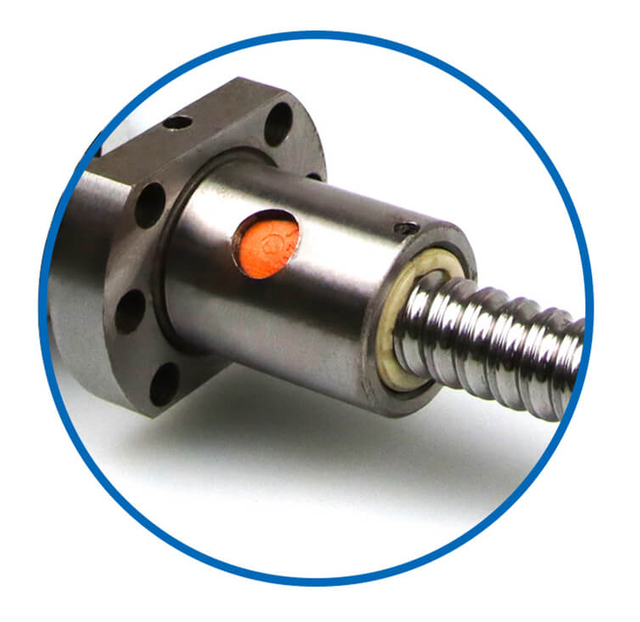
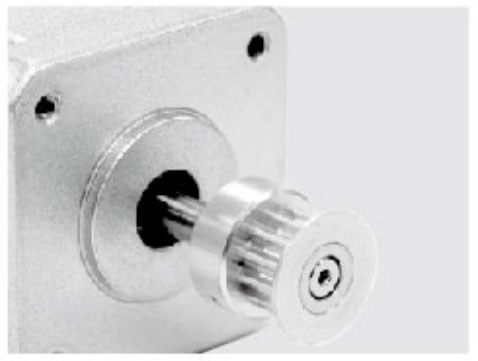
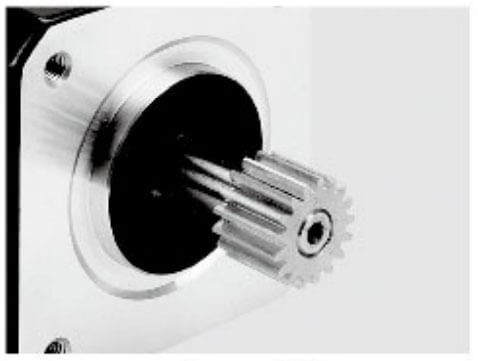
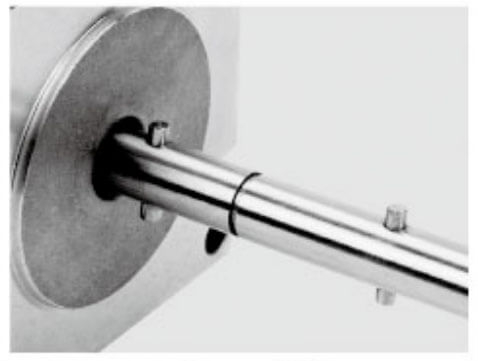
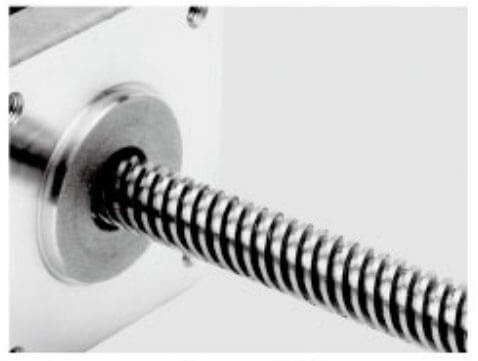
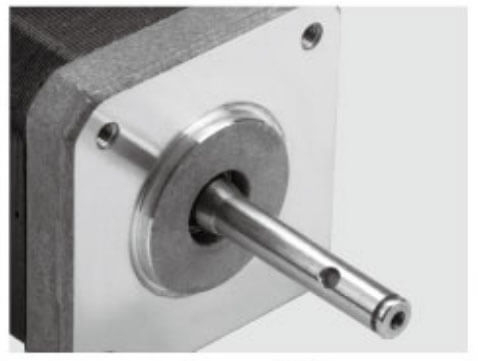
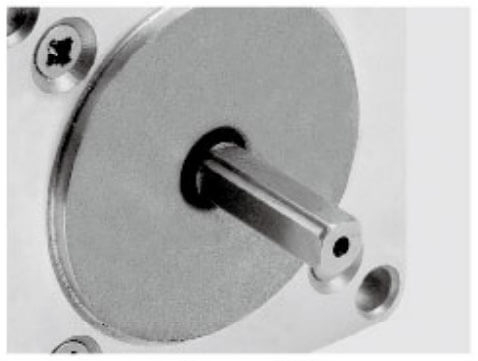
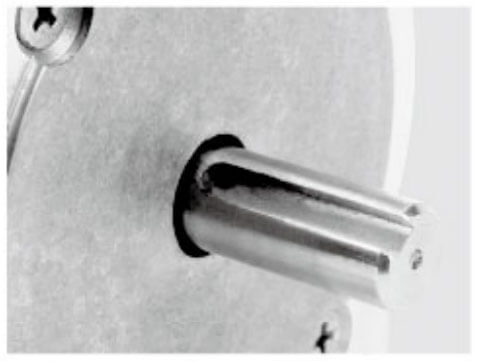
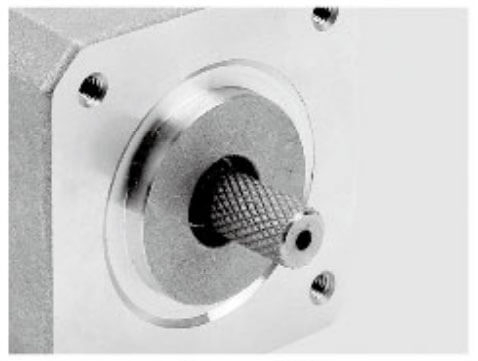
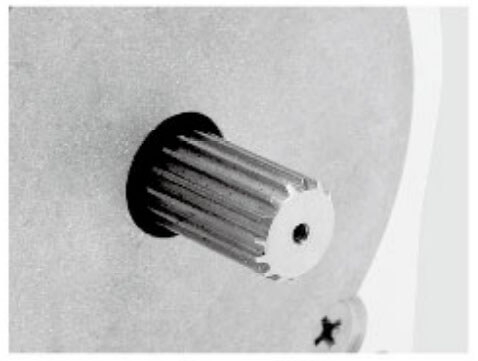
Motor Shaft Customized Service
Jkongmotor offer many different shaft options for your motor as well as customizable shaft lengths to make the motor fit your application seamlessly.
Why Modular Laser Welding Cells Are Transforming Manufacturing
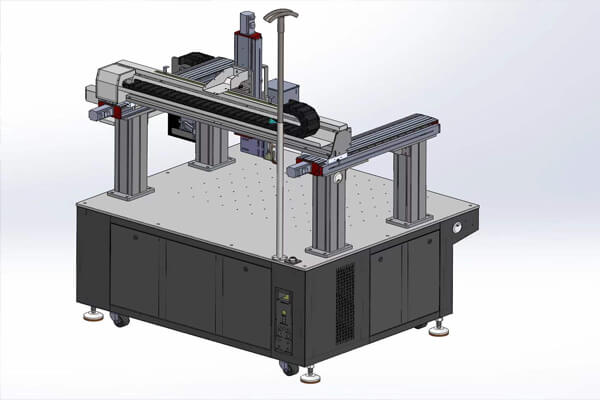
Manufacturing is under more pressure than ever. Customers want shorter lead times, more product variants, and near-perfect quality—yet budgets and floor space rarely increase. This is exactly why modular laser welding cells are becoming the new standard across automotive, electronics, medical, and battery industries.
Instead of building one massive, fixed production line, companies now deploy compact, reconfigurable welding modules that can be rearranged, expanded, or upgraded with minimal downtime. Let’s look at what’s driving this transformation.
From Rigid Production Lines to Flexible Manufacturing Cells
Traditional laser welding lines were engineered for a single product. Once installed, any change in part geometry, weld pattern, or production volume meant:
Modular laser welding cells flip this approach.
Each cell acts as an independent, standardized unit that can be:
This “building-block” approach means manufacturers can scale production like Lego—fast and with far less risk.
Faster Time to Market
Product life cycles are shrinking. In many industries, especially EVs and consumer electronics, a new design may only stay in production for 12–24 months.
With modular laser welding cells:
| Scenario | Traditional Line | Modular Cell |
| New product introduction | 3–6 months | 2–4 weeks |
| Capacity expansion | Major redesign | Add 1–2 cells |
| Pilot production | Dedicated line | Single modular unit |
That speed is often the difference between winning or losing a contract.
Precision and Consistency at Scale
Laser welding demands:
Modular cells are built around integrated motion platforms and high-precision servo systems, which ensures:
This is especially critical for battery tabs, sensor housings, and medical components where one bad weld can scrap the entire assembly.
Lower Capital Investment and Risk
Instead of spending millions upfront on a massive fixed line, modular systems allow a “start small, grow smart” strategy:
This staged investment model reduces financial risk and makes budgeting far more predictable.
Easy Reconfiguration for High-Mix Production
Modern factories don’t produce one product—they produce dozens.
Modular laser welding cells support high-mix production by allowing:
A cell that welds aluminum battery tabs today can be repurposed for stainless medical housings tomorrow—with only minor adjustments.
Smarter Maintenance and Higher Uptime
Each modular cell is an independent unit with built-in diagnostics. When one cell goes down:
The rest of the line keeps running
The faulty module can be swapped out
Maintenance happens offline
This dramatically improves overall equipment effectiveness (OEE) and slashes unplanned downtime.
A Foundation for Smart Factories
Modular laser welding cells integrate easily with MES, ERP, and cloud platforms, enabling:
They’re not just welding tools—they’re data generators that feed Industry 4.0 strategies.
Final Thoughts
Modular laser welding cells are transforming manufacturing because they solve today’s biggest problems:
Lack of flexibility
High capital risk
Long changeover times
Inconsistent quality
By breaking production into intelligent, scalable units, manufacturers gain the agility needed to survive—and thrive—in a fast-changing global market.
What Is an Integrated BLDC Servo Motor?
An integrated BLDC servo motor combines:
| Component | Traditional System | Integrated BLDC Servo |
| Motor | Separate | Built-in |
| Drive | External cabinet | Inside motor |
| Encoder | External wiring | Integrated feedback |
| Cables | Long, messy | Short, clean |
This all-in-one approach is why Integrated BLDC Servo Motors for Modular Laser Welding Cell setups are exploding in popularity.
How Integration Simplifies System Architecture
Reduced Wiring and Cabinet Space
No more spaghetti cables. That means:
Faster installation
Lower EMI risk
Smaller control cabinets
Improved Signal Integrity
With internal feedback loops, signal delays vanish. Your welding head moves exactly when it should—no lag, no guesswork.
Core Performance Advantages for Laser Welding Cells
Laser welding is one of the most demanding industrial processes. It doesn’t allow room for drift, vibration, or timing errors. A tiny deviation can mean weak joints, cosmetic defects, or total part failure. That’s why modern laser welding cells are engineered around high-performance motion platforms. Below are the core performance advantages that make today’s laser welding cells so powerful.
1. Exceptional Positioning Accuracy
Laser welds are often measured in tenths of a millimeter or less. High-resolution servo systems inside laser welding cells deliver:
Sub-micron positioning accuracy
Minimal hysteresis during direction changes
Stable motion even at ultra-low speeds
This ensures the laser beam follows the exact seam path, even on complex 3D parts.
2. Superior Repeatability
In mass production, the first weld and the thousandth weld must be identical. Laser welding cells achieve outstanding repeatability by combining rigid mechanical frames with closed-loop feedback control.
| Parameter | Typical Value |
| Position repeatability | ±0.01 mm or better |
| Angular repeatability | ±0.005° |
| Path deviation | Near zero over long cycles |
This consistency directly improves product quality and reduces scrap.
3. Real-Time Motion Correction
During welding, loads change constantly due to part tolerances, thermal expansion, and fixture wear. Advanced laser welding cells use real-time feedback to detect these changes instantly and correct motion before defects occur.
Key benefits include:
Automatic compensation for load fluctuations
Stable seam geometry across long production runs
Reduced dependency on frequent recalibration
4. Smooth and Vibration-Free Movement
Vibration is the enemy of laser welding. Even microscopic oscillations can distort weld pools or cause spatter. High-performance laser welding cells are designed to:
This leads to cleaner welds, better penetration control, and superior surface finish.
5. High Dynamic Response
Laser welding often requires rapid changes in speed, direction, or acceleration, especially when switching between weld segments.
Modern cells provide:
Fast acceleration and deceleration
Zero overshoot when stopping at seam endpoints
Perfect synchronization between axes
This is critical for complex patterns such as battery tabs or micro-electronic components.
6. Thermal Stability During Long Cycles
Welding environments generate heat, and heat changes everything—mechanical clearances, encoder accuracy, and electronic reliability. Laser welding cells use:
Optimized thermal layouts
Intelligent heat dissipation
Continuous temperature monitoring
The result is stable performance from the first shift to the last, even in high-duty cycles.
7. Seamless Multi-Axis Synchronization
Many laser welds are not straight lines but multi-axis curves and 3D contours. High-end laser welding cells synchronize multiple motion axes in real time, ensuring:
8. Built-In Diagnostics and Process Monitoring
Performance isn’t just about speed and precision—it’s also about knowing what’s happening inside the system. Laser welding cells include advanced diagnostics that monitor:
Position errors
Torque load variations
Temperature trends
This data enables predictive maintenance and prevents defects before they reach the customer.
Final Insight
The core performance advantages of modern laser welding cells—accuracy, repeatability, dynamic response, and stability—aren’t just incremental improvements. They represent a fundamental shift in how welding quality, productivity, and reliability are achieved. For manufacturers chasing zero-defect production, these capabilities aren’t luxuries—they’re necessities.
Mechanical and Electrical Design Benefits
Behind the speed and precision of modern laser welding cells lies a carefully engineered combination of mechanical robustness and intelligent electrical architecture. These design elements don’t just make the system work — they make it reliable, scalable, and production-ready for harsh industrial environments.
Compact, Integrated Mechanical Architecture
Modern laser welding cells are built around tightly integrated motion modules where motors, drives, and feedback systems are housed in a single compact assembly.
This brings several mechanical advantages:
Reduced system footprint – Smaller motion modules allow welding cells to be installed in tight spaces or combined into dense production layouts.
Lower moving mass – With fewer external components, the load on each axis drops, enabling faster acceleration and higher dynamic performance.
Simplified mechanical alignment – Factory-aligned motor-drive assemblies eliminate the need for fine on-site adjustments.
Higher structural rigidity – Shorter transmission paths reduce backlash and torsional flex, improving path accuracy.
Improved Vibration Control
Laser welding demands ultra-stable motion. Any mechanical vibration directly affects weld pool stability and seam appearance.
Optimized mechanical design ensures:
| Feature | Benefit |
| One-piece housings | Eliminate joint looseness |
| Short shaft couplings | Reduce torsional resonance |
| Rigid mounting flanges | Improve damping performance |
Together, these features produce smoother motion profiles and cleaner weld seams.
Intelligent Thermal Management
Laser welding environments expose motion components to elevated temperatures and thermal gradients. Poor heat handling leads to encoder drift, bearing wear, and electronic failure.
Advanced welding cells include:
Aluminum alloy housings for rapid heat dissipation
Optimized airflow channels inside motor assemblies
Real-time thermal monitoring and protective derating
This ensures stable positioning accuracy even during long, high-duty production cycles.\
Streamlined Electrical Architecture
Traditional systems rely on large control cabinets, long cable runs, and multiple connectors — all potential failure points.
Modern electrical designs minimize complexity by:
Integrating drives directly into motor housings
Using short, shielded feedback loops
Reducing cabinet wiring by more than 60%
The result is improved electrical reliability and easier commissioning.
Enhanced Signal Integrity
Electrical noise is a silent killer in precision welding systems. High-frequency switching from laser sources and inverters can distort control signals.
Advanced electrical design protects system performance through:
This leads to stable encoder feedback and consistent motion accuracy.
Faster Installation and Maintenance
Mechanical and electrical integration significantly reduces deployment time.
| Task | Traditional System | Integrated Design |
| Mechanical mounting | 3–4 hours | 1 hour |
| Wiring & debugging | 1–2 days | Half a day |
| Maintenance shutdown | Full line stop | Single module swap |
Maintenance teams can replace entire motion modules instead of troubleshooting individual drives or cables, keeping production losses to a minimum.
Designed for Scalability
Whether a manufacturer runs one welding cell or fifty, modular mechanical and electrical design makes scaling effortless. New cells are added by duplicating proven modules — no re-engineering, no downtime.
Final Thoughts
Mechanical stability and electrical intelligence form the backbone of high-performance laser welding cells. By combining rigid compact structures with clean, noise-resistant electrical layouts, these systems deliver long-term reliability, consistent weld quality, and true plug-and-play scalability — the exact qualities demanded by modern smart factories.
Customization Capabilities for Modular Cells
One of the biggest reasons modular laser welding cells outperform traditional systems is their deep level of customization. Instead of forcing your production process to fit the machine, modular cells are engineered to fit your product, your factory layout, and your future growth plans.
This flexibility isn’t cosmetic — it’s built into the mechanical, electrical, and software layers of the system.
Mechanical Customization Options
Every product geometry is different, so motion hardware must adapt. Modular laser welding cells offer a wide range of mechanical customization features:
| Component | Available Options | Practical Benefit |
| Motor shafts | Solid, hollow, keyed, D-cut | Match your coupling and tooling needs |
| Gearboxes | Planetary, harmonic, custom ratios | Optimize torque, speed, and accuracy |
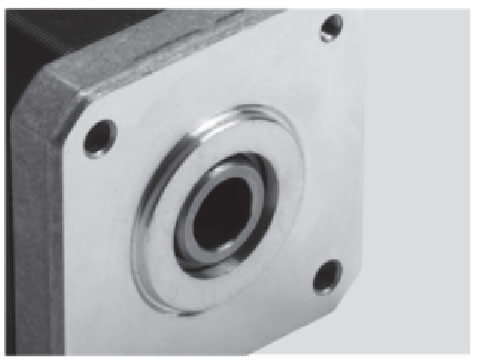
| Mounting flanges | Round, square, compact face | Easy mechanical integration |
| Protection class | IP54, IP65, IP67 | Operate in dusty, humid, or cleanroom environments |
This allows each cell to be purpose-built instead of relying on generic motion modules.
Encoder and Feedback Configuration
Different welding tasks demand different levels of precision and reliability.
Modular cells support:
Incremental encoders for cost-sensitive applications
Absolute encoders for zero-homing, high-precision systems
Multi-turn feedback for large stroke or rotary axes
This means your welding system never loses position — even after emergency stops or power outages.
Drive Parameter and Motion Profile Tuning
Unlike fixed automation lines, modular cells allow motion profiles to be fine-tuned at the cell level.
Engineers can adjust:
This is especially useful when switching between thin foils and thick metal parts without mechanical changes.
Communication Protocol Customization
Modern factories run multiple control platforms. Modular laser welding cells support a wide range of industrial communication protocols:
| Protocol | Typical Use Case |
| EtherCAT | High-speed, multi-axis synchronization |
| CANopen | Cost-effective distributed control |
| Modbus TCP | Easy PLC integration |
| PROFINET | Siemens-based production lines |
Cells can be dropped into existing networks without rewriting control logic.
Process Parameter Libraries
Each product often requires unique welding parameters. Modular cells allow operators to store full parameter sets, including:
Laser power
Welding speed
Motion paths
Trigger timing
Switching products becomes a software action, not a mechanical rebuild.
Fixture and Tooling Flexibility
Fixtures are modular too. Standardized mechanical interfaces allow quick swapping of:
Workholding jigs
Rotary tables
Linear slides
Vision modules
This supports true high-mix, low-volume production without sacrificing uptime.
Future-Proof Expansion
When demand grows, customization doesn’t stop — it scales.
You can:
All without replacing the core laser welding cell.
Final Thoughts
Customization is no longer a luxury — it’s the foundation of competitive manufacturing. Modular laser welding cells empower manufacturers to build exactly the system they need today, while staying ready for whatever tomorrow demands. That’s not just flexibility; it’s production freedom.
Application Scenarios in Modular Laser Welding
Modular laser welding isn’t limited to one industry or product type. Its true strength lies in how easily it adapts to different materials, geometries, and production volumes. Below are the most impactful application scenarios where modular laser welding cells are delivering measurable value.
Automotive Battery Pack and EV Component Welding
Electric vehicle production depends on hundreds of precise welds per battery module. Modular laser welding cells are ideal here because they provide:
High-speed tab-to-busbar welding
Minimal thermal input to protect lithium cells
Perfect repeatability across large production batches
When production ramps up, manufacturers simply add more welding cells rather than rebuilding entire lines.
Sheet Metal Micro-Welding
Thin stainless steel and aluminum parts require extreme control to prevent burn-through or warping.
Typical applications include:
| Product Type | Weld Feature |
| Sensor housings | Seam welding |
| Medical trays | Spot welding |
| Electronics casings | Micro-bead welding |
Modular cells allow operators to fine-tune energy input per product, ensuring cosmetic and structural perfection.
Consumer Electronics Assembly
Smartphones, wearables, and laptops all rely on hidden micro-welds that must be both strong and invisible.
Modular laser welding excels by offering:
This keeps scrap rates low even during high-mix production.
Medical Device Manufacturing
In medical production, weld quality isn’t just about appearance — it’s about safety.
Applications include:
Modular laser welding cells meet strict cleanliness and validation requirements while enabling fast traceability.
Precision Mechanical Components
Gear assemblies, valve housings, and micro-mechanical parts demand both strength and dimensional accuracy.
Modular cells ensure:
Stable weld penetration depth
Minimal post-weld distortion
High throughput with minimal setup changes
This is especially valuable in aerospace and instrumentation manufacturing.
New Energy and Power Electronics
Power modules, inverters, and fuel cell plates all require reliable, low-resistance joints.
With modular laser welding cells, manufacturers gain:
High conductivity weld seams
Controlled heat input to protect sensitive electronics
Scalable capacity for fast-growing markets
Final Insight
From EV batteries to medical implants, modular laser welding has proven itself across industries. Its adaptability, precision, and scalability make it the backbone of modern, high-mix, high-quality production lines — exactly what today’s competitive manufacturers demand.
ROI and Total Cost of Ownership
Lower Installation and Maintenance Cost
Compared to traditional servo systems:
| Cost Factor | Traditional | Integrated BLDC |
| Installation Time | 3–5 days | 1–2 days |
| Cabinet Size | Large | Minimal |
| Downtime | High | Low |
Faster Production Changeover
Modular cells equipped with Integrated BLDC Servo Motors for Modular Laser Welding Cell technology can be retooled in hours, not weeks.
Implementation Guide
Selection Checklist
Integration Best Practices
Conclusion
Manufacturing isn’t slowing down—it’s getting smarter. If you want your welding lines to keep pace, Integrated BLDC Servo Motors for Modular Laser Welding Cell systems are no longer optional. They’re the backbone of flexible automation, delivering precision, reliability, and scalability all in one neat package.
And honestly, once you see them in action, you’ll wonder how you ever lived without them.