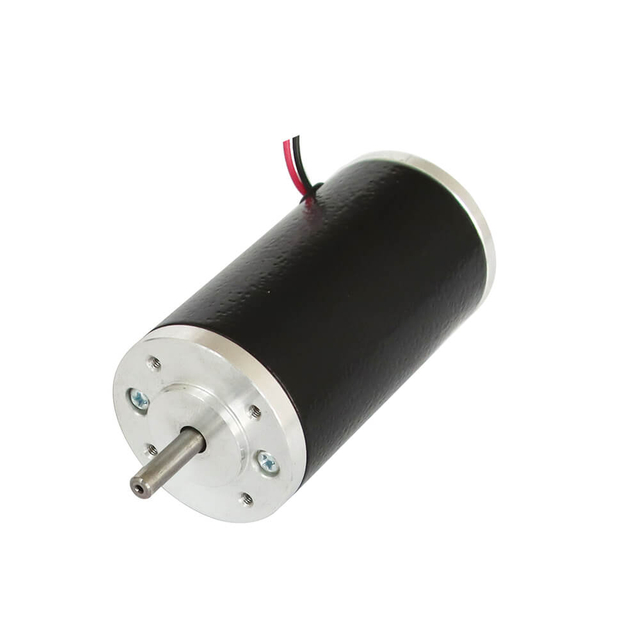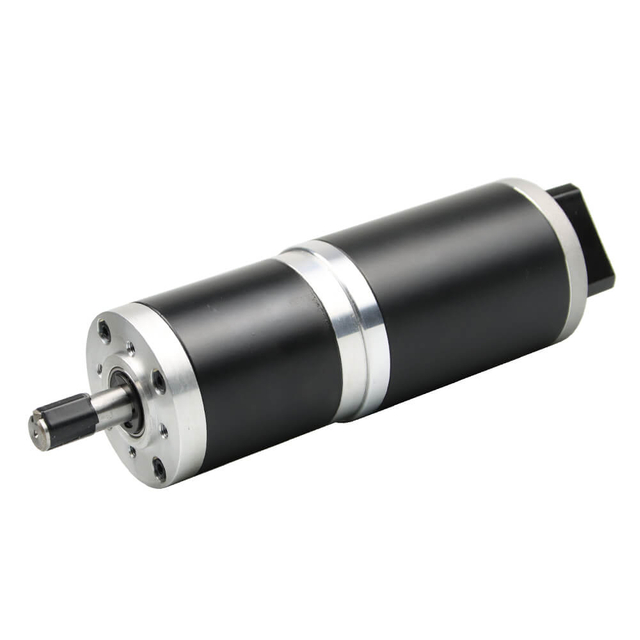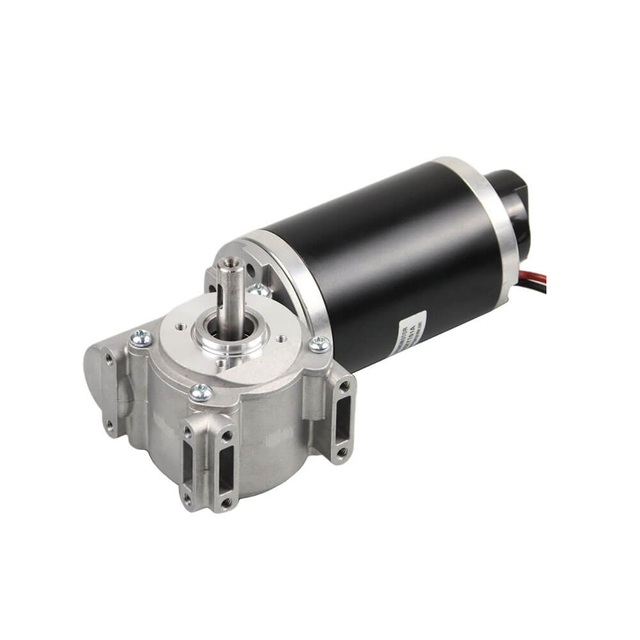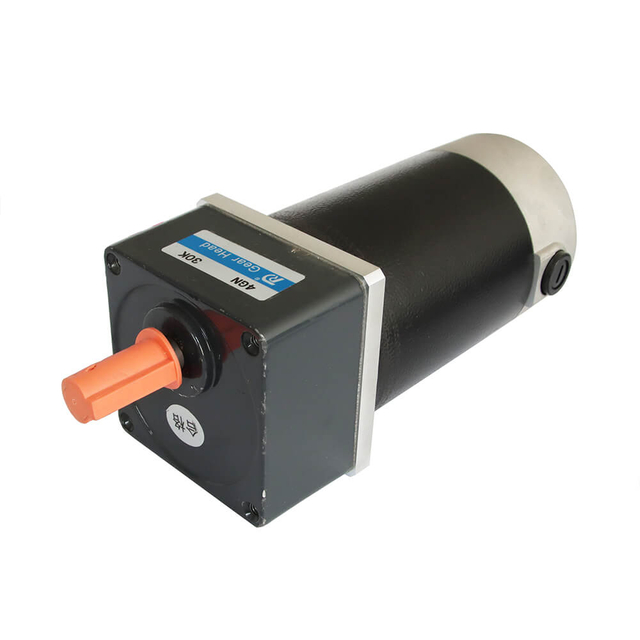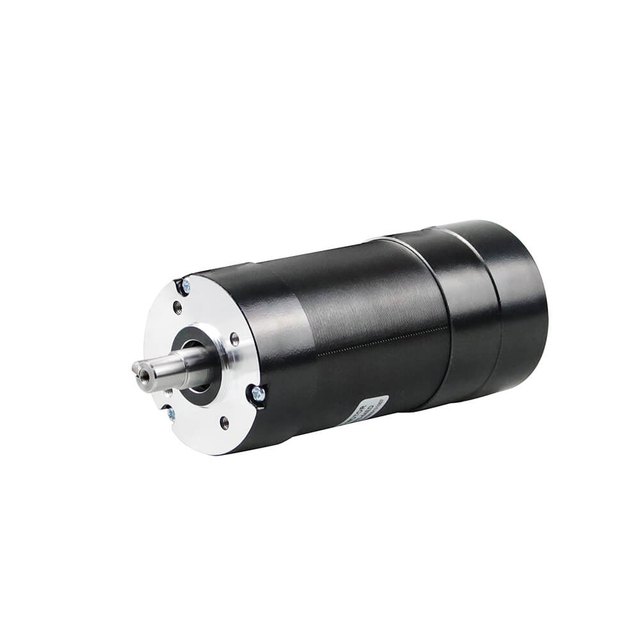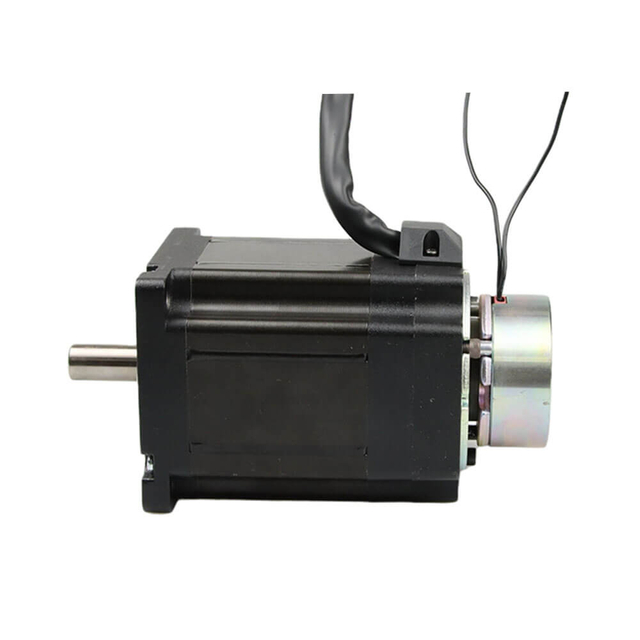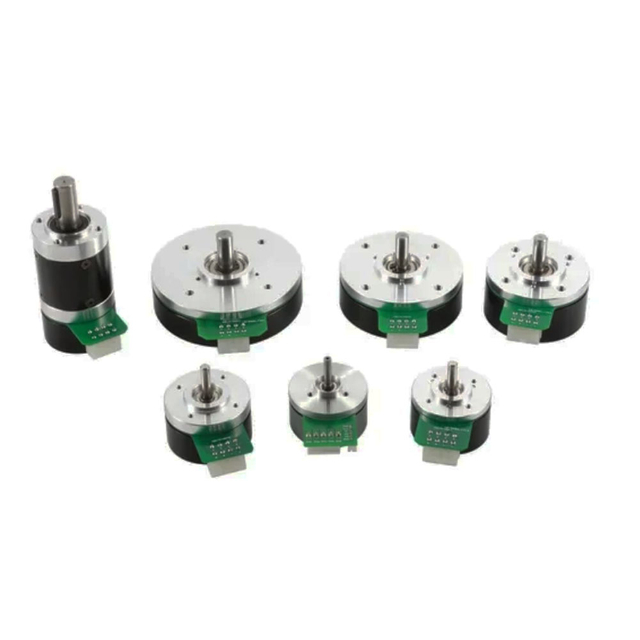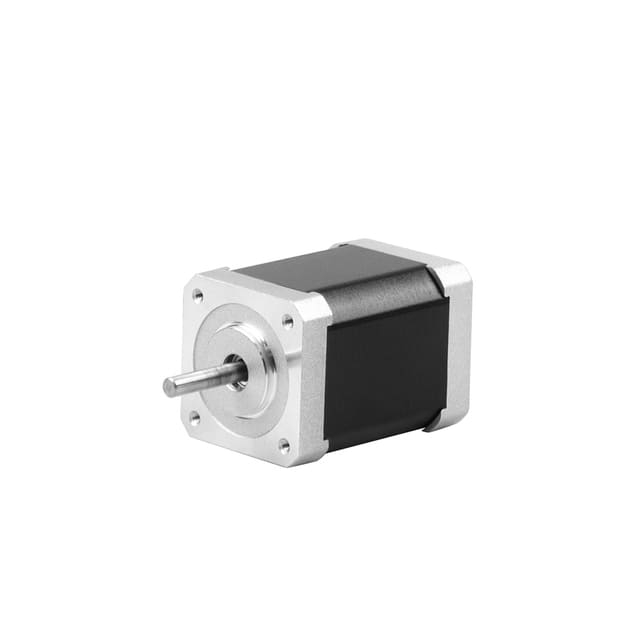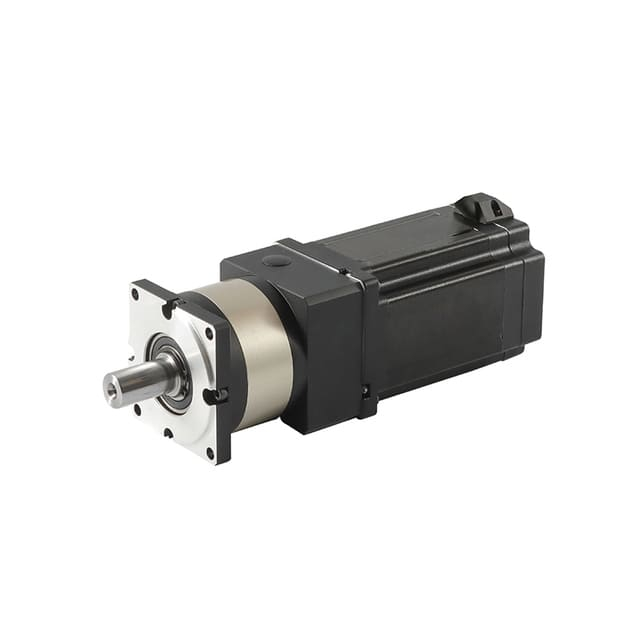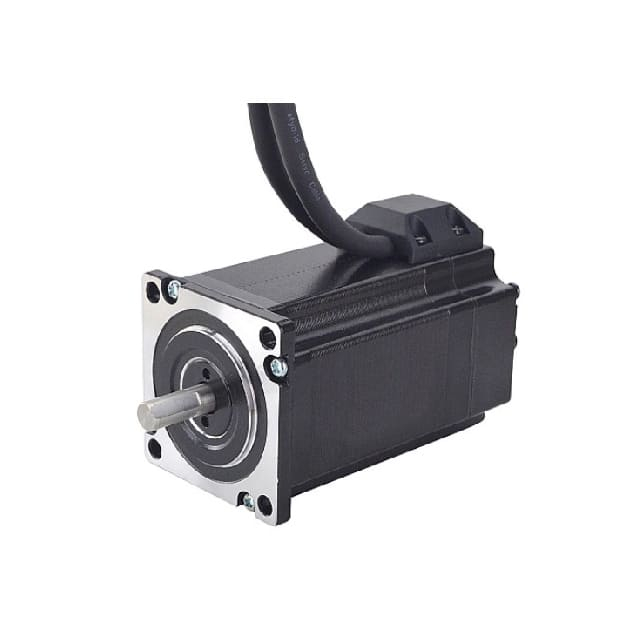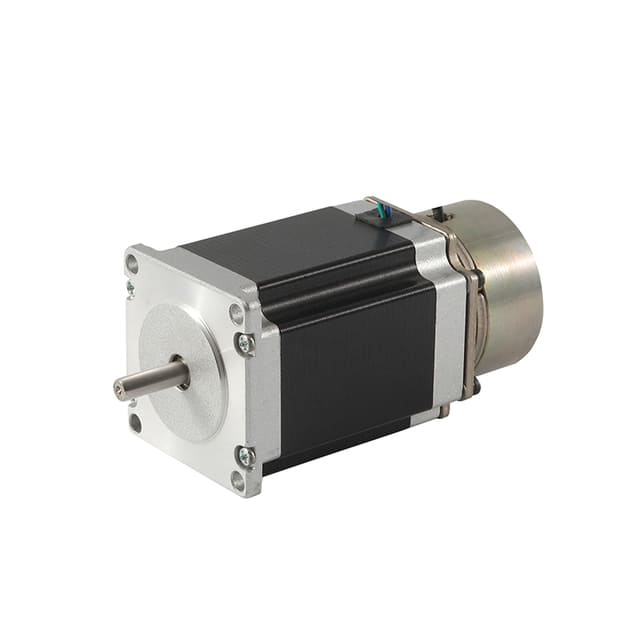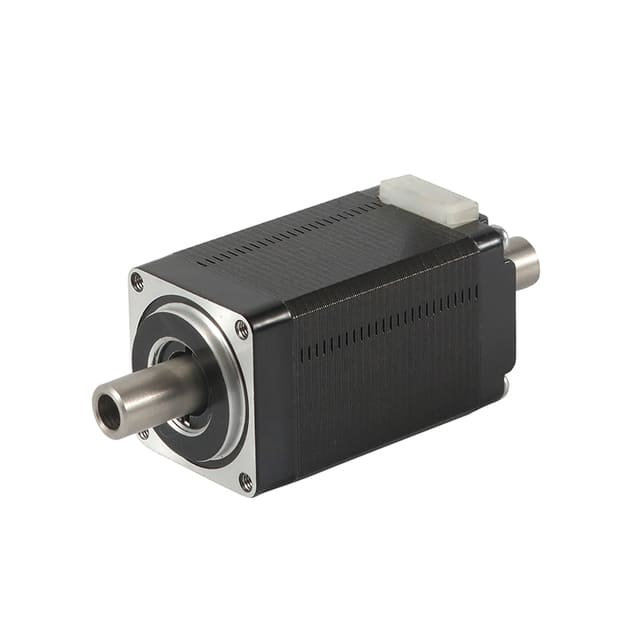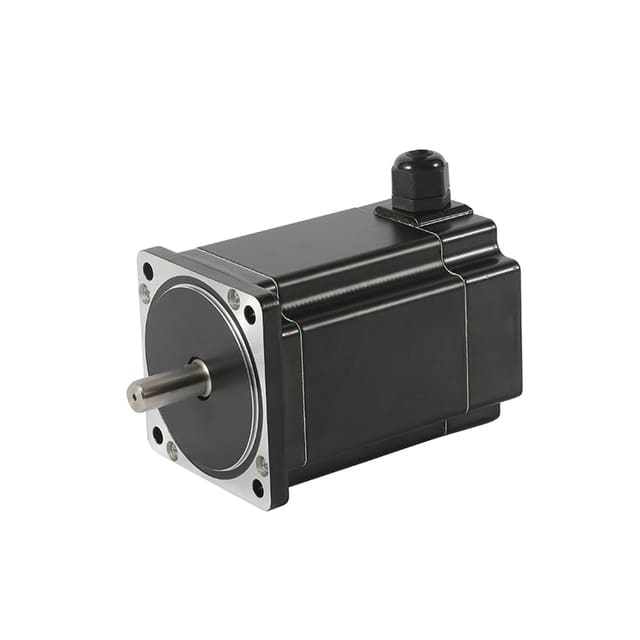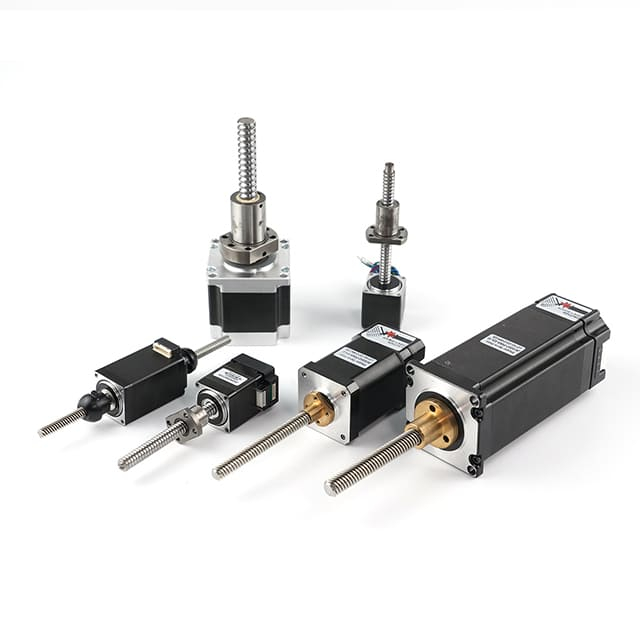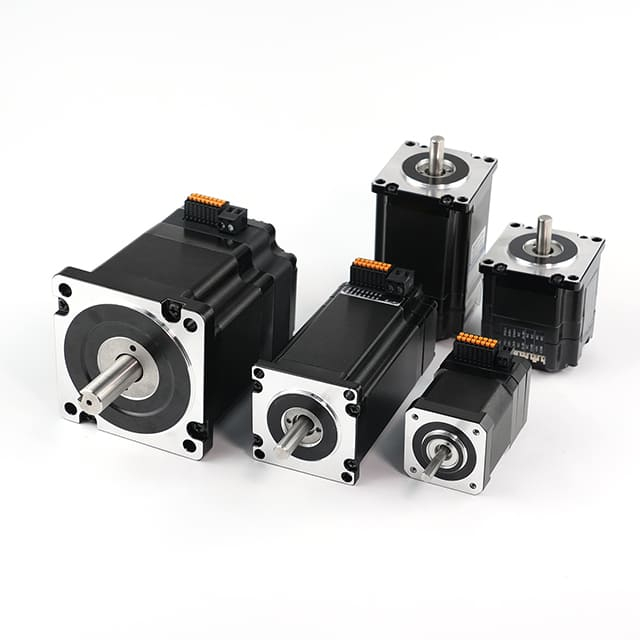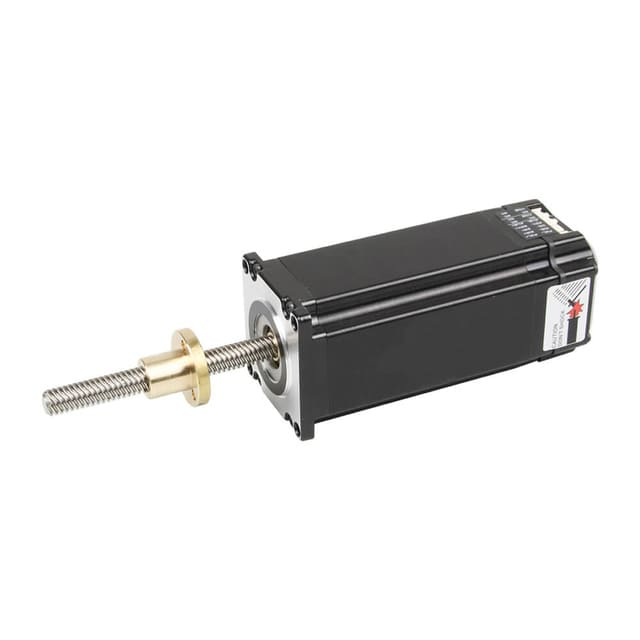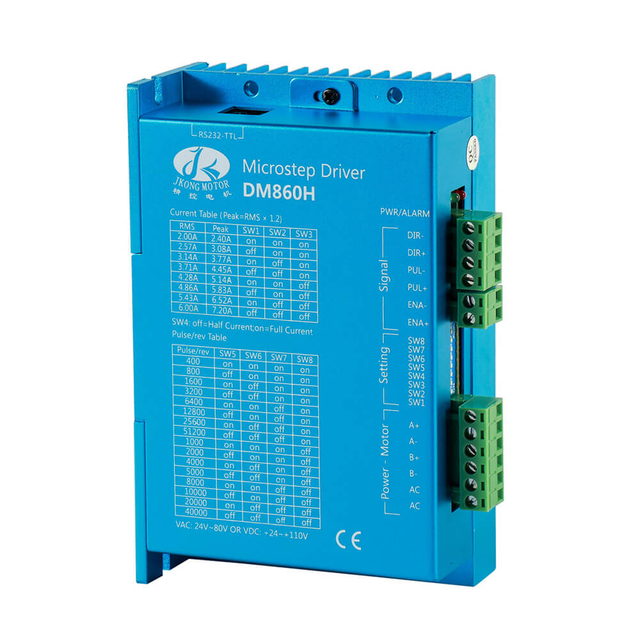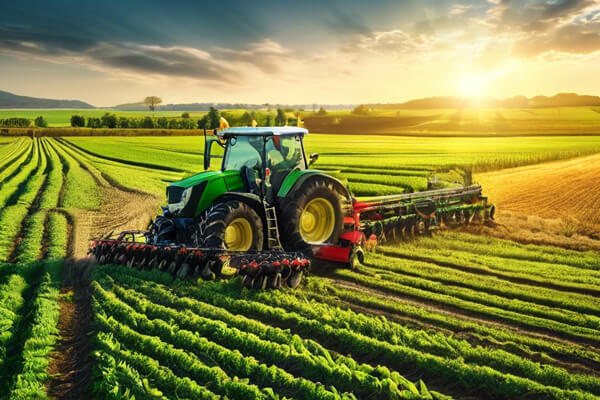
In modern agriculture, the efficiency and precision of machinery are pivotal to achieving optimal crop yields. One of the core components enabling this efficiency is the seeder motor. These motors play a critical role in controlling the precise delivery of seeds, ensuring uniform spacing, and minimizing seed wastage. The evolution of agriculture machinery motors has transformed traditional farming, integrating high-performance motors into seeders to meet the demands of large-scale farming operations.
Understanding Seeder Motors and Their Role in Agriculture
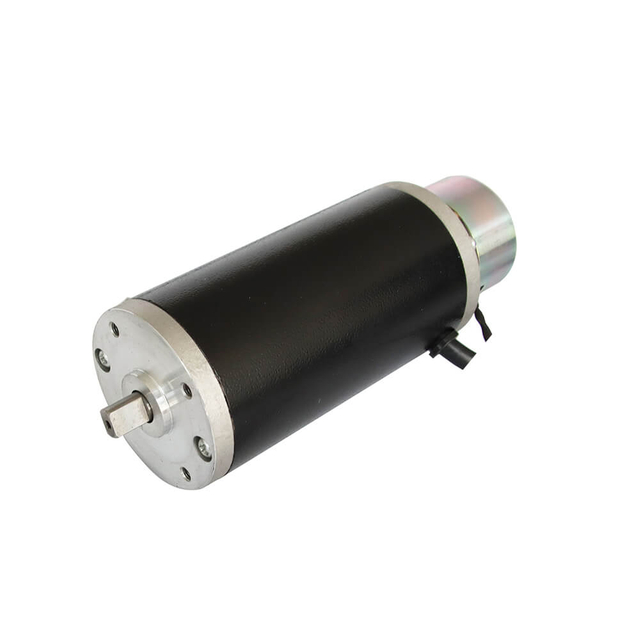
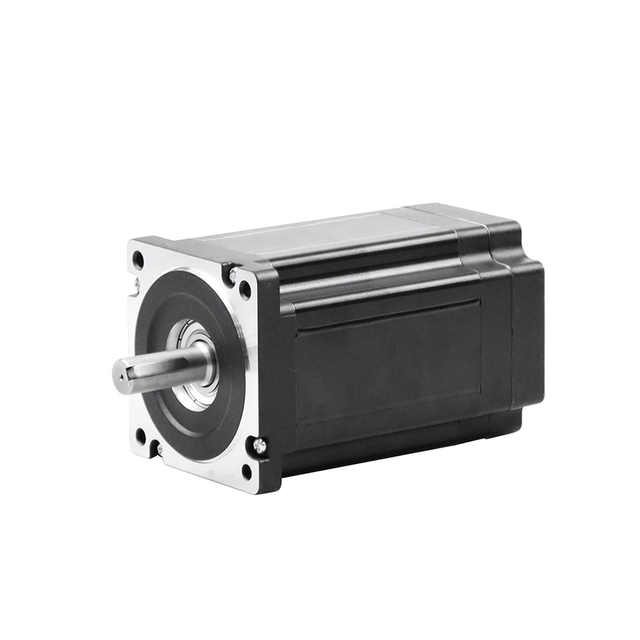
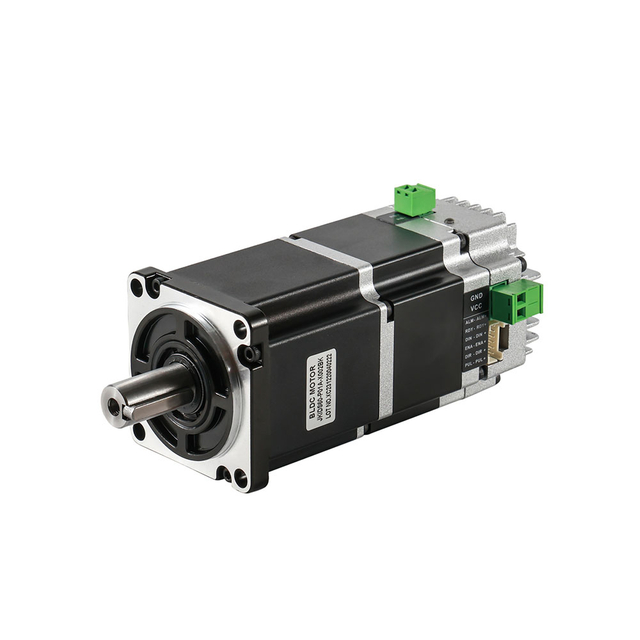
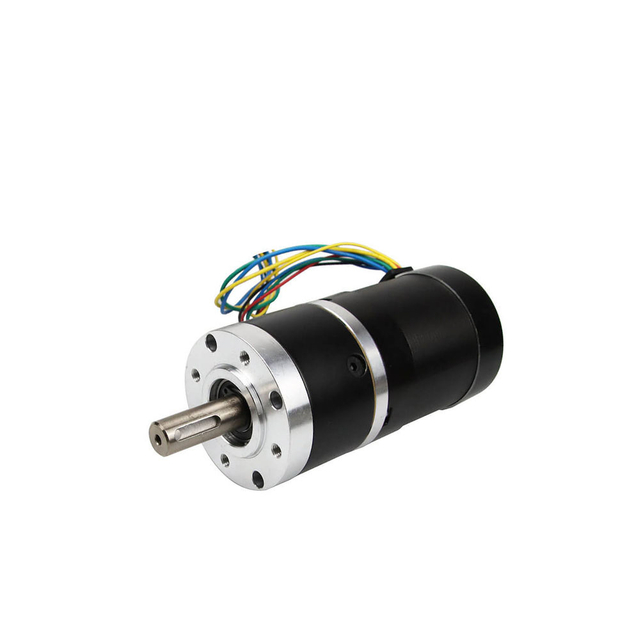
A seeder motor is an essential component of seeding machinery that provides the necessary torque and speed to drive seed metering mechanisms. These motors can be brushed DC motors, brushless DC motors, or stepper motors, each offering distinct advantages depending on the application. Their primary function is to ensure consistent and accurate seed distribution, which directly influences crop germination rates and farm productivity.
Modern agriculture seeders require motors that can operate in varying field conditions, withstand dust and moisture, and deliver precise control over seed output. By integrating advanced motor technologies, farmers can achieve precision planting, reducing overlaps and gaps that compromise yield potential.
Types of Seeder Motors Used in Agriculture Machinery
1. Brushed DC Motors
Brushed DC motors are known for their simplicity, cost-effectiveness, and ease of integration. They offer excellent torque at low speeds, making them ideal for applications where seed metering needs precise rotation. Brushed motors are highly reliable in rugged field conditions and are commonly used in small to medium-sized seeders.
Key advantages:
2. Brushless DC Motors
Brushless DC motors (BLDC) provide superior efficiency and longevity compared to brushed motors. With electronic commutation, they deliver smooth and precise operation, which is crucial for modern seeders equipped with computerized seed rate control systems. BLDC motors are particularly suitable for high-capacity seeders where consistent performance under heavy loads is required.
Key advantages:
High efficiency and reduced energy consumption
Longer operational life with minimal maintenance
Compatible with automated control systems
3. Stepper Motors
Stepper motors are widely used in precision agricultural machinery due to their ability to execute controlled incremental movements. This makes them perfect for variable seed rate control, where seed output can be dynamically adjusted based on soil conditions, terrain, and crop type.
Key advantages:
Precise positioning and repeatability
Smooth operation at low speeds
Ideal for intelligent farming systems
Critical Features of High-Performance Seeder Motors
High-performance seeder motors are at the heart of modern agricultural machinery, ensuring precision, efficiency, and reliability in seeding operations. Choosing the right motor requires understanding the critical features that directly impact performance, durability, and productivity. Below is a comprehensive overview of the key characteristics of top-quality seeder motors.
1. Durability and Reliability
Seeder motors must withstand the harsh conditions of agricultural fields, including dust, moisture, vibration, and temperature fluctuations. Motors with robust housings, high-quality bearings, and sealed enclosures are essential to maintain long-term reliability. A durable motor reduces downtime, lowers maintenance costs, and ensures consistent performance throughout multiple planting seasons.
2. High Torque at Low Speeds
Accurate seed metering requires motors that provide high torque even at low speeds. This feature is crucial for controlling the rotation of seed metering disks or plates, particularly in precision seeders. Motors with sufficient torque ensure uniform seed spacing, prevent slippage, and maintain planting accuracy even under varying soil resistance conditions.
3. Variable Speed Control
Modern agriculture demands flexible seeding rates to match crop type, soil conditions, and field layout. High-performance motors allow precise variable speed control, enabling operators to adjust seed flow rates dynamically. This feature supports precision farming techniques, reduces waste, and optimizes resource utilization.
4. Energy Efficiency
Energy efficiency is a significant factor in the operational cost of agricultural machinery. Brushless DC motors and stepper motors are highly efficient, converting electrical energy into mechanical motion with minimal losses. Efficient motors reduce power consumption, extend battery life in electric machinery, and contribute to more sustainable farming practices.
5. Integration with Smart Farming Systems
Advanced seeder motors are compatible with GPS guidance, IoT devices, and automated control systems. This integration allows real-time adjustments of seed rates, synchronization with tractor speed, and data-driven planting decisions. Motors capable of responding to automated commands enhance operational efficiency and ensure consistent crop performance.
6. Low Maintenance Requirements
High-performance motors are designed for minimal maintenance, with features like sealed housings to prevent dust ingress, long-lasting brushes (in brushed motors), or brushless designs that eliminate mechanical wear points. Low-maintenance motors reduce machine downtime and labor costs, allowing farmers to focus on planting and other critical tasks.
7. Precision and Repeatability
For modern precision agriculture, accuracy is paramount. Seeder motors must provide consistent, repeatable movements to maintain uniform seed placement. Stepper motors, in particular, excel in this area, delivering controlled incremental steps that ensure exact spacing and depth for every seed.
8. Robustness Against Environmental Stress
Agricultural operations expose seeder motors to mud, dust, and water, as well as vibrations from rough terrain. Motors with IP-rated enclosures, reinforced shafts, and shock-resistant designs ensure that environmental stress does not compromise performance. This robustness guarantees reliable operation throughout demanding field conditions.
In summary, high-performance seeder motors combine durability, precision, energy efficiency, and smart integration to meet the demands of modern agriculture. Selecting motors with these critical features ensures optimal seed placement, operational reliability, and enhanced crop yields, forming the backbone of efficient and technologically advanced seeding machinery.
Seeder motors are a cornerstone of modern agriculture machinery, enabling precise, efficient, and high-speed planting. Their integration into various seeding systems enhances productivity, reduces seed wastage, and supports precision farming practices. Below is a detailed exploration of the key applications of seeder motors in agricultural machinery.
1. Precision Seeders
Precision seeders rely heavily on high-performance motors to achieve uniform seed spacing and accurate planting depth. Motors in these systems control seed metering disks, rollers, or conveyor mechanisms, ensuring that every seed is planted with exact spacing. This precise placement improves germination rates, maximizes yield potential, and minimizes competition among plants for nutrients.
Key benefits in precision seeders:
2. Pneumatic Seeders
Pneumatic seeders use air pressure to transport and distribute seeds across planting rows. Seeder motors in these systems drive air blowers, fans, or seed distribution mechanisms, ensuring consistent airflow and preventing seed clumping. Accurate motor control is essential for maintaining even seed placement across wide fields, especially in high-speed planting operations.
Advantages of motors in pneumatic seeders:
3. Fertilizer-Integrated Seeders
Modern multi-function seeders are designed to simultaneously sow seeds and apply fertilizers. Motors in these systems regulate seed and fertilizer flow rates, ensuring synchronization and precise application. This dual functionality allows for optimized nutrient distribution, promoting healthy crop growth and reducing the need for additional fertilization passes.
Benefits include:
Simultaneous seeding and fertilization
Accurate control of seed-fertilizer ratios
Reduced operational time and labor
4. Variable Rate Seeders
Variable rate seeders are part of smart farming systems, where seed output is adjusted in real-time based on soil quality, moisture levels, and field topography. Seeder motors in these systems are integrated with sensors and controllers to regulate motor speed and seed metering, adapting the seed rate for optimal crop performance.
Key advantages:
Precision planting based on field variability
Improved resource efficiency
Enhanced yield consistency
5. Row Crop and Large-Scale Seeders
For row crop seeding or large-scale agricultural operations, seeder motors provide the high torque and reliable operation necessary for wide-planter seeders. These motors ensure that each row receives consistent seed spacing and depth, even at high operational speeds. This is crucial for crops like corn, soybeans, and cotton, where uniformity directly impacts yield.
Benefits for row crop seeders:
High-speed operation without sacrificing accuracy
Uniform seed distribution across multiple rows
Reduced mechanical wear and downtime
6. Automated and Robotic Seeders
With the rise of autonomous and robotic farming machinery, seeder motors have become integral to fully automated planting systems. These motors enable precise movements, synchronization with GPS guidance, and integration with AI-driven planting algorithms. Automated seeders achieve unmatched efficiency, allowing farmers to plant large fields with minimal human intervention.
Advantages include:
Fully automated precision planting
Integration with GPS and IoT systems
Reduced labor costs and enhanced operational efficiency
In summary, seeder motors are versatile and essential components of modern agricultural machinery, supporting a wide range of applications from precision planting to automated farming systems. Their ability to deliver accuracy, efficiency, and reliability makes them critical for maximizing crop yields, reducing input waste, and enabling advanced farming practices.
Seeder motors are a cornerstone of modern agriculture machinery, enabling precise, efficient, and high-speed planting. Their integration into various seeding systems enhances productivity, reduces seed wastage, and supports precision farming practices. Below is a detailed exploration of the key applications of seeder motors in agricultural machinery.
1. Precision Seeders
Precision seeders rely heavily on high-performance motors to achieve uniform seed spacing and accurate planting depth. Motors in these systems control seed metering disks, rollers, or conveyor mechanisms, ensuring that every seed is planted with exact spacing. This precise placement improves germination rates, maximizes yield potential, and minimizes competition among plants for nutrients.
Key benefits in precision seeders:
2. Pneumatic Seeders
Pneumatic seeders use air pressure to transport and distribute seeds across planting rows. Seeder motors in these systems drive air blowers, fans, or seed distribution mechanisms, ensuring consistent airflow and preventing seed clumping. Accurate motor control is essential for maintaining even seed placement across wide fields, especially in high-speed planting operations.
Advantages of motors in pneumatic seeders:
3. Fertilizer-Integrated Seeders
Modern multi-function seeders are designed to simultaneously sow seeds and apply fertilizers. Motors in these systems regulate seed and fertilizer flow rates, ensuring synchronization and precise application. This dual functionality allows for optimized nutrient distribution, promoting healthy crop growth and reducing the need for additional fertilization passes.
Benefits include:
Simultaneous seeding and fertilization
Accurate control of seed-fertilizer ratios
Reduced operational time and labor
4. Variable Rate Seeders
Variable rate seeders are part of smart farming systems, where seed output is adjusted in real-time based on soil quality, moisture levels, and field topography. Seeder motors in these systems are integrated with sensors and controllers to regulate motor speed and seed metering, adapting the seed rate for optimal crop performance.
Key advantages:
Precision planting based on field variability
Improved resource efficiency
Enhanced yield consistency
5. Row Crop and Large-Scale Seeders
For row crop seeding or large-scale agricultural operations, seeder motors provide the high torque and reliable operation necessary for wide-planter seeders. These motors ensure that each row receives consistent seed spacing and depth, even at high operational speeds. This is crucial for crops like corn, soybeans, and cotton, where uniformity directly impacts yield.
Benefits for row crop seeders:
High-speed operation without sacrificing accuracy
Uniform seed distribution across multiple rows
Reduced mechanical wear and downtime
6. Automated and Robotic Seeders
With the rise of autonomous and robotic farming machinery, seeder motors have become integral to fully automated planting systems. These motors enable precise movements, synchronization with GPS guidance, and integration with AI-driven planting algorithms. Automated seeders achieve unmatched efficiency, allowing farmers to plant large fields with minimal human intervention.
Advantages include:
Fully automated precision planting
Integration with GPS and IoT systems
Reduced labor costs and enhanced operational efficiency
In summary, seeder motors are versatile and essential components of modern agricultural machinery, supporting a wide range of applications from precision planting to automated farming systems. Their ability to deliver accuracy, efficiency, and reliability makes them critical for maximizing crop yields, reducing input waste, and enabling advanced farming practices.
Selecting the right seeder motor is crucial for optimizing the performance, efficiency, and reliability of agricultural machinery. The correct motor ensures precise seed placement, consistent operation, and long-term durability, directly influencing crop yield and operational costs. Here is a comprehensive guide to help farmers and equipment designers make informed choices.
1. Consider the Type of Seeder
The type of seeder determines the motor requirements:
Precision Seeders: Require motors that provide high accuracy and repeatability, often using stepper or brushless DC motors to control seed spacing precisely.
Pneumatic Seeders: Need motors capable of driving airflow mechanisms while maintaining consistent seed delivery. Brushless motors are ideal due to their smooth operation at varying speeds.
Multi-Function Seeders: For seeders that also distribute fertilizer, motors must handle synchronized seed and fertilizer metering, often demanding higher torque and variable speed control.
Choosing a motor compatible with the seeder type ensures optimal performance and reduces mechanical stress on the machinery.
2. Evaluate Field Conditions
Agricultural environments can be harsh and unpredictable, impacting motor performance. Consider:
Soil Type and Terrain: Rough or uneven terrain requires motors with high torque and vibration resistance.
Dust and Moisture Exposure: Motors with IP-rated enclosures or sealed housings are essential to prevent damage from dust, mud, or rain.
Temperature Extremes: Motors should be rated to operate efficiently under high or low temperature conditions.
Selecting a motor that withstands environmental stress ensures reliable operation and longevity.
3. Determine Required Torque and Speed
Different crops and planting methods demand varying torque and speed levels:
High-Torque Motors: Necessary for dense soil, large seed metering systems, or multi-row seeders.
Variable-Speed Control: Essential for adjusting seed rates according to crop requirements or changing field conditions.
Motors with adjustable speed and sufficient torque maintain precision planting even under demanding operational loads.
4. Compatibility with Smart Farming Systems
Modern agricultural machinery often integrates GPS, IoT, and automated control systems. Choosing a motor that can interface with electronic controllers allows:
Real-time seed rate adjustments
Synchronization with tractor speed
Data-driven planting decisions for maximum yield efficiency
Stepper and brushless motors are highly suitable for these applications due to their precise controllability and seamless integration with digital systems.
5. Energy Efficiency and Operational Cost
Efficiency is critical, particularly for battery-powered or electric machinery. Consider motors with:
Low energy consumption without sacrificing output
High efficiency to reduce fuel or electricity costs
Long operational life to minimize maintenance and replacement expenses
Efficient motors contribute to sustainable farming and reduce overall operational costs over time.
6. Maintenance Requirements
Low-maintenance motors reduce downtime and labor costs. Evaluate:
Brushless vs. Brushed Motors: Brushless motors offer longer life and minimal wear, while brushed motors may require periodic brush replacement.
Sealed Bearings and Housings: Prevent dust and moisture ingress, enhancing motor longevity.
Ease of Access: Motors that are easy to inspect or replace simplify field maintenance.
Prioritizing low-maintenance designs ensures consistent performance during the planting season.
7. Consider Motor Size and Power Rating
Motor size and power must match the mechanical load and operational speed of the seeder:
Oversized motors can lead to unnecessary energy consumption and added cost.
Undersized motors may struggle with high loads, reducing accuracy and increasing wear.
Consulting manufacturer specifications and matching motor ratings to the seeder’s operational requirements is crucial for optimal performance.
8. Evaluate Cost vs. Performance
While high-end motors may have higher upfront costs, they often provide better efficiency, reliability, and integration with modern farming systems. Consider the total cost of ownership, including:
Investing in the right motor can pay off through higher productivity and lower operational costs over time.
Conclusion
Choosing the right seeder motor requires careful consideration of seeder type, field conditions, torque and speed requirements, integration with smart systems, energy efficiency, maintenance, and cost. By selecting a motor that aligns with these factors, farmers can ensure precise planting, reduced seed wastage, and optimized crop yields.
High-performance seeder motors are a key component in modern agriculture, enabling precision farming, sustainable operations, and increased productivity. The right motor choice directly impacts the efficiency, reliability, and profitability of farming machinery.
Maintenance and Operational Tips for Seeder Motors
Proper maintenance and operational practices are essential to ensure the longevity, efficiency, and reliability of seeder motors in agricultural machinery. Well-maintained motors provide consistent performance, reduce downtime, and support precision planting, which is critical for maximizing crop yields. Below is a detailed guide on maintaining and operating seeder motors effectively.
1. Regular Cleaning and Inspection
Agricultural environments expose seeder motors to dust, dirt, and debris, which can affect performance:
Clean motor surfaces and housings regularly to prevent buildup of dirt or residue.
Inspect for debris around moving parts, shafts, and cooling vents to avoid clogging or overheating.
Check for corrosion or rust on external components, especially after exposure to moisture.
Regular cleaning and inspection help prevent mechanical failure and maintain consistent motor performance.
2. Lubrication of Moving Parts
Proper lubrication is critical for motors with bearings, shafts, or gear assemblies:
Use manufacturer-recommended lubricants for bearings and gears.
Maintain a consistent lubrication schedule to prevent wear and reduce friction.
Avoid over-lubrication, which can attract dirt and affect motor efficiency.
Correct lubrication ensures smooth operation and prolongs the life of mechanical components.
3. Electrical Connections and Wiring Checks
Faulty electrical connections can lead to motor malfunction or reduced efficiency:
Inspect all wiring, connectors, and terminals for loose connections or signs of wear.
Ensure insulation is intact to prevent short circuits or electrical faults.
Check for corrosion in terminals, especially in motors exposed to moisture or fertilizers.
Regular electrical checks reduce the risk of unexpected motor failures in the field.
4. Monitor Motor Performance
Keeping track of motor performance helps detect issues before they become critical:
Listen for unusual noises or vibrations, which may indicate bearing or shaft problems.
Monitor motor temperature to prevent overheating.
Track power consumption and seed placement accuracy for any performance drops.
Early detection of anomalies allows for timely maintenance and minimizes downtime during planting seasons.
5. Follow Manufacturer Guidelines
Adhering to the manufacturer’s operational and maintenance instructions is essential:
Use the recommended voltage, current, and operational speeds.
Follow specified service intervals for inspections, lubrication, and replacements.
Avoid operating motors beyond their designed load capacity to prevent premature wear.
Following these guidelines ensures optimal motor performance and longevity.
6. Environmental Protection
Seeder motors often operate in challenging environments:
Use IP-rated motors for dust and water resistance.
Protect exposed motors from direct moisture or mud during field operations.
Store machinery in sheltered areas when not in use to reduce environmental exposure.
Proper environmental protection minimizes the risk of mechanical and electrical damage.
7. Preventive Maintenance Schedule
Implementing a preventive maintenance schedule is highly beneficial:
Schedule regular cleaning, lubrication, and inspections before and after each planting season.
Replace worn or damaged components promptly.
Keep a maintenance log to track motor condition and service history.
Preventive maintenance ensures continuous high-precision operation and reduces costly repairs.
8. Operational Best Practices
To maximize motor efficiency during use:
Avoid overloading motors beyond their rated capacity.
Ensure seeders are properly calibrated before starting operations.
Operate motors at recommended speeds for consistent seed metering.
Allow motors to cool down after extended use to prevent overheating.
Following operational best practices enhances motor lifespan and planting accuracy.
Conclusion
Proper maintenance and operational practices are critical for ensuring the performance, reliability, and longevity of seeder motors. Regular cleaning, lubrication, inspection, monitoring, and adherence to manufacturer guidelines prevent downtime, reduce maintenance costs, and maintain precision planting efficiency. By implementing a structured maintenance plan and following operational best practices, farmers can maximize the productivity and effectiveness of their agricultural machinery.
Future Trends in Seeder Motors Technology
The evolution of seeder motor technology is closely linked to advancements in precision agriculture, automation, and sustainable farming practices. As agricultural machinery becomes smarter and more efficient, seeder motors are adopting innovative features that enhance performance, reliability, and adaptability. Here is a comprehensive look at the future trends shaping seeder motor technology.
1. Integration with Smart Farming and IoT Systems
The future of seeder motors lies in smart, connected machinery:
IoT-enabled motors will provide real-time data on motor performance, seed flow rates, and operational efficiency.
Integration with GPS-guided seeders allows precise control of seed placement, adjusting in real-time to field conditions.
Smart motors will enable automated diagnostics, alerting operators to maintenance needs before failures occur.
This trend enhances precision farming, reduces human intervention, and ensures optimal crop performance.
2. Brushless and Energy-Efficient Motor Designs
Energy efficiency is becoming increasingly important in modern agriculture:
Brushless DC (BLDC) motors are replacing traditional brushed motors due to higher efficiency, longer life, and lower maintenance.
Motors with advanced energy management reduce power consumption while maintaining torque and precision.
Electric and hybrid-powered seeders will rely on energy-efficient motors to reduce fuel costs and environmental impact.
Energy-efficient designs support sustainable farming and lower operational costs over the long term.
3. Precision and Variable Rate Seeding Capabilities
Modern farming requires adaptive seeding systems:
Motors integrated with stepper or servo technology will allow dynamic seed rate adjustments based on soil quality, moisture content, and crop type.
Variable rate seeding (VRS) ensures uniform germination while conserving seeds and resources.
Real-time adjustments minimize waste and improve crop yields, particularly in large or heterogeneous fields.
These motors support the growing demand for data-driven precision agriculture.
4. Compact and Modular Motor Designs
Future seeder motors will prioritize compact, modular architectures:
Modular motors allow easy replacement and scalability for different seeder types and row configurations.
Compact designs reduce weight and mechanical complexity, improving overall machinery efficiency.
Smaller motors enable integration in autonomous or robotic seeders, which require lightweight, precise, and adaptable components.
Modular and compact motors facilitate maintenance, upgrades, and flexible machinery design.
5. AI-Driven and Autonomous Operation
Artificial intelligence is set to transform seeding operations:
AI algorithms will analyze soil data, weather conditions, and crop growth patterns to optimize seed placement.
Motors will automatically adjust speed and torque to achieve optimal seed depth and spacing.
Autonomous seeding machines equipped with AI-driven motors will reduce labor requirements and improve planting precision in large-scale farms.
AI integration represents a major leap toward fully automated, high-efficiency agriculture.
6. Enhanced Durability and Environmental Resistance
As farming conditions become more challenging, seeder motors will be designed for greater resilience:
Improved dust, water, and chemical resistance to protect motors from fertilizers, pesticides, and debris.
High-quality materials and advanced coatings will enhance wear resistance and prolong motor lifespan.
Motors capable of operating in extreme temperatures will expand their usability across diverse geographic regions.
Enhanced durability ensures reliable operation and reduced maintenance costs in demanding agricultural environments.
7. Sustainable and Green Technologies
Environmental sustainability will influence future motor designs:
Use of eco-friendly materials and recyclable components.
Electric and hybrid-powered seeders with efficient motors reduce carbon emissions.
Advanced motor controls optimize energy usage and minimize unnecessary fuel or electricity consumption.
Sustainable motor technologies align with the global push toward environmentally responsible farming.
Conclusion
The future of seeder motor technology is driven by smart connectivity, energy efficiency, precision control, modular design, AI integration, durability, and sustainability. These trends will continue to transform agricultural machinery, enabling farmers to achieve higher productivity, lower operational costs, and improved crop yields. By adopting these advanced motor technologies, the agriculture sector can move toward more precise, automated, and sustainable farming practices.
In conclusion, seeder motors are indispensable components of modern agricultural machinery, driving precision, efficiency, and productivity in the farming sector. Whether through brushed, brushless, or stepper motor technologies, these motors ensure accurate seed placement, reduce wastage, and support the adoption of smart farming practices. Selecting the right motor and maintaining it properly are crucial steps for achieving maximum crop yield and operational efficiency.