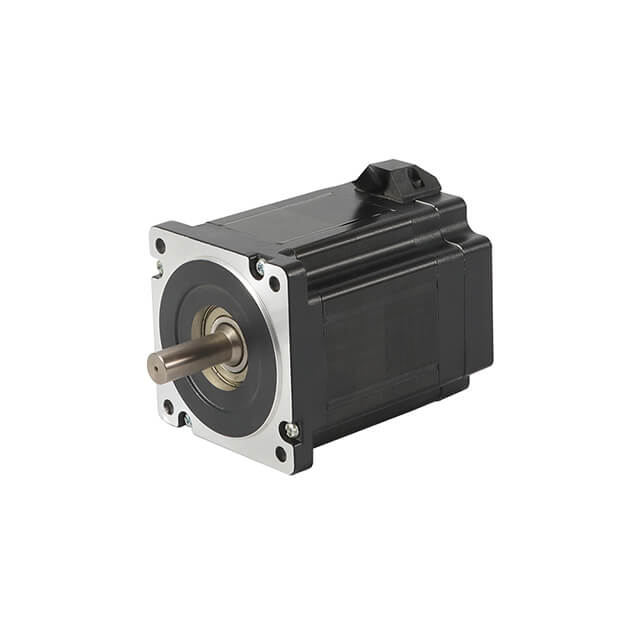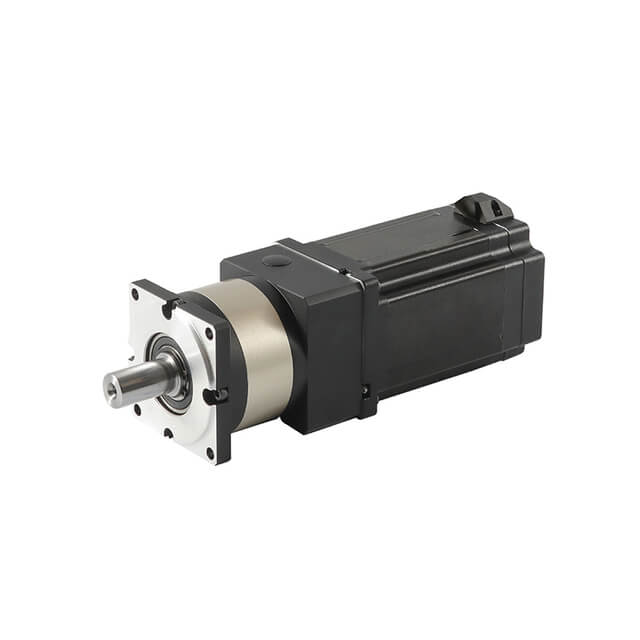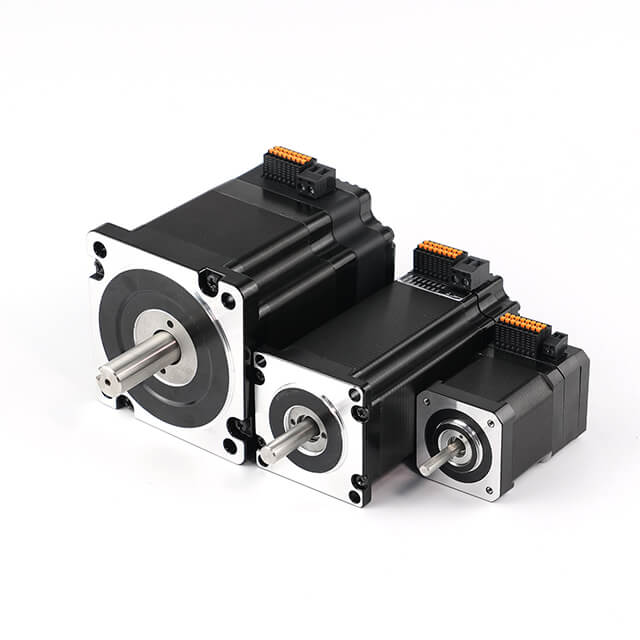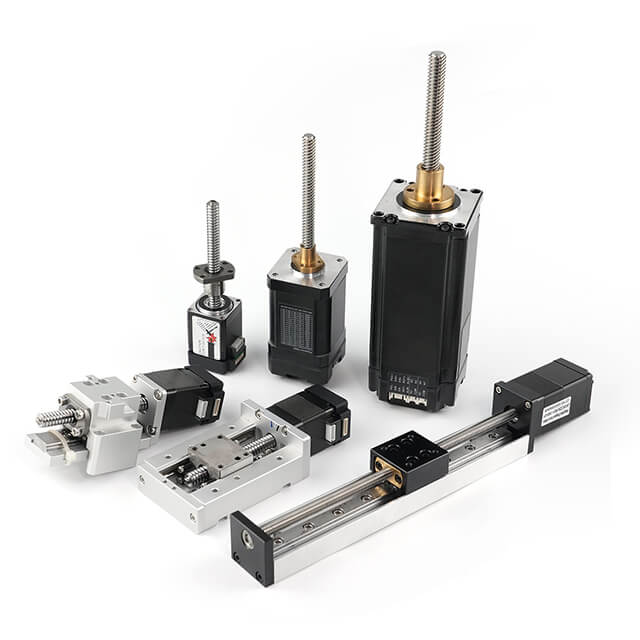
Robotics has entered a new era in which precision, intelligence, and resilience define innovation. As automation grows across industries with extreme performance demands, the core enabler remains the robotics motor—the powerhouse that delivers motion accuracy, power density, and dependability in environments where failure is not an option.
We engineer advanced robotics motors designed specifically for the world’s most challenging applications. From harsh industrial settings to life-saving medical systems, from autonomous defense platforms to ultra-precise laboratory automation, our technology drives robotics forward with unmatched reliability and efficiency.
Suitable Motor Types for Robotics
Choosing the right motor for robotics is one of the most critical decisions in designing a high-performance robotic system. Each motor type offers unique strengths in torque, speed, precision, efficiency, and control. The best choice depends on the application’s mechanical load, accuracy requirements, operating environment, and budget. Below is a comprehensive guide to the most suitable motor types used in robotics, along with their advantages and ideal applications.
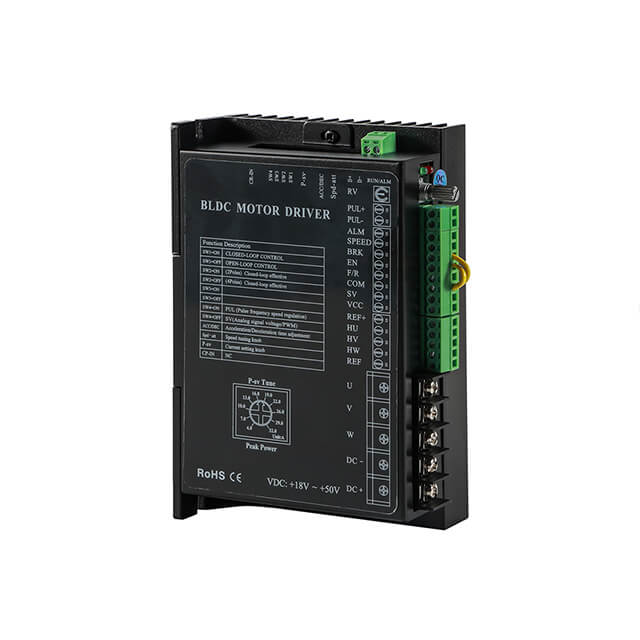
Brushless DC (BLDC) motors are among the most widely used motors in robotics due to their high efficiency, excellent power density, and long lifespan. Their brushless design eliminates mechanical wear, making them ideal for long-life and high-speed robotic applications.
Key Advantages
High efficiency and low heat generation
Precise speed control
High torque-to-weight ratio
Long operational life due to no brushes
Quiet and smooth operation
Best Applications
Drone propulsion systems
Autonomous robots
High-speed robotic arms
Electric mobility robots
Medical equipment
2. Servo Motors
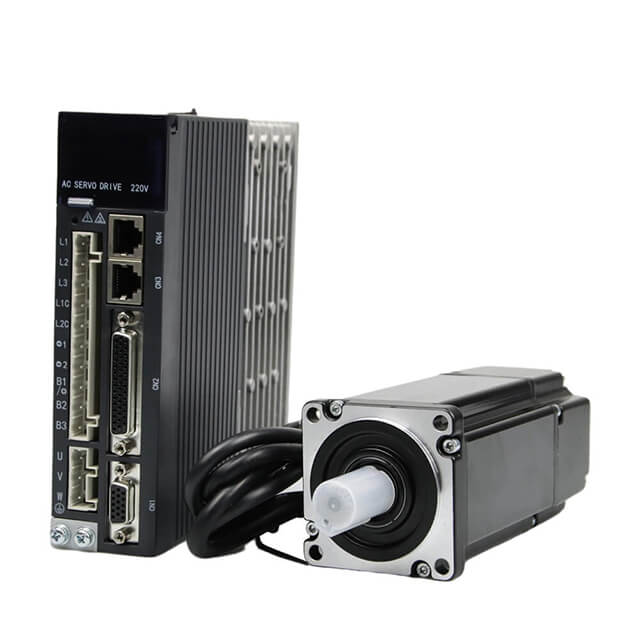
Servo motors are precision-controlled actuators widely used in robotics for tasks requiring accurate motion positioning. They come in several varieties—AC servo motors, DC servo motors, and integrated servo systems.
Key Advantages
Extremely precise position, speed, and torque control
Fast response and excellent dynamic performance
High torque at low speeds
Closed-loop feedback ensures accuracy and repeatability
Best Applications
Industrial robotic arms
CNC machinery and automation
Humanoid robots
Automated inspection systems
Packaging and assembly robots
Stepper motors move in fixed angular increments, enabling them to create precise motion without needing complex feedback systems. They are a cost-effective choice for robots that require repeatable positioning but do not need extremely fast speeds.
Key Advantages
Excellent positional accuracy in open-loop control
Cost-effective and simple to drive
Reliable with no feedback required
High torque at low speeds
Best Applications
Closed-Loop Stepper Motors
These add encoder feedback, combining stepper precision with servo-like performance.
While older than their brushless counterparts, DC brushed motors still offer benefits in robotics due to their simplicity and affordability.
Key Advantages
Easy to control
Inexpensive
High starting torque
Simple mechanical design
Best Applications
However, their brushes wear over time, making them less ideal for long-term or high-duty applications.
5. Torque Motors (Direct-Drive Motors)
Torque motors are high-torque, low-speed motors often used in precision robotics where zero backlash and ultra-smooth motion are essential.
Key Advantages
Direct-drive motion eliminates gearboxes
Zero backlash and high positioning accuracy
High force density
Smooth and silent operation
Best Applications
Precision robotic arms
Semiconductor manufacturing
Medical robotics
High-end motion platforms
Optical alignment systems
Linear motors convert electrical energy directly into linear motion, removing the need for mechanical transmissions such as lead screws, gears, or belts.
Key Advantages
Extremely high positioning accuracy
Fast acceleration and deceleration
No mechanical wear from conversion
High repeatability
Best Applications
Gear motors combine a motor with an integrated gearbox, enabling high torque output at lower speeds.
Key Advantages
Increased torque and load capacity
Compact and efficient power transmission
Lower-speed, high-force capability
Wide range of gear ratios available
Best Applications
Both BLDC gear motors and servo gear motors are widely used.
8. Piezoelectric Motors
Piezoelectric motors use the deformation of piezoelectric materials to create extremely precise movement, making them suitable for micro-scale robotics.
Key Advantages
Nanometer-level precision
No electromagnetic interference
Compact and lightweight
Suitable for vacuum or cleanroom environments
Best Applications
Micro-robotics
Optical systems
Biotechnology equipment
Precision lab automation
9. Harmonic Drive Actuators (Integrated Actuator Systems)
These are not motors alone, but motor + harmonic gearbox + encoder assemblies optimized for high-precision robotics.
Key Advantages
Best Applications
How to Choose the Right Motor for a Robotics Application
Selecting the proper motor requires evaluating multiple factors:
Key Selection Criteria
Required torque and speed
Load characteristics and inertia
Precision and repeatability needs
Duty cycle and runtime
Environmental conditions
Power supply and efficiency
Budget and overall system complexity
Understanding these requirements ensures that the selected motor delivers optimal performance, reliability, and energy efficiency.
Conclusion
The most suitable motor type for robotics depends on the specific motion demands of the application. Whether you need the high precision of a servo, the affordability of a stepper, the high efficiency of a BLDC motor, or the specialized characteristics of direct-drive torque motors, choosing the right technology is essential for creating reliable and high-performance robotic systems.
By pairing the correct motor with advanced control systems, robotics designers can achieve greater accuracy, higher speed, improved efficiency, and enhanced reliability, even in demanding industrial or scientific environments.
High-Performance Robotics Motors Engineered for Extreme Conditions
In modern robotics, performance is no longer measured only by speed or precision—it is defined by the ability to operate reliably in the harshest, most unpredictable environments. Extreme temperatures, corrosive chemicals, continuous shock, heavy vibration, and high-duty cycles demand a new class of motors engineered specifically for resilience and long-term stability.
We design high-performance robotics motors that deliver uncompromising durability and precision, ensuring flawless operation in applications where even minor failures can lead to costly downtime or mission failure.
1. Robust Motor Engineering for Harsh and Demanding Environments
Robots deployed in extreme conditions require motors built to survive where standard designs fail. These motors incorporate reinforced materials, advanced sealing technologies, high-efficiency windings, and superior heat management to ensure dependable performance under mechanical and environmental stress.
Key Engineering Enhancements
IP65 to IP69K sealing for resistance to water jets, dust, and washdown environments
Corrosion-proof stainless steel housings for chemical and marine applications
High-temperature rare-earth magnets for thermal stability
Shock-absorbing rotor and bearing systems
Vacuum-rated designs for aerospace and cleanroom robotics
Extended lubrication systems for continuous-duty operations
These design features enable long service life even in environments previously considered too extreme for standard robotic motors.
2. Motors Built for Extreme Temperature Ranges
Temperature extremes pose one of the greatest challenges for robotics systems. Our motors maintain consistent performance across extreme cold and intense heat, preserving torque, precision, and structural integrity.
Temperature Performance Capabilities
−40°C to +150°C operating ranges
High-grade insulation materials resistant to thermal aging
Advanced heat dissipation through optimized motor architecture
Sensors and encoders designed for temperature-sensitive environments
Applications That Demand Thermal Endurance
Arctic exploration robots
High-temperature industrial furnaces
Harsh outdoor mobile robotics
Deep underground mining systems
These motors achieve predictable behavior and motion stability even when exposed to severe temperature fluctuations.
3. Shock- and Vibration-Resistant Motor Designs
Robots operating in rugged environments such as construction, mining, military, and logistics face continuous exposure to heavy shock and vibration. Our motors are specifically designed to endure mechanical impacts without performance degradation.
Mechanical Reinforcement Features
Reinforced shafts and rotor assemblies
Oversized precision bearings
Vibration-damped housings
Embedded electronics shock isolation
High-RPM, balanced rotor systems
Ideal Applications
Autonomous construction machinery
Defense robotics and unmanned ground vehicles
Mining and drilling automation
Mobile logistics robots navigating uneven terrains
These motors provide consistent torque and smooth operation even under intense mechanical stress.
4. Sealed and Corrosion-Resistant Motors for Harsh Environments
In environments where moisture, chemicals, or abrasive contaminants are present, standard motors rapidly degrade. Our corrosion-resistant robotics motors are engineered to survive exposure to saltwater, industrial solvents, and airborne particulates.
Corrosion-Resistant Advantages
Stainless steel or anodized aluminum housings
Specialized coatings for chemical and marine protection
Sealed connectors and gaskets
Hermetically sealed enclosures when required
Applications in Corrosive Settings
Marine robotics and underwater drones
Chemical processing automation
Food and beverage washdown robotics
Waste management and recycling systems
These motors ensure reliability and operational safety in environments where corrosion is a constant threat.
5. High-Torque Robotics Motors for Heavy-Duty Loads
Extreme applications often demand high-torque output, especially when lifting or moving heavy loads or when frictional resistance is high. Our motors feature advanced magnetic materials and optimized winding geometries that deliver superior torque density.
Performance Features
High torque-to-volume ratio
Optimized stator design for maximum force output
Durable geartrain integration for torque multiplication
High current-handling capability with minimal heat rise
High-Torque Use Cases
Industrial automation with heavy payloads
Construction robotic arms
Agricultural robotics
Material-handling robots in logistics and warehousing
These power-dense motors maintain stability and accuracy even under maximum load.
6. High-Efficiency Motors for Continuous-Duty Robotics
Extreme-duty applications such as 24/7 factory automation or long-duration missions require motors that operate efficiently with minimal heat generation. Our motors incorporate low-loss magnetic materials, precision windings, and optimized cooling designs.
Efficiency Enhancements
Low copper loss windings
High-efficiency BLDC and AC servo designs
Integrated thermal sensors for real-time protection
Advanced cooling systems (air, liquid, or passive)
Applications Requiring Continuous Runtime
AMRs and automated guided vehicles (AGVs)
Industrial assembly lines operating 24/7
Remote surveillance and security robots
Power-intensive research robots
These motors deliver sustained performance while minimizing energy costs and thermal stress.
7. Precision Control in Extreme Conditions
Harsh environments should never compromise precision. Our motors combine rugged construction with high-resolution encoders, advanced feedback loops, and low-cogging magnetic designs to ensure flawless accuracy even under stress.
Precision Features
Optical, magnetic, or capacitive encoders
High-resolution multi-turn feedback
Zero-backlash direct-drive options
Smooth low-speed torque control
Ultra-low cogging for consistent motion
Precision Applications
Semiconductor automation
Defense targeting systems
Medical robotics in critical conditions
High-accuracy sensing and inspection platforms
These capabilities ensure that motion remains stable and predictable regardless of external conditions.
8. Customizable Robotics Motors for Specialized Extreme Applications
Every extreme environment presents unique challenges, and many require custom motor solutions. We offer full customization for motors used in demanding robotics applications.
Customization Options
Tailored winding configurations
Custom housings and mounting interfaces
Specialized sensors and encoders
Unique sealing and coating options
Integrated gearboxes or brakes
Application-specific cooling systems
Custom solutions ensure the motor meets the exact performance, durability, and safety standards of the application.
Powering Robotics Innovation in the Toughest Environments
Extreme conditions demand exceptional motor technology. Through advanced engineering, rugged materials, and precision motion design, our motors deliver the power, endurance, and accuracy required to keep robots operating flawlessly where others cannot.
Whether facing scorching heat, freezing temperatures, corrosive chemicals, heavy shock, or demanding loads, our high-performance robotics motors are engineered to endure, adapt, and excel—making them the trusted choice for robotics that must operate without compromise.
Robotics Motors for Industrial Automation Excellence
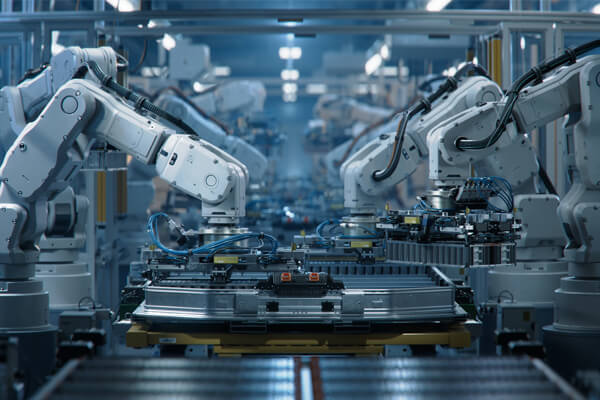
In the era of Industry 4.0, industrial automation has become the engine driving smarter, faster, and more efficient manufacturing processes. At the core of every modern automation system lies the robotics motor—the precision-controlled powerhouse that enables robots to perform tasks with unmatched accuracy, speed, and reliability. Industrial automation excellence depends on motors engineered with high torque density, rigorous durability, advanced control intelligence, and seamless integration capabilities.
These motors empower robotic arms, automated guided vehicles, pick-and-place robots, collaborative robots, and more, ensuring optimal productivity across demanding industrial environments. Below is a comprehensive exploration of why high-performance robotics motors are essential for industrial automation and how they elevate performance to world-class standards.
1. High-Precision Motors Driving Industrial Efficiency
Industrial automation demands consistency and accuracy at every stage. Robotics motors designed for industrial environments deliver precise motion profiles, smooth operation, and high repeatability, ensuring flawless execution in applications that rely on continuous uptime.
Key Precision Features
High-resolution encoders enabling micron-level positioning
Low-cogging designs ensuring smooth continuous motion
Zero-backlash servo systems for accurate path tracking
Stable torque output across all operating speeds
Intelligent feedback loops for dynamic control
With this advanced control accuracy, robots can achieve the performance levels required in assembly, material handling, inspection, and packaging.
2. High-Torque Motors for Heavy-Duty Industrial Applications
In industrial automation, robotic systems often encounter demanding loads. High-torque robotics motors provide the force required to perform heavy lifting, rapid acceleration, palletizing, and precise manipulation of large or dense materials.
High-Torque Capabilities
High torque-to-inertia ratio for fast system response
Multi-pole motor designs for powerful force output
Integrated gear reduction systems for torque multiplication
Oversized bearings and reinforced shafts for long life
Industrial Applications Requiring High Torque
Six-axis industrial robotic arms
Automated palletizing systems
Heavy-load welding robots
Assembly robots handling metals or dense materials
These motors ensure reliable performance even under constant high-load cycles.
3. Efficient and Reliable Motors for Continuous 24/7 Operation
Industrial automation rarely sleeps. Motors must deliver long-life performance with minimal maintenance while operating in high-duty cycles. High-efficiency robotics motors reduce energy consumption while maximizing runtime reliability.
Efficiency Enhancements
Low-loss magnetic materials
Optimized slot and winding configurations
Advanced thermal management systems
High-performance servo drives with energy monitoring
Smooth acceleration profiles reducing mechanical stress
Where Efficiency is Essential
High-speed pick-and-place systems
Automated conveyor and sorting lines
24/7 assembly lines
Continuous inspection systems
High-efficiency motors reduce operational costs while increasing system longevity.
4. Durable and Rugged Motors for Harsh Factory Environments
Industrial environments can be unforgiving—dust, debris, vibration, extreme temperatures, oils, and heavy mechanical impact. Robotics motors engineered for durability withstand the toughest conditions without sacrificing performance.
Durability Features
IP65–IP67 sealed motor housings
Corrosion-resistant materials and coatings
Vibration-resistant mechanical construction
High-temperature windings and insulation
Reinforced rotor and bearing assemblies
Harsh Industrial Applications
Metal fabrication plants
Automotive welding systems
Food and beverage washdown automation
Chemical processing and material mixing
These motors ensure long-term stability even in factories with extreme operational stresses.
5. High-Speed Robotics Motors for Fast Production Cycles
Speed is a defining requirement in many industrial automation systems. High-speed robotics motors provide rapid acceleration and deceleration, enabling shorter cycle times and increased throughput.
High-Speed Performance Features
Low inertia rotors for fast dynamics
High power-to-weight ratio
Precision balancing for smoother high-RPM operation
Advanced servo control algorithms
Applications Requiring High Speed
High-speed packaging and labeling robotics
Vision-guided pick-and-place systems
Sorting and scanning automation
PCB assembly and SMT line robotics
These motors achieve lightning-fast response without compromising accuracy or stability.
6. Collaborative Robot Motors for Safe and Efficient Automation
Collaborative robots (cobots) are transforming factories by enabling robots to safely share workspaces with human operators. Motors used in cobots require precise force control, lightweight construction, and high responsiveness.
Characteristics of Cobot-Specific Motors
Low inertia for fast, safe reaction
Torque sensors or integrated torque estimation
Backdrivable designs enabling safe manual movement
Smooth motion with ultra-low vibration
Energy-efficient operation to minimize heat
Cobot Applications
These motors enhance productivity while meeting strict safety regulations.
7. Integrated Servo Motors for Simplified Robotics Design
In industrial automation systems, simplicity is a competitive advantage. Integrated servo motors combine the motor, driver, encoder, and communication interface into a single compact unit, simplifying installation and reducing wiring complexity.
Benefits of Integrated Servo Motors
Faster installation and reduced wiring points
Compact form factors that save machine space
Ethernet-based communication for real-time control
Built-in diagnostics and predictive maintenance
Lower electromagnetic interference and cleaner wiring
Where Integrated Servos Excel
These all-in-one motors streamline robotics development and improve machine reliability.
8. Motors with Advanced Feedback Systems for Intelligent Automation
Next-generation industrial robots rely heavily on advanced feedback technologies. High-performance motors integrate intelligent feedback systems for real-time monitoring and precision control.
Feedback Technologies
Absolute and incremental encoders
Multi-turn encoders for tracking without power
Hall sensors for commutation
Integrated temperature and vibration sensors
Predictive maintenance analytics
Benefits
Enhanced control accuracy
Early detection of system failures
Reduced downtime
Longer motor lifespan
Higher safety and reliability
Automation systems become smarter and more efficient with motors that “sense” their operational environment.
9. Customized Robotics Motors for Industry-Specific Requirements
A one-size-fits-all approach rarely meets the demands of advanced automation. Custom robotics motors allow manufacturers to optimize performance for their unique processes.
Customization Options
Application-specific torque and speed characteristics
Specialized mounting interfaces
Custom cabling and connectors
Integrated brakes or gearboxes
Special coating or sealing options
Safety-certified versions for collaborative environments
Customization ensures maximum performance and seamless integration with existing systems.
Powering the Future of Industrial Automation Excellence
Industrial automation relies on robotics motors capable of delivering precision, speed, endurance, and intelligence. Whether operating a high-speed packaging line, welding automotive components, assembling electronics, or supporting logistics automation, the right motor technology is essential.
High-performance robotics motors elevate productivity, enhance reliability, reduce downtime, and support the next generation of smart manufacturing. As industries embrace digital transformation, these motors will continue to drive innovation, efficiency, and operational excellence across global factories.
Motors Designed for Medical and Laboratory Robotics
Medical and laboratory robotics represent the pinnacle of precision, reliability, and safety. Unlike industrial applications where speed and torque dominate, medical and laboratory environments demand ultra-precise motion control, smooth operation, silent performance, and long-term reliability. Motors designed for these applications form the backbone of surgical robots, diagnostic instruments, automated laboratory systems, and pharmaceutical automation platforms, ensuring flawless execution where human lives, research accuracy, and patient outcomes are at stake.
1. Precision and Accuracy: The Core Requirement
Medical and laboratory robots must perform with micron-level accuracy in applications such as robotic-assisted surgery, automated sample handling, and pharmaceutical dispensing. Any deviation can compromise results or patient safety.
Key Features of Precision Motors
High-resolution encoders delivering sub-micron positioning
Low-cogging torque for smooth, continuous motion
Direct-drive designs to eliminate backlash
Closed-loop servo control for accurate repeatability
Ultra-low vibration and noise
These precision features allow robotic systems to achieve consistent, safe, and repeatable performance, even in complex or delicate procedures.
2. Smooth and Silent Operation for Sensitive Environments
Noise and vibration can interfere with medical procedures, laboratory measurements, and diagnostic imaging. Motors for medical robotics are designed to operate quietly and smoothly, ensuring both patient comfort and sensitive instrumentation accuracy.
Design Considerations
High-precision ball bearings to minimize friction
Optimized rotor and stator designs to reduce vibration
Brushless DC (BLDC) or direct-drive motors for silent operation
Advanced control algorithms to suppress micro-vibrations
Applications Requiring Low Noise
Robotic surgical arms
Automated laboratory analyzers
Imaging equipment with motorized motion
Micro-manipulation systems for biotechnology research
By reducing operational noise, these motors enhance the usability and safety of medical and laboratory systems.
3. Compact and Sterilizable Motor Designs
Medical robotics often operate in confined spaces, such as minimally invasive surgical systems or automated lab instruments. Motors must be compact, lightweight, and compatible with sterilization processes without compromising performance.
Key Design Features
Miniaturized motors with high torque-to-size ratios
Materials resistant to autoclaving, chemicals, and repeated sterilization
Encapsulated and sealed housings to prevent contamination
Integrated feedback sensors to reduce external cabling
These design features enable integration into compact, hygienic, and reliable medical and laboratory robotic systems.
4. Reliability for Mission-Critical Applications
Failure is not an option in medical and laboratory robotics. Motors in these applications must operate continuously and reliably under demanding conditions, ensuring both patient safety and uninterrupted research workflows.
Reliability Features
Long-life bearings and high-quality winding insulation
Redundant sensor systems for critical feedback
Continuous-duty operation with minimal thermal rise
Protective coatings against chemical exposure
Critical Applications
Robotic-assisted surgeries
Laboratory automation for diagnostics and sample handling
Pharmaceutical automation for compounding and dispensing
Biomechanical testing and research equipment
These features guarantee consistent performance, protecting both human lives and valuable research outcomes.
5. High-Performance Motors for Lab Automation
Laboratory automation requires precision, repeatability, and reliability at high speeds. Motors for automated sample handling, liquid dispensing, and microplate processing must combine accuracy with throughput efficiency.
Performance Enhancements
High-torque motors for precise micro-manipulation
Fast response servo systems for high-speed workflows
Integrated feedback for repeatable motion sequences
Energy-efficient operation to minimize heat and sample disturbance
Key Applications
Automated pipetting and liquid handling systems
Laboratory sample sorting and preparation robots
High-throughput screening and testing automation
Analytical and diagnostic instrumentation
These motors improve workflow efficiency while maintaining the precision necessary for scientific integrity.
6. Safety and Compliance in Medical Motor Design
Medical and laboratory robotics must adhere to strict safety and regulatory standards. Motors are designed to meet ISO 13485, IEC 60601, and other medical compliance requirements, ensuring safe operation in clinical and laboratory environments.
Compliance Features
Electrically isolated motor designs for patient safety
Integrated torque and motion limiters to prevent accidental injury
Fail-safe brake options for emergency stops
Low electromagnetic interference (EMI) to protect sensitive equipment
Applications
Robotic surgical tools with redundant safety systems
Laboratory automation in cleanroom and sensitive environments
Imaging devices with strict EMI requirements
Automated medication dispensing systems
By meeting stringent safety and compliance standards, these motors provide peace of mind to both operators and patients.
7. Custom Motor Solutions for Specialized Medical Robotics
Every medical and laboratory application has unique requirements. Custom motor solutions allow for optimized performance, compactness, and integration to meet specific workflow and patient needs.
Customization Options
Tailored torque, speed, and precision profiles
Miniaturized designs for minimally invasive devices
Custom housings compatible with sterilization
Integrated feedback, brakes, and sensors
Special coatings and material options for chemical or biological compatibility
Custom solutions ensure that every robotic system achieves maximum efficiency, reliability, and safety.
Driving Innovation in Medical and Laboratory Robotics
Motors designed for medical and laboratory robotics form the foundation of precision, safety, and efficiency in critical applications. By combining high-precision control, smooth and silent operation, compact sterilizable designs, and long-term reliability, these motors enable advanced robotic systems to perform complex tasks with accuracy, safety, and consistency.
From robotic surgery to laboratory automation, high-performance medical motors support the next generation of innovation, improving patient outcomes, research productivity, and operational excellence across the healthcare and scientific sectors.
Robotics Motors for Aerospace and Defense Applications
Aerospace and defense robotics operate in some of the most extreme and high-stakes environments on Earth—and beyond. From unmanned aerial vehicles (UAVs) and autonomous ground systems to satellite positioning and missile guidance platforms, robotics motors in this sector must deliver exceptional reliability, precision, and resilience under extreme conditions. The right motors ensure mission success, operational safety, and long-term durability in situations where failure is not an option.
1. High-Reliability Motors for Critical Defense Operations
Defense applications demand motors that operate consistently under high stress, vibration, and shock conditions. Robotics motors designed for defense systems provide robust, reliable performance even in unpredictable battlefield or operational environments.
Key Defense Motor Features
Shock- and vibration-resistant rotor and housing designs
High-temperature tolerance for engines and electronics proximity
Redundant sensors for critical feedback
Low electromagnetic interference (EMI) for sensitive communications
Long-life bearings for continuous-duty missions
Applications in Defense Robotics
Explosive ordnance disposal (EOD) robots
Autonomous ground reconnaissance vehicles
Robotic weapon stabilization and targeting systems
Mobile surveillance and security robots
These motors deliver consistent operation, ensuring mission-critical robotics perform with precision under duress.
2. Aerospace-Grade Motors for Extreme Environments
Aerospace robotics face extreme temperatures, vacuum, high-altitude pressure variations, and intense vibration. Motors in aerospace applications must combine power, precision, and resilience to survive demanding operational conditions.
Key Aerospace Motor Features
Wide operational temperature range: −55°C to +125°C
Vacuum-compatible materials and lubricants
Lightweight, high-strength alloys to minimize weight while maximizing performance
High-speed, low-inertia rotors for precise control in dynamic maneuvers
High-efficiency windings to conserve energy in power-constrained systems
Applications in Aerospace Robotics
UAV propulsion and actuation systems
Satellite antenna and solar panel deployment motors
High-altitude balloon and drone control systems
Aircraft maintenance and inspection robots
These motors ensure aerospace systems maintain reliability, efficiency, and precision even in extreme and remote environments.
3. High-Torque Motors for Heavy-Duty Defense Robotics
Many defense applications require high-torque, low-speed motors for lifting, moving, or stabilizing heavy payloads. These motors provide the mechanical strength necessary for heavy-duty actuation without sacrificing control precision.
High-Torque Design Features
Reinforced shafts and rotors for extreme loads
Direct-drive or gear-integrated configurations for maximum torque
Oversized bearings to withstand shock and continuous duty
Precision feedback systems for accurate positioning under load
Heavy-Duty Applications
Armored reconnaissance robots
Military robotic cranes or lifting systems
Stabilized weapon platforms
Mobile ground vehicles handling rough terrains
High-torque robotics motors ensure controlled and reliable performance even under the most strenuous mechanical demands.
4. Precision Motors for Targeting and Navigation Systems
Aerospace and defense robotics often involve micron-level positioning, requiring motors capable of extreme accuracy. Precision control is critical for targeting systems, satellite positioning, and UAV stabilization.
Precision Features
High-resolution encoders for sub-millimeter accuracy
Low cogging and backlash for smooth, predictable motion
Direct-drive configurations for zero-play motion control
Advanced servo algorithms for real-time correction
Applications Requiring Precision
Missile and rocket guidance systems
UAV stabilization and flight control surfaces
Satellite antenna positioning
Radar and surveillance platform actuation
These precision motors ensure mission-critical systems operate with exacting reliability.
5. Lightweight, Compact Motors for Mobile Defense Platforms
Weight reduction is crucial in aerospace and mobile defense systems. Robotics motors are engineered with high power-to-weight ratios, allowing for compact, lightweight designs without compromising torque or efficiency.
Lightweight Motor Features
High-strength alloys and composite materials
Miniaturized, integrated motor-drive solutions
Optimized rotor and winding designs for maximum efficiency
Reduced size for confined-space integration
Applications
UAV propulsion and gimbal systems
Portable defense robotics
Small reconnaissance drones
Lightweight satellite actuation systems
Compact, lightweight motors enable agile and mobile robotics capable of rapid deployment and maneuverability.
6. Robust Motors for Harsh Environmental Conditions
Aerospace and defense robotics frequently operate in extreme humidity, dust, saltwater, sandstorms, or corrosive chemical exposure. Motors must maintain performance and reliability under these harsh conditions.
Environmental Resistance Features
IP65–IP68 sealed housings for moisture and dust protection
Corrosion-resistant coatings for marine and desert environments
Shock- and vibration-resistant enclosures
Temperature-stable magnets and insulation
Applications in Harsh Environments
Naval unmanned vehicles
Desert reconnaissance drones
High-altitude observation platforms
Battlefield robotics exposed to extreme weather
These motors ensure uninterrupted operation, even in the world’s most challenging conditions.
7. Integrated Motors for Smarter Defense Robotics
Next-generation defense robotics often require motors with integrated drives, feedback, and control electronics. Integrated motors simplify system architecture, reduce wiring, and provide real-time diagnostics for enhanced reliability.
Benefits of Integrated Motors
Built-in servo control with communication interfaces
Compact footprint for space-constrained platforms
Real-time monitoring for predictive maintenance
Reduced electromagnetic interference
Simplified system integration and faster deployment
Applications
UAV flight controllers with built-in motor intelligence
Autonomous vehicles with onboard motor feedback
Robotic surveillance systems with integrated motion control
Precision targeting platforms requiring synchronized actuation
Integrated solutions provide high-performance intelligence while minimizing system complexity.
8. Custom Motor Solutions for Defense and Aerospace Robotics
Many aerospace and defense applications require tailor-made motor solutions to meet specific mission profiles. Custom motors allow engineers to optimize torque, speed, size, and environmental resistance for unique robotic systems.
Customization Options
Application-specific torque and speed optimization
Specialized sealing, coatings, and materials
Integrated feedback, brakes, or gear systems
Compact, lightweight form factors for mobile platforms
Compliance with military and aerospace standards
Custom motors ensure that every system operates with maximum efficiency, precision, and reliability.
Driving Aerospace and Defense Robotics Forward
Robotics motors for aerospace and defense applications must meet the highest standards of performance, reliability, and environmental resilience. From precise actuation in satellite positioning to heavy-duty mobile robotics in combat scenarios, these motors are engineered to withstand extreme conditions while delivering unparalleled accuracy and reliability.
By combining advanced materials, precision engineering, and intelligent control systems, these motors empower aerospace and defense robotics to perform complex missions with confidence, safety, and excellence.
Motors Built for Harsh and High-Stress Environments
In many robotic applications, standard motors cannot withstand extreme environmental and mechanical conditions. Mining operations, construction automation, offshore robotics, military deployments, and agricultural automation expose motors to dust, moisture, vibration, shock, corrosive chemicals, and extreme temperatures. To maintain performance and reliability in these demanding scenarios, motors must be engineered for durability, precision, and resilience.
Motors built for harsh and high-stress environments are the backbone of robust robotics systems, providing consistent operation where failure is not an option.
1. Key Engineering Principles for Harsh-Environment Motors
Motors designed for extreme conditions incorporate specialized materials, reinforced mechanical structures, advanced sealing, and thermal management systems. These design principles ensure that the motor maintains torque, speed, and positional accuracy under stress.
Core Engineering Features
Reinforced rotor and shaft assemblies for shock resistance
High-grade bearings rated for heavy vibration
Advanced windings and insulation for high-temperature endurance
Hermetically sealed or IP-rated housings to prevent dust, water, or chemical ingress
Corrosion-resistant coatings for exposure to chemicals or marine environments
These features combine to extend operational life, reduce maintenance, and ensure reliability in harsh applications.
2. Extreme Temperature Operation
Harsh environments often involve high heat, freezing conditions, or rapid thermal cycling. Motors must maintain performance across broad temperature ranges.
Temperature-Resilient Features
Insulation materials rated for −40°C to +150°C or higher
Rare-earth magnets stable at extreme temperatures
Thermal management systems, including heat sinks, airflow designs, or liquid cooling
Temperature-compensated sensors for reliable feedback
Applications
Outdoor agricultural robotics exposed to sun and cold
Mining and drilling automation
Industrial ovens or high-temperature process robotics
Arctic or desert exploration robotics
Motors capable of extreme temperature operation maintain efficiency and prevent thermal degradation.
3. Shock and Vibration Resistance
Continuous vibration and mechanical shock are common in industrial, construction, and defense applications. Motors in these conditions must absorb energy without failure.
Design Features
Oversized and reinforced bearings
Shock-dampening mounting systems
Balanced rotors to minimize vibration
Embedded electronics with vibration isolation
Applications
Construction automation systems
Military unmanned vehicles
Mining equipment
Mobile heavy-duty logistics robots
Motors engineered for vibration and shock provide consistent torque and stable operation under dynamic loads.
4. Sealed and Corrosion-Resistant Motors
Motors in wet, dusty, or chemically aggressive environments require robust sealing and corrosion protection. Ingress of moisture or chemicals can cause electrical failures, short circuits, or mechanical damage.
Sealing and Corrosion Protection
IP65–IP69K rated housings
Stainless steel or anodized aluminum enclosures
Protective coatings for saltwater and chemical resistance
Hermetic sealing for vacuum or highly contaminated environments
Applications
Offshore and marine robotics
Chemical processing automation
Food and beverage washdown robots
Dusty or sandy environments such as quarries or deserts
Sealed and corrosion-resistant motors maintain performance and longevity where conventional motors would fail.
5. High-Torque and Load-Bearing Capabilities
Harsh environments often demand high torque output to handle heavy loads, resist external forces, and drive robotic systems efficiently under stress.
High-Torque Design Features
Reinforced shafts and high-strength rotor laminations
Direct-drive or gear-integrated configurations
Oversized windings for sustained torque output
High-load bearings and structural rigidity
Applications
Heavy-duty industrial robotics
Mining machinery automation
Construction robotic arms
Mobile robotic platforms for rough terrain
These motors provide the mechanical strength and stability required for demanding tasks.
6. Continuous-Duty Efficiency
High-stress environments frequently require 24/7 operation, necessitating motors that maintain efficiency under continuous load without overheating or performance loss.
Efficiency Features
Low-loss magnetic materials
Optimized winding geometries
Active or passive thermal management
Energy-efficient control algorithms
Applications
Automated manufacturing in harsh conditions
Industrial conveyor systems
Autonomous exploration robots
Long-duration surveillance and inspection robots
Efficient continuous-duty motors reduce downtime, extend operational life, and maintain consistent output under stress.
7. Custom Solutions for Extreme Applications
Every harsh environment presents unique challenges. Motors can be custom-engineered to meet specific application requirements, ensuring maximum performance and reliability.
Customization Options
Tailored torque, speed, and power profiles
Custom housings, connectors, and cabling
Integrated feedback systems and sensors
Specialized coatings or materials for chemical or marine environments
Compact designs for constrained spaces
Custom solutions ensure motors operate optimally, even in highly specialized or unpredictable scenarios.
Conclusion: Powering Robotics in the Toughest Conditions
Motors built for harsh and high-stress environments are essential for robotics operating where standard motors fail. By combining shock and vibration resistance, extreme temperature tolerance, corrosion protection, high torque, and continuous-duty efficiency, these motors provide reliable performance under the most demanding conditions.
From mining and construction automation to military robotics and offshore exploration, high-performance motors engineered for extreme environments are the foundation of resilient, safe, and efficient robotic systems.
Precision Robotics Motors for Research, Science, and High-Tech Applications
In research, scientific exploration, and high-tech industries, robotics systems demand exceptional precision, reliability, and repeatability. From laboratory automation to space exploration, precision machining, and cutting-edge experimental setups, motors are the heart of advanced robotic systems, enabling accurate positioning, controlled motion, and consistent performance under stringent conditions.
Precision robotics motors are engineered to meet the exacting standards of scientific and high-tech applications, combining advanced materials, intelligent control, and high-resolution feedback to deliver unmatched performance.
1. High-Resolution Motors for Micron-Level Accuracy
Scientific and research applications often require sub-micron positional control. Motors designed for these systems integrate high-resolution encoders, low-backlash mechanisms, and precision control algorithms.
Key Features
Optical, magnetic, or capacitive encoders with micron or sub-micron resolution
Zero-backlash direct-drive systems for smooth, precise motion
Low-cogging torque for uniform acceleration and deceleration
Closed-loop feedback for repeatable, predictable motion
Applications
Precision laboratory robotics
Micro-assembly in electronics and photonics
Nanotechnology research
Optical alignment and measurement systems
These features enable researchers and engineers to achieve exact positioning and motion control, crucial for scientific integrity and high-tech innovation.
2. Smooth, Low-Vibration Operation for Sensitive Experiments
In high-tech and scientific applications, vibration and noise can compromise results. Precision robotics motors are designed to operate smoothly, maintaining stable motion and reducing interference in sensitive equipment.
Design Enhancements
High-precision ball bearings and low-friction components
Optimized rotor and stator geometry to minimize vibration
Brushless DC (BLDC) and direct-drive motors for silent operation
Advanced servo algorithms for micro-adjustment control
Applications
Optical and laser-based research systems
High-resolution imaging equipment
Microfluidics and automated sample handling
Precision metrology platforms
Low-vibration motors ensure that experimental results remain accurate and reproducible.
3. Compact and Lightweight Designs for High-Tech Integration
Many research and high-tech applications demand compact, lightweight motors capable of integration into tight spaces while maintaining high torque and precision.
Design Features
Miniaturized motor assemblies with high power density
Lightweight materials such as aluminum alloys and composites
Integrated sensors and encoders to reduce external wiring
Compact form factors for embedded or robotic arm applications
Applications
Robotics in confined laboratory environments
Micro-robotics for research and development
UAV research platforms and high-altitude instrumentation
Space and satellite robotics requiring lightweight precision
Compact, high-performance motors enable flexible, space-efficient designs without compromising functionality.
4. High-Performance Motors for Long-Duration Experiments
Precision research often involves continuous or long-duration operation, requiring motors that maintain performance without overheating or degradation.
Performance Enhancements
High-efficiency windings and magnetic materials
Optimized thermal management for sustained operation
Advanced servo drives with dynamic load compensation
Continuous-duty rating for 24/7 experimental applications
Applications
Long-term laboratory automation
Continuous material testing or monitoring
Robotic sample analysis systems
High-tech manufacturing research
These motors ensure consistent, reliable motion control even during prolonged experimental periods.
5. Customizable Motors for Specialized Scientific Applications
Every high-tech research environment has unique demands. Motors can be custom-engineered for specific torque, speed, precision, or environmental requirements.
Customization Options
Tailored speed, torque, and resolution profiles
Specialized coatings for vacuum, cleanroom, or chemical environments
Integrated multi-turn or absolute encoders
Custom form factors and mounting solutions
Feedback systems optimized for real-time control
Applications
Quantum research and particle manipulation
Semiconductor fabrication robotics
Biomechanical testing platforms
Laboratory automation with precise sample handling
Custom motors allow researchers and engineers to push the boundaries of innovation with reliable, high-precision motion control.
6. Environmental Compatibility for High-Tech Settings
Precision research often requires motors compatible with cleanrooms, sterile labs, or vacuum environments. Materials, sealing, and lubricants must prevent contamination while maintaining performance.
Key Features
Ultra-clean materials and lubricants
Hermetically sealed or low-outgassing designs
Resistance to dust, humidity, or chemical exposure
Compact, enclosed electronics for safe operation
Applications
Cleanroom robotics in biotechnology and pharmaceuticals
Vacuum chamber actuation systems for space research
Contamination-sensitive analytical instrumentation
Precision laboratory automation
Environmental compatibility ensures motor reliability without compromising experimental integrity.
7. Integration with Intelligent Control Systems
High-tech research relies on advanced control and automation. Precision robotics motors are fully compatible with intelligent servo drives, software control, and feedback systems, enabling sophisticated motion profiles and automation sequences.
Integration Features
Real-time position and velocity feedback
Multi-axis synchronized motion control
Communication via Ethernet, CAN, or specialized industrial protocols
Advanced diagnostics for predictive maintenance and reliability
Applications
Coordinated robotic arms in laboratories
Automated high-throughput screening systems
Multi-axis motion platforms for research equipment
Smart robotics in experimental automation
Integration with intelligent systems enables higher efficiency, accuracy, and repeatability in complex research workflows.
Conclusion: Enabling Scientific and High-Tech Advancement
Precision robotics motors are the foundation of research, science, and high-tech applications, providing the accuracy, reliability, and flexibility necessary to advance innovation. By combining high-resolution control, smooth low-vibration operation, compact and lightweight design, long-duration reliability, and environmental compatibility, these motors empower researchers and engineers to achieve unprecedented levels of precision, efficiency, and reproducibility.
From laboratory automation and semiconductor fabrication to aerospace research and high-tech experimental robotics, precision motors drive the technologies that shape the future of science and engineering.
Innovative Motor Technologies Driving Next-Generation Robotics
The evolution of robotics is driven by advancements in motor technology. Modern robotic systems demand motors that combine precision, efficiency, reliability, and intelligence to operate seamlessly across diverse applications—from industrial automation and medical robotics to aerospace and defense. Innovative motor technologies are not just improving performance; they are transforming the capabilities of next-generation robotics, enabling smarter, faster, and more adaptable machines.
1. Brushless DC (BLDC) Motors: Efficiency Meets Reliability
Brushless DC motors have become the backbone of modern robotics due to their high efficiency, long lifespan, and precise control capabilities. Eliminating brushes reduces mechanical wear and enhances durability, making BLDC motors ideal for demanding applications.
Key Features
High torque-to-weight ratio
Smooth and quiet operation
Advanced electronic commutation for precise speed control
Minimal maintenance requirements
Applications
BLDC motors deliver consistent performance with low energy consumption, crucial for mobile and high-speed robotics.
2. Servo Motors: Precision and Dynamic Control
Servo motors are essential for robotics applications requiring accurate position, velocity, and torque control. Modern integrated servo systems combine motors, encoders, and drives into a compact unit, offering seamless performance in complex robotic tasks.
Advanced Servo Features
Closed-loop feedback for precise positioning
High acceleration and deceleration capabilities
Smooth low-speed torque control
Integrated electronics for simplified system design
Applications
Multi-axis industrial robotic arms
Collaborative robots (cobots)
Automated manufacturing and assembly
Laboratory automation and medical robotics
Servo motors enable ultra-precise movements, reducing errors and improving productivity.
3. Stepper Motors with Closed-Loop Control
Traditional stepper motors are valued for repeatable motion without feedback systems, but next-generation stepper motors integrate closed-loop control to enhance performance.
Innovative Features
Integrated encoders for real-time position verification
Reduced vibration and torque ripple
High torque at low speeds
Enhanced reliability and efficiency
Applications
3D printing and additive manufacturing
Laboratory automation
Small-scale pick-and-place robots
Precision instrumentation
Closed-loop stepper motors offer servo-like performance at a lower cost, bridging the gap between affordability and precision.
4. Direct-Drive Torque Motors
Direct-drive motors eliminate gearboxes, providing zero-backlash motion, high torque, and exceptional responsiveness. These motors are essential for applications requiring high precision and smooth continuous movement.
Key Advantages
Backlash-free operation for exact positioning
High torque output at low speeds
Smooth motion control for sensitive applications
Compact integration with robotic arms and platforms
Applications
Robotic surgery and medical robotics
Semiconductor equipment
Aerospace positioning systems
High-end laboratory automation
Direct-drive motors empower next-generation robots with unmatched accuracy and responsiveness.
5. Linear Motors for High-Speed, Precise Motion
Linear motors convert electrical energy directly into linear motion, eliminating the need for mechanical transmission elements such as belts or screws. This design provides high-speed acceleration, precision, and minimal maintenance.
Features
Fast acceleration and deceleration
High repeatability and positioning accuracy
Reduced mechanical wear
Low cogging for smooth motion
Applications
Pick-and-place automation
Conveyor and sorting systems
Precision laboratory automation
Semiconductor wafer handling
Linear motors enhance speed and efficiency in robotics where precision and rapid response are critical.
6. Smart Motors with Integrated Intelligence
The future of robotics lies in motors equipped with embedded intelligence, integrating sensors, feedback systems, and communication protocols. These smart motors enable predictive maintenance, adaptive control, and real-time monitoring.
Innovative Features
Built-in encoders and torque sensors
Ethernet, CAN, or EtherCAT communication
Integrated diagnostics and fault detection
Adaptive motion control algorithms
Applications
Autonomous mobile robots (AMRs)
Industrial automation with dynamic workloads
Collaborative robots in human-shared environments
Advanced research robotics
Smart motors reduce downtime, enhance system efficiency, and enable fully connected, intelligent robotic systems.
7. Energy-Efficient Motors for Sustainable Robotics
With the growing focus on sustainability, motor technologies are evolving to maximize energy efficiency without compromising performance. Next-generation motors reduce heat, lower energy consumption, and extend operational life.
Efficiency Features
Low-loss magnetic materials and optimized windings
Advanced thermal management systems
High-efficiency drives with regenerative capabilities
Minimal idle power consumption
Applications
Long-duration industrial automation
Mobile robots and drones
Renewable energy research robotics
Laboratory automation systems
Energy-efficient motors help reduce operational costs while supporting environmentally responsible robotics design.
8. Customizable Motors for Specialized Applications
Every robotic application has unique requirements. Modern motor technologies allow customization for torque, speed, size, and environmental resistance, enabling developers to create tailored solutions for high-performance robotics.
Customization Options
Application-specific torque and speed profiles
Specialized coatings for harsh environments
Integrated feedback and control systems
Compact and lightweight form factors
Compliance with medical, aerospace, or defense standards
Customized motors ensure maximum performance, reliability, and adaptability in mission-critical or high-tech applications.
Conclusion: Empowering Next-Generation Robotics
Innovative motor technologies are driving the future of robotics, providing precision, efficiency, and intelligence for applications across industrial, medical, aerospace, and research domains. From BLDC and servo motors to direct-drive torque, linear, and smart integrated motors, these advancements empower robots to perform complex tasks with unprecedented accuracy, speed, and reliability.
By leveraging these technologies, engineers and developers can build next-generation robotic systems that push the boundaries of automation, research, and innovation.
Custom Robotics Motors Tailored to Unique Application Needs
Many advanced robotic systems cannot rely on off-the-shelf motors. We offer custom motor engineering services, ensuring every design meets exact performance requirements.
Customization Options
Torque, speed, and power optimization
Custom housing designs and dimensions
Specialized connectors and cable assemblies
Integrated encoders, brakes, or gearboxes
Application-specific sealing and coatings
By tailoring every motor to your system, we maximize performance, longevity, and efficiency.
Why Our Robotics Motors Excel in the World’s Most Demanding Applications
Robots operating in extreme conditions require more than just power—they need accuracy, durability, intelligence, and efficiency. Our motors deliver:
Superior reliability under continuous load
Environmental sealing for harsh conditions
Precision control for tasks requiring fine accuracy
High performance in compact form factors
Long operating life with minimal maintenance
These qualities make our motors the trusted choice for companies and industries requiring robust, high-precision robotic solutions.
Driving the Future of Intelligent Robotics
As robotics continue to advance, motors must deliver new levels of performance, endurance, and intelligence. We remain committed to designing motors that empower cutting-edge robotic systems around the world—machines that explore new environments, transform industries, and solve humanity’s most challenging problems.
Our technology stands at the core of innovation, reliability, and world-class engineering, enabling robots to perform with excellence in environments where conventional motors fall short.