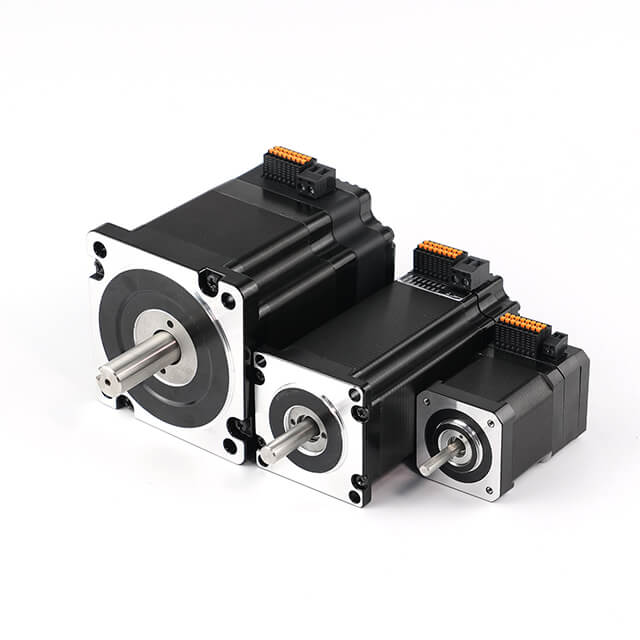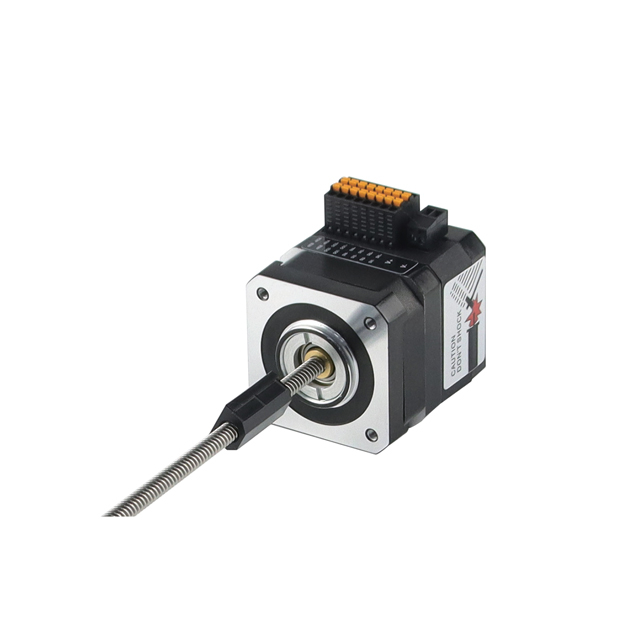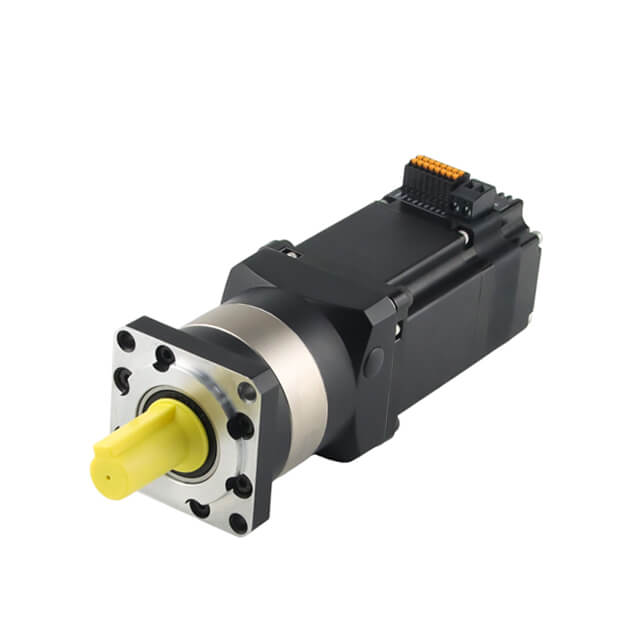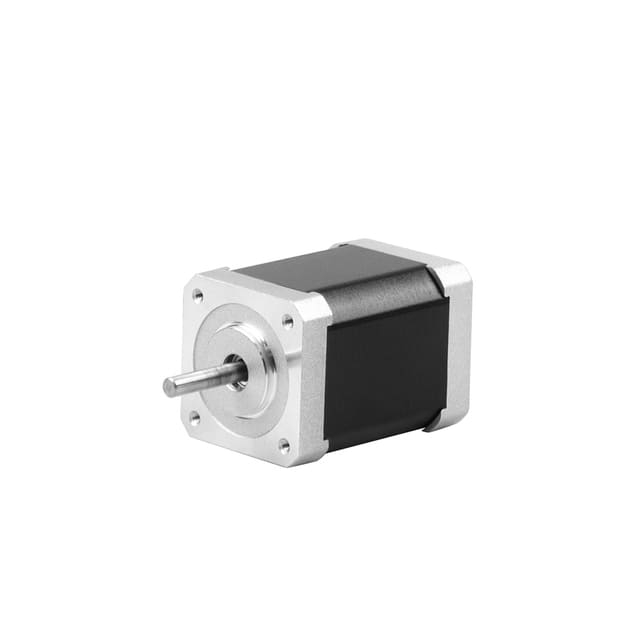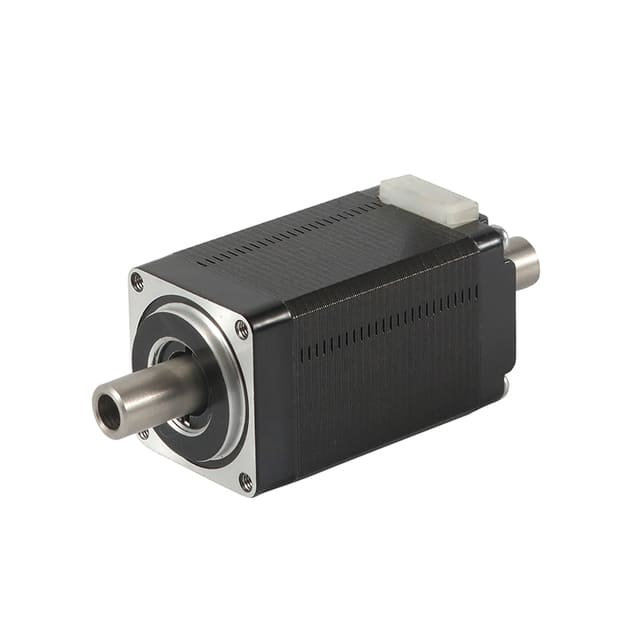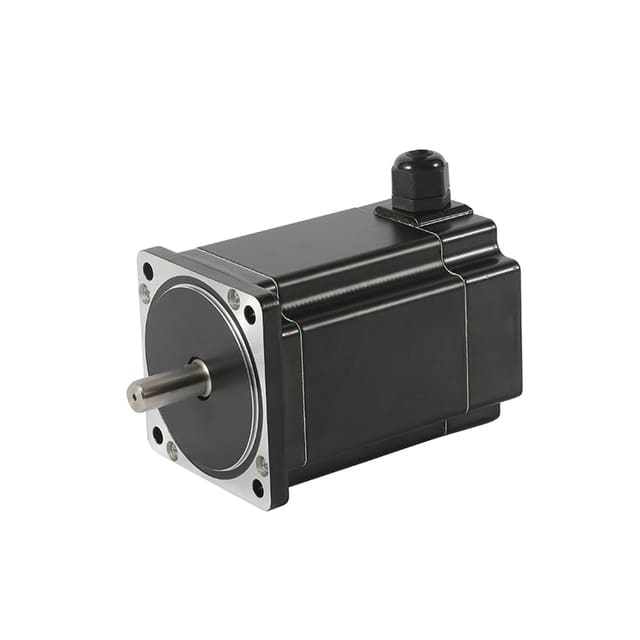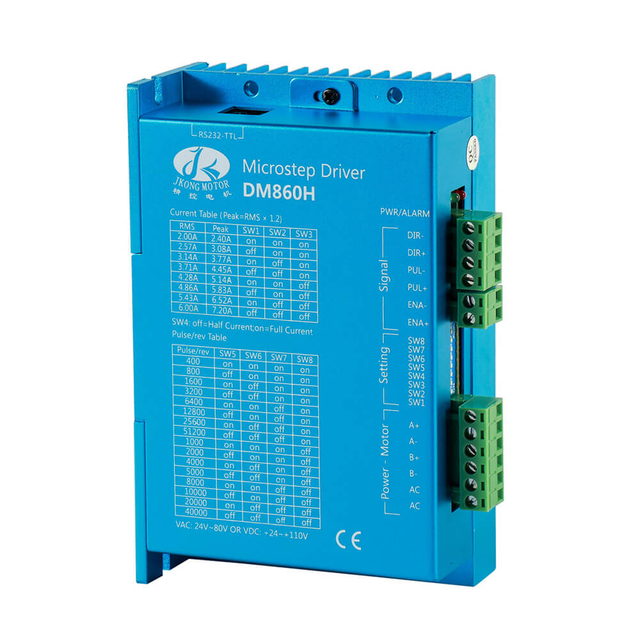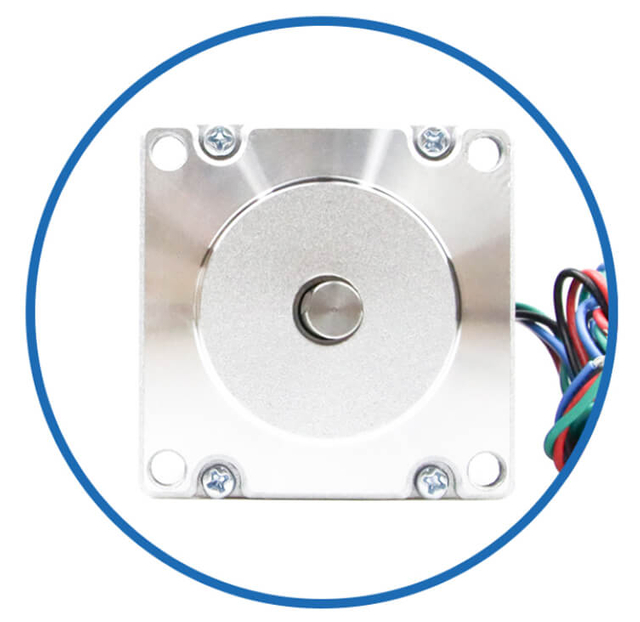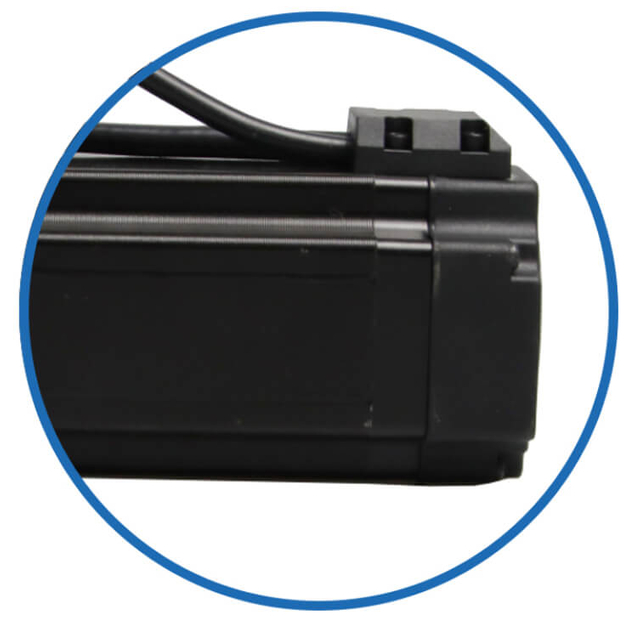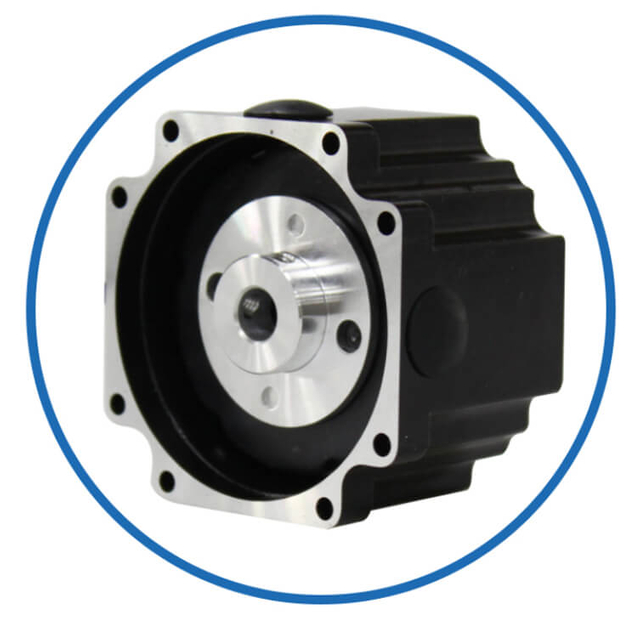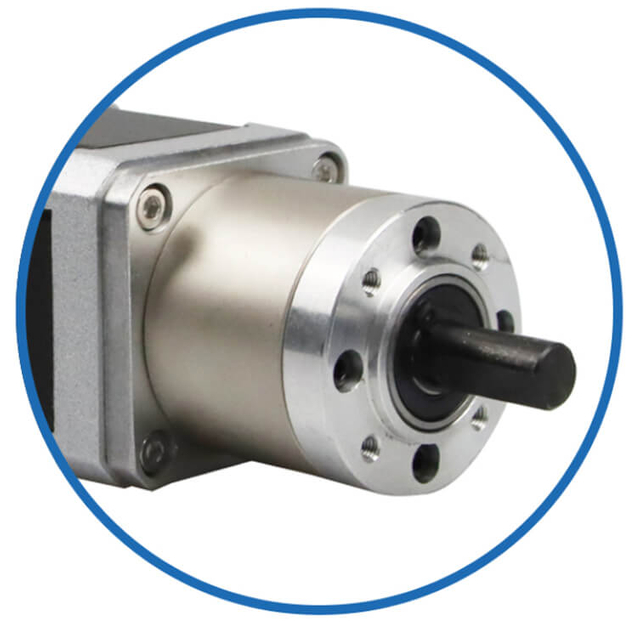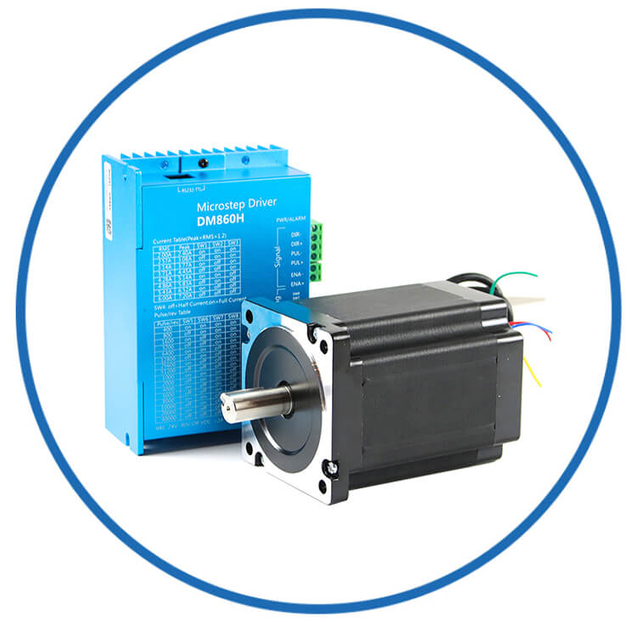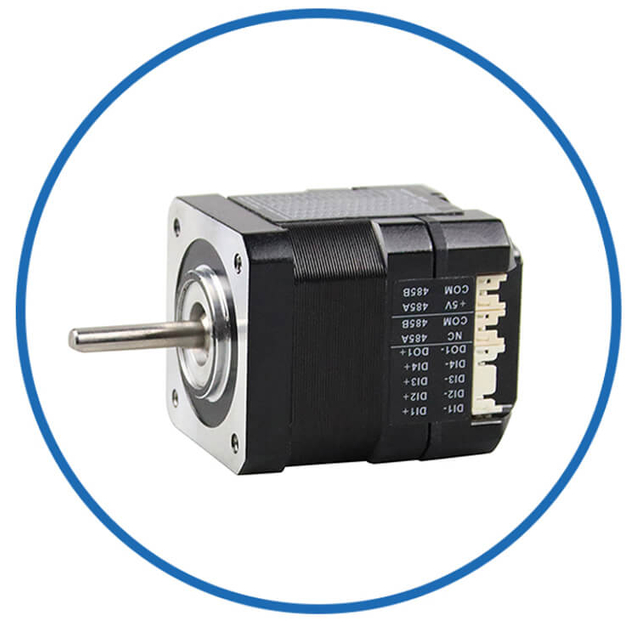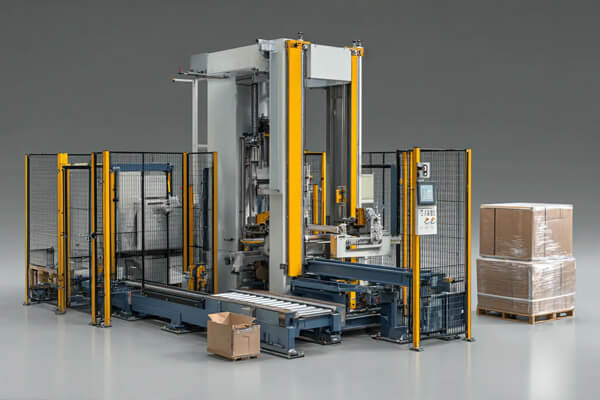
Integrated stepper motors are widely used in strapping machines because they combine the motor and driver into a compact unit that simplifies wiring, improves motion control accuracy, and reduces installation space. Through OEM ODM customized engineering, manufacturers can tailor torque, shaft design, communication interfaces, encoders, and gearbox options to perfectly match packaging automation requirements, ensuring stable performance, high efficiency, and long-term reliability.
Modern packaging operations depend heavily on precision, reliability, and automation efficiency. Among the critical components that ensure smooth performance in packaging lines, the integrated stepper motor for strapping machines plays a decisive role. Strapping machines require accurate positioning, stable torque, and synchronized motion to ensure that straps are tightened, sealed, and cut consistently.
Choosing the right integrated stepper motor directly influences machine speed, packaging quality, maintenance cost, and long-term productivity. In this comprehensive guide, we outline the key technical factors, performance requirements, and customization options that help manufacturers select the ideal motor for industrial strapping equipment.
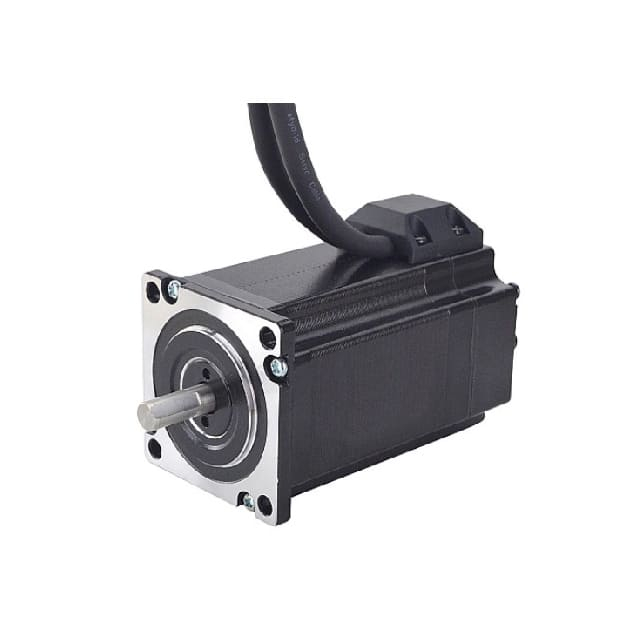
An integrated stepper motor combines the stepper motor, driver, and control electronics into a single compact unit. This integration simplifies wiring, reduces installation complexity, and enhances operational reliability.
In strapping machines, these motors are responsible for several critical actions:
Strap feeding and tensioning
Position control of rollers and gears
Precise motion for sealing mechanisms
Controlled cutting of strapping material
Because these operations demand high repeatability and precise motion control, integrated stepper motors are often preferred over traditional motor systems.
Key advantages include:
Compact design
Reduced wiring and installation time
Improved system stability
Lower electromagnetic interference
Simplified control architecture
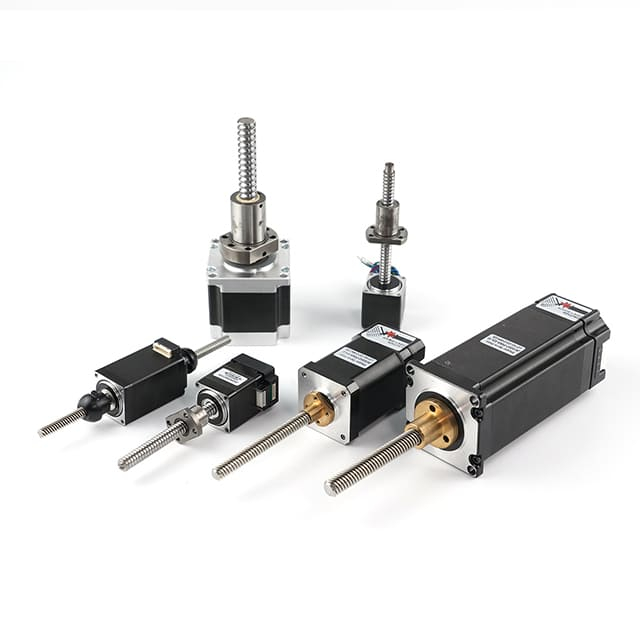
Jkongmotor Customized Stepper Motor Types for Industrial Automation
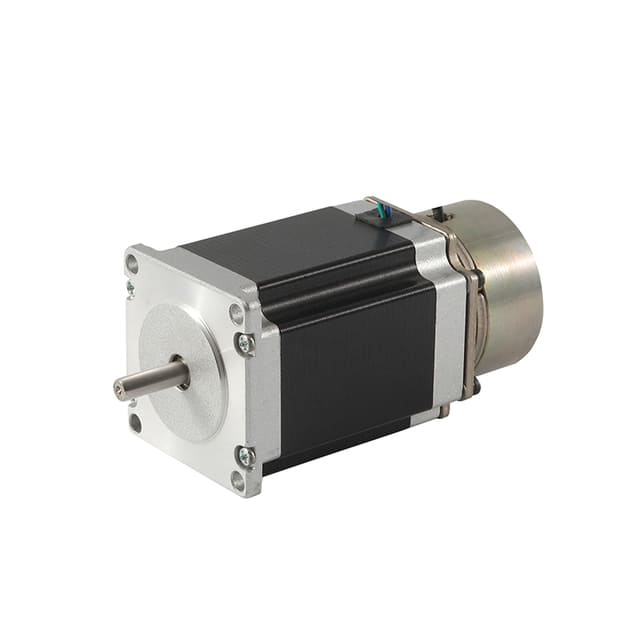
Motor Customized Service
As a professional brushless dc motor manufacturer with 13 years in china, Jkongmotor offer various bldc motors with customized requirements, including 33 42 57 60 80 86 110 130mm, additionally, gearboxes, brakes, encoders, brushless motor drivers and integrated drivers are optional.
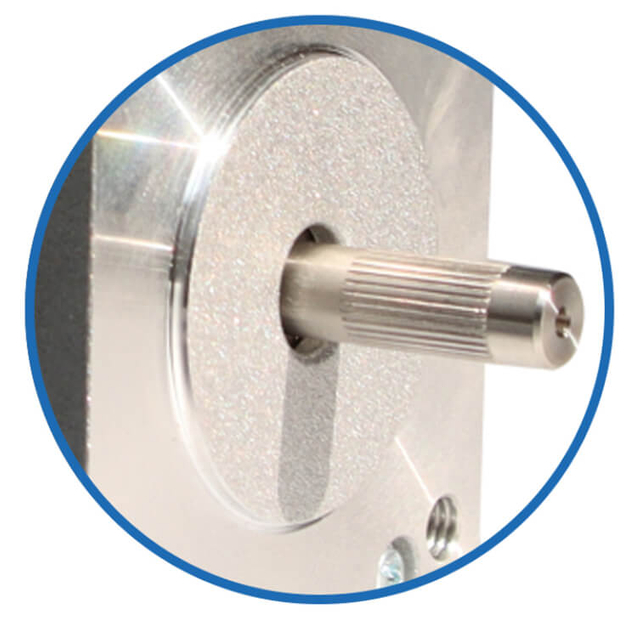
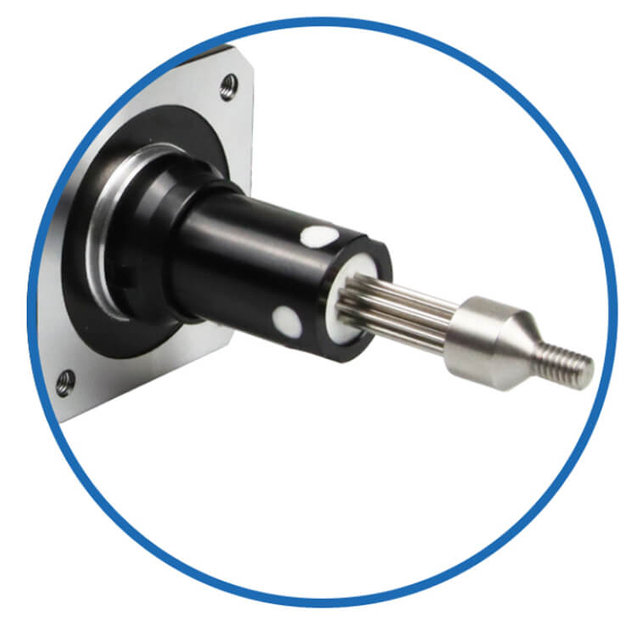
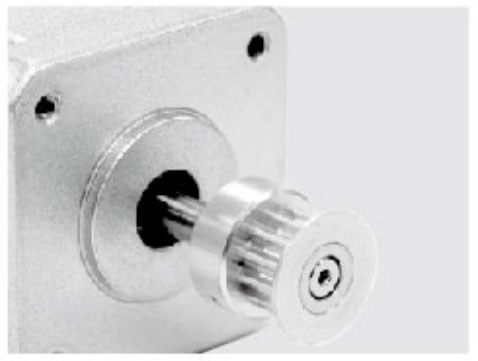
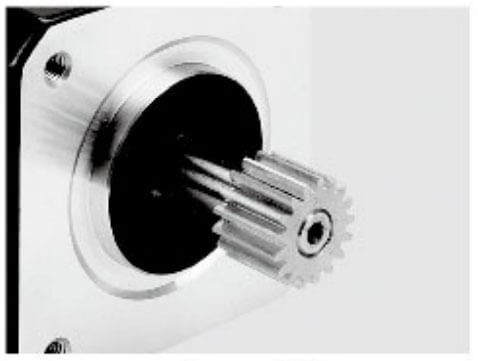
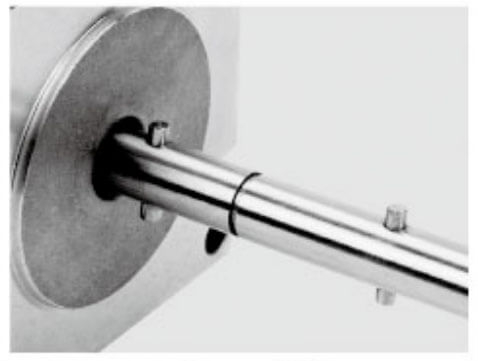
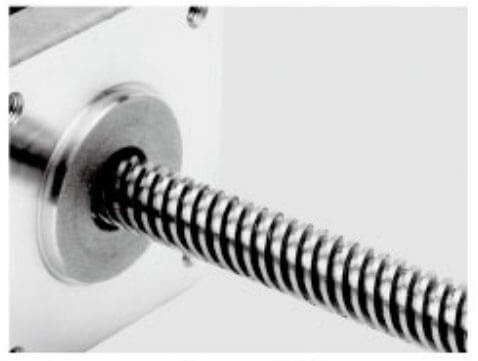
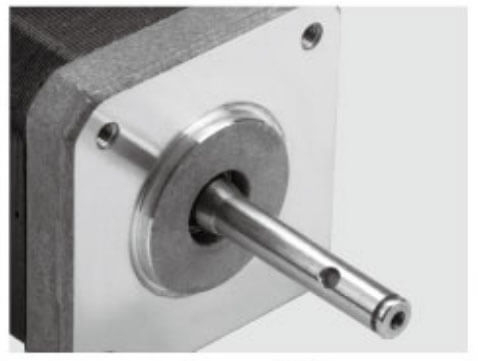
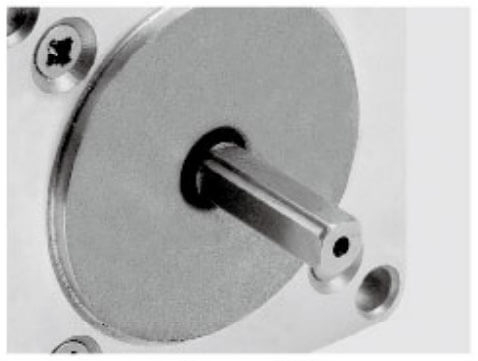
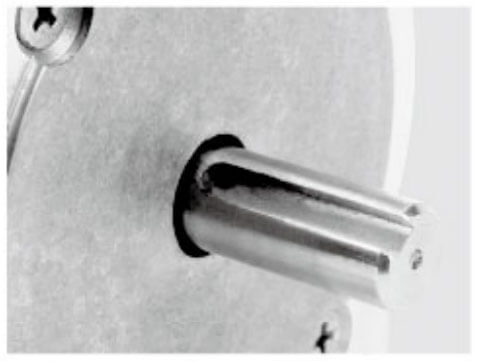
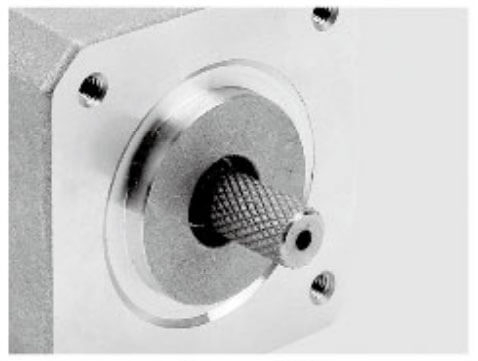
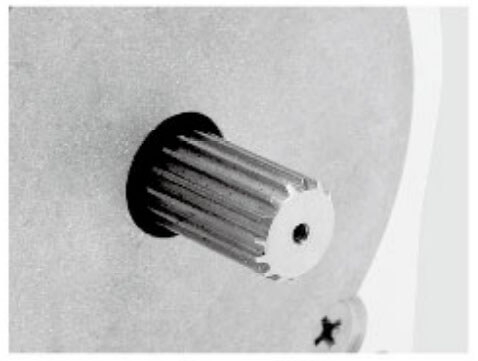
Motor Shaft Customized Service
Jkongmotor offer many different shaft options for your motor as well as customizable shaft lengths to make the motor fit your application seamlessly.
Key Performance Requirements for Strapping Machine Motors
Selecting the proper motor begins with understanding the mechanical and operational demands of the strapping machine.
Torque Requirements
The torque output determines whether the motor can handle the resistance generated during strap tensioning. Strapping materials such as PET, PP, or steel straps require different tension forces.
Important torque considerations include:
Holding torque for maintaining strap tension
Dynamic torque for continuous feeding
Peak torque during tightening cycles
Industrial strapping systems typically require high torque at low speeds, making hybrid integrated stepper motors a suitable solution.
Speed and Response Accuracy
Packaging lines operate under strict cycle times. The motor must provide rapid acceleration and deceleration while maintaining precise positioning.
Essential speed characteristics include:
Fast start-stop performance
Stable operation under varying loads
Minimal step loss during high-speed motion
Integrated stepper motors deliver consistent incremental movement, ensuring the strap feeds and tightens accurately during every packaging cycle.
Positioning Precision
Strapping machines rely on exact positioning to ensure that straps are applied consistently around packages.
Precision is influenced by:
Motors with fine microstepping control can provide smoother operation and improved strap alignment.
Motor Size and Frame Selection
Motor frame size directly impacts power output, torque capability, and installation compatibility.
Common frame sizes used in packaging machinery include:
NEMA 17
NEMA 23
NEMA 24
NEMA 34
Smaller strapping machines typically utilize NEMA 17 or NEMA 23 integrated stepper motors, while heavy-duty industrial equipment may require NEMA 24 or NEMA 34 models to achieve higher torque levels.
When selecting frame size, manufacturers should consider:
Another important factor when choosing a motor is the control system architecture.
Open Loop Integrated Stepper Motors
Open-loop systems operate without feedback. They are widely used in standard strapping machines due to their simplicity and affordability.
Benefits include:
Closed Loop Integrated Stepper Motors
Closed-loop motors include encoders that monitor motor position and speed in real time.
Advantages include:
For high-speed automated packaging lines, closed-loop integrated stepper motors provide enhanced reliability and precision.
Power Supply and Voltage Compatibility
Integrated stepper motors operate using specific voltage and current ratings. Selecting the correct electrical specifications ensures stable performance and prevents overheating.
Typical power considerations include:
Higher voltage systems allow better high-speed performance and faster torque response, which can improve overall strapping machine productivity.
Communication Protocol and Control Integration
Efficient communication protocol and control integration are essential when selecting an integrated stepper motor for strapping machines. Modern packaging equipment is typically connected to centralized automation systems, and the motor must communicate seamlessly with the machine’s controller to ensure accurate motion control, real-time monitoring, and stable operation. A well-matched communication interface simplifies system integration, enhances operational reliability, and improves overall machine performance.
Importance of Communication Protocols in Strapping Machines
Strapping machines rely on synchronized movements between multiple mechanical components, such as strap feeding rollers, tensioning mechanisms, sealing units, and cutting systems. These actions must be coordinated by the machine’s control system, typically managed through a PLC (Programmable Logic Controller) or industrial motion controller.
Integrated stepper motors equipped with compatible communication protocols allow controllers to transmit commands such as speed adjustment, position control, torque settings, and motion sequences with high accuracy and minimal delay. This ensures that every strapping cycle operates consistently, reducing errors and increasing packaging efficiency.
Common Communication Interfaces for Integrated Stepper Motors
Integrated stepper motors support a variety of communication protocols designed for industrial automation environments. Choosing the right interface ensures compatibility with existing machine control systems.
1. Pulse and Direction (PUL/DIR) Control
Pulse and direction control is one of the most widely used control methods in motion systems. The controller sends pulse signals to determine the number of motor steps, while the direction signal controls rotational direction.
Key advantages include:
Simple control architecture
Fast response time
Compatibility with most PLC systems
Easy implementation in standard packaging machinery
For many standard strapping machines, pulse and direction control offers a reliable and cost-effective solution.
2. RS485 Communication
RS485 is a robust serial communication protocol widely used in industrial equipment. Integrated stepper motors with RS485 allow multiple devices to communicate on a single network.
Benefits include:
Long-distance communication capability
Strong resistance to electrical noise
Support for multi-device networks
Reduced wiring complexity
In packaging production lines where several motors must be controlled simultaneously, RS485 communication provides excellent stability.
3. Modbus RTU Protocol
Modbus RTU is a popular industrial communication protocol that often runs on RS485 networks. Many PLC systems support Modbus, making it an attractive option for automated strapping equipment.
Advantages include:
Standardized industrial communication
Flexible parameter configuration
Remote monitoring and diagnostics
Reliable data transmission
Using Modbus RTU allows operators to monitor motor parameters such as speed, current, temperature, and fault status in real time.
4. CAN Bus Communication
CAN bus communication is designed for high reliability in distributed control systems. It allows multiple devices to communicate efficiently while maintaining stable data transfer.
Key features include:
High reliability in industrial environments
Real-time communication capability
Efficient multi-device control
Excellent error detection mechanisms
Strapping machines used in complex packaging lines can benefit from CAN bus networks, especially when multiple motion components must operate simultaneously.
5. EtherCAT for High-Speed Automation
In advanced automation systems, EtherCAT is often used for high-performance motion control. It provides extremely fast communication speeds and precise synchronization between devices.
Key advantages include:
Ultra-fast data transmission
Precise multi-axis synchronization
High scalability for large automation systems
Real-time communication performance
For high-speed strapping machines integrated into fully automated packaging lines, EtherCAT can significantly improve system responsiveness and control precision.
Integration with PLC and Industrial Control Systems
Strapping machines are typically controlled through industrial PLC systems, which coordinate the motion of motors, sensors, and actuators. Integrated stepper motors must be compatible with the PLC communication protocol to ensure smooth control.
Common PLC brands used in packaging machinery include:
Siemens
Mitsubishi
Omron
Delta
Schneider Electric
By selecting an integrated stepper motor that supports the same communication standard as the PLC, manufacturers can achieve fast installation, reliable operation, and simplified troubleshooting.
Advantages of Integrated Communication Systems
Using integrated stepper motors with advanced communication capabilities provides several operational benefits:
Simplified Wiring Structure
Integrated communication protocols reduce the number of external control cables required, making machine assembly faster and more organized.
Improved System Diagnostics
Real-time communication enables operators to monitor motor performance parameters, detect faults early, and reduce downtime.
Flexible Motion Programming
Communication-based control allows engineers to easily modify motion profiles, speed settings, and torque limits through software adjustments.
Scalable Automation Design
Industrial communication networks allow multiple motors to be connected within a single system, supporting complex packaging automation.
Future Trends in Motor Communication Technology
As packaging automation continues to evolve, integrated stepper motors are becoming increasingly intelligent. New developments include:
Smart motor diagnostics and predictive maintenance
Industrial IoT connectivity
Advanced motion synchronization
Cloud-based monitoring systems
These innovations enable strapping machines to operate with greater efficiency, improved reliability, and enhanced automation intelligence, making communication protocol integration an essential factor in motor selection.
By carefully selecting an integrated stepper motor with the appropriate communication protocol and control compatibility, packaging equipment manufacturers can ensure smooth integration with automation systems, achieve precise motion control, and maintain consistent strapping performance across high-speed production lines.
Environmental and Durability Considerations
Strapping machines operate in environments that may include dust, vibration, and continuous mechanical stress. The motor must be designed for long-term durability.
Key durability factors include:
Ingress protection rating (IP level)
Heat dissipation efficiency
High-quality bearings
Industrial-grade insulation materials
Motors with robust housing and reliable thermal design offer longer service life and reduce maintenance requirements.
For OEM strapping machine manufacturers, selecting a standard motor is often not sufficient to meet specific machine performance requirements. Packaging equipment varies significantly in terms of structure, tension capacity, cycle speed, and installation layout, which makes customized integrated stepper motors an ideal solution. Through OEM and ODM customization, manufacturers can optimize motor performance, improve machine compactness, and ensure seamless integration into their strapping equipment.
Customized integrated stepper motors allow packaging machinery producers to achieve higher operational efficiency, improved reliability, and better product consistency, while also supporting unique machine designs.
Custom Motor Torque and Performance Optimization
Different strapping machines require different tension forces and operating speeds, especially when working with various strapping materials such as PP (polypropylene), PET (polyester), or steel straps. OEM customization enables manufacturers to select motors with precisely matched torque and speed characteristics.
Customized performance options may include:
Higher holding torque for heavy-duty tensioning systems
Optimized torque curves for stable low-speed operation
Improved acceleration performance for faster strapping cycles
Enhanced dynamic response for high-speed packaging lines
By tailoring the motor’s electrical and mechanical characteristics, OEM manufacturers can ensure that the strapping process remains stable and consistent, even under demanding production conditions.
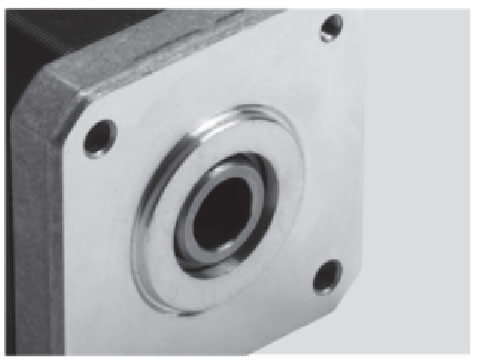
Customized Motor Frame Size and Mounting Structure
Strapping machines often have compact mechanical layouts, making motor installation space limited. Custom frame sizes and mounting configurations allow motors to fit perfectly within the machine structure.
Common structural customization options include:
Special mounting flanges
Custom motor housing dimensions
Unique bolt patterns
Integrated mounting brackets
Compact motor body design
These structural modifications allow OEM manufacturers to maintain efficient machine layouts and simplified assembly processes.
Custom Shaft Design and Output Configuration
The motor shaft is a critical component that connects the motor to gears, pulleys, or belt-driven systems within the strapping machine. Different mechanical designs require specific shaft structures.
Available shaft customization options include:
Custom shafts ensure smooth mechanical transmission and precise power delivery, reducing vibration and improving long-term equipment durability.
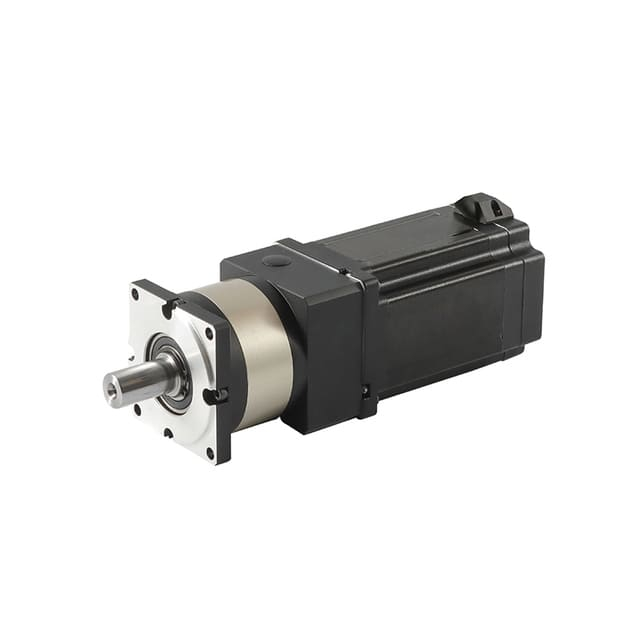
Integrated Gearbox Solutions
In some strapping machine designs, additional torque and speed reduction are required. Integrating a planetary gearbox or gear reducer directly into the motor assembly can provide the necessary mechanical advantage.
Benefits of gearbox integration include:
Higher output torque
Improved motion stability
Lower motor speed with higher force
More compact transmission systems
Customized gear ratios allow manufacturers to optimize the strap feeding and tensioning performance of their machines.
Custom Driver and Control Electronics
One of the major advantages of integrated stepper motors is the inclusion of built-in drivers and control electronics. OEM customization allows these components to be tailored to specific machine requirements.
Driver customization options may include:
Customized current settings
Optimized microstepping resolution
Programmable motion control profiles
Special firmware configurations
Integrated protection features
These modifications ensure the motor delivers precise motion control while maintaining stable performance under varying load conditions.
Communication Protocol Customization
Strapping machines used in automated production lines often require specific communication interfaces to connect with PLC controllers and industrial networks.
Customized communication options may include:
Providing the correct communication protocol ensures smooth integration with industrial control systems and simplifies machine commissioning.
Encoder and Closed-Loop Control Options
Some strapping machines require higher motion accuracy and feedback control. In such cases, OEM manufacturers may choose closed-loop integrated stepper motors with encoders.
Customization options include:
Magnetic encoder integration
Optical encoder solutions
High-resolution position feedback
Closed-loop motion correction
Closed-loop systems provide benefits such as:
These advantages make closed-loop integrated motors suitable for high-speed or high-precision packaging applications.
Cable and Connector Customization
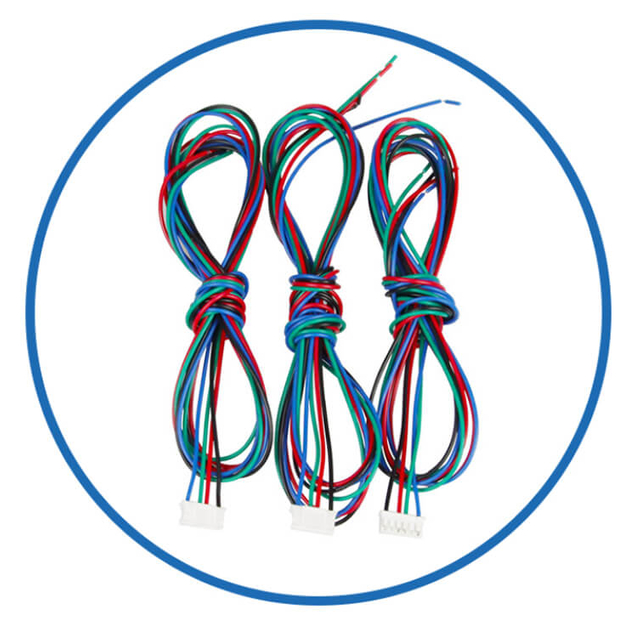
To simplify machine assembly and maintenance, many OEM manufacturers require specific cable lengths and connector types for their motors.
Custom electrical options include:
Pre-installed cables
Custom cable lengths
Industrial-grade connectors
Shielded cables for noise reduction
Plug-and-play wiring systems
These modifications reduce installation time and improve overall system reliability.
Environmental Protection and Industrial Durability
Strapping machines often operate in environments where motors are exposed to dust, vibration, and continuous mechanical stress. OEM customization can enhance the motor’s durability and environmental protection.
Available protective features include:
Higher IP protection ratings
Improved sealing against dust and debris
Enhanced heat dissipation structures
Industrial-grade bearing systems
Reinforced housing materials
These improvements help extend the motor’s service life and reduce maintenance costs.
Branding and OEM Manufacturing Support
OEM strapping machine manufacturers may also require branding customization to match their product identity and market positioning.
Brand-related customization may include:
Such services enable OEM partners to deliver fully integrated solutions under their own brand, enhancing their competitiveness in the packaging machinery market.
Choosing customized integrated stepper motors offers several advantages for strapping machine manufacturers:
Perfect compatibility with machine design
Improved operational efficiency
Reduced assembly complexity
Higher reliability in long-term operation
Greater flexibility for future product upgrades
Through professional OEM and ODM collaboration, packaging equipment manufacturers can develop high-performance strapping machines that meet the evolving demands of modern automated packaging lines.
Customized integrated stepper motors ultimately help manufacturers achieve better machine performance, improved production stability, and stronger market competitiveness.
In modern packaging automation, integrated stepper motors have become a preferred motion control solution for strapping machines. By combining the motor, driver, and controller into a single compact unit, integrated stepper motors simplify system design while delivering reliable and precise motion performance. For manufacturers seeking efficiency, stability, and cost-effective automation, integrated stepper motors provide a range of important advantages.
Below are the key benefits of using integrated stepper motors in strapping machine applications.
Compact Structure and Space-Saving Design
One of the most significant advantages of integrated stepper motors is their compact all-in-one structure. Traditional motion systems require separate components such as motors, drivers, and external controllers, which increase wiring complexity and occupy more installation space.
Integrated stepper motors combine these components into a single integrated housing, resulting in:
Reduced machine footprint
Simplified mechanical layout
More flexible equipment design
Improved installation efficiency
For strapping machines where internal space is often limited, this compact structure allows manufacturers to design more streamlined and efficient packaging equipment.
Simplified Wiring and Faster Installation
Traditional motor systems involve numerous cables between the motor, driver, and control unit. This can increase assembly time and create potential points of failure.
Integrated stepper motors significantly reduce wiring requirements by incorporating the driver and control electronics directly inside the motor.
This provides several operational benefits:
Simplified electrical connections
Reduced installation time
Lower risk of wiring errors
Cleaner and more organized machine layouts
For OEM strapping machine manufacturers, simplified wiring also leads to faster machine production and easier system maintenance.
High Precision Motion Control
Strapping machines require accurate positioning and consistent tension control to ensure secure packaging. Integrated stepper motors deliver precise incremental movement, allowing the machine to control strap feeding, tightening, and cutting operations with high accuracy.
Precision advantages include:
Stable step-by-step motion control
Accurate strap feeding length
Consistent tensioning force
Reliable positioning of sealing mechanisms
With microstepping technology, integrated stepper motors can achieve smoother motion and reduced vibration, improving overall packaging quality.
Improved System Reliability
Integrated stepper motors are designed to minimize the number of external electronic components required in a motion control system. Fewer components mean fewer potential failure points.
This integrated design enhances system reliability through:
Reduced signal interference
Shorter signal transmission paths
Improved electrical stability
Lower risk of connector failure
As a result, strapping machines equipped with integrated stepper motors can operate more consistently in continuous industrial production environments.
Cost-Effective Automation Solution
Integrated stepper motors offer a cost-efficient alternative to complex servo systems in many packaging applications. While servo motors are suitable for extremely high-performance motion control, many strapping machines do not require such advanced capabilities.
Integrated stepper motors provide an excellent balance of performance, precision, and affordability.
Cost advantages include:
Lower hardware investment
Reduced wiring and installation costs
Simplified machine assembly
Lower maintenance expenses
For manufacturers aiming to build competitive packaging machines, integrated stepper motors deliver high value without unnecessary complexity.
Stable Performance at Low Speeds
Strapping machines often operate at low to medium rotational speeds during strap feeding and tensioning processes. Integrated stepper motors perform particularly well in these operating ranges.
Key low-speed advantages include:
These characteristics make integrated stepper motors highly suitable for precision tensioning systems in strapping equipment.
Easy Integration with Industrial Automation Systems
Integrated stepper motors support a variety of industrial communication protocols and control methods, making them easy to integrate into automated packaging lines.
Common control interfaces include.
Common control interfaces include:
These options allow the motors to work seamlessly with PLC controllers and industrial automation systems, enabling precise motion coordination across the entire packaging line.
Reduced Electromagnetic Interference
In traditional motion control systems, long cables between the motor and driver can create electromagnetic interference (EMI) that affects system stability.
Integrated stepper motors reduce this issue because the driver electronics are located inside the motor housing, minimizing cable length between components.
Benefits include:
Improved signal integrity
More stable communication
Reduced electrical noise
Greater system reliability
This is particularly beneficial in packaging environments where multiple machines and electronic devices operate simultaneously.
Enhanced Energy Efficiency
Integrated stepper motors can incorporate advanced driver algorithms and optimized current control, allowing them to operate more efficiently.
Energy-saving benefits include:
For high-volume packaging facilities, improved energy efficiency contributes to lower operational costs and environmentally responsible manufacturing.
Another major advantage of integrated stepper motors is the availability of OEM and ODM customization options. Packaging equipment manufacturers often require specific motor configurations to match their machine design.
Customization possibilities include:
Special motor frame sizes
Custom shaft configurations
Integrated gearboxes
Specific communication interfaces
Closed-loop encoder options
These flexible customization capabilities allow manufacturers to develop high-performance strapping machines tailored to specific packaging applications.
Long Service Life and Low Maintenance
Integrated stepper motors are built for continuous industrial operation. With fewer external components and simplified system architecture, these motors require less maintenance compared to traditional motor systems.
Durability benefits include:
Industrial-grade bearings
Robust motor housing
Efficient heat dissipation
Reliable electronic protection circuits
This ensures that strapping machines can maintain long-term operational stability with minimal downtime.
Supporting the Future of Packaging Automation
As packaging automation continues to evolve, integrated stepper motors are becoming increasingly advanced. Innovations such as closed-loop control, smart diagnostics, and intelligent communication protocols are expanding their capabilities.
These technologies allow strapping machines to achieve:
Higher automation efficiency
More precise motion control
Improved system monitoring
Greater production reliability
Integrated stepper motors therefore play a critical role in the next generation of intelligent packaging equipment.
By combining compact design, precise motion control, simplified integration, and cost-effective performance, integrated stepper motors provide an ideal solution for modern strapping machine applications. Their ability to deliver consistent tension control, stable operation, and flexible customization makes them a valuable component for manufacturers seeking reliable and efficient packaging automation.
Common Mistakes to Avoid When Selecting a Motor
Choosing the right integrated stepper motor for a strapping machine is critical to ensuring reliable operation, consistent strap tension, and long-term machine performance. However, many equipment manufacturers and engineers make common selection mistakes that can lead to reduced efficiency, unstable motion control, increased maintenance costs, and premature motor failure.
Understanding these common mistakes helps manufacturers make more informed decisions and ensures that the selected motor can meet the mechanical, electrical, and operational requirements of the strapping machine.
Below are the most important mistakes to avoid when selecting an integrated stepper motor.
Underestimating Torque Requirements
One of the most frequent mistakes is selecting a motor without accurately calculating the required torque for the strapping process. Strapping machines must generate sufficient force to feed, tension, and seal straps around packages. If the motor’s torque is too low, the machine may experience:
Inconsistent strap tension
Frequent motor stalling
Step loss during operation
Reduced packaging reliability
Different strapping materials such as PP straps, PET straps, or steel straps require varying tension forces. Engineers must evaluate both dynamic torque during operation and holding torque during tensioning to ensure the motor can handle the workload.
Selecting a motor with a reasonable torque safety margin helps maintain stable operation under varying load conditions.
Ignoring Speed and Acceleration Requirements
Strapping machines often operate in high-speed packaging lines, where rapid motion cycles are essential. Choosing a motor without considering required speed, acceleration, and deceleration characteristics can limit machine performance.
Problems caused by inadequate speed performance include:
The selected integrated stepper motor must provide sufficient speed capability and dynamic response to match the packaging line’s operational requirements.
Choosing the Wrong Motor Frame Size
Another common mistake is selecting a motor based only on torque without considering frame size compatibility with the machine structure. Oversized motors may create installation difficulties, while undersized motors may lack sufficient power.
Incorrect frame size can lead to:
Selecting the correct motor frame size ensures that the motor fits properly within the strapping machine’s mechanical layout while delivering the required performance.
Overlooking Heat Dissipation and Thermal Management
Motors operating in packaging machines often run continuously for long production cycles. If the motor’s heat dissipation capability is insufficient, overheating can occur.
Overheating may cause:
Proper thermal design includes evaluating:
Choosing motors with efficient heat dissipation structures and industrial-grade materials helps maintain stable operation.
Ignoring Control System Compatibility
Modern strapping machines are typically integrated with PLC-based automation systems. Selecting a motor that does not support the required communication protocol or control interface can create integration challenges.
Common compatibility issues include:
Unsupported communication protocols
Incorrect signal control methods
Limited parameter configuration options
Ensuring that the integrated stepper motor supports the correct interfaces—such as pulse and direction, RS485, Modbus RTU, or CAN bus—is essential for smooth system integration.
Neglecting Environmental Conditions
Packaging environments can expose motors to dust, vibration, humidity, and continuous mechanical stress. Selecting a motor without considering environmental conditions may lead to premature failure.
Common environmental risks include:
Motors used in industrial strapping machines should feature robust housing structures, reliable sealing, and durable bearings to withstand these conditions.
Failing to Consider Future Maintenance
Another mistake is choosing a motor system that is difficult to maintain or replace. If a motor fails and replacement parts are not readily available, production downtime can increase.
Maintenance considerations include:
Availability of spare parts
Ease of motor replacement
Diagnostic capabilities
Technical support from suppliers
Integrated stepper motors with built-in diagnostic features and reliable supplier support help simplify maintenance and reduce downtime.
Ignoring Customization Opportunities
Some manufacturers choose standard motors without exploring OEM or ODM customization options. However, strapping machines often benefit from customized motor configurations.
Customization can improve:
Options such as custom shafts, integrated gearboxes, specific communication protocols, and encoder feedback can significantly enhance machine performance.
Selecting Based Only on Price
While cost control is important, choosing a motor solely based on the lowest price often leads to long-term issues. Low-cost motors may lack the durability, precision, and reliability required for industrial packaging equipment.
Potential risks include:
Instead of focusing only on initial cost, manufacturers should evaluate the total value of the motor, including performance, reliability, and long-term operational savings.
Not Testing Motor Performance Before Implementation
Another overlooked step is failing to test the motor in real machine conditions before full-scale production.
Without proper testing, issues may arise such as:
Conducting prototype testing and motion tuning ensures the motor performs as expected within the strapping machine system.
Conclusion
Selecting the right integrated stepper motor for a strapping machine requires careful evaluation of torque capacity, speed performance, frame size, thermal management, communication compatibility, and environmental durability. Avoiding common mistakes such as underestimating torque, ignoring system integration requirements, or focusing only on price helps manufacturers build more reliable and efficient packaging equipment.
By making informed motor selection decisions and considering customization options when necessary, equipment manufacturers can achieve stable machine operation, consistent strap tension, and improved packaging productivity.
Future Trends in Strapping Machine Motor Technology
With the advancement of smart manufacturing, integrated stepper motor technology continues to evolve.
Key trends include:
Higher integration of motion control electronics
Advanced closed-loop control systems
Improved energy efficiency
Smart diagnostic capabilities
Industrial IoT connectivity
These innovations enable more intelligent, efficient, and reliable packaging automation systems.
Conclusion
Selecting the correct integrated stepper motor for a strapping machine requires careful evaluation of torque requirements, speed performance, positioning accuracy, motor frame size, control interface, and environmental durability. By choosing a motor that meets both the mechanical demands and automation requirements of the packaging line, manufacturers can achieve higher efficiency, consistent strap tension, and long-term machine reliability.
Integrated stepper motors provide the ideal balance of precision, compact design, and simplified control, making them a preferred motion solution for modern automated strapping equipment. With the right selection and customization, these motors significantly improve packaging productivity and operational stability.
Integrated Stepper Motor for Strapping Machines – 20 FAQs (OEM ODM Customized)
1. What is an integrated stepper motor and why is it used in strapping machines?
An integrated stepper motor combines the motor, driver, and control electronics into a single compact unit, reducing wiring complexity and improving system reliability. In strapping machines, it ensures precise tension control, consistent positioning, and stable automation performance.
2. What advantages does an integrated stepper motor offer for strapping machine automation?
An integrated stepper motor simplifies machine design, reduces installation space, improves EMI resistance, and provides more stable motion control compared to traditional separated motor-driver systems.
3. How do I choose the right integrated stepper motor for a strapping machine?
Key selection factors include required torque, operating speed, load inertia, frame size, communication interface, and installation space. A properly sized motor ensures stable performance and prevents step loss or overheating.
4. Can integrated stepper motors be OEM ODM customized for strapping machines?
Yes. Manufacturers can provide OEM ODM customized integrated stepper motors with specific shaft designs, control protocols, mounting configurations, and electrical parameters to match different strapping machine architectures.
5. What torque requirements should be considered when selecting an integrated stepper motor?
Torque selection should account for holding torque, starting torque, and continuous running torque. A safety margin of about 30–50% additional torque capacity is recommended to ensure stable operation under load fluctuations.
6. What communication interfaces are available for integrated stepper motors?
Common control interfaces include Pulse/Direction, RS485, and CANopen, allowing easy integration with PLC systems and industrial automation controllers.
7. Can integrated stepper motors be customized with gearboxes for higher torque?
Yes. OEM ODM manufacturers can integrate planetary, worm, or right-angle gearboxes to increase torque output and reduce motor speed for heavy-duty strapping applications.
8. Are closed-loop integrated stepper motors available for strapping machines?
Yes. Closed-loop integrated stepper motors with built-in encoders provide position feedback, stall detection, and improved motion reliability, especially in high-speed packaging systems.
9. What frame sizes are commonly used for integrated stepper motors?
Typical frame sizes include 28mm, 42mm, 57mm, 60mm, and 86mm, depending on the torque and installation space requirements of the strapping machine.
10. Can integrated stepper motors support high-speed operation in packaging lines?
Yes. High-performance integrated stepper motors with optimized winding design and advanced drivers support fast indexing and rapid start-stop cycles common in packaging and strapping equipment.
11. What environmental protection features are available for OEM ODM integrated stepper motors?
Customized motors can include IP-rated sealing, corrosion-resistant coatings, industrial insulation systems, and sealed bearings to ensure reliable operation in dusty or humid industrial environments.
12. How does an integrated driver improve strapping machine design?
An integrated driver eliminates external control modules, reducing wiring complexity, installation time, and cabinet space while improving overall system reliability.
13. Can shaft types be customized for integrated stepper motors?
Yes. OEM ODM customized integrated stepper motors can feature D-cut shafts, keyways, hollow shafts, or extended shafts to match different transmission mechanisms.
14. Do integrated stepper motors support microstepping for smoother motion?
Yes. Microstepping technology improves motion smoothness, reduces vibration, and increases positioning resolution for precise strapping control.
15. Can integrated stepper motors be customized with encoders?
Yes. Manufacturers can integrate single-turn or multi-turn absolute encoders to achieve higher positioning accuracy and closed-loop control capability.
16. What control systems can integrated stepper motors connect to?
Integrated stepper motors can easily connect to PLC, industrial PC, or motion controllers, making them suitable for automated packaging and strapping lines.
17. How do OEM ODM manufacturers improve the reliability of integrated stepper motors?
Manufacturers enhance reliability through precision rotor balancing, optimized magnetic design, high-quality bearings, and improved thermal management, ensuring long-term stable performance.
18. Can integrated stepper motors reduce installation time for strapping machines?
Yes. Since the driver and motor are integrated, wiring is simplified and installation is faster, which reduces machine assembly time and improves production efficiency.
19. What customization options are available for integrated stepper motor cables and connectors?
OEM ODM solutions can include aviation connectors, crimping terminals, waterproof cables, and different wiring configurations depending on the machine design.
20. Why choose an OEM ODM integrated stepper motor manufacturer for packaging equipment?
Working with an OEM ODM customized integrated stepper motor manufacturer allows machine builders to optimize torque performance, simplify installation, improve automation reliability, and create more competitive packaging equipment solutions.