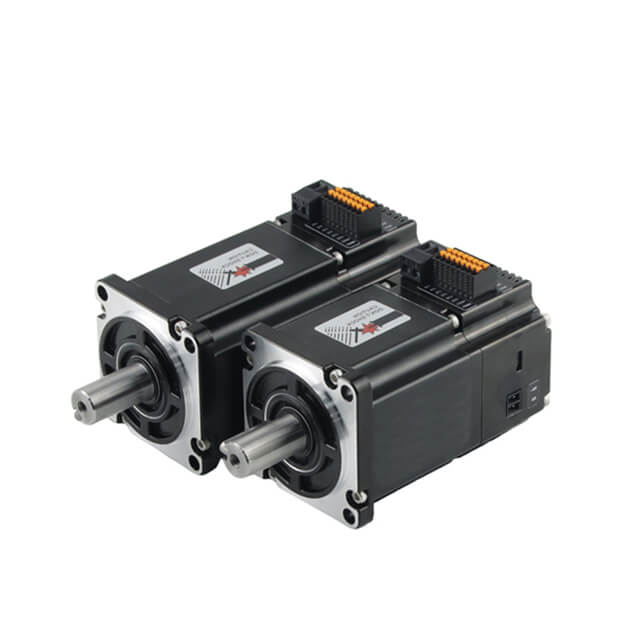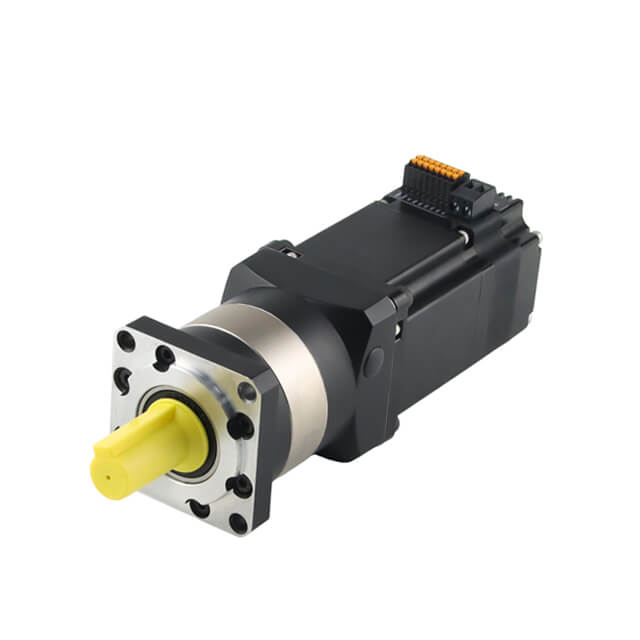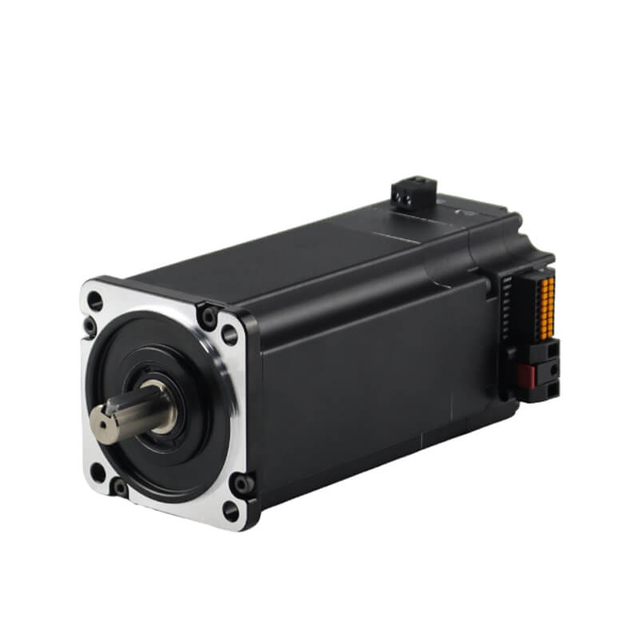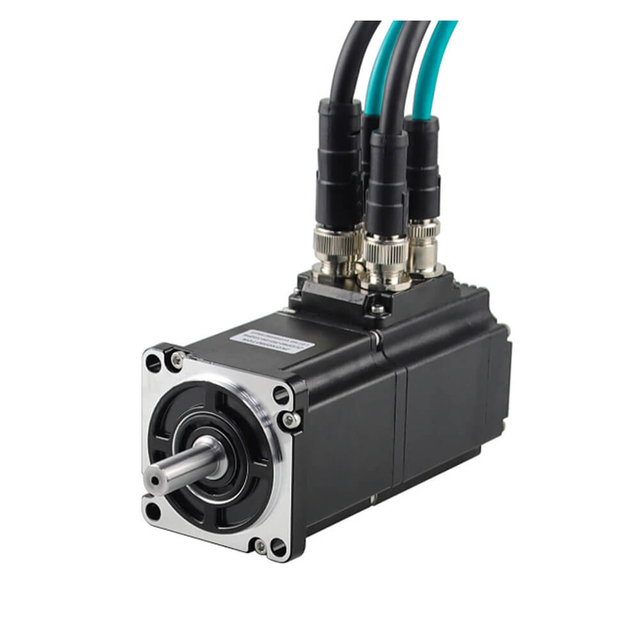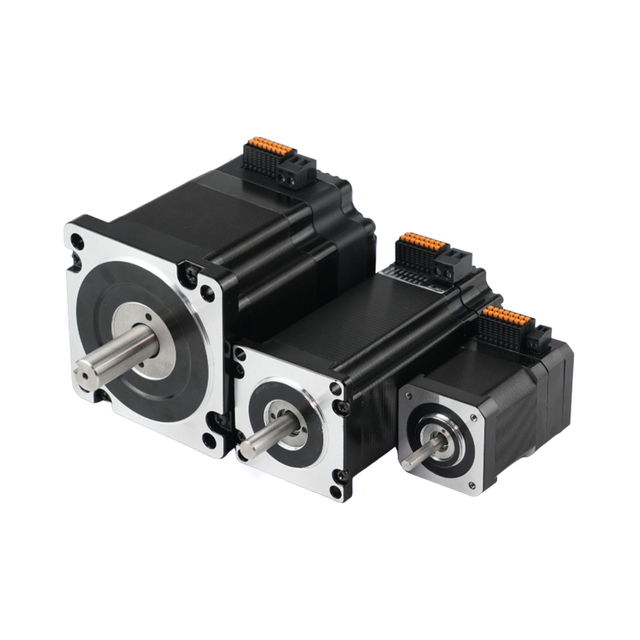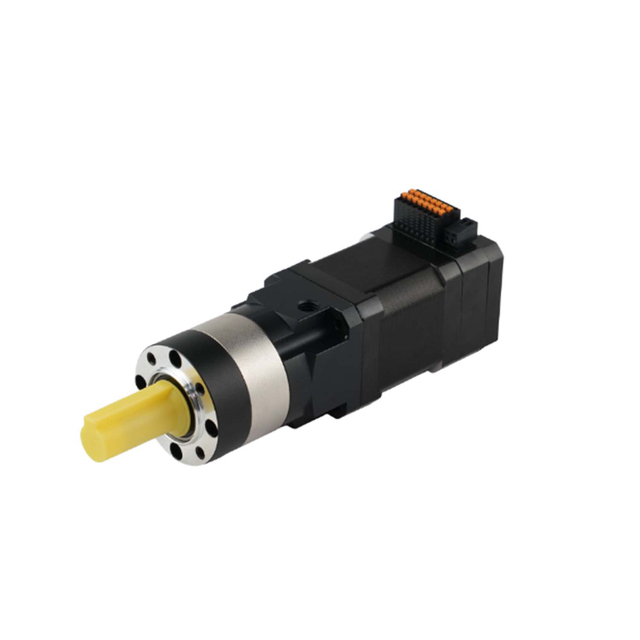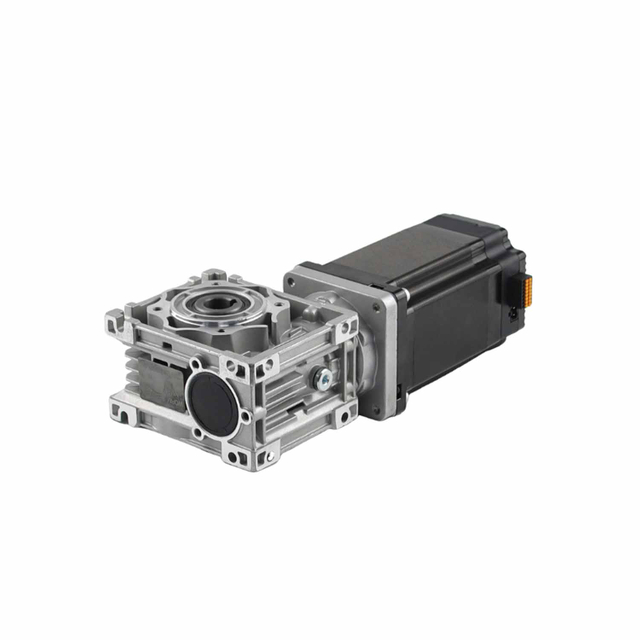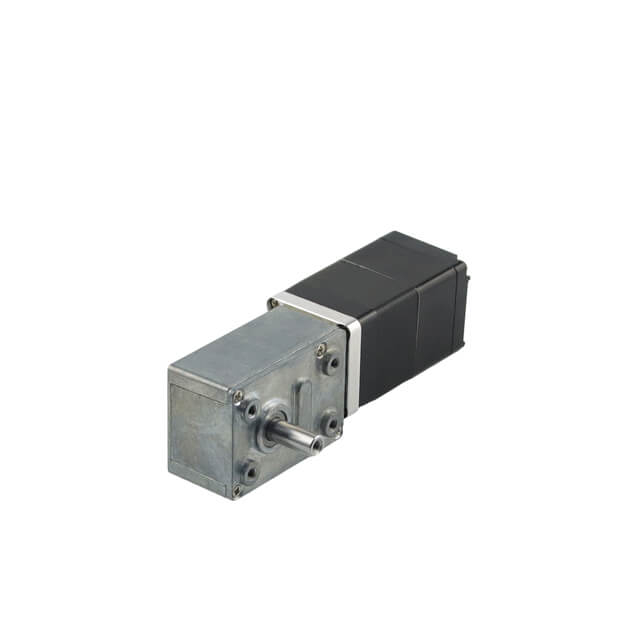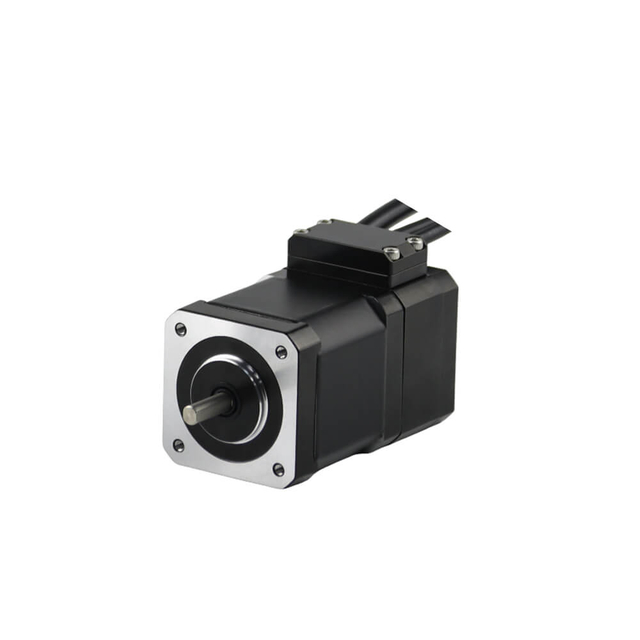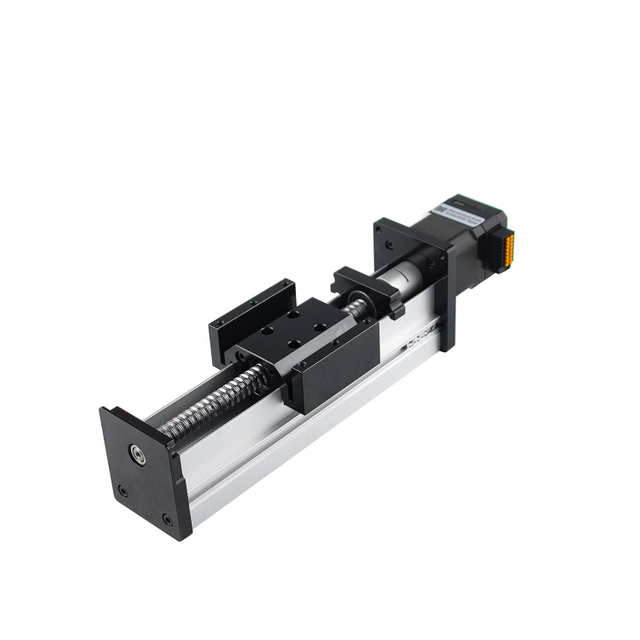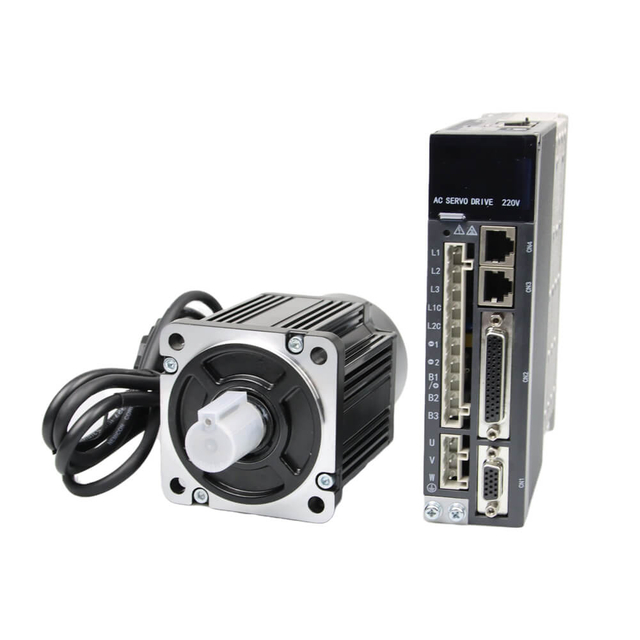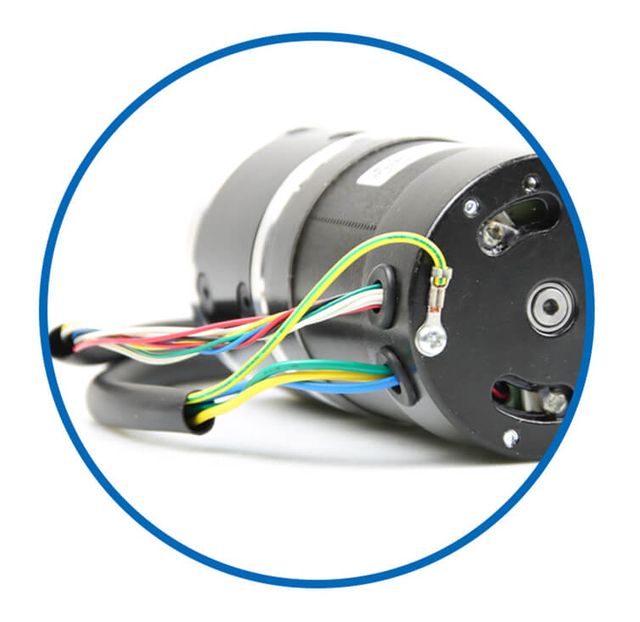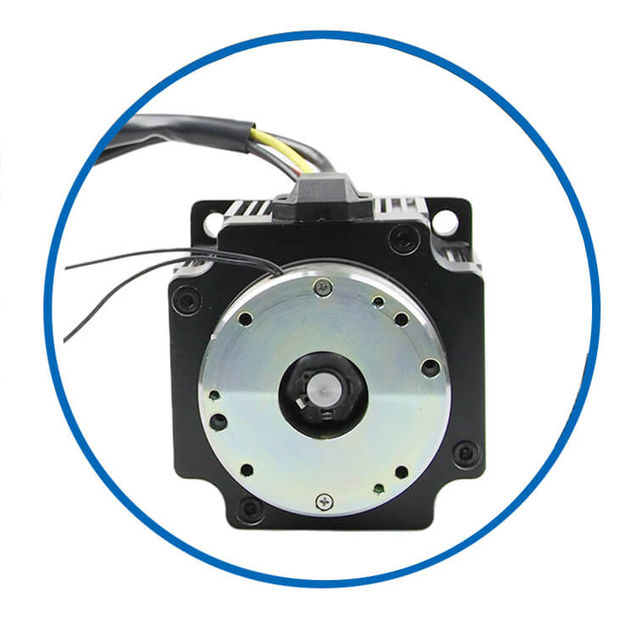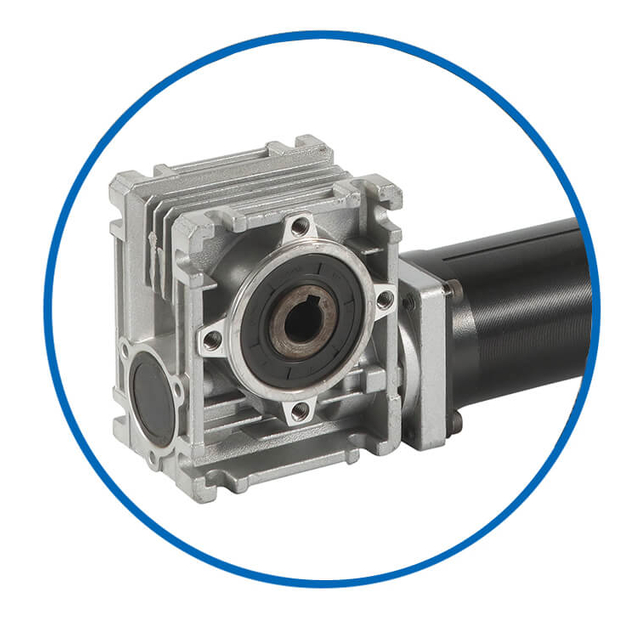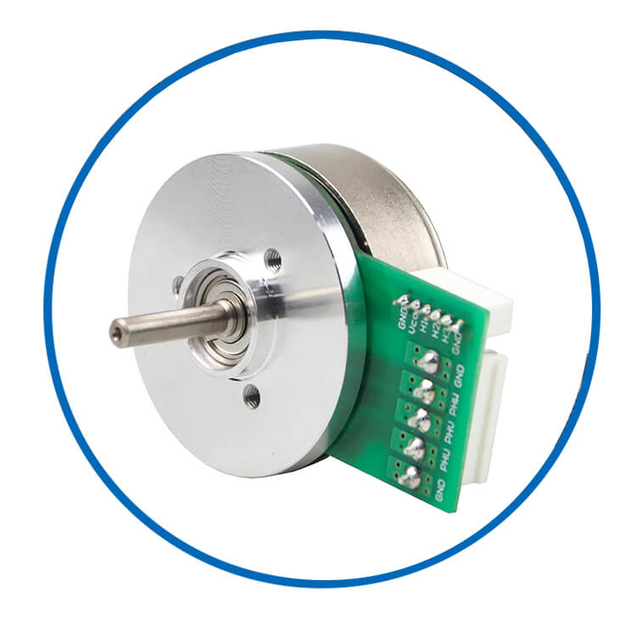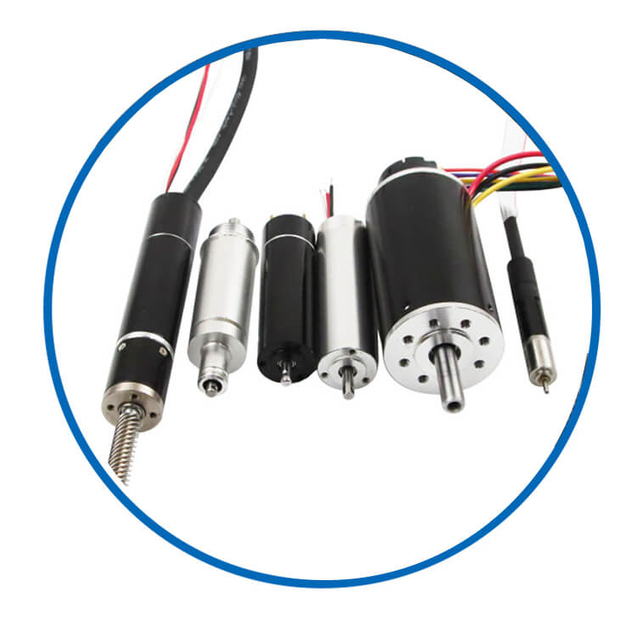
Integrated servo motor technology combines motor, driver, encoder, and controller into one compact unit, improving precision, reliability, and efficiency in modern automation systems. With OEM ODM customized capabilities—including mechanical structure, firmware, communication protocols, and environmental protection—integrated servo motors enable equipment manufacturers to build high-performance robots and intelligent machines tailored to specific applications.
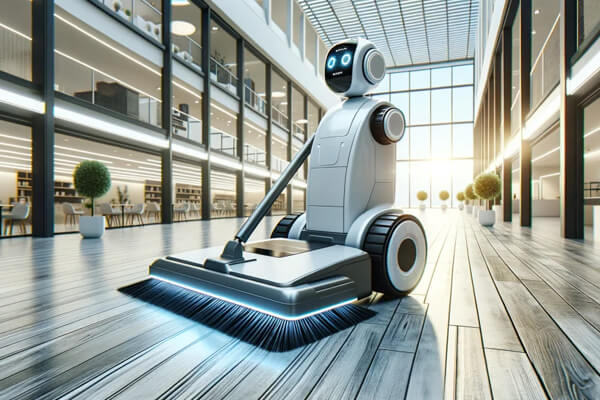
Modern cleaning robots are rapidly transforming industries ranging from commercial facility management and industrial sanitation to smart home automation. As expectations for efficiency, reliability, and precision increase, traditional motor architectures are struggling to keep pace. We see a major shift toward integrated servo motors, a technology that combines the motor, encoder, driver, and control electronics into a single compact unit.
This evolution is not merely a design improvement—it represents a complete transformation in how cleaning robots achieve motion precision, reliability, and operational efficiency. In this comprehensive guide, we explore how integrated servo motors are redefining cleaning performance and enabling the next generation of intelligent cleaning systems.
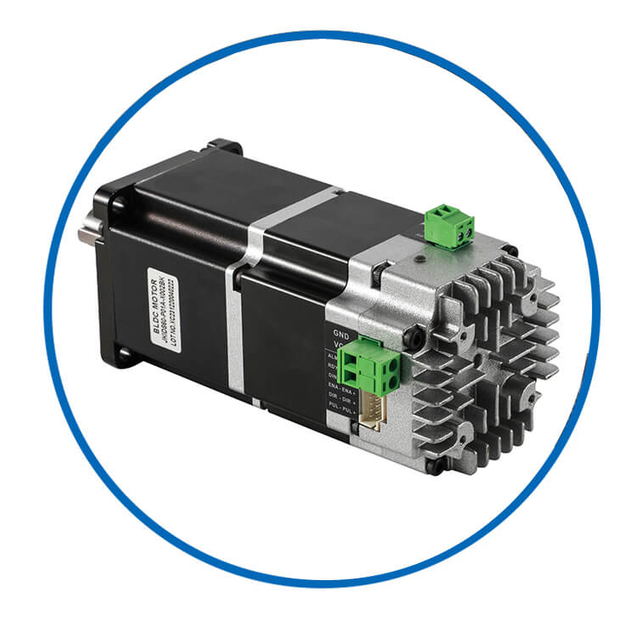
An integrated servo motor is a motion control solution where the servo motor, drive electronics, encoder feedback system, and communication interface are built into a single compact housing. Unlike traditional servo systems that require separate controllers, wiring harnesses, and external drivers, integrated servo motors provide a fully self-contained motion control module.
In cleaning robots, this architecture delivers several key advantages:
Compact footprint for space-constrained robot designs
Reduced wiring complexity for simplified assembly
Improved motion precision through integrated feedback loops
Higher system reliability due to fewer external connections
Cleaning robots rely heavily on precise movement to achieve effective coverage. Whether operating in autonomous floor scrubbers, robotic vacuum systems, or industrial cleaning platforms, integrated servo motors allow the robot to maintain stable speed control, accurate positioning, and responsive acceleration.
By embedding the control electronics directly into the motor housing, we eliminate signal latency and reduce electromagnetic interference. The result is smooth, stable, and highly accurate motion control, which is essential for modern autonomous cleaning systems.
Jkongmotor Servo Motor Types
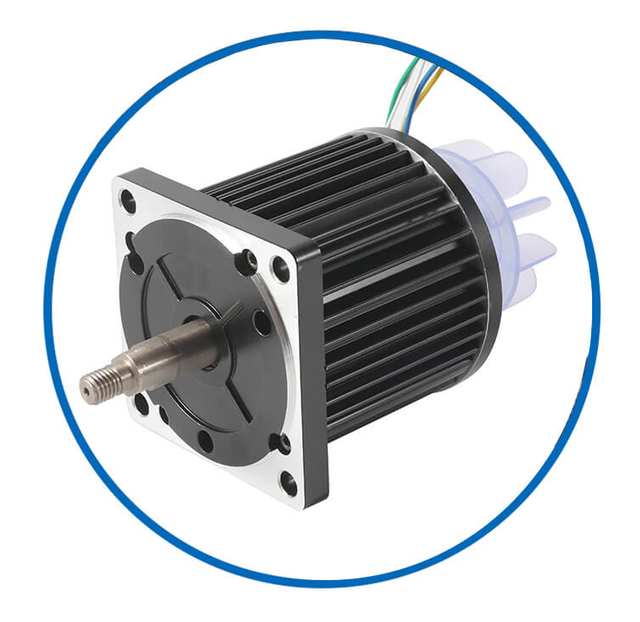
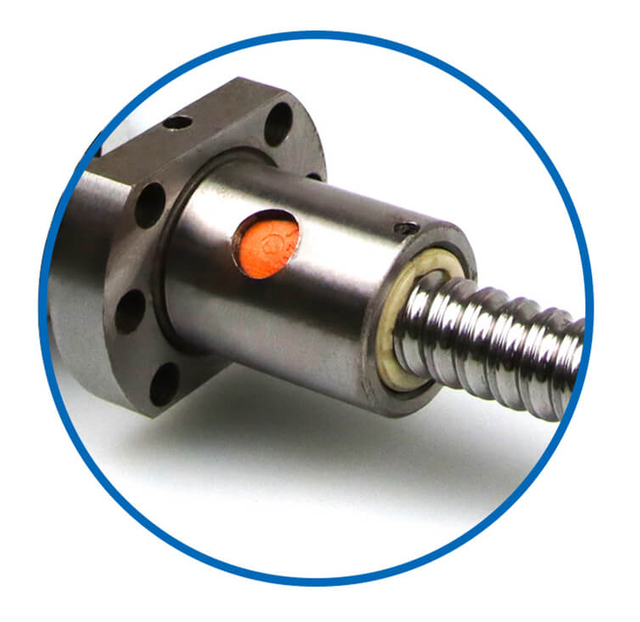
Motor Customized Service
As a professional brushless dc motor manufacturer with 13 years in china, Jkongmotor offer various bldc motors with customized requirements, including 33 42 57 60 80 86 110 130mm, additionally, gearboxes, brakes, encoders, brushless motor drivers and integrated drivers are optional.
![bldc motor supplier]() | ![bldc motor supplier]() | ![bldc motor supplier]() | ![bldc motor supplier]() | ![bldc motor supplier]() | Professional custom brushless motor services safeguard your projects or equipment. No Brushes – Reduced Maintenance and Increased Lifespan High Efficiency and Low Power Loss High Torque-to-Weight Ratio Precise Speed and Position Control Quiet and Smooth Operation Wide Speed Range and Dynamic Performance Excellent Thermal Management Customizable Designs and Modular Configurations Multiple Control Methods Integration with Digital Interfaces and Sensors |
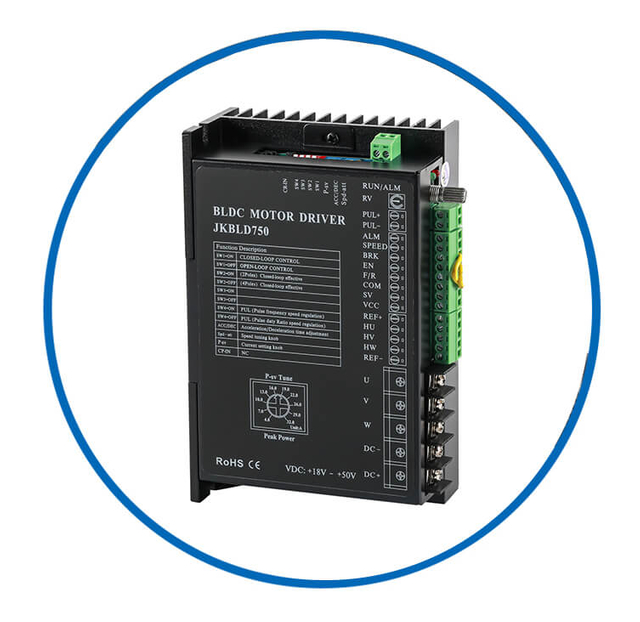
| Wires | Covers | Fans | Shafts | Integrated Drivers |
![bldc motor supplier]() | ![bldc motor supplier]() | ![bldc motor supplier]() | ![bldc motor supplier]() | ![bldc motor supplier]() |
| Brakes | Gearboxes | Out Rotors | Coreless Dc | Drivers |
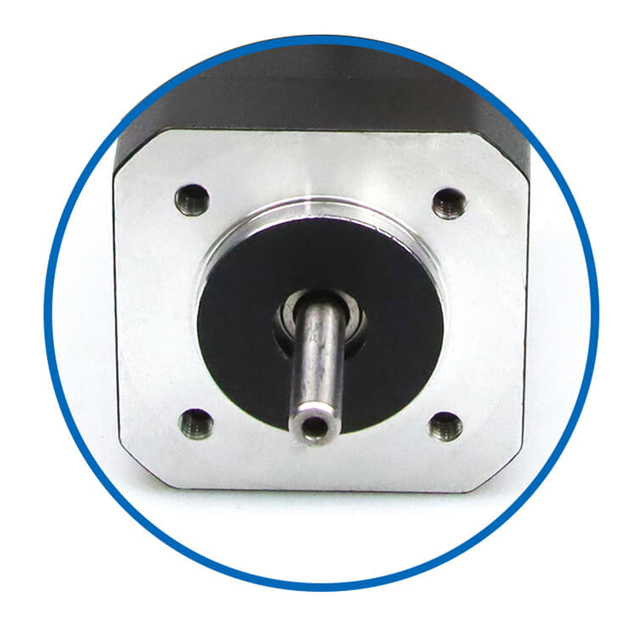
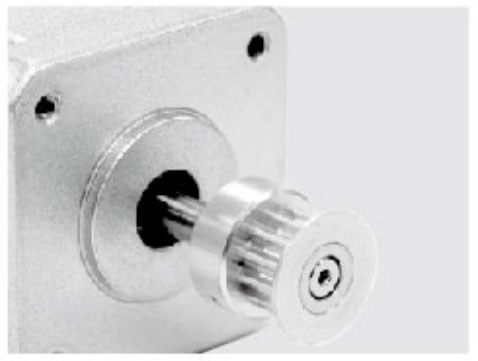
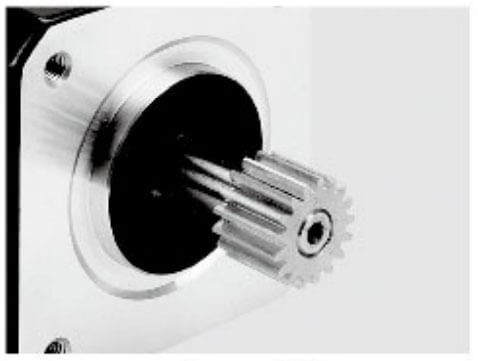
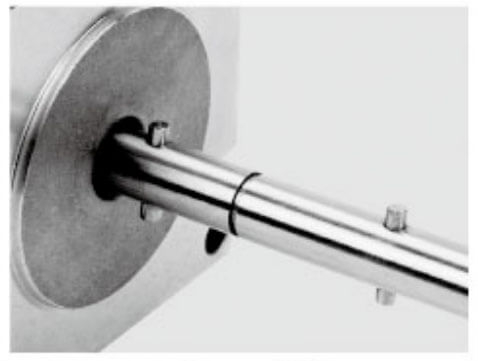
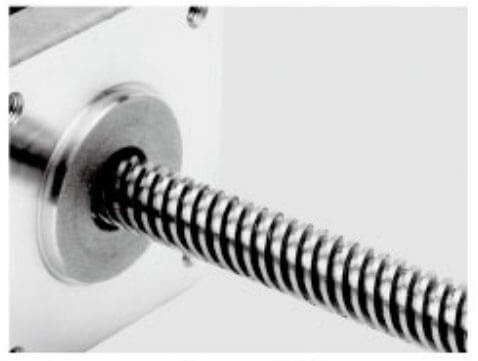
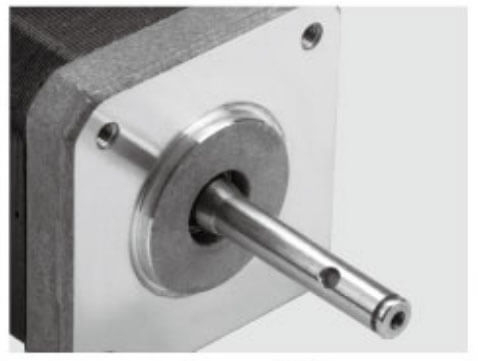
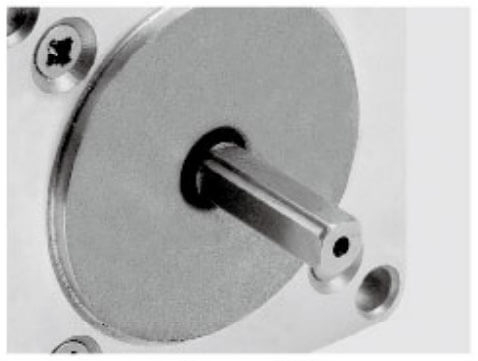
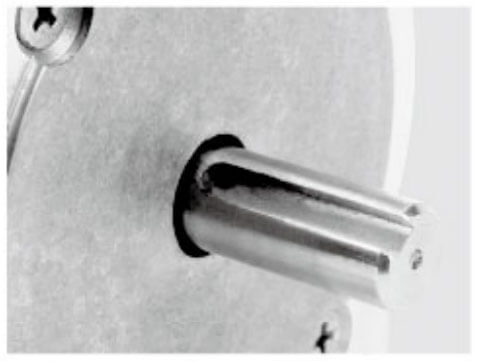
Motor Shaft Customized Service
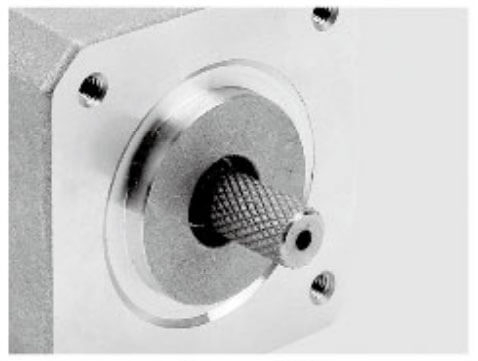
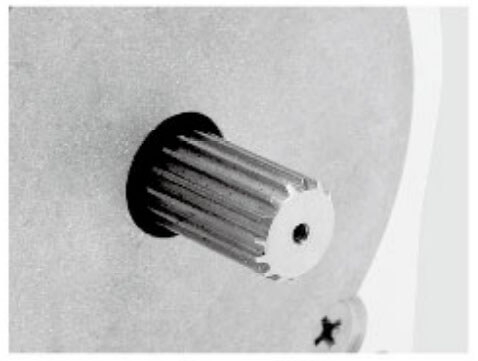
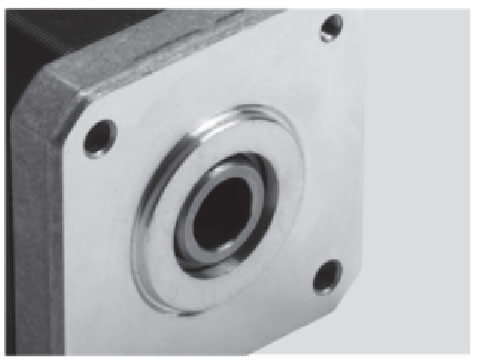
Jkongmotor offer many different shaft options for your motor as well as customizable shaft lengths to make the motor fit your application seamlessly.
Why is Integrated Design Critical for Robot Spatial Layout?
One of the most significant challenges in cleaning robot design is space optimization. Unlike large industrial robots, cleaning machines often operate in tight environments such as corridors, offices, warehouses, hospitals, and retail spaces. Every millimeter of internal space must be used efficiently.
Traditional servo systems require multiple components:
This architecture consumes valuable space and increases assembly complexity. In contrast, integrated servo motors consolidate these elements into a single unit, dramatically simplifying mechanical and electrical layouts.
The benefits of this compact architecture include:
1. Reduced Mechanical Footprint
Integrated servo motors eliminate bulky external drives, allowing engineers to design smaller and lighter robotic platforms.
2. Simplified Wiring Architecture
By integrating the controller and feedback system, the number of cables drops significantly. This leads to:
3. Improved Heat Distribution
Integrated systems are designed with optimized thermal management, ensuring heat generated by both the motor and electronics is dissipated efficiently.
For cleaning robots that operate for extended hours in commercial environments, effective thermal design is critical to maintain consistent performance.
Modern cleaning robots rely on precise motion control, stable navigation, and optimized energy usage to achieve maximum cleaning performance. Integrated servo motors significantly improve these capabilities by combining motor, drive, encoder, and control electronics into a single compact unit. This unified architecture enables robots to move more accurately, respond faster to environmental changes, and maintain consistent cleaning coverage across large areas.
Below we explore how integrated servo motors directly enhance cleaning efficiency and path accuracy in robotic cleaning systems.
High-Precision Position Control for Accurate Navigation
Integrated servo motors utilize high-resolution encoders and closed-loop feedback systems that continuously monitor motor position, speed, and torque. This constant feedback allows the control system to instantly correct deviations from the planned trajectory.
For cleaning robots, this means:
Robots equipped with integrated servo motors can follow complex cleaning paths with extremely small positioning errors. This ensures that the robot covers the entire cleaning area without missing spots or repeating unnecessary paths, which directly improves cleaning efficiency.
Stable Speed Regulation for Consistent Cleaning Results
Maintaining a stable movement speed is essential for many cleaning processes. For example, floor scrubbers and vacuum robots require consistent motion speed to maintain uniform suction, brush pressure, or water distribution.
Integrated servo motors provide advanced speed control algorithms that continuously adjust motor torque to compensate for environmental changes such as:
Because the motor automatically adjusts to these conditions, the robot maintains smooth and stable movement, ensuring even cleaning results across different surfaces.
Faster Response for Dynamic Obstacle Avoidance
Cleaning robots frequently encounter unexpected obstacles such as furniture, equipment, or human movement. Integrated servo motors enable rapid acceleration and deceleration, allowing robots to respond instantly to navigation commands.
This fast dynamic response allows robots to:
Stop quickly when obstacles appear
Change direction smoothly
Resume the cleaning path without losing accuracy
The result is efficient navigation with minimal disruption to the cleaning route, which improves productivity and reduces unnecessary movement.
Improved Path Planning Through Real-Time Feedback
Integrated servo motors provide continuous real-time motion data to the robot’s central control system. This information allows navigation algorithms to calculate more accurate path planning strategies.
With real-time feedback, the robot can:
Adjust its trajectory in milliseconds
Correct drift caused by uneven surfaces
Maintain alignment with digital maps or LiDAR navigation systems
This tight integration between motor control and navigation intelligence ensures the robot follows the most efficient route, maximizing coverage while minimizing travel distance.
Reduced Mechanical Vibration for Precision Movement
Mechanical vibration can negatively affect navigation accuracy, especially in robots using sensors such as cameras, LiDAR, or ultrasonic detection systems. Integrated servo motors generate smooth torque output with minimal vibration, which stabilizes the robot during movement.
The benefits include:
Smooth motion also reduces mechanical wear on wheels, gears, and cleaning components, increasing the overall lifespan of the robotic system.
Optimized Energy Consumption for Longer Cleaning Cycles
Energy efficiency is critical for battery-powered cleaning robots. Integrated servo motors use intelligent power management and load-adaptive torque control to optimize energy usage.
Instead of running at constant power, the motor adjusts its output based on real-time load conditions. This means:
Lower power consumption during light movement
Higher torque only when necessary
Reduced battery drain during long cleaning cycles
By extending operating time, robots can clean larger areas without requiring frequent charging, which improves overall operational efficiency.
Simplified System Architecture Improves Reliability
Another factor that indirectly improves cleaning efficiency is system reliability. Traditional motor systems rely on multiple external components, cables, and connectors. Each additional component increases the risk of signal interference or mechanical failure.
Integrated servo motors reduce these risks by combining components into a single sealed unit, resulting in:
With higher reliability, cleaning robots experience less downtime and more consistent performance, ensuring that scheduled cleaning tasks are completed without interruption.
Enhanced Synchronization Between Multiple Motion Axes
Many cleaning robots use multiple motors to control wheel movement, brushes, water pumps, or lifting mechanisms. Integrated servo motors support modern communication protocols such as CANopen, EtherCAT, and Modbus, allowing precise synchronization between different actuators.
This synchronization enables:
Balanced wheel movement for straight-line driving
Coordinated brush and suction operation
Accurate alignment during docking and charging
When all motion components operate in perfect synchronization, the robot maintains precise navigation paths and optimized cleaning operations.
Conclusion
Integrated servo motors dramatically improve the performance of modern cleaning robots by delivering precise motion control, stable speed regulation, fast response dynamics, and intelligent energy management. Through high-resolution feedback and closed-loop control, these motors enable robots to maintain accurate navigation paths and efficient cleaning coverage.
By reducing system complexity while enhancing reliability and motion precision, integrated servo motors allow cleaning robots to operate more efficiently, cover larger areas, and maintain consistent cleaning quality. As robotic cleaning technology continues to evolve, integrated servo motor systems will remain a core component driving the next generation of intelligent autonomous cleaning solutions.
How Do Integrated Servos Solve Reliability Challenges in Humid Environments?
Cleaning robots frequently operate in high-humidity and wet environments, such as commercial kitchens, hospitals, shopping malls, warehouses, food processing plants, and public sanitation areas. These environments introduce significant reliability challenges for motion control systems, including moisture intrusion, corrosion, electrical instability, and component failure.
Integrated servo motors address these challenges through sealed architecture, reduced wiring complexity, enhanced thermal management, and robust industrial protection design. By combining multiple motion control components into a single protected unit, integrated servos significantly improve reliability when exposed to moisture, condensation, and cleaning chemicals.
Below are the key ways integrated servo motors solve reliability problems in humid environments.
Sealed Integrated Structure Prevents Moisture Intrusion
One of the biggest reliability risks in humid environments is water vapor or liquid entering electrical components. Traditional motion control systems rely on multiple external parts—including servo drives, encoders, connectors, and communication cables—each of which becomes a potential entry point for moisture.
Integrated servo motors eliminate many of these exposure points by combining the following components into a single sealed housing:
Servo motor
Motor driver
Encoder feedback system
Control electronics
Communication interface
Because these components are integrated and enclosed within a protected industrial-grade housing, the chances of moisture penetration are dramatically reduced. This sealed structure helps prevent:
Electrical short circuits
Oxidation of internal components
Signal interference caused by condensation
As a result, integrated servos maintain stable operation even in environments with high humidity levels or water exposure.
Higher Protection Ratings for Harsh Environments
Integrated servo motors used in cleaning robots are commonly designed with high ingress protection (IP) ratings, such as IP65, IP66, or IP67. These protection levels ensure the motor is resistant to:
For example:
These protection standards are essential for cleaning robots that operate in areas where water, detergent, and sanitation chemicals are regularly used.
With robust environmental protection, integrated servo motors maintain consistent performance without the risk of water-related component failure.
Reduced Wiring Minimizes Failure Points
Traditional servo systems rely on numerous cables and connectors to link motors, controllers, and feedback devices. In humid environments, these external connections are vulnerable to:
Corrosion
Signal degradation
Loose contacts
Moisture penetration
Integrated servo motors significantly reduce the number of external cables by integrating control electronics directly within the motor body.
This design offers several reliability advantages:
By minimizing the number of potential failure points, integrated servo motors ensure more stable operation in moisture-prone environments.
Improved Thermal Management Reduces Condensation
Humidity combined with temperature changes can cause condensation inside electronic components, which often leads to circuit damage or long-term reliability issues.
Integrated servo motors are designed with optimized thermal management systems that help maintain stable internal temperatures. These systems include:
Heat-dissipating aluminum housings
Efficient internal heat transfer structures
Intelligent thermal protection circuits
Stable temperature control reduces the likelihood of condensation forming inside the motor housing. As a result, internal electronics remain dry and protected even when the external environment is humid.
Corrosion-Resistant Materials Extend Service Life
Cleaning environments frequently expose equipment to water, disinfectants, detergents, and corrosive chemicals. These substances can degrade traditional mechanical components over time.
Integrated servo motors designed for cleaning robots often incorporate corrosion-resistant materials and coatings, such as:
Stainless steel shafts
Anodized aluminum housings
Anti-corrosion surface treatments
Industrial-grade sealing gaskets
These materials provide strong resistance to chemical exposure and moisture, ensuring that the servo motor continues to operate reliably during long-term use.
Stable Communication and Control Performance
Humidity can negatively affect electrical signal stability, particularly when cables or connectors are exposed. Integrated servo motors address this challenge by placing critical control electronics inside the sealed motor housing, where environmental conditions are controlled.
Additionally, integrated servo motors support robust industrial communication protocols, including:
CANopen
EtherCAT
Modbus
RS485
These protocols allow reliable communication between the robot controller and motor system, even in environments where electromagnetic interference or moisture could disrupt traditional wiring.
By protecting the communication electronics internally, integrated servos ensure stable signal transmission and precise motion control.
Lower Maintenance Requirements
Equipment operating in humid environments typically requires frequent inspection and maintenance due to corrosion and moisture damage. Integrated servo motors significantly reduce these maintenance demands.
Key maintenance advantages include:
Fewer connectors to inspect
Reduced cable replacement
Lower risk of internal contamination
Longer operational lifespan
For robotic cleaning systems deployed in large commercial facilities, these benefits translate into lower maintenance costs and improved operational uptime.
Reliable Long-Term Operation in Cleaning Applications
Cleaning robots must operate for long hours in demanding environments, often running multiple cycles per day. Integrated servo motors provide the durability required for these conditions by combining environmental protection, mechanical stability, and intelligent control into a single reliable unit.
Because the entire motion system is compact and protected, integrated servos maintain **consistent torque output, accurate consistent torque output, accurate motion control, and stable communication performance, even in environments with high humidity, water exposure, and frequent cleaning procedures.
Conclusion
Humidity and moisture present serious reliability challenges for robotic motion systems. Integrated servo motors effectively address these challenges through sealed construction, high IP protection ratings, reduced wiring complexity, advanced thermal management, and corrosion-resistant materials.
By protecting sensitive electronics and minimizing external exposure points, integrated servo motors ensure stable, long-term operation in wet and humid environments. This reliability is critical for modern cleaning robots, which must deliver consistent performance in demanding sanitation conditions while maintaining minimal downtime and maintenance requirements.
As robotic cleaning systems continue to evolve, integrated servo technology will remain a key solution for achieving reliable motion control in moisture-intensive applications.
How Can Developers Reduce System Complexity and Costs?
For robot manufacturers, reducing development complexity is just as important as improving performance. Integrated servo motors provide significant advantages in this area.
Simplified System Architecture
Traditional motion systems require coordination between multiple components. Integrated servo motors replace these with a single plug-and-play module, reducing engineering workload.
This simplification accelerates:
Lower Installation Costs
Because integrated servo motors require fewer cables and external controllers, installation becomes significantly easier. Manufacturers benefit from:
Reduced assembly time
Lower labor costs
Simplified maintenance
Reduced Inventory Management
Instead of stocking multiple components—motors, drives, controllers—manufacturers can manage a single integrated product line, simplifying supply chain operations.
Faster Troubleshooting
Integrated systems often include diagnostic communication protocols such as CANopen, EtherCAT, or Modbus. These protocols allow engineers to monitor motor status, temperature, and performance in real time.
As a result, maintenance becomes faster and more predictable, reducing downtime for commercial cleaning fleets.
Will the Future of Cleaning Robots be “Fully Integrated”?
The robotics industry is moving toward fully integrated motion systems, where every actuator functions as an intelligent node within a distributed control network.
Integrated servo motors play a key role in this transition.
Future cleaning robots will likely feature:
Distributed motor control architecture
Smart embedded sensors
AI-driven navigation systems
Cloud-connected diagnostics
In this environment, integrated servo motors act as intelligent motion modules, capable of communicating directly with the robot’s central processor and other components.
This modular architecture enables manufacturers to develop more scalable and adaptable robotic platforms.
We expect the next generation of cleaning robots to incorporate:
Integrated wheel drive modules
Smart brush drive systems
Autonomous navigation actuatorsSmart brush drive systems
Autonomous navigation actuators
High-efficiency battery management integration
As these technologies converge, integrated servo motors will become the standard motion control solution for autonomous cleaning machines.
Conclusion: Integrated Motion is the Foundation of Next-Generation Cleaning Robotics
Cleaning robots are evolving from simple automated machines into highly intelligent autonomous systems capable of operating efficiently in complex environments. Achieving this level of performance requires a motion control solution that is precise, reliable, compact, and energy efficient.
Integrated servo motors deliver exactly these capabilities by combining motor, drive, encoder, and control electronics into a unified architecture. This integration reduces system complexity, improves reliability in challenging environments, and enables the advanced motion precision required for modern robotic cleaning systems.
As robotic cleaning technology continues to advance, integrated servo motors will remain at the core of innovation, enabling smarter, more efficient, and more reliable cleaning solutions for industries worldwide.
FAQs About Integrated Servo Motor (OEM ODM Customized Solutions)
1. What is an integrated servo motor and why is it used in cleaning machines?
An integrated servo motor combines the motor, driver, encoder, and controller into a single compact unit. This design reduces wiring complexity, improves reliability, and enhances motion precision in automated cleaning equipment.
2. How does an integrated servo motor improve cleaning robot performance?
An integrated servo motor provides precise torque control and fast response, enabling cleaning robots to maintain stable speed, accurate path tracking, and consistent cleaning results.
3. Can integrated servo motors be OEM ODM customized for cleaning equipment manufacturers?
Yes. Many factories offer OEM ODM customized integrated servo motor solutions, including custom shafts, mounting structures, firmware settings, and communication interfaces.
4. What advantages does an integrated servo motor offer compared to traditional motor systems?
Compared with traditional motor + external drive systems, an integrated servo motor reduces cables, minimizes failure points, and simplifies system architecture.
5. Why are OEM ODM customized integrated servo motors important for cleaning robots?
Cleaning robots often require specific torque, compact size, and waterproof protection. OEM ODM customized integrated servo motors allow manufacturers to optimize the motor design for these requirements.
6. What communication protocols can an OEM ODM customized integrated servo motor support?
Customized integrated servo motors can support multiple industrial protocols such as CANopen, EtherCAT, RS485, and Modbus, allowing easy integration with robot controllers or PLC systems.
7. How does an integrated servo motor improve motion accuracy in cleaning equipment?
With built-in encoder feedback and closed-loop control, the integrated servo motor enables accurate positioning, smooth speed regulation, and stable torque output.
8. Can integrated servo motors be customized for harsh cleaning environments?
Yes. OEM ODM customized integrated servo motors can include IP-rated sealing, corrosion-resistant coatings, and moisture protection for wet or dusty cleaning environments.
9. How does an integrated servo motor reduce installation time for OEM equipment manufacturers?
Since the driver and control electronics are embedded inside the motor housing, integrated servo motors require fewer cables and components, simplifying installation and commissioning.
10. What types of mechanical customization are available for integrated servo motors?
OEM ODM customized integrated servo motor solutions may include:
Hollow shafts
Dual shafts
Custom flange mounting
Integrated gearboxes
Reinforced bearings
11. How does an integrated servo motor improve energy efficiency?
Integrated servo motors reduce electrical losses and optimize current control, leading to higher efficiency and lower heat generation in automated systems.
12. Can integrated servo motors support predictive maintenance?
Yes. Many integrated servo motors include built-in diagnostics that monitor temperature, vibration, and current, allowing predictive maintenance and reduced downtime.
Integrated servo motors are widely used in:
14. How does an integrated servo motor improve system reliability?
By integrating multiple components into one unit, integrated servo motors reduce connectors and wiring, which significantly lowers the risk of mechanical or electrical failure.
15. Can firmware be customized in an OEM ODM integrated servo motor?
Yes. Manufacturers can customize firmware parameters such as torque limits, acceleration profiles, braking behavior, and safety functions to match specific machine requirements.
16. What torque and speed ranges are available for integrated servo motors?
OEM ODM customized integrated servo motors are available in multiple frame sizes with different torque and speed ranges to suit various robotic or cleaning applications.
17. How do integrated servo motors simplify robot system architecture?
Integrated servo motors function as self-contained motion control nodes, embedding control electronics and communication interfaces directly inside the motor housing.
18. Can integrated servo motors be customized for battery-powered cleaning robots?
Yes. OEM ODM customized integrated servo motors can be optimized for low power consumption and high efficiency, which is critical for battery-powered equipment.
19. What safety features can be integrated into customized servo motors?
Customized integrated servo motors may include:
OEM manufacturers typically provide application details such as torque, speed, size constraints, and control requirements. The motor factory then designs an OEM ODM customized integrated servo motor tailored to the machine.