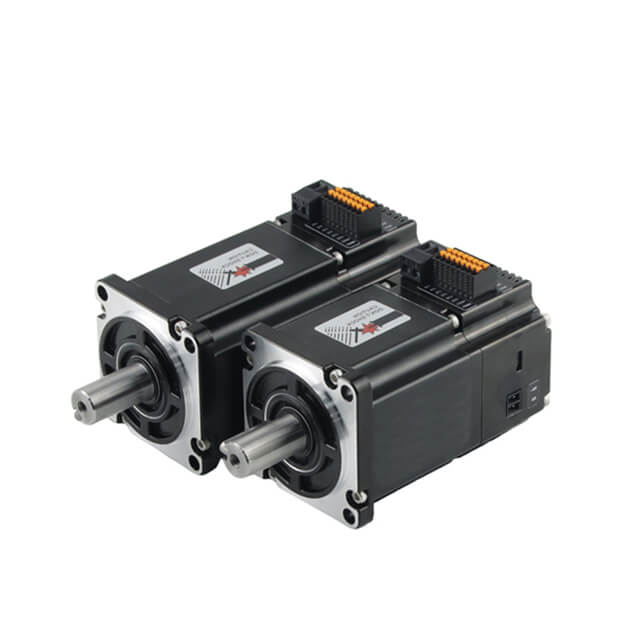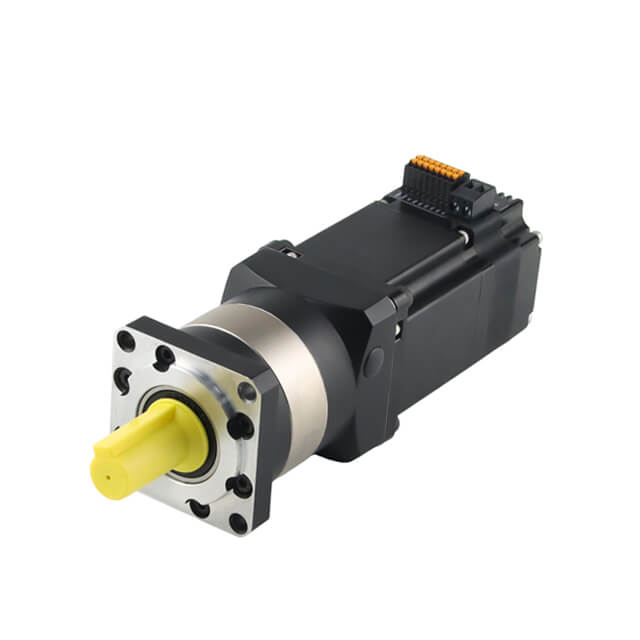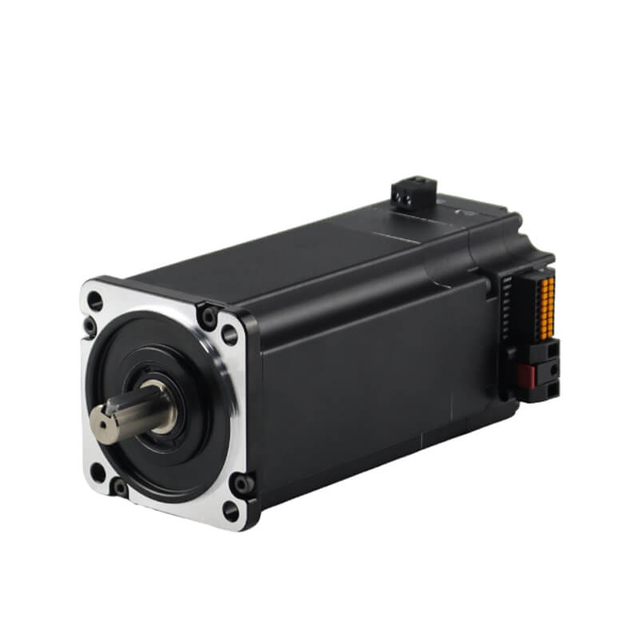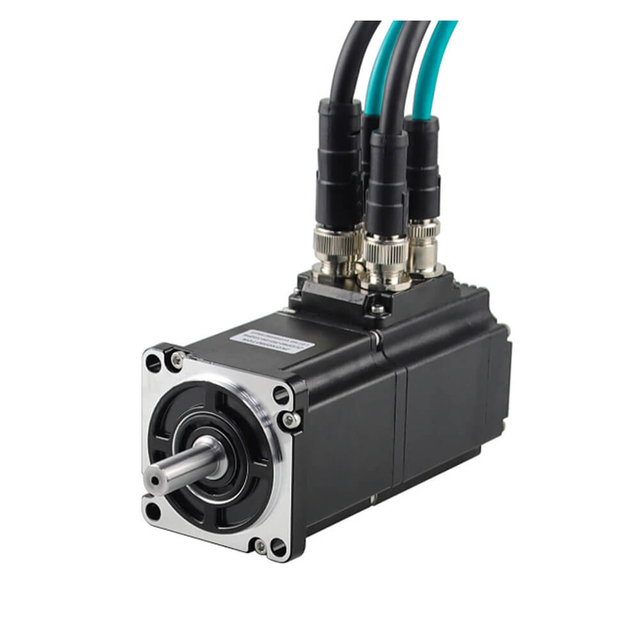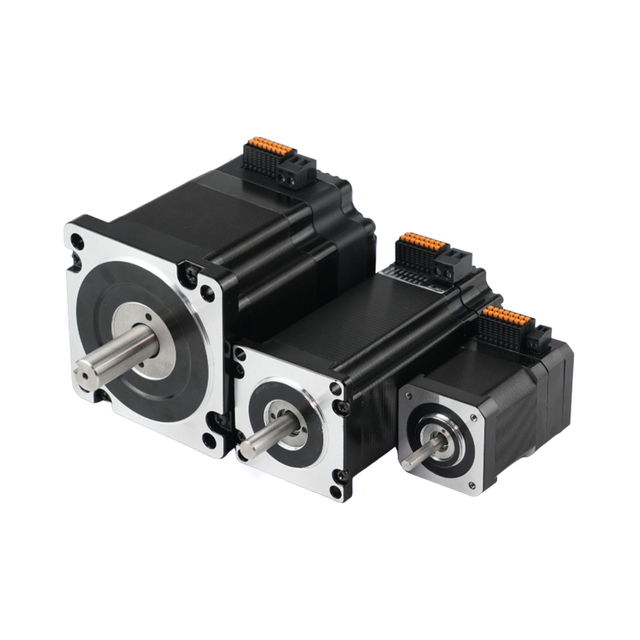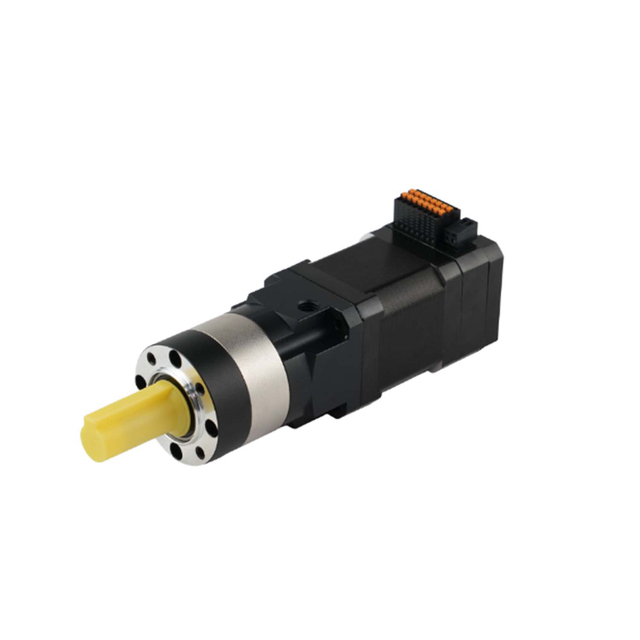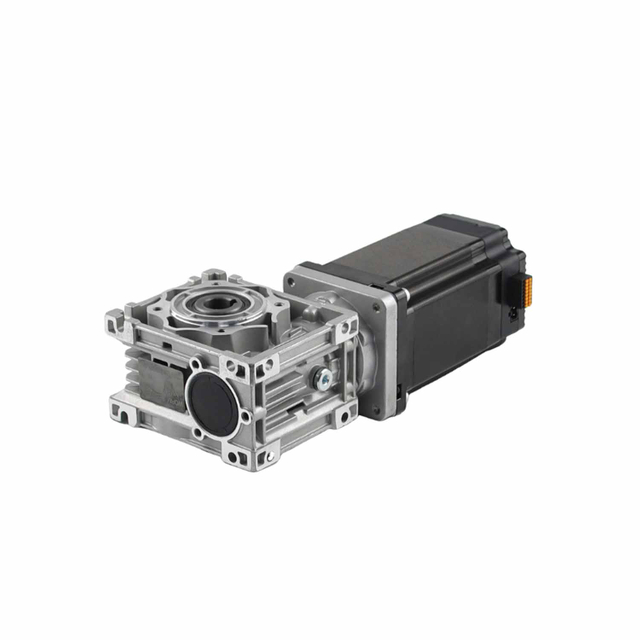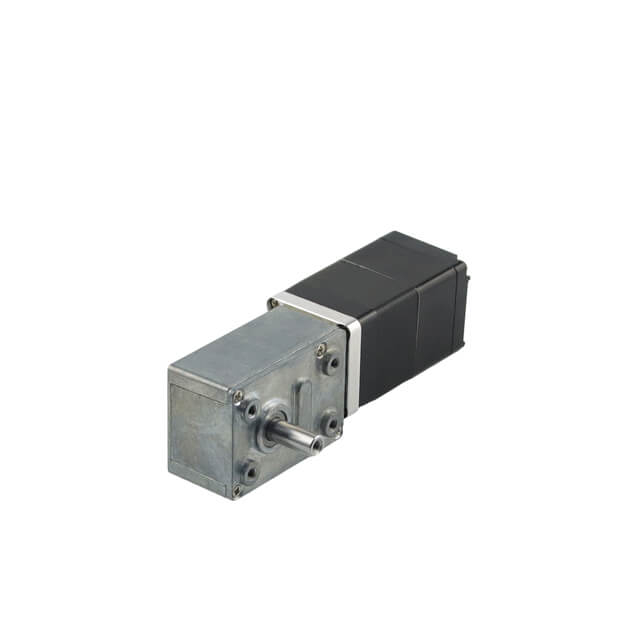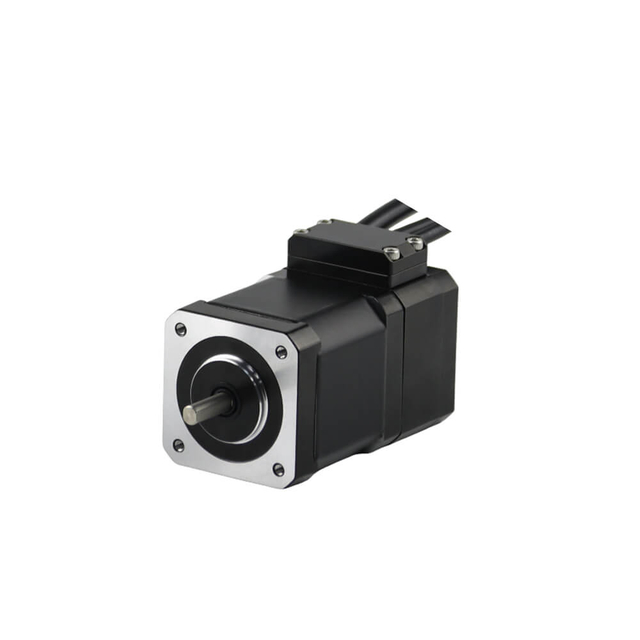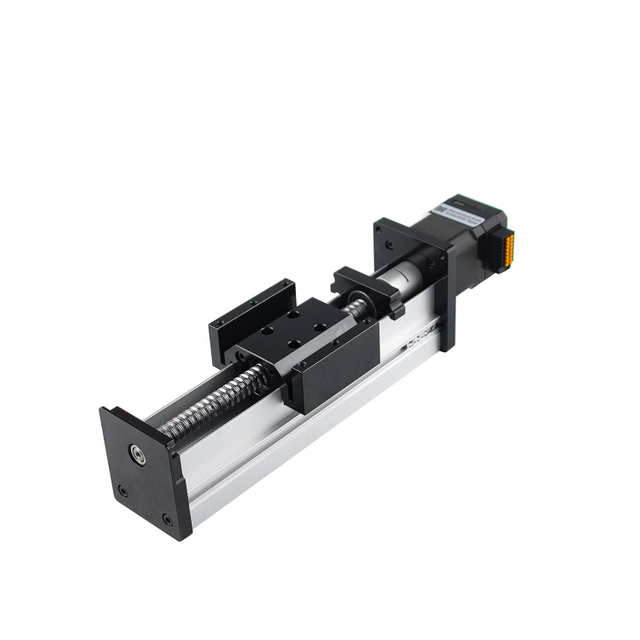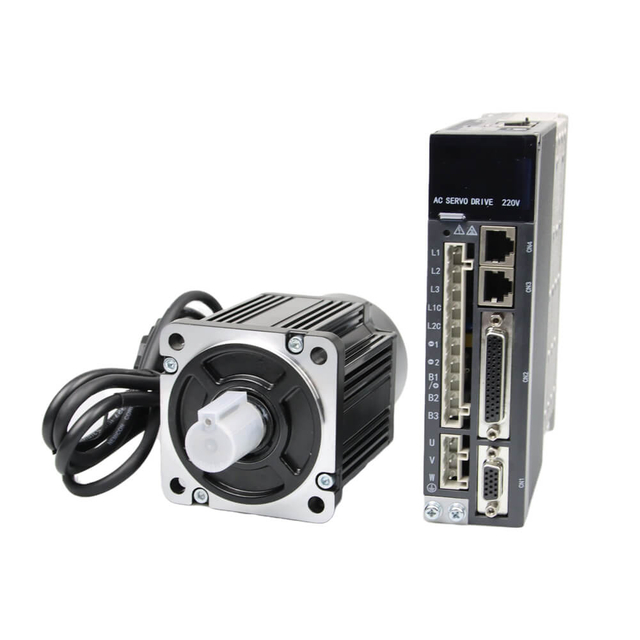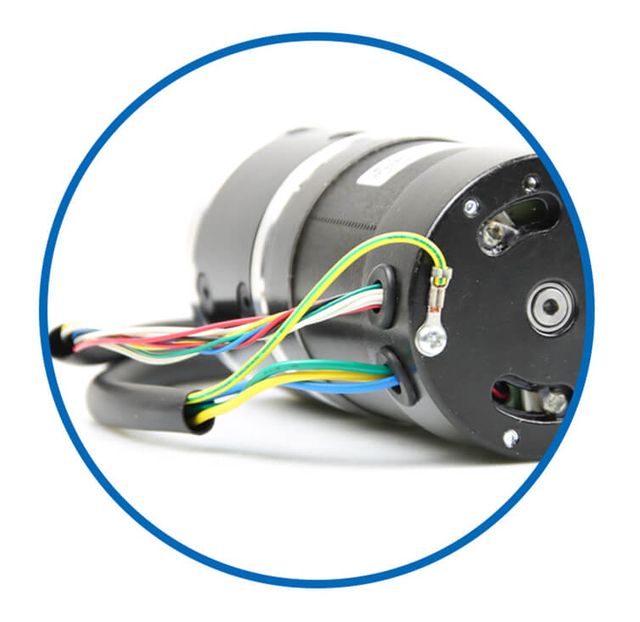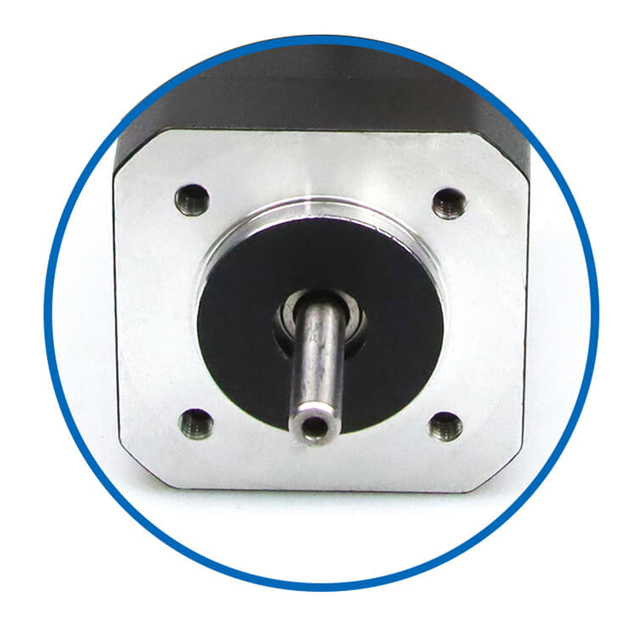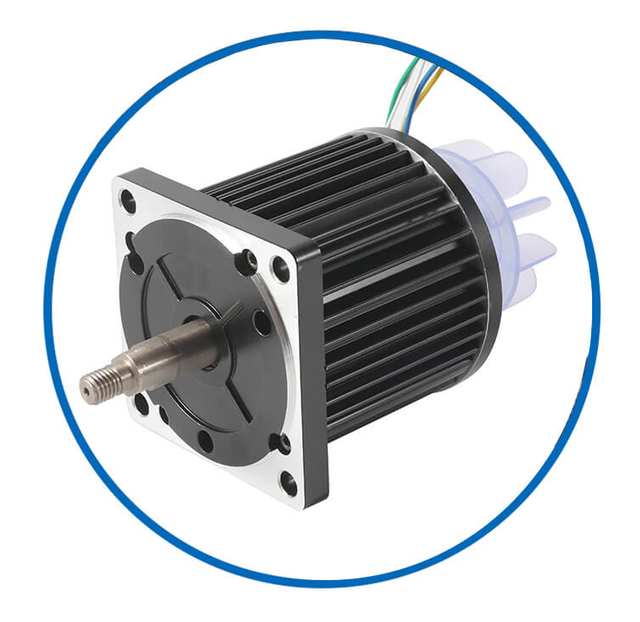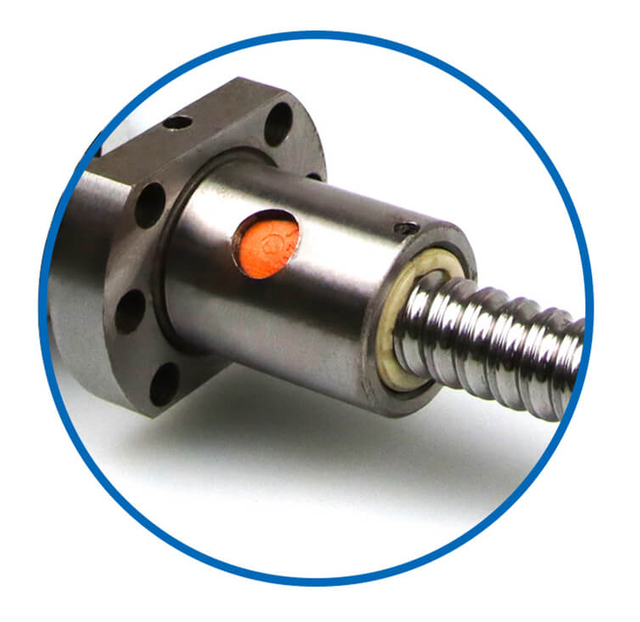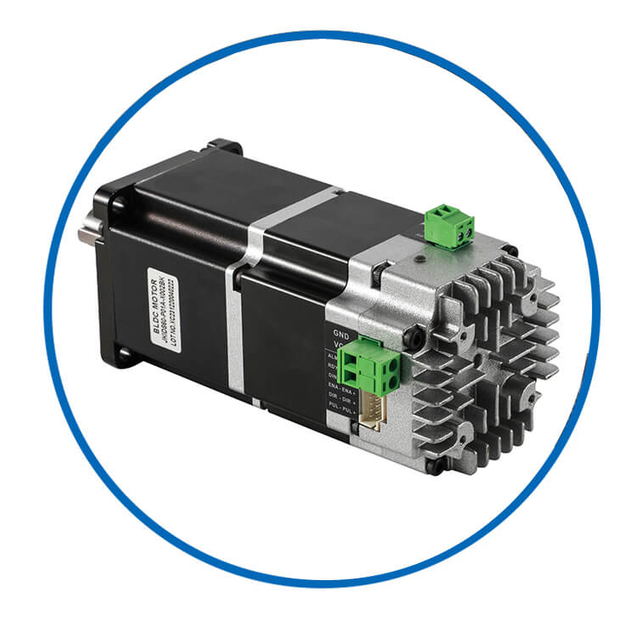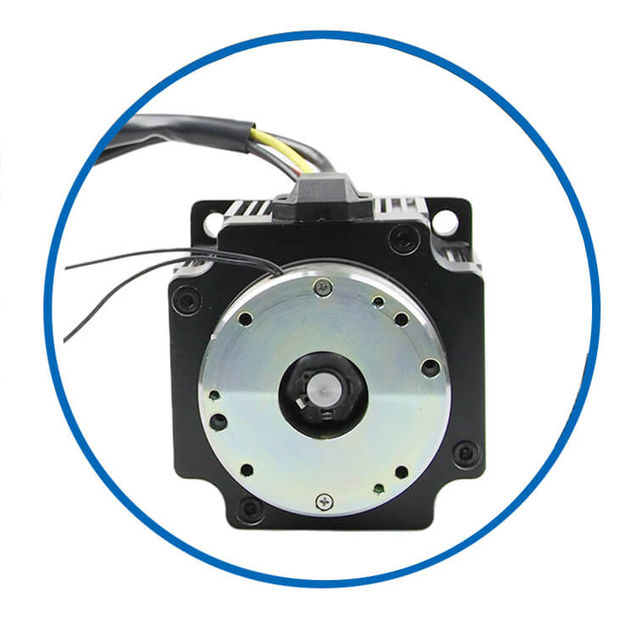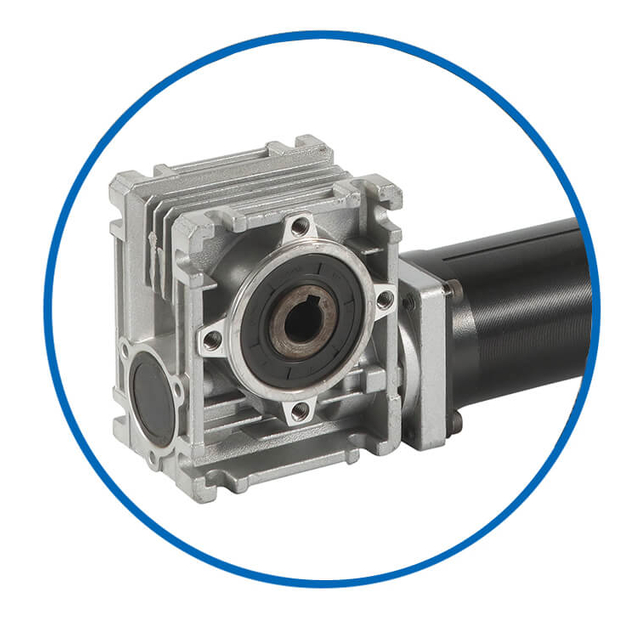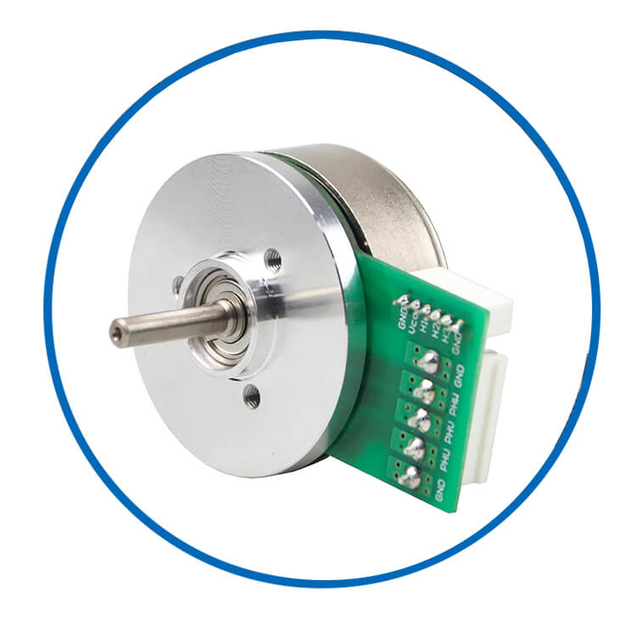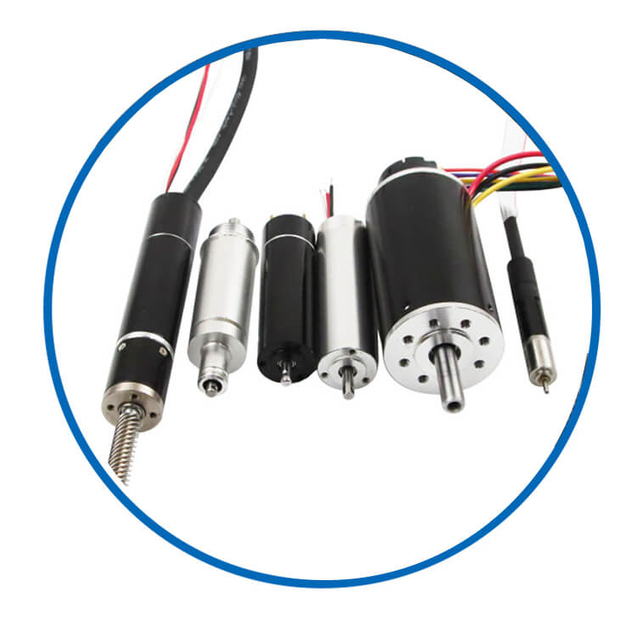
Integrated servo motor OEM ODM customized solutions combine motor, driver, encoder, and control electronics into a compact unit, providing high precision, simplified wiring, improved safety, and flexible customization for robotics and automation systems.
Introduction
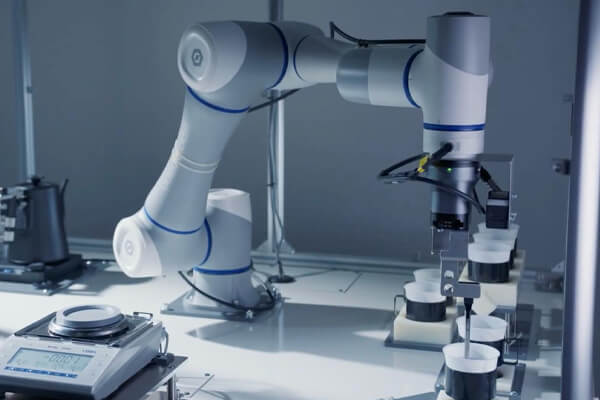
Collaborative robots, commonly known as cobots, are rapidly transforming modern manufacturing, logistics, electronics assembly, and medical automation. Unlike traditional industrial robots, cobots are designed to operate side-by-side with humans, requiring compact designs, precise motion control, high reliability, and strict safety compliance.
At the center of these robotic systems lies the integrated servo motor. By combining the motor, encoder, drive, and control electronics into a single compact unit, integrated servo motors dramatically simplify robot joint architecture while improving efficiency and responsiveness.
In this guide, we explore how integrated servo motors enable modern cobot performance—from space optimization and high power density to advanced communication protocols and next-generation robotics architectures. We also examine emerging hardware trends shaping the future of collaborative automation.
Jkongmotor Servo Motor Types
Motor Customized Service
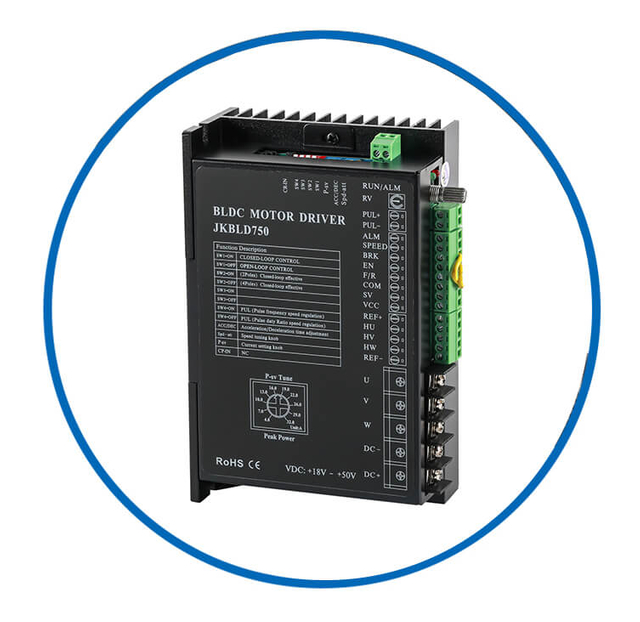
As a professional brushless dc motor manufacturer with 13 years in china, Jkongmotor offer various bldc motors with customized requirements, including 33 42 57 60 80 86 110 130mm, additionally, gearboxes, brakes, encoders, brushless motor drivers and integrated drivers are optional.
![bldc motor supplier]() | ![bldc motor supplier]() | ![bldc motor supplier]() | ![bldc motor supplier]() | ![bldc motor supplier]() | Professional custom brushless motor services safeguard your projects or equipment. No Brushes – Reduced Maintenance and Increased Lifespan High Efficiency and Low Power Loss High Torque-to-Weight Ratio Precise Speed and Position Control Quiet and Smooth Operation Wide Speed Range and Dynamic Performance Excellent Thermal Management Customizable Designs and Modular Configurations Multiple Control Methods Integration with Digital Interfaces and Sensors |
| Wires | Covers | Fans | Shafts | Integrated Drivers |
![bldc motor supplier]() | ![bldc motor supplier]() | ![bldc motor supplier]() | ![bldc motor supplier]() | ![bldc motor supplier]() |
| Brakes | Gearboxes | Out Rotors | Coreless Dc | Drivers |
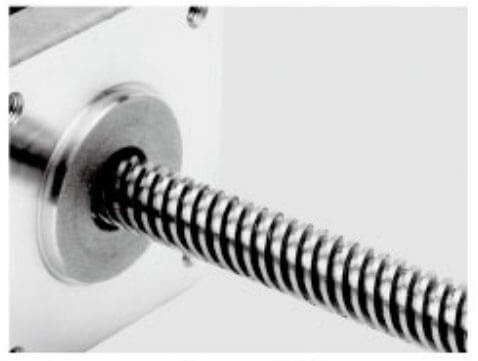
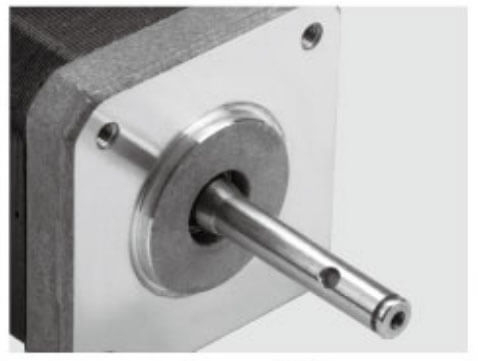
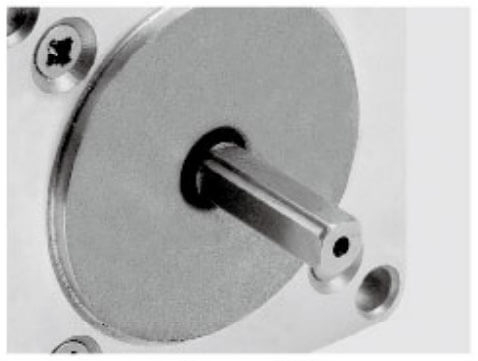
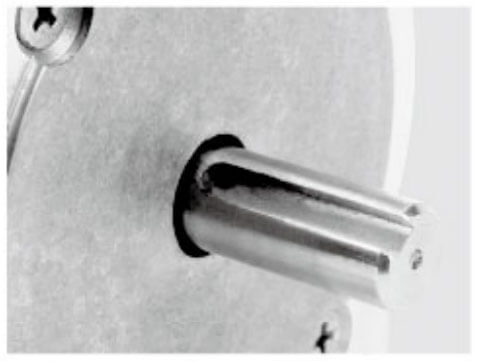
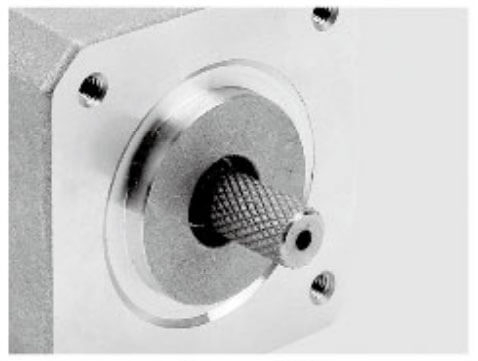
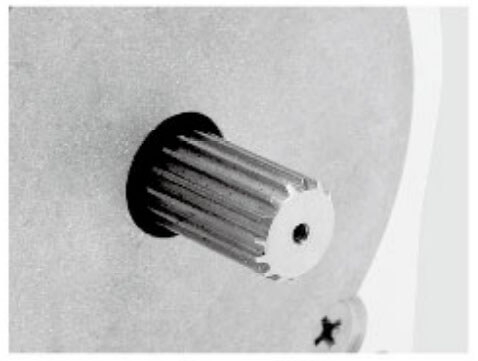
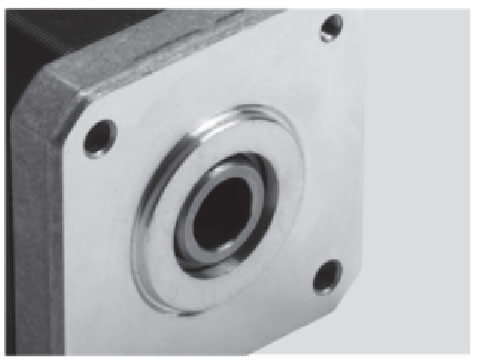
Motor Shaft Customized Service
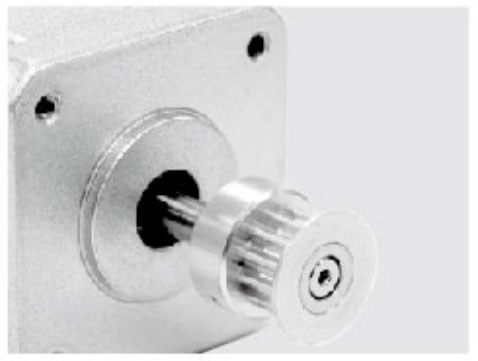
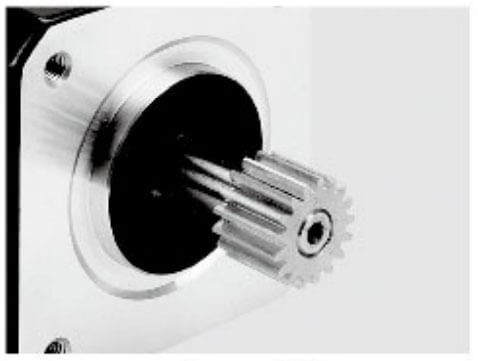
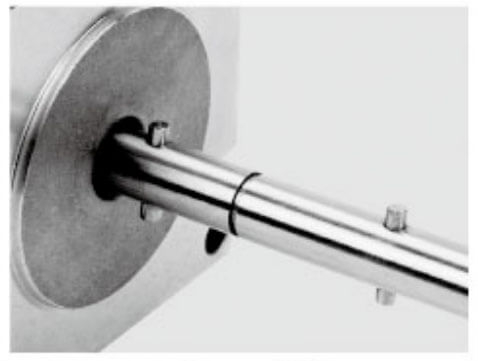
Jkongmotor offer many different shaft options for your motor as well as customizable shaft lengths to make the motor fit your application seamlessly.
Why Are Integrated Servo Motors Essential for Modern Cobots?
Modern collaborative robots (cobots) are designed to work safely alongside humans in manufacturing, logistics, electronics assembly, and laboratory automation. To achieve compact design, precise motion, and reliable operation, many cobot manufacturers use integrated servo motors. These motors combine the motor, drive, encoder, and control electronics into a single compact unit, simplifying robot joint design and improving overall performance.
Compact Design and Space Optimization
Cobots usually contain multiple joints, including shoulder, elbow, and wrist axes. Traditional motion systems require separate motors, drives, and control cabinets, which increase the size and complexity of the robot.
Integrated servo motors reduce this complexity by placing all motion control components in one housing. This compact structure helps engineers design smaller and lighter robotic joints, making cobots easier to install in tight workspaces and collaborative production environments.
High Torque with Low Weight
Cobots need motors that provide high torque without adding excessive weight. Integrated servo motors are optimized for high power density, allowing robots to move faster and handle payloads efficiently.
This high weight-to-power ratio helps improve robot performance in tasks such as:
A lightweight motor also improves robot agility and reduces energy consumption.
Simplified Wiring and Cable Management
A typical robotic arm requires multiple cables for power, feedback signals, and communication. Too many cables can create installation challenges and increase the risk of wear during continuous motion.
Integrated servo motors reduce external wiring because the drive and feedback systems are built directly into the motor. This results in:
Efficient cable management is especially important for cobots operating in high-cycle industrial environments.
Improved Motion Control
Integrated servo motors place the control electronics close to the motor, reducing signal delays between the controller and the actuator. This improves motion responsiveness and positioning accuracy.
For collaborative robots, this means:
Precise motion control is essential for applications requiring high accuracy, such as electronics assembly and laboratory automation.
Enhanced Safety for Human Collaboration
Safety is one of the most important features of cobots. Integrated servo motors support precise torque monitoring and high-resolution feedback, allowing robots to detect unexpected resistance or contact.
If a collision or abnormal force is detected, the robot can quickly slow down or stop, helping protect nearby workers. Many integrated systems also support redundant feedback channels, improving system reliability and meeting collaborative robot safety requirements.
Higher Reliability and Lower Maintenance
Because integrated servo motors combine multiple components into a single unit, there are fewer external connections and moving parts. This reduces potential failure points and improves long-term reliability.
For industrial users, this means:
Reliable motion systems are essential for factories running automated production lines continuously.
Conclusion
Integrated servo motors play a key role in modern collaborative robots. Their compact structure, high torque density, simplified wiring, precise motion control, and improved safety capabilities make them ideal for cobot joint design.
By simplifying system architecture and improving performance, integrated servo motors help manufacturers build efficient, flexible, and reliable collaborative robots for a wide range of industrial automation applications.
How Does "All-in-One" Mechatronic Design Improve Joint Performance?
Component Fusion
Integrated servo motors are built on the concept of mechatronic integration—the seamless fusion of mechanical, electrical, and control components into a unified system.
Instead of installing separate drives and control modules in an external cabinet, integrated servo motors embed these functions directly into the motor body. This architecture delivers several key benefits:
Reduced signal latency
Improved motion synchronization
Lower installation complexity
Enhanced vibration resistance
Because the control loop operates closer to the motor itself, cobots achieve faster response times and smoother trajectory control.
Hollow Shaft Architecture
One of the most important structural innovations in collaborative robot joints is the hollow shaft architecture used in many integrated servo motors.
A hollow shaft motor features a central opening through the rotor, allowing cables, air lines, sensors, or mechanical components to pass directly through the motor's axis. This design dramatically improves robotic arm integration.
Optimized Internal Routing
With hollow shaft architecture, engineers can route power cables, communication lines, pneumatic tubes, or vision wiring directly through the robot joint. This eliminates external cable loops and reduces mechanical interference during joint rotation.
The benefits include:
Cleaner mechanical design
Reduced cable fatigue
Greater rotational freedom
Improved reliability during continuous motion
Compact Robotic Joint Design
Because wiring passes through the motor, robotic joints can be built smaller and more compact. This is especially valuable for wrist joints and end-effectors where space is extremely limited.
A compact joint also improves robot agility and reach, allowing cobots to perform delicate tasks such as electronics assembly, medical device handling, and precision inspection.
Improved Structural Rigidity
Hollow shaft servo motors allow mechanical engineers to integrate bearings, gearboxes, and structural supports directly into the joint assembly. This reduces mechanical play and increases rigidity.
Higher rigidity directly translates to:
For high-precision robotic tasks, this structural advantage is critical.
Integration with Harmonic Drives and Gear Systems
Many collaborative robots combine hollow shaft servo motors with harmonic gear reducers or planetary gear systems. The hollow shaft allows these components to be assembled concentrically, creating a highly compact torque transmission system.
This configuration enables robotic joints to deliver high torque output with minimal backlash, ensuring smooth and precise motion control.
Collaborative robots, or cobots, are designed to operate in shared workspaces with human operators. Unlike traditional industrial robots that work inside safety cages, cobots must meet strict safety standards to ensure safe interaction with people. Servo motors play a critical role in achieving these requirements because they provide precise motion control, real-time feedback, and fast response to external forces.
Modern integrated servo motors combine motor, drive, and encoder technologies to enable advanced safety features that help cobots detect collisions, limit force output, and maintain controlled movement.
Force and Torque Monitoring
One of the key safety requirements for cobots is the ability to detect unexpected contact with humans or objects. Servo motors support this capability through precise monitoring of force and torque changes within the robot joints.
High-resolution encoders and current sensors continuously measure the motor’s load. If the system detects abnormal resistance or sudden torque spikes, the control system can immediately trigger safety actions such as:
Reducing motor speed
Limiting output torque
Stopping robot movement
This fast reaction allows cobots to prevent injuries and maintain safe collaboration with human workers.
High-Resolution Position Feedback
Accurate position feedback is essential for maintaining safe robotic movement. Servo motors use advanced encoder technology to provide precise position, speed, and direction data in real time.
This feedback allows cobots to maintain controlled motion trajectories, ensuring that the robot operates within defined safe zones and speed limits. Precise feedback also improves the robot’s ability to stop or slow down instantly when a safety event occurs.
Dual-Channel Feedback Systems
To increase reliability, many cobot systems use dual-channel feedback within servo motors. This design uses redundant encoder signals or independent feedback loops to verify motion data.
If one signal path fails or produces incorrect data, the second channel continues to provide accurate information. This redundancy helps prevent control errors and ensures the robot remains safe even if a component fault occurs.
Dual-channel systems are often required to comply with international functional safety standards used in collaborative robotics.
Safe Motion Control Functions
Servo motors also support a range of safe motion control functions that help limit robot behavior during operation. These safety features are implemented within the motor drive or the robot controller and include:
Safe limited speed
Safe torque off
Safe position monitoring
Safe stop functions
These functions allow the robot to maintain safe operating conditions even during complex automated tasks.
Fast Response and Real-Time Control
Safety in collaborative robotics depends heavily on reaction time. Servo motors provide extremely fast response because the drive electronics and control algorithms operate at high update rates.
Integrated servo motors reduce communication delays by placing the drive close to the motor, allowing the system to detect and react to safety events within milliseconds. This rapid response helps minimize the risk of injury when unexpected interactions occur.
Reliable Communication and System Monitoring
Modern cobots rely on industrial communication protocols such as EtherCAT or CANopen to coordinate motion and safety signals across multiple joints.
Servo motors with integrated communication interfaces allow the robot controller to continuously monitor motor status, torque levels, and operating conditions. If abnormal behavior is detected, the system can trigger safety mechanisms immediately.
Reliable communication ensures that all robot joints operate together within the defined safety framework.
Conclusion
Servo motors are essential for helping collaborative robots meet strict safety requirements. Through precise force monitoring, high-resolution feedback, redundant sensing, and advanced safe motion functions, servo motors allow cobots to detect hazards and respond quickly to unexpected contact.
By combining accurate control with fast reaction capabilities, integrated servo motors enable robots to work safely, efficiently, and reliably alongside human operators in modern automation environments.
What Are the Thermal Challenges of High-Power Density Motors?
High-power density motors are widely used in modern robotics, automation equipment, and precision machinery because they deliver high torque and strong performance within a compact size. In applications such as collaborative robots, integrated servo motors must operate inside confined joint structures while maintaining stable output and long service life.
However, increasing power density also introduces significant thermal challenges. As motor size decreases while torque output increases, the amount of heat generated within the motor rises. If this heat is not managed properly, it can reduce efficiency, shorten component lifespan, and affect motion accuracy.
Heat Generation in High-Power Density Motors
During operation, servo motors generate heat from several sources. The most common include:
Copper losses in the stator windings caused by electrical resistance
Iron losses from magnetic flux changes in the motor core
Switching losses within the drive electronics
Mechanical friction from bearings and rotating components
In high-power density designs, these losses become more concentrated because the motor components are tightly integrated. As a result, thermal accumulation can occur quickly, especially during continuous operation or high-load conditions.
Limited Cooling Space
One of the biggest challenges is the limited space available for heat dissipation. Integrated servo motors used in robotic joints are often enclosed within compact mechanical structures. Unlike large industrial motors that may use external cooling systems, small motors must rely on passive heat transfer through their housing and surrounding structure.
When heat cannot escape efficiently, internal temperatures can rise rapidly. Elevated temperatures may lead to:
Reduced motor efficiency
Degradation of insulation materials
Increased electrical resistance
Reduced magnet performance
Over time, excessive heat can significantly shorten the motor’s operational lifespan.
Impact on Motion Accuracy
Thermal changes inside the motor can also affect precision motion control, which is critical in robotics and automation. As temperature increases, mechanical components expand slightly, and electrical characteristics may shift.
These changes can influence:
Encoder accuracy
Torque output stability
Positioning precision
For collaborative robots performing delicate tasks such as electronics assembly or inspection, even small variations in motor performance can affect overall system accuracy.
Heat Dissipation Strategies
To manage thermal challenges, manufacturers implement several heat dissipation strategies in high-power density servo motors.
One common approach is using high-conductivity housing materials, such as aluminum alloys, to transfer heat away from the motor core. The housing then acts as a passive heat sink that spreads heat across the robot structure.
Motor designers also optimize stator winding configurations and magnetic circuits to reduce electrical losses. By improving efficiency, less heat is generated during operation.
In some systems, the robot arm structure itself is designed to help conduct heat away from the motor, allowing the entire mechanical system to act as a thermal management path.
Thermal Monitoring and Protection
Advanced servo motors often include temperature sensors and intelligent monitoring systems. These sensors continuously track internal motor temperature and send data to the motor drive or robot controller.
When temperature approaches a predefined threshold, the system can automatically apply protective measures such as:
This type of protection prevents overheating and helps maintain safe operation in demanding environments.
Importance of Thermal Design in Robotics
Effective thermal management is especially important in integrated servo motors used in collaborative robots, where compact joints and continuous motion create demanding operating conditions. Without proper thermal design, motors may experience performance degradation or unexpected shutdowns.
By combining efficient electromagnetic design, improved heat transfer materials, and real-time temperature monitoring, manufacturers can ensure that high-power density motors deliver reliable performance even in compact robotic systems.
Conclusion
High-power density motors provide major advantages in robotics and automation by enabling compact, powerful, and efficient motion systems. However, these benefits also bring thermal challenges due to concentrated heat generation and limited cooling space.
Through careful motor design, improved heat dissipation methods, and intelligent thermal protection, modern servo motors can maintain stable performance while operating in demanding, space-constrained environments. Effective thermal management ensures long motor life, consistent precision, and reliable robotic operation.
Which Communication Protocols Best Suit Distributed Joint Control?
Modern robotics systems—especially collaborative robots (cobots) and multi-axis automation equipment—often use a distributed joint control architecture. In this design, each robotic joint contains its own motor, drive, and feedback system. Instead of relying on a centralized controller for every motion command, each joint communicates with the main controller through an industrial communication network.
Selecting the right communication protocol is critical for ensuring accurate synchronization, fast response times, and reliable operation across all robot joints. The most widely used protocols in distributed robotic motion control include EtherCAT, CANopen, and CAN FD, each offering specific advantages for servo motor systems.
EtherCAT for High-Speed Real-Time Motion Control
EtherCAT (Ethernet for Control Automation Technology) is one of the most commonly used communication protocols in robotics and industrial automation. It is specifically designed for high-speed, real-time control applications.
In distributed joint control systems, EtherCAT allows the robot controller to communicate with multiple servo motors simultaneously with extremely low latency. Data packets pass through each device in the network with minimal delay, enabling precise synchronization between joints.
Key advantages of EtherCAT include:
Ultra-fast communication cycles, often under one millisecond
Deterministic data transmission, ensuring predictable timing
High bandwidth for complex motion control data
Scalability for multi-axis robotic systems
Because of these capabilities, EtherCAT is widely used in collaborative robots, industrial robotic arms, CNC machines, and advanced automation equipment where coordinated motion across many axes is required.
CANopen for Reliable Embedded Motion Systems
CANopen is another widely adopted communication protocol for servo motor control. Built on the Controller Area Network (CAN) standard, CANopen provides a robust and reliable communication framework for embedded motion systems.
Many compact robotic systems and automation devices use CANopen because it offers stable communication with relatively simple hardware requirements. It is especially suitable for integrated servo motors and distributed motor control applications.
Advantages of CANopen include:
Proven reliability in industrial environments
Low hardware cost
Simplified network architecture
Wide compatibility with industrial motion devices
For cobots and compact robots with moderate communication demands, CANopen provides a cost-effective and dependable solution.
CAN FD for Higher Data Throughput
CAN FD (Flexible Data Rate) is an enhanced version of the traditional CAN protocol. It increases the data payload capacity and communication speed, making it suitable for systems that require more data exchange without moving to Ethernet-based networks.
In distributed servo motor systems, CAN FD enables faster transmission of motion commands, sensor feedback, and diagnostic information. This improvement helps robotic systems achieve better coordination and real-time performance compared with standard CAN communication.
Key benefits of CAN FD include:
Higher data transfer rates than traditional CAN
Larger data frames, allowing more information per message
Backward compatibility with existing CAN systems
Improved efficiency for multi-axis control
CAN FD is becoming increasingly popular in robotics, mobile automation platforms, and intelligent machinery where communication performance must improve while maintaining system simplicity.
Deterministic Communication for Multi-Axis Coordination
Distributed joint control requires precise synchronization between multiple servo motors. Communication protocols used in robotics must ensure deterministic behavior, meaning data arrives at predictable intervals without delays.
EtherCAT excels in applications requiring tight synchronization of many robot axes, while CAN-based protocols are well suited for smaller systems where reliability and simplicity are priorities.
The choice of protocol often depends on factors such as:
By selecting the appropriate communication technology, engineers can ensure that all servo motors in the robotic system operate in perfect coordination.
Many modern integrated servo motors are designed with built-in communication interfaces that support EtherCAT, CANopen, or CAN FD. This allows each motor to function as an intelligent node within the robot’s network.
With this architecture, the robot controller can monitor and control each joint individually while maintaining synchronized motion across the entire system. The result is simpler wiring, improved diagnostics, and easier system expansion.
Conclusion
Communication protocols play a crucial role in enabling distributed joint control in modern robotic systems. EtherCAT provides high-speed, real-time communication for complex multi-axis robots, while CANopen and CAN FD offer reliable and efficient solutions for compact automation systems.
By integrating these protocols into servo motors and robotic controllers, manufacturers can build scalable, precise, and highly coordinated robotic platforms capable of meeting the performance demands of modern automation.
What Are the Leading Hardware Solutions in the Market Today?
Modular Joint Kits
Many robotics manufacturers now offer modular joint kits that integrate motors, drives, gearboxes, and sensors into ready-to-install units.
These kits simplify robot development by allowing engineers to build robotic arms using standardized modules. Advantages include:
Faster development cycles
Reduced engineering complexity
Lower system integration costs
Frameless Motor Kits
Frameless motor kits are another popular option for robotic joint design. Instead of a complete motor housing, these kits provide stator and rotor components that can be integrated directly into the robot structure.
This approach allows engineers to create highly customized robotic joints with maximum torque density and minimal mechanical constraints.
Frameless motors are commonly used in advanced collaborative robots, humanoid robots, and surgical robotics systems.
AI at the Edge
Edge computing is transforming robotics by bringing AI processing closer to the physical machine. Integrated servo motors equipped with embedded processors can perform local motion optimization, predictive maintenance, and adaptive control.
This reduces reliance on centralized computing and enables smarter robotic systems capable of learning from real-time operational data.
Next-Gen Power Electronics
The next generation of integrated servo motors will benefit from advanced power electronics, including high-efficiency MOSFETs, GaN semiconductors, and intelligent motor control algorithms.
These innovations will deliver:
Higher efficiency
Smaller drive circuits
Reduced heat generation
Faster response times
As robotics applications expand across industries, integrated servo motor technology will continue evolving to support more compact, powerful, and intelligent machines.
Conclusion
Integrated servo motors have become the foundation of modern collaborative robot design. By merging motors, drives, feedback systems, and communication interfaces into a compact unit, they enable cobots to achieve exceptional precision, safety, and efficiency.
Key innovations such as hollow shaft architecture, advanced communication protocols, and intelligent thermal management are redefining how robotic joints are engineered. These technologies allow manufacturers to build lighter, more agile robots capable of working safely alongside humans.
As robotics continues advancing, integrated servo motors will play an even greater role in shaping next-generation automation systems across manufacturing, logistics, healthcare, and beyond.
1. What is an integrated servo motor and why is it used in robotics?
An integrated servo motor combines the motor, driver, encoder, and control electronics into one compact unit. This design reduces wiring complexity, improves reliability, and simplifies system integration in robotics and automation equipment.
2. Why do robot manufacturers prefer integrated servo motor solutions?
Robot manufacturers prefer integrated servo motor OEM ODM customized solutions because they provide compact design, precise motion control, simplified installation, and improved system reliability.
3. Can integrated servo motors be OEM ODM customized for different robot joints?
Yes. An integrated servo motor OEM ODM customized solution can be designed for robot shoulder joints, elbow joints, wrist joints, or mobile drive systems with specific torque, speed, and size requirements.
4. What customization options are available for integrated servo motor products?
An integrated servo motor OEM ODM customized project may include customization of frame size, torque output, encoders, gearboxes, brakes, communication protocols, and voltage specifications.
5. Why is compact design important for integrated servo motor applications?
The compact structure of an integrated servo motor eliminates external drives and reduces wiring, enabling smaller robot joints, lighter robotic arms, and more flexible machine designs.
6. How does an integrated servo motor improve robot precision?
An integrated servo motor uses high-resolution encoders and closed-loop control to deliver precise positioning, stable torque output, and smooth low-speed motion required in collaborative robots.
7. What communication protocols can integrated servo motor systems support?
Most integrated servo motor OEM ODM customized solutions support industrial protocols such as EtherCAT, CANopen, PROFINET, EtherNet/IP, and RS485/Modbus for seamless automation integration.
8. Can integrated servo motors be customized for collaborative robots (cobots)?
Yes. An integrated servo motor OEM ODM customized design can meet cobot requirements including compact size, high torque density, safety functions, and fast response for human-robot collaboration.
9. What safety features are available in integrated servo motor systems?
Advanced integrated servo motor solutions can include Safe Torque Off (STO), over-temperature protection, over-current protection, and real-time diagnostics to ensure safe operation.
10. How does an integrated servo motor reduce wiring complexity?
Traditional servo systems require multiple cables, but an integrated servo motor typically uses only one power cable and one communication cable, simplifying installation and reducing failure points.
11. Can factories provide OEM ODM customized integrated servo motor sizes?
Yes. Manufacturers can offer integrated servo motor OEM ODM customized sizes, commonly ranging from 33mm to 130mm frame sizes depending on the torque and application requirements.
12. What industries use integrated servo motor OEM ODM customized solutions?
Industries such as collaborative robotics, packaging machines, CNC equipment, medical automation, and smart manufacturing widely use integrated servo motor OEM ODM customized systems.
13. How does an integrated servo motor improve energy efficiency?
An integrated servo motor uses optimized electromagnetic design and intelligent control electronics to reduce power loss and heat generation while improving overall system efficiency.
14. Can integrated servo motors include customized feedback systems?
Yes. An integrated servo motor OEM ODM customized solution can include incremental encoders, absolute encoders, multi-turn encoders, or other feedback devices depending on accuracy requirements.
15. Are integrated servo motors suitable for modular robot designs?
Yes. The modular architecture of integrated servo motor OEM ODM customized solutions allows robot manufacturers to standardize motion platforms across different robot models.
16. How does an integrated servo motor reduce maintenance costs?
By combining multiple components into one unit, an integrated servo motor reduces connectors and failure points, resulting in lower maintenance requirements and higher system reliability.
17. Can integrated servo motors be customized with gearboxes and brakes?
Yes. A factory offering integrated servo motor OEM ODM customized services can integrate planetary gearboxes, electromagnetic brakes, or specialized transmission mechanisms.
18. What advantages do integrated servo motors provide for collaborative robots?
For cobots, integrated servo motor solutions provide compact joint design, high precision motion control, improved safety features, and easier deployment in automation environments.
19. How do integrated servo motors support Industry 4.0 systems?
An integrated servo motor OEM ODM customized system supports industrial communication protocols and real-time data exchange, enabling seamless integration with PLCs, controllers, and smart factory networks.
20. Why choose a manufacturer that offers integrated servo motor OEM ODM customized services?
Choosing a manufacturer with integrated servo motor OEM ODM customized capability ensures tailored solutions, better system compatibility, optimized performance, and faster product development for robotics and automation projects.