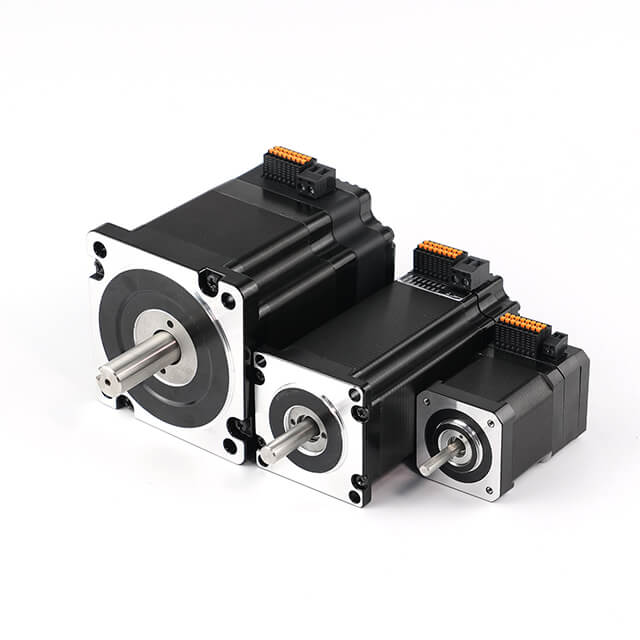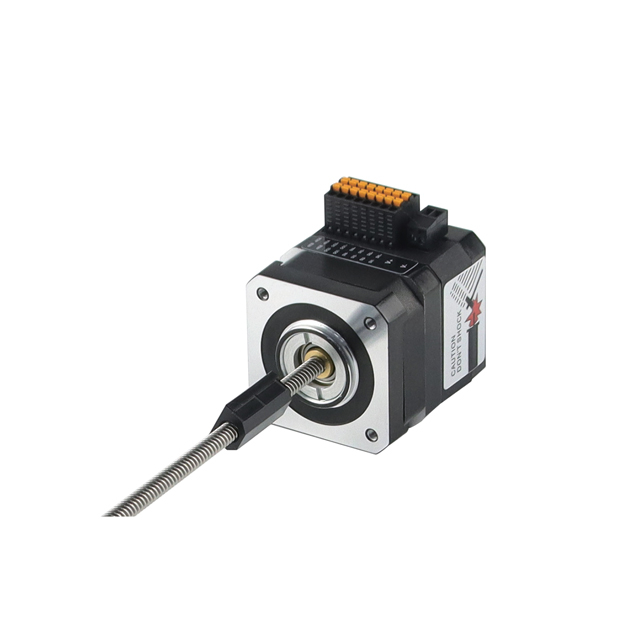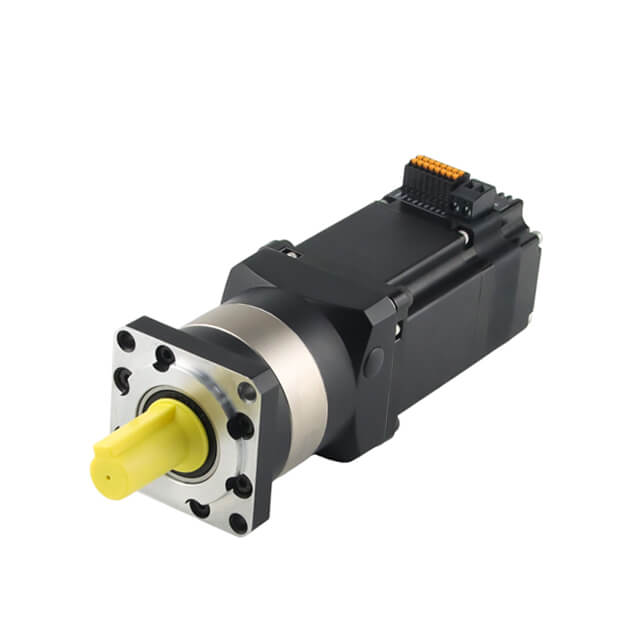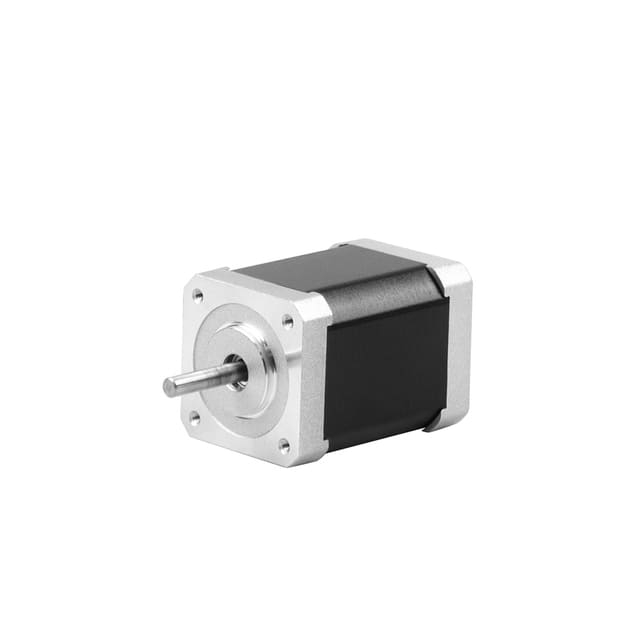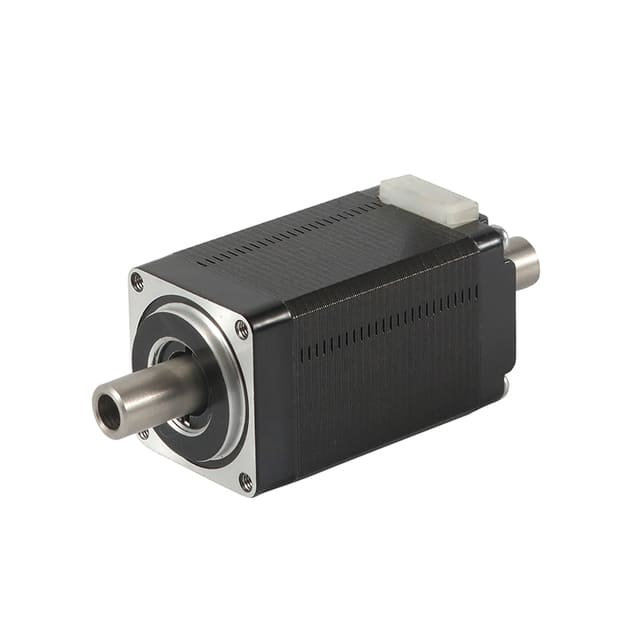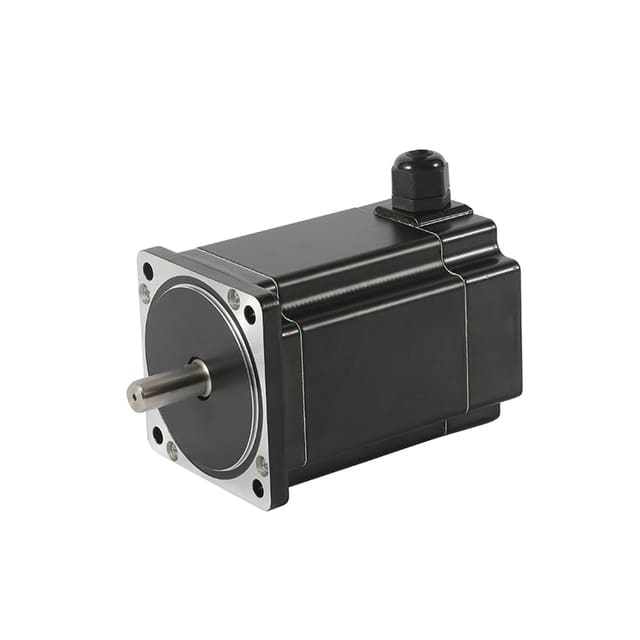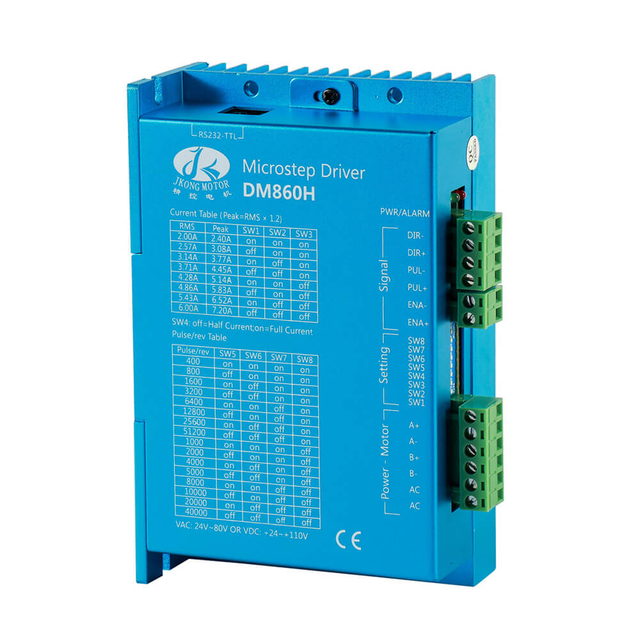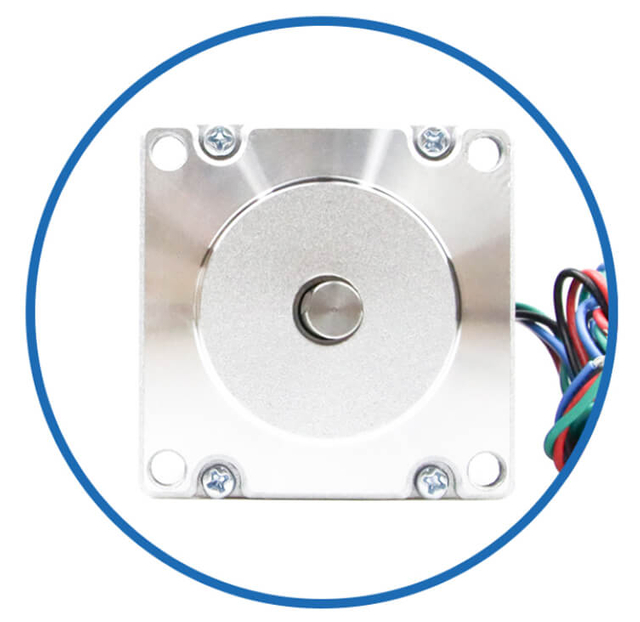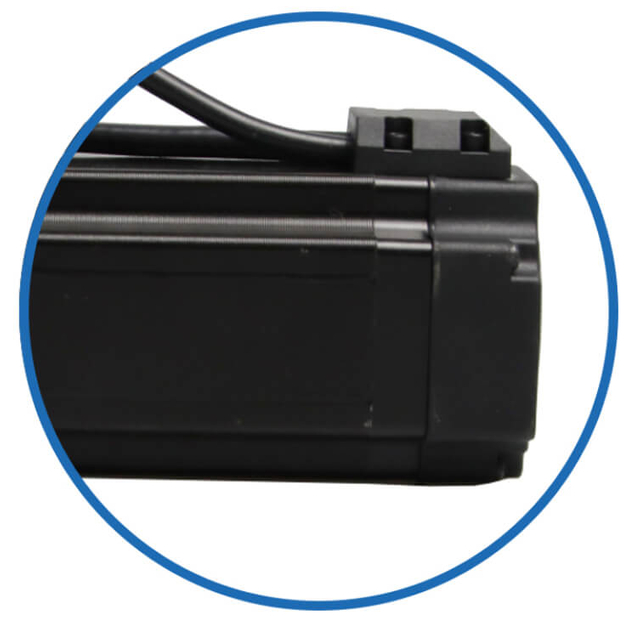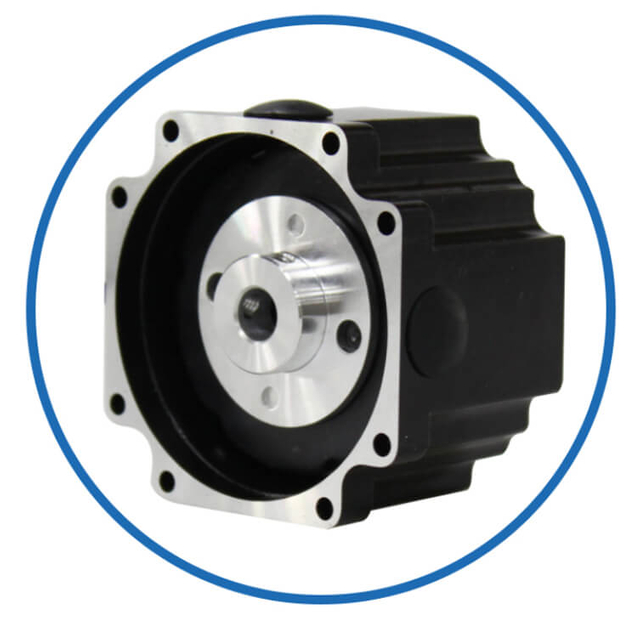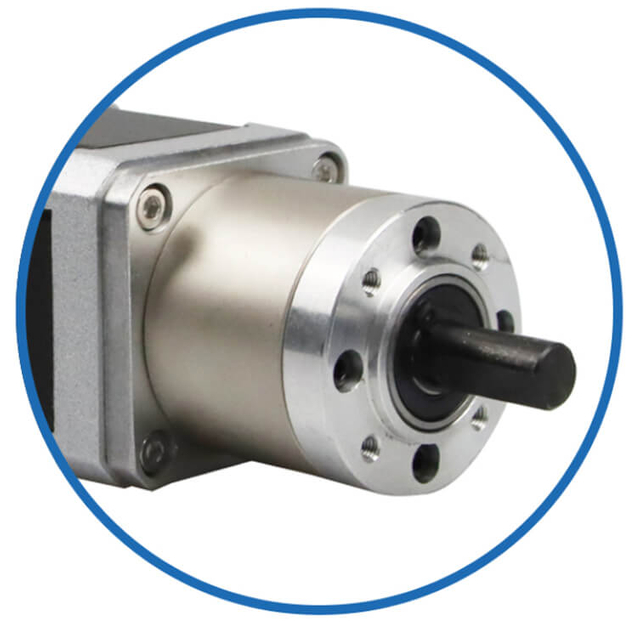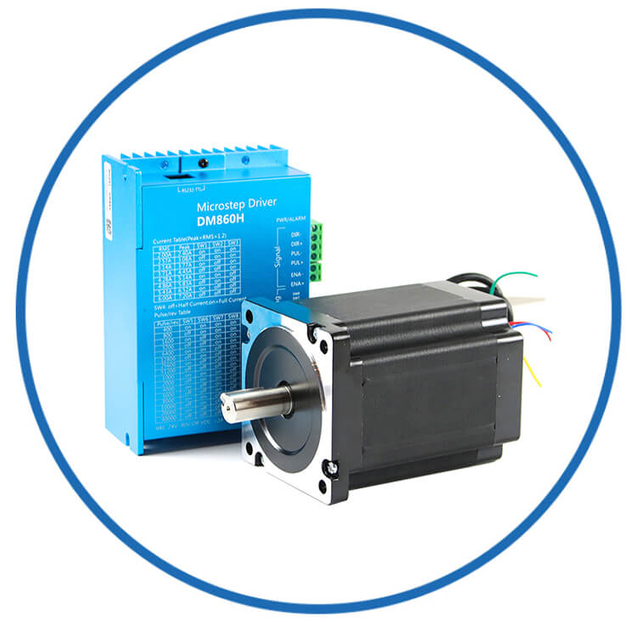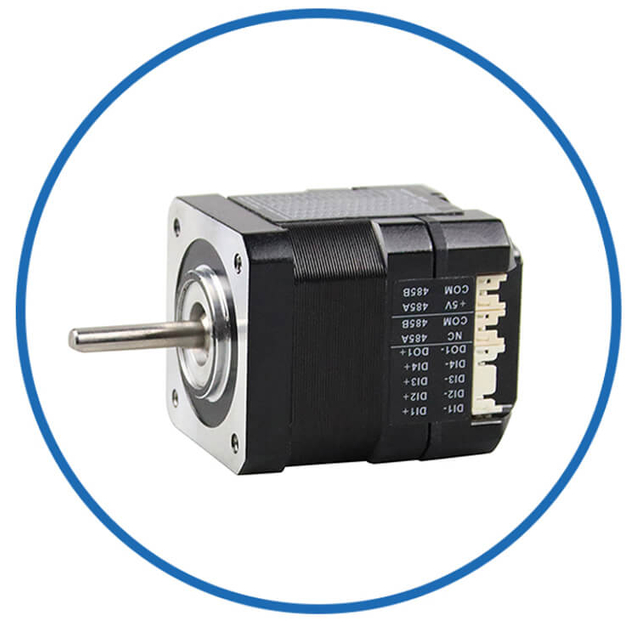
Stepper motor OEM ODM customized solutions for textile equipment deliver high precision, stable torque, and reliable performance. With tailored design, environmental protection, and seamless integration, they ensure efficient, long-term operation in modern textile automation systems.
Introduction to Stepper Motors in Textile Machinery
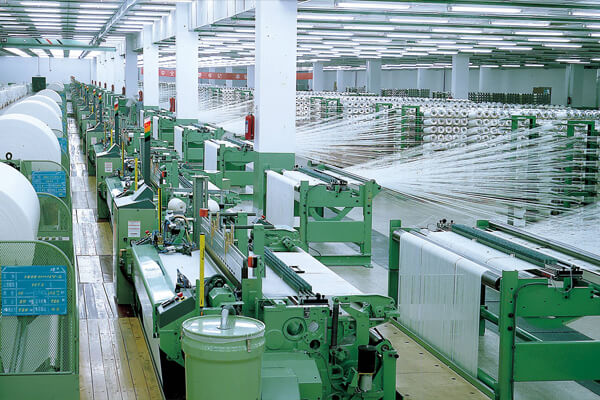
In modern textile manufacturing, precision, consistency, and reliability define production efficiency. We rely on stepper motors as a core motion control solution to meet the demanding requirements of textile equipment such as weaving machines, knitting systems, embroidery machines, and automated cutting devices. Selecting the right stepper motor for textile equipment directly impacts fabric quality, operational stability, and long-term cost efficiency.
This guide provides a comprehensive and technically detailed approach to selecting the most suitable stepper motor, ensuring optimal performance across diverse textile applications.
Textile equipment operates in environments where continuous motion, high-speed positioning, and repetitive accuracy are essential. We must ensure that the chosen motor meets these operational conditions:
High positioning accuracy for precise yarn placement
Stable torque output under varying loads
Low vibration and noise for smooth fabric production
High reliability in continuous-duty cycles
Fast response times for rapid start-stop operations
Stepper motors excel in these aspects due to their incremental motion control and open-loop positioning capability, making them ideal for textile automation.
Customized Stepper Motor Types for Heavy Load Industry Applications
Customized Stepper Motor Service & Integration for Heavy Load Industry
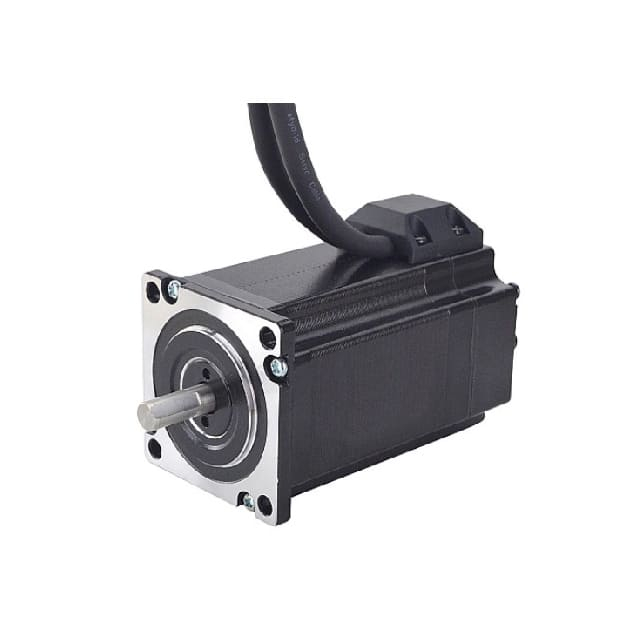
As a professional brushless dc motor manufacturer with 13 years in china, Jkongmotor offer various bldc motors with customized requirements, including 33 42 57 60 80 86 110 130mm, additionally, gearboxes, brakes, encoders, brushless motor drivers and integrated drivers are optional.
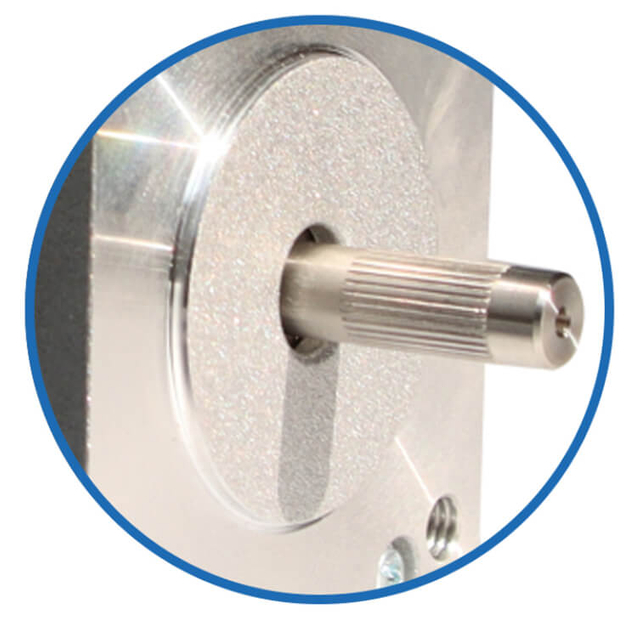
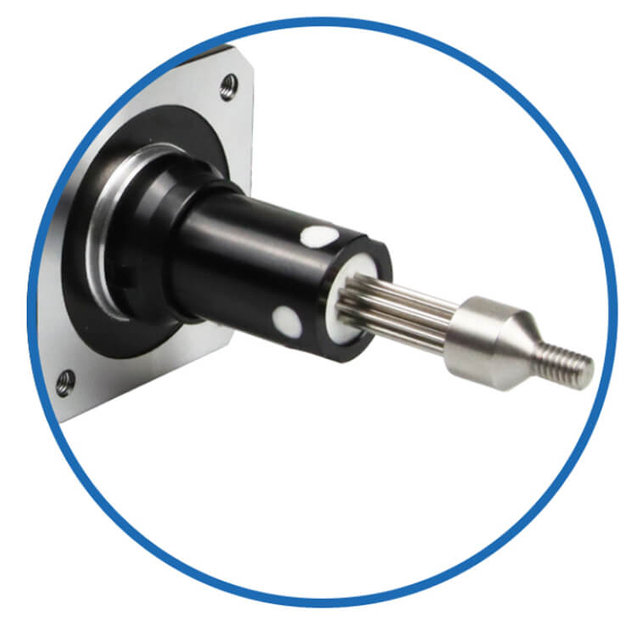
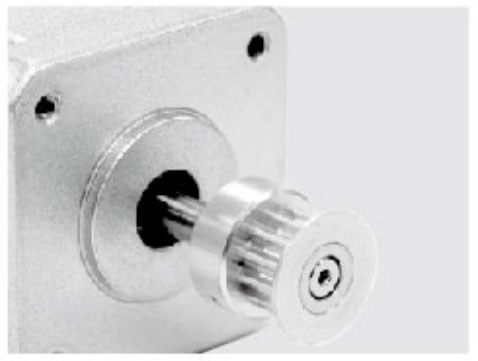
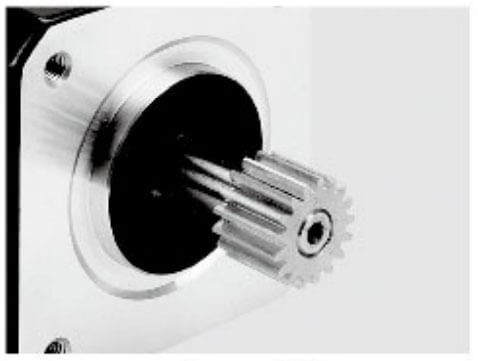
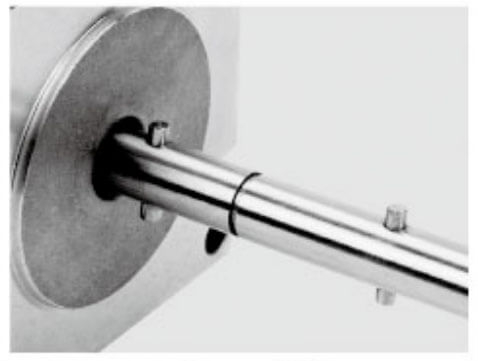
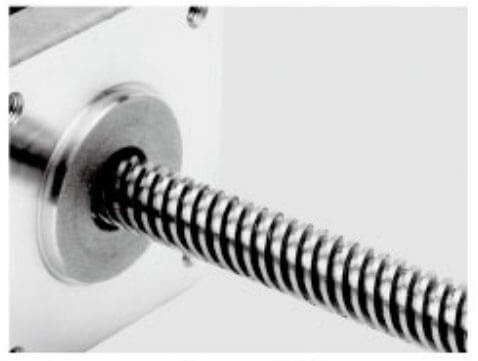
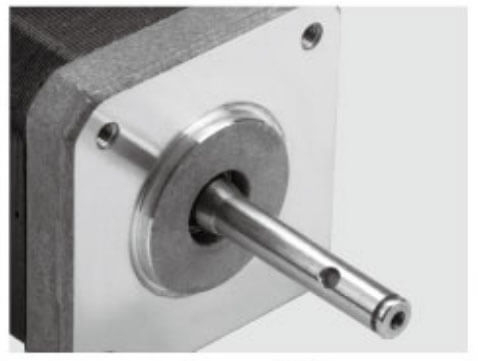
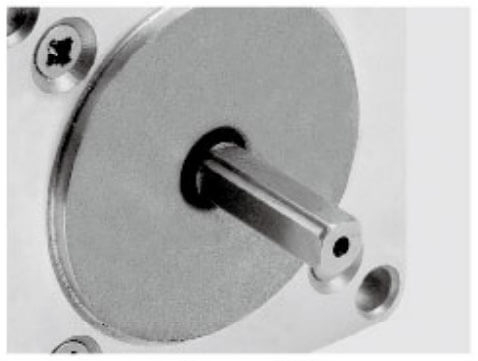
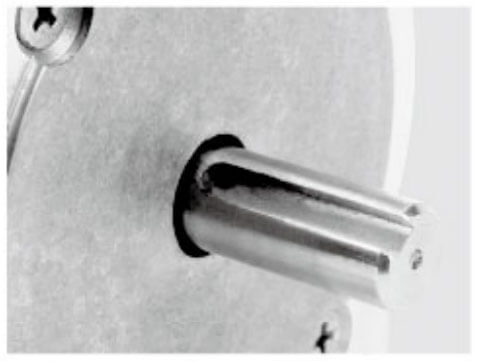
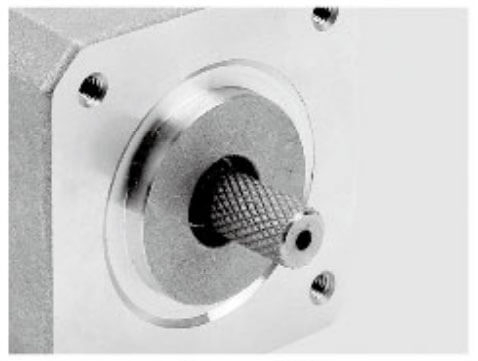
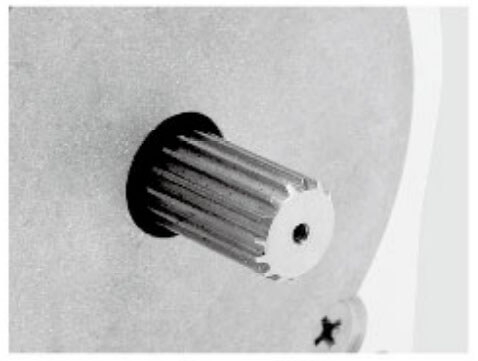
Jkongmotor offer many different shaft options for your motor as well as customizable shaft lengths to make the motor fit your application seamlessly.
1. Torque Requirements and Load Matching
We must carefully evaluate the required torque based on the machine’s load conditions. Textile equipment often involves:
Rotating rollers
Yarn feeders
Fabric tension systems
Selecting a motor with insufficient torque leads to missed steps and reduced accuracy, while oversized motors increase energy consumption and cost.
We recommend:
Calculating holding torque and dynamic torque
Considering peak load conditions
Including a safety margin of 20–30%
2. Step Angle and Positioning Accuracy
The step angle determines how precisely the motor can position the textile components.
For textile machinery requiring fine pattern control, such as embroidery machines, we prioritize high-resolution stepper motors or combine them with microstepping drivers for enhanced precision.
3. Speed and Performance Characteristics
Textile equipment often operates at variable speeds, from slow tension adjustments to high-speed fabric processing.
We evaluate:
A well-matched stepper motor maintains consistent torque at higher speeds, ensuring uninterrupted production.
4. Motor Size and Frame Selection
Stepper motors come in various frame sizes, typically defined by NEMA standards:
NEMA 17: Compact applications
NEMA 23: Medium load textile systems
NEMA 34: Heavy-duty industrial machinery
We select the appropriate frame size based on:
Proper sizing ensures mechanical compatibility and long-term durability.
5. Driver Compatibility and Control Systems
A stepper motor’s performance heavily depends on its driver and control system.
We ensure:
Compatibility with advanced stepper drivers
Support for microstepping technology
Integration with PLC or motion controllers
Microstepping improves:
Smoothness of motion
Reduced vibration
Enhanced fabric quality
6. Environmental Considerations in Textile Factories
Textile environments present unique challenges:
We recommend selecting motors with:
These features ensure long service life and minimal maintenance.
7. Thermal Performance and Heat Dissipation
Continuous textile production generates heat, which can affect motor performance.
We prioritize:
Motors with efficient thermal design
Proper cooling mechanisms
Adequate ventilation space
Maintaining optimal temperature prevents:
Torque loss
Insulation degradation
Premature failure
8. Noise and Vibration Control
In textile manufacturing, smooth and quiet operation is essential to maintain product quality.
We select stepper motors that:
Support microstepping drivers
Feature low resonance design
Provide stable rotation at all speeds
Reducing vibration ensures:
Types of Stepper Motors Suitable for Textile Equipment
Selecting the appropriate type of stepper motor is critical to achieving precision control, stable operation, and high efficiency in textile machinery. Different textile applications demand varying levels of torque, speed, and accuracy, making it essential to understand the main types of stepper motors and their suitability.
1. Permanent Magnet (PM) Stepper Motors
Permanent Magnet stepper motors are designed with a rotor made of permanent magnets and operate with relatively simple control structures.
Key Features:
Low cost and simple construction
Moderate torque output
Lower resolution compared to hybrid motors
Typically larger step angles (e.g., 7.5° or 15°)
Best Applications in Textile Equipment:
We use PM stepper motors in low-speed and less precision-critical tasks, such as:
These motors are ideal when cost efficiency is a priority over ultra-high precision.
2. Variable Reluctance (VR) Stepper Motors
Variable Reluctance stepper motors operate without permanent magnets. Instead, they rely on the principle of magnetic reluctance, where the rotor moves to minimize magnetic resistance.
Key Features:
Best Applications in Textile Equipment:
We select VR stepper motors for applications requiring:
Rapid movement with minimal load
Frequent start-stop cycles
Lightweight textile components
However, due to their lower torque output, they are less commonly used in heavy-duty textile machinery.
Hybrid stepper motors combine the advantages of both PM and VR designs, making them the most widely used type in textile equipment.
Key Features:
High torque and high precision
Standard step angles of 1.8° or 0.9°
Excellent holding torque
Smooth operation with microstepping
Best Applications in Textile Equipment:
We rely on hybrid stepper motors for:
Weaving machines requiring stable torque
Knitting machines demanding smooth motion
Embroidery machines requiring precise positioning
Automated textile processing systems
Their balance of performance, efficiency, and reliability makes them the preferred choice for most industrial textile applications.
Integrated stepper motors combine the motor, driver, and sometimes controller into a single compact unit.
Key Features:
All-in-one design reduces wiring complexity
Improved system reliability
Space-saving installation
Built-in protection and control functions
Best Applications in Textile Equipment:
We recommend integrated stepper motors for:
Modern automated textile machines
Systems requiring compact design and easy installation
Equipment with distributed control architecture
These motors significantly enhance system efficiency and simplify maintenance, making them ideal for next-generation textile automation.
5. Closed-Loop Stepper Motors
Closed-loop stepper motors incorporate feedback devices such as encoders to monitor and correct motor position in real time.
Key Features:
Elimination of missed steps
Higher efficiency and lower heat generation
Improved dynamic performance
Comparable benefits to servo systems at lower cost
Best Applications in Textile Equipment:
We use closed-loop stepper motors in:
High-speed textile production lines
Precision embroidery and patterning systems
Applications requiring maximum reliability and accuracy
They are particularly valuable in environments where load variations and continuous operation demand consistent performance.
Conclusion
Each type of stepper motor offers distinct advantages for textile machinery. While permanent magnet and variable reluctance motors serve basic and high-speed needs, hybrid stepper motors dominate the industry due to their precision and torque balance. For advanced applications, integrated and closed-loop stepper motors provide superior performance, simplified system design, and enhanced reliability.
Choosing the right type ensures optimal machine performance, improved textile quality, and long-term operational efficiency.
Customization Options for Textile Industry Applications
To meet the increasingly complex demands of modern textile machinery, we provide comprehensive OEM and ODM customized stepper motor solutions tailored to specific application requirements. Customization plays a critical role in ensuring optimal performance, seamless integration, and long-term reliability across diverse textile processes.
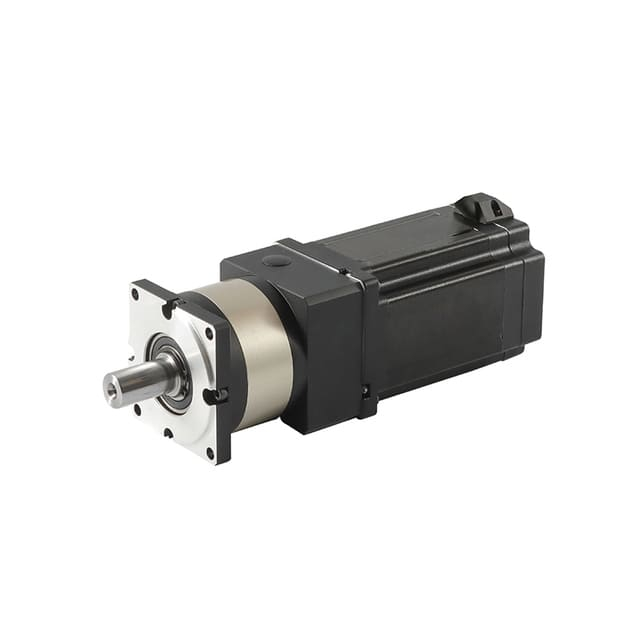
1. Gearbox Integration for Enhanced Torque
In textile equipment where high torque at low speeds is essential, we offer customized gearbox integration.
Key Benefits:
Increased output torque for heavy-load applications
Improved speed reduction and motion control
Enhanced efficiency in fabric tension systems
Typical Applications:
We provide multiple gearbox types, including planetary, spur, and worm gearboxes, designed to match precise load requirements.
2. Encoder Integration for Precision Feedback
For applications requiring high positioning accuracy and real-time feedback, we integrate encoders into stepper motor systems.
Key Benefits:
Closed-loop control capability
Elimination of missed steps
Improved motion accuracy and repeatability
Encoder Options:
This customization is essential for embroidery machines, automated cutting systems, and precision knitting equipment.
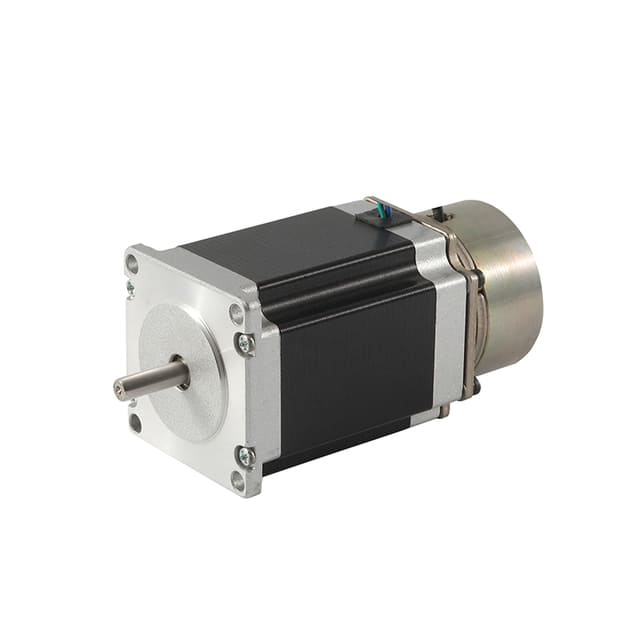
3. Brake Systems for Position Holding
In vertical or load-sensitive textile applications, we incorporate electromagnetic brake systems.
Key Benefits:
Reliable position holding when power is off
Enhanced safety and stability
Prevention of unintended movement
Typical Applications:
Brake customization ensures secure and controlled operation, especially in safety-critical environments.
4. Custom Shaft Design and Mechanical Adaptation
Textile machinery often requires unique mechanical interfaces. We provide custom shaft configurations to ensure seamless integration.
Customization Options:
Single or double shaft extensions
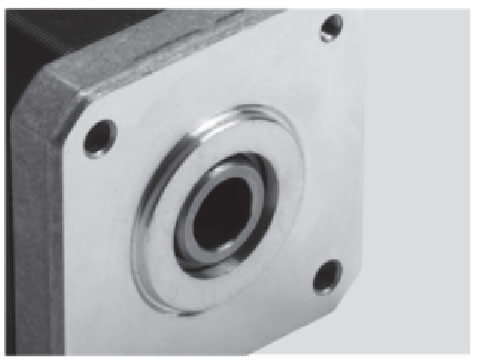
Hollow shafts
Keyways, flats, or splines
Special coatings for wear resistance
These adaptations allow the motor to perfectly align with gears, pulleys, and belts, improving system efficiency.
5. Electrical Customization and Connector Solutions
We offer flexible electrical interface customization to match various control systems.
Options Include:
Custom cable lengths and materials
Industrial-grade connectors
Shielded cables for noise reduction
Plug-and-play wiring solutions
This ensures fast installation, reduced interference, and improved system reliability in textile environments.
6. Integrated Driver and Controller Solutions
To simplify system architecture, we provide integrated stepper motor solutions combining motor, driver, and controller.
Key Benefits:
Reduced wiring complexity
Compact and space-saving design
Faster system integration
Built-in protection and diagnostics
These solutions are ideal for modern textile automation systems requiring efficient and scalable control.
7. Environmental Protection Customization
Textile factories often involve dust, lint, humidity, and continuous operation, requiring enhanced motor protection.
Customization Options:
IP-rated enclosures for dust resistance
Moisture-resistant coatings
High-temperature insulation materials
Sealed bearing systems
These features ensure long service life and minimal maintenance, even in harsh textile environments.
8. Performance Tuning and Parameter Optimization
We provide application-specific performance tuning to optimize motor behavior.
Adjustable Parameters:
This level of customization ensures smooth motion, reduced vibration, and maximum efficiency tailored to each textile process.
9. Branding and OEM/ODM Manufacturing Support
For equipment manufacturers, we offer full OEM and ODM services.
Capabilities Include:
Custom branding and labeling
Tailored product design and specifications
Dedicated engineering support
Scalable production capacity
We work closely with partners to deliver market-ready solutions that align with their brand and technical requirements.
Conclusion
Customization is essential for achieving high-performance textile machinery. By integrating advanced features such as gearboxes, encoders, brakes, and tailored mechanical and electrical designs, we ensure that every stepper motor solution is optimized for its specific application.
Our OEM and ODM customized stepper motor solutions empower textile manufacturers with greater flexibility, improved efficiency, and superior product quality, enabling them to stay competitive in an evolving industry.
Application-Specific Selection Guidelines
Selecting the right stepper motor for textile equipment requires a targeted, application-driven approach. Each type of textile machine has unique operational demands, including torque, speed, precision, and environmental conditions. We define application-specific selection guidelines to ensure optimal performance, efficiency, and durability across all textile processes.
Weaving machines operate under continuous load and high mechanical stress, requiring motors that deliver consistent torque and long-term reliability.
Selection Priorities:
High holding and dynamic torque to drive looms and rollers
Robust construction for continuous-duty operation
Stable performance under load variations
Recommended Configuration:
Hybrid stepper motors (NEMA 23 or NEMA 34)
Optional gearbox integration for torque amplification
Closed-loop control for enhanced stability
These configurations ensure smooth fabric formation and reduced downtime in high-speed weaving environments.
Knitting machines demand smooth, precise, and synchronized motion to maintain fabric consistency and prevent defects.
Selection Priorities:
Recommended Configuration:
High-resolution hybrid stepper motors (0.9° step angle)
Microstepping drivers for smoother motion
Integrated systems for compact design and easy control
This approach guarantees uniform stitch formation and improved fabric quality.
Embroidery applications require extreme precision and rapid directional changes to achieve intricate patterns.
Selection Priorities:
Ultra-high positioning accuracy
Fast response and acceleration
Repeatability for complex designs
Recommended Configuration:
Closed-loop stepper motors with encoder feedback
Fine step angles combined with high microstepping resolution
Lightweight motor designs for fast motion control
These motors ensure sharp pattern definition and high-speed embroidery performance.
Cutting systems require fast, accurate, and reliable motion to ensure clean and precise fabric cuts.
Selection Priorities:
High speed and rapid acceleration
Accurate positioning for cutting paths
Stable operation under dynamic loads
Recommended Configuration:
Hybrid or closed-loop stepper motors
Integration with advanced motion controllers
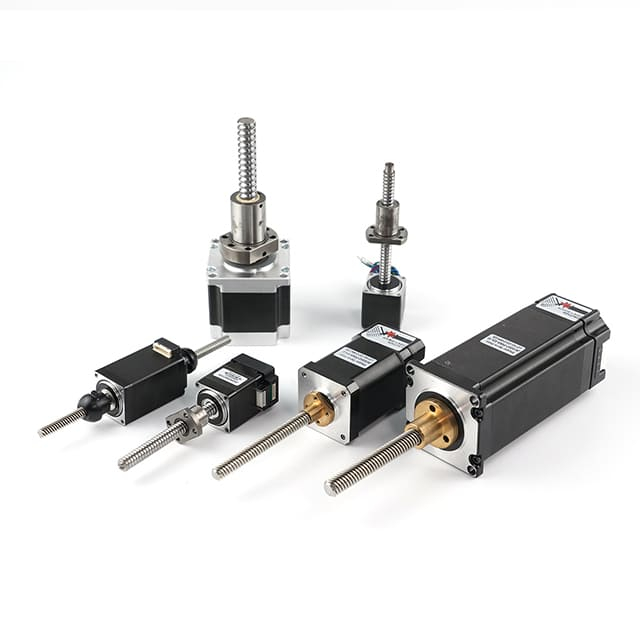
Optional linear actuators or belt drive systems
This setup enables precise cutting operations with minimal material waste.
Yarn feeding mechanisms require controlled tension and steady material flow to maintain production consistency.
Selection Priorities:
Recommended Configuration:
Compact stepper motors (NEMA 17 or NEMA 23)
Optional gear reduction for torque control
Simple open-loop or integrated motor solutions
This ensures uniform yarn delivery and reduced thread breakage.
Dyeing and finishing processes often involve harsh environments, including high humidity and temperature.
Selection Priorities:
Recommended Configuration:
Motors with IP-rated protection
High-temperature insulation materials
Sealed designs for dust and moisture resistance
These features guarantee reliable operation in demanding textile processing environments.
Automated systems such as conveyors, robotic arms, and material handling units require flexible and efficient motor solutions.
Selection Priorities:
Recommended Configuration:
Integrated stepper motors with built-in drivers
Closed-loop systems for improved efficiency
Custom interfaces for ** for improved efficiency
Custom interfaces for automation integration
This allows seamless operation within smart textile production lines.
Conclusion
Application-specific selection ensures that every stepper motor is perfectly matched to its function within textile machinery. By aligning motor specifications with the unique demands of weaving, knitting, embroidery, cutting, feeding, dyeing, and automation systems, we achieve maximum efficiency, precision, and reliability.
Our approach focuses on delivering tailored stepper motor solutions with OEM and ODM customization, enabling textile manufacturers to optimize performance, reduce operational costs, and maintain consistent product quality in highly competitive production environments.
Advantages of Choosing the Right Stepper Motor
Selecting the right stepper motor for textile equipment is not just a technical decision—it is a strategic investment in performance, efficiency, and long-term productivity. A properly matched motor solution directly enhances machine capability while minimizing operational risks. Below are the key advantages we achieve when the correct stepper motor is chosen.
1. Superior Positioning Accuracy and Fabric Quality
The right stepper motor ensures precise control over movement and positioning, which is essential in textile processes such as weaving, knitting, and embroidery.
Key Benefits:
Accurate yarn placement and stitch formation
Consistent pattern alignment and repeatability
Reduced defects such as misalignment or uneven stitching
This results in high-quality textile output that meets strict industry standards.
2. Improved Operational Efficiency
When the motor is correctly sized and configured, the entire system operates more efficiently.
Key Benefits:
Optimized torque and speed performance
Faster response times and smoother motion
Reduced energy consumption
Efficient motor performance leads to higher production rates and lower operational costs.
3. Reduced Downtime and Maintenance Costs
An improperly selected motor often leads to overheating, missed steps, or mechanical wear, causing frequent failures.
By choosing the right stepper motor, we achieve:
Stable and reliable operation under continuous load
Reduced mechanical stress on components
Longer maintenance intervals
This significantly minimizes unexpected downtime and repair expenses.
4. Enhanced System Reliability and Stability
Textile production environments demand continuous, uninterrupted operation. A well-matched stepper motor ensures consistent performance even under demanding conditions.
Key Benefits:
No loss of synchronization in motion control
Reliable operation during high-speed or high-load processes
Consistent performance across long production cycles
This guarantees stable machine operation and predictable output quality.
5. Lower Noise and Vibration Levels
Smooth motor operation is essential in textile manufacturing to maintain both product quality and working conditions.
Key Benefits:
Reduced mechanical vibration
Lower acoustic noise levels
Improved fabric uniformity
Using the right motor—especially with microstepping or closed-loop control—ensures quiet and stable performance.
6. Energy Efficiency and Cost Savings
Correct motor selection prevents energy waste caused by oversizing or inefficiency.
Key Benefits:
Energy-efficient systems contribute to sustainable and cost-effective production.
7. Better Integration with Automation Systems
Modern textile machinery relies heavily on automation and digital control systems.
Choosing the right stepper motor allows:
Seamless integration with PLCs and motion controllers
Compatibility with advanced drivers and communication protocols
Simplified system architecture with integrated motor solutions
This enhances the overall flexibility and scalability of textile production lines.
8. Extended Equipment Lifespan
A properly selected stepper motor reduces unnecessary strain on both the motor and the machine.
Key Benefits:
Less wear on mechanical components
Reduced risk of overheating or overload
Improved durability of the entire system
This leads to a longer service life for textile equipment, maximizing return on investment.
9. Adaptability to Customization and Future Upgrades
The right motor solution provides flexibility for future enhancements and customization.
Key Benefits:
Easy integration of gearboxes, encoders, or brakes
Compatibility with OEM and ODM customization requirements
Scalable performance for evolving production needs
This ensures that the system remains future-proof and adaptable.
Conclusion
Choosing the right stepper motor delivers measurable advantages across every aspect of textile manufacturing—from precision and efficiency to reliability and cost control. By carefully aligning motor specifications with application requirements, we create systems that perform consistently, operate efficiently, and maintain high product quality.
Our approach focuses on delivering optimized, application-specific stepper motor solutions with full OEM and ODM customization, enabling textile manufacturers to achieve maximum productivity and long-term operational success.
Future Trends in Textile Motor Technology
As textile manufacturing continues to evolve toward automation, intelligence, and sustainability, motor technology is undergoing rapid transformation. We are witnessing a shift from traditional motion systems to highly integrated, energy-efficient, and digitally connected motor solutions. Understanding these future trends enables textile manufacturers to stay competitive and future-ready.
One of the most significant advancements is the widespread adoption of closed-loop stepper motors, which combine the simplicity of stepper control with the feedback precision of servo systems.
Key Advantages:
Real-time position correction eliminates missed steps
Improved efficiency and reduced heat generation
Enhanced high-speed performance and torque stability
These systems are becoming the standard in applications requiring high precision and reliability, such as embroidery and automated textile cutting.
2. Growth of Integrated Motor Solutions
The demand for compact, easy-to-install systems is driving the adoption of integrated stepper motors, where the motor, driver, and controller are combined into a single unit.
Key Benefits:
Reduced wiring complexity and installation time
Improved system reliability and noise immunity
Space-saving designs for compact machinery
Integrated motors are ideal for modern textile equipment, especially in modular and distributed control architectures.
3. Energy-Efficient and Low-Consumption Designs
With increasing emphasis on sustainability, textile manufacturers are prioritizing energy-efficient motor solutions.
Emerging Innovations:
Optimized electromagnetic design for reduced power consumption
Intelligent current control for dynamic energy adjustment
Low-loss materials to minimize heat and energy waste
These advancements help reduce operational costs and environmental impact, aligning with global sustainability goals.
4. Smart Motors and IoT Integration
The integration of Internet of Things (IoT) technologies is transforming stepper motors into intelligent devices capable of real-time communication and diagnostics.
Key Features:
Remote monitoring and control
Predictive maintenance through data analytics
Real-time feedback on performance and health status
Smart motors enable textile factories to transition toward Industry 4.0, improving efficiency and reducing unexpected downtime.
5. Advanced Motion Control and Digitalization
Textile machinery is increasingly adopting advanced motion control systems for higher precision and flexibility.
Key Developments:
Multi-axis synchronized control
High-speed communication protocols (e.g., EtherCAT, CANopen)
Software-driven motion optimization
These technologies enable complex textile patterns, faster production cycles, and improved process automation.
6. Enhanced Thermal Management Technologies
As motors become more compact and powerful, thermal management becomes critical.
Innovations Include:
Advanced heat dissipation structures
High-performance insulation materials
Intelligent temperature monitoring systems
Effective thermal control ensures stable operation, longer lifespan, and consistent performance in continuous textile production.
7. Customization and Modular Design Trends
Future textile equipment will require highly flexible and customizable motor solutions to adapt to diverse applications.
Key Trends:
Modular motor designs for easy upgrades
Application-specific OEM and ODM customization
Plug-and-play components for rapid integration
This flexibility allows manufacturers to quickly respond to changing market demands and production requirements.
8. Noise Reduction and Precision Enhancement
With increasing quality standards, there is a growing demand for ultra-smooth and low-noise motor operation.
Technological Improvements:
Advanced microstepping algorithms
Improved rotor and stator design
Reduced resonance and vibration
These enhancements ensure higher fabric quality and improved working environments.
Conclusion
The future of textile motor technology is defined by intelligence, efficiency, integration, and customization. From closed-loop systems and smart motors to energy-efficient designs and IoT connectivity, these innovations are reshaping textile manufacturing.
By adopting these advanced motor technologies, we enable textile equipment to achieve higher precision, greater efficiency, reduced downtime, and long-term sustainability, ensuring a strong competitive advantage in the global market.
Selecting the right stepper motor for textile equipment requires a comprehensive evaluation of torque, precision, speed, environmental conditions, and customization needs. By focusing on these critical parameters, we ensure optimal machine performance, superior textile quality, and long-term operational reliability.
We deliver high-performance stepper motor solutions with OEM and ODM customization capabilities, tailored specifically for the evolving demands of the textile industry.
FAQs: Stepper Motor for Textile Equipment (OEM ODM Customized)
1. What is the role of a stepper motor in textile machinery OEM ODM customized solutions?
A stepper motor in OEM ODM customized textile equipment provides precise positioning for processes like weaving, knitting, and embroidery, ensuring consistent fabric quality and synchronized motion control.
2. Why is high precision important for stepper motor OEM ODM customized textile applications?
High precision allows stepper motor OEM ODM customized systems to maintain repeatable positioning, preventing defects such as uneven stitching or pattern misalignment in textile production.
3. How do torque requirements affect stepper motor OEM ODM customized selection?
Torque determines whether a stepper motor can handle load, acceleration, and friction. OEM ODM customized designs typically include a safety margin to ensure stable operation without missed steps.
4. What types of stepper motor are commonly used in OEM ODM customized textile machines?
Hybrid, permanent magnet, and variable reluctance stepper motors are widely used, with hybrid models being the most popular in OEM ODM customized textile equipment due to their balance of torque and precision.
5. How does environmental resistance impact stepper motor OEM ODM customized solutions?
Textile environments contain dust, lint, and humidity, so OEM ODM customized stepper motors often include sealed housings, enhanced bearings, and protective coatings for durability.
6. Can stepper motor OEM ODM customized designs include additional components?
Yes, OEM ODM customized stepper motors can integrate encoders, gearboxes, brakes, or cooling systems to improve control accuracy, torque output, and thermal performance.
7. Why is low-speed torque important in stepper motor OEM ODM customized textile applications?
Many textile processes require steady low-speed operation, and stepper motors provide strong torque at low speeds, ensuring smooth yarn feeding and tension control.
8. How do OEM ODM customized stepper motors improve system integration?
Factories can customize shaft design, mounting dimensions, and electrical parameters, allowing seamless integration into textile machinery and reducing assembly complexity.
9. What customization options are available for stepper motor OEM ODM customized textile solutions?
Customization includes winding design, shaft structure, anti-vibration tuning, encoder integration, and thermal optimization to meet specific textile automation requirements.
10. Why choose OEM ODM customized stepper motor manufacturers for textile equipment?
OEM ODM customized manufacturers provide application-specific engineering, ensuring optimal performance, longer lifespan, and reliable operation under continuous textile production conditions.