Introduction to Precision Motion in Dye & Chemical Dispensing
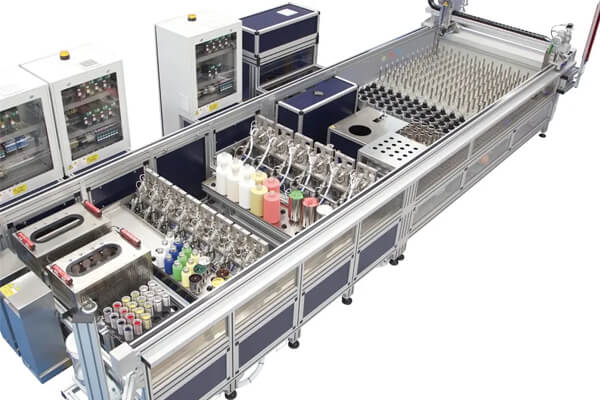
In modern textile and chemical processing environments, automatic dye and chemical dispensing systems demand unmatched precision, repeatability, and reliability. At the core of these systems lies a critical component—the stepper motor. Selecting the right stepper motor is not a trivial decision; it directly impacts dosing accuracy, production efficiency, and system longevity.
We focus on delivering a high-performance selection strategy that ensures optimal integration of stepper motors into automated dispensing systems, addressing both technical requirements and industrial customization needs.
Stepper motors convert digital pulses into precise mechanical movement, making them ideal for controlled fluid dispensing applications. In dyeing and chemical dosing systems, they are responsible for:
Accurate volumetric control
Consistent repeatability across cycles
Synchronization with automated control systems
Minimized chemical waste and process deviation
Their ability to operate in open-loop control systems reduces complexity while maintaining high precision.
Key Factors to Consider When Choosing Stepper Motors
1. Torque Requirements for Fluid Control Accuracy
Selecting the correct torque is essential for ensuring stable and uninterrupted fluid dispensing. Insufficient torque leads to missed steps, while excessive torque increases energy consumption and system cost.
We recommend evaluating:
Load characteristics of pumps or valves
Viscosity of dyes and chemicals
Friction within tubing systems
For high-viscosity fluids, a high-torque stepper motor with gearbox integration is often necessary to maintain smooth operation.
2. Step Resolution and Microstepping Precision
In dispensing systems, fine resolution directly translates to dosing accuracy. Stepper motors typically offer 1.8° or 0.9° step angles, but with microstepping drivers, precision can be significantly enhanced.
Key considerations include:
Microstepping capability (e.g., 1/16, 1/32, or higher)
Smooth motion control to prevent fluid pulsation
Reduced vibration for stable dispensing
Higher resolution ensures precise incremental control of chemical flow, which is critical in textile dyeing consistency.
3. Speed and Dynamic Performance
Dispensing systems often require variable speed operation, from slow, precise dosing to rapid batch processing. The stepper motor must deliver:
Stable torque at low speeds
Consistent performance under acceleration and deceleration
No resonance or step loss at operating speeds
Matching the motor’s speed-torque curve with application requirements ensures optimal performance without compromising accuracy.
4. Environmental Resistance and Durability
Automatic dye and chemical dispensing environments are often harsh and corrosive. Motors must be selected with appropriate protection features:
IP-rated enclosures (IP54, IP65, or higher)
Corrosion-resistant coatings
Sealed housings to prevent chemical ingress
This ensures long-term durability and reduces maintenance frequency.
5. Compatibility with Control Systems
Modern dispensing systems rely on PLC or industrial automation platforms. The stepper motor must integrate seamlessly with existing control architectures.
We prioritize:
Support for common communication protocols (Modbus, CANopen, EtherCAT)
Driver compatibility with system voltage and current
Ease of programming and synchronization
Integrated stepper motors with built-in drivers simplify wiring and reduce system complexity.
Customized Stepper Motor Types for Heavy Load Industry Applications
Customized Stepper Motor Service & Integration for Heavy Load Industry
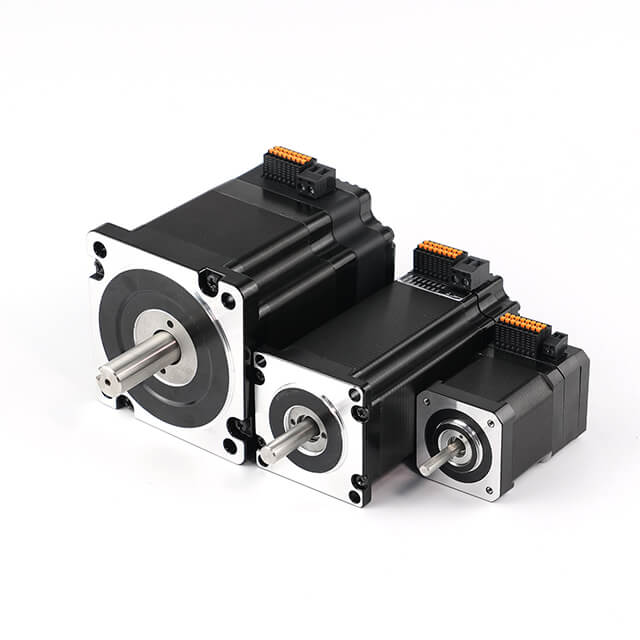
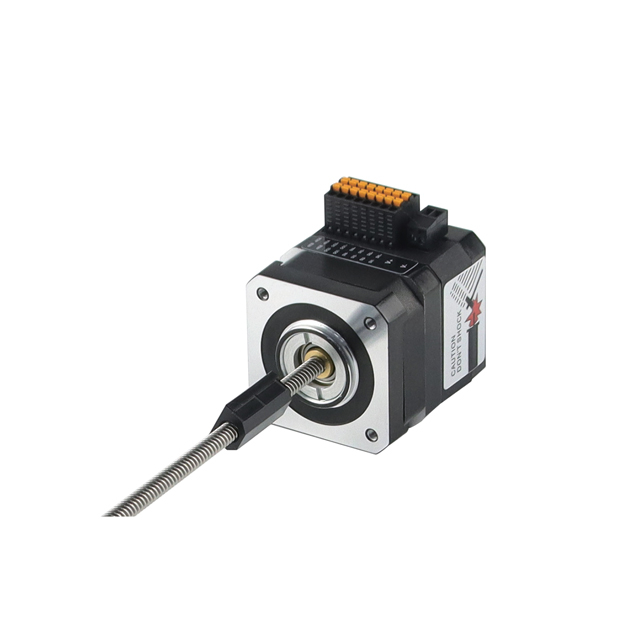
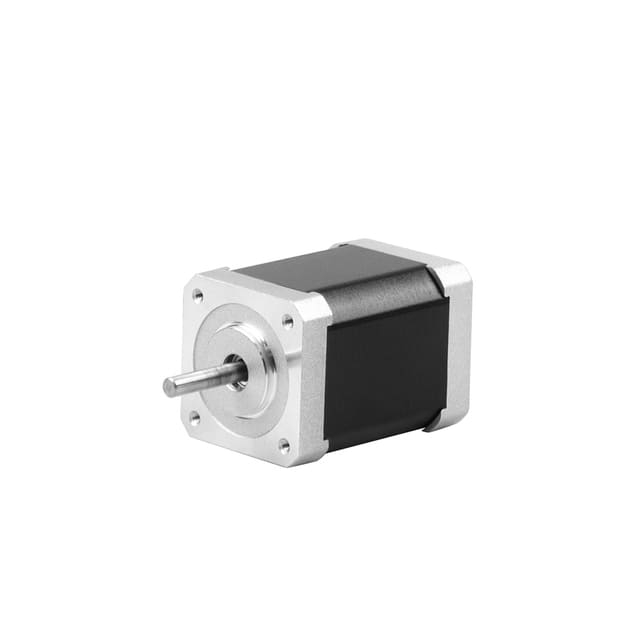
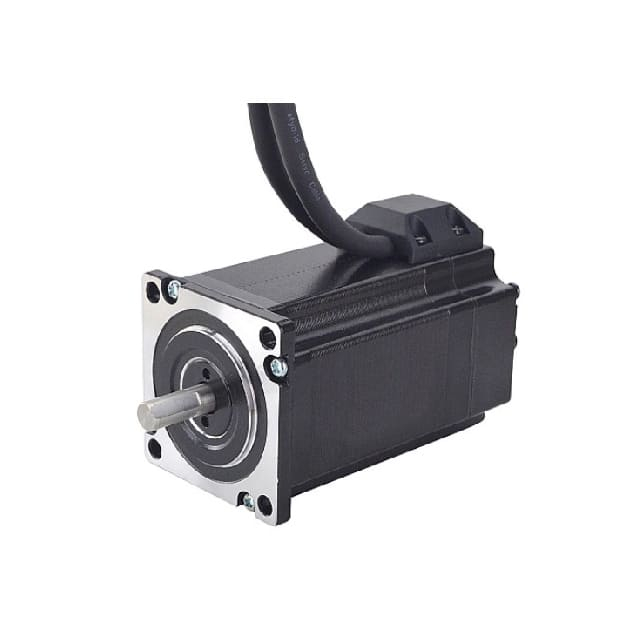
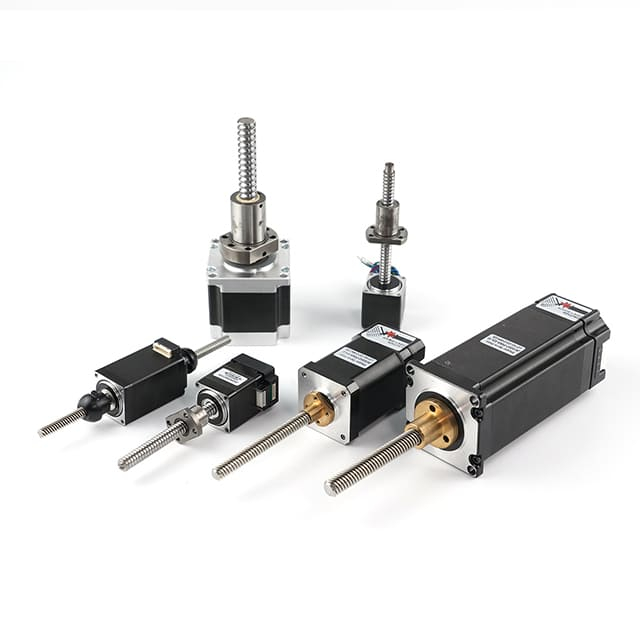
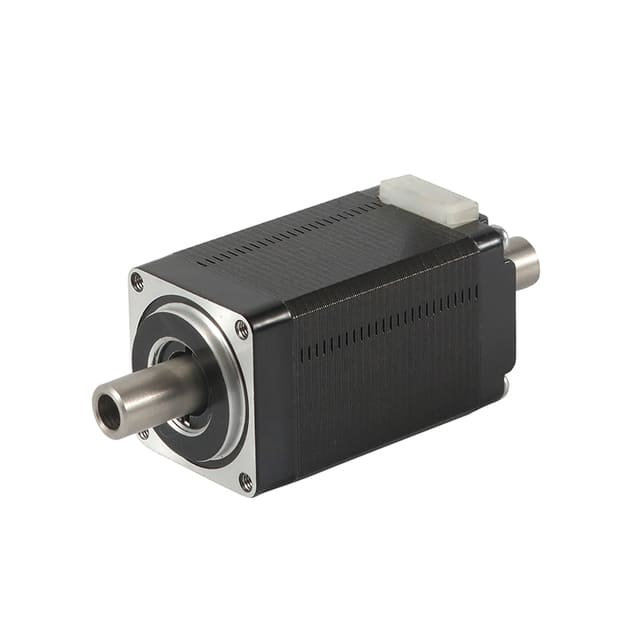
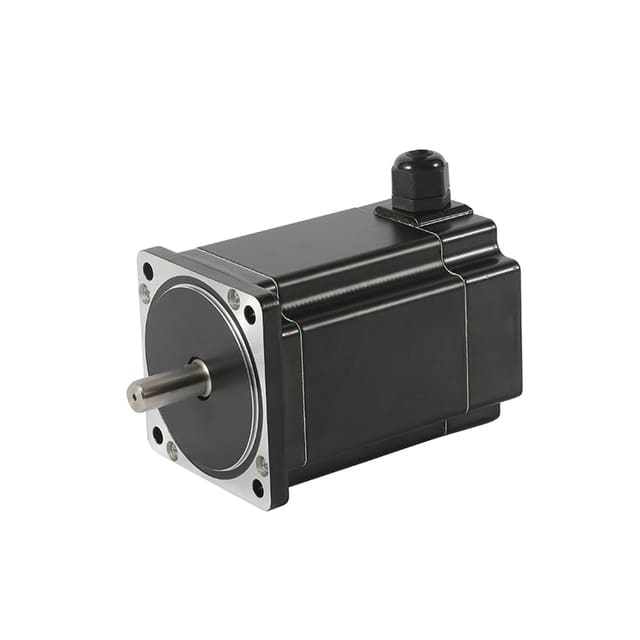
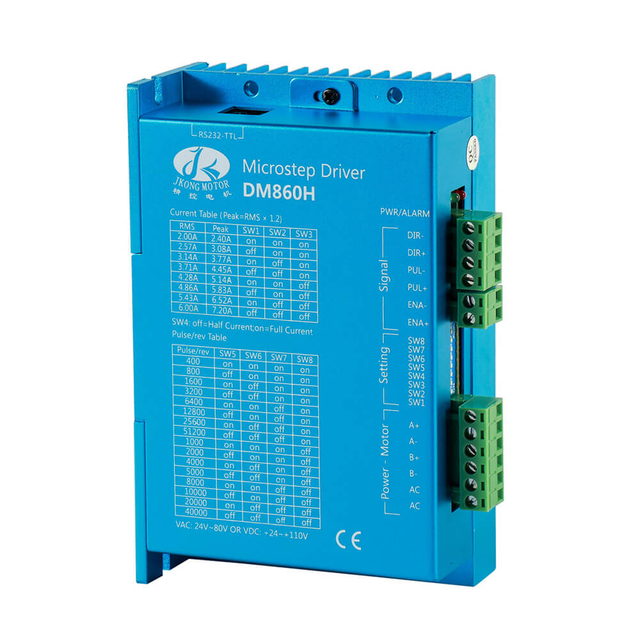
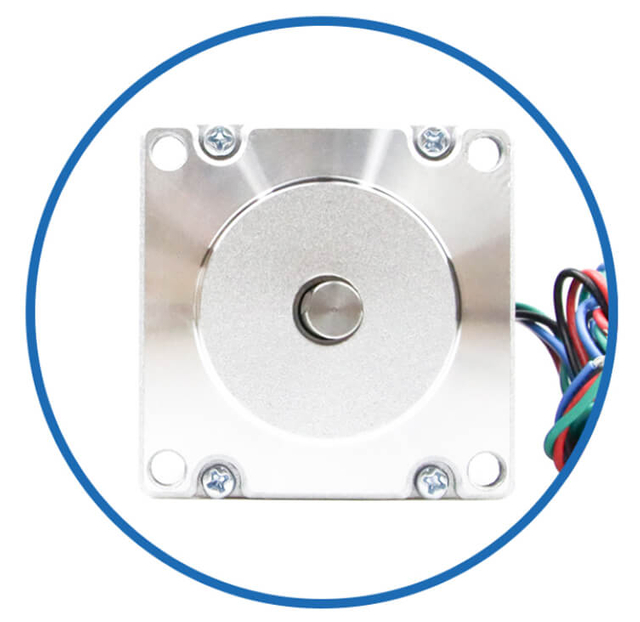
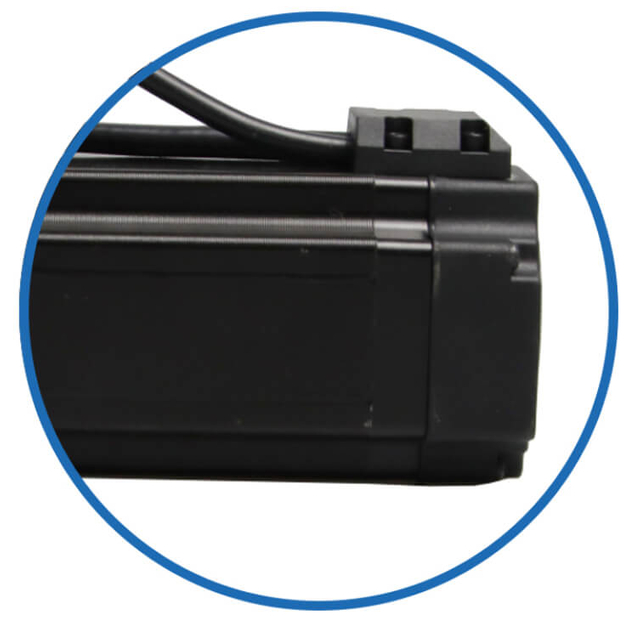
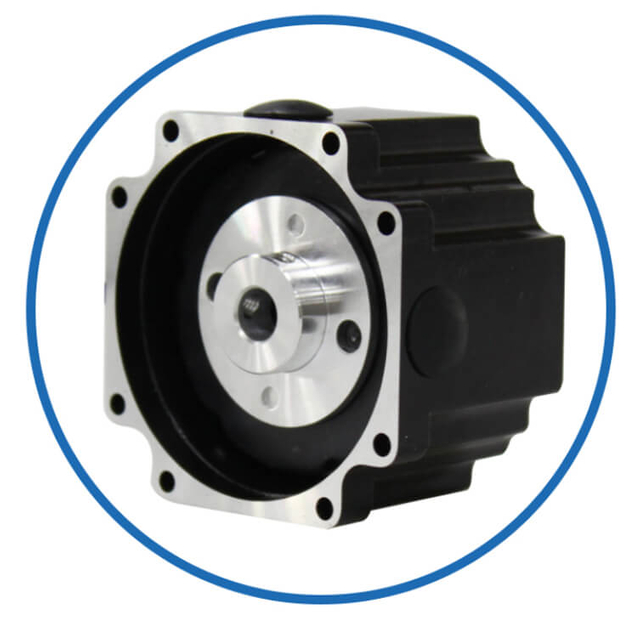
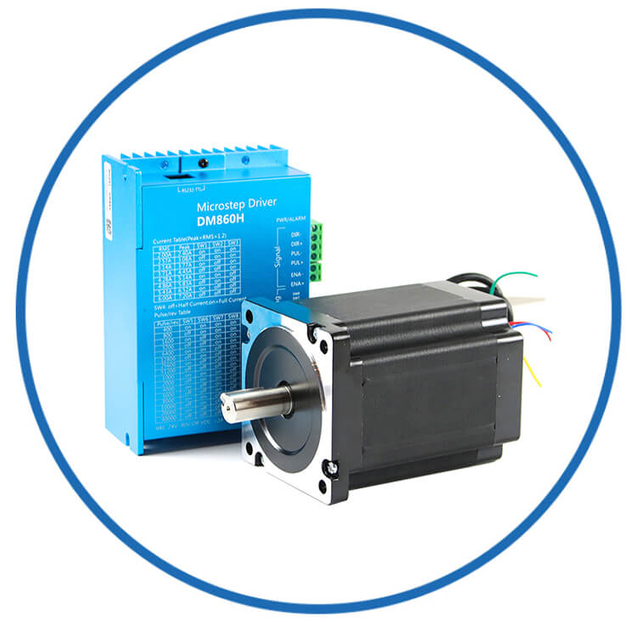
As a professional brushless dc motor manufacturer with 13 years in china, Jkongmotor offer various bldc motors with customized requirements, including 33 42 57 60 80 86 110 130mm, additionally, gearboxes, brakes, encoders, brushless motor drivers and integrated drivers are optional.
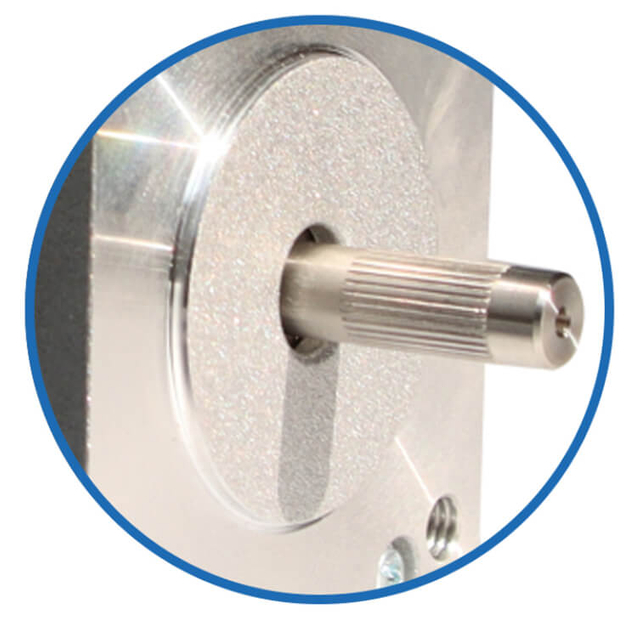
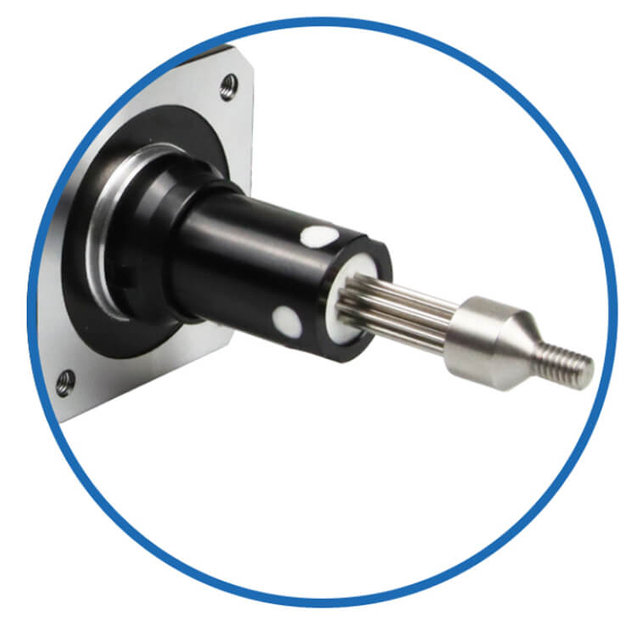
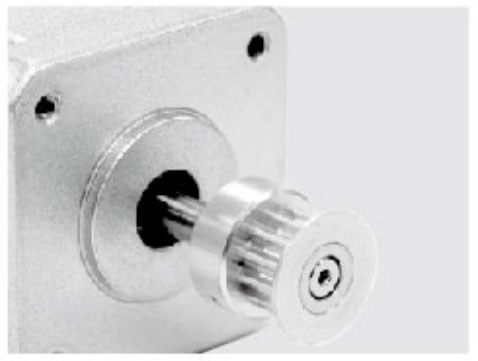
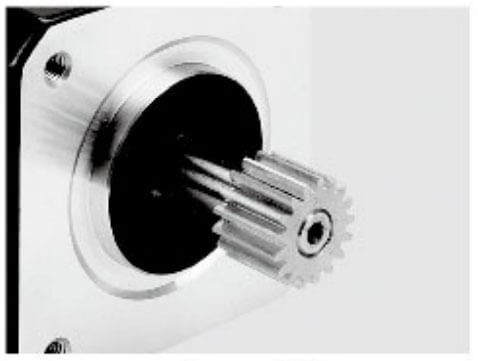
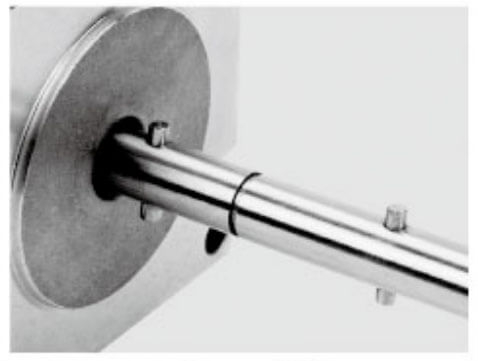
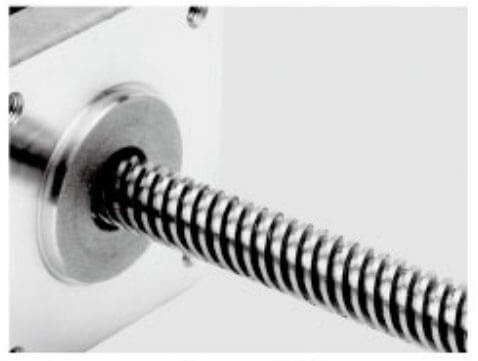
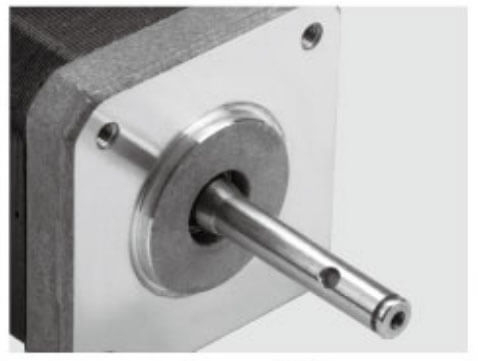
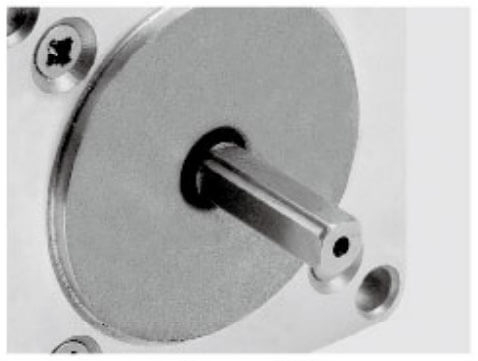
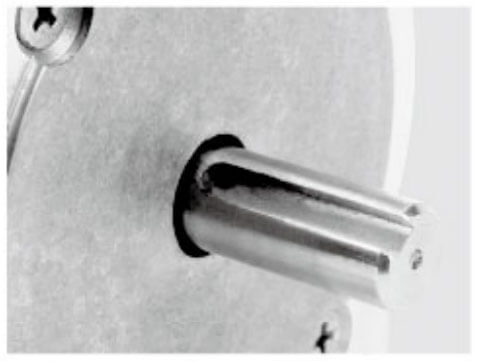
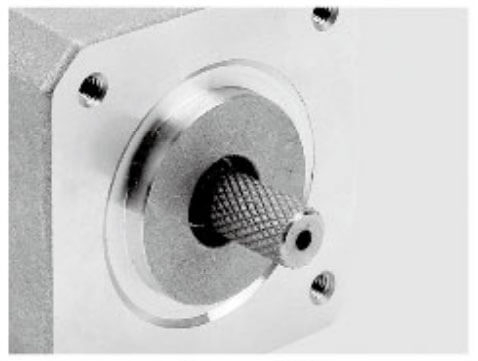
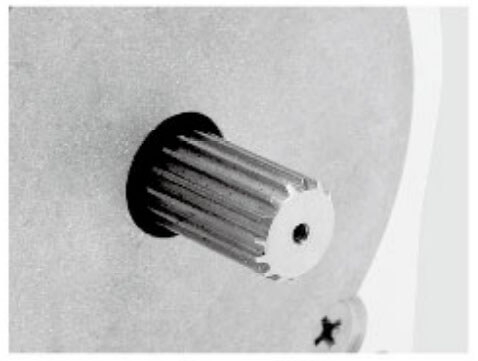
Jkongmotor offer many different shaft options for your motor as well as customizable shaft lengths to make the motor fit your application seamlessly.
Types of Stepper Motors Suitable for Dispensing Systems
Selecting the appropriate type of stepper motor is essential for achieving high precision, stable performance, and long-term reliability in automatic dispensing systems. Different stepper motor designs offer distinct advantages in terms of torque output, resolution, efficiency, and application flexibility. Understanding these types allows us to match the right motor to specific dispensing requirements.
Permanent Magnet Stepper Motors (PM Stepper Motors)
Permanent magnet stepper motors are widely used in basic dispensing applications where moderate precision and cost efficiency are priorities. These motors utilize a **permanent magnet rotor priorities. These motors utilize a permanent magnet rotor and operate with relatively simple construction.
Key characteristics:
Good low-speed torque performance
Simple control and cost-effective design
Larger step angles (typically 7.5° or 15°)
In dispensing systems, PM stepper motors are suitable for:
Low-precision liquid dosing
Entry-level automation equipment
Applications with minimal load variation
However, due to their lower resolution and limited accuracy, they are not ideal for high-precision chemical or dye dispensing processes.
Variable Reluctance Stepper Motors (VR Stepper Motors)
Variable reluctance stepper motors operate without permanent magnets and rely on the principle of magnetic reluctance to create motion. These motors are known for their fast response and lightweight rotor design.
Key characteristics:
In dispensing systems, VR stepper motors are used in:
While they offer excellent speed performance, their lower torque and reduced holding capability limit their use in applications requiring consistent force or high precision.
Hybrid stepper motors combine the benefits of permanent magnet and variable reluctance technologies, making them the most widely used type in modern dispensing systems. They provide high torque, fine resolution, and excellent control characteristics.
Key characteristics:
Small step angles (commonly 1.8° or 0.9°)
High torque-to-size ratio
Superior positioning accuracy
Compatibility with microstepping for ultra-fine control
Hybrid stepper motors are ideal for:
High-precision dye dispensing systems
Chemical dosing applications requiring repeatability
Automated production lines with strict quality control
Their ability to deliver smooth, accurate, and consistent motion makes them the preferred choice for industrial-grade dispensing equipment.
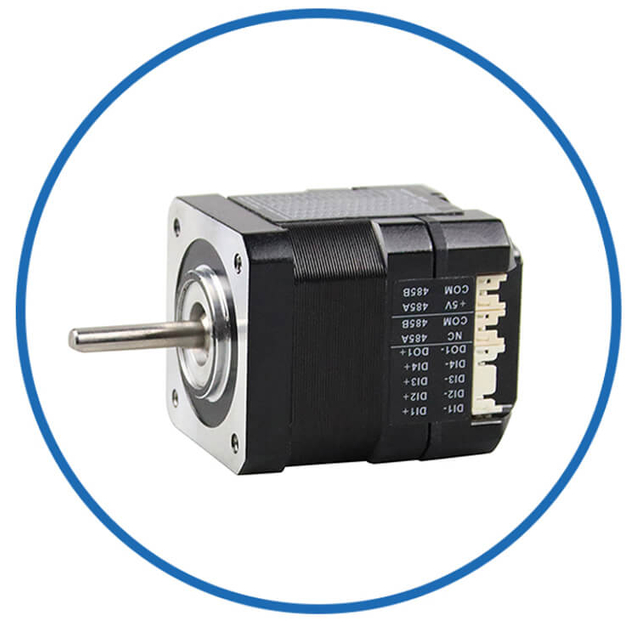
Integrated stepper motors combine the motor, driver, and controller into a single compact unit. This design significantly simplifies system architecture and improves overall reliability.
Key characteristics:
Reduced wiring and installation complexity
Built-in control electronics
Enhanced system stability and noise reduction
In dispensing systems, integrated stepper motors are particularly suitable for:
OEM and ODM customized equipment
Compact and modular system designs
Applications requiring fast deployment and easy maintenance
These motors support advanced communication protocols and can be easily integrated into modern automation platforms, making them a highly efficient solution.
Closed-loop stepper motors enhance traditional stepper motor performance by incorporating feedback devices such as encoders. This allows the system to monitor and correct positioning errors in real time.
Key characteristics:
In dispensing systems, closed-loop stepper motors are used in:
Critical dosing applications requiring zero error tolerance
High-value chemical processing
Systems with varying loads or resistance
They combine the simplicity of stepper motors with the performance advantages of servo systems.
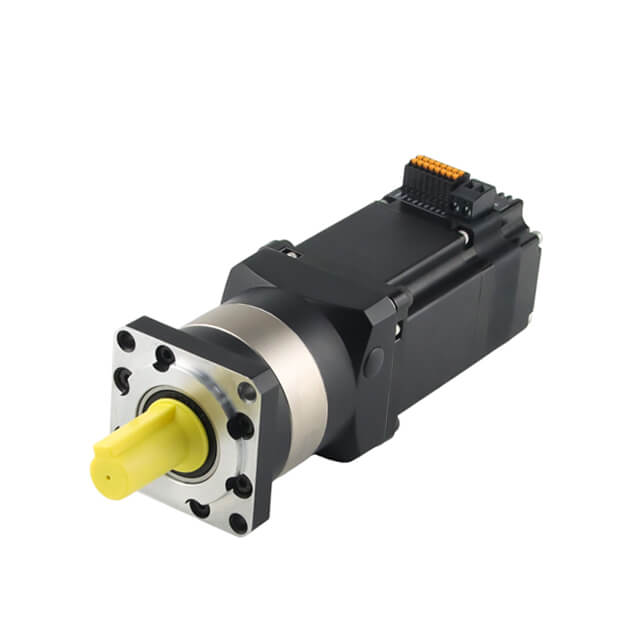
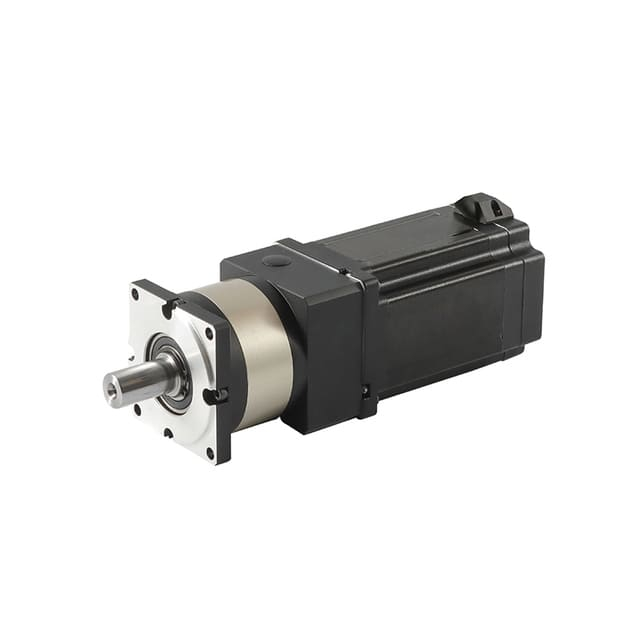
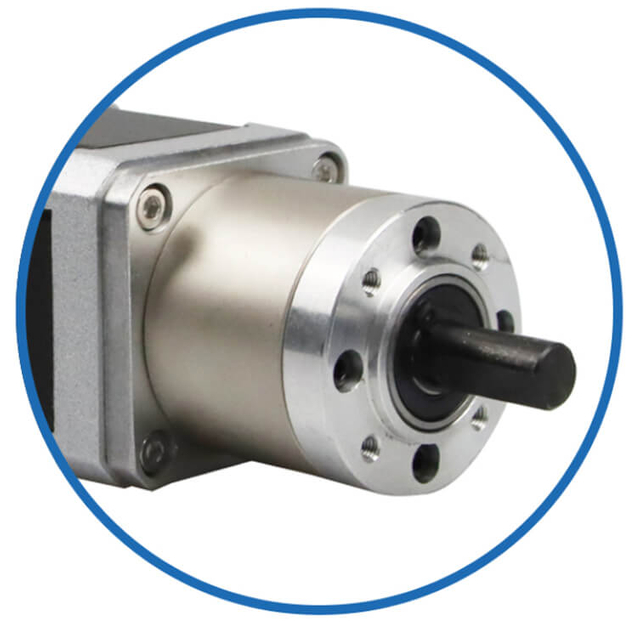
Geared stepper motors integrate a gearbox with the motor to enhance torque output and improve control at low speeds.
Key characteristics:
Applications in dispensing systems include:
High-viscosity fluid handling
Large-scale chemical dosing systems
Situations requiring high force and slow movement
Planetary gearboxes are commonly preferred due to their compact size and high efficiency.
Selecting the Right Type for Your Application
Each type of stepper motor serves a specific role in dispensing systems:
PM stepper motors for cost-sensitive, low-precision tasks
VR stepper motors for high-speed, low-load operations
Hybrid stepper motors for high-precision and industrial applications
Integrated stepper motors for compact, intelligent systems
Closed-loop stepper motors for error-free, high-reliability processes
Geared stepper motors for high-torque, heavy-duty dispensing
By carefully evaluating system requirements such as precision, torque, speed, and environmental conditions, we can select the most suitable stepper motor type to ensure optimal performance and efficiency in automatic dye and chemical dispensing systems.
Importance of Gearbox Integration
In automatic dye and chemical dispensing systems, achieving precise, stable, and high-torque motion control is essential. While stepper motors provide excellent positioning accuracy, integrating a gearbox significantly enhances their performance, especially in demanding industrial environments. Gearbox integration is not merely an optional upgrade—it is a strategic solution for improving efficiency, control, and system reliability.
Enhancing Torque Output for Demanding Applications
One of the primary reasons for integrating a gearbox is to increase torque output. Dispensing systems often involve:
A standard stepper motor may struggle to deliver sufficient torque under these conditions. By adding a gearbox, we can multiply the motor’s torque, enabling it to handle heavier loads and more resistant fluid systems without losing steps or accuracy.
This ensures smooth and uninterrupted dispensing, even in challenging operating conditions.
Improving Low-Speed Performance and Stability
Dispensing processes typically require slow and controlled motion to ensure accurate dosing. However, stepper motors can experience instability or resonance at low speeds.
Gearbox integration addresses this by:
Reducing output speed while maintaining motor efficiency
Minimizing vibration and mechanical oscillations
Providing smoother and more controlled motion
The result is stable fluid flow, which is critical for maintaining consistent chemical ratios and dye quality.
Increasing Positioning Accuracy and Resolution
A gearbox effectively increases the resolution of motion control. By reducing the output speed relative to the motor’s input, each step translates into smaller, more precise mechanical movement.
This leads to:
Finer control over dispensing volumes
Improved repeatability across cycles
Reduced margin of error in dosing applications
For industries where precision directly impacts product quality, such as textile dyeing, this level of control is indispensable.
Reducing Motor Load and Extending Lifespan
Operating a stepper motor under heavy load without assistance can lead to:
A gearbox helps by distributing the mechanical load, allowing the motor to operate within its optimal performance range. This results in:
Ultimately, gearbox integration contributes to a more durable and cost-effective system.
Enabling Compact and Efficient System Design
In many dispensing systems, space is limited, and compact design is crucial. Instead of using a larger, more powerful motor, a gearbox allows us to:
Use a smaller motor with higher efficiency
Achieve required torque without increasing motor size
Maintain a compact and lightweight system structure
This is particularly beneficial for modular and OEM/ODM customized equipment, where design flexibility is a key requirement.
Supporting High-Precision Fluid Control
Accurate dispensing depends on the ability to control fluid movement at a very fine level. Gearboxes provide the mechanical advantage needed to:
Eliminate sudden movements or jerks
Ensure gradual and controlled flow rates
Maintain consistent dosing under varying conditions
This is especially important in applications involving sensitive chemicals or complex dye formulations, where even minor inconsistencies can affect final product quality.
Types of Gearboxes Commonly Used
Different gearbox types offer unique benefits for dispensing systems:
Planetary Gearboxes
Provide high efficiency, compact size, and excellent torque transmission, making them the most commonly used option.
Worm Gearboxes
Offer high reduction ratios and self-locking capabilities, suitable for applications requiring holding torque.
Spur Gearboxes
Deliver simple design and cost-effectiveness, often used in less demanding systems.
Among these, planetary gearboxes are preferred for their precision, durability, and smooth operation.
Optimizing System Performance Through Integration
When properly matched with the stepper motor, a gearbox enhances overall system performance by:
Aligning speed and torque with application requirements
Reducing the risk of step loss
Improving operational consistency
Careful selection of the gear ratio is crucial. A higher ratio increases torque but reduces speed, while a lower ratio offers faster motion with less torque. The optimal balance depends on the specific dispensing application.
Conclusion
Gearbox integration plays a critical role in transforming standard stepper motors into high-performance motion control solutions for automatic dye and chemical dispensing systems. By enhancing torque, precision, stability, and durability, gearboxes enable systems to operate with greater efficiency and reliability.
In precision-driven industries, integrating the right gearbox is not just beneficial—it is essential for achieving consistent, accurate, and scalable dispensing performance.
Encoder Integration for Closed-Loop Performance
In automatic dye and chemical dispensing systems, achieving absolute precision, reliability, and real-time control is critical. While traditional stepper motors operate in open-loop mode, integrating an encoder transforms the system into a closed-loop solution, significantly enhancing performance. Encoder integration enables continuous feedback, error correction, and intelligent motion control, making it indispensable for high-precision dispensing applications.
What Is Encoder Integration in Stepper Motor Systems
An encoder is a feedback device that continuously monitors the motor’s position, speed, and direction. When integrated with a stepper motor, it provides real-time data to the control system, allowing it to:
Verify actual motor movement against commanded steps
Detect deviations or missed steps instantly
Adjust output to maintain precise positioning
This closed-loop mechanism ensures that the motor operates with maximum accuracy and reliability, even under varying load conditions.
Eliminating Step Loss and Positioning Errors
One of the main limitations of open-loop stepper systems is the possibility of step loss, especially when the motor is subjected to:
With encoder integration, the system can detect any discrepancy between commanded and actual position and immediately compensate for it. This results in:
Zero cumulative positioning error
Consistent dosing accuracy
Reliable long-term operation
For chemical dispensing, where even slight deviations can affect product quality, this level of precision is essential.
Enhancing Dosing Accuracy and Repeatability
Closed-loop stepper systems provide superior repeatability, ensuring that each dispensing cycle delivers the exact same volume. Encoder feedback allows for:
Fine-tuned motion adjustments
Stable control of flow rates
Precise start-stop positioning
This is particularly important in multi-component chemical mixing and textile dyeing, where consistency directly impacts final output quality.
Improving Dynamic Performance and Efficiency
Encoder integration enables the motor to operate more efficiently by dynamically adjusting its performance based on real-time conditions. Key benefits include:
Optimized current control, reducing energy consumption
Improved acceleration and deceleration response
Reduced vibration and resonance
Unlike open-loop systems that often run at higher current to avoid step loss, closed-loop systems deliver only the required power, resulting in lower heat generation and improved energy efficiency.
Real-Time Monitoring and Intelligent Control
Modern dispensing systems require smart automation and diagnostics. Encoders provide valuable data that can be used for:
Real-time system monitoring
Fault detection and alerts
Predictive maintenance planning
This enhances overall system intelligence and allows operators to identify and resolve issues before they impact production.
Adaptability to Variable Load Conditions
In dispensing systems, load conditions can change due to:
Variations in fluid viscosity
Changes in pressure within pipelines
Mechanical wear over time
Closed-loop stepper motors automatically adapt to these changes by adjusting their output based on encoder feedback. This ensures:
Stable operation under fluctuating conditions
Consistent dispensing performance
Reduced risk of system failure
Compact Integration with Advanced Motor Designs
Many modern solutions combine stepper motor, driver, and encoder into a single integrated unit. These systems offer:
Simplified installation and wiring
Reduced electromagnetic interference
Enhanced system reliability
Such integrated closed-loop stepper motors are ideal for OEM and ODM customized dispensing equipment, where space efficiency and performance are critical.
Encoder Types Commonly Used
Different encoder technologies can be selected based on application requirements:
Incremental Encoders
Provide relative position feedback and are widely used due to their cost-effectiveness and reliability.
Absolute Encoders
Deliver exact position data even after power loss, making them suitable for high-end precision systems.
Magnetic Encoders
Offer robust performance in harsh environments, ideal for chemical dispensing applications.
Each type contributes to improving control accuracy and system stability.
Key Benefits of Closed-Loop Stepper Systems
By integrating encoders, dispensing systems gain significant advantages:
Elimination of step loss and positioning errors
Higher precision and repeatability in dosing
Improved energy efficiency and reduced heat
Enhanced system reliability and lifespan
Advanced diagnostics and monitoring capabilities
These benefits make closed-loop stepper systems a superior alternative to traditional open-loop configurations.
Conclusion
Encoder integration is a transformative upgrade that elevates stepper motor performance to a new level of precision, intelligence, and reliability. In automatic dye and chemical dispensing systems, where accuracy and consistency are non-negotiable, closed-loop control ensures perfect synchronization between command and execution.
By adopting encoder-integrated stepper motors, we achieve high-performance, error-free, and efficient dispensing solutions that meet the rigorous demands of modern industrial automation.
In the field of automatic dye and chemical dispensing systems, standard stepper motor solutions often fall short of meeting specialized industrial requirements. This is where OEM (Original Equipment Manufacturer) and ODM (Original Design Manufacturer) customization capabilities become essential. By leveraging advanced customization, we can develop tailored motion control solutions that align perfectly with unique application demands, ensuring optimal performance, seamless integration, and long-term reliability.
OEM customization focuses on modifying existing motor designs to meet specific customer requirements, while ODM customization involves developing fully customized solutions from concept to production. Both approaches provide flexibility in designing stepper motors that precisely match the needs of dispensing systems.
Through these capabilities, we can deliver motors that are not only functional but also optimized for performance, efficiency, and application-specific conditions.
Mechanical Customization for System Compatibility
Every dispensing system has unique structural and spatial constraints. Mechanical customization ensures that the stepper motor integrates seamlessly into the equipment.
Key customization options include:
Custom shaft designs (length, diameter, flat, keyway, or hollow shaft)
Mounting configurations tailored to specific machinery
Compact or extended housing structures
Special flange dimensions for precise installation
These modifications guarantee perfect mechanical alignment, reducing installation complexity and improving system stability.
Electrical Customization for Performance Optimization
Electrical parameters play a crucial role in determining motor performance. OEM and ODM services allow for fine-tuning of electrical characteristics to match system requirements.
Custom electrical options include:
Custom winding configurations for voltage and current optimization
Adaptation to different power supply standards
Enhanced insulation for high-temperature environments
Low-noise and low-heat designs for continuous operation
By optimizing electrical performance, we achieve higher efficiency, reduced energy consumption, and improved reliability.
Integration of Functional Components
Advanced dispensing systems often require additional functionalities beyond basic motion control. Customization enables the integration of key components directly into the motor system:
Encoders for closed-loop control and real-time feedback
Gearboxes for increased torque and improved precision
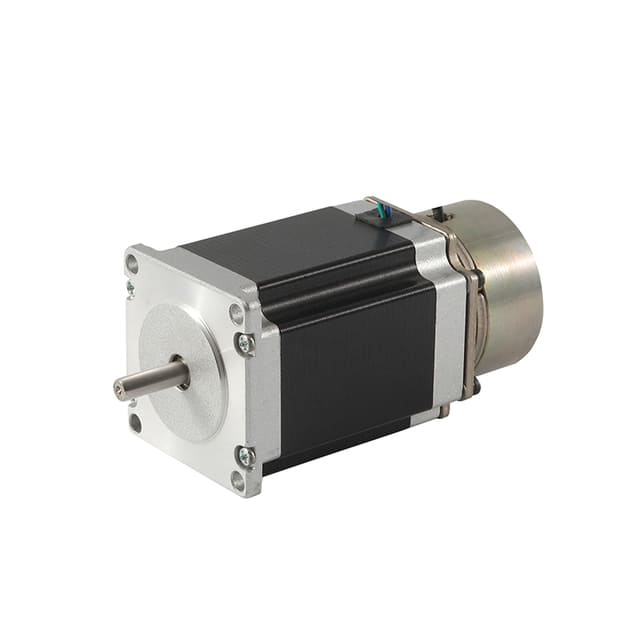
Brakes for holding position in vertical or load-sensitive applications
Connectors and cable assemblies for simplified installation
This level of integration results in compact, all-in-one solutions that enhance both performance and ease of use.
Software and Control System Customization
Modern dispensing systems rely heavily on intelligent automation and digital control. OEM and ODM capabilities extend to software and communication integration, ensuring seamless compatibility with existing systems.
Key features include:
Pre-configured motion control algorithms
Custom communication protocols (Modbus, CANopen, EtherCAT, RS485)
Programmable speed, torque, and positioning profiles
Support for PLC and industrial automation platforms
These capabilities allow for precise synchronization and flexible operation, enabling complex dispensing processes to be executed with ease.
Application-Specific Design Solutions
Different industries have unique requirements for dispensing systems. OEM and ODM customization enables the development of application-specific motor solutions, such as:
Corrosion-resistant designs for chemical environments
High-precision motors for textile dyeing consistency
Sealed and IP-rated motors for harsh or wet conditions
High-torque configurations for viscous fluid handling
By addressing these specific needs, we ensure reliable and efficient operation across diverse industrial applications.
Advantages of OEM and ODM Customization
Investing in customized stepper motor solutions provides significant advantages:
Perfect system compatibility and integration
Enhanced performance tailored to application requirements
Reduced installation and maintenance complexity
Improved operational efficiency and accuracy
Scalability for future system upgrades
Customization transforms standard components into high-performance, purpose-built solutions.
Supporting Innovation and Competitive Advantage
In highly competitive industries, innovation is key to staying ahead. OEM and ODM capabilities allow manufacturers to:
Develop unique equipment designs
Improve product differentiation
Accelerate time-to-market with optimized solutions
By integrating customized stepper motors, companies can build advanced dispensing systems that deliver superior performance and reliability.
Conclusion
OEM and ODM customization capabilities are essential for creating highly efficient, precise, and reliable stepper motor solutions for automatic dye and chemical dispensing systems. Through tailored mechanical design, electrical optimization, integrated functionality, and intelligent control, we can achieve perfect alignment between motor performance and application requirements.
Customized solutions not only enhance system performance but also provide a strategic advantage in modern industrial automation, ensuring long-term success and adaptability in a rapidly evolving market.
Automatic Dye & Chemical Dispensing System Application-Specific Selection Guidelines
Selecting the right stepper motor for an automatic dye and chemical dispensing system requires a targeted, application-specific approach. Each dispensing scenario presents unique demands in terms of precision, load characteristics, environmental conditions, and operational speed. By aligning motor specifications with these real-world requirements, we ensure maximum efficiency, accuracy, and system reliability.
In textile dyeing processes, color consistency and repeatability are critical. Even minor deviations in dye volume can result in visible color variation, leading to quality issues and material waste.
Recommended selection approach:
Choose hybrid stepper motors with fine step angles (1.8° or 0.9°)
Utilize high microstepping drivers for ultra-smooth motion
Integrate encoders for closed-loop control to eliminate step loss
Prioritize low vibration and low noise operation
This configuration ensures precise, stable, and repeatable dye dosing, maintaining consistent product quality across batches.
Chemical Dosing and Mixing Systems
Chemical dispensing often involves handling liquids with varying viscosity, reactivity, and flow resistance. The motor must maintain consistent output under fluctuating load conditions.
Recommended selection approach:
Select high-torque stepper motors, preferably with gearbox integration
Use closed-loop systems to adapt to load variations
Ensure chemical-resistant motor housing and sealing (IP-rated)
Opt for stable low-speed performance to maintain dosing accuracy
These features guarantee accurate and reliable chemical dosing, even in demanding industrial environments.
High-Viscosity Fluid Dispensing
Applications involving thick dyes, pastes, or concentrated chemicals require additional force to move fluids through pumps and pipelines.
Recommended selection approach:
Use geared stepper motors to increase torque output
Choose motors with strong holding torque to prevent backflow
Ensure compatibility with positive displacement pumps
Focus on durability and thermal management
This ensures smooth and continuous dispensing without motor overload or performance degradation.
High-Speed Batch Dispensing Systems
In large-scale production environments, speed and throughput are essential. Systems must deliver fast and accurate dispensing cycles without compromising precision.
Recommended selection approach:
Select motors with excellent dynamic response and acceleration capability
Match motor performance with optimized speed-torque curves
Use integrated stepper motors for simplified control and faster response
Ensure compatibility with high-speed communication protocols
This approach enables rapid, synchronized dispensing operations, improving overall production efficiency.
Multi-Channel and Automated Dispensing Systems
Advanced systems often involve multiple dispensing channels operating simultaneously, requiring precise synchronization.
Recommended selection approach:
Use integrated stepper motors with built-in drivers and controllers
Ensure support for industrial communication protocols (e.g., CANopen, EtherCAT, Modbus)
Implement centralized control via PLC systems
Prioritize consistent performance across all channels
This guarantees uniform dispensing across multiple lines, reducing variability and enhancing system coordination.
Harsh Environment and Chemical Exposure Applications
Dispensing systems frequently operate in environments exposed to corrosive chemicals, humidity, and temperature fluctuations.
Recommended selection approach:
Choose motors with high IP ratings (IP65 or higher)
Use corrosion-resistant materials and coatings
Ensure sealed housings to prevent contamination
Consider temperature-resistant designs for continuous operation
These features provide long-term durability and reduced maintenance, even under challenging conditions.
Compact and Modular Equipment Design
For OEM and ODM customized systems, space efficiency and modularity are critical. Motors must fit seamlessly into compact machine designs.
Recommended selection approach:
Use integrated stepper motors to reduce component count
Opt for compact motor sizes with high torque density
Customize mounting and shaft configurations
Ensure easy installation and maintenance access
This allows for flexible system design and faster deployment, especially in modern automated production lines.
Energy Efficiency and Continuous Operation Systems
In facilities operating 24/7, energy consumption and thermal performance are key considerations.
Recommended selection approach:
Select motors with optimized current control and high efficiency
Use closed-loop stepper systems to reduce unnecessary power usage
Ensure effective heat dissipation design
Minimize energy loss through proper motor sizing and gearbox selection
This results in lower operational costs and improved system sustainability.
Key Selection Summary by Application
To simplify decision-making:
High-precision dyeing: Hybrid stepper + microstepping + encoder
Chemical dosing: High torque + closed-loop + corrosion protection
High-viscosity fluids: Geared stepper motor + strong torque
High-speed systems: Fast response motor + integrated control
Multi-channel systems: Integrated motors + communication protocols
Harsh environments: IP-rated + sealed + corrosion-resistant design
Compact systems: Integrated, space-saving motor solutions
Conclusion
Application-specific selection is the key to unlocking the full potential of stepper motors in automatic dye and chemical dispensing systems. By carefully matching motor characteristics to real operational demands, we achieve precision, efficiency, durability, and scalability.
A well-selected stepper motor solution ensures not only optimal dispensing performance but also long-term reliability and cost-effectiveness, making it a critical component in advanced industrial automation systems.
Advantages of Choosing the Right Stepper Motor
Selecting the correct stepper motor for an automatic dye and chemical dispensing system is a critical decision that directly influences system performance, product quality, and operational efficiency. A well-matched motor does far more than drive motion—it ensures precision control, long-term stability, and optimized production output. The advantages of choosing the right stepper motor extend across every aspect of the dispensing process.
Superior Dosing Accuracy and Consistency
One of the most significant benefits is the ability to achieve highly accurate and repeatable dispensing. The right stepper motor provides:
Precise incremental movement for exact fluid control
Consistent output across repeated cycles
Minimal deviation in dye or chemical quantities
This level of accuracy ensures uniform product quality, which is especially important in industries such as textile dyeing, where even slight variations can lead to visible inconsistencies.
Enhanced Process Efficiency
An optimized stepper motor improves overall system efficiency by delivering smooth and controlled motion. This results in:
Faster and more reliable dispensing cycles
Reduced downtime caused by mechanical errors
Improved synchronization with automated systems
Efficient motor performance leads to higher throughput and better utilization of production resources.
Reduced Chemical Waste and Cost Savings
Accurate dispensing directly contributes to minimizing material waste. By selecting the right motor, we can:
Prevent over-dispensing and under-dispensing
Optimize the use of expensive dyes and chemicals
Reduce rework and rejected batches
This translates into significant cost savings and more sustainableEfficient motor performance leads to higher throughput and better utilization of production resources.
Reduced Chemical Waste and Cost Savings
Accurate dispensing directly contributes to minimizing material waste. By selecting the right motor, we can:
Prevent over-dispensing and under-dispensing
Optimize the use of expensive dyes and chemicals
Reduce rework and rejected batches
This translates into significant cost savings and more sustainable production practices.
Improved System Reliability and Stability
A properly selected stepper motor operates within its optimal performance range, ensuring:
Stable torque output under varying loads
Reduced risk of step loss or positioning errors
Consistent operation over extended periods
This enhances the overall reliability of the dispensing system, minimizing unexpected failures and production interruptions.
Lower Maintenance Requirements
Using a motor that matches application requirements reduces mechanical stress and wear. Benefits include:
A reliable motor system contributes to long-term operational stability and reduced total cost of ownership.
Optimized Energy Efficiency
Energy efficiency is a key consideration in modern industrial systems. The right stepper motor ensures:
Efficient power consumption based on actual load requirements
Reduced heat generation during operation
Lower energy costs in continuous production environments
Closed-loop stepper systems further enhance efficiency by adjusting power dynamically, avoiding unnecessary energy usage.
Smooth and Low-Vibration Operation
Precision dispensing requires stable and vibration-free motion. A well-selected motor offers:
Smooth rotation through microstepping control
Reduced mechanical resonance
Stable fluid flow without pulsation
This is essential for maintaining consistent dosing accuracy and protecting sensitive system components.
Seamless Integration with Automation Systems
Modern dispensing systems rely on advanced automation and control platforms. The right stepper motor ensures:
Compatibility with PLCs and industrial communication protocols
Easy integration with drivers and controllers
Flexible programmability for different dispensing tasks
This enables efficient system control and scalability, supporting future upgrades and process optimization.
Adaptability to Diverse Application Requirements
Different dispensing applications require varying levels of torque, speed, and precision. A properly chosen stepper motor can be tailored to:
Handle different fluid viscosities
Operate in harsh or chemically aggressive environments
Support both low-speed precision and high-speed operations
This adaptability ensures consistent performance across a wide range of industrial scenarios.
Support for Advanced Features and Customization
The right stepper motor can be enhanced with additional features to meet specific needs:
Encoder integration for closed-loop control
Gearboxes for increased torque and precision
Integrated drivers for compact system design
These options allow for customized solutions that maximize system performance and flexibility.
Conclusion
Choosing the right stepper motor delivers a wide range of advantages, from precision and efficiency to reliability and cost savings. It enables automatic dye and chemical dispensing systems to operate with greater accuracy, consistency, and stability, ensuring high-quality results in every production cycle.
A carefully selected stepper motor is not just a component—it is a key driver of performance, productivity, and long-term success in industrial automation systems.
Future Trends in Stepper Motor Technology for Dispensing Systems
The evolution of stepper motor technology continues to enhance dispensing system performance. Key trends include:
Smart integrated motors with IoT connectivity
Advanced closed-loop control systems
Energy-efficient designs with reduced heat generation
Miniaturization for compact automation systems
These advancements enable greater precision, flexibility, and scalability in modern industrial applications.
Conclusion
Choosing the right stepper motor for an automatic dye and chemical dispensing system requires a comprehensive evaluation of torque, precision, speed, environmental durability, and system compatibility. By leveraging advanced motor technologies and OEM/ODM customization capabilities, we can achieve optimal performance, reliability, and efficiency.
A strategically selected stepper motor is not just a component—it is the foundation of accurate, scalable, and intelligent dispensing systems that meet the demands of modern industry.