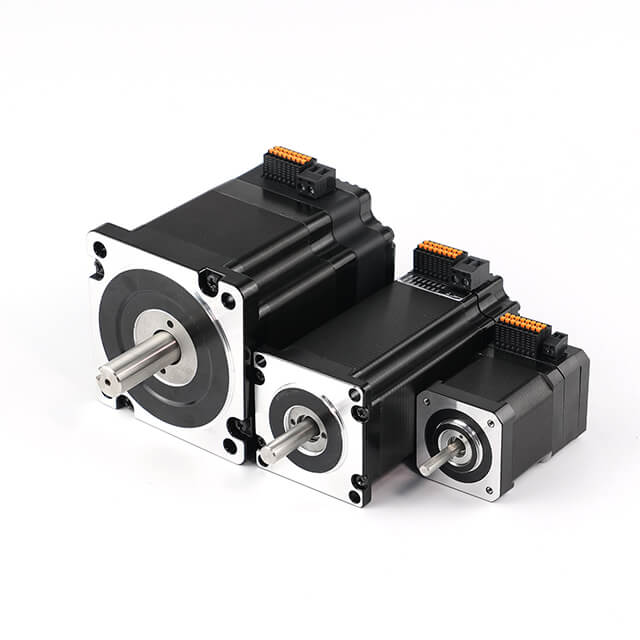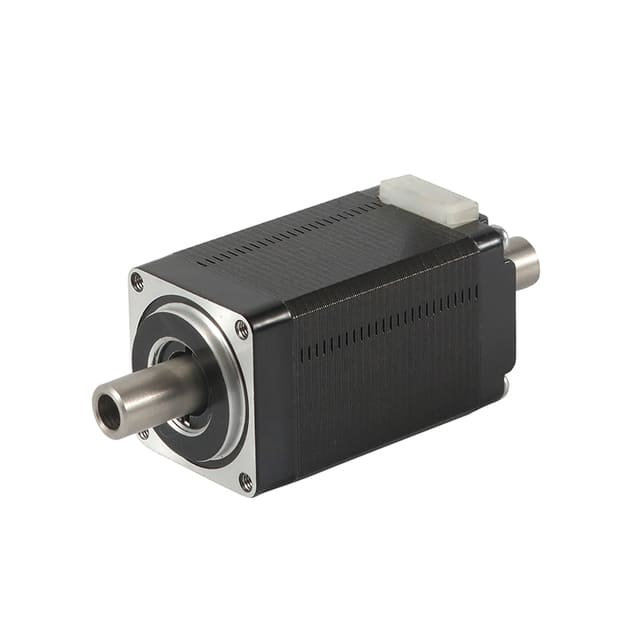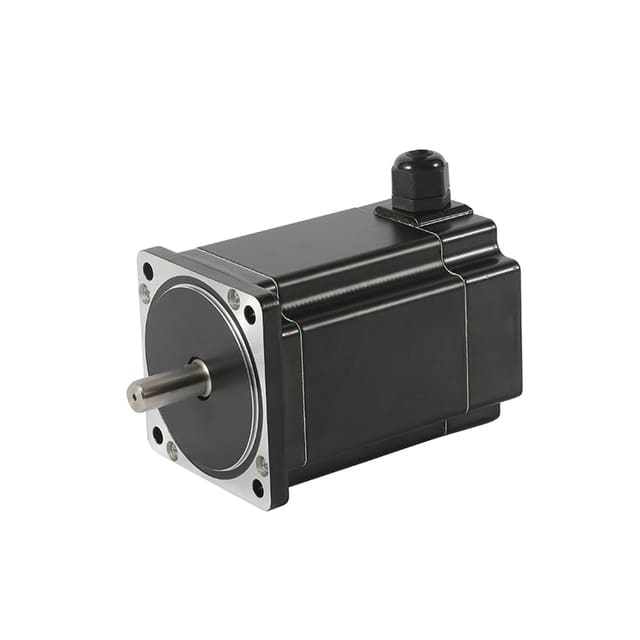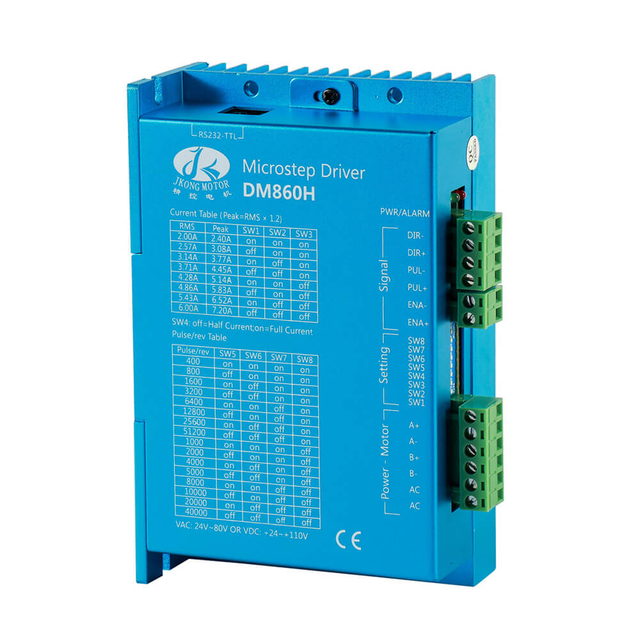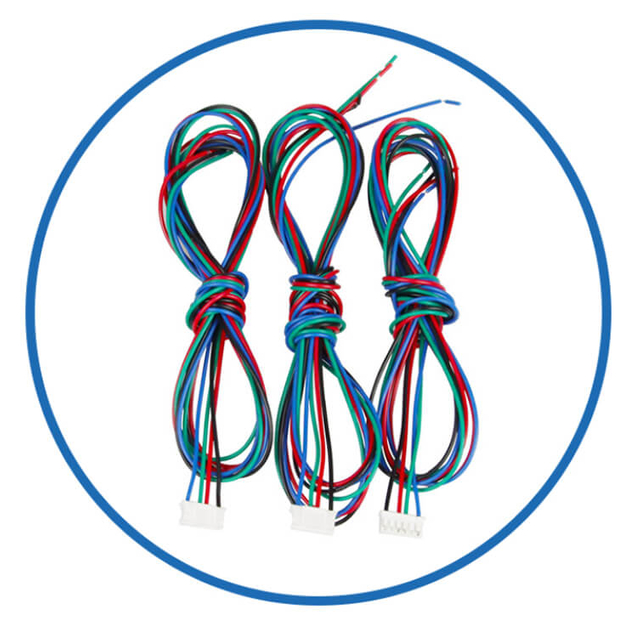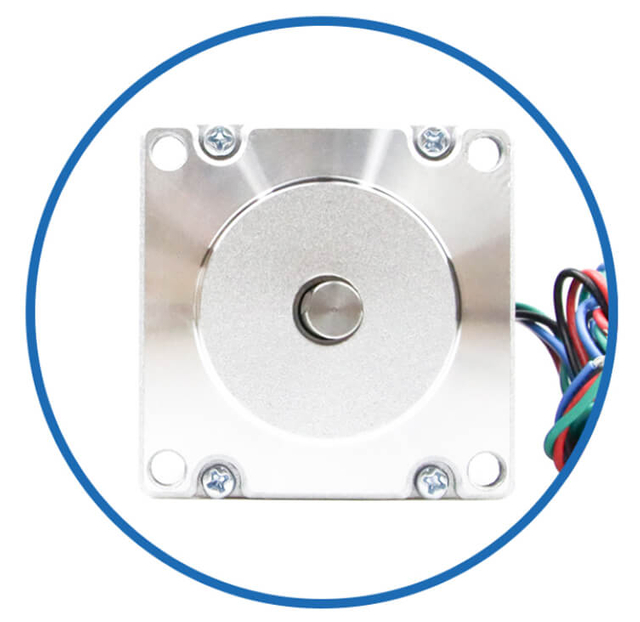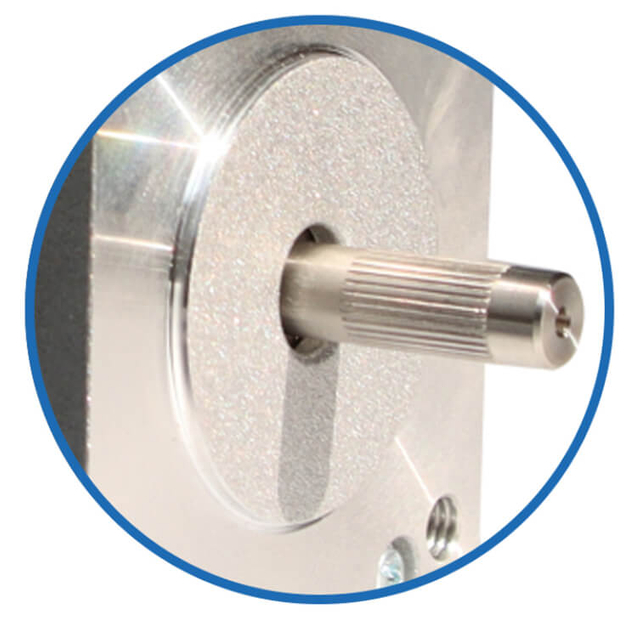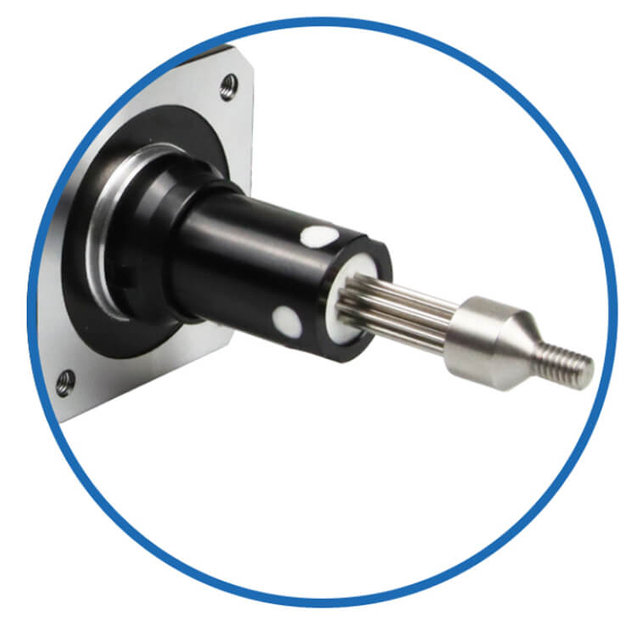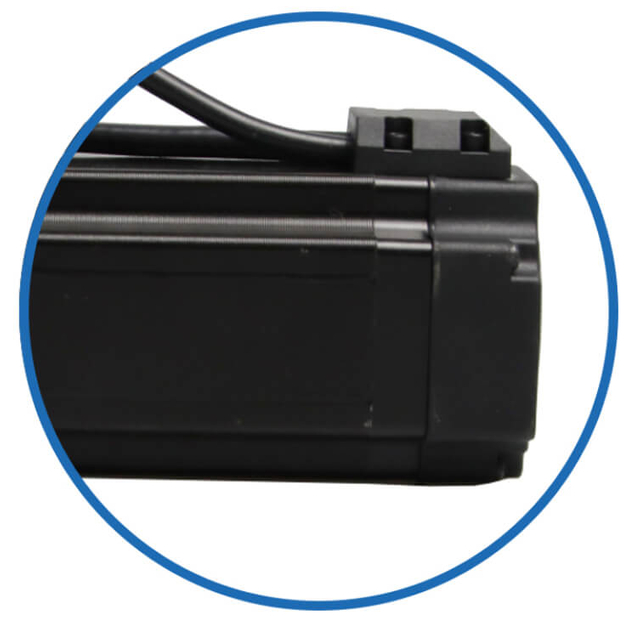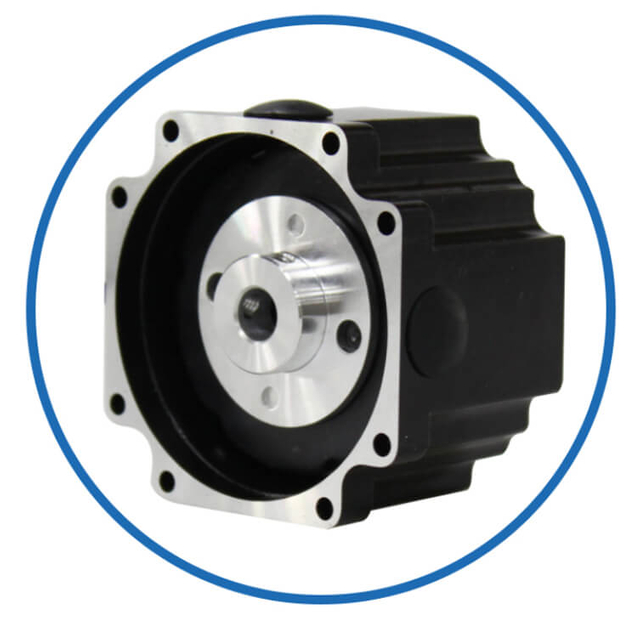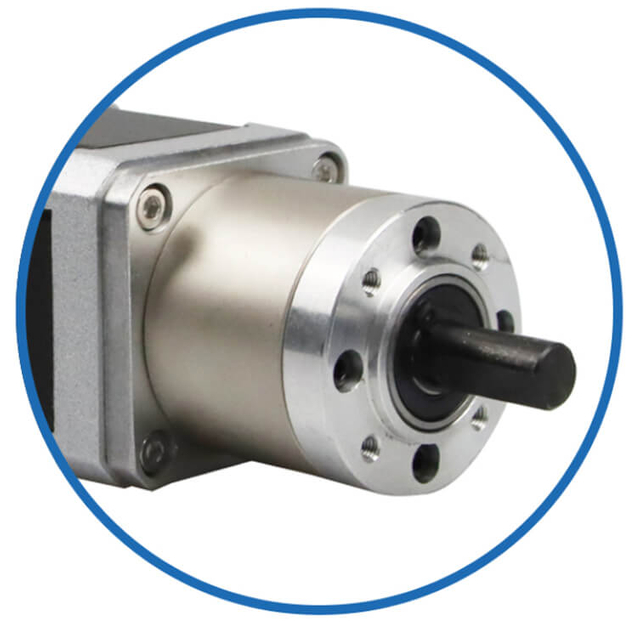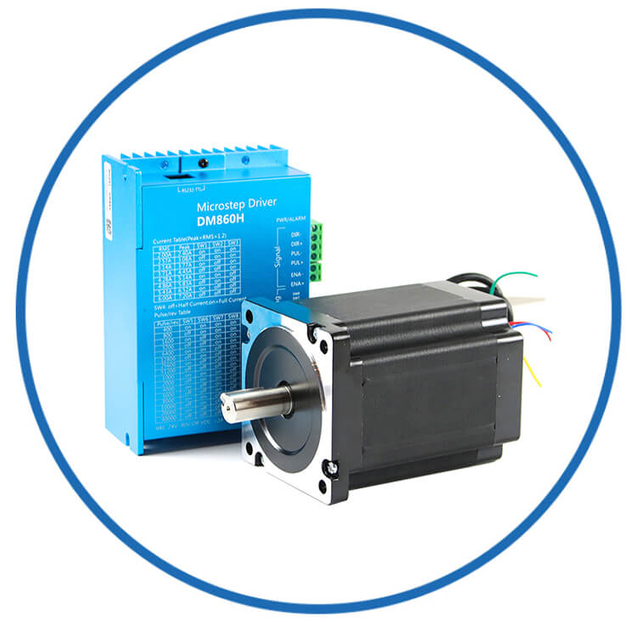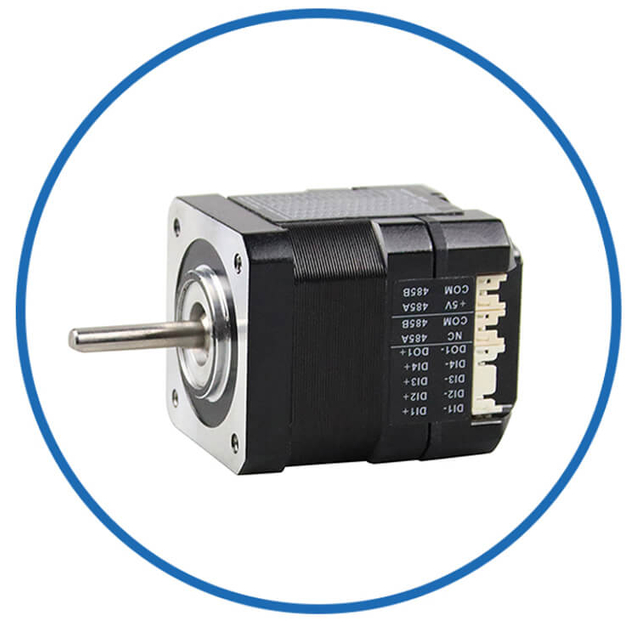
Customized stepper motor and OEM/ODM solutions for laser cutting machines optimize torque, precision, speed capabilities, and mechanical integration, offering tailored performance enhancements and full support from design to production.
Selecting the right stepper motor for a laser cutting machine is a decisive factor in achieving high precision motion control, smooth contour cutting, consistent engraving quality, and long-term system reliability. In modern laser systems—whether CO₂, fiber, or hybrid configurations—the motion platform determines the final cutting accuracy, speed stability, and production efficiency. We must evaluate motor torque, speed range, driver compatibility, structural integration, and customization capability as a complete system rather than isolated components.
Below, we present a comprehensive, engineering-focused guide to selecting the best stepper motor for laser cutting applications.
Understanding Motion Requirements in Laser Cutting Machines
Laser cutting machines operate with high acceleration, rapid direction changes, and micron-level positioning accuracy. The stepper motor must handle:
High-speed raster engraving
Precise vector cutting
Sharp corner transitions
Continuous repetitive production cycles
Minimal vibration at varying loads
Unlike general CNC equipment, laser cutting systems require extreme smoothness at medium-to-high speeds. Motion instability can lead to edge burning, uneven kerf width, and pattern distortion. Therefore, we prioritize dynamic torque performance and microstepping capability over static holding torque alone.
Determine the Required Torque for Laser Cutting Applications
1. Calculate Load and Inertia
We begin by analyzing:
For most desktop CO₂ laser cutting machines, torque requirements range between:
For large-format fiber laser cutters, torque may exceed 3 Nm to 8 Nm, depending on structural mass.
The selected motor must deliver sufficient dynamic torque at operating speed, not just holding torque at zero RPM.
Stepper Motor Types
Selecting the correct stepper motor type is fundamental to achieving precise motion control, smooth positioning, and stable torque output in automation systems such as CNC machines, laser cutters, 3D printers, medical devices, and robotics. Each type of stepper motor offers distinct structural characteristics, torque behavior, and performance advantages. Understanding these differences allows us to choose the most appropriate motor for specific motion requirements.
Below is a comprehensive breakdown of the main stepper motor types, their working principles, advantages, and application suitability.
Jkongmotor Customized Stepper Motor Types for Industrial Automation
Motor Customized Service
As a professional brushless dc motor manufacturer with 13 years in china, Jkongmotor offer various bldc motors with customized requirements, including 33 42 57 60 80 86 110 130mm, additionally, gearboxes, brakes, encoders, brushless motor drivers and integrated drivers are optional.
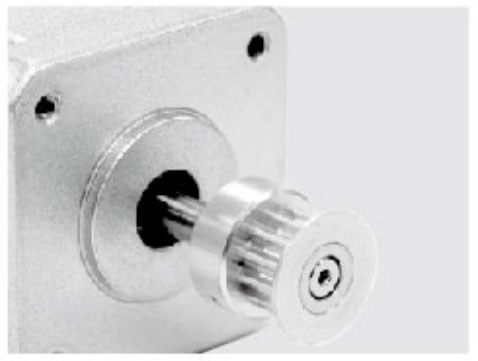
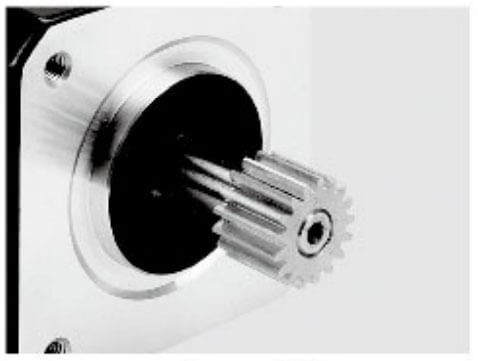
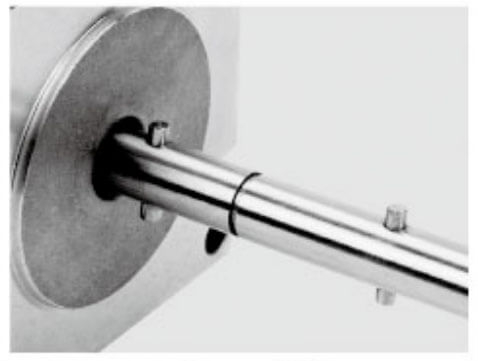
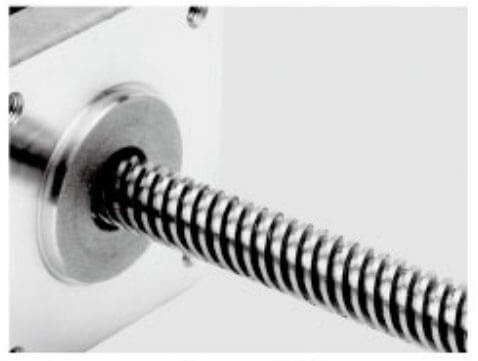
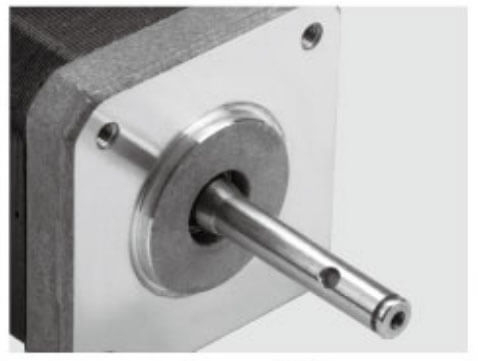
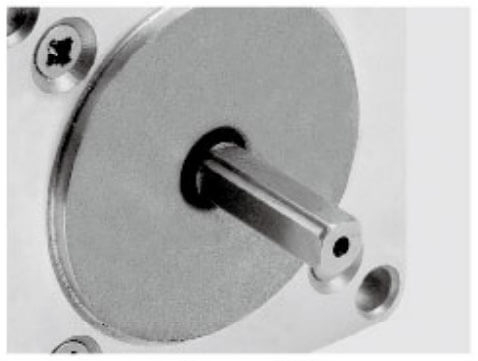
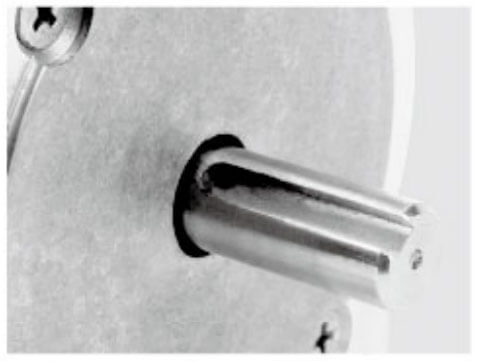
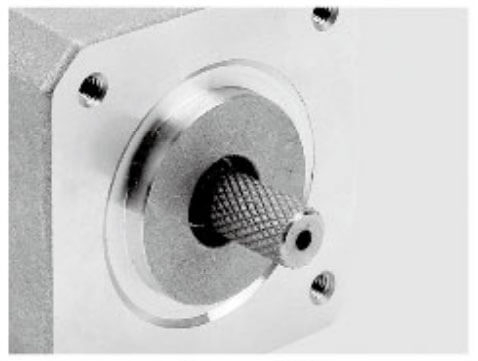
Motor Shaft Customized Service
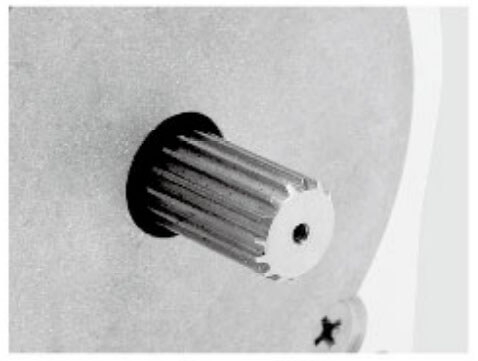
Jkongmotor offer many different shaft options for your motor as well as customizable shaft lengths to make the motor fit your application seamlessly.
1. Permanent Magnet (PM) Stepper Motor
Structure and Working Principle
A Permanent Magnet (PM) stepper motor uses a rotor made of permanent magnets and a stator with electromagnetic windings. The rotor aligns itself with the energized stator poles, moving in discrete steps as electrical pulses are applied.
Typical step angles:
This means fewer steps per revolution compared to other types.
Advantages
Simple construction
Low cost
Good low-speed torque
Easy control
Limitations
Larger step angle (lower resolution)
Lower torque compared to hybrid motors
Reduced high-speed performance
Common Applications
Basic positioning systems
Consumer electronics
Low-cost automation devices
Small household appliances
Permanent magnet stepper motors are suitable for light-duty applications where high precision is not critical.
2. Variable Reluctance (VR) Stepper Motor
Structure and Working Principle
A Variable Reluctance (VR) stepper motor has a soft iron rotor with no permanent magnets. Torque is generated by minimizing magnetic reluctance between the stator and rotor teeth when the stator windings are energized.
Typical step angles:
Advantages
Limitations
Common Applications
VR stepper motors are less commonly used in modern industrial equipment due to their limited torque and lack of holding capability.
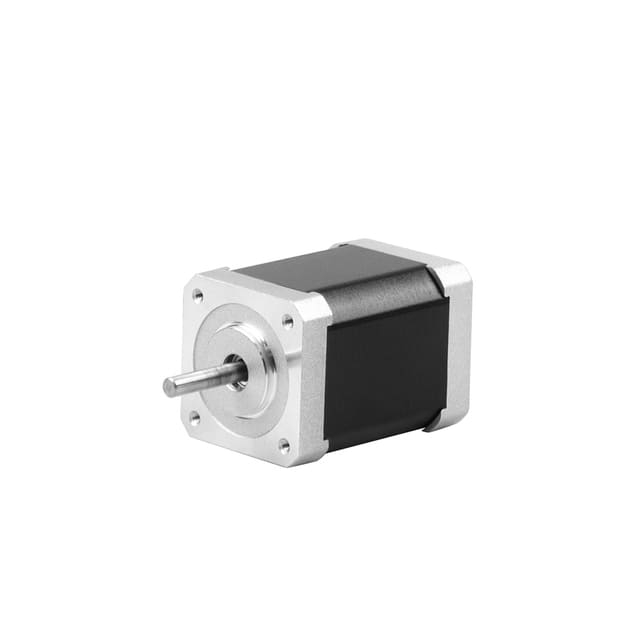
3. Hybrid Stepper Motor
Structure and Working Principle
The Hybrid Stepper Motor combines the best features of Permanent Magnet and Variable Reluctance designs. It uses a permanent magnet rotor with finely toothed laminations, creating high torque and excellent step accuracy.
Typical step angles:
Hybrid stepper motors are the most widely used type in industrial automation.
Advantages
Limitations
Common Applications
Laser cutting machines
CNC routers
3D printers
Medical devices
Packaging automation
Robotics
Hybrid stepper motors are the industry standard for applications requiring precision and reliability.
4. Open-Loop Stepper Motor
Operating Principle
An open-loop stepper motor system operates without feedback. The controller sends pulse signals, and the motor moves accordingly without verifying position.
Advantages
Simple control system
Lower cost
Easy integration
Limitations
Possible step loss under heavy load
No position error correction
Less efficient at high speed
Open-loop systems are suitable when load conditions are stable and predictable.
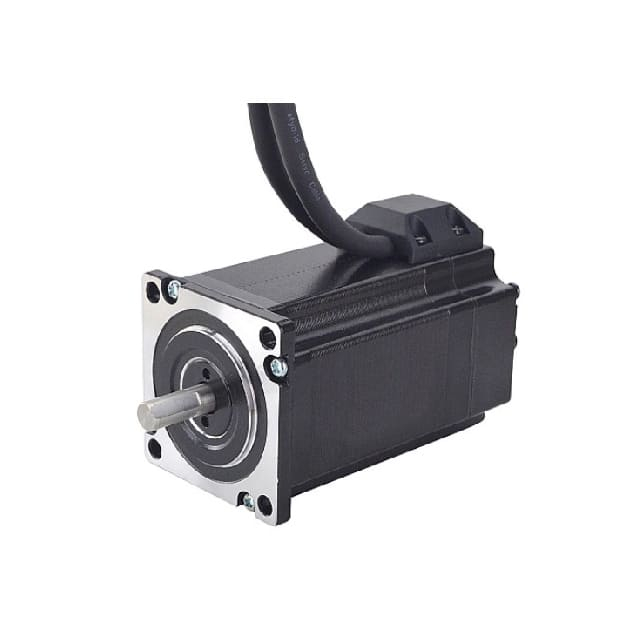
5. Closed-Loop Stepper Motor (Stepper Servo System)
Operating Principle
A closed-loop stepper motor integrates an encoder that provides real-time position feedback. The driver continuously monitors actual motor position and corrects any deviation.
Advantages
Limitations
Common Applications
Industrial laser cutting machines
High-speed pick-and-place systems
Automated production lines
Semiconductor equipment
Closed-loop stepper motors combine the precision of stepper systems with the reliability of servo control.
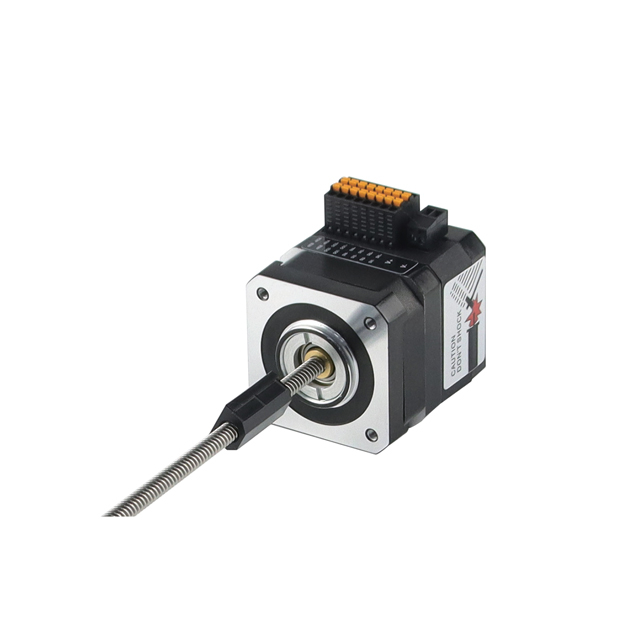
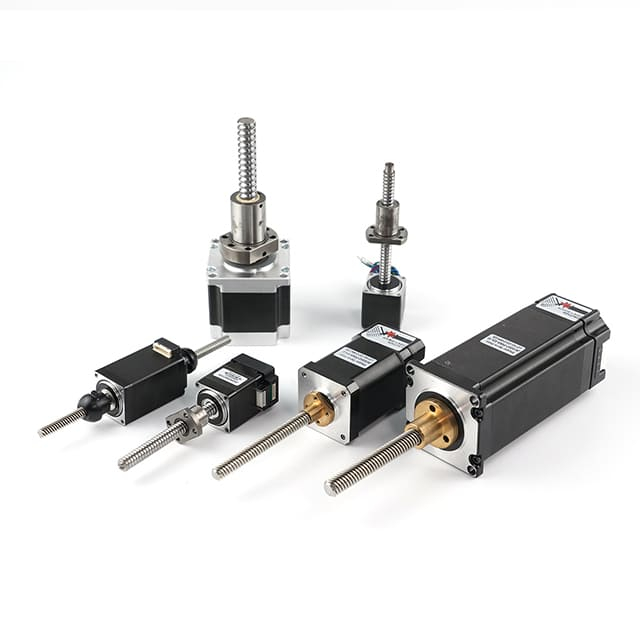
6. Linear Stepper Motor
Structure and Function
A Linear Stepper Motor converts electrical pulses directly into linear motion instead of rotational motion. It eliminates the need for mechanical conversion components like lead screws.
Advantages
Limitations
Limited force output
Specialized applications
Common Applications
Medical automation
Laboratory equipment
Precision dosing systems
Integrated Design
An Integrated Stepper Motor combines:
Stepper motor
Driver
Controller
Encoder (optional)
All components are built into a single compact unit.
Advantages
Reduced wiring
Simplified installation
Space-saving design
Improved reliability
Applications
Integrated designs are increasingly popular in modern automation due to their convenience and reliability.
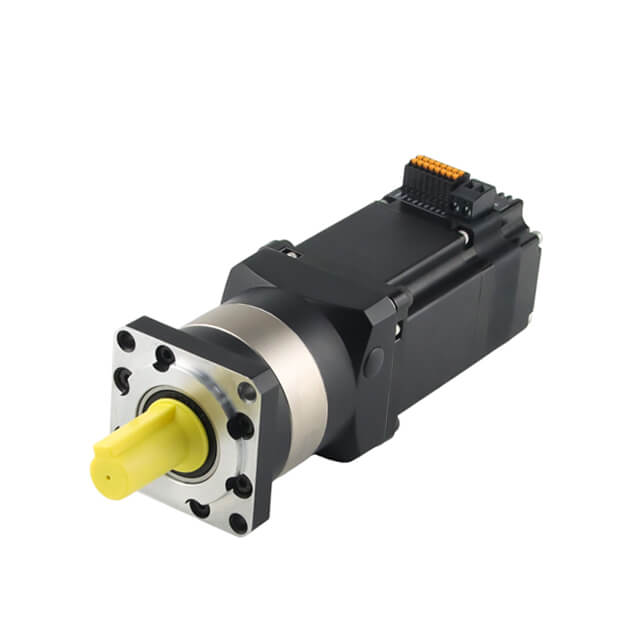
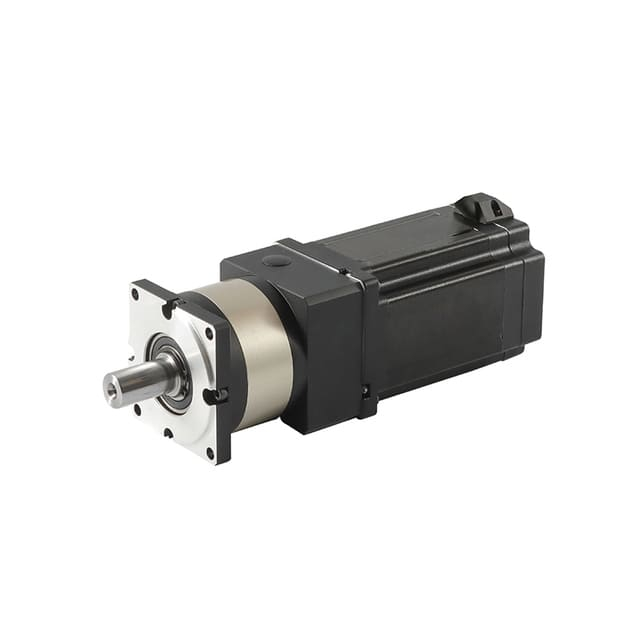
8. Geared Stepper Motor
Structure and Function
A Geared Stepper Motor includes a built-in gearbox to increase torque and reduce speed.
Advantages
Higher output torque
Improved resolution
Better low-speed control
Limitations
Applications
Heavy-load positioning
Rotary tables
Automated valves
Comparison of Stepper Motor Types
| Type | Torque | Precision | Speed Capability | Cost | Typical Use |
| Permanent Magnet | Medium | Low | Moderate | Low | Basic automation |
| Variable Reluctance | Low | Medium | High | Low | Light-duty systems |
| Hybrid | High | High | Moderate-High | Medium | Industrial automation |
| Closed-Loop | Very High | Very High | High | Higher | High-performance systems |
| Linear | Moderate | High | Moderate | Medium | Direct linear motion |
| Geared | High | High | Low | Medium | Heavy-load control |
Conclusion
Understanding the different stepper motor types enables precise motor selection based on torque requirements, speed range, positioning accuracy, and system complexity.
For high-precision industrial systems, hybrid stepper motors are the dominant choice.
For demanding applications requiring feedback and higher efficiency, closed-loop stepper systems provide superior reliability.
For specialized motion tasks, linear or geared stepper motors offer targeted performance advantages.
Selecting the correct stepper motor type ensures optimal motion performance, energy efficiency, and long-term operational stability across a wide range of automation applications.
Choose the Right Stepper Motor Type
The industry standard for laser cutting systems is the hybrid stepper motor due to:
A 1.8° stepper motor (200 steps per revolution) is widely used for standard applications. For higher resolution engraving, a 0.9° stepper motor (400 steps per revolution) provides enhanced positional precision and smoother motion.
Selecting the Correct Frame Size (NEMA Standard)
Frame size determines mechanical compatibility and torque capability.
Common Stepper Motor Sizes for Laser Cutting Machines
NEMA 17 – Small desktop laser engravers
NEMA 23 – Mid-size CO₂ laser cutting machines
NEMA 34 – Large industrial laser cutters
For most professional CO₂ laser cutting systems, NEMA 23 stepper motors offer the best balance between torque, size, and cost efficiency.
When selecting frame size, we match:
Oversizing increases cost and inertia. Undersizing reduces acceleration and precision.
Voltage and Current Matching for Maximum Performance
Stepper motor performance depends heavily on proper driver and power supply matching.
Higher Voltage = Better High-Speed Performance
Laser cutting requires high acceleration and sustained speed, so we prefer:
Higher voltage improves:
We always ensure the motor’s rated current matches the driver output current for optimal efficiency and thermal stability.
Microstepping and Motion Smoothness
Laser cutting quality is directly influenced by motion smoothness. We select motors compatible with:
High microstepping drivers (1/16, 1/32, 1/64)
Digital current control
Anti-resonance technology
Microstepping reduces:
For high-end laser cutting systems, combining a quality hybrid stepper motor with a digital DSP driver significantly enhances cutting accuracy.
Closed-Loop Stepper vs Open-Loop Stepper for Laser Cutting
Open-Loop Stepper Motor
Advantages:
Best for:
Closed-Loop Stepper Motor (Stepper Servo System)
Advantages:
Best for:
High-speed fiber laser cutting
Industrial automation lines
Continuous production cycles
For professional applications, we strongly recommend closed-loop stepper systems to eliminate positioning errors and enhance long-term reliability.
Thermal Performance and Continuous Duty Cycle
Laser cutting machines often operate for extended hours. Therefore, thermal management is critical.
We evaluate:
Coil insulation class (Class B or Class F preferred)
Temperature rise under load
Ventilation and cooling conditions
Ambient operating temperature
Excess heat reduces motor lifespan and affects positional accuracy. Selecting motors with optimized winding design and efficient heat dissipation structure ensures stable continuous operation.
Transmission Compatibility: Belt, Rack, or Lead Screw
The stepper motor must be matched to the mechanical transmission system.
Timing Belt Drive
Rack and Pinion
Large format machines
Heavy-duty cutting
Requires higher torque
Lead Screw or Ball Screw
Matching torque curve with transmission ratio is essential for optimized acceleration and positioning accuracy.
Precision Requirements and Step Angle Selection
Laser cutting quality depends on precise motion control.
We recommend:
1.8° motors for general cutting
0.9° motors for fine engraving
High microstepping drivers for smoother curves
The smaller the step angle, the smoother the motion at lower speeds. However, torque and cost must also be considered.
Vibration Control and Resonance Reduction
Stepper motors naturally produce resonance at specific speed ranges. To minimize vibration in laser cutting machines, we use:
Smooth motion directly impacts cut edge quality and engraving clarity.
For modern laser cutting machine manufacturers, standard off-the-shelf stepper motors are often insufficient to meet demanding performance, integration, and branding requirements. To achieve optimal motion control, structural compatibility, and product differentiation, we rely on advanced customization capabilities. A professional motor manufacturer with strong OEM and ODM expertise can significantly improve machine efficiency, reliability, and assembly speed.
Below are the most critical customization options for laser cutting machine manufacturers.
1. Custom Shaft Design and Machining
The motor shaft must match the transmission system precisely. We can customize:
Precision shaft machining ensures accurate coupling with:
Timing pulleys
Rack and pinion systems
Lead screws
Gear reducers
Custom shaft tolerances reduce vibration and eliminate misalignment issues, which directly enhances laser cutting precision.
2. Integrated Encoder for Closed-Loop Control
For high-speed laser cutting applications, adding an integrated encoder transforms a standard stepper motor into a closed-loop stepper servo system.
Customization options include:
Benefits of encoder integration:
Eliminates step loss
Improves positioning accuracy
Reduces motor heat
Enables real-time error correction
Supports high acceleration profiles
Closed-loop customization is especially valuable for fiber laser cutting machines and industrial automation lines.
3. Customized Winding for Voltage and Speed Optimization
Different laser cutting machines operate under different voltage platforms such as 24V, 36V, 48V, or higher industrial voltages.
We can customize:
Coil resistance
Inductance levels
Rated current
Torque constant
Optimized winding design provides:
This ensures that the motor matches the driver system and power supply perfectly.
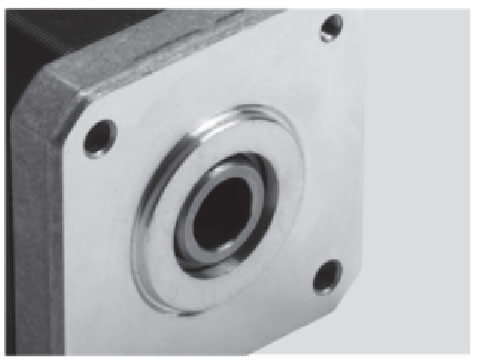
4. Special Mounting Flange and Mechanical Dimensions
Space constraints and structural layouts vary significantly between desktop engravers and large-format laser cutting machines.
Customization may include:
Modified flange dimensions
Non-standard bolt patterns
Custom pilot diameters
Compact housing structures
Extended body length for higher torque
Mechanical compatibility simplifies assembly and reduces structural redesign costs.
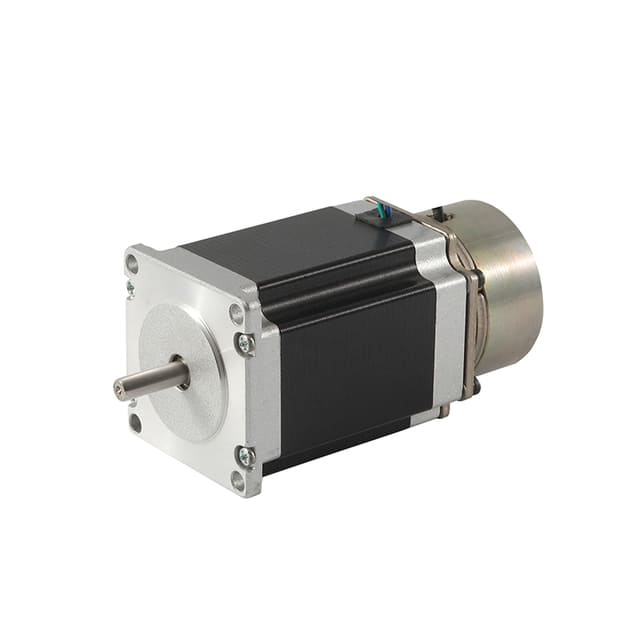
5. Integrated Brake System
For vertical or Z-axis motion in laser cutting machines, gravity can cause positioning drift when power is off.
We can integrate:
Electromagnetic holding brakes
Spring-applied safety brakes
Power-off braking systems
Brake customization ensures:
This is particularly critical for heavy gantry or lifting systems.
6. Waterproof and Dustproof Protection (IP Rating Customization)
Laser cutting environments often contain:
Metal dust
Smoke particles
Cooling water mist
High humidity
We offer customized protection levels such as:
Enhanced sealing extends motor lifespan and reduces maintenance frequency.
7. Custom Cable and Connector Solutions
Efficient wiring improves installation speed and reduces assembly errors.
Customization options include:
Pre-installed aviation connectors
Waterproof connectors
Customized cable length
Shielded cables for EMI resistance
Flexible drag-chain cables
Color-coded wiring
Well-designed connector solutions minimize signal interference and enhance motion control stability.
8. Integrated Driver and Motor Solutions
For compact laser cutting machine designs, we can integrate:
Integrated motor-driver solutions provide:
This is ideal for smart laser cutting systems and automated production lines.
9. Customized Torque and Rotor Inertia Matching
Different laser cutting machines require optimized inertia matching for smooth acceleration.
We can adjust:
Rotor inertia
Stack length
Magnet strength
Air gap configuration
Proper customization reduces:
Mechanical resonance
Vibration
Noise
Step instability
This significantly improves cutting edge smoothness and engraving detail clarity.
10. Thermal Optimization and Heat Dissipation Enhancement
Continuous laser cutting operations demand excellent thermal management.
Customization options include:
High-temperature insulation materials (Class F or higher)
Optimized stator lamination design
Aluminum housing for better heat transfer
Enhanced ventilation structure
Lower operating temperature extends motor service life and improves stability.
11. Branding and Private Label Customization
For OEM laser cutting machine manufacturers building global brands, we offer:
Private labeling strengthens brand identity and enhances market positioning.
12. Special Application Engineering Support
Professional manufacturers provide complete engineering collaboration including:
Engineering-level support ensures that the customized stepper motor integrates seamlessly into the laser cutting system.
In the highly competitive laser cutting industry, performance precision, operational stability, and system integration efficiency determine market success. Standard off-the-shelf motors may function adequately, but they rarely deliver the optimized performance required for modern high-speed laser cutting systems. By adopting OEM and ODM customized stepper motors, manufacturers gain measurable technical and commercial advantages.
Below we present the core benefits of customized stepper motor solutions specifically engineered for laser cutting machines.
1. Optimized Torque Matching for Precise Motion Control
Every laser cutting machine has unique:
OEM and ODM customization allows precise adjustment of:
Coil winding parameters
Rotor inertia
Stack length
Magnetic flux density
This ensures the motor delivers optimal dynamic torque at working speed, not just high holding torque. The result is:
Perfect torque matching improves cutting accuracy and enhances production efficiency.
2. Superior Cutting Accuracy Through Closed-Loop Integration
Customized stepper motors can integrate:
Closed-loop configurations eliminate:
Missed steps
Position drift
Accumulated error
This is especially critical for:
Improved positional reliability translates directly into cleaner edges, uniform kerf width, and consistent engraving depth.
3. Enhanced High-Speed Performance
Laser cutting requires rapid movement without sacrificing stability. Customized motors allow:
This improves:
Standard motors often lose torque rapidly at higher speeds. A customized solution ensures stable operation across the entire speed range.
4. Improved Thermal Management for Continuous Operation
Laser cutting machines frequently operate for extended production shifts. Excess heat leads to:
Reduced motor lifespan
Torque instability
Driver stress
OEM customization enables:
High-temperature insulation materials
Optimized coil resistance
Aluminum housing for better heat dissipation
Improved stator lamination design
Efficient thermal control guarantees long-term reliability and stable performance under heavy workloads.
5. Mechanical Compatibility and Structural Integration
Customized stepper motors ensure seamless mechanical integration by offering:
This reduces:
Installation complexity
Alignment errors
Assembly time
Better integration enhances motion stability and minimizes vibration.
6. Reduced Vibration and Resonance
Laser cutting quality is highly sensitive to vibration. Customized motors allow:
Reduced resonance improves:
Surface finish quality
Engraving clarity
Noise reduction
Smooth motion directly enhances overall machine performance.
7. Integrated Driver and Communication Options
ODM solutions may include:
Integrated motor-driver systems offer:
Reduced wiring
Compact system layout
Improved reliability
Faster installation
This is especially beneficial for smart factory automation environments.
8. Environmental Protection and Durability
Laser cutting environments often involve:
Metal dust
Smoke particles
Moisture exposure
Customized stepper motors can be designed with:
Improved protection extends motor lifespan and lowers maintenance frequency.
9. Energy Efficiency and Reduced Operating Costs
Closed-loop customized stepper systems reduce current during idle periods. Additional winding optimization improves electrical efficiency.
Benefits include:
Lower power consumption
Reduced heat generation
Extended driver life
Decreased energy costs
Over long production cycles, energy savings become significant.
10. Brand Differentiation and Market Competitiveness
OEM and ODM customization supports:
This strengthens brand recognition and creates product differentiation in global markets.
More importantly, performance customization allows manufacturers to promote:
Higher cutting speeds
Greater precision
Improved reliability
These advantages directly enhance market positioning.
11. Faster Time-to-Market Through Engineering Collaboration
Professional motor manufacturers provide:
Motion analysis
Torque simulation
Prototype testing
Certification support
Rapid sampling
Close engineering collaboration shortens development cycles and reduces technical risks.
12. Long-Term Reliability and Lower Maintenance Costs
Customized motors are designed specifically for application requirements, reducing:
Mechanical stress
Overheating
Component wear
This improves:
Higher reliability lowers maintenance costs and increases customer satisfaction.
Strategic Value of OEM and ODM Customization
Choosing OEM and ODM customized stepper motors is not merely a technical decision—it is a strategic investment. Custom solutions provide:
For laser cutting machine manufacturers aiming to deliver high-performance systems with strong competitive differentiation, customized stepper motors represent a decisive advantage.
Through advanced customization capabilities, we transform standard motion components into fully optimized, application-specific drive solutions engineered for precision laser cutting excellence.
Final Perspective
Customization is no longer optional—it is a strategic necessity for laser cutting machine manufacturers seeking performance excellence and market leadership. From shaft machining and encoder integration to thermal optimization and communication protocol support, tailored stepper motor solutions enable precise motion control, smooth cutting performance, and durable industrial operation.
Through structured customization, we transform a standard stepper motor into a fully optimized motion solution engineered specifically for high-precision laser cutting applications.
Power Efficiency and System Optimization
Energy efficiency reduces operational costs and heat generation.
Closed-loop stepper systems automatically reduce current when idle, improving:
Energy savings
Temperature control
Component longevity
Efficient motor selection enhances overall laser cutting machine reliability.
Stepper Motor vs Servo Motor for Laser Cutting
While servo motors offer high speed and dynamic control, stepper motors remain dominant in laser cutting machines because they provide:
Excellent cost-performance ratio
Simple control architecture
High holding torque
Precise low-speed performance
Easier maintenance
For most laser cutting systems under medium acceleration loads, high-performance hybrid stepper motors are the optimal solution.
We summarize the selection process:
Calculate load torque and inertia
Determine required acceleration and speed
Select appropriate NEMA frame size
Match rated current with driver
Choose correct voltage range
Decide between open-loop or closed-loop
Evaluate thermal performance
Match transmission type
Confirm microstepping compatibility
Consider customization needs
By following this structured selection strategy, we ensure maximum motion precision, operational efficiency, and long-term system durability.
Conclusion: Selecting the Best Stepper Motor for Laser Cutting Performance
Choosing the correct stepper motor for a laser cutting machine requires precise evaluation of torque, speed, voltage, driver compatibility, mechanical integration, and customization potential. A properly matched motor delivers:
Superior cutting accuracy
Faster production cycles
Reduced vibration
Improved engraving smoothness
Extended equipment lifespan
By integrating high-quality hybrid or closed-loop stepper motors with optimized driver systems, we achieve reliable, efficient, and high-performance laser cutting solutions suitable for both industrial and commercial applications.
Frequently Asked Questions about Stepper Motors
What factors should I consider when selecting a stepper motor for laser cutting machine OEM/ODM customized solutions?
You should evaluate torque requirements, speed range, driver compatibility, installation space, and customization needs so the motor integrates seamlessly with your laser cutter design.
Can JKongmotor provide OEM/ODM customized stepper motor torque settings to match specific laser cutting loads?
Yes — they can tailor winding parameters, torque curves, and motor characteristics to meet defined load and speed profiles.
What OEM/ODM customized stepper motor types are suitable for high-precision laser cutting machines?
Hybrid, closed-loop, integrated stepper servo, geared, and waterproof stepper motors can be customized for precision motion control.
How does a stepper motor with OEM/ODM customized encoder improve laser cutting performance?
Adding feedback encoders via customization improves positional accuracy, prevents step loss, and enhances motion stability at high speeds.
Are special shaft and mechanical interface customizations available for stepper motors used in laser cutting machines?
Yes — features like custom shaft size, shape, keyways, hollow shafts, and mounting flanges can be tailored for integration.
Can I get a stepper motor OEM/ODM customized with integrated driver for my laser cutting system?
Yes — integrated driver and motor combinations with interfaces like RS485, CANopen, or EtherCAT can be customized for control systems.
What environmental protection customization options are offered for stepper motors in industrial laser cutters?
Motors can be customized with IP-rated waterproof and dustproof protection to suit harsh industrial laser environments.
Is it possible to request OEM/ODM customized stepper motor gearboxes and brakes for laser cutting machines?
Yes — gearboxes, brakes, and related mechanical components can be customized to enhance torque control and positioning.
How does OEM/ODM customized stepper motor lead screw and coupling support improve laser cutting system performance?
Custom lead screw lengths and couplings ensure optimized transmission efficiency and precise motion response.
What level of OEM/ODM customized technical support can I expect when ordering stepper motors for laser cutting machine applications?
Manufacturers like JKongmotor provide full support from requirement analysis and feasibility study through prototyping and mass production.