In today’s rapidly evolving industrial and commercial landscape, compact stepper motors have become a core technology enabling innovation where space is limited but performance expectations remain uncompromising. We design and manufacture advanced compact stepper motor solutions specifically for space-limited applications that demand high torque density, precise positioning, low vibration, and long-term reliability.
From medical devices and laboratory automation to robotics, semiconductor equipment, 3D printers, smart kiosks, and portable instruments, compact stepper motors deliver the motion control accuracy and system integration flexibility modern engineering requires.
Why Compact Stepper Motors Are Essential for Space-Limited Designs
As modern equipment continues to shrink in size while expanding in functionality, motion systems are under unprecedented pressure to deliver higher performance within smaller mechanical envelopes. Space-limited designs no longer tolerate compromise between size, accuracy, torque, and reliability. Compact stepper motors have therefore become a foundational technology, enabling engineers to achieve precise, powerful, and stable motion control where conventional motors simply cannot fit.
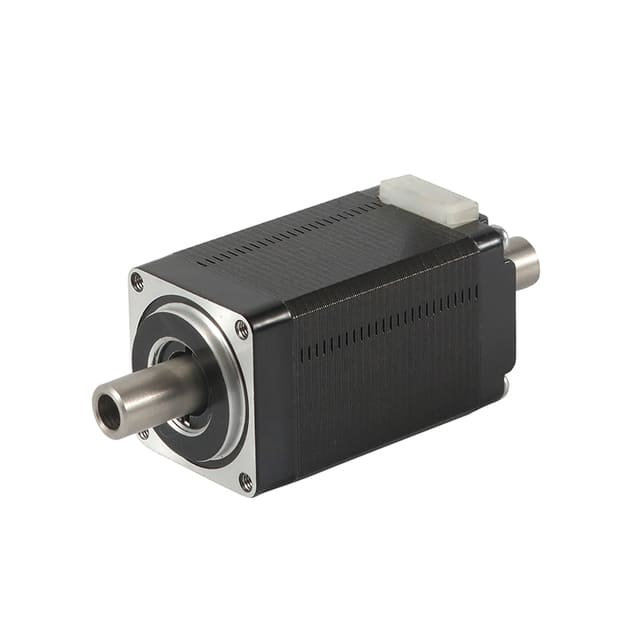
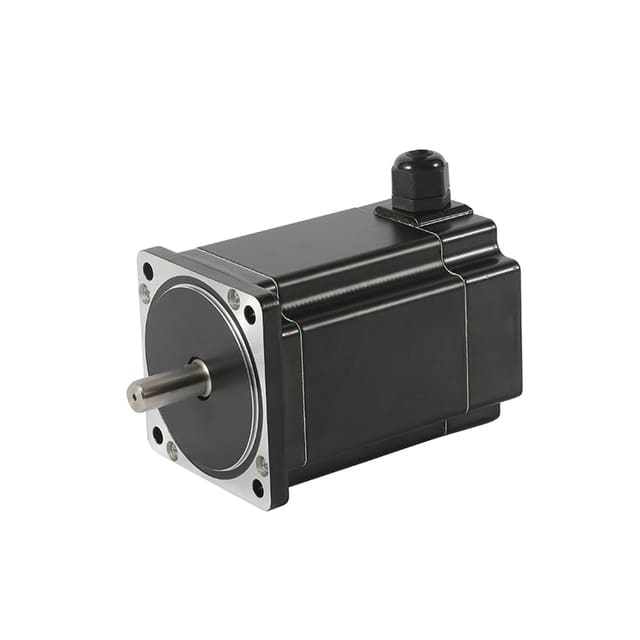
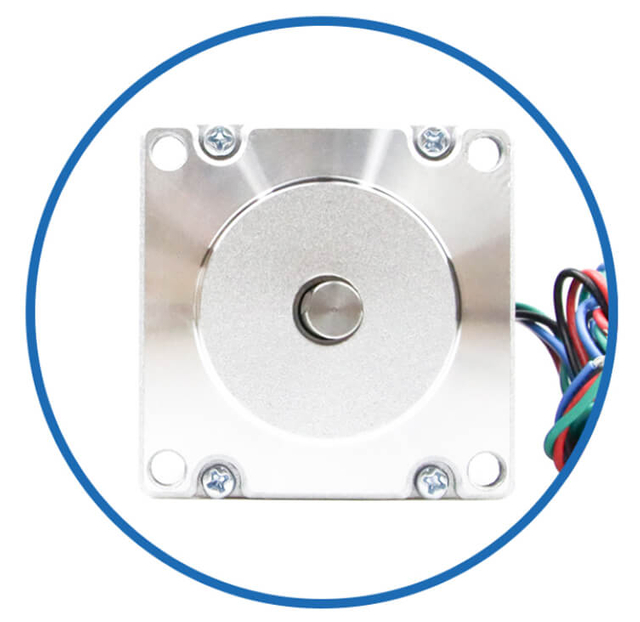
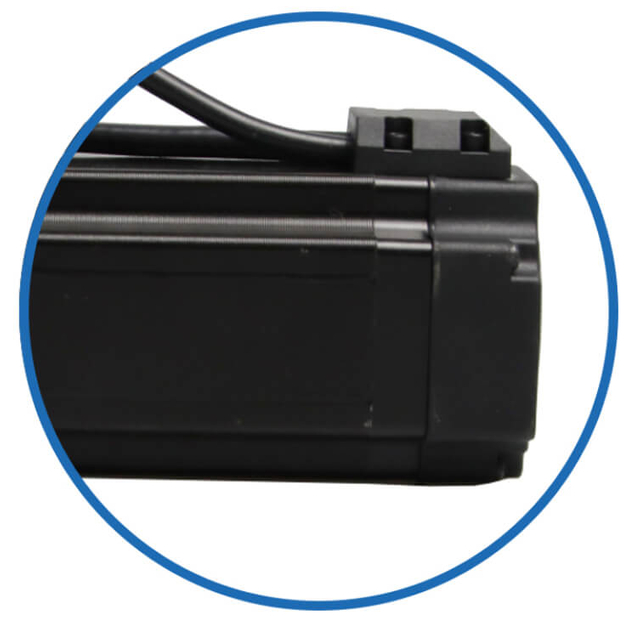
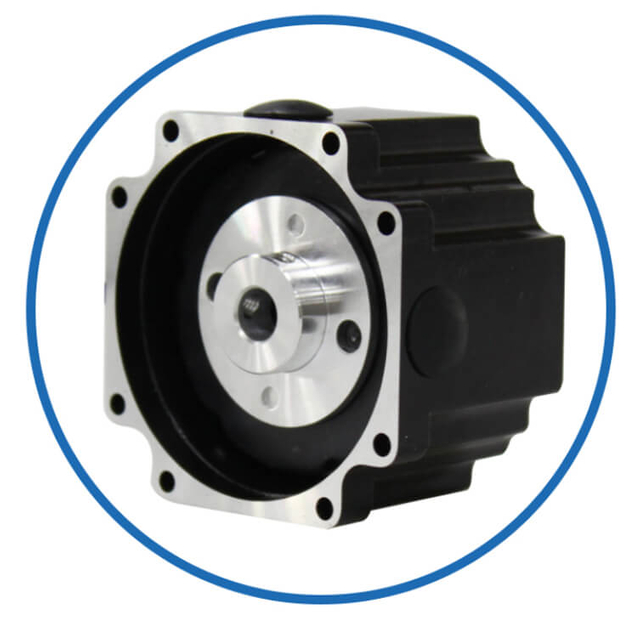
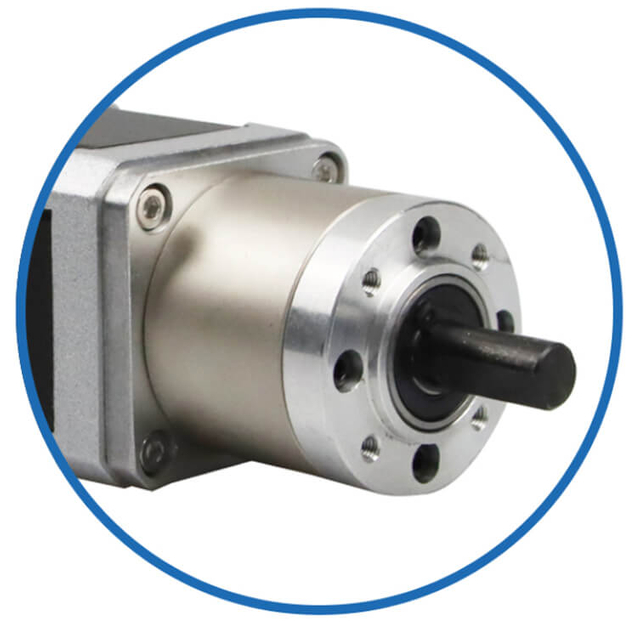
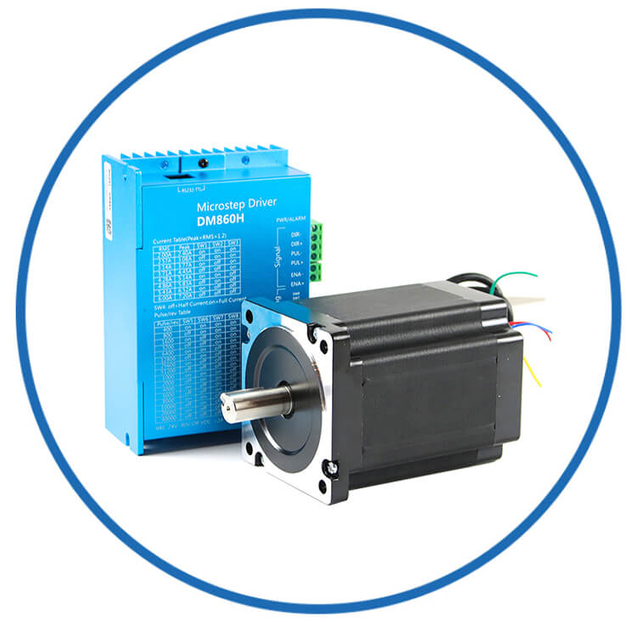
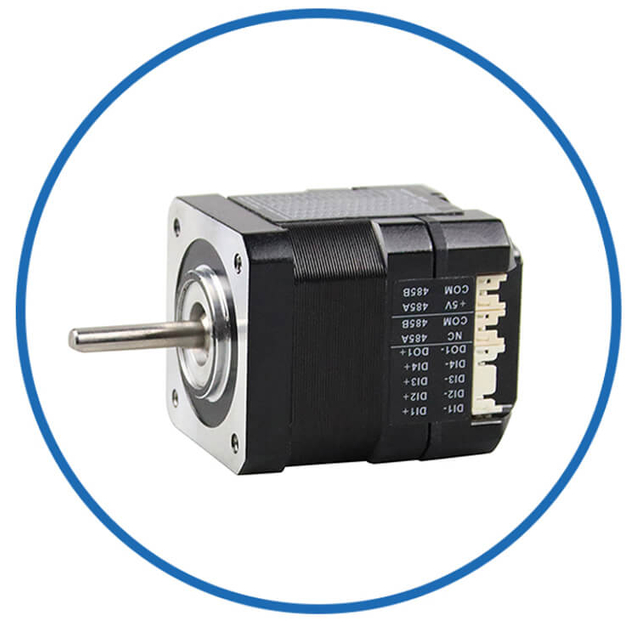
Jkongmotor Customized Stepper Motor Types
Customized Stepper Motor Service for the Vertical Axis Industry
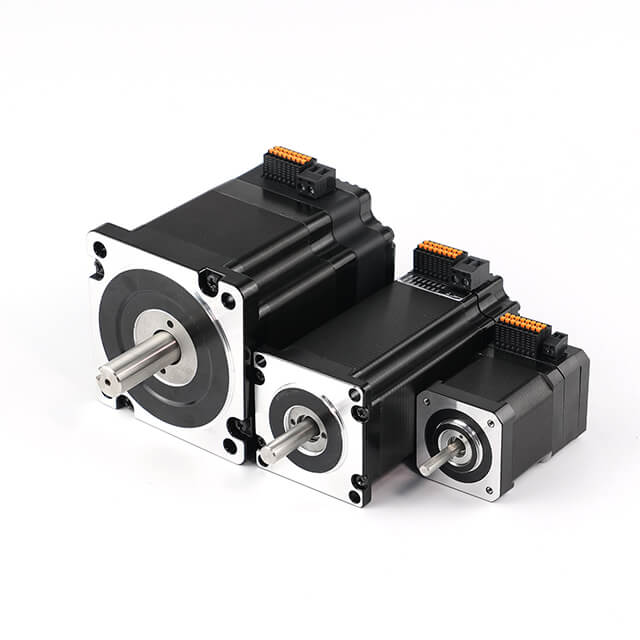
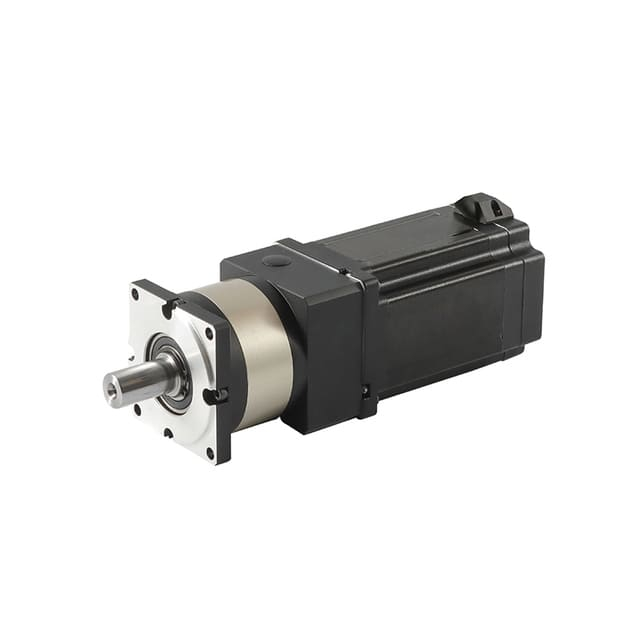
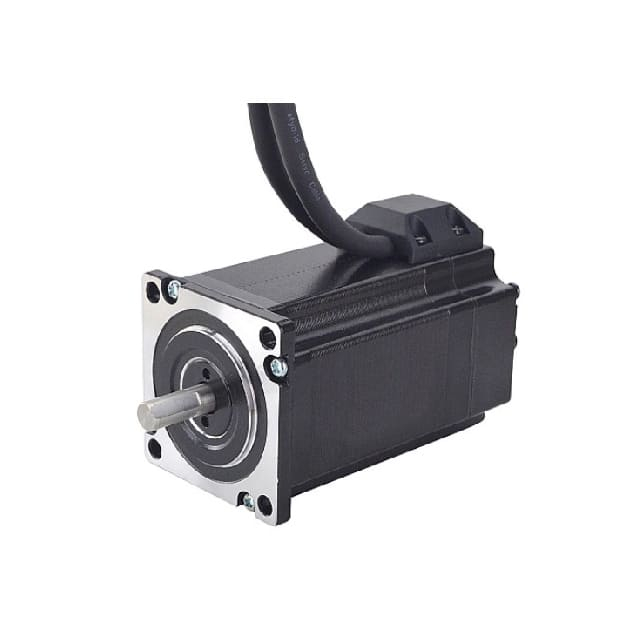
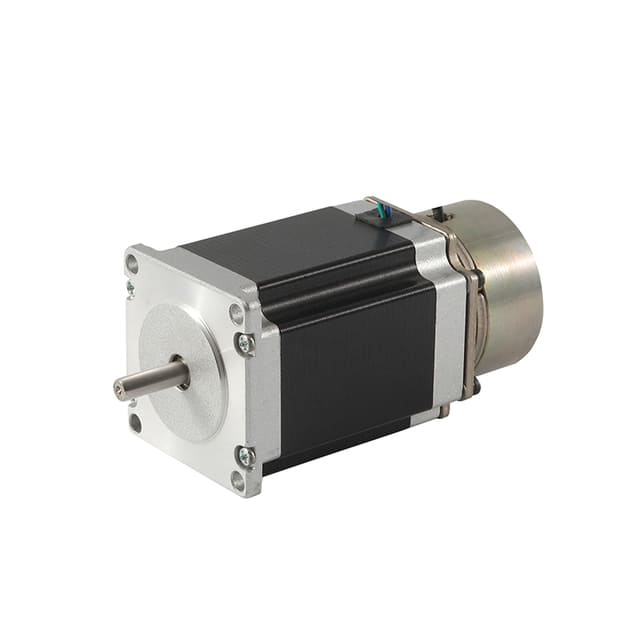
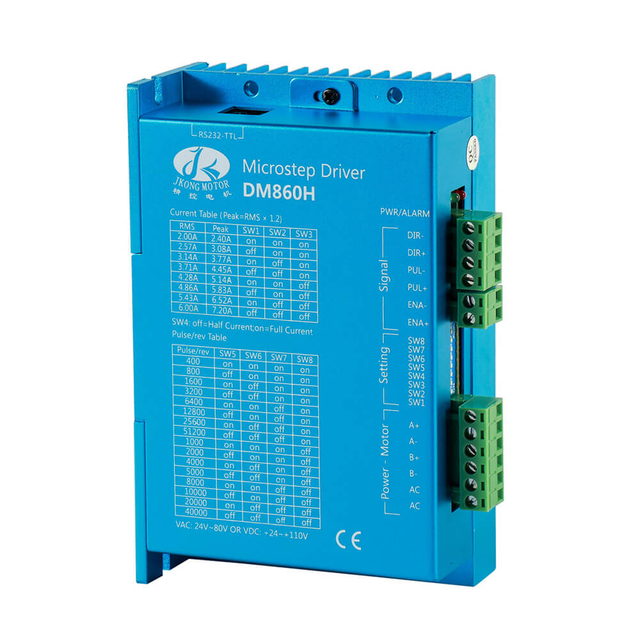
As a professional brushless dc motor manufacturer with 13 years in china, Jkongmotor offer various bldc motors with customized requirements, including 33 42 57 60 80 86 110 130mm, additionally, gearboxes, brakes, encoders, brushless motor drivers and integrated drivers are optional.
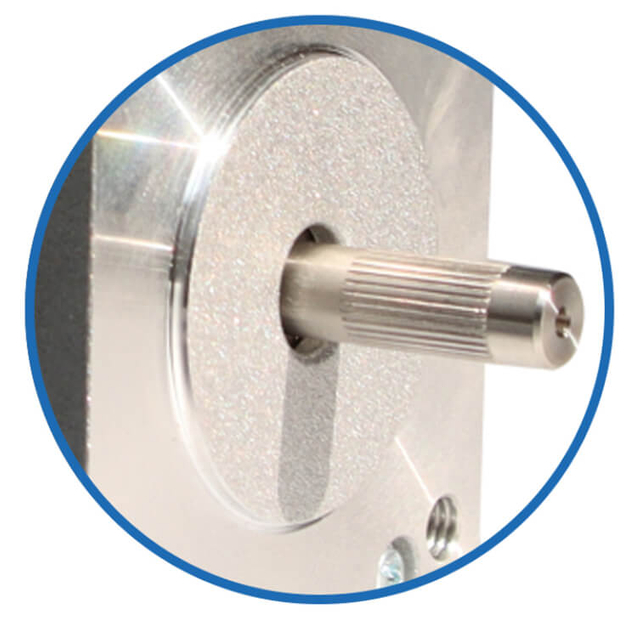
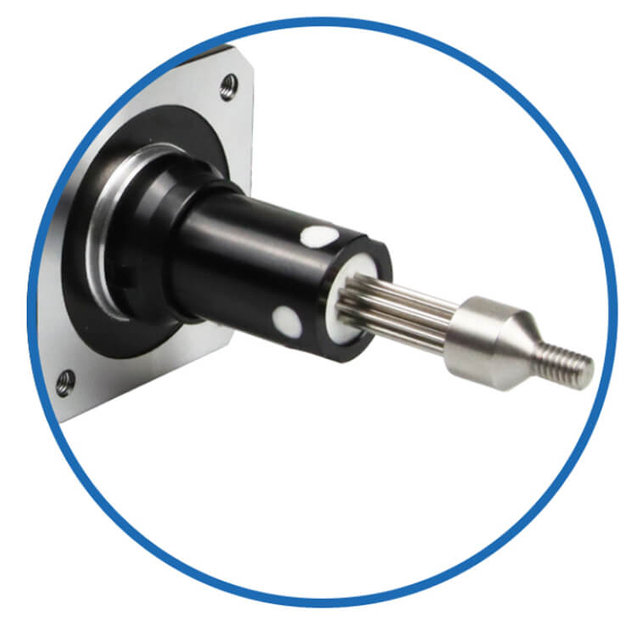
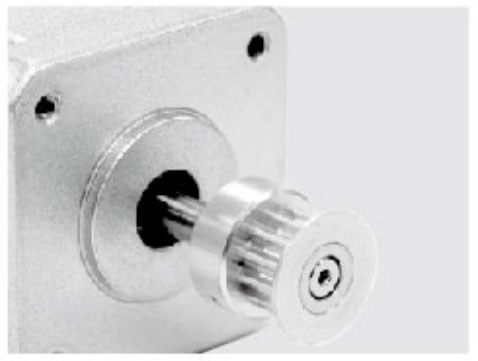
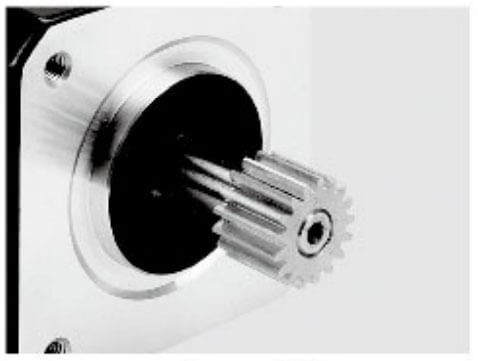
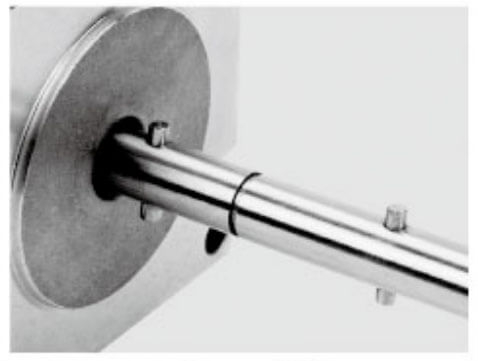
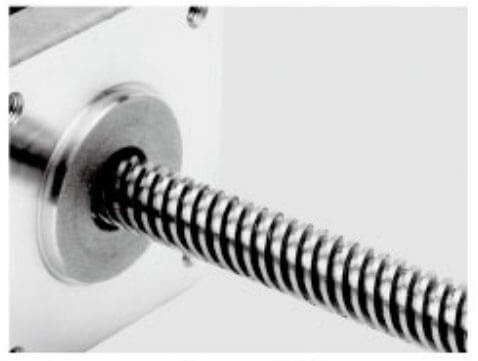
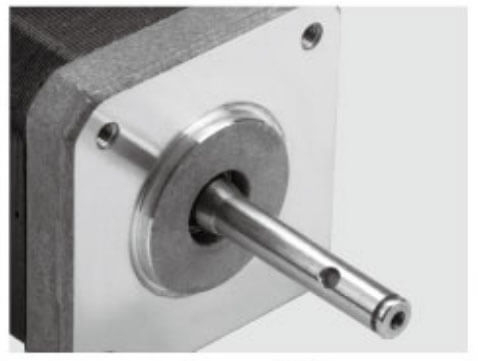
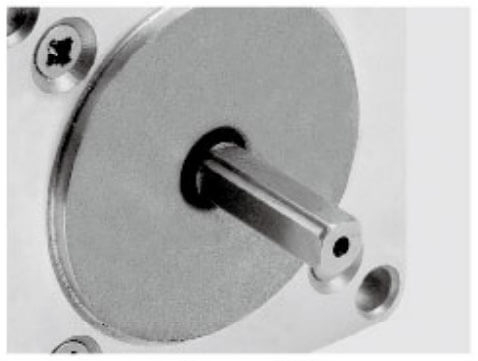
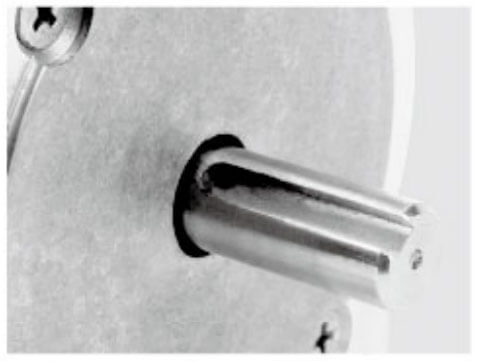
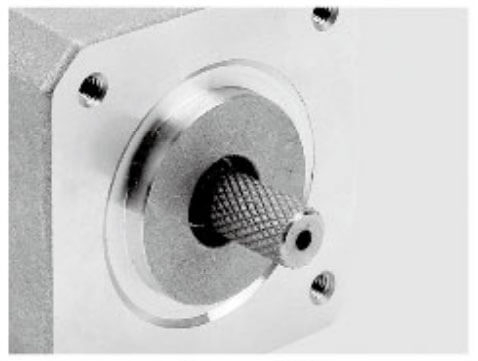
Customized Stepper Motor Shaft Options for Vertical Axis Industry Integration
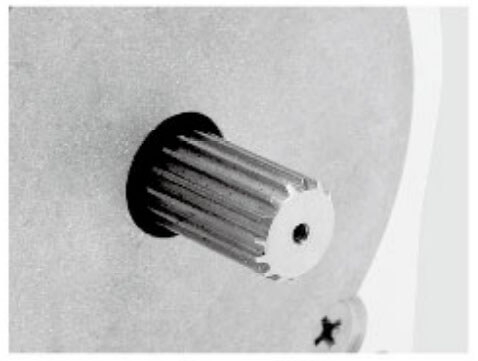
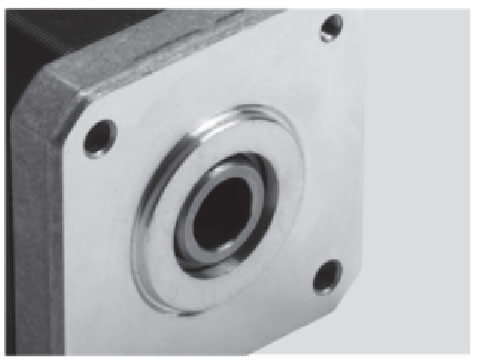
Jkongmotor offer many different shaft options for your motor as well as customizable shaft lengths to make the motor fit your application seamlessly.
Maximizing Performance Density in Minimal Space
The defining advantage of compact stepper motors is their ability to provide high torque output relative to physical size. Through optimized magnetic circuits, high-fill-factor windings, and precision rotor-stator alignment, compact stepper motors achieve exceptional torque density.
This allows designers to:
Reduce overall machine dimensions
Increase axis density in multi-axis systems
Integrate motion functions directly into confined mechanical structures
High performance density transforms limited space from a constraint into a design opportunity.
Precision Motion Without Bulky Feedback Systems
Compact stepper motors inherently deliver accurate incremental positioning through discrete step movement. This enables reliable control of position, speed, and direction without the need for large external feedback components.
In space-limited designs, this means:
The result is high positioning accuracy with simplified system architecture, supporting miniaturized and portable equipment platforms.
Strong Holding Torque for Confined and Vertical Assemblies
Compact machines frequently include vertical axes, clamping mechanisms, or static load-holding functions. Compact stepper motors provide high holding torque at standstill, enabling secure load retention without oversized motors or complex braking systems.
This characteristic is critical in applications such as:
Medical pumps and dosing devices
Compact robotic joints
Optical adjustment modules
Laboratory automation equipment
Strong holding capability ensures positional stability and operational safety even within minimal installation volumes.
Thermal Efficiency in Enclosed Environments
Space-limited designs often restrict airflow and heat dissipation. Compact stepper motors are engineered with low-loss magnetic structures and efficient winding systems, allowing them to deliver reliable performance with controlled temperature rise.
Optimized thermal behavior supports:
This makes compact stepper motors especially valuable for sealed devices, portable equipment, and densely integrated machines.
Structural Simplicity Supporting Miniaturization
The mechanical simplicity of compact stepper motors contributes directly to system miniaturization. With fewer moving parts than many alternative technologies, they offer:
This simplicity enhances both space efficiency and long-term reliability, critical factors in tightly packaged systems.
Flexible Integration and Customization
Compact stepper motors support extensive customization, allowing them to be engineered specifically for space-limited designs. Options include:
Shortened motor stacks
Hollow or micro shafts
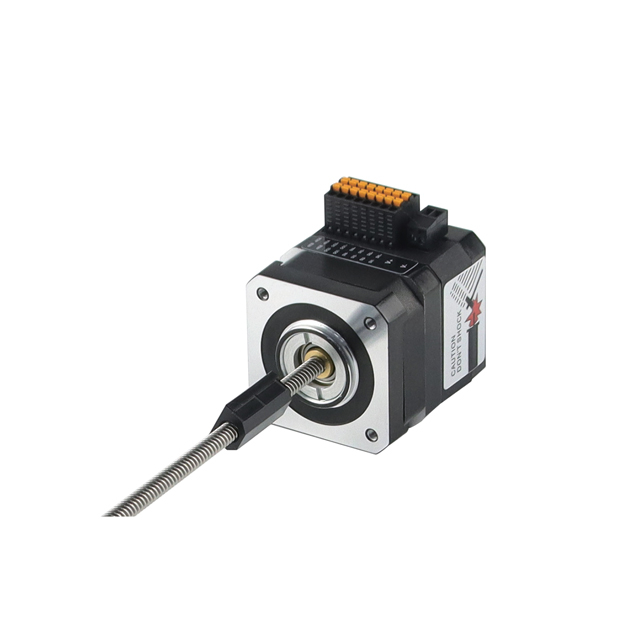
Integrated lead screws and gearboxes
Built-in drivers and encoders
Custom mounting geometries
Through customization and integration, compact stepper motors evolve into space-optimized motion modules, reducing external components and simplifying mechanical and electrical layouts.
Cost-Effective Precision for Compact Equipment
Despite their advanced performance density, compact stepper motors remain cost-efficient motion solutions. Their open-loop capability, simplified electronics, and modular manufacturing structures enable:
Lower system cost
Reduced development time
Simplified maintenance
Scalable production
This makes them particularly attractive for commercial devices, desktop manufacturing equipment, and portable automation platforms.
Enabling the Next Generation of Compact Machines
Compact stepper motors empower engineers to design machines that are:
Smaller without sacrificing power
More precise without complex control systems
Lighter without reducing durability
Smarter through integration and modularity
They serve as a bridge between miniaturization and industrial-grade performance, supporting the development of next-generation products across medical technology, robotics, electronics manufacturing, and intelligent equipment.
The Strategic Role of Compact Stepper Motors
Compact stepper motors are no longer niche components. They are essential building blocks for space-limited designs, delivering a unique combination of precision, torque density, thermal stability, and integration flexibility.
By enabling high-performance motion control within constrained spaces, compact stepper motors transform the limits of physical design into opportunities for innovation, efficiency, and competitive differentiation.
Optimized Magnetic Circuits for High Torque Density
At the heart of every compact stepper motor lies a precision-engineered magnetic circuit. Through advanced finite element analysis and magnetic topology optimization, we maximize flux utilization, enabling stronger electromagnetic force in reduced stator and rotor volumes.
This approach ensures:
Higher torque per cubic centimeter
Improved dynamic response
Reduced energy loss and lower heat generation
The result is a compact motor capable of delivering stable torque output even in tightly confined installations.
Miniaturized Structures with Mechanical Stability
Compact size does not mean compromised durability. Our motors use:
These structural elements maintain mechanical alignment and long service life, even in continuous-duty or high-frequency start-stop environments.
Precision Winding Technology for Smooth Motion
We apply high-fill-factor winding processes and advanced insulation systems to enhance:
Electrical efficiency
Thermal performance
Microstepping smoothness
This ensures compact stepper motors operate with minimal vibration, low acoustic noise, and consistent torque delivery, supporting sensitive systems such as optical instruments and diagnostic devices.
Performance Advantages in Confined Spaces
Accurate Positioning Without Feedback Complexity
Compact stepper motors inherently provide precise step-based positioning, allowing systems to achieve:
For space-limited designs, this means fewer sensors, reduced wiring, and smaller control cabinets, supporting further miniaturization.
High Holding Torque for Vertical and Load-Sensitive Applications
Despite their small frames, compact stepper motors deliver strong holding torque, enabling:
Vertical axis load stability
Clamping and indexing precision
Energy-efficient position holding without brakes
This is particularly valuable in laboratory automation, compact robotics, and portable equipment.
Thermal Efficiency in Enclosed Installations
Limited installation space often restricts airflow. Our compact stepper motors are designed with:
Low-loss magnetic materials
Optimized copper distribution
Thermally conductive structures
These features allow motors to maintain stable operating temperatures in sealed housings, improving system reliability and lifespan.
Medical and Laboratory Equipment
In medical systems, space constraints are extreme while precision and reliability are critical. Compact stepper motors are widely used in:
They provide smooth micro-motion, low noise, and long-term operational stability necessary for clinical environments.
Robotics and Collaborative Devices
Modern robots increasingly rely on compact actuators to achieve slimmer arms, lighter payloads, and higher joint density. Compact stepper motors support:
Their fast response and controllable torque enable precise, repeatable movement in confined robotic assemblies.
Semiconductor and Electronics Manufacturing
In semiconductor and PCB processing, equipment design emphasizes precision, cleanliness, and limited installation volumes. Compact stepper motors are essential for:
They deliver sub-millimeter accuracy with consistent performance in high-duty-cycle automation.
3D Printing and Desktop Manufacturing
Space-efficient motion systems are the foundation of modern 3D printers, laser engravers, and compact CNC machines. Compact stepper motors allow designers to:
This results in equipment that is portable, powerful, and production-ready.
Customization Capabilities for Space-Limited Systems
Space-limited applications rarely succeed with off-the-shelf components alone. Compact equipment designs demand highly customized stepper motor solutions that align precisely with mechanical layouts, performance targets, thermal limits, and electrical architectures. We specialize in delivering OEM and ODM compact stepper motors engineered specifically for installations where every millimeter, gram, and watt matters.
Mechanical Customization for Ultra-Compact Integration
Mechanical structure is the first constraint in space-limited systems. We provide extensive mechanical customization to ensure the motor becomes a seamless part of the machine, not an obstacle to design.
Our capabilities include:
Non-standard frame sizes and reduced body lengths to fit ultra-thin housings
Custom shaft designs, including hollow shafts, dual shafts, D-cut shafts, threaded shafts, and micro-precision shafts
Integrated lead screws, timing pulleys, and miniature gearboxes to eliminate external transmission components
Custom mounting patterns and flanges for direct-fit installation
Lightweight housings and optimized bearing systems for compact, high-speed assemblies
Through mechanical customization, compact stepper motors transform into space-optimized motion modules, reducing total system volume and assembly complexity.
Electromagnetic and Performance Customization
Performance must never be sacrificed due to size constraints. Our engineering team customizes the motor’s electromagnetic design to deliver maximum torque density, stable microstepping, and controlled thermal behavior within confined environments.
Customization options include:
Winding optimization for higher torque, higher speed, or lower current operation
Magnetic circuit redesign to increase torque output in shortened motor stacks
Low-resonance and low-vibration tuning for precision equipment
High-temperature insulation systems for enclosed or poorly ventilated installations
Energy-efficient configurations to reduce power consumption and heat buildup
This ensures each compact stepper motor achieves application-specific performance, not generic catalog ratings.
Electrical and Interface Customization
Space-limited systems require simplified wiring and high integration. We customize electrical interfaces to support clean layouts, reduced harnessing, and fast system assembly.
Available options include:
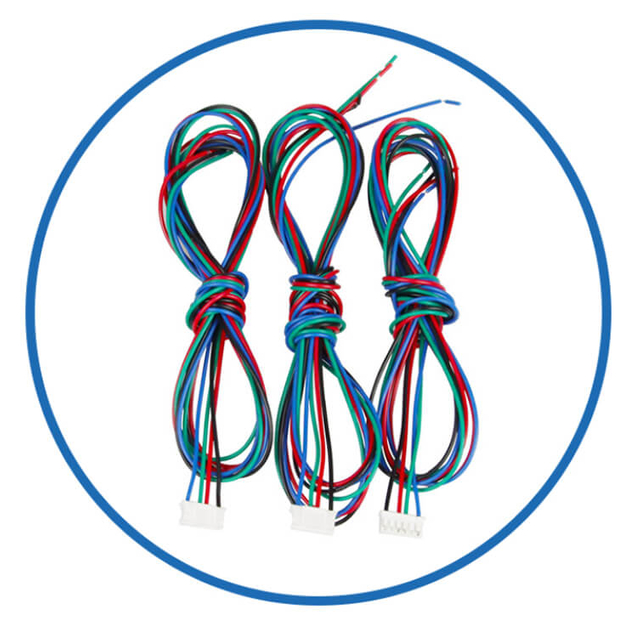
Custom cable lengths and ultra-flexible wire types
Micro-connectors, side-exit connectors, and PCB pin terminals
Integrated drivers with optimized current control
Closed-loop encoders for compact servo-like stepper systems
Built-in brakes for vertical or load-sensitive applications
These solutions significantly reduce external control cabinet size, improve EMC performance, and enhance overall system reliability.
To further minimize system volume, we offer highly integrated compact stepper motor solutions, combining multiple functions into a single housing:
Integrated designs shorten development cycles, lower installation costs, and create plug-and-play motion units ideally suited for portable devices, modular automation platforms, medical instruments, and embedded systems.
Application-Specific Customization Support
Every space-limited application presents unique challenges—thermal restrictions, shock and vibration exposure, ultra-quiet operation, or extreme precision demands. Our customization process includes:
Load and motion profile analysis
Thermal and lifetime simulations
Resonance and noise optimization
Prototype development and performance validation
Small-batch trial production and scalable manufacturing
This engineering-driven approach ensures that each compact stepper motor is not merely small, but precisely matched to the functional and environmental requirements of the final product.
Reliability Engineering for Long-Term Operation
Compact systems often operate continuously with limited maintenance access. Our customized compact stepper motors are designed with long-term reliability as a primary objective, supported by:
High-quality bearing and insulation systems
Controlled thermal rise designs
Extended-life lubrication solutions
Environmental resistance options
Strict quality and endurance testing protocols
These measures guarantee stable torque output, consistent positioning accuracy, and electrical integrity throughout the product lifecycle.
Transforming Size Constraints into Competitive Advantages
Customization enables space-limited designs to move beyond compromise. By tailoring mechanical structure, electromagnetic performance, and electrical integration, compact stepper motors become strategic components that unlock thinner products, lighter machines, and smarter automation architectures.
Through advanced customization capabilities, compact stepper motors are no longer selected—they are engineered, delivering optimized performance where standard solutions simply cannot fit.
As equipment continues to evolve toward miniaturization, modularization, and intelligent design, integrated compact stepper motor solutions have become a critical foundation for modern motion systems. By combining multiple functional components into a single, space-efficient unit, integrated stepper motors dramatically reduce installation volume, wiring complexity, and system development time, while delivering high positioning accuracy, stable torque, and long-term reliability.
We engineer integrated compact stepper motors specifically for space-limited applications where traditional separated motor-and-drive architectures are no longer practical.
What Defines an Integrated Compact Stepper Motor
An integrated compact stepper motor consolidates essential motion components into one optimized housing. Depending on application needs, integration can include:
Stepper motor + driver electronics
Stepper motor + encoder (closed-loop feedback)
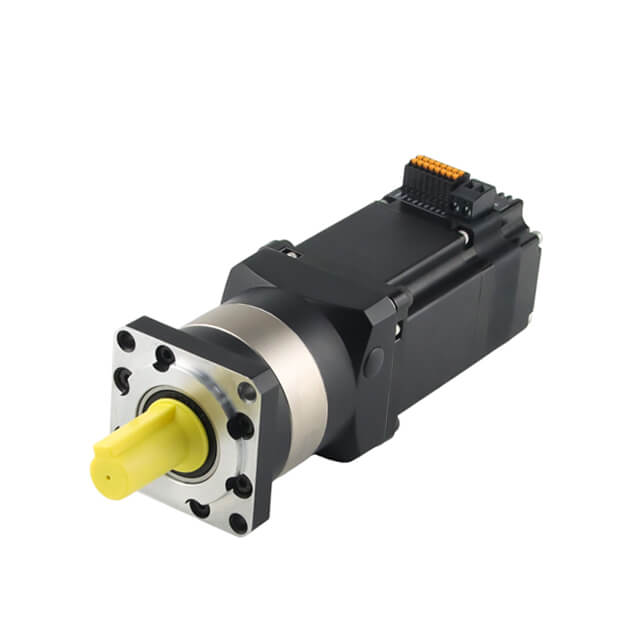
Stepper motor + gearbox
Stepper motor + brake
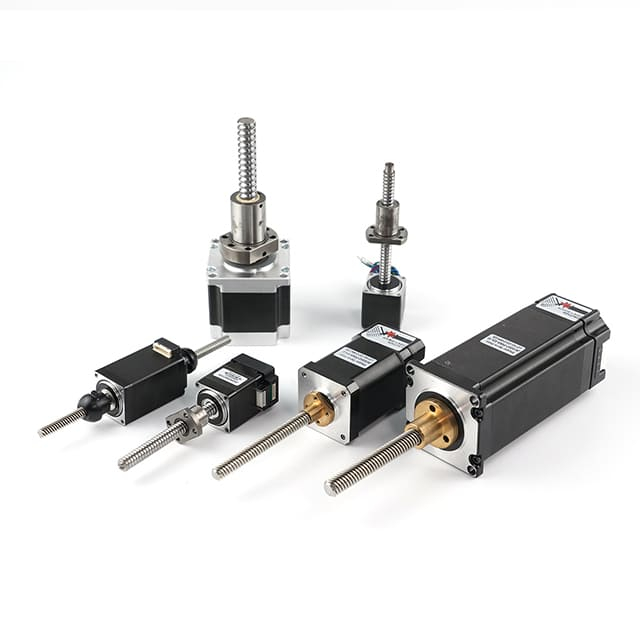
Stepper motor + lead screw or linear module
Stepper motor + driver + encoder (fully integrated closed-loop unit)
This architecture eliminates external control boxes and extensive cabling, transforming the motor into a self-contained motion node ready for direct system installation.
Space Optimization Through High-Density Integration
The primary advantage of integrated solutions is maximum functional density per unit volume. By embedding electronics and transmission elements directly into the motor structure, we achieve:
Shorter overall system length
Reduced cabinet and enclosure size
Cleaner mechanical layouts
Lower overall machine weight
This is especially critical for portable equipment, desktop automation, compact robotics, and medical devices, where every millimeter saved improves usability, performance, and product competitiveness.
Simplified System Architecture and Faster Deployment
Integrated compact stepper motors are designed for plug-and-play deployment. Pre-engineered electrical and mechanical interfaces significantly reduce integration effort by providing:
Pre-matched motor and driver tuning
Factory-configured current and microstepping control
Optimized feedback alignment in closed-loop units
Standardized power and communication ports
This reduces commissioning time, minimizes wiring errors, and shortens product development cycles, allowing manufacturers to move from concept to production more efficiently.
Enhanced Performance in Compact Environments
Despite their reduced footprint, integrated compact stepper motors deliver high dynamic performance through tightly coupled internal components.
Key performance benefits include:
Improved motion smoothness through optimized microstepping
Higher torque utilization due to precise drive matching
Lower resonance and acoustic noise
Enhanced positioning stability in micro-motion applications
Thermal optimization between motor and electronics
Closed-loop integrated systems further provide real-time position correction, stall detection, and torque monitoring, combining stepper simplicity with servo-like reliability.
Reliability Through Reduced Interconnections
System failures in compact equipment often originate from connectors, cables, and external electronics. Integrated solutions drastically reduce these points of vulnerability by:
Shortening signal paths
Minimizing connector counts
Eliminating external drive enclosures
Improving electromagnetic compatibility
With fewer interconnections, integrated compact stepper motors deliver higher system robustness, greater vibration resistance, and improved long-term operational stability.
Every integrated solution is engineered around the application. Our customization capabilities include:
Ultra-short motor bodies with embedded drivers
Hollow shafts and customized output interfaces
Planetary, spur, or worm gear integration
High-resolution encoders for compact closed-loop systems
Built-in brakes for vertical axes
Special thermal management structures
Custom connectors and communication protocols
Through OEM and ODM development, integrated compact stepper motors become application-specific motion subsystems, not standardized components.
Integrated compact stepper motor solutions are widely adopted in:
Medical and laboratory automation equipment
Compact robotic joints and end-effectors
Semiconductor and optical positioning systems
Desktop manufacturing equipment and 3D printers
Smart kiosks and automated retail machines
Portable inspection and diagnostic devices
In each of these fields, integration supports higher performance density, cleaner system architecture, and faster scalability.
Thermal and Environmental Engineering
High integration density requires advanced thermal design. Our integrated compact stepper motors incorporate:
Low-loss electromagnetic structures
Thermally conductive housings
Optimized internal airflow paths
Temperature-resistant electronic components
Optional environmental protections include sealed housings, anti-corrosion treatments, and wide-temperature electronic designs, enabling reliable operation even in confined or harsh conditions.
Supporting the Full Product Lifecycle
We support integrated compact stepper motor projects from concept to mass production through:
System requirement analysis
Mechanical and electrical co-design
Prototype development
Functional and environmental testing
Small-batch and large-scale manufacturing
This full-cycle approach ensures each integrated solution delivers stable performance, manufacturing consistency, and long-term supply security.
Driving the Next Generation of Compact Motion Systems
Integrated compact stepper motor solutions represent the future of space-efficient motion control. By merging actuation, control, feedback, and transmission into unified modules, these systems empower engineers to build smaller, lighter, smarter, and more reliable machines.
Through high-density integration and application-driven engineering, integrated compact stepper motors are no longer auxiliary components—they are core platforms enabling next-generation equipment design.
Reliability and Lifecycle Assurance
Compact equipment often operates in continuous-duty cycles where failure risks are unacceptable. Our compact stepper motors are validated through:
Thermal cycling tests
Endurance and load testing
Noise and vibration analysis
Environmental stress screening
This ensures each motor maintains stable torque, accurate stepping, and insulation integrity throughout its lifecycle.
Design Support for Compact Motion Systems
Compact motion systems place exceptional demands on engineering precision. Limited installation space, rising performance expectations, and strict reliability requirements mean that success depends not only on component selection, but on comprehensive design support that aligns motion technology with real application constraints. We provide full-spectrum design support for compact motion systems, helping engineers transform tight spatial limitations into highly efficient, high-performance solutions.
Application Analysis and Requirement Definition
Every compact motion project begins with a structured technical analysis. We work closely with system designers to evaluate:
Load characteristics and inertia profiles
Required torque, speed, and acceleration curves
Duty cycles and environmental conditions
Positioning accuracy and repeatability targets
Available mechanical and electrical installation space
This front-end engineering ensures that each compact motion system is built on accurate performance modeling rather than assumptions, significantly reducing development risk and redesign cycles.
Compact Motor Selection and Optimization
Choosing a motor for a space-limited system involves far more than matching torque ratings. Our design support includes:
Torque-speed curve matching to real motion profiles
Stack length and frame optimization
Holding torque versus dynamic torque analysis
Thermal performance prediction in enclosed environments
Resonance and vibration assessment
Through this process, compact stepper motors are not simply selected, but engineered to fit the application’s mechanical, electrical, and thermal boundaries.
Mechanical Integration Engineering
In compact motion systems, mechanical layout directly determines performance and reliability. We assist with:
Shaft design and load interface optimization
Bearing selection for axial and radial load conditions
Mounting structure and alignment analysis
Integration of gearboxes, lead screws, and couplings
Tolerance studies for micro-motion assemblies
This mechanical co-design approach ensures stable torque transmission, reduced wear, and consistent positioning accuracy over long operating cycles.
Thermal Design and Power Management
Heat accumulation is one of the primary challenges in compact equipment. Our design support addresses this through:
Loss modeling of windings, magnets, and electronics
Housing material and surface treatment recommendations
Thermal path optimization from stator to enclosure
Duty cycle and derating strategies
Integration of passive and active cooling solutions
Effective thermal engineering protects both the motor and surrounding components, enabling higher continuous output and extended service life.
Electrical and Control System Integration
Compact motion systems benefit from tightly coordinated electrical design. We provide support in:
Drive selection and current tuning
Microstepping and resonance suppression configuration
Closed-loop feedback integration
EMC and signal integrity optimization
Wiring and connector strategies for confined spaces
These measures deliver smoother motion, improved low-speed stability, and higher overall system efficiency.
Prototype Development and Validation
Design support extends beyond simulation into physical verification. We assist customers through:
Rapid prototype development
Custom motor and integrated module samples
Performance testing under real load conditions
Thermal, vibration, and noise evaluation
Design iteration and parameter optimization
This validation phase ensures the compact motion system achieves functional stability and manufacturing readiness before mass production.
Reliability Engineering and Lifecycle Support
Compact systems often operate in continuous or mission-critical roles. Our design support incorporates:
Lifetime modeling and bearing system optimization
Derating strategies for enclosed environments
Environmental resistance solutions
Failure mode analysis and prevention engineering
Long-term supply and consistency planning
These practices ensure compact motion systems deliver stable, predictable performance throughout the full product lifecycle.
Customization and Integrated System Development
When catalog components are insufficient, we provide full customization and integrated development services, including:
Compact integrated stepper motors with built-in drivers and encoders
Application-specific mechanical structures
Custom electromagnetic tuning
Tailored electrical and communication interfaces
Space-optimized modular motion assemblies
This capability transforms compact motion systems into engineered subsystems, simplifying final machine assembly and enhancing system robustness.
Accelerating Innovation in Compact Motion Design
Effective design support allows compact motion systems to move beyond compromise. Through co-engineering, simulation-driven development, and application-focused validation, we help engineers achieve higher performance density, improved reliability, and faster time to market.
By integrating mechanical, thermal, electrical, and control expertise, compact motion design becomes a strategic advantage—enabling smaller machines with greater capability, consistency, and long-term value.
The rapid evolution of automation, robotics, medical devices, and intelligent equipment is reshaping expectations for motion systems. Compact stepper motors are no longer evaluated solely on size and torque; they are now judged on integration capability, energy efficiency, intelligence, and system-level value. Future compact stepper motor technology will focus on delivering higher performance density, smarter functionality, and deeper integration, enabling engineers to achieve more within increasingly constrained spaces.
Ultra-High Torque Density Through Advanced Materials
One of the most significant trends is the use of next-generation magnetic and structural materials to dramatically increase torque output without increasing motor size. Developments include:
High-energy rare-earth magnet formulations
Low-loss silicon steel and amorphous laminations
Optimized powdered metal rotor technologies
These materials improve magnetic flux efficiency, reduce eddy current losses, and support higher saturation levels. The result is smaller motors delivering higher continuous and peak torque, supporting heavier loads and faster dynamics in compact assemblies.
Deeper Functional Integration
Future compact stepper motors will increasingly evolve into self-contained motion platforms rather than individual components. Integration trends include:
Embedded drivers with adaptive current control
High-resolution encoders for compact closed-loop operation
Onboard microcontrollers for motion profiling
Integrated brakes, gear stages, and linear mechanisms
This convergence reduces system complexity and transforms compact stepper motors into network-ready intelligent actuators that simplify machine architecture and shorten development timelines.
Smart Diagnostics and Predictive Capabilities
Compact stepper motors are becoming active participants in system intelligence. Embedded electronics will support:
Real-time torque and load estimation
Thermal monitoring and protection
Stall and misstep detection
Operational data logging
By providing continuous performance insight, future compact stepper motors enable predictive maintenance strategies, improving uptime and reducing lifecycle costs in space-limited equipment where service access is often restricted.
Higher Energy Efficiency and Thermal Optimization
As compact systems pack more power into smaller enclosures, thermal engineering and efficiency optimization become decisive. Key developments include:
Low-loss electromagnetic designs
Advanced winding technologies
Improved insulation systems
High-conductivity housings and coatings
These innovations reduce heat generation and improve dissipation, allowing compact stepper motors to operate at higher duty cycles, with greater stability, and longer service life inside sealed or minimally ventilated equipment.
Advanced Microstepping and Motion Algorithms
Future compact stepper motors will increasingly rely on sophisticated drive algorithms rather than purely mechanical improvements. Trends include:
Ultra-fine microstepping for smoother motion
Resonance suppression and vibration cancellation
Adaptive current shaping
Dynamic load compensation
These technologies enhance positioning resolution, acoustic behavior, and low-speed smoothness, making compact stepper motors suitable for high-end precision systems traditionally reserved for servo drives.
Miniaturized Closed-Loop Systems
Closed-loop control is moving rapidly into the compact domain. Advances in miniature encoders and integrated electronics support:
Servo-like reliability in stepper architectures
Automatic position correction
Higher usable torque across speed ranges
Improved efficiency through adaptive current regulation
Compact closed-loop stepper motors will increasingly replace larger servo systems in applications where space, cost, and simplicity are critical.
Customization-Driven Modular Platforms
Future product strategies will emphasize modular compact motor platforms that can be rapidly adapted through customization. These platforms will support:
Interchangeable gear, brake, and encoder modules
Flexible shaft and mounting architectures
Configurable electronic interfaces
Application-specific thermal and environmental packages
This approach allows manufacturers to deliver tailored compact solutions quickly, meeting diverse industry requirements without sacrificing performance or reliability.
Compatibility with Smart Manufacturing and Industry 4.0
Compact stepper motors will increasingly integrate into connected manufacturing ecosystems. Key trends include:
Digital identification and traceability
Standardized industrial communication interfaces
Remote parameterization and diagnostics
Cloud-ready data output
These features position compact stepper motors as active nodes in intelligent factories, contributing to real-time optimization and system-level transparency.
Sustainable Design and Resource Efficiency
Sustainability will strongly influence future compact stepper motor development. Expected directions include:
Higher efficiency designs to reduce energy consumption
Material optimization to lower environmental impact
Extended lifecycle engineering
Designs supporting recycling and component recovery
Compact motors will increasingly be evaluated not only by performance but also by their environmental footprint and total cost of ownership.
Expanding Application Frontiers
As performance density increases, compact stepper motors will move into new domains, including:
Wearable and portable medical technology
Service and assistive robotics
Precision agriculture devices
Micro-factory and desktop production systems
Autonomous instruments and inspection platforms
These emerging fields will further accelerate innovation in miniaturization, integration, and intelligent control.
The future of compact stepper motors lies in the convergence of materials science, electronics, software, and system engineering. By delivering higher torque density, integrated intelligence, advanced diagnostics, and energy-efficient operation, next-generation compact stepper motors will empower designers to create machines that are smaller, smarter, more reliable, and more capable than ever before.
Compact stepper motor technology is evolving from a space-saving solution into a strategic platform for intelligent motion, shaping the next era of precision engineering.
Conclusion: Compact Motors Driving Big Innovation
Compact stepper motors are no longer niche components. They are now strategic enablers of modern product design, delivering precision, power, and stability where traditional motors cannot fit.
By combining advanced electromagnetic engineering, mechanical miniaturization, and application-specific customization, we continue to push the boundaries of what compact motion systems can achieve—supporting industries that demand more performance in less space.
Compact Stepper Motors & Factory Customization FAQs
1. What are compact stepper motors?
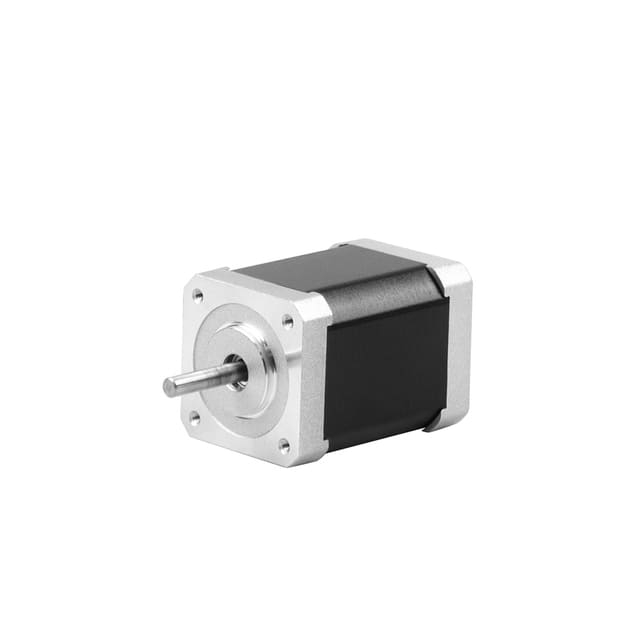
Compact stepper motors are small-form-factor hybrid stepper motors designed to provide precise motion control while occupying minimal physical space in a machine or device.
2. Why choose a compact stepper motor for space-limited applications?
Their reduced envelope size allows them to fit into tight enclosures or lightweight equipment while still delivering controlled motion and accurate positioning.
3. What NEMA frame sizes are typically considered “compact”?
Sizes like NEMA 8, NEMA 11, NEMA 14, and NEMA 16 are common compact options, ideal when space is constrained.
4. Do compact stepper motors still provide useful torque?
Yes — despite their small size, they can deliver respectable holding torque and stable low-speed motion suited for light to moderate loads.
5. What typical step angles are available for compact steppers?
Standard step angles like 1.8° are common, offering balance between resolution and simplicity. Some models may offer higher resolution like 0.9°.
6. Can compact stepper motors be used in robotics and automation?
Absolutely — they’re widely used in robotic joints, pick-and-place devices, optical tracking systems, and precision automation where space is limited.
7. Are compact steppers suitable for 3D printers and CNC machines?
Yes — NEMA 11 and NEMA 14 size motors are frequently used for axes and smaller drives in additive and CNC systems.
8. What environments are compact steppers suited for?
They work well in laboratory instruments, medical devices, compact automation, and consumer electronics requiring controlled motion in limited spaces.
9. Do compact motors run quietly?
Yes — due to smaller mass and optimized winding design, compact steppers typically produce low noise and vibration in operation.
10. How do compact stepper motors compare to larger steppers?
Compact motors save space and weight but may have lower torque capacity than larger frames; they’re ideal when load demands are moderate.
11. Can JKongmotor customize compact stepper motor specifications?
Yes — the manufacturer offers OEM/ODM customization including rated voltage, torque, current, and winding parameters tailored to your design.
12. Is it possible to customize compact motor shaft configurations?
Yes — options include shaft length, diameter, flats, keys, and hollow shaft configurations to integrate with your mechanical assembly.
13. Can accessories like gearboxes or encoders be added?
Yes — gearboxes, encoders, brakes, and integrated driver modules can be included as part of customized solutions.
14. Can the compact stepper motors be made with integrated drivers?
Yes — integrated drive versions combine motor and controller in one unit to minimize wiring and further save space.
15. Are environmental protection options available?
Yes — enclosures with IP ratings or sealed housings can be customized for dusty or splash environments.
16. Can lead wire length and connector types be customized?
Yes — you can specify custom cable lengths, connector types, and termination styles for easier installation.
17. Does JKongmotor provide technical drawings and CAD files?
Yes — documentation like datasheets, CAD models, and technical drawings can be provided to aid integration.
18. What is the minimum order quantity for customized compact steppers?
Minimum order quantities typically start around 10 pcs, making small production runs possible.
19. What lead times should I expect for custom orders?
Sample orders can often be delivered in about 7–15 days, while bulk orders take 15–35 days depending on complexity.
20. Which industries benefit from customized compact stepper motors?
Industries such as medical equipment, precision instruments, robotics, laboratory automation, consumer devices, and small automation machines benefit from tailored compact motion solutions.