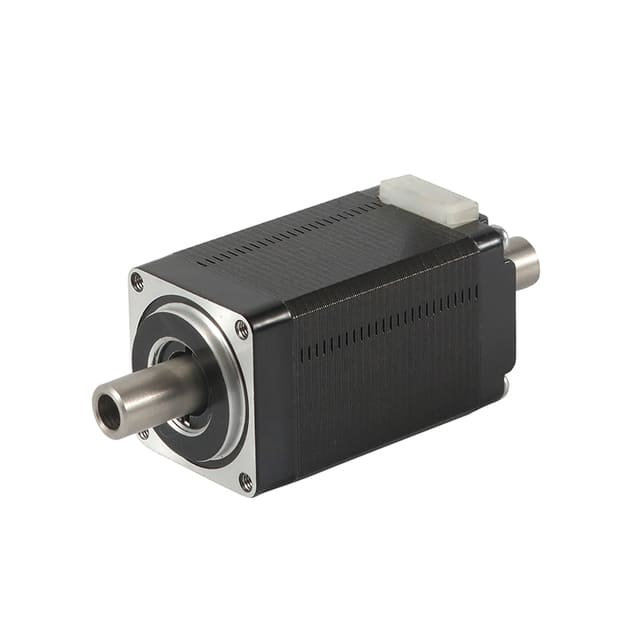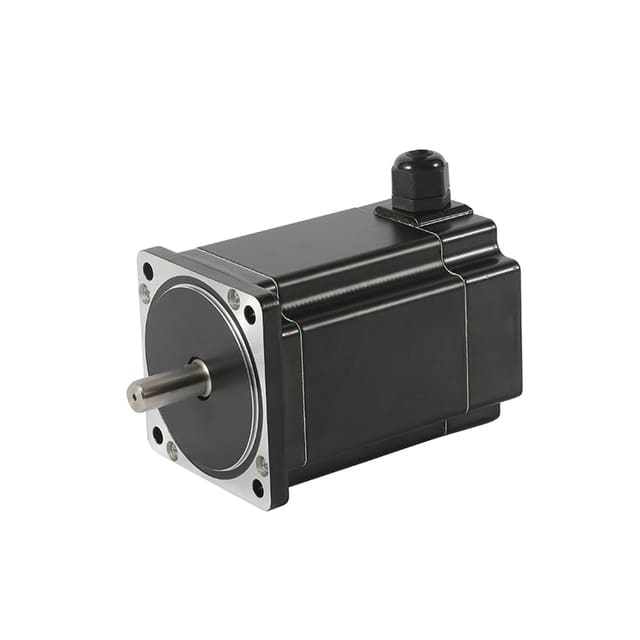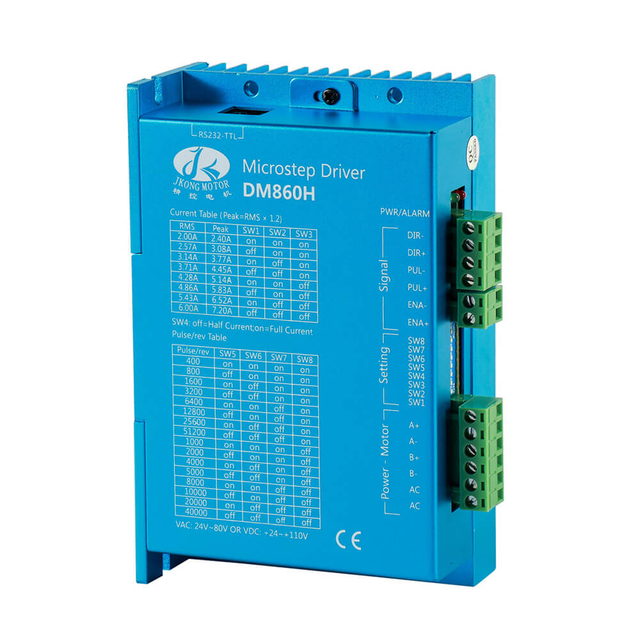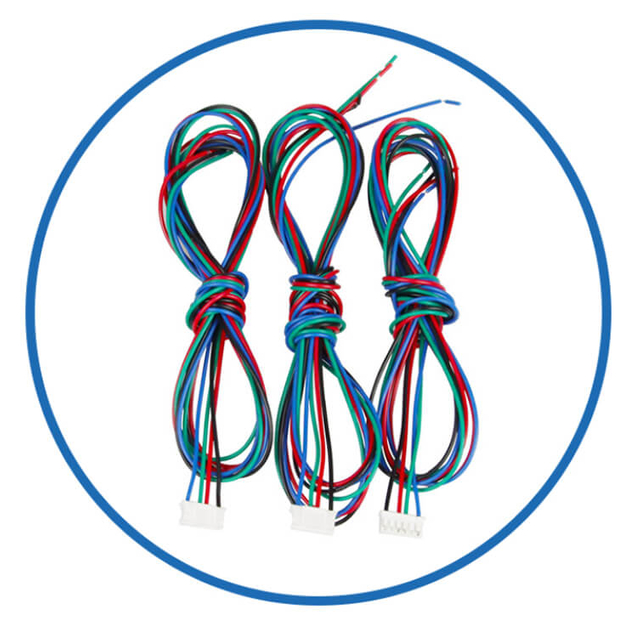
Stepping motor drive systems are at the heart of modern precision motion control, enabling accurate, repeatable, and programmable positioning across countless industrial and commercial applications. We explore in depth the 12 essential features of stepping motor drive systems, detailing how advanced drive technology transforms mechanical motion into highly stable, efficient, and intelligent automation solutions.
This guide is written for engineers, system integrators, and decision-makers who demand technical clarity, practical relevance, and performance-driven insight.
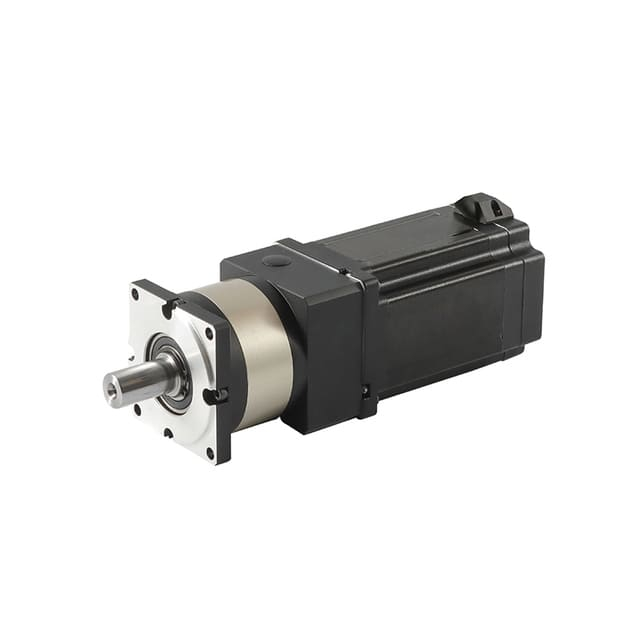
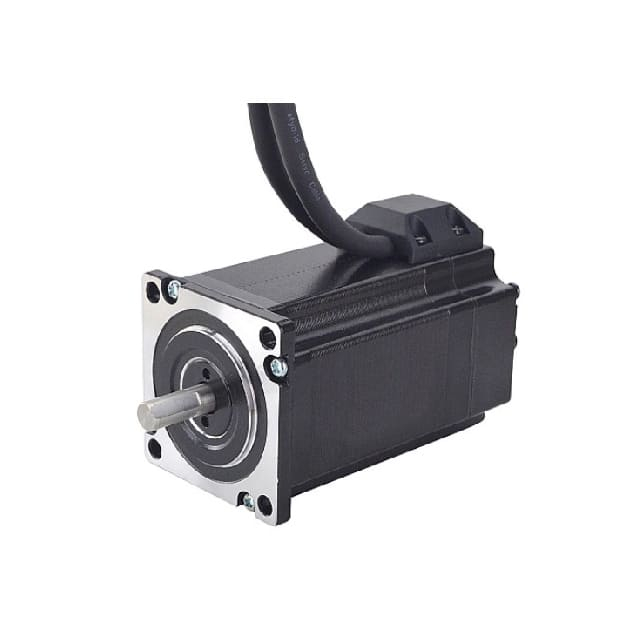
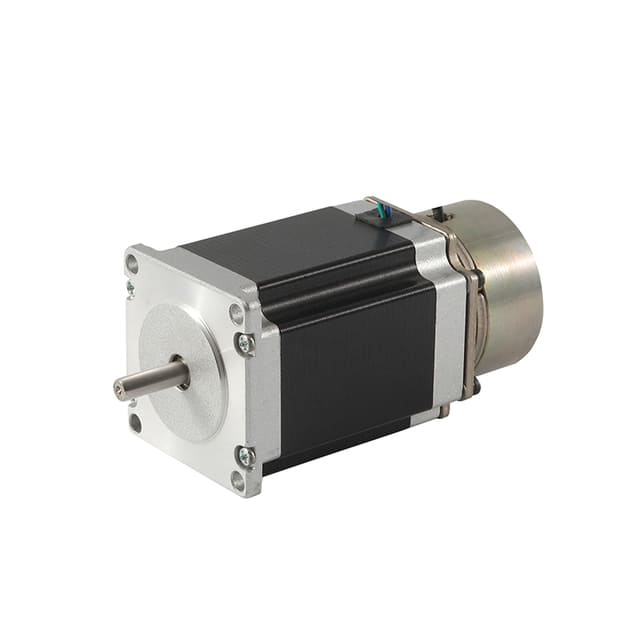
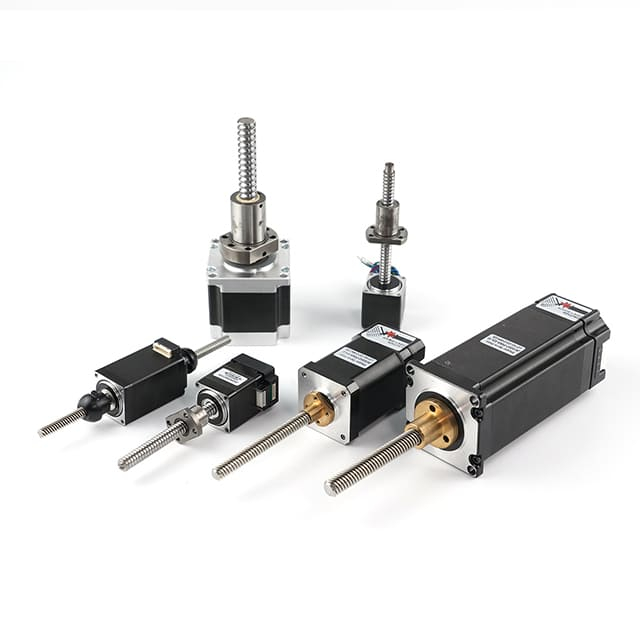
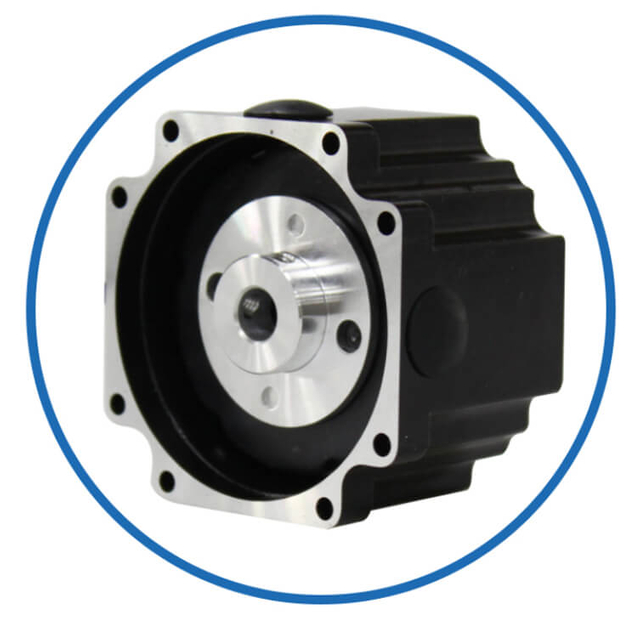
Customized Stepper Motor Types
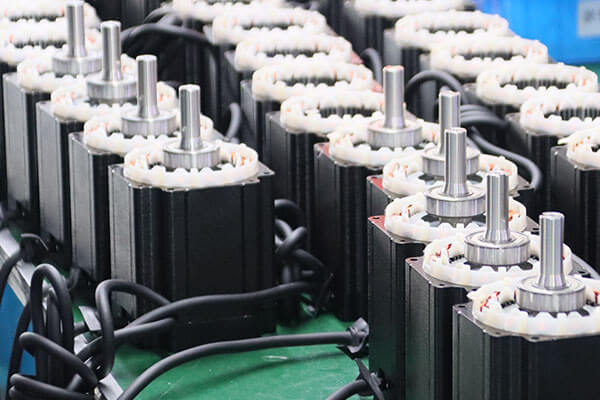
Motor Customized Service
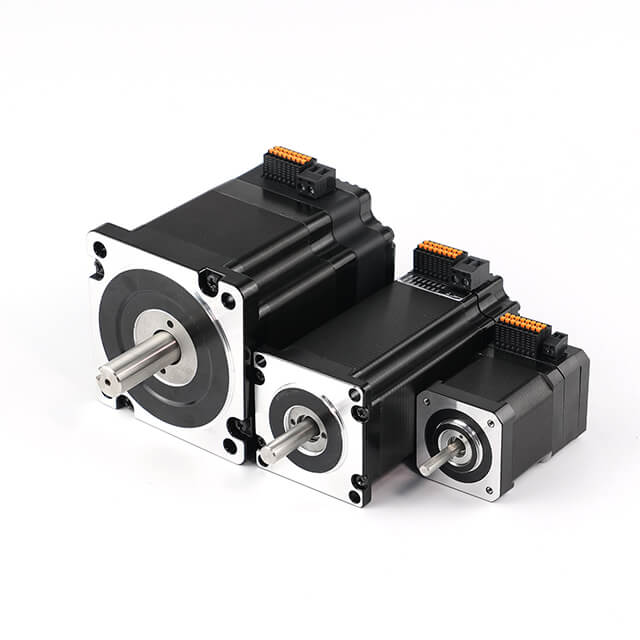
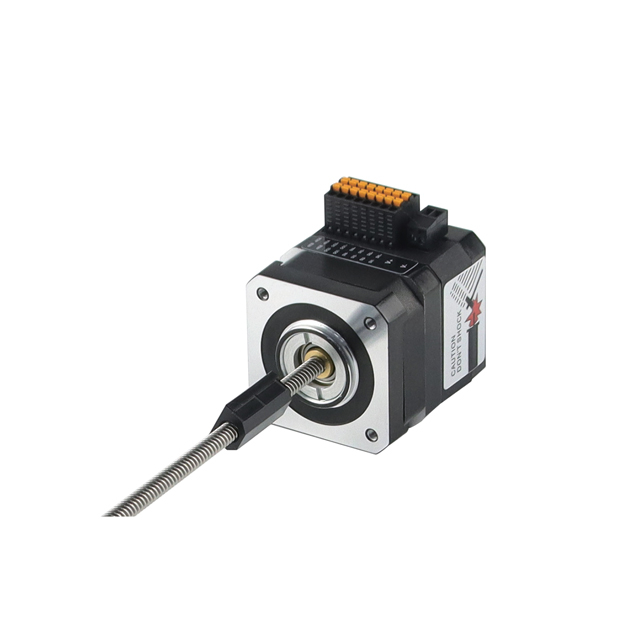
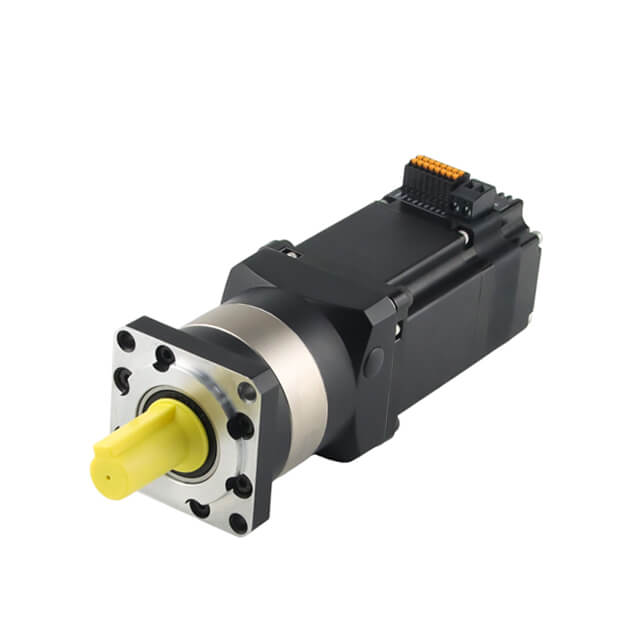
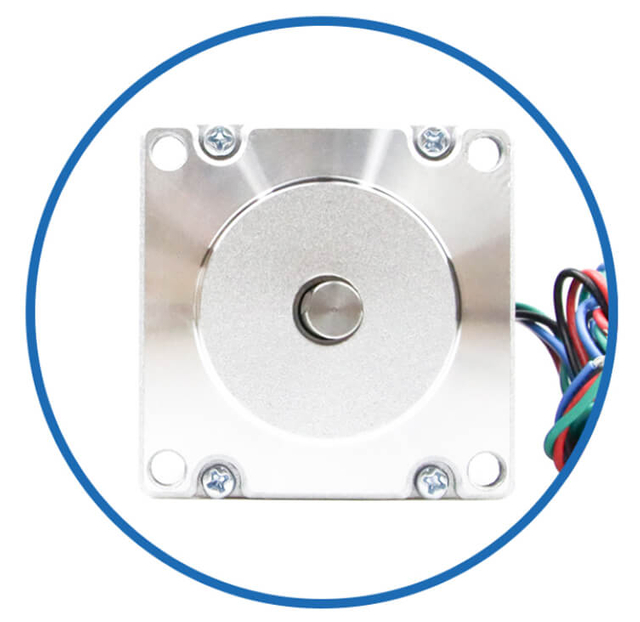
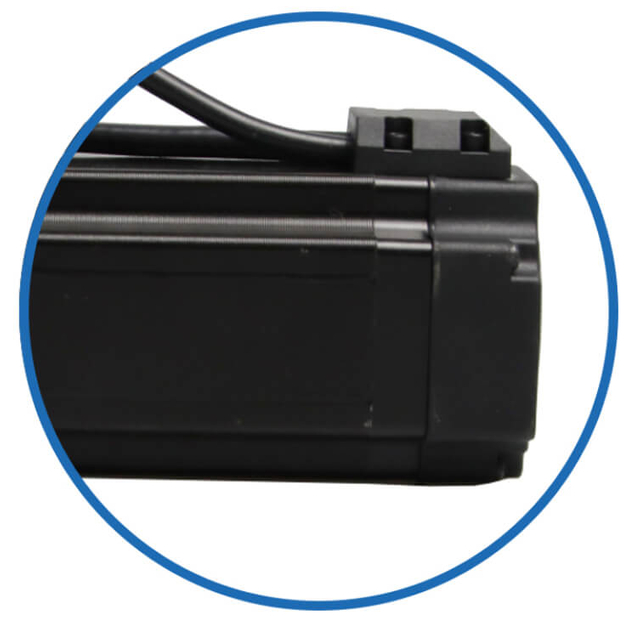
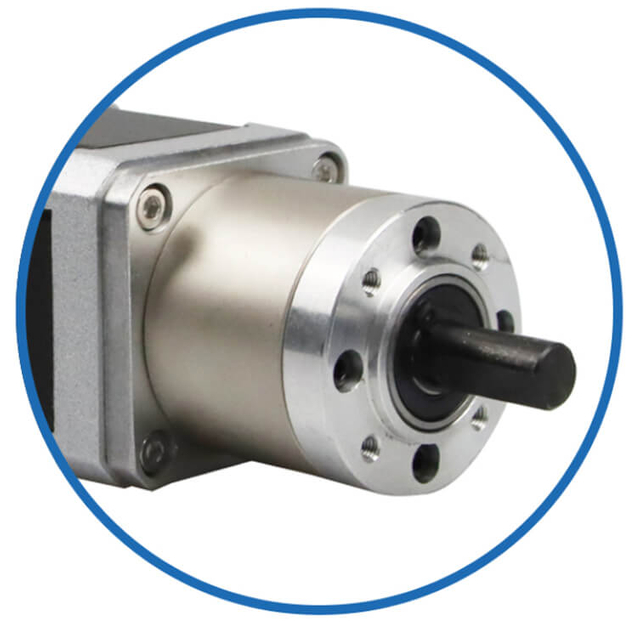
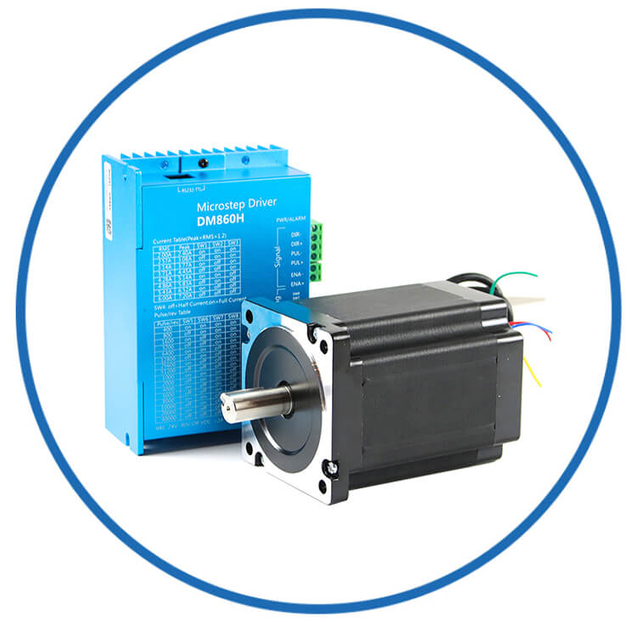
As a professional brushless dc motor manufacturer with 13 years in china, Jkongmotor offer various bldc motors with customized requirements, including 33 42 57 60 80 86 110 130mm, additionally, gearboxes, brakes, encoders, brushless motor drivers and integrated drivers are optional.
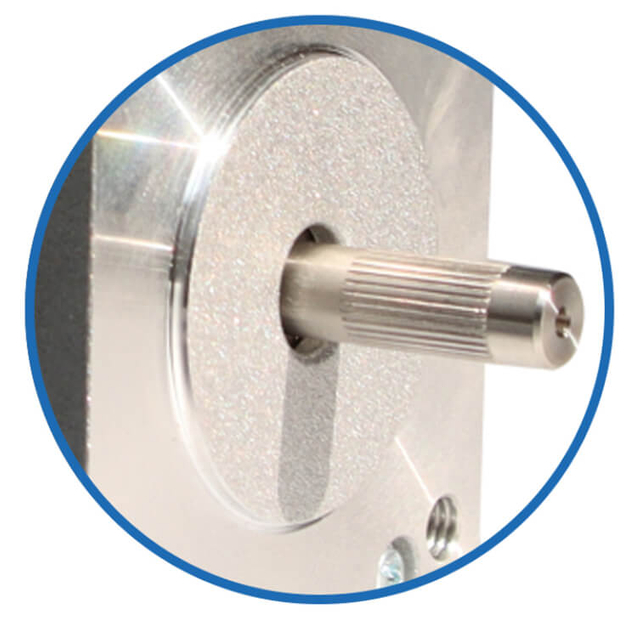
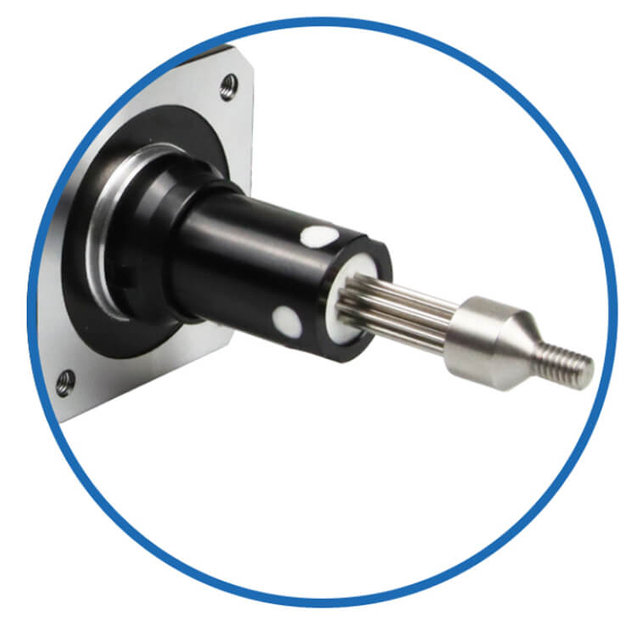
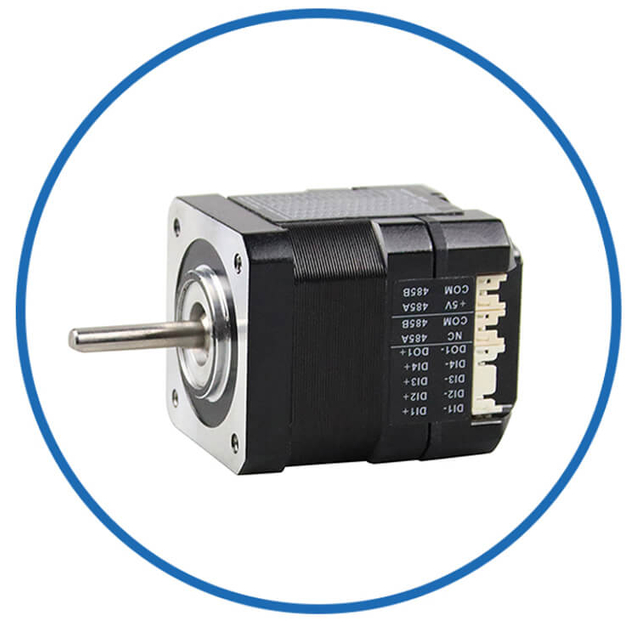
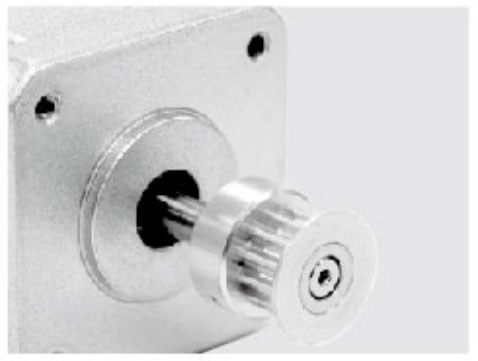
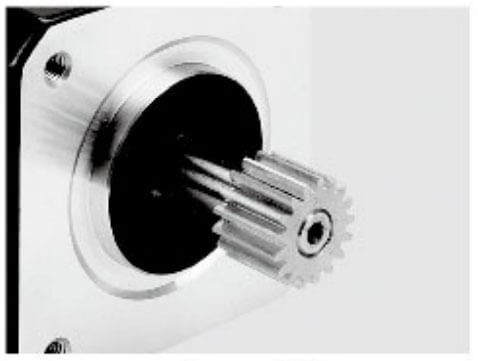
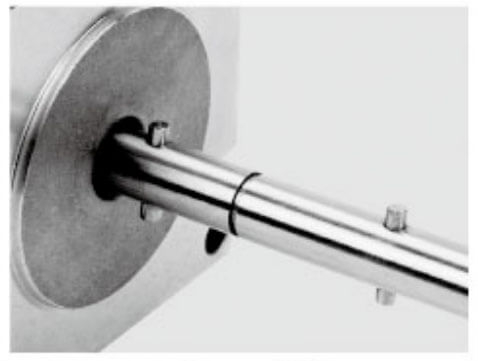
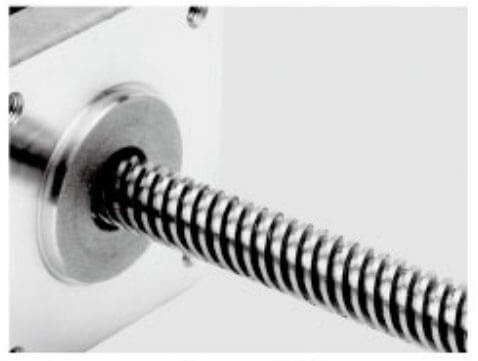
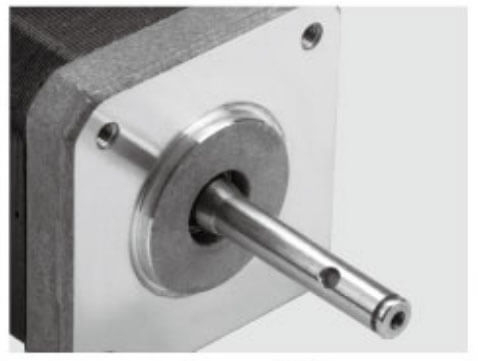
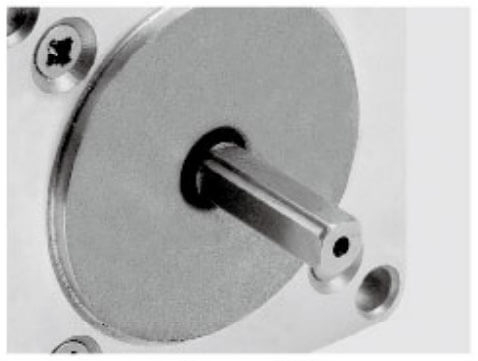
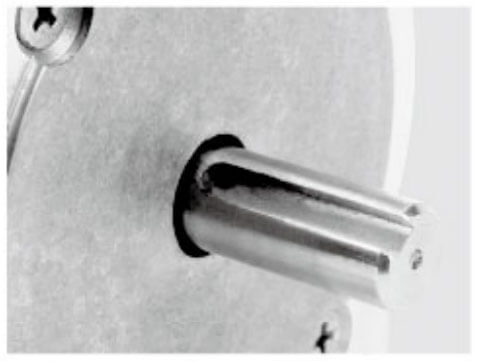
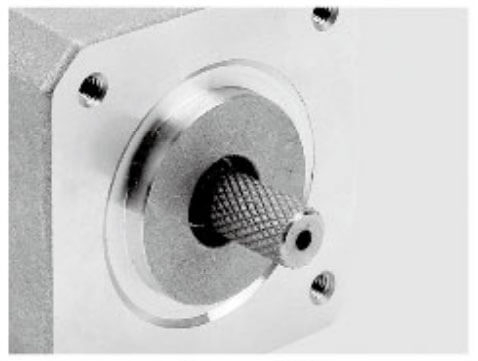
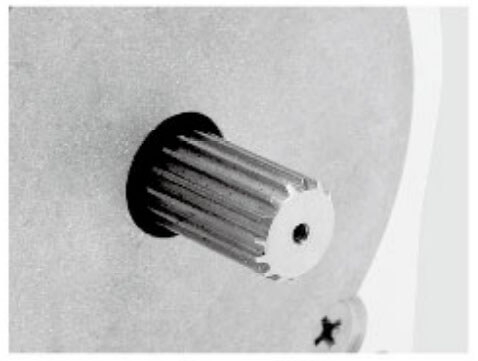
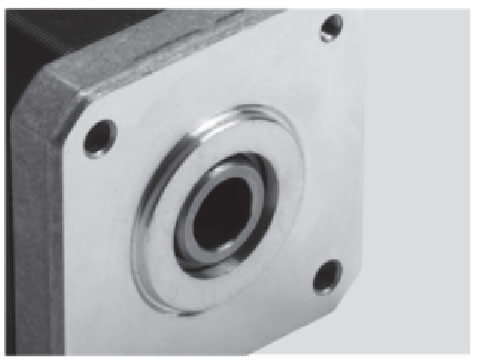
Motor Shaft Customized Service
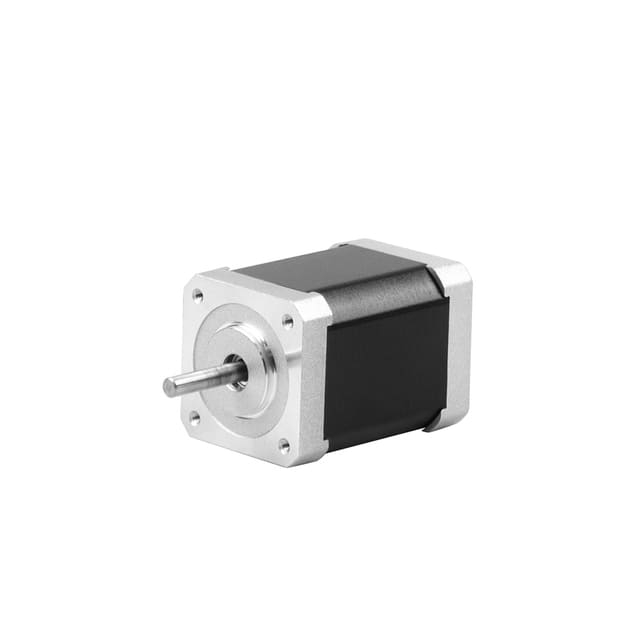
Jkongmotor offer many different shaft options for your motor as well as customizable shaft lengths to make the motor fit your application seamlessly.
Modern stepping motor drives are defined by their ability to perform high-resolution microstepping, subdividing a standard full step into dozens or even hundreds of microsteps. This feature enables:
Ultra-smooth motion profiles
Dramatic reduction of resonance and vibration
Increased positioning resolution without mechanical changes
High-quality microstepping algorithms shape current waveforms to near-sinusoidal form, producing precise rotor alignment, minimizing torque ripple, and enhancing low-speed performance. In applications such as semiconductor handling, optical inspection, and medical imaging, microstepping precision directly determines system quality.
At the core of every stepping motor drive system lies its current regulation architecture. Advanced drives use high-frequency PWM chopping, adaptive decay control, and digital current shaping to deliver:
Intelligent current control ensures that the motor operates within optimal electromagnetic parameters, extending motor life while enabling higher acceleration, faster settling times, and superior torque consistency across varying load conditions.
High-performance stepping motor drives are engineered to support a wide DC or AC input voltage range, allowing seamless integration across diverse power architectures. This adaptability enables:
Higher bus voltages for faster current rise times
Enhanced high-speed torque capability
Reduced sensitivity to power fluctuations
A robust drive system maintains stable output performance even under variable supply conditions, which is critical in industrial automation, robotics, and packaging equipment where power quality cannot always be guaranteed.
4. Intelligent Anti-Resonance & Vibration Suppression in OEM ODM Customized Stepper Motor Drivers
Mechanical resonance is one of the primary limitations of traditional stepper systems. Modern stepping motor drives integrate digital anti-resonance algorithms that dynamically compensate for oscillatory behavior.
These systems analyze phase feedback and adjust current vectors in real time to:
Suppress mid-band instability
Eliminate audible noise
Improve positional settling
Enhance structural longevity
By actively stabilizing motion, the drive system transforms the stepper motor into a quiet, servo-like actuator suitable for precision platforms and high-end automation.
Contemporary stepping motor drive systems increasingly support closed-loop operation, accepting encoder feedback to enable real-time position verification. This feature delivers:
Automatic error correction
Stall detection and compensation
Constant torque optimization
True loss-of-step immunity
With encoder integration, stepper systems gain servo-class reliability while preserving the cost efficiency, holding torque advantage, and simplicity of stepper technology. This hybrid architecture is ideal for CNC axes, robotic joints, and automated inspection equipment.
Modern stepping motor drives feature extensive programmability, allowing users to configure:
Standardized control interfaces such as Pulse/Direction, CW/CCW, Modbus, CANopen, EtherCAT, and RS485 enable seamless integration with PLCs, industrial PCs, and embedded controllers. This programmability empowers engineers to precisely match the drive’s behavior to system-level requirements.
Reliability is inseparable from thermal stability. Advanced stepping motor drive systems integrate multi-layer protection architectures, including:
Combined with adaptive current scaling and dynamic heat compensation, these systems maintain consistent output performance even in harsh operating environments. Effective thermal management extends component lifespan, stabilizes torque production, and ensures long-term system integrity.
Traditional stepper systems suffer torque degradation at higher speeds. Modern stepping motor drives overcome this limitation through:
These features maintain usable torque deep into high RPM ranges, enabling stepping motors to support conveyor systems, spindle positioning, and fast pick-and-place mechanisms where both speed and positional fidelity are mandatory.
9. Multi-Mode Operating Flexibility in OEM ODM Customized Stepper Motor Drives
Advanced stepping motor drive systems support multiple operating modes, allowing them to function as:
Open-loop microstepping drives
Closed-loop positioning systems
Speed-regulated motion controllers
Torque-controlled actuators
This flexibility reduces system complexity, minimizes component count, and allows a single drive platform to support multiple machine architectures, significantly improving scalability for equipment manufacturers.
10. Compact High-Density Design for OEM ODM Customized Stepper Motor Drives
Modern industrial equipment demands smaller footprints and higher integration density. High-performance stepping motor drives leverage:
High-efficiency MOSFET architectures
Multilayer PCB design
Integrated heat dissipation structures
Optimized electromagnetic layouts
The result is a compact, thermally stable, high-power-density drive system capable of delivering superior performance within confined enclosures such as robotic joints, portable medical equipment, and automated laboratory platforms.
Energy efficiency is a defining feature of next-generation stepping motor drive systems. Intelligent power management functions include:
Automatic idle current reduction
Dynamic load-based current adjustment
Regenerative energy handling
Low-loss switching topologies
These features significantly reduce overall power consumption, minimize thermal stress, and support the development of sustainable, low-operating-cost automation systems.
12. System-Level Diagnostics & Predictive Monitoring for OEM ODM Customized Stepper Motor Drives
The most advanced stepping motor drives extend beyond motion control, offering embedded diagnostics and monitoring functions. These may include:
Real-time current and voltage analysis
Position deviation tracking
Thermal trend reporting
Communication fault detection
By providing actionable operational data, these drives support predictive maintenance strategies, minimize unplanned downtime, and enhance overall equipment effectiveness in Industry 4.0 environments.
Why Advanced Stepping Motor Drive Systems Define Modern Automation
Advanced stepping motor drive systems have become a core technological foundation of modern automation because they no longer function as simple pulse translators. They operate as intelligent motion platforms that actively manage torque, current, speed, thermal behavior, and system stability in real time. This transformation has elevated stepping motors from basic positioning devices into high-performance actuators capable of supporting smart, connected, and high-precision machinery.
They Deliver Precision Without Mechanical Complexity
Modern automation demands micron-level positioning, repeatability, and smooth motion. Advanced stepper drives achieve this through high-resolution microstepping, digital current shaping, and dynamic phase control. These technologies allow systems to reach extremely fine positioning accuracy without relying on complex gear trains, encoders, or mechanical amplification. As a result, machines become:
This ability to achieve precision electronically rather than mechanically is one of the defining traits of modern automated systems.
They Transform Steppers Into Servo-Class Motion Systems
Through closed-loop compatibility, encoder feedback, and adaptive algorithms, advanced stepping motor drives now provide:
Real-time position verification
Automatic error correction
Load-adaptive torque output
Stall detection and recovery
These capabilities allow stepper systems to deliver servo-like reliability and dynamic performance while maintaining the inherent advantages of stepping motors: high holding torque, simplified tuning, and cost efficiency. This hybrid capability is crucial in automation environments where both precision and economic scalability are essential.
They Enable High-Speed, High-Throughput Automation
Traditional stepper systems were limited at higher speeds due to torque drop-off and resonance. Advanced drive systems overcome these constraints using:
High-voltage architectures
Fast current rise and decay control
Phase advance and vector optimization
Digital anti-resonance algorithms
This allows stepping motors to maintain usable torque at elevated RPMs, supporting conveyor systems, robotic axes, automated assembly stations, and packaging lines where speed, accuracy, and continuous operation are mandatory.
They Actively Stabilize Motion and Protect Mechanical Structures
Modern automation equipment must operate quietly, smoothly, and continuously. Advanced stepping motor drives actively suppress vibration and mid-band resonance, preventing:
Mechanical fatigue
Bearing damage
Structural oscillation
Positional overshoot
By digitally stabilizing motion, these systems significantly extend machine lifespan, improve product quality, and allow stepping motors to be deployed in precision optical platforms, medical equipment, and semiconductor manufacturing tools where mechanical instability is unacceptable.
They Integrate Intelligence Into the Motion Layer
Advanced stepping motor drive systems embed intelligence directly into the motion layer through:
Programmable motion profiles
Field-configurable current management
Real-time diagnostics
Networked industrial communication
This transforms motion components into data-generating, self-monitoring subsystems. Automation platforms gain the ability to monitor temperature trends, torque demand, position deviation, and electrical health—forming the foundation for predictive maintenance and smart factory architectures.
They Support Scalable and Modular Automation Design
Modern automation environments are defined by flexibility. Equipment must be rapidly reconfigured, expanded, and redeployed. Advanced stepping motor drives support this through:
Multi-mode operation (open loop, closed loop, torque, speed, and position modes)
Broad control protocol compatibility
Software-defined configuration
Compact, high-density hardware design
This enables manufacturers to build modular machine platforms where the same drive technology supports multiple product lines, reducing engineering effort and accelerating time to market.
They Improve Energy Efficiency and Thermal Stability
Energy efficiency is now a core metric of industrial design. Advanced stepping motor drive systems implement:
Automatic idle current reduction
Dynamic load-based current scaling
Low-loss switching topologies
Regenerative handling capability
These features reduce electrical losses, lower operating temperatures, and stabilize long-term performance. In automated factories running 24/7, these efficiencies directly translate into lower operating costs, improved reliability, and higher equipment availability.
They Enable the Transition to Smart Manufacturing
Smart manufacturing requires motion systems that are not only accurate, but communicative, adaptive, and self-protecting. Advanced stepping motor drives provide:
System-level fault reporting
Real-time operating data
Integration with PLCs, IPCs, and industrial networks
Support for digital twins and condition monitoring platforms
This positions stepping motor drive systems as active participants in Industry 4.0 ecosystems, rather than passive hardware components.
They Redefine the Economic Model of Automation
By delivering high precision, closed-loop reliability, and digital intelligence in a single platform, advanced stepping motor drive systems:
Reduce dependence on expensive servo architectures
Lower total system complexity
Shorten development cycles
Decrease lifetime maintenance costs
This economic efficiency allows automation to expand beyond traditional heavy industry into laboratories, medical devices, logistics automation, smart retail equipment, and compact robotics.
Conclusion
Advanced stepping motor drive systems define modern automation because they merge precision engineering, digital intelligence, and system-level adaptability into one motion control platform. They enable machines to move faster, position more accurately, operate more reliably, communicate more intelligently, and scale more efficiently than ever before.
In today’s automation landscape, performance is no longer determined solely by mechanical design. It is defined by the intelligence embedded in the drive system. Advanced stepping motor drives now sit at the intersection of motion, data, efficiency, and reliability—making them a central pillar of modern automated technology.
Conclusion: Engineering Motion Through Intelligence
The twelve features outlined above define the technical foundation of today’s most capable stepping motor drive systems. When carefully engineered and properly integrated, these features transform stepping motors into high-performance actuators capable of rivaling servo systems in accuracy, smoothness, and reliability.
We believe that mastering stepping motor drive technology is no longer optional—it is a strategic advantage. Systems built around intelligent drive platforms achieve greater production stability, superior motion quality, and long-term operational confidence.
1. What are the high-resolution microstepping capabilities in stepping motor drive systems?
High-resolution microstepping subdivides each full step into many microsteps, enabling smooth motion and precise positioning.
2. Why is advanced current control important in stepping motor drives?
It stabilizes phase current, improves dynamic torque, reduces heat, and enhances efficiency.
3. How does wide input voltage adaptability benefit stepping motor systems?
It allows use across diverse DC/AC power sources while maintaining consistent performance.
4. What is anti-resonance and how does it improve driving performance?
Anti-resonance features suppress mechanical vibration and noise for smoother motion.
5. Can stepping motor drives integrate with encoders for closed-loop control?
Yes—modern systems support encoder feedback for real-time error correction and higher reliability.
6. What programmable motion features are available in advanced stepping motor drives?
Users can set acceleration profiles, current limits, idle current reduction, and more.
7. How do stepping motor drive systems protect against electrical faults?
Built-in protections include overcurrent, over/undervoltage, overtemperature, and phase short-circuit detection.
8. What techniques help optimize torque at high speeds in stepping systems?
High bus voltages, fast current control, and phase advance algorithms maintain torque at elevated speeds.
9. What modes can advanced stepping motor drives support?
They can switch between open-loop microstepping, closed-loop position, speed-regulated, and torque control.
10. Why is compact design important in stepping motor drive systems?
Compact designs fit in constrained spaces like robotic joints and automated lab equipment.
11. How does intelligent power management improve energy efficiency?
Features such as automatic idle current reduction and dynamic load-based current scaling lower power use.
12. What diagnostic functions do modern stepping motor drives offer?
They provide real-time current/voltage analysis, thermal trend tracking, and communication fault detection.
13. How do advanced stepping motor drives transform basic motors into intelligent systems?
They embed digital profiling, feedback loops, and network communications for smart factory integration.
14. Are these drive features suitable for industrial automation?
Yes—features like programmable interfaces and protection make them ideal for industrial systems.
15. Can stepping motor drivers be customized for specific applications?
Yes—manufacturers offer OEM/ODM customization including firmware, control interfaces, and rating specs.
16. What role does microstepping play in reducing vibration?
Microstepping produces near-sinusoidal current waves, which minimize mechanical resonance and noise.
17. How does the stepping motor drive system improve machine lifespan?
Thermal management and protection features prevent damage and extend component life.
18. Can these drive features support smart manufacturing (Industry 4.0)?
Yes—diagnostics and network interfaces connect with PLCs/industrial networks for predictive maintenance.
19. Do stepping motor drive systems require complex mechanical changes for higher precision?
No—precision is achieved electronically via microstepping rather than mechanical components.
20. Why are stepping motor drives considered central to modern automation?
Because they integrate motion control intelligence with precision, reliability, and scalability.