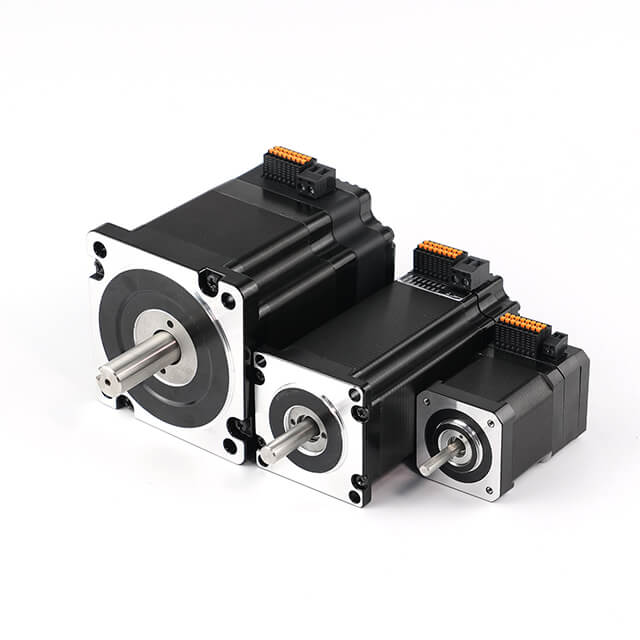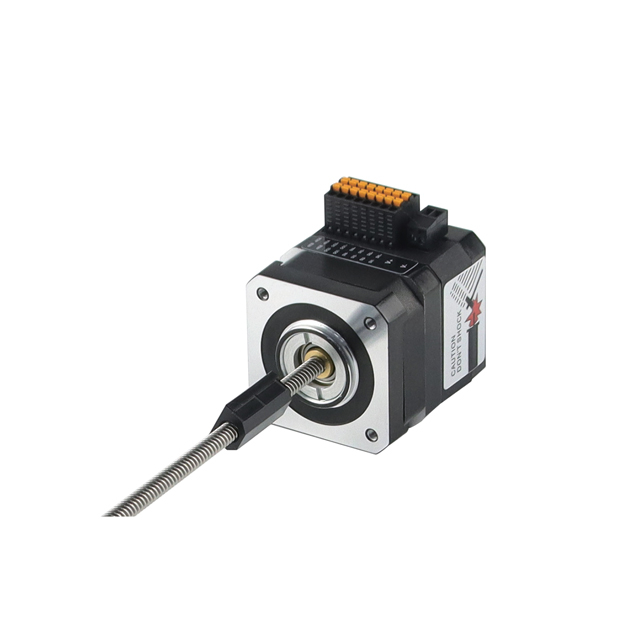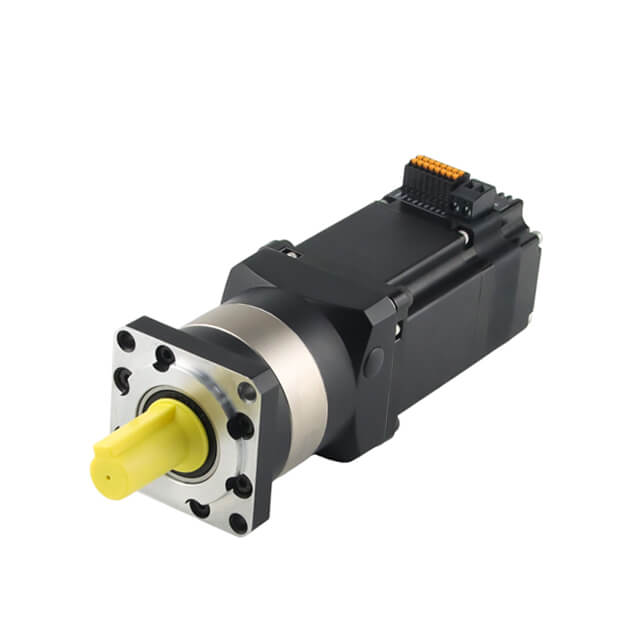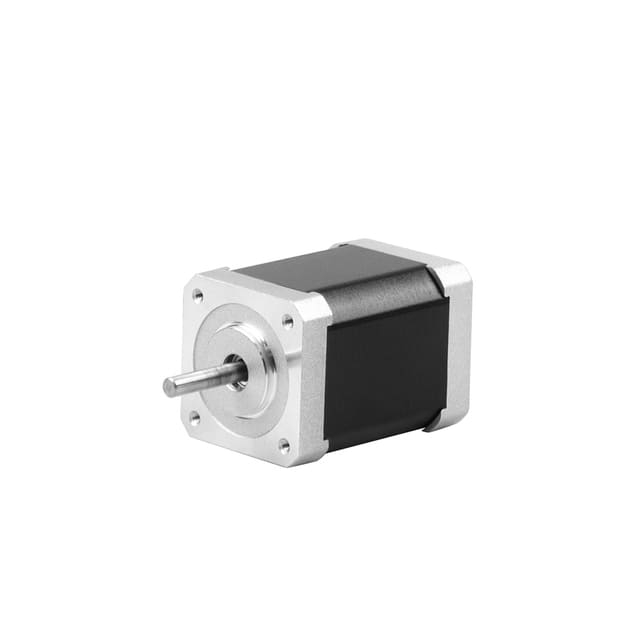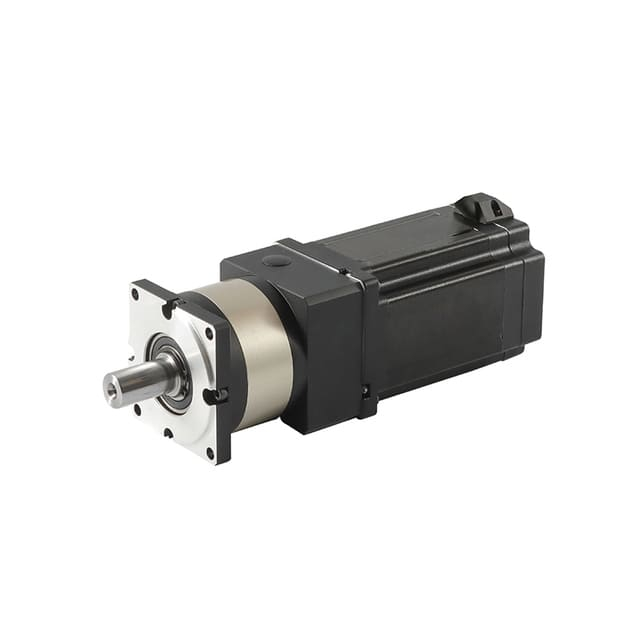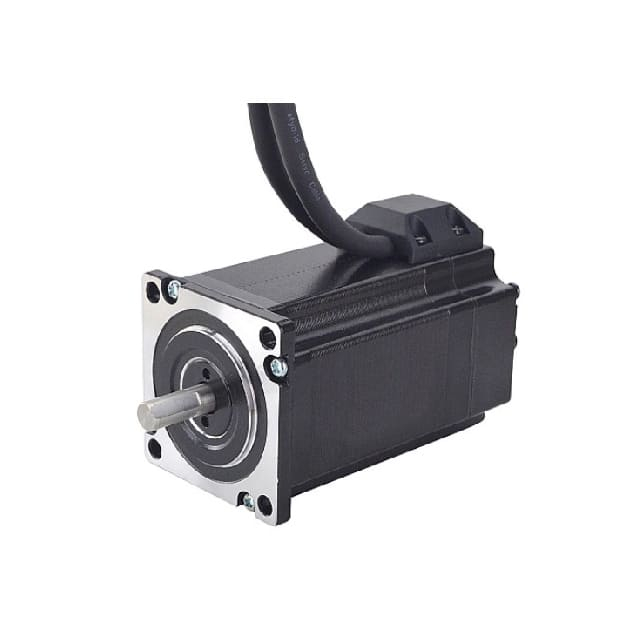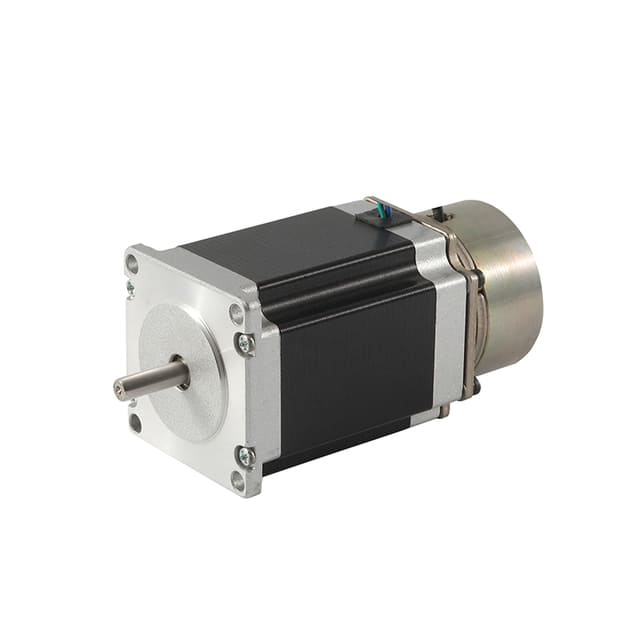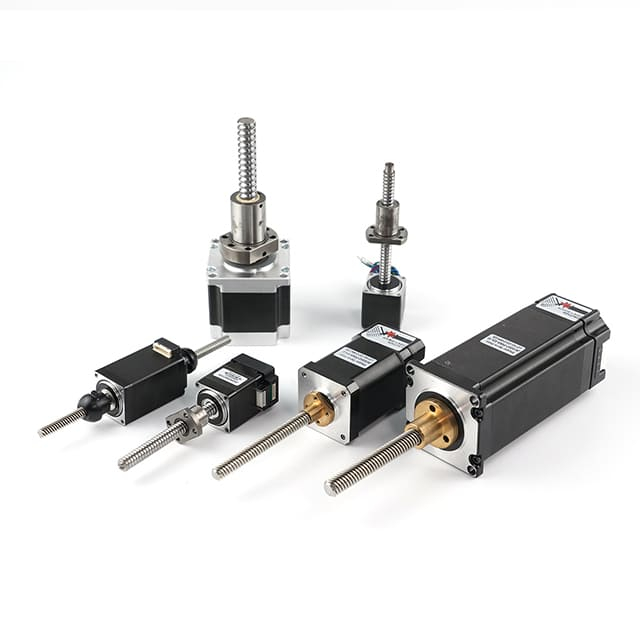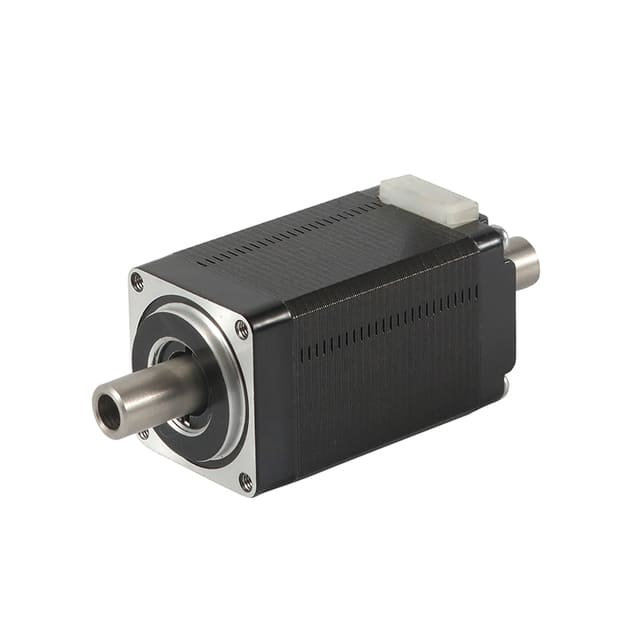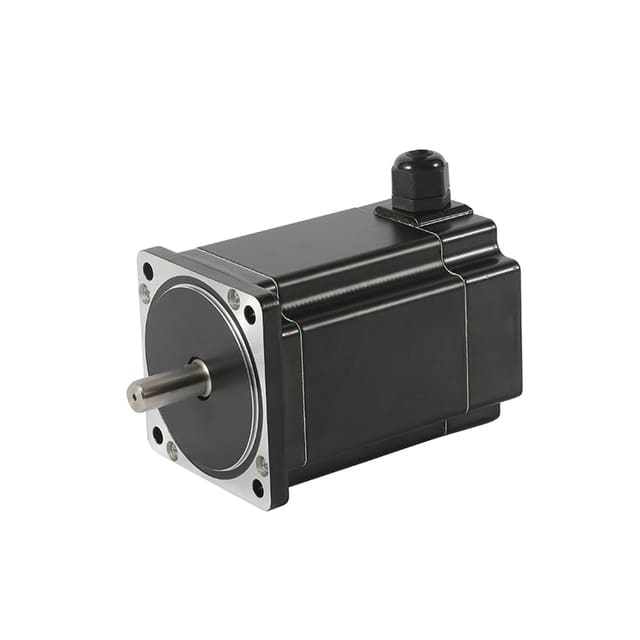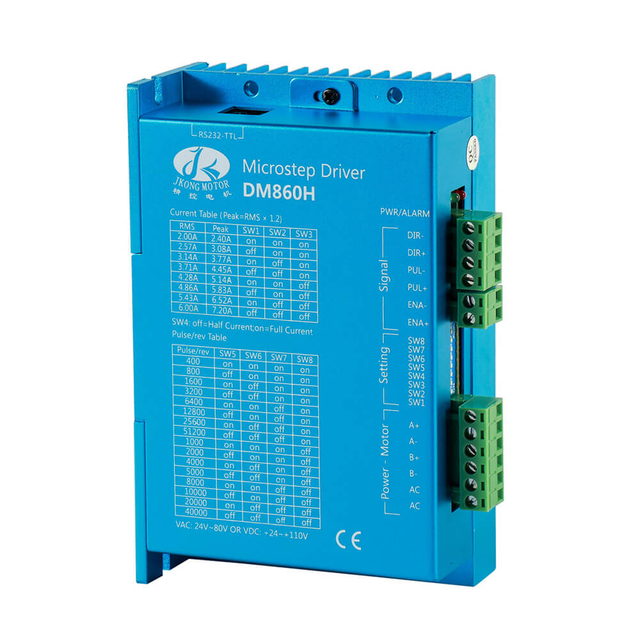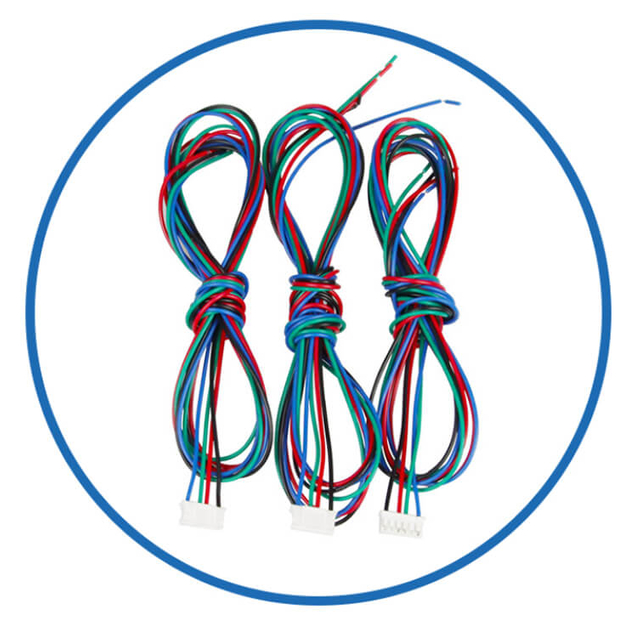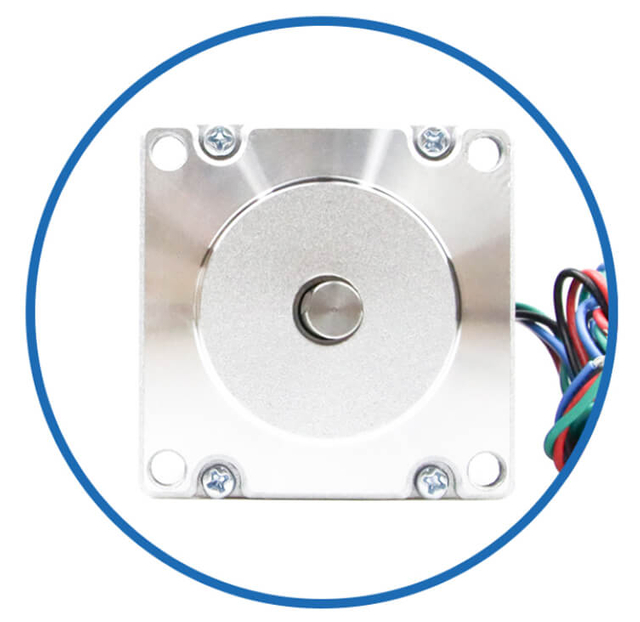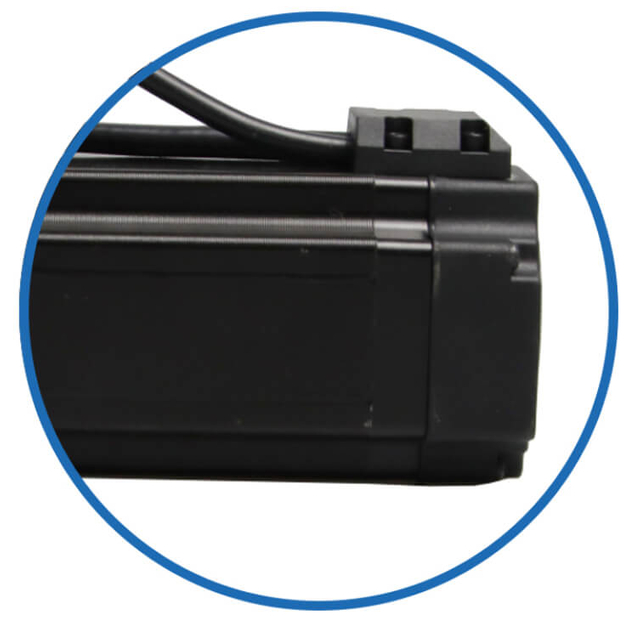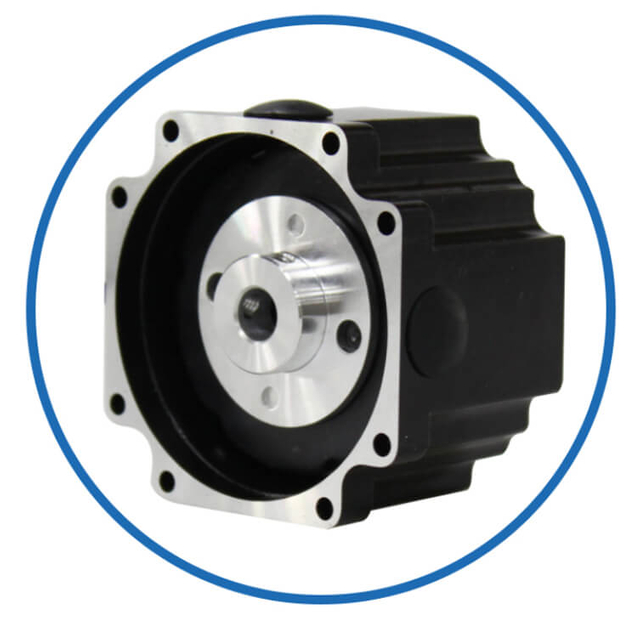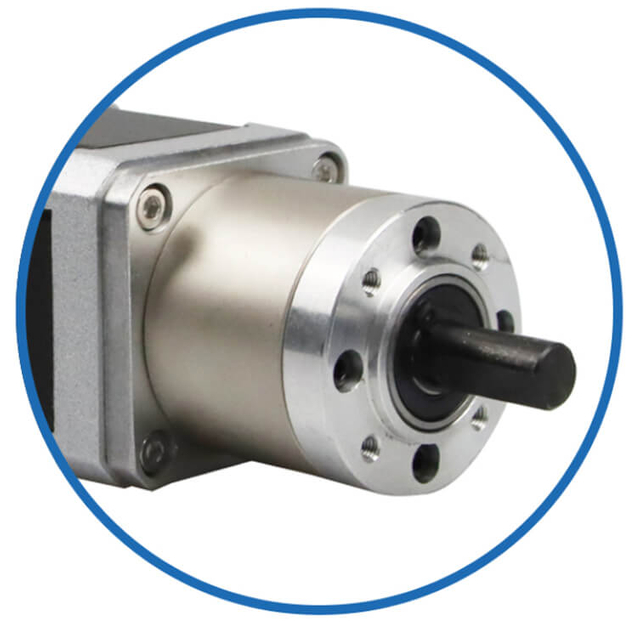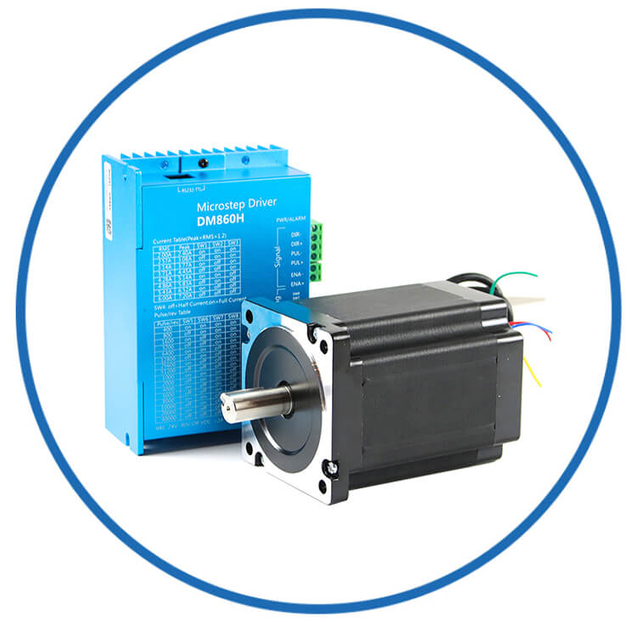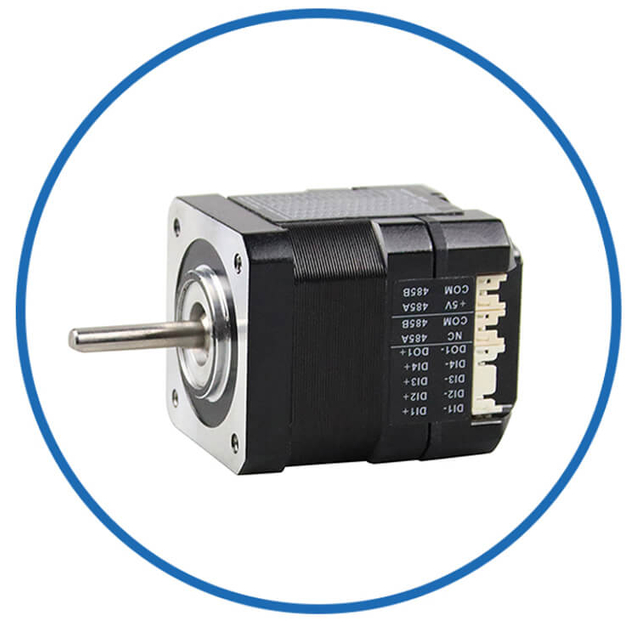
A stepper motor is a brushless DC motor designed for precise incremental motion; it can be fully OEM/ODM customized in size, torque, shaft, integrated components, and control interfaces to meet specific industrial and automation requirements.
Understanding the Core Question: Hybrid Stepper Motor vs Brushless Motor
The question “Is a stepper motor a brushless motor?” appears simple, yet it reflects a deeper confusion that exists across engineering, automation, and industrial procurement fields. We address this question directly, precisely, and technically: yes, a stepper motor is brushless in construction, but it is not the same as a brushless DC (BLDC) motor.
This distinction matters greatly in motion control systems, industrial automation, robotics, CNC machinery, and OEM motor selection, where performance, control strategy, efficiency, and cost are critical.
In this article, we clarify the relationship between stepper motors, brushless motors, and BLDC motors, while providing a deep technical comparison that enables informed decision-making.
Customized Stepper Motor Types for Heavy Load Industry Applications
Customized Stepper Motor Service & Integration for Heavy Load Industry
As a professional brushless dc motor manufacturer with 13 years in china, Jkongmotor offer various bldc motors with customized requirements, including 33 42 57 60 80 86 110 130mm, additionally, gearboxes, brakes, encoders, brushless motor drivers and integrated drivers are optional.
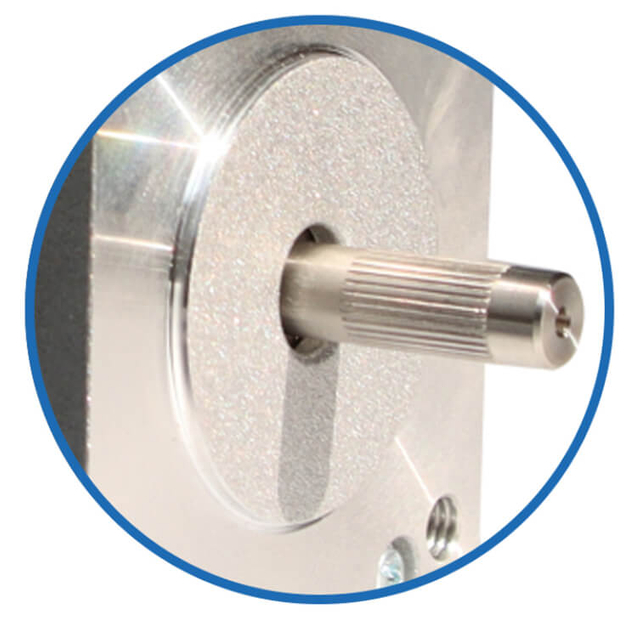
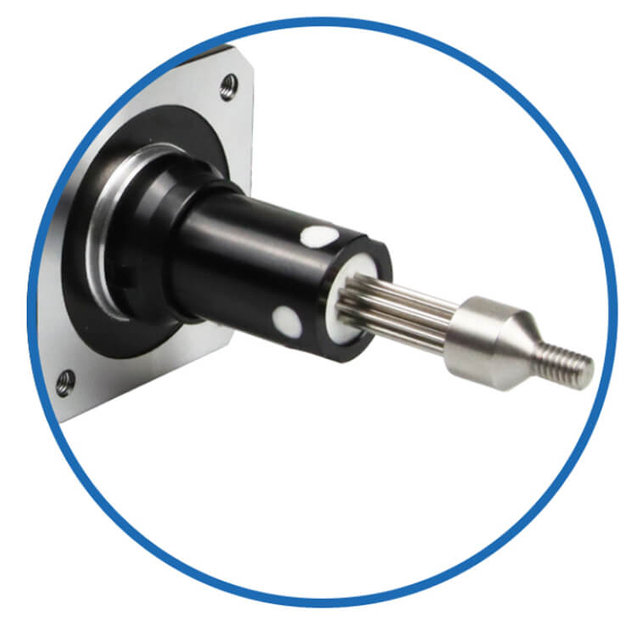
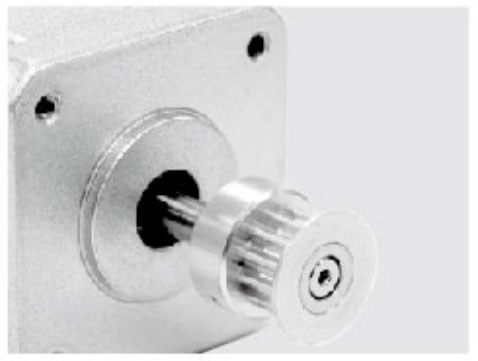
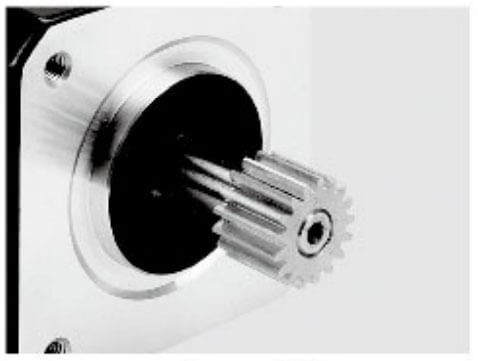
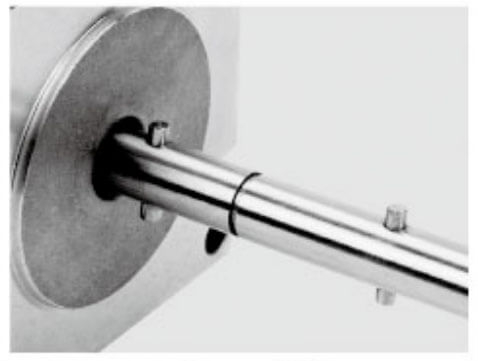
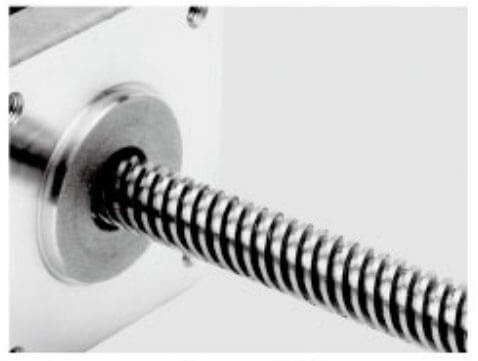
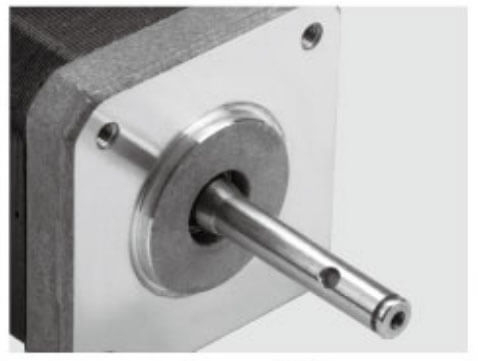
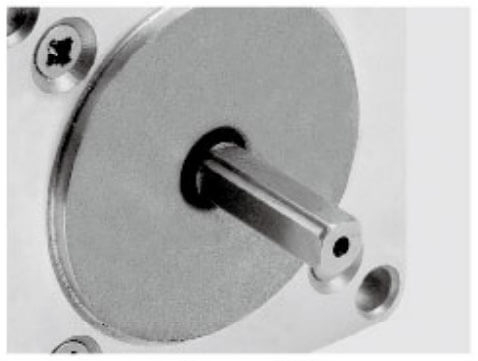
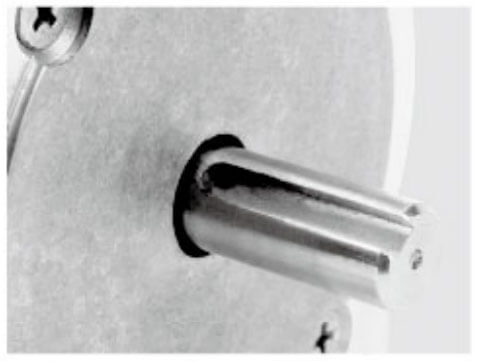
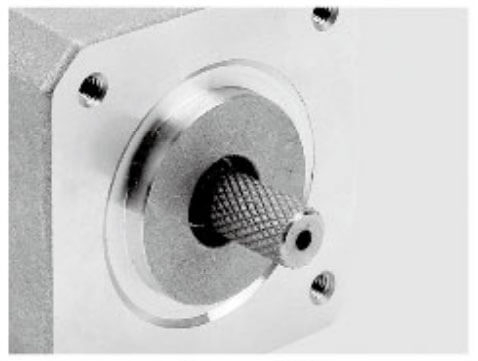
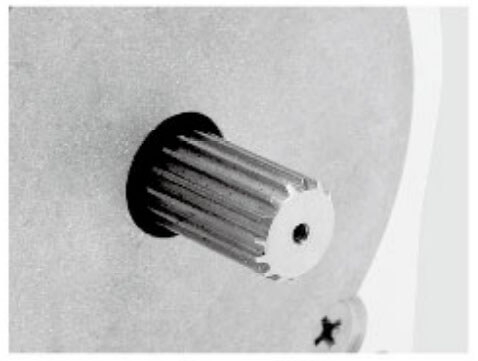
Jkongmotor offer many different shaft options for your motor as well as customizable shaft lengths to make the motor fit your application seamlessly.
A brushless motor is any electric motor that operates without mechanical brushes or a commutator. Instead of physical contact for current switching, brushless motors rely on electronic commutation, eliminating friction, sparking, and brush wear.
Key Characteristics of Brushless Motors
Under this definition, stepper motors clearly qualify as brushless motors from a structural standpoint.
What Is a Stepper Motor?
A stepper motor is a brushless, synchronous electric motor that divides a full rotation into a fixed number of discrete steps. Each step corresponds to a specific electrical pulse, allowing precise position control without feedback.
Core Structural Elements of a Stepper Motor
Stator with multiple electromagnetic windings
Rotor (permanent magnet or soft iron)
No brushes or commutator
Sequential energization of stator phases
Because stepper motors use electromagnetic sequencing rather than mechanical switching, they are inherently brushless.
Why Stepper Motors Are Brushless — Technically Speaking
Stepper motors are classified as brushless motors based on their fundamental electromagnetic design and method of operation. From a technical standpoint, the defining factor is the absence of mechanical commutation, which places stepper motors squarely within the brushless motor category.
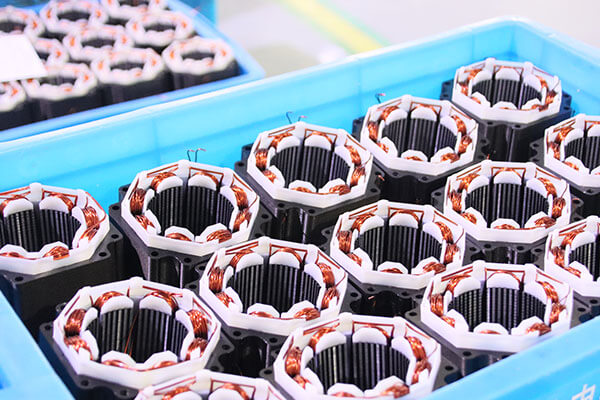
At the core of a stepper motor’s construction is a stationary stator composed of multiple phase windings and a rotating rotor made of either permanent magnets, soft iron, or a hybrid of both. Electrical current is applied only to the stator windings, while the rotor follows the resulting magnetic field. At no point is electrical power transferred through physical contact with the rotating part.
Unlike brushed motors, stepper motors do not use carbon brushes or a commutator to switch current direction. Instead, phase switching is handled entirely by an external electronic driver. This driver energizes the stator windings in a precise sequence, creating a rotating magnetic field that pulls the rotor into discrete, controlled positions. This process is known as electronic commutation, a hallmark of all brushless motor technologies.
From an electromagnetic perspective, torque generation in a stepper motor relies on:
All of these mechanisms operate without sliding electrical contacts. Because there is no frictional electrical interface, stepper motors avoid brush-related issues such as arcing, electrical noise, mechanical wear, and maintenance downtime.
Another key technical indicator of a brushless system is current path stability. In stepper motors, current remains confined to fixed stator windings, allowing for precise thermal management, predictable electrical behavior, and long service life. This is fundamentally different from brushed designs, where current must pass through moving components.
In summary, stepper motors are brushless because:
Electrical commutation is fully electronic
No brushes or commutators are present
Torque is generated magnetically without physical electrical contact
All energized components remain stationary
These technical characteristics firmly establish stepper motors as true brushless machines, even though their step-based motion distinguishes them from other brushless motor types such as BLDC or brushless servo motors.
Stepper motors and brushless DC motors (BLDC) are both brushless electric motors, yet they differ fundamentally in operating principles, control methods, performance characteristics, and application focus. Understanding these critical differences is essential for selecting the correct motor technology in precision motion systems and industrial applications.
1. Principle of Operation
A stepper motor operates by dividing a full rotation into a fixed number of discrete steps. Each electrical pulse sent to the driver advances the rotor by a precise angular increment. Motion is achieved through sequential energizing of stator phases, producing step-by-step rotation.
A BLDC motor, by contrast, produces continuous rotational motion. It uses electronic commutation to generate a smoothly rotating magnetic field, allowing the rotor to spin freely rather than index through steps.
Key distinction:
Stepper motors move in increments; BLDC motors rotate continuously.
2. Control Method
Stepper motors are typically driven in an open-loop control system. Position is inferred from the number of commanded steps, eliminating the need for feedback devices in many applications.
BLDC motors almost always require closed-loop control, using Hall sensors or encoders to provide real-time rotor position feedback for precise commutation and speed regulation.
Key distinction:
Stepper motors often operate without feedback; BLDC motors depend on feedback.
3. Positioning Accuracy
Stepper motors inherently provide high positional accuracy and repeatability. Each step corresponds to a known angular movement, making them ideal for positioning tasks without complex control algorithms.
BLDC motors do not provide inherent positioning accuracy. Precise positioning requires encoders and advanced control loops, effectively turning the system into a servo motor.
Key distinction:
Stepper motors are naturally position-oriented; BLDC motors are speed- and torque-oriented.
4. Torque Characteristics
Stepper motors deliver high holding torque at zero speed, allowing them to maintain position when stationary without additional braking mechanisms.
BLDC motors generate torque efficiently at higher speeds but produce limited holding torque at standstill unless actively controlled.
Key distinction:
Stepper motors excel at low-speed and holding torque; BLDC motors excel at high-speed torque efficiency.
5. Speed Range and Performance
Stepper motors perform best at low to medium speeds. As speed increases, available torque drops sharply due to inductance and current rise limitations.
BLDC motors are designed for high-speed operation, maintaining torque over a wide speed range with superior efficiency.
Key distinction:
Stepper motors are speed-limited; BLDC motors support high rotational speeds.
6. Efficiency and Heat Generation
Stepper motors draw nearly constant current, even when holding position, which can lead to lower efficiency and higher heat generation.
BLDC motors dynamically adjust current based on load, resulting in higher overall efficiency and reduced thermal losses.
Key distinction:
Stepper motors prioritize control simplicity; BLDC motors prioritize energy efficiency.
7. Vibration and Noise
Stepper motors can exhibit resonance, vibration, and audible noise, particularly at certain step frequencies. Advanced microstepping can reduce but not eliminate these effects.
BLDC motors operate with smooth and quiet motion, making them suitable for noise-sensitive applications.
Key distinction:
Stepper motors may vibrate; BLDC motors run smoothly.
8. System Complexity and Cost
Stepper motor systems are relatively simple and cost-effective, often requiring only a driver and power supply.
BLDC motor systems are more complex, requiring sensors, controllers, and tuning, which increases system cost.
Key distinction:
Stepper systems are simpler and cheaper; BLDC systems are more complex but higher performing.
9. Typical Applications
Stepper Motor Applications
CNC machines
3D printers
Medical devices
Office automation
Pick-and-place systems
BLDC Motor Applications
Electric vehicles
Cooling fans
Pumps and compressors
Drones
Industrial servo systems
Final Comparison Summary
Stepper motors and BLDC motors are both brushless technologies, but they serve very different engineering purposes. Stepper motors excel in precision positioning and simplicity, while BLDC motors dominate in efficiency, speed, and smooth continuous motion. Selecting the right motor depends on performance requirements, control strategy, and operating conditions—not on the brushless label alone.
Stepper motors are frequently misclassified in technical discussions, procurement documents, and even engineering conversations due to terminology overlap, oversimplified motor categories, and widespread misconceptions about brushless technology. This misclassification does not stem from design ambiguity, but from how electric motors are commonly labeled and marketed.
1. Confusion Between “Brushless” and “BLDC”
One of the primary reasons stepper motors are misclassified is the widespread assumption that “brushless motor” automatically means “brushless DC motor (BLDC)”. In reality, brushless describes a construction method, while BLDC describes a specific motor type and control strategy.
Stepper motors are brushless because they:
Have no brushes or commutator
Use electronic phase switching
Transfer current only through stationary windings
However, because stepper motors do not behave like BLDC motors—especially in speed control and motion smoothness—they are often excluded from the brushless category incorrectly.
2. Step-Based Motion Leads to Incorrect Assumptions
Stepper motors rotate in discrete angular steps, which visually and behaviorally differentiates them from smooth-rotating motors. This stepwise movement leads many to assume that stepper motors are mechanically simpler or electrically older, similar to brushed designs.
In practice, step-based motion is a control characteristic, not a mechanical one. The internal electromagnetic structure remains fully brushless, regardless of how motion is segmented.
3. Historical Motor Classification Practices
Motor classifications were historically built around DC brushed motors, AC induction motors, and synchronous motors. Stepper motors emerged as a specialized subset of synchronous motors and were often discussed separately rather than grouped under brushless motor families.
As a result, stepper motors became isolated in classification systems, reinforcing the misconception that they are fundamentally different from other brushless machines.
4. External Drivers Hide Electronic Commutation
In stepper motor systems, electronic commutation is handled by an external driver, not inside the motor housing. This separation can make the motor appear electrically passive, leading some to overlook the fact that commutation is still fully electronic.
By contrast, BLDC motors often integrate sensors and controllers, making their brushless nature more visible and easier to recognize.
5. Marketing and Industry Language Simplification
Marketing materials frequently simplify motor categories to make product selection easier. Terms like “stepper motor,” “servo motor,” and “brushless motor” are presented as mutually exclusive groups, even though they can overlap in design.
This simplification is useful commercially but technically inaccurate, contributing to ongoing misclassification in non-academic contexts.
6. Lack of Formal Electrical Engineering Background
In non-engineering environments, motor selection is often driven by application experience rather than design theory. Without a clear understanding of commutation methods and current paths, it is easy to classify motors by behavior rather than by internal structure.
This leads to stepper motors being grouped based on how they move, not how they are built.
7. Overemphasis on Application Instead of Construction
Stepper motors are commonly associated with low-speed, high-precision applications, while brushless motors are associated with high-speed efficiency. This application-based thinking reinforces the belief that stepper motors belong to a different technological category.
In reality, application suitability does not define whether a motor is brushless.
Conclusion
Stepper motors are often misclassified because brushless technology is mistakenly equated with BLDC motors, step-based motion is misunderstood as a mechanical limitation, and industry language favors simplified categories. Technically and structurally, stepper motors are unambiguously brushless, and recognizing this distinction enables clearer communication, better system design, and more accurate motor selection.
Types of Stepper Motors and Their Brushless Nature
All stepper motors share one fundamental characteristic: they are inherently brushless. Regardless of their specific construction or operating principle, stepper motors generate motion through electromagnetic interaction without mechanical commutation. The differences between stepper motor types lie in rotor design and magnetic behavior, not in whether brushes are used.
1. Permanent Magnet (PM) Stepper Motors
Permanent magnet stepper motors use a magnetized rotor made from permanent magnetic material and a stator with multiple phase windings.
Brushless characteristics:
No brushes or commutator
Rotor motion driven by magnetic attraction and repulsion
Electronic switching performed by the driver
Current flows only through stationary stator windings
PM stepper motors are brushless by design and are commonly used in simple positioning systems where moderate torque and cost efficiency are required.
2. Variable Reluctance (VR) Stepper Motors
Variable reluctance stepper motors employ a soft iron rotor with multiple teeth and no permanent magnets. The rotor moves by minimizing magnetic reluctance when stator phases are energized.
Brushless characteristics:
Torque generated through magnetic reluctance alignment
No electrical components on the rotor
Fully electronic commutation
Zero mechanical electrical contact
VR stepper motors are among the purest brushless motor designs, as the rotor contains no windings, magnets, or current-carrying elements.
Hybrid stepper motors combine the features of permanent magnet and variable reluctance designs. They use a magnetized toothed rotor and a multi-phase stator to achieve high resolution and torque.
Brushless characteristics:
No brushes or mechanical switching
Precise electronic phase control
High torque density without rotor current
Stable electromagnetic operation
Hybrid stepper motors are the most widely used type in industrial automation due to their high accuracy, strong holding torque, and reliability, all achieved through brushless operation.
4. Can-Stack Stepper Motors
Can-stack stepper motors are a compact variation of PM stepper motors, often used in consumer and office equipment.
Brushless characteristics:
Simplified brushless electromagnetic structure
Electronic commutation via external driver
No wear-prone electrical interfaces
No wear-prone electrical interfaces
Their brushless nature enables quiet operation and long service life in cost-sensitive applications.
Linear stepper motors translate rotational stepper principles into direct linear motion, eliminating mechanical transmission components.
Brushless characteristics:
Magnetic force-driven linear displacement
No brushes or commutators
Electronic control of stator phases
These motors retain all the brushless advantages of rotary stepper motors while providing high-precision linear positioning.
Conclusion
Permanent magnet, variable reluctance, hybrid, can-stack, and linear stepper motors are all fundamentally brushless machines. Their motion control differences arise from magnetic structure and geometry, not from commutation method. Understanding this brushless nature clarifies why stepper motors deliver high reliability, minimal maintenance, and precise control across a wide range of applications.
Advantages of Stepper Motors as Brushless Motors
Stepper motors offer a unique set of advantages that stem directly from their brushless construction. By eliminating mechanical commutation and relying entirely on electronic control, stepper motors deliver reliability, precision, and durability that make them highly effective in controlled motion applications.
1. No Brush Wear and Minimal Maintenance
Because stepper motors operate without brushes or a commutator, there are no friction-based electrical contacts to degrade over time. This eliminates common failure points found in brushed motors, resulting in:
Longer operational lifespan
Reduced maintenance requirements
Improved reliability in continuous-duty applications
2. High Positioning Accuracy
The brushless electromagnetic design allows stepper motors to move in precisely defined angular increments. Each step corresponds to a predictable rotor position, enabling accurate positioning without mechanical feedback in many systems.
This makes stepper motors ideal for open-loop positioning tasks where repeatability is critical.
3. Excellent Holding Torque at Standstill
Stepper motors generate high holding torque when energized, even at zero speed. This capability is a direct result of their magnetic brushless structure, allowing the rotor to remain locked in position without brakes or clutches.
4. High Reliability and Long Service Life
With no brushes, reduced heat from electrical arcing, and stable current paths confined to the stator, stepper motors demonstrate exceptional durability. Their brushless design ensures consistent performance over extended operating cycles.
5. Simple and Robust Control Architecture
Stepper motors rely on electronic commutation via external drivers, simplifying system design. The absence of mechanical switching components reduces complexity and improves fault tolerance in demanding industrial environments.
6. Low Electrical Noise and No Sparking
Without brushes, stepper motors avoid electrical arcing and commutation noise, making them suitable for sensitive electronics, medical equipment, and clean environments where electrical interference must be minimized.
7. Predictable Torque and Motion Control
Brushless stepper motors produce stable and repeatable torque characteristics across defined speed ranges. This predictability simplifies motion planning and ensures consistent performance in automated systems.
8. Cost-Effective Precision Solution
Compared to other brushless motor technologies that require feedback devices and complex controllers, stepper motors provide high precision at lower system cost, particularly in applications that do not demand high-speed operation.
9. Compatibility with Harsh Environments
The absence of brushes allows stepper motors to operate reliably in environments involving:
Dust and particulates
Temperature variation
Continuous duty cycles
Conclusion
The brushless nature of stepper motors delivers a powerful combination of precision, durability, simplicity, and reliability. These advantages make stepper motors an optimal choice for applications requiring accurate positioning, low maintenance, and dependable long-term performance without the complexity of closed-loop control systems.
Limitations of Stepper Motors Compared to Other Brushless Motors
While stepper motors benefit from a fully brushless design, they also exhibit several technical limitations when compared to other brushless motor types, particularly brushless DC (BLDC) motors and brushless servo motors. These limitations are rooted in their operating principles, control method, and electromagnetic behavior.
1. Reduced Efficiency
Stepper motors typically draw constant current, even when holding position or operating under light load. This leads to:
Lower electrical efficiency
Increased power consumption
Higher operating temperatures
In contrast, other brushless motors dynamically regulate current based on load demand, improving overall efficiency.
2. Torque Drop at Higher Speeds
Stepper motors deliver strong torque at low speeds and standstill, but their torque decreases rapidly as speed increases. This limitation is caused by:
Other brushless motors maintain usable torque over a much wider speed range.
3. Limited High-Speed Capability
Stepper motors are not designed for sustained high-speed operation. As speed increases, they may experience:
Missed steps
Loss of synchronization
Reduced motion stability
Brushless DC and servo motors are specifically optimized for high-speed, continuous rotation.
4. Resonance and Vibration
Due to their step-based motion, stepper motors can exhibit mechanical resonance and vibration at certain speeds. This can lead to:
While microstepping and damping techniques reduce these effects, they cannot eliminate them entirely.
5. Heat Generation at Standstill
When holding position, stepper motors continue to draw current to maintain torque, generating heat even when no motion occurs. Other brushless motors can reduce or eliminate current at standstill, improving thermal performance.
6. Open-Loop Control Risks
Most stepper motor systems operate without feedback. Under excessive load or rapid acceleration, this can result in:
Other brushless motors typically operate in closed-loop systems that automatically correct for load disturbances.
7. Lower Torque-to-Size Ratio at Speed
Compared to high-performance brushless motors, stepper motors produce less usable torque per unit size at moderate to high speeds. This can limit their suitability in compact, high-power-density applications.
8. Not Ideal for Dynamic Load Changes
Stepper motors are less responsive to sudden load variations. Without feedback, they cannot dynamically compensate for unexpected torque demands as effectively as servo-controlled brushless motors.
Conclusion
Although stepper motors are reliable, precise, and inherently brushless, they are not universally optimal. Their limitations in efficiency, speed, thermal management, and dynamic performance make them less suitable for high-speed or high-efficiency applications. Understanding these constraints allows for informed comparison with other brushless motor technologies and more accurate system design decisions.
Choosing Between a Stepper Motor and a BLDC Motor
Selecting between a stepper motor and a brushless DC motor (BLDC) requires a clear understanding of application requirements rather than focusing solely on motor type. Although both are brushless technologies, they are optimized for fundamentally different performance objectives. The correct choice depends on motion profile, control strategy, efficiency expectations, and system complexity.
1. Motion and Control Requirements
A stepper motor is best suited for applications requiring precise incremental positioning. Its ability to move in fixed steps allows accurate position control using an open-loop system, provided load conditions remain within design limits.
A BLDC motor is designed for continuous rotation with smooth motion, excelling in speed and torque control. It requires electronic feedback to regulate commutation and maintain performance.
Choose a stepper motor when exact position indexing is required without feedback.
Choose a BLDC motor when smooth, continuous motion and speed regulation are critical.
2. Speed and Performance Expectations
Stepper motors perform optimally at low to medium speeds. As speed increases, torque decreases significantly, limiting their effectiveness in high-speed applications.
BLDC motors operate efficiently across a wide speed range, making them suitable for high-speed and high-power-density systems.
Low-speed, high-precision tasks favor stepper motors.
High-speed or variable-speed tasks favor BLDC motors.
3. Torque Characteristics
Stepper motors provide high holding torque at standstill, allowing them to maintain position without mechanical brakes.
BLDC motors deliver high dynamic torque but typically require active control to maintain holding torque when stationary.
Static positioning favors stepper motors.
Dynamic torque output favors BLDC motors.
4. System Complexity and Cost
Stepper motor systems are relatively simple and cost-effective, often requiring only a driver and power supply.
BLDC motor systems involve greater complexity, including sensors, controllers, and tuning, increasing overall system cost.
Cost-sensitive applications benefit from stepper motors.
Performance-driven applications justify BLDC system complexity.
5. Efficiency and Thermal Management
Stepper motors draw current continuously, even at standstill, leading to lower efficiency and higher heat generation.
BLDC motors regulate current based on load demand, resulting in higher efficiency and improved thermal performance.
Energy-efficient systems favor BLDC motors.
6. Reliability and Feedback Considerations
Stepper motors operate reliably in predictable load environments but may lose steps under overload without detection.
BLDC motors use feedback to automatically correct position and speed, providing higher reliability in variable-load conditions.
7. Typical Application Scenarios
Stepper Motor Applications
BLDC Motor Applications
Electric vehicles
Pumps and compressors
Cooling fans
Industrial servo systems
Conclusion
Choosing between a stepper motor and a BLDC motor is a matter of aligning motor characteristics with application needs. Stepper motors excel in precision, simplicity, and cost efficiency for controlled positioning tasks, while BLDC motors dominate in efficiency, speed, and dynamic performance. The optimal choice ensures system reliability, performance, and long-term operational success.
Yes, stepper motors are considered brushless motors in industry standards and technical classifications, based on their construction and method of commutation. This classification is consistent across electrical engineering principles, motor design literature, and industrial practice, even though stepper motors are often listed as a distinct motor category due to their unique motion characteristics.
Brushless Classification Criteria in Industry Standards
Industry standards define a brushless motor by how electrical current is commutated, not by how the motor moves. A motor is considered brushless if:
It contains no mechanical brushes
It has no commutator
Electrical phase switching is handled electronically
Current flows only through stationary windings
Stepper motors meet all of these criteria. Their operation relies entirely on electronic drivers that sequentially energize stator phases, producing motion without mechanical electrical contact.
Electrical Engineering and Academic References
In electrical engineering textbooks and academic publications, stepper motors are typically described as:
Brushless synchronous motors
Electronically commutated machines
Permanent magnet or reluctance-based motors
These descriptions place stepper motors firmly within the brushless motor family from a theoretical and design standpoint.
Industrial and Manufacturing Standards
While organizations such as IEC and NEMA often categorize motors by application or control behavior, stepper motors are consistently documented as having:
Brushless electromagnetic construction
No wear-prone commutation components
Electronic phase control via external drivers
The separate listing of stepper motors in standards does not contradict their brushless status; it reflects their specialized stepping behavior, not a different commutation method.
Why Stepper Motors Are Often Listed Separately
In practical standards and catalogs, stepper motors are frequently separated from other brushless motors to simplify selection based on:
This separation is functional, not structural, and does not negate their brushless classification.
Consensus in Industrial Practice
Across motor manufacturers, system integrators, and automation engineers, there is broad agreement that:
Stepper motors are brushless by design
BLDC motors are brushless by design
Servo motors may be brushless or brushed, depending on construction
Brushless is understood as a design attribute, not a performance label.
Conclusion
According to industry standards, engineering definitions, and manufacturing practice, stepper motors are unequivocally brushless motors. Their frequent separation in classification systems reflects their unique stepping operation rather than any difference in commutation or internal structure.
Final Technical Conclusion
A stepper motor is a brushless motor by design, but it is not a brushless DC (BLDC) motor.
Stepper motors and BLDC motors share the brushless advantage of durability and low maintenance, yet they differ fundamentally in motion behavior, control methodology, efficiency, and application focus.
Understanding this distinction allows engineers, OEMs, and system designers to select the correct motor technology with confidence, optimizing performance, reliability, and cost.
FAQs – Stepper Motor & OEM/ODM Customized
Is a stepper motor considered a brushless motor?
Yes — a stepper motor is a type of brushless DC electric motor that operates without brushes and uses electronic commutation for discrete step motion.
Why are stepper motors called brushless motors?
Because they do not use mechanical brushes or commutators, similar to BLDC motors, though their design and control are specific to step-by-step motion.
How does a stepper motor work without brushes?
The driver electronically energizes the stator coils in sequence to create a rotating magnetic field, causing the rotor to step without needing brushes.
What makes stepper motor performance different from traditional BLDC motors?
Steppers focus on precise incremental motion with fixed step angles, while BLDC motors typically provide smooth continuous rotation.
Can stepper motors achieve high precision in positioning?
Yes — stepper motors are designed to move in precise angular steps that enable accurate open-loop positioning.
What are common applications for stepper motors?
They are used in 3D printers, CNC machines, robotics, medical equipment, automation systems, and precise positioning equipment.
Can stepper motors be OEM/ODM customized for specific applications?
Yes — manufacturers offer comprehensive OEM/ODM customized services to tailor stepper motors in size, performance, shaft, connectors, and more.
What customization options are available for steppers?
Options include special shaft shapes, lead wires, terminated connectors, mounting brackets, housings, and tailored windings.
Can integrated components like gearboxes and encoders be added in customization?
Yes — OEM/ODM services can include integrated gearboxes, encoders, brakes, and even custom electronics or communication interfaces.
Are customized stepper motors available in standard NEMA sizes?
Yes — customization supports various NEMA frame sizes (e.g., 8, 11, 14, 17, 23, 24, 34, 42, 52), with tailored features.
Does OEM customization support environmental requirements like IP ratings?
Yes — steppers can be customized with specific environmental protection levels for harsher conditions.
Can I request a stepper motor with integrated driver electronics?
Yes — integrated motor-driver units can be part of OEM/ODM customized orders.
Is it possible to customize the stepper motor’s torque and speed characteristics?
Yes — manufacturers can tune parameters like torque, speed range, and performance curves to suit your needs.
How important are custom shafts for OEM stepper motor orders?
Custom shafts (length, shape, key features) are crucial for ensuring compatibility with your mechanical system.
Are OEM customized steppers suitable for automation and robotics?
Absolutely — tailored steppers are widely used in automation, robotics, industrial motion systems, and medical devices.
Do custom stepper motors come with quality certifications?
Yes — high-quality customized motors typically comply with standards such as CE, RoHS, and ISO quality systems.
Can stepper motor OEM services include integrated communication protocols?
Yes — options include interfaces like RS485, CANopen, or EtherCAT for advanced industrial control.
What motor driver solutions are available with customized steppers?
Customized integrated control solutions can include tailored drive electronics optimized for your motion profile.
How does factory customization benefit product development?
Customization ensures motors fit mechanical constraints, match electrical control systems, and meet performance targets efficiently.
Can OEM customized steppers reduce development and integration time?
Yes — custom solutions reduce trial-and-error, accelerate integration, and improve system reliability.