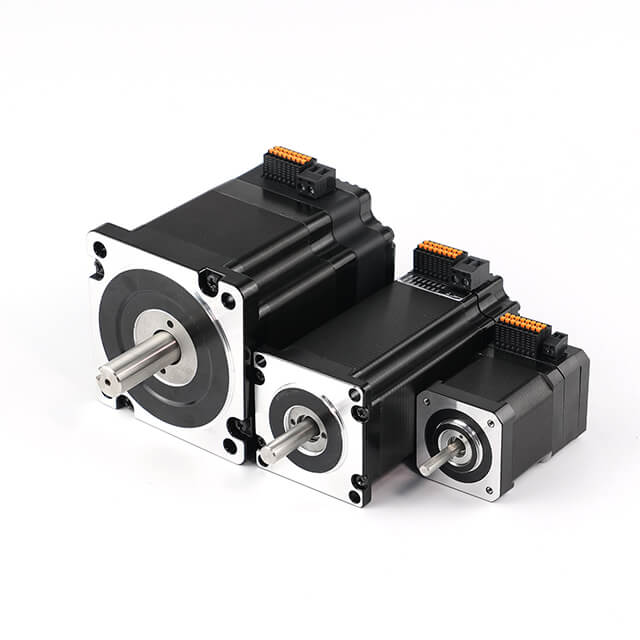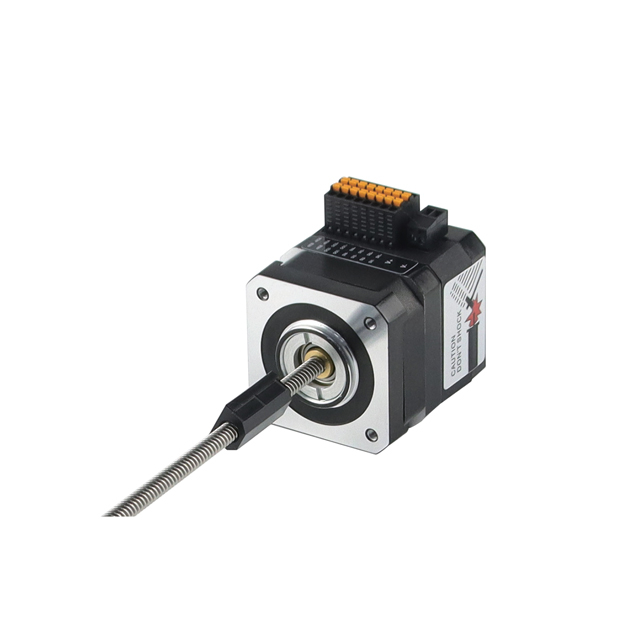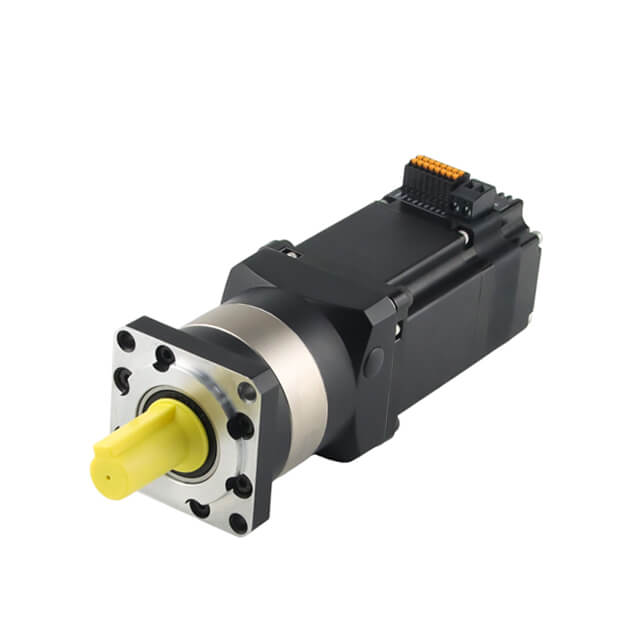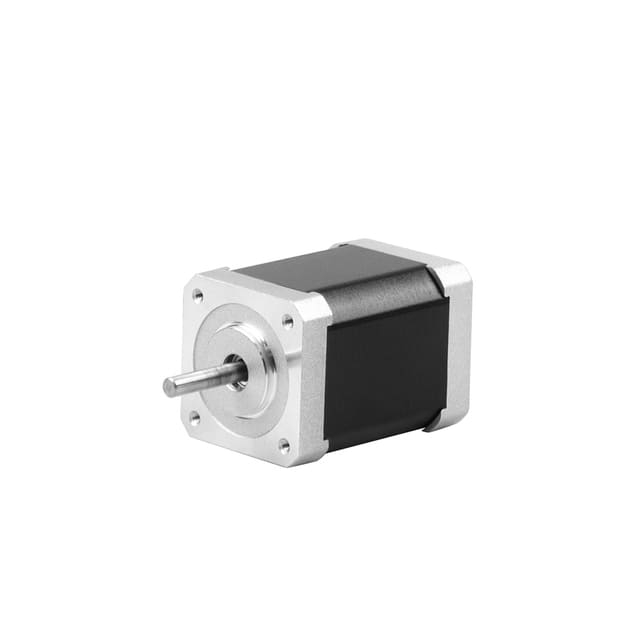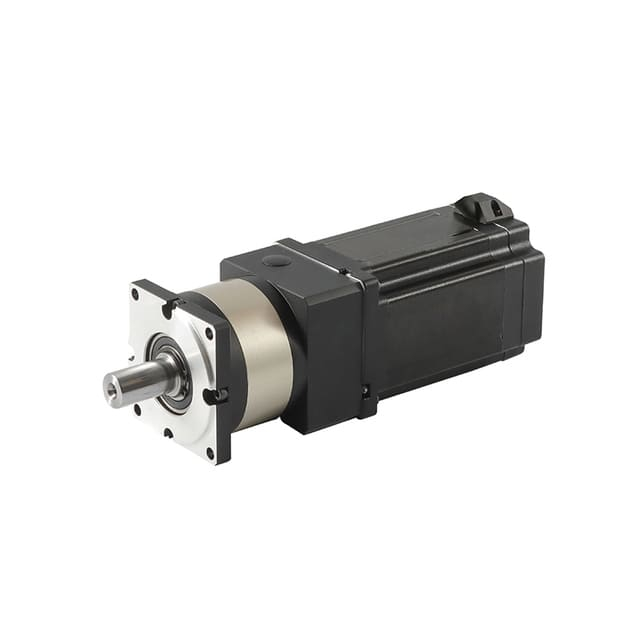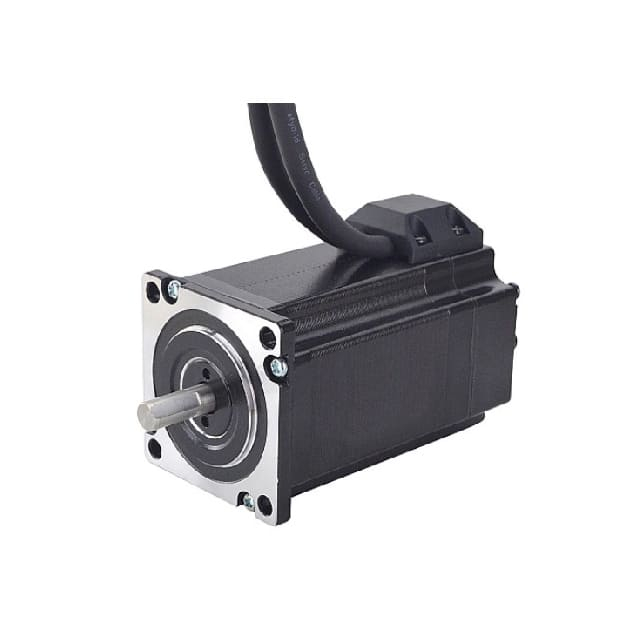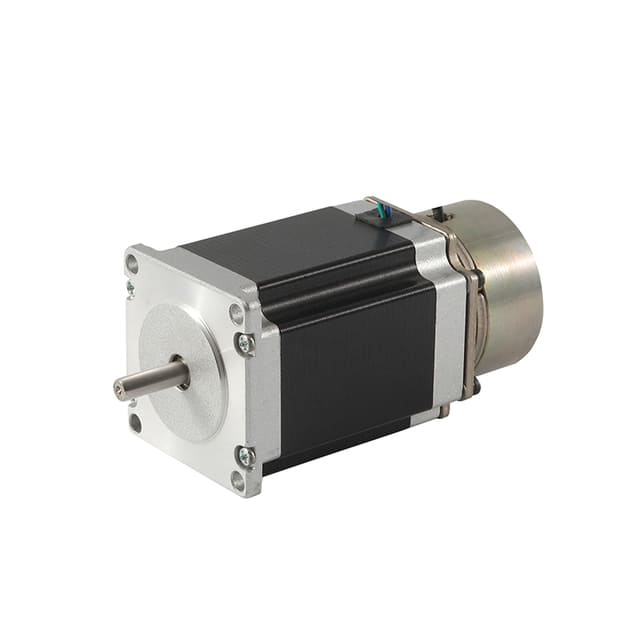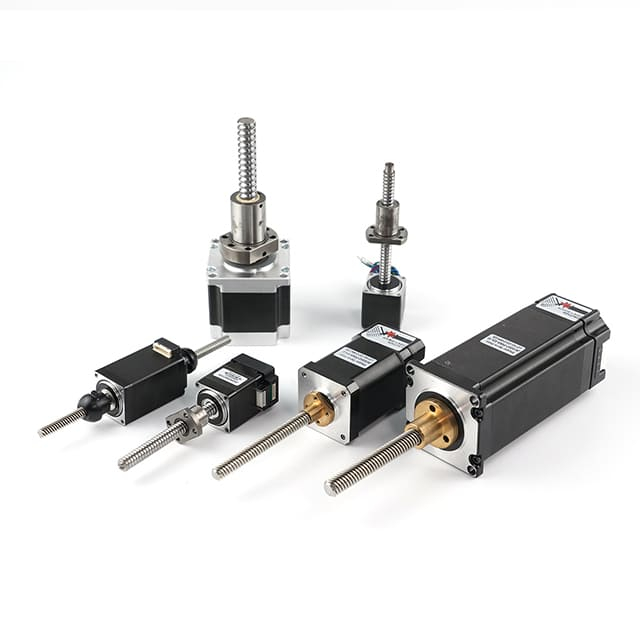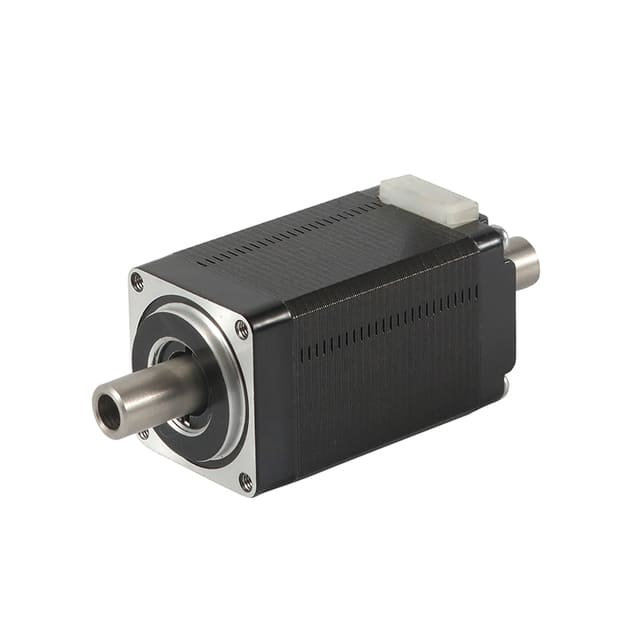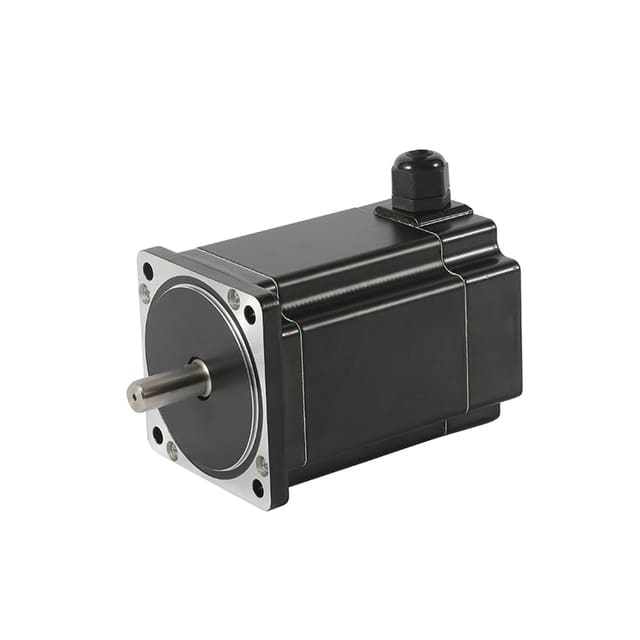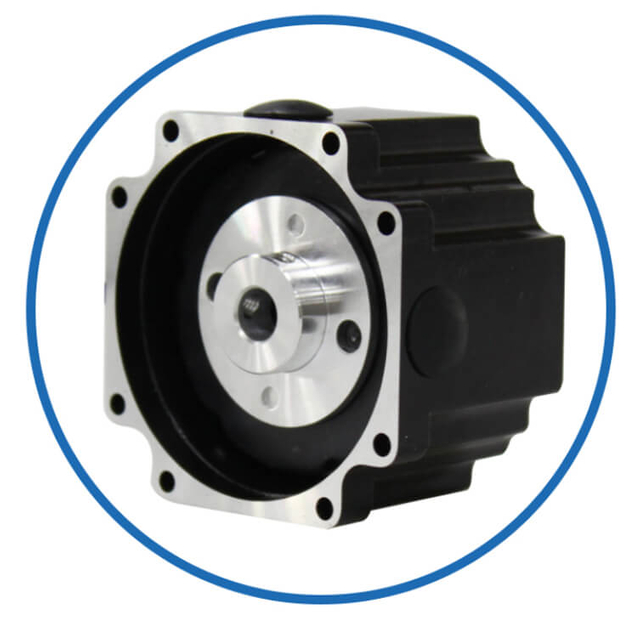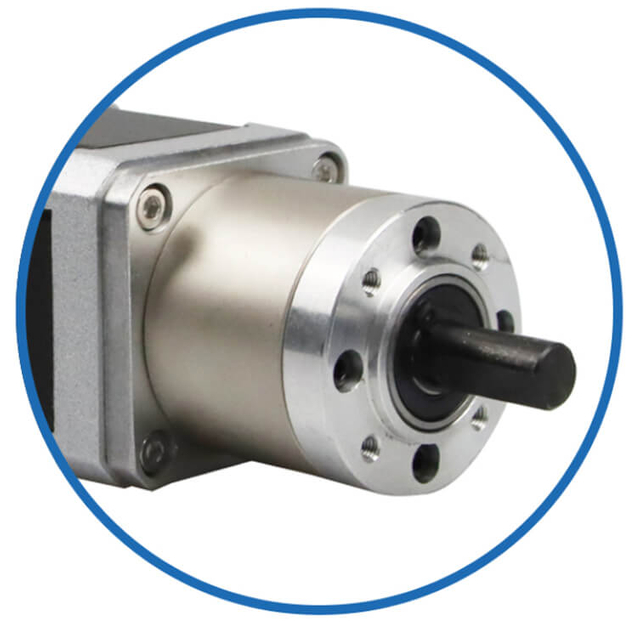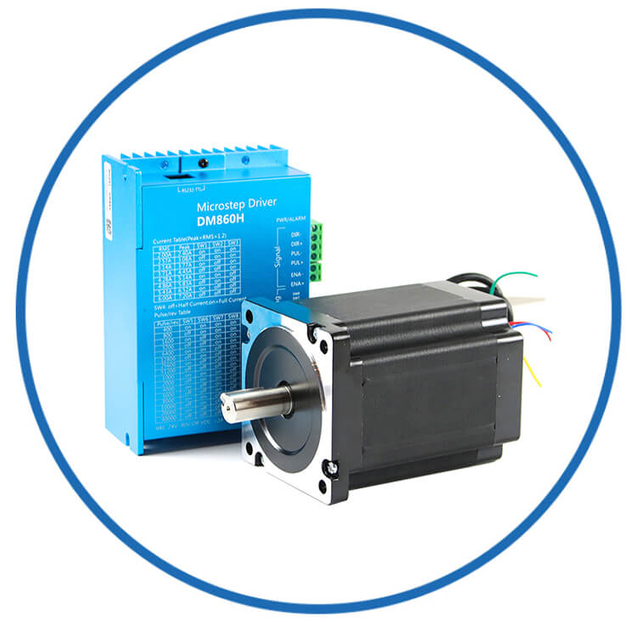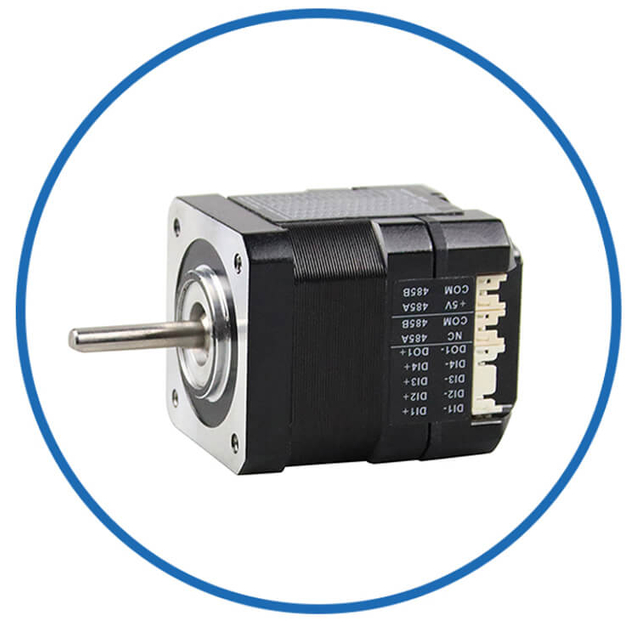
Integrated stepper motors deliver compact, high-precision motion control with simplified installation, higher reliability, and smart features — and factories offering OEM ODM customized solutions can tailor gearboxes, encoders, protocols, and environmental specifications to exact application needs.
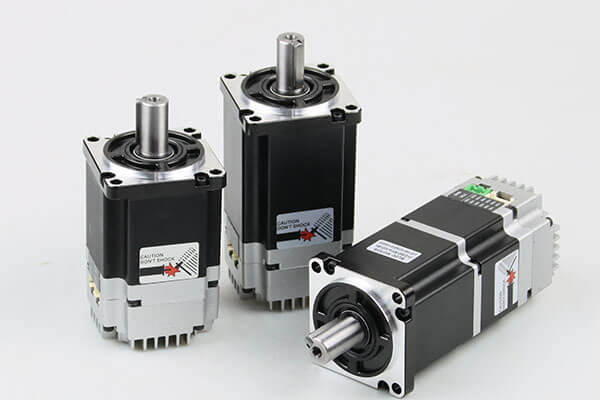
An integrated stepper motor combines the motor, driver electronics, controller, and sometimes feedback mechanisms into one compact unit. This design eliminates external wiring complexity while delivering highly coordinated motion control performance. We adopt integrated solutions when precision, reliability, and simplified installation become operational priorities.
Unlike traditional stepper motor setups that require separate drivers and controllers, integrated systems deliver pre-engineered compatibility, optimized performance, and significantly reduced setup time. This configuration ensures stable communication between components, improving operational consistency in demanding industrial environments.
Customized Stepper Motor Types for Heavy Load Industry Applications
Customized Stepper Motor Service & Integration for Heavy Load Industry
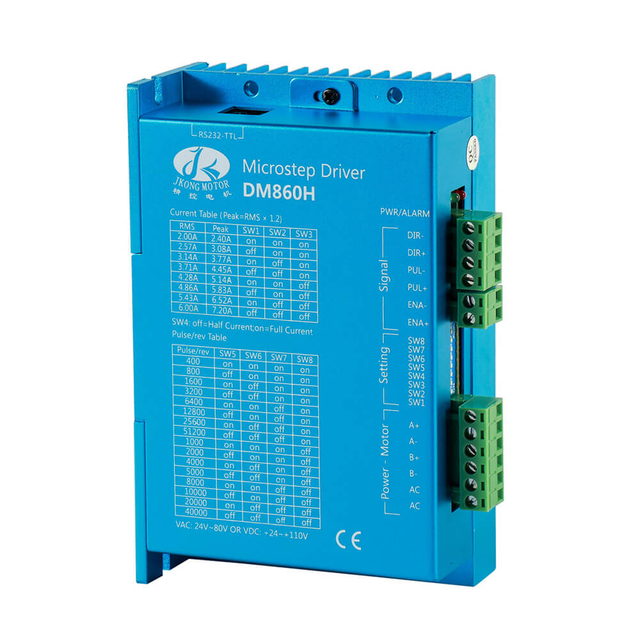
As a professional brushless dc motor manufacturer with 13 years in china, Jkongmotor offer various bldc motors with customized requirements, including 33 42 57 60 80 86 110 130mm, additionally, gearboxes, brakes, encoders, brushless motor drivers and integrated drivers are optional.
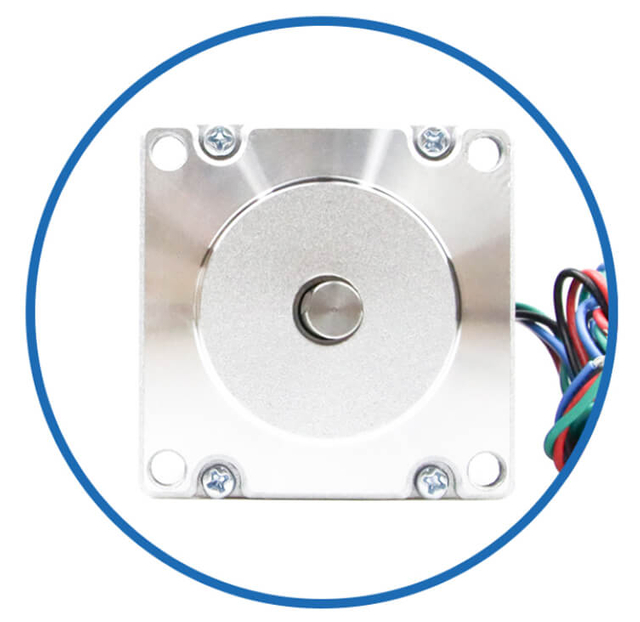
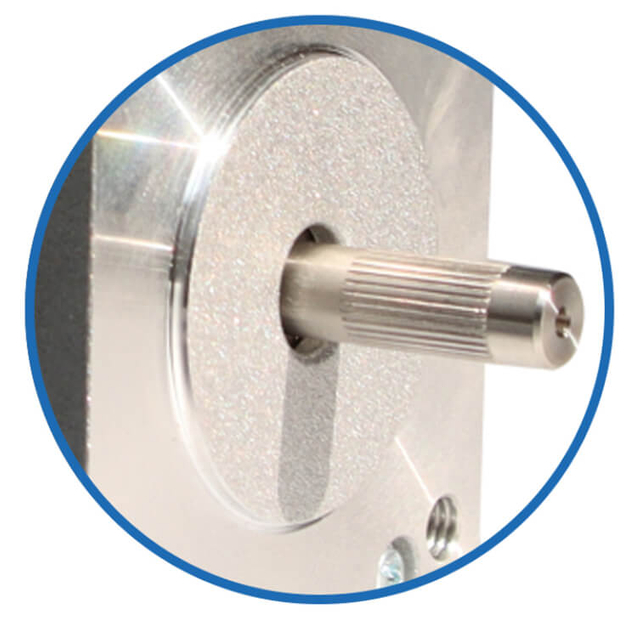
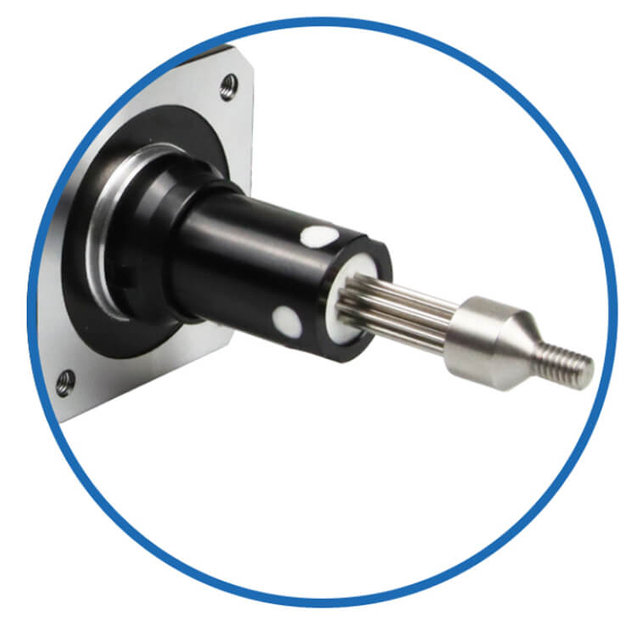
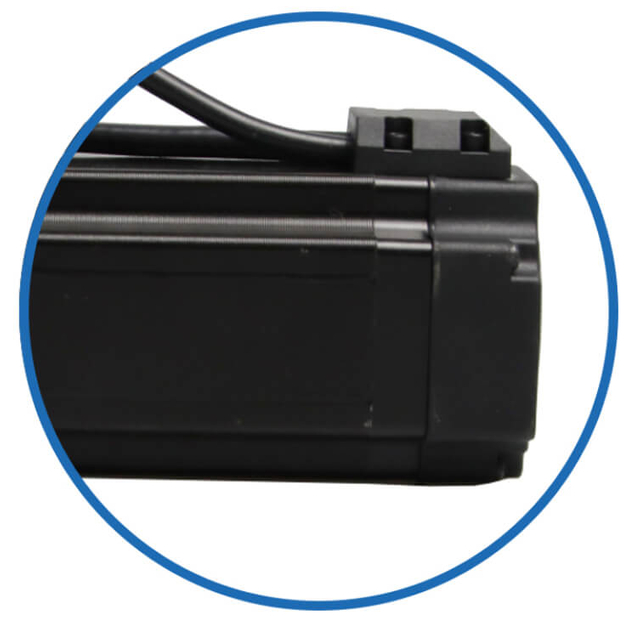
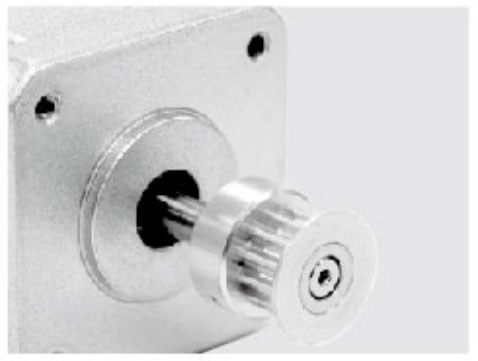
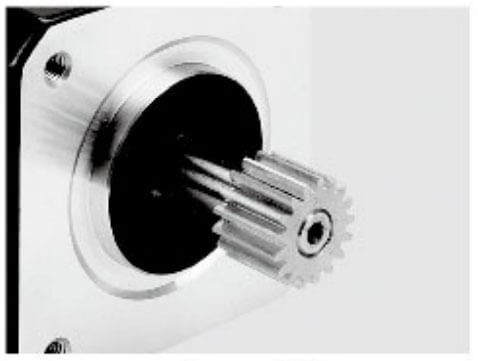
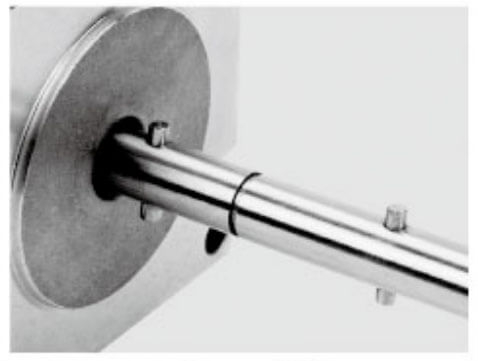
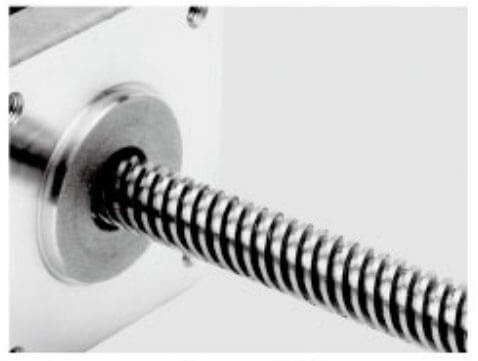
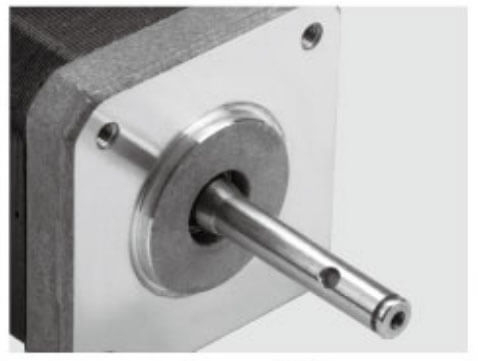
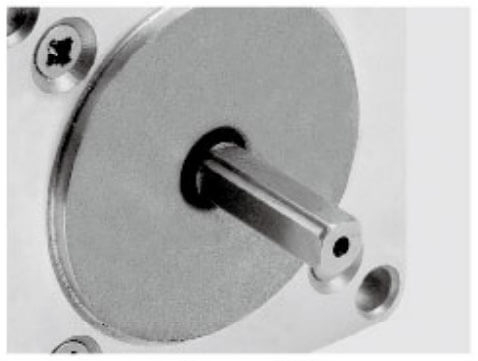
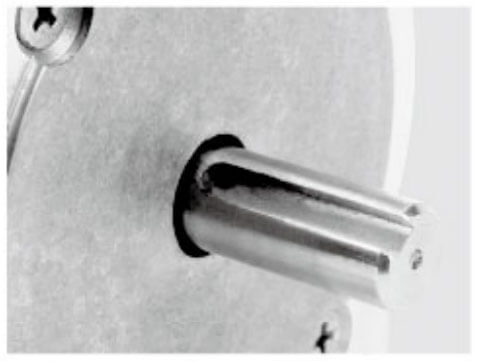
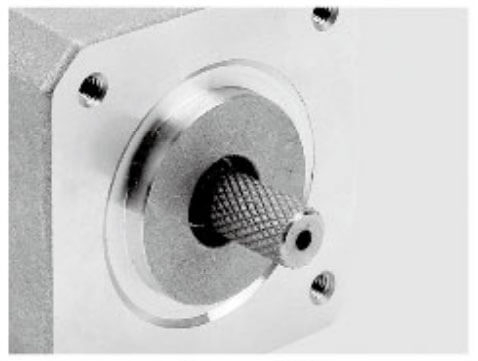
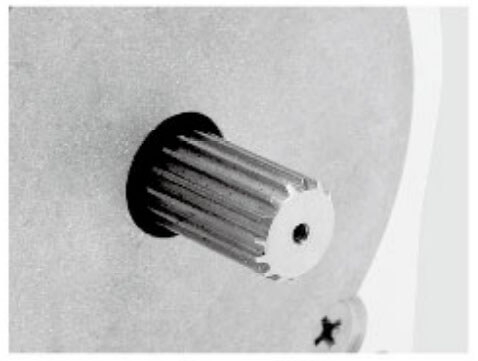
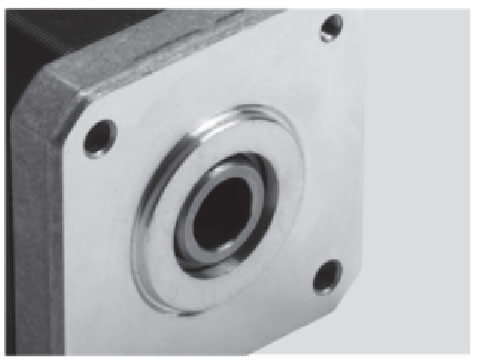
Jkongmotor offer many different shaft options for your motor as well as customizable shaft lengths to make the motor fit your application seamlessly.
Integrated stepper motors deliver a fully consolidated motion control solution by combining the motor, driver, controller, and sometimes feedback electronics into a single compact unit. This integration provides substantial operational advantages in modern automation environments where precision, efficiency, and system reliability are critical.
Simplified Installation and Reduced Wiring Complexity
One of the most significant benefits is drastically simplified wiring architecture. Traditional stepper systems require multiple connections between separate components, increasing installation time and potential wiring errors. Integrated motors eliminate much of this complexity by housing essential electronics within the motor assembly. This results in:
Faster system installation
Lower risk of wiring faults
Cleaner equipment design
Reduced commissioning time
Such simplification directly improves project timelines and lowers engineering labor costs.
Enhanced Reliability and System Stability
By integrating electronic components into a single enclosure, the number of external connections is minimized. Fewer connectors and cables mean fewer potential failure points, which enhances overall system reliability. Integrated designs also offer better protection from:
This leads to more stable performance and longer operational lifespan in demanding industrial applications.
Compact Design for Space-Constrained Applications
Modern automated equipment increasingly requires space-efficient mechanical layouts. Integrated stepper motors eliminate the need for separate driver boxes and excess cabling, enabling more compact machine designs. This advantage is particularly valuable in:
A smaller footprint contributes to improved system ergonomics and easier equipment integration.
Optimized Performance Through Component Matching
Integrated stepper motors are engineered with pre-matched electronics and motor characteristics, ensuring optimal compatibility. This factory-level optimization enhances:
Torque consistency
Step accuracy
Motion smoothness
Thermal efficiency
Such precision reduces the need for extensive tuning and simplifies system calibration.
Improved Electromagnetic Compatibility
Integrated motor systems typically feature shorter internal signal paths and enhanced shielding, which reduce electromagnetic interference. This results in:
Cleaner signal transmission
Lower electrical noise levels
Improved control stability
These qualities are especially important in environments with sensitive electronic equipment.
Lower Total Cost of Ownership
Although initial purchase costs may appear higher, integrated stepper motors often reduce overall lifecycle expenses through:
Reduced installation labor
Minimal wiring materials
Lower maintenance requirements
Faster troubleshooting and replacement
This holistic cost advantage makes integrated solutions financially attractive for long-term automation projects.
Built-In Smart Control Capabilities
Many integrated stepper motors include advanced control features such as:
Programmable motion profiles
Network communication interfaces
Current optimization algorithms
Diagnostic and protection functions
These capabilities enhance automation flexibility while improving operational safety and energy efficiency.
Simplified Maintenance and Faster Replacement
Maintenance procedures become significantly easier because fewer separate components require inspection. Integrated motors often support quick replacement with minimal recalibration, helping reduce equipment downtime and improve productivity.
Integrated stepper motors represent a highly efficient solution for modern automation by combining precision motion control, compact design, reliability, and simplified engineering integration into a single intelligent unit. Their advantages make them an increasingly preferred choice across advanced manufacturing, robotics, medical equipment, and precision instrumentation industries.
Space Optimization in Compact Equipment Design
Integrated stepper motors play a critical role in achieving space-efficient mechanical and electronic system layouts, particularly in modern automation environments where compact equipment design directly influences performance, portability, and manufacturing efficiency. By combining the motor, driver, controller, and sometimes feedback electronics into a single housing, these motors eliminate the need for multiple external components, allowing engineers to optimize valuable installation space.
Eliminating External Control Hardware
Traditional motion control systems often require separate motor drivers, controllers, and additional wiring infrastructure. This increases the overall footprint of the system and complicates enclosure design. Integrated stepper motors consolidate these components into one unit, resulting in:
Reduced cabinet space requirements
Simplified machine architecture
Lower cable management complexity
Improved airflow and thermal distribution
This streamlined approach supports more efficient equipment packaging and reduces mechanical design constraints.
Supporting Compact Machine Footprints
Industries increasingly demand machines that deliver high functionality within limited physical dimensions. Integrated stepper motors enable designers to achieve smaller equipment footprints without compromising performance. This advantage is particularly valuable in:
Robotics and automated handling systems
Laboratory and medical diagnostic equipment
Semiconductor manufacturing tools
Portable automation devices
A compact motor solution allows more flexible placement of critical components while maintaining structural integrity.
Improved Internal Layout Efficiency
Space optimization is not only about reducing size but also about improving internal organization. Integrated stepper motors contribute to cleaner internal layouts by minimizing cable routing paths and reducing component clutter. This leads to:
Easier assembly processes
Enhanced service accessibility
Reduced risk of cable damage
Improved system aesthetics
Better organization ultimately improves both operational reliability and maintenance efficiency.
Weight Reduction for Mobile and Precision Systems
Combining multiple components into one compact motor assembly helps reduce overall system weight. This benefit is especially significant in applications requiring mobility or precise mechanical response, such as:
Autonomous robots
Precision positioning systems
Aerospace instrumentation
Portable inspection equipment
Lower system weight enhances responsiveness while reducing mechanical strain on supporting structures.
Thermal Management Advantages in Compact Designs
Integrated stepper motors are typically engineered with optimized heat dissipation pathways. By designing the motor housing and electronics as a unified system, manufacturers can achieve more effective thermal distribution. This supports:
Stable operating temperatures
Reduced overheating risks
Extended component lifespan
Consistent motion performance
Efficient thermal design is essential for maintaining reliability in densely packed equipment.
Facilitating Modular Equipment Design
Compact integrated motors encourage modular engineering approaches. Machines can be designed in standardized modules where each motion axis operates as a self-contained unit. This modularity allows:
Such flexibility supports evolving production demands without requiring major structural redesigns.
Enhancing Equipment Aesthetics and Ergonomics
Beyond technical benefits, compact integrated motor designs contribute to cleaner industrial product aesthetics and improved ergonomics. Reduced external cabling and smaller control enclosures create equipment that is easier to operate, safer to maintain, and more visually streamlined.
Integrated stepper motors significantly enhance space optimization in compact equipment design by combining functional integration, footprint reduction, simplified layout, and improved thermal performance. Their ability to deliver high-precision motion control within a compact architecture makes them a preferred solution for advanced automation systems where efficiency, reliability, and design flexibility are essential.
Precision Motion Control Without Complex Engineering
Integrated stepper motors provide high-precision motion control while eliminating the engineering complexity traditionally associated with multi-component motion systems. By combining the motor, driver electronics, controller, and sometimes feedback mechanisms into a single compact unit, these systems deliver consistent performance without requiring extensive configuration, advanced tuning expertise, or complicated wiring infrastructures.
Factory-Optimized Component Integration
Integrated stepper motors are engineered with perfectly matched internal electronics and motor characteristics. This pre-optimization ensures that current control, stepping accuracy, and torque output are calibrated at the manufacturing stage. As a result, engineers benefit from:
Reliable step accuracy without manual calibration
Consistent torque delivery across operating speeds
Stable performance under varying load conditions
Reduced system commissioning time
This built-in compatibility significantly simplifies motion system deployment.
Reduced Configuration and Setup Complexity
Traditional stepper motor systems often require careful driver selection, parameter tuning, and communication setup. Integrated solutions remove much of this burden by providing:
Preconfigured driver parameters
Simplified communication interfaces
Streamlined power connections
Minimal external adjustment requirements
This allows rapid installation while maintaining precise motion control performance.
Smooth Motion Through Advanced Microstepping Control
Integrated stepper motors typically incorporate sophisticated microstepping technology that improves motion smoothness and positioning accuracy. Benefits include:
Reduced vibration and resonance effects
Enhanced positional resolution
Quieter motor operation
Improved surface finish in precision manufacturing
These characteristics are particularly valuable in applications such as robotics, CNC machining, medical devices, and laboratory automation.
Consistent Torque Performance Across Speed Ranges
Precision motion control requires stable torque delivery throughout acceleration, constant speed, and deceleration phases. Integrated stepper motors achieve this through:
Optimized current control algorithms
Real-time torque adjustment
Built-in motion profile optimization
This ensures predictable performance without requiring extensive engineering intervention.
Simplified Closed-Loop Capabilities
Many modern integrated stepper motors offer optional closed-loop feedback systems. These enhancements allow:
Automatic position correction
Reduced risk of missed steps
Improved dynamic response
Enhanced operational reliability
Closed-loop functionality provides servo-like precision while maintaining the simplicity of stepper motor control.
Improved Electrical Noise Immunity
Integrated designs reduce cable lengths between components, which helps minimize electrical noise interference. This results in:
More stable control signals
Greater positioning accuracy
Enhanced reliability in industrial environments
Better signal integrity directly supports consistent precision motion performance.
Time Efficiency in Engineering Development
Engineering resources are often limited, and reducing development complexity accelerates project completion. Integrated stepper motors allow teams to focus on system functionality rather than low-level motion control design. Key advantages include:
Faster prototype development
Reduced troubleshooting time
Lower integration risk
Shorter product development cycles
This efficiency is particularly valuable in fast-moving automation sectors.
Enhanced Reliability Through Unified Design
By consolidating multiple motion control components into a single enclosure, integrated stepper motors reduce potential failure points. Benefits include:
Fewer connectors and cables
Lower risk of configuration errors
Improved environmental protection
Greater system durability
This unified architecture supports long-term precision operation with minimal maintenance requirements.
Integrated stepper motors deliver accurate, stable, and efficient motion control without demanding complex engineering processes. Their factory-optimized design, simplified configuration, advanced microstepping capabilities, and enhanced reliability make them an ideal solution for modern automation systems where precision performance and streamlined engineering integration are essential.
Cost Efficiency Across the Equipment Lifecycle
Integrated stepper motors provide substantial cost efficiency throughout the entire equipment lifecycle, from initial design and installation to long-term operation and maintenance. By consolidating the motor, driver, and controller into a unified system, these solutions reduce hidden expenses that typically arise from traditional multi-component motion control setups. This lifecycle-oriented cost advantage makes integrated stepper motors a strategic investment for modern automation systems.
Reduced Engineering and Design Costs
One of the earliest cost benefits appears during the design phase. Integrated stepper motors eliminate the need for complex component matching, driver selection, and extensive electrical layout planning. Engineers can implement motion control solutions more quickly because the system arrives pre-configured for optimal compatibility. This results in:
Lower engineering labor expenses
Simplified system design workflows
Faster product development cycles
Reduced risk of design errors
Shorter design timelines translate directly into financial savings and faster market readiness.
Lower Installation and Commissioning Expenses
Installation costs often increase when multiple components require separate mounting, wiring, and configuration. Integrated stepper motors streamline this process by reducing the number of external connections and hardware elements. This leads to:
Less wiring material consumption
Reduced installation labor time
Simplified commissioning procedures
Fewer configuration adjustments
The result is a faster transition from installation to productive operation.
Minimized Maintenance Requirements
Maintenance efficiency significantly influences total ownership costs. Integrated stepper motors simplify servicing because fewer discrete components require inspection or replacement. Their unified design reduces potential failure points such as connectors, cables, and mismatched electronics. This contributes to:
Lower routine maintenance costs
Simplified diagnostic procedures
Reduced spare parts inventory
Improved equipment uptime
Long-term reliability minimizes operational disruptions and associated financial losses.
Improved Energy Efficiency
Modern integrated stepper motors frequently incorporate advanced current control algorithms and energy-saving features. These technologies optimize power consumption based on load conditions, which helps reduce operational energy expenses. Key advantages include:
Dynamic current adjustment
Reduced heat generation
Efficient torque utilization
Lower overall electricity consumption
Energy efficiency not only cuts operating costs but also supports sustainability initiatives.
Reduced Downtime and Operational Losses
Unexpected downtime can result in significant financial impact, especially in continuous production environments. Integrated stepper motors enhance operational reliability through robust design and built-in protection features. These capabilities help prevent:
Greater system stability translates directly into improved productivity and cost savings.
Simplified Inventory and Supply Chain Management
Using integrated stepper motors reduces the number of separate components that must be sourced, stored, and managed. This streamlined procurement approach delivers:
Lower inventory carrying costs
Simplified supplier coordination
Reduced logistics complexity
More predictable replacement planning
Efficient inventory management contributes to overall operational cost control.
Long-Term Scalability Without Major Redesign
Integrated stepper motors support scalable automation architectures. As production demands evolve, additional motor units can often be incorporated without extensive redesign of control systems. This flexibility avoids costly system overhauls while supporting future expansion.
Enhanced Equipment Resale and Lifecycle Value
Equipment built with integrated motion control solutions often retains higher value over time due to:
Improved reliability reputation
Simplified serviceability
Modernized control architecture
Lower operational risk profile
This enhanced residual value contributes positively to total lifecycle cost calculations.
Integrated stepper motors deliver comprehensive cost efficiency across the entire equipment lifecycle by reducing engineering complexity, installation expenses, maintenance requirements, energy consumption, and operational downtime. Their unified design supports reliable performance, simplified logistics, and long-term scalability, making them a financially sound choice for modern automation systems seeking both performance excellence and economic sustainability.
Noise Reduction and Electromagnetic Compatibility
Industrial environments often experience electromagnetic interference that can disrupt motion control systems. Integrated stepper motors typically feature:
We benefit from quieter operation, improved signal integrity, and enhanced compatibility with sensitive electronics.
Plug-and-Play Integration for Smart Manufacturing
Modern production facilities emphasize rapid scalability and adaptability. Integrated stepper motors support this transformation by offering:
Preconfigured communication interfaces
Standard industrial protocols
Easy network integration
Quick replacement capability
This plug-and-play approach accelerates system upgrades while maintaining operational continuity.
Improved Thermal Management and Performance Stability
Thermal performance significantly influences motor efficiency and longevity. Integrated designs typically incorporate optimized heat dissipation strategies such as:
Thermal coupling between driver and motor housing
Efficient heat sink design
Integrated temperature protection circuits
We maintain consistent performance even under demanding operational loads, reducing overheating risks.
Integrated stepper motors have become a preferred motion control solution across multiple industries due to their compact structure, precision positioning capability, simplified wiring, and built-in control electronics. These advantages allow engineers and manufacturers to implement highly efficient automation systems without complex component integration. Their versatility makes them suitable for a wide range of environments where accuracy, reliability, and space efficiency are essential.
Industrial Automation and Manufacturing Systems
Integrated stepper motors are widely deployed in industrial automation because they provide consistent motion accuracy and simplified system architecture. Manufacturing environments benefit from their ability to deliver repeatable positioning while reducing installation complexity.
Typical uses include:
CNC machines and automated machining centers
Packaging and labeling equipment
Conveyor positioning and indexing systems
Assembly line automation modules
Semiconductor production equipment
Their reliability and compact design help maintain production continuity while optimizing machine layout.
Robotics and Intelligent Motion Platforms
Robotics applications demand precise, responsive motion control with minimal footprint. Integrated stepper motors fulfill these requirements by combining motion control electronics directly within the motor housing, eliminating bulky external drivers.
Common robotic applications include:
Collaborative robotic arms
Pick-and-place automation systems
Automated guided vehicles (AGVs)
Service robots and inspection robots
Educational robotics platforms
These motors contribute to smoother motion control, improved positioning accuracy, and simplified system integration.
Medical and Laboratory Equipment
Medical and laboratory instruments require high precision, reliability, and low noise operation. Integrated stepper motors meet these criteria while supporting compact equipment design.
Key applications include:
Diagnostic imaging positioning systems
Automated sample analyzers
Precision infusion and dosing devices
Laboratory automation robotics
Optical scanning equipment
Their stability and reduced electromagnetic interference make them suitable for sensitive medical environments.
Commercial and Office Automation Equipment
Integrated stepper motors are increasingly used in commercial equipment where space efficiency and reliability are critical. Their plug-and-play functionality simplifies product design while ensuring consistent performance.
Typical equipment includes:
Advanced printing and imaging systems
Document handling machines
Smart vending systems
Textile and embroidery machines
Automated kiosks and retail devices
These applications benefit from reduced maintenance requirements and streamlined installation.
3D Printing and Additive Manufacturing
Precision positioning is fundamental to additive manufacturing processes. Integrated stepper motors provide stable microstepping control and consistent torque performance, making them ideal for:
3D printer axis motion systems
Filament feeding mechanisms
Laser engraving and cutting equipment
Rapid prototyping machinery
Their compact integration supports clean mechanical layouts while enhancing print accuracy.
Electronics Manufacturing and Inspection Equipment
Electronics production environments require accurate positioning and smooth motion control. Integrated stepper motors enable efficient operation in:
PCB assembly machinery
Automated optical inspection systems
Component placement equipment
Microelectronics fabrication tools
The combination of precision control and reduced wiring complexity improves production reliability.
Aerospace and Precision Instrumentation
In aerospace and high-precision instrumentation, equipment must meet strict performance standards while maintaining compact form factors. Integrated stepper motors support:
Satellite positioning mechanisms
Optical calibration systems
Precision measurement devices
Environmental monitoring instruments
Their durability and precise motion characteristics ensure dependable operation in demanding conditions.
Automated Material Handling Systems
Material handling automation relies on reliable motion control for sorting, positioning, and transport functions. Integrated stepper motors provide:
Accurate conveyor positioning
Automated storage systems
Sorting and distribution equipment
Warehouse robotics
Their integrated design simplifies system architecture while improving operational efficiency.
Integrated stepper motors excel in applications that demand precision motion control, compact design, simplified installation, and dependable performance. From industrial automation and robotics to medical equipment, commercial devices, and advanced manufacturing technologies, their unified architecture supports efficient system integration and long-term operational reliability across diverse technological sectors.
Energy Efficiency and Intelligent Control Features
Integrated stepper motors increasingly incorporate advanced control algorithms that improve efficiency. Features often include:
Dynamic current adjustment
Sleep mode energy conservation
Closed-loop feedback integration
Adaptive torque control
These capabilities help reduce operational energy consumption while maintaining precise motion output.
Scalability for Future System Expansion
We prioritize solutions that support future technological evolution. Integrated stepper motors facilitate scalability through:
Modular design compatibility
Firmware upgrade capability
Networked control systems
Flexible communication standards
This ensures long-term viability as production demands grow or change.
Maintenance Simplification and Reduced Downtime
Maintenance efficiency becomes critical in high-throughput environments. Integrated stepper motors simplify service procedures because:
Fewer components require inspection.
Replacement units install quickly.
Diagnostic features are often built in.
Wiring complexity is minimized.
We reduce downtime and streamline preventive maintenance schedules.
Safety Enhancements in Integrated Motor Systems
Modern integrated stepper motors frequently include built-in protection features such as:
These safety measures protect both equipment and personnel while maintaining operational continuity.
Competitive Advantages in Equipment Manufacturing
Manufacturers benefit strategically by incorporating integrated stepper motors into their products. Advantages include:
Faster product development cycles
Reduced engineering complexity
Enhanced product reliability
Improved customer satisfaction
These factors strengthen market competitiveness and technological differentiation.
Conclusion: Why Integrated Stepper Motors Represent the Future
Integrated stepper motors deliver a compelling combination of precision control, simplified installation, enhanced reliability, and long-term cost efficiency. By consolidating essential motion control components into a single optimized unit, we achieve streamlined engineering, consistent performance, and scalable automation solutions. Their adaptability across industries positions integrated stepper motors as a foundational technology for modern intelligent machinery and advanced industrial automation systems.
FAQs – Integrated Stepper Motor & OEM ODM Customized
1. What is an integrated stepper motor?
An integrated stepper motor combines the motor, driver electronics, controller, and often feedback systems in one compact unit for simplified motion control.
2. Why choose an integrated stepper motor over a traditional stepper + external driver setup?
Integrated designs reduce wiring complexity, simplify installation, and improve system reliability compared to separate motor and driver components.
3. What are the key advantages of integrated stepper motors in automation applications?
Benefits include compact design, high precision, fewer failure points, reduced wiring, and better electromagnetic compatibility.
4. Can integrated stepper motors improve operational reliability?
Yes — by reducing external connections and protecting electronics inside a single housing, reliability in harsh environments increases.
5. Are integrated stepper motors suitable for space-constrained designs?
Absolutely — they eliminate bulky external drivers, enabling more compact and efficient machine layouts.
6. What precision levels can integrated stepper motors achieve?
Thanks to built-in electronics and optional feedback (encoders), they deliver high positional accuracy and smooth motion.
7. Do integrated stepper motors support smart control features?
Many models include programmable motion profiles, communication interfaces, and protection diagnostics.
8. What OEM ODM customized options are available for integrated stepper motors?
Customization can include gearboxes, encoders, brakes, cooling fans, special shafts, IP ratings, and functional integration per application.
9. Can integrated stepper motors be customized for specific industries?
Yes — OEM ODM customization allows tailoring to industries like medical, robotics, automation, packaging, and food processing.
10. What customization features are typical in OEM ODM integrated stepper modes?
Typical features include high-resolution feedback devices, integrated gear reducers, and application-specific housing or shaft options.
11. Is it possible to request customized motion control protocols?
Yes — OEM ODM options support different communication standards such as pulse, RS485, CANopen, or EtherCAT.
12. Do integrated stepper motors support closed-loop control?
Many integrated variants include or support closed-loop feedback for enhanced positioning and torque control.
13. How does OEM ODM customization impact lead times and design cycles?
Factories with customized capabilities help shorten design cycles by aligning components to exact requirements and ensuring supply stability.
14. Can integrated stepper motors be designed for special environments (e.g., food grade)?
Yes — OEM ODM customization can include food-grade materials and sealed designs to meet hygiene standards.
15. Is energy efficiency improved with integrated stepper motors?
Yes — built-in intelligent control optimizes current flow, reduces heat, and improves overall efficiency.
16. What maintenance benefits do integrated stepper motors offer?
Fewer external parts and built-in diagnostics reduce maintenance needs and help detect issues early.
17. Can integrated stepper motors be networked for multi-axis systems?
Yes — their modular design supports scaling from single axis to complex multi-axis setups.
18. How does OEM ODM customized production ensure quality consistency?
Dedicated manufacturing processes and long-term component sourcing deliver stable quality and design continuity.
19. Are there integrated stepper motor options with high torque density?
Yes — integrated designs with advanced microstepping and optional gearing achieve high torque and smooth motion.
20. How does integrated design reduce total system cost?
Less wiring, faster installation, minimal component requirements, and reduced maintenance lower lifecycle costs despite higher initial investment.