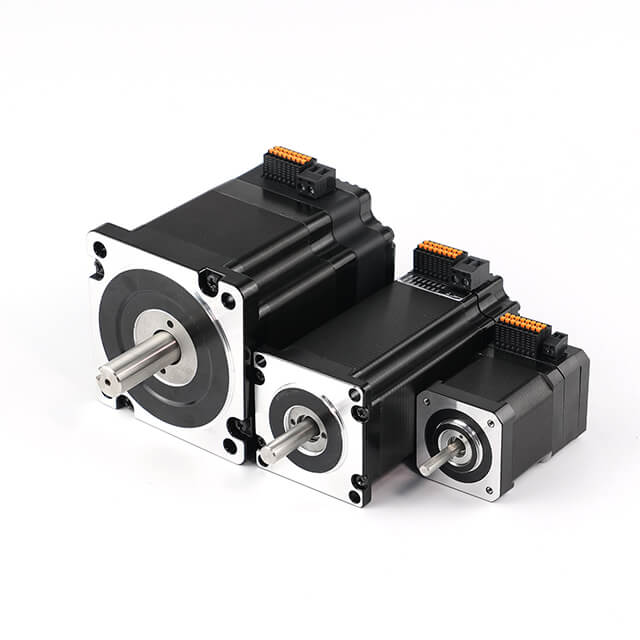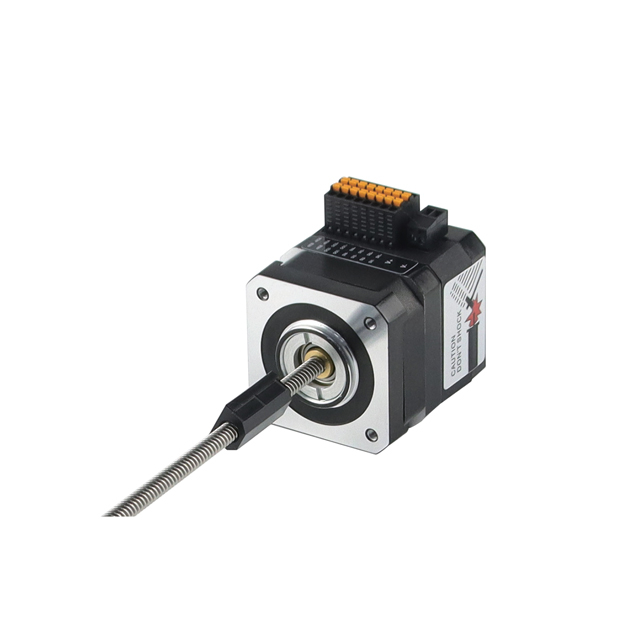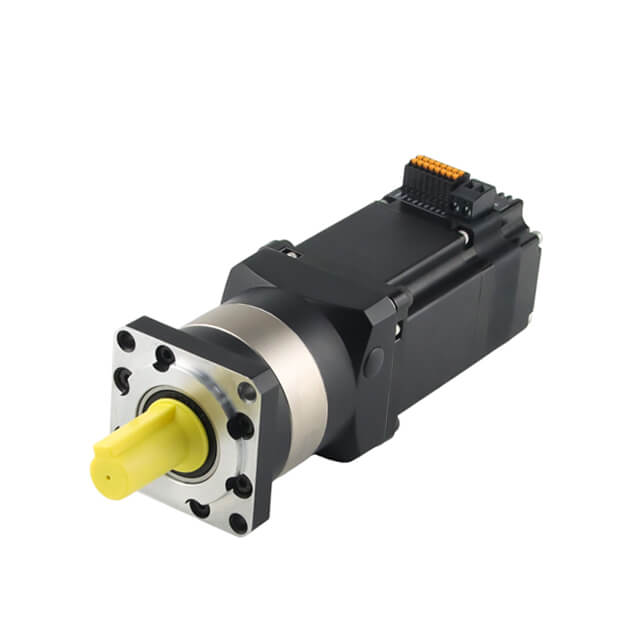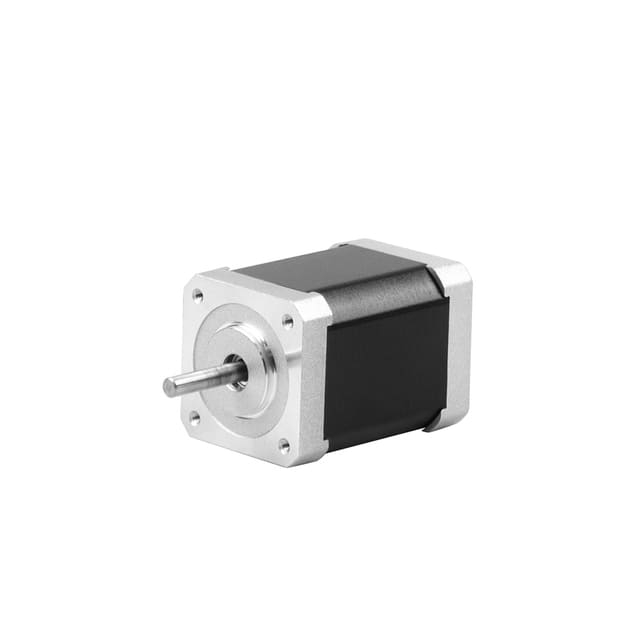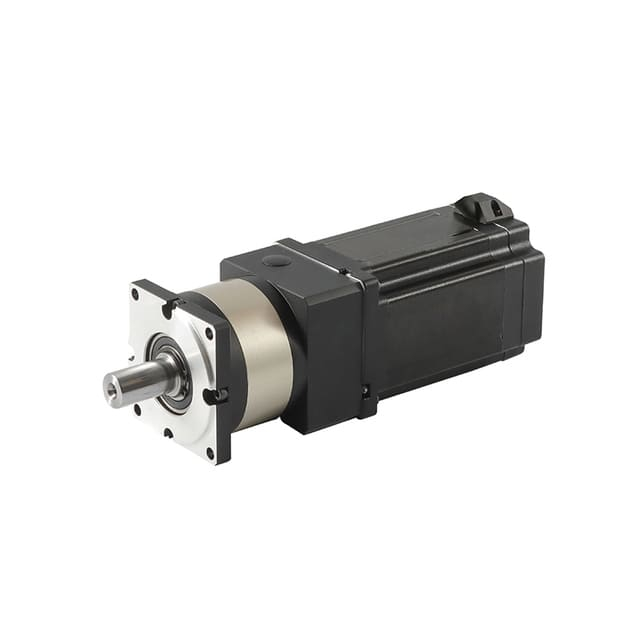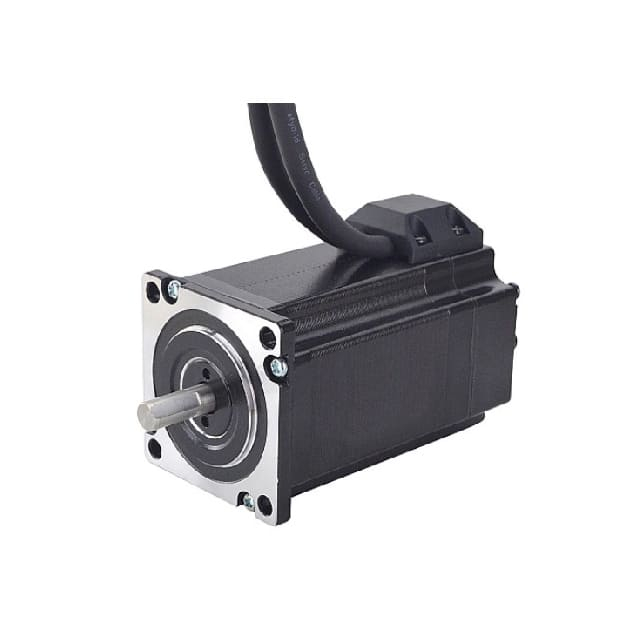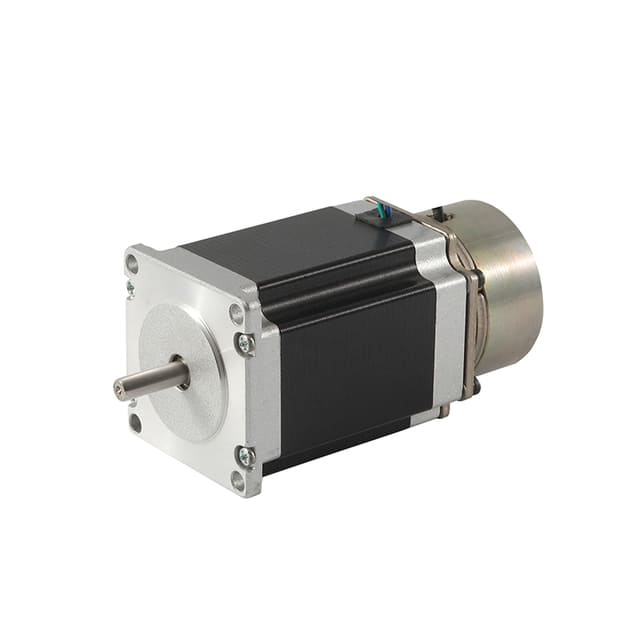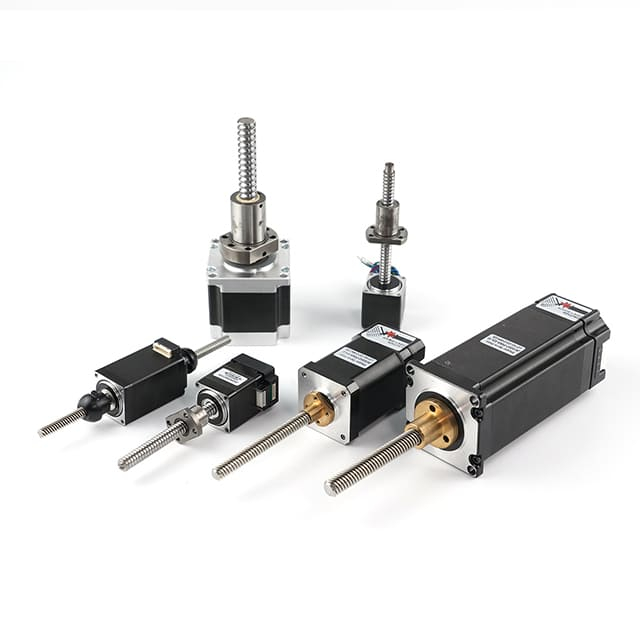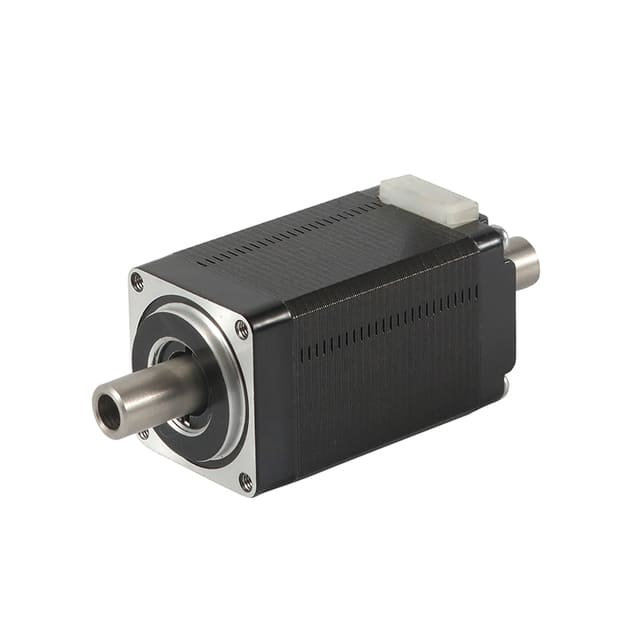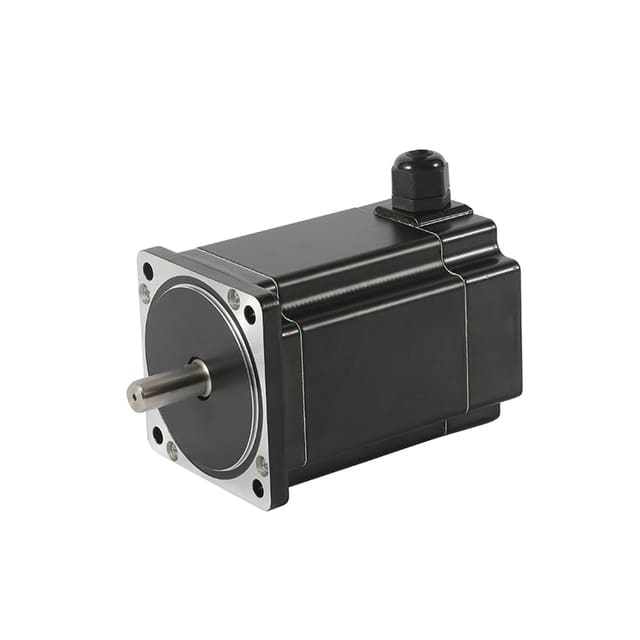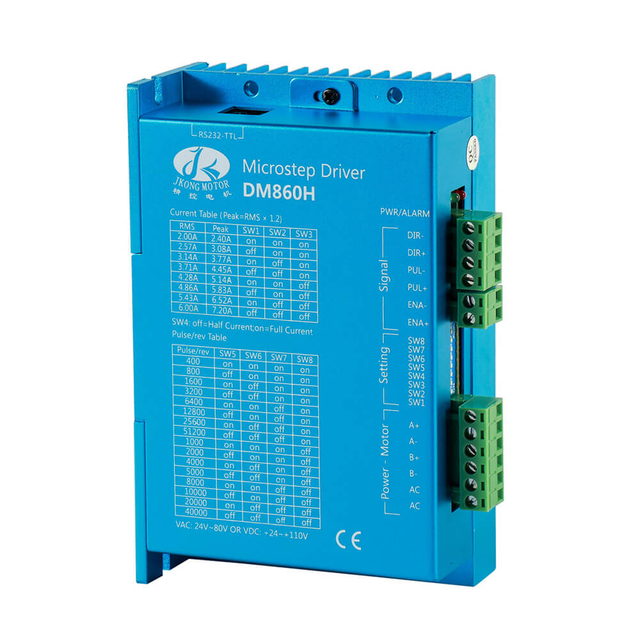
Stepper motors and servo motors differ mainly in motion control, feedback, torque, speed, and precision: steppers use open-loop steps for cost-effective positioning, while servos use closed-loop feedback for high-performance motion. Both types can be OEM/ODM customized — including size, gearing, feedback, and integrated options — to match specific product and industrial automation needs, making them ideal for tailored manufacturing solutions.
Choosing between a servo motor and a stepper motor is one of the most important decisions in motion control. While both are designed to create precise movement, they operate in fundamentally different ways—and those differences directly affect accuracy, torque, speed, cost, efficiency, wiring complexity, and long-term reliability.
In this guide, we break down the real-world differences between servo motors vs stepper motors, using practical engineering logic and buyer-focused decision criteria. If we want a motion system that performs consistently in production, we must match the motor type to the application demands—not just the spec sheet.
Servo Motor vs Stepper Motor: The Quick Definition
What Is a Stepper Motor?
A stepper motor is a motor that rotates in discrete steps. It moves based on electrical pulses, where each pulse commands a specific incremental rotation (such as 1.8° per step, or 200 steps per revolution). This makes it naturally suited for positioning applications where predictable movement is required.
Key characteristics of a stepper motor:
Open-loop control (typically no feedback sensor)
Moves in fixed increments
Excellent for low-to-medium speed positioning
Strong holding torque at standstill
What Is a Servo Motor?
A servo motor is a motor system that uses closed-loop feedback control. It includes a motor (often BLDC or AC servo), a feedback device (encoder/resolver), and a servo drive that constantly corrects position, speed, and torque in real time.
Key characteristics of a servo motor:
Closed-loop control
High speed and dynamic response
Maintains torque efficiently across a wider speed range
Superior performance under changing loads
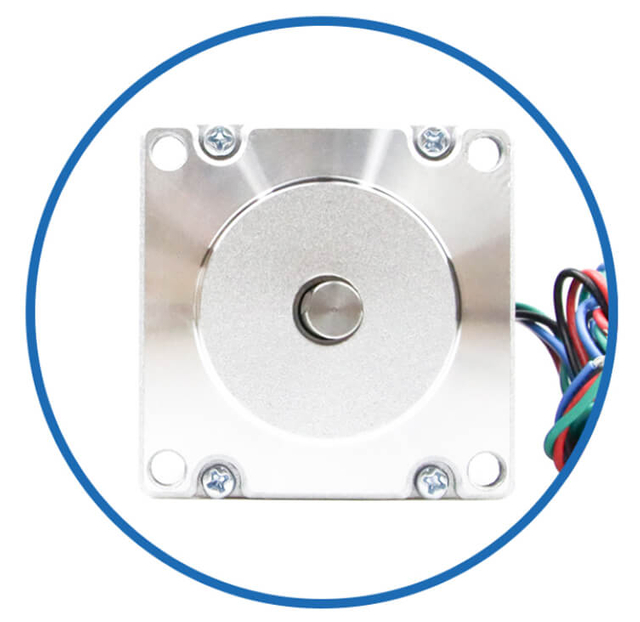
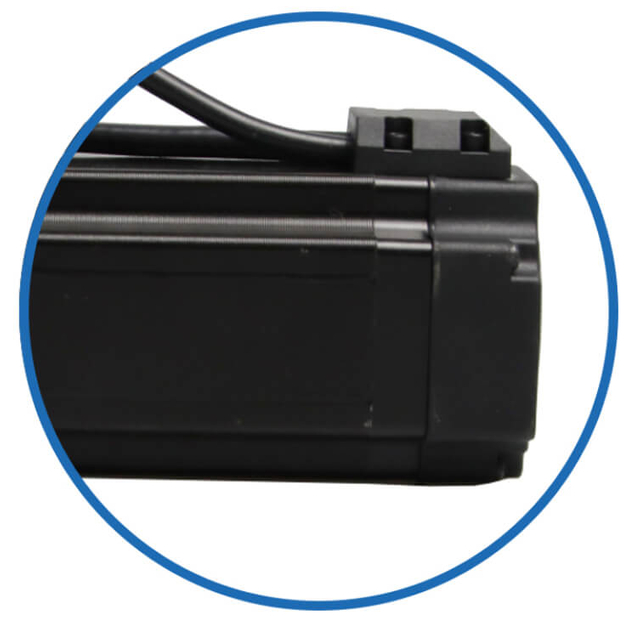
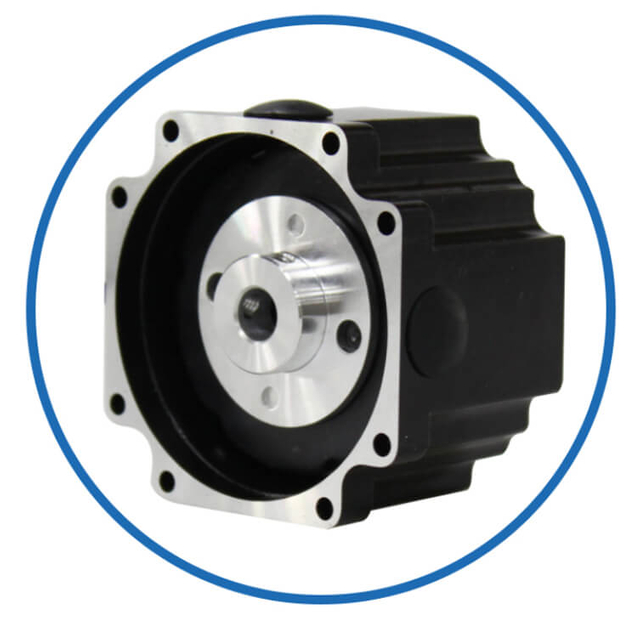
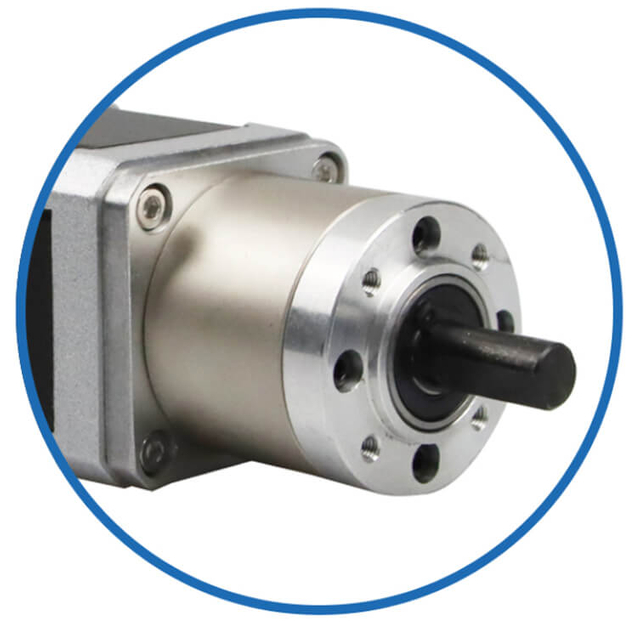
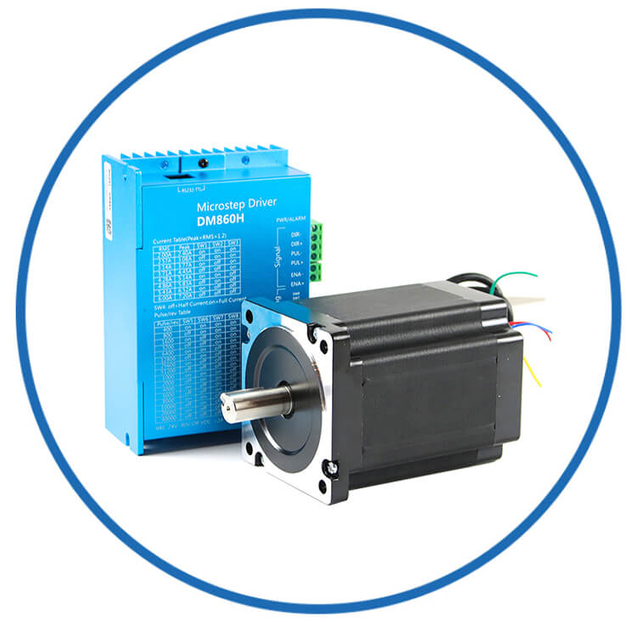
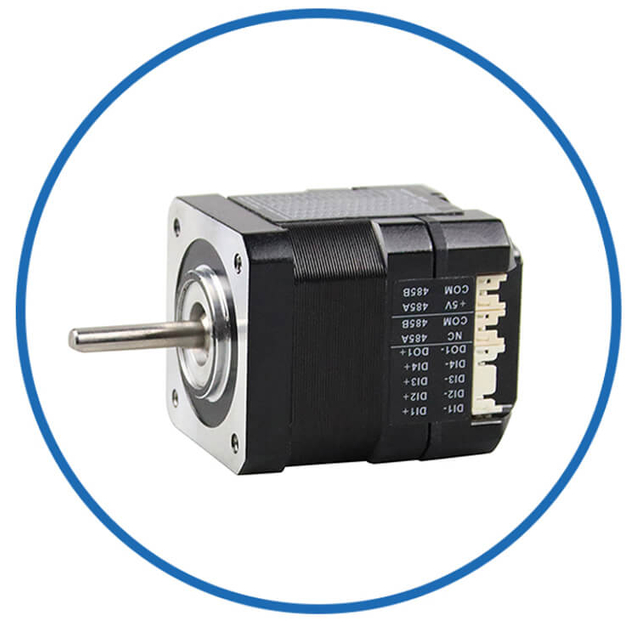
Customized Stepper Motor Types for Heavy Load Industry Applications
Customized Stepper Motor Service & Integration for Heavy Load Industry
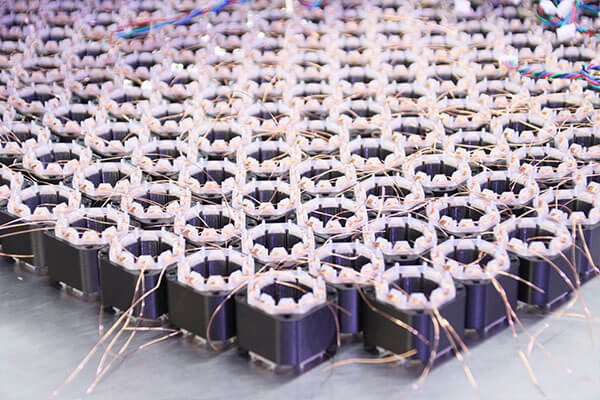
As a professional brushless dc motor manufacturer with 13 years in china, Jkongmotor offer various bldc motors with customized requirements, including 33 42 57 60 80 86 110 130mm, additionally, gearboxes, brakes, encoders, brushless motor drivers and integrated drivers are optional.
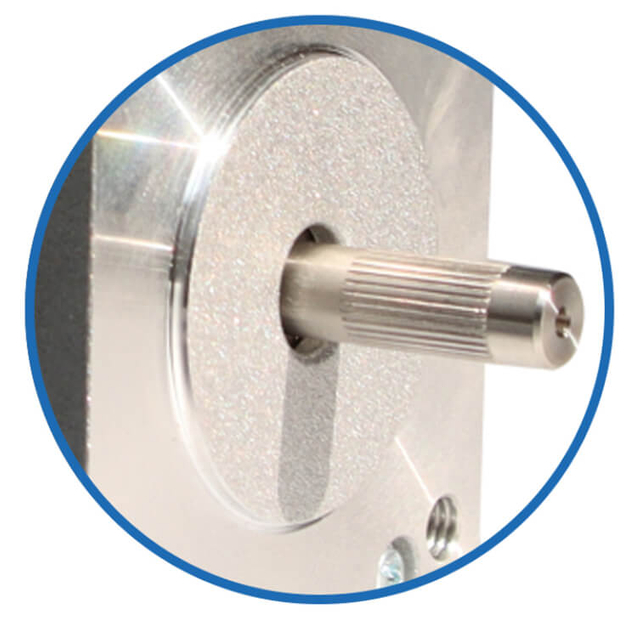
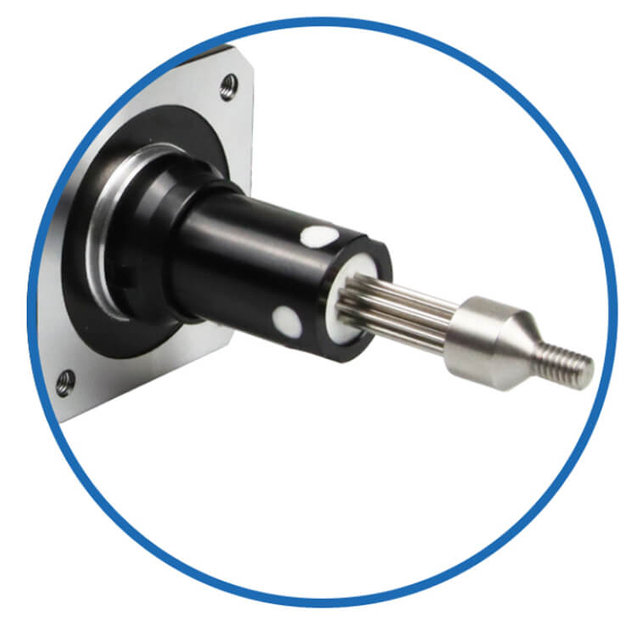
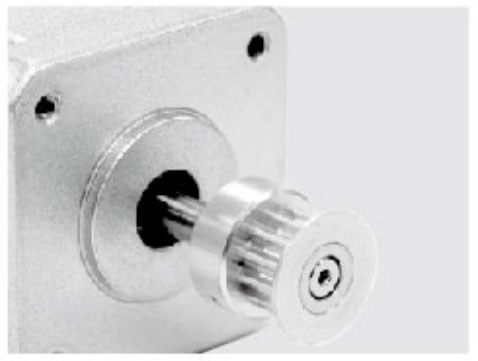
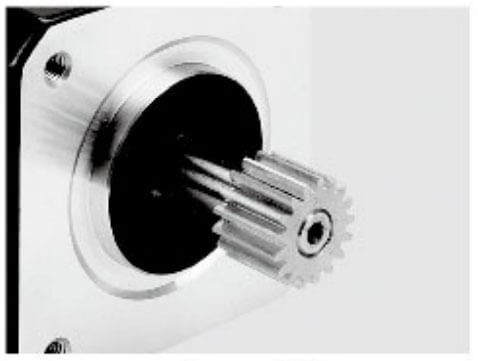
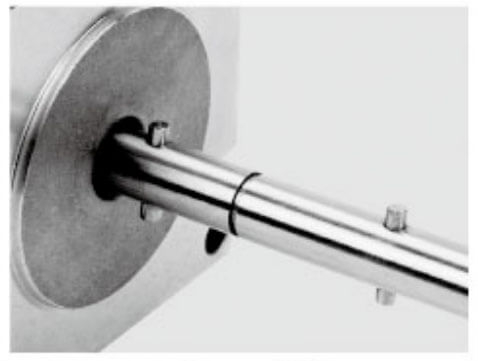
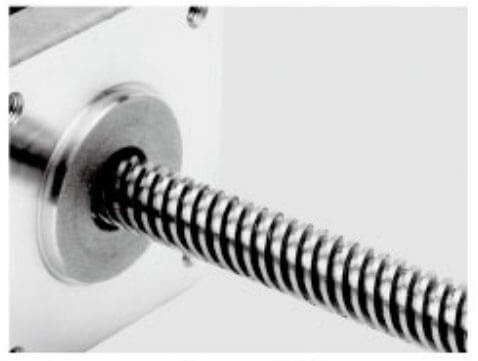
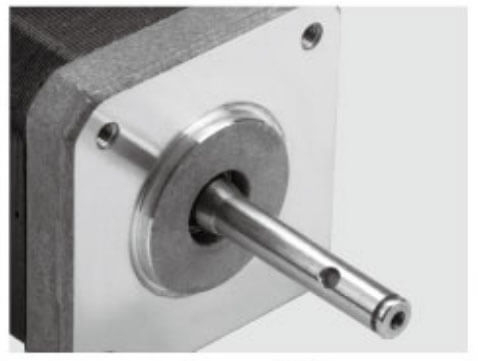
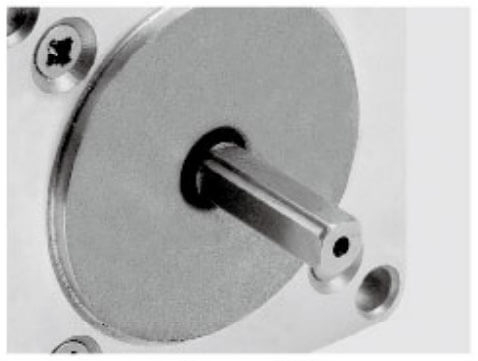
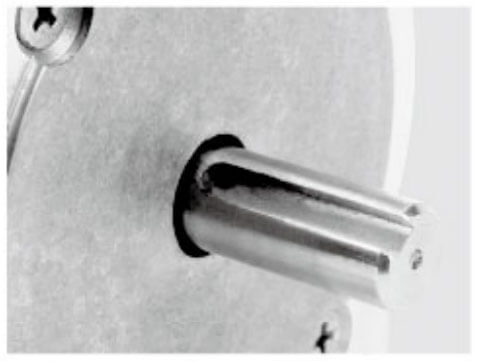
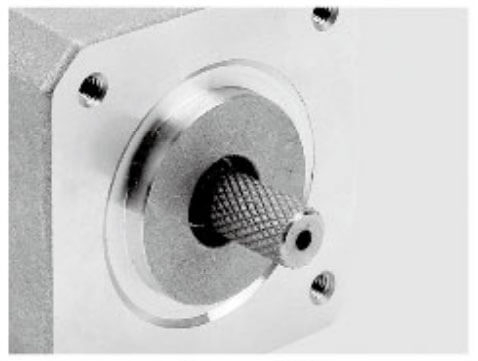
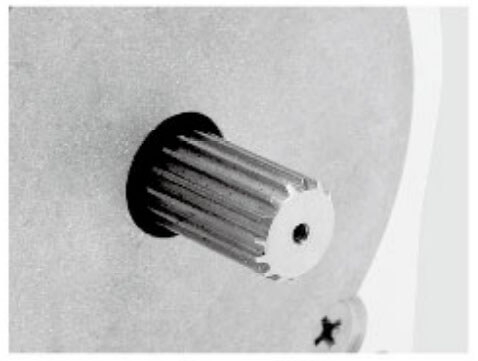
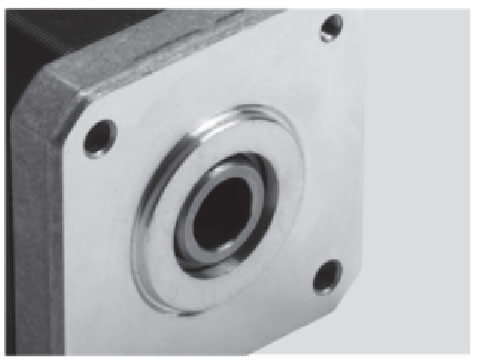
Jkongmotor offer many different shaft options for your motor as well as customizable shaft lengths to make the motor fit your application seamlessly.
Core Control Difference: Open-Loop vs Closed-Loop Motion
With a stepper motor, we command steps and assume the motor follows. In stable conditions, this works well. But if the motor experiences:
That means the system can lose position accuracy silently—especially in long-cycle production tasks.
Servo Motor Control (Closed-Loop)
Servo motors continuously compare:
commanded position vs actual position
using encoder feedback. The drive corrects errors instantly. If load changes or speed increases, the servo actively compensates.
This closed-loop behavior is why servo systems are preferred for:
Position Accuracy and Repeatability: Which One Is More Precise?
Stepper Motor Accuracy
A stepper motor’s positioning resolution is based on:
step angle (example: 1.8°),
microstepping setting (example: 1/16, 1/32).
However, microstepping improves smoothness more than true accuracy. In real applications, torque nonlinearity and mechanical load may cause microstep error.
Stepper motors provide good performance for:
Servo Motor Accuracy
Servo motor accuracy is primarily determined by encoder resolution and tuning. With high-resolution encoders (e.g., 17-bit, 20-bit, 23-bit), servo motors deliver extremely fine control with strong correction capability.
Servo motors are better when we require:
high precision under load,
repeatability across long cycles,
error correction during dynamic motion,
smooth multi-axis interpolation.
Speed Performance: Servo Motors Dominate High RPM Applications
Stepper Motor Speed Behavior
Stepper motors typically perform best at lower speeds. As speed increases, torque drops rapidly due to inductance and back EMF effects. At high RPM, stepper motors can:
lose torque,
miss steps,
vibrate,
stall.
For many stepper systems, usable performance often sits below 1000 RPM, depending on motor size and drive voltage.
Servo Motor Speed Behavior
Servo motors maintain torque over a much wider speed range. Many servo systems operate efficiently at:
Servo motors are ideal when we need:
high-speed throughput,
rapid acceleration/deceleration,
continuous rotation applications,
smooth velocity control.
Torque Characteristics: Holding Torque vs Dynamic Torque
Stepper Motor Torque Strength
Stepper motors are known for excellent holding torque at standstill. This is extremely valuable in applications that require:
However, stepper torque drops significantly at speed, so the motor may feel “strong” when stopped but weak during fast motion.
Servo Motor Torque Strength
Servo motors deliver stronger dynamic torque across varying speeds. They can accelerate faster and recover from disturbances quickly. Servo motors also offer high peak torque for short bursts, which is useful in:
Motion Smoothness and Vibration: Which Runs Quieter?
Stepper Motor Vibration and Resonance
Stepper motors can suffer from:
mid-band resonance,
audible noise,
mechanical vibration.
Microstepping helps reduce vibration, but it does not eliminate resonance entirely. Poor mechanical coupling, incorrect acceleration settings, or rigid mounting can amplify noise.
Servo Motor Smoothness
Servo motors typically run smoother and quieter because they are not stepping through discrete positions. They deliver continuous motion control and are excellent for:
smooth conveyor speed control,
camera motion platforms,
precision scanning systems,
high-end industrial automation.
Efficiency and Heat: Servo Motors Are Usually Cooler
Stepper Motor Efficiency
Stepper motors often draw current even when holding position, which creates constant heat. This means:
higher power consumption,
increased motor temperature,
potential need for larger frames or cooling design.
This is normal behavior for stepper motors and must be considered in enclosure design.
Servo Motor Efficiency
Servo motors only draw the current needed to match the torque demand. Under lighter loads, they consume less power and generate less heat, making them better for:
Feedback and Error Handling: Servo Systems Are Safer for Critical Motion
Stepper Motor Limitations
Traditional stepper systems have no built-in verification that the commanded position was achieved. If something goes wrong, the controller may never know.
In production environments, this can lead to:
Servo Motor Advantages
Servo systems detect and respond to:
position error,
overload conditions,
encoder faults,
abnormal torque demand.
Servo drives can trigger alarms and stop motion safely, improving:
process reliability,
equipment protection,
operator safety.
Stepper Motor Cost
Stepper motors and stepper drives are generally more affordable. They are widely used in:
When we need simple positioning at a controlled speed, stepper systems offer excellent value.
Servo Motor Cost
Servo motors cost more because they include:
However, servo systems can reduce hidden costs by preventing:
step loss errors,
frequent retuning,
overheating issues,
throughput limitations.
In many industrial projects, the servo is not “expensive”—it’s the motor that prevents expensive production failures.
Wiring and Setup: Stepper Is Simpler, Servo Is Smarter
Stepper Motor Setup
Stepper systems are straightforward:
pulse/direction signals,
basic wiring,
minimal tuning.
This simplicity is perfect for:
quick builds,
prototype machines,
compact control panels.
Servo Motor Setup
Servo systems require:
encoder wiring,
drive tuning parameters,
feedback integration.
Modern servo drives simplify commissioning, but setup still demands more expertise. The benefit is a system that can handle:
dynamic loads,
speed changes,
precision correction.
Stepper motors are ideal for motion control tasks where precise positioning, simple control, cost efficiency, and repeatability are needed without requiring high speed or complex feedback systems. Below are common real-world applications where stepper motors excel:
1. 3D Printers
Stepper motors are widely used in 3D printers to control the movement of the print head and build platform. They provide:
Accurate positioning of print layers
Repeatable motion for consistent prints
Low cost and simple control suitable for consumer and hobby machines
2. CNC Machines (Entry-Level & Hobby)
In small CNC routers, mills, and laser cutters, stepper motors are used to drive:
X, Y, Z axes
Table positioning
They are great for applications where:
speed requirements are moderate
high precision closed-loop feedback isn’t mandatory
3. Linear Actuators and Lead Screw Drives
Stepper motors are commonly coupled with lead screws or belt drives to create linear motion. Benefits include:
Precise incremental motion
High holding torque at standstill
This makes them suitable for:
lab equipment
small positioning tables
optical focusing systems
4. Camera and Optical Positioning
Stepper motors are used in:
Pan-tilt camera mounts
Slide and focus mechanisms
They provide controlled movement without complex feedback, making them suitable for:
photography rigs
machine vision positioning
5. Automated Valve and Damper Control
In HVAC systems, fluid control, and industrial automation, stepper motors are used to drive valves or dampers to specific set positions because they offer:
Predictable position stepping
Reliable holding torque
This ensures accurate control of airflow, pressure, or fluid flow.
6. Medical Devices
Stepper motors are found in various medical and laboratory devices where controlled motion is needed, such as:
7. Textile and Sewing Machines
In automated sewing and embroidery machines, stepper motors control:
8. Packaging and Labeling Equipment (Low-Speed Segments)
For indexing operations like:
9. Small Conveyor Systems
In applications where slow, repeatable conveyor movement is needed, stepper motors drive:
10. Educational Platforms and Prototyping
Because stepper motors are easy to drive and program, they are popular in:
Why Stepper Motors Work Well in These Applications
Stepper motors are chosen for these use cases because they offer:
Precise incremental motion without feedback systems
Simple open-loop control with basic pulse/direction signals
Good holding torque at zero speed
Lower cost compared to closed-loop servo systems
Ease of integration with microcontrollers and drivers
Best Applications for Servo Motors
Servo motors are best suited for motion control systems that require high speed, high accuracy, fast response, and reliable performance under changing loads. Because servo systems operate with closed-loop feedback (encoder/resolver), they continuously correct position and speed—making them ideal for demanding industrial automation.
Below are the most common and best-fit applications where servo motors clearly outperform other motor types.
1. Industrial Robots (Articulated, SCARA, Collaborative Robots)
Servo motors are the standard choice in robotics because they deliver:
High torque density
Fast acceleration and deceleration
Smooth, precise multi-axis motion
Stable performance under variable payloads
Common robot servo axes include joints, arms, wrists, and end-effectors.
2. CNC Machines and Machining Centers
Servo motors are widely used in CNC equipment for:
They provide:
3. Packaging Machines (High-Speed Automation)
In packaging lines, servo motors power:
They are chosen for high throughput and repeatable timing synchronization.
4. Pick-and-Place Systems
Servo motors excel in pick-and-place machines because they support:
Rapid motion cycles
High positioning repeatability
Smooth stop-start control
Accurate placement under load changes
Common industries: electronics, food, medical devices, and consumer goods.
5. Automated Assembly Lines
Servo motors are ideal for assembly processes such as:
Press fitting
Precise part insertion
Alignment positioning
Indexing tables
Automated screwdriving
They improve production stability by maintaining precision even with shifting part tolerances.
6. Semiconductor and Electronics Manufacturing
Servo motors are frequently used in:
Because these processes require extreme repeatability, servo control is often mandatory.
7. Printing, Converting, and Web Handling Machines
Servo motors provide accurate tension and speed control in:
Their closed-loop control ensures stable web tension and consistent registration accuracy.
8. AGV and AMR Drive Systems
Servo motors are widely used in:
They provide:
9. High-Precision Linear Motion Systems
Servo motors paired with ball screws, belts, or linear guides are used in:
They are best when we need fast travel with accurate positioning.
10. Medical and Laboratory Automation Equipment
Servo motors are used in high-end medical systems where precision and reliability matter, such as:
They support quiet operation, smooth motion, and accurate control.
Why Servo Motors Are Chosen for These Applications
Servo motors are preferred because they deliver:
Closed-loop feedback control
High-speed capability
Fast response and strong dynamic torque
Excellent positioning repeatability
Stable motion under variable loads
Better efficiency for continuous-duty systems
How We Choose Between Servo vs Stepper in Real Projects
When we select between a servo motor and a stepper motor, we don’t start with brand names or marketing claims—we start with machine requirements, load behavior, and production risk. Both motor types can deliver accurate motion, but they perform very differently under speed, torque, and real-world disturbances.
Below is the exact framework we use to choose the right solution in real projects.
1. We Define the Motion Profile (Speed, Distance, and Cycle Time)
The first question we answer is: how fast does the axis need to move—consistently?
If the application requires high RPM, fast travel, or short cycle time, we typically choose a servo motor.
If the axis moves at low-to-medium speed, with frequent stops and controlled acceleration, a stepper motor often works well.
Rule we follow:
High-speed + high throughput = servo advantage.
Moderate speed + stable motion = stepper advantage.
2. We Evaluate Load Changes and Disturbances
Next, we examine whether the load is stable or unpredictable.
We choose servo motors when we expect:
Because servo motors use closed-loop feedback, they automatically correct for load disturbances.
We choose stepper motors when:
Rule we follow:
If load variability is real, servo is the safer engineering choice.
3. We Decide Whether Position Loss Is Acceptable
This is one of the most important project filters.
Stepper motors are commonly open-loop, meaning the controller assumes the motor moved correctly. If it stalls or skips steps, the system may not detect it.
Servo motors continuously confirm actual position through encoder feedback and can trigger alarms if the axis cannot follow commands.
We choose a servo motor when:
losing position is unacceptable
misalignment causes scrap or machine crashes
the system must run unattended
We choose a stepper motor when:
small position drift is tolerable
the machine can re-home frequently
the cost target is strict
Rule we follow:
Zero tolerance for position error = servo system.
4. We Compare Torque Needs at Standstill vs At Speed
Torque requirements must be evaluated in two states:
Holding Torque (Zero Speed)
Stepper motors are strong at standstill, making them ideal for:
Dynamic Torque (Running Speed)
Servo motors deliver stronger torque at speed, making them better for:
Rule we follow:
If torque is needed while moving fast, we choose servo.
5. We Check Smoothness Requirements (Noise, Vibration, Finish Quality)
If the machine must run smoothly and quietly—or if vibration impacts quality—we lean toward servo.
Servo motors are ideal for:
Stepper motors can work well, but may introduce:
Rule we follow:
High smoothness + low vibration = servo advantage.
6. We Consider Duty Cycle, Heat, and Energy Efficiency
In real production environments, thermal behavior matters.
Stepper motors often run hotter because they can draw current even when holding position. This can cause:
Servo motors draw current based on demand, improving:
Rule we follow:
For long-running systems, servo motors usually deliver better thermal control.
7. We Look at Control Complexity and Integration Time
Project timelines matter, especially in OEM builds.
Stepper motor systems are typically easier to integrate:
pulse/direction control
minimal tuning
simpler wiring
Servo motor systems require:
Rule we follow:
If the project needs fast integration with simple motion, stepper is often faster to deploy.
8. We Balance Budget vs Total Cost of Ownership
This is where many projects make the wrong decision by focusing only on initial price.
Stepper systems often win on upfront cost, but servo systems may reduce costs long-term by preventing:
Rule we follow:
If downtime or scrap is expensive, servo becomes the more economical choice.
9. We Match the Motor Type to the Industry Use Case
Here’s how we typically map motor type to application class:
Stepper motors are best for:
Servo motors are best for:
Our Final Decision Method (Simple and Reliable)
When we finalize the selection, we use this decision shortcut:
Choose a stepper motor if we need:
simple positioning
low-to-medium speed
stable load
low cost
good holding torque
Choose a servo motor if we need:
When comparing servo motors and stepper motors, the true difference comes down to control philosophy:
Stepper motors deliver predictable step-based motion with simple control and strong holding torque.
Servo motors deliver intelligent closed-loop performance with higher speed, stronger dynamic torque, and real-time correction.
If we want a system that runs faster, smoother, and more reliably under changing conditions, a servo motor system is typically the superior long-term choice. If we want a cost-effective positioning solution with straightforward integration, a stepper motor system remains one of the best tools in motion control.
FAQs — Stepper Motor, Servo Motor & OEM/ODM Customized
What is the fundamental difference between a stepper motor and a servo motor?
A stepper motor moves in fixed steps (open-loop) for predictable positioning, while a servo motor uses closed-loop feedback for precise continuous control.
When should I choose a stepper motor vs. a servo motor for my product?
Choose stepper motors for cost-effective, medium-precision positioning; choose servo motors for high-speed, high-precision, and dynamic load applications.
What are the key torque differences between stepper motors and servo motors?
Steppers provide strong holding torque at low speed, while servos maintain torque across a wider speed range.
Does a servo motor offer better speed performance than a stepper motor?
Yes — servo motors sustain higher speeds with consistent torque, whereas stepper motor torque drops at high RPM.
What is open-loop and closed-loop motion control?
Steppers normally run open-loop (no feedback), while servos use closed-loop feedback (encoder/resolver) for corrections.
Can stepper motors miss steps without a feedback system?
Yes — in an open-loop system, stepper motors can lose steps under load without detection.
Do servo motors generate less heat than stepper motors?
Typically yes — servo motors draw power only as needed, reducing heat compared to steppers’ constant current draw.
Are servo motors more energy-efficient than stepper motors?
Yes, servo motors are more efficient across variable loads because they draw current based on demand.
Which motor type is generally cheaper and easier to control?
Stepper motors are usually less expensive and simpler to control than servo motors.
What industrial applications are ideal for stepper motors?
Stepper motors fit printers, conveyors, CNC indexing, and precise motion tasks where cost and simplicity matter.
What industrial applications are ideal for servo motors?
Servo motors suit robotics, automation, high-speed conveyors, CNC machines, and systems needing dynamic control.
What does OEM/ODM customization mean for stepper and servo motors?
It refers to tailored motor designs (size, torque, feedback, IP rating) to meet specific product or system requirements.
Can stepper motors be customized through OEM/ODM services?
Yes — stepper motors can be modified in shaft length, gearing, enclosure, and electrical specs.
Can servo motors be OEM/ODM customized?
Yes — servos can be tailored in encoder type, sizing, cooling, torque profiles, and feedback configurations.
What are common OEM/ODM options for customized motor products?
Options include gearboxes, encoders, brakes, integrated drivers, and tailored shaft/connector designs.
How do OEM/ODM customizations improve product integration?
Customized motors ensure seamless fit, optimized performance, and reduced integration work for OEM products.
Are customized stepper motors available with closed-loop feedback?
Yes — hybrid and closed-loop stepper motion systems can be offered.
What benefits does customized feedback deliver in a servo motor?
Higher precision, better dynamic response, and safer operation through error compensation.
How does customization affect motor lead times and supply chain?
OEM/ODM customization often involves more engineering time but ensures parts aligned to application specs.
Can a customized motor solution include support services?
Yes — reputable manufacturers often provide technical support, QA testing, and lifecycle service.