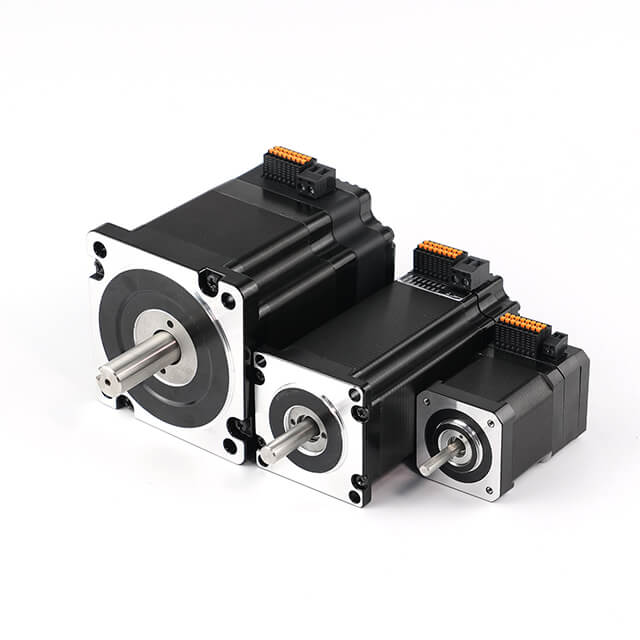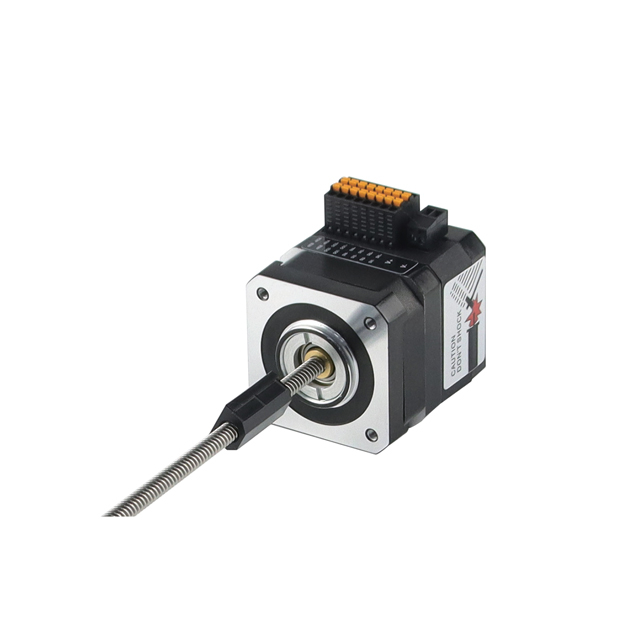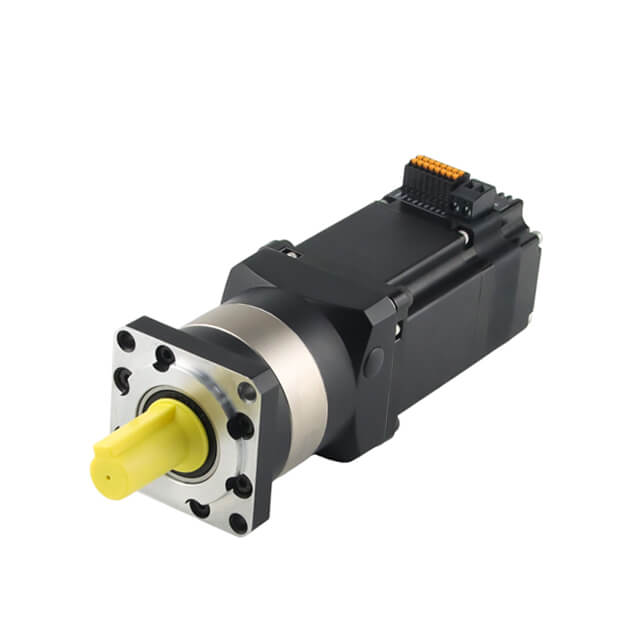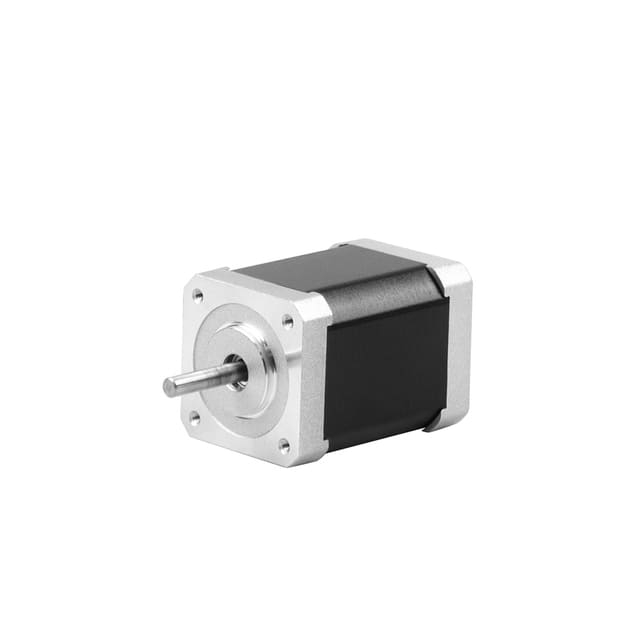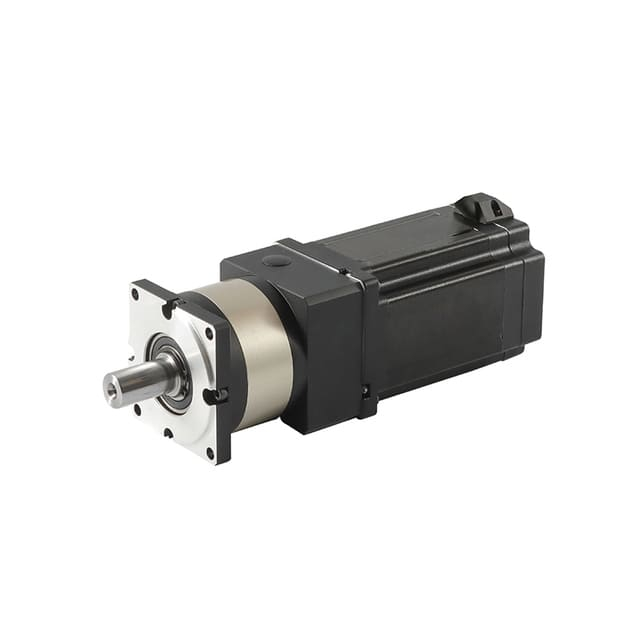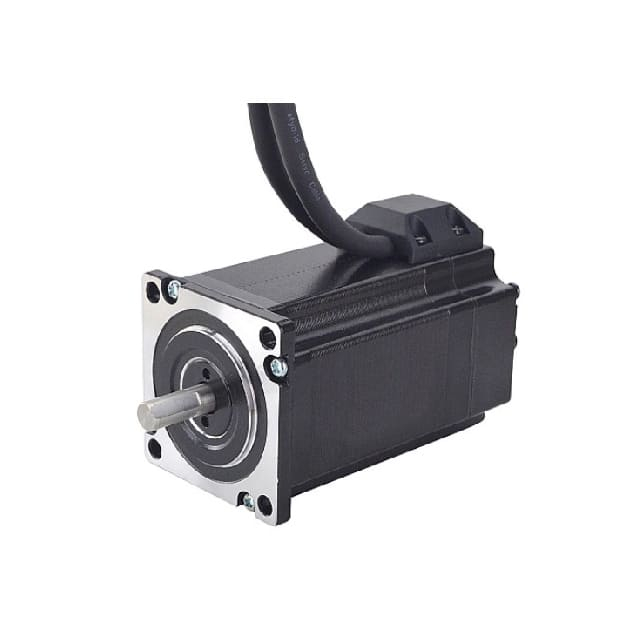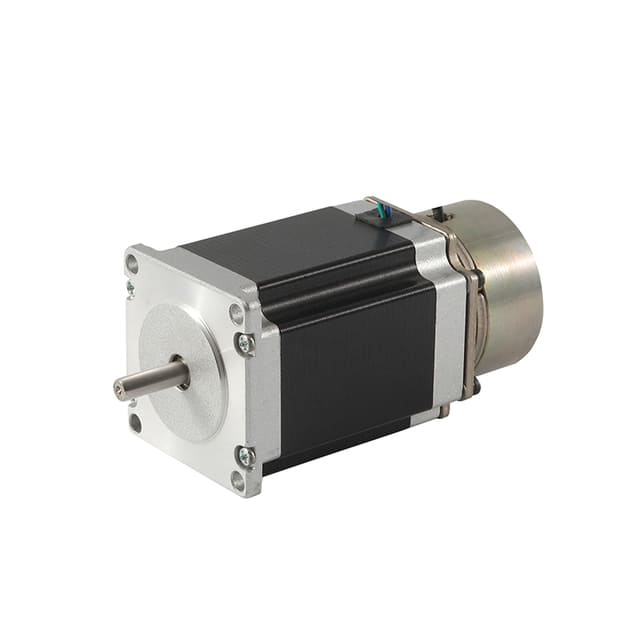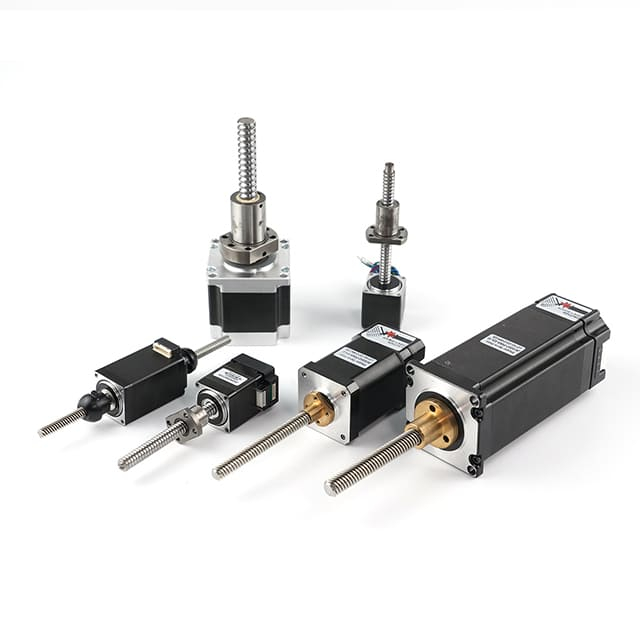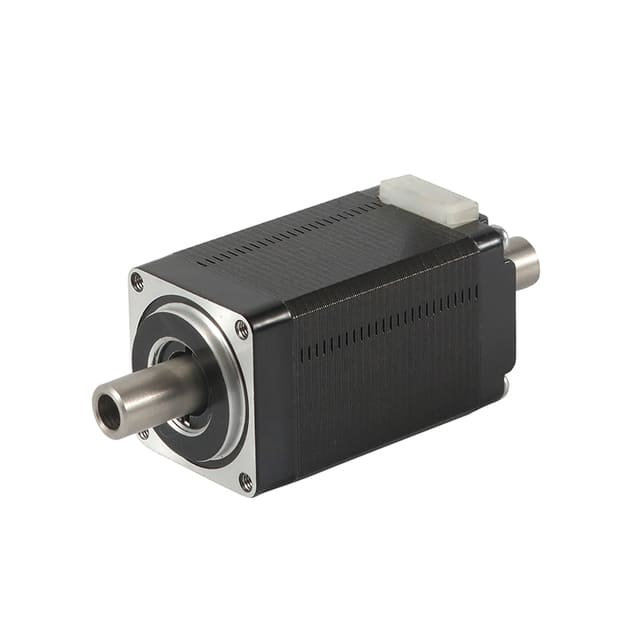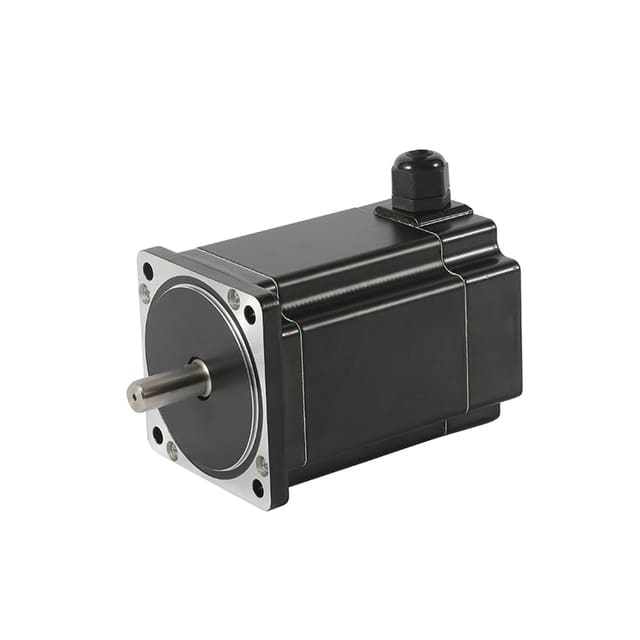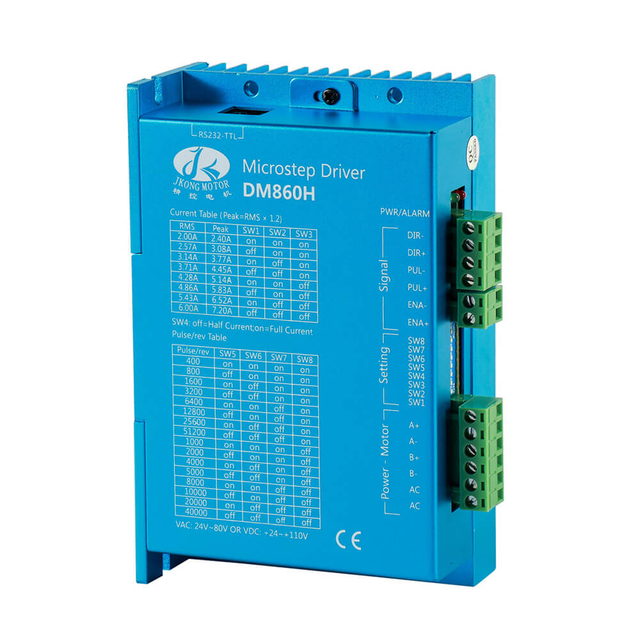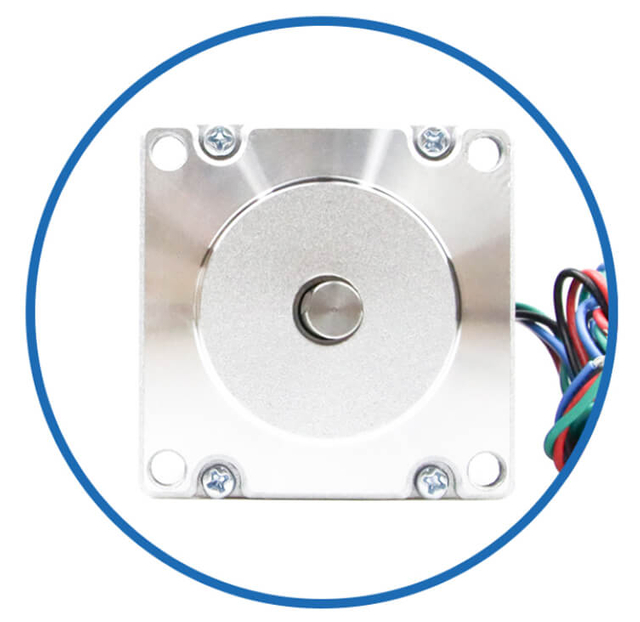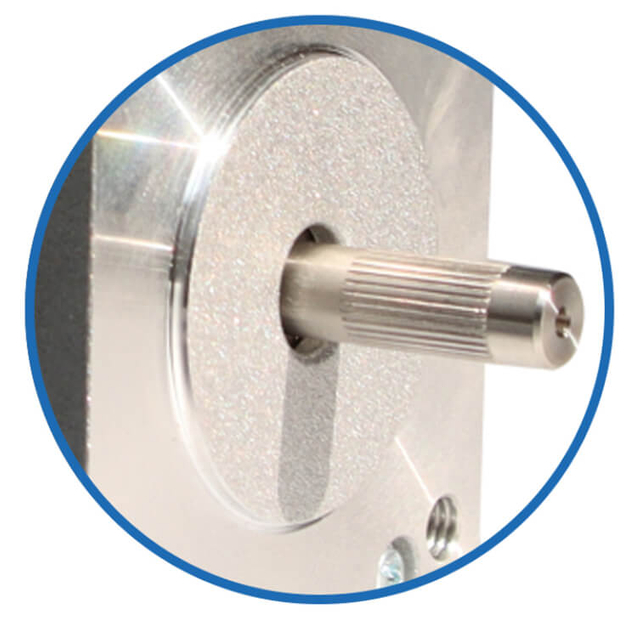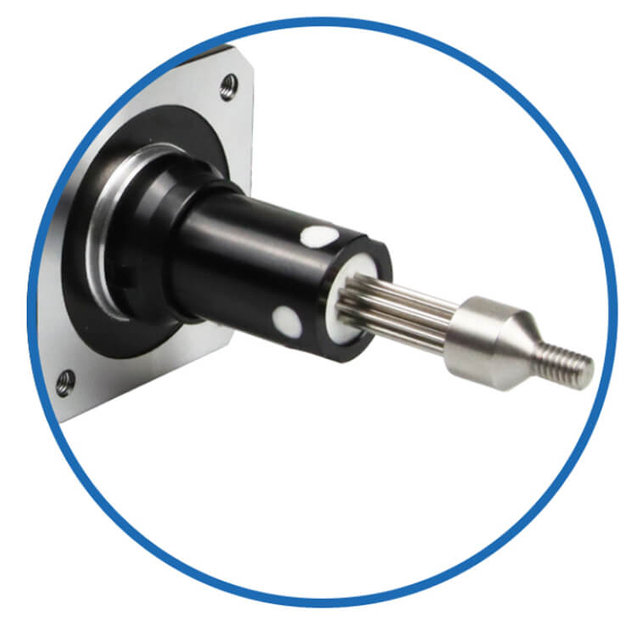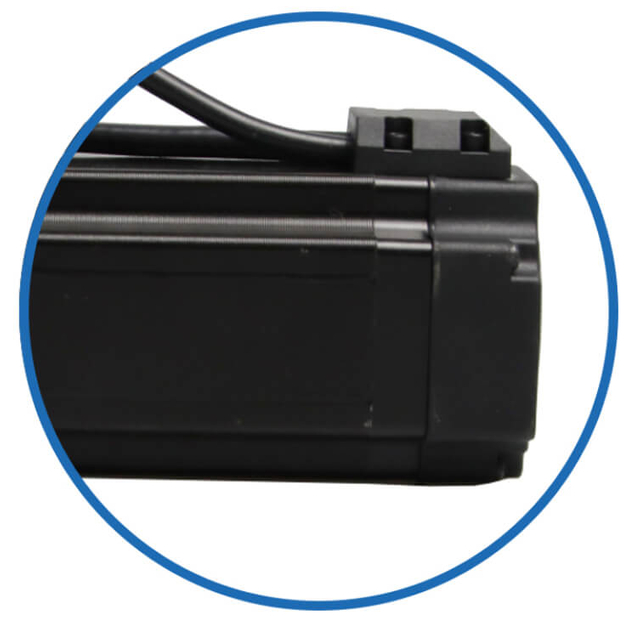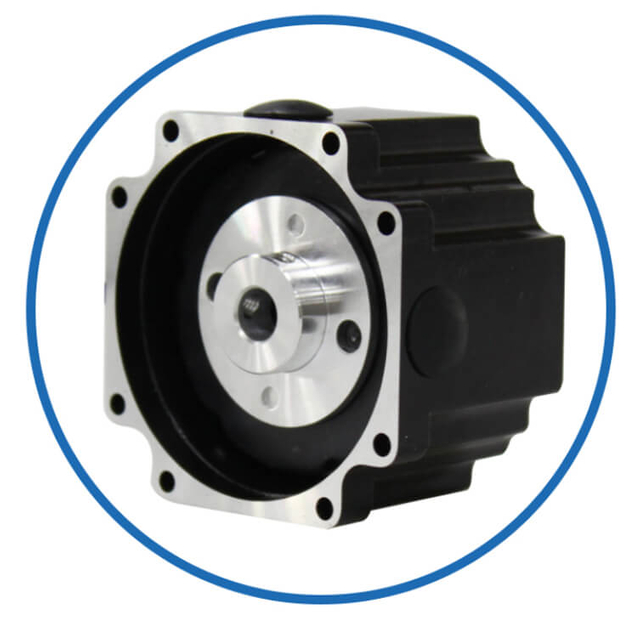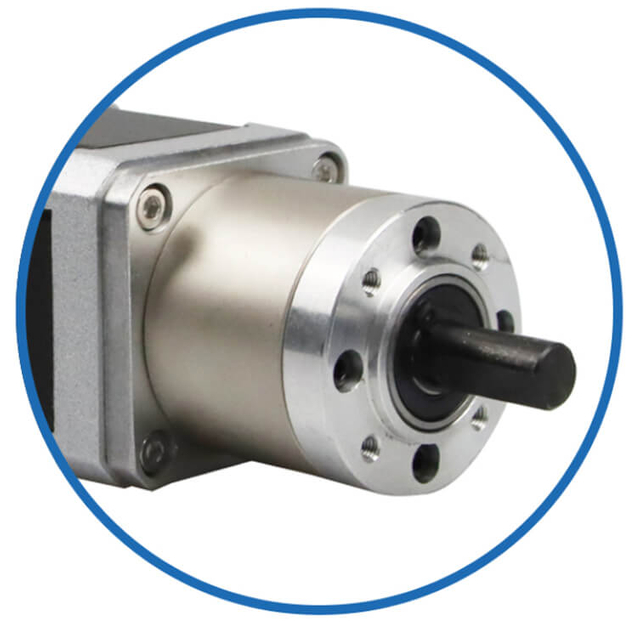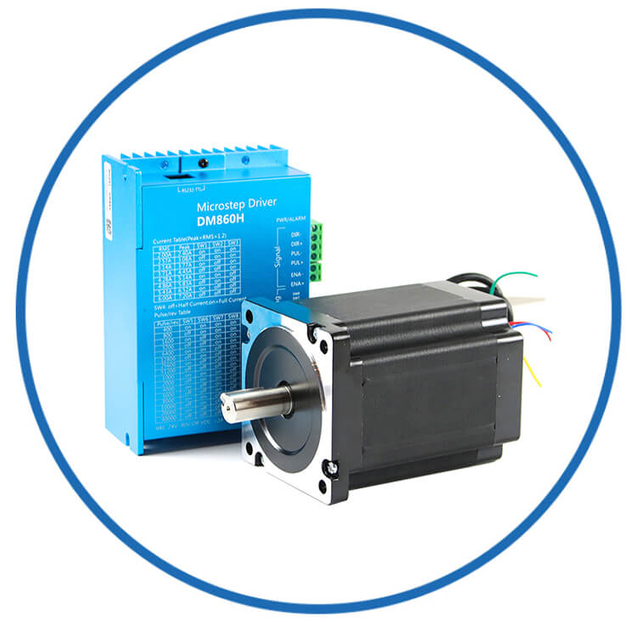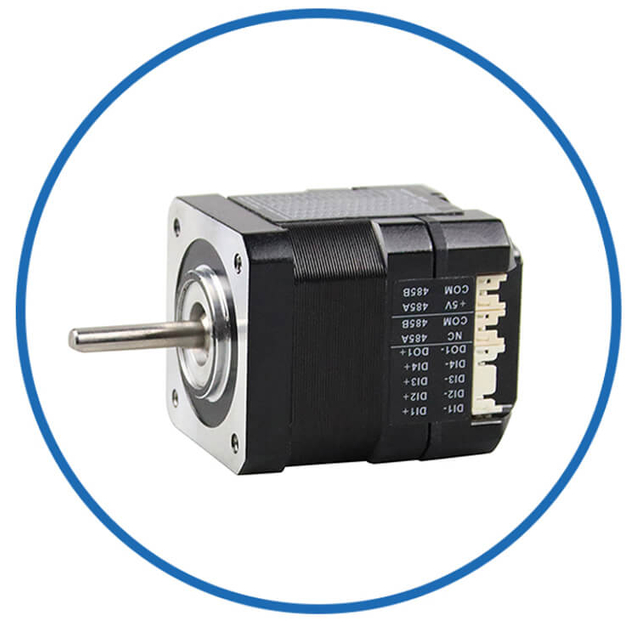
A stepper motor offers precise step-by-step motion with simple open-loop control and cost effectiveness, while a servo motor delivers closed-loop, high-speed, high-torque performance with real-time feedback. Both types can be OEM/ODM customized in size, feedback systems, gearboxes, and environmental specs for specific industrial applications, providing tailored motion solutions that fit exact project requirements.
When evaluating stepper motor vs servo motor performance, we focus on one goal: selecting the right motion technology for the required accuracy, torque, speed, stability, and cost in real-world automation. Both stepper and servo motors are widely used in industrial and commercial motion systems, yet they behave fundamentally differently in how they generate movement, maintain position, and respond under load.
Below, we deliver a detailed, decision-ready comparison of stepper motor vs servo to help engineers, OEMs, and machine builders choose confidently.
Stepper Motor vs Servo Motor: Core Differences at a Glance
A stepper motor is designed for incremental, step-by-step positioning, typically operating in an open-loop system where the controller sends pulses and assumes the motor moved correctly. It is best for cost-effective motion, low-to-medium speed positioning, and applications with stable, predictable loads.
A servo motor is a closed-loop motion system that uses encoder feedback to continuously correct position, speed, and torque in real time. It is ideal for high-speed automation, high-precision positioning, and applications with dynamic loads where performance and reliability are critical.
Quick Comparison Table
| Feature | Stepper Motor | Servo Motor |
| Control Type | Open-loop (usually no feedback) | Closed-loop (feedback-based) |
| Positioning Method | Moves in fixed steps | Moves with continuous correction |
| Accuracy | Good, but can lose steps under overload | Very high, self-correcting |
| Speed Range | Best at low to mid speeds | Excellent at medium to high speeds |
| Torque Behavior | Strong holding torque, torque drops at high speed | Strong continuous + peak torque, stable at speed |
| Risk of Position Error | Higher (missed steps possible) | Very low (errors detected and corrected) |
| Smoothness | Can vibrate, improved with microstepping | Smoother, optimized by tuning |
| Cost | Lower system cost | Higher system cost, higher performance |
| Best For | Simple automation, indexing, light loads | Robotics, CNC, high-speed production lines |
Customized Stepper Motor Types for Heavy Load Industry Applications
Customized Stepper Motor Service & Integration for Heavy Load Industry
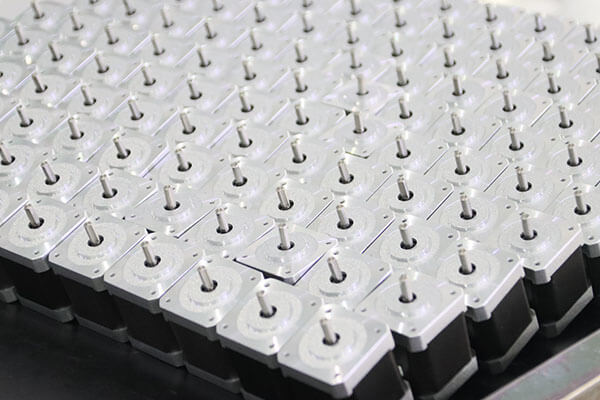
As a professional brushless dc motor manufacturer with 13 years in china, Jkongmotor offer various bldc motors with customized requirements, including 33 42 57 60 80 86 110 130mm, additionally, gearboxes, brakes, encoders, brushless motor drivers and integrated drivers are optional.
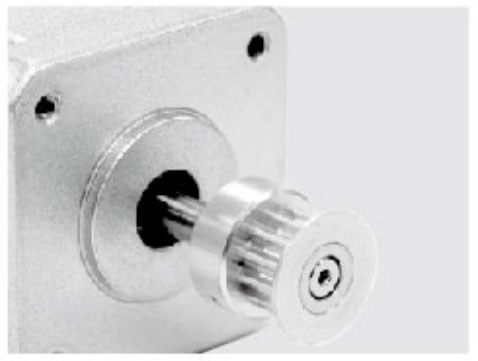
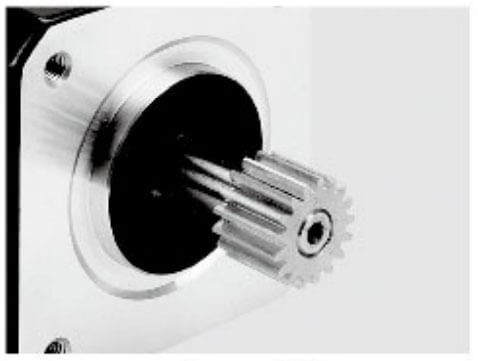
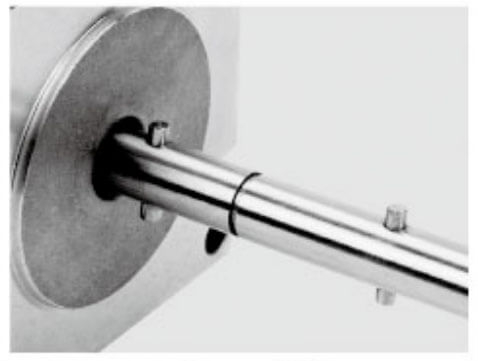
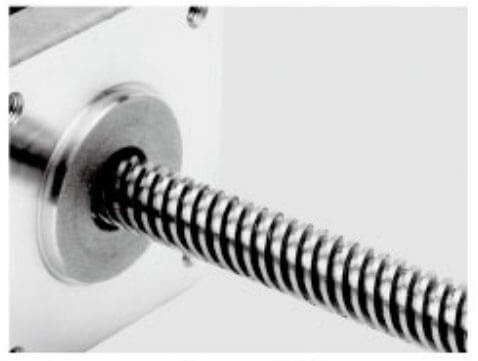
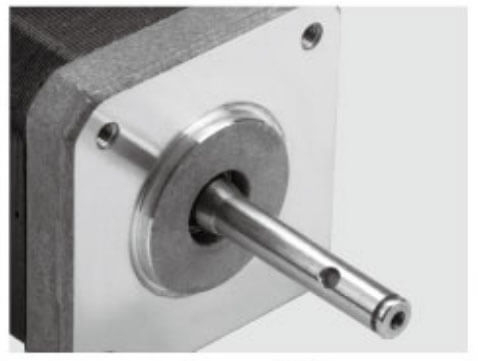
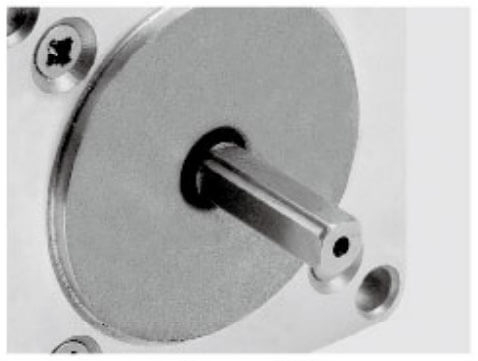
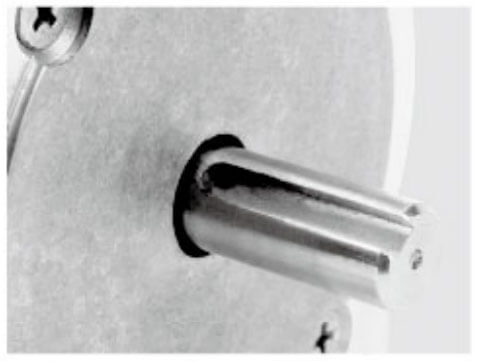
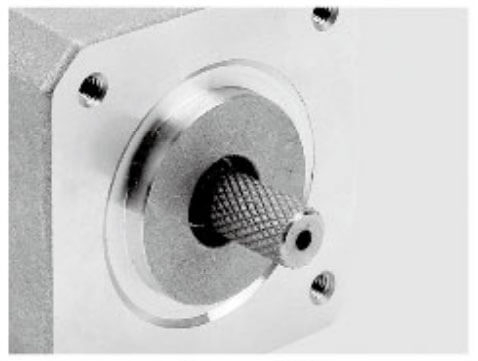
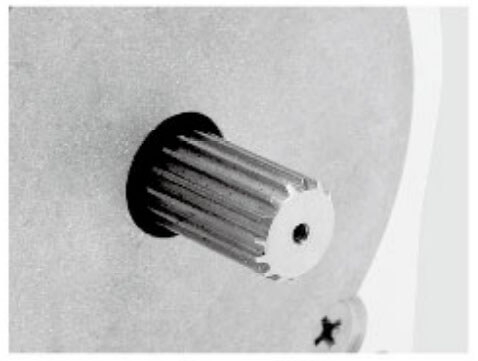
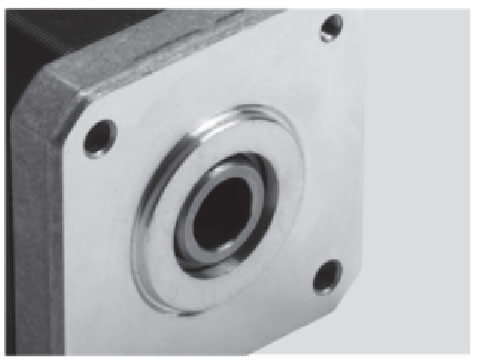
Jkongmotor offer many different shaft options for your motor as well as customizable shaft lengths to make the motor fit your application seamlessly.
How Stepper Motors Work (And Why It Matters)
A stepper motor converts electrical pulses into precise mechanical movement by rotating in fixed, discrete steps. Instead of spinning smoothly like many other motors, it “steps” forward in controlled increments—making it a popular choice for positioning tasks where repeatable motion is required.
How a Stepper Motor Generates Motion
Inside a stepper motor, the stator windings are energized in a specific sequence. This creates a rotating magnetic field that pulls the rotor into alignment, one step at a time.
In simple terms:
The controller sends a pulse signal
Each pulse equals one step of rotation
More pulses = more rotation
Faster pulses = higher speed
This pulse-based behavior is why stepper motors are often called digital motors—they respond directly to digital step commands.
Step Angle and Resolution
Most standard stepper motors have a fixed step angle, such as:
This built-in resolution allows accurate positioning without needing an encoder in many applications.
Full-Step, Half-Step, and Microstepping
Stepper drivers can control how the motor steps:
Full-step: maximum torque per step, more vibration
Half-step: smoother movement, slightly improved resolution
Microstepping: divides steps into smaller increments for smoother motion and reduced noise
Microstepping is especially useful when motion smoothness matters, such as in medical devices, printers, and light automation systems.
Open-Loop Control: The Key Limitation
Most stepper systems run open-loop, meaning:
This matters because if the load is too high or acceleration is too aggressive, the motor can:
That is why correct sizing and conservative motion profiles are critical.
Why Stepper Motor Operation Matters in Real Applications
Understanding how stepper motors work helps us design motion systems that are:
repeatable and stable
properly matched for torque and speed
less likely to suffer from missed steps
optimized for cost-effective positioning
Stepper motors perform best when the application has predictable loads, moderate speed requirements, and a need for simple, reliable step-based control.
How Servo Motors Work (Closed-Loop Control Advantages)
A servo motor is built for high-precision, high-performance motion control by using a closed-loop feedback system. Unlike stepper motors that often “assume” the commanded movement happened, a servo system constantly checks what the motor is actually doing and corrects it in real time.
This is the core reason servo motors dominate demanding applications such as robotics, CNC machines, packaging automation, and high-speed assembly lines.
What “Closed-Loop Control” Means in a Servo System
A servo motor system includes three essential parts:
Servo motor (the actuator that produces motion)
Feedback device (encoder or resolver that measures position/speed)
Servo drive (the controller that regulates current, speed, and position)
The servo drive continuously compares:
If there is any difference, the drive instantly adjusts motor output to eliminate the error.
How Servo Motors Maintain Accurate Position
Servo motors use feedback devices such as:
Incremental encoders (measure movement changes)
Absolute encoders (retain exact position even after power-off)
Resolvers (extremely durable feedback for harsh environments)
This feedback allows the servo system to:
Even if external forces push the axis off target, the servo drive detects the deviation and forces the motor back into position.
How Servo Motors Control Speed and Torque
Servo drives regulate motor performance using control loops (commonly called PID-based control). In practical terms, the servo system can operate in different modes:
Position control mode: best for precise positioning and indexing
Speed control mode: best for conveyors, rollers, and continuous motion
Torque control mode: best for tension control, winding, pressing, or force-sensitive tasks
Because the drive controls motor current directly, servo motors can deliver:
high peak torque for acceleration bursts
stable continuous torque for long-running motion
smooth speed output across a wide RPM range
Closed-Loop Advantages of Servo Motors
The biggest performance benefits come directly from feedback control:
1) No Lost Steps
Servo motors do not “miss steps” because they do not rely on step counting. They measure true position and correct errors instantly.
2) High Speed With Stable Torque
Servo motors maintain torque much better at high speeds compared to stepper motors, making them ideal for fast cycle times.
3) Strong Dynamic Response
Servo systems respond quickly to:
This makes them highly reliable in real production environments.
4) Higher Efficiency and Lower Heat
Because the servo only produces torque when needed, it often runs cooler and more efficiently than open-loop systems that hold constant current.
5) Built-In Fault Monitoring
Servo drives can detect and protect against:
This improves machine safety and reduces hidden failures.
Why Servo Motor Operation Matters in Real Applications
Servo motors are the preferred choice when we need:
high accuracy with guaranteed positioning
high-speed motion without instability
consistent performance under changing loads
industrial-grade reliability for continuous operation
In short, servo motors deliver controlled, verified, and corrected motion, which is exactly what modern automation systems require for precision and productivity.
Position Accuracy: Stepper Motor vs Servo
Stepper Motor Position Accuracy
Steppers offer excellent commanded resolution, especially with microstepping, but real-world accuracy depends on torque margin and load stability.
Typical full-step: 1.8°
With microstepping: smoother motion, higher commanded resolution
Potential risk: lost steps in overload or poor tuning
Steppers are best described as high repeatability, conditional accuracy—accurate when operating within safe torque limits.
Servo Motor Position Accuracy
Servo accuracy is defined by:
Servo motors provide true closed-loop accuracy, meaning they correct errors automatically. Even if a load disturbance pushes the axis off position, the servo drive will actively bring it back.
Bottom line: For applications requiring guaranteed positioning, servo wins decisively.
Speed Performance: Which One Handles High RPM Better?
Stepper Speed Behavior
Steppers produce high torque at low speed, but torque drops quickly as speed increases. At higher RPM, they may:
Many stepper applications operate efficiently below 600–1000 RPM, depending on load and drive voltage.
Servo Speed Behavior
Servos maintain usable torque over a wider speed range and are designed for high RPM operation with stable control. They handle:
Servo motors are preferred when high throughput and fast cycle times matter.
Torque Characteristics: Holding, Peak, and Continuous Torque
Stepper Torque Strengths
Steppers are known for:
However, steppers may run hot when holding position because current is often maintained to keep holding torque.
Servo Torque Strengths
Servo motors deliver:
High peak torque for acceleration bursts
Strong continuous torque for sustained motion
Better torque consistency across speed ranges
Servo systems are also more efficient at maintaining position because they regulate torque output based on actual demand rather than applying constant current.
This is the defining difference in stepper motor vs servo decisions.
Stepper (Open-Loop) Reality
A stepper can be perfectly reliable if:
But if the load increases suddenly, the stepper may stall or skip steps silently.
Servo (Closed-Loop) Reliability
Servo systems detect error instantly and compensate. If the motor cannot keep up, the system can:
For mission-critical production lines, servo control provides significantly better operational confidence.
Motion Smoothness and Vibration
Stepper Motor Smoothness
Steppers can produce vibration due to stepping action and resonance. Microstepping helps, but microstepping does not necessarily increase true torque proportionally—it primarily improves smoothness.
Stepper vibration is most noticeable in:
Servo Motor Smoothness
Servo motors deliver smoother motion because they are continuously controlled. With proper tuning, servos offer:
Energy Efficiency and Heat Generation
Stepper Efficiency
Steppers often consume power even when stationary because current is applied to hold position. This leads to:
Servo Efficiency
Servos draw current based on demand. At rest, they may consume less power (depending on load and tuning). In dynamic applications, servos often provide:
Lower overall energy consumption
Better thermal performance
Higher efficiency per delivered output
Control Complexity: Setup, Tuning, and Electronics
Stepper Control Requirements
Stepper systems are typically straightforward:
This makes steppers popular for compact motion modules and cost-sensitive machines.
Servo Control Requirements
Servo systems require:
Drive configuration
Feedback integration
Control loop tuning
Parameter optimization
While more complex, servo control enables advanced motion features such as:
In most cases:
A stepper system typically includes:
A servo system typically includes:
However, total cost should consider downtime risk, scrap reduction, speed improvements, and reliability. In high-volume production, servo ROI can be extremely strong.
Common Applications: Where Each Motor Type Wins
Choosing between a stepper motor vs servo motor becomes much easier when we match each technology to the applications it performs best in. Below is a practical breakdown of where each motor type clearly wins based on speed, accuracy, load stability, and cost-efficiency.
Best Applications for Stepper Motors
Stepper motors win in applications that need repeatable positioning, simple control, and cost-effective automation, especially when loads are predictable.
Common stepper motor applications include:
3D Printers
Reliable step-by-step movement for X/Y/Z axis positioning with affordable control.
Desktop CNC and Light Engraving Machines
Good for moderate cutting loads where ultra-high speed is not required.
Pick-and-Place Machines (Light Duty)
Suitable for small components and low inertia motion.
Labeling and Small Packaging Machines
Works well for indexing, feeding, and short-stroke positioning.
Medical and Laboratory Devices
Used in pumps, sample handling, and compact automation where speed demands are limited.
Camera Sliders and Pan-Tilt Systems
Smooth, repeatable motion at controlled speeds.
Valve and Damper Actuators
Ideal for low-speed movement with stable torque requirements.
Why steppers win here: low cost, simple setup, strong holding torque, and good performance at low-to-mid speeds.
Best Applications for Servo Motors
Servo motors win in applications requiring high speed, high accuracy, and stable performance under changing loads. They are the preferred choice in advanced industrial automation.
Common servo motor applications include:
Industrial Robotics
High precision, smooth motion, and fast response for multi-axis control.
CNC Machining Centers
Superior speed control and positioning accuracy for high-quality machining results.
High-Speed Packaging Lines
Fast acceleration, repeatability, and closed-loop reliability for continuous production.
Automated Assembly Systems
Accurate insertion, pressing, and positioning even with variable resistance.
Conveyor and Material Handling Systems
Excellent for speed synchronization, electronic gearing, and dynamic load changes.
AGV and AMR Drive Systems
Strong torque control and feedback-based motion for navigation and stability.
Printing, Textile, and Web Handling Machines
Best for tension control, smooth speed regulation, and precision timing.
Why servos win here: closed-loop control, high RPM capability, strong dynamic torque, and dependable accuracy even under real-world disturbances.
How We Choose Between Stepper Motor vs Servo in Real Projects
When selecting between a stepper motor vs servo motor, we focus on measurable performance requirements instead of assumptions. The right choice depends on how the machine must behave under speed, load, accuracy, and duty cycle conditions in real operation.
Below is the exact framework we use to make the decision quickly and correctly.
1) Required Speed and Cycle Time
We start by defining the target RPM, acceleration, and throughput.
Choose a stepper motor when the system runs at low-to-medium speeds with moderate acceleration.
Choose a servo motor when the application demands high speed, rapid acceleration, and short cycle times.
Decision rule: If speed must stay stable at higher RPM, servo is the safer choice.
2) Load Stability and Torque Variation
We evaluate whether the load is constant or changes during operation.
Stepper motors perform best with stable, predictable loads.
Servo motors handle dynamic loads, sudden resistance, and shock torque without losing position.
Decision rule: If the load can change unexpectedly, servo control prevents hidden motion errors.
3) Accuracy Requirements and Position Assurance
Next, we define whether the project needs “repeatable movement” or “guaranteed position.”
A stepper motor offers excellent repeatability, but can lose position if it stalls or skips steps.
A servo motor provides closed-loop accuracy and actively corrects position error.
Decision rule: If the system cannot tolerate missed steps, servo is the correct choice.
4) Inertia Matching and Motion Dynamics
We check the inertia ratio between motor and load, plus how aggressive the motion profile must be.
Decision rule: If the motion is aggressive or inertia is high, servo delivers better stability.
5) Holding Behavior at Standstill
We confirm whether the axis must hold position for long periods.
Decision rule: For long hold times with thermal limits, servo often performs better.
6) System Cost vs Total Project Value
We compare both initial investment and long-term performance impact.
Stepper motor systems are lower cost and simpler to integrate.
Servo motor systems cost more but reduce risk, improve productivity, and increase reliability.
Decision rule: If downtime, scrap, or speed limitations cost more than the motor system, servo is the better investment.
7) Control System and Integration Complexity
We match the motor type to the controller and the engineering resources available.
Decision rule: If the machine needs advanced synchronization or precision control, servo is the better platform.
Final Selection Logic
In real projects, our decision is simple:
We choose stepper motors for cost-effective, predictable, low-to-mid speed positioning
We choose servo motors for high-speed, high-accuracy, high-reliability automation under variable loads
Stepper vs Servo: Final Recommendation
A stepper motor is the right choice when we need simple, cost-effective positioning, moderate speed, and a predictable mechanical load. It performs best in systems where simplicity and affordability are the primary requirements.
A servo motor is the right choice when we need high speed, high torque consistency, closed-loop accuracy, and stable performance under load variation. It is the best solution for modern industrial automation where uptime, precision, and throughput directly impact profitability.
When comparing stepper motor vs servo, we choose based on performance demands—not assumptions. The correct motor technology improves machine stability, reduces risk, and ensures motion quality from prototype to mass production.
FAQs (Stepper Motor, Servo Motor & OEM/ODM Customized)
1. What is a stepper motor and how is it different from a servo motor?
A stepper motor moves in fixed incremental steps with open-loop control, while a servo motor uses closed-loop feedback for continuous position correction.
2. Which applications benefit most from stepper motors?
Stepper motors are ideal for precise positioning in 3D printers, cameras, CNC machines, and textile equipment.
3. Why choose a servo motor over a stepper motor?
Servo motors excel in high-speed, high torque, and dynamic load environments requiring smooth motion and feedback control.
4. Can stepper motors be customized via OEM/ODM services?
Yes, stepper motors can be fully customized in shaft size, windings, IP ratings, gearboxes, encoders, and more for specific industrial needs.
5. Is it possible to get servo motors through OEM/ODM customization?
Yes — many manufacturers offer customized servo motor solutions with tailored feedback systems and performance specs.
6. What are the advantages of a closed-loop (servo) system versus open-loop (stepper)?
Closed-loop servos provide real-time error correction, higher accuracy, and greater torque consistency under varying loads.
7. Do OEM/ODM customized motors come with quality certifications?
Reliable manufacturers supply customized stepper/servo motors that pass CE, RoHS, and ISO quality standards.
Yes — OEM/ODM custom steppers can be outfitted with encoders for closed-loop performance.
9. What industries use OEM/ODM customized stepper motors?
Robotics, medical devices, automation, machine tools, and printing systems often require customized steppers.
10. Are servo motors more expensive than stepper motors?
Yes, servo systems usually cost more due to the feedback, drive electronics, and performance benefits.
11. Can I order hybrid motors that combine stepper and servo features?
Yes — hybrid stepper/servo (closed-loop steppers) are available and deliver higher accuracy with simplified control.
12. What customization options are typical in OEM stepper motor orders?
Options include frame size, torque ratings, shaft design, mounting, gear ratios, environmental protection, and packaging.
13. How do servo motor customization services improve performance?
Custom servo solutions can include optimized encoders, tailored feedback thresholds, thermal management, and tailored control logic.
14. Can customized motors be integrated with my existing control systems?
Yes — OEM/ODM releases can tailor motor interfaces and drivers for seamless integration with your controllers.
15. What lead times should I expect for OEM/ODM customized motors?
Lead times vary with complexity but are typically confirmed during quoting, including prototyping and production scheduling.
16. Are stepper motors suitable for heavy-load automation tasks?
Standard steppers are less ideal for heavy dynamic loads but can be customized with gearboxes or closed-loop systems.
17. What is the role of motor drivers in customized motion systems?
Drivers control pulses (steppers) or feedback loops (servos) and are often included in OEM customization packages.
18. Can OEM/ODM services provide full motion control solutions?
Yes — many suppliers offer complete systems with motors, drivers, encoders, cables, and technical support.
19. How do customized servo motors handle heat and efficiency?
Tailored designs can include advanced cooling features and optimized current control for efficient long-run performance.
20. What should I provide to manufacturers for a custom motor quote?
Essential details include required torque, speed, environment, size constraints, control type, feedback needs, and quantity.