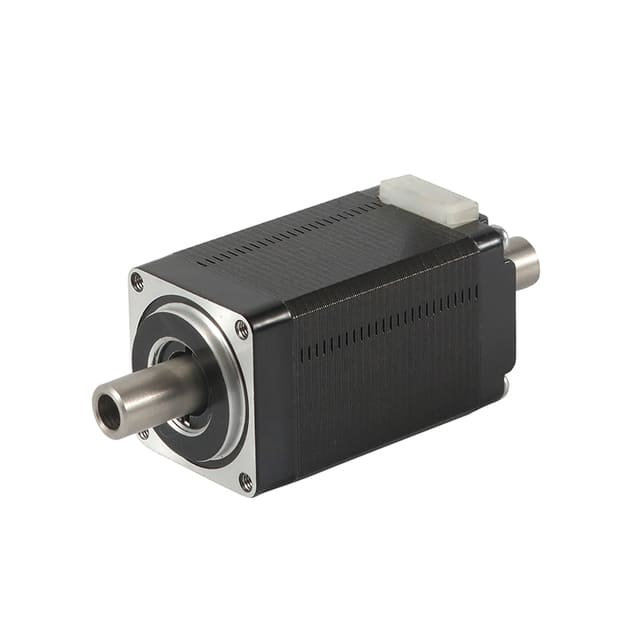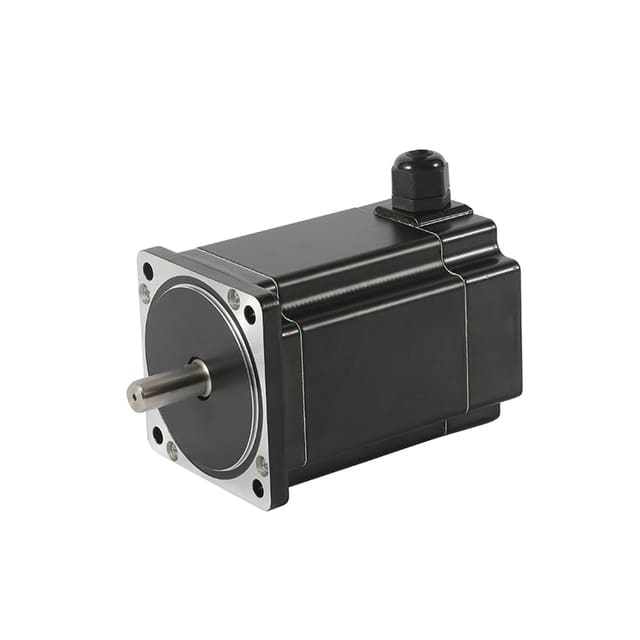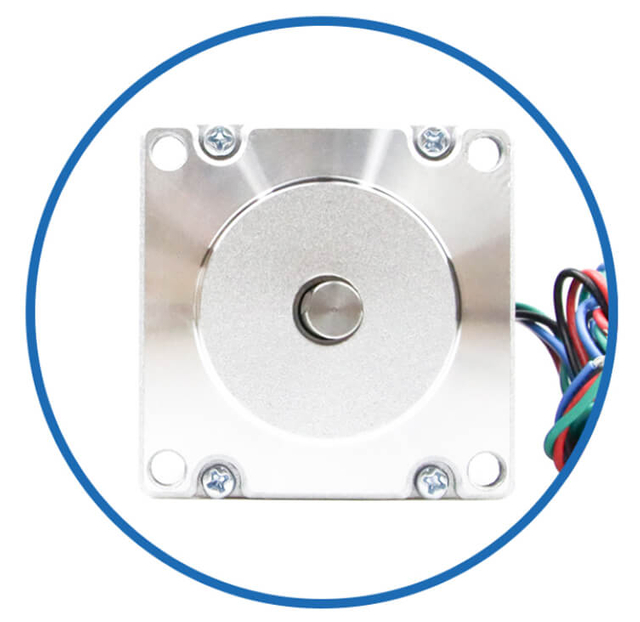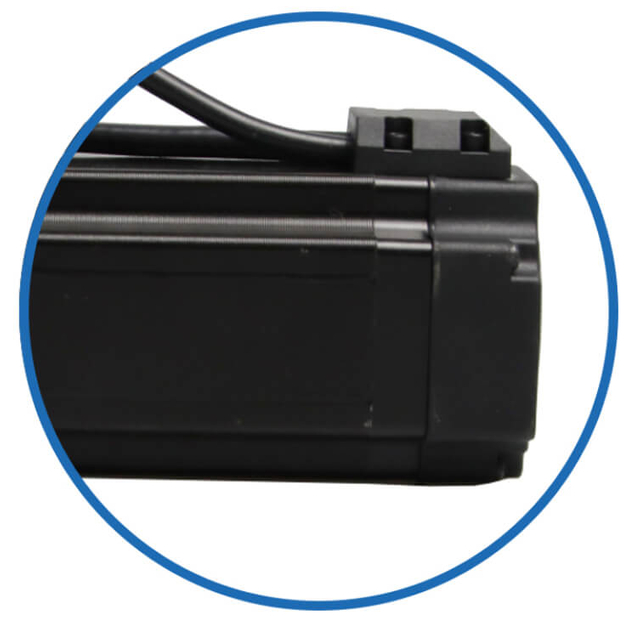
In modern food manufacturing, precision, hygiene, reliability, and efficiency define equipment performance. From automated slicing lines to high-speed packaging systems, the stepper motor plays a critical role in controlling motion with exact positioning and repeatability. We recognize that choosing the right stepper motor for a food processing machine is not simply a mechanical decision—it is a strategic investment in product quality, regulatory compliance, uptime, and long-term operational stability.
This comprehensive guide explains how we systematically select the optimal stepper motor for food processing machinery, focusing on sanitation standards, torque demands, environmental resistance, motion control accuracy, and lifecycle durability.
Stepper motors convert digital pulses into precise mechanical movement, making them ideal for food machinery requiring accurate portioning, synchronized conveyance, controlled dispensing, and repeatable indexing. Typical food industry applications include:
Automated filling and dosing systems
Cutting and slicing machines
Conveyor indexing and positioning
Labeling and packaging equipment
Weighing and inspection platforms
Unlike conventional motors, stepper motors enable open-loop precision, ensuring consistent performance even under repetitive high-cycle conditions. In food environments, this precision must be combined with washdown resistance, corrosion protection, and thermal stability.
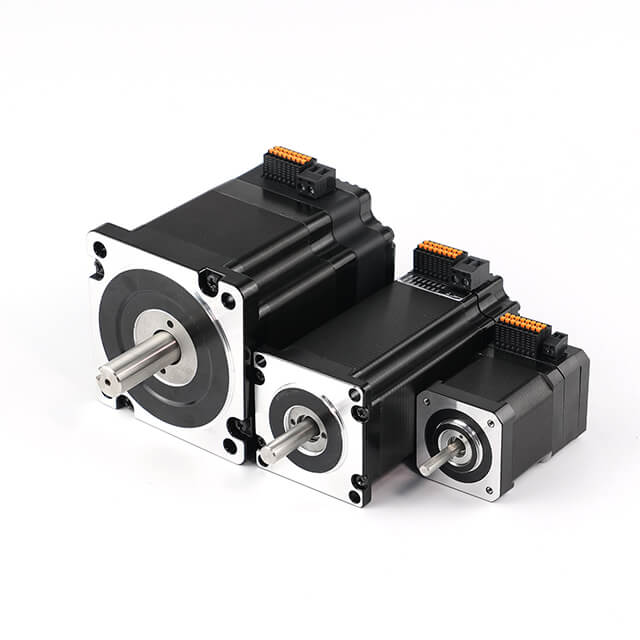
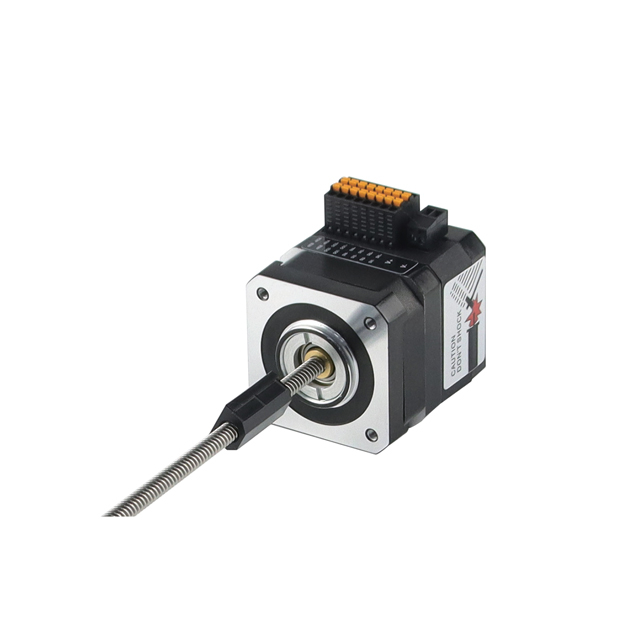
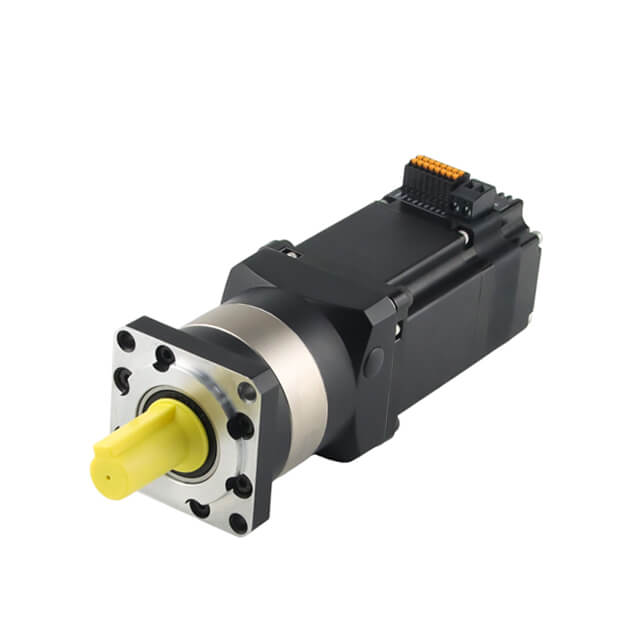
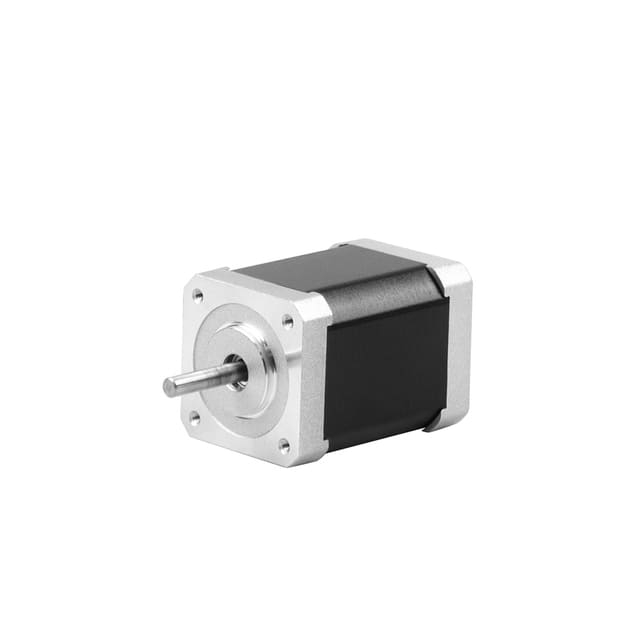
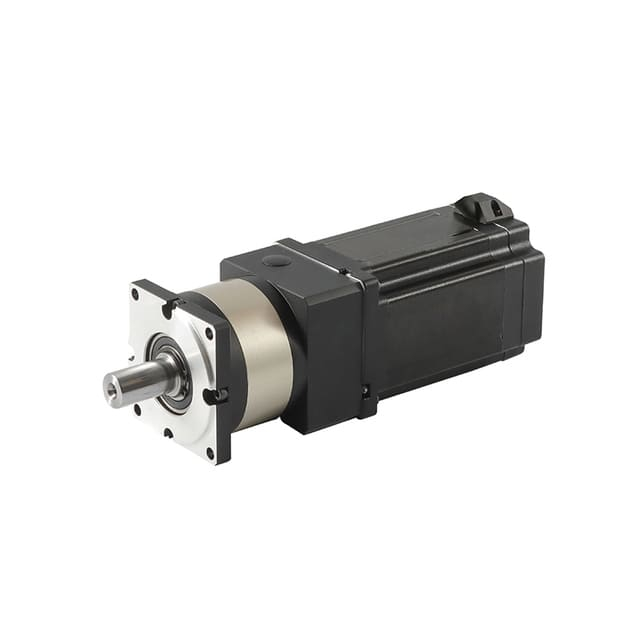
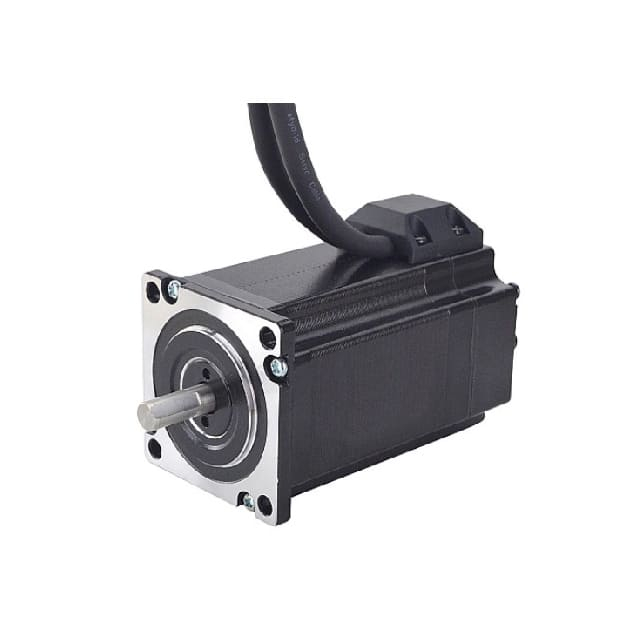
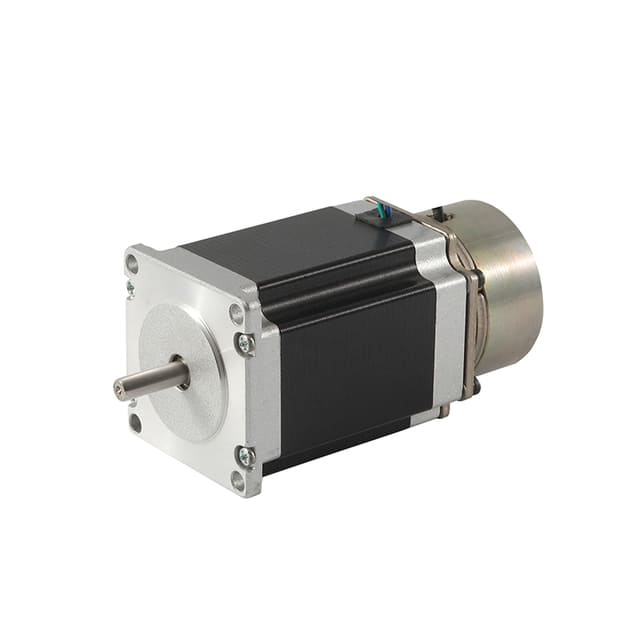
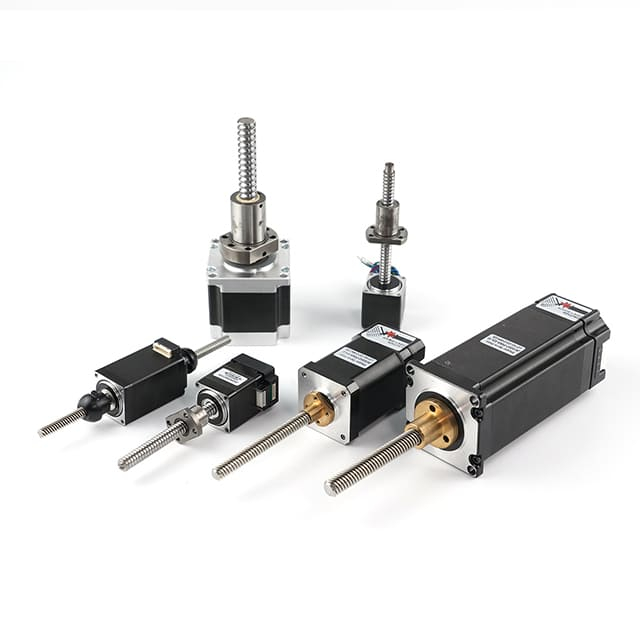
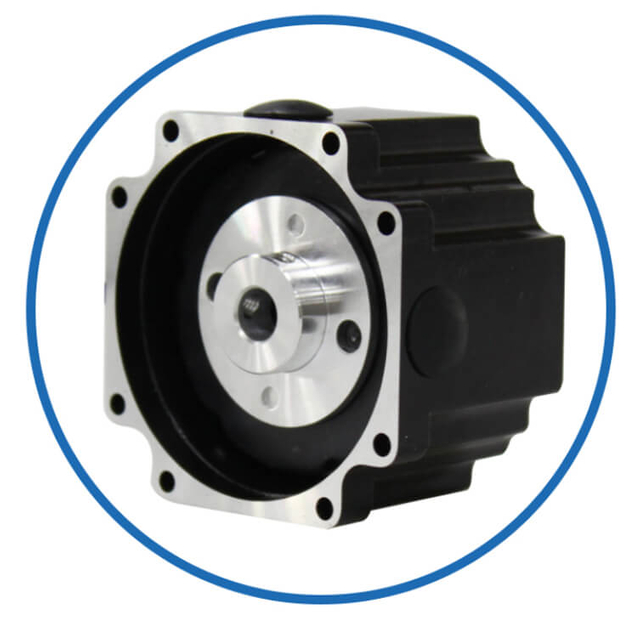
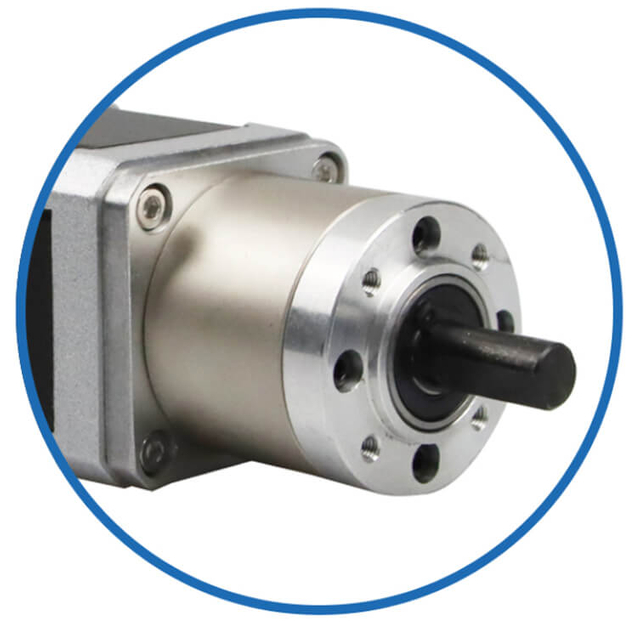
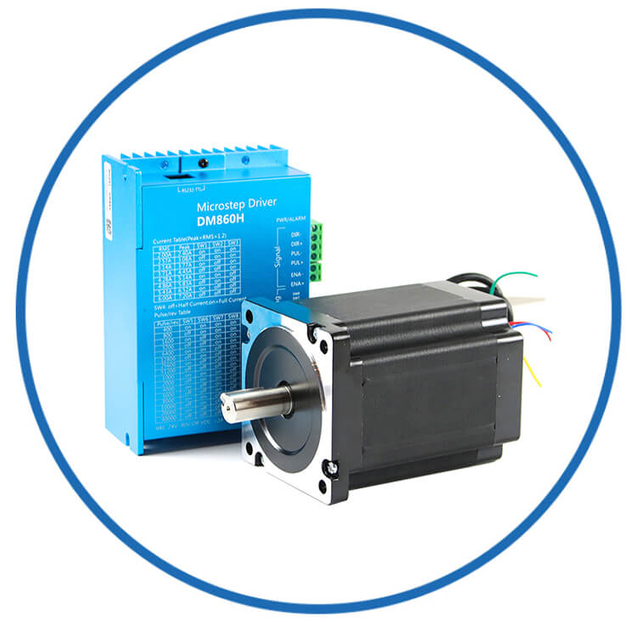
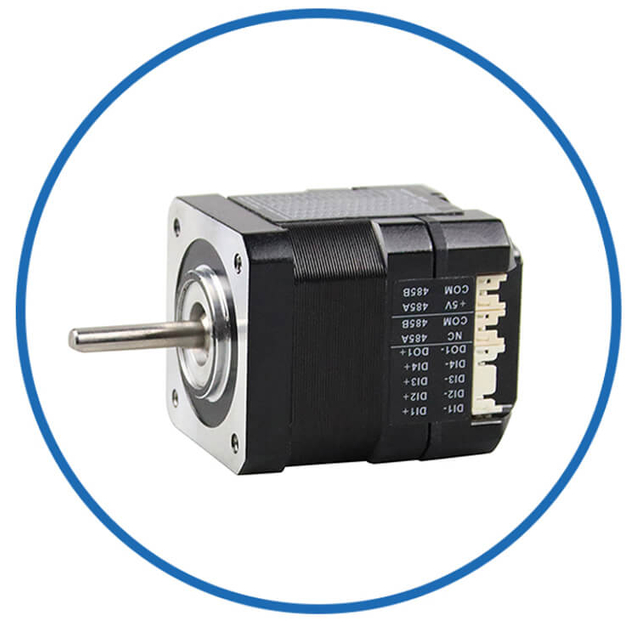
Customized Stepper Motor Types for Food Processing Equipment
Motor Customized Service
As a professional brushless dc motor manufacturer with 13 years in china, Jkongmotor offer various bldc motors with customized requirements, including 33 42 57 60 80 86 110 130mm, additionally, gearboxes, brakes, encoders, brushless motor drivers and integrated drivers are optional.
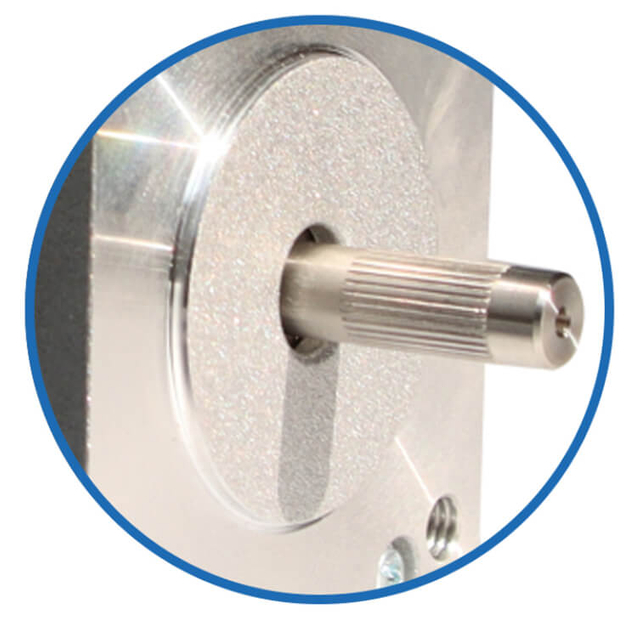
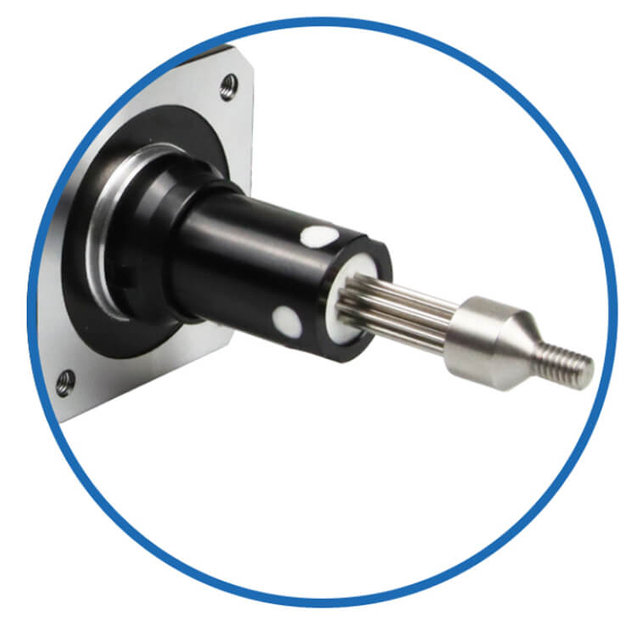
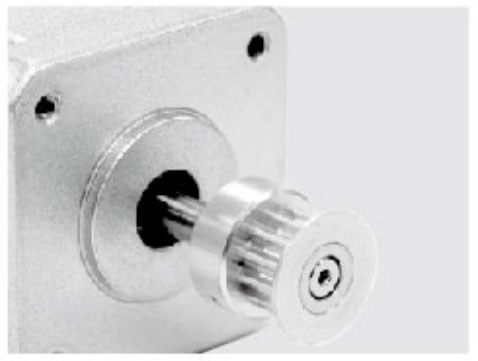
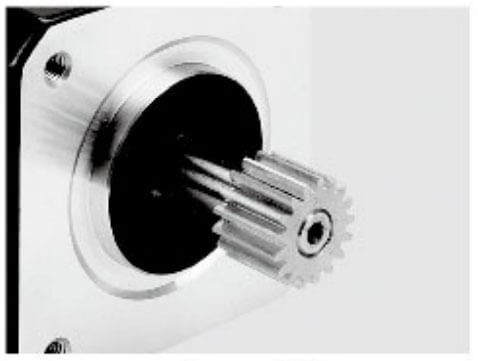
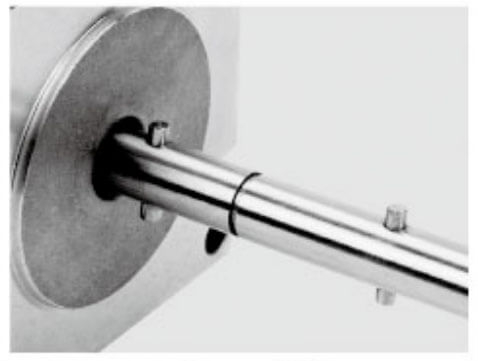
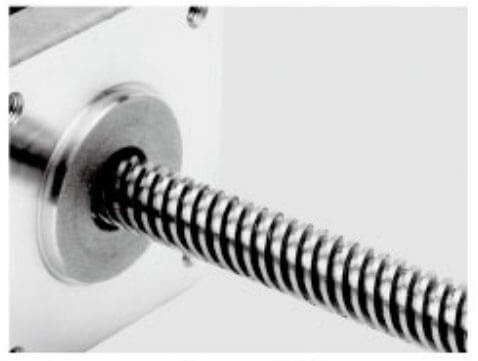
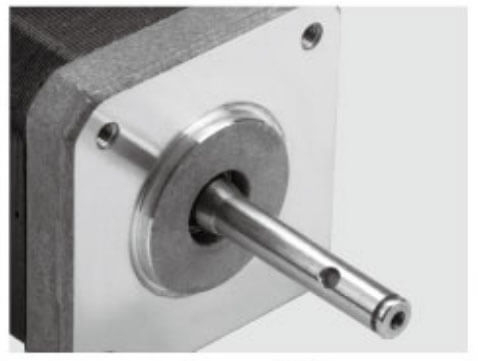
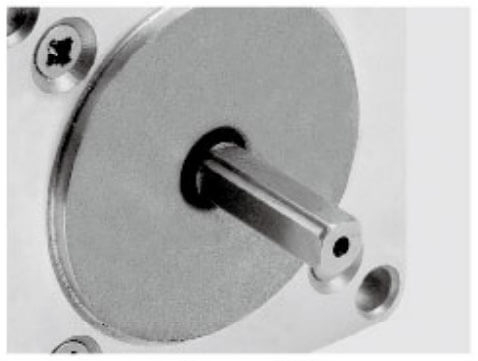
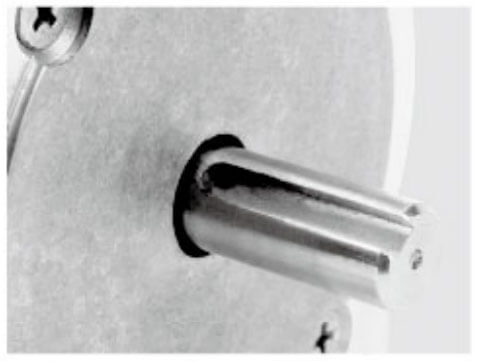
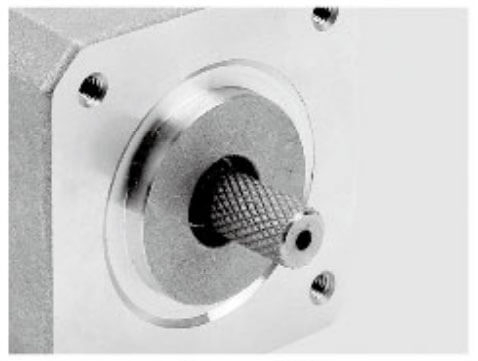
Motor Shaft Customized Service
Jkongmotor offer many different shaft options for your motor as well as customizable shaft lengths to make the motor fit your application seamlessly.
Food Processing Machine Hygiene & Sanitary Design Standards
Food processing machinery operates under strict international safety standards. When selecting a stepper motor, we prioritize hygienic engineering above all else.
Stainless Steel and Food-Grade Coatings
Motors used in food zones must feature:
Stainless steel housings (304 or 316 grade)
Food-grade epoxy or nickel-plated coatings
Smooth, crevice-free surfaces
These features minimize bacterial accumulation and allow effective high-pressure washdown cleaning.
Ingress Protection Ratings
We specify motors with at least IP65, IP67, or IP69K protection, depending on exposure. These ratings ensure resistance to:
A properly sealed stepper motor prevents moisture ingress that could cause corrosion, insulation failure, and microbial contamination.
How to Match Torque Output for Your Food Processing Machine
Torque selection directly affects load control, acceleration performance, and mechanical reliability.
Static and Dynamic Torque Considerations
We evaluate:
Holding torque to maintain position during dwell cycles
Running torque to drive loads during motion
Peak torque for rapid start-stop operations
Food processing machines often involve variable loads, such as product accumulation or inconsistent material density. Selecting a motor with adequate torque margin ensures consistent performance without stalling.
Load Inertia and Mechanical Transmission
We calculate motor sizing based on:
Conveyor mass and product weight
Gearbox ratios and belt efficiencies
Acceleration and deceleration cycles
A properly matched motor improves energy efficiency, reduces vibration, and extends bearing life.
Precision, Resolution & Motion Stability in Food Processing Machines
Food equipment frequently demands high positioning accuracy, particularly in dosing, slicing, and robotic handling.
Step Angle and Microstepping Capability
Standard stepper motors operate at 1.8° or 0.9° step angles. For high-resolution motion, we integrate:
These features enhance smoothness, repeatability, and noise reduction, especially critical in continuous processing lines.
Closed-Loop Stepper Systems
In advanced food automation, we increasingly deploy closed-loop stepper motors equipped with encoders. These systems deliver:
Real-time position verification
Stall detection and correction
Improved torque utilization
Closed-loop technology guarantees error-free operation, even under fluctuating load conditions.
Material Selection for Food Processing Machine Stepper Motor Durability
Food production environments expose motors to:
Acidic and alkaline cleaning solutions
Salt-rich atmospheres
Oils, sugars, and organic residues
We therefore specify stepper motors constructed with:
These materials prevent oxidation, insulation breakdown, and mechanical seizure, preserving motor efficiency over long service intervals.
Stepper motors in food machinery often operate continuously, demanding excellent heat dissipation and thermal endurance.
Heat Management Strategies
We assess:
Ambient operating temperatures
Enclosure airflow conditions
Load-related heat buildup
Motors with high-efficiency windings, insulated stators, and optimized lamination stacks provide lower temperature rise and higher continuous torque.
Duty Cycle Compatibility
For high-throughput production lines, we select motors designed for:
This ensures consistent performance without derating or unexpected shutdowns.
Food Processing Machine Certifications & Customized Stepper Motor Compliance
Global food production requires strict regulatory adherence. We prioritize motors compliant with:
FDA food-contact and incidental contact guidelines
EU Hygienic Engineering & Design Group (EHEDG) principles
ISO 14159 hygienic design standards
CE and RoHS directives
Certified stepper motors simplify equipment validation, reduce audit risk, and demonstrate commitment to food safety excellence.
A stepper motor must integrate seamlessly with existing control systems.
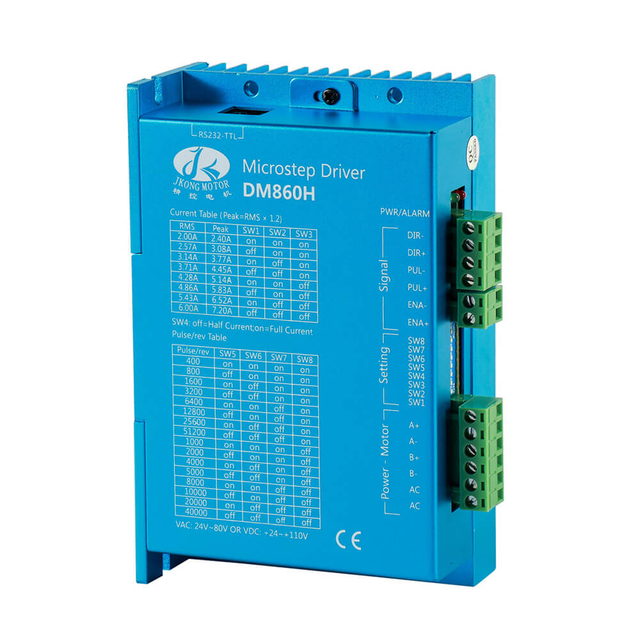
Driver and Controller Matching
We evaluate:
Optimized driver selection improves positioning accuracy, torque utilization, and electromagnetic compatibility.
Noise and Electromagnetic Interference
In food production environments with sensitive weighing and inspection systems, we favor motors engineered for:
This supports accurate sensing, compliance with industrial EMC regulations, and improved operator comfort.
Mechanical Mounting & Configuration of Customized Stepper Motor in Food Processing Machines
In food processing machinery, mechanical design is never an afterthought. The physical configuration and mounting flexibility of a stepper motor directly influence sanitation efficiency, machine layout, vibration behavior, serviceability, and long-term reliability. We treat mechanical configuration as a core performance factor, ensuring the motor integrates seamlessly into compact food equipment while maintaining hygienic integrity and structural stability.
Frame Size Selection and Dimensional Compatibility
Stepper motors are commonly produced in standardized frame sizes, allowing consistent integration across global machine platforms. Selecting the correct frame size ensures sufficient torque density without unnecessary bulk, supporting both compact machine footprints and high-output performance.
We evaluate:
Available installation space
Required torque-to-size ratio
Structural rigidity of the mounting surface
Thermal dissipation area
A well-matched frame size minimizes overengineering, improves airflow around the motor body, and prevents stress transmission to bearings and couplings. In food equipment, where machines are often enclosed or space-optimized, compact high-torque frames significantly enhance layout flexibility and cleanability.
Mounting Interfaces and Hygienic Design
Mounting methods must support both mechanical stability and sanitary compliance. We prioritize motors designed with:
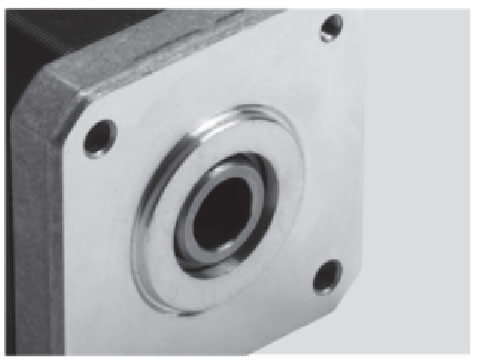
These features reduce bacterial harborage points and simplify routine washdown. Face-mounted motors with sealed pilot diameters and integrated O-ring grooves allow tight mechanical coupling while maintaining water and chemical resistance.
For applications exposed to frequent cleaning cycles, we favor washdown-rated mounting geometries that prevent moisture accumulation between the motor and machine frame.
Shaft Configurations and Power Transmission Options
The motor shaft is the mechanical interface between motion and product handling. Selecting the correct shaft configuration improves alignment accuracy, torque transfer efficiency, and system lifespan.
Common options include:
Single-shaft motors for direct drive or belt systems
Double-shaft motors for encoder or handwheel integration
Hollow-shaft motors for space-saving coaxial installations
We also consider shaft surface treatments such as stainless steel construction, nickel plating, or food-grade coatings to resist corrosion and chemical attack.
Key shaft parameters include:
Diameter and tolerance class
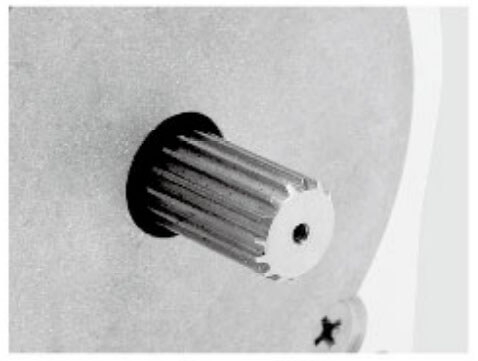
Keyed, flat, or spline profiles
Seal design and bearing load rating
Proper shaft selection reduces coupling wear, minimizes vibration, and maintains precise concentricity under continuous duty.
Gearbox, Brake, and Integrated Module Compatibility
Many food processing machines demand controlled speed, high torque at low RPM, or secure vertical holding. Mechanical flexibility allows stepper motors to be paired with:
Planetary or worm gearboxes for torque multiplication
Electromagnetic brakes for load holding and safety compliance
Integrated encoders for closed-loop accuracy
Modular motor designs enable compact multi-function assemblies, reducing external components, cable complexity, and sanitation risks. Integrated systems also simplify installation, improve alignment precision, and shorten commissioning time.
Vibration Control and Structural Stability
Food machinery often operates at high cycle rates, where vibration can degrade both product consistency and mechanical longevity. Mechanical configuration directly affects resonance behavior and load distribution.
We optimize:
Flange thickness and rigidity
Bearing spacing and preload
Shaft overhang and coupling distance
Rigid mounting interfaces minimize micro-movements, protect internal windings, and ensure repeatable motion accuracy. For slicing, filling, and pick-and-place equipment, this stability translates into clean cuts, consistent portioning, and reduced mechanical noise.
Cable Orientation and Connector Placement
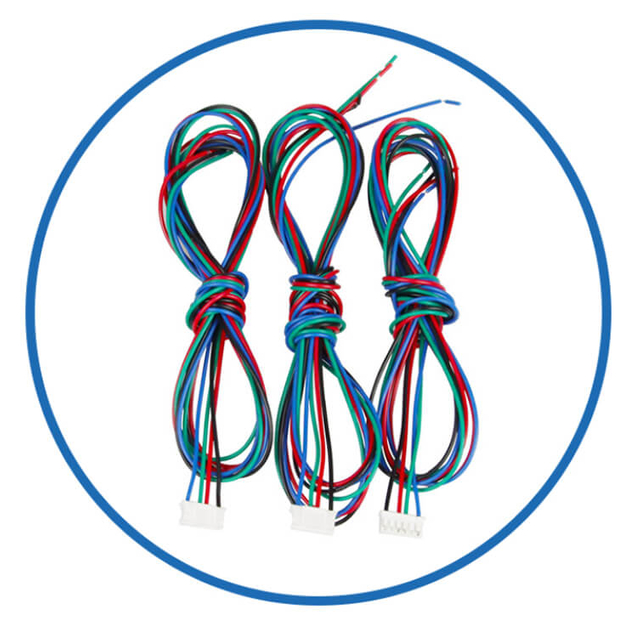
Cable routing plays a major role in both machine layout and sanitation. Motors designed with radial, axial, or angled connectors allow optimized routing that avoids liquid traps and mechanical interference.
We select configurations that support:
Drip-loop cable routing
Sealed M12 or hygienic connectors
Strain relief integration
Quick-disconnect maintenance access
Proper connector placement protects electrical interfaces from washdown exposure and simplifies service procedures without disturbing surrounding components.
Custom Mechanical Adaptations for Food Machinery
Standard motors rarely satisfy all food equipment demands. Custom mechanical adaptations enhance compatibility and performance, including:
Custom flanges and pilot diameters
Extended or stepped shafts
Integrated covers and protective sleeves
Special sealing arrangements
These modifications enable direct integration into proprietary machine frames, eliminate unnecessary adapters, and improve overall structural efficiency and hygienic integrity.
Serviceability and Long-Term Maintainability
Mechanical flexibility also determines how easily a motor can be inspected, removed, or replaced. Designs that support front-access mounting, standardized fasteners, and modular components reduce downtime and simplify preventive maintenance.
Well-designed mechanical configurations ensure:
Mechanical Configuration as a Performance Multiplier
Mechanical configuration and mounting flexibility are not merely installation concerns—they actively shape motion accuracy, sanitation effectiveness, vibration behavior, and equipment lifespan. By carefully matching frame size, mounting method, shaft type, and integration options to the application, we ensure the stepper motor becomes a structurally optimized component of the food processing system.
The result is machinery that operates with greater precision, higher hygiene assurance, and improved mechanical resilience, supporting continuous production and long-term operational confidence.
Reliability, Maintenance, and Lifecycle Cost of Customized Stepper Motor in food processing machine
Long-term reliability is essential in food processing, where downtime leads to product loss and sanitation reset costs.
Bearing Quality and Sealing Systems
We specify motors featuring:
These elements extend service life and protect against frequent washdowns.
Predictable Performance and Spare Availability
Motors with standardized platforms allow:
A consistent motor platform ensures production continuity and reduced maintenance overhead.
Energy Efficiency and Sustainable Operation of Customized Stepper Motor in food processing machine
Energy efficiency and sustainability have become defining performance indicators in modern food processing facilities. Beyond motion accuracy and hygienic compliance, the stepper motor now plays a critical role in reducing energy consumption, minimizing heat generation, lowering operational costs, and supporting environmental responsibility goals. We view energy efficiency not as an optional upgrade, but as a core design requirement that directly influences production stability and long-term profitability.
High-Efficiency Motor Design and Electromagnetic Optimization
The foundation of energy-efficient operation begins inside the motor. Advanced stepper motors are engineered with optimized electromagnetic structures that convert electrical power into usable torque with minimal loss.
Key design features include:
High-permeability silicon steel laminations to reduce core losses
Precision-wound copper coils to lower resistance and improve current utilization
Optimized air gap geometry to maximize magnetic flux efficiency
Low-detent torque construction to reduce drag during motion
These improvements ensure that more input energy contributes directly to mechanical output, allowing food machinery to operate with lower current draw, improved torque stability, and reduced thermal waste.
Lower Heat Generation and Thermal Stability
Excessive heat is one of the most significant contributors to energy loss and component degradation. Energy-efficient stepper motors are designed to operate at lower temperature rise, even under continuous or high-duty-cycle conditions.
Thermal efficiency delivers multiple benefits:
Reduced power consumption
Extended insulation and bearing life
Improved sealing longevity
Lower cooling system requirements
In food processing machines, where motors are often enclosed or exposed to washdown, minimizing heat buildup is essential for sanitary reliability, stable torque output, and long-term operational safety.
Smart Drivers and Intelligent Current Control
True energy efficiency is achieved at the system level. Modern stepper motor drivers incorporate adaptive current control technologies that automatically adjust power delivery based on real-time load demands.
Advanced driver functions include:
Dynamic current scaling during low-load or dwell periods
Standby current reduction when motion is inactive
Automatic torque optimization for variable product loads
High-efficiency PWM control to minimize switching losses
By supplying only the current actually required, these drivers significantly cut unnecessary power usage, making production lines more energy-conscious without sacrificing performance.
Closed-Loop Systems for Optimized Power Utilization
Closed-loop stepper motors elevate sustainability by eliminating wasted energy caused by overdriving. With integrated encoders, these systems provide continuous position feedback, enabling:
Precise torque matching to real mechanical demand
Automatic stall detection and correction
Reduced safety margins in motor oversizing
Improved acceleration efficiency
This intelligent feedback ensures that electrical energy is converted into productive mechanical work, rather than lost as heat. The result is lower overall energy consumption and higher process consistency, especially valuable in high-speed food packaging and dosing applications.
High Torque Density and Compact System Design
Energy-efficient stepper motors deliver higher torque from smaller frames, allowing machines to achieve required output levels with reduced material use and lower power input.
High torque density supports:
By minimizing mechanical losses and unnecessary mass, the entire motion system operates more efficiently. This compact efficiency directly contributes to sustainable equipment design and optimized resource utilization.
Reduced Auxiliary Energy Requirements
Efficient motors not only consume less electrical power but also decrease secondary energy needs across the machine.
Lower motor heat output reduces:
This cascading efficiency effect lowers facility-level energy usage, enabling food plants to reduce HVAC loads, stabilize environmental controls, and decrease total production energy intensity.
Sustainability Through Longevity and Reliability
Sustainable operation extends beyond daily energy savings. A highly efficient stepper motor also supports sustainability through extended service life and reduced replacement frequency.
Benefits include:
Durable motors with optimized energy performance form the backbone of environmentally responsible manufacturing, where reliability and efficiency coexist.
Supporting Compliance with Environmental Standards
Energy-efficient stepper motors assist food equipment manufacturers and plant operators in aligning with global environmental initiatives and industrial sustainability frameworks.
They contribute to:
Lower carbon emissions
Improved energy audits and reporting
Compliance with eco-design principles
Corporate sustainability objectives
By integrating efficient motion solutions, production systems demonstrate commitment to responsible resource management and long-term environmental stewardship.
System-Level Energy Optimization Strategies
To fully realize energy and sustainability benefits, we design stepper motor systems that incorporate:
Proper motor sizing to prevent overconsumption
Optimized acceleration profiles to reduce peak currents
High-efficiency gear systems to minimize mechanical loss
Intelligent controllers for load-responsive operation
This holistic approach ensures energy efficiency is embedded throughout the motion platform, not isolated to the motor alone.
Energy Efficiency as a Competitive Advantage
Energy-efficient and sustainable stepper motor solutions deliver more than utility savings. They improve process stability, thermal reliability, equipment lifespan, and regulatory alignment. In food processing environments where production volumes are high and margins are tight, these benefits compound rapidly.
By prioritizing energy efficiency and sustainable operation, food machinery achieves lower operating costs, stronger environmental performance, and greater long-term resilience, establishing a motion platform that supports both industrial productivity and responsible manufacturing goals.
Conclusion: Building Performance into Every Motion System
Choosing the right stepper motor for food processing machines requires a comprehensive evaluation of hygienic design, torque capacity, environmental resistance, precision control, and long-term reliability. By aligning motor specifications with operational realities, we create equipment that delivers consistent quality, regulatory compliance, and production resilience.
A properly selected stepper motor becomes more than a motion component—it becomes a foundation for automation excellence, food safety assurance, and sustainable manufacturing performance.
1. What is a food processing machine stepper motor?
A stepper motor used in a food processing machine is a motion control motor that converts digital pulses to precise mechanical movement for tasks like conveying, cutting, dosing, and indexing with high repeatability.
2. Why choose a customized stepper motor for a food processing machine?
Customized stepper motors can be tailored for food-safe materials, specific torque, IP ratings, washdown resistance, and mounting to meet unique food industry requirements.
3. What types of customized stepper motors are suitable for food processing machines?
Common types include integrated stepper servo motors, geared steppers, closed-loop steppers, waterproof versions, hybrid steppers, and linear steppers optimized for food applications.
4. How does hygiene impact motor selection in food processing?
Food processing environments require motors with smooth surfaces, stainless or food-grade coatings, and minimal crevices to prevent bacterial buildup and allow effective washdown.
5. What ingress protection (IP) rating is recommended?
IP65, IP67, or IP69K ratings are typically recommended to protect against high-pressure water jets, detergents, and condensation in food environments.
6. How do I match torque requirements for my food processing machine?
Evaluate static holding torque, running torque, and peak torque based on conveyor mass, load variation, and acceleration needs to choose a motor with sufficient torque margin.
7. Why is precision important in food processing machines?
High precision ensures accurate dosing, consistent slice lengths, and reliable indexing, which are essential for product quality and throughput.
8. What role does microstepping play?
Microstepping increases resolution and smoothness in motion control, reducing vibration and improving positioning accuracy on food lines.
9. What is a closed-loop stepper system?
A closed-loop system uses feedback (encoder) to verify position, detect stalls, and enhance torque utilization, improving reliability under variable loads.
10. Which materials resist corrosion in food processing?
Stainless steel shafts, chemically resistant seals, corrosion-proof fasteners, and encapsulated windings withstand cleaning chemicals, salt, and sugars.
11. How important is thermal performance?
Excellent heat dissipation and thermal endurance allow stepper motors to run continuous or high-duty cycles typical in food processing plants without derating.
12. Do food processing motors need certifications?
Yes — FDA, EHEDG hygienic design, ISO 14159, CE, and RoHS compliance help ensure safety, audit readiness, and regulatory alignment.
13. Can I customize the motor controller for my machine?
Yes — matching the motor with an appropriate driver/controller that supports current/voltage requirements and microstepping improves performance.
14. What electrical considerations matter for food machines?
Rated current, voltage, insulation class, communication protocols, and EMC/EMI levels influence integration with machine control systems.
15. What mounting features improve food machine integration?
Smooth mounting flanges, rounded edges, sealed threaded holes, and sealed pilot interfaces reduce bacterial harborage points and simplify washdown.
16. Can stepper motors withstand frequent cleaning cycles?
Yes — motors with washdown-rated geometries prevent moisture accumulation and resist frequent high-pressure cleaning.
17. Are there industry standards for food machine motors?
Yes — food machinery must meet hygienic engineering design standards such as EHEDG and ISO hygienic design guidelines.
18. How do customized stepper motors improve machine uptime?
Tailored motors with proper torque, protection, and cooling reduce failures, improve reliability, and extend service life in demanding food operations.
19. Is vibration control important in food processing machines?
Yes — low vibration reduces mechanical wear and maintains stable operation in dosing, slicing, and conveyor indexing systems.
20. Can stepper motors handle variable loads in food lines?
Stepper motors sized with appropriate torque margins and closed-loop control can adapt to variable loads and maintain consistent performance.