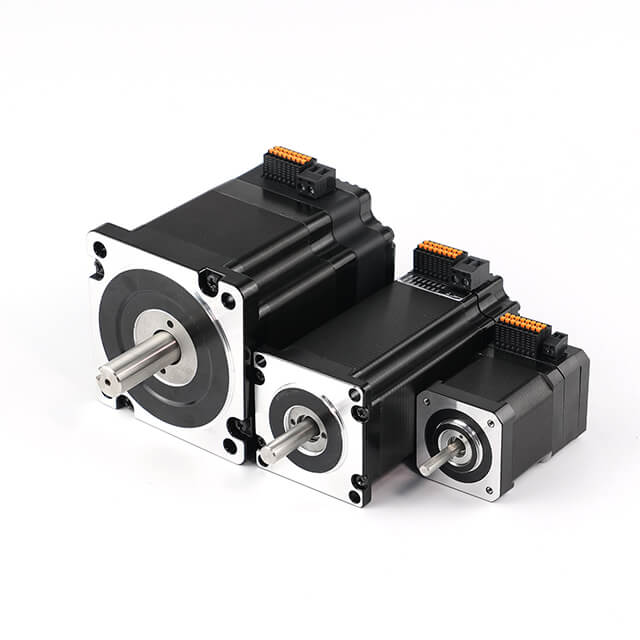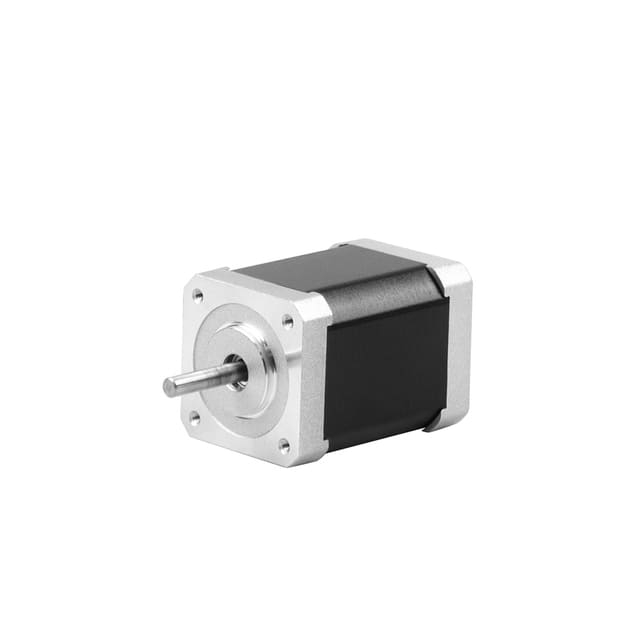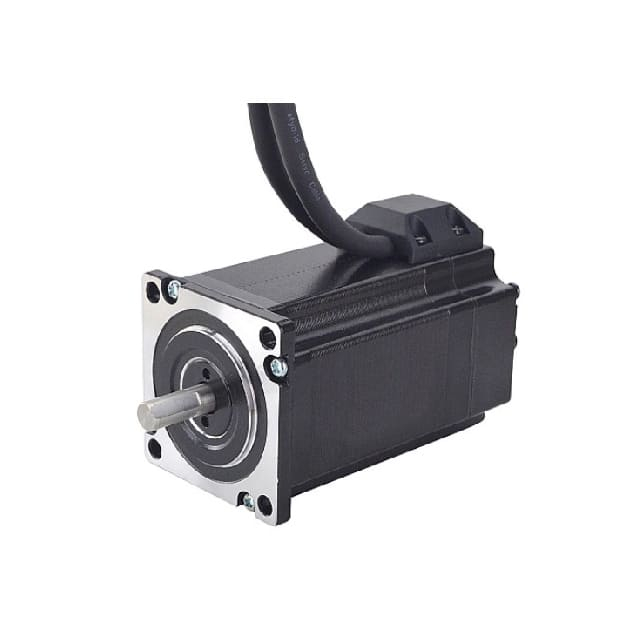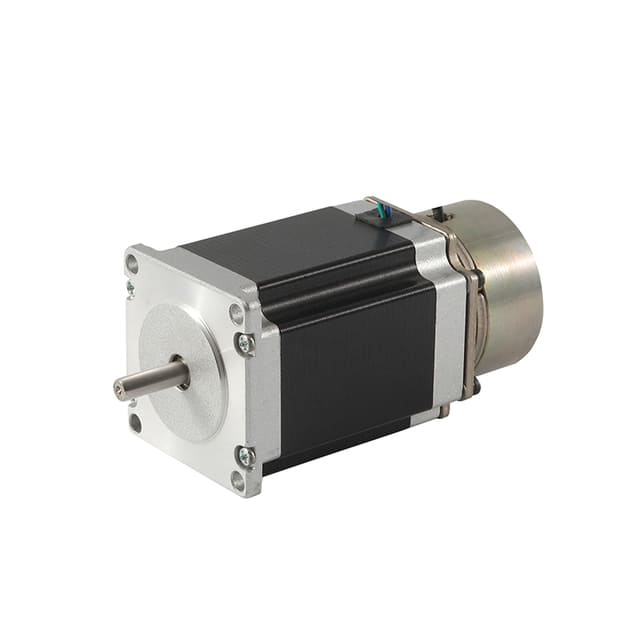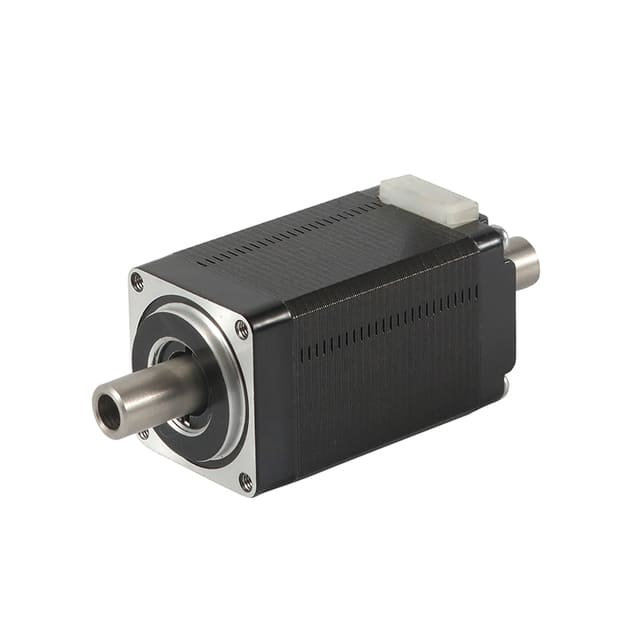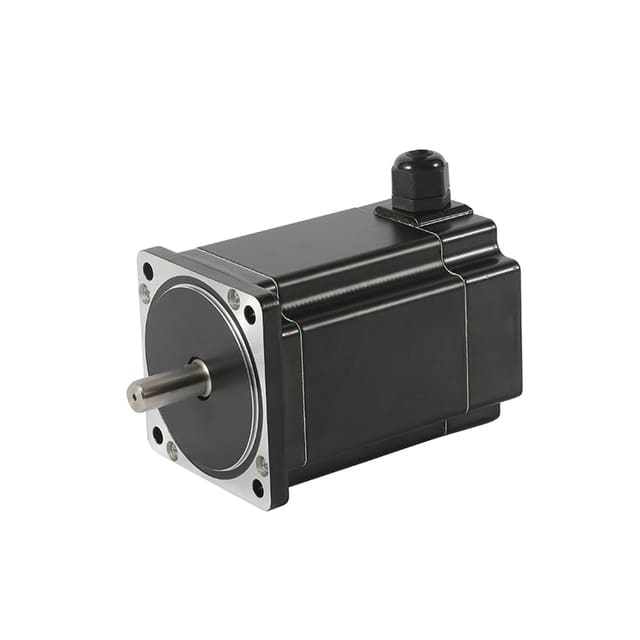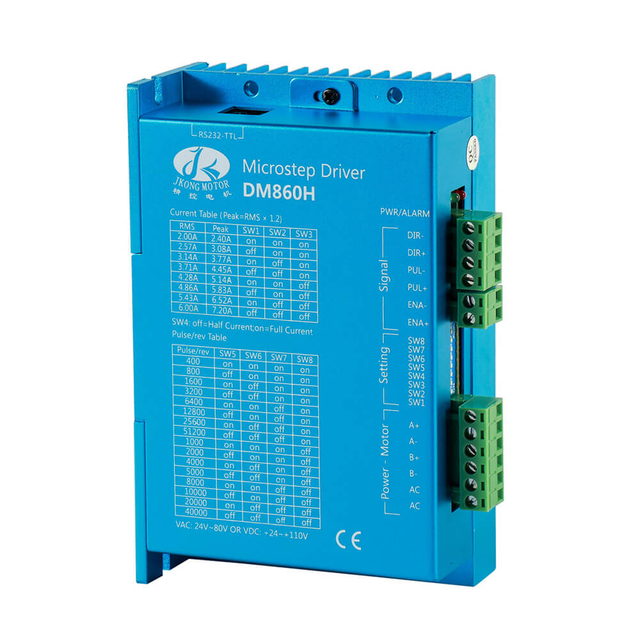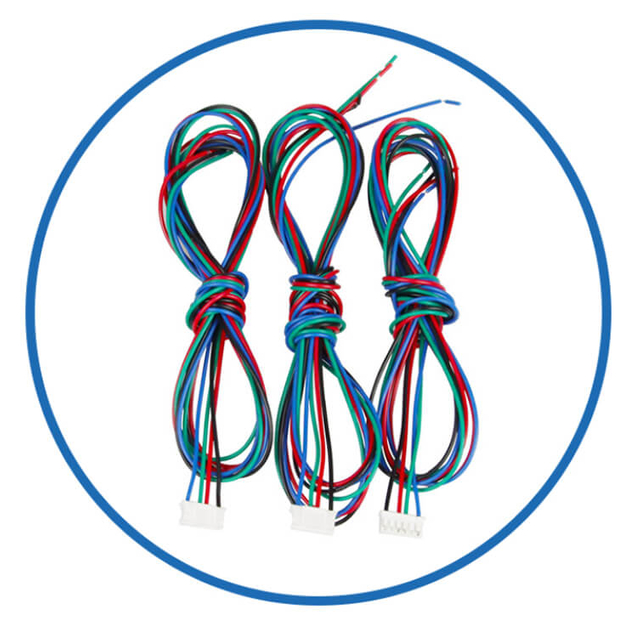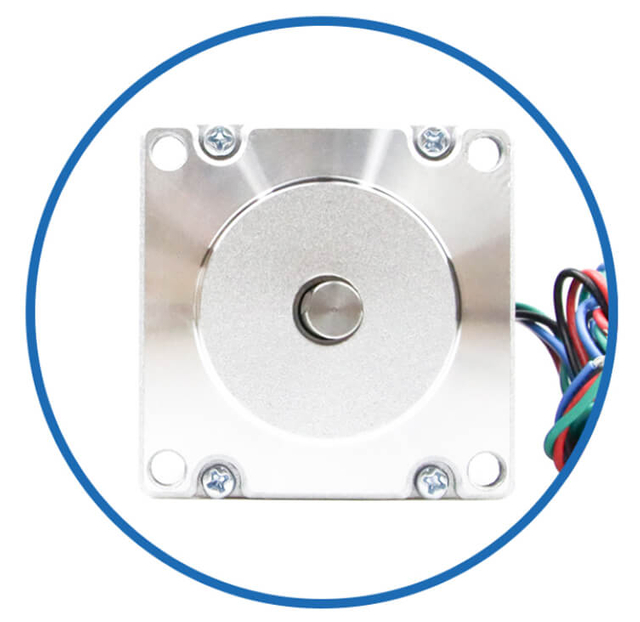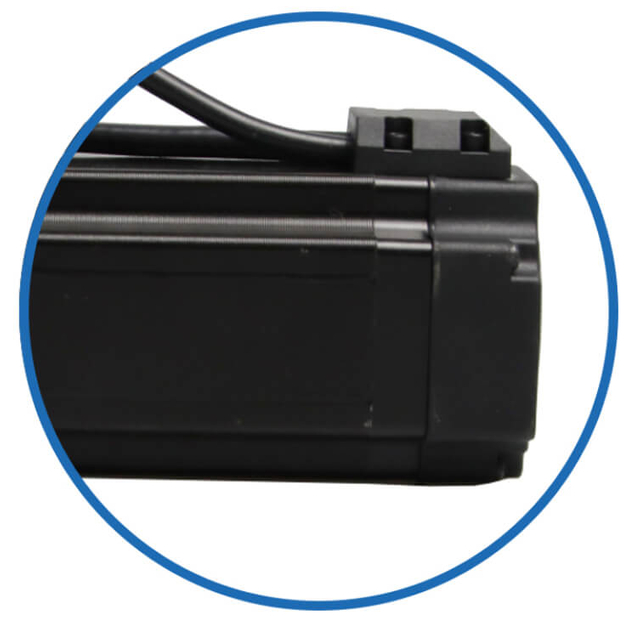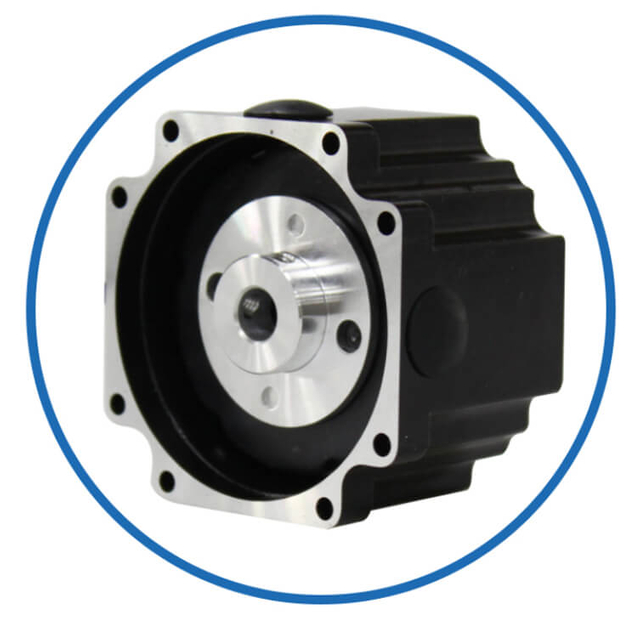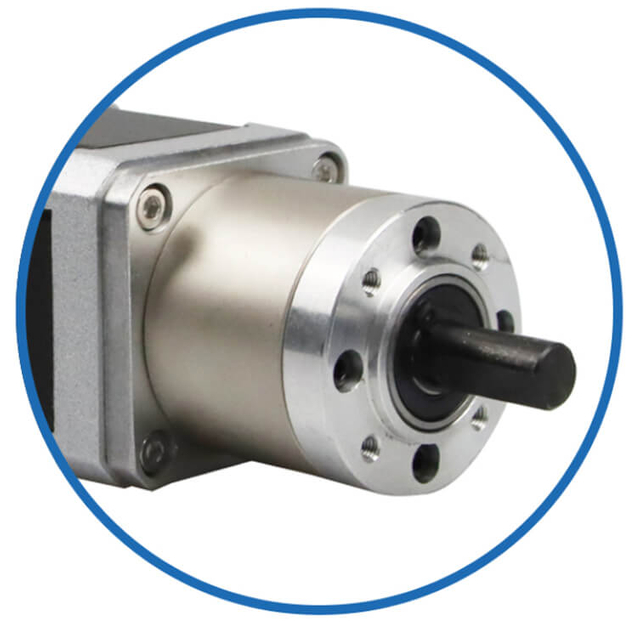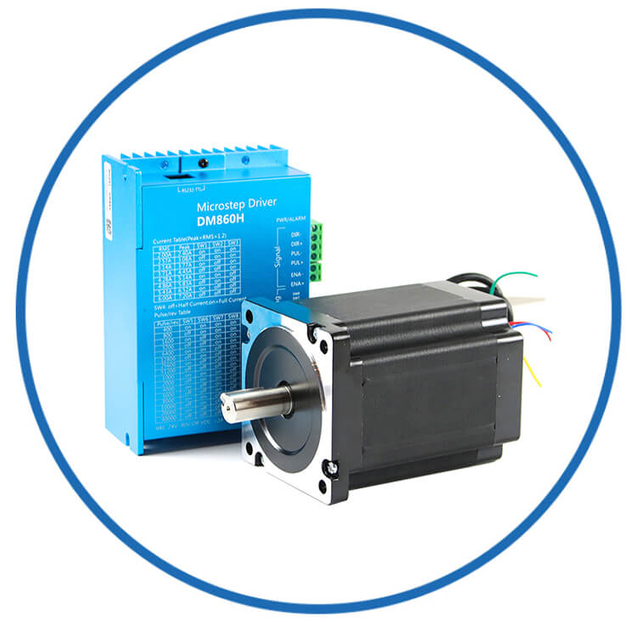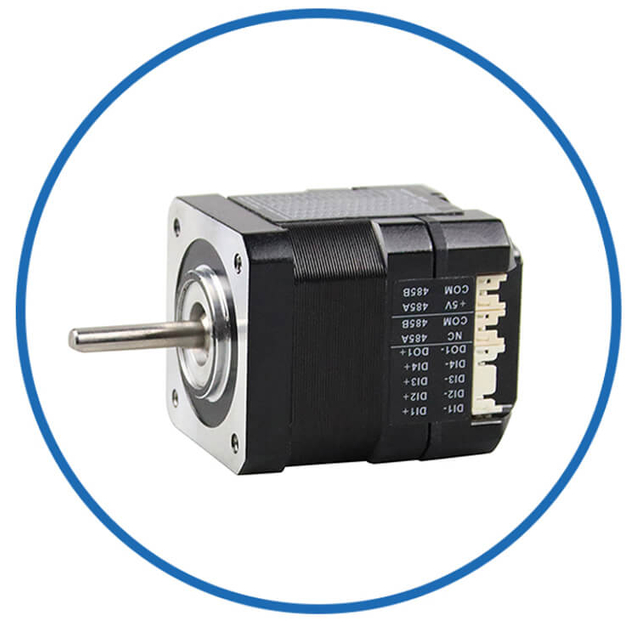
We classify stepper motor types based on construction, operating principle, and performance characteristics. Each type of stepper motor is engineered to meet specific requirements for precision motion control, torque output, speed stability, and cost efficiency. Understanding the different stepper motor types is essential for selecting the optimal solution in industrial automation, robotics, medical devices, and advanced mechatronic systems.
Stepper motors convert electrical pulses into discrete mechanical movements, making them ideal for applications that demand accurate positioning and repeatable motion. Below, we present a detailed and structured overview of all major stepper motor types, their working principles, advantages, limitations, and real-world uses.
Motor Customized Service
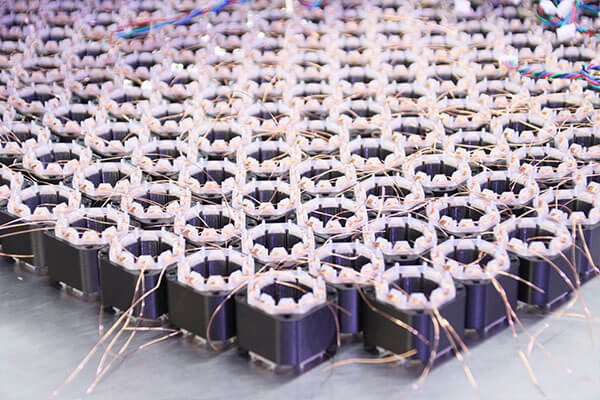
As a professional brushless dc motor manufacturer with 13 years in china, Jkongmotor offer various bldc motors with customized requirements, including 33 42 57 60 80 86 110 130mm, additionally, gearboxes, brakes, encoders, brushless motor drivers and integrated drivers are optional.
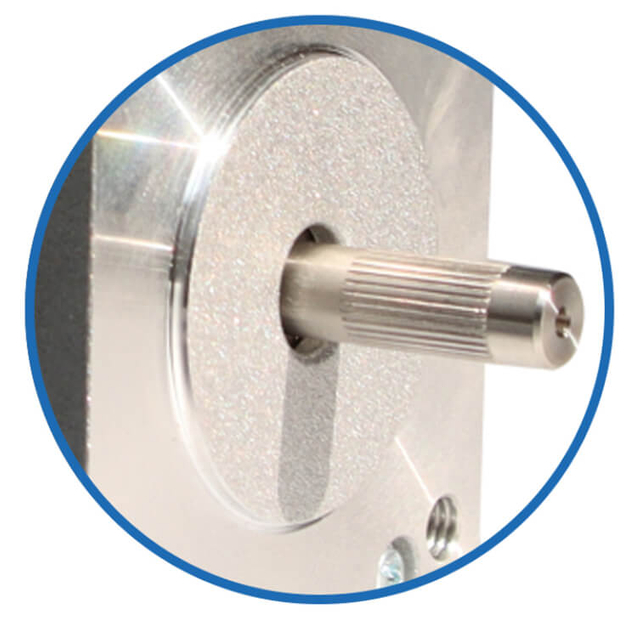
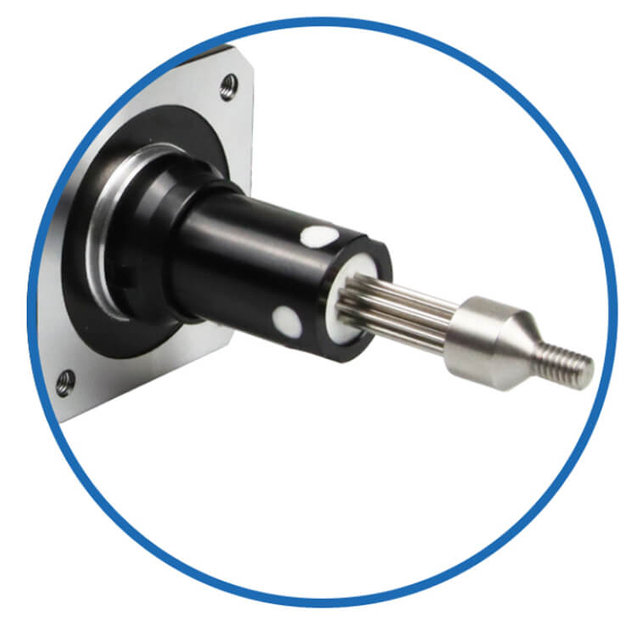
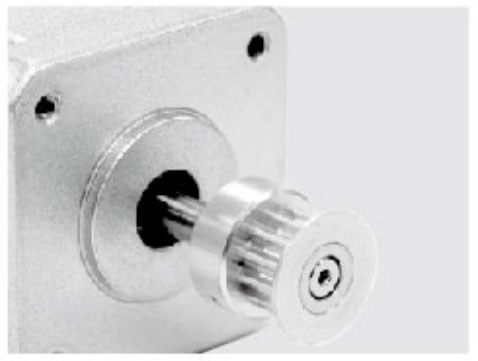
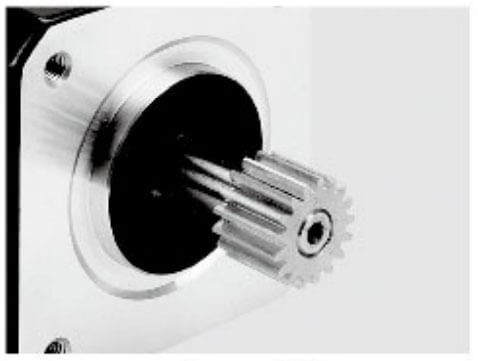
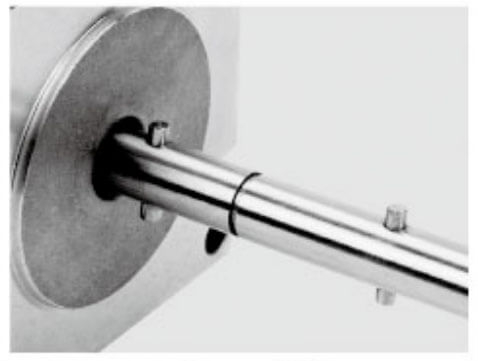
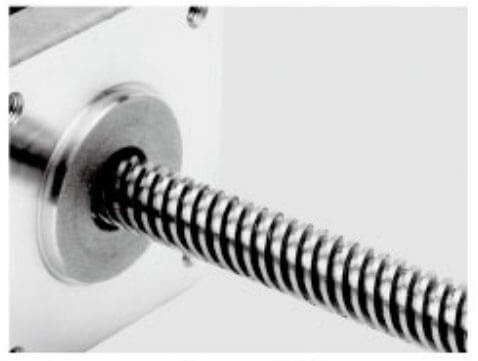
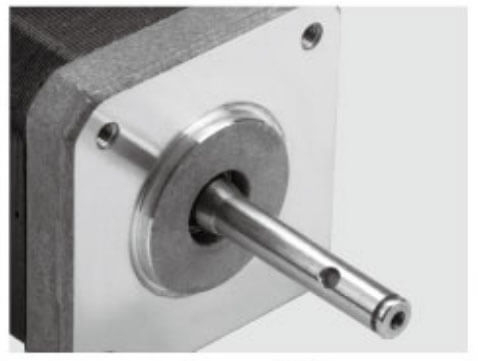
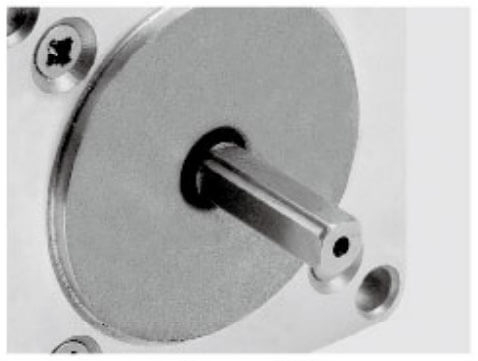
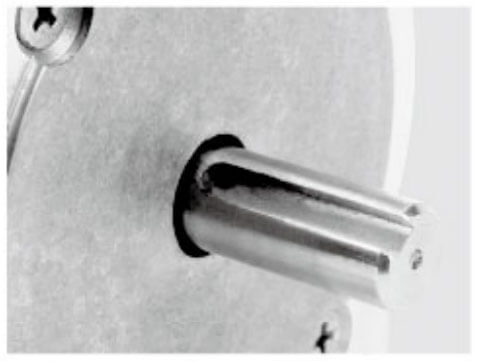
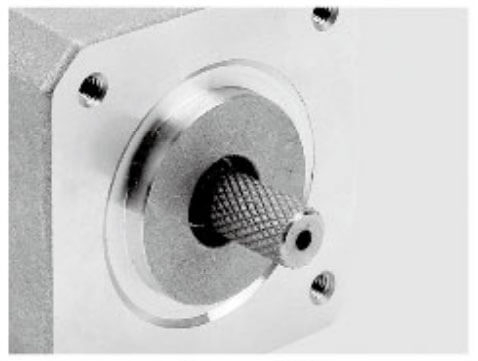
Motor Shaft Customized Service
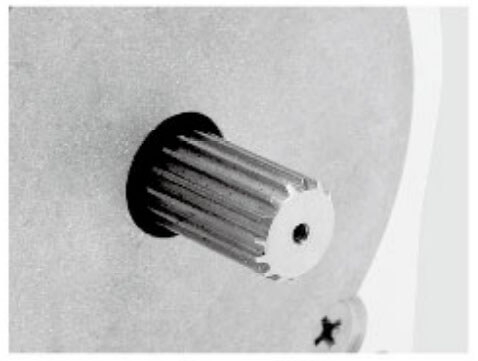
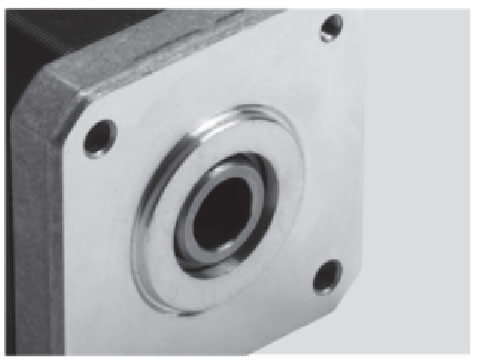
Jkongmotor offer many different shaft options for your motor as well as customizable shaft lengths to make the motor fit your application seamlessly.
Permanent Magnet Stepper Motor (PM Stepper Motor)
Construction and Operating Principle
A permanent magnet stepper motor uses a rotor made from permanent magnetic material. The stator contains electromagnetic windings that generate magnetic fields when energized. The interaction between the stator field and the permanent magnet rotor causes the rotor to move in fixed angular steps.
Typical step angles range from 7.5° to 15°, making PM stepper motors suitable for moderate precision applications.
Key Characteristics
Advantages
Limitations
Lower resolution compared to hybrid motors
Limited high-speed performance
Reduced efficiency at higher step rates
Common Applications
Permanent magnet stepper motors are widely used in:
Office automation equipment
Small actuators
Printers and paper feeders
Consumer appliances
Educational and demonstration systems
Variable Reluctance Stepper Motor (VR Stepper Motor)
Construction and Operating Principle
A variable reluctance stepper motor features a soft iron rotor with multiple teeth and no permanent magnets. Motion is produced by minimizing magnetic reluctance as stator windings are sequentially energized, pulling the rotor teeth into alignment with the stator poles.
Step angles typically range from 5° to 15°, depending on rotor and stator geometry.
Key Characteristics
Advantages
Limitations
Lower torque than PM and hybrid motors
Requires continuous power to maintain position
Less common in modern systems
Common Applications
Variable reluctance stepper motors are used in:
Construction and Operating Principle
A hybrid stepper motor combines the best features of permanent magnet and variable reluctance designs. The rotor consists of a permanent magnet sandwiched between two toothed iron rotor cups, while the stator contains multiple winding phases.
Hybrid stepper motors typically offer a 1.8° or 0.9° step angle, corresponding to 200 or 400 steps per revolution.
Key Characteristics
Advantages
Limitations
Common Applications
Hybrid stepper motors dominate modern motion control and are used in:
Stepper Motor Types Based on Winding Configuration
Design Characteristics
A unipolar stepper motor features center-tapped windings, allowing current to flow in one direction per phase.
Advantages
Limitations
Applications
Design Characteristics
A bipolar stepper motor uses a single winding per phase and requires current reversal through an H-bridge circuit.
Advantages
Limitations
Applications
Industrial automation
Robotics
CNC and motion platforms
Stepper Motor Types Based on Step Resolution
Full-Step Stepper Motor
Full-step operation moves the rotor one full step per pulse, providing maximum torque and stability.
Half-Step Stepper Motor
Half-step operation alternates between single-phase and dual-phase excitation, doubling resolution while slightly reducing torque variation.
Microstepping Stepper Motor
Microstepping divides each full step into smaller increments, enabling:
Microstepping is essential in high-precision systems such as optical instruments and medical devices.
Specialized Stepper Motor Types
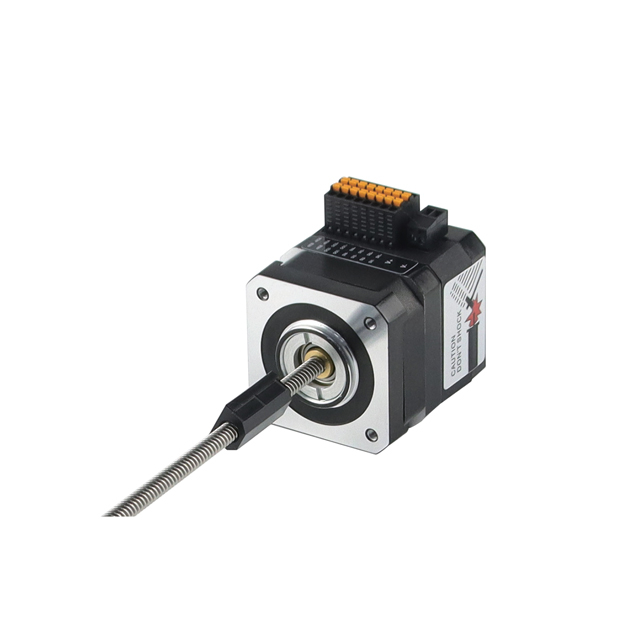
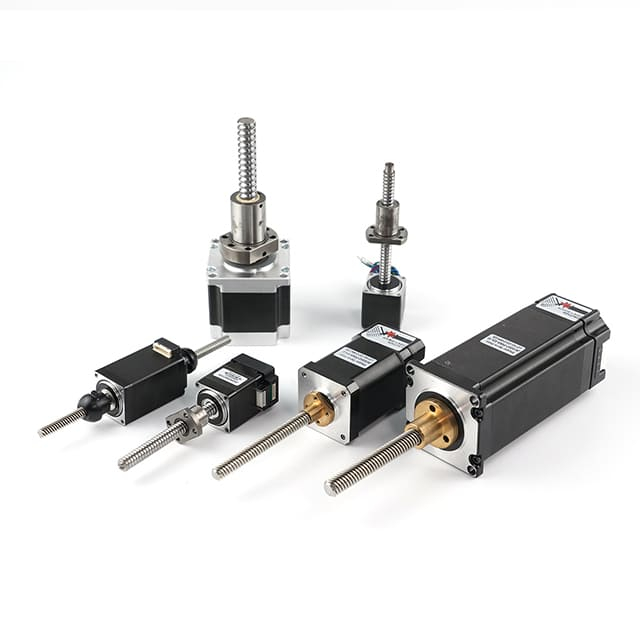
A linear stepper motor converts rotational motion directly into linear movement without mechanical transmission. It is widely used in:
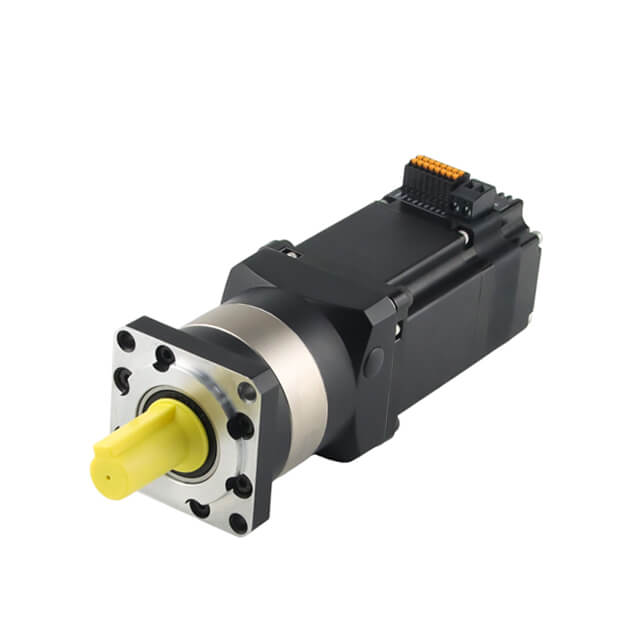
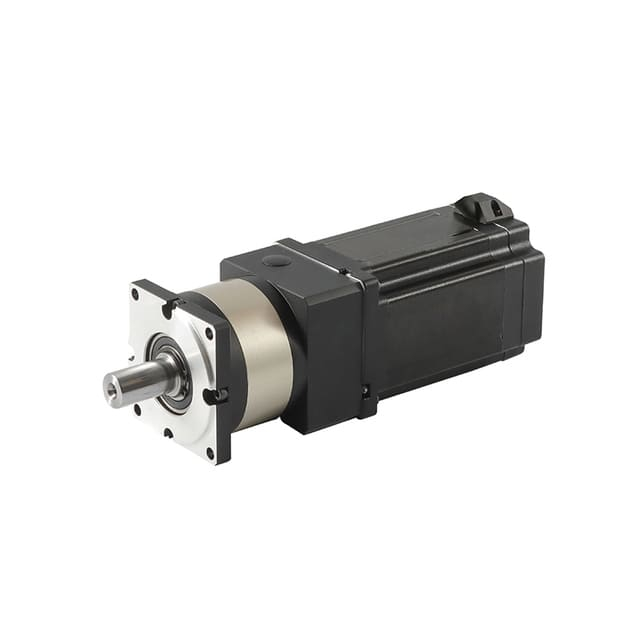
A geared stepper motor integrates a gearbox to increase torque and resolution. It is ideal for:
Waterproof and Harsh-Environment Stepper Motors
Designed with sealed housings and corrosion-resistant materials, these motors operate reliably in:
How to Choose the Right Stepper Motor Type
When selecting a stepper motor type, we evaluate:
Hybrid bipolar stepper motors are generally the preferred choice for high-performance industrial applications, while PM and unipolar designs serve cost-sensitive or low-precision systems.
Future Development of Stepper Motor Types
Advancements in materials, driver electronics, and digital control are continuously improving efficiency, torque density, and noise performance. Modern stepper motor types are increasingly integrated with smart drivers, encoders, and communication interfaces, expanding their role in Industry 4.0 and intelligent automation.
Conclusion
Understanding stepper motor types is essential for designing reliable and precise motion systems. From permanent magnet and variable reluctance designs to high-performance hybrid and microstepping solutions, each stepper motor type offers distinct advantages tailored to specific applications. By selecting the appropriate type, we ensure optimal performance, accuracy, and long-term system reliability.
We rely on stepper motors as one of the most precise and controllable motion solutions in modern electromechanical systems. A stepper motor is used wherever accurate positioning, repeatable movement, and controlled speed are critical. Unlike conventional motors that rotate continuously, stepper motors move in discrete steps, enabling exact control over angular position without the need for complex feedback systems.
This unique capability has positioned stepper motors as a foundational component in automation, robotics, medical devices, industrial machinery, and consumer electronics. Their predictable behavior, high torque at low speeds, and ease of digital control make them indispensable across a wide range of applications.
We define the core functions of a stepper motor as the essential motion capabilities that enable precise, predictable, and digitally controlled movement in modern electromechanical systems. Stepper motors are designed to convert electrical pulse signals into accurate mechanical displacement, making them a cornerstone of motion control in automation, robotics, manufacturing, and advanced equipment.
Unlike conventional motors that rely on continuous rotation and feedback loops, stepper motors operate through incremental positioning, ensuring deterministic control over speed, direction, and position. Below, we present a comprehensive breakdown of the fundamental functions that define stepper motor performance and value.
Precise Angular Positioning
1. Discrete Step Movement
The primary function of a stepper motor is precise angular positioning. Each input pulse causes the motor shaft to rotate by a fixed angle, known as the step angle. This allows exact control over shaft position simply by counting pulses, eliminating cumulative positioning errors.
2. Deterministic Position Control
Stepper motors maintain positional accuracy without relying on external sensors in many applications. This deterministic behavior ensures repeatable motion cycles in systems requiring high positional consistency.
Accurate Speed Control
1. Pulse Frequency-Based Speed Regulation
Stepper motor speed is directly controlled by the frequency of input pulses. Increasing pulse frequency increases rotational speed, while decreasing frequency slows the motor. This linear relationship allows precise speed regulation without complex control algorithms.
2. Smooth Acceleration and Deceleration
Stepper motors support controlled acceleration and deceleration profiles, reducing mechanical stress, vibration, and resonance. This function is critical for applications involving fragile components or high-precision motion paths.
Bidirectional Motion Control
1. Instant Direction Reversal
Another core function of a stepper motor is instant bidirectional rotation. By changing the excitation sequence of the stator windings, the motor can reverse direction without mechanical switching or delay.
2. Symmetrical Performance
Stepper motors deliver consistent torque and positioning accuracy in both clockwise and counterclockwise motion, supporting symmetrical system design.
High Holding Torque at Standstill
1. Position Holding Without Movement
Stepper motors generate holding torque when energized, allowing them to maintain shaft position under load without rotation. This function eliminates the need for mechanical brakes or locking mechanisms in many systems.
2. Static Load Stability
Holding torque ensures stability in vertical or load-bearing applications, preventing back-driving and unintended movement when motion is paused.
Repeatable and Predictable Motion
1. Step-to-Step Consistency
Stepper motors provide exceptional repeatability, meaning each commanded movement produces the same mechanical result every time. This function is vital in automated production, inspection systems, and synchronized multi-axis motion.
2. Multi-Axis Coordination
In complex systems, multiple stepper motors can be synchronized precisely, ensuring coordinated motion across several axes without drift or misalignment.
Open-Loop Motion Control Capability
1. Encoder-Free Operation
A defining function of stepper motors is their ability to operate in open-loop control systems. Position is inferred from step count rather than measured by feedback devices, simplifying system architecture and reducing cost.
2. Reduced System Complexity
Open-loop functionality minimizes wiring, calibration, and maintenance requirements while maintaining acceptable accuracy for a wide range of applications.
Incremental Resolution Control
1. Full-Step, Half-Step, and Microstepping
Stepper motors support multiple stepping modes that define motion resolution:
Full-step mode for maximum torque and stability
Half-step mode for increased resolution
Microstepping mode for ultra-smooth motion and fine positioning
This function allows designers to balance torque, smoothness, and precision according to application needs.
Torque Generation at Low Speed
1. High Torque Density at Low RPM
Stepper motors are optimized to deliver high torque at low rotational speeds, making them ideal for applications where slow, controlled motion is required.
2. Direct Drive Capability
Because of their low-speed torque characteristics, stepper motors often eliminate the need for gearboxes, improving efficiency and mechanical simplicity.
Digital Signal Compatibility
1. Direct Integration with Controllers
Stepper motors are designed for seamless integration with microcontrollers, PLCs, CNC controllers, and embedded systems. Their pulse-based control interface simplifies digital communication and system integration.
2. Programmable Motion Profiles
Digital compatibility enables advanced motion functions such as indexing, homing, dwell control, and synchronized movement.
Stable Start-Stop Operation
1. Instantaneous Start and Stop
Stepper motors can start, stop, and reverse instantly without loss of positional accuracy. This function is essential in applications requiring frequent motion changes or precise indexing.
2. No Run-Up Delay
Unlike induction motors, stepper motors do not require ramp-up time to reach operational accuracy, improving system responsiveness.
Load Positioning and Indexing
1. Accurate Load Placement
Stepper motors excel at indexing operations, where a load must be moved to predefined positions repeatedly with high accuracy.
2. Controlled Linear Motion
When paired with lead screws or ball screws, stepper motors convert rotary motion into precise linear displacement, expanding their functional scope.
Operational Reliability and Consistency
1. Stable Performance Over Time
Stepper motors deliver consistent performance across long operational cycles. Their brushless construction minimizes wear, contributing to long service life and predictable behavior.
2. Low Maintenance Requirements
With no commutators or brushes, stepper motors require minimal maintenance, supporting continuous and unattended operation.
Core Functional Value Across Industries
The combined core functions of a stepper motor—precise positioning, speed control, holding torque, repeatability, and digital compatibility—make them indispensable in:
Industrial automation
Robotics and CNC systems
Medical and laboratory equipment
3D printing and additive manufacturing
Optical and imaging devices
Conclusion
The core functions of a stepper motor define its role as a precision-driven, digitally controlled motion solution. By delivering accurate positioning, stable speed control, high holding torque, and repeatable performance, stepper motors provide unmatched reliability for applications where motion accuracy and predictability are essential. These functions continue to drive their widespread adoption across modern engineering and automation systems.
CNC Machines and Precision Manufacturing
Stepper motors are widely used in CNC routers, milling machines, laser cutters, and engraving systems. Their ability to control motion in micro-steps ensures precise tool positioning, smooth contours, and accurate replication of complex designs.
In manufacturing environments, stepper motors support:
Their digital compatibility allows seamless integration with controllers and industrial automation software.
Robotics and Automation Systems
1. Robotic Arms and Actuators
Stepper motors are used in robotic joints and actuators where precise angular control is required. Their predictable response ensures accurate path planning and movement execution, especially in pick-and-place robots and collaborative robotic systems.
2. Autonomous and Mobile Robots
In mobile robotics, stepper motors are used for wheel drives, steering mechanisms, and sensor positioning. Their ability to deliver controlled torque and speed enhances navigation accuracy and motion stability.
3D Printing and Additive Manufacturing
One of the most well-known uses of a stepper motor is in 3D printers. Stepper motors control:
X, Y, and Z axis movement
Extruder filament feeding
Print bed leveling systems
Their fine resolution enables layer-by-layer accuracy, which is critical for print quality, dimensional consistency, and surface finish.
Medical and Laboratory Equipment
1. Precision Control in Healthcare Devices
Stepper motors are extensively used in medical equipment where controlled motion and reliability are essential. Common applications include:
Their low electromagnetic interference and accurate motion control contribute to patient safety and device reliability.
2. Laboratory Automation
In laboratory environments, stepper motors drive sample handling systems, automated pipettes, and analytical instruments, ensuring precise and repeatable processes critical for research and diagnostics.
Consumer Electronics and Office Equipment
1. Printers and Scanners
Stepper motors are used in printers, scanners, and copiers to control paper feeding, print head movement, and scanning mechanisms. Their ability to perform consistent incremental movements ensures accurate alignment and high-quality output.
2. Cameras and Optical Devices
In cameras, stepper motors are used for lens focusing, zoom mechanisms, and aperture control. Their silent operation and precision enhance user experience and image quality.
Automotive and Transportation Systems
Stepper motors are increasingly used in automotive electronics for controlled mechanical functions such as:
Instrument cluster gauges
HVAC airflow control
Headlight leveling systems
Valve and actuator positioning
Their durability and predictable response make them suitable for harsh automotive environments.
Aerospace and Defense Applications
In aerospace systems, stepper motors are used for antenna positioning, navigation instruments, and control surfaces. Their ability to maintain position without continuous power consumption adds efficiency and reliability to mission-critical systems.
We select stepper motors because their inherent advantages deliver a unique combination of precision, control simplicity, and operational reliability. These advantages define stepper motor usage across industrial automation, robotics, medical devices, and advanced manufacturing systems. Unlike conventional electric motors, stepper motors are engineered to move in controlled increments, enabling deterministic motion without complex feedback mechanisms.
Below, we present a comprehensive and detailed analysis of the key advantages that define stepper motor usage, explaining why they remain a preferred choice in precision-driven applications.
High Positioning Accuracy
1. Discrete Step-Based Movement
One of the most significant advantages of a stepper motor is its high positioning accuracy. Each electrical pulse results in a precise mechanical movement, allowing exact angular or linear positioning through step counting.
2. Minimal Cumulative Error
Because motion occurs in fixed increments, stepper motors deliver excellent repeatability with minimal cumulative positioning error, especially in controlled load conditions.
Exceptional Repeatability
1. Consistent Motion Performance
Stepper motors provide repeatable positioning over thousands of cycles. Each commanded step produces the same movement every time, ensuring uniform output in automated processes.
2. Reliable Multi-Axis Synchronization
This repeatability allows multiple stepper motors to operate in synchronized systems without drift, supporting complex multi-axis motion platforms.
Simple Open-Loop Control
1. No Feedback Required
A defining advantage of stepper motor usage is the ability to operate in open-loop control. Position is determined by counting input pulses rather than measuring actual shaft position with sensors.
2. Reduced System Complexity
Open-loop operation simplifies system design, reduces wiring and calibration requirements, and lowers overall system cost.
High Holding Torque at Standstill
1. Stable Position Maintenance
Stepper motors generate high holding torque when energized, enabling them to maintain position without movement under load.
2. Elimination of Mechanical Brakes
This advantage removes the need for additional braking mechanisms in many applications, improving reliability and reducing mechanical wear.
Excellent Low-Speed Torque Performance
1. Strong Torque at Low RPM
Stepper motors deliver high torque at low speeds, making them ideal for applications requiring slow, controlled motion.
2. Direct Drive Capability
Because of their low-speed torque characteristics, stepper motors often operate without gearboxes, increasing efficiency and reducing mechanical complexity.
Precise Speed Control
1. Pulse Frequency-Based Speed Regulation
Stepper motor speed is directly proportional to input pulse frequency, allowing precise and predictable speed control without advanced control algorithms.
2. Smooth Acceleration and Deceleration
Stepper motors support programmable motion profiles that minimize vibration and mechanical stress during start-stop operation.
Instant Start, Stop, and Direction Change
1. Fast Dynamic Response
Stepper motors can start, stop, and reverse direction instantly without loss of position, which is critical in indexing and positioning applications.
2. Accurate Bidirectional Operation
They deliver symmetrical performance in both clockwise and counterclockwise motion, enhancing system flexibility.
Digital Control and Automation Compatibility
1. Seamless Integration with Controllers
Stepper motors interface easily with microcontrollers, PLCs, CNC controllers, and industrial automation systems through digital pulse signals.
2. Programmable Motion Functions
Digital compatibility enables advanced features such as indexing, homing, dwell control, and synchronized multi-axis movement.
Multiple Resolution Options
1. Full-Step, Half-Step, and Microstepping
Stepper motors support various stepping modes, allowing designers to balance torque, resolution, and smoothness according to application needs.
2. Reduced Vibration and Noise
Microstepping significantly reduces resonance and acoustic noise, improving motion quality in precision equipment.
High Reliability and Low Maintenance
1. Brushless Construction
Stepper motors have no brushes or commutators, minimizing wear and extending operational life.
2. Consistent Long-Term Performance
Their simple and robust design ensures stable performance over long service intervals with minimal maintenance requirements.
Wide Range of Sizes and Configurations
1. Scalable Design Flexibility
Stepper motors are available in a wide range of frame sizes, torque ratings, and configurations, making them adaptable to diverse applications.
2. Specialized Variants
Options such as geared stepper motors, linear stepper motors, and integrated stepper systems expand their usability across industries.
Cost-Effective Precision Solution
1. Lower System Cost
By eliminating feedback devices and complex control hardware, stepper motors offer a cost-effective solution for precision motion control.
2. Efficient Deployment
Their ease of integration reduces engineering time and accelerates system deployment.
Stable Performance in Harsh Environments
1. Resistance to Electrical Noise
Stepper motors are less susceptible to electrical interference, ensuring stable operation in industrial environments.
2. Environmental Adaptability
With proper sealing and materials, stepper motors operate reliably in dusty, humid, and temperature-variable conditions.
Advantages That Drive Industry Adoption
The combined advantages that define stepper motor usage—accuracy, repeatability, simplicity, holding torque, and digital compatibility—make them indispensable in:
CNC machines
Industrial automation systems
Robotics and motion platforms
Medical and laboratory equipment
Packaging and inspection machinery
Conclusion
The advantages that define stepper motor usage establish stepper motors as a cornerstone of modern motion control technology. Their precise positioning, reliable performance, simple control architecture, and cost efficiency enable engineers to design accurate, scalable, and dependable systems across a wide range of industries. As automation and intelligent manufacturing continue to evolve, stepper motors remain a trusted and powerful solution for precision motion applications.
Integration with Linear Motion Systems
Stepper motors are commonly paired with lead screws, ball screws, and belt drives to convert rotary motion into precise linear movement. This configuration is widely used in automation, material handling, and positioning stages.
Smart Control and Microstepping
Modern stepper motor drivers support microstepping technology, enabling smoother motion, reduced vibration, and higher resolution. This expands their usability in high-performance applications requiring refined motion profiles.
Why Stepper Motors Remain a Preferred Choice
We use stepper motors because they deliver a unique balance of precision, reliability, cost-effectiveness, and control simplicity. Their predictable behavior eliminates uncertainty in motion control, while their versatility allows them to be deployed across industries without extensive redesign.
As automation, robotics, and intelligent systems continue to evolve, stepper motors remain a core technology supporting accurate motion execution and system efficiency.
Stepper motors are increasingly integrated into smart factories, IoT-enabled machines, and AI-driven automation systems. With advancements in driver electronics and materials, their efficiency, torque density, and noise performance continue to improve, reinforcing their role in next-generation motion solutions.
Conclusion
A stepper motor is used wherever precise, repeatable, and controllable motion is required. From industrial automation and robotics to medical devices and consumer electronics, stepper motors form the backbone of countless motion control systems. Their ability to deliver accuracy without complexity ensures they remain a trusted and widely adopted solution in modern engineering.