Industrial automation demands motion systems that are precise, reliable, compact, and application-specific. We increasingly see manufacturers move away from off-the-shelf motors toward fully customized industrial stepper motors designed to match exact mechanical, electrical, and environmental requirements.
In this comprehensive guide, we detail what can be customized in industrial stepper motors, covering every major dimension of customization—from torque structure and winding design to mechanical integration, control electronics, and environmental protection. This article is written to support engineers, OEMs, and industrial buyers seeking high-performance, customized stepper motor solutions.
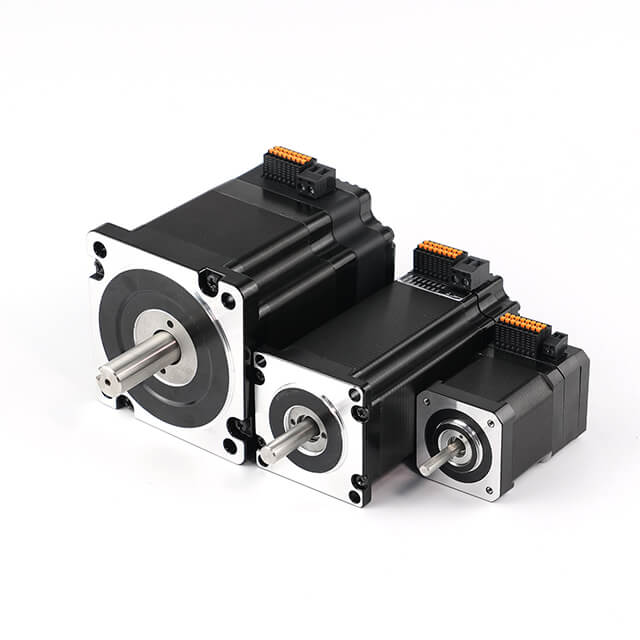
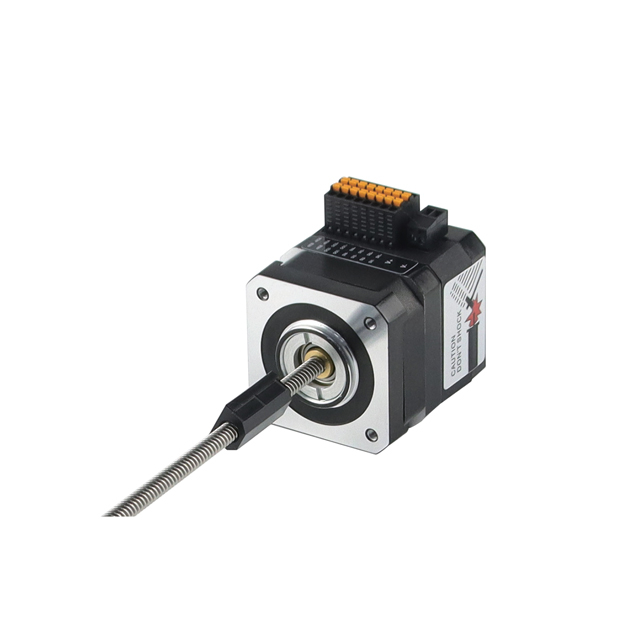
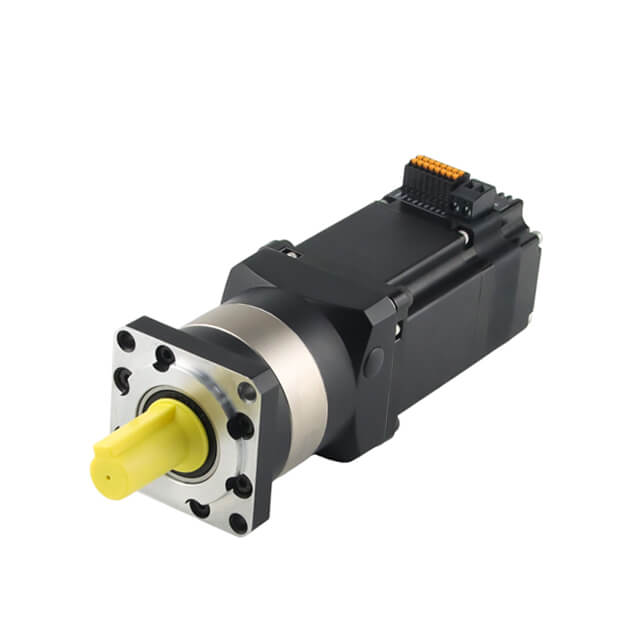
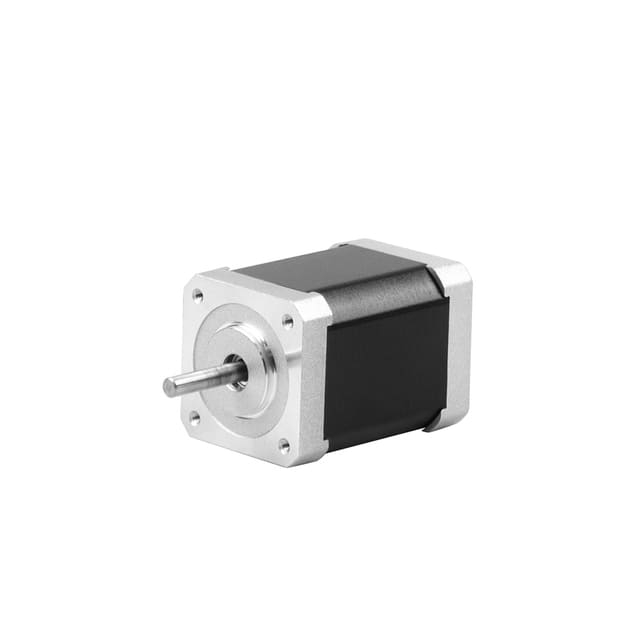
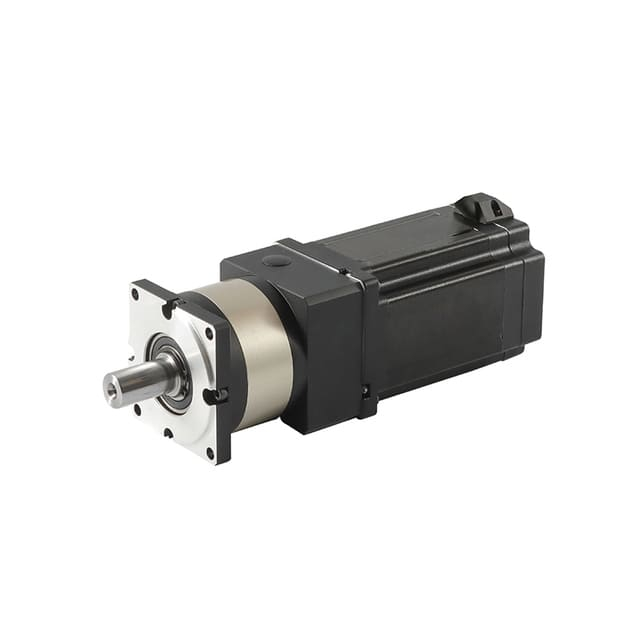
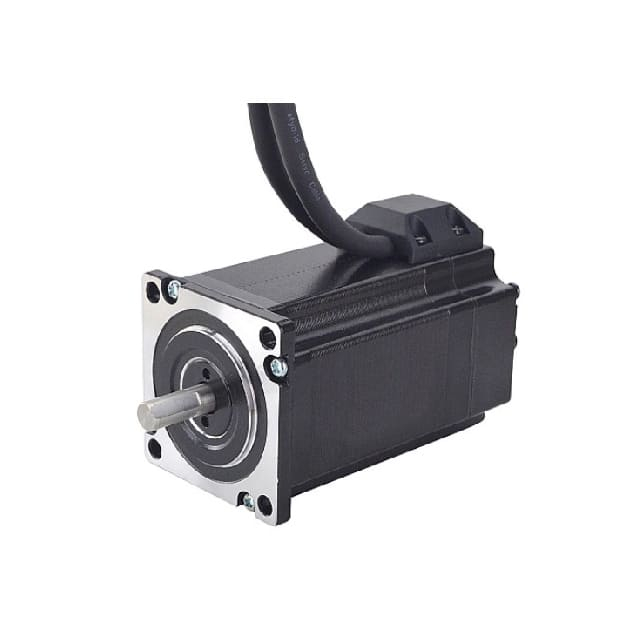
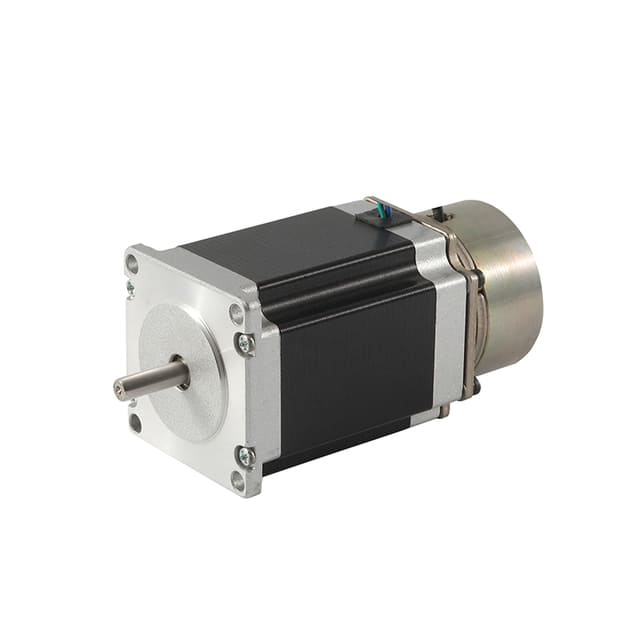
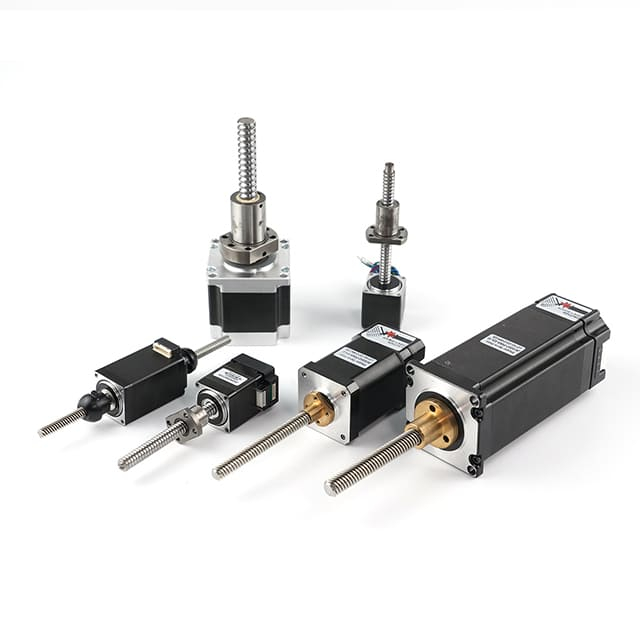
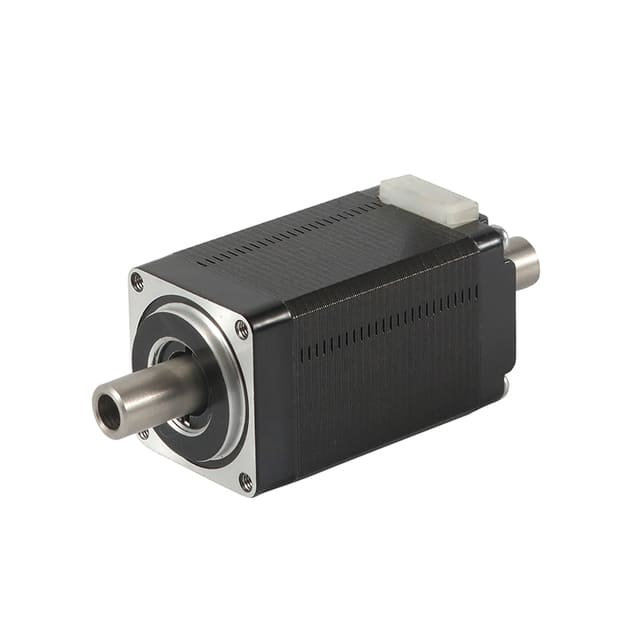
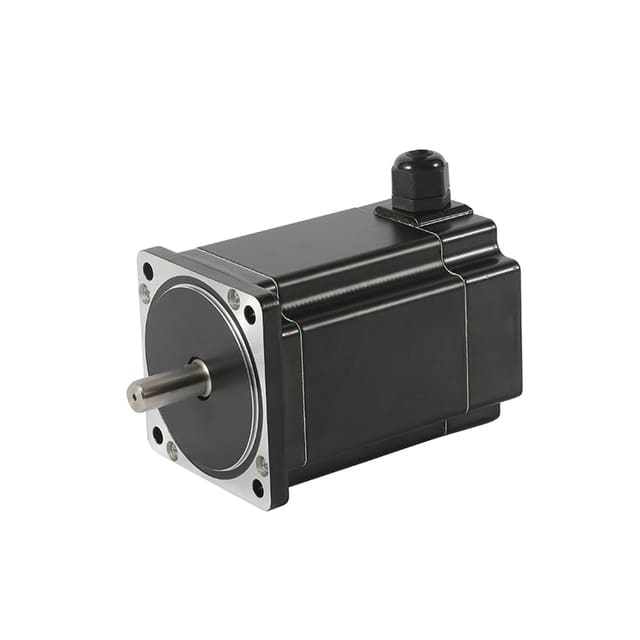
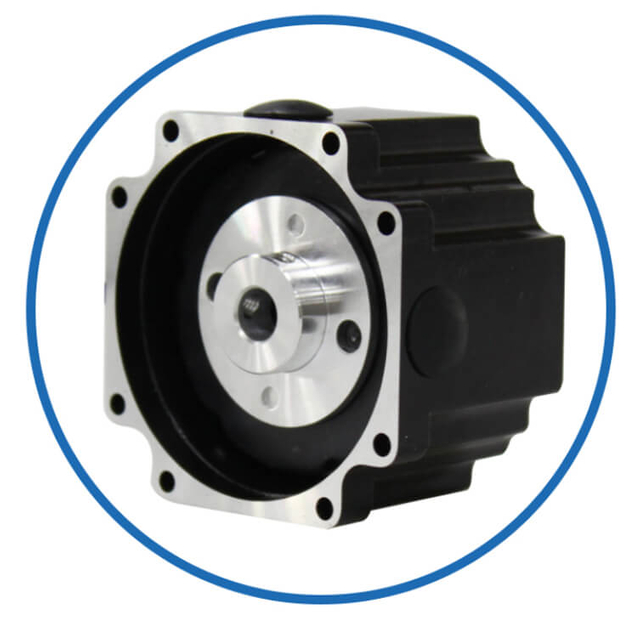
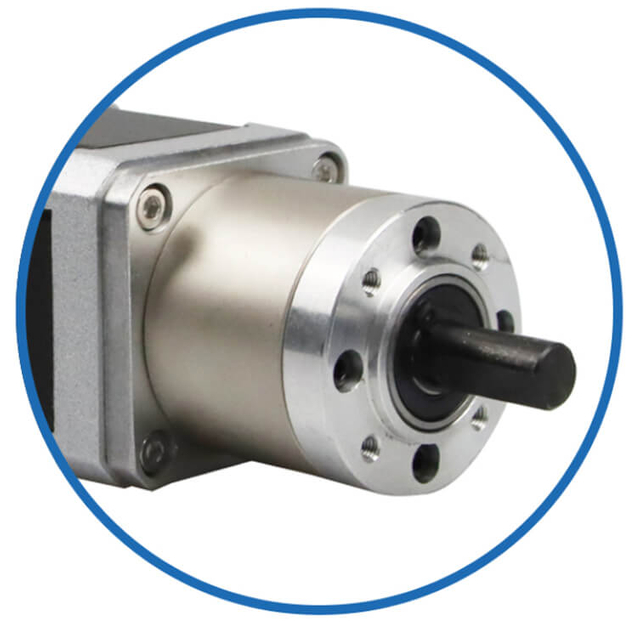
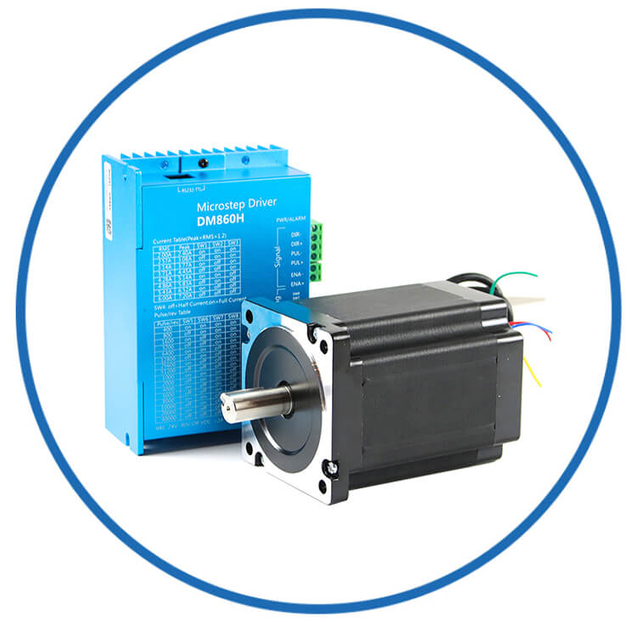
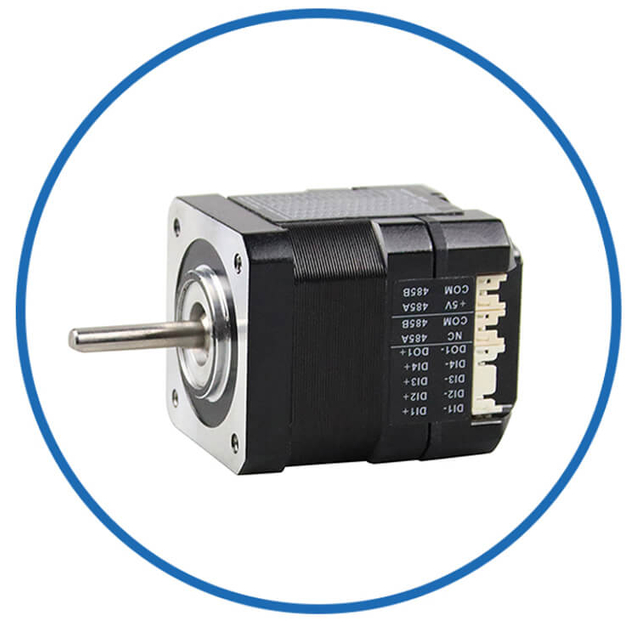
Jkongmotor Customized Stepper Motor Types
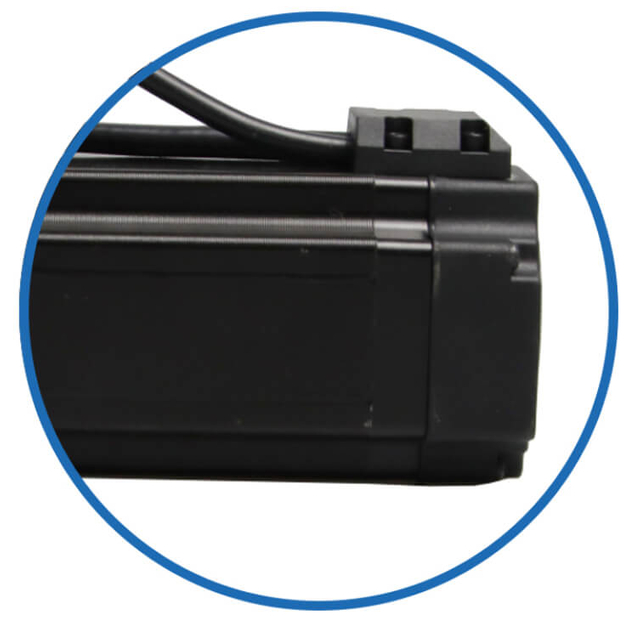
Motor Customized Service
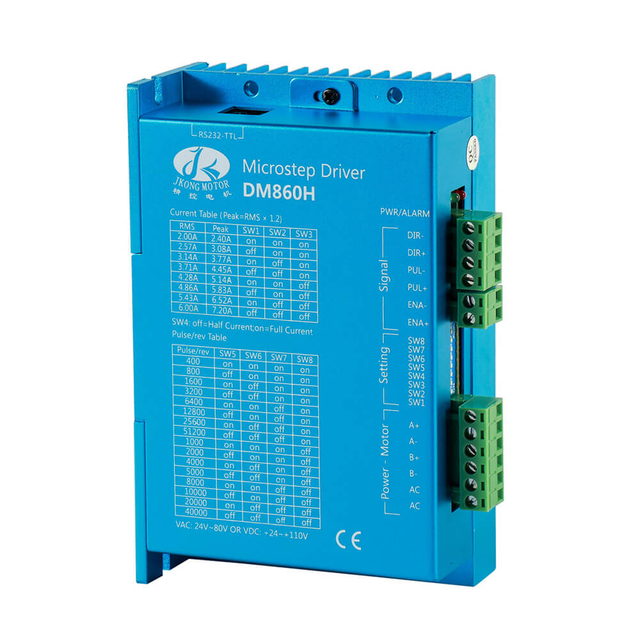
As a professional brushless dc motor manufacturer with 13 years in china, Jkongmotor offer various bldc motors with customized requirements, including 33 42 57 60 80 86 110 130mm, additionally, gearboxes, brakes, encoders, brushless motor drivers and integrated drivers are optional.
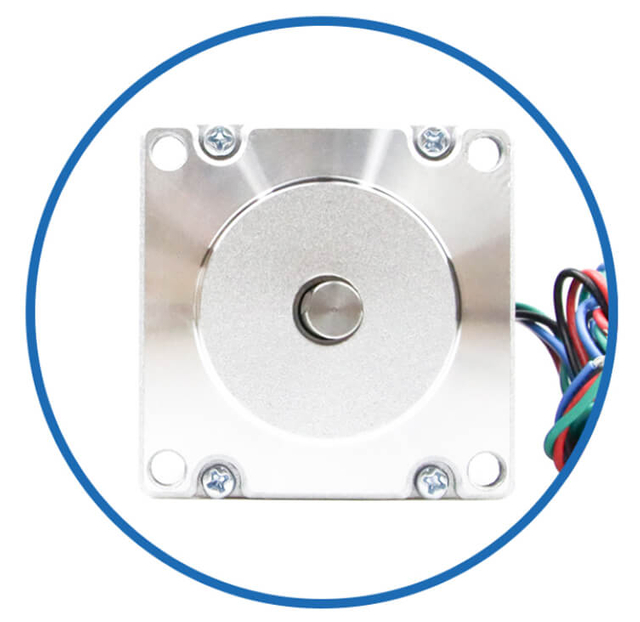
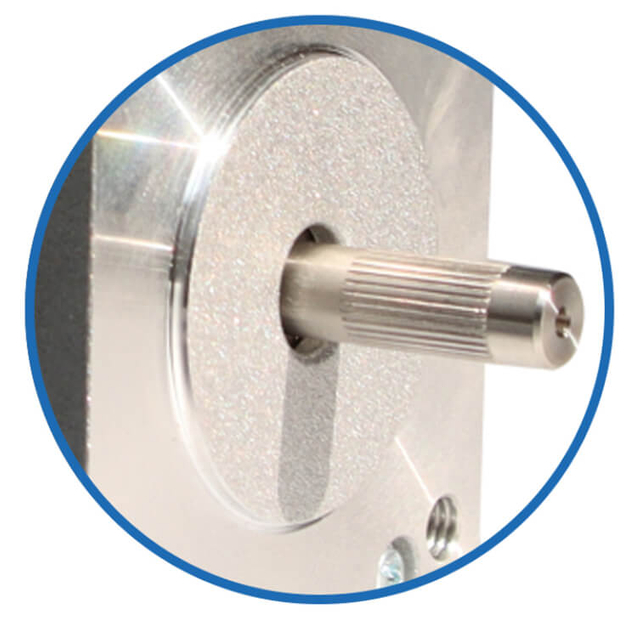
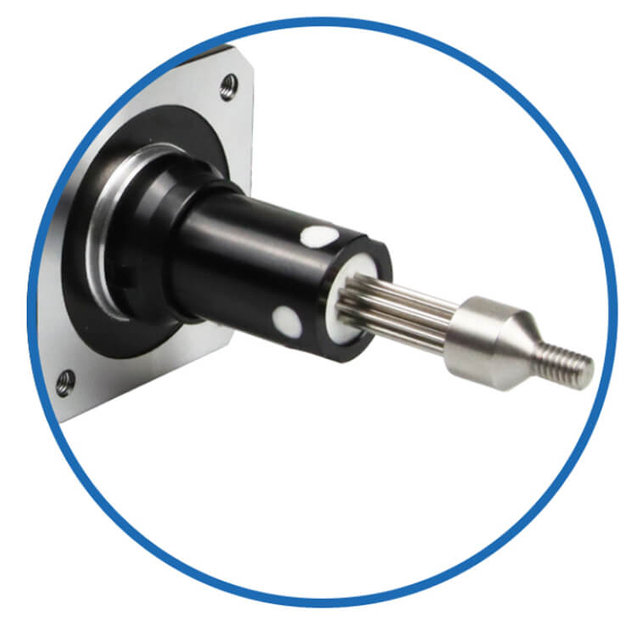
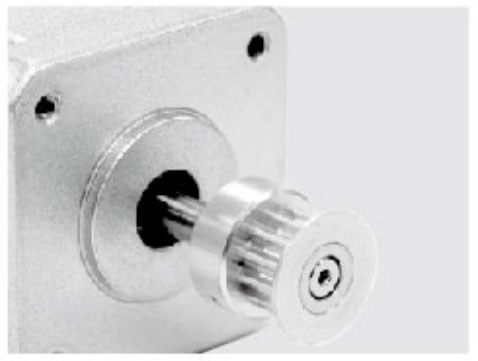
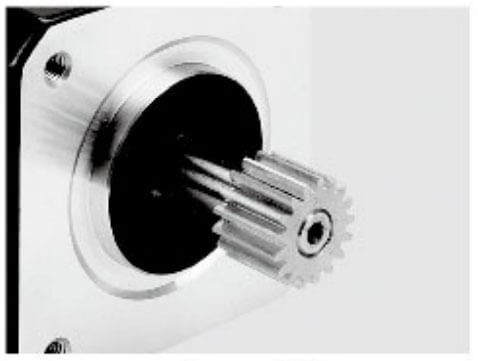
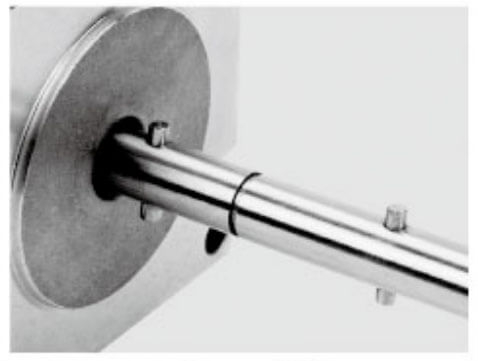
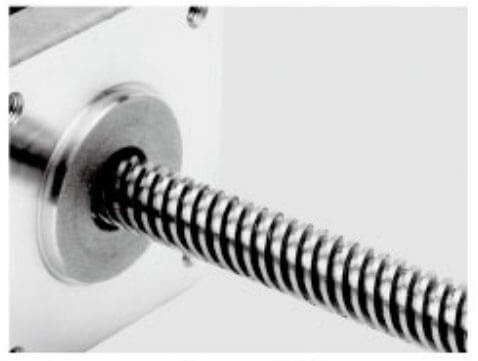
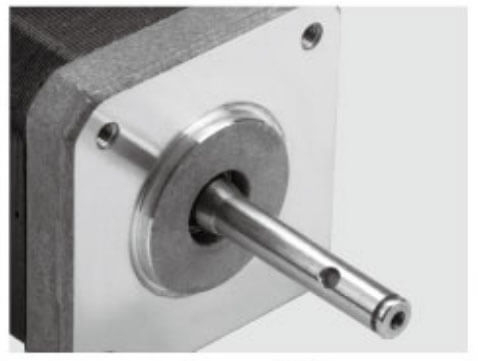
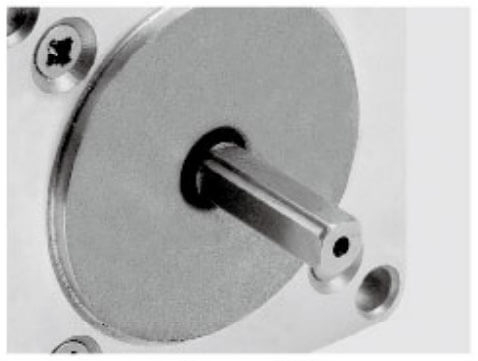
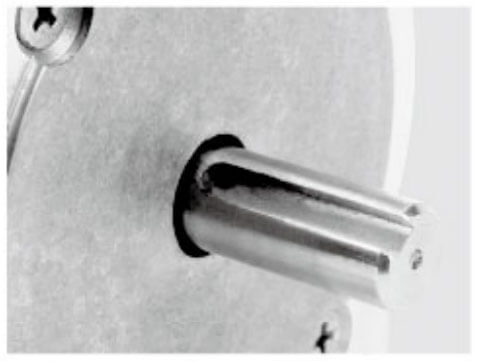
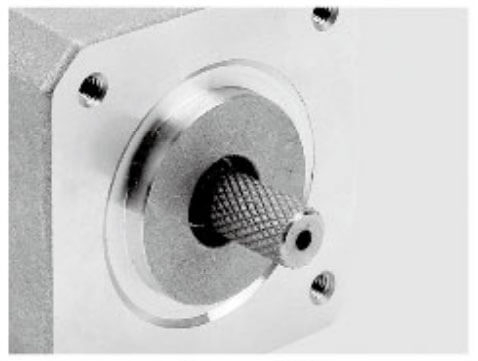
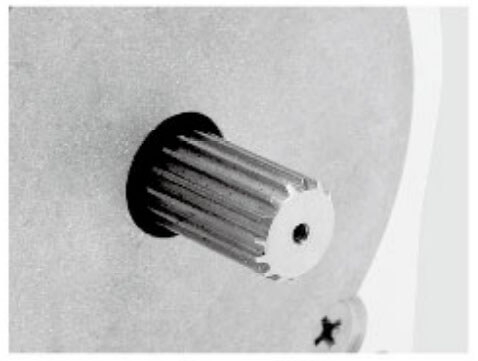
Motor Shaft Customized Service
Jkongmotor offer many different shaft options for your motor as well as customizable shaft lengths to make the motor fit your application seamlessly.
Industrial automation systems operate under highly specific mechanical, electrical, and environmental conditions. Standard catalog motors are designed for general-purpose use, which often results in performance compromises, inefficient system design, and higher long-term operating costs. Customization allows industrial stepper motors to be engineered as application-optimized motion components, rather than generic power sources.
Below are the core reasons why customization is not optional, but essential, in modern industrial stepper motor applications.
Precise Performance Matching to Real Load Conditions
Every industrial machine has a unique torque profile, duty cycle, acceleration requirement, and speed range. Customized stepper motors are engineered to deliver exact torque-speed characteristics, ensuring:
Stable torque output under real working loads
Improved acceleration and deceleration control
Reduced risk of stalling or missed steps
Higher dynamic response without oversizing
By aligning the electromagnetic design to actual operating conditions, customization eliminates inefficiencies caused by underpowered or over-engineered motor selection.
Optimized Mechanical Integration
Industrial equipment often faces strict constraints related to space, mounting structure, and transmission design. Custom stepper motors can be built with:
Non-standard frame sizes and housing lengths
Specialized mounting flanges and pilot features
Custom shaft types, hollow shafts, or integrated lead screws
Direct-fit gearbox or belt interface structures
This mechanical customization allows motors to integrate directly into machine assemblies, reducing adapter parts, improving rigidity, and enhancing positioning accuracy.
Improved Thermal Management and Service Life
Heat is one of the most critical limiting factors in motor longevity. Through customization, thermal behavior can be controlled by:
Selecting high-temperature magnets and insulation systems
Modifying winding resistance and copper fill
Designing housings for enhanced heat dissipation
Optimizing duty cycle capability
These measures ensure stable continuous operation, extended service intervals, and lower failure rates in demanding industrial environments.
Environmental Adaptation and Reliability
Industrial motors may operate in dust, moisture, oil mist, chemical exposure, vacuum, or cleanroom conditions. Customization enables:
Sealed housings and elevated IP protection levels
Corrosion-resistant materials and surface treatments
Special lubricants and bearing configurations
EMI shielding and vibration-resistant structures
Such adaptations protect internal components, ensuring consistent performance and reducing downtime caused by environmental damage.
Higher Motion Accuracy and System Stability
Customized stepper motors can be engineered to deliver:
Reduced torque ripple and resonance
Lower detent torque for smoother low-speed motion
Enhanced step angle precision
Integrated high-resolution feedback devices
These improvements increase repeatability, contouring accuracy, and micro-positioning capability, which are essential in precision automation systems.
Functional Integration and System Simplification
Customization allows multiple functions to be integrated into a single motor assembly, including:
This functional integration reduces wiring, saves cabinet space, simplifies assembly, and shortens commissioning time while improving overall system reliability.
Cost Efficiency Over the Product Lifecycle
While standard motors may appear less expensive initially, customized stepper motors reduce:
By delivering a right-sized, purpose-built solution, customization lowers the total cost of ownership and enhances long-term operational efficiency.
Scalability and Long-Term Supply Stability
Customized industrial stepper motors support:
Consistent product platforms
Controlled design revisions
Dedicated manufacturing processes
Stable long-term component sourcing
This enables OEMs to maintain product continuity, ensure quality consistency, and protect their machine designs over extended market lifecycles.
Conclusion
Customization transforms industrial stepper motors from standardized components into precision-engineered system assets. By aligning motor design with real application requirements, customization enhances performance, increases reliability, improves integration, and optimizes cost efficiency. In modern industrial automation, customized stepper motors are not simply advantageous—they are fundamental to achieving stable, scalable, and competitive machine designs.
Electromagnetic Customization of Industrial Stepper Motors: Torque, Speed, and Accuracy
Customized Torque Output
Torque is the foundation of stepper motor performance. We can customize torque by modifying:
This enables the design of motors for:
Custom torque curves ensure motors deliver stable output under real industrial loads, not just catalog conditions.
Winding Design and Electrical Parameters
Motor windings determine current, voltage, efficiency, and heat behavior. Customization includes:
Rated voltage and phase current
Coil resistance and inductance
Series, parallel, or custom hybrid winding schemes
High-efficiency copper fill optimization
Through winding customization, we can tailor motors for:
Low-voltage battery systems
High-speed industrial controllers
Energy-efficient continuous operation
High-precision low-noise motion
Step Angle and Positioning Accuracy
Beyond standard 1.8° and 0.9° step angles, customized motors can deliver:
This allows stepper motors to meet high-precision positioning requirements without excessive reliance on external encoders.
Mechanical Customization of Industrial Stepper Motors: Structure, Size, and Integration
Frame Size and Motor Geometry
Industrial designs often impose strict space constraints. Customization options include:
Non-standard frame dimensions
Extended or shortened motor bodies
Slim-profile and flat stepper motors
Square, round, or hybrid housings
These mechanical adaptations support compact equipment layouts, enabling higher machine integration density.
Shaft Customization
Motor shafts are among the most frequently customized components. Options include:
Single or double shaft designs
Customized shaft length and diameter
D-shaped, keyed, hollow, splined, or threaded shafts
High-hardness or corrosion-resistant materials
Precision shaft engineering improves torque transmission, alignment accuracy, and assembly efficiency.
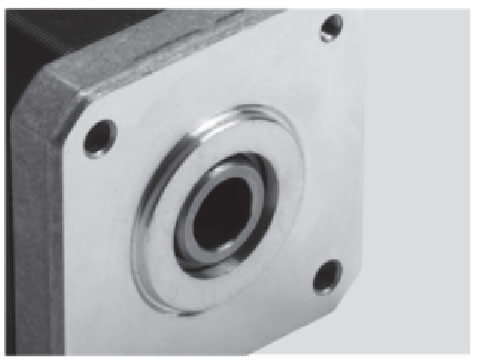
Mounting and Flange Modifications
To fit directly into mechanical assemblies, motors can be customized with:
Non-standard flange geometries
Custom bolt patterns
Integrated pilot features
Face or side mounting structures
This reduces the need for adapters, improving rigidity, precision, and vibration resistance.
High-Temperature and Thermal Optimization
Thermal performance defines motor longevity. Custom options include:
High-temperature magnet materials
Class F or H insulation systems
Optimized heat dissipation structures
Thermal epoxy impregnation
These solutions support continuous-duty industrial applications and harsh thermal environments.
Environmental Protection and IP Rating
Industrial stepper motors often operate in dusty, humid, oily, or chemically aggressive environments. Custom environmental features include:
Sealed housings
IP54, IP65, or higher protection levels
Stainless steel or anodized coatings
Anti-corrosion treatments
This ensures stable performance in food processing, medical, outdoor automation, and semiconductor manufacturing.
Noise, Vibration, and Smoothness Control
Custom motors can be engineered for:
Low detent torque
Precision-balanced rotors
Optimized bearing systems
Damping-enhanced structures
This dramatically reduces audible noise, micro-vibration, and resonance, which is essential for optical, laboratory, and medical devices.
Integrated Customization of Industrial Stepper Motors: From Motor to Motion Module
Gearbox Integration
Stepper motors are frequently customized with:
Customization includes:
Integrated gear stepper motors deliver higher torque density, lower inertia mismatch, and simplified mechanical design.
Encoder and Feedback Customization
We can integrate:
This enables the creation of:
Customized feedback supports stall detection, position correction, speed optimization, and intelligent diagnostics.
Brake and Safety Components
Industrial safety standards often require:
Electromagnetic holding brakes
Power-off locking mechanisms
Fail-safe braking systems
These features are customizable for:
Holding torque
Response time
Voltage class
Mechanical interface
They are essential for vertical loads, robotics, and medical automation.
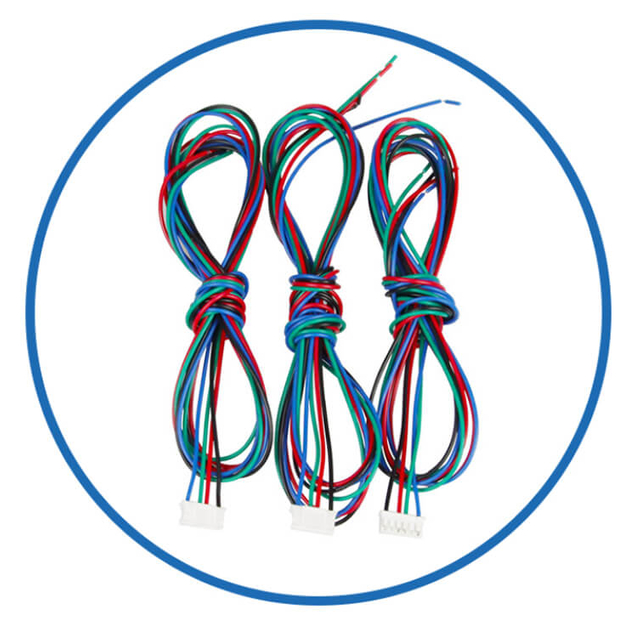
Cable and Connector Systems
Customization includes:
These features improve signal integrity, EMI resistance, and system reliability.
Integrated Driver and Controller Solutions
Modern industrial stepper motors are often delivered as integrated stepper motors, combining:
Motor
Driver
Controller
Communication interface
Customization options include:
Pulse, RS485, CANopen, EtherCAT, or Modbus control
Voltage and power stage configuration
Firmware-level motion logic
Integrated customization reduces cabinet space, wiring complexity, and commissioning time.
Material and Component Selection
Every industrial application imposes different reliability requirements. Customization includes:
Bearing grade and preload
Shaft material and surface treatment
Insulation systems
Magnet sourcing and protection
These decisions directly influence motor lifespan, vibration performance, and environmental compatibility.
Branding and OEM Customization
Industrial OEMs often request:
OEM customization supports product differentiation, quality traceability, and long-term supply stability.
Application-Specific Customization Examples
Industrial stepper motors rarely perform in isolation. Each industry imposes unique mechanical, electrical, and environmental demands that standard motors cannot fully satisfy. Below are detailed application-specific customization examples showing how industrial stepper motors are engineered to meet real-world operating conditions.
Packaging Machinery – High-Speed, Low-Noise, Continuous Operation
Packaging equipment requires fast response, stable torque, and long-duty cycles. Customized stepper motors for packaging lines typically include:
High-torque, low-inductance windings to support rapid acceleration and deceleration
Optimized rotor balancing and low detent torque design to minimize vibration and audible noise
Integrated planetary gearboxes to increase torque while maintaining compact size
Food-grade surface treatments and sealed housings for washdown and dust resistance
Extended-life bearings for 24/7 production environments
These customizations ensure precise material feeding, consistent sealing pressure, and high repeatability even at elevated production speeds.
Medical and Laboratory Equipment – Ultra-Smooth, Compact, and Clean
Medical and laboratory devices demand exceptional smoothness, low electromagnetic interference, and compact integration. Typical custom features include:
High-pole-count magnetic structures for ultra-fine step resolution
Low-cogging electromagnetic design to eliminate micro-vibration
Miniaturized housings and thin-profile motors for confined spaces
Closed-loop feedback with high-resolution encoders for position verification
Sealed, anti-corrosion coatings to support sterilization environments
These motors are used in diagnostic analyzers, infusion systems, imaging equipment, and automated sample handlers, where motion stability directly affects data accuracy and patient safety.
Robotics and Collaborative Automation – High Torque Density and Intelligent Feedback
Robotic systems demand motors that are compact, responsive, and intelligent. Customized stepper motors for robotics often integrate:
High-energy magnet systems for superior torque density
Hollow shafts or custom flanges to route cables and pneumatic lines
Absolute or incremental encoders for closed-loop positioning
Electromagnetic brakes for vertical axis safety
Integrated drivers with network communication
These features support robot joints, grippers, autonomous platforms, and collaborative robots, enabling precise movement, stall detection, and safe torque control.
CNC, Laser, and Semiconductor Equipment – Precision, Thermal Stability, and Repeatability
High-end manufacturing tools require micron-level positioning, thermal consistency, and long-term repeatability. Customized stepper motors for these sectors may include:
Optimized lamination stacks to reduce torque ripple
Custom winding resistance profiles to stabilize heat generation
High-rigidity shafts and low-backlash gear systems
Vacuum-compatible or cleanroom-rated coatings
High-resolution encoder integration
These motors deliver stable contouring, accurate tool positioning, and smooth scanning motion, even during prolonged high-speed operation.
Textile Machinery – Durability, Synchronization, and Vibration Control
Textile automation requires motors capable of high-cycle operation and synchronized multi-axis motion. Custom solutions often involve:
Enhanced bearing systems for long service life
Reinforced shafts to withstand continuous mechanical load
Anti-resonance electromagnetic tuning
Integrated multi-axis driver platforms
Dust-resistant enclosures
These customizations support loom control, yarn feeding, embroidery, and fabric tensioning, ensuring product uniformity and reduced maintenance downtime.
Logistics and Warehousing Automation – Torque Stability and System Integration
Automated storage, sorting, and conveying systems prioritize load stability and simplified installation. Customized stepper motors typically feature:
High holding torque structures
Integrated gear reducers
Custom mounting brackets and shafts
Long cable assemblies and industrial connectors
Driver-integrated motor bodies
This enables efficient deployment in AGVs, conveyor diverters, lifting modules, and automated shelving systems.
Food Processing Equipment – Sealing, Corrosion Resistance, and Safety
Food machinery demands strict compliance with hygiene, corrosion resistance, and washdown standards. Customized stepper motors may include:
Stainless steel or coated housings
IP65 to IP67 sealing structures
Moisture-resistant winding insulation
Low-temperature optimized lubrication
Integrated braking for vertical drives
These motors perform reliably in cutting machines, filling equipment, mixers, and portioning systems.
Aerospace and Defense – Environmental Endurance and Structural Integrity
High-reliability sectors require motors capable of surviving extreme temperatures, vibration, and long storage cycles. Custom stepper motors may feature:
Wide-temperature-range magnets and insulation systems
Precision-machined housings
Redundant feedback options
Special bearing lubrication
Shock and vibration reinforced structures
They are used in optical positioning systems, actuator modules, and avionics control equipment.
Conclusion
Application-specific customization transforms industrial stepper motors into purpose-engineered motion platforms. By tailoring electromagnetic design, mechanical structure, environmental protection, and control integration, stepper motors can be precisely adapted to the functional, regulatory, and performance demands of each industry.
This approach not only improves machine reliability and motion accuracy, but also reduces system complexity, shortens development cycles, and strengthens long-term operational stability.
Industrial stepper motor customization is no longer limited to minor mechanical changes. Today, it encompasses electromagnetic design, mechanical engineering, environmental protection, electronic integration, and manufacturing strategy.
By customizing torque structures, windings, housings, shafts, gearboxes, encoders, drivers, and protection systems, we transform standard motors into application-optimized motion platforms. This approach enhances performance, reduces total system cost, shortens development cycles, and strengthens equipment competitiveness.
Custom industrial stepper motors are not components—they are engineered motion solutions.
Industrial Stepper Motors — FAQs
1. What aspects of an industrial stepper motor can be customized?
You can customize mechanical, electrical, performance, and environmental features such as shafts, lead wires, connectors, gearboxes, encoders, brakes, and IP protection levels.
2. Can I get a stepper motor with a custom shaft design?
Yes — shaft options like pulleys, gears, hollow shafts, flats, keys, cross-drilled shafts, and other special shaft features can be tailored.
3. Is it possible to customize the electrical connectors and cable lengths?
Absolutely — lead wires, cable lengths, and termination plug-in styles can be customized for your wiring and assembly needs.
4. Can JKONGMOTOR add value-added components to my stepper motor?
Yes — options such as gearboxes, encoders, brakes, integrated drivers, and feedback systems can be integrated as part of the customization.
5. Can environmental protection levels be customized (e.g., for dust or moisture)?
Yes — customized IP ratings and sealed housings can be provided to suit harsh or specific operating environments.
6. Are different frame sizes and mounting configurations available?
Yes — stepper motors can be customized with non-standard frame sizes, housing lengths, and specialized mounting features to fit your machinery.
7. Can I order a stepper motor with specific torque or performance characteristics?
Yes — performance parameters such as torque, speed range, and electromagnetic design can be tailored to meet your load and motion requirements.
8. Is a customized lead screw or linear actuator available?
Yes — lead screws and linear motion configurations (e.g., T-type, ball screw) can be customized to convert rotary motion into precise linear output.
9. Can I get an integrated stepper motor with a built-in controller or communication protocol?
Yes — integrated drivers and communication protocols such as RS485 or CANopen can be included in custom motor solutions.
10. Why should I choose a customized industrial stepper motor instead of a standard one?
Customization ensures that the motor matches your exact mechanical, electrical, and environmental requirements, improving performance, reliability, integration, and long-term cost efficiency.