Engineering Selection Guide for Industrial Applications
Selecting between open loop and closed loop stepper motors is a key engineering decision that affects system accuracy, stability, cost, and long-term reliability. This guide compares both technologies from a practical engineering perspective and provides a clear framework to help you choose the right solution.
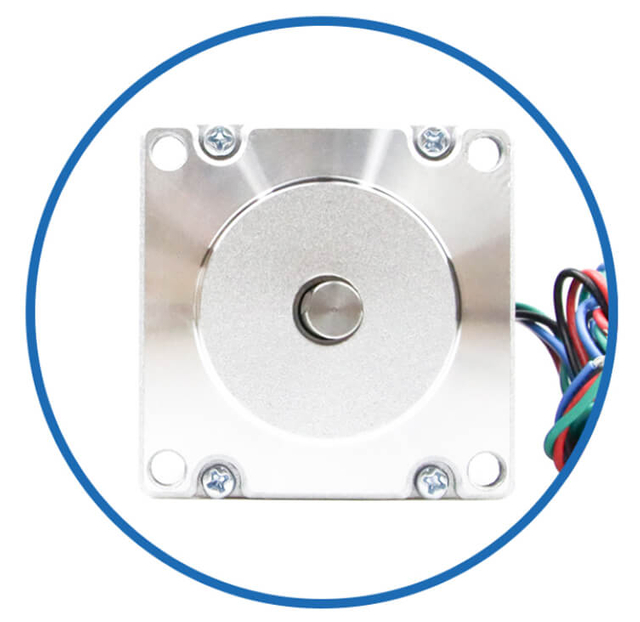
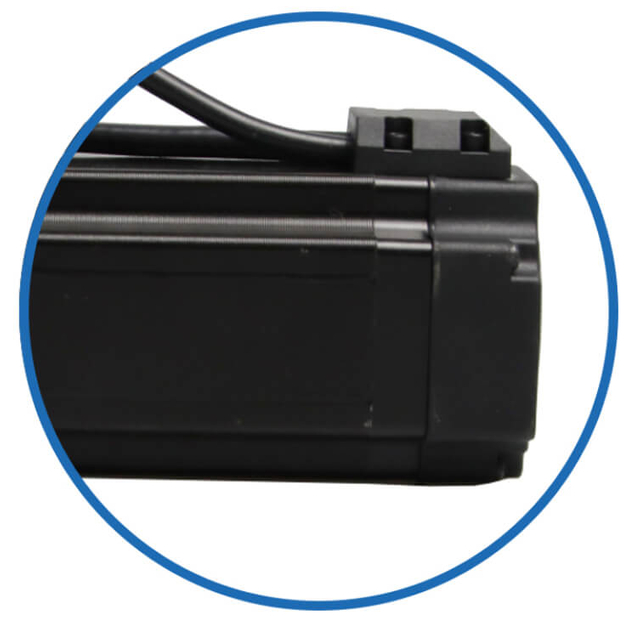
Motor Customized Service
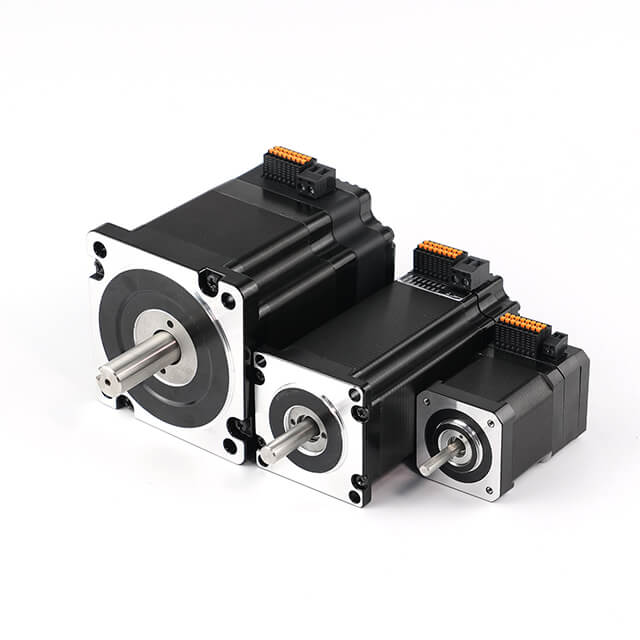
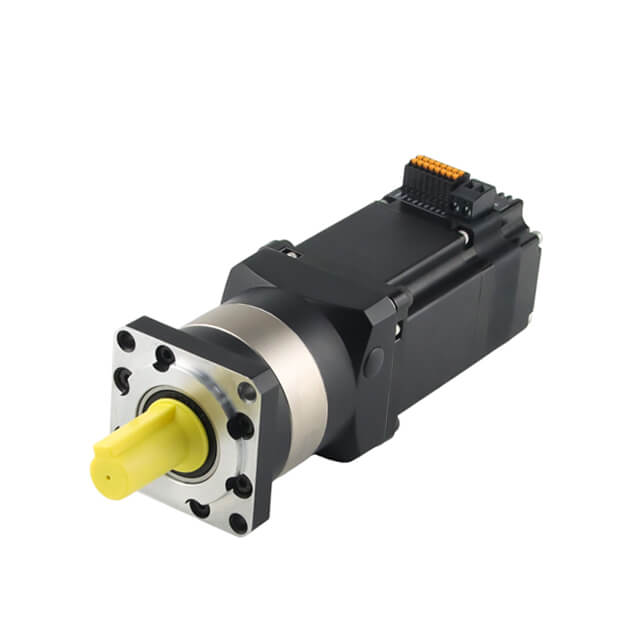
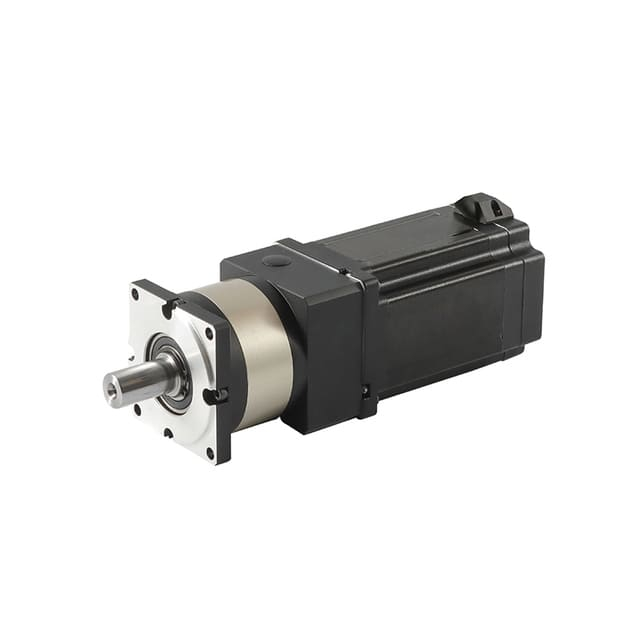
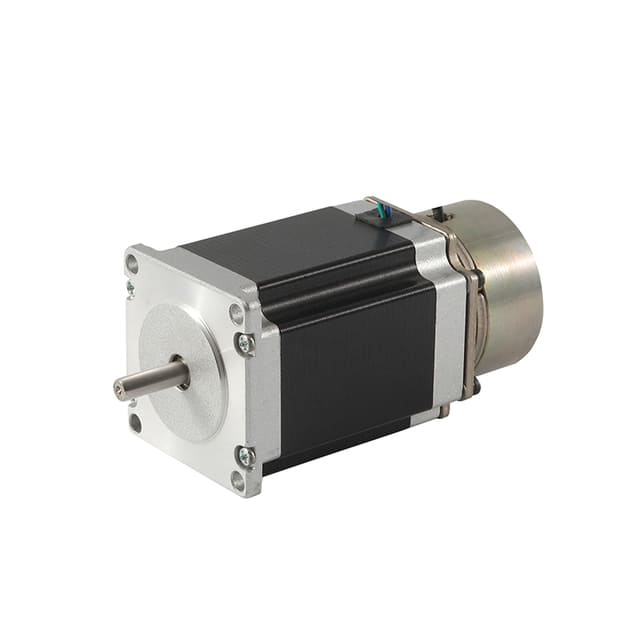
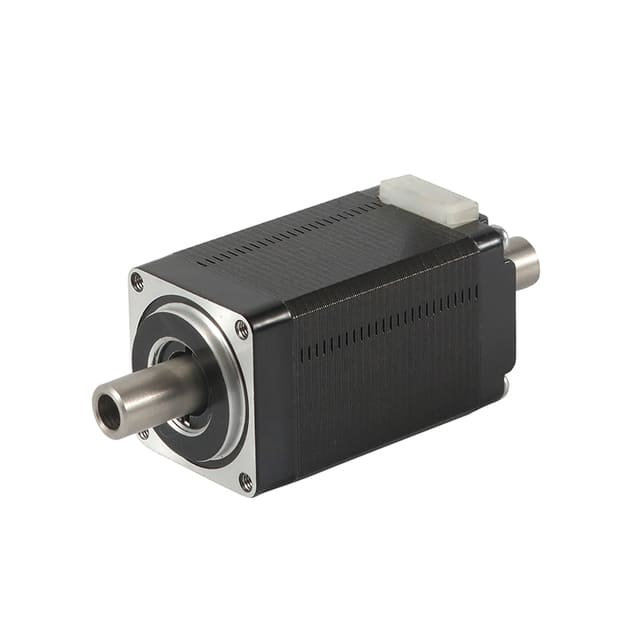
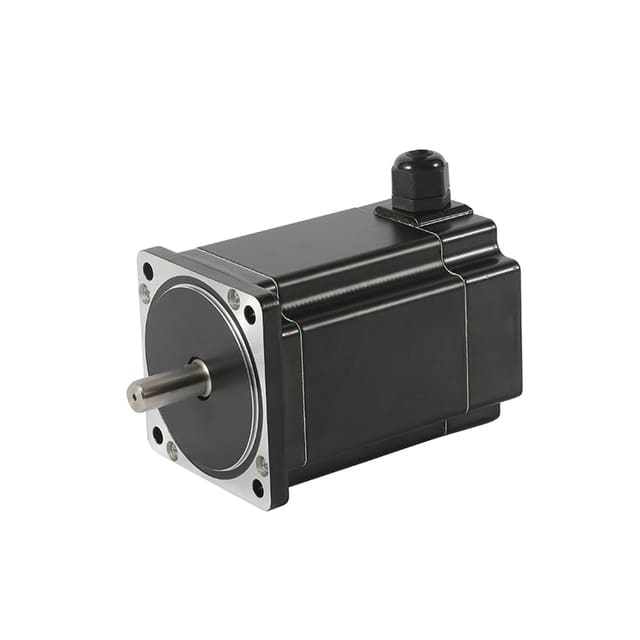
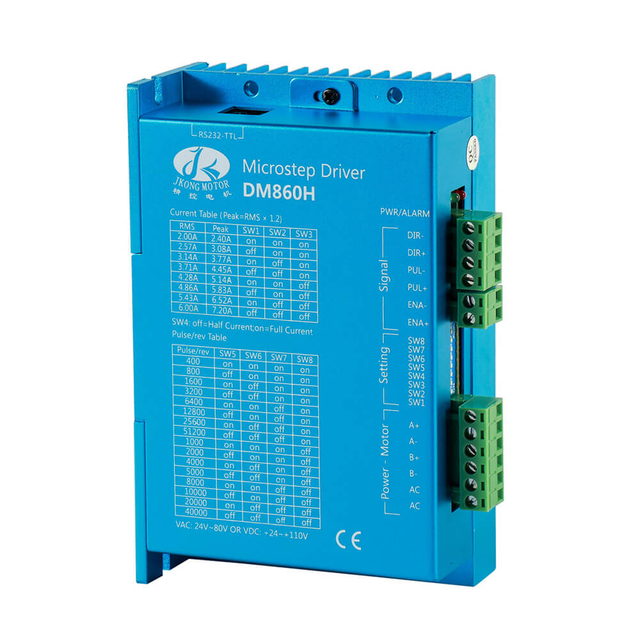
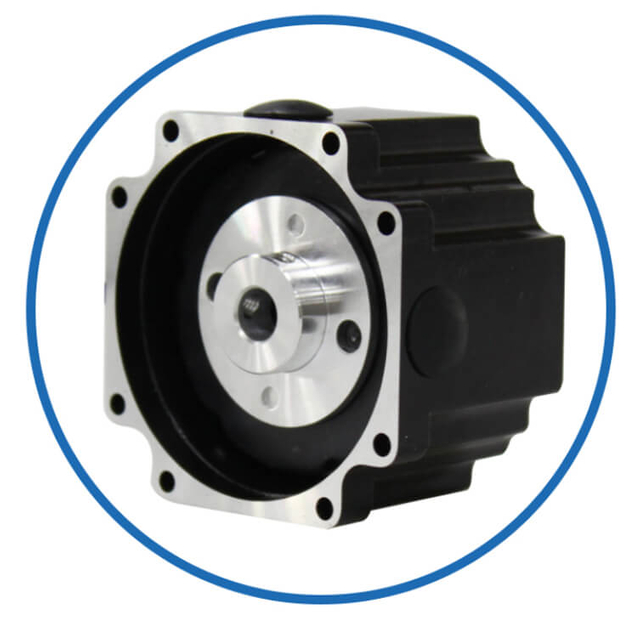
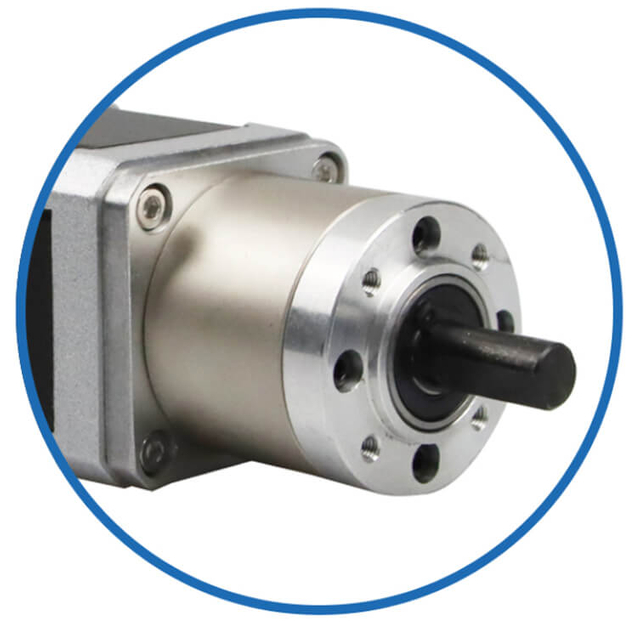
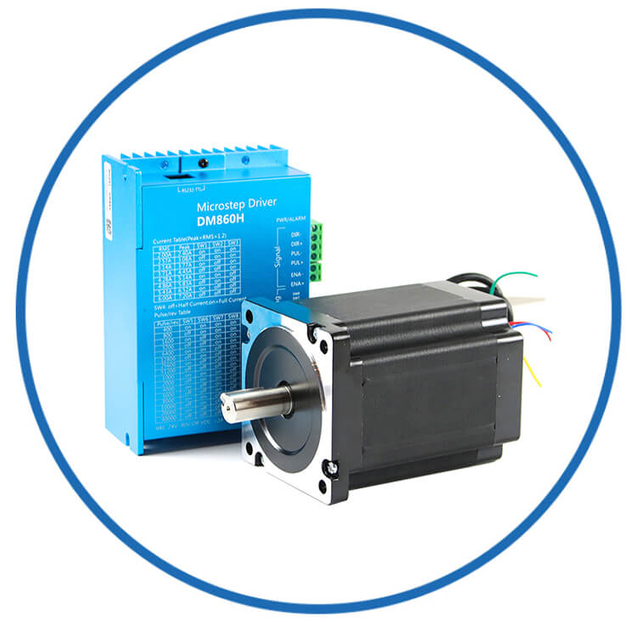
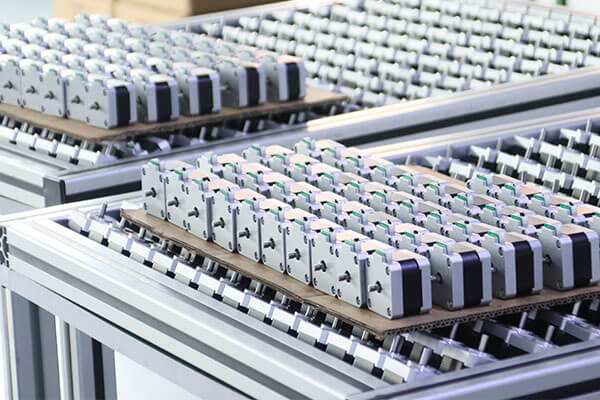
As a professional brushless dc motor manufacturer with 13 years in china, Jkongmotor offer various bldc motors with customized requirements, including 33 42 57 60 80 86 110 130mm, additionally, gearboxes, brakes, encoders, brushless motor drivers and integrated drivers are optional.
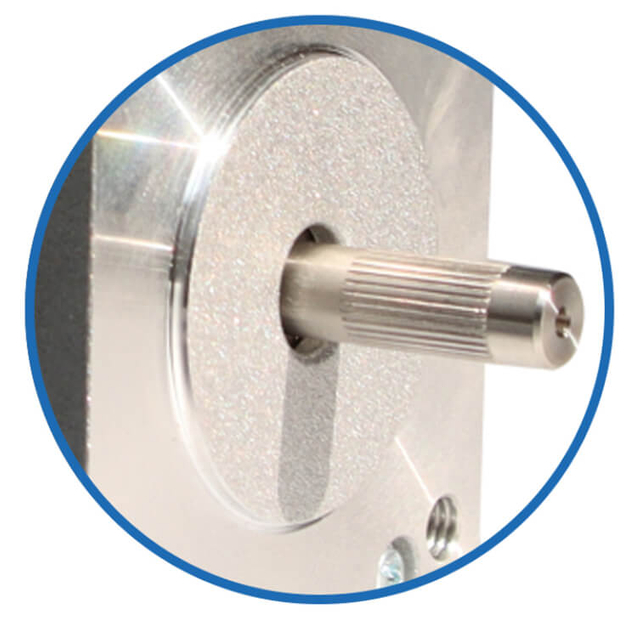
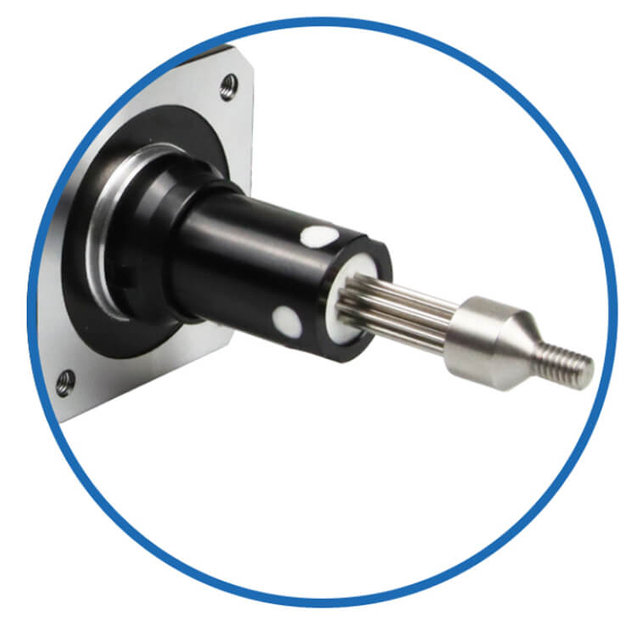
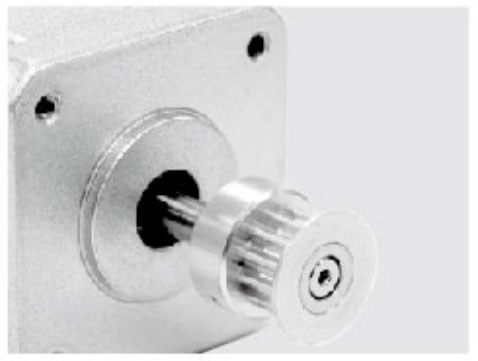
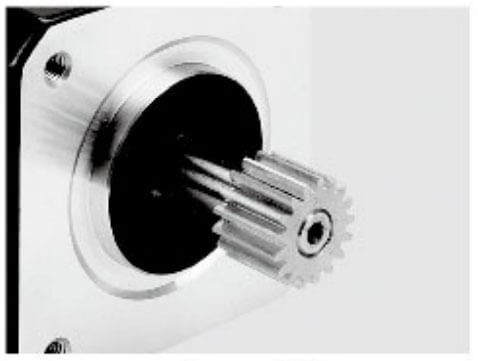
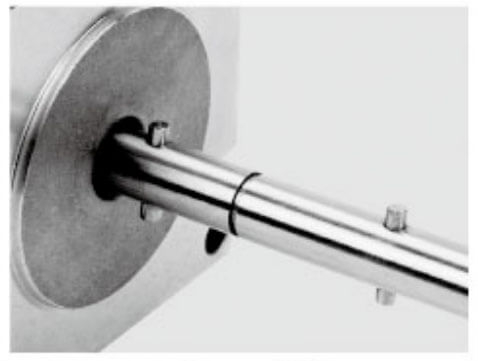
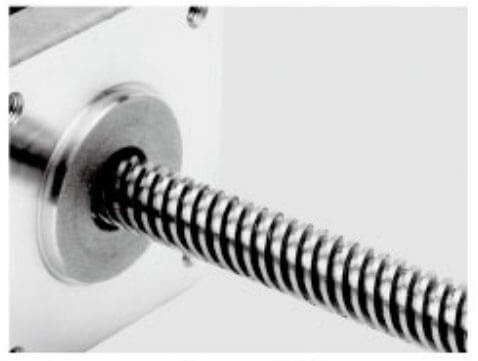
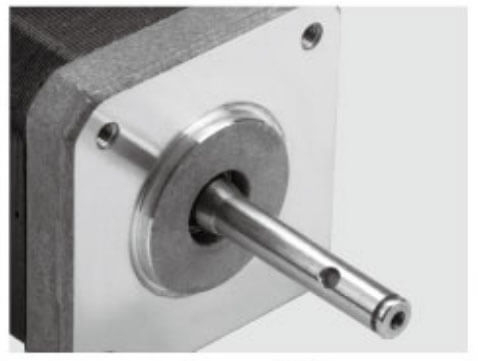
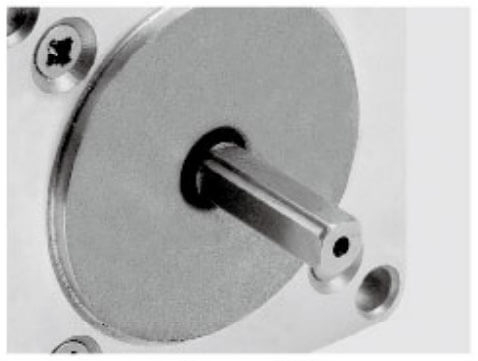
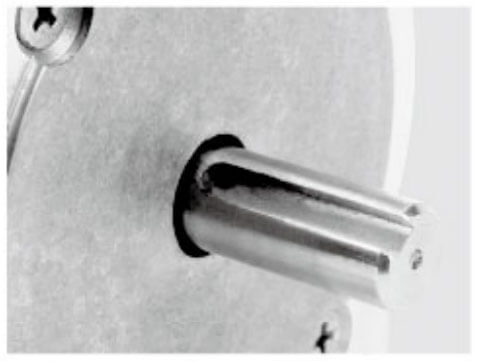
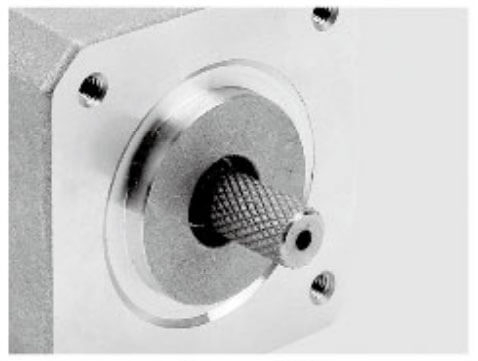
Motor Shaft Customized Service
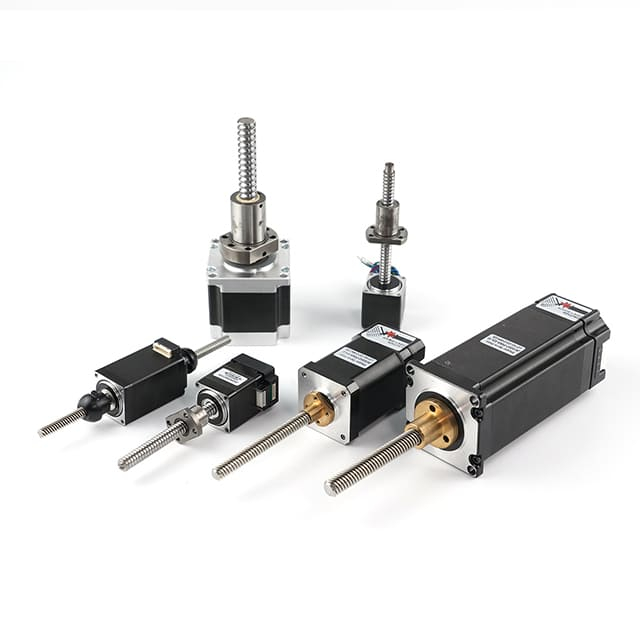
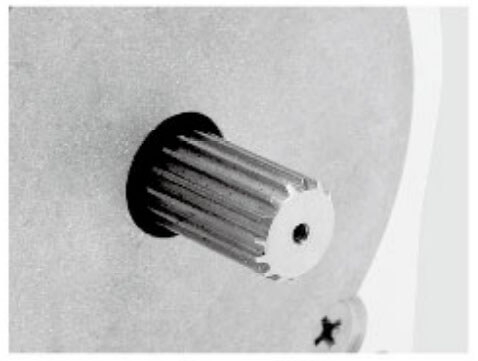
Jkongmotor offer many different shaft options for your motor as well as customizable shaft lengths to make the motor fit your application seamlessly.
Understanding the basic concept behind open loop and closed loop stepper motors starts with how motion is controlled and how position is verified.
Open Loop Stepper Motor System
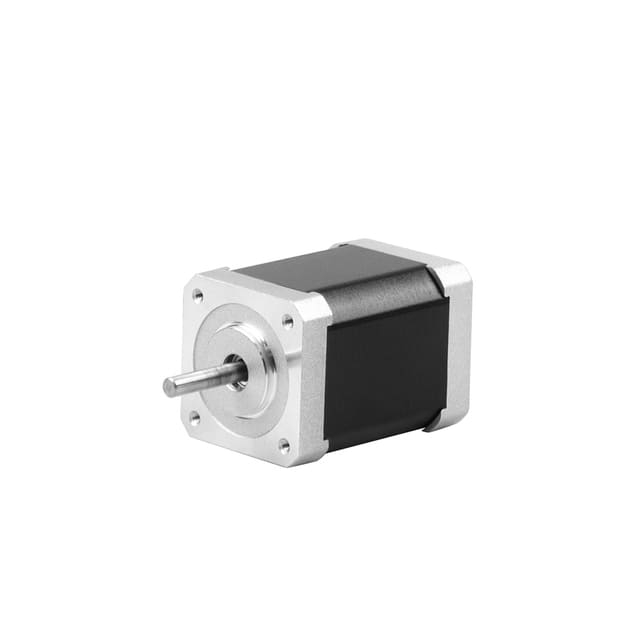
An open loop stepper motor system operates without any position feedback. The controller sends a fixed number of pulses to the driver, and each pulse commands the motor to move one step. The system assumes the motor reaches the commanded position.
There is no encoder or sensor to confirm whether the motor actually moved as expected.
Key points:
No feedback device
Motion is controlled only by input pulses
Simple structure and low cost
If the motor stalls or misses steps, the system does not know
In engineering terms, open loop control is command-based, not result-based.
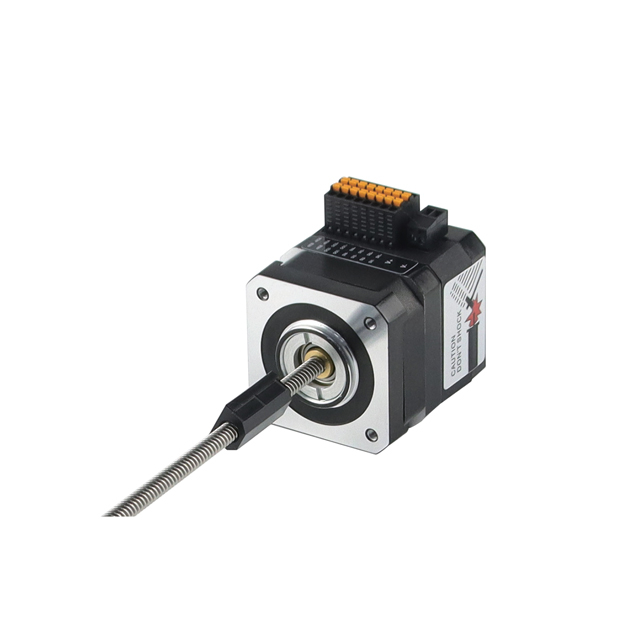
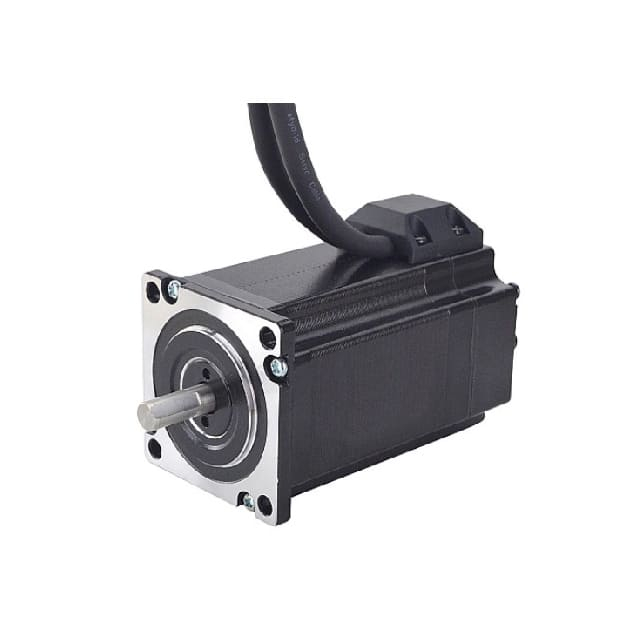
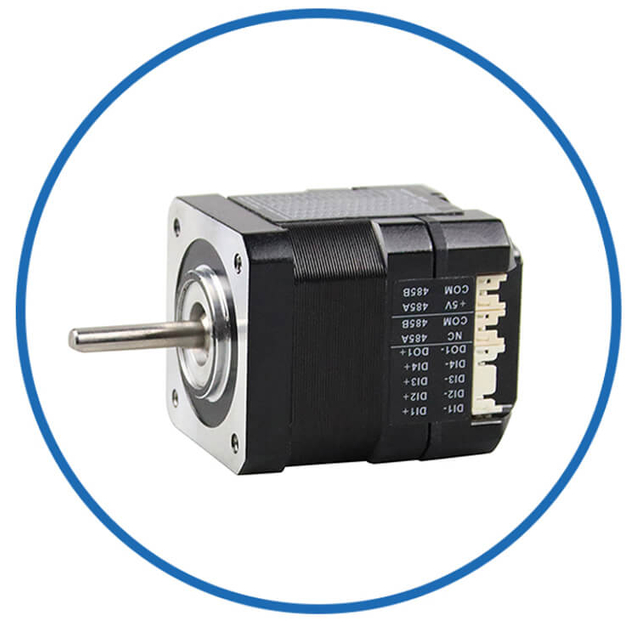
A closed loop stepper motor system adds a feedback device, typically an encoder, to monitor the real position and speed of the motor shaft. The driver continuously compares the commanded position with the actual position and corrects any difference in real time.
If load changes or a disturbance occurs, the system automatically increases or decreases current to keep the motor on the correct path.
Key points:
Encoder feedback is used
Real-time error correction
Missed steps are detected and compensated
Higher stability and reliability
In engineering terms, closed loop control is result-based, not just command-based.
Core Difference in One Sentence
2. Core Engineering Differences between Open loop and closed loop stepper motor
The fundamental engineering difference between open loop and closed loop stepper motors lies in feedback, error handling, and how safely the motor can be pushed toward its performance limits. Below are the key technical dimensions engineers evaluate.
2.1 Feedback Architecture
Open Loop Stepper Motor
No encoder or position sensor
Controller outputs pulses and assumes motion is completed
No way to detect stall, overload, or missed steps
Closed Loop Stepper Motor
Integrated or external encoder provides real-time position and speed feedback
Driver continuously compares command vs actual motion
Position error is actively corrected
Engineering impact: Closed loop systems introduce a verification layer, turning the motor from a passive actuator into a monitored motion system.
2.2 Position Integrity and Error Handling
Open Loop
Position accuracy depends entirely on not exceeding torque limits
Any missed step permanently shifts the coordinate system
Errors accumulate and remain invisible
Closed Loop
Missed steps are immediately detected
Driver compensates by increasing current or correcting motion
Alarm outputs can be triggered when following error exceeds limits
Engineering impact: Closed loop ensures true position control, not just theoretical position.
2.3 Torque Utilization and Motor Sizing
Open Loop
Motors must be oversized with large safety margins
Typically only 40–60% of rated torque is safely usable
Performance drops significantly under sudden load changes
Closed Loop
Motors can operate much closer to their real torque curve
Dynamic current control adapts to load fluctuations
Allows smaller motors for the same application
Engineering impact: Closed loop improves torque efficiency and reduces mechanical oversizing.
2.4 Dynamic Performance and Stability
Open Loop
More sensitive to resonance
Risk of stalling during fast acceleration or deceleration
Limited high-speed stability
Closed Loop
Feedback dampens resonance
Smoother start-stop behavior
More stable mid- and high-speed operation
Engineering impact: Closed loop systems handle high inertia and aggressive motion profiles more safely.
2.5 Thermal and Energy Behavior
Open Loop
Usually runs at constant current
Motor stays hot even under light load
Lower overall energy efficiency
Closed Loop
Current is adjusted in real time
Lower average temperature
Improved motor lifespan and system efficiency
Engineering impact: Closed loop improves long-term reliability and energy utilization.
2.6 System Complexity and Cost Structure
Open Loop
Closed Loop
Engineering impact: Open loop minimizes upfront cost, while closed loop minimizes operational risk.
Engineering Summary
Open loop stepper motors are pulse-driven actuators.
Closed loop stepper motors are feedback-controlled motion systems.
The engineering choice is ultimately between:
Simplicity and low entry cost
Or reliability, higher performance, and fault tolerance
3.1 Position Accuracy and Reliability
Open loop:
Accurate only if motor never stalls
Lost steps accumulate and are not detected
Requires large safety margins in torque design
Closed loop:
Real-time position verification
Automatically corrects missed steps
Alarm output possible if error exceeds limit
Suitable for systems where position integrity is critical
Engineering conclusion:
If your machine cannot tolerate lost position, closed loop is strongly recommended.
3.2 Torque and Load Adaptability
Open loop:
Must be oversized to avoid stall
Sudden load changes may cause step loss
Torque curve must always exceed worst-case load
Closed loop:
Can work closer to the motor’s real torque limit
Automatically increases current when load rises
Better resistance to shock loads and acceleration peaks
Engineering conclusion:
For variable loads or high inertia systems, closed loop allows smaller motors and higher utilization.
3.3 Speed Range and Smoothness
Open loop:
Resonance and vibration more noticeable
Torque drops rapidly at higher speeds
Risk of stalling during fast acceleration
Closed loop:
Engineering conclusion:
For high-speed or fast start-stop systems, closed loop delivers better stability.
3.4 Heat and Energy Efficiency
Open loop:
Closed loop:
Current dynamically adjusted
Lower average temperature
Longer bearing and insulation life
Engineering conclusion:
Closed loop is preferable for 24/7 machines or thermally sensitive designs.
4. Cost vs System-Level Economics between Open loop and closed loop stepper motor
Below is a clear, engineering-focused comparison of cost vs system-level economics for open-loop and closed-loop stepper motors, going beyond motor price to include integration, performance risk, and lifetime cost.
1. Upfront Hardware Cost
Open-Loop Stepper Motors
Lowest initial motor cost
Simple driver (pulse + direction)
No encoder or feedback device required
Typical cost structure
Result: Lowest BOM cost at the component level
Closed-Loop Stepper Motors
Higher motor cost due to integrated encoder
More advanced driver or integrated servo drive
Additional feedback wiring and electronics
Typical cost structure
Result: Higher upfront BOM cost than open-loop systems
2. Control System and Integration Cost
Open-Loop Systems
Easy to integrate with PLCs and motion controllers
No tuning or feedback configuration
Simpler software development
Hidden costs
Closed-Loop Systems
Requires feedback configuration and basic tuning
Modern integrated closed-loop drivers reduce complexity
Provides real-time position and fault feedback
Integration advantage
Less mechanical oversizing
Higher usable torque across speed range
Faster commissioning in precision systems
3. Performance Risk and Cost of Failure
Open-Loop Steppers
Economic impact
Closed-Loop Steppers
Continuous position monitoring
Automatic correction or alarm on error
Stall detection and overload protection
Economic impact
4. Energy Efficiency and Operating Cost
Open-Loop Steppers
Long-term effect
Closed-Loop Steppers
Long-term effect
5. Mechanical System Economics
Open-Loop
Requires mechanical safety margins
Larger motors, gearboxes, or belts
Lower dynamic performance
Closed-Loop
Smaller motor can deliver same usable torque
Reduced mechanical stress
Higher acceleration and responsiveness
Result: Closed-loop systems often reduce total mechanical cost despite higher motor price.
6. Maintenance and Lifecycle Cost
| Factor | Open-Loop Stepper | Closed-Loop Stepper |
| Maintenance frequency | Low | Low |
| Fault diagnostics | Poor | Excellent |
| Downtime risk | Medium to High | Low |
| System lifespan | Moderate | Long |
7. Total Cost of Ownership Comparison
| Cost Category | Open-Loop | Closed-Loop |
| Initial hardware cost | Lowest | Higher |
| Integration cost | Low | Medium |
| Energy cost | Higher | Lower |
| Downtime cost | Higher | Lower |
| Accuracy risk | High | Low |
| Long-term economics | Moderate | Superior for precision systems |
8. Application-Driven Economic Choice
Open-Loop is Economically Optimal When
Load is predictable
Speed and acceleration are low
Occasional position error is acceptable
Cost sensitivity is extreme
Typical applications
Closed-Loop is Economically Optimal When
Missed steps are unacceptable
High acceleration or dynamic loads exist
System uptime is critical
Smaller motors and higher efficiency are desired
Typical applications
CNC auxiliary axes
Packaging and labeling machines
Medical and laboratory automation
Robotics and semiconductor equipment
9. Economic Summary
Open-loop stepper motors minimize initial cost but shift risk and inefficiency to the system level.
Closed-loop stepper motors increase upfront cost but reduce operational risk, energy use, and downtime—often lowering total cost of ownership.
5. Application-Oriented Selection Guide
Choose Open Loop When:
Load is light and stable
Speed is moderate
Occasional position drift is acceptable
System has mechanical end stops or homing cycles
Cost sensitivity is very high
Typical applications:
Labeling machines
3D printers
Simple conveyors
Office automation
Basic medical devices
Choose Closed Loop When:
Position loss is unacceptable
Load varies significantly
High acceleration or deceleration is required
Equipment runs continuously
Machine failure cost is high
Typical applications:
6. Engineering Decision Checklist
Before selecting, evaluate:
Maximum and dynamic load torque
Inertia ratio
Required positioning reliability
Speed and acceleration profile
Thermal limitations
Duty cycle
Maintenance and service costs
Machine downtime impact
If more than two items are high-risk, closed loop is usually the safer engineering choice.
7. Simplified Engineering Conclusion
Open loop stepper motors are control devices.
Closed loop stepper motors are mechatronic systems.
If your goal is:
Low cost → Open loop
High reliability → Closed loop
High dynamic performance → Closed loop
Simple repetitive motion → Open loop
Industrial-grade automation → Closed loop
8. Practical Recommendation for Equipment Designers
For modern industrial equipment, the trend is clear:
Open loop remains ideal for simple standardized machines
Closed loop is becoming the default choice for OEM equipment, export machinery, and smart factories
Closed loop stepper motors bridge the gap between traditional steppers and servo systems, delivering a strong balance between cost, performance, and reliability.