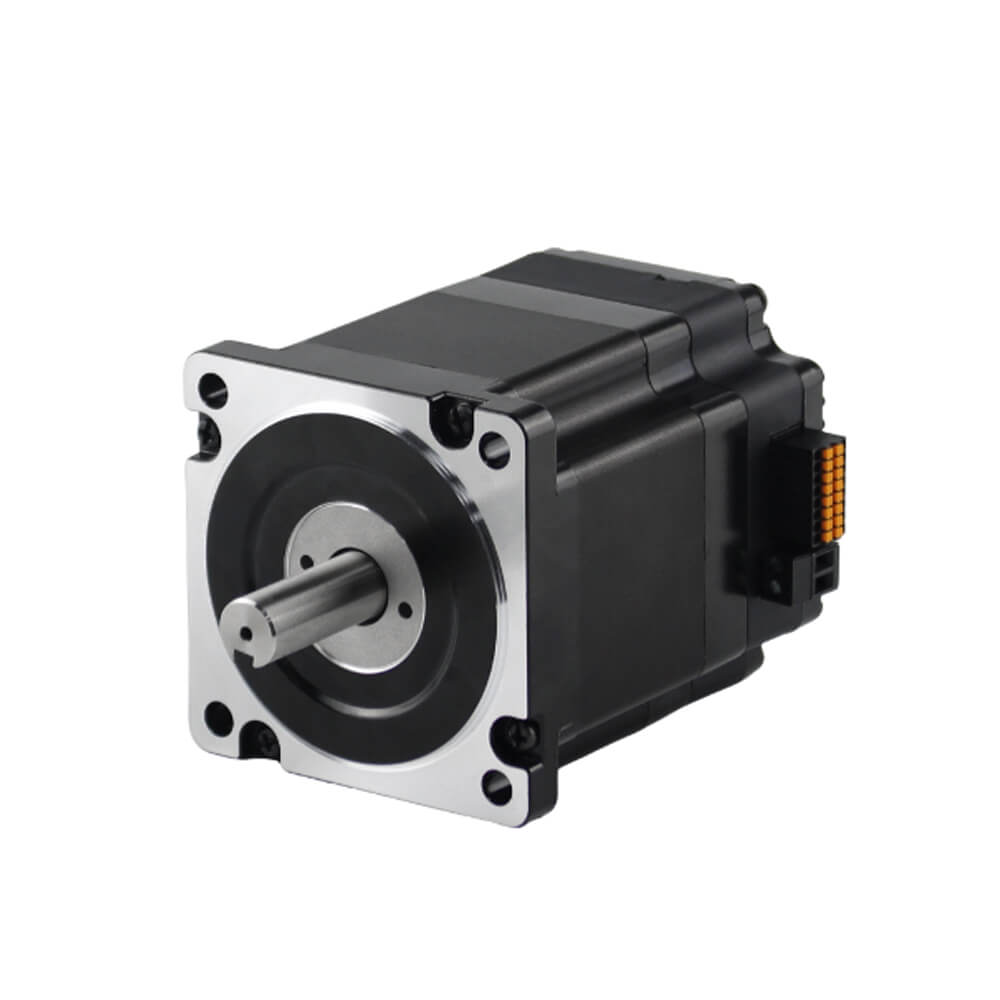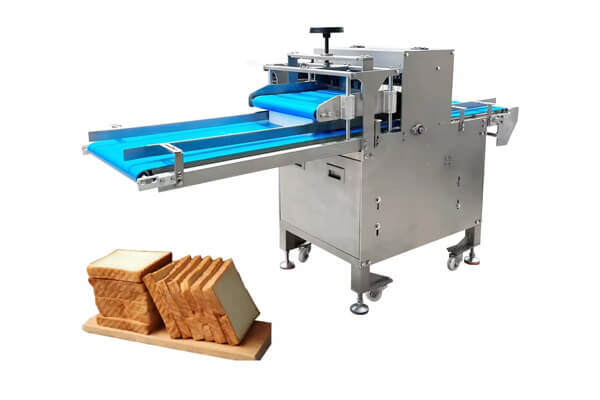
Precision Motion Technology Redefining Industrial Bread Slicing
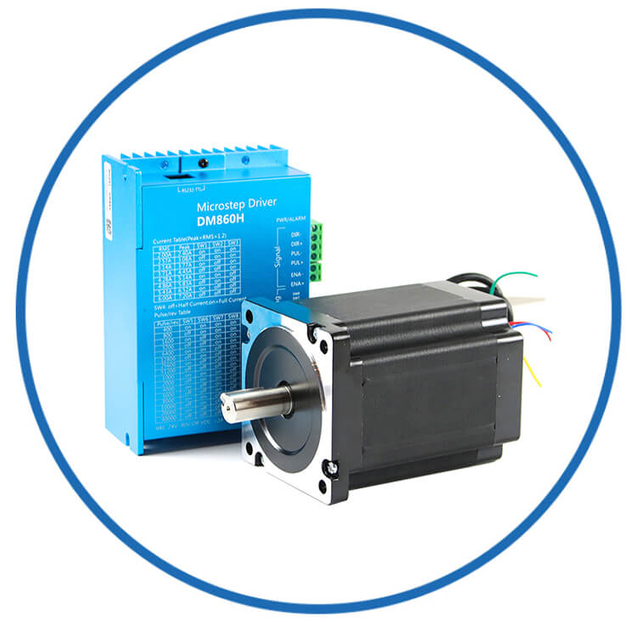
We deliver integrated stepper servo motors for bread cutting machines that set new benchmarks in accuracy, reliability, hygiene, and production efficiency. In modern industrial bakeries, bread slicing is no longer a simple mechanical task. It is a high-speed, high-precision motion control process that directly affects slice uniformity, product appearance, waste reduction, and overall line productivity. Our integrated stepper servo solutions are engineered to meet these exacting demands with uncompromising performance.
By combining stepper motor precision, servo-level closed-loop control, integrated drivers, and compact mechanical design, our systems provide a future-ready motion platform for automatic bread cutting equipment across global bakery operations.
What Are Integrated Stepper Servo Motors
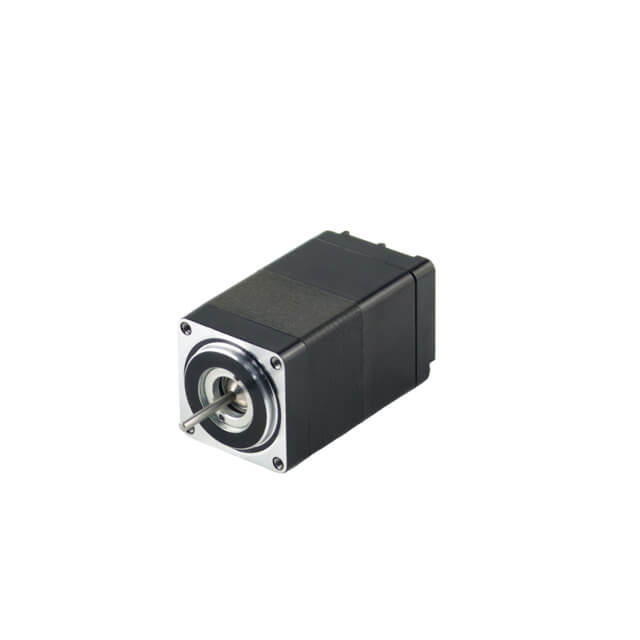
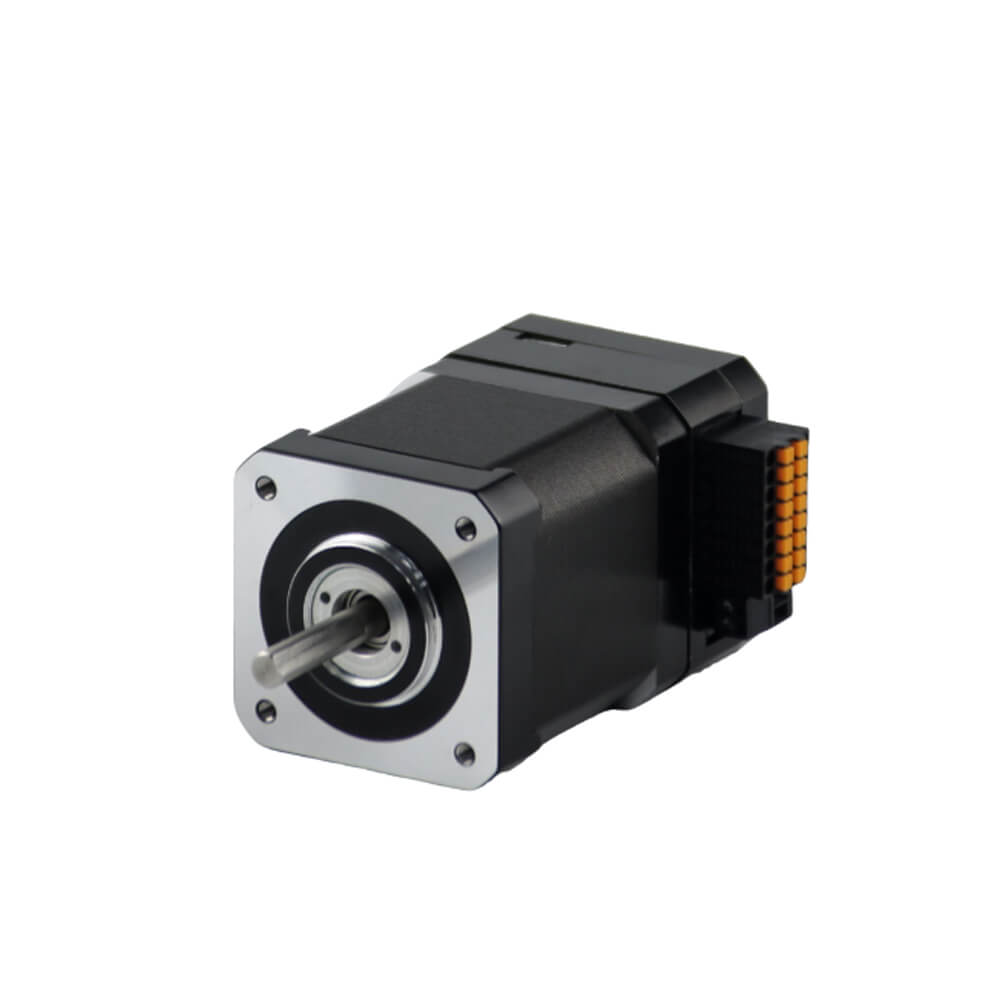
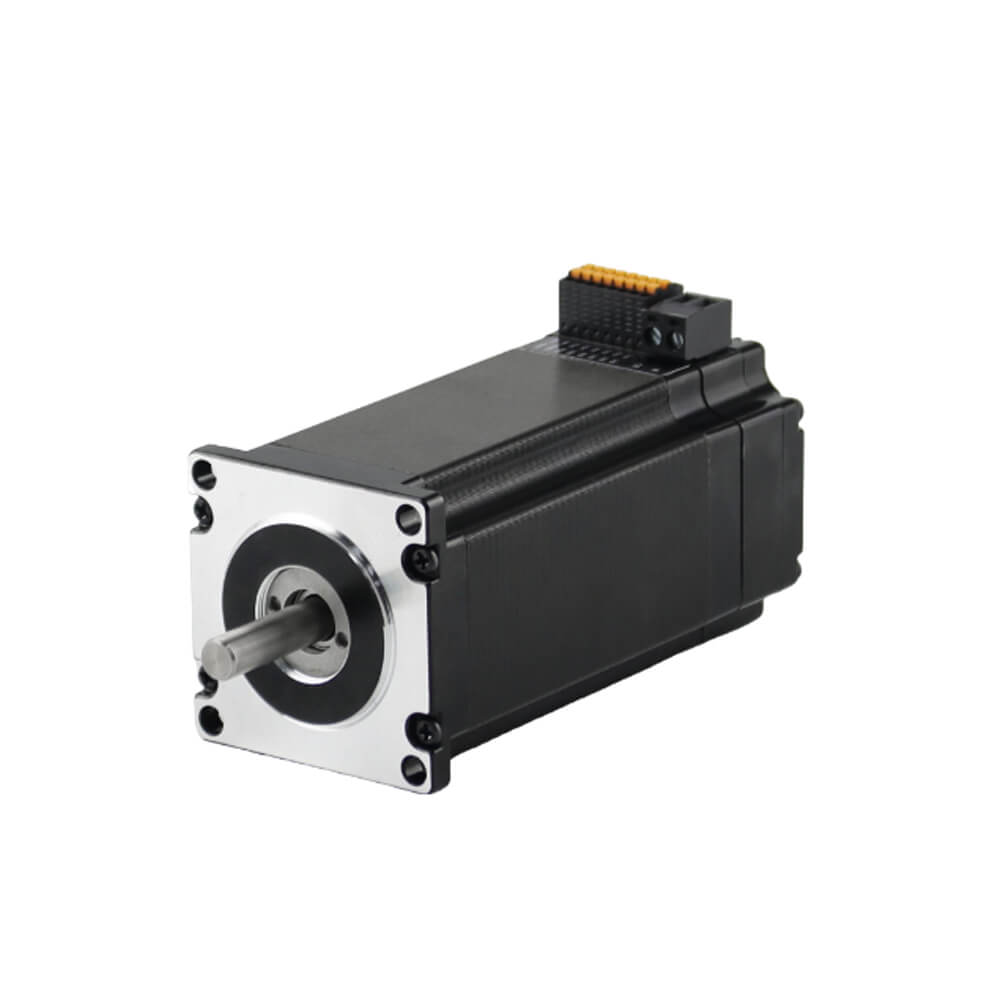
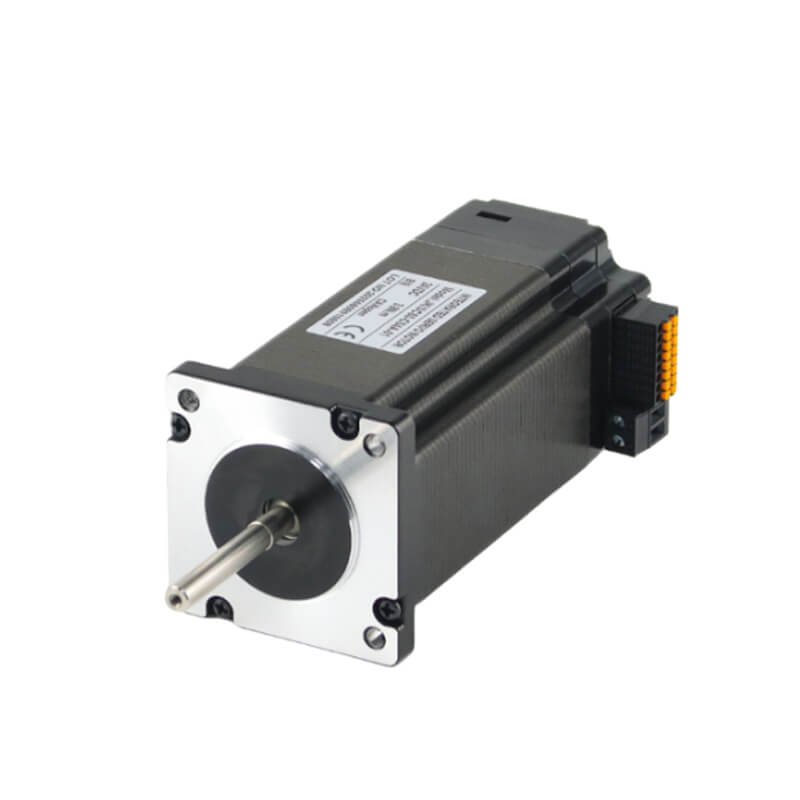
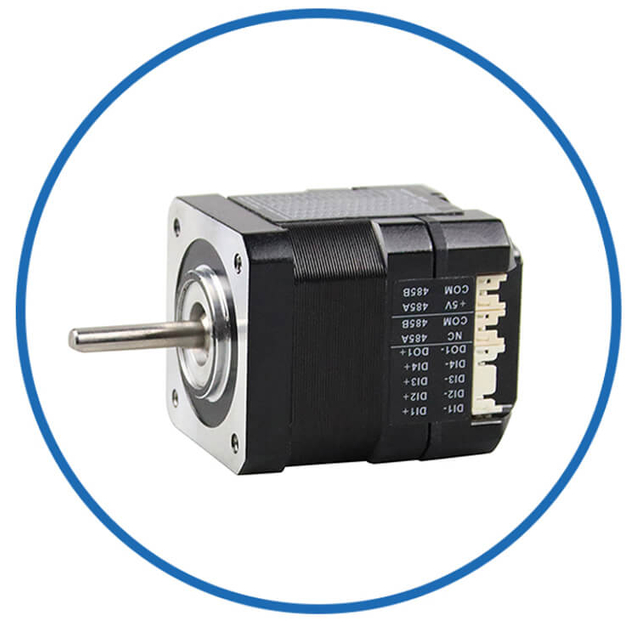
Integrated stepper servo motors merge the motor, driver, encoder, and control electronics into a single compact unit. Unlike traditional stepper motors, these systems operate in a closed-loop configuration, continuously monitoring position and torque feedback to eliminate step loss, vibration, and positioning errors.
For bread cutting machines, this integration delivers stable blade motion, exact slice thickness control, and consistent cutting force, even under variable loaf density and speed conditions.
Motor Customized Service
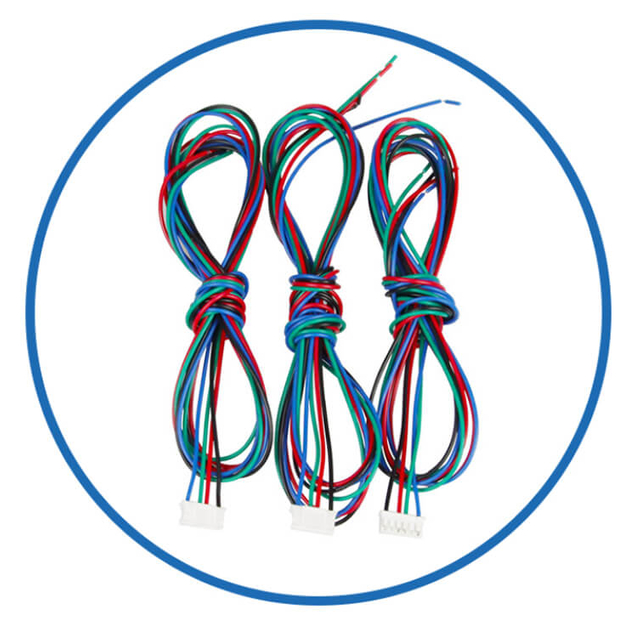
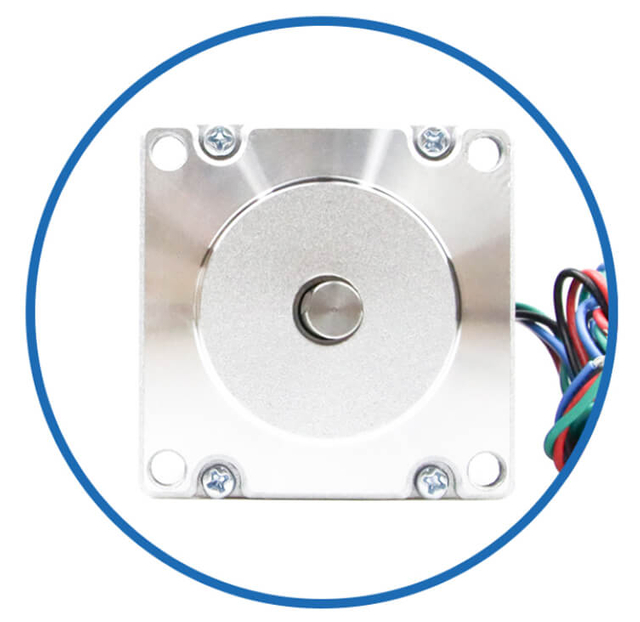
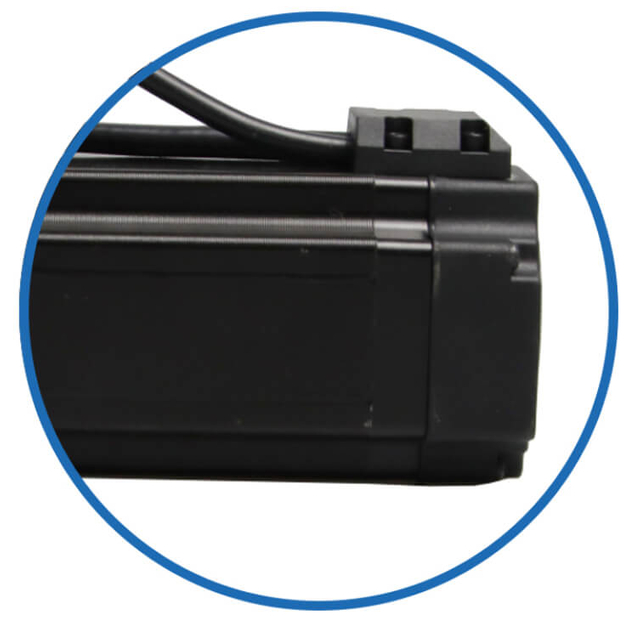
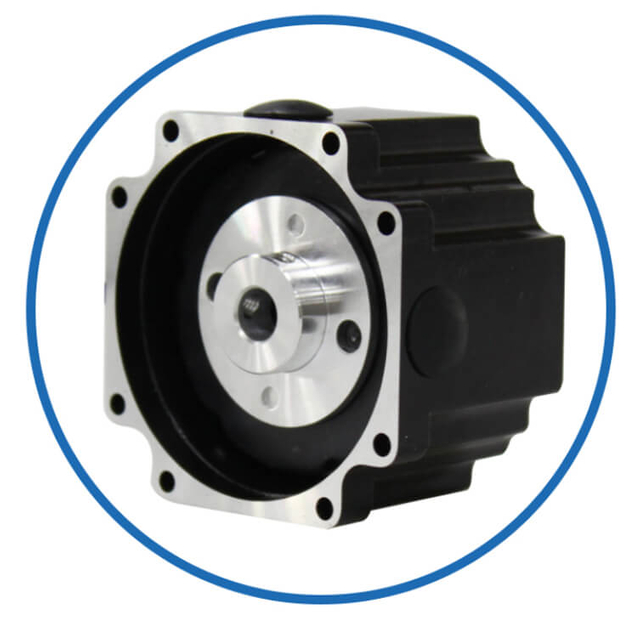
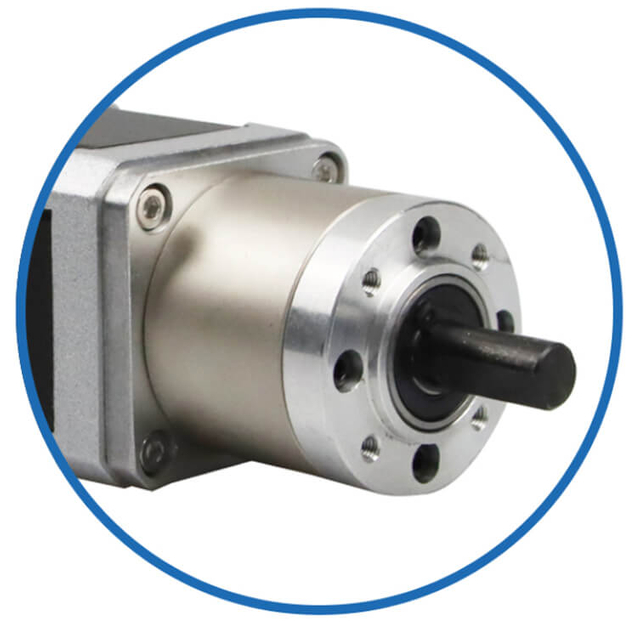
As a professional brushless dc motor manufacturer with 13 years in china, Jkongmotor offer various bldc motors with customized requirements, including 33 42 57 60 80 86 110 130mm, additionally, gearboxes, brakes, encoders, brushless motor drivers and integrated drivers are optional.
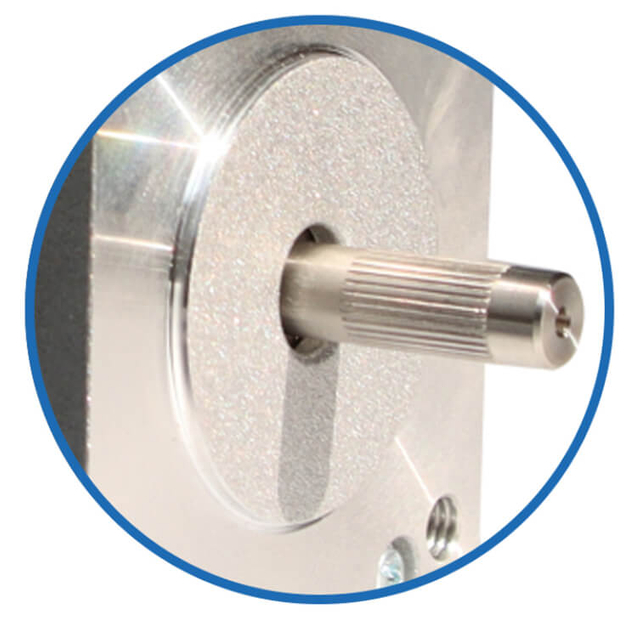
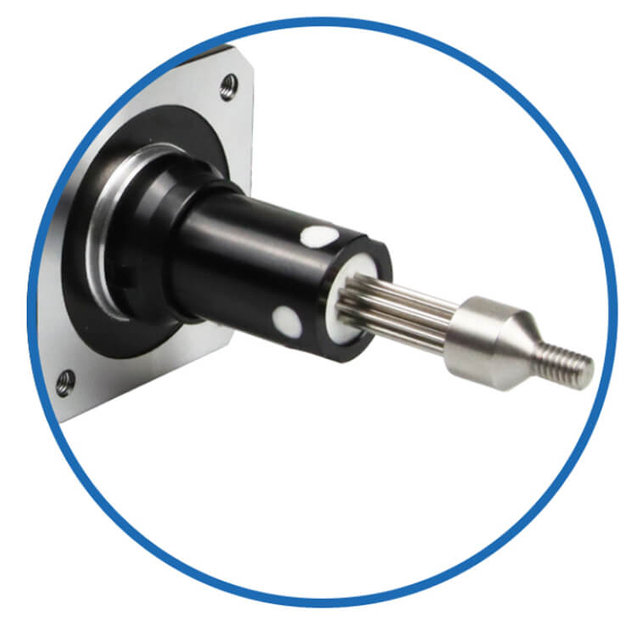
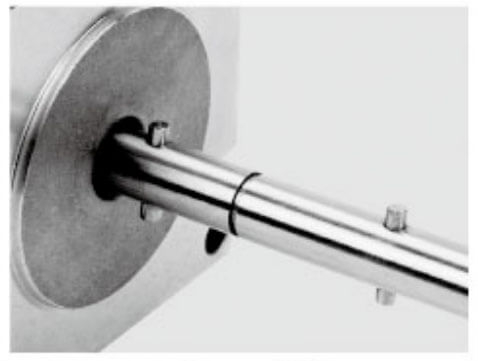
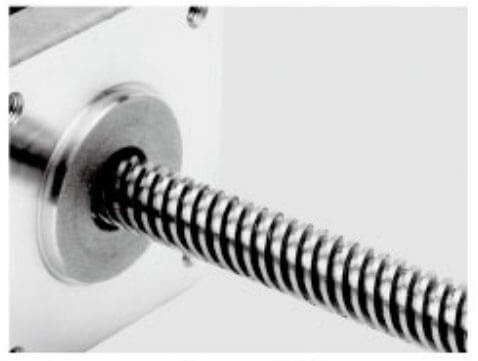
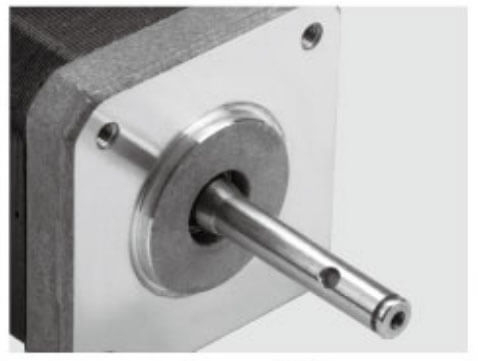
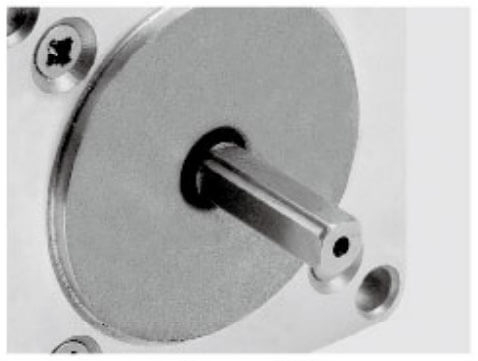
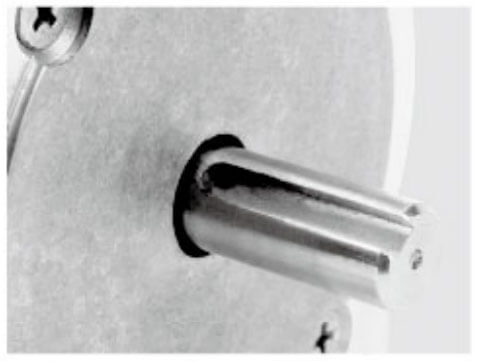
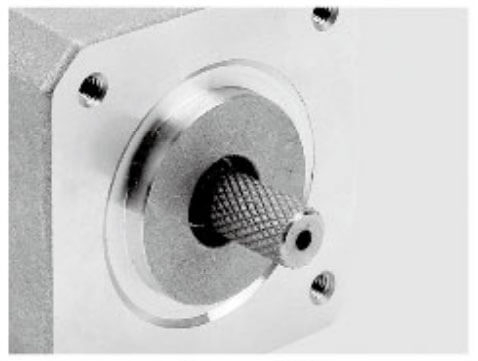
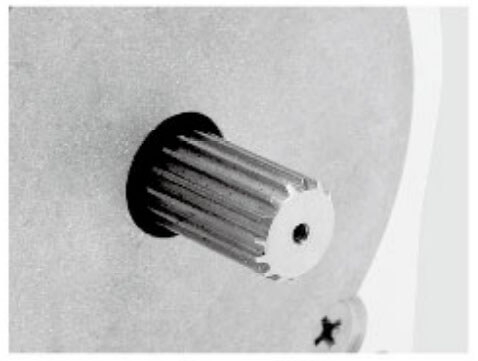
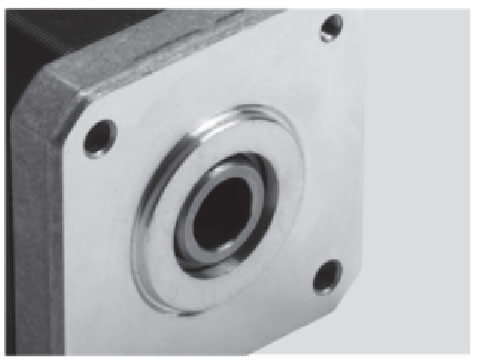
Motor Shaft Customized Service
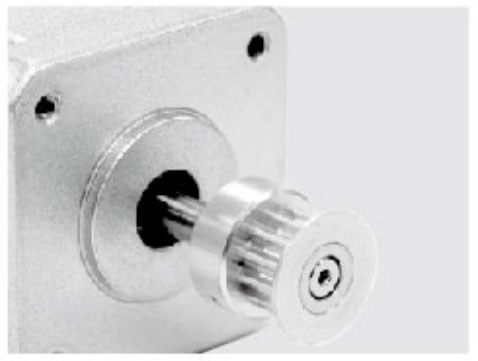
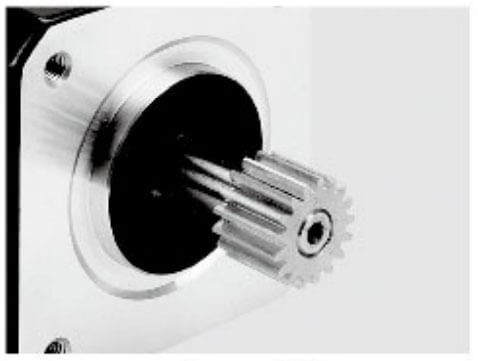
Jkongmotor offer many different shaft options for your motor as well as customizable shaft lengths to make the motor fit your application seamlessly.
Integrated Stepper Servo Motors Types
Integrated stepper servo motors are available in multiple configurations to meet diverse industrial motion control requirements. Each type combines a stepper motor, encoder, and servo driver into a compact unit, while offering distinct performance advantages depending on application needs. Below are the main types commonly used in industrial automation, packaging, food processing, robotics, and precision machinery.
Closed-loop integrated stepper servo motors use high-resolution encoders to provide real-time position and speed feedback. This design eliminates step loss, improves torque utilization, and ensures accurate positioning under variable loads. They are ideal for applications requiring high reliability, stable performance, and precise motion control, such as CNC equipment, bread cutting machines, and automated assembly systems.
This type features a fully integrated motor and driver in a single housing. By removing the need for an external driver, system wiring is simplified, cabinet space is reduced, and installation time is minimized. Integrated stepper servo motors with built-in drivers are widely used in compact machines where space efficiency and ease of integration are critical.
These motors are equipped with optical or magnetic encoders that continuously monitor motor position. Encoder-equipped integrated stepper servo motors provide higher motion accuracy, smoother operation, and improved dynamic response. They are suitable for applications where consistent positioning and repeatability are essential, such as labeling machines, cutting systems, and pick-and-place equipment.
Integrated Stepper Servo Motors with Communication Interfaces
Some integrated stepper servo motors support advanced communication protocols such as Modbus, CANopen, EtherCAT, or RS485. These models enable seamless integration with PLCs, HMIs, and industrial networks, making them ideal for smart factories and automated production lines that require centralized control and real-time monitoring.
Integrated stepper servo motors with gearboxes combine precision motion control with higher torque output and lower speed operation. Planetary or harmonic gearboxes are commonly used to enhance load capacity and positioning resolution. This type is well suited for applications involving heavy loads, indexing tables, conveyors, and material handling systems.
Compact Integrated Stepper Servo Motors
Compact models are designed for applications with strict space constraints. Despite their small size, they deliver reliable torque, precise positioning, and stable performance. Compact integrated stepper servo motors are frequently used in medical devices, laboratory automation, and small-scale packaging equipment.
High-Torque Integrated Stepper Servo Motors
High-torque integrated stepper servo motors are optimized for demanding applications that require strong holding torque and stable operation at low speeds. They are commonly applied in vertical axis systems, lifting mechanisms, and cutting machines where load variation is significant.
OEM customized integrated stepper servo motors are tailored to specific application requirements. Customization options may include motor size, torque rating, encoder resolution, communication protocol, shaft design, mounting configuration, and control parameters. These motors are ideal for machine builders seeking optimized performance, branding flexibility, and seamless system integration.
Application-Specific Integrated Stepper Servo Motors
Certain integrated stepper servo motors are designed for specific industries such as food processing, packaging, textiles, or electronics manufacturing. These models may feature enhanced sealing, improved thermal performance, or specialized control algorithms to meet industry standards and operational demands.
By offering a wide range of integrated stepper servo motor types, manufacturers can select the most suitable solution to achieve optimal performance, efficiency, and reliability in modern motion control systems.
Why Bread Cutting Machines Demand Integrated Servo Technology
Bread cutting machines operate in a highly demanding production environment where precision, speed, hygiene, and consistency are non-negotiable. Traditional drive systems struggle to meet modern bakery requirements, especially as production volumes increase and product variety expands. Integrated servo technology has become essential because it directly addresses the technical and operational challenges unique to industrial bread slicing.
Consistent Slice Thickness Across High-Speed Production
Bread slicing requires extremely accurate motion control to maintain uniform slice thickness. Even minor positioning errors can lead to uneven slices, increased waste, and product rejection. Integrated servo technology delivers closed-loop control, ensuring the cutting blade follows exact motion commands at all times. Real-time feedback continuously corrects position and speed, maintaining precise slice spacing even during high-speed operation.
Stable Performance Under Variable Cutting Loads
Bread density, moisture content, and crust hardness vary from loaf to loaf. These variations cause fluctuating cutting resistance that open-loop systems cannot handle effectively. Integrated servo systems automatically adjust torque in response to load changes, allowing the blade to cut smoothly without stalling, vibration, or deviation. This adaptability ensures stable performance regardless of product variation.
Smooth Motion for Clean and Accurate Cuts
Vibration and inconsistent blade movement negatively affect slice quality. Integrated servo technology provides smooth acceleration and deceleration profiles, minimizing mechanical shock and reducing blade oscillation. The result is cleaner cuts, reduced crumb formation, and improved visual appearance of sliced bread.
Elimination of Step Loss and Cumulative Errors
Traditional stepper-based systems risk step loss during continuous operation, leading to cumulative positioning errors over time. Integrated servo technology uses encoder feedback to eliminate this risk entirely. Every movement is verified and corrected in real time, ensuring long-term positional accuracy throughout extended production cycles.
Higher Throughput Without Compromising Quality
Modern bakeries demand both speed and precision. Integrated servo drives enable bread cutting machines to operate at higher cycle rates while maintaining tight control over blade motion. This allows manufacturers to increase output without sacrificing slice quality or machine stability.
Compact Design for Hygienic Machine Layouts
Bread cutting machines often operate in enclosed, washdown-friendly environments. Integrated servo motors combine the motor, driver, and feedback system into a single compact unit, reducing cabinet size, external wiring, and potential contamination points. This compact integration supports hygienic machine design and simplifies cleaning procedures.
Improved Energy Efficiency
Integrated servo technology optimizes power usage by delivering only the torque required for each cutting cycle. Unlike conventional systems that operate at constant current levels, servo-based control reduces energy consumption and heat generation, contributing to lower operating costs and longer component life.
Reduced Maintenance and Increased Reliability
Mechanical stress, overheating, and misalignment are common causes of failure in traditional drive systems. Integrated servo motors operate with optimized current control and thermal management, significantly reducing wear on mechanical components. This results in longer service intervals, fewer breakdowns, and more predictable maintenance planning.
Flexible Control for Multiple Bread Types
Bread cutting machines often process multiple products with different slice thickness and cutting speeds. Integrated servo technology allows motion parameters to be easily programmed and adjusted through software. Operators can switch between recipes quickly, reducing downtime and improving production flexibility.
Seamless Integration with Automated Bakery Systems
Integrated servo technology supports standard industrial communication protocols, enabling seamless connection with PLCs, HMIs, and upstream or downstream automation equipment. This connectivity is essential for synchronized operation in fully automated bakery production lines.
Support for Smart Manufacturing and Process Optimization
Servo systems provide real-time operational data such as load, speed, and position feedback. This data can be used to monitor blade condition, detect anomalies, and optimize cutting performance. Integrated servo technology therefore plays a key role in smart bakery automation and predictive maintenance strategies.
Conclusion
Bread cutting machines demand integrated servo technology because it delivers the precision, adaptability, efficiency, and reliability required in modern bakery production. By ensuring consistent slice quality, handling variable loads, reducing maintenance, and supporting automation, integrated servo systems have become the foundation of high-performance bread slicing equipment.
Integrated stepper servo motors provide a powerful combination of precision, stability, and efficiency that directly addresses the technical challenges of modern bread slicing machines. By integrating the motor, driver, and feedback system into a single unit, these solutions deliver measurable performance advantages across quality, productivity, and reliability.
High-Precision Slice Thickness Control
Integrated stepper servo motors operate with closed-loop feedback, ensuring accurate positioning throughout every cutting cycle. This precision guarantees uniform slice thickness from the first loaf to the last, even during long production runs. Consistent positioning directly reduces product waste and enhances visual and dimensional quality.
Stable Operation Under Variable Load Conditions
Bread loaves vary in density, crust hardness, and moisture content. Integrated stepper servo motors automatically adjust torque output based on real-time feedback, maintaining stable blade motion regardless of cutting resistance. This adaptability prevents stalling, vibration, and cutting deviations.
Smooth Motion and Reduced Vibration
Advanced motion algorithms enable smooth acceleration and deceleration of the cutting blade. Reduced vibration results in cleaner cuts, less crumb generation, and improved slice edges. Smooth operation also lowers mechanical stress on blades and machine components, extending service life.
Elimination of Step Loss
Unlike open-loop stepper systems, integrated stepper servo motors eliminate step loss through continuous position monitoring. Every commanded movement is verified and corrected instantly, ensuring long-term positional accuracy and preventing cumulative errors during continuous operation.
Compact and Space-Saving Design
By integrating the driver and encoder into the motor housing, external control cabinets and complex wiring are minimized. This compact design is ideal for bread slicers where space is limited and hygienic machine layouts are required. Fewer components also simplify installation and commissioning.
Improved Energy Efficiency
Integrated stepper servo motors optimize current usage by delivering power only when needed. This reduces energy consumption, heat generation, and operating costs. Efficient power management also improves thermal stability, contributing to consistent performance in continuous production environments.
Reduced Maintenance and Higher Reliability
Lower mechanical stress, optimized thermal control, and closed-loop operation significantly reduce wear on system components. Integrated stepper servo motors require less frequent maintenance and offer higher reliability, helping bakeries minimize downtime and maintenance costs.
Higher Throughput with Consistent Quality
The ability to operate at higher speeds without losing positional accuracy allows bread slicers to increase output while maintaining slice quality. Integrated stepper servo motors support faster production cycles without compromising cutting precision.
Flexible Programming for Multiple Bread Products
Motion parameters such as speed, acceleration, and slice thickness can be adjusted through software. This flexibility enables quick changeovers between different bread types and product sizes, supporting diversified production with minimal downtime.
Seamless Integration with Bakery Automation Systems
Integrated stepper servo motors support standard industrial communication interfaces, enabling easy integration with PLCs, HMIs, and automated production lines. This ensures synchronized operation across cutting, conveying, and packaging processes.
Enhanced Hygiene and Food-Grade Compatibility
The compact, sealed design of integrated stepper servo motors reduces exposure to dust and crumbs. Smooth motor housings support easy cleaning and compliance with food processing standards, making them well suited for bread slicing environments.
Conclusion
Integrated stepper servo motors offer decisive advantages in bread slicers by combining precision control, adaptability, efficiency, and reliability. These benefits translate into consistent slice quality, higher productivity, reduced maintenance, and improved operational efficiency, making integrated stepper servo technology a preferred solution for modern bread cutting machines.
OEM and Customization Capabilities for Bread Cutting Machines
OEM and customization capabilities play a critical role in the performance, competitiveness, and long-term reliability of bread cutting machines. Modern bakeries require equipment that can adapt to diverse bread types, production speeds, and hygiene standards. By offering OEM-focused customization for bread cutting machines, manufacturers can deliver motion solutions precisely matched to application demands, ensuring optimal cutting quality and operational efficiency.
Customized Motor Selection for Cutting Applications
Bread cutting machines operate under varying load conditions depending on loaf size, density, and blade configuration. OEM customization allows precise selection of motor torque, speed range, and power rating to match cutting requirements. Optimized motor sizing ensures stable blade motion, prevents overengineering, and improves energy efficiency.
OEM solutions often utilize integrated stepper servo motors customized for bread slicing. Encoder resolution, control algorithms, and current profiles can be fine-tuned to achieve smooth blade motion and accurate slice positioning. This ensures consistent cutting performance across continuous production cycles.
Mechanical Customization for Seamless Integration
Bread cutting machines require motors that fit perfectly within compact, hygienic machine designs. OEM customization includes shaft length, shaft type, mounting flange, connector orientation, and housing dimensions. These mechanical adaptations simplify installation, reduce assembly time, and ensure perfect alignment with cutting mechanisms.
Customized Motion Profiles and Control Logic
Different bread products require different slicing speeds and acceleration characteristics. OEM customization enables the development of application-specific motion profiles that control blade entry, cutting speed, and exit movement. This precision improves cut quality, minimizes crumb formation, and reduces blade wear.
Communication Interface Customization
OEM bread cutting machines often integrate into automated production lines. Motors and drives can be customized to support specific communication protocols such as Modbus, CANopen, EtherCAT, or RS485. This ensures seamless integration with PLCs, HMIs, and factory automation systems.
Food-Grade and Hygienic Design Options
OEM customization supports food processing requirements through sealed housings, smooth exterior surfaces, and materials compatible with bakery environments. Enhanced protection against flour dust, crumbs, and temperature variation ensures long-term reliability and easy cleaning.
Branding and Private Label Support
For machine builders, OEM services often include private labeling options. Customized nameplates, logos, and documentation allow manufacturers to strengthen brand identity while delivering high-performance bread cutting equipment to the market.
Thermal and Environmental Optimization
Bread cutting machines may operate in warm, humid environments for extended periods. OEM customization includes thermal management optimization, insulation enhancements, and protective coatings to ensure stable motor performance and extended service life under demanding conditions.
Prototype Development and Validation
OEM partners benefit from prototype support and application testing. Customized solutions are validated under real cutting conditions to ensure performance, durability, and compliance with operational requirements before full-scale production.
Scalable Production and Long-Term Supply
OEM customization programs support scalable production volumes, from pilot projects to mass manufacturing. Long-term supply stability, consistent quality control, and standardized specifications ensure reliable support throughout the machine lifecycle.
Conclusion
OEM and customization capabilities are essential for delivering high-performance bread cutting machines that meet modern bakery demands. Through tailored motor solutions, mechanical adaptation, control optimization, and food-grade design, customized OEM motion systems enable manufacturers to achieve superior cutting quality, higher efficiency, and long-term operational reliability.
Noise Reduction for Production Floor Comfort
Noise control is a critical factor in modern bakery and food processing environments. Bread cutting machines operate continuously at high speeds, and excessive noise can negatively affect operator comfort, workplace safety, and regulatory compliance. Effective noise reduction is therefore not only a matter of comfort but also an essential component of efficient and sustainable production. Advanced motion control solutions play a decisive role in achieving quieter, smoother operation.
The Impact of Noise on Production Environments
High noise levels on the production floor can lead to operator fatigue, reduced concentration, and long-term hearing risks. In bread slicing operations, noise is often generated by vibration, mechanical shock, inconsistent motor control, and blade interaction with varying loaf textures. Reducing noise improves working conditions while supporting higher productivity and better quality control.
Smooth Motion Control as the Foundation of Noise Reduction
Modern drive systems with closed-loop control significantly reduce vibration and resonance. By maintaining precise speed and position control, motors operate smoothly throughout acceleration, cutting, and deceleration phases. This smooth motion minimizes mechanical shock, which is one of the primary sources of noise in bread cutting machines.
Minimized Vibration Through Precision Feedback
Continuous position and speed feedback allows the drive system to respond instantly to load changes. When cutting resistance varies due to bread density or crust hardness, the system compensates in real time, preventing sudden torque fluctuations. Reduced vibration directly translates into lower acoustic noise and more stable machine operation.
Optimized Acceleration and Deceleration Profiles
Abrupt starts and stops are a major contributor to noise and mechanical wear. Advanced control algorithms enable optimized acceleration and deceleration curves, ensuring gradual transitions during blade engagement and exit. These controlled motion profiles reduce impact noise while extending the lifespan of blades, bearings, and transmission components.
Lower Mechanical Stress and Resonance
Noise is often amplified by resonance within machine structures. Precision-controlled motors reduce excitation of mechanical resonances by operating at stable frequencies and avoiding abrupt torque changes. This results in quieter operation and improved structural stability across the entire bread cutting system.
Reduced Electrical and Acoustic Motor Noise
Efficient current control and optimized switching strategies minimize electrical noise within the motor. This not only improves electromagnetic compatibility but also reduces high-frequency acoustic noise, contributing to a quieter production floor.
Consistent Performance During Continuous Operation
Noise levels often increase over time due to heat buildup and component wear. Advanced motor systems maintain thermal stability and consistent performance during long production runs, preventing noise escalation and ensuring a stable acoustic environment throughout the shift.
Improved Operator Comfort and Safety
A quieter production floor enhances communication, reduces stress, and improves overall workplace satisfaction. Operators can monitor equipment more effectively and identify abnormal sounds that may indicate maintenance issues, contributing to safer and more efficient operations.
Compliance with Workplace Noise Regulations
Many regions enforce strict industrial noise standards. Low-noise bread cutting machines help manufacturers comply with occupational health and safety regulations without requiring additional soundproofing measures. This simplifies facility design and reduces compliance costs.
Supporting Sustainable and Efficient Production
Noise reduction aligns with broader goals of sustainable manufacturing. Quieter machines typically operate with higher efficiency, reduced vibration, and lower mechanical losses, contributing to longer equipment life and reduced energy consumption.
Conclusion
Noise reduction is a key factor in creating a comfortable, safe, and productive production floor. Through smooth motion control, vibration minimization, and optimized system design, modern bread cutting machines achieve significantly lower noise levels. This not only improves operator comfort but also enhances machine reliability, product quality, and overall production efficiency.
Long-Term Stability in Continuous Operation
Long-term stability is a fundamental requirement for bread cutting machines operating in industrial bakery environments. These machines often run for extended shifts or continuous production cycles, where even minor performance fluctuations can result in inconsistent slice quality, increased downtime, and higher maintenance costs. Achieving stable, repeatable performance over time depends on advanced motion control, robust system design, and optimized operating characteristics.
Consistent Performance Across Extended Production Cycles
Continuous operation demands motion systems that maintain accuracy and repeatability hour after hour. Stable motor control ensures that cutting speed, blade position, and synchronization remain constant throughout long production runs. This consistency directly translates into uniform slice thickness and predictable machine behavior.
Thermal Stability for Reliable Operation
Heat buildup is a common challenge in continuous-duty machines. Advanced drive systems are designed with efficient current control and optimized thermal management to prevent overheating. Stable operating temperatures protect internal components, reduce performance drift, and ensure reliable operation during long shifts.
Closed-Loop Control Prevents Performance Degradation
Over time, mechanical wear and load variations can lead to gradual performance loss in open-loop systems. Closed-loop control continuously monitors position and speed, automatically compensating for load changes and wear-related effects. This ensures that performance remains stable without frequent recalibration.
Reduced Mechanical Stress and Component Fatigue
Smooth motion profiles and controlled torque output significantly reduce mechanical stress on blades, bearings, and transmission components. Lower stress levels minimize fatigue and wear, extending the service life of critical machine parts and maintaining stable performance over time.
Resistance to Load Variations and Process Changes
Bread cutting machines must handle loaves with different sizes, densities, and textures. Stable systems adapt instantly to these variations without compromising cutting quality. This adaptability ensures reliable performance even when production conditions change during continuous operation.
Predictable Maintenance and Reduced Downtime
Stable long-term operation enables more accurate maintenance planning. When machines operate within controlled thermal and mechanical limits, wear patterns become predictable, allowing scheduled maintenance instead of emergency repairs. This reduces unplanned downtime and improves overall equipment availability.
Protection Against Drift and Cumulative Errors
In continuous operation, small positioning errors can accumulate over time and affect cut accuracy. Advanced motion systems prevent drift by verifying every movement and correcting deviations in real time. This guarantees long-term positional integrity and consistent cutting results.
Sustained Efficiency and Energy Control
Stable systems maintain optimized energy consumption throughout extended operation. Efficient power management prevents excessive current draw and reduces heat generation, supporting both performance stability and lower operating costs over the machine’s lifecycle.
Operational Confidence for High-Volume Production
Long-term stability provides confidence that bread cutting machines will perform reliably during peak production periods. Operators can focus on throughput and quality control without constant adjustments or supervision, improving overall productivity.
Conclusion
Long-term stability in continuous operation is essential for industrial bread cutting machines. Through thermal control, closed-loop feedback, reduced mechanical stress, and adaptive performance, advanced motion systems ensure consistent slicing quality, extended equipment life, and reliable production across prolonged operating cycles.
Supporting Smart Bakery Automation
Smart bakery automation is transforming industrial bread production by integrating intelligent control, real-time data, and adaptive machinery. To meet rising demands for efficiency, consistency, and traceability, modern bakeries rely on advanced motion and control systems that seamlessly connect with digital production environments. Supporting smart bakery automation requires equipment that is precise, responsive, and fully compatible with automated workflows.
Real-Time Data for Intelligent Process Control
Smart bakery systems depend on continuous data flow. Advanced motion systems provide real-time feedback on speed, position, load, and operating status. This data enables precise control of bread cutting processes, ensuring consistent slicing quality while allowing operators to monitor performance and detect deviations instantly.
Seamless Integration with PLC and HMI Systems
Automation requires smooth communication between machines and central control platforms. Modern bread cutting equipment integrates easily with PLCs and HMIs, allowing operators to manage recipes, adjust slicing parameters, and monitor system status from a unified interface. This connectivity improves coordination across the entire production line.
Adaptive Control for Product Variability
Smart bakeries handle a wide range of bread types with varying sizes and textures. Intelligent control systems adjust motion parameters automatically to match product characteristics. This adaptability ensures optimal cutting performance without manual intervention, reducing setup time and minimizing errors.
Predictive Maintenance and Condition Monitoring
Data-driven automation enables predictive maintenance strategies. By analyzing load trends, cycle counts, and performance patterns, smart systems can identify early signs of wear or abnormal operation. Maintenance can then be scheduled proactively, preventing unexpected failures and reducing downtime.
Higher Throughput with Consistent Quality
Automation allows bread cutting machines to operate at higher speeds while maintaining precise control. Coordinated motion across cutting, conveying, and packaging systems ensures synchronized operation, enabling higher output without compromising slice accuracy or product appearance.
Energy Optimization and Sustainable Operation
Smart automation systems optimize energy usage by adjusting power consumption based on real-time demand. Efficient motion control reduces unnecessary energy draw and heat generation, supporting sustainable production and lower operating costs.
Digital Recipe Management and Quick Changeovers
Automated bakeries often produce multiple products on the same line. Smart systems store digital recipes that define slicing parameters such as thickness, speed, and blade motion. Switching between products becomes fast and repeatable, reducing downtime and improving production flexibility.
Enhanced Traceability and Quality Assurance
Automation supports traceability by recording operational data for each production batch. This information helps ensure consistent quality, supports compliance with food safety standards, and provides valuable insights for continuous process improvement.
Scalability for Future Expansion
Smart bakery automation is designed for growth. Modular systems and standardized communication interfaces allow production lines to be expanded or upgraded without major redesign. This scalability ensures long-term adaptability as production demands evolve.
Improved Operator Efficiency and Safety
Automation reduces manual intervention in repetitive tasks, allowing operators to focus on supervision and quality control. Centralized monitoring and intelligent alarms improve safety by providing early warnings of abnormal conditions.
Conclusion
Supporting smart bakery automation requires intelligent, connected, and adaptive systems that enhance precision, efficiency, and reliability. Through real-time data, seamless integration, predictive maintenance, and flexible control, modern bread cutting solutions form a critical foundation for fully automated, high-performance bakery production environments.
Modern bakery and food processing equipment is no longer limited to simple slicing functions. With advances in motion control and automation, cutting and portioning systems now support a wide range of value-added processes. Technologies originally developed for bread slicing have evolved to meet broader production requirements, enabling flexible, high-precision applications across multiple stages of food manufacturing.
Multi-Product Bakery Cutting Systems
Beyond standard loaf slicing, advanced cutting systems are used for products such as rolls, buns, bagels, and specialty breads. Precise motion control allows machines to adapt to different shapes, sizes, and textures without compromising cut quality. This flexibility supports diversified bakery production lines with minimal changeover time.
Portioning of Artisan and Specialty Breads
Artisan and specialty breads often have irregular shapes and denser textures. Advanced cutting solutions provide controlled blade motion and adaptive force control, ensuring accurate portioning while preserving product appearance. This capability is essential for premium bakery products where presentation and consistency are critical.
Cake and Pastry Cutting Applications
The same precision and smooth motion used in bread slicing can be applied to cakes, pastries, and layered desserts. Controlled cutting reduces deformation and maintains clean edges, supporting high-quality presentation in commercial bakeries and food service operations.
Frozen and Semi-Frozen Product Cutting
Frozen or partially frozen bakery products require stable cutting force and precise control to prevent cracking or uneven cuts. Advanced motion systems maintain consistent blade speed and torque, making them suitable for cutting frozen bread, dough blocks, and prepared bakery items.
Integrated Cutting and Packaging Lines
Cutting systems are increasingly integrated directly with packaging equipment. Precise synchronization ensures that sliced products align perfectly with conveyors, wrapping machines, and labeling systems. This integration improves throughput, reduces handling, and minimizes product damage.
Automated Portion Control for Food Service
Beyond retail bakery production, cutting systems support portion control for food service and catering operations. Accurate portioning ensures consistent serving sizes, cost control, and compliance with nutritional standards.
Snack and Bakery Product Segmentation
Advanced cutting technology is used for segmenting snack products such as toast sticks, bread snacks, and croutons. High-speed, repeatable cuts enable uniform product dimensions suitable for downstream seasoning, baking, or packaging processes.
Custom Cutting Patterns and Shapes
Modern systems support programmable cutting patterns, allowing manufacturers to create custom shapes and portion sizes. This capability supports product innovation and differentiation in competitive bakery markets.
Cross-Industry Food Processing Applications
The principles of precision cutting extend beyond bakery products. Similar systems are used in cheese slicing, confectionery cutting, and processed food portioning, demonstrating the versatility of advanced cutting technology.
Scalable Solutions for Industrial Production
From small batch production to large-scale industrial operations, advanced cutting systems can be scaled to meet varying throughput requirements. Modular designs and configurable control systems support both current needs and future expansion.
Conclusion
Applications of advanced cutting technology extend far beyond basic bread slicing. By supporting diverse products, integrated automation, and customized cutting solutions, modern systems enable bakeries and food processors to expand their capabilities, improve efficiency, and deliver consistent, high-quality products across a wide range of applications.
The evolution of industrial bakeries is driven by increasing demands for precision, efficiency, flexibility, and automation. Traditional drive systems are no longer sufficient to meet modern production requirements, especially as product variety and throughput continue to grow. Integrated stepper servo motors are emerging as the preferred solution because they combine the advantages of stepper accuracy with servo intelligence in a compact, reliable platform tailored for advanced bread cutting machines.
Unmatched Precision for Consistent Slice Quality
Slice uniformity is a defining quality factor in bread production. Integrated stepper servo motors operate with closed-loop feedback, ensuring precise positioning at every cutting cycle. This eliminates step loss and cumulative errors, delivering consistent slice thickness regardless of production speed or operating duration. Precision remains stable from startup through continuous operation.
Adaptive Performance for Variable Bread Characteristics
Bread cutting machines must handle loaves with different densities, textures, and crust hardness. Integrated stepper servo motors continuously adjust torque and speed based on real-time feedback. This adaptability ensures smooth cutting performance without vibration or stalling, even when processing mixed product batches.
Compact Integration for Modern Machine Design
By combining the motor, driver, and encoder into a single unit, integrated stepper servo motors significantly reduce system complexity. Compact integration minimizes wiring, cabinet space, and installation time. This design supports hygienic machine layouts and simplifies maintenance, making it ideal for food processing environments.
Higher Throughput with Stable Operation
As bakeries push for higher output, machines must operate at increased speeds without sacrificing quality. Integrated stepper servo motors maintain accurate motion control at high cycle rates, enabling faster cutting speeds while preserving clean, precise cuts. This balance between speed and control is critical for future-ready bread slicing systems.
Lower Total Cost of Ownership
Integrated systems reduce overall costs by minimizing external components, simplifying installation, and lowering maintenance requirements. Efficient power management reduces energy consumption and heat generation, while reliable closed-loop control extends component lifespan. These factors contribute to a lower total cost of ownership over the machine’s lifecycle.
Enhanced Reliability in Continuous Operation
Continuous production environments demand motors that can perform reliably over long periods. Integrated stepper servo motors offer excellent thermal stability and optimized current control, ensuring consistent performance during extended shifts. This reliability reduces downtime and supports predictable production schedules.
Flexible Software-Based Control
Modern bread cutting machines require fast changeovers between products. Integrated stepper servo motors support programmable motion profiles that allow operators to adjust slicing speed, acceleration, and thickness through software. This flexibility reduces setup time and supports diverse product portfolios.
Seamless Integration with Smart Bakery Automation
Integrated stepper servo motors are designed for digital manufacturing environments. They support industrial communication protocols and provide real-time operational data for monitoring and optimization. This connectivity enables predictive maintenance, centralized control, and full integration into smart bakery automation systems.
Reduced Noise and Improved Production Floor Comfort
Smooth motion control and minimized vibration result in quieter operation. Lower noise levels improve operator comfort, support workplace safety standards, and create a more efficient production environment without the need for additional soundproofing.
Scalable and Future-Proof Technology
As bakery production evolves, equipment must be scalable and adaptable. Integrated stepper servo motors support modular machine designs and future upgrades, ensuring long-term compatibility with new automation technologies and production requirements.
Conclusion: Precision You Can Build On
Integrated stepper servo motors represent the future of bread cutting machines because they deliver precision, adaptability, efficiency, and intelligent control in a compact solution. By supporting higher throughput, consistent quality, smart automation, and long-term reliability, these motors provide a solid foundation for next-generation bakery production systems.
We provide integrated stepper servo motors for bread cutting machines that empower manufacturers to achieve superior slice quality, operational efficiency, and long-term reliability. With compact design, closed-loop control, and OEM-ready customization, our solutions redefine what is possible in industrial bread slicing technology.