Stepper motors are widely used in CNC machines, robotics, medical devices, and industrial automation because of their precise open-loop positioning. However, Stepper Motor Position Drift remains one of the most common challenges in long-term operation. Over weeks, months, or years of continuous use, even a high-quality stepper motor system can slowly lose positional accuracy.
This guide explains why stepper motor position drift happens and how to eliminate it using proven engineering methods. Drawing on real industrial experience, design best practices, and control optimization strategies, this article delivers practical, long-term solutions you can trust.
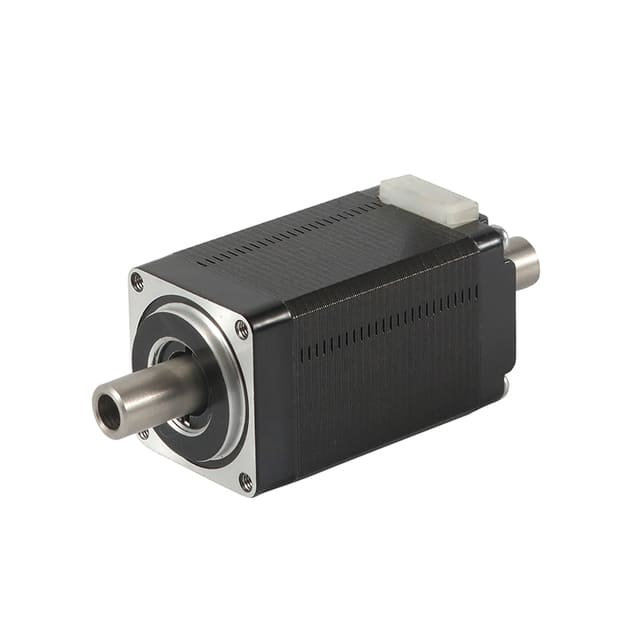
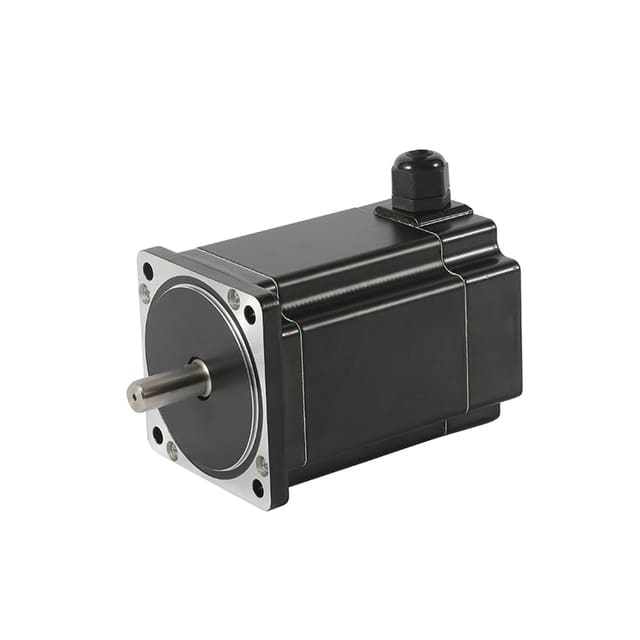
Jkongmotor Customized Stepper Motor Types
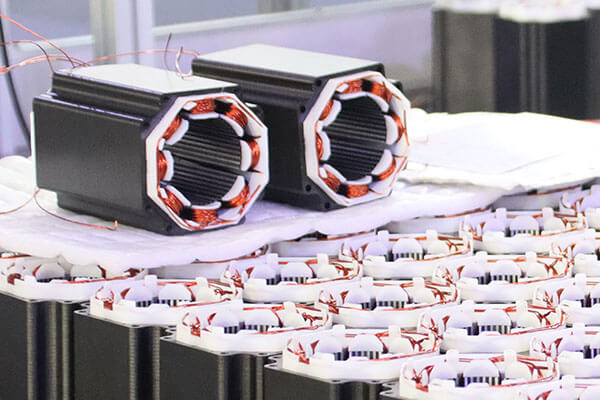
Motor Customized Service
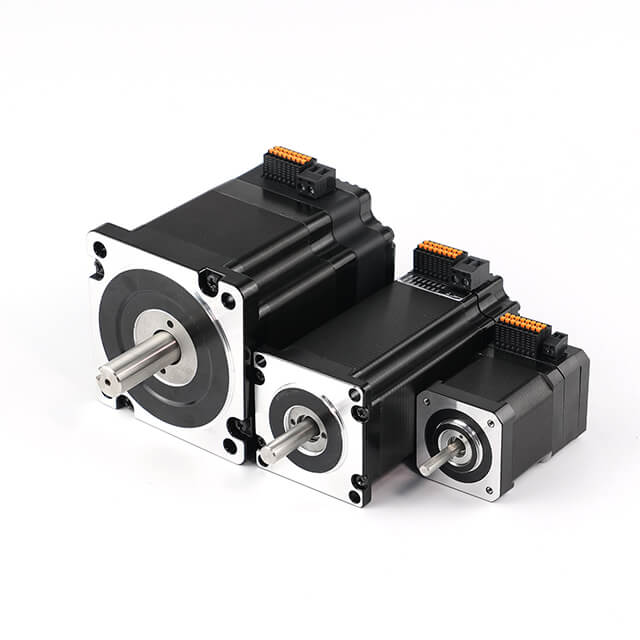
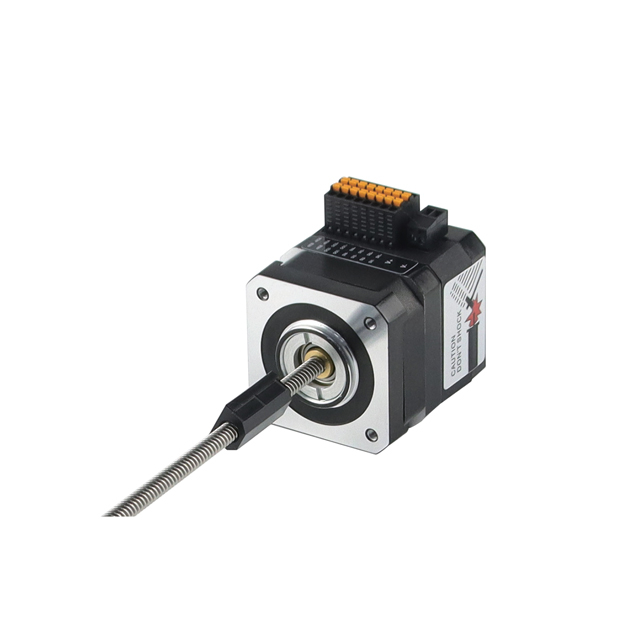
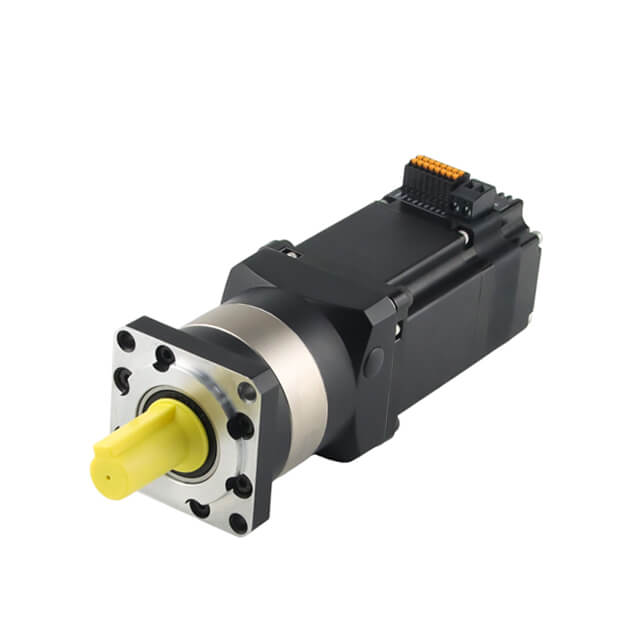
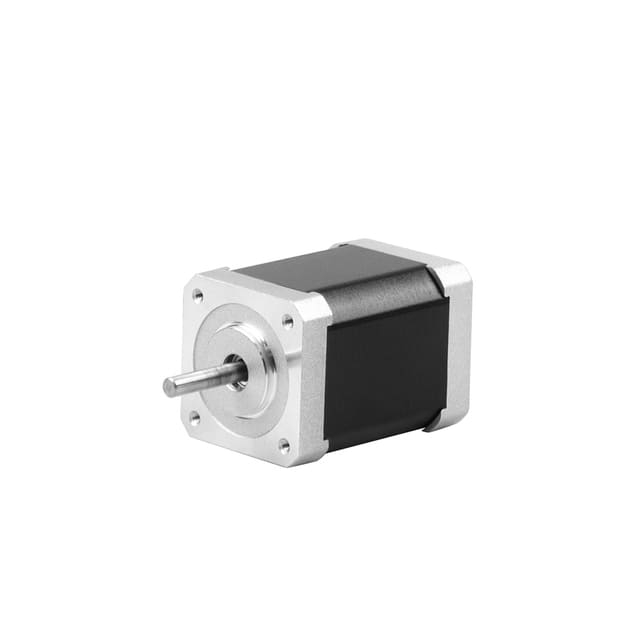
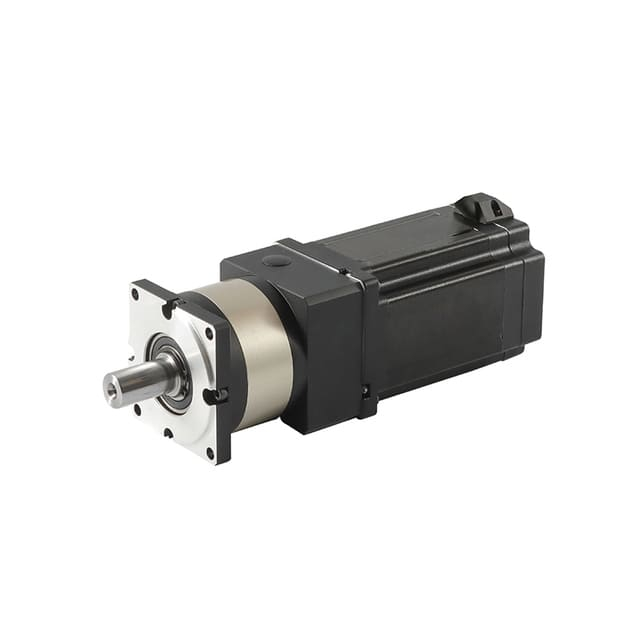
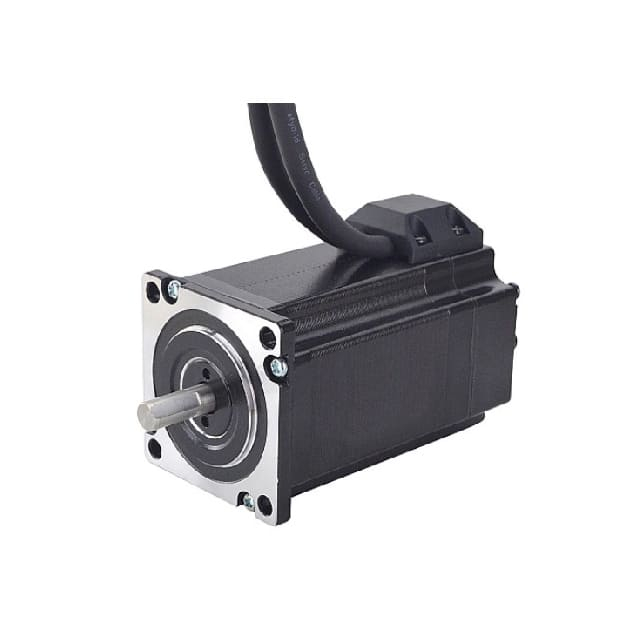
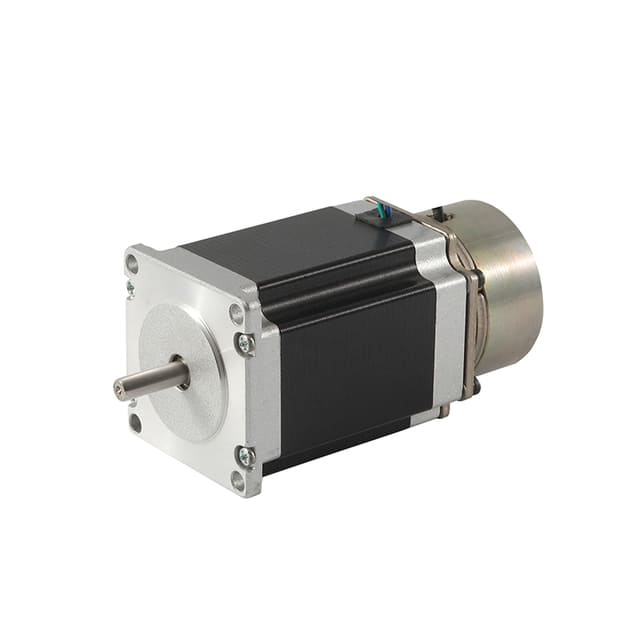
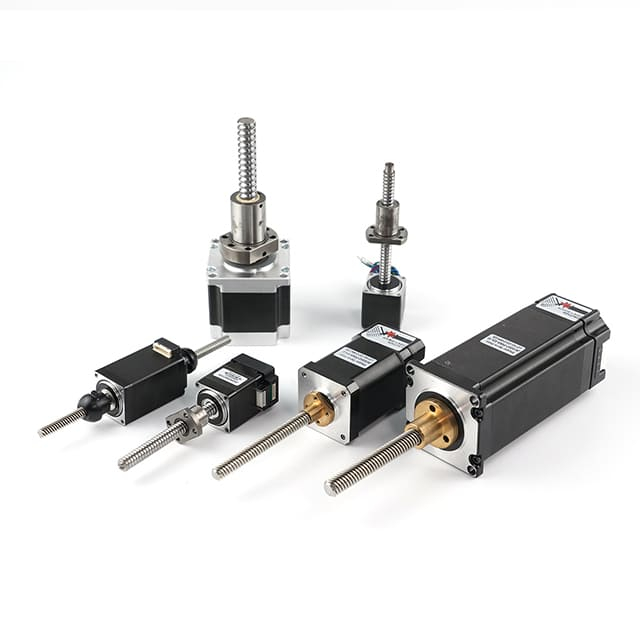
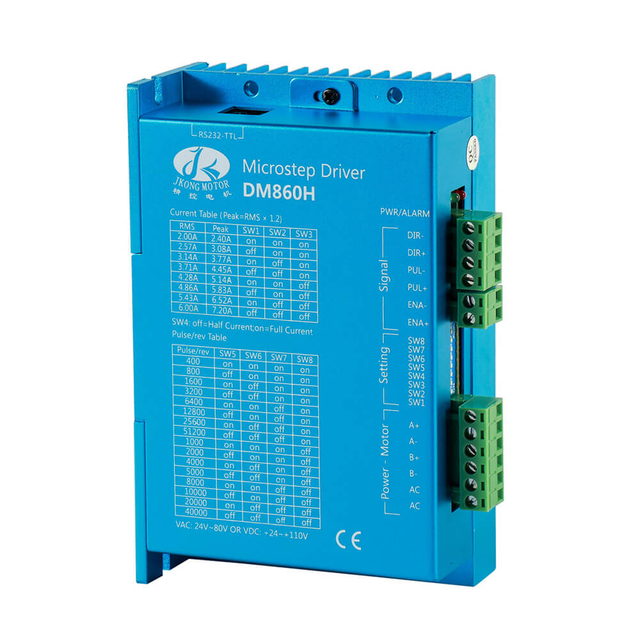
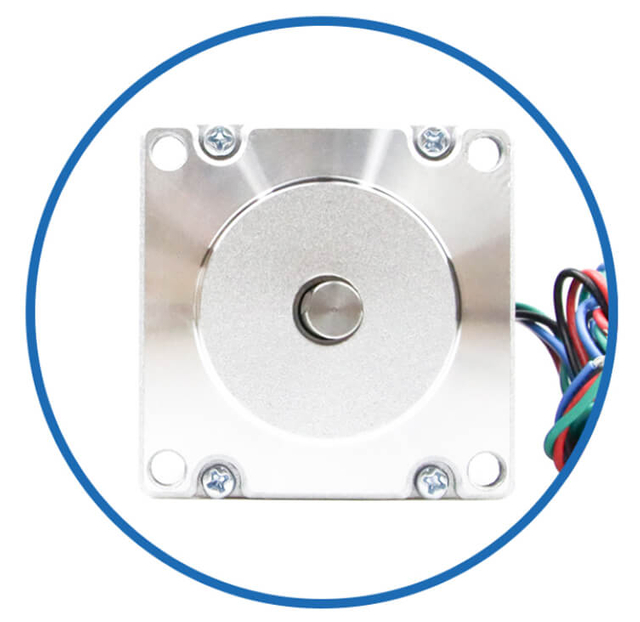
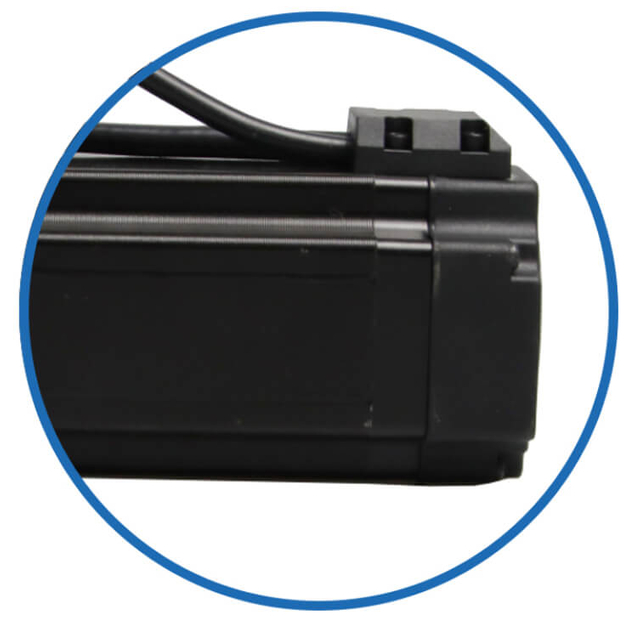
As a professional brushless dc motor manufacturer with 13 years in china, Jkongmotor offer various bldc motors with customized requirements, including 33 42 57 60 80 86 110 130mm, additionally, gearboxes, brakes, encoders, brushless motor drivers and integrated drivers are optional.
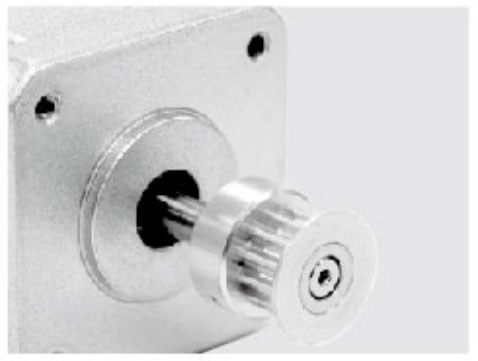
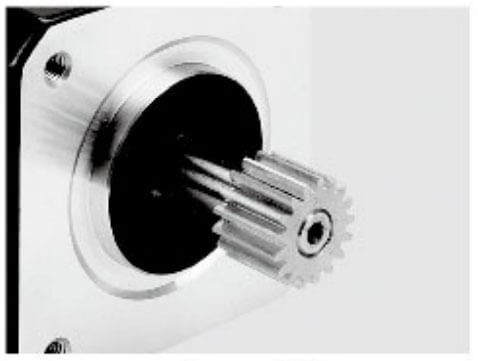
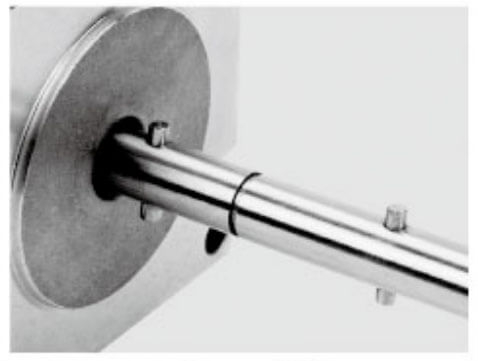
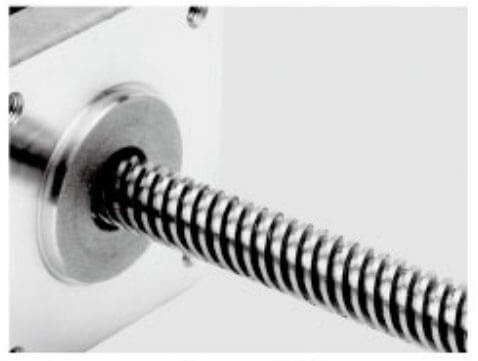
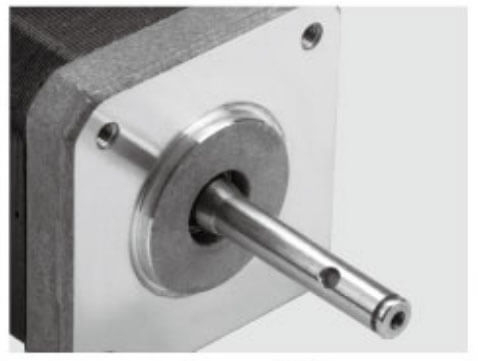
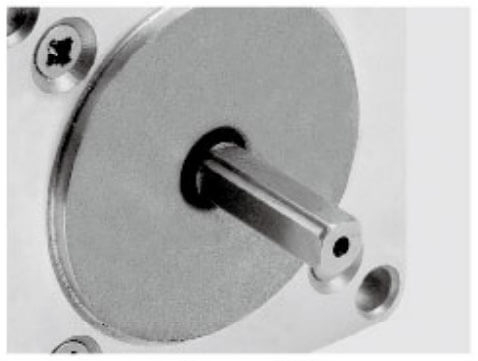
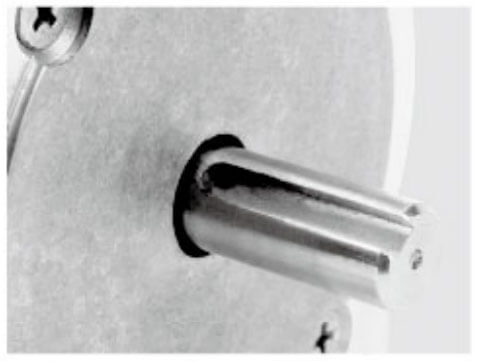
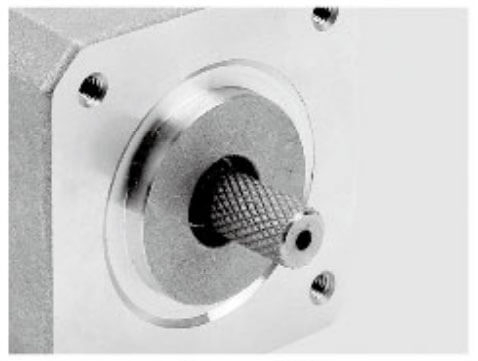
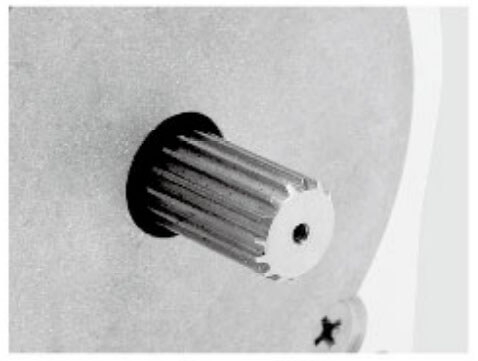
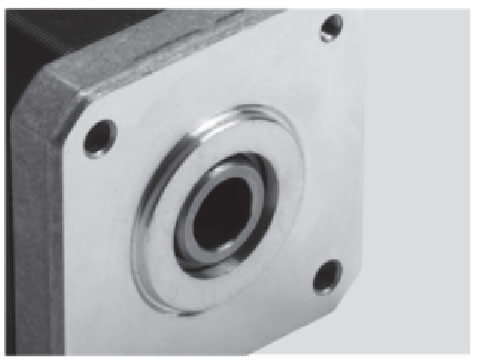
Motor Shaft Customized Service
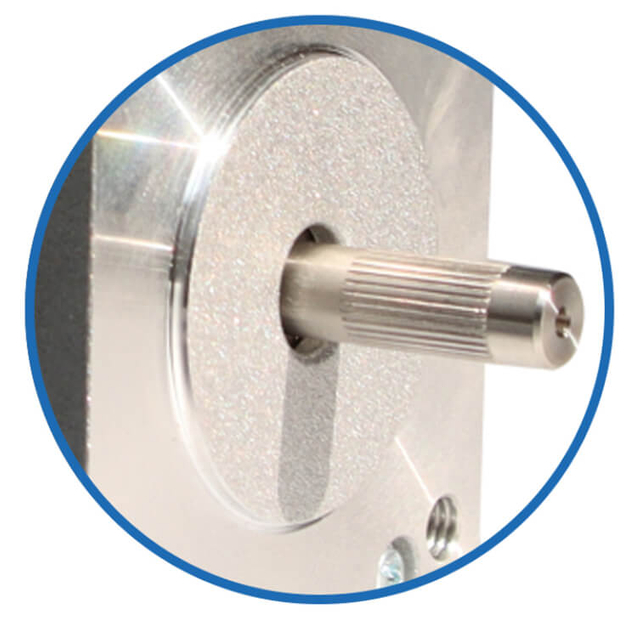
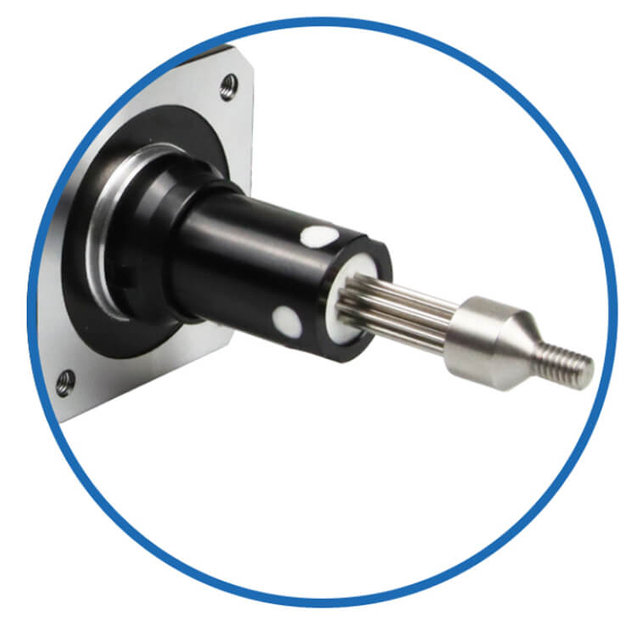
Jkongmotor offer many different shaft options for your motor as well as customizable shaft lengths to make the motor fit your application seamlessly.
What Is Stepper Motor Position Drift
Stepper motor position drift refers to the gradual deviation between the commanded position and the actual mechanical position over time. Unlike sudden step loss, drift often goes unnoticed at first. The system still moves, but accuracy slowly degrades.
This phenomenon is especially problematic in applications requiring repeatability, such as semiconductor equipment, 3D printing, and automated inspection systems.
Why Position Drift Occurs Over Time
Stepper motors operate by moving in discrete steps without feedback in traditional open-loop systems. When small errors accumulate—due to load variation, temperature changes, or mechanical wear—the motor doesn’t correct itself. Eventually, the system drifts away from its reference position.
Mechanical factors are among the most significant contributors to stepper motor position drift, especially in systems that operate continuously or under varying loads. Even when electrical control is properly configured, mechanical imperfections can introduce small positional errors that accumulate over time. Understanding these root causes is essential for designing stable, long-lasting motion systems.
Shaft Misalignment and Coupling Errors
Improper shaft alignment between the stepper motor and the driven load is a common mechanical cause of position drift. Rigid or poorly selected couplings can transmit radial and axial forces directly into the motor shaft. These forces increase friction and uneven loading on the bearings, making it harder for the motor to execute each step precisely. Over long-term operation, this results in micro-slippage and gradual loss of positional accuracy.
Using flexible couplings and ensuring precise alignment during installation significantly reduces stress on the motor shaft and helps maintain consistent step execution.
Excessive Load and Inadequate Torque Margin
When a stepper motor operates close to its maximum rated torque, it has little tolerance for transient load spikes. Any sudden increase in resistance—such as friction changes or inertia variation—can cause the motor to miss microsteps without fully stalling. These missed steps are often undetected in open-loop systems and directly contribute to stepper motor position drift.
A properly designed system should include sufficient torque margin to handle aging, load variation, and environmental changes.
Bearing Wear and Mechanical Aging
Bearings naturally degrade over time due to continuous motion, vibration, and thermal cycling. As bearing clearances increase, shaft stability decreases. This introduces small but repeatable positional deviations during acceleration and deceleration, especially in high-duty-cycle applications.
Mechanical aging doesn’t cause immediate failure, but it gradually increases backlash and compliance, accelerating long-term position drift.
Backlash in Transmission Components
Backlash in lead screws, gearboxes, belts, or racks is another major contributor. While backlash is often associated with directional error, it also plays a role in drift when combined with wear and repeated motion cycles. As components loosen, the system’s effective zero position slowly shifts.
Precision transmission components and proper preload mechanisms help limit backlash-related drift.
Structural Flex and Frame Deformation
Machine frames, mounting plates, and brackets that lack sufficient rigidity can flex under load. This flexing changes the effective position of the motor and driven components, particularly in systems with long travel distances or high dynamic forces. Over time, repeated flexing can permanently deform structures, leading to measurable position drift.
Rigid mechanical design and proper material selection are critical for maintaining long-term positional stability.
Summary
In most long-term applications, stepper motor position drift is not caused by a single mechanical flaw but by the combined effect of alignment errors, wear, backlash, and structural compliance. Addressing these mechanical factors at the design and installation stages dramatically improves accuracy, repeatability, and system lifespan.
Electrical & Control-Related Causes of Position Drift in Customized Stepper Motors
Electrical and control-related factors play a crucial role in stepper motor position drift, particularly in long-term operation. Even when the mechanical system is well designed, shortcomings in power delivery, drive configuration, or control logic can introduce small positioning errors that gradually accumulate. These issues are often subtle, making them difficult to detect until accuracy has already degraded.
Current Regulation and Torque Reduction
Stepper motors rely on precise current control to generate consistent torque. Over time, variations in supply voltage, drive settings, or component aging can lead to reduced phase current. When current drops below the required level, available torque decreases. As a result, the motor may fail to complete individual steps under load, even though it continues to rotate normally.
This partial or intermittent loss of torque is a common contributor to stepper motor position drift, especially in systems operating near their torque limits.
Thermal Effects on Windings and Drivers
Heat has a direct impact on electrical performance. As motor windings warm up, their resistance increases, which reduces current for a given drive setting. Similarly, motor drivers may limit current to protect themselves from overheating. These thermal effects reduce torque output during extended operation.
If thermal behavior isn’t accounted for during design, the system may perform accurately when cold but gradually drift as temperatures stabilize or fluctuate during continuous use.
Microstepping Accuracy and Resolution Limits
Microstepping improves motion smoothness and reduces vibration, but it does not guarantee perfectly linear step positions. Microsteps are created by approximating sinusoidal current waveforms, and small nonlinearities are unavoidable. Under load, the rotor may not settle exactly at the theoretical microstep position.
Over thousands of cycles, these micro-positioning errors can accumulate, contributing to long-term position drift, particularly in high-precision applications.
Drive Signal Timing and Pulse Integrity
Stepper motor drivers depend on clean, well-timed step and direction signals. Electrical noise, grounding issues, or poor cable shielding can distort these signals. Missed or extra pulses may not cause immediate failure but can introduce cumulative positioning errors.
In high-speed or high-noise industrial environments, signal integrity becomes a critical factor in preventing stepper motor position drift.
Acceleration and Deceleration Profiles
Aggressive acceleration or deceleration settings can exceed the motor’s torque capabilities, even if steady-state motion is well within limits. When this happens, the motor may briefly lose synchronization with the command signal, resulting in missed steps that go undetected.
Smooth motion profiles and properly tuned ramps help maintain synchronization and reduce the risk of drift over time.
Summary
Electrical and control-related causes of stepper motor position drift often stem from insufficient torque margins, thermal behavior, microstepping limitations, and signal quality issues. By optimizing current control, managing heat, ensuring clean command signals, and tuning motion profiles, engineers can significantly improve long-term positioning accuracy and system reliability.
Environmental Factors Impacting Long-Term Accuracy of Customized Stepper Motors
Environmental conditions have a significant but often underestimated impact on stepper motor position accuracy over long-term operation. Even when mechanical design and electrical control are properly optimized, external factors such as temperature, vibration, and contamination can gradually introduce positioning errors that accumulate into measurable drift. Understanding these influences is essential for maintaining stable performance in real-world applications.
Temperature Fluctuations and Thermal Expansion
Temperature is one of the most influential environmental factors affecting long-term accuracy. Changes in ambient temperature cause materials to expand and contract at different rates. Motor shafts, mounting plates, lead screws, and frames all respond differently to thermal variation. These dimensional changes can shift reference positions and alter alignment, leading to gradual position drift.
In addition, temperature fluctuations affect electrical characteristics. As the motor heats up or cools down, winding resistance changes, which influences torque output and step consistency. Systems that operate accurately at one temperature may slowly drift as operating conditions change throughout the day or across seasons.
Vibration from Surrounding Equipment
External vibration from nearby machinery, conveyors, compressors, or presses can interfere with stepper motor operation. Continuous low-level vibration may not cause immediate step loss, but it can disturb rotor settling between steps or microsteps. Over time, this disturbance leads to cumulative positioning errors.
Vibration can also accelerate mechanical wear in bearings, couplings, and transmission components, indirectly increasing position drift during long-term operation.
Shock Loads and Sudden Impacts
Occasional shock loads, such as tool crashes, emergency stops, or sudden load changes, can momentarily exceed the motor’s torque capability. Even if the system recovers and continues running, these events may cause missed steps that remain undetected in open-loop systems.
Repeated shock exposure increases the likelihood of long-term position drift, especially in high-speed or high-inertia applications.
Dust, Contamination, and Moisture
Environmental contaminants such as dust, metal particles, oil mist, and moisture can degrade system accuracy over time. Contamination increases friction in linear guides, lead screws, and bearings, requiring higher torque to maintain motion. As resistance increases, the risk of micro-step loss grows.
Moisture and corrosive environments can also affect electrical connectors and motor windings, leading to inconsistent current delivery and reduced torque stability.
Airflow and Cooling Conditions
Inconsistent airflow or restricted cooling can cause uneven temperature distribution within the motor and driver. Hot spots develop, leading to localized torque reduction and thermal drift. Over extended operation, these effects contribute to gradual loss of positional accuracy.
Ensuring stable and adequate cooling is critical for maintaining consistent performance.
Summary
Environmental factors influence stepper motor accuracy both directly and indirectly. Temperature variation, vibration, contamination, and cooling conditions all contribute to long-term position drift if not properly managed. By controlling the operating environment and accounting for external influences during system design, engineers can significantly improve long-term accuracy and reliability.
Design-Level Solutions to Prevent Position Drift in Customized Stepper Motors
Preventing stepper motor position drift begins at the design stage. Once a system is built and deployed, corrective measures become more complex and costly. By applying sound design principles from the outset, engineers can significantly reduce the likelihood of long-term accuracy loss and ensure stable, repeatable performance throughout the system’s service life.
Select the Right Stepper Motor for the Application
Motor selection is a foundational design decision. A stepper motor should be chosen not only based on required speed and torque, but also on duty cycle, thermal characteristics, and long-term reliability. Motors designed for continuous industrial operation typically feature improved winding insulation, better heat dissipation, and more consistent torque output.
Undersized motors are especially prone to position drift because they operate near their limits, leaving little tolerance for aging, load variation, or environmental changes.
Build in Adequate Torque Margin
One of the most effective ways to prevent position drift is to design with sufficient torque margin. A common best practice is to operate the motor at no more than 60–70% of its available torque under normal conditions. This reserve capacity allows the system to absorb friction changes, inertia variation, and thermal effects without losing steps.
Torque margin also compensates for gradual performance degradation over time, helping maintain accuracy in long-term operation.
Optimize Mechanical Transmission Design
The choice and design of mechanical transmission components directly influence positional stability. Precision lead screws, low-backlash gearboxes, and properly tensioned belt systems reduce compliance and lost motion. Preloading techniques can further minimize backlash and improve repeatability.
Equally important is ensuring that mounting structures are rigid and well supported to prevent flexing under dynamic loads.
Ensure Proper Alignment and Mounting
Misalignment between the motor and the driven load introduces unnecessary stress and friction. At the design level, provisions should be made for accurate alignment during assembly, such as alignment features, dowel pins, or adjustable mounts.
Using flexible couplings that accommodate minor misalignment without transmitting excessive forces helps protect bearings and maintain consistent step execution.
Address Thermal Management Early
Thermal behavior should be considered from the initial design phase. This includes selecting motors with appropriate thermal ratings, providing adequate airflow or heat sinking, and placing drivers in well-ventilated enclosures. Stable operating temperatures reduce torque variation and electrical drift over time.
In high-duty applications, thermal simulation or testing can identify potential hot spots before deployment.
Consider Closed-Loop or Hybrid Solutions
For applications with strict long-term accuracy requirements, closed-loop stepper systems offer a robust design-level solution. By incorporating encoders and feedback control, these systems detect and correct position errors automatically, preventing drift from accumulating.
Hybrid approaches, such as periodic position verification rather than continuous feedback, can also be effective while keeping system complexity manageable.
Design for Calibration and Homing
Finally, systems should be designed with calibration in mind. Including homing sensors, reference marks, or mechanical stops allows the system to periodically re-establish a known position. This design feature provides a practical safeguard against any residual drift that may occur over extended operation.
Summary
Design-level solutions are the most powerful tools for preventing stepper motor position drift. Proper motor selection, generous torque margins, optimized mechanics, effective thermal management, and thoughtful integration of feedback and calibration features all contribute to long-term positioning accuracy. When drift prevention is built into the design, system reliability and performance improve dramatically.
Closed-Loop Stepper Systems
Closed-loop stepper motors combine traditional stepper construction with encoder feedback. If the motor deviates from its commanded position, the controller corrects it in real time.
This approach virtually eliminates long-term drift while retaining stepper motor simplicity.
Encoder Feedback Integration
Adding an external encoder allows the system to detect and correct errors. Even periodic feedback—rather than continuous control—can significantly reduce drift accumulation.
Preventive Maintenance Schedules
Long-term reliability depends on proactive maintenance. Recommended actions include:
These small steps prevent minor issues from becoming accuracy problems.
Periodic Homing and Re-Zeroing
Many systems use homing routines to reset position references. Periodic homing prevents accumulated errors from becoming permanent.
Even in open-loop systems, scheduled re-zeroing is one of the most effective countermeasures against stepper motor position drift.
Industrial Application Case Studies of Customized Stepper Motor Drift Reduction
In CNC machining centers, manufacturers reduced scrap rates by over 30% after switching from open-loop to closed-loop stepper systems. In automated warehouses, adding torque margin and thermal monitoring extended system calibration intervals from weeks to months.
These real-world examples prove that long-term drift is not inevitable—it’s manageable with the right approach.
1. Is stepper motor position drift inevitable in open-loop systems?
Not necessarily. With proper torque margin, mechanical alignment, and periodic homing, drift can be minimized to acceptable levels.
2. How fast does stepper motor position drift occur?
It depends on load, environment, and duty cycle. In harsh conditions, drift may appear within days. In optimized systems, it may take years.
3. Does microstepping increase position drift?
Microstepping improves smoothness but slightly reduces absolute accuracy. Excessive microstepping can contribute to drift if not properly managed.
4. Are closed-loop stepper motors worth the cost?
Yes, especially for long-term precision applications. They significantly reduce drift without the complexity of full servo systems.
5. Can software alone fix stepper motor position drift?
Software helps, but it can’t compensate for poor mechanical design or insufficient torque margin.
6. What’s the simplest way to reduce long-term drift?
Increase torque margin and add periodic homing. These two steps alone solve many drift issues.
Stepper motor position drift is a real challenge, but it’s far from unsolvable. By understanding the mechanical, electrical, and environmental causes, engineers can design systems that maintain accuracy for years. From proper motor selection to closed-loop feedback and smart maintenance strategies, long-term stability is achievable.
When addressed proactively, Stepper Motor Position Drift becomes a manageable engineering parameter rather than a persistent problem.