The Strategic Role of 5G in Modern Manufacturing
We are entering an era where 5G connectivity is redefining manufacturing efficiency, flexibility, and intelligence. Unlike previous wireless generations, 5G introduces ultra-low latency, massive device connectivity, and deterministic communication, which collectively transform factories into highly responsive, data-driven ecosystems. Optimizing manufacturing in the 5G era is not optional—it is a strategic imperative for organizations seeking operational excellence, resilience, and global competitiveness.
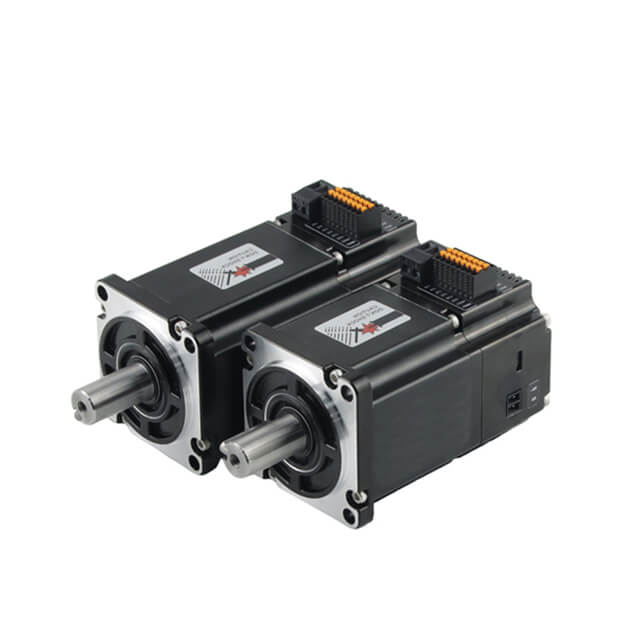
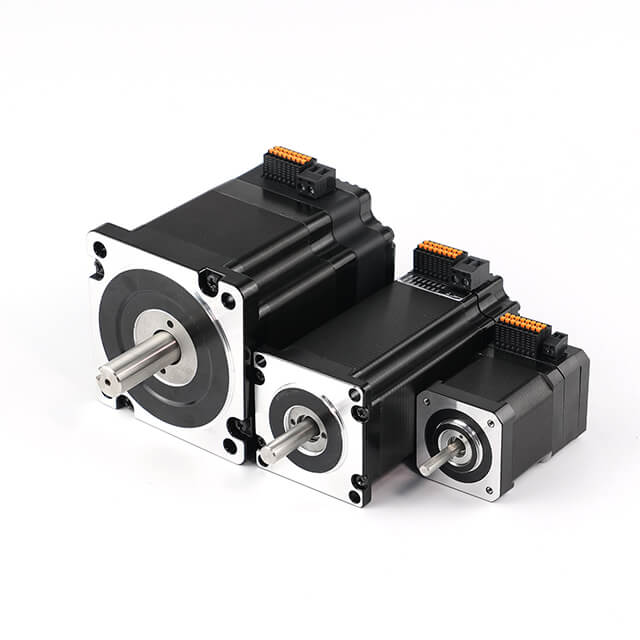
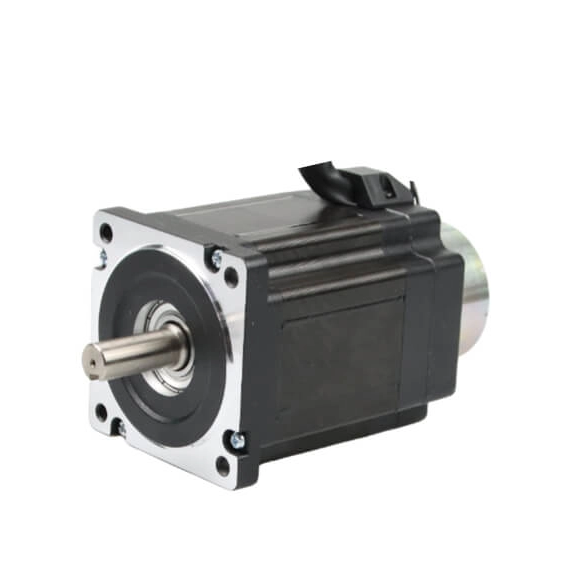
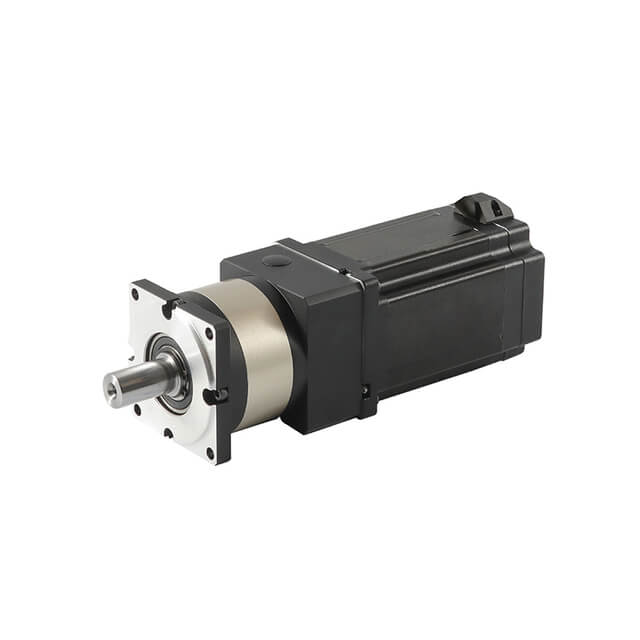
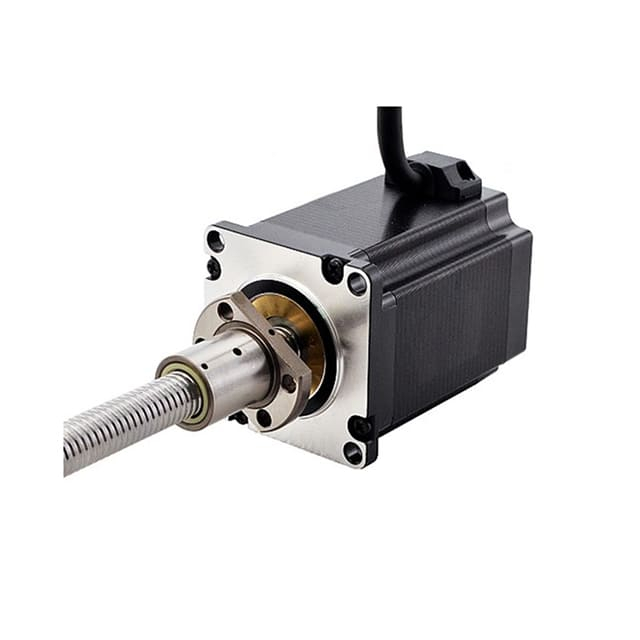
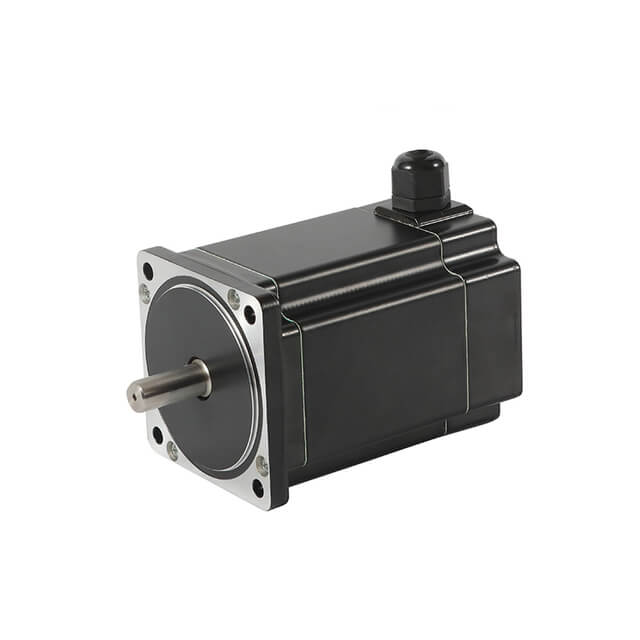
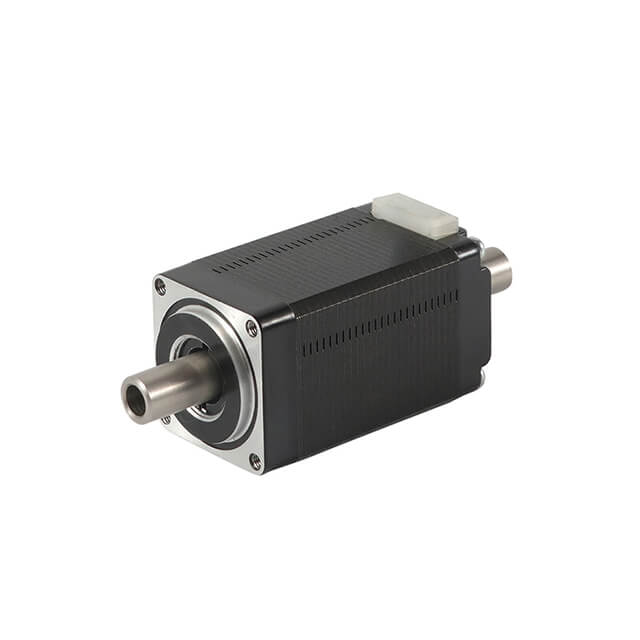
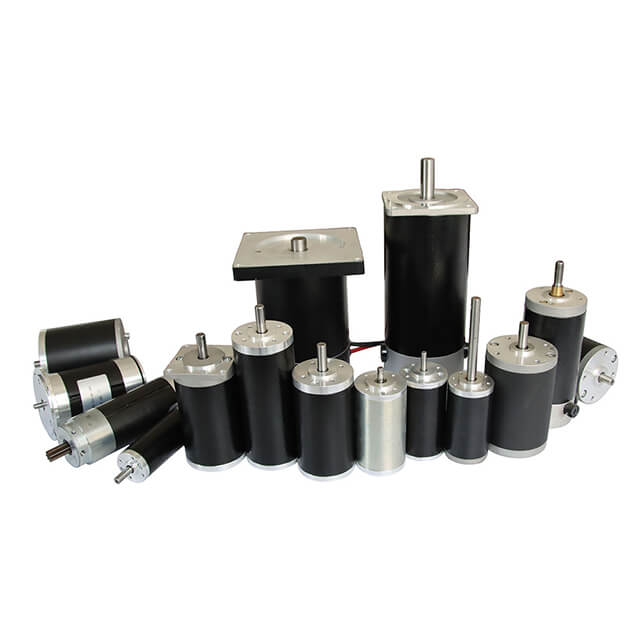
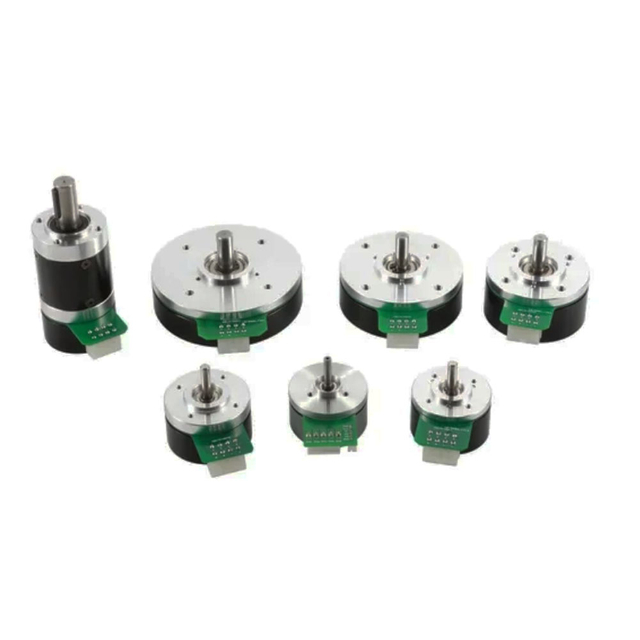
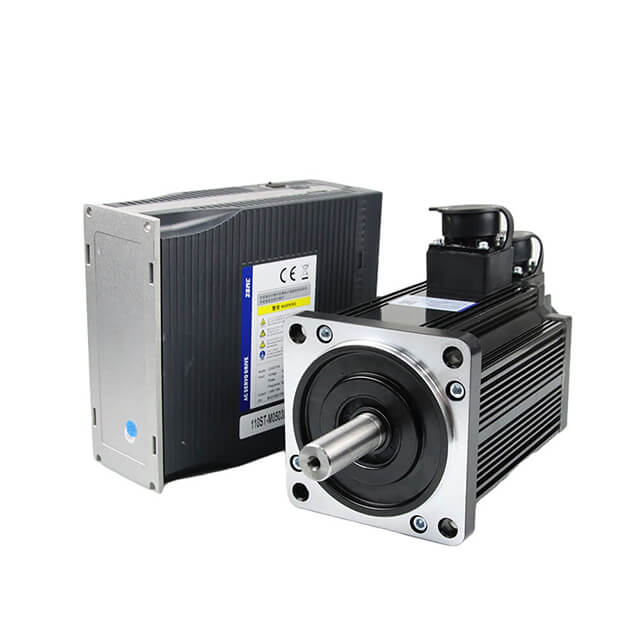
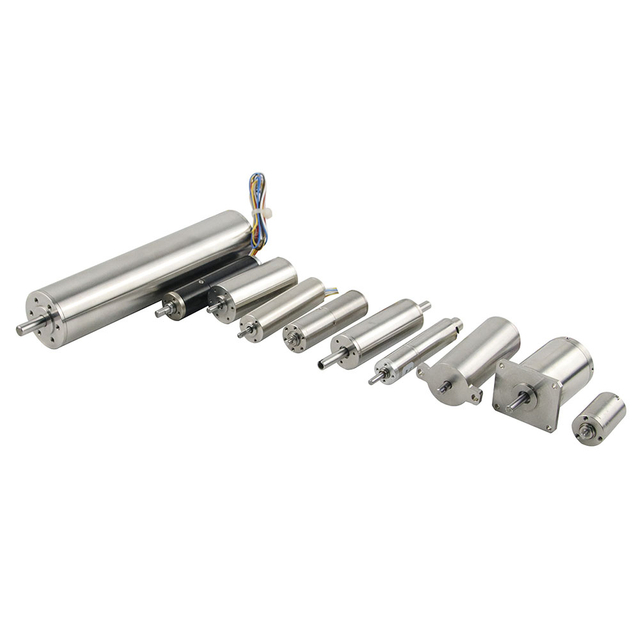
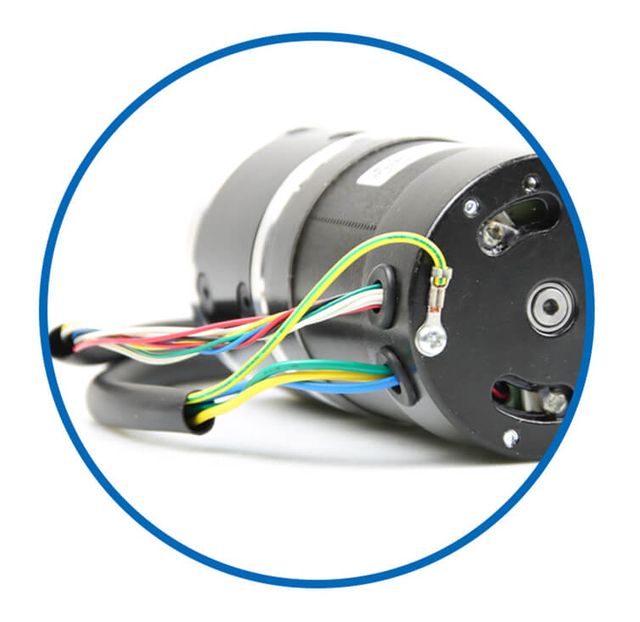
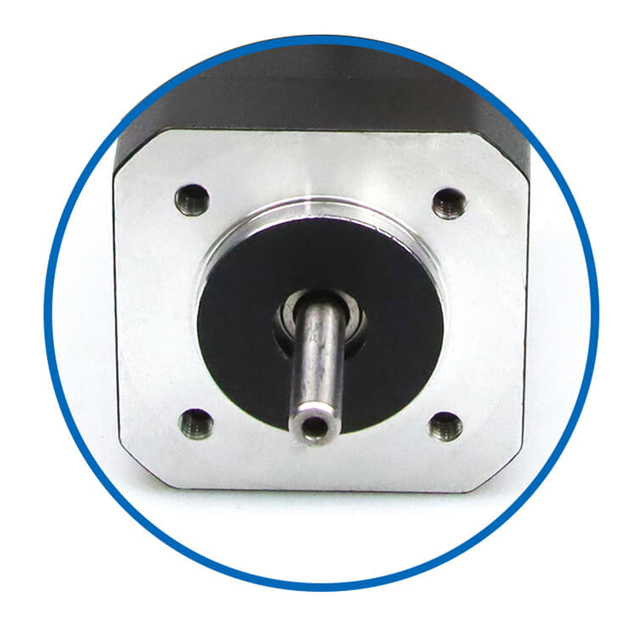
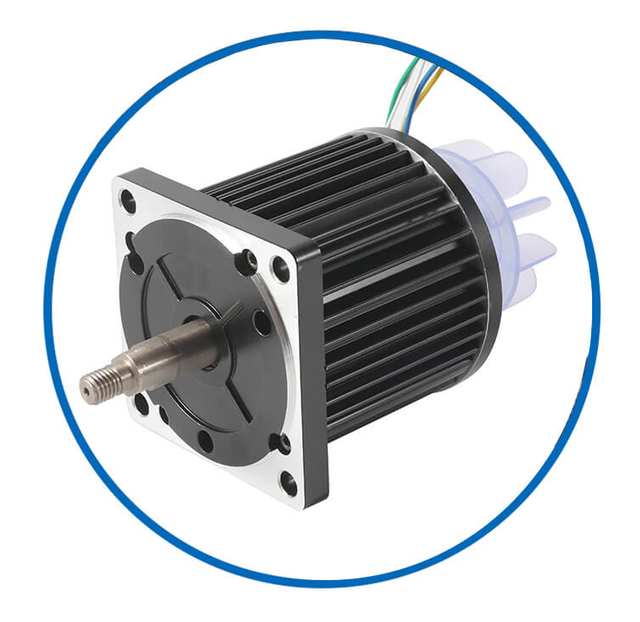
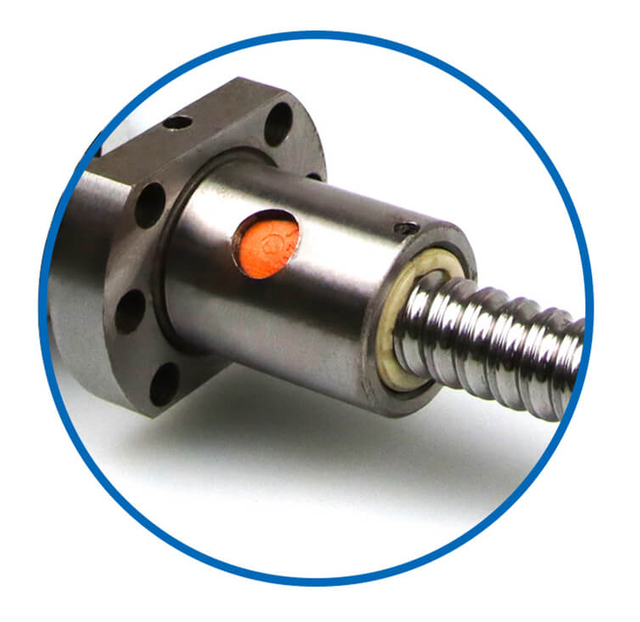
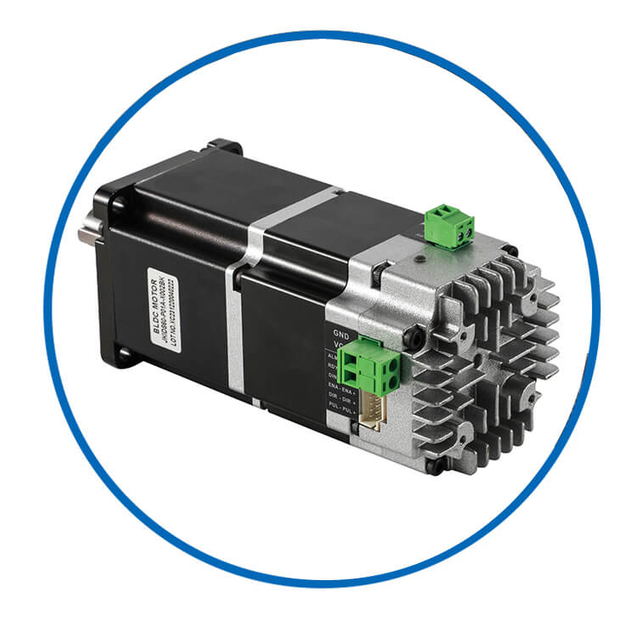
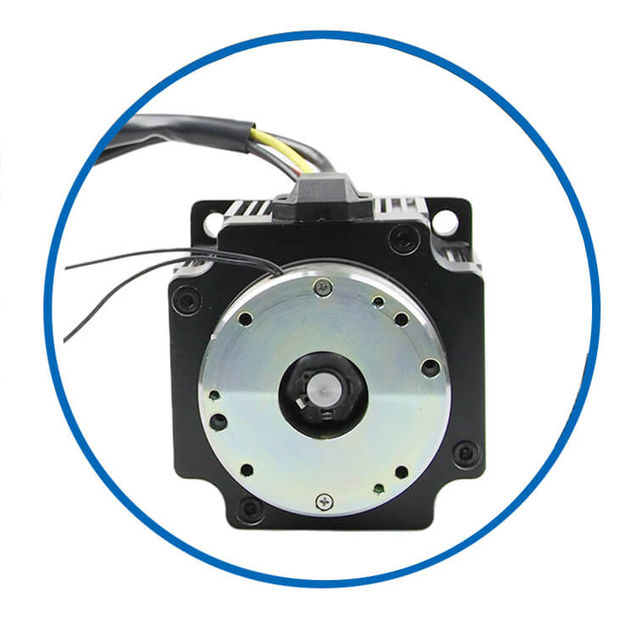
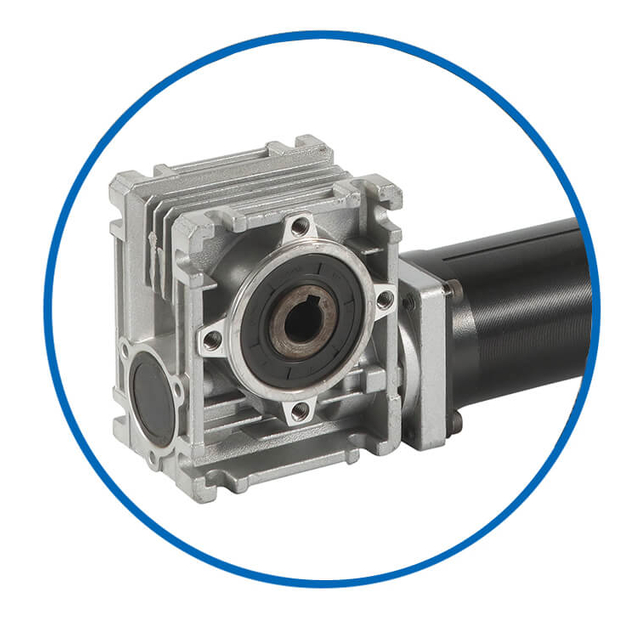
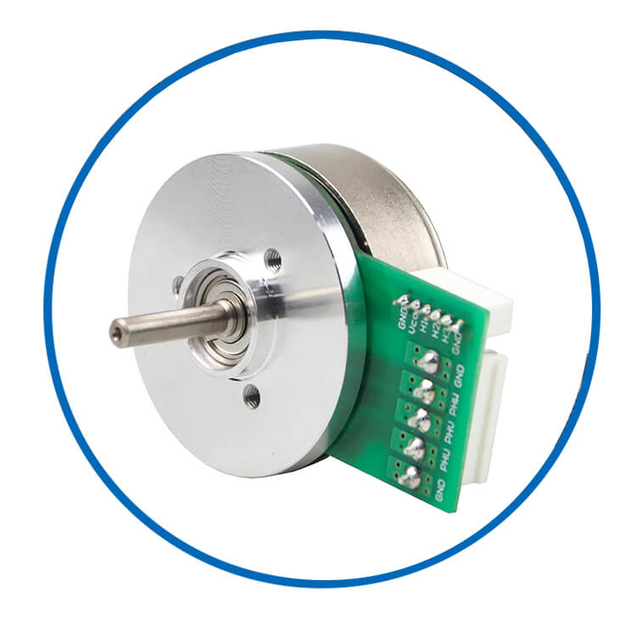
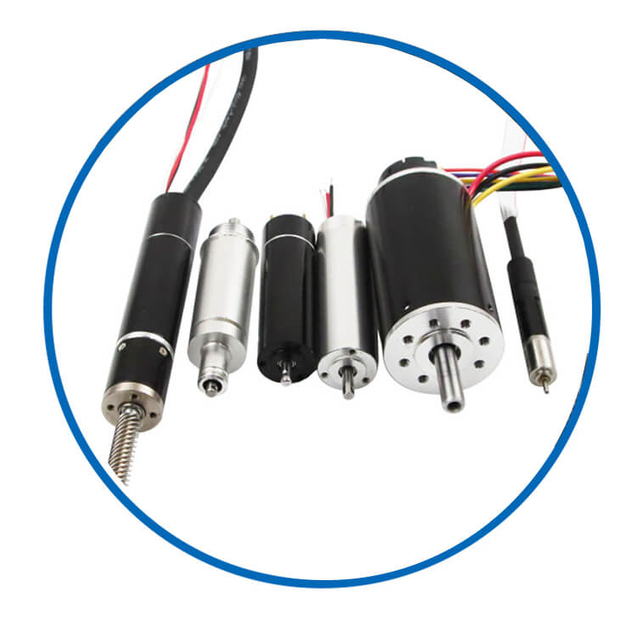
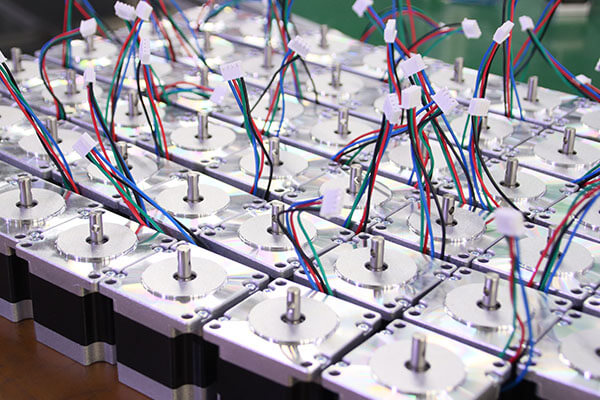
Jkongmotor's Stepper Motor or Brushless Dc Motors for 5G Modern Manufacturing
Bldc Motor Customized Service
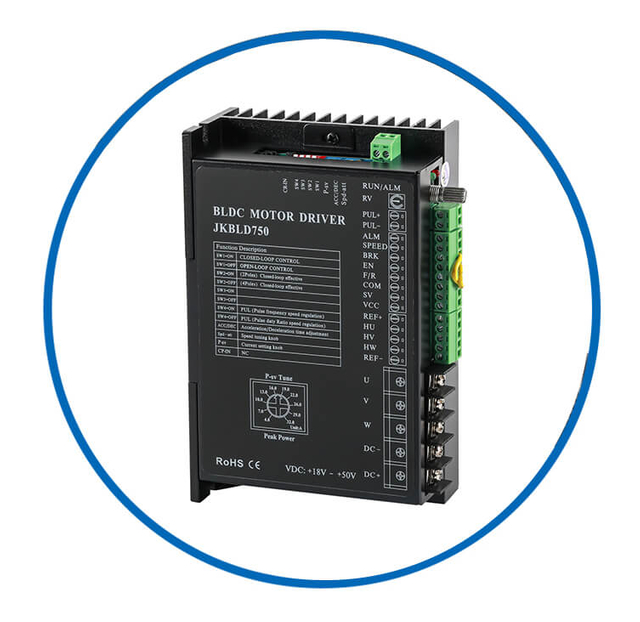
As a professional brushless dc motor manufacturer with 13 years in china, Jkongmotor offer various bldc motors with customized requirements, including 33 42 57 60 80 86 110 130mm, additionally, gearboxes, brakes, encoders, brushless motor drivers and integrated drivers are optional.
![bldc motor supplier]() | ![bldc motor supplier]() | ![bldc motor supplier]() | ![bldc motor supplier]() | ![bldc motor supplier]() | Professional custom brushless motor services safeguard your projects or equipment. No Brushes – Reduced Maintenance and Increased Lifespan High Efficiency and Low Power Loss High Torque-to-Weight Ratio Precise Speed and Position Control Quiet and Smooth Operation Wide Speed Range and Dynamic Performance Excellent Thermal Management Customizable Designs and Modular Configurations Multiple Control Methods Integration with Digital Interfaces and Sensors |
| Wires | Covers | Fans | Shafts | Integrated Drivers |
![bldc motor supplier]() | ![bldc motor supplier]() | ![bldc motor supplier]() | ![bldc motor supplier]() | ![bldc motor supplier]() |
| Brakes | Gearboxes | Out Rotors | Coreless Dc | Drivers |
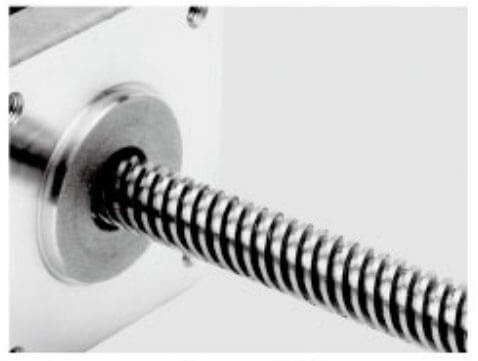
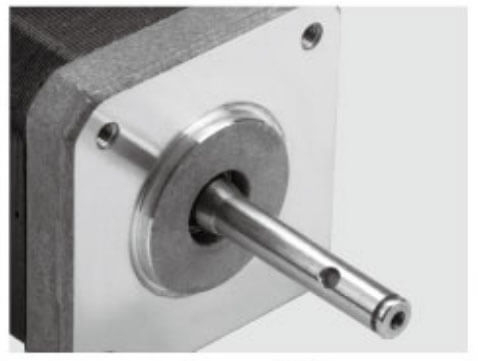
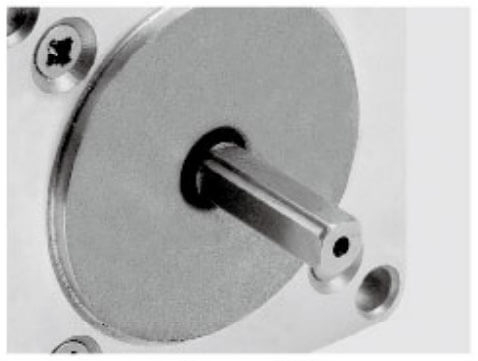
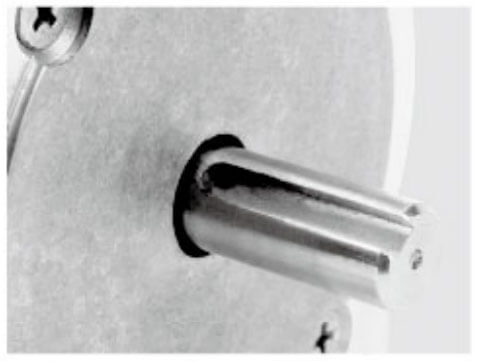
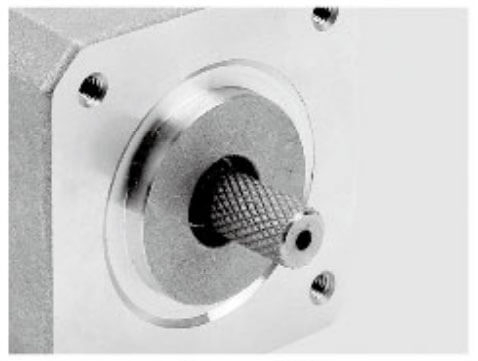
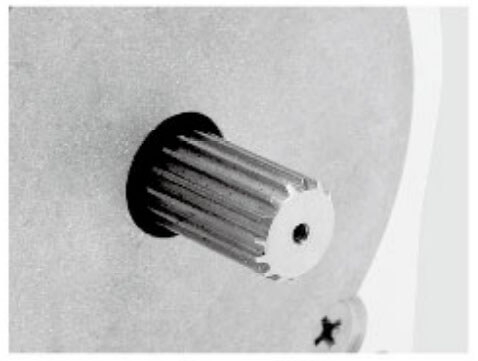
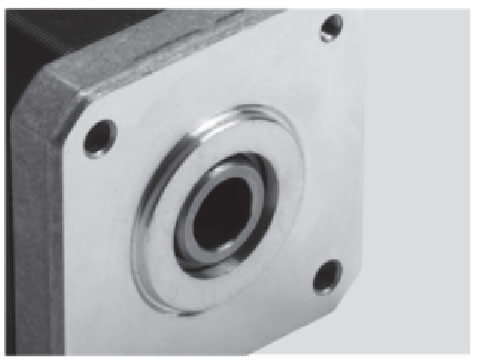
Motor Shaft Customized Service
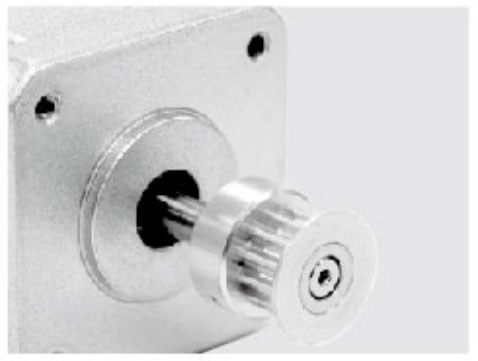
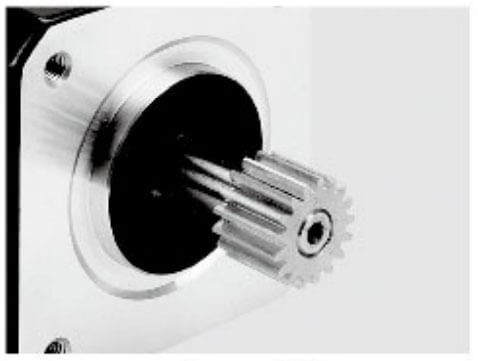
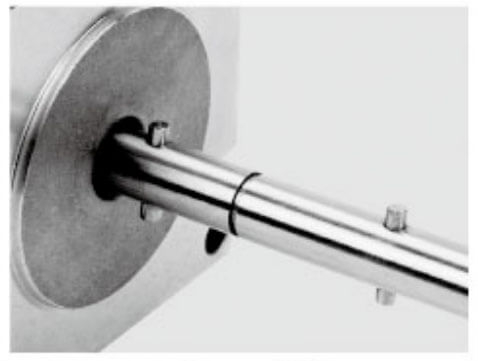
Jkongmotor offer many different shaft options for your motor as well as customizable shaft lengths to make the motor fit your application seamlessly.
Ultra-Low Latency as the Foundation of Smart Factories
Ultra-low latency is the technical cornerstone that enables smart factories to move from basic automation to true real-time intelligence. In advanced manufacturing environments, milliseconds matter. Ultra-low latency communication—typically below 1 millisecond—allows machines, controllers, sensors, and robotic systems to exchange data and respond instantly, without perceptible delay.
In smart factories, production processes are no longer isolated mechanical actions. They are highly synchronized cyber-physical systems that depend on continuous feedback loops. Ultra-low latency ensures that commands, sensor data, and control signals travel between devices in real time, enabling precise coordination across complex production lines.
Real-Time Machine Control and Process Synchronization
Ultra-low latency enables real-time motion control, which is critical for CNC machines, robotic arms, pick-and-place systems, and high-speed assembly lines. Machines can adjust speed, torque, position, and force instantly based on live sensor feedback. This level of responsiveness significantly reduces positioning errors, vibration, and mechanical stress, resulting in higher accuracy and longer equipment lifespan.
Production lines benefit from precise synchronization, allowing multiple machines to operate as a unified system rather than independent units. This improves throughput consistency and minimizes micro-stoppages that often accumulate into major efficiency losses.
Wireless Determinism Replacing Wired Constraints
Traditionally, deterministic control required wired fieldbus systems. With ultra-low latency wireless networks such as 5G industrial networks, we achieve wired-level reliability without physical limitations. Machines and robots can be reconfigured or relocated without rewiring, supporting flexible manufacturing layouts and rapid production changeovers.
This wireless determinism enables modular production cells, scalable factory expansions, and faster deployment of new equipment—key advantages in high-mix, low-volume manufacturing scenarios.
Safe and Efficient Human–Robot Collaboration
Ultra-low latency is essential for collaborative robots (cobots) operating alongside human workers. Sensors continuously monitor position, speed, and proximity, while control systems respond instantly to unexpected human movement. Immediate reaction ensures safe interaction, eliminates delays in emergency stops, and enables smoother cooperation between humans and machines.
This responsiveness improves workplace safety while maintaining high productivity, making cobots practical for more complex and dynamic tasks.
Autonomous Systems and Closed-Loop Intelligence
Smart factories increasingly rely on autonomous systems such as AGVs, AMRs, and self-optimizing production equipment. Ultra-low latency allows these systems to process environmental data, make decisions, and execute actions in real time. Navigation, obstacle avoidance, and route optimization occur instantly, ensuring uninterrupted material flow.
Closed-loop control systems depend on ultra-low latency to continuously compare actual performance against target parameters and make immediate corrections. This capability is fundamental to adaptive manufacturing and self-healing production processes.
Quality Assurance Without Production Delays
High-speed quality inspection systems generate massive volumes of data from cameras, sensors, and measurement devices. Ultra-low latency ensures inspection results are delivered instantly, allowing defective products to be rejected or corrected without slowing down production. This supports inline quality control, reducing scrap rates and ensuring consistent output quality.
Enabling the Core of Industry 4.0
Ultra-low latency transforms factories into responsive, intelligent ecosystems where data-driven decisions happen at machine speed. It supports advanced automation, predictive maintenance, digital twins, and real-time optimization across the entire production lifecycle.
In smart factories, ultra-low latency is not an enhancement—it is the foundation that enables precision, safety, flexibility, and continuous operational excellence.
Massive Industrial IoT Connectivity at Scale
Massive Industrial IoT connectivity is a defining capability of next-generation smart manufacturing, enabling factories to connect, monitor, and optimize thousands to millions of devices simultaneously. At scale, Industrial IoT (IIoT) transforms isolated equipment into an integrated, intelligent production ecosystem where data flows continuously and decisions are driven by real-time insight.
Connecting Every Asset Across the Factory
In modern manufacturing environments, every asset generates valuable data. Sensors embedded in motors, drives, pumps, conveyors, and tooling systems monitor parameters such as temperature, vibration, pressure, torque, and energy consumption. Massive IIoT connectivity ensures that all these devices remain reliably connected without network congestion or performance degradation.
This pervasive connectivity creates end-to-end visibility across the entire production floor, enabling centralized monitoring and coordinated control of complex operations.
High-Density Device Support Without Performance Loss
Large-scale manufacturing facilities often deploy tens of thousands of sensors and smart devices in confined areas. Massive IIoT connectivity is engineered to support high device density while maintaining stable performance, low packet loss, and consistent data delivery.
This capability is essential for continuous data acquisition in environments where precision and uptime are critical. Even during peak operational loads, connectivity remains uninterrupted, ensuring data integrity and operational reliability.
Real-Time Data Streams for Intelligent Operations
Massive IIoT connectivity enables continuous, real-time data streaming from production equipment to analytics platforms and control systems. This allows manufacturers to respond instantly to deviations in process parameters, equipment behavior, or environmental conditions.
Real-time data supports:
Instant process optimization
Early fault detection and alerts
Automated quality adjustments
Adaptive production scheduling
By eliminating data blind spots, manufacturers maintain tighter control over production outcomes.
Enabling Predictive Maintenance at Scale
With massive IIoT connectivity, predictive maintenance can be implemented across entire facilities rather than isolated assets. Continuous condition monitoring data feeds advanced analytics models that identify wear patterns, performance degradation, and failure risks.
This approach minimizes unplanned downtime, reduces maintenance costs, and extends equipment lifespan, delivering measurable improvements in asset utilization and operational efficiency.
Scalable Architecture for Future Expansion
Industrial IoT ecosystems must scale effortlessly as production demands grow. Massive connectivity architectures allow new machines, sensors, and production lines to be added without reengineering the network infrastructure. Devices can be commissioned rapidly, enabling fast deployment of new capabilities and shorter time-to-value.
This scalability supports long-term digital transformation strategies and ensures manufacturing systems remain adaptable to future requirements.
Energy Management and Sustainability Optimization
At scale, IIoT connectivity provides granular visibility into energy usage across machines, processes, and facilities. Continuous data collection enables intelligent energy management, load balancing, and waste reduction strategies.
Manufacturers can optimize energy consumption, reduce carbon footprint, and meet sustainability targets without compromising productivity.
Foundation for Smart Manufacturing Intelligence
Massive Industrial IoT connectivity is more than a networking capability—it is the foundation of data-driven manufacturing intelligence. It enables advanced analytics, artificial intelligence, digital twins, and autonomous systems to operate with accurate, timely information.
By connecting every device and process at scale, manufacturers create a resilient, intelligent ecosystem capable of continuous optimization, higher productivity, and sustained competitive advantage.
Edge Computing and 5G for Real-Time Intelligence
Edge computing combined with 5G connectivity forms the backbone of real-time intelligence in modern smart manufacturing. As production systems generate massive volumes of data, processing information close to the source becomes essential. Edge computing shifts analytics and decision-making from centralized clouds to the factory floor, while 5G ensures ultra-fast, reliable communication between machines, sensors, and edge nodes.
Localized Data Processing for Instant Decisions
In manufacturing environments, milliseconds can determine product quality, equipment safety, and operational efficiency. Edge computing enables data from machines, robots, and sensors to be processed locally, eliminating delays associated with long-distance data transmission. When paired with 5G’s ultra-low latency, control systems can execute immediate responses to changing production conditions.
This localized intelligence supports:
Real-time machine control and optimization
Immediate fault detection and shutdown prevention
Continuous process adjustments without human intervention
Reduced Bandwidth and Cloud Dependency
Not all industrial data needs to be sent to the cloud. Edge computing filters, aggregates, and analyzes data locally, transmitting only high-value insights to centralized systems. This significantly reduces bandwidth consumption and cloud processing costs while improving system resilience.
5G provides the high-speed, deterministic connectivity required to coordinate edge devices across large facilities, ensuring consistent performance even in data-intensive applications.
AI-Driven Analytics at the Edge
Advanced manufacturing increasingly relies on AI and machine learning models for visual inspection, anomaly detection, and predictive maintenance. Running these models at the edge allows instant interpretation of sensor and image data without round-trip delays.
This enables:
Real-time defect detection in high-speed production lines
Immediate corrective actions during assembly processes
Adaptive control based on live operational data
Edge AI powered by 5G ensures intelligent automation operates at machine speed.
Enhanced Reliability and Operational Continuity
Edge computing enhances system reliability by allowing factories to continue operating even if cloud connectivity is disrupted. Critical control functions remain active locally, ensuring uninterrupted production and safety compliance.
5G strengthens this resilience by providing stable, low-latency wireless connections that support redundant communication paths and rapid failover mechanisms.
Security and Data Protection
Processing sensitive manufacturing data at the edge reduces exposure to external networks. This minimizes cybersecurity risks while enabling tighter access control and data governance. With private 5G networks, manufacturers gain full visibility and control over data flows, further enhancing security and compliance.
Scalable Intelligence Across the Factory
Edge computing architectures are inherently scalable. New machines, sensors, and production lines can be integrated by deploying additional edge nodes without redesigning the entire system. 5G supports seamless expansion by accommodating large numbers of connected devices with consistent performance.
Enabling Autonomous and Adaptive Manufacturing
Together, edge computing and 5G enable autonomous manufacturing systems that sense, decide, and act in real time. From self-optimizing production lines to autonomous robots and intelligent quality systems, this combination delivers the speed, reliability, and intelligence required for next-generation factories.
Edge computing and 5G are not separate technologies—they are a unified platform for real-time manufacturing intelligence, driving efficiency, agility, and continuous innovation.
Digital Twins Powered by 5G Connectivity
Digital twin technology becomes fully scalable and actionable with 5G. A digital twin is a real-time virtual representation of physical assets, processes, or entire factories. With continuous high-speed data streams, we maintain synchronized digital replicas that reflect actual operating conditions.
We leverage digital twins to:
Simulate production changes without disrupting operations
Optimize process parameters dynamically
Predict system bottlenecks before they occur
Validate new product introductions virtually
5G ensures digital twins are always accurate, responsive, and predictive rather than static and retrospective.
Autonomous Mobile Robots and AGVs
Autonomous Mobile Robots (AMRs) and Automated Guided Vehicles (AGVs) are becoming essential components of modern smart factories, enabling highly efficient, flexible, and intelligent material handling. As manufacturing environments grow more complex and dynamic, these autonomous systems play a critical role in optimizing internal logistics, reducing manual labor, and supporting continuous production flow.
Intelligent Material Handling and Intralogistics
AMRs and AGVs are designed to transport raw materials, work-in-progress, and finished goods across production facilities with precision and reliability. Unlike traditional conveyor systems, autonomous mobile solutions offer dynamic routing and flexible deployment, allowing manufacturers to adapt quickly to changing production demands.
AGVs typically follow predefined paths using magnetic tapes, QR codes, or embedded wires, ensuring stable and repeatable operations. AMRs, on the other hand, use advanced sensors, vision systems, and real-time mapping to navigate freely, making intelligent decisions based on their surroundings.
Real-Time Navigation and Obstacle Avoidance
Modern AMRs rely on real-time navigation technologies such as LiDAR, 3D cameras, and simultaneous localization and mapping (SLAM). These systems continuously analyze the environment, detect obstacles, and adjust routes instantly to avoid collisions. This capability allows AMRs to operate safely in shared spaces with human workers and other machines.
Low-latency communication enables immediate response to environmental changes, ensuring smooth traffic flow even in high-density factory environments.
Scalability and Flexible Manufacturing Layouts
One of the greatest advantages of AMRs and AGVs is their ability to support scalable and reconfigurable manufacturing systems. New robots can be added to existing fleets without major infrastructure changes. Production lines can be rearranged quickly, and logistics routes can be reprogrammed digitally rather than physically modified.
This flexibility is particularly valuable for manufacturers operating in high-mix, low-volume production environments where frequent changes are required.
Enhanced Productivity and Operational Efficiency
By automating repetitive transport tasks, AMRs and AGVs free human workers to focus on higher-value activities such as quality control, system supervision, and process optimization. Autonomous fleets operate continuously, reduce idle time, and ensure consistent material flow between workstations.
Centralized fleet management systems optimize traffic, balance workloads, and prevent congestion, resulting in higher throughput and reduced operational costs.
Safety and Human–Machine Collaboration
Safety is a core design principle of autonomous mobile systems. AMRs and AGVs are equipped with safety-rated sensors, emergency stop functions, and speed control mechanisms. They adjust behavior based on proximity to humans, ensuring compliant and secure operation in collaborative environments.
This level of safety enables seamless integration into existing facilities without the need for extensive physical barriers.
Data-Driven Optimization and Predictive Insights
AMRs and AGVs continuously generate operational data, including travel times, energy consumption, and task completion rates. This data supports process optimization, predictive maintenance, and performance analysis, helping manufacturers identify bottlenecks and improve logistics efficiency.
A Key Enabler of Smart Factories
Autonomous Mobile Robots and AGVs are not just transport tools; they are intelligent, connected assets that contribute to the overall digital transformation of manufacturing. By enabling flexible logistics, real-time decision-making, and safe human–robot collaboration, they form a critical foundation for efficient, future-ready smart factories.
Predictive Maintenance and Asset Optimization
In the 5G era, maintenance strategies shift from reactive and preventive models to predictive and prescriptive maintenance. Continuous sensor data, combined with AI analytics, enables early detection of failure patterns.
We optimize asset performance by:
Identifying degradation trends in motors, gearboxes, and bearings
Scheduling maintenance based on actual equipment condition
Minimizing unplanned downtime and spare parts inventory
Extending asset lifecycle and capital efficiency
5G ensures data reliability and timeliness, which are critical for accurate maintenance intelligence.
Private 5G Networks for Industrial Control
For mission-critical manufacturing environments, private 5G networks offer secure, dedicated connectivity with guaranteed performance. Unlike public networks, private 5G allows full control over bandwidth, latency, and device access.
We deploy private 5G to:
Isolate production systems from external threats
Enforce deterministic communication for safety-critical processes
Customize network slicing for different production zones
Meet strict regulatory and compliance requirements
This level of control is essential for industries such as automotive, electronics, aerospace, and medical manufacturing.
Enhanced Quality Control Through AI and 5G
Quality assurance becomes proactive and continuous with AI-driven inspection systems connected via 5G. High-resolution cameras and sensors transmit massive data volumes in real time, enabling instant defect detection.
We improve quality outcomes by:
Detecting micro-defects invisible to human inspectors
Reducing scrap and rework rates
Ensuring consistent product standards across batches
Implementing closed-loop quality feedback to production systems
5G enables these systems to operate without latency or data loss, even in high-speed production lines.
Workforce Empowerment with 5G Technologies
Optimizing manufacturing in the 5G era also means empowering the workforce. With augmented reality (AR) and virtual reality (VR) delivered over 5G, we enhance training, maintenance, and remote collaboration.
We enable:
AR-guided assembly and maintenance instructions
Remote expert support with real-time video and annotations
Immersive training simulations without physical risk
Faster onboarding and skill transfer
This results in higher productivity, reduced errors, and improved worker safety.
Data-Driven Decision Making Across the Value Chain
5G connects not only machines but entire value chains. From suppliers to logistics partners, real-time data sharing enables synchronized planning and execution.
We gain:
End-to-end supply chain visibility
Dynamic production scheduling based on demand signals
Reduced inventory and lead times
Faster response to market changes
Manufacturing becomes an adaptive, intelligent system rather than a linear process.
Building a Scalable and Future-Proof Manufacturing Ecosystem
Optimizing manufacturing in the 5G era requires a holistic approach—integrating connectivity, automation, analytics, and cybersecurity into a unified strategy. We design scalable architectures that evolve with technological advancements, ensuring long-term competitiveness.
By adopting 5G as a core infrastructure, we establish:
Flexible production systems
Resilient operations
Sustainable energy and resource usage
Continuous innovation capability
This is not incremental improvement; it is a structural transformation of manufacturing itself.