English
Views: 0 Author: Jkongmotor Publish Time: 2026-01-09 Origin: Site
Stepper motor repeatability is one of those topics engineers talk about quietly—but rely on heavily. In precision systems such as semiconductor equipment, medical devices, and automated inspection platforms, repeatability often matters more than raw speed or torque. If a stepper motor can return to the same position every single time, the system wins. If it can’t, even the best design falls short.
Stepper motor repeatability refers to the motor’s ability to reach the same commanded position consistently under identical conditions. Unlike absolute accuracy, repeatability focuses on consistency rather than perfection. And honestly, that’s what most precision systems need.
Because stepper motors operate in discrete steps, they’re naturally suited for repeatable motion. However, real-world conditions—load variation, mechanical compliance, electrical noise—can erode that advantage. That’s why improving stepper motor repeatability requires a system-level mindset.
In the first 10% of this article, it’s worth stating clearly: Stepper motor repeatability is not a single-component problem. It’s a combination of mechanical design, electrical control, and operational discipline. When these elements align, stepper motors can deliver astonishingly consistent results.
This guide takes a practical, experience-driven approach. Instead of theory-heavy explanations, you’ll find proven strategies that engineers actually use in production environments. We’ll also highlight how modern control techniques and closed-loop options are reshaping expectations for stepper motor repeatability.
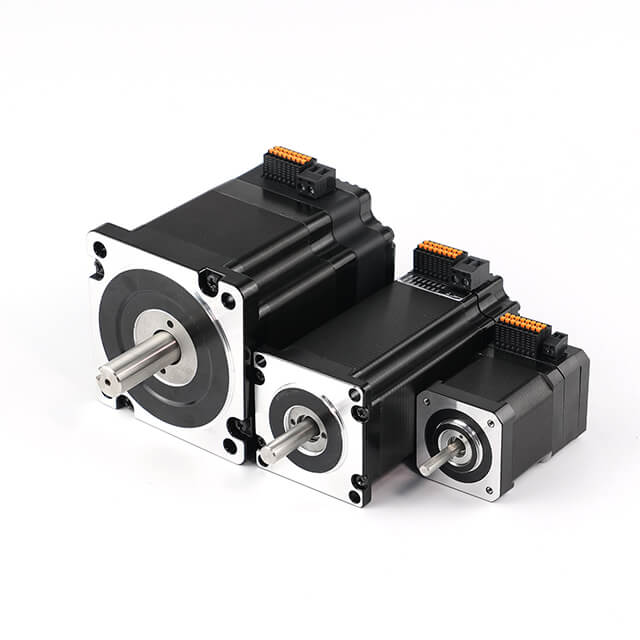
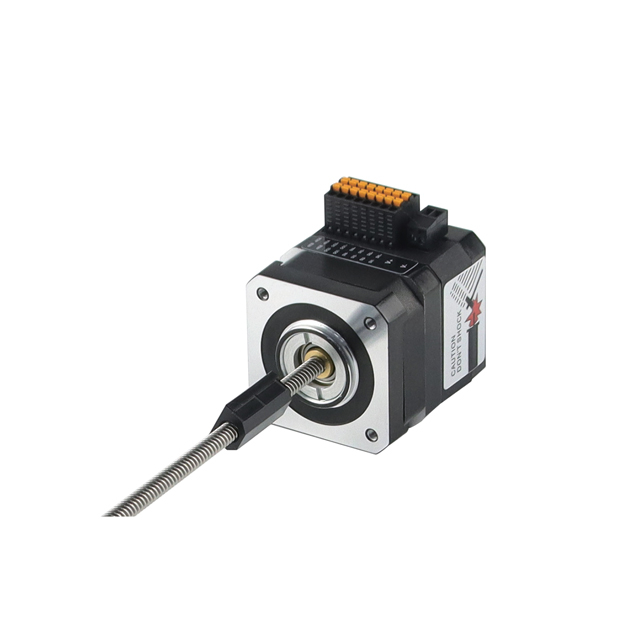
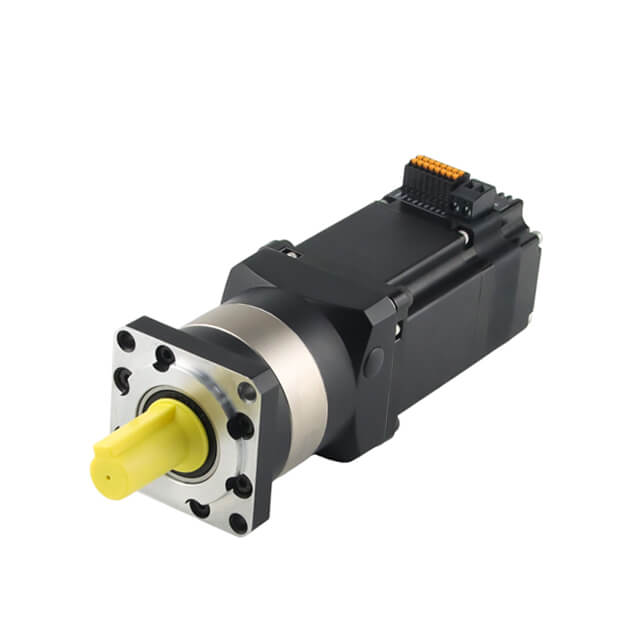
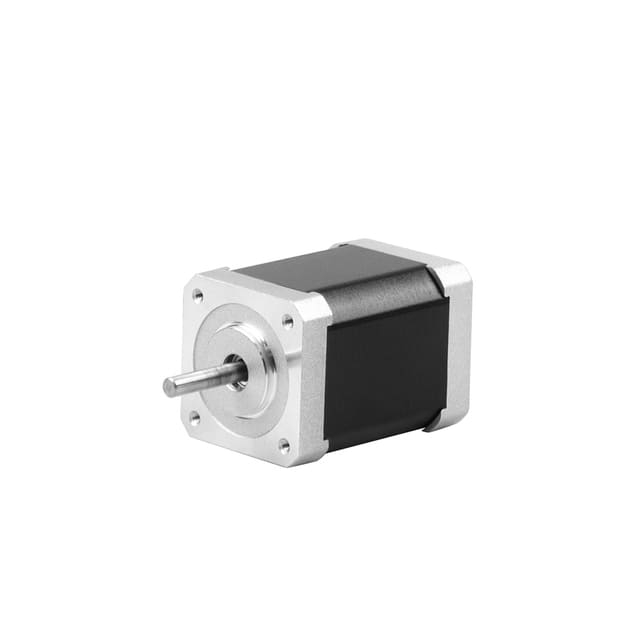
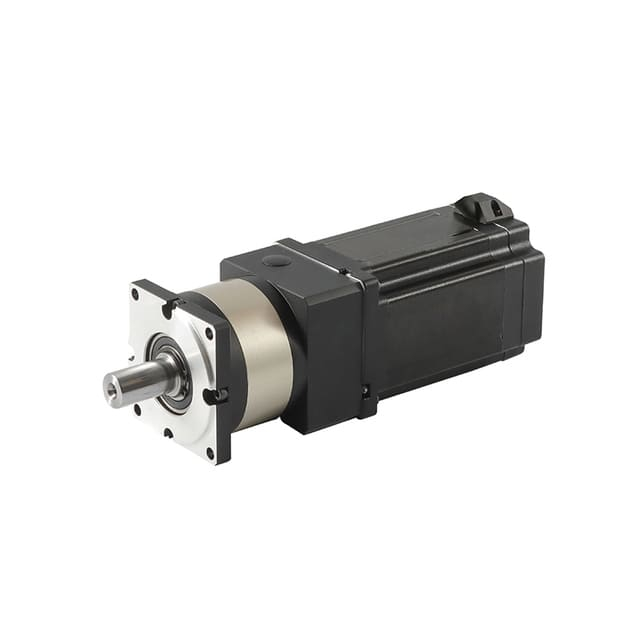
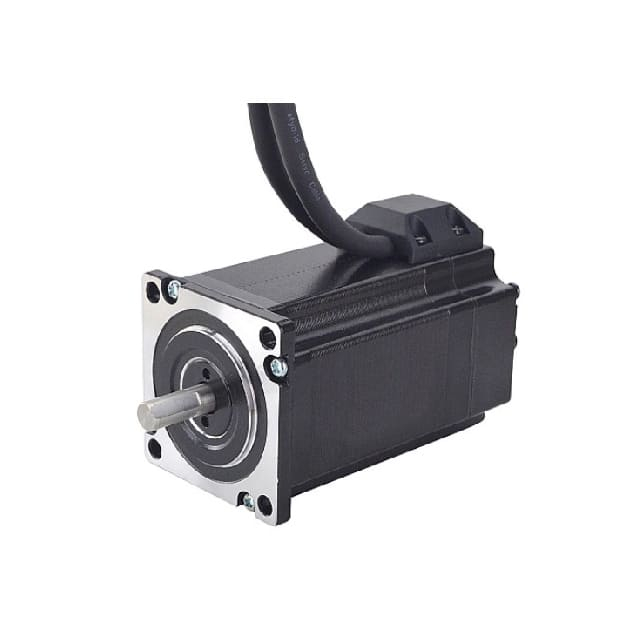
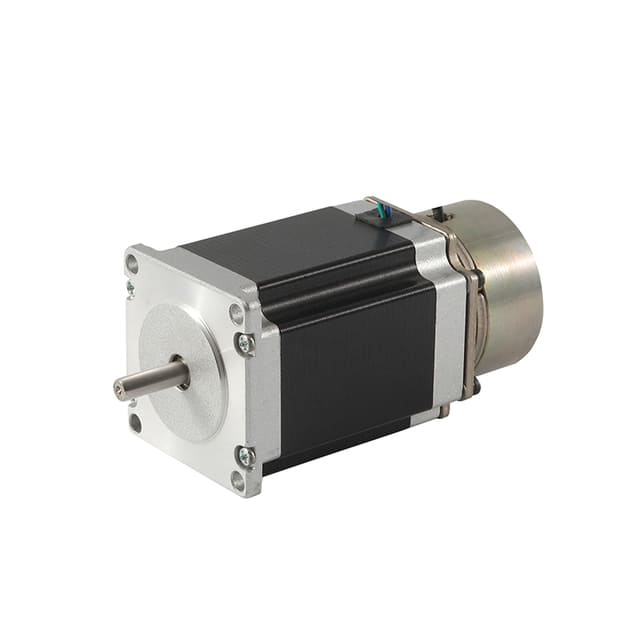
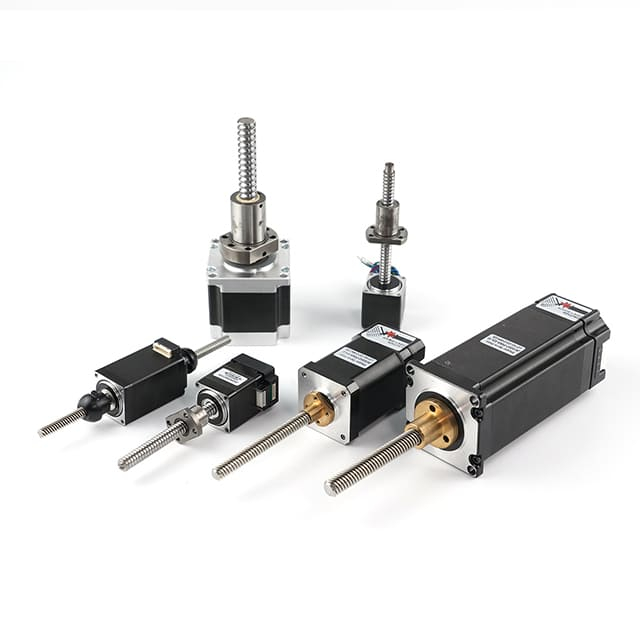
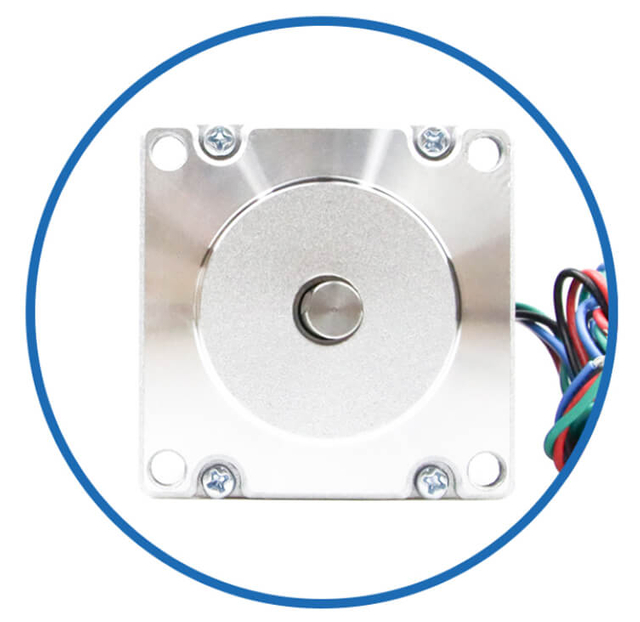
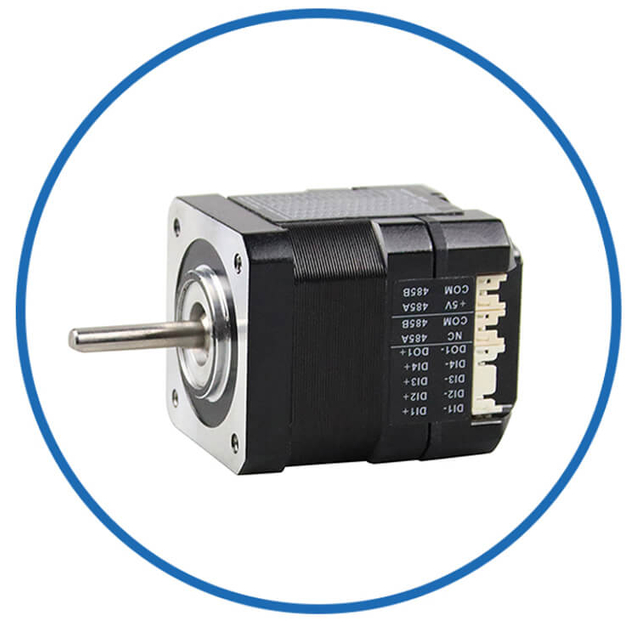
As a professional brushless dc motor manufacturer with 13 years in china, Jkongmotor offer various bldc motors with customized requirements, including 33 42 57 60 80 86 110 130mm, additionally, gearboxes, brakes, encoders, brushless motor drivers and integrated drivers are optional.
 |
 |
 |
 |
 |
Professional custom stepper motor services safeguard your projects or equipment.
|
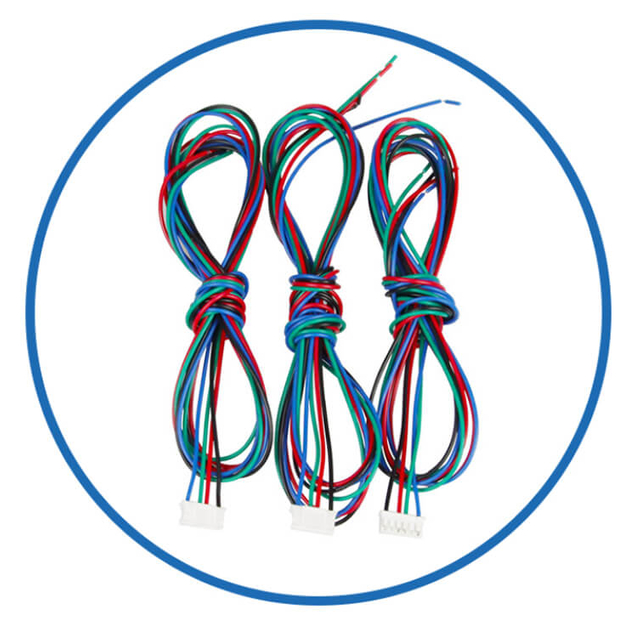
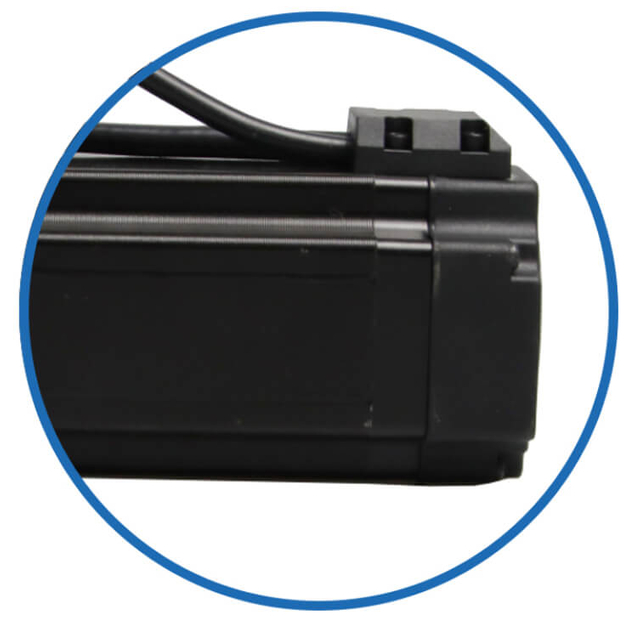
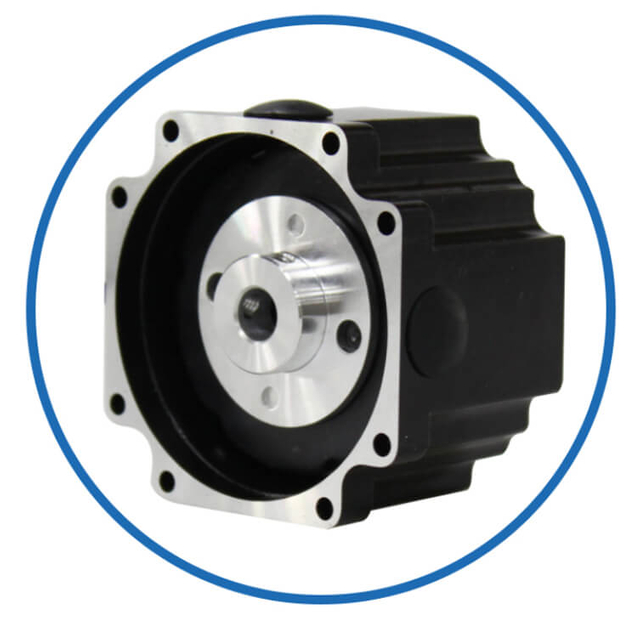
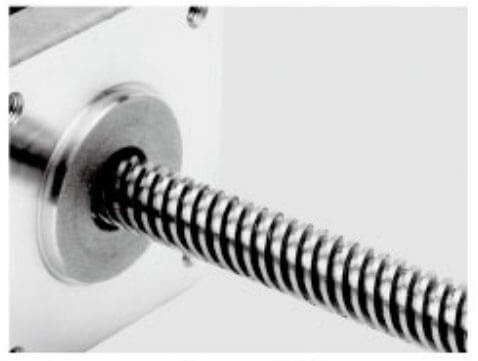
| Cables | Covers | Shaft | Lead Screw | Encoder | |
 |
 |
 |
 |
 |
|
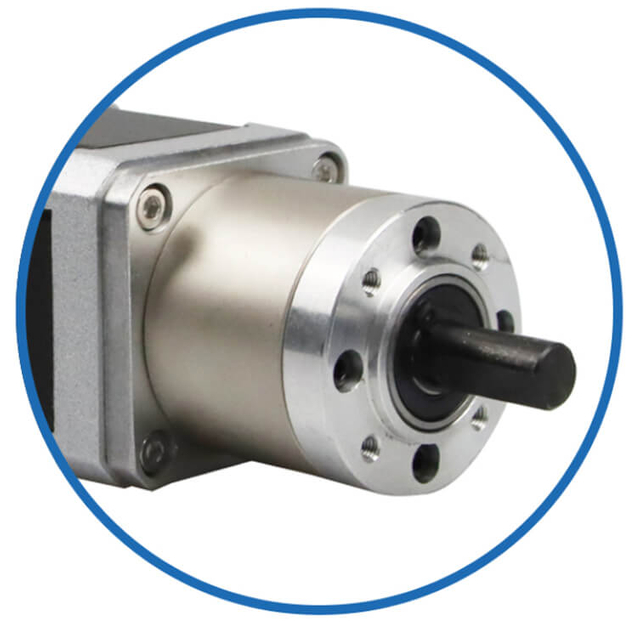
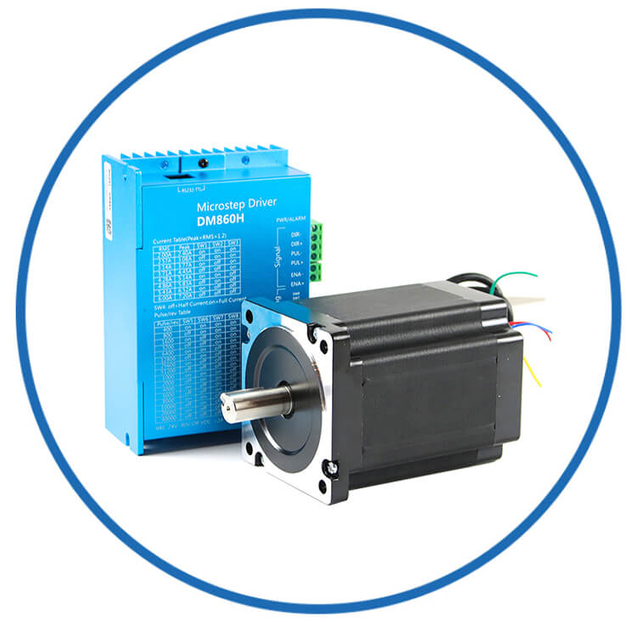
| Brakes | Gearboxes | Motor Kits | Integrated Drivers | More |
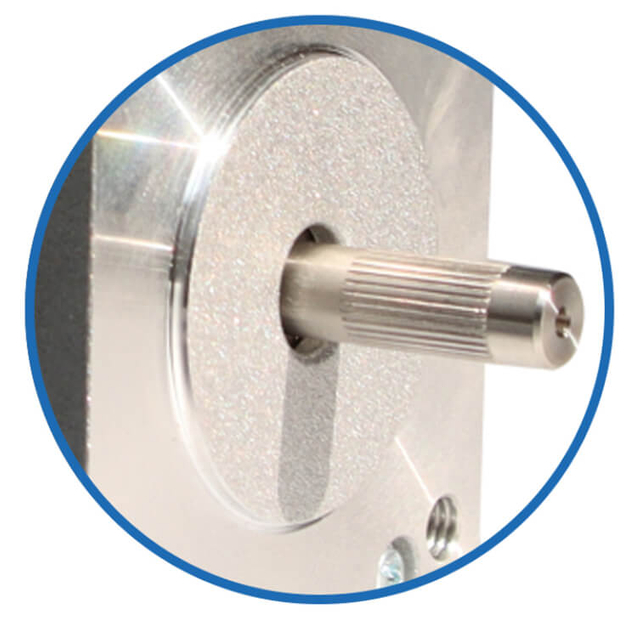
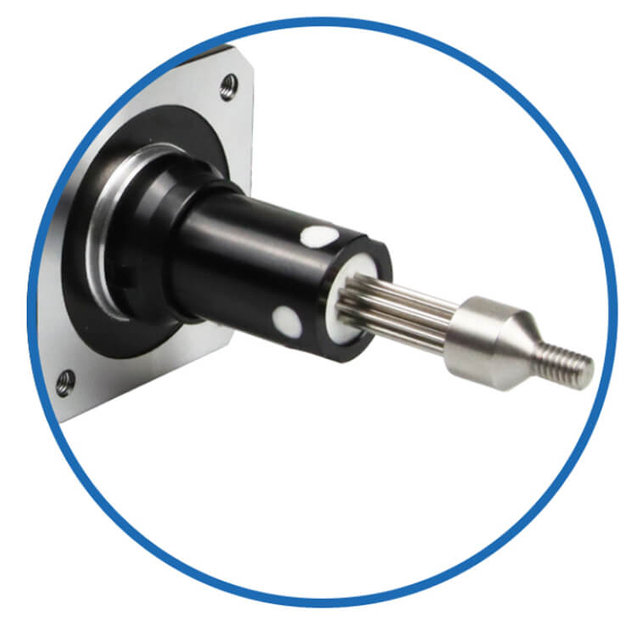
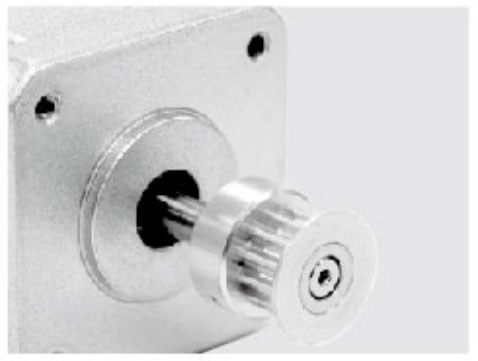
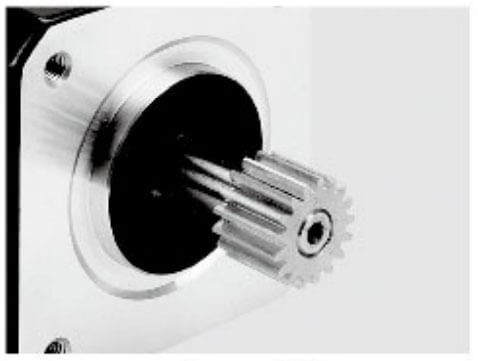
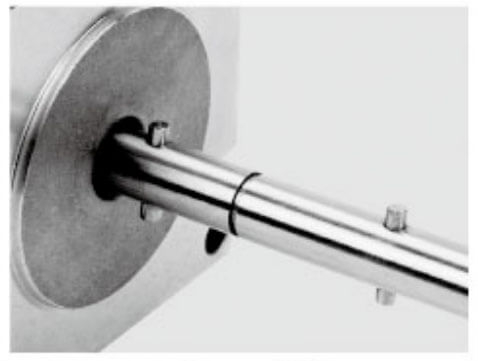
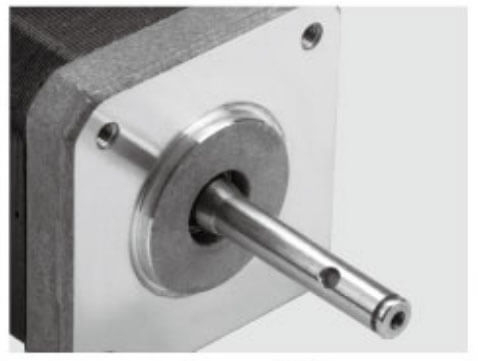
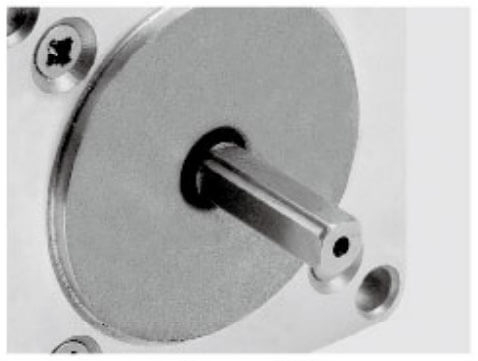
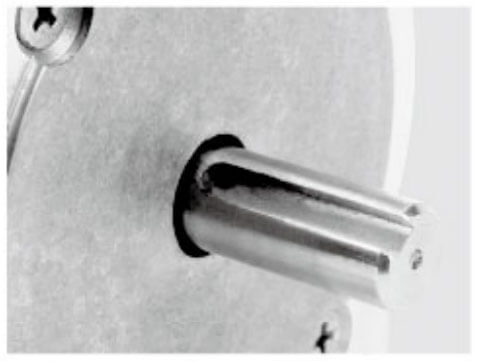
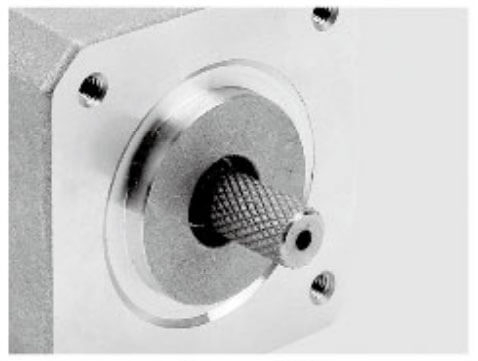
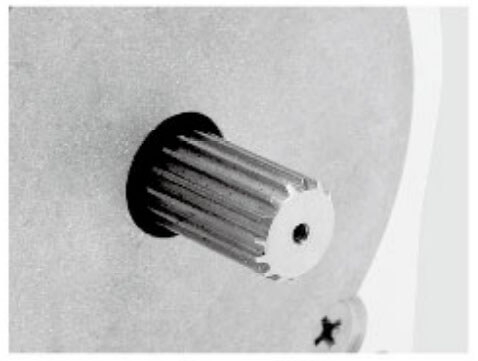
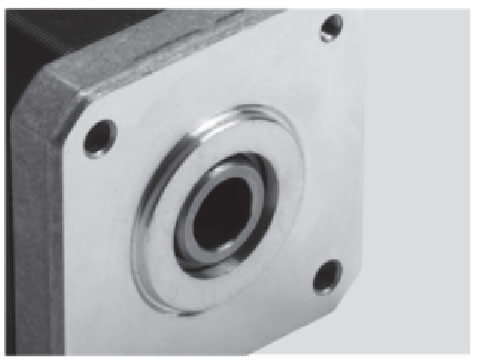
Jkongmotor offer many different shaft options for your motor as well as customizable shaft lengths to make the motor fit your application seamlessly.
 |
 |
 |
 |
 |
A diverse range of products and bespoke services to match the optimal solution for your project.
1. Motors passed CE Rohs ISO Reach certifications 2. Rigorous inspection procedures ensure consistent quality for every motor. 3. Through high-quality products and superior service, jkongmotor have secured a solid foothold in both domestic and international markets. |
| Pulleys | Gears | Shaft Pins | Screw Shafts | Cross Drilled Shafts | |
 |
 |
 |
 |
 |
|
| Flats | Keys | Out Rotors | Hobbing Shafts | Hollow Shaft |
Stepper motor repeatability refers to the motor’s ability to return to the same commanded position consistently under identical operating conditions. While stepper motors are inherently well suited for repeatable motion, real-world applications introduce multiple variables that can influence performance. Understanding these core factors is essential for designing and optimizing precision motion systems.
Mechanical design is one of the most influential factors affecting stepper motor repeatability. Even when the motor itself performs accurately, mechanical imperfections can cause positional variation at the load.
Key mechanical influences include shaft misalignment, bearing quality, coupling backlash, and structural rigidity. Flexible mounts or long cantilevered loads can introduce micro-deflections that reduce repeatability. In addition, gearboxes or lead screws with backlash can cause the output position to vary slightly each time direction changes.
High repeatability requires rigid mounting, precise alignment, and minimal mechanical play throughout the motion transmission chain.
The nature of the load directly impacts how consistently a stepper motor reaches its target position. Variations in load torque, inertia, or friction can cause uneven acceleration and deceleration, leading to small positional deviations.
High inertia loads demand more torque during start and stop phases. If the motor operates close to its torque limit, it may experience microstep loss or resonance, reducing repeatability. Consistent, well-matched load conditions help maintain stable and repeatable motion.
Stepper motors rely on accurate phase current control to generate consistent torque. Poor-quality drivers, unstable power supplies, or electrical noise can result in uneven current regulation, which directly affects step consistency.
Factors such as voltage ripple, insufficient current headroom, and electromagnetic interference can all degrade repeatability. High-performance stepper drivers with precise current regulation and proper power supply design are critical for maintaining consistent motor behavior.
Microstepping improves motion smoothness and resolution, but it also introduces sensitivity to system tuning. If microstepping is set too high relative to the mechanical resolution of the system, actual position repeatability may not improve and can even worsen.
Effective microstepping requires accurate current control, appropriate step resolution selection, and mechanical stiffness. When properly implemented, microstepping reduces vibration and settling time, which supports better repeatability.
The way motion is commanded plays a significant role in repeatability. Aggressive acceleration or poorly shaped motion profiles can excite mechanical resonance or cause overshoot, leading to inconsistent final positions.
Smooth acceleration and deceleration profiles, combined with adequate dwell time for settling, help ensure the motor consistently reaches the same position. Advanced control algorithms can further enhance repeatability by optimizing motion trajectories.
Environmental factors such as temperature, vibration, and contamination can influence stepper motor repeatability. Temperature changes cause thermal expansion in mechanical components, subtly altering dimensions and alignment.
External vibrations from nearby equipment can also introduce positional noise. For high-precision applications, controlling the operating environment is essential to maintaining consistent performance over time.
Over time, mechanical wear and material fatigue can reduce repeatability. Bearings may loosen, lubricants can degrade, and fasteners may shift under repeated stress cycles.
Regular inspection, preventive maintenance, and periodic recalibration help ensure that stepper motor repeatability remains stable throughout the system’s operational life.
By addressing these core factors holistically—mechanical, electrical, control, and environmental—engineers can significantly improve stepper motor repeatability and achieve reliable performance in precision motion applications.
Mechanical optimization is often the fastest way to improve stepper motor repeatability. You don’t need fancy electronics—just disciplined design.
A rigid mounting structure minimizes unwanted movement. Flex in the motor mount or frame introduces positional variation that no controller can fully correct.
Best practices include:
Use machined mounting surfaces
Avoid cantilevered loads
Ensure precise shaft alignment
Rigid alignment alone can significantly improve stepper motor repeatability, especially in vertical or high-load applications.
Couplings deserve special attention. While flexible couplings help with alignment, they can also store and release energy unpredictably.
To reduce backlash:
Use zero-backlash couplings
Preload bearings where possible
Minimize the number of mechanical interfaces
Remember, every interface is a chance for repeatability loss.
Temperature changes cause materials to expand and contract. In high-precision systems, this matters more than you’d think.
Control the environment by:
Maintaining stable ambient temperature
Isolating vibration sources
Using materials with low thermal expansion
These steps may sound basic, but they’re often overlooked—and they directly affect stepper motor repeatability.
Once the mechanics are solid, it’s time to look at the electronics and control logic.
Microstepping increases resolution and smoothness, but it’s not a magic bullet. Poorly implemented microstepping can actually reduce effective repeatability.
Tips for effective microstepping:
Use high-quality drivers with accurate current regulation
Avoid excessive microstep settings that exceed system resolution
Test repeatability at the load, not just at the motor shaft
Used correctly, microstepping enhances stepper motor repeatability by reducing vibration and settling time.
Drive tuning is where experience really shows. Proper current settings ensure consistent torque without overheating.
Focus on:
Matching current to motor ratings
Adjusting decay modes if available
Verifying torque margin under peak load
Stable torque output equals stable positioning.
Closed-loop stepper systems combine the simplicity of steppers with feedback from encoders. They can correct missed steps in real time.
Advantages include:
Automatic position correction
Improved repeatability under variable loads
Diagnostic feedback
Closed-loop control doesn’t replace good design—but it does elevate stepper motor repeatability to a new level.
Repeatability isn’t something you set once and forget. It’s an ongoing discipline.
Regular calibration helps identify drift before it becomes a problem. Software compensation tables can correct predictable errors.
Effective calibration includes:
Homing routines with repeatable references
Periodic verification cycles
Data-driven compensation updates
These practices reinforce stepper motor repeatability over long operating periods.
Modern systems don’t just move—they monitor. Logging position data helps catch trends early.
Consider implementing:
Position error tracking
Load and current monitoring
Predictive alerts
Monitoring turns repeatability from a hope into a measurable metric.
Wear is inevitable. Bearings degrade, lubricants dry out, and couplings loosen.
A proactive maintenance plan should cover:
Scheduled inspections
Component replacement intervals
Firmware and parameter reviews
Good maintenance preserves stepper motor repeatability long after initial commissioning.
Repeatability is the ability to return to the same position consistently, while accuracy is how close that position is to the true target.
It helps, but only when combined with proper mechanics and drive tuning.
Yes. Variable loads are one of the most common causes of repeatability loss.
They improve robustness, but good mechanical design is still essential.
It depends on usage, but high-precision systems often calibrate weekly or monthly.
Absolutely, when designed and controlled correctly.
Improving stepper motor repeatability isn’t about chasing perfection—it’s about building consistency into every layer of the system. From rigid mechanics and stable electronics to smart software and disciplined maintenance, each strategy compounds the next.
When these proven techniques work together, stepper motors deliver repeatable, dependable performance that rivals more complex solutions. And that’s good news for any precision system aiming for reliability without unnecessary cost or complexity.