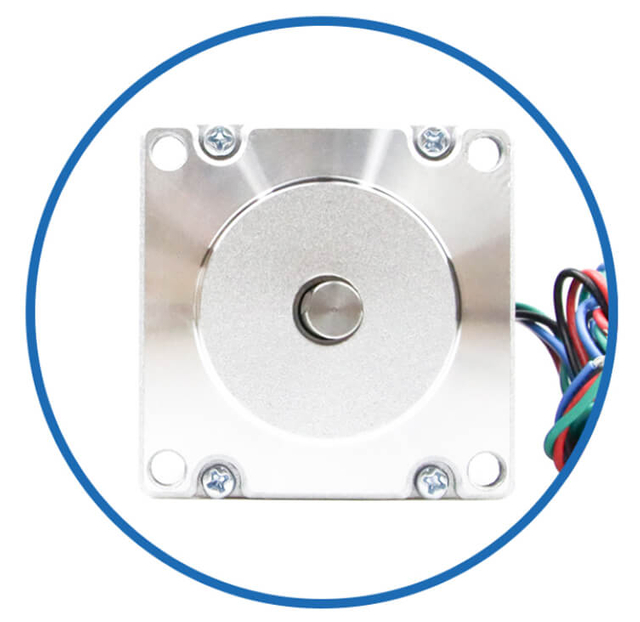
Selecting the right high torque stepper motor for heavy load systems is a decisive factor in achieving stable performance, precise positioning, long service life, and industrial-grade reliability. We approach this topic from a practical, engineering-oriented perspective, focusing on load characteristics, torque margins, electrical parameters, mechanical integration, and real-world operating conditions. The objective is to ensure that every heavy-load application is driven by a stepper motor solution that delivers consistent torque, thermal stability, and controlled motion under demanding conditions.
Understanding Heavy Load Requirements in Heavy Load Industry & Customized Stepper Motor Applications
Heavy load applications impose continuous mechanical stress, higher inertia, and increased resistance to motion. We begin by identifying the real operational demands.
A heavy load scenario typically involves:
High static and dynamic torque requirements
Large inertial loads
Frequent start-stop cycles
Vertical lifting or holding under gravity
Long duty cycles
High mechanical transmission forces
We evaluate not only the weight of the load but also acceleration torque, friction torque, and shock load torque. The correct selection of a high torque stepper motor depends on total system torque, not only the rated load mass.
Customized Stepper Motor Types for Heavy Load Industry Applications
Customized Stepper Motor Service & Integration for Heavy Load Industry
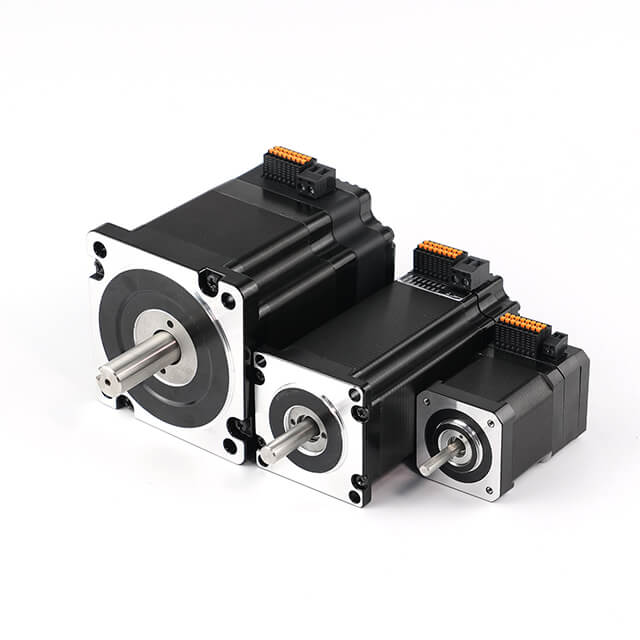
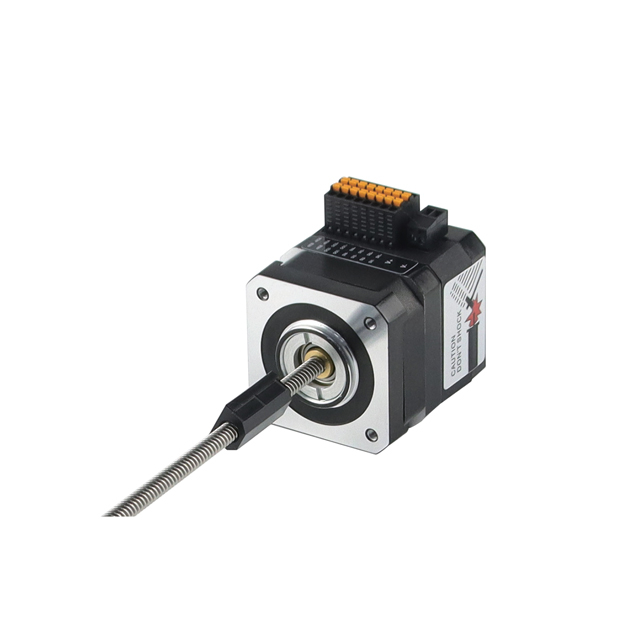
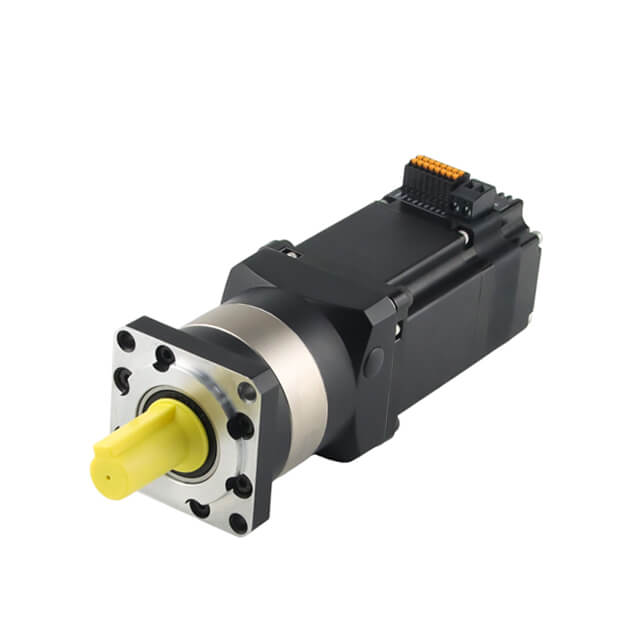
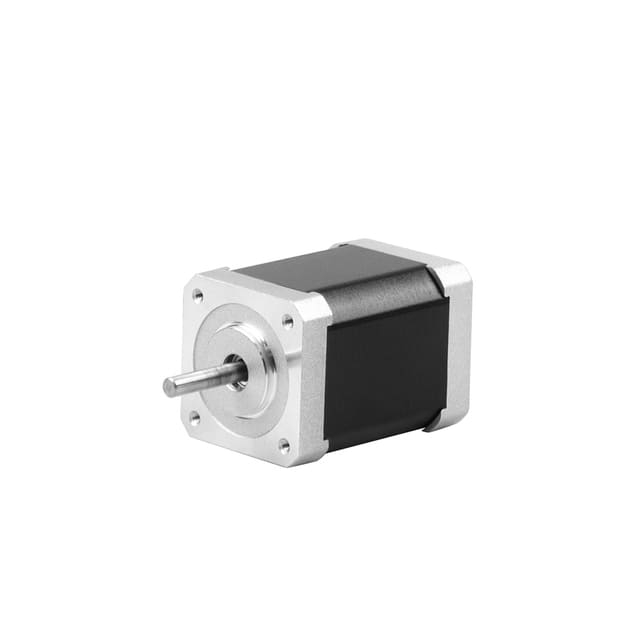
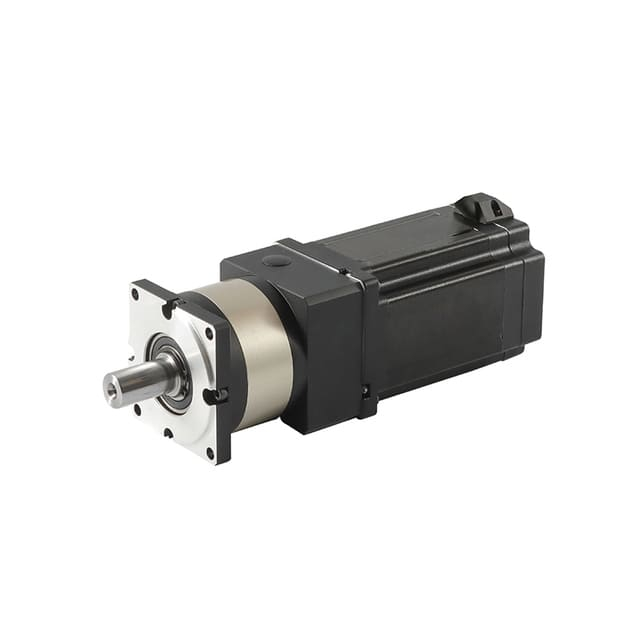
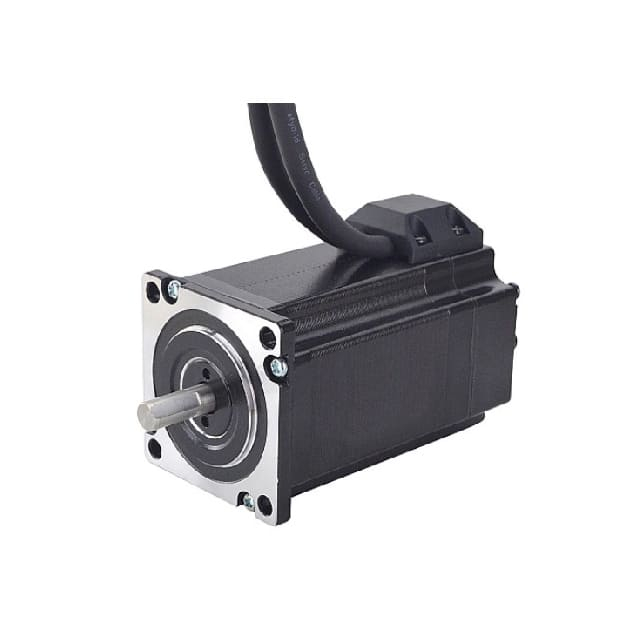
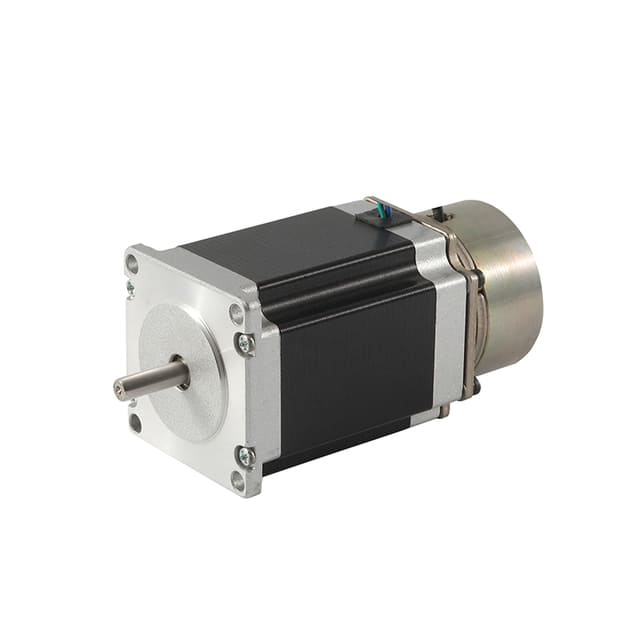
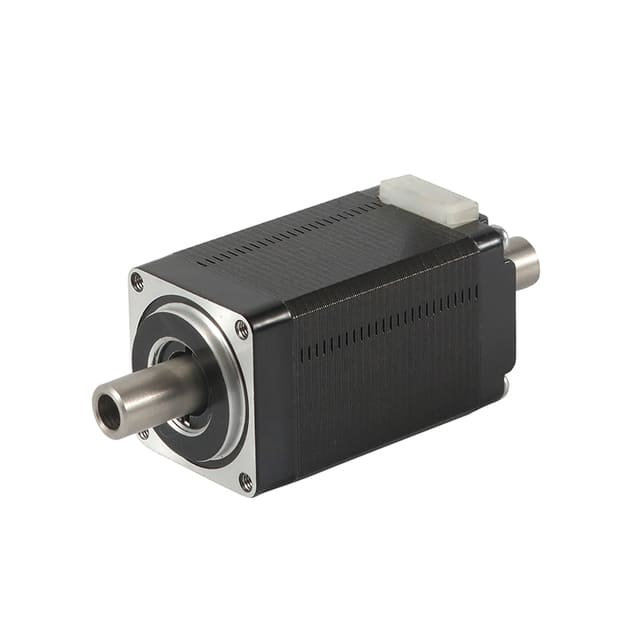
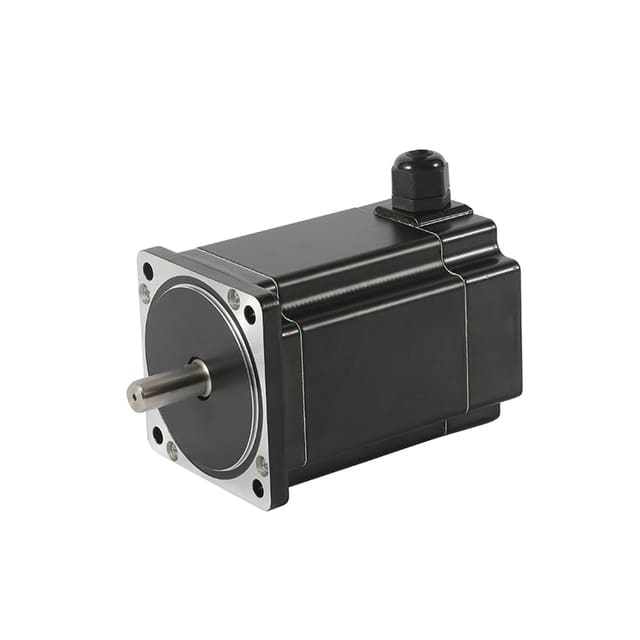
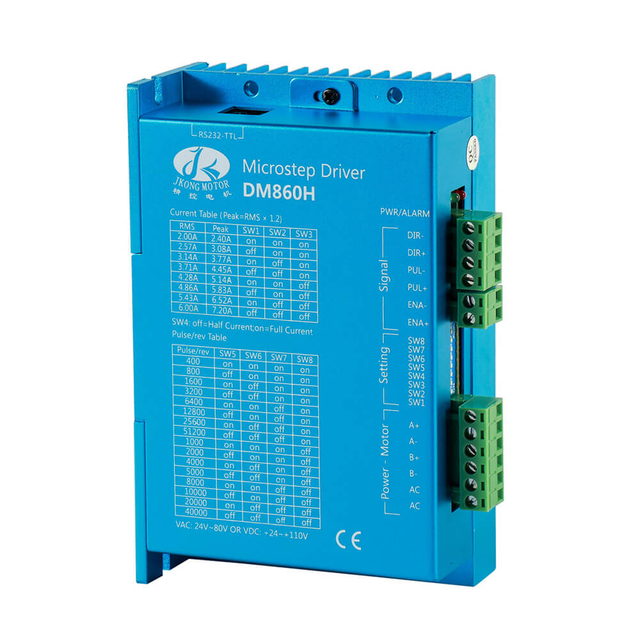
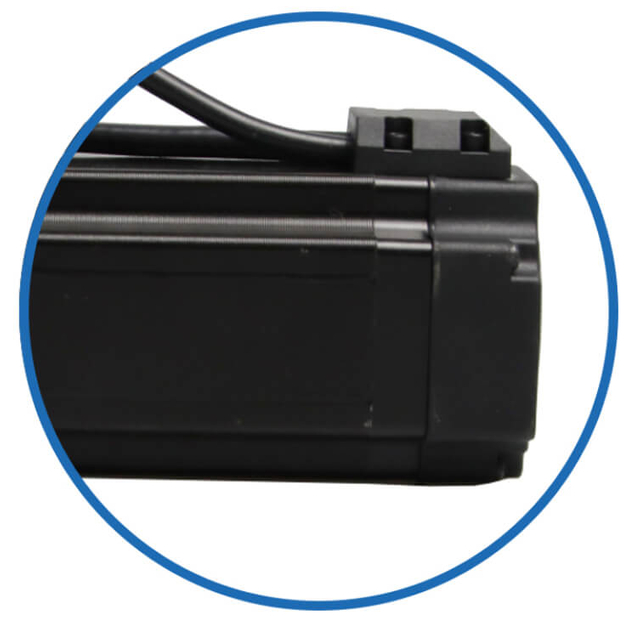
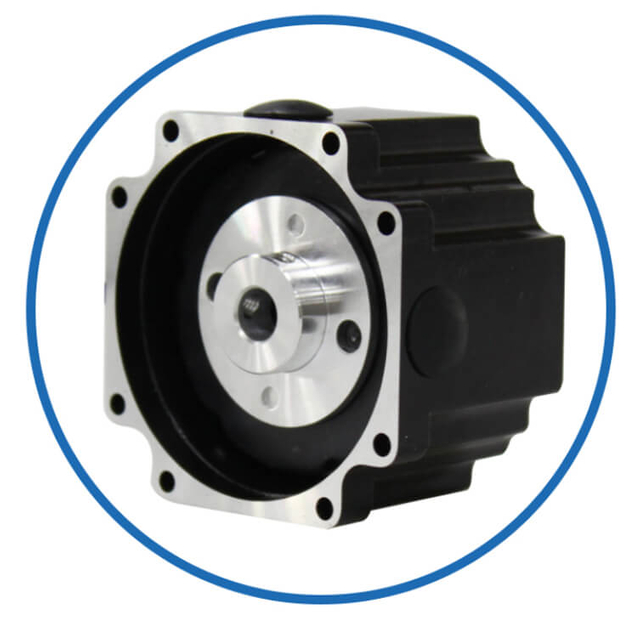
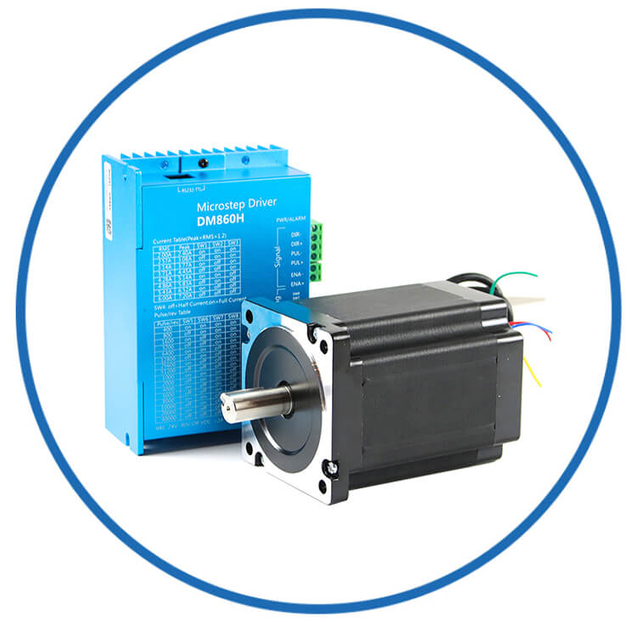
As a professional brushless dc motor manufacturer with 13 years in china, Jkongmotor offer various bldc motors with customized requirements, including 33 42 57 60 80 86 110 130mm, additionally, gearboxes, brakes, encoders, brushless motor drivers and integrated drivers are optional.
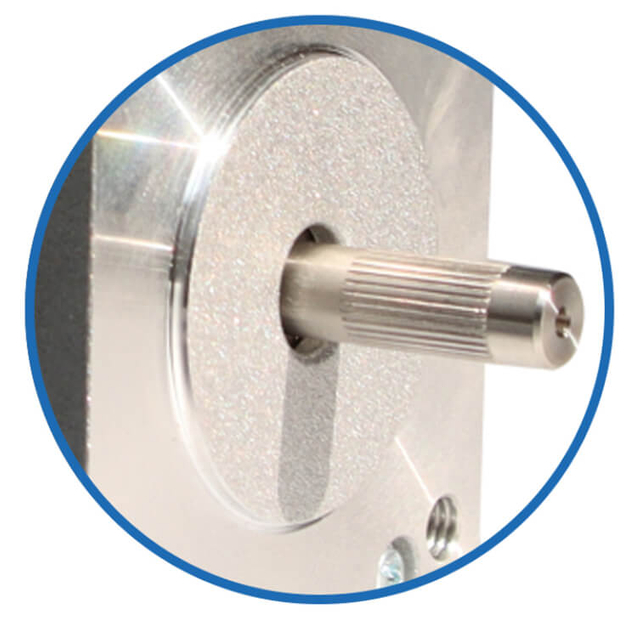
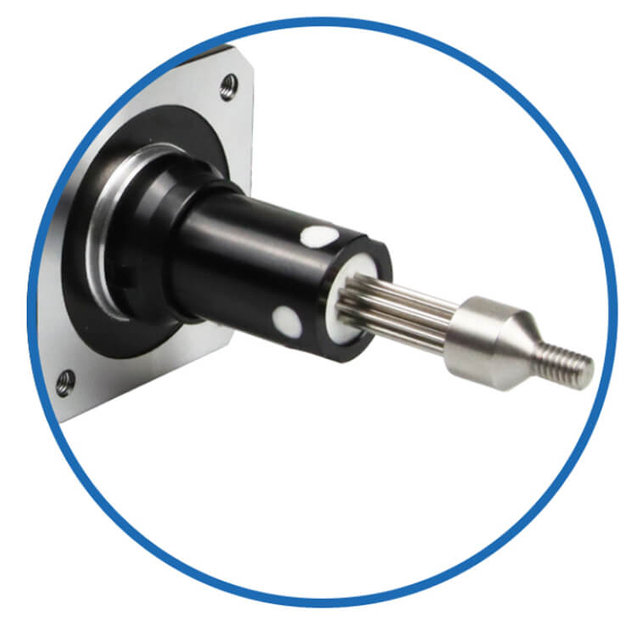
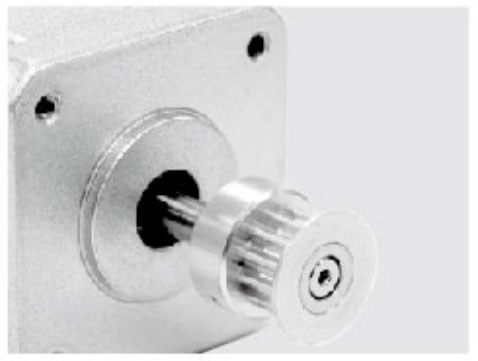
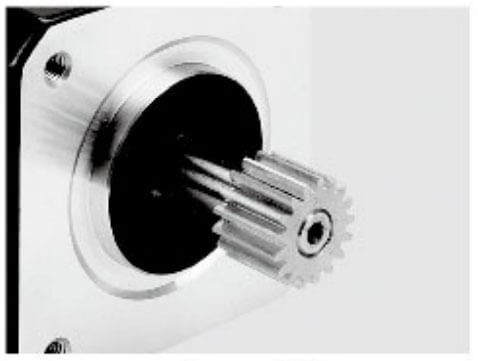
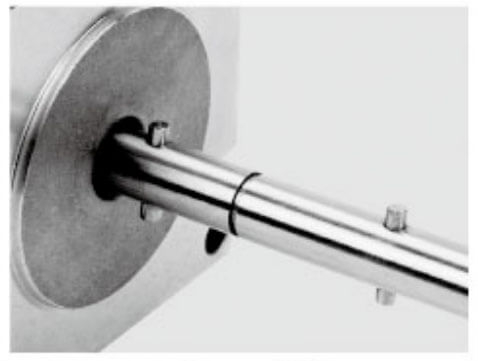
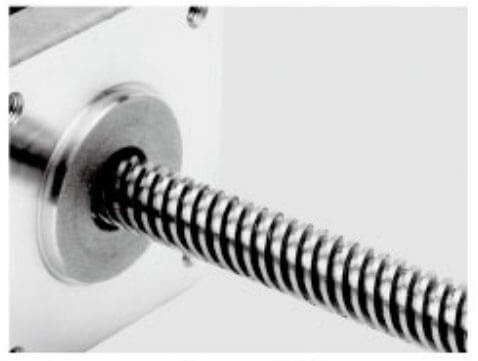
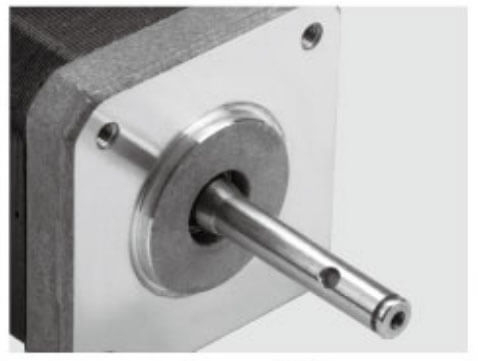
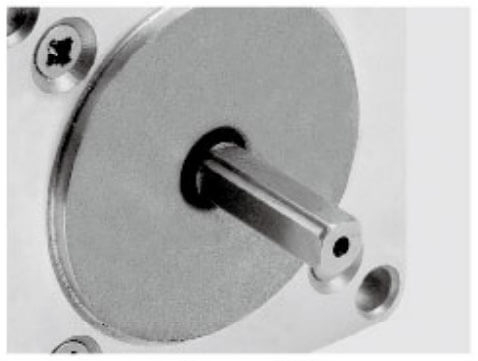
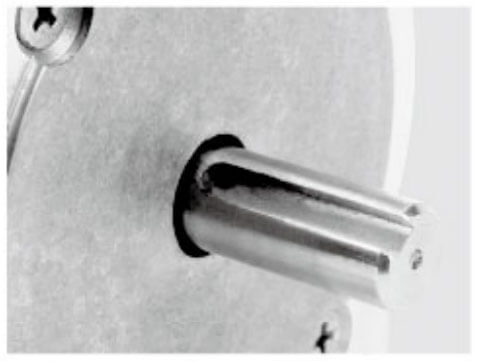
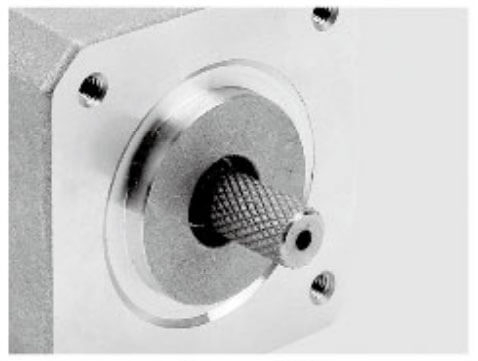
Jkongmotor offer many different shaft options for your motor as well as customizable shaft lengths to make the motor fit your application seamlessly.
Torque Calculation for Customized Stepper Motor Selection in the Heavy Load Industry
Accurate torque calculation is the foundation of selecting a high torque stepper motor for heavy load applications. Without precise engineering evaluation, even an oversized motor can fail to deliver stable performance, leading to missed steps, overheating, vibration, or mechanical damage. We approach torque calculation as a structured process that reflects real operating conditions, not theoretical assumptions.
1. Define the Real Load Characteristics
We begin by identifying the true mechanical load, not only its weight.
Critical parameters include:
Load mass (kg) or force (N)
Type of motion (linear, rotary, lifting, indexing)
Orientation (horizontal, vertical, inclined)
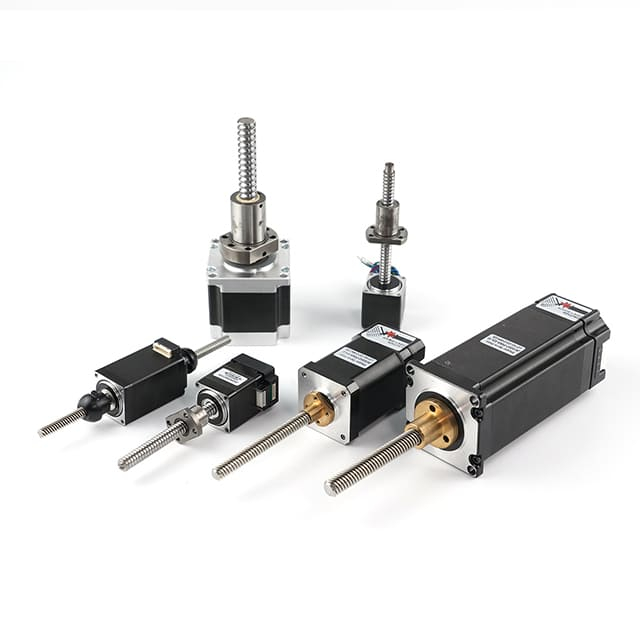
Transmission system (lead screw, ball screw, belt, gearbox, direct drive)
Operating speed and acceleration
Duty cycle and continuous run time
Heavy loads are rarely static. Most industrial systems involve frequent acceleration, deceleration, and reversing, all of which significantly increase torque demand.
2. Calculate Basic Load Torque
For rotational systems, load torque is:
T_load = F × r
Where:
F = applied force (N)
r = effective radius (m)
For linear systems using screws or belts, torque is calculated from axial force:
T_load = (F × lead) / (2π × η)
Where:
For vertical heavy loads, gravitational force must always be included, as holding torque becomes a permanent requirement.
3. Determine Acceleration Torque
Heavy loads often fail not while running, but during startup and speed changes. Acceleration torque accounts for inertia.
T_acc = J × α
Where:
Total inertia includes:
In heavy load systems, acceleration torque is frequently equal to or higher than load torque.
4. Include Friction and Mechanical Losses
Real systems lose torque to:
Bearings
Linear guides
Gearboxes
Seals
Misalignment
We incorporate friction as either:
For heavy industrial equipment, friction typically adds 10–30% additional torque demand.
5. Sum the Total Required Torque
The true working torque becomes:
T_total = T_load + T_acc + T_friction
This value represents the minimum continuous torque required at the operating speed.
6. Apply Engineering Safety Margins
Heavy load systems are exposed to:
Shock loads
Temperature changes
Wear over time
Voltage drops
Manufacturing tolerances
We apply a safety factor of 1.3–2.0 depending on criticality.
T_required = T_total × safety factor
This step ensures:
Stable startup
No step loss
Reduced thermal stress
Long-term reliability
7. Match Torque to the Speed-Torque Curve
Stepper motors do not deliver constant torque. Torque falls as speed increases.
We always verify that:
Available motor torque at operating speed ≥ required torque
Pull-out torque exceeds peak system demand
Continuous torque rating supports duty cycle
Selecting based on holding torque alone is insufficient. Heavy load systems must be validated against the full torque-speed curve under real voltage and driver conditions.
8. Validate Holding Torque for Static Loads
For vertical or suspended loads, we independently verify:
Static holding torque must exceed:
T_static ≥ T_load × safety factor
This prevents load drop, drift, and positioning error.
9. Check Thermal Torque Limits
High torque operation increases copper losses and heat.
We confirm that:
Required torque does not exceed continuous rated torque
Motor temperature rise stays within insulation class limits
Heat dissipation conditions are sufficient
Thermal derating is essential in heavy load, long-duty applications.
10. Engineering Validation Before Final Selection
Before finalizing a high torque stepper motor, we validate through:
This ensures the calculated torque values translate into stable real-world performance.
Conclusion
Engineering-accurate torque calculation is not a single formula—it is a system-level evaluation. By combining load torque, acceleration torque, friction losses, safety margins, and real torque-speed behavior, we build heavy load stepper motor systems that deliver reliable motion, long service life, and consistent industrial performance.
Evaluating Torque-Speed Curves for Heavy Load Industry Stability with Customized Stepper Motors
When selecting a high torque stepper motor for heavy load applications, the torque-speed curve is one of the most critical engineering tools. Heavy load systems do not fail because of insufficient holding torque alone; they fail because available dynamic torque at the actual operating speed is inadequate. We evaluate torque-speed curves to ensure the motor can start, accelerate, run, and stop heavy loads without losing steps, overheating, or entering unstable resonance zones.
1. Understanding What the Torque-Speed Curve Represents
A torque-speed curve illustrates the relationship between:
At zero speed, the motor delivers holding torque. As speed increases, torque decreases due to inductance, back EMF, and current rise limitations. Heavy load applications rely on the usable torque band, not the peak static rating.
2. Distinguishing Holding Torque, Pull-In Torque, and Pull-Out Torque
For heavy load stability, we analyze three torque regions:
Holding torque – maximum static torque without motion
Pull-in torque – maximum load torque at which the motor can start, stop, or reverse without ramping
Pull-out torque – maximum torque the motor can sustain once running
Heavy load systems typically operate near the pull-out torque boundary, making this curve far more relevant than holding torque specifications.
We ensure that working torque always remains well below the pull-out curve at the intended speed.
3. Matching the Curve to Real Operating Speed
We never select a motor based on its zero-speed torque. Instead, we determine:
We then check that:
Available motor torque at operating speed ≥ total system torque with safety margin
For heavy loads, this margin is typically 30–50% to account for shock loads and temperature effects.
4. Evaluating Acceleration Zones on the Curve
Heavy loads demand significant acceleration torque. During ramp-up, the motor momentarily operates at lower torque margins.
We examine whether the torque-speed curve:
Supports the required acceleration profile
Allows sufficient torque reserve at low and mid speeds
Avoids stalling during inertial peaks
If the curve is steeply declining, we increase:
Motor frame size
Drive voltage
Gear reduction ratio
5. Analyzing the Effect of Drive Voltage
Drive voltage dramatically reshapes the torque-speed curve.
Higher voltage provides:
For heavy load systems, we prefer high-voltage stepper drives to push the torque curve upward at working speeds. Two motors with the same holding torque can deliver vastly different usable torque depending on voltage and driver quality.
6. Considering Load Inertia and Stability
High inertia loads interact strongly with the torque-speed curve.
We evaluate:
Unstable curve sections often coincide with mechanical resonance frequencies, where heavy loads amplify vibration and step loss risk.
We avoid operating heavy loads near:
7. Identifying Safe Continuous Operating Regions
For heavy load stability, we define a continuous operating envelope on the curve.
This region ensures:
Torque reserve above working demand
Continuous current within thermal limits
Minimal sensitivity to voltage fluctuation
Stable microstepping performance
We design the system so that normal operation occurs well below the curve limit, not at its edge.
8. Evaluating Closed-Loop and High-Performance Drivers
Modern drivers reshape torque-speed behavior.
Closed-loop stepper systems:
Extend usable torque range
Compensate for load fluctuations
Maintain torque under transient overloads
Reduce mid-speed instability
For heavy load automation, we prioritize torque-speed curves measured with the actual driver model, not generic motor-only charts.
9. Comparing Multiple Motors Using Torque-Speed Profiles
When selecting between motors, we overlay:
System torque requirement curve
Motor torque-speed curves
Acceleration torque envelope
The optimal high torque stepper motor is not the one with the highest holding torque, but the one whose curve maintains the widest safe margin across the real operating speed range.
10. Engineering Validation Through Real Testing
After theoretical curve evaluation, we validate through:
Loaded speed sweep testing
Stall margin measurement
Thermal run-up under load
Emergency stop response trials
This confirms that the torque-speed behavior supports long-term heavy load stability, not only short-term operation.
Conclusion
Evaluating torque-speed curves is the difference between a stepper system that merely moves and one that operates reliably under heavy mechanical stress. By analyzing pull-out torque, acceleration zones, voltage influence, inertia interaction, and safe operating margins, we ensure that high torque stepper motors deliver stable motion, zero step loss, and consistent performance in heavy load applications.
Selecting Motor Frame Size & Stack Length for Customized Stepper Motor Use in Heavy Load Industry
Motor frame size is directly linked to magnetic volume, copper density, and torque output.
Common high torque stepper motor frames include:
For heavy load motion, we prioritize:
Larger frames provide:
We ensure that mechanical space constraints are evaluated early to avoid under-sizing.
Hybrid stepper motors dominate heavy load applications due to their high magnetic efficiency, fine step resolution, and stable torque output.
For heavy-duty systems, we prioritize:
High torque hybrid stepper motors
Low detent torque variation
High copper fill ratio windings
Optimized lamination materials
Compared to permanent magnet stepper motors, high torque hybrid designs offer:
These characteristics are essential when dealing with large inertia loads and continuous industrial duty cycles.
Optimizing Electrical Parameters for Heavy Load Performance
Electrical design directly impacts torque stability and efficiency.
We focus on:
Phase current rating
Winding resistance
Inductance
Driver compatibility
Supply voltage
High torque stepper motors for heavy loads often require:
Higher voltage systems improve torque retention at speed and reduce current rise time limitations.
We ensure that the driver supports:
Considering Gearboxes and Mechanical Transmission
Heavy load applications frequently exceed the direct torque capability of any stepper motor. We integrate gearboxes and mechanical reducers to amplify usable torque.
Typical solutions include:
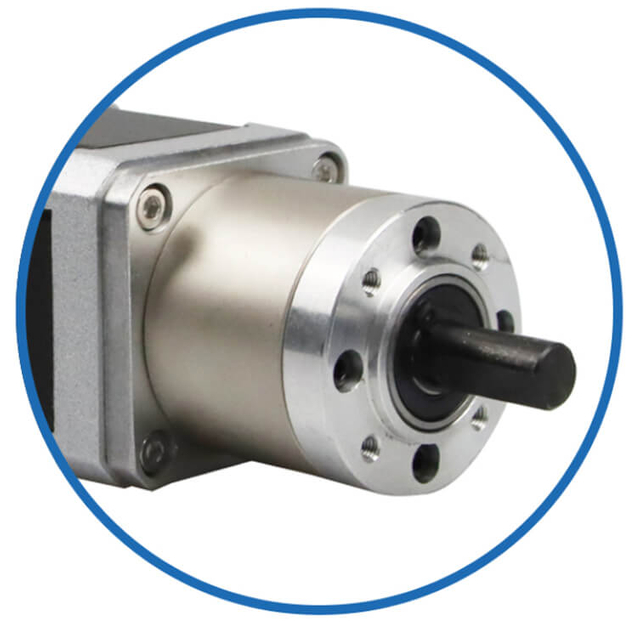
Planetary gear stepper motors
Worm gearbox stepper motors
Harmonic drive stepper systems
Belt and pulley reductions
Ball screw transmissions
When heavy loads are involved, gear reduction provides:
Significant torque multiplication
Lower reflected inertia
Improved positioning stability
Self-locking options for vertical loads
We always account for efficiency losses, backlash requirements, and mechanical stiffness.
Managing Heat and Duty Cycle Under Heavy Load
Thermal control defines the reliability of high torque stepper motors in heavy load environments.
We evaluate:
High torque stepper motors operating near their limits must include:
Overheating reduces torque output, degrades insulation, and shortens service life. Proper derating ensures continuous industrial stability.
Holding Torque vs. Dynamic Torque in Heavy Load Systems
Holding torque is critical for vertical loads and static positioning. However, dynamic torque determines whether the motor can move and control heavy loads without losing steps.
We select motors with:
For heavy loads that require frequent starts, stops, and direction changes, we prioritize dynamic torque capability over headline holding torque ratings.
Closed-Loop Stepper Motors for Heavy Load Reliability
Heavy load applications place extreme demands on motion systems. High inertia, fluctuating forces, shock loads, and long duty cycles significantly increase the risk of step loss, overheating, vibration, and positioning errors. To ensure true industrial reliability, we increasingly adopt closed-loop stepper motor systems, which combine the structural advantages of stepper motors with real-time feedback control. This architecture delivers a decisive upgrade in stability, torque utilization, and load adaptability.
1. Why Open-Loop Systems Struggle Under Heavy Loads
Traditional open-loop stepper systems operate without position feedback. The controller assumes that every command is executed perfectly. Under heavy load conditions, this assumption becomes fragile.
Common failure modes include:
Torque shortfall during acceleration
Step loss due to inertia peaks
Undetected stalls
Thermal overload from constant high current
Progressive position drift
In heavy load machinery, even a brief torque deficiency can produce cumulative positioning error, mechanical impact, and system downtime.
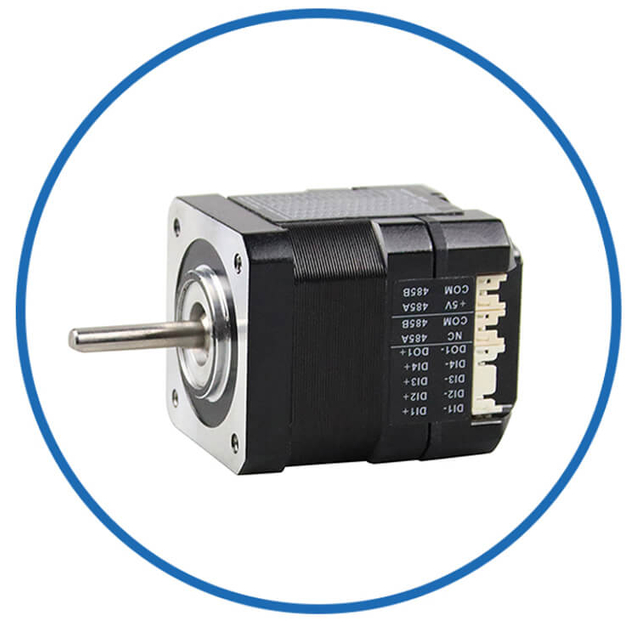
A closed-loop stepper system integrates:
The encoder continuously monitors rotor position and speed. The driver compares actual motion against commanded motion and actively corrects any deviation by dynamically adjusting phase current and excitation angle.
This transforms the stepper motor from a predictive device into a self-correcting motion actuator.
3. Automatic Torque Compensation Under Load Variation
Heavy loads rarely remain constant. Friction, material variation, temperature change, and mechanical wear alter torque demand.
Closed-loop stepper systems respond by:
Increasing phase current when load rises
Optimizing current angle to maximize torque
Suppressing oscillation during sudden resistance changes
This adaptive torque control allows the motor to deliver only the torque needed at each instant, reducing heat generation while preserving force reserve for overload conditions.
4. Eliminating Step Loss in Heavy Load Operation
One of the most critical advantages of closed-loop systems is the practical elimination of step loss.
When a heavy load causes the rotor to lag:
The encoder detects the error immediately
The controller corrects phase excitation
The motor recovers synchrony without halting
This capability ensures:
Absolute position integrity
Stable multi-axis coordination
Safe long-stroke heavy load motion
This reliability is essential in lifting equipment, industrial indexing, automated handling, and large-format machinery.
5. Extended Usable Torque-Speed Range
Closed-loop control reshapes the effective torque-speed envelope.
Benefits include:
Higher torque at mid and high speeds
Stronger low-speed acceleration capability
Improved stability in resonance-prone zones
Better response under inertial shock
This allows heavy load systems to operate with:
The result is a system that extracts more usable work from the same motor hardware.
6. Thermal Control and Energy Efficiency
Open-loop stepper motors often operate at constant current, even when load torque is low. Under heavy load duty cycles, this causes excessive heating.
Closed-loop stepper systems dynamically regulate current:
This reduces:
Copper losses
Core heating
Bearing temperature rise
Insulation aging
Thermal stability is a key contributor to long service life in heavy load equipment.
7. Superior Holding and Vertical Load Security
Heavy vertical loads demand both holding torque and safety assurance.
Closed-loop systems provide:
Encoder-confirmed position retention
Automatic current boosting under micro-slip
Integration with electromagnetic brakes
Alarm output under abnormal deviation
This ensures:
Such features are indispensable in lifts, Z-axis systems, and suspended load machinery.
8. Improved Mechanical System Protection
Heavy loads amplify mechanical stress. When an obstruction occurs, open-loop steppers continue applying full torque, risking damage.
Closed-loop systems enable:
This protects:
Gearboxes
Lead screws
Couplings
Structural frames
Mechanical preservation directly reduces downtime and maintenance costs.
9. Integration Flexibility for Industrial Control Systems
Modern closed-loop stepper motors support:
This allows them to replace traditional stepper or servo systems without major architecture changes, while delivering heavy load reliability with simpler commissioning.
10. Application Domains Where Closed-Loop Steppers Excel
Closed-loop stepper motors are particularly effective in:
Heavy conveyor systems
Automated storage and retrieval equipment
CNC auxiliary axes
Robotic transfer units
Medical and laboratory automation
Semiconductor handling platforms
Packaging machinery
In these environments, closed-loop control ensures predictable motion despite load uncertainty.
Conclusion
Closed-loop stepper motors redefine heavy load motion reliability. By introducing real-time feedback, adaptive torque control, and fault awareness, they eliminate the primary weaknesses of traditional stepper systems. For heavy load applications that demand stable positioning, thermal endurance, and operational certainty, closed-loop stepper motors provide a technically superior and economically efficient solution.
Mechanical Integration and Load Coupling
Even the highest torque stepper motor fails if mechanical integration is neglected.
We verify:
Shaft diameter and material strength
Bearing load ratings
Mounting flange stiffness
Coupling type
Radial and axial load tolerance
Heavy loads require:
Mechanical stress isolation prevents premature bearing wear and preserves torque transmission accuracy.
Application-Specific Heavy Load Considerations
Heavy load motion systems operate across a wide range of industries, and each application environment introduces distinct mechanical, electrical, and operational challenges. Selecting a high torque stepper motor is not only about torque ratings—it requires aligning motor characteristics with real-world usage patterns, environmental stress factors, safety demands, and precision requirements. We evaluate heavy load stepper motor systems through an application-specific lens to ensure stable performance, long service life, and predictable behavior under load.
1. Vertical Lifting and Z-Axis Systems
Vertical heavy load applications impose continuous gravitational torque and introduce safety-critical risks.
Key considerations include:
High holding torque with thermal stability
Closed-loop feedback to prevent position loss
Integrated or external braking systems
Self-locking gear reducers when appropriate
Power-loss load retention
We ensure that motors provide sustained static torque well above load requirements and maintain position even under micro-slip and vibration. In lifting environments, torque reserve and fault detection are prioritized over speed.
2. Conveyor and Transport Equipment
Heavy conveyors experience continuous dynamic load variation due to material inconsistency, friction change, and impact loading.
Critical design priorities include:
High continuous torque rating
Smooth low-speed performance
Resistance to thermal buildup
Shock load tolerance
Long-duty operational endurance
We select motors with flat torque-speed curves, oversized thermal margins, and stable microstepping performance to prevent speed ripple, torque collapse, and thermal runaway.
3. CNC and Machine Tool Auxiliary Axes
Machine tools impose heavy inertial loads, frequent reversals, and demanding positional repeatability.
We emphasize:
High dynamic torque
Stiff mechanical integration
Low resonance sensitivity
Encoder-based feedback systems
Precision current control
These systems must support rapid acceleration without step loss, maintain rigidity under cutting forces, and operate with long-term positional repeatability.
4. Automated Storage and Retrieval Systems
ASRS platforms move heavy payloads across extended travel distances, requiring predictable multi-axis synchronization.
We evaluate:
Load inertia scaling
Acceleration profile compatibility
Torque stability at cruising speeds
Closed-loop safety response
Thermal endurance over long duty cycles
Motors must sustain repetitive heavy motion without cumulative error or performance degradation.
5. Packaging and Material Handling Machinery
Heavy packaging equipment involves rapid indexing, frequent starts and stops, and variable load distribution.
Selection priorities include:
Strong low-speed torque
Fast response acceleration capability
Reduced vibration output
Compact high-torque frame sizes
Integrated driver and feedback modules
Here, we focus on dynamic torque stability and motion smoothness, ensuring heavy tooling moves precisely without mechanical shock.
6. Robotics and Transfer Systems
Heavy robotic axes experience complex torque vectors, compounded inertia, and off-axis loading.
We account for:
Combined radial and axial loads
Gearbox stiffness
Encoder resolution and latency
Torque ripple behavior
Structural resonance interaction
Closed-loop stepper motors are preferred to maintain synchronization under multi-directional heavy loading.
7. Medical and Laboratory Heavy Platforms
Even in medical environments, heavy loads such as imaging platforms and analytical modules require exceptional stability.
We prioritize:
Ultra-smooth low-speed torque
Minimal acoustic noise
Controlled thermal output
Precision holding capability
High fault sensitivity
Reliability is measured not only in uptime but also in motion consistency and environmental compatibility.
8. Semiconductor and Precision Manufacturing Equipment
These industries combine heavy payloads with micro-level positioning requirements.
We integrate:
Closed-loop stepper architectures
High-resolution encoders
Low-cogging motor designs
Stable microstepping drivers
Thermal drift control strategies
Heavy mass must move with precision-level repeatability, requiring exceptional torque control resolution.
9. Environmental and Structural Stress Factors
Across all heavy load applications, we analyze environmental exposure:
Elevated temperatures
Dust or moisture ingress
Chemical contact
Continuous vibration
Limited airflow
Motor selection includes:
Insulation class verification
Sealing and coating options
Bearing upgrade selection
Thermal management strategies
These parameters ensure that heavy load systems maintain torque integrity over extended industrial operation.
10. Lifecycle and Maintenance Strategy
Heavy load motion equipment often operates in critical production roles.
We account for:
Designing for long-term mechanical stability and service accessibility is essential to sustaining heavy load performance.
Conclusion
Application-specific analysis is the defining factor in heavy load stepper motor reliability. By tailoring motor selection, control architecture, and mechanical integration to the true operational environment, we ensure that high torque stepper systems deliver stable motion, controlled force, and dependable long-term service across diverse heavy load industries.
Verification Testing Before Final Deployment
Before full-scale deployment, we validate through:
Load testing
Thermal endurance trials
Torque margin verification
Long-duration operation cycles
Emergency stop simulations
This ensures the chosen high torque stepper motor performs reliably under the maximum expected mechanical stress.
Choosing a high torque stepper motor for heavy load applications requires engineering-driven evaluation, not catalog comparison. We base our selection on:
True torque demand
Dynamic performance
Thermal stability
Mechanical integration
Control architecture
When torque margins, electrical design, and mechanical transmission are optimized together, heavy load stepper motor systems deliver industrial-grade performance, precise motion control, and long-term reliability.
1. What is considered a “heavy load” in stepper motor applications?
A heavy load typically involves high static and dynamic torque demands, large inertial forces, frequent start-stop cycles, vertical lifting against gravity, and long duty cycles — conditions that stress the motor beyond simple light-load motion tasks.
2. How do I calculate the required torque for my heavy load system?
Torque should be computed by considering basic load torque, acceleration torque from inertia, friction losses, and a safety margin. Then match this total required torque to the motor’s speed-torque curve to ensure performance at working speeds.
3. Why is factoring in acceleration torque important?
Heavy loads often fail during dynamic changes — especially at startup or rapid speed changes — so inertia-related torque (J×α) must be included to ensure the motor can overcome these transient demands.
4. Should I add a safety margin when selecting a motor?
Yes — applying a safety factor (typically 1.3–2×) accounts for shock loads, temperature changes, manufacturing tolerances, and voltage drops, ensuring reliable continuous operation without missed steps.
5. Can stepper motors be customized for heavy load applications?
Yes — manufacturers like JKongmotor offer OEM/ODM customization, including gearboxes, enhanced torque designs, integrated drivers, environmental protection (e.g., IP ratings), and precise mechanical interfaces.
6. What role do gearboxes play in heavy load stepper motor systems?
Gearboxes can increase torque output while reducing speed, making them highly effective for heavy load applications. Custom gear ratios and designs can be specified to match torque, speed, and size requirements.
7. How do environmental conditions affect motor selection?
Harsh or dusty environments may require special enclosures, seals, or protective coatings. Custom IP ratings and rugged designs help ensure reliability under challenging operating conditions.
8. Is considering the transmission system important (e.g., lead screws, belts)?
Absolutely. The type of transmission determines how torque is translated into motion. For example, screw leads and mechanical efficiency directly influence torque needs and must be factored into calculations.
9. Can I customize the stepper motor’s shaft or mounting features?
Yes — shaft dimensions, keys, flats, pulleys, and mounting interfaces can all be customized to fit your mechanical system, ensuring seamless integration.
10. What other components should be considered for a heavy load motor system?
Beyond the motor itself, you may need encoders for feedback, brakes for holding loads, controllers/drivers tuned for high currents, and thermal solutions to handle continuous heavy load operation.