Precision Motion Solutions for Advanced Stereo Microscopy
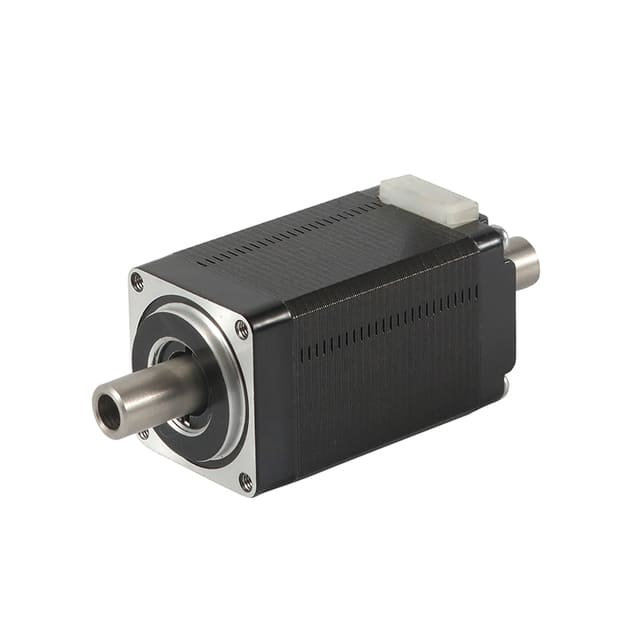
In high-precision optical systems, motion accuracy directly determines imaging quality and operational efficiency. Hollow shaft stepper motors for stereo microscope X Y stages have become a preferred solution for laboratories, research institutions, and precision equipment manufacturers seeking stable, repeatable, and compact motion control. We deliver engineered motion systems designed to meet the strict positional accuracy, low vibration, and long-term reliability required by modern stereo microscope platforms.
Our hollow shaft stepper motor solutions are optimized specifically for X Y translation stages, enabling smooth bidirectional movement, precise sample positioning, and seamless integration with optical and mechanical subsystems.
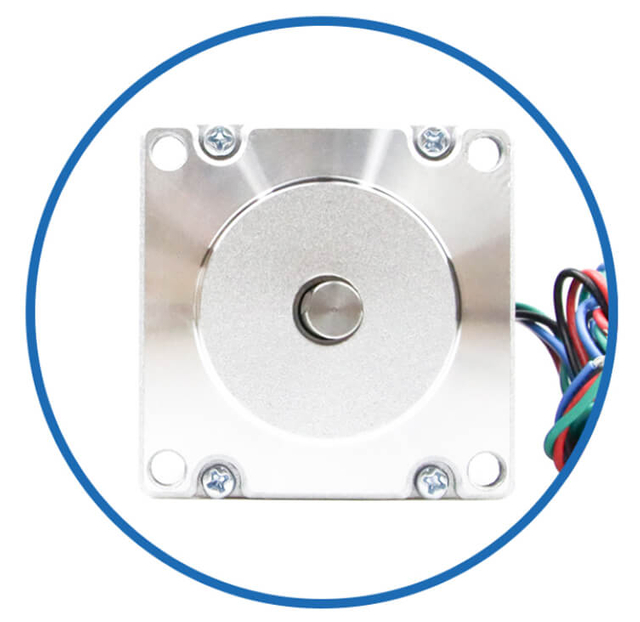
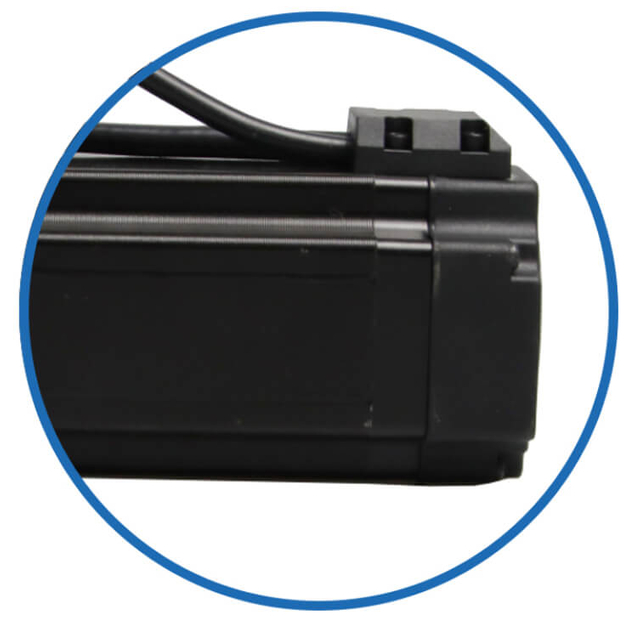
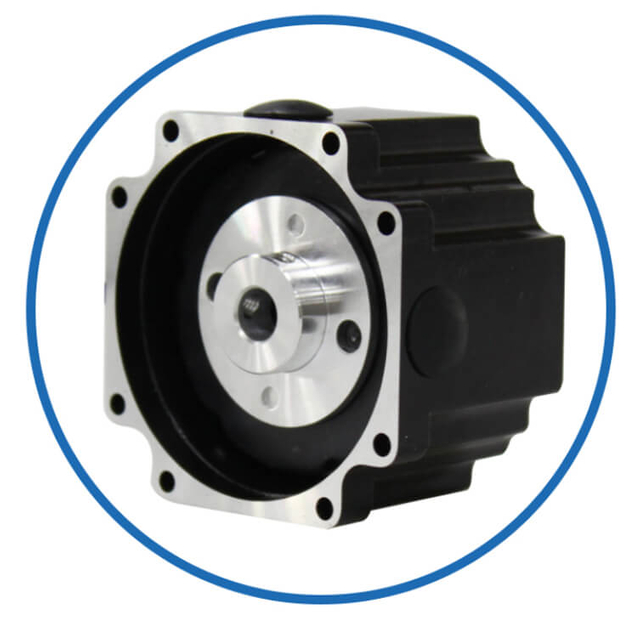
Motor Customized Service
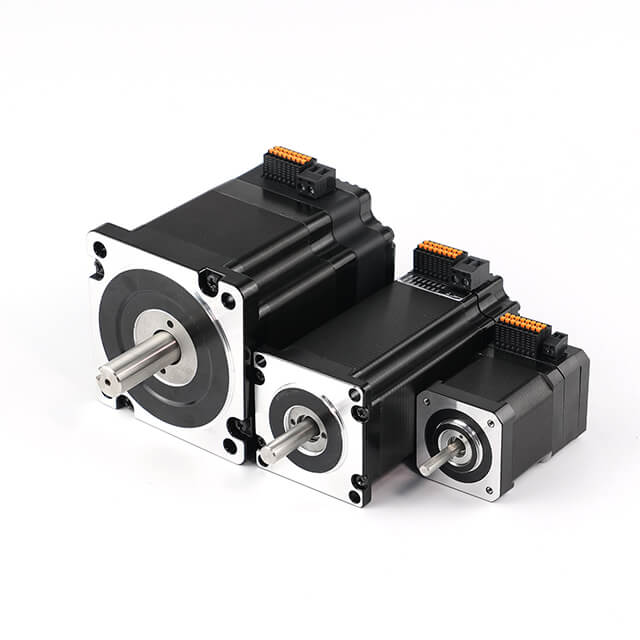
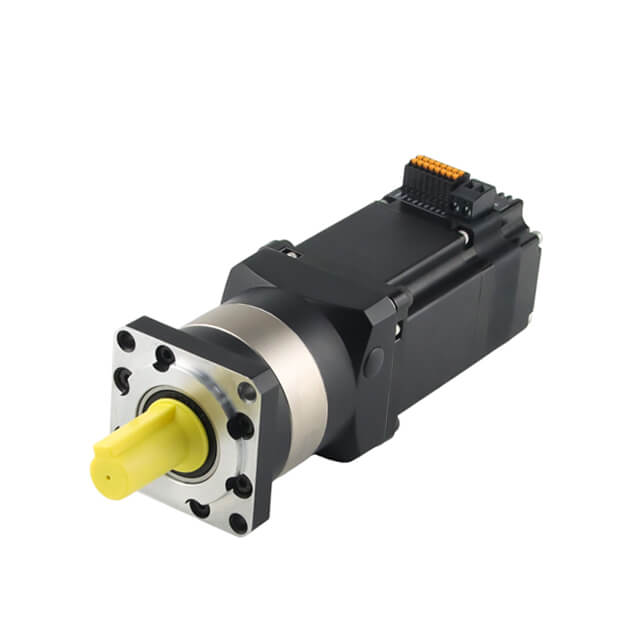
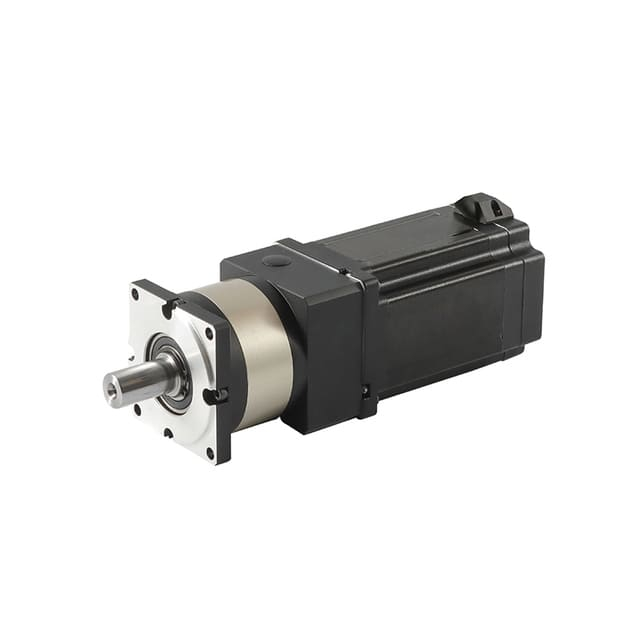
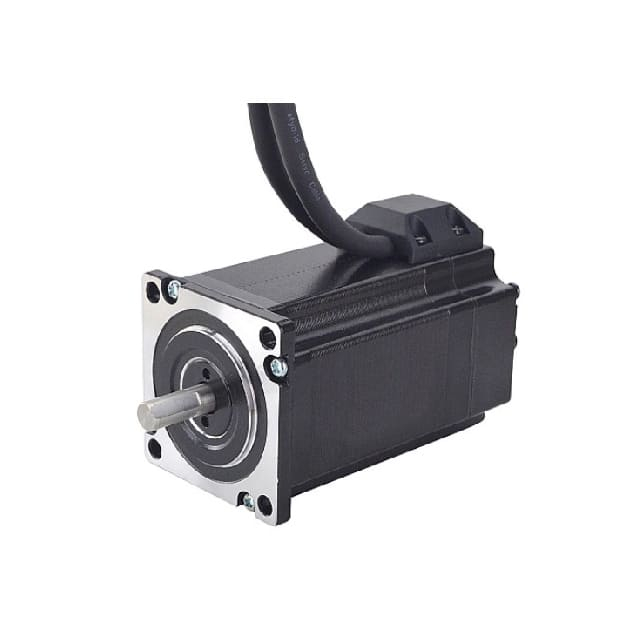
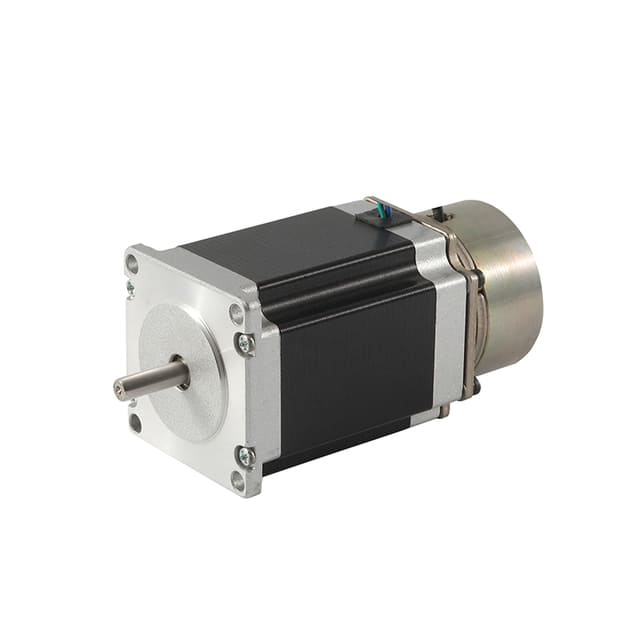
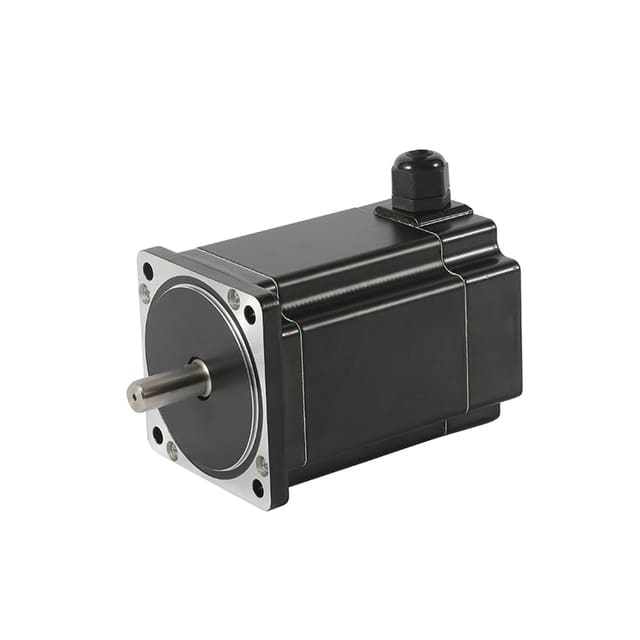
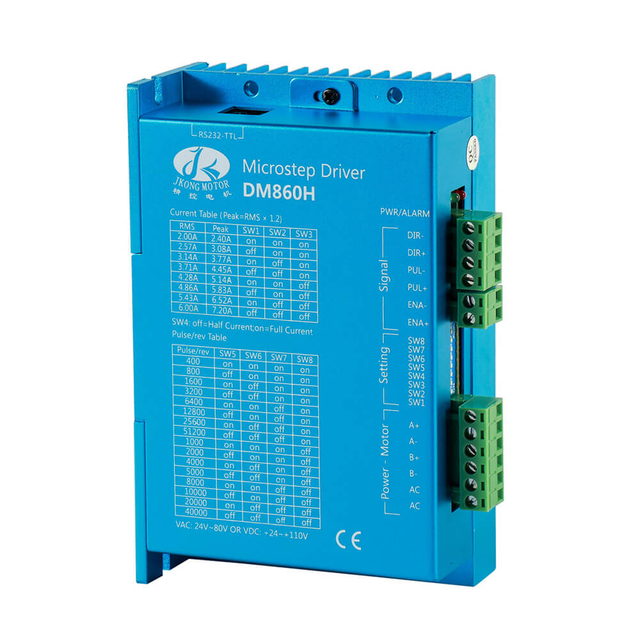
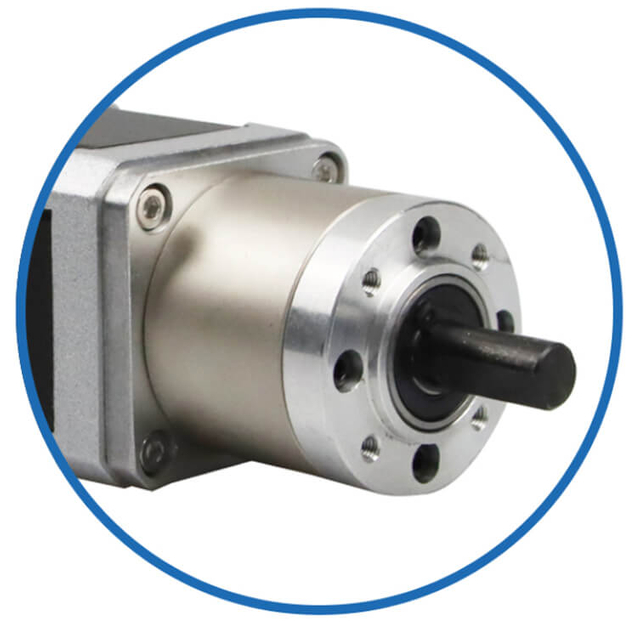
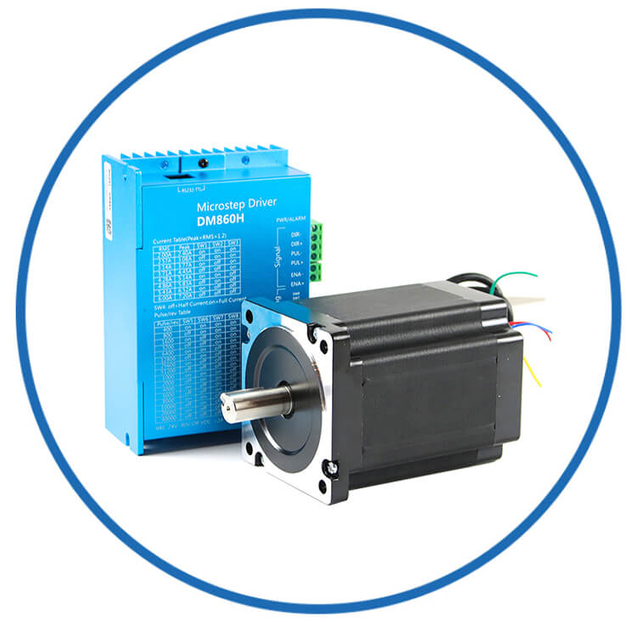
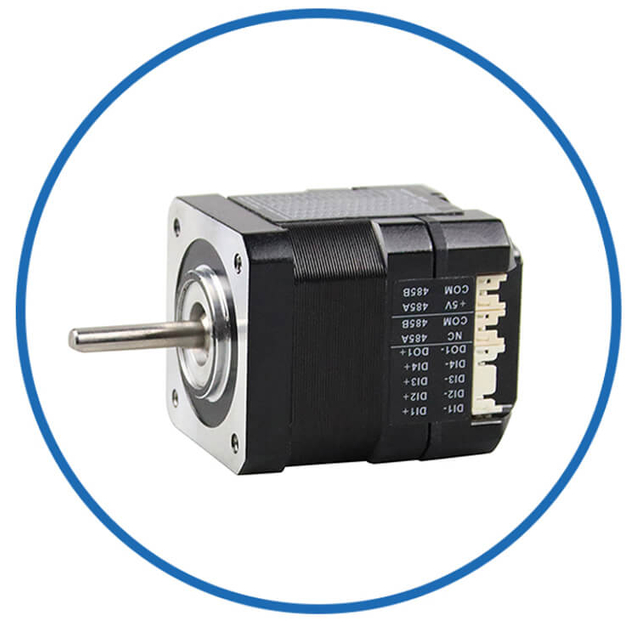
As a professional brushless dc motor manufacturer with 13 years in china, Jkongmotor offer various bldc motors with customized requirements, including 33 42 57 60 80 86 110 130mm, additionally, gearboxes, brakes, encoders, brushless motor drivers and integrated drivers are optional.
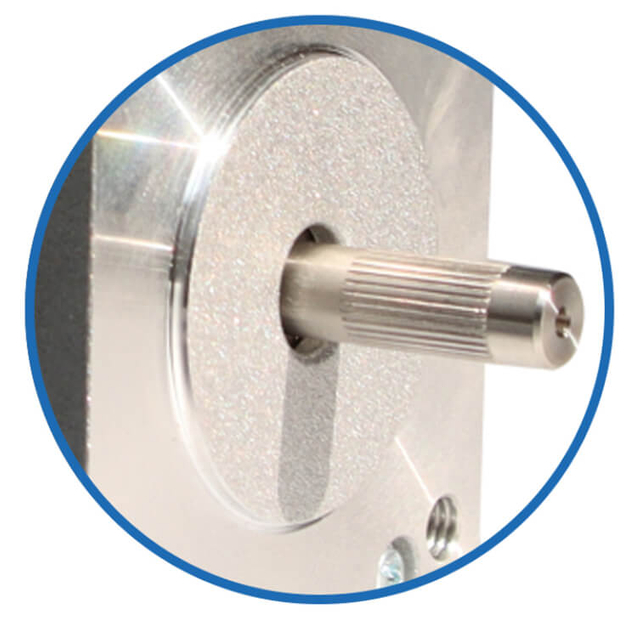
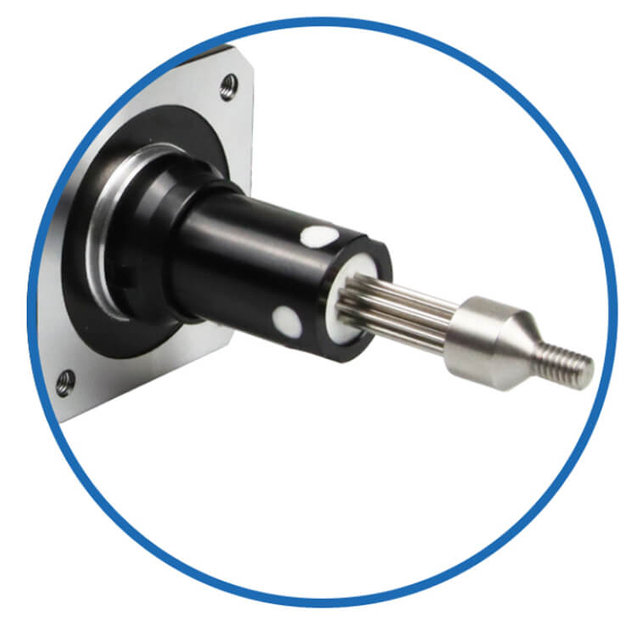
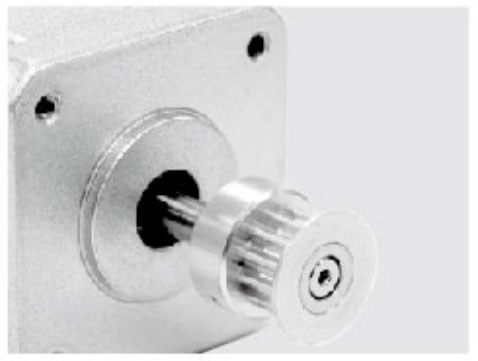
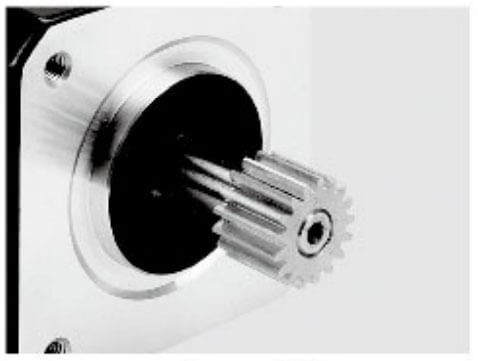
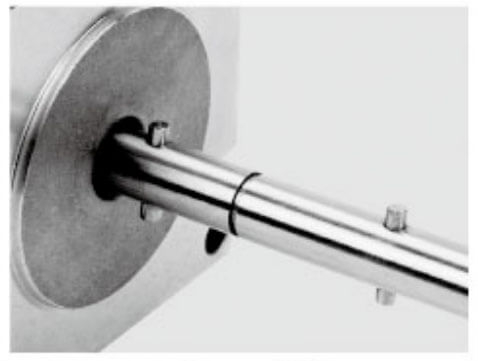
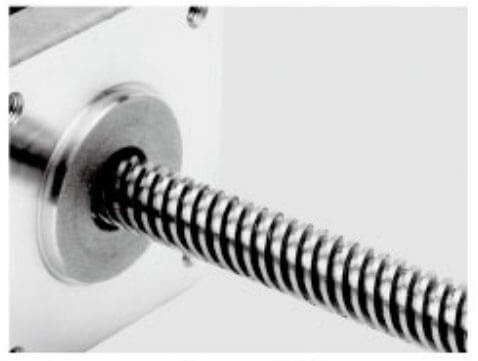
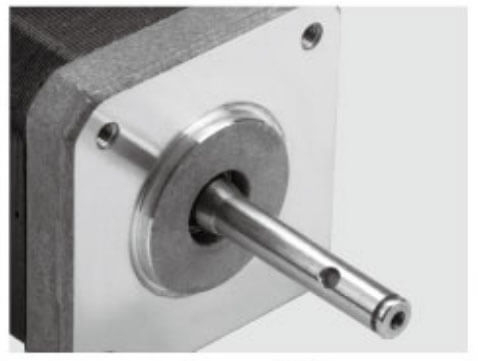
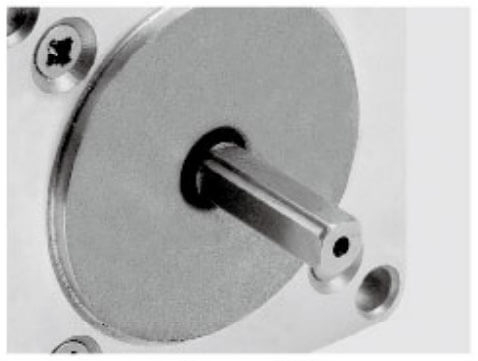
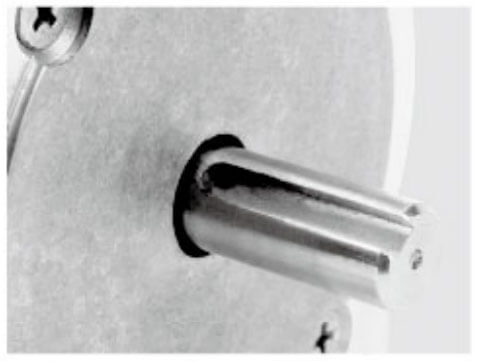
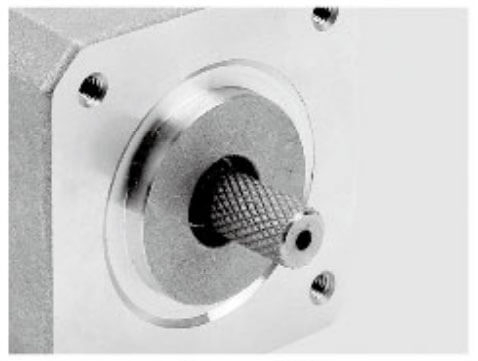
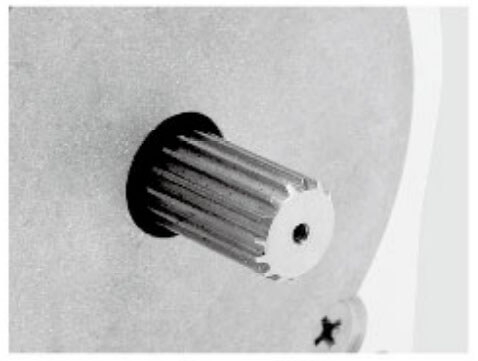
Motor Shaft Customized Service
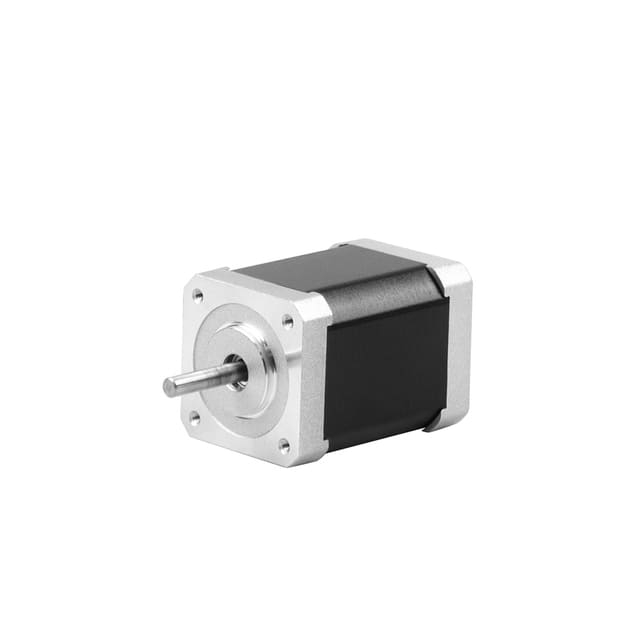
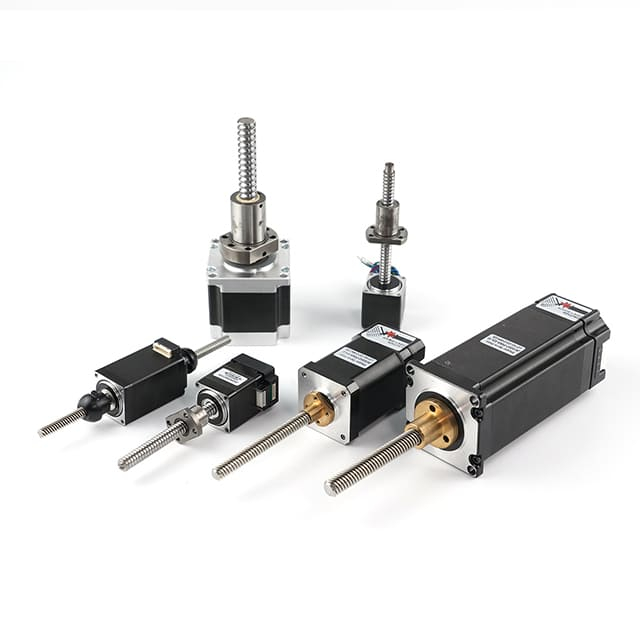
Jkongmotor offer many different shaft options for your motor as well as customizable shaft lengths to make the motor fit your application seamlessly.
Hollow shaft stepper motors have become a preferred motion solution for X Y microscope stages due to their unique structural advantages, high positioning accuracy, and superior system integration capabilities. In precision microscopy, where even microscopic deviations can compromise observation and measurement results, the motor choice plays a decisive role. Hollow shaft stepper motors meet these stringent requirements with exceptional efficiency and reliability.
Direct and Perfect Mechanical Alignment
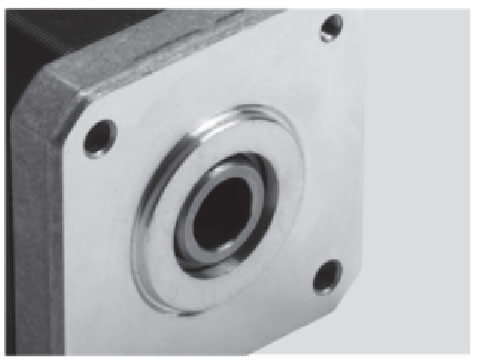
The defining feature of a hollow shaft stepper motor is its central bore, which allows lead screws, ball screws, optical fibers, or cabling to pass directly through the motor. This coaxial configuration eliminates eccentricity and misalignment that often occur with couplings and adapters. For X Y microscope stages, this results in smoother motion, reduced backlash, and improved repeatability, all of which are essential for accurate sample positioning.
Enhanced Positioning Accuracy and Repeatability
Stepper motors inherently provide precise incremental motion, and the hollow shaft design further enhances this precision by enabling direct-drive configurations. Without flexible couplings, the mechanical transmission path is shorter and stiffer, allowing the X Y stage to achieve micron-level positioning accuracy. This level of repeatability is critical for stereo microscopes used in inspection, research, and micro-manipulation tasks.
Compact and Space-Efficient Design
Stereo microscope systems often operate within strict space constraints beneath the optical assembly. Hollow shaft stepper motors reduce the overall height of the motion system by integrating directly with the linear drive mechanism. This compact architecture allows designers to create slimmer, more efficient X Y stages without sacrificing torque or performance.
Smooth, Low-Vibration Motion for Clear Imaging
Image clarity is highly sensitive to vibration. Hollow shaft stepper motors are optimized for low resonance and smooth microstepping operation, minimizing mechanical oscillations during movement. This ensures stable imaging, especially during live observation, scanning, or fine incremental adjustments on the X Y stage.
High Torque Density for Stable Load Control
Despite their compact form factor, hollow shaft stepper motors deliver high torque output, allowing them to handle varying loads such as sample holders, slides, and auxiliary microscope components. Consistent torque at low speeds ensures controlled movement and prevents position drift during delicate operations.
Simplified Assembly and Improved System Reliability
By eliminating additional couplings and alignment components, hollow shaft stepper motors simplify stage assembly and reduce potential points of mechanical failure. Fewer components mean lower maintenance requirements, improved long-term reliability, and consistent performance over extended periods of laboratory use.
Excellent Compatibility with Automation and Control Systems
Hollow shaft stepper motors integrate seamlessly with modern motion controllers, microstepping drivers, and closed-loop feedback systems. This makes them ideal for automated X Y microscope stages that require precise, programmable movement and repeatable positioning routines.
Conclusion
Hollow shaft stepper motors offer a unique combination of precision, compactness, smooth motion, and mechanical simplicity that makes them ideally suited for X Y microscope stages. Their ability to support direct-drive configurations, minimize vibration, and deliver reliable performance ensures optimal positioning accuracy and image stability in demanding stereo microscopy applications.
Ultra-High Positioning Accuracy for Stereo Microscopy
Ultra-high positioning accuracy is a fundamental requirement in stereo microscopy, where precise sample alignment directly impacts observation quality, measurement reliability, and experimental repeatability. Advanced motion systems built for stereo microscopes must deliver stable, repeatable, and finely controlled movement in both X and Y axes. Precision-engineered motion solutions are designed to meet these demands by maintaining exact positioning even at the micron and sub-micron level.
Micron-Level Step Resolution for Precise Control
High-precision motion systems utilize fine step resolution combined with microstepping technology to achieve extremely small incremental movements. This allows the X Y stage to position samples with exceptional accuracy, ensuring that even the smallest features remain within the field of view during detailed examination. Consistent step accuracy enables reliable repositioning, which is essential for comparative analysis and long-term studies.
Repeatability That Ensures Consistent Results
In stereo microscopy, repeatability is just as critical as absolute accuracy. Motion systems designed for ultra-high positioning accuracy return to the same coordinates repeatedly without drift or deviation. This level of consistency supports automated scanning routines, multi-point measurements, and time-lapse observations where positional stability is mandatory.
Direct-Drive Architecture for Reduced Mechanical Error
Precision positioning is significantly enhanced through direct-drive configurations that minimize mechanical transmission components. By reducing couplings, adapters, and intermediary parts, the system achieves higher stiffness and lower backlash. This direct mechanical path allows X Y stages to respond instantly to control inputs, translating electrical signals into accurate physical movement without delay or loss.
Low Backlash for Fine Incremental Movement
Backlash can severely affect positioning accuracy during direction changes. High-precision stereo microscope stages are engineered to minimize or eliminate backlash through optimized mechanical design and tight tolerance components. This ensures smooth, continuous motion and accurate bidirectional positioning during delicate sample adjustments.
Thermal Stability for Long-Duration Operation
Temperature fluctuations can introduce expansion and contraction that affect positioning accuracy. Precision motion systems are designed with thermal stability in mind, maintaining consistent performance during extended operating periods. Stable thermal behavior ensures that positioning accuracy remains unchanged throughout long observation sessions or automated workflows.
Smooth Motion for Image Stability
Ultra-high positioning accuracy also depends on smooth, vibration-free motion. Optimized motor design and advanced control algorithms reduce resonance and mechanical oscillations, preventing image blur during movement. This smooth operation is essential for live imaging, focus stacking, and precision measurement tasks.
Support for Automated and Computer-Controlled Microscopy
High-accuracy positioning systems integrate seamlessly with modern controllers and software platforms. This enables automated positioning, repeatable scanning patterns, and programmable movement sequences. Automation not only improves efficiency but also enhances accuracy by eliminating manual positioning errors.
Conclusion
Ultra-high positioning accuracy is the cornerstone of reliable stereo microscopy. Through fine step resolution, repeatable motion, direct-drive architecture, and thermal stability, advanced X Y stage motion systems provide the precision required for demanding scientific and industrial applications. This level of accuracy ensures consistent imaging, reliable data collection, and superior performance in modern stereo microscope systems.
Smooth, Low-Vibration Motion for Clear Imaging
Smooth, low-vibration motion is essential for achieving clear, stable images in stereo microscopy. Even minimal mechanical disturbances can cause image blur, loss of focus, or measurement inaccuracies. Precision motion systems designed for microscope X Y stages are engineered to deliver controlled, vibration-free movement that preserves image clarity throughout positioning, scanning, and live observation.
Image clarity in stereo microscopy can be compromised by even the smallest mechanical vibrations. Our hollow shaft stepper motors are designed to minimize resonance and noise through:
Precision-balanced rotors
Optimized stator geometry
Advanced winding configurations
Compatibility with low-ripple drivers
The result is exceptionally smooth motion, reducing image blur during live observation and enabling accurate focus and measurement during dynamic positioning.
Optimized Motor Design for Reduced Resonance
Advanced motion systems incorporate optimized electromagnetic and mechanical structures that significantly reduce resonance. Balanced rotors, precision-machined components, and refined magnetic circuits work together to minimize torque ripple and mechanical oscillations. This results in steady, uniform movement that maintains visual stability under high magnification.
Microstepping Control for Continuous Motion
Microstepping technology enables motors to move in extremely fine increments, creating smooth transitions between positions. By distributing motion across many small steps, the system avoids abrupt starts and stops that can introduce vibration. This is particularly valuable in stereo microscopy, where smooth motion directly supports clear imaging during fine adjustments and automated scanning.
Low Mechanical Noise for Sensitive Optical Systems
Quiet operation is a key indicator of low-vibration performance. Precision motion systems are designed to operate with minimal acoustic and mechanical noise, reducing the transmission of vibration to the microscope frame. This enhances operator comfort while protecting sensitive optical components from micro-disturbances.
Rigid Mechanical Structure for Stability
High stiffness in the motor and stage assembly is critical for vibration suppression. Rigid housings, tight mechanical tolerances, and direct-drive configurations prevent unwanted flexing or play. This structural integrity ensures that motion is accurately translated into linear movement without introducing secondary vibrations.
Controlled Acceleration and Deceleration Profiles
Smooth imaging requires not only accurate positioning but also controlled motion dynamics. Advanced motion controllers manage acceleration and deceleration curves to prevent sudden force changes. This controlled motion profile eliminates shock loads that could disturb the optical path or cause sample movement during positioning.
Vibration Reduction During Continuous Operation
Long-duration observation and automated routines demand consistent vibration control over time. Precision motion systems maintain smooth performance across extended operating cycles, ensuring image stability during prolonged imaging sessions, repeated scanning patterns, and time-based analysis.
Enhanced Image Quality During Live Observation
Low-vibration motion directly improves real-time imaging quality. Operators can adjust sample position smoothly while maintaining focus and clarity, enabling precise manipulation and accurate visual assessment. This is especially important for delicate samples and high-magnification stereo microscopy tasks.
Conclusion
Smooth, low-vibration motion is a critical factor in achieving clear, reliable imaging in stereo microscope systems. Through optimized motor design, microstepping control, rigid mechanical structures, and controlled motion profiles, precision X Y stage motion solutions provide the stability required for high-quality imaging and accurate measurement in demanding microscopy applications.
Compact Design for Space-Constrained Microscope Systems
Compact design is a critical requirement in modern microscope systems, where increasing functionality must be achieved within increasingly limited space. Stereo microscopes, in particular, demand efficient integration of motion components beneath the optical assembly without compromising stability, accuracy, or performance. Precision motion solutions with compact architectures are engineered to meet these constraints while supporting advanced X Y stage functionality.
Optimized Form Factor for Minimal Footprint
Compact motion systems are designed with reduced motor length and integrated mechanical interfaces, allowing them to fit seamlessly into confined spaces. By minimizing the overall footprint of the drive assembly, designers can maintain a low-profile microscope base while preserving full X Y travel range and load capacity.
Integrated Mechanical Architecture
Modern compact designs combine multiple functions into a single, unified structure. By integrating the motor directly with the linear drive mechanism, the need for external couplings, brackets, and adapters is eliminated. This integrated approach not only saves space but also improves alignment accuracy and structural rigidity.
Efficient Use of Vertical Space
Vertical clearance is often the most restricted dimension in microscope systems. Compact motion solutions microscope systems. Compact motion solutions reduce stack height by aligning the drive mechanism coaxially with the motion axis. This efficient use of vertical space allows for slimmer stage assemblies and greater flexibility in optical system layout.
High Performance in a Small Package
Despite their reduced size, compact motion systems deliver high torque density and precise control. Advanced electromagnetic design and optimized materials ensure that performance is not sacrificed for size. This balance allows compact X Y stages to handle sample loads smoothly while maintaining accurate positioning.
Improved System Stability Through Simplification
Reducing component count enhances overall system stability. Compact designs with fewer mechanical interfaces lower the risk of misalignment, looseness, and vibration. This simplification results in a more robust microscope platform capable of maintaining consistent performance over extended use.
Simplified Assembly and Maintenance
Compact, integrated motion systems streamline assembly processes by reducing the number of parts that require precise alignment. Maintenance is also simplified, as fewer components are subject to wear or adjustment. This improves long-term reliability and reduces downtime in laboratory environments.
Enhanced Flexibility for Custom Microscope Designs
Space-efficient motion solutions provide greater flexibility for customized microscope configurations. Designers can allocate space to additional optical, illumination, or imaging components without exceeding system size constraints. This adaptability supports innovation in advanced stereo microscope system development.
Conclusion
A compact design is essential for space-constrained microscope systems seeking to combine precision, stability, and advanced functionality. Through integrated architecture, efficient use of space, and high performance in a reduced form factor, compact X Y stage motion solutions enable modern stereo microscopes to achieve superior performance within minimal physical dimensions.
High Torque Density for Stable Load Handling
High torque density is a critical performance factor in precision motion systems used for stereo microscope X Y stages. These stages must support and move varying loads with absolute stability while maintaining accurate positioning and smooth motion. Motion solutions engineered for high torque density deliver powerful output in a compact form, ensuring reliable load handling without compromising precision or space efficiency.
Consistent Torque Output at Low Speeds
Microscope X Y stages frequently operate at low speeds during fine positioning and scanning routines. High torque density ensures sufficient driving force is available even at minimal rotational speeds, preventing stalling or step loss. This consistent torque output enables controlled, incremental motion essential for precise sample alignment under high magnification.
Stable Load Support for Precision Components
Stereo microscope stages often carry sample holders, glass slides, micro-manipulators, and auxiliary imaging modules. High torque density allows the motion system to handle these loads with confidence, maintaining positional stability during movement and at rest. This stability is essential for preventing drift that could compromise image accuracy or measurement results.
Compact Power Without Increased Size
High torque density enables powerful performance without increasing motor size. This is particularly valuable in space-constrained microscope systems, where compact components must deliver sufficient force. Efficient electromagnetic design ensures that high torque output is achieved within a small footprint, supporting compact and integrated X Y stage architectures.
Improved Dynamic Response Under Load
Motion systems with high torque density respond quickly and accurately to control commands, even when moving heavier or unevenly distributed loads. This improved dynamic response reduces lag and overshoot, ensuring precise movement during rapid repositioning or automated scanning sequences.
Reduced Risk of Position Loss and Vibration
Adequate torque reserves minimize the risk of missed steps and micro-slippage under load. This enhances overall system reliability and reduces vibration caused by torque fluctuations. Smooth, stable motion under load directly contributes to clear imaging and repeatable positioning in stereo microscopy applications.
Enhanced Reliability in Continuous Operation
High torque density supports continuous operation without excessive current draw or thermal stress. Efficient torque generation reduces mechanical strain on system components, extending service life and maintaining consistent performance during long observation sessions and repetitive motion cycles.
Conclusion
High torque density is essential for stable load handling in stereo microscope X Y stages. By delivering strong, consistent torque in a compact design, precision motion systems ensure reliable positioning, smooth movement, and long-term stability under varying loads. This capability is fundamental to achieving accurate imaging and dependable performance in advanced stereo microscopy systems.
In advanced microscopy workflows, precision motion control is not optional — it is the foundation of reliable imaging, accurate measurement, and repeatable experiments. We specialize in the customization of stereo microscope X-Y stages that are engineered to meet demanding laboratory, industrial inspection, and research environments. By integrating ultra-smooth motion, micron-level positioning accuracy, and application-specific configurations, we deliver X-Y stages that dramatically improve observation efficiency and data reliability.
This guide explores every critical element of custom X-Y stage solutions for stereo microscopes, providing a comprehensive technical overview for engineers, laboratory managers, and OEM system designers.
Why Custom X-Y Stages Matter in Stereo Microscopy
A stereo microscope is only as powerful as the motion platform beneath it. Standard off-the-shelf stages limit:
Our custom X-Y stage designs overcome these limitations by matching the exact mechanical, optical, and environmental constraints of your application.
Core Performance Metrics for Stereo Microscope X-Y Stages
Every customized X-Y stage we develop is defined by six critical parameters.
1. Positioning Accuracy and Resolution
We engineer stages with:
Resolution down to 0.5 μm
Repeatability within ±1 μm
Bidirectional positioning error compensation
These characteristics are essential for applications such as semiconductor inspection, biological micro-dissection, and forensic trace analysis.
2. Travel Range Optimization
Custom travel ranges include:
| Application Type | Typical X-Y Travel |
| PCB inspection | 100 × 100 mm |
| Life science | 75 × 50 mm |
| Material testing | 150 × 150 mm |
| Wafer analysis | 200 × 200 mm |
We design travel envelopes to maximize coverage while maintaining structural rigidity.
3. Load Capacity Engineering
Stereo microscopes often integrate cameras, lighting rings, manipulators, and micro-probes. Our stages support:
Load capacity from 2 kg to 30 kg
High stiffness aluminum alloy or stainless steel frames
Low deflection under dynamic load
Motion System Architecture Options
Manual X-Y Stages
For cost-sensitive labs, we provide:
High-precision micrometer-driven stages
Friction-optimized linear bearings
Zero-backlash lead screw mechanisms
Motorized X-Y Stages
For automation environments, we offer:
Stepper motor driven systems
Closed-loop servo motor X-Y stages
Encoder feedback for sub-micron control
Motorized versions support:
Material Selection for Environmental Compatibility
Different applications require different materials.
| Environment | Recommended Material |
| Cleanroom ISO-5 | Anodized aluminum, low outgassing |
| Chemical exposure | Stainless steel 316L |
| High humidity | Hard-coated aluminum |
| Sterile labs | Autoclavable stainless steel |
Our custom stages are validated for corrosion resistance, chemical stability, and long-term mechanical integrity.
Anti-Vibration and Stability Engineering
Image clarity collapses under vibration. We integrate:
This ensures optical stability even under high-magnification stereo observation.
Integration with Stereo Microscope Models
Our customization program supports compatibility with:
Leica
Zeiss
Nikon
Olympus
Motic
Vision Engineering
We design mounting plates that align with OEM thread patterns, optical axis offsets, and clearance envelopes, ensuring zero interference with optical pathways.
Typical Stereo Microscope X-Y Stage Applications
1. Electronics and PCB Inspection
2. Life Science and Pathology
Tissue slide navigation
Embryo positioning
Micro-surgery assistance
3. Material Science
4. Jewelry and Watchmaking
Stone alignment
Gear micro-assembly
Polishing inspection
Customization Workflow
Our engineering process follows a proven 5-step structure:
Requirement analysis
Mechanical design simulation
Prototype machining
Precision calibration
Validation under real operating conditions
Each stage undergoes:
Quality Control and Certification
We operate under:
Every X-Y stage ships with:
Why Our Custom X-Y Stages Outperform Standard Solutions
| Feature | Standard Stage | Our Customized Stage |
| Resolution | 10 μm | 0.5 μm |
| Load Stability | Medium | High-rigidity reinforced |
| Travel Flexibility | Fixed | Fully configurable |
| Software Integration | None | reinforced** |
| Travel Flexibility | Fixed | Fully configurable |
| Software Integration | None | Full API & SDK support |
| Lifecycle | 2–3 years | 10+ years operational life |
Future-Ready Stereo Microscope Platforms
We design with scalability in mind. Your X-Y stage can later integrate:
Z-axis motorization
Automated focus tracking
Robotic sample feeders
This protects your capital investment while unlocking future automation.
Conclusion
A stereo microscope without a precision X-Y stage is an underutilized optical system. Through deep customization, we transform microscopes into automated inspection platforms, delivering unmatched accuracy, repeatability, and workflow efficiency.
Our commitment is not only to supply a mechanical product — but to provide a motion solution engineered around your application reality.
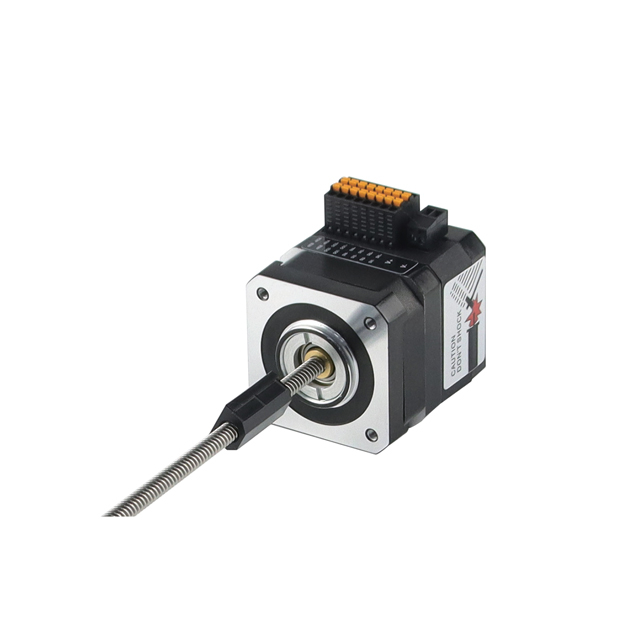
Seamless Integration with Lead Screws and Linear Modules
Hollow shaft stepper motors are ideal for direct-drive lead screw integration, eliminating couplings that can introduce backlash or misalignment. This configuration offers:
For stereo microscope X Y stages, this direct-drive approach enhances repeatability and supports long-duration operation without recalibration.
Thermal Stability for Continuous Laboratory Use
Laboratory environments often require extended operating hours. Our hollow shaft stepper motors are designed for thermal stability, featuring:
High-quality insulation materials
Efficient heat dissipation paths
Optimized current ratings
Stable thermal performance prevents drift in positioning accuracy, ensuring consistent results during prolonged observation and data collection sessions.
Compatibility with Advanced Motion Control Systems
Our motors are fully compatible with modern motion controllers and drivers, supporting:
Microstepping control
Closed-loop feedback systems
Automated scanning routines
Computer-controlled positioning platforms
This compatibility enables seamless integration into automated stereo microscope systems used in research, quality inspection, and industrial metrology.
Stereo microscopy demands exceptional positioning accuracy, repeatability, and mechanical stability. Hollow shaft stepper motors have emerged as a transformative solution for modern microscope platforms because they combine high-torque motion control with compact mechanical integration. We deploy hollow shaft stepper motors to solve long-standing challenges in microscope motion systems, cable routing, optical alignment, and automation scalability.
Automated X-Y Scanning Stages
Hollow shaft motors power fully automated scanning platforms used for:
The internal shaft passage routes camera and illumination cables without interfering with stage movement.
Precision Z-Axis Focus Drives
We deploy hollow shaft stepper motors in **motorized focusWe deploy hollow shaft stepper motors in motorized focus assemblies where:
Ball screws pass directly through the shaft
Linear encoders mount concentrically
Backlash is minimized through integrated nut preload
This architecture supports sub-micron focus control, essential for:
Rotational Sample Manipulators
For crystal analysis, jewelry inspection, and micro-assembly, hollow shaft motors drive 360° rotational stages while routing:
Coaxial lighting
Miniature cameras
Thermal sensors
This enables full-angle observation without cable entanglement.
Micro-Surgical and Biological Manipulators
In life science laboratories, hollow shaft motors drive manipulators handling:
Embryos
Micro-needles
Tissue probes
Fluid tubing and sensor wiring pass cleanly through the shaft, maintaining sterile boundaries and minimizing contamination risk.
Mechanical Integration Advantages
| Feature | Solid Shaft Motor | Hollow Shaft Stepper Motor |
| Cable Routing | External only | Internal coaxial routing |
| Alignment Accuracy | Medium | High coaxial precision |
| Mechanical Height | Tall | Compact stack height |
| Reliability | Moderate | High cycle life |
| Maintenance | Frequent | Low maintenance |
Reliability Engineered for Long Service Life
Every hollow shaft stepper motor we supply is manufactured under strict quality standards, ensuring:
Consistent electromagnetic performance
High mechanical durability
Stable operation over millions of cycles
This reliability reduces downtime, lowers maintenance costs, and protects the performance reputation of stereo microscope systems in demanding professional environments.
We combine precision engineering, application expertise, and customization capability to deliver motion solutions that exceed industry expectations. Our hollow shaft stepper motors are purpose-built for stereo microscope X Y stages, ensuring optimal performance from initial integration through long-term operation.
By focusing on accuracy, stability, and integration efficiency, we help our partners develop microscope systems that deliver superior imaging performance and user experience.