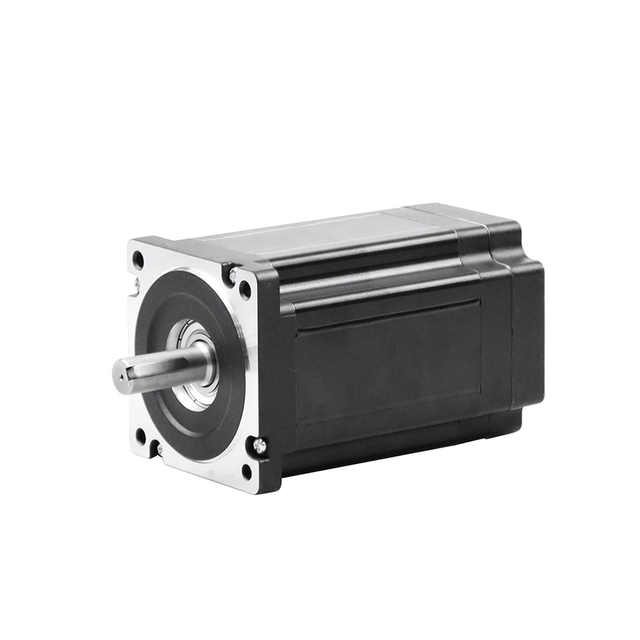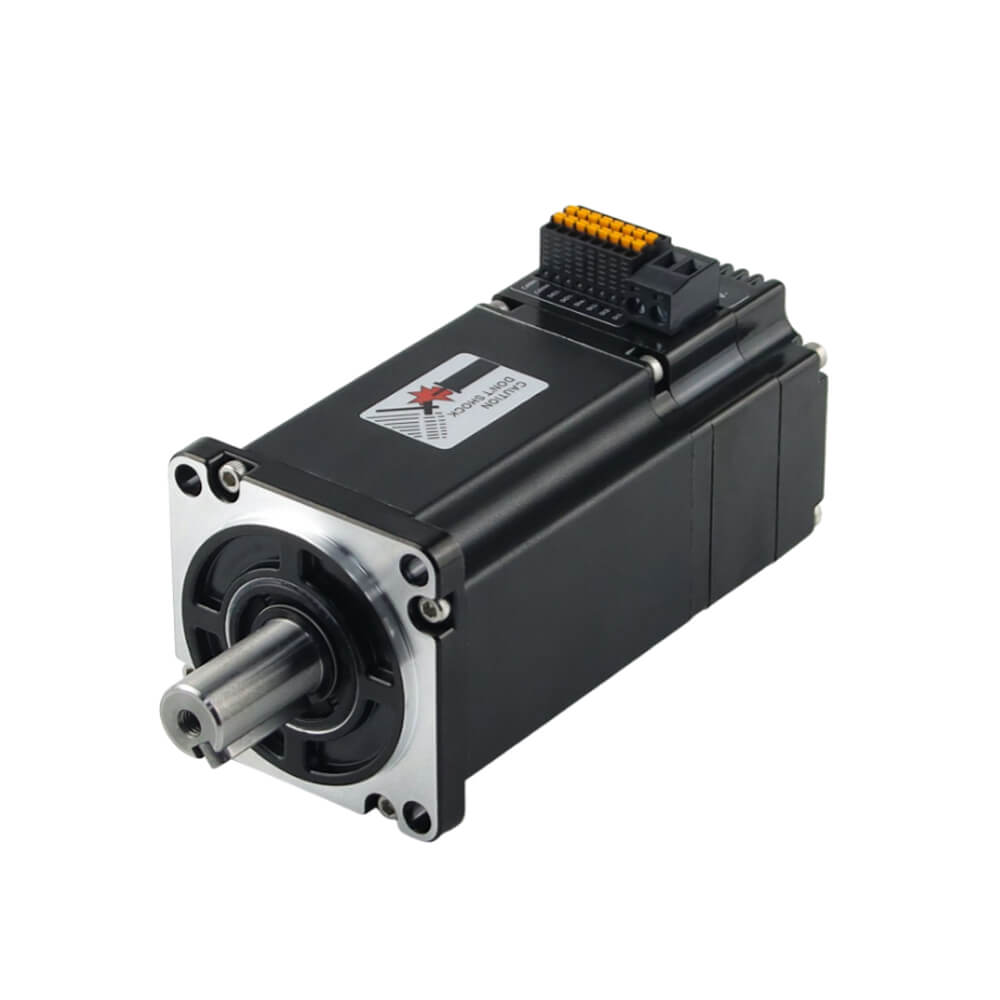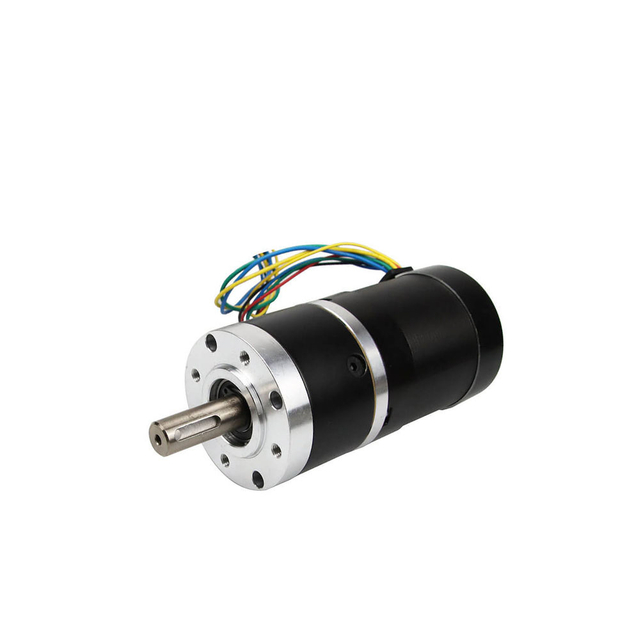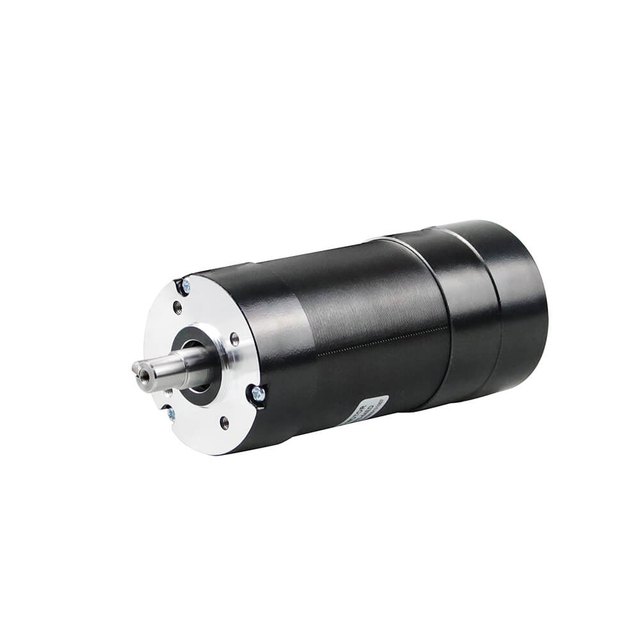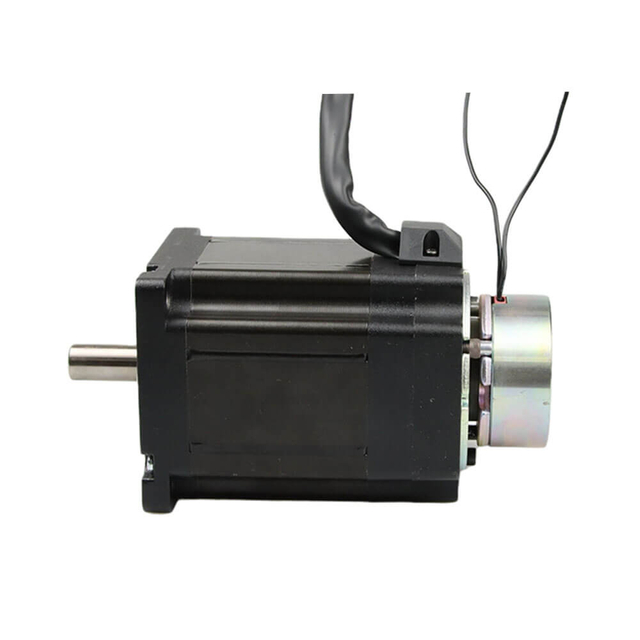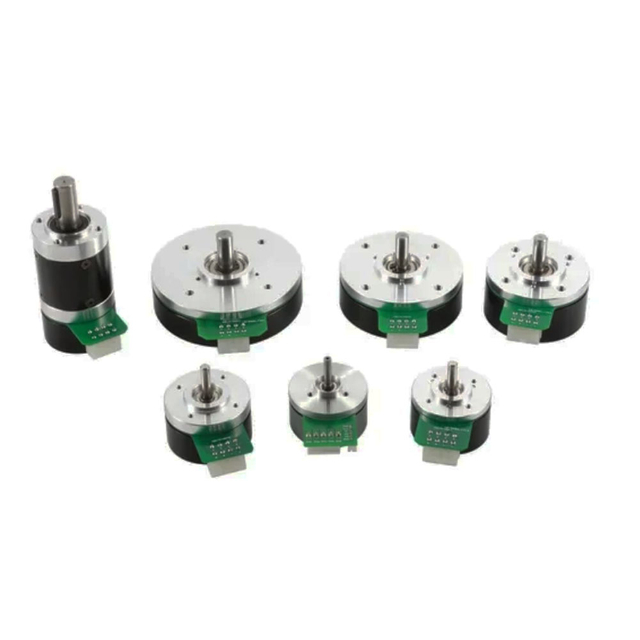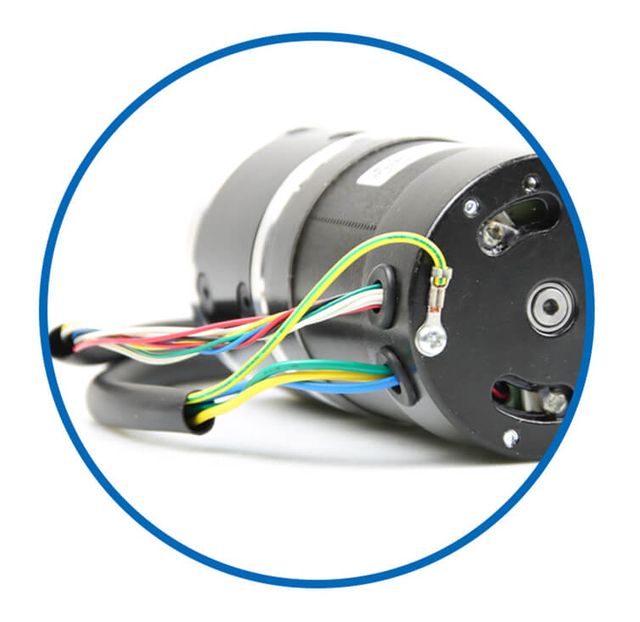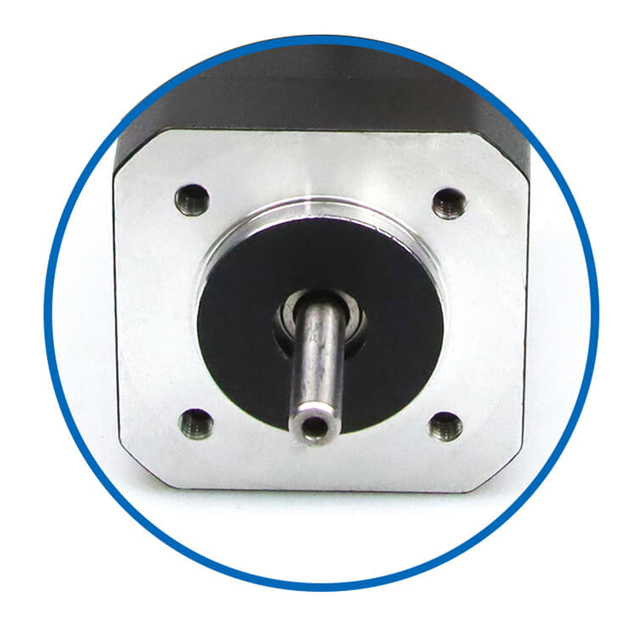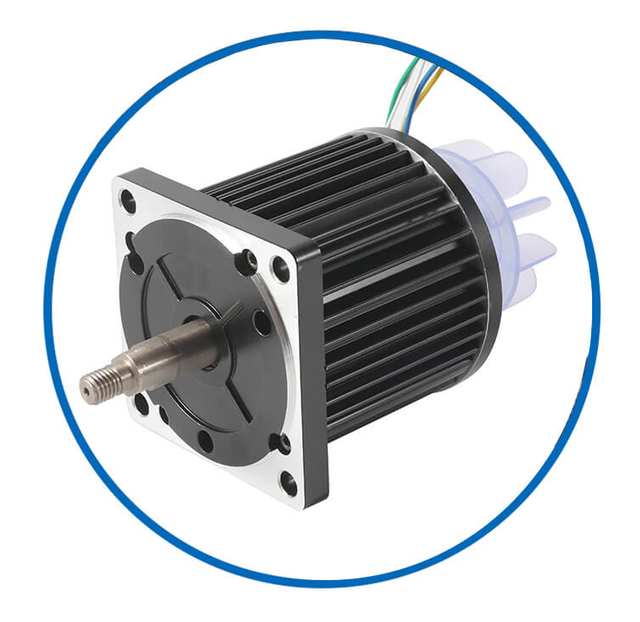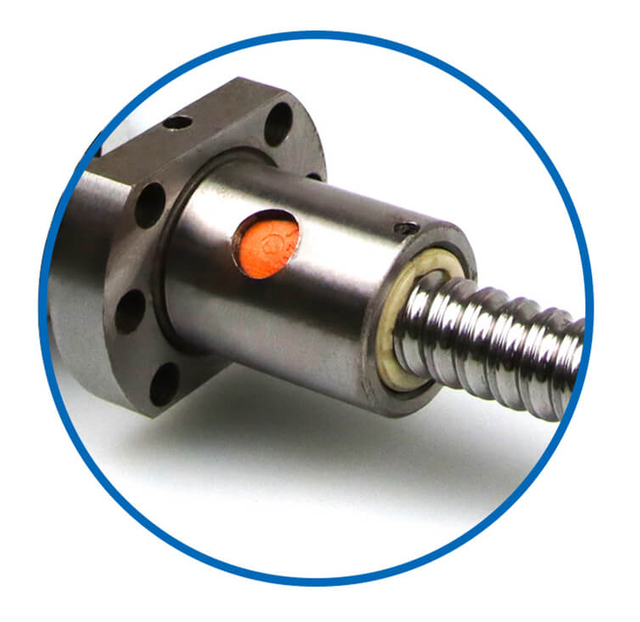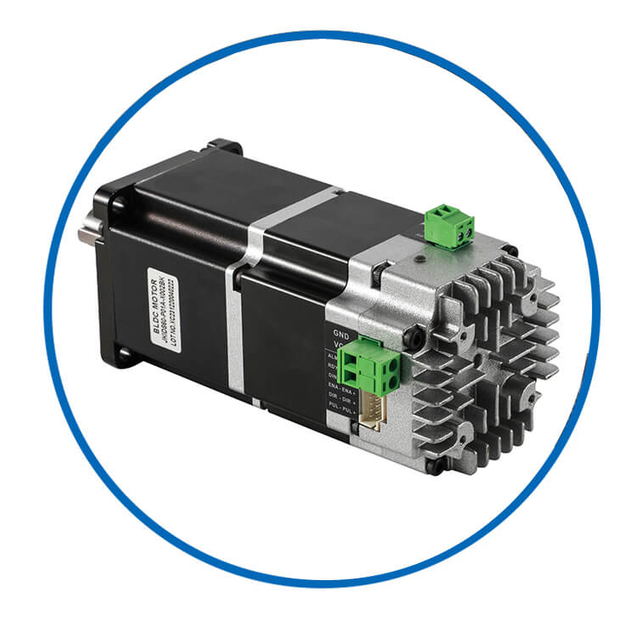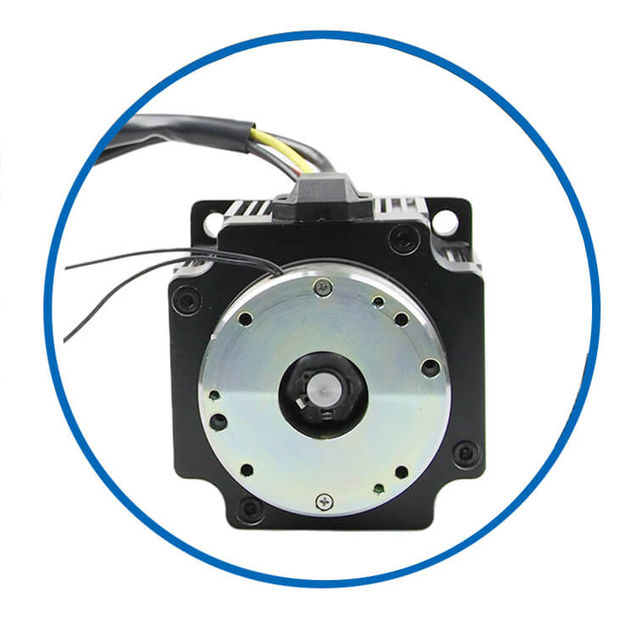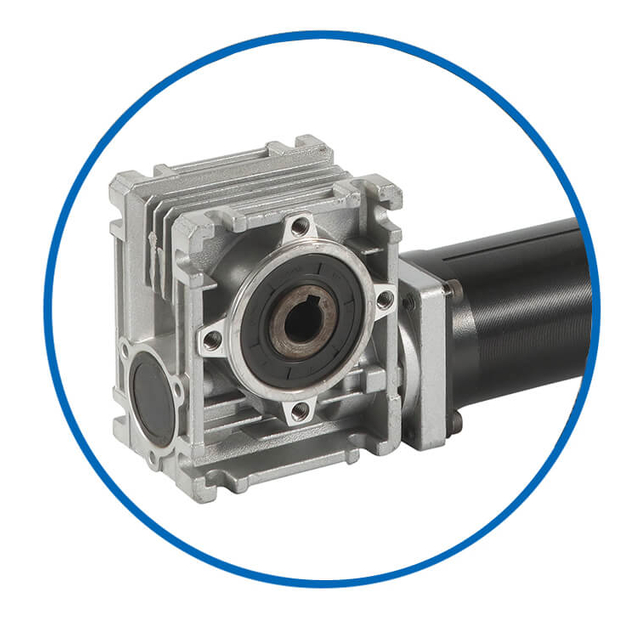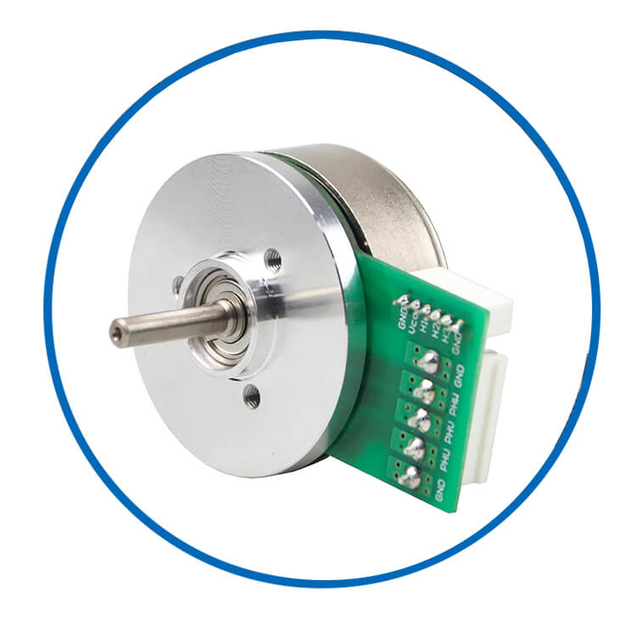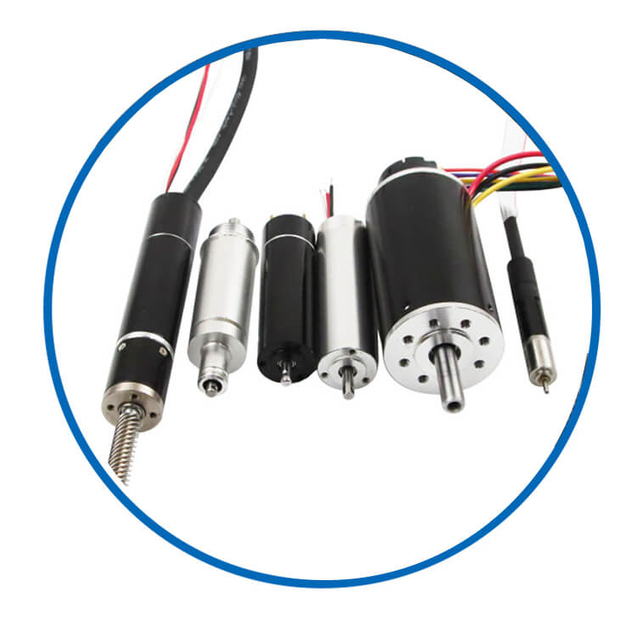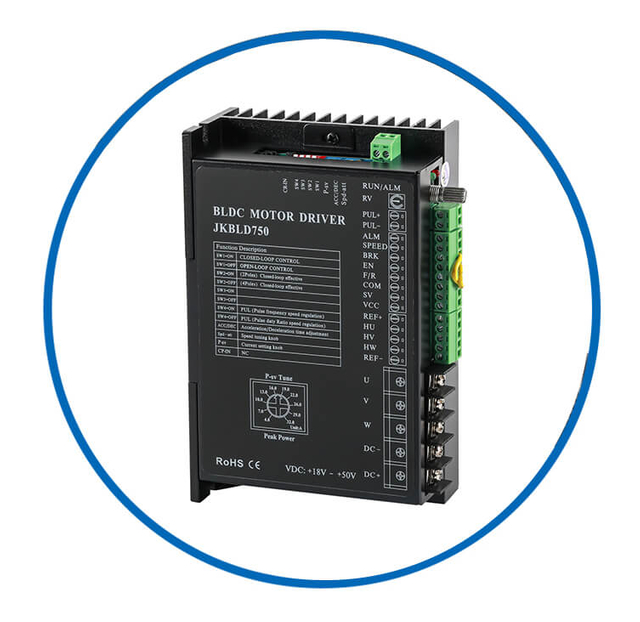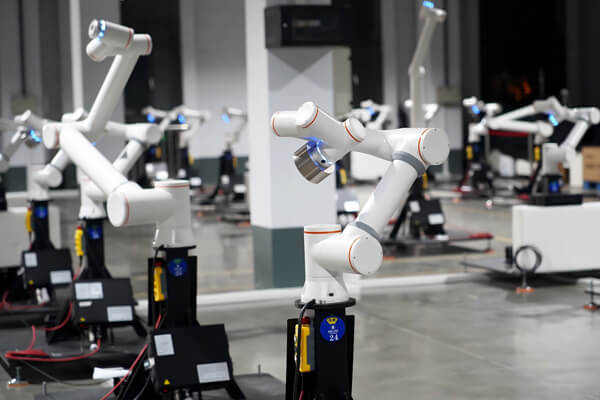
Collaborative robots (cobots), manufacturing robots and robotic arms are designed to learn and adapt to new tasks as needed, as if they were a human coworker. This requires controlled, safe motion enabled by high quality servo motors inside of the robot joints in order to safely operate beside their human co-workers. The versatility of human/robot collaboration promises to bring new capabilities and efficiencies to industries as diverse as packaging, factory automation, food and beverage processing, life sciences, medical automation and more.
Brushless BLDC DC motors are available in multiple structural and functional types, each engineered to meet specific performance, efficiency, and integration requirements across industrial, commercial, and robotic applications. We classify BLDC motors based on mechanical structure, rotor position, control method, and application-specific design, enabling precise selection for optimal system performance.
Bldc Motor Customized Service
As a professional brushless dc motor manufacturer with 13 years in china, Jkongmotor offer various bldc motors with customized requirements, including 33 42 57 60 80 86 110 130mm, additionally, gearboxes, brakes, encoders, brushless motor drivers and integrated drivers are optional.
![bldc motor supplier]() | ![bldc motor supplier]() | ![bldc motor supplier]() | ![bldc motor supplier]() | ![bldc motor supplier]() | Professional custom brushless motor services safeguard your projects or equipment. No Brushes – Reduced Maintenance and Increased Lifespan High Efficiency and Low Power Loss High Torque-to-Weight Ratio Precise Speed and Position Control Quiet and Smooth Operation Wide Speed Range and Dynamic Performance Excellent Thermal Management Customizable Designs and Modular Configurations Multiple Control Methods Integration with Digital Interfaces and Sensors |
| Wires | Covers | Fans | Shafts | Integrated Drivers |
![bldc motor supplier]() | ![bldc motor supplier]() | ![bldc motor supplier]() | ![bldc motor supplier]() | ![bldc motor supplier]() |
| Brakes | Gearboxes | Out Rotors | Coreless Dc | Drivers |
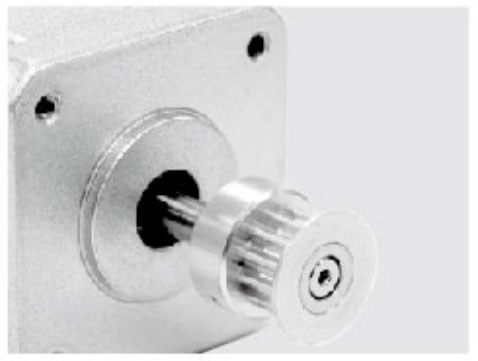
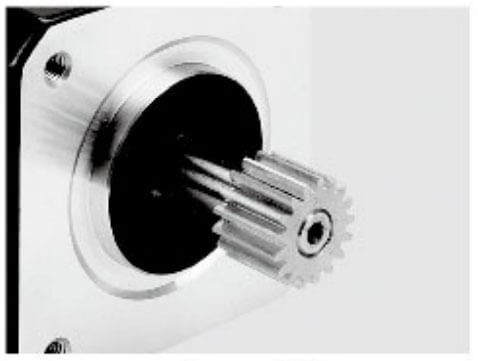
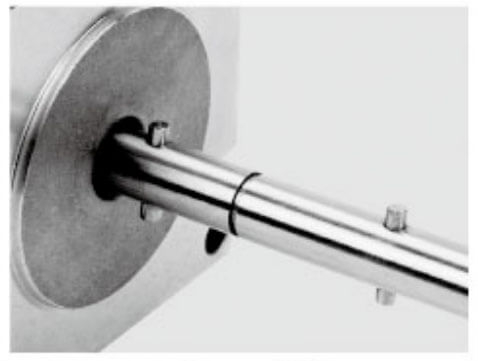
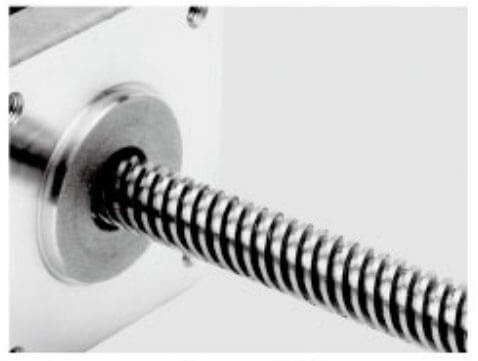
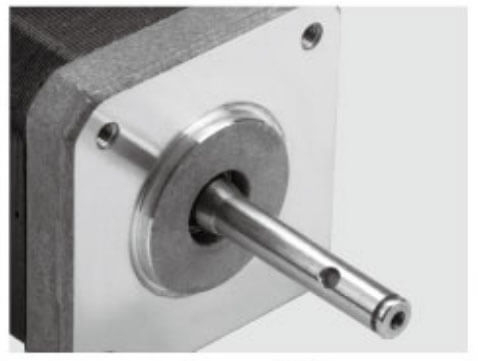
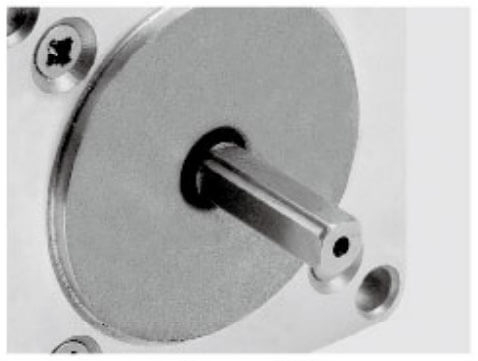
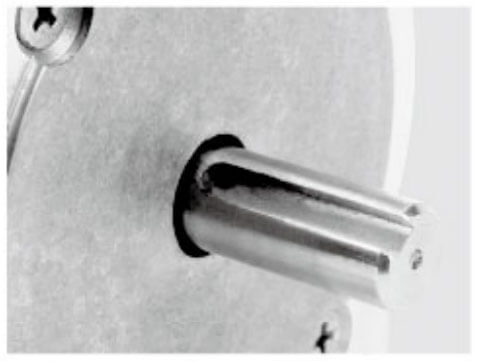
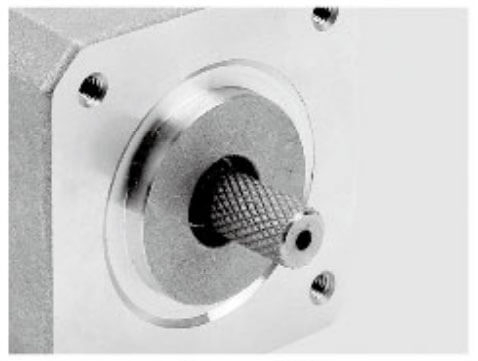
Motor Shaft Customized Service
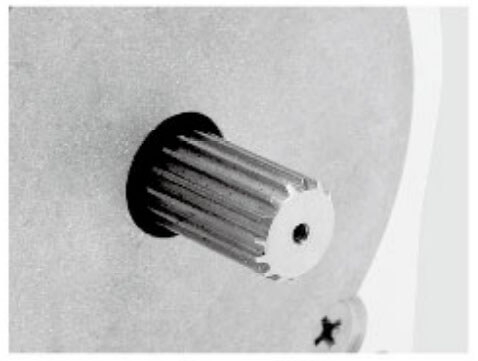
Jkongmotor offer many different shaft options for your motor as well as customizable shaft lengths to make the motor fit your application seamlessly.
Inner rotor BLDC motors feature a rotor positioned inside the stator windings. This is the most widely used BLDC motor configuration due to its balanced performance and compact structure.
Key characteristics:
High efficiency and power density
Fast dynamic response
Excellent heat dissipation through the stator
Compact and lightweight design
These motors are ideal for collaborative robots, industrial automation, medical devices, and precision motion systems, where responsiveness and accuracy are critical.
Outer rotor BLDC motors have the rotor mounted outside the stator, increasing the effective rotor diameter and improving torque output at lower speeds.
Key characteristics:
Higher torque at low RPM
Lower operating speed without gear reduction
Smooth and stable rotation
Reduced vibration and noise
Outer rotor BLDC motors are commonly used in robotic joints, AGVs, drones, fans, and direct-drive systems, where smooth torque and mechanical simplicity are essential.
Slotless BLDC motors eliminate stator slots, allowing windings to be placed directly in the air gap. This design significantly reduces cogging torque.
Key characteristics:
Ultra-smooth torque output
Minimal cogging and vibration
High precision at low speeds
Excellent control linearity
These motors are ideal for collaborative robots, surgical equipment, laboratory automation, and high-end servo applications, where motion smoothness and accuracy are paramount.
Slotted BLDC Motors
Slotted BLDC motors use traditional stator slots to house windings, enabling higher magnetic flux and torque output.
Key characteristics:
Higher torque density
Strong load-handling capability
Robust mechanical structure
Cost-effective for high-volume production
This type is widely used in industrial machinery, conveyor systems, pumps, compressors, and power tools, where torque and durability are prioritized.
Sensor-based BLDC motors use Hall sensors or encoders to detect rotor position, ensuring precise commutation and control.
Key characteristics:
These motors are preferred in robotics, CNC equipment, automated assembly lines, and servo-driven systems, where precise motion control is required.
Sensorless BLDC motors determine rotor position through back-EMF detection, eliminating physical sensors.
Key characteristics:
Simplified motor design
Lower cost and higher reliability
Reduced wiring complexity
High efficiency at medium to high speeds
They are commonly used in fans, pumps, blowers, household appliances, and automotive subsystems, where cost efficiency and reliability are key.
Integrated BLDC motors combine the motor, driver, controller, and sometimes encoder into a single compact unit.
Key characteristics:
This type is ideal for collaborative robots, smart conveyors, medical automation, and mobile robotic platforms, where system integration and simplicity are essential.
High-torque BLDC motors are engineered with optimized magnetic circuits and winding configurations to deliver maximum torque output.
Key characteristics:
Superior load capacity
Stable torque under variable loads
Enhanced thermal performance
Support for direct-drive applications
They are widely used in robotic arms, electric actuators, automated guided vehicles, and industrial positioning systems.
High-speed BLDC motors are designed for applications requiring extremely high rotational speeds with precision control.
Key characteristics:
Typical applications include spindles, centrifuges, compressors, dental tools, and aerospace systems.
Customized BLDC motors are developed to meet specific electrical, mechanical, and environmental requirements.
Customization options include:
Voltage and power ratings
Shaft and mounting configurations
Encoder and feedback selection
Ingress protection and insulation class
These motors support OEM and ODM projects across robotics, medical, automotive, and smart manufacturing industries.
Conclusion
Brushless BLDC DC motor types offer exceptional versatility, efficiency, and performance, making them indispensable in modern motion control systems. By selecting the appropriate motor type based on structure, control method, and application demands, manufacturers can achieve optimal precision, reliability, and long-term operational efficiency across diverse industries.
Precision Motion with Brushless BLDC DC Motors for Next-Gen Collaborative Robots
We deliver brushless BLDC DC motors engineered specifically for collaborative robots, where precision, safety, and efficiency converge. Our approach integrates advanced electromagnetic design, compact mechanical architecture, and intelligent control compatibility to meet the exacting demands of human–robot collaboration. Every motor platform is optimized for smooth torque delivery, silent operation, and long service life, enabling cobots to perform repetitive, delicate, and dynamic tasks with unwavering consistency.
Compact power density is a defining requirement in collaborative robotics, where performance, safety, and space efficiency must coexist. We engineer high power-density brushless BLDC motors that deliver maximum torque and output within minimal physical dimensions, enabling collaborative robots to remain lightweight, agile, and human-safe without compromising precision or reliability.
High Torque Output in Minimal Form Factors
Collaborative robots rely on compact joints and slim arm profiles to operate safely alongside people. Our motor designs maximize torque per unit volume through optimized magnetic circuits, high-energy permanent magnets, and precision winding techniques. This approach allows smaller motors to generate the force required for lifting, positioning, and repetitive motion tasks.
Key advantages include:
Increased payload capacity without larger actuators
Reduced joint size for improved robot reach
Higher torque availability at low operating speeds
Lightweight Design Supporting Human-Safe Cobots
Weight reduction is essential for collaborative robot safety and efficiency. By increasing power density, our motors enable lighter robotic arms with lower inertia. Reduced mass improves dynamic response and minimizes collision forces, directly supporting collaborative safety standards while enhancing motion accuracy.
Benefits of lightweight high-density motors include:
Faster acceleration and deceleration
Improved force control and compliance
Lower mechanical stress on robot structures
Optimized Thermal Performance in Compact Spaces
High power density demands advanced thermal management. We design BLDC motors with efficient heat dissipation paths, high-temperature insulation, and precision stator construction to maintain stable performance within compact housings. Controlled thermal behavior ensures consistent torque output during continuous operation in confined robotic joints.
Thermal optimization delivers:
Energy Efficiency Enhancing Power Density
Power density is not solely about output—it also depends on efficiency. Our motors achieve high power density through low electrical losses and optimized electromagnetic efficiency, converting more input power into usable motion. This efficiency reduces heat generation while allowing smaller motors to deliver higher performance.
Efficiency-driven advantages include:
Precision Motion in Compact Actuators
Compact power-dense motors support the precise motion control essential for collaborative robots. Smooth torque characteristics, minimal cogging, and fast dynamic response enable accurate positioning and repeatability, even in small actuator assemblies.
Precision benefits include:
Consistent low-speed control
Enhanced repeatability in assembly tasks
Improved responsiveness in adaptive motion systems
Enabling Slim and Ergonomic Robot Designs
High power density allows robotic designers to create slimmer, more ergonomic collaborative robots. Reduced actuator size improves accessibility in tight workspaces and enhances human-robot interaction. Compact motors also simplify cable routing and joint integration, contributing to cleaner and more efficient robot designs.
Design advantages include:
Reduced overall robot footprint
Improved aesthetic and functional design
Greater flexibility in multi-axis configurations
Scalable Power Density for Diverse Cobot Applications
Our compact power-dense BLDC motors scale across different collaborative robot payload classes, from small desktop cobots to industrial collaborative arms. This scalability ensures consistent performance characteristics while adapting output levels to application-specific requirements.
Applications benefiting from compact power density include:
Precision assembly and fastening
Electronics manufacturing
Medical and laboratory automation
Packaging and material handling
Conclusion
Compact power density is fundamental to the evolution of collaborative robotics. By delivering high torque, lightweight construction, thermal stability, and energy efficiency within compact motor designs, we enable collaborative robots to achieve superior performance, enhanced safety, and greater design freedom. High power-density BLDC motors form the foundation of next-generation cobot systems, driving efficiency and precision in modern automated environments.
Ultra-smooth torque delivery is essential for collaborative robots operating in close proximity to people. We engineer brushless BLDC motors with exceptionally stable and ripple-free torque output, ensuring predictable motion, refined force control, and inherently safer human–robot interaction. Smooth torque is not a secondary feature—it is a core requirement for compliance, precision, and trust in collaborative environments.
Consistent Torque for Predictable Robot Behavior
Human-safe interaction depends on predictable motion. Our motor designs focus on uniform electromagnetic force generation across the entire rotation cycle, eliminating sudden torque variations that could cause jerky or unexpected movement. This consistency allows collaborative robots to respond smoothly to commands and external forces.
Key outcomes include:
Stable motion under varying loads
Improved operator confidence and safety
Accurate execution of delicate tasks
Reduced Torque Ripple for Enhanced Compliance
Torque ripple directly affects the ability of a robot to operate compliantly. By minimizing cogging torque through optimized stator geometry, precision winding, and refined magnetic alignment, our BLDC motors deliver fluid and continuous torque output. This reduction enables robotic systems to absorb contact forces smoothly rather than resisting them abruptly.
Compliance benefits include:
Safer physical contact with human operators
Improved force-limiting functionality
Enhanced adaptability in shared workspaces
Superior Low-Speed Performance
Collaborative robots frequently operate at low speeds during assembly, inspection, and hand-guided tasks. Our motors maintain exceptional smoothness at low RPM, where conventional motors often suffer from torque pulsation. This performance ensures steady movement during slow, controlled operations.
Low-speed advantages include:
Accurate positioning and alignment
Elimination of micro-vibrations
Improved repeatability in precision tasks
Precision Electromagnetic Design
Ultra-smooth torque is achieved through advanced electromagnetic optimization. High-quality permanent magnets, precisely shaped stator teeth, and balanced phase windings work together to create a uniform magnetic field. This precision reduces harmonic distortion and ensures consistent torque output across the operating range.
Engineering benefits include:
Minimal electromagnetic noise
Improved control linearity
Higher overall system efficiency
Enhanced Force Control and Feedback
Smooth torque directly improves force sensing and control. Our BLDC motors support accurate torque estimation and real-time force feedback, enabling collaborative robots to detect and respond to human contact instantly. This capability is critical for tasks requiring gentle interaction or adaptive motion.
Force-control advantages include:
Improved tactile sensitivity
Reliable collision detection
Refined hand-guiding performance
Low Vibration Supporting Sensor Accuracy
Torque smoothness reduces vibration throughout the robotic structure. Lower vibration levels protect sensors, improve measurement accuracy, and enhance long-term system reliability. This stability is especially important in collaborative robots equipped with vision systems, force sensors, and precision encoders.
System-level benefits include:
Supporting Safety-Certified Collaborative Systems
Ultra-smooth torque complements safety-rated control architectures by enabling fast, controlled response to unexpected contact. Predictable torque behavior allows safety algorithms to limit force and speed effectively without overcompensation or instability.
Safety advantages include:
Consistent performance within safety thresholds
Improved compliance with collaborative standards
Reliable operation in human-shared environments
Applications Requiring Human-Safe Torque Control
Ultra-smooth torque BLDC motors are essential in collaborative robot applications such as:
Manual assembly assistance
Medical and laboratory automation
Electronics handling
Quality inspection
Educational and service robots
Each application benefits from refined motion, reduced contact forces, and enhanced user confidence.
Conclusion
Ultra-smooth torque is a fundamental enabler of human-safe collaborative robotics. Through precision electromagnetic design, minimized torque ripple, and superior low-speed control, brushless BLDC motors provide the predictable, compliant motion required for safe and effective human–robot interaction. Smooth torque delivery ensures collaborative robots perform with accuracy, reliability, and trust in modern automated workplaces.
Energy Efficiency That Extends Operational Uptime
Energy efficiency is a critical performance factor in collaborative robotics, directly influencing operational uptime, system reliability, and total cost of ownership. We design brushless BLDC motors with exceptional energy efficiency, enabling collaborative robots to operate longer, run cooler, and maintain consistent performance across extended duty cycles. Efficient energy conversion is not only a technical advantage—it is a strategic requirement for uninterrupted automation.
High Conversion Efficiency for Continuous Operation
Our BLDC motors achieve high electrical-to-mechanical conversion efficiency, ensuring that a greater proportion of input power is transformed into usable torque. Reduced electrical losses minimize energy waste, allowing collaborative robots to sustain continuous operation without excessive power draw or performance degradation.
Key efficiency benefits include:
Extended operational hours per shift
Reduced energy consumption
Stable performance under continuous workloads
Lower Heat Generation Enhancing System Stability
Energy-efficient motors inherently generate less heat. By minimizing copper and iron losses through optimized winding design and magnetic circuits, our motors maintain lower operating temperatures even during prolonged use. Reduced thermal stress protects internal components and surrounding electronics, supporting reliable long-term operation.
Thermal advantages include:
Consistent torque output over time
Lower risk of thermal shutdown
Extended component lifespan
Optimized Performance Across Variable Load Conditions
Collaborative robots often experience fluctuating loads depending on task complexity and interaction dynamics. Our BLDC motors maintain high efficiency across a wide load range, ensuring smooth and economical operation during both light-duty and demanding tasks.
Operational benefits include:
Efficient energy usage during low-load movements
Stable efficiency during peak torque demands
Reduced energy spikes in dynamic applications
Extended Uptime for Mobile and Battery-Powered Cobots
In mobile collaborative robots and battery-powered platforms, energy efficiency directly determines mission duration. Our motors are engineered to maximize runtime per charge, enabling longer deployment without frequent recharging or battery replacement.
Battery-related advantages include:
Reduced Cooling Requirements in Compact Designs
Efficient motors require less active cooling, simplifying system design and improving reliability. Lower heat output allows for passive or minimal cooling solutions, particularly important in compact robotic joints and enclosed environments.
Design benefits include:
Supporting Sustainable and Cost-Effective Automation
Energy-efficient BLDC motors contribute to sustainable manufacturing by lowering overall power consumption. Reduced energy demand translates directly into lower operating costs, making collaborative automation more economically viable over long production cycles.
Sustainability benefits include:
Consistency in Multi-Shift Industrial Environments
In multi-shift and 24/7 production environments, efficiency-driven uptime is essential. Our motors maintain stable efficiency and performance over extended operating periods, ensuring collaborative robots remain productive without frequent downtime or performance recalibration.
Industrial advantages include:
Reliable round-the-clock operation
Minimal performance drift
Improved production planning
Conclusion
Energy efficiency is a cornerstone of extended operational uptime in collaborative robotics. Through high conversion efficiency, reduced heat generation, and stable performance under variable loads, brushless BLDC motors enable collaborative robots to operate longer, more reliably, and more sustainably. Efficient motor technology ensures maximum productivity, reduced operational costs, and uninterrupted performance in modern automated environments.
Advanced Thermal Stability for Continuous Operation
Advanced thermal stability is essential for collaborative robots that operate continuously in demanding industrial environments. We engineer brushless BLDC motors with superior thermal management capabilities, ensuring consistent torque output, precise motion control, and long-term reliability under sustained workloads. Thermal stability is not only about heat resistance—it is fundamental to maintaining performance integrity throughout continuous operation.
Optimized Heat Dissipation in Compact Motor Designs
Collaborative robots often integrate motors into confined joint spaces where airflow is limited. Our BLDC motors are designed with efficient heat transfer pathways, allowing internally generated heat to dissipate rapidly through the stator and housing. Precision-engineered motor structures ensure uniform temperature distribution, preventing localized hot spots that degrade performance.
Thermal design advantages include:
Stable operation in compact robotic joints
Improved heat flow to external structures
Reduced risk of thermal concentration
High-Temperature Materials for Long-Term Reliability
We utilize high-grade insulation systems, temperature-resistant winding materials, and premium permanent magnets to ensure stable performance under elevated temperatures. These materials preserve electrical integrity and magnetic strength during prolonged operation, even in high-duty-cycle applications.
Material benefits include:
Consistent torque output at higher temperatures
Improved resistance to thermal aging
Extended motor service life
Minimized Thermal Drift for Precision Motion Control
Thermal fluctuations can cause performance drift, affecting positioning accuracy and force control. Our BLDC motors are engineered to minimize thermal expansion and magnetic variation, ensuring consistent motion characteristics throughout extended operating periods.
Precision advantages include:
Stable speed and torque constants
Improved repeatability in precision tasks
Reliable calibration over long shifts
Efficient Loss Reduction Supporting Thermal Stability
Advanced thermal stability begins with loss minimization. By reducing copper losses, iron losses, and mechanical friction, our motors generate less heat at the source. Efficient electromagnetic design ensures that energy is converted into motion rather than waste heat.
Efficiency-driven thermal benefits include:
Lower steady-state operating temperatures
Reduced cooling requirements
Improved overall system efficiency
Continuous Duty Performance Without Derating
Many motors require performance derating during extended operation to prevent overheating. Our BLDC motors are designed to maintain rated output under continuous-duty conditions, supporting uninterrupted collaborative robot operation without sacrificing performance.
Operational advantages include:
Consistent torque delivery
Predictable long-term performance
Reduced downtime for thermal recovery
Protection of Integrated Electronics and Sensors
Thermal stability safeguards not only the motor but also nearby electronics, encoders, and sensors. By maintaining controlled operating temperatures, our motors help preserve the accuracy and reliability of integrated control components essential to collaborative robot functionality.
System-level benefits include:
Supporting Multi-Shift and 24/7 Automation
In environments where collaborative robots operate across multiple shifts, thermal stability ensures sustained productivity. Our motors are optimized for continuous industrial operation, enabling reliable performance throughout extended production cycles.
Industrial advantages include:
Stable operation across long duty cycles
Reduced maintenance frequency
Higher overall equipment effectiveness
Conclusion
Advanced thermal stability is a foundational requirement for continuous collaborative robot operation. Through optimized heat dissipation, high-temperature materials, minimized thermal drift, and efficient loss reduction, brushless BLDC motors deliver consistent performance and long-term reliability. Thermal-stable motor design ensures uninterrupted operation, precise motion control, and dependable productivity in modern collaborative automation systems.
Low Noise and Vibration for Collaborative Workspaces
Low noise and minimal vibration are essential characteristics of collaborative robots designed to operate alongside people. We develop brushless BLDC motors engineered for exceptionally quiet operation and vibration control, ensuring comfortable, safe, and productive collaborative workspaces. Acoustic and mechanical refinement directly enhance human acceptance, system precision, and long-term reliability.
Quiet Motor Operation Enhancing Human Comfort
Collaborative robots are often deployed in close proximity to operators, making acoustic performance a critical factor. Our BLDC motors are optimized to reduce electromagnetic noise and mechanical sound, delivering smooth and nearly silent operation even under dynamic load conditions.
Acoustic benefits include:
Reduced Electromagnetic Noise Through Precision Design
Noise often originates from electromagnetic harmonics and uneven torque production. By optimizing stator geometry, magnetic flux distribution, and winding balance, our motors achieve low harmonic distortion, significantly reducing audible noise during operation.
Design advantages include:
Stable electromagnetic behavior
Consistent acoustic performance across speed ranges
Improved overall motor efficiency
Minimized Vibration for Structural Stability
Vibration affects not only comfort but also system accuracy and mechanical lifespan. Our BLDC motors feature precision-balanced rotors and optimized bearing systems, minimizing vibration transmission to robotic arms and joints.
Vibration control benefits include:
Improved positioning accuracy
Reduced wear on mechanical components
Enhanced system durability
Smooth Torque Delivery Supporting Quiet Motion
Ultra-smooth torque output plays a key role in noise and vibration reduction. By minimizing cogging torque and torque ripple, our motors enable fluid motion without sudden force variations, contributing to quiet and stable robotic operation.
Operational advantages include:
Elimination of jerky movements
Consistent motion at low speeds
Enhanced compliance in collaborative tasks
Improved Sensor Accuracy and Control Performance
Low vibration environments support higher sensor accuracy. Reduced mechanical oscillation improves the performance of encoders, force sensors, and vision systems, enabling more precise feedback and control in collaborative robots.
System-level benefits include:
Higher measurement precision
Improved motion repeatability
Enhanced control stability
Enhanced Reliability Through Reduced Mechanical Stress
Excessive vibration accelerates mechanical wear and component fatigue. Our low-noise, low-vibration BLDC motors reduce stress on bearings, gearboxes, and structural elements, extending service life and reducing maintenance requirements.
Reliability advantages include:
Longer maintenance intervals
Improved long-term performance
Lower total cost of ownership
Supporting Human-Centered Robot Design
Quiet and vibration-free motors enable collaborative robots to blend seamlessly into human-centered work environments. Reduced acoustic impact supports deployment in noise-sensitive areas such as laboratories, healthcare facilities, and electronics assembly lines.
Application benefits include:
Better human–robot interaction
Higher acceptance of automation
Expanded deployment flexibility
Conclusion
Low noise and vibration are fundamental to effective collaborative workspaces. Through precision electromagnetic design, smooth torque delivery, and advanced mechanical balancing, brushless BLDC motors deliver quiet, stable, and reliable performance. These characteristics ensure collaborative robots operate comfortably alongside people while maintaining the accuracy, safety, and durability required in modern automation environments.
Seamless Integration with Intelligent Drive Systems
Seamless integration with intelligent drive systems is a core requirement for modern collaborative robots. We design brushless BLDC motors optimized for direct compatibility with advanced servo drives and smart controllers, ensuring precise motion control, fast system response, and simplified system architecture. Integrated motor–drive synergy enhances performance, reliability, and scalability across collaborative robotic applications.
Optimized Compatibility with Servo Drives
Our BLDC motors are engineered to work seamlessly with high-performance servo drives, enabling accurate current, speed, and position control. Optimized electrical parameters ensure smooth commutation, stable control loops, and rapid dynamic response across the full operating range.
Integration advantages include:
Accurate torque and speed regulation
Fast response to control commands
Stable operation under dynamic loads
Support for Advanced Feedback Systems
Precise motion control relies on accurate feedback. Our motors support a wide range of high-resolution encoders and feedback devices, including incremental, absolute, and multi-turn encoders. This flexibility ensures compatibility with intelligent drives used in collaborative robotics.
Feedback benefits include:
Digital Communication for Smart Control Architectures
Intelligent drive systems depend on robust digital communication. Our BLDC motors integrate seamlessly with controllers supporting modern industrial communication protocols, enabling real-time data exchange, synchronization, and coordinated multi-axis motion.
System-level advantages include:
Real-time motion synchronization
Simplified network integration
Scalable multi-axis control
Simplified Wiring and System Architecture
Seamless integration reduces system complexity. Our motors are designed for efficient cable management and standardized interfaces, minimizing wiring effort and improving electromagnetic compatibility within robotic systems.
Design benefits include:
Reduced installation time
Improved system reliability
Cleaner and more compact layouts
Enhanced Motion Control Performance
When paired with intelligent drives, our BLDC motors deliver refined motion profiles, smooth acceleration, and precise deceleration. Optimized motor parameters allow advanced control algorithms to operate efficiently, improving overall system performance.
Performance advantages include:
Smooth trajectory execution
Accurate force and speed control
Reduced mechanical stress
Real-Time Monitoring and Diagnostics
Intelligent drive systems enable continuous monitoring of motor performance. Our motors support real-time data acquisition for parameters such as temperature, current, and speed, enabling predictive maintenance and early fault detection.
Operational benefits include:
Scalable Integration for Modular Robot Design
Collaborative robots often require modular designs to support different payloads and configurations. Our BLDC motors integrate easily into modular drive architectures, allowing scalable performance across multiple robot platforms.
Scalability advantages include:
Flexible system expansion
Consistent performance across models
Simplified design standardization
Conclusion
Seamless integration with intelligent drive systems enables collaborative robots to achieve superior precision, responsiveness, and reliability. Through optimized drive compatibility, advanced feedback support, digital communication, and real-time diagnostics, brushless BLDC motors form the foundation of intelligent motion control. This integration ensures collaborative robotic systems operate efficiently, adapt dynamically, and remain future-ready in advanced automation environments.
Customization Motors for Diverse Collaborative Robot Applications
Customization is essential in collaborative robotics, where application requirements vary widely across industries, payload classes, and operating environments. We provide highly customized brushless BLDC motor solutions engineered to align precisely with the mechanical, electrical, and functional demands of diverse collaborative robot applications. Purpose-driven customization ensures optimal performance, safety, and integration at every level of robotic design.
Application-Specific Performance Optimization
Each collaborative robot performs a unique set of tasks requiring specific torque, speed, and control characteristics. We tailor motor electromagnetic designs to deliver precisely matched performance profiles, ensuring smooth and efficient operation under real-world conditions.
Performance customization includes:
Torque and speed curve optimization
Acceleration and deceleration tuning
Load-specific efficiency enhancement
Mechanical Customization for Seamless Integration
Mechanical compatibility is critical for compact and ergonomic robot design. Our customization capabilities ensure motors integrate seamlessly into robotic joints, arms, and actuators without compromise.
Mechanical options include:
Custom shaft lengths and profiles
Dedicated mounting flanges and housings
Compact form factors for space-constrained designs
Electrical and Control Interface Customization
Collaborative robots rely on precise electrical and control compatibility. We customize motor electrical parameters to align perfectly with intelligent drive systems and power architectures.
Electrical customization includes:
Control interface options include:
Encoder and feedback selection
Sensor-based or sensorless configurations
Compatibility with advanced servo drives
Thermal and Environmental Adaptation
Different applications impose varying thermal and environmental challenges. We customize motors to maintain stable performance across diverse operating conditions.
Environmental customization includes:
Enhanced thermal management solutions
Ingress protection levels for dust and moisture
Material selection for harsh environments
Noise and Vibration Optimization for Human Interaction
Human–robot collaboration demands quiet and stable operation. We customize motor designs to minimize acoustic output and vibration, ensuring comfortable and safe workspaces.
Acoustic customization includes:
Low-noise electromagnetic designs
Precision rotor balancing
Optimized bearing systems
Safety-Oriented Customization
Safety requirements differ across collaborative robot applications. We tailor motor characteristics to support safe interaction, compliant motion, and predictable response behavior.
Safety-focused customization includes:
Controlled torque response
Consistent back-drivability
Support for force-limiting systems
Scalable Solutions for Multiple Robot Platforms
Manufacturers often deploy collaborative robots across multiple models and payload classes. Our customization approach supports scalable motor platforms, enabling consistent performance while adapting output levels for different robot configurations.
Scalability benefits include:
OEM and ODM Expertise for Collaborative Robotics
We offer comprehensive OEM and ODM motor development, supporting collaborative robot manufacturers from concept through production. Our engineering, prototyping, and validation processes ensure customized motors meet performance, reliability, and quality standards.
OEM/ODM advantages include:
Conclusion
Customization enables collaborative robots to achieve peak performance across diverse applications. Through application-specific optimization, mechanical and electrical tailoring, environmental adaptation, and safety-focused design, customized brushless BLDC motors deliver superior integration, reliability, and efficiency. Purpose-built motor solutions empower collaborative robots to perform accurately, safely, and consistently in modern automation environments.
Reliability That Supports 24/7 Automation
Reliability is the foundation of successful 24/7 automation. Collaborative robots operating continuously must deliver consistent performance without interruption, degradation, or unexpected downtime. We engineer brushless BLDC motors specifically designed for round-the-clock operation, ensuring long-term stability, predictable behavior, and dependable output in demanding industrial environments.
Engineered for Continuous-Duty Operation
Our BLDC motors are designed to perform under continuous-duty conditions, maintaining rated torque and speed across extended operating periods. Precision electromagnetic design and robust mechanical structures ensure stable operation without performance drift, even during multi-shift production cycles.
Key operational benefits include:
Consistent torque delivery
Stable speed control over long durations
Uninterrupted productivity
High-Quality Components for Long Service Life
Reliability begins with material and component selection. We utilize premium bearings, high-grade insulation systems, and precision-machined components to withstand prolonged use and repetitive motion.
Component advantages include:
Reduced wear and mechanical fatigue
Extended service intervals
Improved operational longevity
Thermal Stability Protecting Performance Integrity
Continuous operation generates sustained thermal loads. Our motors are designed with advanced thermal management to maintain safe operating temperatures, protecting windings, magnets, and electronics from heat-related degradation.
Thermal reliability benefits include:
Resistance to Vibration and Mechanical Stress
24/7 automation exposes motors to constant mechanical stress. Our BLDC motors feature precision-balanced rotors and reinforced structural designs to minimize vibration and absorb continuous load variations.
Mechanical reliability benefits include:
Improved positional accuracy
Reduced structural fatigue
Long-term mechanical integrity
Consistent Performance Under Variable Loads
Collaborative robots often experience changing loads and motion profiles. Our motors maintain reliable operation under dynamic conditions, ensuring predictable response and stable output regardless of task variation.
Load-handling advantages include:
Smooth operation during load changes
Consistent control behavior
Reduced system instability
Protection of Integrated Sensors and Electronics
Reliable motor operation safeguards encoders, sensors, and control electronics. Stable electrical and thermal performance ensures consistent feedback accuracy and prevents premature electronic failure.
System-level benefits include:
Reduced Maintenance and Downtime
High reliability directly reduces maintenance frequency and unplanned downtime. Our BLDC motors are designed for long operational intervals, supporting predictive maintenance strategies and minimizing service disruptions.
Maintenance advantages include:
Lower total cost of ownership
Improved equipment availability
Simplified maintenance planning
Proven Reliability for Industrial Automation
Our motors undergo rigorous testing and quality assurance, validating their performance under continuous operation and harsh conditions. This ensures dependable operation in industrial collaborative robot applications.
Industrial reliability benefits include:
Confidence in long-term deployment
Stable performance across production cycles
Improved automation efficiency
Conclusion
Reliability is essential for 24/7 collaborative automation. Through continuous-duty design, premium components, thermal stability, and mechanical robustness, brushless BLDC motors deliver dependable performance around the clock. Reliable motor technology ensures uninterrupted
Safety-Oriented Design for Human–Robot Collaboration
Safety is the cornerstone of collaborative robotics. When humans and robots share workspaces, predictable, controlled motion and responsive force management are critical. Our brushless BLDC motors are engineered with a safety-oriented design philosophy, ensuring that collaborative robots operate reliably, compliantly, and securely in proximity to human operators.
Predictable Torque Behavior for Human Safety
Controlled torque output is vital to preventing unintended motion and ensuring operator safety. Our motors provide linear and consistent torque characteristics, enabling collaborative robots to respond accurately to commands and external forces.
Safety benefits include:
Reduced risk of sudden or erratic movements
Enhanced operator confidence
Improved compliance with collaborative safety standards
Fast Dynamic Response for Collision Mitigation
Rapid motor response allows collaborative robots to react instantly to unexpected contact or obstacles. Our BLDC motors are designed for high responsiveness, enabling immediate torque adjustment or braking to minimize potential injury.
Dynamic response advantages include:
Improved collision avoidance
Enhanced force-limiting capabilities
Safe interaction during high-speed tasks
Back-Drivability for Physical Interaction
Back-drivability ensures that external forces can move the robot arm without excessive resistance. Our motors support controlled back-drivability, allowing operators to manually guide or adjust robot motion safely.
Benefits of back-drivability include:
Human-guided task execution
Reduced strain on operators
Improved tactile collaboration
Support for Force-Limiting and Compliance Systems
Safety-oriented motor design integrates seamlessly with collaborative robot control systems that enforce force, torque, and speed limits. Accurate torque control and smooth motion allow compliance algorithms to function effectively, reducing the likelihood of injury during human–robot interaction.
Compliance benefits include:
Precise adherence to safety thresholds
Safe handling of delicate objects
Enhanced reliability of collaborative operations
Low Vibration and Noise Enhancing Safe Environments
Excessive vibration or noise can compromise operator comfort and system safety. Our motors are engineered for minimal vibration and quiet operation, contributing to safer, more predictable, and human-friendly workspaces.
Workplace advantages include:
Durable and Predictable Under Continuous Operation
Long-term safety requires motors to behave consistently over time. Our BLDC motors maintain reliable torque, speed, and thermal characteristics during extended operation, ensuring that collaborative robots perform safely across multiple shifts.
Reliability-driven safety benefits include:
Stable interaction performance
Reduced risk of unexpected behavior
Predictable system response
Integration with Intelligent Safety Systems
Our motors are compatible with advanced safety-rated controllers, sensors, and monitoring systems. Seamless integration enables real-time monitoring of torque, speed, and position, supporting proactive safety interventions in collaborative workspaces.
System-level advantages include:
Enhanced situational awareness
Support for emergency stop and motion-limiting functions
Improved compliance with ISO/TS 15066 standards
Application Scenarios for Safety-Oriented Design
Safety-focused BLDC motors are ideal for collaborative robot applications such as:
Human–robot assembly assistance
Medical and laboratory automation
Packaging and material handling
Education and research robotics
Each scenario benefits from predictable, compliant, and human-safe motion, ensuring productive collaboration without compromising safety.
Conclusion
Safety-oriented design is essential for effective human–robot collaboration. Through predictable torque, fast dynamic response, back-drivability, and integration with compliance systems, brushless BLDC motors enable collaborative robots to operate safely, efficiently, and confidently alongside humans. Prioritizing safety ensures that collaborative automation remains reliable, productive, and human-friendly in modern industrial and service environments.
Applications Across Collaborative Robotics
Brushless BLDC motors are the cornerstone of collaborative robotics, enabling precision, reliability, and human-safe interaction across a wide range of applications. By combining high efficiency, smooth torque, compact power density, and intelligent control integration, these motors empower collaborative robots to perform complex tasks in manufacturing, healthcare, research, and logistics.
Precision Assembly and Fastening
Collaborative robots in precision assembly rely on smooth, accurate motion to handle delicate components without causing damage. Brushless BLDC motors provide:
Consistent low-speed control for fine movements
Accurate torque delivery for precise fastening
Minimal vibration and noise to protect sensitive electronics
These capabilities make BLDC-driven cobots ideal for electronics manufacturing, automotive component assembly, and small-parts production, where precision and repeatability are critical.
Medical and Laboratory Automation
In medical and laboratory environments, hygiene, safety, and precision are paramount. Collaborative robots powered by brushless BLDC motors support:
Sterile, low-vibration operation to prevent sample contamination
Ultra-smooth torque for controlled manipulation of instruments
Compact designs for integration into constrained lab spaces
Applications include sample handling, automated pipetting, surgical assistance, and laboratory diagnostics, enabling safe and reliable operation alongside healthcare professionals.
Material Handling and Packaging
Collaborative robots streamline material handling and packaging processes by combining strength with human-safe interaction. BLDC motors contribute to:
High torque in compact actuators for lifting and positioning
Smooth acceleration and deceleration to avoid product damage
Low energy consumption for continuous multi-shift operation
Industries such as consumer goods, e-commerce fulfillment, and pharmaceutical packaging benefit from improved efficiency, reduced labor, and safer human–robot collaboration.
Inspection and Quality Control
Quality assurance processes require robots to move with precision, repeatability, and gentle contact. Brushless BLDC motors provide:
Stable motion profiles for high-accuracy inspection
Support for advanced sensors and vision systems
Minimal vibration to protect sensitive measurement equipment
Applications include electronic component inspection, product scanning, and automated testing, where reliable motor performance ensures consistent quality outcomes.
Educational and Research Robotics
Collaborative robots in educational and research settings demand safe, reliable, and adaptable motion control. BLDC motors enable:
Safe, compliant interaction with students and researchers
Modular and compact designs for diverse experimental setups
High repeatability for controlled laboratory studies
Universities, research labs, and robotics training centers leverage these motors to teach, prototype, and explore advanced automation concepts safely.
Service and Hospitality Robots
In service and hospitality sectors, collaborative robots must operate quietly, reliably, and safely near humans. Brushless BLDC motors ensure:
Low-noise operation for customer comfort
Smooth, predictable movement in crowded environments
Energy efficiency for extended operational uptime
Applications include food service, hotel delivery robots, cleaning, and customer interaction, where human-friendly motion is essential.
Mobile and Autonomous Platforms
Mobile collaborative robots, including AGVs and autonomous service units, benefit from high-efficiency, lightweight, and thermally stable BLDC motors. Advantages include:
Extended battery life for longer missions
Stable torque under variable terrain or payloads
Integration with intelligent drive systems for precise navigation
These features make BLDC motors ideal for warehouse automation, intralogistics, and mobile assistance robots.
Conclusion
Brushless BLDC motors unlock the full potential of collaborative robotics across industrial, medical, educational, service, and mobile applications. Their combination of precision, efficiency, smooth torque, low noise, and intelligent control compatibility ensures that collaborative robots perform safely, reliably, and efficiently. By selecting the right motor for each application, manufacturers and operators can achieve superior automation performance and seamless human–robot collaboration.
Future-Ready Motor Technology for Smart Factories
As factories evolve into fully connected, intelligent environments, future-ready brushless BLDC motors play a pivotal role in enabling smart, efficient, and adaptive automation. These motors are engineered to meet the demands of Industry 4.0, combining advanced control, connectivity, energy efficiency, and precision performance to drive next-generation collaborative and industrial robotic systems.
Integration with Industry 4.0 Smart Systems
Future-ready BLDC motors are designed for seamless integration with IoT-enabled factory systems, providing real-time data on performance, status, and energy usage. This connectivity allows predictive maintenance, remote monitoring, and adaptive optimization to maximize operational efficiency.
Benefits include:
Enhanced uptime through predictive maintenance
Real-time performance monitoring
Optimized production scheduling and energy management
Embedded Intelligence for Adaptive Motion Control
Modern collaborative robots require motors capable of adaptive, intelligent motion. Future-ready BLDC motors integrate with smart controllers and drives to enable:
Real-time torque and speed adjustments
Automatic load compensation
Dynamic motion profiles tailored to process requirements
These capabilities allow factories to respond flexibly to production changes and varying operational demands.
High-Efficiency Operation for Sustainable Manufacturing
Energy efficiency is critical in smart factories seeking sustainability. Our motors deliver maximized conversion efficiency, reduced heat generation, and low power consumption, supporting energy-conscious operations while maintaining high performance.
Energy-focused advantages include:
Compact and Modular Designs for Flexible Layouts
Space efficiency is vital in modern factories with dense automation. Future-ready BLDC motors offer compact, modular designs that integrate easily into robotic arms, conveyor systems, and automated machinery without compromising power or performance.
Design benefits include:
Easy retrofitting into existing systems
Flexible reconfiguration for evolving production lines
Lightweight actuators supporting collaborative robots
Advanced Sensing and Feedback Capabilities
Smart factory environments demand precise motion control and accurate process feedback. BLDC motors support high-resolution encoders, torque sensors, and real-time diagnostics, enabling intelligent control and seamless integration with automated quality assurance systems.
Sensing advantages include:
Improved precision in assembly and inspection
Enhanced process consistency
Reduced defect rates through accurate motion control
Predictive Maintenance and Condition Monitoring
Future-ready motors enable continuous condition monitoring, providing insights into temperature, current, vibration, and operational load. By leveraging this data, factories can implement predictive maintenance strategies, minimizing downtime and optimizing production schedules.
Maintenance benefits include:
Reduced unplanned downtime
Extended motor and equipment lifespan
Data-driven maintenance planning
Support for Multi-Axis and Collaborative Automation
Smart factories increasingly rely on multi-axis and collaborative robotic systems. Future-ready BLDC motors are engineered to deliver synchronized motion, smooth torque, and rapid dynamic response, supporting complex automation tasks and human-robot collaboration.
Operational advantages include:
Precise multi-axis coordination
Safe interaction in shared workspaces
Enhanced productivity and flexibility
Scalability for Next-Generation Factories
The modular and intelligent nature of BLDC motors allows factories to scale automation easily, adding new robots or upgrading existing systems without redesigning the motor infrastructure. This flexibility ensures long-term adaptability to changing production needs.
Scalability benefits include:
Support for growing production lines
Consistency across multiple robot platforms
Future-proof investment in automation technology
Conclusion
Future-ready brushless BLDC motors are the backbone of smart factories and Industry 4.0 automation. Through advanced connectivity, embedded intelligence, high efficiency, precision feedback, and scalable design, these motors empower collaborative and industrial robots to operate efficiently, safely, and adaptively. By integrating future-ready motor technology, manufacturers can achieve optimized productivity, predictive maintenance, and flexible automation for modern, connected production environments.
In the era of collaborative robotics, performance, safety, and reliability are paramount. Our brushless BLDC DC motors set the benchmark for collaborative robot applications by combining cutting-edge engineering, advanced materials, and intelligent integration capabilities. These motors are meticulously designed to deliver unmatched precision, efficiency, and durability, making them the preferred choice for next-generation collaborative robotic systems.
Unmatched Precision and Smooth Torque
Our BLDC DC motors provide ultra-smooth torque with minimal cogging, ensuring precise and predictable motion for collaborative robots. This level of precision is critical when performing delicate tasks such as assembly, inspection, or handling sensitive components.
Key advantages include:
Consistent low-speed control for fine movements
Stable torque under varying load conditions
Enhanced repeatability and accuracy in complex tasks
Compact Power Density for Agile Robotics
Collaborative robots require high power output within compact form factors. Our motors achieve exceptional torque and efficiency per unit volume, allowing robot designers to create lightweight, agile, and human-safe robots without sacrificing performance.
Benefits include:
Reduced joint inertia for faster response
Higher payload capacity in smaller actuators
Flexibility in robot design and reach
Energy Efficiency Extending Operational Uptime
Our BLDC motors are engineered for high electrical-to-mechanical efficiency, minimizing energy losses and heat generation. This ensures longer operational uptime, reduced energy consumption, and sustained performance in multi-shift automation environments.
Operational advantages include:
Advanced Thermal Stability for Continuous Operation
Thermal stability is critical in high-duty applications. Our motors feature optimized heat dissipation, high-temperature materials, and balanced design, maintaining consistent performance under prolonged operation and extreme conditions.
Thermal benefits include:
Stable torque and speed over long cycles
Protection of internal components and electronics
Reliable operation across industrial environments
Low Noise and Vibration for Human-Safe Interaction
Safety and comfort in collaborative environments depend on quiet, low-vibration operation. Our motors are precision-engineered to reduce mechanical and electromagnetic noise while minimizing vibration, creating a safer and more comfortable workspace for human operators.
Workplace benefits include:
Improved human-robot interaction
Reduced operator fatigue and stress
Enhanced sensor and system accuracy
Seamless Integration with Intelligent Drive Systems
Our BLDC DC motors are fully compatible with advanced servo drives and smart controllers, enabling intelligent motion control, real-time feedback, and synchronized multi-axis operation. This integration simplifies system architecture and enhances the robot’s responsiveness and adaptability.
Integration advantages include:
Precise control of torque, speed, and position
Support for advanced communication protocols
Simplified wiring and modular design flexibility
Customization for Diverse Collaborative Applications
We provide tailored motor solutions to meet the unique demands of various collaborative robot applications, from precision assembly to mobile automation. Customizable features include torque, speed, form factor, feedback systems, and environmental protection.
Customization benefits include:
Optimized performance for specific tasks
Seamless mechanical and electrical integration
Enhanced safety, efficiency, and reliability
Reliability Supporting 24/7 Automation
Our motors are built for continuous-duty operation, delivering consistent performance around the clock. Premium components, robust mechanical design, and thermal management ensure long-term reliability, reducing downtime and maintenance costs.
Reliability advantages include:
Stable operation across multi-shift cycles
Extended service intervals
Predictable and dependable motion performance
Safety-Oriented Design for Human Collaboration
Safety is integrated into every aspect of our motor design. From controlled torque and back-drivability to support for force-limiting systems, our BLDC DC motors enable collaborative robots to operate safely alongside humans without compromising performance.
Safety benefits include:
Predictable motion for reduced risk of injury
Support for human-guided and adaptive tasks
Compliance with collaborative robot safety standards
Future-Ready Technology for Smart Factories
Our motors are ready for the connected, intelligent factories of the future, supporting IoT integration, real-time monitoring, predictive maintenance, and adaptive motion control. They provide the foundation for smart, automated, and highly efficient manufacturing environments.
Future-ready advantages include:
Data-driven maintenance and performance optimization
Scalable multi-axis robotic deployments
Seamless integration with Industry 4.0 systems
Conclusion
Our brushless BLDC DC motors lead the collaborative robotics industry through precision engineering, compact power density, energy efficiency, advanced thermal management, low noise, seamless integration, and safety-focused design. By delivering consistent performance, adaptability, and reliability, these motors empower collaborative robots to operate efficiently, safely, and intelligently in modern automated environments.